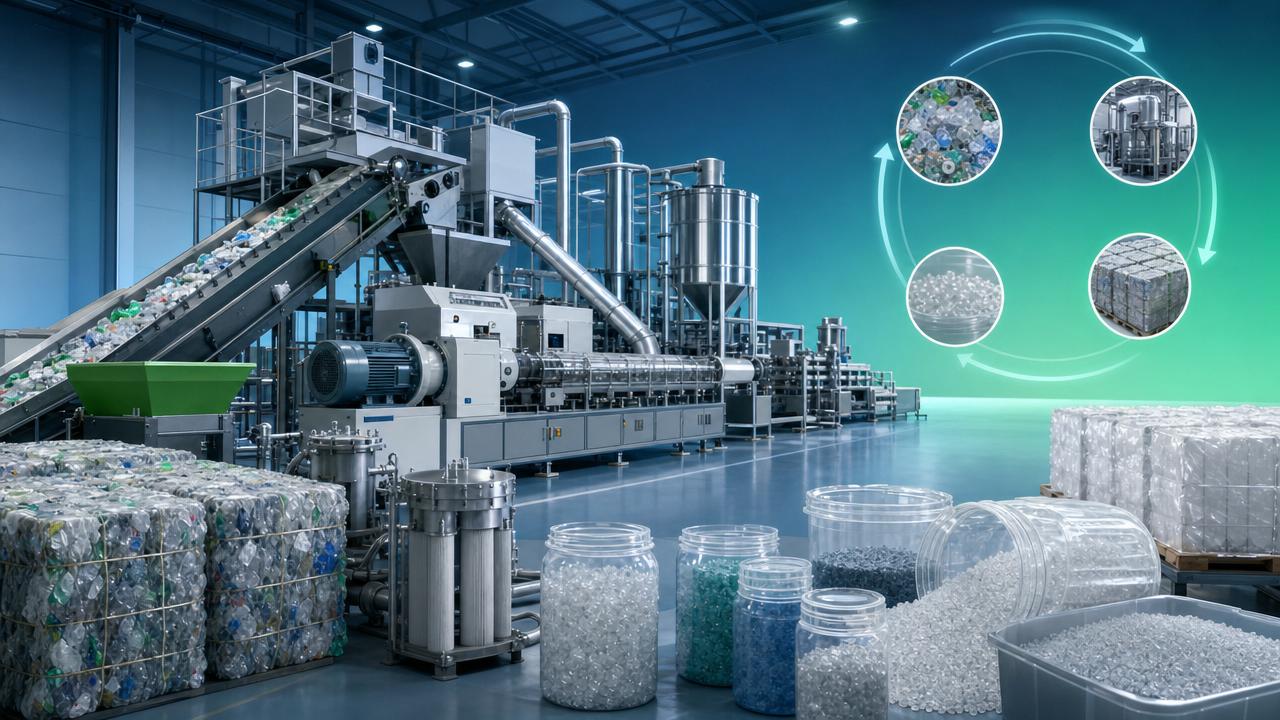
Is digital polymer processing worth the upfront spend




For enterprise decision-makers, the real question is not whether digital polymer processing costs more at the start, but whether delayed adoption costs even more in efficiency, compliance, and market agility.
Across injection molding, extrusion, blow molding, vulcanization, and recycling, tighter tolerances and energy pressure are reshaping investment logic.
In that context, digital polymer processing is no longer a futuristic upgrade. It is becoming a practical operating model for resilient, data-led production.
Why digital polymer processing is moving from optional to expected

The economics of polymer production have changed. Material volatility, labor constraints, quality audits, and carbon accountability now affect every process step.
Traditional control methods still run lines, but they often react after waste appears. Digital polymer processing shifts control upstream through live monitoring and predictive adjustment.
That shift matters in high-speed bottle production, precision medical molding, multilayer pipe extrusion, tire curing, and recycled pellet quality stabilization.
The central value is not software for its own sake. It is the ability to connect machine behavior, material rheology, and business performance in real time.
The strongest signals behind this investment trend
Several market signals explain why digital polymer processing is gaining urgency rather than simply attracting curiosity.
- Quality windows are narrowing in automotive, medical, electronics, and food-contact packaging.
- Energy costs are forcing closer control of heaters, drives, cooling loops, and cycle timing.
- Recycled content targets demand stronger process stability with less predictable feedstock.
- Compliance documentation increasingly requires traceable batch, machine, and material records.
- Downtime now carries higher revenue risk because supply chains are leaner and customers expect faster recovery.
These signals are especially visible where complex thermodynamics and non-Newtonian flow behavior create narrow operating margins.
In such environments, digital polymer processing improves consistency by turning hidden process variation into measurable, actionable data.
What is pushing digital polymer processing forward now
The trend is driven by more than automation fashion. It is supported by technical, economic, and regulatory forces that reinforce each other.
This combination explains why digital polymer processing increasingly supports both production excellence and strategic risk control.
Where the upfront spend starts paying back
The return profile depends on process type, line age, and digital maturity. Still, certain value levers appear consistently across polymer operations.
1. Scrap and rework decline faster than expected
Digital polymer processing catches instability early. That includes cavity pressure drift, screw load anomalies, melt temperature imbalance, or inconsistent cooling behavior.
For high-value molded parts or recycled compounds, even small scrap reductions can materially shorten payback periods.
2. Throughput improves without reckless speed increases
Better line visibility enables safer optimization of cycle time, screw speed, pressure profile, and heater balance.
That means more usable output, not just faster machine motion.
3. Maintenance becomes less disruptive
Predictive alerts identify wear in screws, barrels, motors, pumps, seals, and hydraulic systems before breakdowns halt production.
For continuous extrusion and recycling systems, this can be one of the strongest financial arguments.
4. Compliance effort becomes lighter
Digital batch records, parameter histories, and alarm trails reduce manual paperwork while strengthening quality assurance.
That is increasingly valuable in regulated packaging, medical, consumer goods, and export-facing applications.
How the impact differs across molding, extrusion, rubber, and recycling
Not all lines benefit in the same way. The best digital polymer processing strategy reflects the process physics and commercial priorities of each operation.
- Injection molding: stronger repeatability, cavity-level quality control, and holding-pressure optimization.
- Extrusion: more stable melt pressure, better compounding consistency, and lower energy per kilogram.
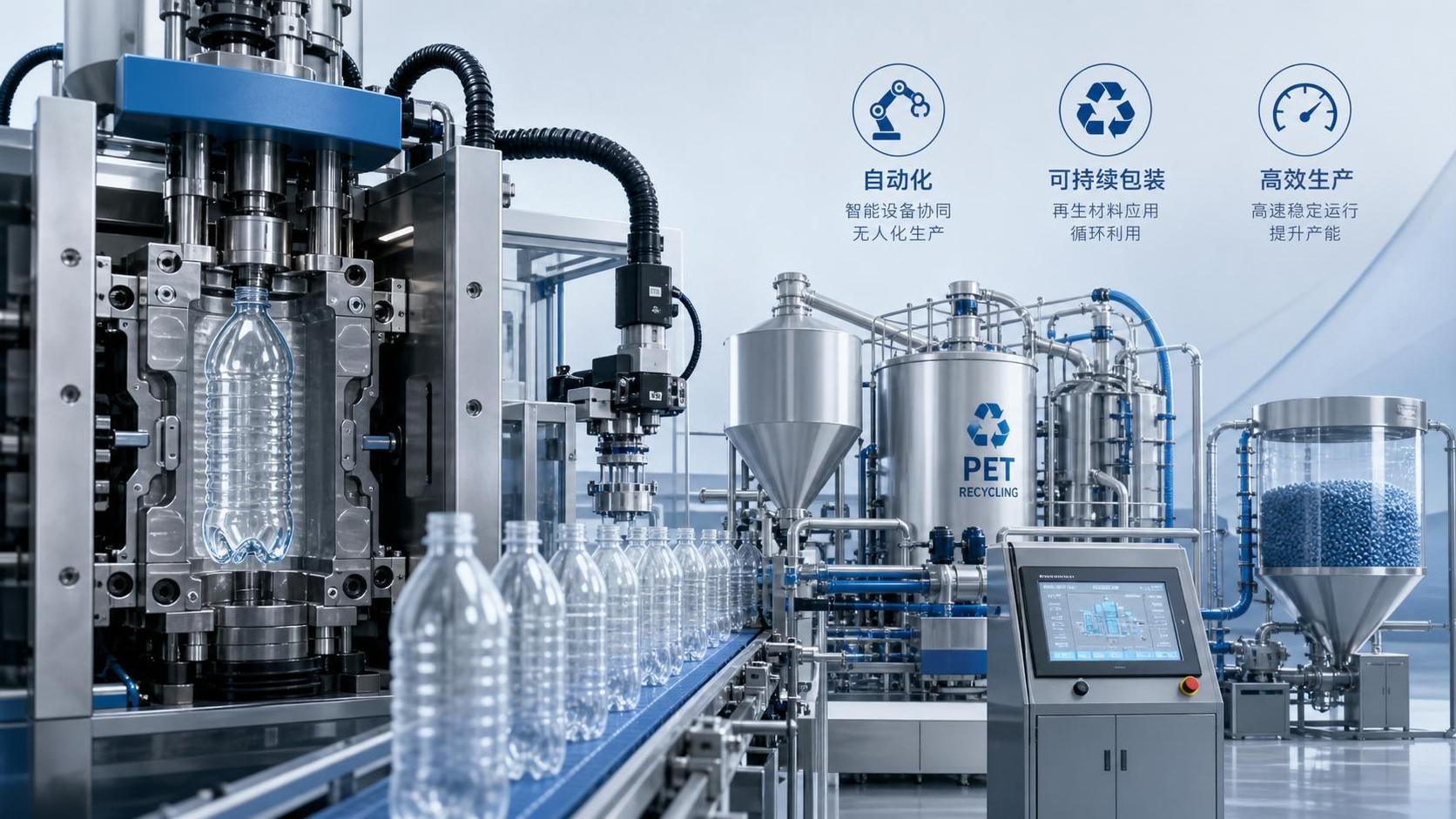
- Blow molding: fewer bottle defects, improved wall distribution, and tighter speed-to-quality balance.
- Rubber vulcanization: better cure uniformity, mold utilization, and traceability of thermal cycles.
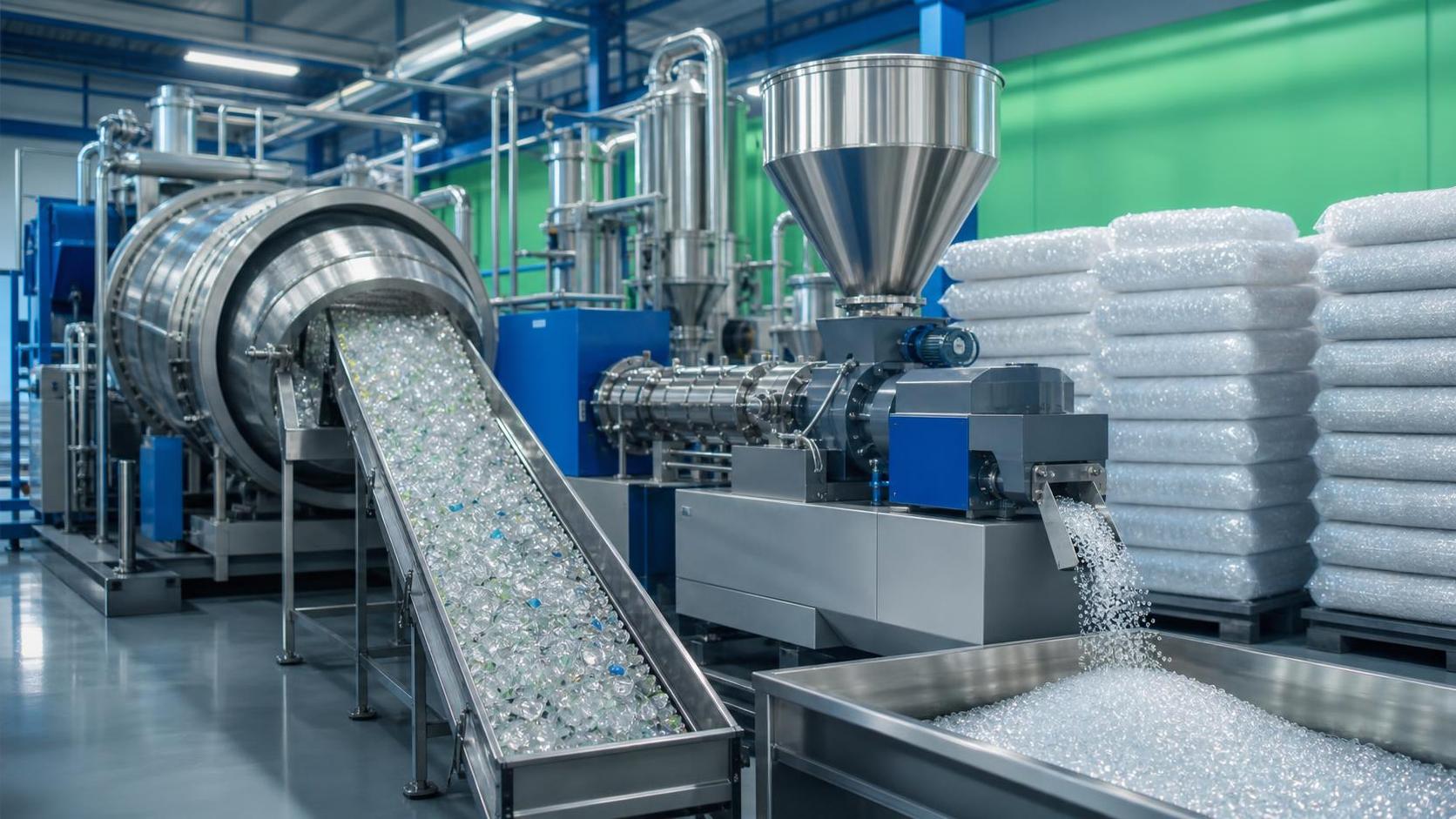
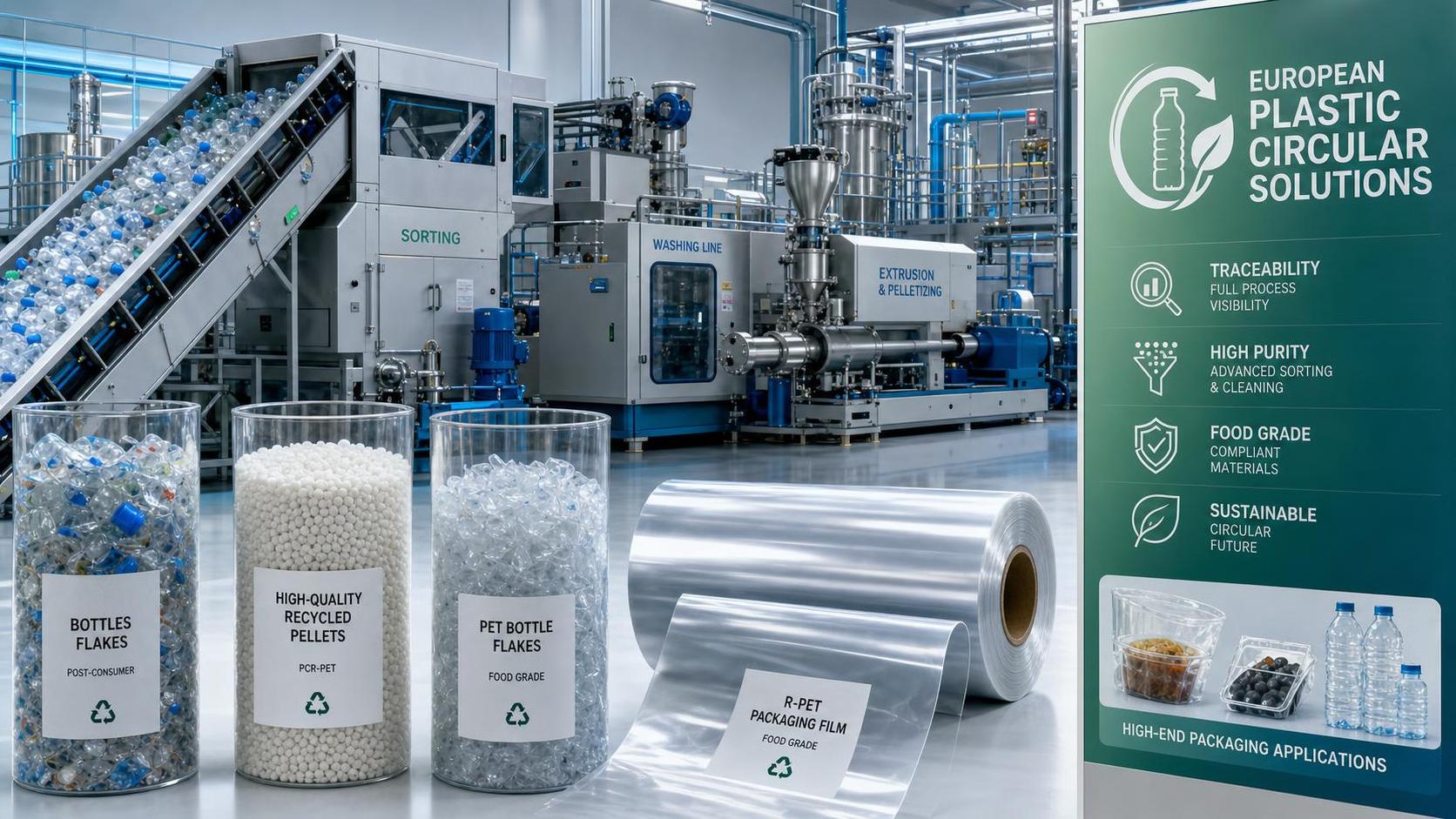
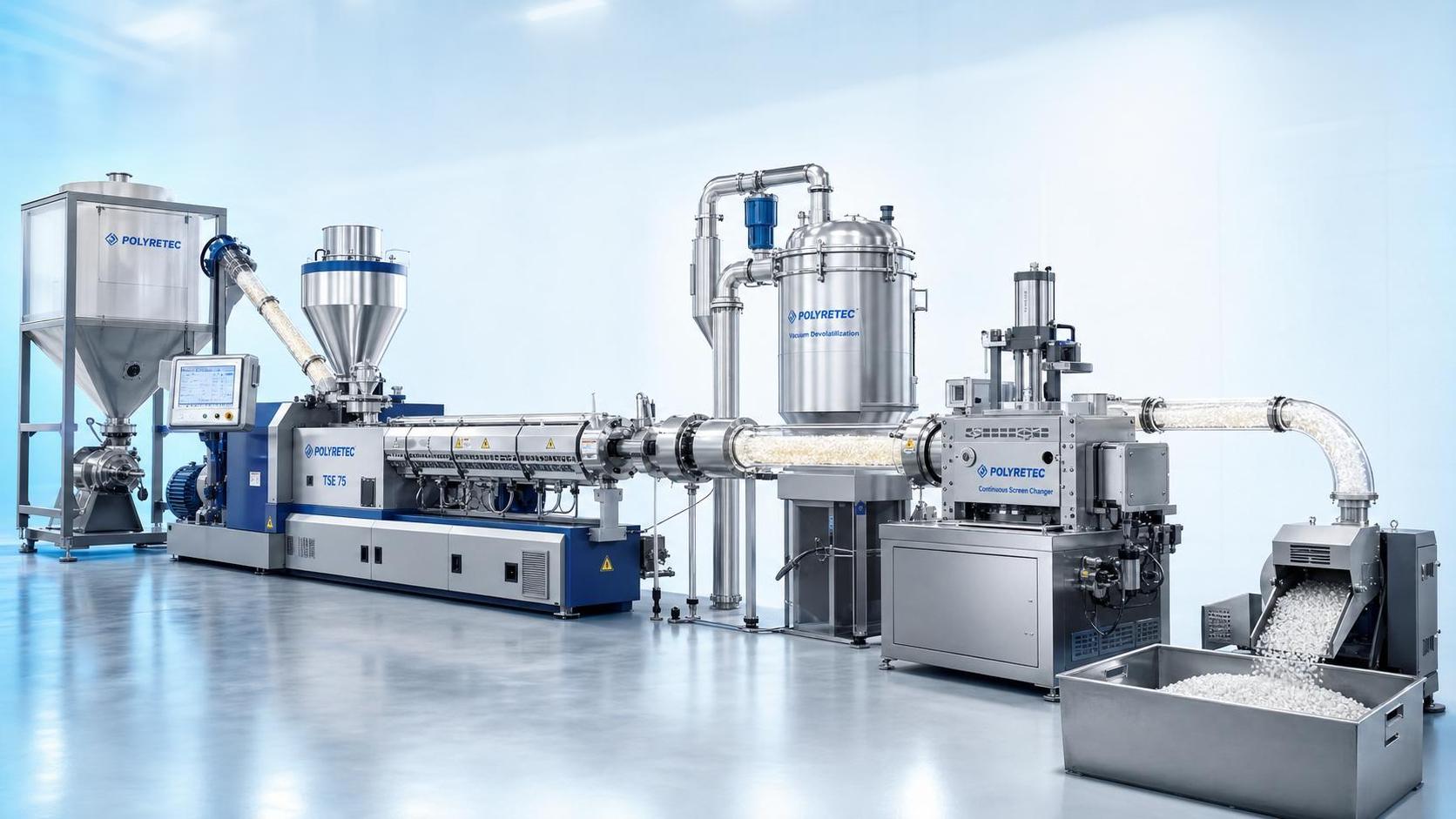
- Waste plastic pelletizing: better contamination response, melt filtration control, and recycled pellet consistency.
This matters because investment decisions should follow bottlenecks, not buzzwords. A recycling line may prioritize contamination detection, while precision molding may prioritize pressure analytics.
What deserves close attention before approving the budget
The upfront spend becomes worthwhile when the scope is disciplined. Oversized digital projects often underperform because they ignore process reality.
- Map the biggest losses first: scrap, downtime, changeovers, energy spikes, or compliance burden.
- Check machine connectivity and sensor readiness before buying broad software layers.
- Define measurable targets such as OEE gains, defect reduction, or kilowatt-hours per kilogram.
- Ensure operators and engineers can trust and use the data daily.
- Avoid isolated systems that cannot exchange data with MES, ERP, lab, or maintenance platforms.
In other words, digital polymer processing creates value when it is anchored to process economics, not just to IT ambition.
A practical way to judge whether the investment is worth it
A simple evaluation framework can prevent both underinvestment and expensive overreach.
This framework makes the question more precise. The issue is not just cost. It is avoidable loss versus strategic capability.
The likely direction over the next few years
Digital polymer processing will likely become more modular, more AI-assisted, and more closely tied to sustainability metrics.
Expect stronger links between machine controls, simulation, recycled material qualification, and enterprise reporting systems.
The most competitive operations will not simply collect more data. They will use data to stabilize quality, compress response time, and document environmental performance.
A sensible next step if the answer is still uncertain
Begin with one process where losses are visible and measurable. That could be a scrap-heavy molding cell, an energy-intensive extruder, or a variable-input recycling line.
Set a limited pilot scope, define three financial metrics, and compare results over one stable production period.
If digital polymer processing improves quality, uptime, or energy performance there, expansion becomes a business decision backed by evidence.
For many polymer operations, the upfront spend is real. But the bigger risk may now be waiting too long while costs, compliance pressure, and process complexity continue rising.
Related News
- 00
0000-00
How to Select Packaging Molding Equipment for High-Volume Production Lines - 00
0000-00
How to Evaluate Plastic Pelletizing Machine Suppliers for Output, Support, and Risk - 00
0000-00
How to Select a Plastic Pipe Manufacturing System for Output, Resin, and Pipe Range - 00
0000-00
How to Specify Injection Molding Equipment for High-Volume Closure Production - 00
0000-00
How to Specify a Medical Molding Machine for Cleanroom Device Production
Weekly Insights
Stay ahead with our curated technology reports delivered every Monday.
Related News
 Prof. Marcus ChenEnergy-Efficient Polymer Processing: Where Plants Can Cut kWh per KilogramEnergy-efficient polymer processing solutions help plants reduce kWh per kilogram, protect quality, cut scrap, and prioritize upgrades with data-driven insights.Sep 23, 2026
 Prof. Marcus ChenPlastic Pelletizing Trends: How Recycling Demand Is Reshaping Processing TechnologyPlastic pelletizing trends are redefining recycling quality. Explore filtration, extrusion, degassing, and automation innovations driving cleaner, more consistent recycled resin.Sep 07, 2026
 Prof. Marcus ChenHow Polymer Supply Chains Are Changing to Support High-Quality Recycling FeedstockPolymer supply chain for recycling is shifting toward traceable sourcing, cleaner sorting, and stable processing. See how high-quality feedstock improves performance, compliance, and cost control.Aug 22, 2026
 Prof. Marcus ChenHow Europe’s Circular Plastics Economy Is Reshaping Recycling InvestmentCircular plastics economy Europe is reshaping recycling investment through quality, traceability, and packaging demand. Explore where capital is moving and why it matters now.Aug 04, 2026
 Prof. Marcus ChenBlow Molding Trends Shaping Packaging, Sustainability, and Production EfficiencyBlow molding trends are redefining packaging with lightweighting, recycled content, automation, and energy efficiency. Discover how smarter production boosts sustainability and cuts costs.Jul 23, 2026
 Prof. Marcus ChenExtrusion Equipment Modular Design: When It Makes Sense for Line ExpansionExtrusion equipment modular design helps manufacturers expand lines in phases, cut disruption, and stay ready for recycled content, utility limits, and changing product demands.Jul 15, 2026
 Prof. Marcus ChenPolymer Lifecycle Solutions Explained: From Material Sourcing to End-of-Life RecoveryPolymer lifecycle solutions explained from sourcing and processing to recycling and recovery. Discover how to cut waste, improve quality, and build smarter material strategies.Jul 13, 2026
 Prof. Marcus ChenEnergy-Efficient Polymer Processing Systems: Which Metrics Matter Most?Energy-efficient polymer processing systems: discover the metrics that truly drive ROI—specific energy use, yield, uptime, stability, and compliance for smarter equipment decisions.Jul 11, 2026
 Prof. Marcus ChenPolymer Recycling Systems for Continuous Operation: What to Check Before SpecifyingPolymer recycling systems continuous operation starts with the right specification. Learn what to check for uptime, melt quality, energy efficiency, and reliable pellet output.Jul 09, 2026
 Prof. Marcus ChenCircular Plastics Economy in Japan: Policy Drivers, Recycling Targets, and Market ImpactCircular plastics economy Japan is accelerating as policy, recycling targets, and packaging reforms reshape material choices, processing strategy, and market advantage.Jul 05, 2026
 Prof. Marcus ChenPlastic Extrusion Technology Trends: What Process Changes Are Improving Energy Efficiency?Plastic extrusion technology trends are reshaping energy efficiency through smarter screws, thermal control, servo drives, and digital optimization. See which process changes deliver lower costs and more stable output.Jul 01, 2026
 Prof. Marcus ChenInjection Molding Technology Trends: Which Process Changes Matter Most for Medical and Packaging Parts?Injection molding technology trends shaping medical and packaging parts: discover the process changes that improve validation, precision, efficiency, and recycled-material readiness.Jun 30, 2026
 Prof. Marcus ChenCircular Plastics Economy Compliance Explained: Key Requirements for ManufacturersCircular plastics economy compliance explained for manufacturers: learn key requirements, audit risks, process controls, and how to turn compliance into a competitive advantage.Jun 25, 2026
 Prof. Marcus ChenAdvanced Materials Processing Trends: 5 Shifts Reshaping Capacity Planning and SourcingAdvanced materials processing trends are reshaping capacity planning, sourcing, recycling, and compliance. Explore 5 shifts helping manufacturers cut risk, improve precision, and build resilient growth.Jun 24, 2026
 Prof. Marcus ChenGlobal Plastic Ban Trends: Which Packaging Materials and Export Markets Face the Biggest Changes?Global plastic ban trends are reshaping packaging choices and export strategy. See which materials and markets face the biggest shifts, and how to reduce compliance risk.Jun 22, 2026
 Prof. Marcus ChenPolymer Rheology Trends That Matter in Extrusion: Melt Strength, Shear, and StabilityPolymer rheology trends are reshaping extrusion performance. Learn how melt strength, shear, and stability affect quality, efficiency, and recycled resin processing.Jun 18, 2026
 Prof. Marcus ChenPlastic Circularity Strategies for Manufacturers: Recycled Content, Design, and TraceabilityPlastic circularity strategies for manufacturers: learn how recycled content, smarter design, and traceability can reduce risk, improve compliance, and strengthen supply resilience.Jun 18, 2026
 Prof. Marcus ChenAdvanced Materials Processing Equipment in High-Performance Manufacturing: Where It Fits BestAdvanced materials processing equipment drives precision, speed, and sustainability in manufacturing. Explore where each system fits best to improve quality, efficiency, and ROI.Jun 16, 2026
 Prof. Marcus ChenWhat Is Driving the Circular Economy Plastics Market? Policy, Pricing, and Demand ShiftsCircular economy plastics market trends are being driven by tighter policy, resin price volatility, and stricter buyer demands. Discover what this means for sourcing, processing, and growth.Jun 13, 2026
 Prof. Marcus ChenDigital Polymer Processing Explained: Methods, Materials, and Best-Fit ApplicationsDigital polymer processing explained clearly: explore key methods, materials, and best-fit applications to improve quality, efficiency, and recycling performance.Jun 10, 2026