Can the green circular economy deliver margins, not just compliance?




What does a green circular economy actually mean for margins?
Can the green circular economy become a real profit engine for manufacturers, not just a compliance cost? For business decision-makers in plastics, rubber, and recycling, the answer depends on how intelligently equipment, process efficiency, recycled material value, and packaging regulations are aligned. This article explores where margin growth truly emerges across polymer forming and recovery systems.
A green circular economy is often framed as a duty. That framing is incomplete. In practice, it can be a margin strategy when waste, energy, and resin volatility are treated as controllable variables.
In polymer processing, profits rarely come from sustainability claims alone. They come from lower scrap, faster cycles, stable quality, premium recycled output, and stronger access to regulated packaging markets.
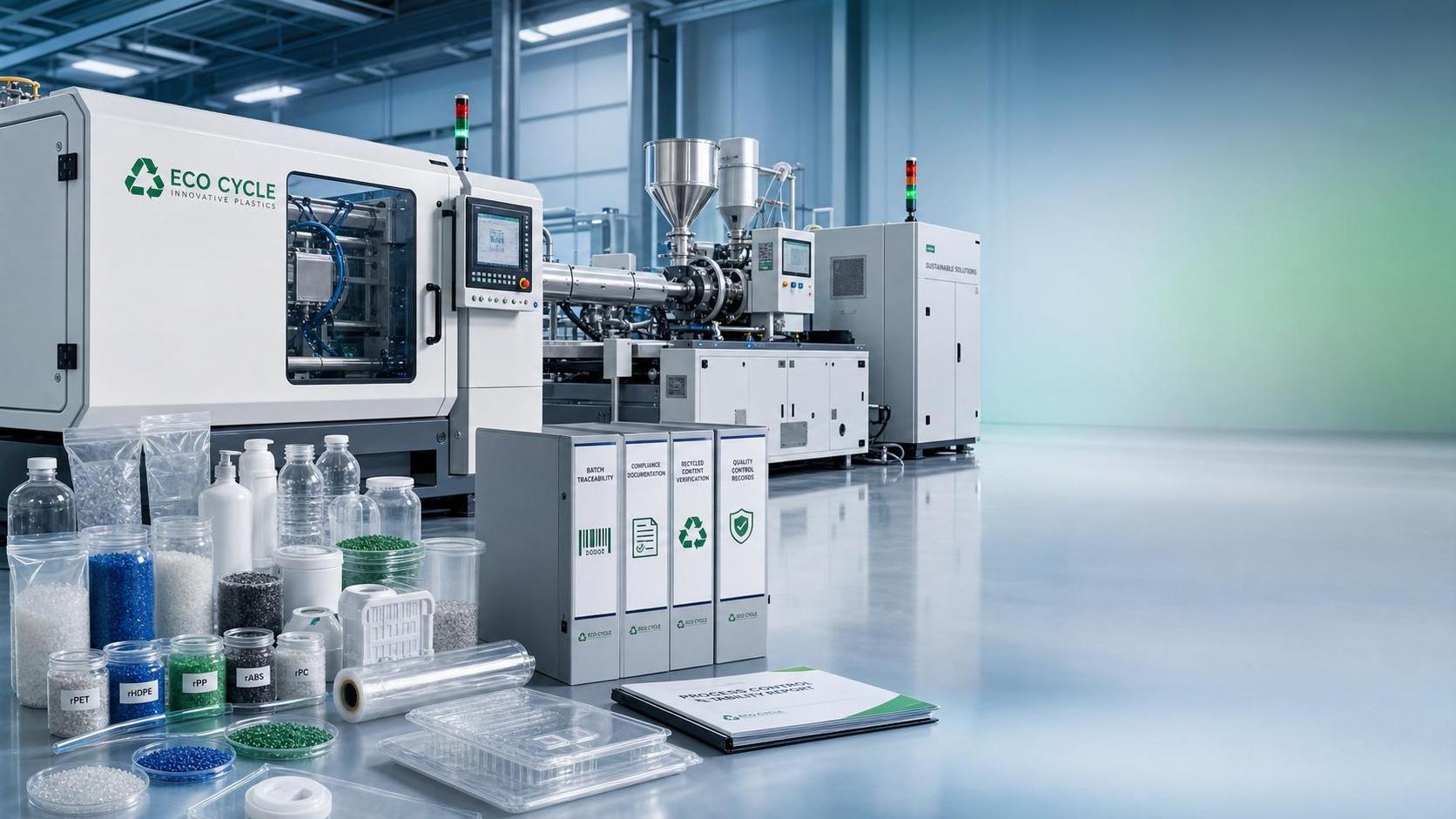
This matters across injection molding, extrusion, blow molding, vulcanization, and plastic pelletizing. Every stage holds a hidden spread between material loss and recoverable value.
The green circular economy becomes commercially powerful when equipment intelligence converts that spread into measurable EBITDA improvement.
Where does margin growth appear first in circular manufacturing?
The first gains usually appear in material efficiency. Virgin resin prices remain exposed to energy costs, logistics shocks, and feedstock disruptions. Reduced dependency can protect gross margin.
The second gains come from process stability. Advanced injection molding machines can optimize holding pressure, shot consistency, and servo motion, cutting rejects without sacrificing throughput.
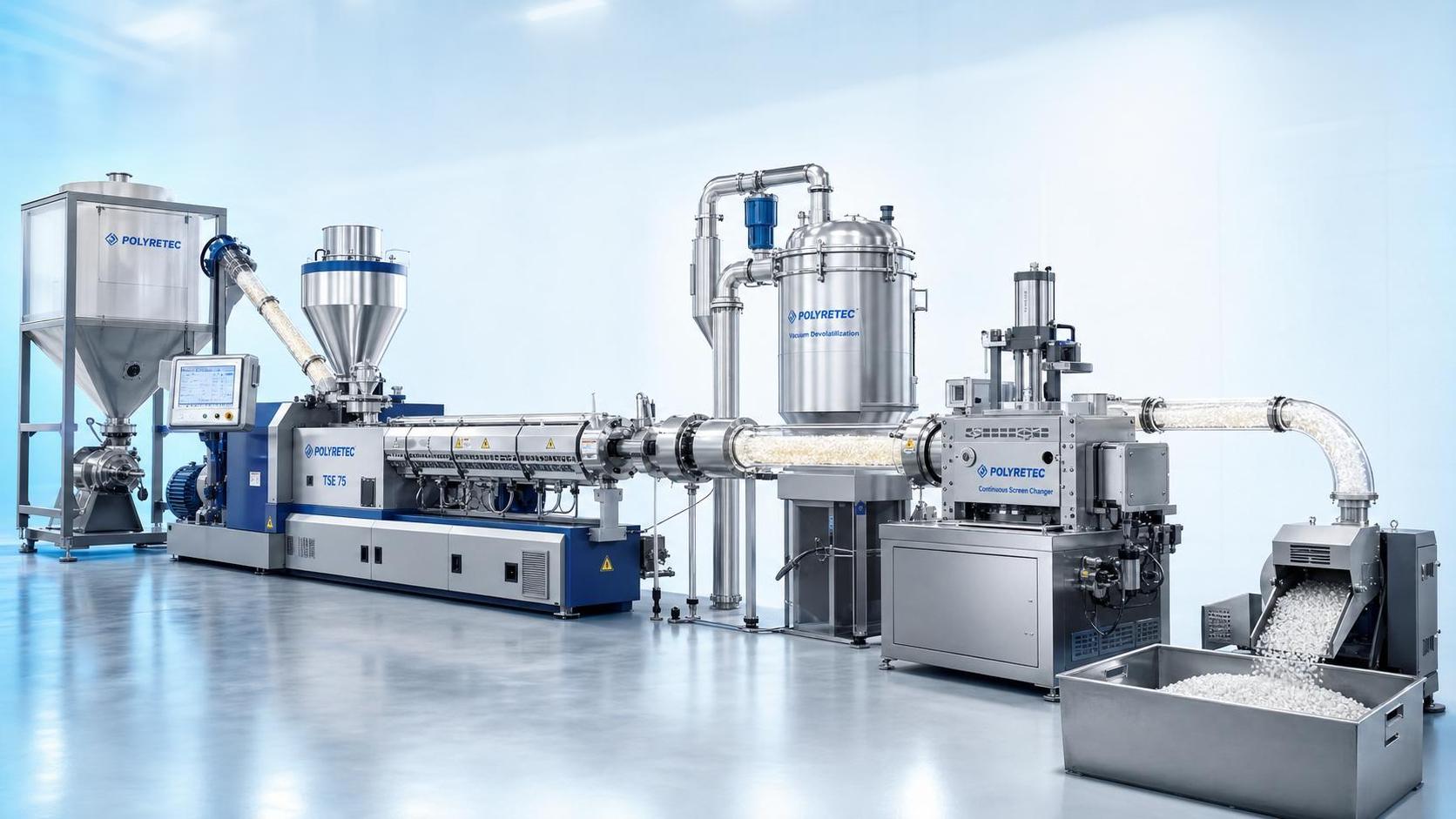
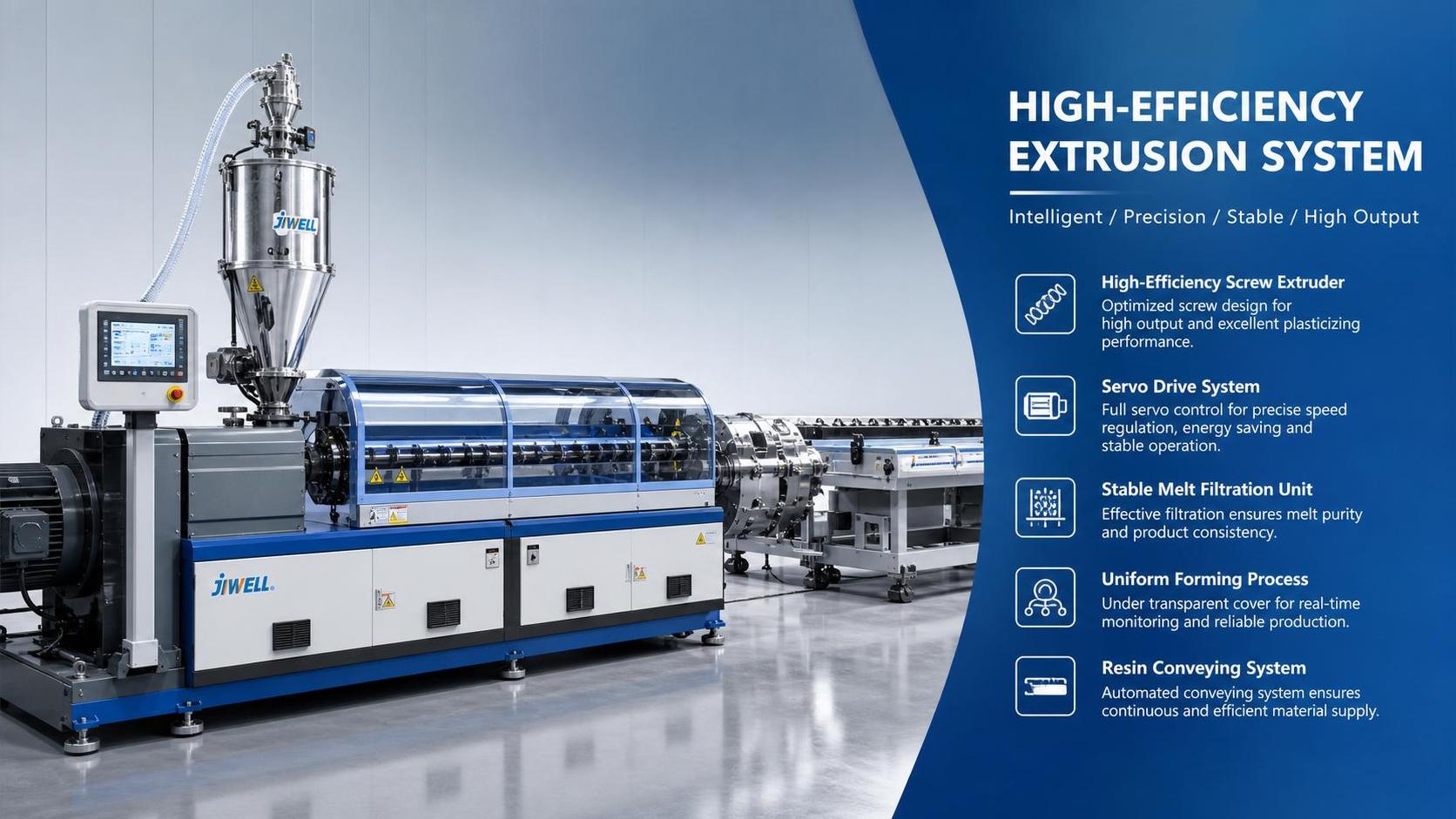
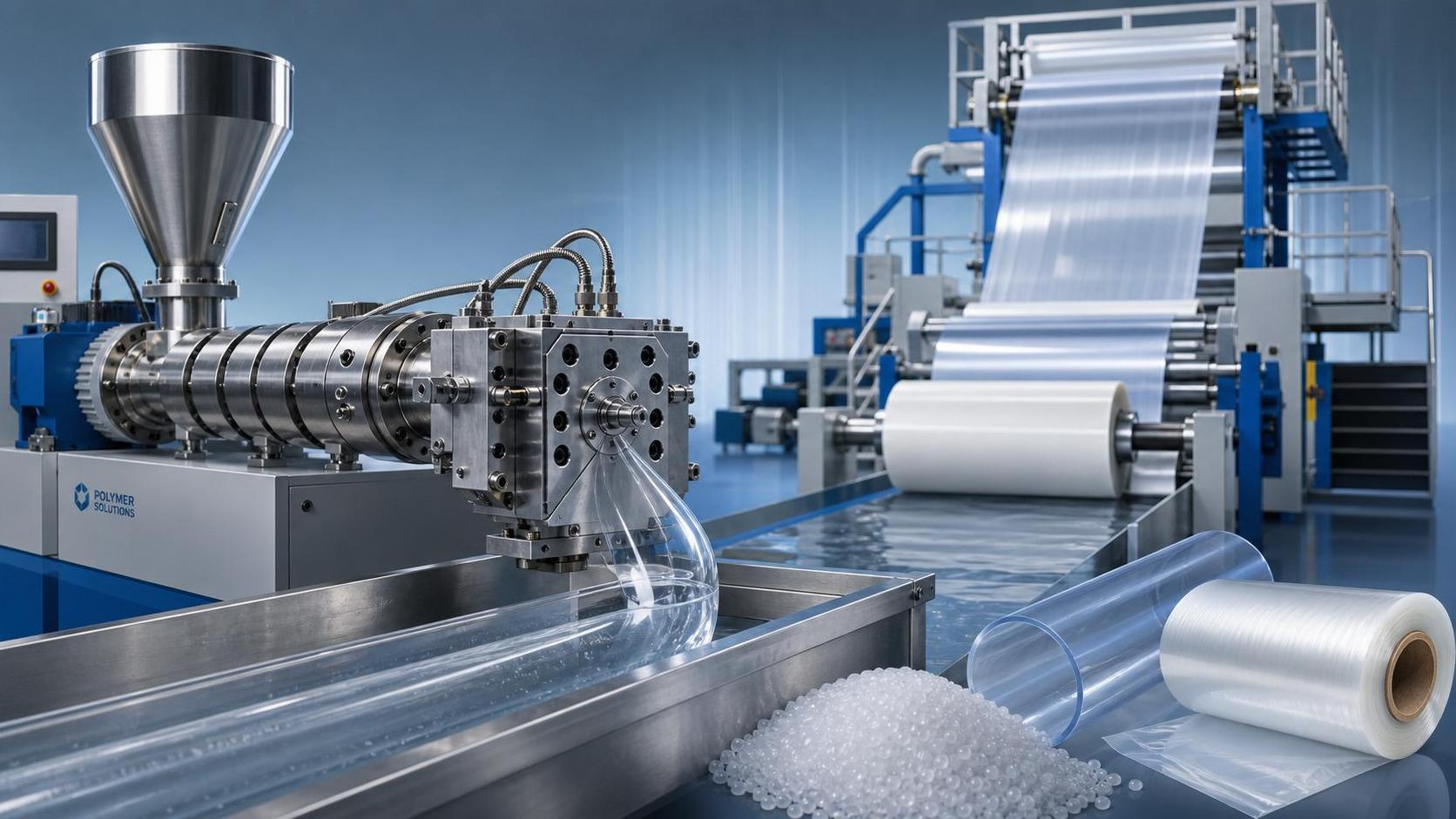
Extrusion lines add another layer. Twin-screw compounding improves filler distribution, additive blending, and regrind utilization, helping plants run recycled content without unstable melt behavior.
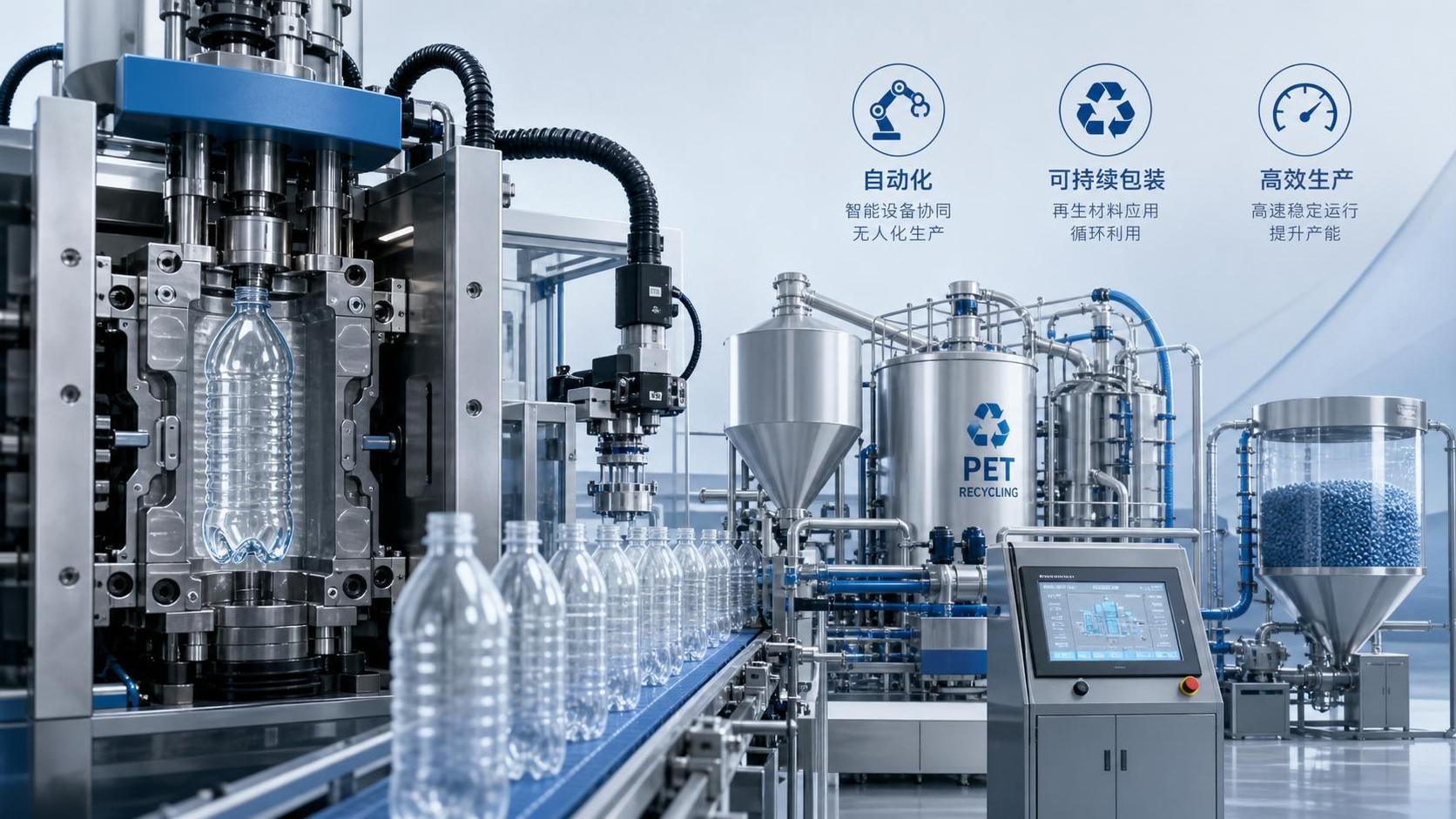
Blow molding economics are equally sensitive. Lightweight bottles, high-speed cavitation, and controlled wall distribution reduce grams per unit. In packaging, one gram saved can scale into major annual returns.
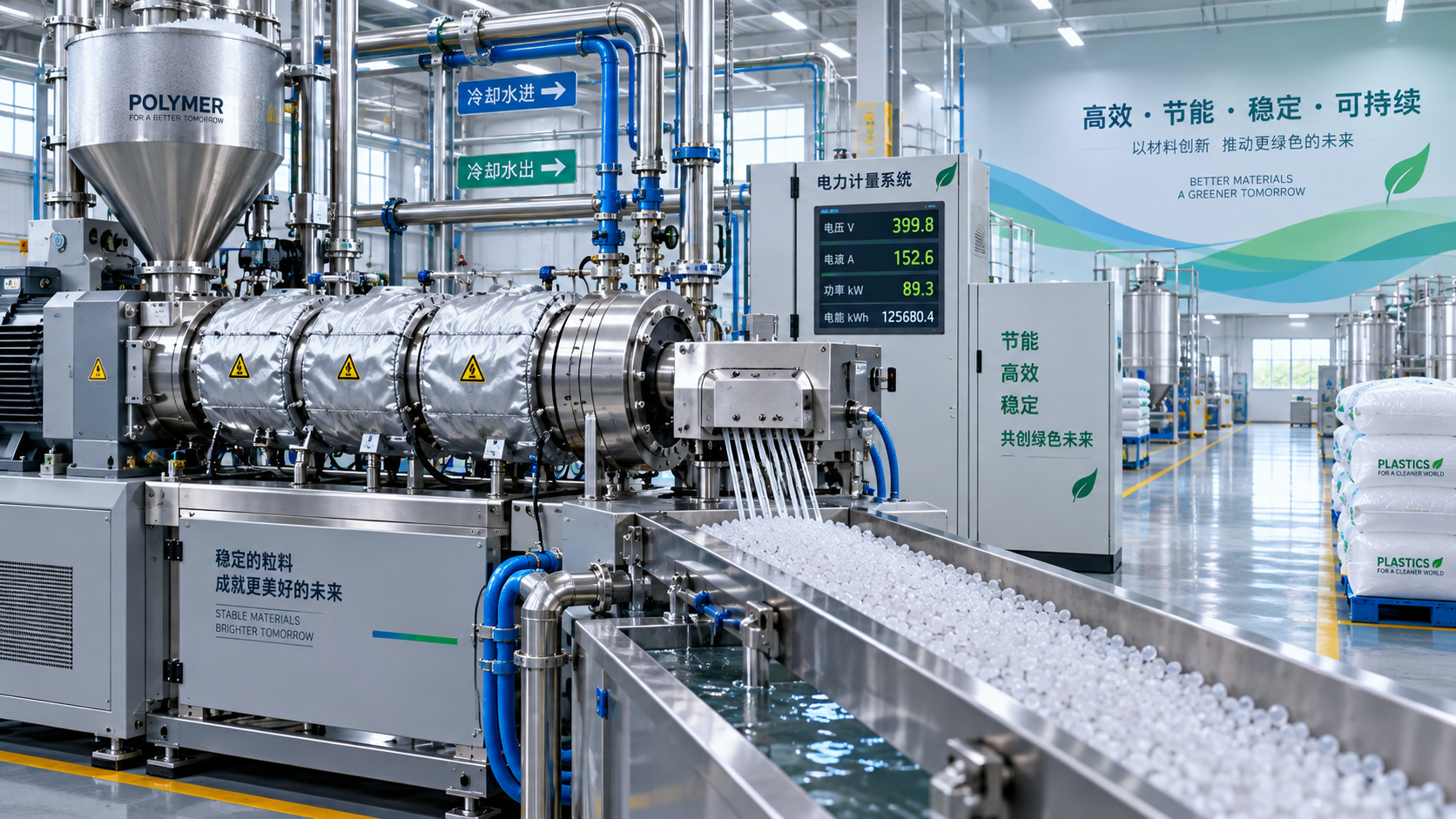
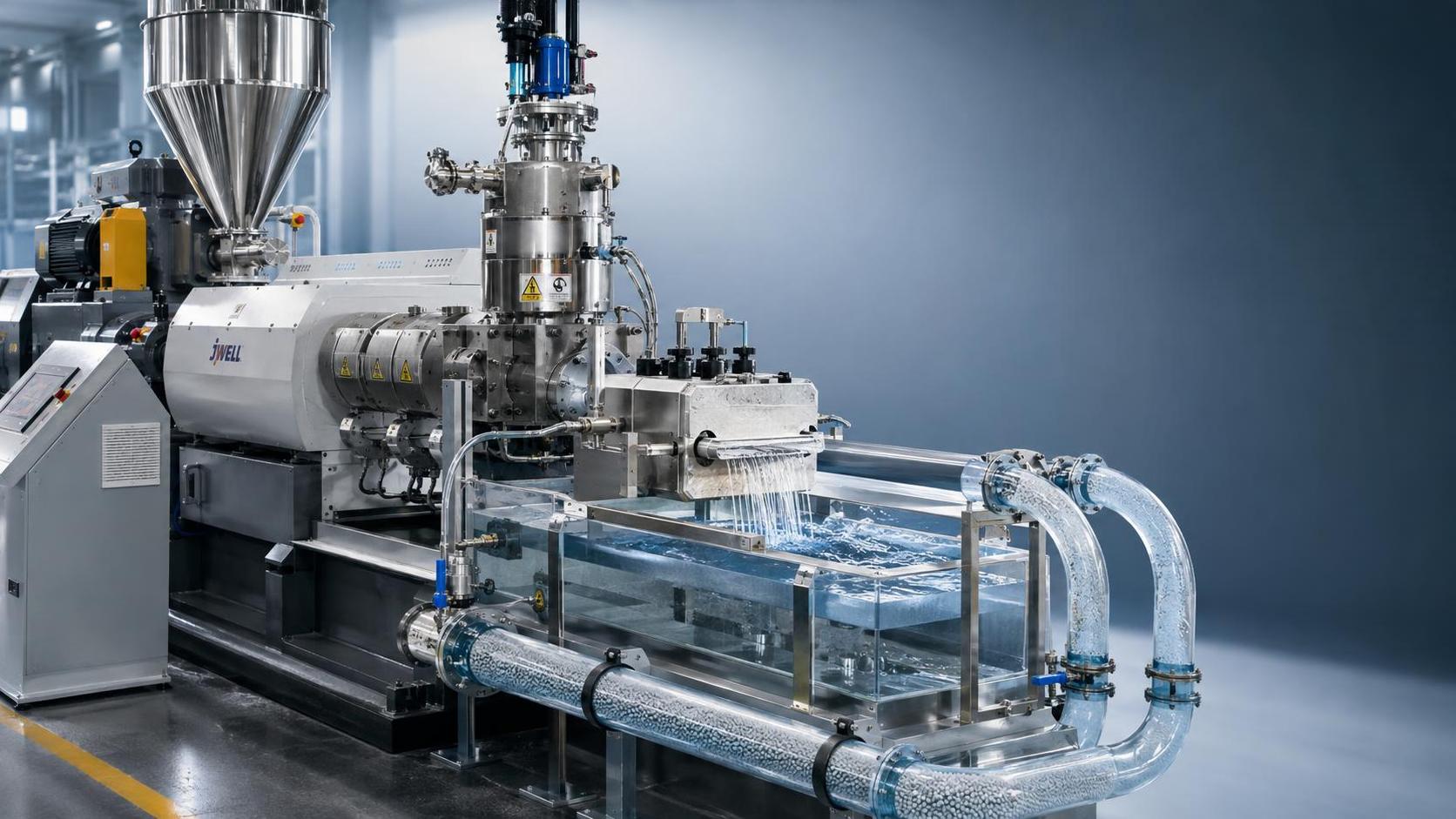
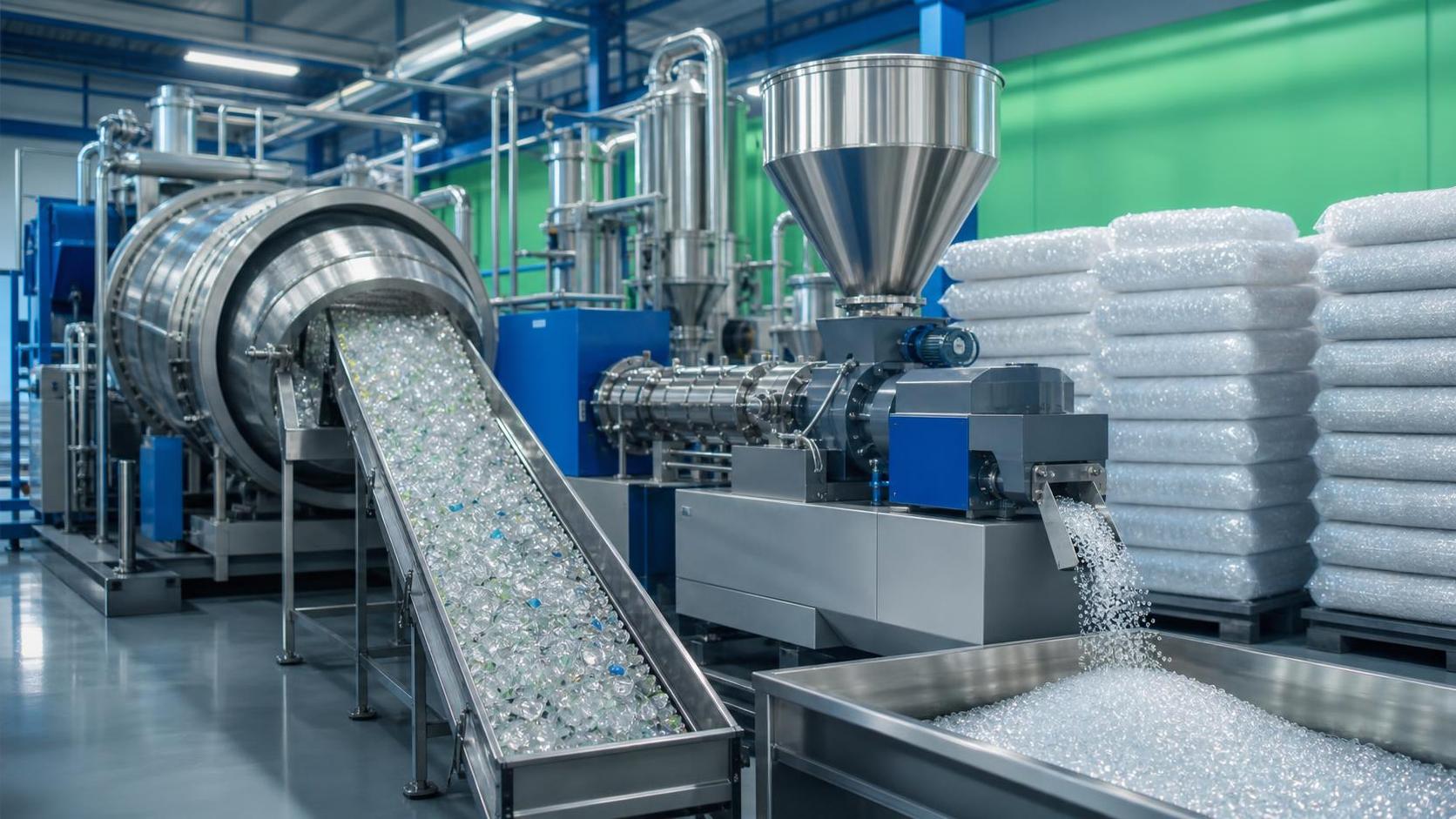
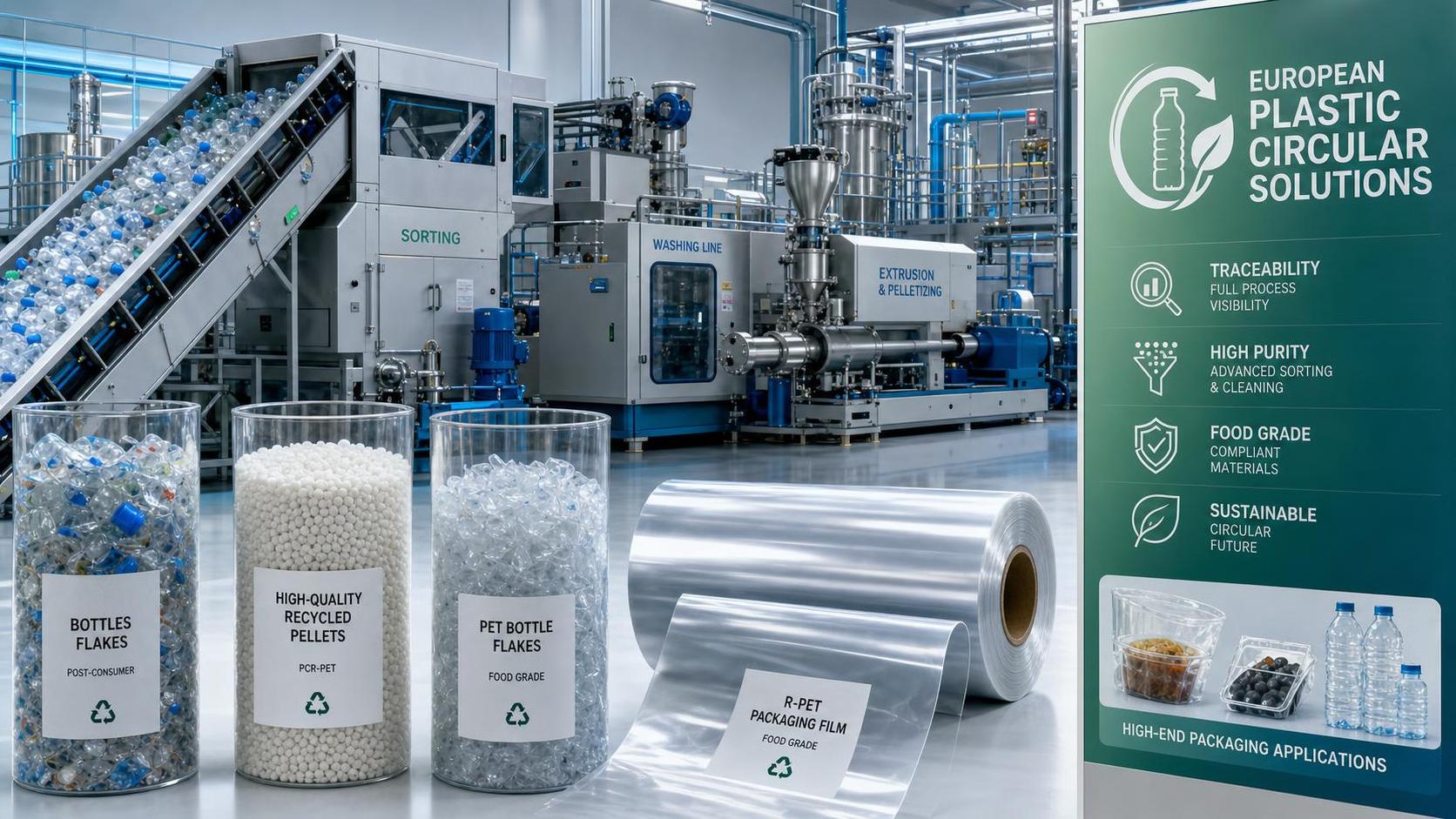
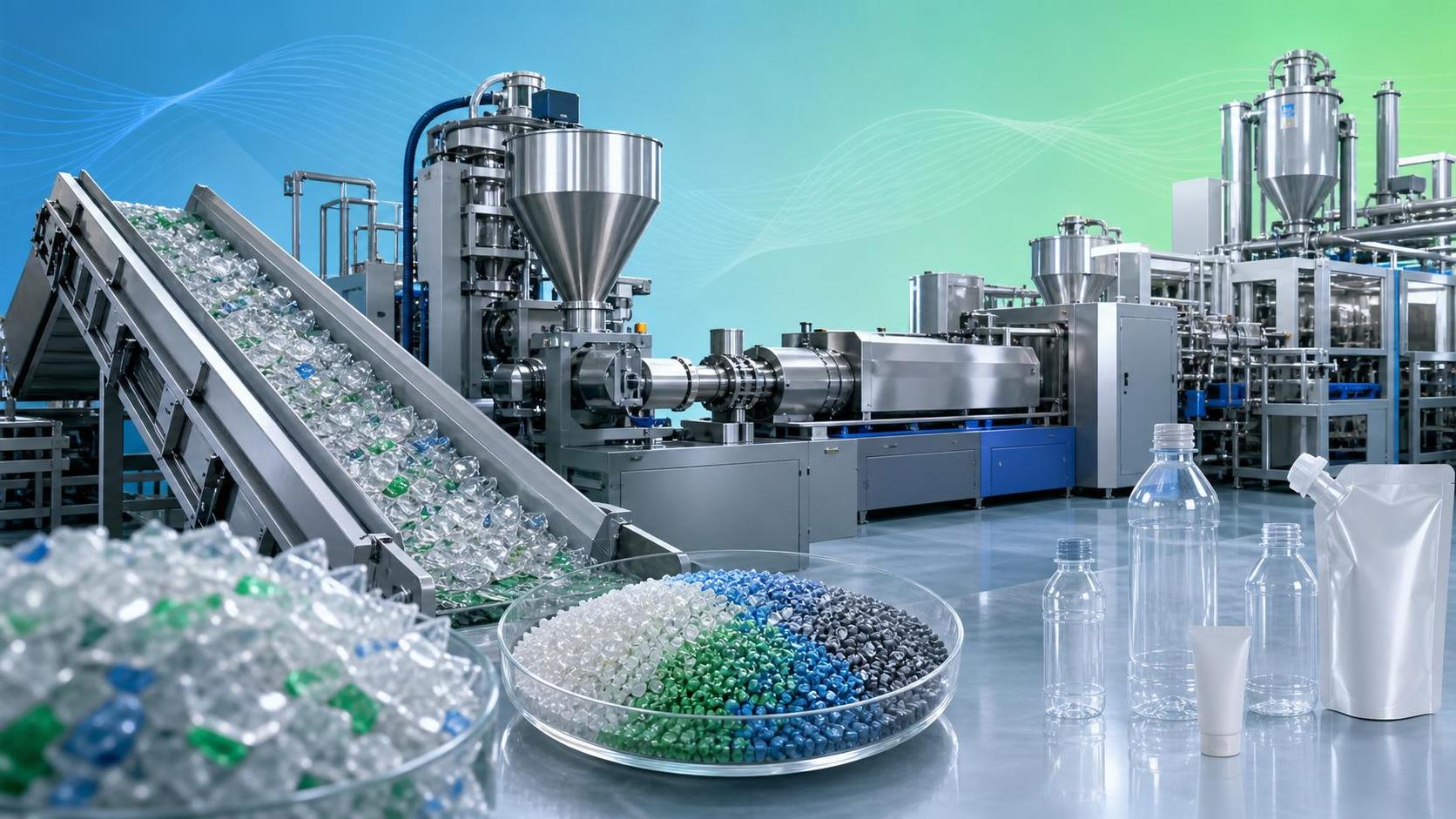
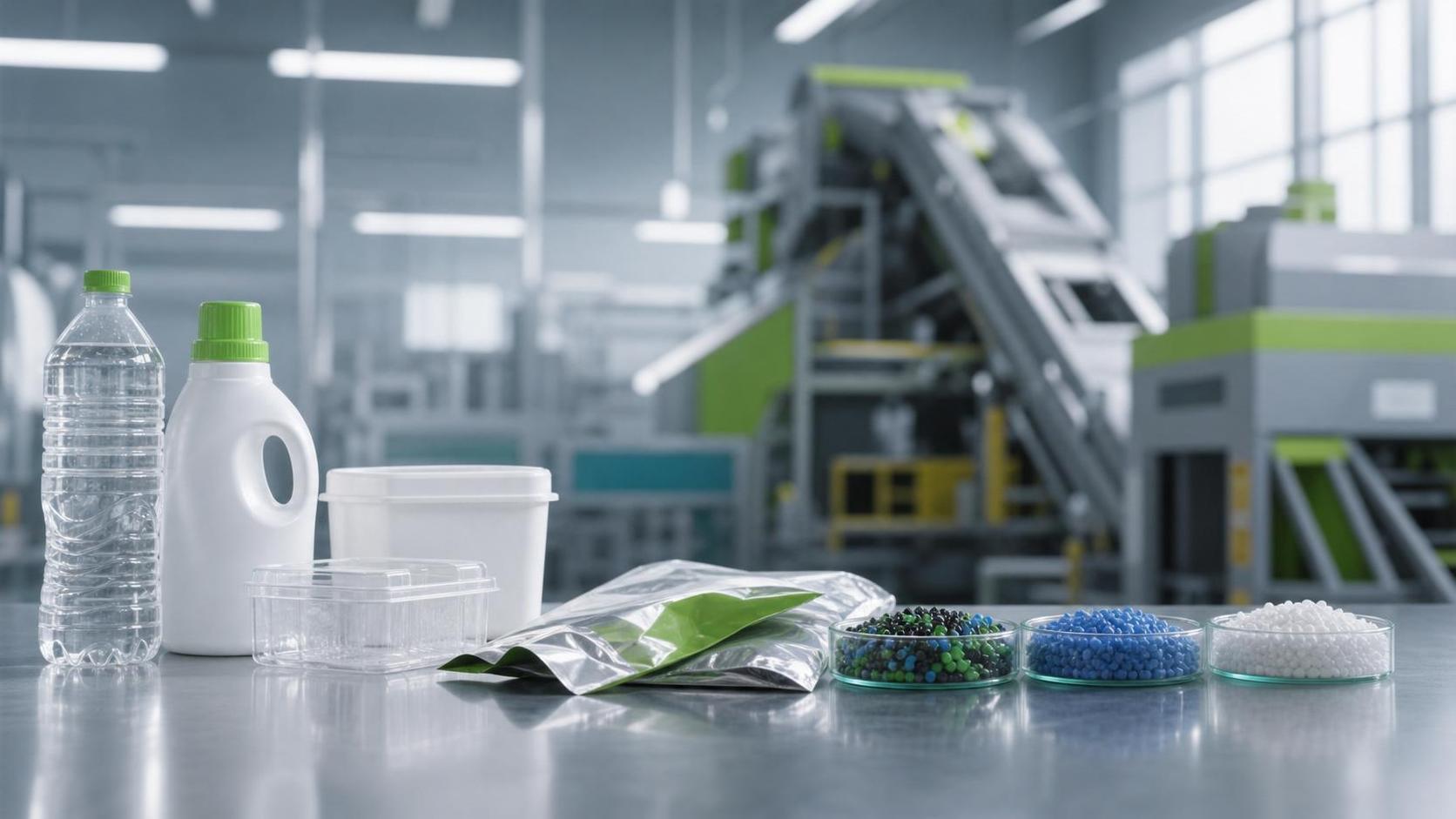
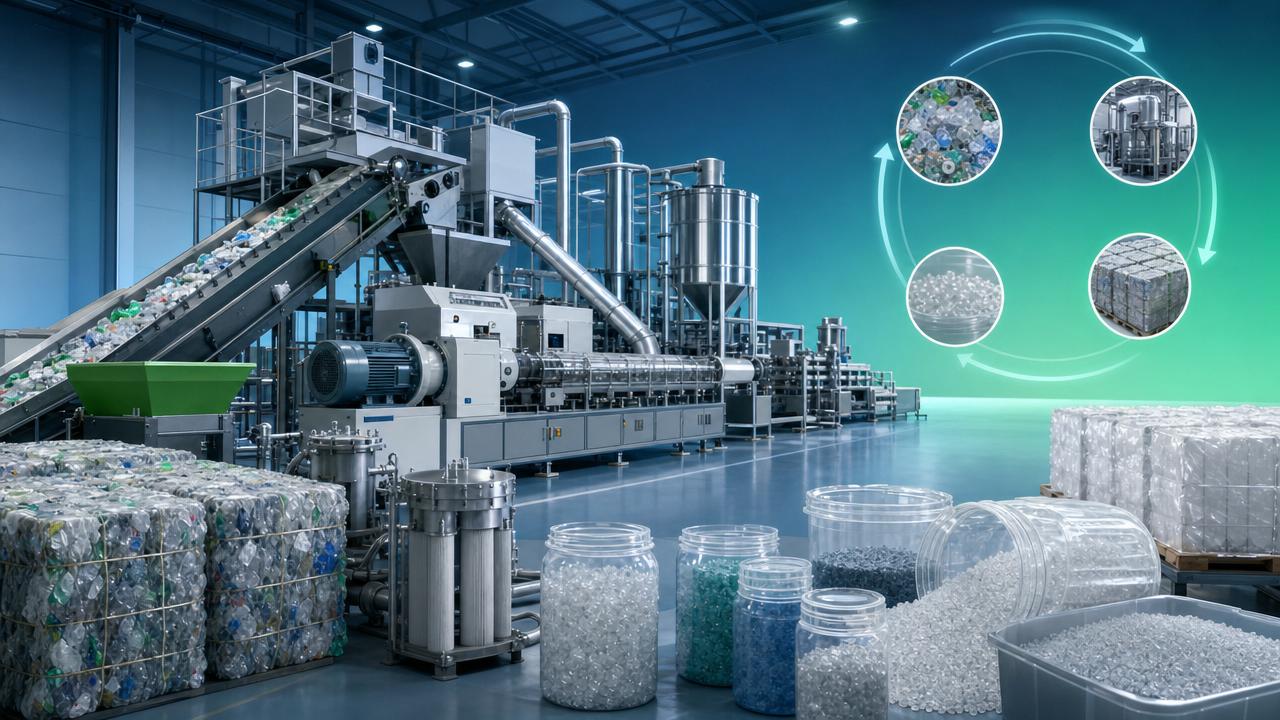
Pelletizing systems may deliver the most visible circular payoff. Efficient washing, melt filtration, and underwater pelletizing can upgrade waste streams into high-value recycled pellets suitable for demanding applications.
Rubber processing also fits the green circular economy logic. Better cure control and energy management reduce defects, improve compound performance, and lower the total cost per compliant part.
- Lower scrap rates protect contribution margin.
- Energy-efficient drives reduce operating cost.
- Recycled feedstock can widen sourcing flexibility.
- Compliance-ready output unlocks higher-value markets.
Is compliance only a cost, or can regulation improve commercial position?
Regulation often feels punitive at first. Yet stricter packaging rules can separate efficient operators from inefficient ones. That creates a commercial moat for businesses that adapt early.
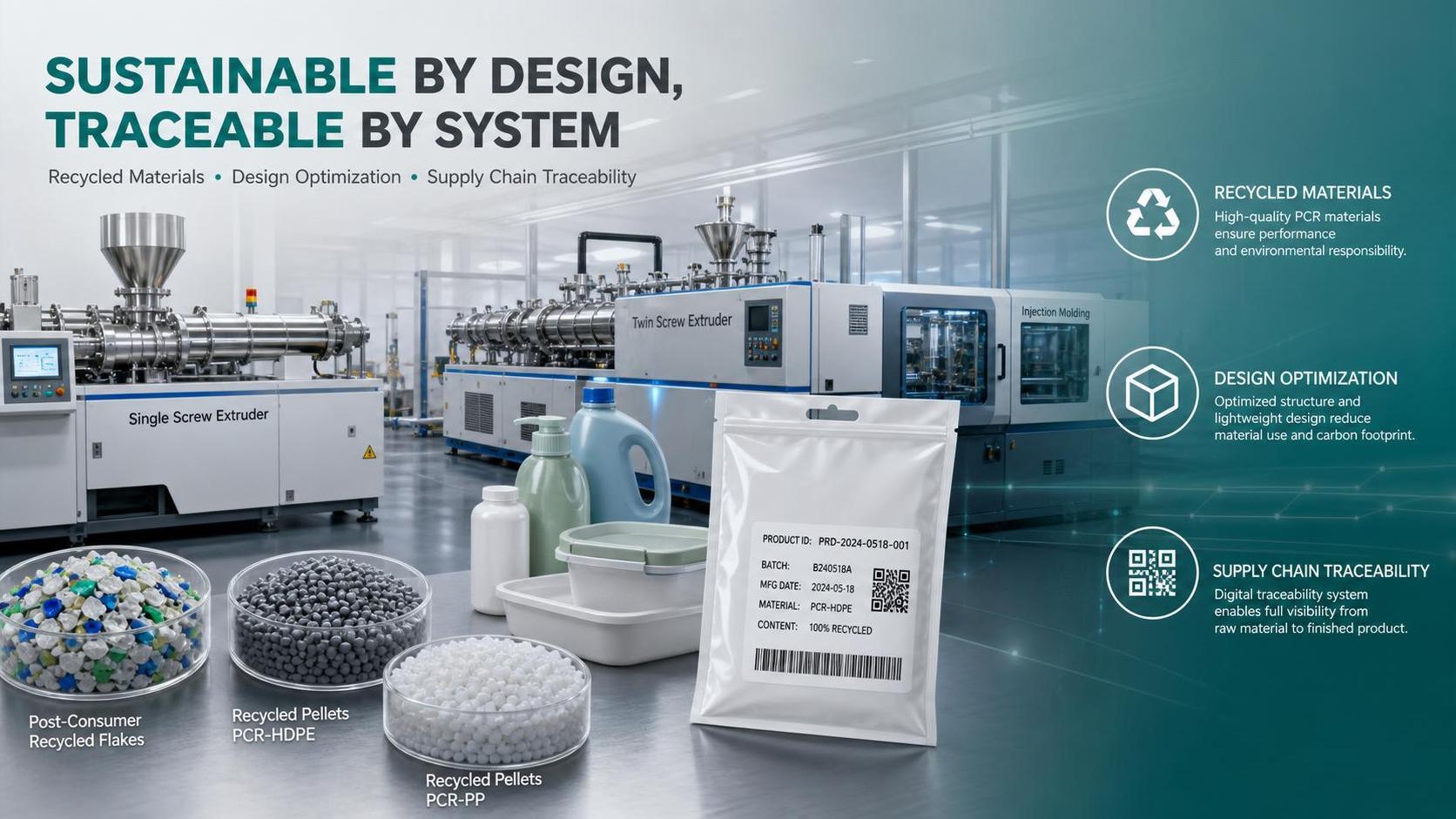
Extended producer responsibility, recycled content mandates, and plastic taxes are changing buying criteria. Customers increasingly prefer suppliers that can prove traceability, lower emissions, and material circularity.
This is where the green circular economy shifts from reporting language to pricing power. Reliable compliance can protect contracts, reduce approval friction, and justify premium positioning in sensitive sectors.
Packaging illustrates this clearly. A processor able to run food-contact-ready recycled streams, stable bottle weights, and audited process data becomes easier to approve and harder to replace.
The same applies in medical, automotive, and consumer goods. Compliance alone does not create margin, but compliance combined with process excellence often does.
Which technologies make the green circular economy commercially viable?
Not every sustainability investment creates returns. The highest-impact technologies are usually those that improve both process capability and circularity economics at the same time.
All-electric injection molding machines are one example. They can reduce energy use, improve repeatability, and support precision parts where scrap costs are high.
High-response servo systems also matter. Better dynamic control reduces overshoot, stabilizes cycles, and limits material loss during startup and product changeovers.
For extrusion, the strongest business case often comes from screw design, degassing efficiency, and melt homogeneity. Recycled blends need tighter control than virgin-only production.
In recovery systems, filtration is critical. Nano-level or fine-stage filtration can remove contaminants that would otherwise downgrade pellet quality and collapse selling price.
Data systems are equally important. AI-assisted process optimization can identify hidden losses in holding curves, barrel temperatures, torque, and residence time before they become margin leaks.
- Prioritize technologies that reduce both waste and variation.
- Measure value through scrap, energy, uptime, and resin substitution.
- Avoid upgrades that improve reporting but not throughput economics.
What are the biggest mistakes when pursuing a green circular economy strategy?
A common mistake is assuming recycled content automatically lowers cost. It does not. Poor sorting, contamination, or unstable viscosity can increase rejects and destroy expected savings.
Another mistake is treating equipment in isolation. A pelletizing line cannot rescue weak washing, and a molding machine cannot fix inconsistent upstream compounding.
Some investments also focus too heavily on compliance documents. If process capability remains weak, certification may not prevent quality claims, downtime, or contract losses.
There is also a timing risk. Delaying action until regulations mature often means paying more later for rushed retrofits, disrupted approvals, and limited equipment availability.
The green circular economy works best when engineering, quality, cost control, and market positioning move together.
How should companies judge ROI and implementation timing?
The right ROI model goes beyond capex payback. It should include avoided taxes, lower virgin resin exposure, reduced scrap, better contract eligibility, and stronger uptime.
Short-cycle wins often come from process tuning, servo upgrades, mold optimization, and in-house regrind control. These can improve margin before larger recycling assets are installed.
Medium-term returns may come from extrusion retrofits, advanced filtration, or blow molding lightweighting programs. These often affect both cost structure and marketability.
Longer-term projects include full in-house recycling lines. They require stronger feedstock planning and quality protocols, but can significantly improve circular material independence.
A practical evaluation framework should ask four questions.
- Will it reduce conversion cost per kilogram?
- Will it increase usable recycled output quality?
- Will it improve approval in regulated packaging or technical markets?
- Will it create process resilience during resin or policy volatility?
If the answer is yes to three or more, the green circular economy investment usually deserves deeper commercial modeling.
FAQ: What should be checked before acting on a green circular economy plan?
The green circular economy can deliver margins, but only when circular goals are engineered into production economics. Lower waste, smarter forming, better filtration, and compliance-ready output are the real margin levers.
The most effective next step is to map one production line from feedstock input to finished part quality. Measure scrap, energy, recycled content stability, and approval barriers together.
That system view is where circular ambition stops being a cost center and starts becoming a profitable industrial strategy.
Related News
- 00
0000-00
How to Select Rubber Processing Equipment for High-Precision Automotive Seals - 00
0000-00
How to Qualify a Servo Injection Molding Exporter for Global Sourcing - 00
0000-00
Polymer Processing for Extrusion: How Melt Rheology Affects Line Stability - 00
0000-00
Energy-Efficient Polymer Processing: Where Plants Can Cut kWh per Kilogram - 00
0000-00
German Extrusion Equipment Suppliers: Comparing Service, Lead Times, and Lifecycle Cost
Weekly Insights
Stay ahead with our curated technology reports delivered every Monday.
Related News
 Prof. Marcus ChenEnergy-Efficient Polymer Processing: Where Plants Can Cut kWh per KilogramEnergy-efficient polymer processing solutions help plants reduce kWh per kilogram, protect quality, cut scrap, and prioritize upgrades with data-driven insights.Sep 23, 2026
 Prof. Marcus ChenPlastic Pelletizing Trends: How Recycling Demand Is Reshaping Processing TechnologyPlastic pelletizing trends are redefining recycling quality. Explore filtration, extrusion, degassing, and automation innovations driving cleaner, more consistent recycled resin.Sep 07, 2026
 Prof. Marcus ChenHow Polymer Supply Chains Are Changing to Support High-Quality Recycling FeedstockPolymer supply chain for recycling is shifting toward traceable sourcing, cleaner sorting, and stable processing. See how high-quality feedstock improves performance, compliance, and cost control.Aug 22, 2026
 Prof. Marcus ChenHow Europe’s Circular Plastics Economy Is Reshaping Recycling InvestmentCircular plastics economy Europe is reshaping recycling investment through quality, traceability, and packaging demand. Explore where capital is moving and why it matters now.Aug 04, 2026
 Prof. Marcus ChenBlow Molding Trends Shaping Packaging, Sustainability, and Production EfficiencyBlow molding trends are redefining packaging with lightweighting, recycled content, automation, and energy efficiency. Discover how smarter production boosts sustainability and cuts costs.Jul 23, 2026
 Prof. Marcus ChenExtrusion Equipment Modular Design: When It Makes Sense for Line ExpansionExtrusion equipment modular design helps manufacturers expand lines in phases, cut disruption, and stay ready for recycled content, utility limits, and changing product demands.Jul 15, 2026
 Prof. Marcus ChenPolymer Lifecycle Solutions Explained: From Material Sourcing to End-of-Life RecoveryPolymer lifecycle solutions explained from sourcing and processing to recycling and recovery. Discover how to cut waste, improve quality, and build smarter material strategies.Jul 13, 2026
 Prof. Marcus ChenEnergy-Efficient Polymer Processing Systems: Which Metrics Matter Most?Energy-efficient polymer processing systems: discover the metrics that truly drive ROI—specific energy use, yield, uptime, stability, and compliance for smarter equipment decisions.Jul 11, 2026
 Prof. Marcus ChenPolymer Recycling Systems for Continuous Operation: What to Check Before SpecifyingPolymer recycling systems continuous operation starts with the right specification. Learn what to check for uptime, melt quality, energy efficiency, and reliable pellet output.Jul 09, 2026
 Prof. Marcus ChenCircular Plastics Economy in Japan: Policy Drivers, Recycling Targets, and Market ImpactCircular plastics economy Japan is accelerating as policy, recycling targets, and packaging reforms reshape material choices, processing strategy, and market advantage.Jul 05, 2026
 Prof. Marcus ChenPlastic Extrusion Technology Trends: What Process Changes Are Improving Energy Efficiency?Plastic extrusion technology trends are reshaping energy efficiency through smarter screws, thermal control, servo drives, and digital optimization. See which process changes deliver lower costs and more stable output.Jul 01, 2026
 Prof. Marcus ChenInjection Molding Technology Trends: Which Process Changes Matter Most for Medical and Packaging Parts?Injection molding technology trends shaping medical and packaging parts: discover the process changes that improve validation, precision, efficiency, and recycled-material readiness.Jun 30, 2026
 Prof. Marcus ChenCircular Plastics Economy Compliance Explained: Key Requirements for ManufacturersCircular plastics economy compliance explained for manufacturers: learn key requirements, audit risks, process controls, and how to turn compliance into a competitive advantage.Jun 25, 2026
 Prof. Marcus ChenAdvanced Materials Processing Trends: 5 Shifts Reshaping Capacity Planning and SourcingAdvanced materials processing trends are reshaping capacity planning, sourcing, recycling, and compliance. Explore 5 shifts helping manufacturers cut risk, improve precision, and build resilient growth.Jun 24, 2026
 Prof. Marcus ChenGlobal Plastic Ban Trends: Which Packaging Materials and Export Markets Face the Biggest Changes?Global plastic ban trends are reshaping packaging choices and export strategy. See which materials and markets face the biggest shifts, and how to reduce compliance risk.Jun 22, 2026
 Prof. Marcus ChenPolymer Rheology Trends That Matter in Extrusion: Melt Strength, Shear, and StabilityPolymer rheology trends are reshaping extrusion performance. Learn how melt strength, shear, and stability affect quality, efficiency, and recycled resin processing.Jun 18, 2026
 Prof. Marcus ChenPlastic Circularity Strategies for Manufacturers: Recycled Content, Design, and TraceabilityPlastic circularity strategies for manufacturers: learn how recycled content, smarter design, and traceability can reduce risk, improve compliance, and strengthen supply resilience.Jun 18, 2026
 Prof. Marcus ChenAdvanced Materials Processing Equipment in High-Performance Manufacturing: Where It Fits BestAdvanced materials processing equipment drives precision, speed, and sustainability in manufacturing. Explore where each system fits best to improve quality, efficiency, and ROI.Jun 16, 2026
 Prof. Marcus ChenWhat Is Driving the Circular Economy Plastics Market? Policy, Pricing, and Demand ShiftsCircular economy plastics market trends are being driven by tighter policy, resin price volatility, and stricter buyer demands. Discover what this means for sourcing, processing, and growth.Jun 13, 2026
 Prof. Marcus ChenDigital Polymer Processing Explained: Methods, Materials, and Best-Fit ApplicationsDigital polymer processing explained clearly: explore key methods, materials, and best-fit applications to improve quality, efficiency, and recycling performance.Jun 10, 2026