How digital polymer processing is changing daily output




Digital polymer processing is reshaping daily output by turning complex molding, extrusion, vulcanization, and recycling workflows into data-driven, highly efficient operations. For business decision-makers, it means faster throughput, tighter quality control, lower energy use, and stronger compliance with global packaging and sustainability demands—creating a direct path from smarter equipment investment to measurable competitive advantage.
Why business leaders are paying attention to digital polymer processing
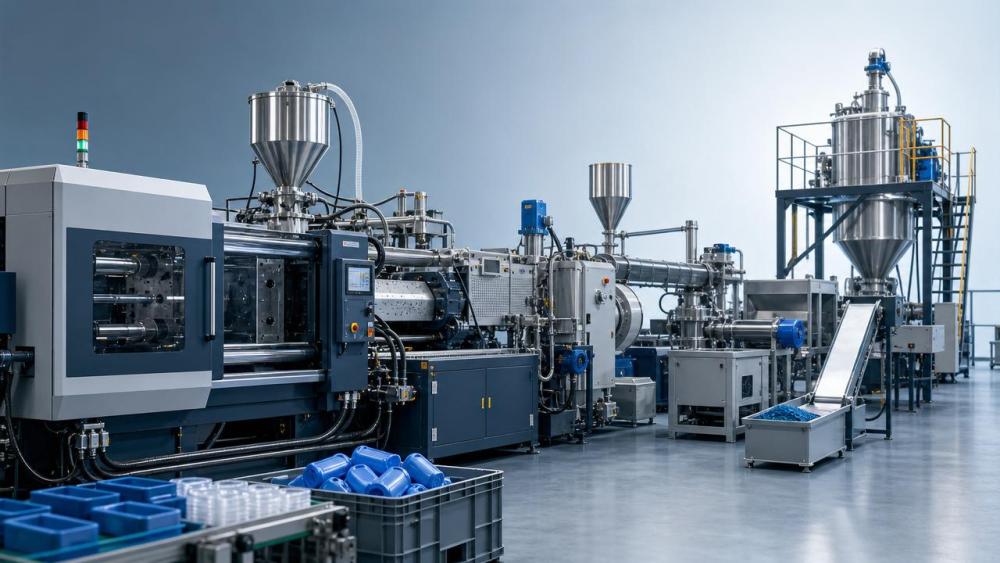
The core search intent behind digital polymer processing is practical, not academic. Decision-makers want to know how digital tools change plant output, cost, consistency, and competitiveness.
They are usually not asking whether digitalization matters in theory. They are asking how it affects scrap rates, uptime, labor efficiency, quality stability, and reporting visibility.
For manufacturers handling injection molding, extrusion, blow molding, vulcanization, or recycling, daily output is the clearest performance language. It connects equipment capability to revenue, margin, and customer trust.
Digital polymer processing improves that output by combining machines, sensors, controls, software, and analytics into one production decision system instead of isolated process steps.
In simple terms, it helps factories produce more good parts, with less waste, less energy, fewer stoppages, and faster adjustments when conditions change.
What decision-makers care about most: output, predictability, and return on investment
Enterprise leaders rarely begin with software features. They begin with business questions: Will this raise throughput? Will it reduce quality losses? How fast will it pay back?
That is why the value of digital polymer processing should be evaluated through operational outcomes rather than technical vocabulary alone.
First, output capacity matters. If digital controls reduce cycle variation in injection molding or optimize screw speed in extrusion, the result is more usable production hours.
Second, predictability matters. Stable daily output supports delivery commitments, inventory planning, procurement timing, and customer confidence across regulated and high-volume markets.
Third, financial return matters. Decision-makers need evidence that digital upgrades improve OEE, reduce material loss, lower energy consumption, or avoid compliance penalties.
Fourth, scalability matters. Leaders want to know whether one digital improvement can be standardized across multiple plants, product lines, or regional manufacturing networks.
How digital polymer processing changes daily output on the factory floor
The biggest shift is that production stops relying mainly on operator experience and starts relying on real-time process intelligence.
In injection molding, digital monitoring tracks melt temperature, cavity pressure, fill time, holding pressure, and cooling performance. This allows the machine to correct drift before defects escalate.
Instead of discovering inconsistency after a batch is completed, teams can identify process deviations during production. That shortens response time and protects good output.
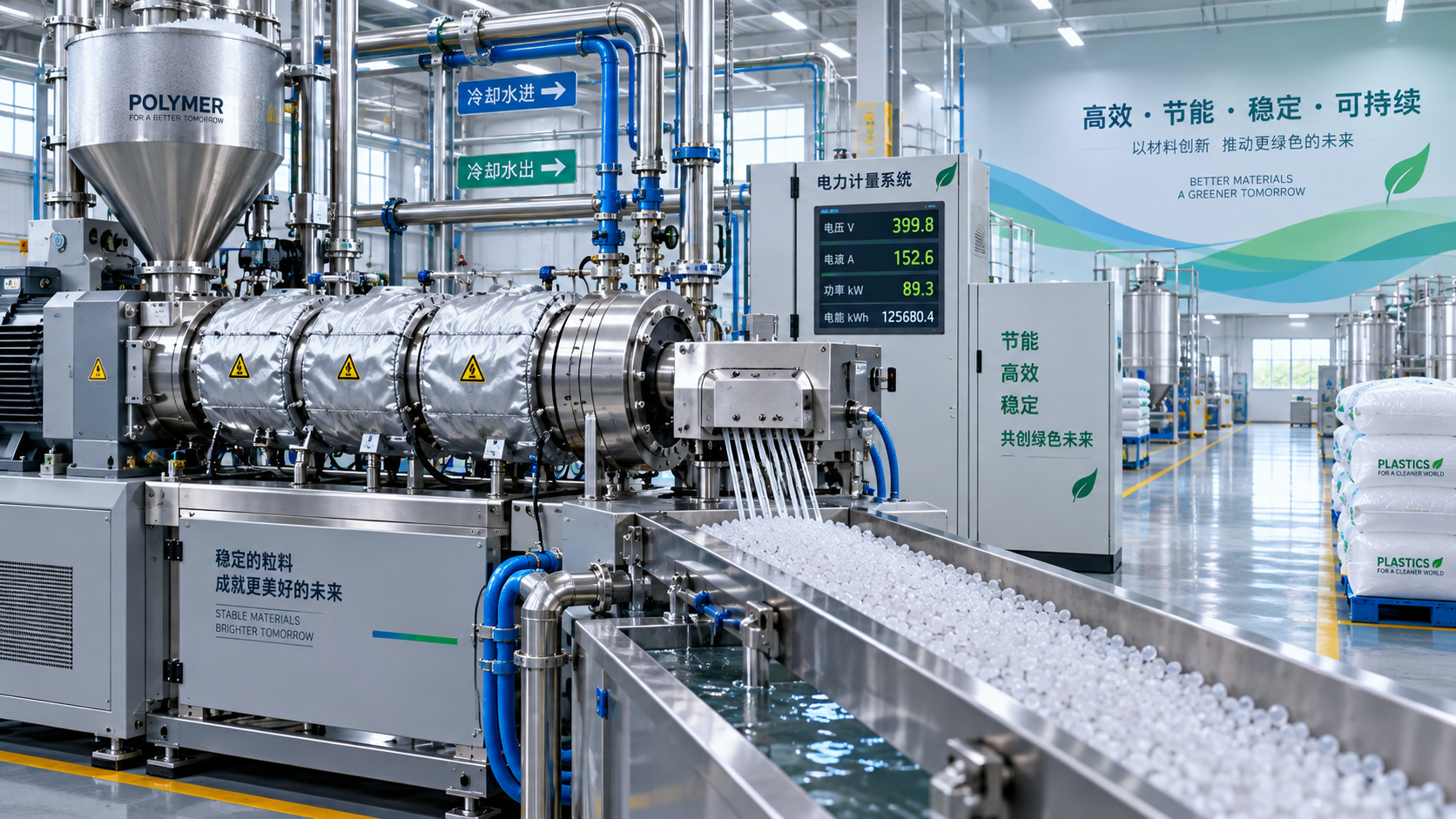
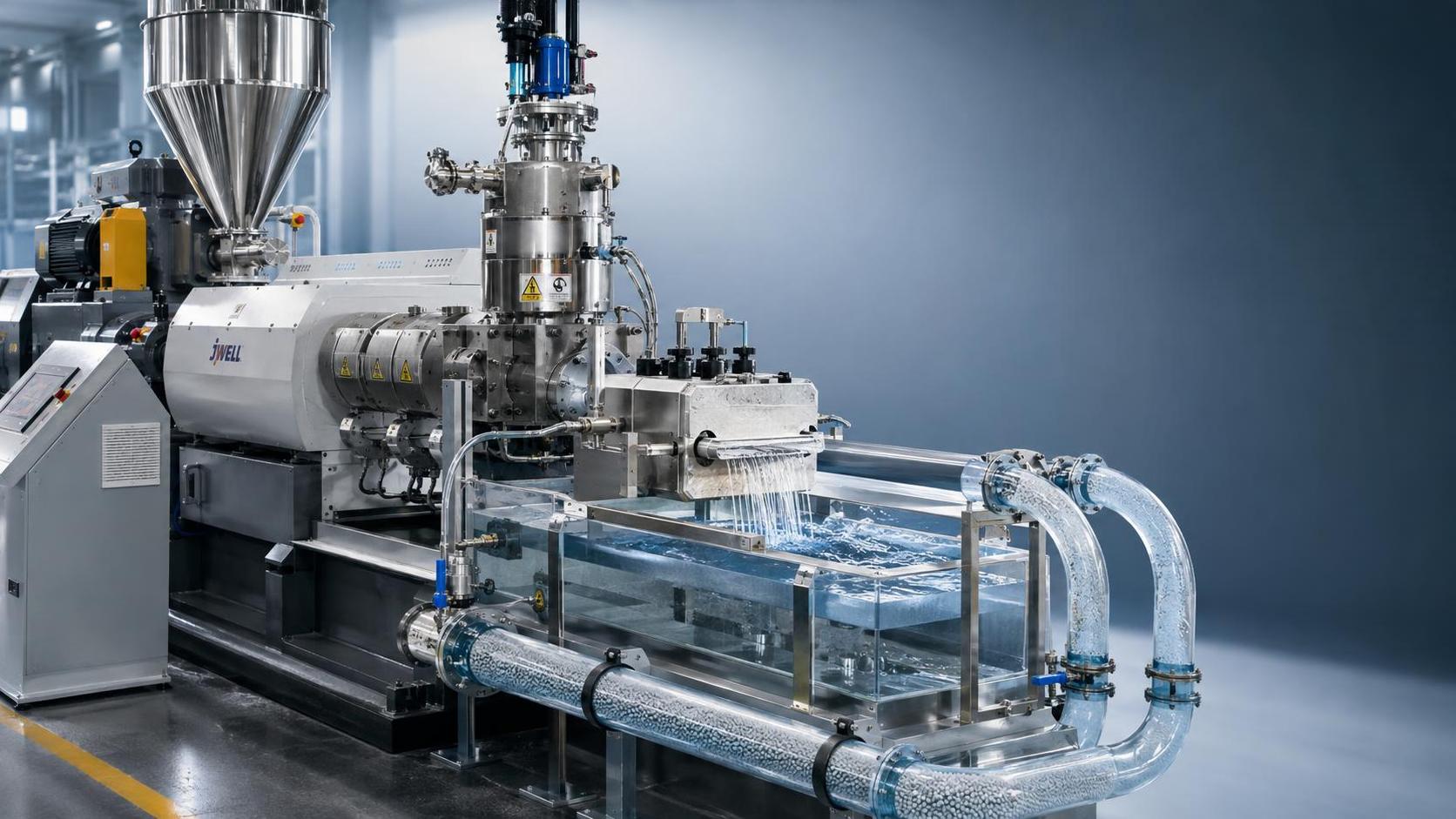
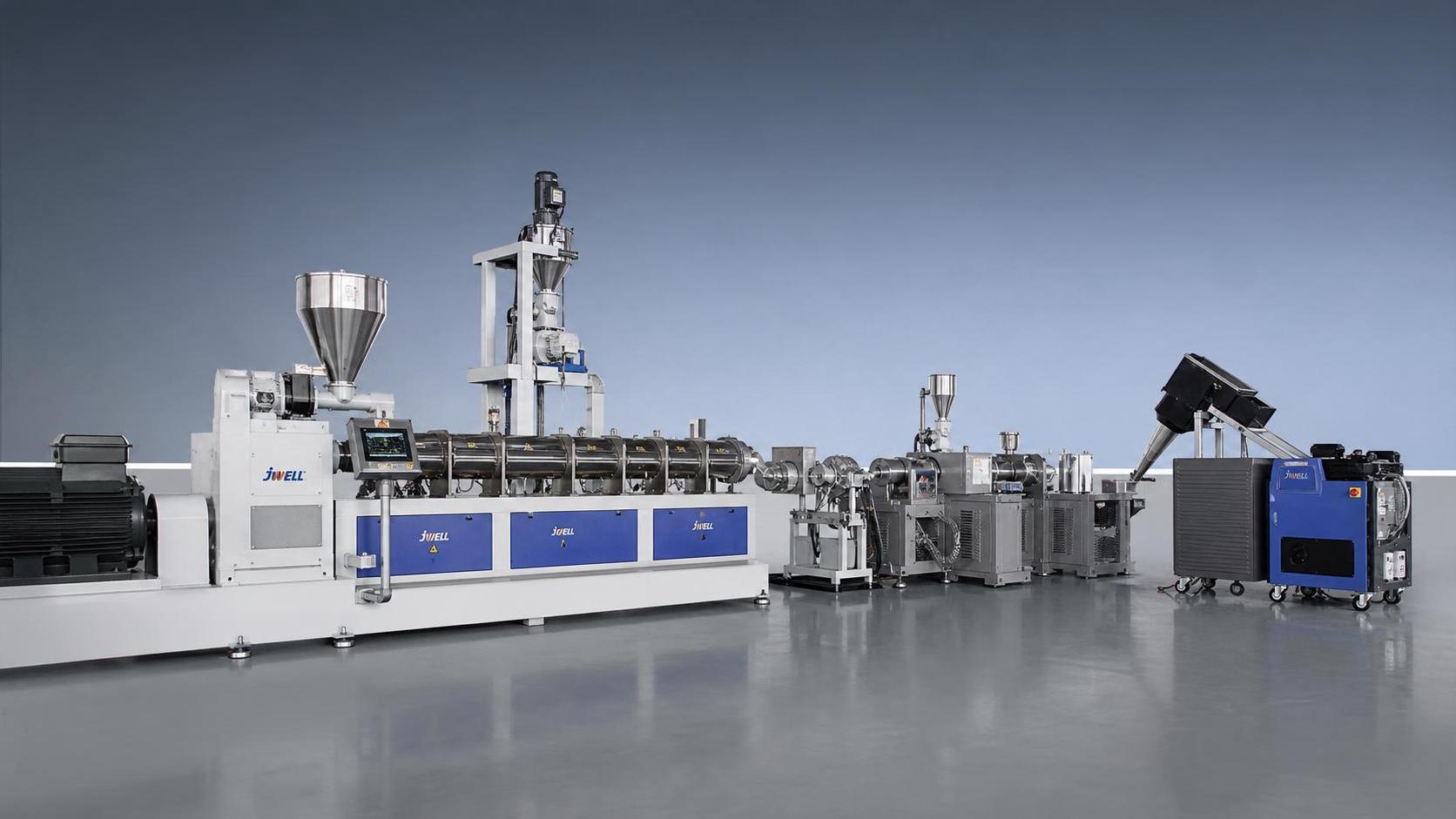
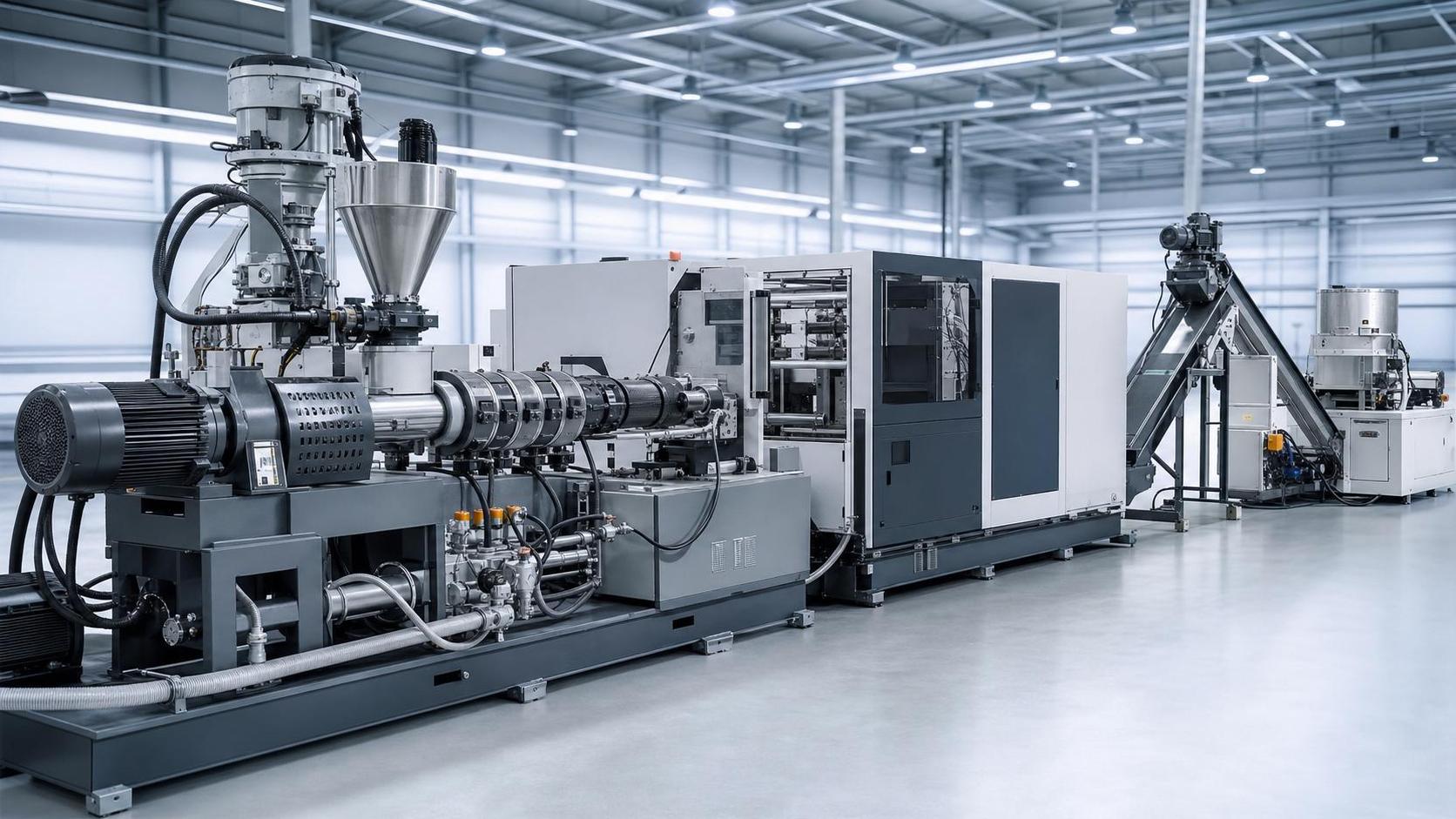
In extrusion, digital systems continuously compare target and actual values for screw torque, melt pressure, barrel temperature, line speed, and additive dosing accuracy.
When these values are managed dynamically, extrusion lines can maintain stable output even when raw material characteristics shift or downstream pull conditions fluctuate.
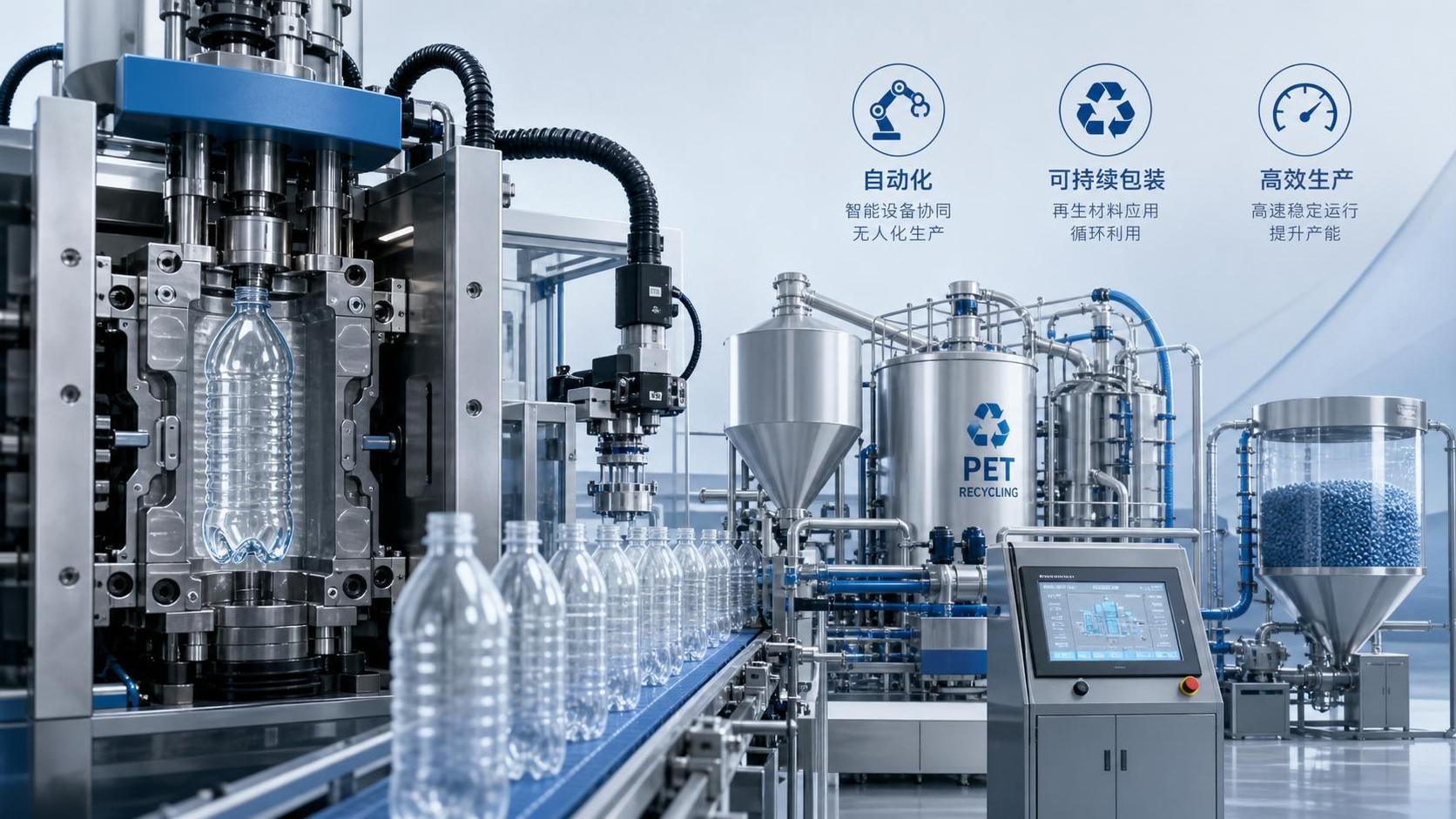
For blow molding, high-speed bottle production benefits from tighter synchronization among heating, stretching, blowing, and transfer operations. Digital oversight reduces micro-stoppages that erode total throughput.
In rubber vulcanization, digital process management improves cure consistency by controlling temperature, pressure, and dwell time more precisely. This lowers rework risk in high-performance components.
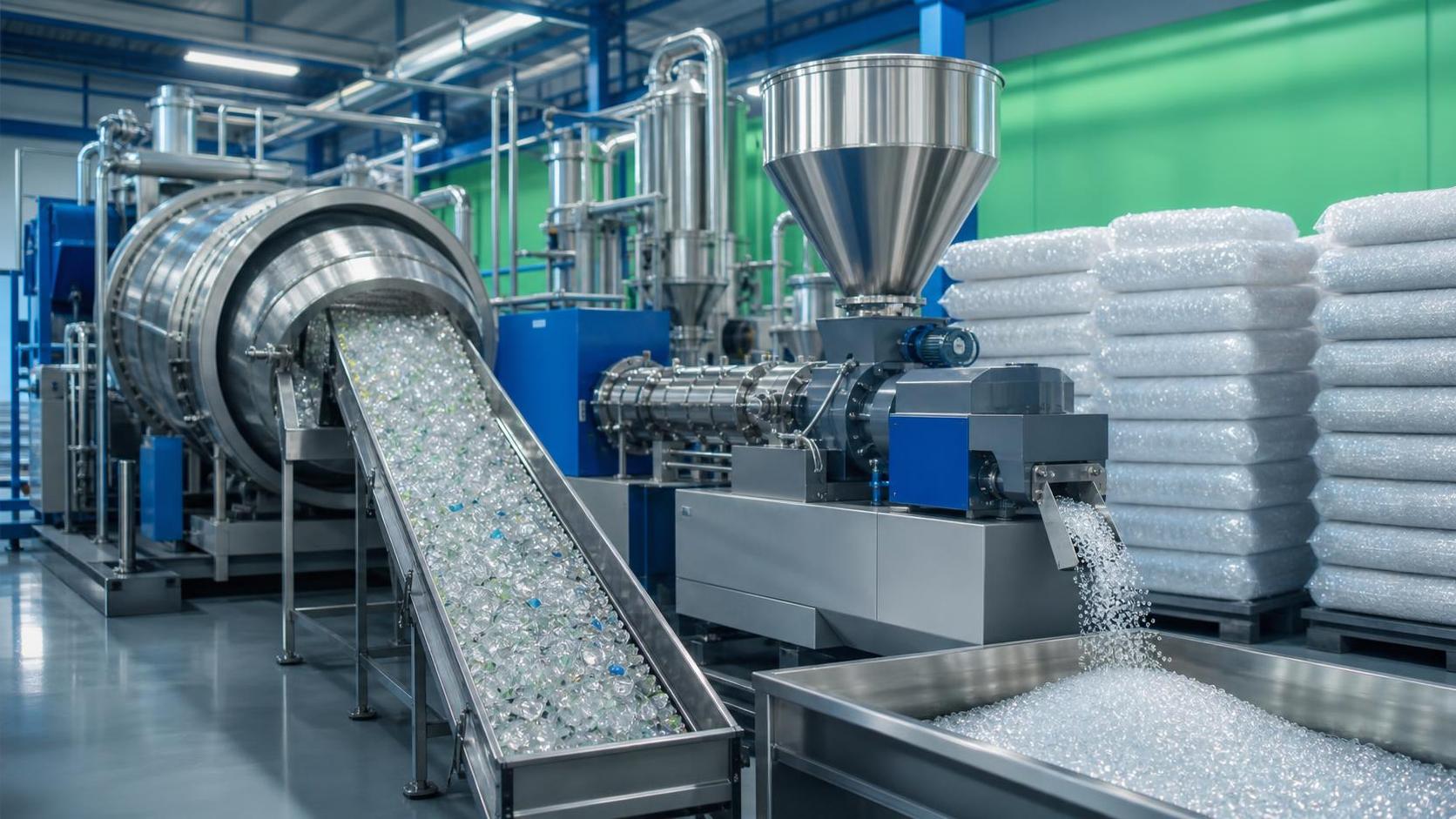
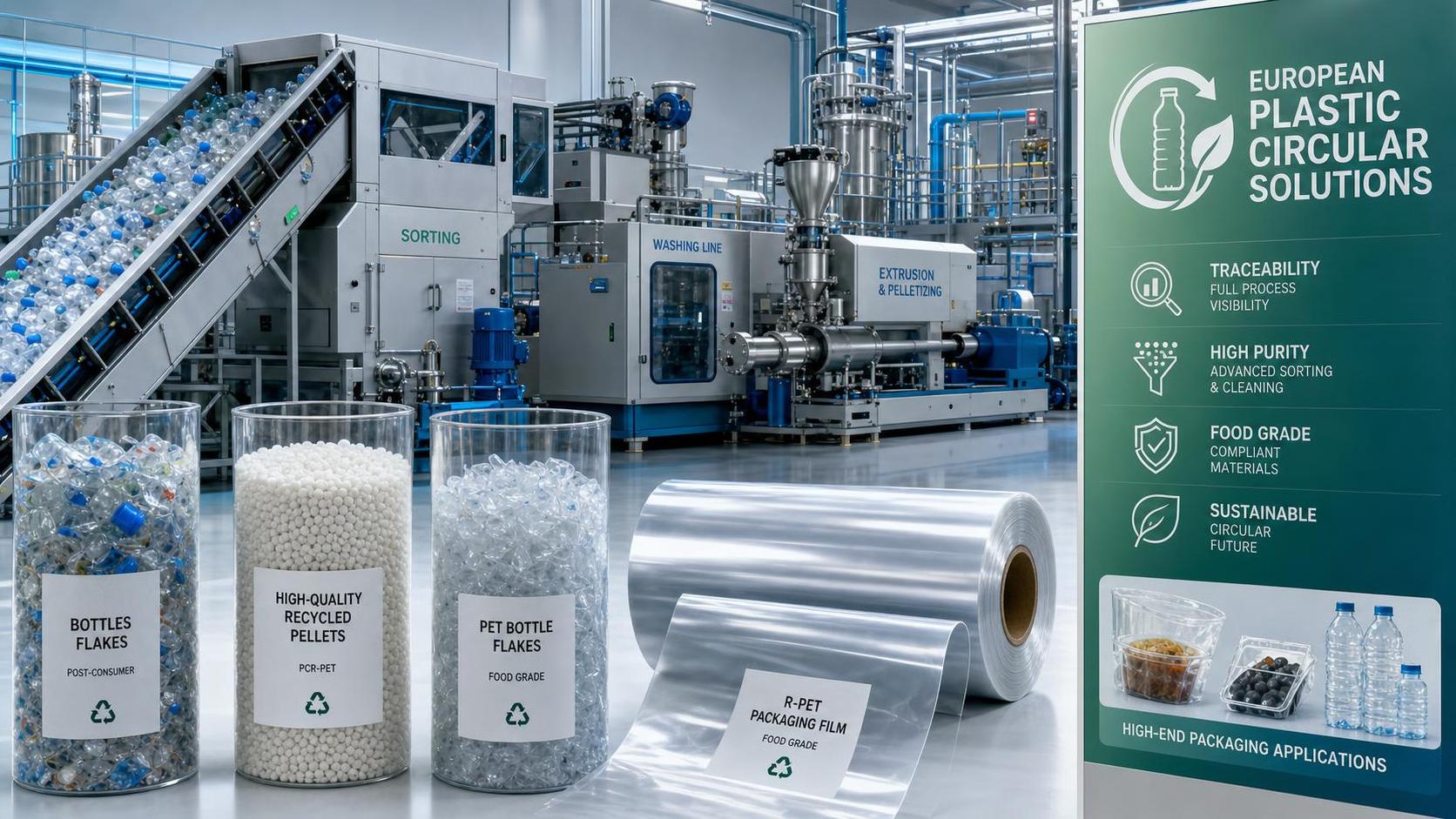
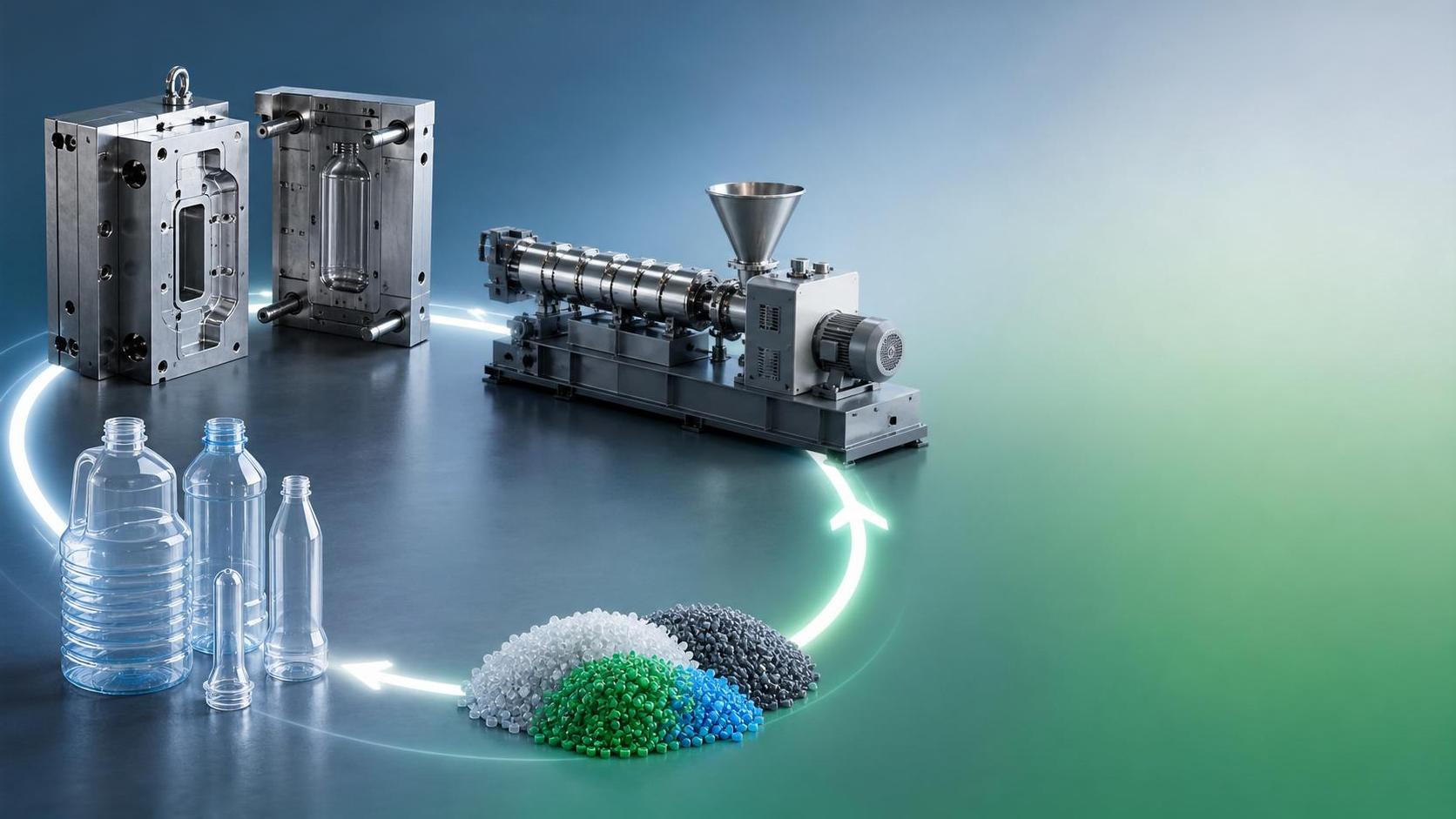
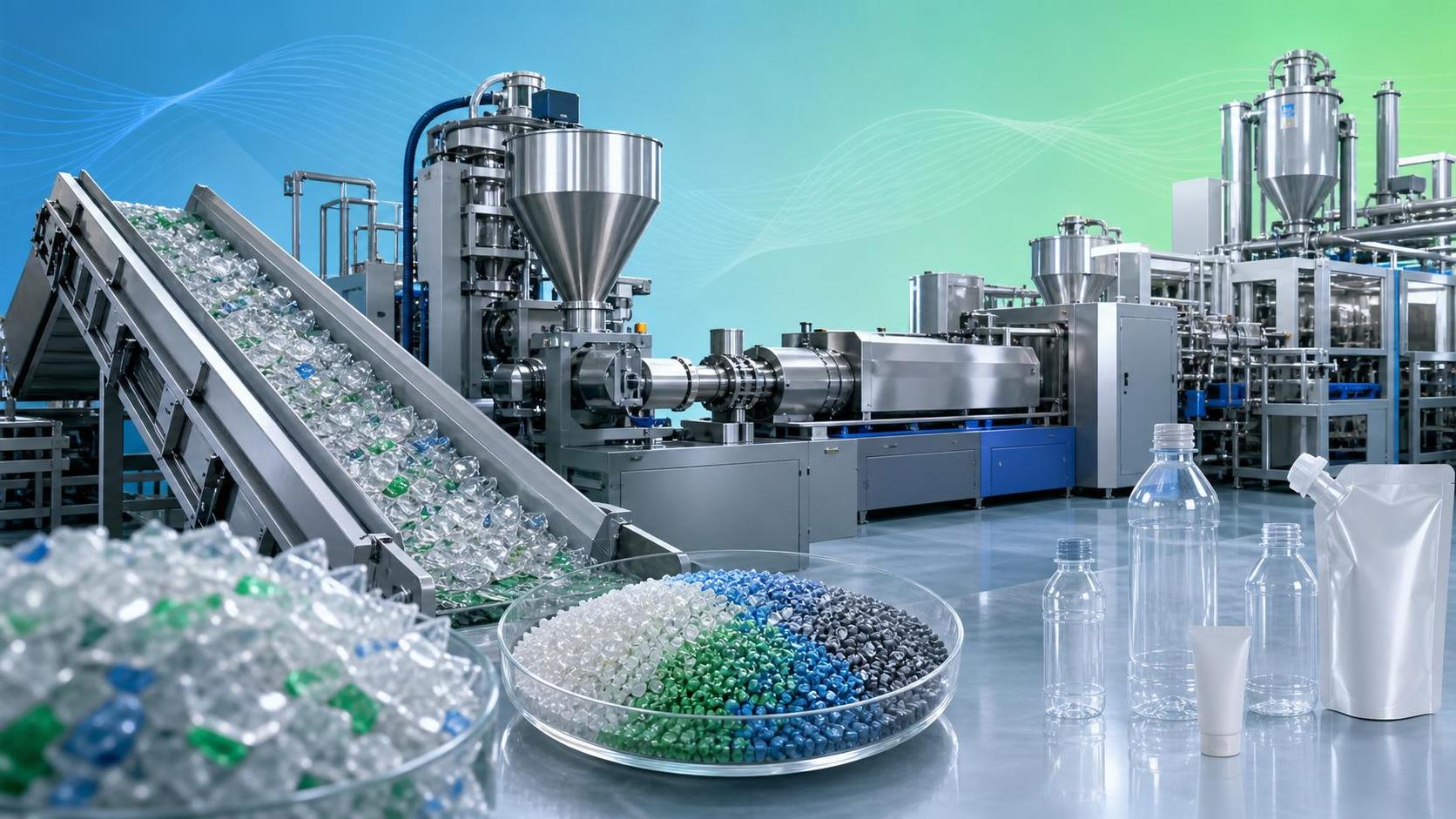
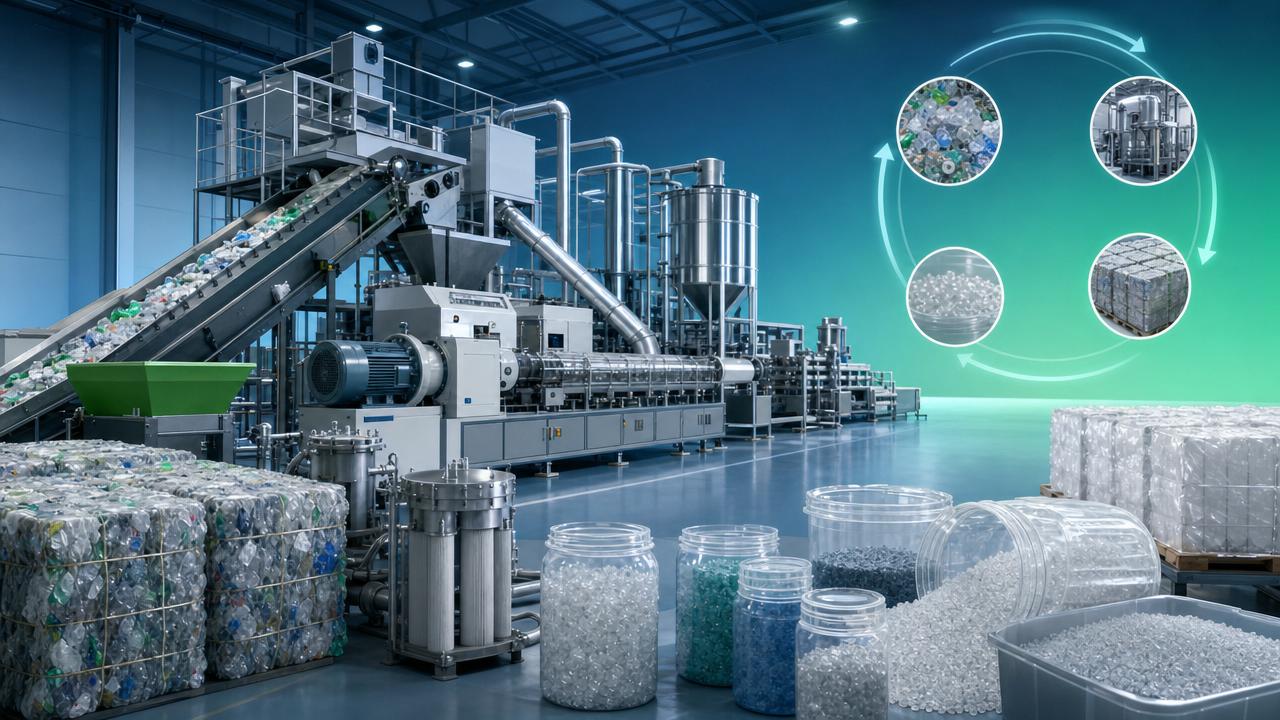
In plastic recycling and pelletizing, digital polymer processing becomes even more valuable because feedstock quality is often inconsistent. Smart systems help compensate for moisture, contamination, and melt variation.
The common result across these applications is not just more output in theory, but more saleable output per shift, with fewer hidden losses.
Where the gains usually come from in real operations
Many companies expect digitalization to create gains only through speed increases. In reality, the most reliable improvements often come from loss reduction.
One major source is less scrap. Better process control prevents dimensional errors, visual defects, weak mechanical properties, and unstable batch quality.
Another source is shorter changeovers. Digital recipes and stored parameter sets reduce setup time when moving between products, molds, materials, or packaging formats.
Unplanned downtime is another major target. Connected machines can detect abnormal vibration, overheating, pressure instability, or motor load changes before failure occurs.
Energy efficiency also contributes directly to daily output economics. When machines operate with optimized temperature profiles and servo-driven control logic, production becomes less energy intensive.
Labor productivity improves as well. Skilled operators spend less time on repeated manual adjustment and more time on supervision, troubleshooting, and process improvement.
Finally, traceability adds value that is often underestimated. Digital records support audits, customer claims management, and compliance proof, especially in packaging, medical, and automotive markets.
Why digitalization matters more as polymer markets become more complex
Digital polymer processing is not only about efficiency. It is also a response to rising complexity in materials, regulations, and customer expectations.
Manufacturers now face more recycled content requirements, tighter packaging compliance rules, resin price volatility, and stronger sustainability reporting expectations.
At the same time, many production environments are processing broader material portfolios, including bio-based polymers, filled compounds, lightweight formulations, and recycled blends.
These materials can behave differently in flow, thermal stability, shrinkage, and contamination sensitivity. Traditional fixed settings are often too rigid for this level of variability.
Digital systems help by giving teams better visibility into what is happening inside the process, not just what appears at the output end.
That visibility is increasingly important for companies trying to balance productivity with ESG goals, carbon reduction targets, and circular economy commitments.
How to judge whether a digital polymer processing investment is worth it
For decision-makers, the right question is not whether to digitize everything at once. The right question is where digital investment will create measurable business impact first.
Start with bottlenecks. If one molding cell or extrusion line limits plant output, improving its stability can create disproportionate value across the operation.
Then examine quality loss patterns. If scrap, rework, or customer complaints cluster around process drift, digital monitoring and closed-loop control may provide fast returns.
Review downtime history next. Repeated stops caused by avoidable equipment or process variation often justify predictive maintenance and machine condition monitoring.
Also compare labor dependency across lines. If performance depends too heavily on a few experienced operators, digital recipe management and process standardization reduce operational risk.
Finally, connect the investment to commercial pressure. Companies serving medical, food packaging, automotive, or export markets often gain additional value from stronger traceability and compliance documentation.
A good investment case should include baseline metrics, expected gains, implementation cost, training needs, and a clear timeline for operational adoption.
Common concerns that slow adoption and how leading companies address them
One common concern is that digitalization sounds expensive but difficult to scale. This usually happens when projects are framed as broad transformation programs instead of targeted production upgrades.
Leading companies avoid that trap by starting with a defined use case such as cycle consistency, energy monitoring, predictive maintenance, or recycled material stabilization.
Another concern is data overload. Plants may collect large amounts of machine data without turning it into actionable decisions.
The answer is to focus on a few output-critical indicators first: uptime, cycle time, scrap rate, energy per unit, pressure stability, and changeover duration.
Cybersecurity and integration risk also matter, especially in multi-site operations. Decision-makers should assess whether vendors support secure protocols, system compatibility, and future expansion.
There is also a people challenge. Operators and technicians may resist systems they think will replace judgment or increase monitoring pressure.
The strongest implementations position digital tools as support for faster decisions and easier troubleshooting, not as a substitute for production knowledge.
Training, role clarity, and cross-functional ownership are often as important as software capability in determining project success.
What digital polymer processing looks like across key equipment categories
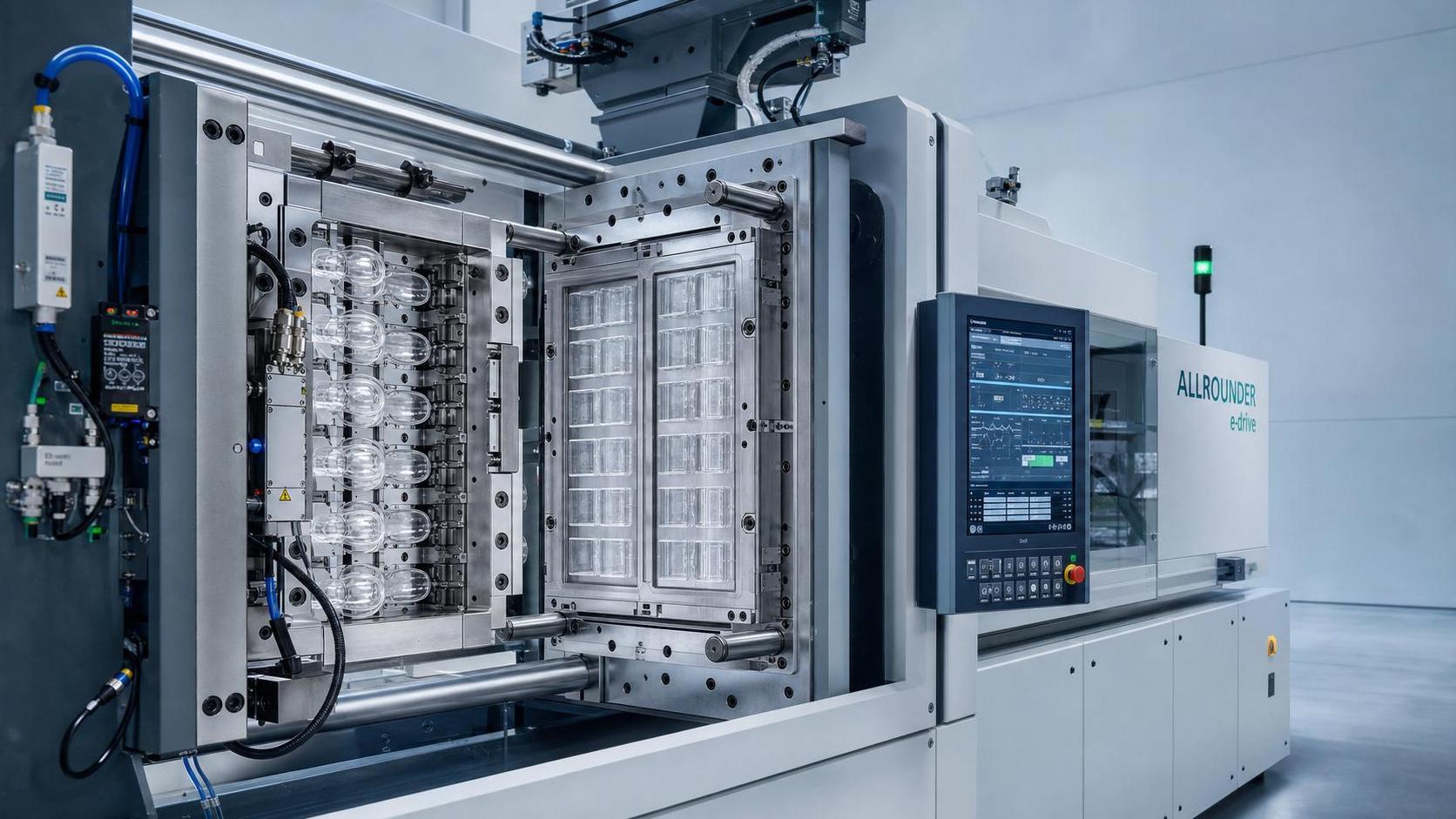
In precision injection molding, digital progress often centers on cavity pressure sensing, adaptive holding pressure control, servo efficiency, and AI-assisted parameter optimization.
These capabilities are especially valuable in high-tolerance parts such as medical devices, connectors, optical components, and automotive functional elements.
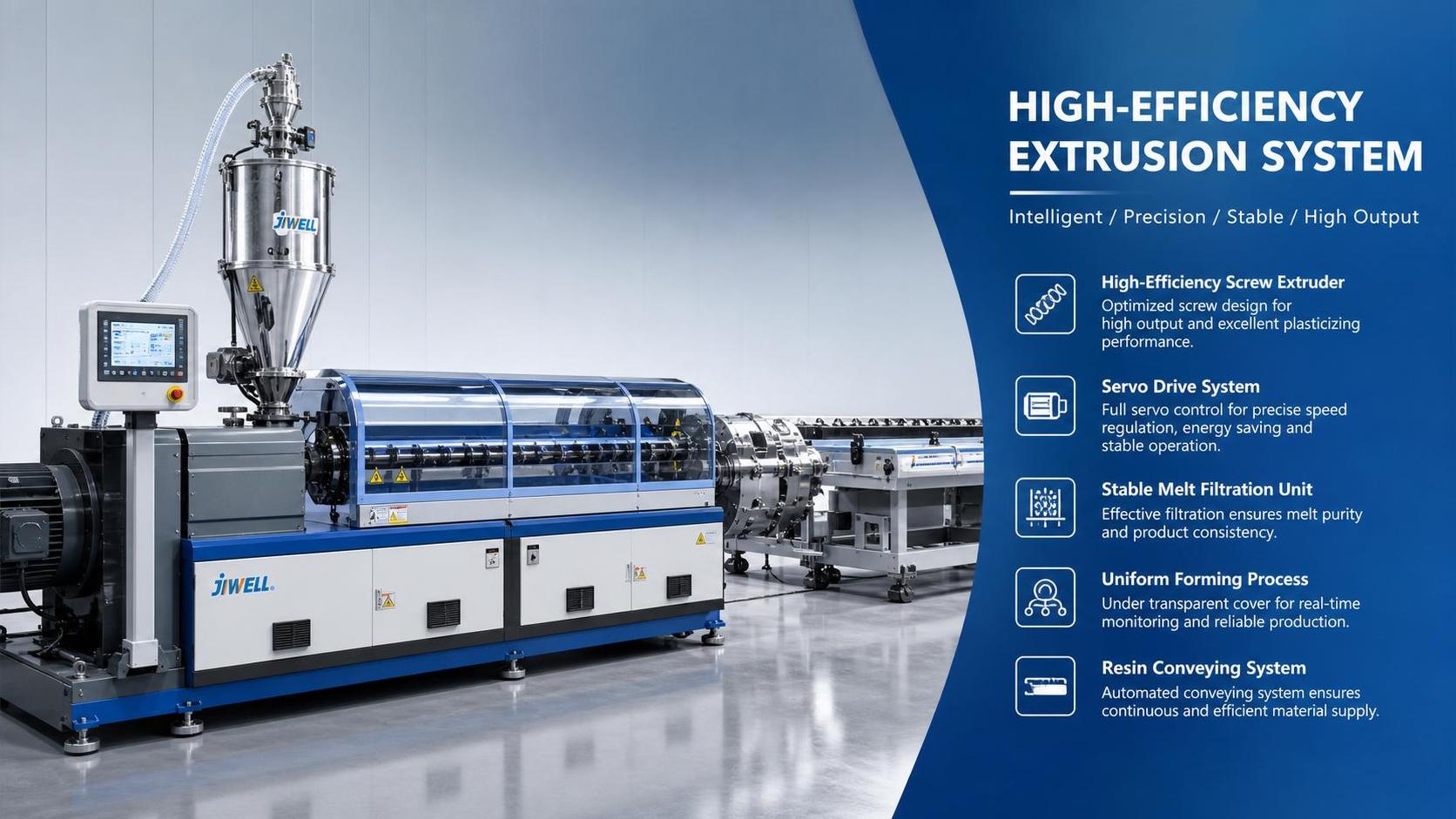
In extrusion, value comes from synchronized control across feeders, screws, barrel zones, vacuum systems, and downstream haul-off or pelletizing units.
For film, pipe, sheet, and compounding operations, this helps maintain output consistency while reducing start-up waste and formulation instability.
In blow molding, digital control supports high-speed repeatability, bottle weight optimization, wall thickness consistency, and line efficiency in consumer goods packaging.
In vulcanization, digital process histories help manufacturers verify cure conditions and improve repeatability for tires, seals, hoses, and technical rubber parts.
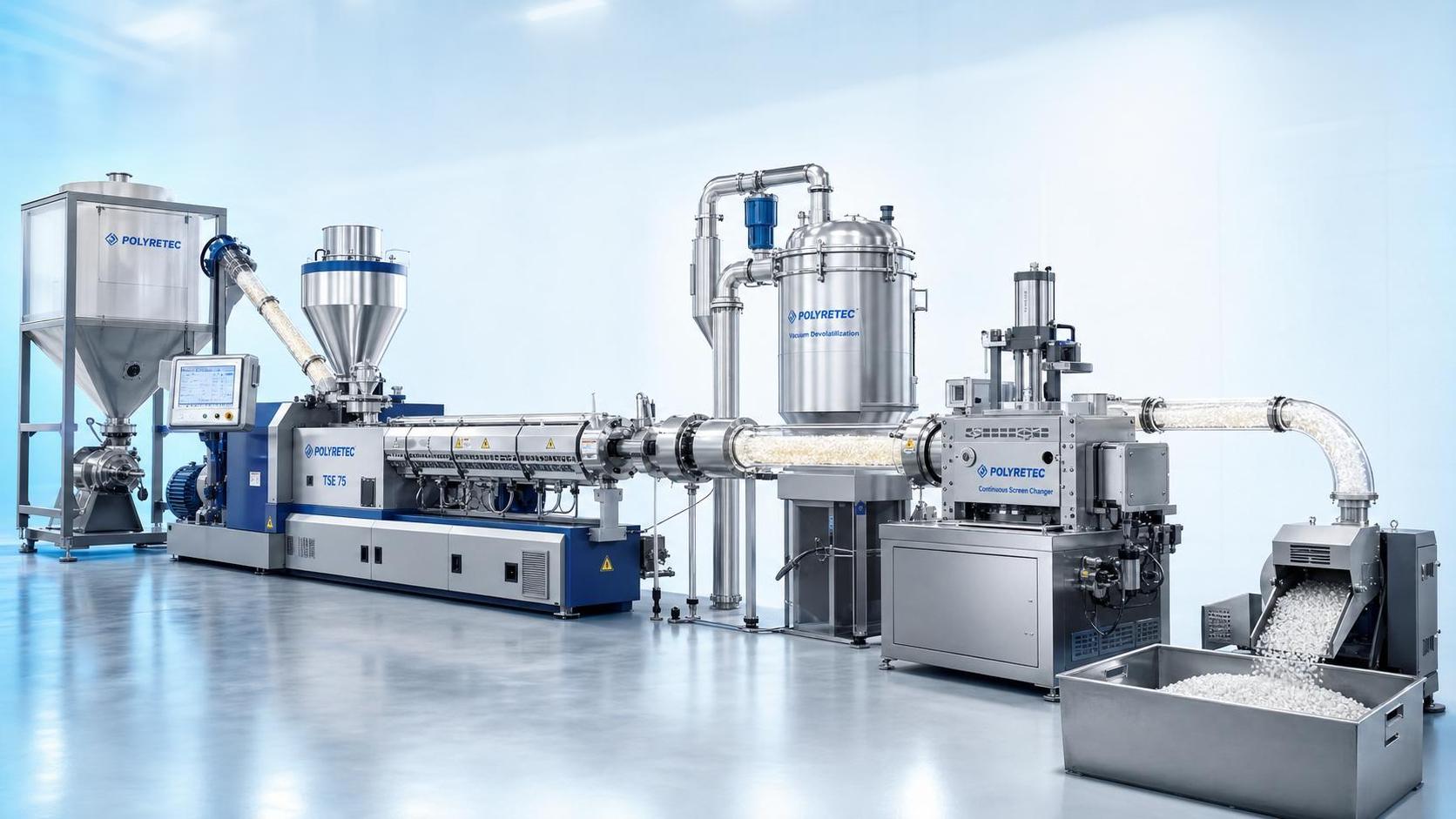
In waste plastic pelletizing, digitalization improves contaminant management, melt filtration consistency, and pellet quality predictability, which is critical for downstream reuse value.
This is where PFRS-relevant intelligence becomes strategically useful: equipment is no longer just mechanical capacity, but a data-generating, optimization-ready production asset.
How executives can build a smarter roadmap instead of chasing technology trends
Not every factory needs the same digital roadmap. The right path depends on process complexity, compliance exposure, product mix, labor model, and margin pressure.
For some companies, the first step is machine connectivity and production dashboards. For others, it is advanced process control or digital traceability for regulated customers.
Recycling-focused operations may prioritize feedstock variability management. Packaging producers may prioritize speed, energy reduction, and sustainability reporting. Automotive suppliers may prioritize consistency and documentation.
What matters is sequencing. The best roadmap usually starts with visibility, then control, then prediction, and finally plant-wide optimization.
That sequence reduces implementation risk and helps teams prove value before moving to larger digital commitments.
Executives should also ask whether suppliers understand polymer behavior, not just generic factory software. In polymer processing, rheology, heat transfer, contamination sensitivity, and tool behavior all affect digital success.
Conclusion: digital polymer processing is becoming an output strategy, not just a technology upgrade
For business leaders, digital polymer processing should be viewed as an operational strategy tied directly to daily output, margin protection, and long-term competitiveness.
Its value is clearest when measured in more saleable units, fewer defects, lower energy use, less downtime, better compliance readiness, and stronger production predictability.
As polymer manufacturing faces tighter quality demands, rising sustainability expectations, and more variable material inputs, digital capability becomes less optional and more structural.
The companies that benefit most are not necessarily those with the biggest budgets. They are the ones that connect digital investment to real production constraints and measurable business outcomes.
In that sense, digital polymer processing is changing daily output because it changes how factories see, control, and improve the entire material transformation process.
Related News
- 00
0000-00
How to Evaluate Plastic Pelletizing Machine Suppliers for Output, Support, and Risk - 00
0000-00
How to Select a Plastic Pipe Manufacturing System for Output, Resin, and Pipe Range - 00
0000-00
How to Specify Injection Molding Equipment for High-Volume Closure Production - 00
0000-00
How to Specify a Medical Molding Machine for Cleanroom Device Production - 00
0000-00
Plastic Extrusion Technology for Films: Process Controls That Improve Gauge Uniformity
Weekly Insights
Stay ahead with our curated technology reports delivered every Monday.
Related News
 Prof. Marcus ChenEnergy-Efficient Polymer Processing: Where Plants Can Cut kWh per KilogramEnergy-efficient polymer processing solutions help plants reduce kWh per kilogram, protect quality, cut scrap, and prioritize upgrades with data-driven insights.Sep 23, 2026
 Prof. Marcus ChenPlastic Pelletizing Trends: How Recycling Demand Is Reshaping Processing TechnologyPlastic pelletizing trends are redefining recycling quality. Explore filtration, extrusion, degassing, and automation innovations driving cleaner, more consistent recycled resin.Sep 07, 2026
 Prof. Marcus ChenHow Polymer Supply Chains Are Changing to Support High-Quality Recycling FeedstockPolymer supply chain for recycling is shifting toward traceable sourcing, cleaner sorting, and stable processing. See how high-quality feedstock improves performance, compliance, and cost control.Aug 22, 2026
 Prof. Marcus ChenHow Europe’s Circular Plastics Economy Is Reshaping Recycling InvestmentCircular plastics economy Europe is reshaping recycling investment through quality, traceability, and packaging demand. Explore where capital is moving and why it matters now.Aug 04, 2026
 Prof. Marcus ChenBlow Molding Trends Shaping Packaging, Sustainability, and Production EfficiencyBlow molding trends are redefining packaging with lightweighting, recycled content, automation, and energy efficiency. Discover how smarter production boosts sustainability and cuts costs.Jul 23, 2026
 Prof. Marcus ChenExtrusion Equipment Modular Design: When It Makes Sense for Line ExpansionExtrusion equipment modular design helps manufacturers expand lines in phases, cut disruption, and stay ready for recycled content, utility limits, and changing product demands.Jul 15, 2026
 Prof. Marcus ChenPolymer Lifecycle Solutions Explained: From Material Sourcing to End-of-Life RecoveryPolymer lifecycle solutions explained from sourcing and processing to recycling and recovery. Discover how to cut waste, improve quality, and build smarter material strategies.Jul 13, 2026
 Prof. Marcus ChenEnergy-Efficient Polymer Processing Systems: Which Metrics Matter Most?Energy-efficient polymer processing systems: discover the metrics that truly drive ROI—specific energy use, yield, uptime, stability, and compliance for smarter equipment decisions.Jul 11, 2026
 Prof. Marcus ChenPolymer Recycling Systems for Continuous Operation: What to Check Before SpecifyingPolymer recycling systems continuous operation starts with the right specification. Learn what to check for uptime, melt quality, energy efficiency, and reliable pellet output.Jul 09, 2026
 Prof. Marcus ChenCircular Plastics Economy in Japan: Policy Drivers, Recycling Targets, and Market ImpactCircular plastics economy Japan is accelerating as policy, recycling targets, and packaging reforms reshape material choices, processing strategy, and market advantage.Jul 05, 2026
 Prof. Marcus ChenPlastic Extrusion Technology Trends: What Process Changes Are Improving Energy Efficiency?Plastic extrusion technology trends are reshaping energy efficiency through smarter screws, thermal control, servo drives, and digital optimization. See which process changes deliver lower costs and more stable output.Jul 01, 2026
 Prof. Marcus ChenInjection Molding Technology Trends: Which Process Changes Matter Most for Medical and Packaging Parts?Injection molding technology trends shaping medical and packaging parts: discover the process changes that improve validation, precision, efficiency, and recycled-material readiness.Jun 30, 2026
 Prof. Marcus ChenCircular Plastics Economy Compliance Explained: Key Requirements for ManufacturersCircular plastics economy compliance explained for manufacturers: learn key requirements, audit risks, process controls, and how to turn compliance into a competitive advantage.Jun 25, 2026
 Prof. Marcus ChenAdvanced Materials Processing Trends: 5 Shifts Reshaping Capacity Planning and SourcingAdvanced materials processing trends are reshaping capacity planning, sourcing, recycling, and compliance. Explore 5 shifts helping manufacturers cut risk, improve precision, and build resilient growth.Jun 24, 2026
 Prof. Marcus ChenGlobal Plastic Ban Trends: Which Packaging Materials and Export Markets Face the Biggest Changes?Global plastic ban trends are reshaping packaging choices and export strategy. See which materials and markets face the biggest shifts, and how to reduce compliance risk.Jun 22, 2026
 Prof. Marcus ChenPolymer Rheology Trends That Matter in Extrusion: Melt Strength, Shear, and StabilityPolymer rheology trends are reshaping extrusion performance. Learn how melt strength, shear, and stability affect quality, efficiency, and recycled resin processing.Jun 18, 2026
 Prof. Marcus ChenPlastic Circularity Strategies for Manufacturers: Recycled Content, Design, and TraceabilityPlastic circularity strategies for manufacturers: learn how recycled content, smarter design, and traceability can reduce risk, improve compliance, and strengthen supply resilience.Jun 18, 2026
 Prof. Marcus ChenAdvanced Materials Processing Equipment in High-Performance Manufacturing: Where It Fits BestAdvanced materials processing equipment drives precision, speed, and sustainability in manufacturing. Explore where each system fits best to improve quality, efficiency, and ROI.Jun 16, 2026
 Prof. Marcus ChenWhat Is Driving the Circular Economy Plastics Market? Policy, Pricing, and Demand ShiftsCircular economy plastics market trends are being driven by tighter policy, resin price volatility, and stricter buyer demands. Discover what this means for sourcing, processing, and growth.Jun 13, 2026
 Prof. Marcus ChenDigital Polymer Processing Explained: Methods, Materials, and Best-Fit ApplicationsDigital polymer processing explained clearly: explore key methods, materials, and best-fit applications to improve quality, efficiency, and recycling performance.Jun 10, 2026