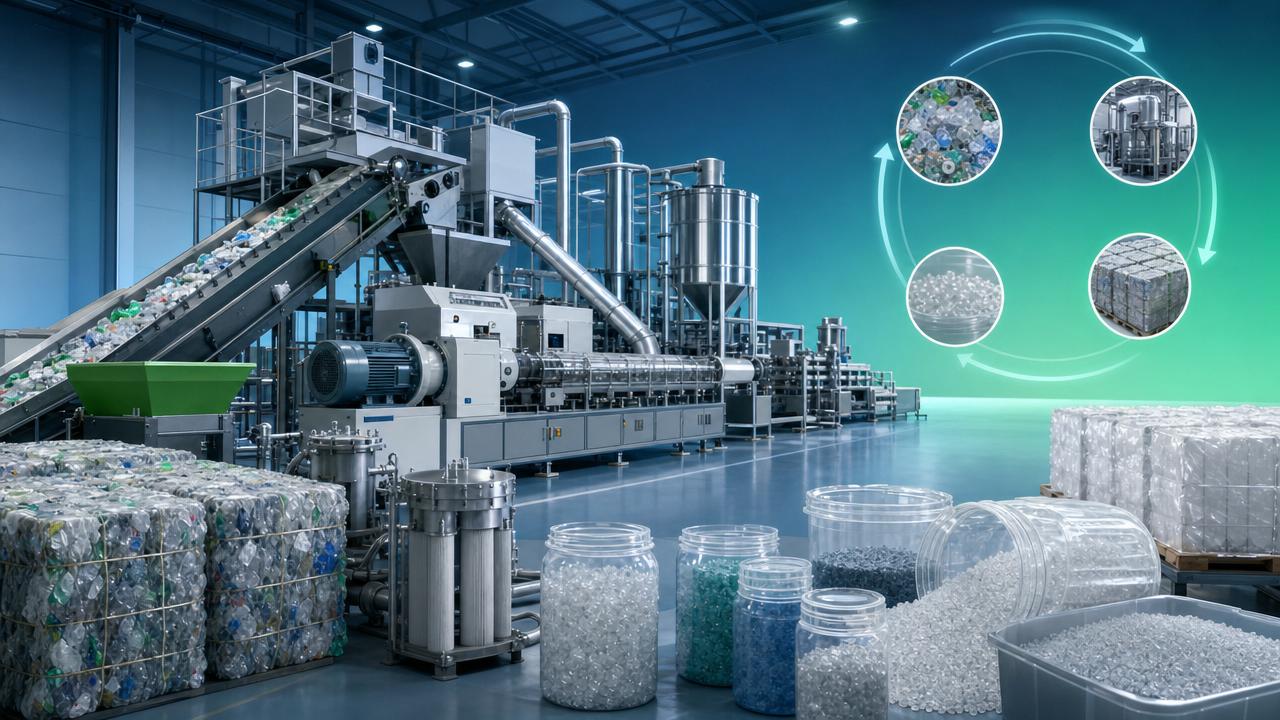
Why green circular economy goals are reshaping plastics




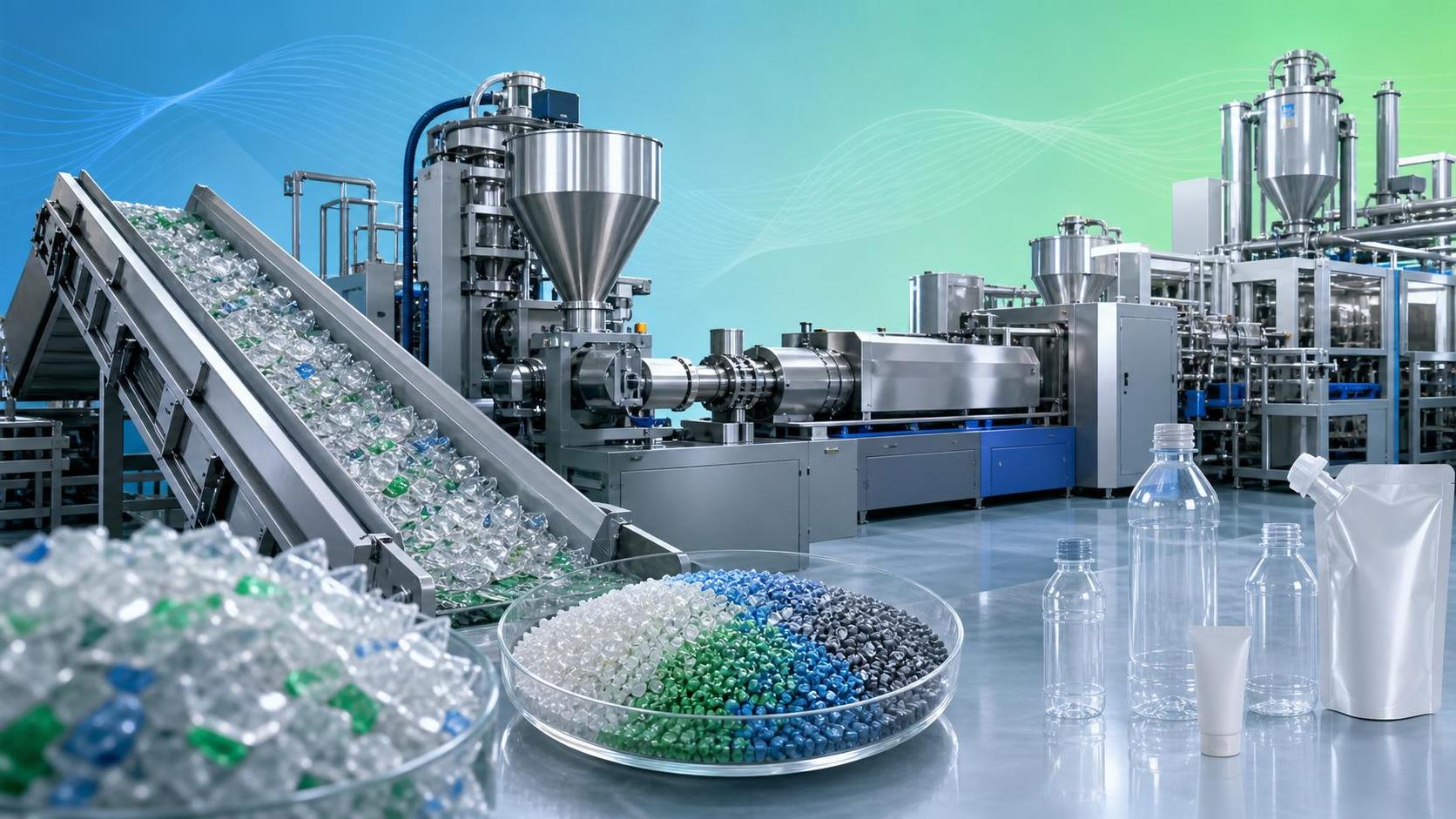
Green circular economy goals are no longer a side topic in plastics. They now shape design rules, processing choices, recovery economics, and equipment investment across global manufacturing.
In practical terms, the green circular economy is changing how polymer materials move through injection molding, extrusion, blow molding, vulcanization, and recycling systems.
For PFRS, this transition is not abstract. It directly connects machine efficiency, resin flexibility, compliance intelligence, and closed-loop material strategy.
The core question is no longer whether plastics will face sustainability pressure. The real question is which operating scenarios will change fastest, and how to respond earlier.
Why green circular economy goals hit some plastics scenarios faster than others
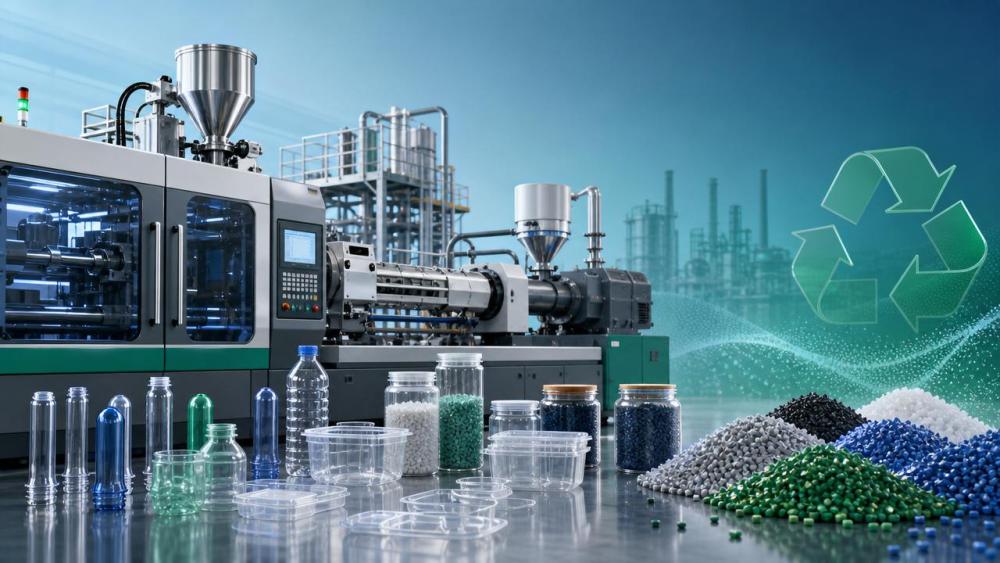
Not every plastics workflow feels the green circular economy in the same way. Pressure differs by product shelf life, regulatory exposure, contamination risk, and recycled content feasibility.
Packaging usually changes first. It sits under public scrutiny, fast regulation cycles, and brand-led ESG commitments. Design-for-recycling and material traceability move from optional to expected.
Industrial and automotive components often move slower. Yet they face rising demands for lightweighting, lower carbon intensity, and more stable use of recycled or bio-based polymers.
Medical, electrical, and high-spec applications present another scenario. Here, the green circular economy matters, but purity, validation, and performance consistency remain dominant decision filters.
This is why scenario judgment matters. A smart response depends on where material loops can close safely, economically, and at scale.
Scenario 1: Packaging lines where circularity and compliance move together
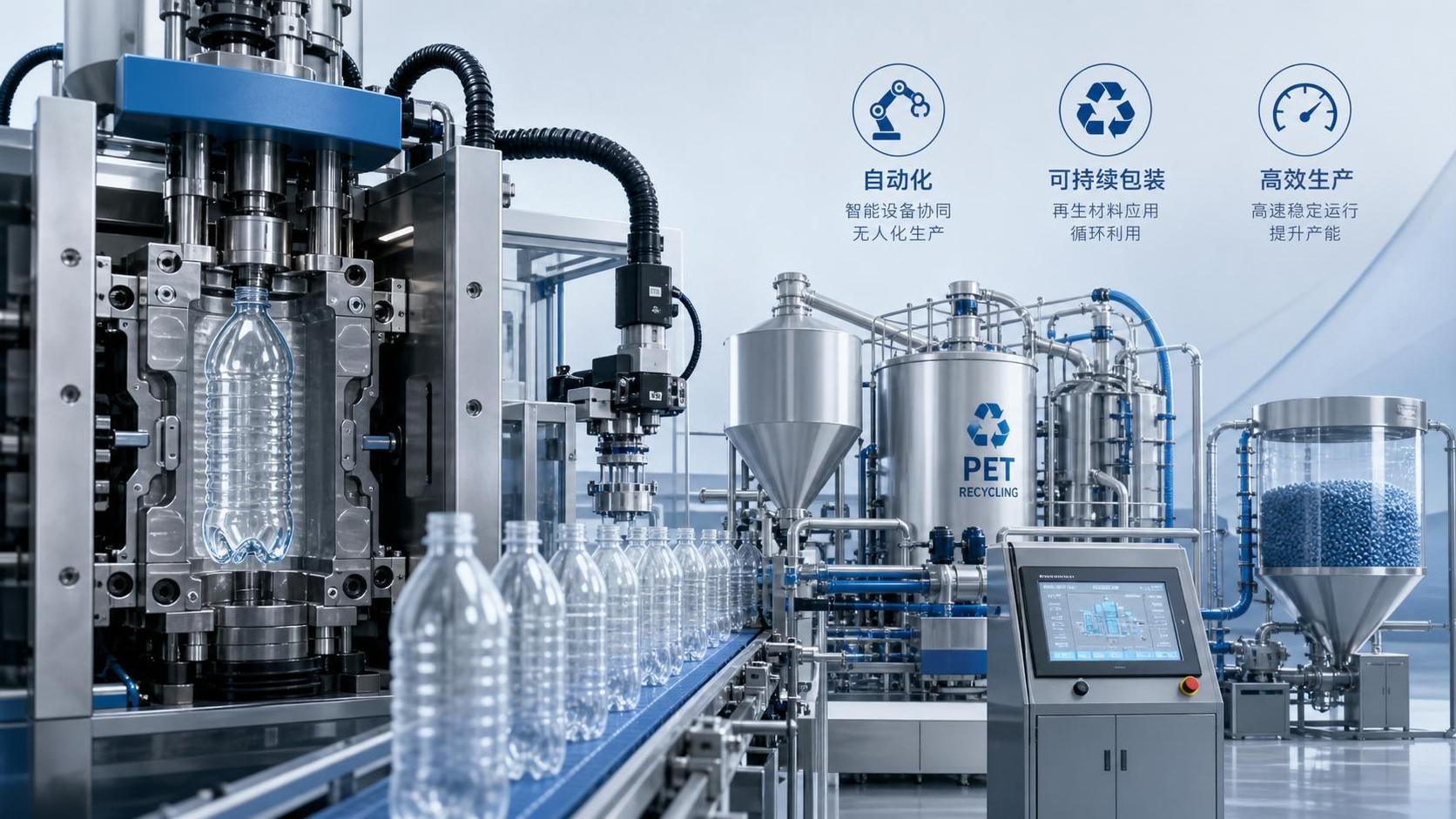
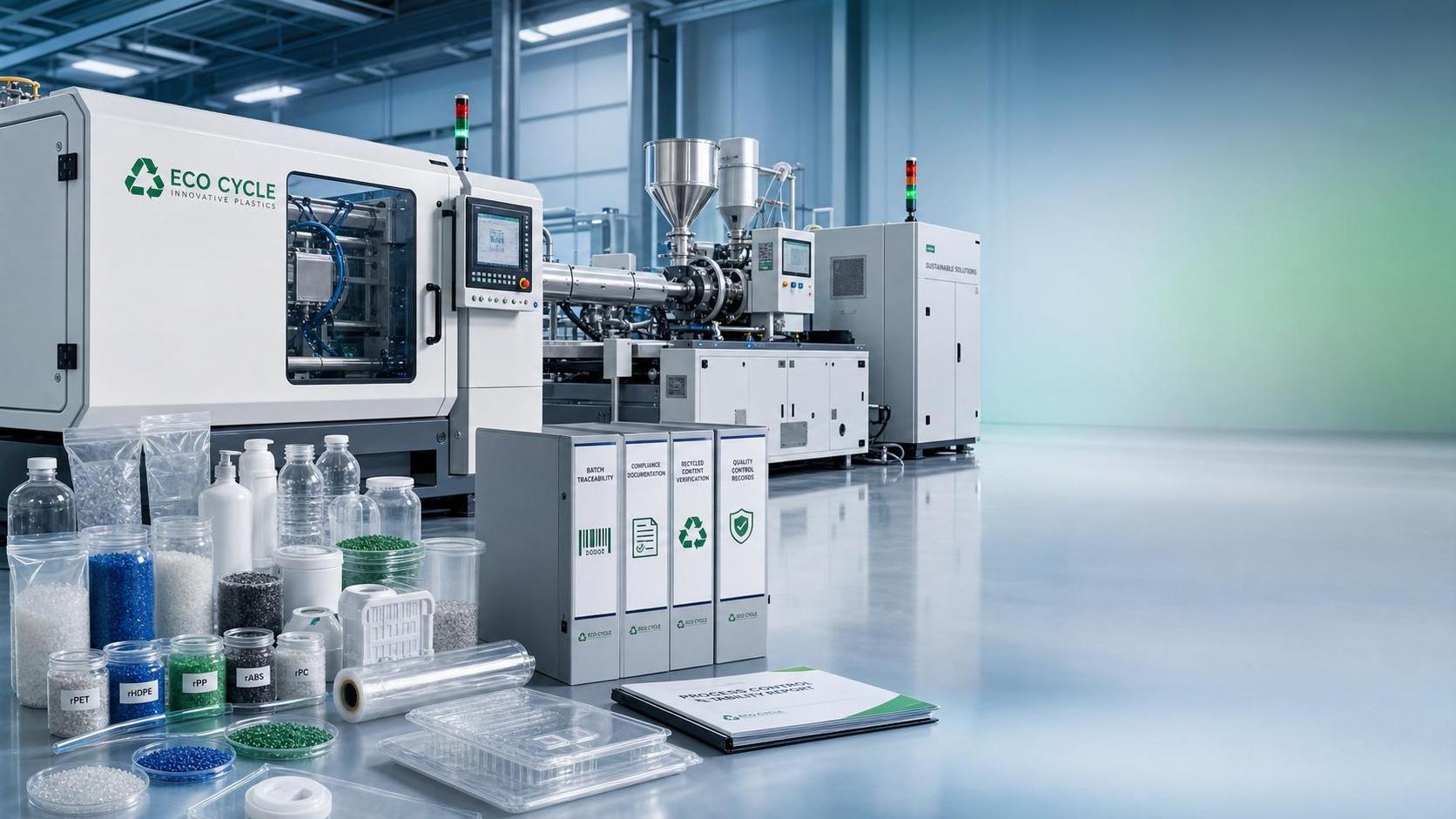
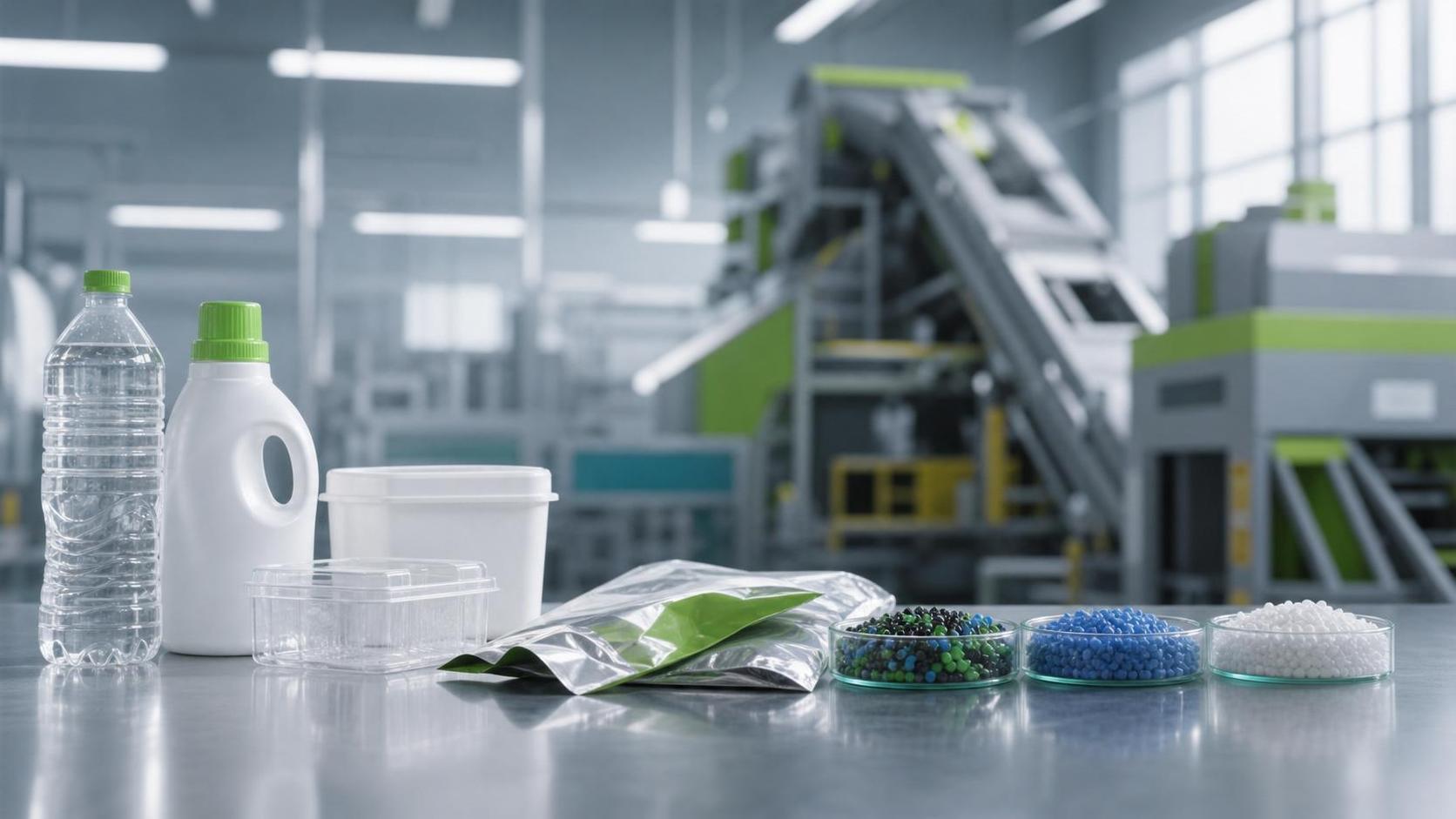
Packaging is the clearest case where green circular economy goals are reshaping plastics. Bottles, caps, films, trays, and containers face intense pressure from bans, recycled content rules, and labeling requirements.
In this scenario, blow molding and extrusion systems must process more variable resin streams without losing output stability. Melt consistency, filtration, moisture control, and color management become critical.
Key judgment points in packaging applications
- Can the package meet local recyclability rules?
- Will recycled resin affect clarity, odor, sealing, or barrier performance?
- Can line controls manage frequent material variation?
- Is there a route to in-house scrap recovery?
The green circular economy also raises the value of mono-material structures. They simplify downstream sorting and improve the commercial recovery of post-consumer plastics.
Scenario 2: Injection molded parts where precision meets recycled content pressure
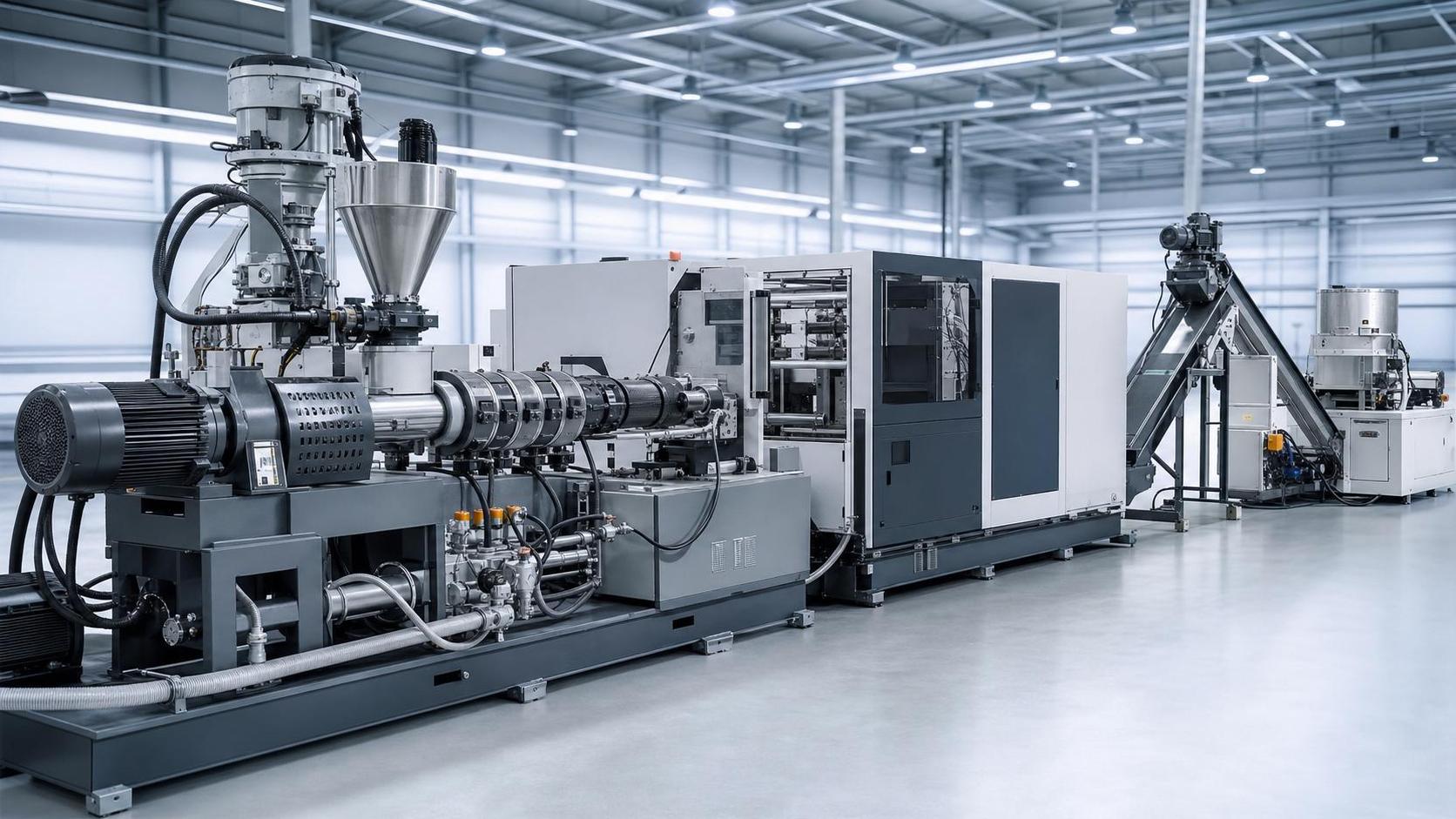
Precision injection molding sits at a more complex intersection. Product dimensions, cosmetic quality, and mechanical properties leave less room for inconsistent feedstock behavior.
Still, green circular economy goals are pushing molded parts toward higher material efficiency, lower scrap rates, and selective use of recycled polymers in non-critical or semi-structural applications.
What changes first in molded-part scenarios
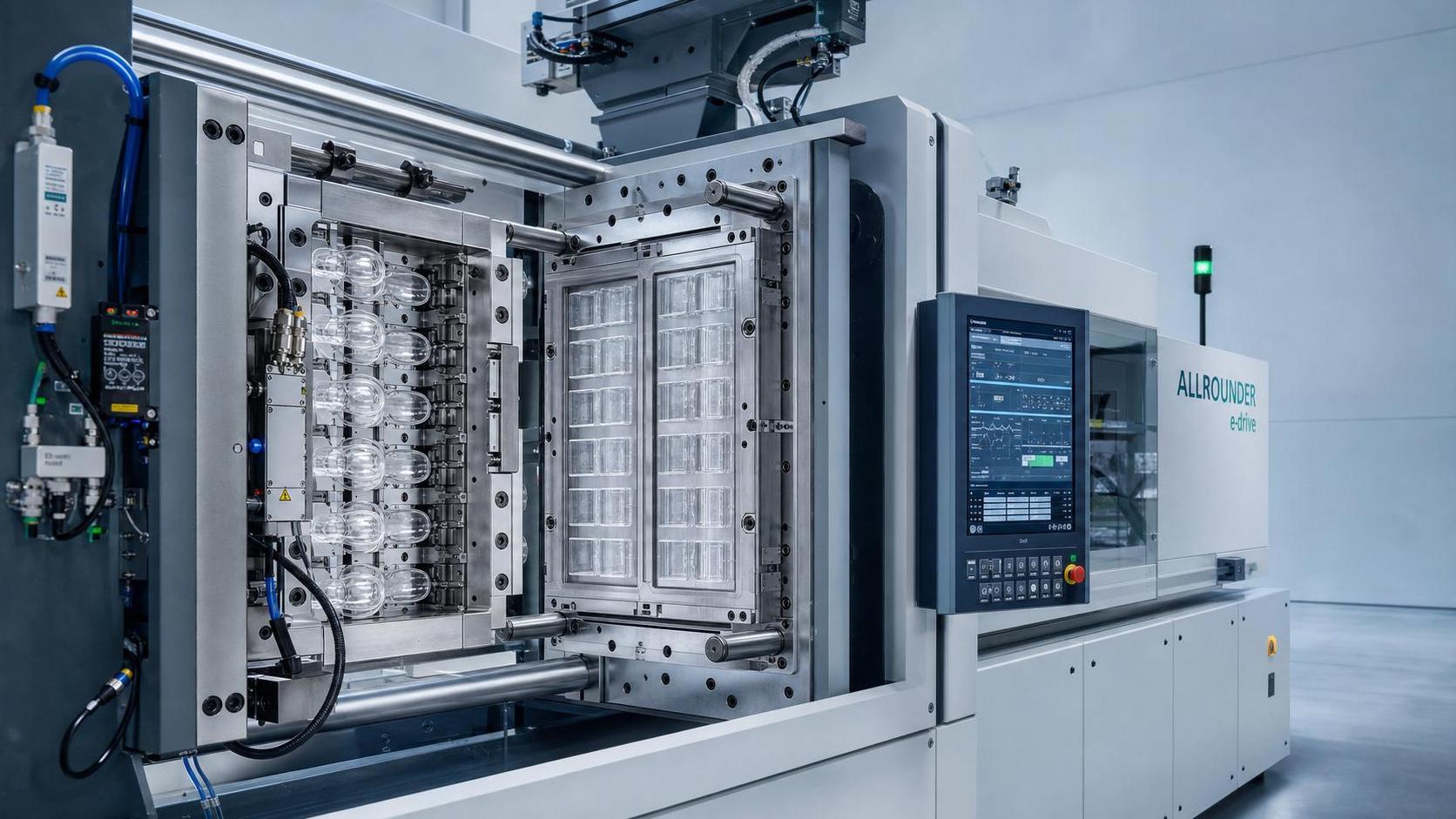
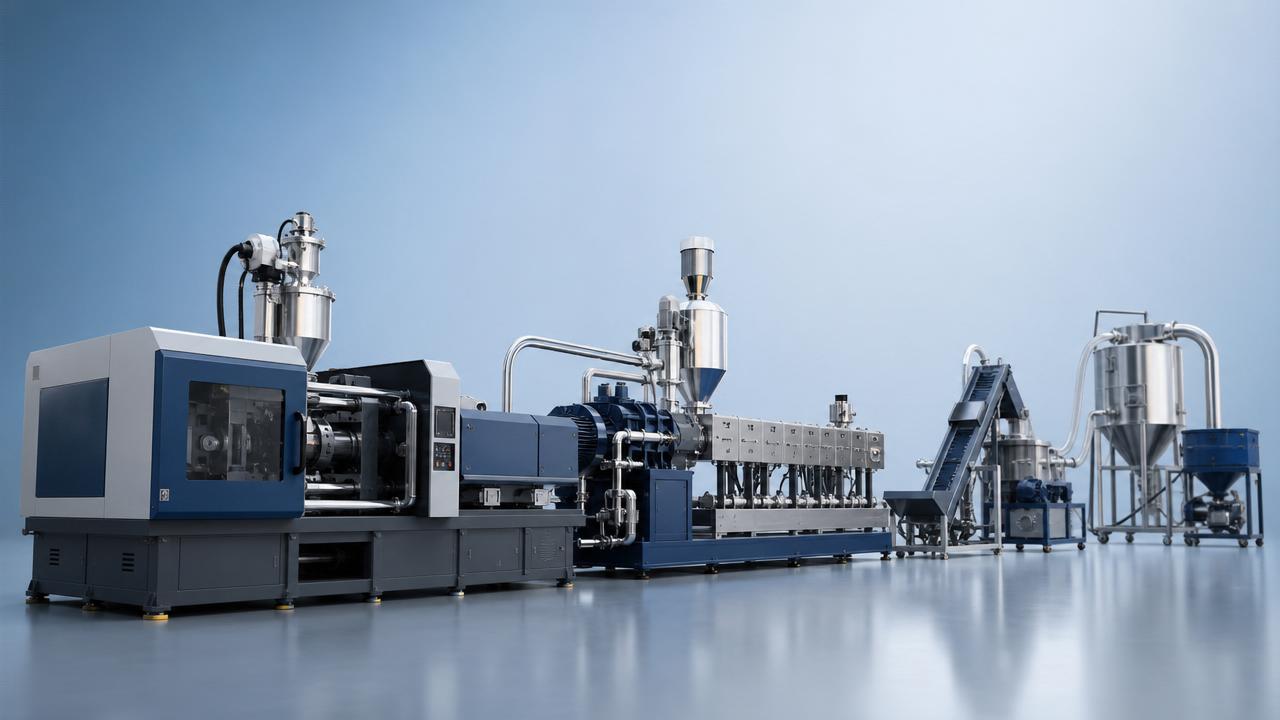
Machine energy performance becomes a priority. All-electric platforms and servo systems support lower power use while improving repeatability and reducing material waste.
Process intelligence also matters more. AI-supported holding pressure control, shot consistency monitoring, and resin traceability reduce quality loss when feedstock windows become tighter.
The green circular economy in molding is less about forcing recycled content everywhere. It is about matching recycled content to parts where risk remains controllable.
Scenario 3: Extrusion and compounding lines where material flexibility decides competitiveness
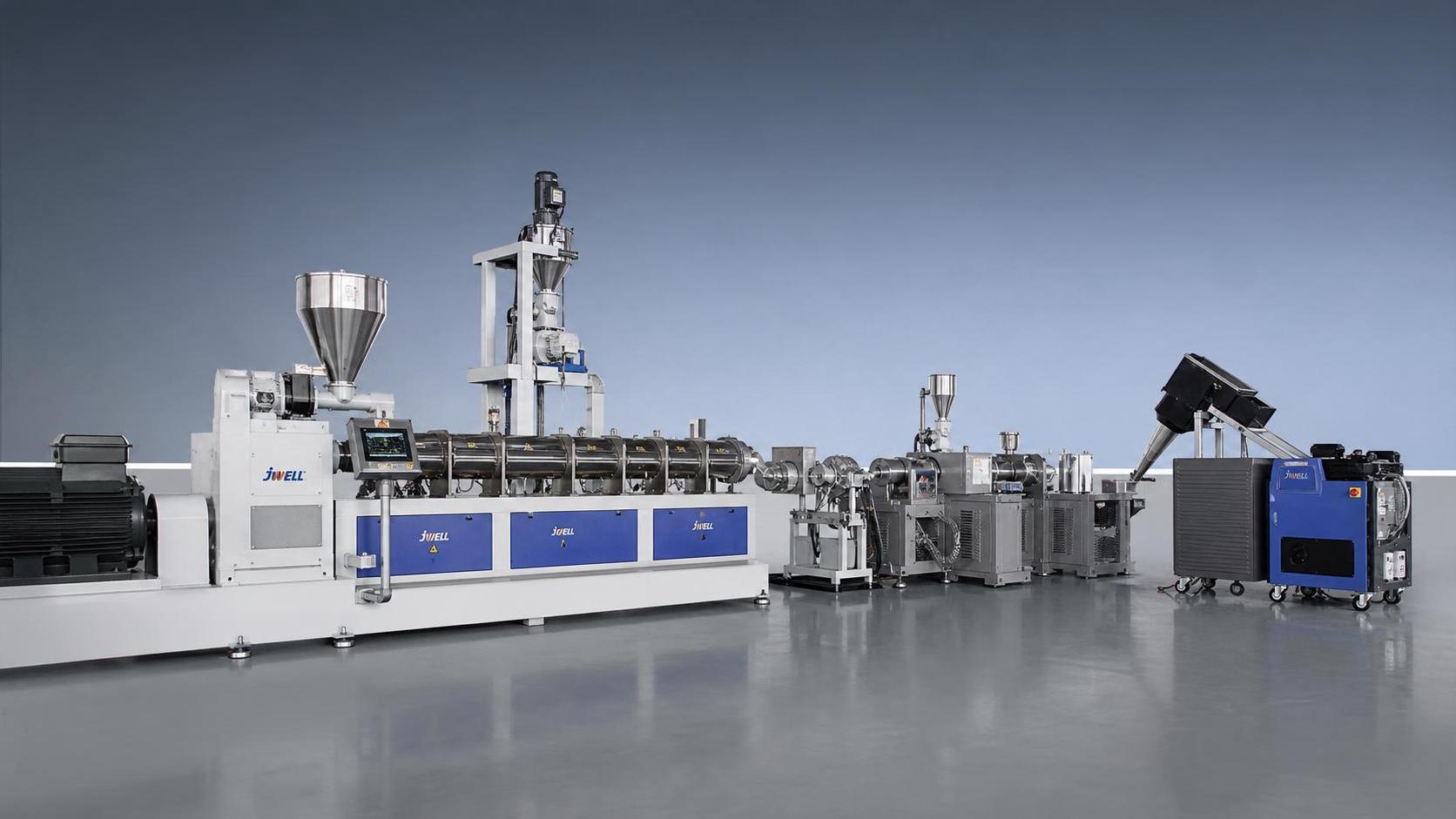
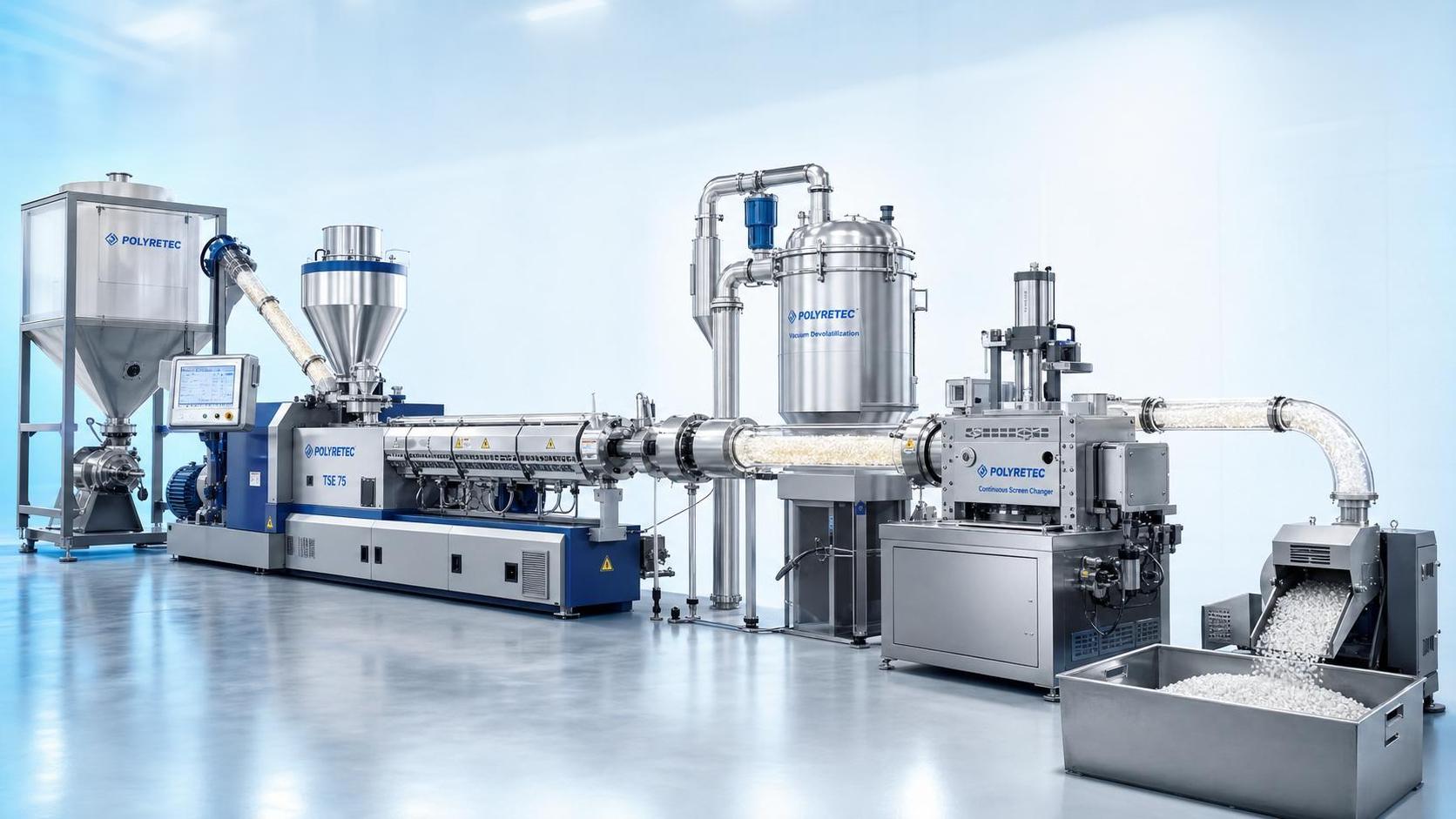
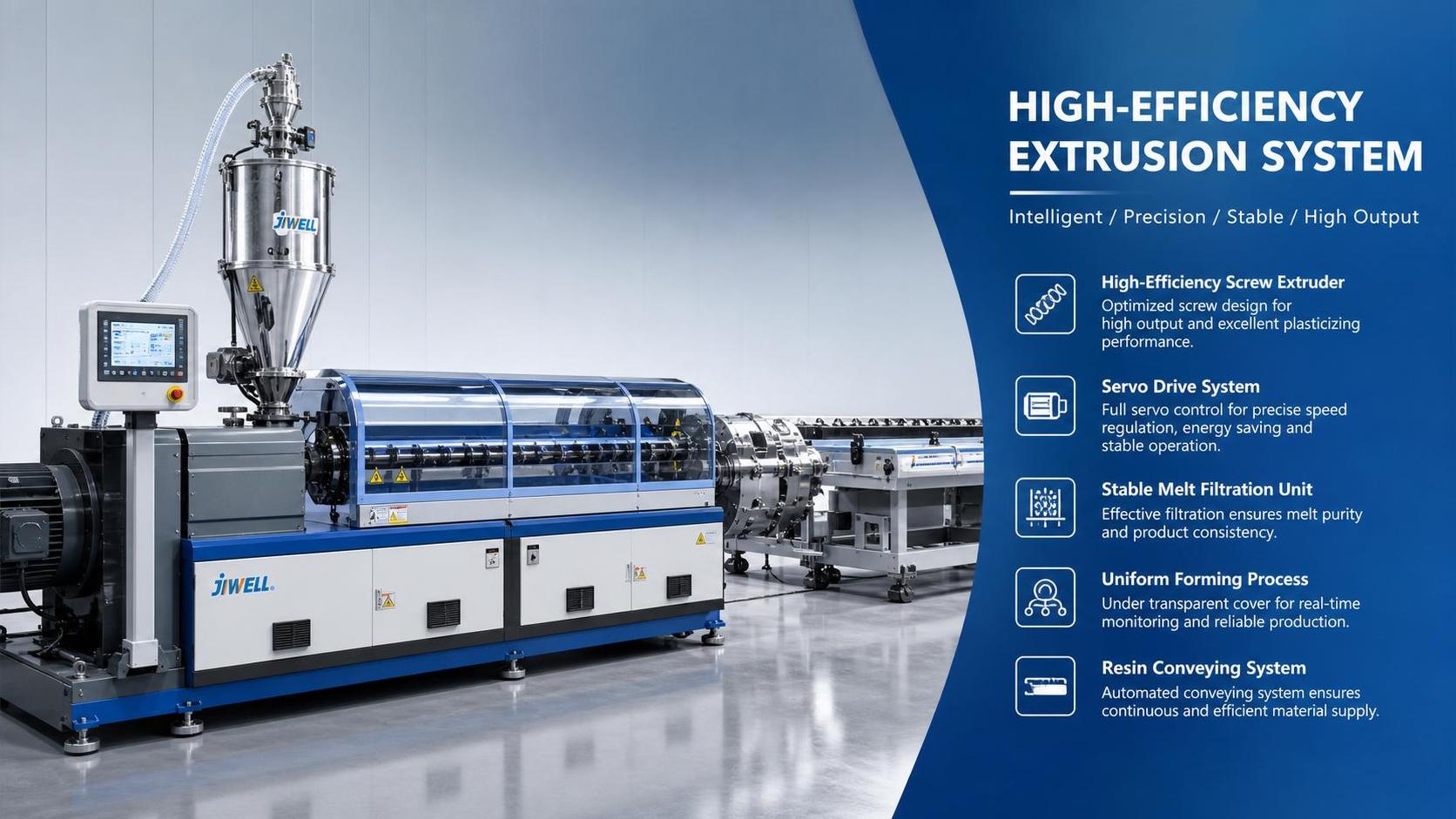
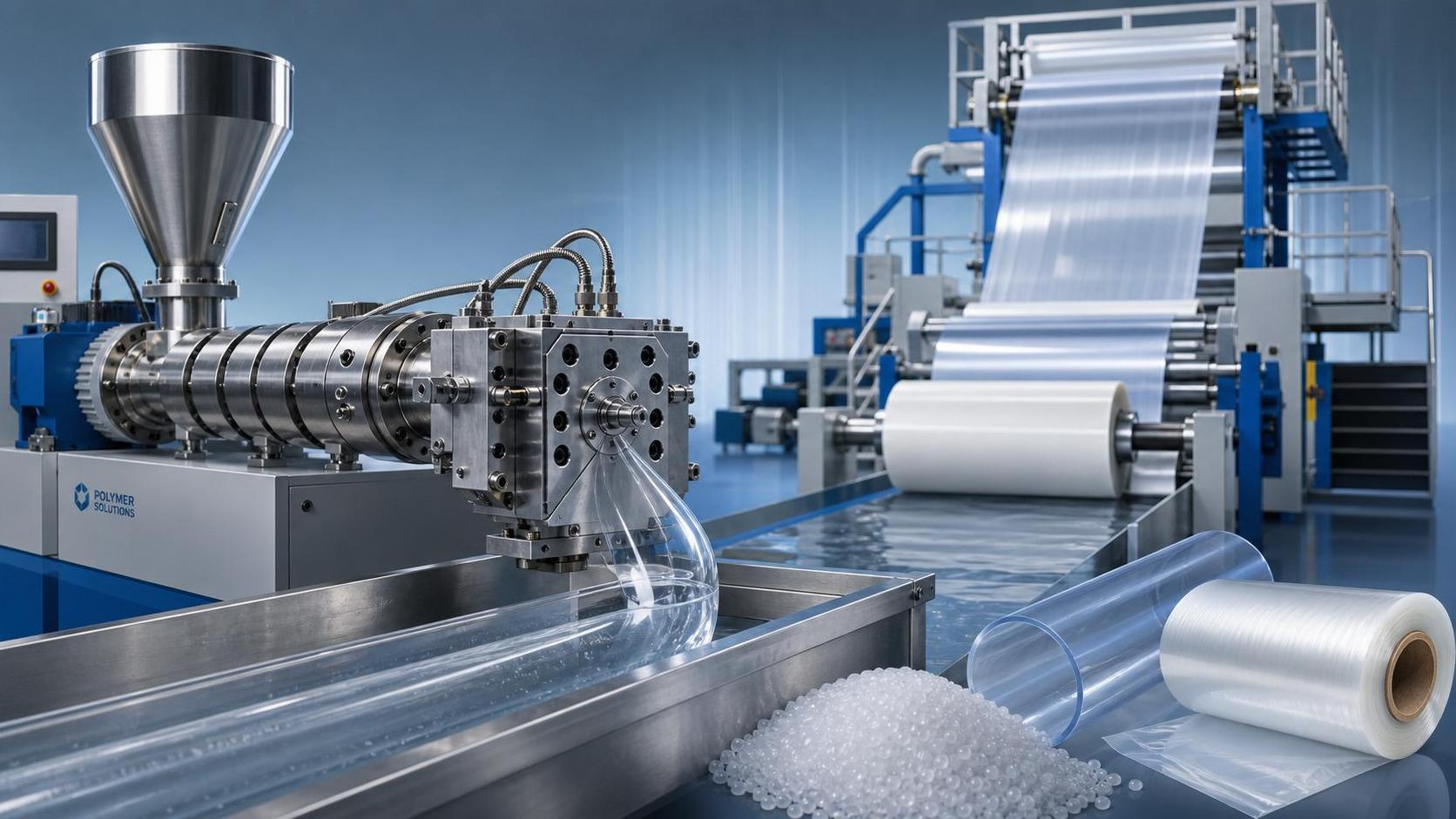
Extrusion is central to the green circular economy because it turns material complexity into usable output. Pipes, films, sheets, profiles, and compounds all depend on stable rheology management.
Twin-screw systems now play a strategic role. They blend recyclate, virgin resin, fillers, and additives while controlling dispersion, devolatilization, and thermal exposure.
Core judgment points for extrusion scenarios
- How variable is the incoming recycled feedstock?
- Does the line need stronger melt filtration?
- Can screw design protect heat-sensitive polymers?
- Is formulation flexibility built into production planning?
Under green circular economy targets, extrusion lines that only run narrow virgin-resin windows lose strategic resilience. Flexible compounding capability becomes a business advantage.
Scenario 4: Rubber and durable goods where circular goals must respect performance limits
Rubber vulcanization and durable polymer products face a different reality. Safety, fatigue resistance, sealing performance, and long service life often limit direct substitution with recycled material.
Even here, the green circular economy still matters. It influences energy use, scrap recapture, compound optimization, and end-of-life recovery pathways.
In these scenarios, the better route is often process decarbonization first, then gradual material circularity. That sequence protects performance while still advancing sustainability goals.
How scenario demands differ across plastics operations
Practical adaptation steps for a green circular economy roadmap
A strong response starts with operating reality, not slogans. The green circular economy becomes effective when each scenario gets a tailored technical and commercial plan.
- Map products by regulatory exposure, recovery potential, and material sensitivity.
- Separate applications where recycled content is safe from those needing virgin-grade consistency.
- Audit machine energy use, scrap generation, and process variability.
- Prioritize equipment upgrades with dual value: lower cost and stronger circularity.
- Build data visibility across molding, extrusion, and recycling loops.
This is where PFRS intelligence becomes useful. Decisions improve when process science, compliance updates, and equipment trends are connected instead of reviewed separately.
Common misjudgments when responding to green circular economy pressure
One common error is treating all plastics categories the same. The green circular economy does not advance evenly across food packaging, automotive parts, medical devices, and industrial goods.
Another mistake is overfocusing on recycled content percentages. Without stable rheology, contamination control, and proper end-use matching, higher percentages can destroy quality economics.
A third blind spot is ignoring processing equipment. Circularity targets often fail because lines designed for clean virgin resin cannot absorb material variation efficiently.
The final misjudgment is viewing recycling as a separate downstream issue. In a green circular economy, product design, machine settings, and recovery systems must work as one loop.
What to do next as green circular economy goals reshape plastics
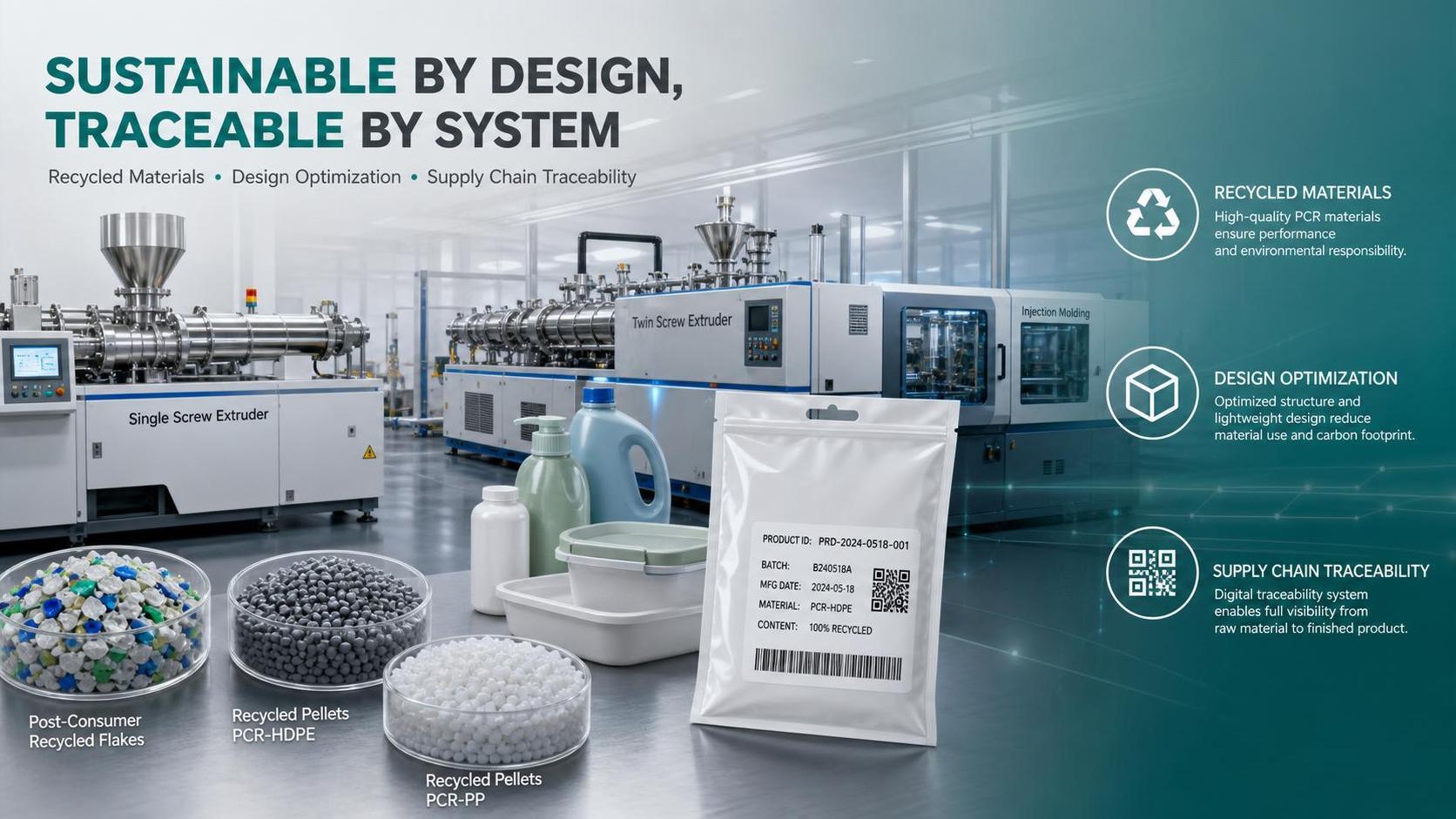
The plastics sector is entering a stage where competitiveness depends on circular readiness. That means understanding which scenarios face the earliest pressure and which technologies remove the biggest barriers.
Start by identifying products with the strongest exposure to packaging rules, customer ESG requirements, or resin cost volatility. Then align processing assets to those priorities.
Use a staged plan: improve energy efficiency, reduce scrap, qualify recycled inputs, strengthen compounding control, and connect in-house recovery where economics support it.
As green circular economy standards continue rising, the winners will be those that combine precision processing with material loop intelligence. That is the new operating logic of modern plastics.
PFRS tracks this shift through machinery insight, process analysis, recycling technology observation, and compliance-driven market intelligence—helping the industry shape matter while closing the ecological loop.
Related News
- 00
0000-00
How to Evaluate Plastic Pelletizing Machine Suppliers for Output, Support, and Risk - 00
0000-00
How to Select a Plastic Pipe Manufacturing System for Output, Resin, and Pipe Range - 00
0000-00
How to Specify Injection Molding Equipment for High-Volume Closure Production - 00
0000-00
How to Specify a Medical Molding Machine for Cleanroom Device Production - 00
0000-00
Plastic Extrusion Technology for Films: Process Controls That Improve Gauge Uniformity
Weekly Insights
Stay ahead with our curated technology reports delivered every Monday.
Related News
 Prof. Marcus ChenEnergy-Efficient Polymer Processing: Where Plants Can Cut kWh per KilogramEnergy-efficient polymer processing solutions help plants reduce kWh per kilogram, protect quality, cut scrap, and prioritize upgrades with data-driven insights.Sep 23, 2026
 Prof. Marcus ChenPlastic Pelletizing Trends: How Recycling Demand Is Reshaping Processing TechnologyPlastic pelletizing trends are redefining recycling quality. Explore filtration, extrusion, degassing, and automation innovations driving cleaner, more consistent recycled resin.Sep 07, 2026
 Prof. Marcus ChenHow Polymer Supply Chains Are Changing to Support High-Quality Recycling FeedstockPolymer supply chain for recycling is shifting toward traceable sourcing, cleaner sorting, and stable processing. See how high-quality feedstock improves performance, compliance, and cost control.Aug 22, 2026
 Prof. Marcus ChenHow Europe’s Circular Plastics Economy Is Reshaping Recycling InvestmentCircular plastics economy Europe is reshaping recycling investment through quality, traceability, and packaging demand. Explore where capital is moving and why it matters now.Aug 04, 2026
 Prof. Marcus ChenBlow Molding Trends Shaping Packaging, Sustainability, and Production EfficiencyBlow molding trends are redefining packaging with lightweighting, recycled content, automation, and energy efficiency. Discover how smarter production boosts sustainability and cuts costs.Jul 23, 2026
 Prof. Marcus ChenExtrusion Equipment Modular Design: When It Makes Sense for Line ExpansionExtrusion equipment modular design helps manufacturers expand lines in phases, cut disruption, and stay ready for recycled content, utility limits, and changing product demands.Jul 15, 2026
 Prof. Marcus ChenPolymer Lifecycle Solutions Explained: From Material Sourcing to End-of-Life RecoveryPolymer lifecycle solutions explained from sourcing and processing to recycling and recovery. Discover how to cut waste, improve quality, and build smarter material strategies.Jul 13, 2026
 Prof. Marcus ChenEnergy-Efficient Polymer Processing Systems: Which Metrics Matter Most?Energy-efficient polymer processing systems: discover the metrics that truly drive ROI—specific energy use, yield, uptime, stability, and compliance for smarter equipment decisions.Jul 11, 2026
 Prof. Marcus ChenPolymer Recycling Systems for Continuous Operation: What to Check Before SpecifyingPolymer recycling systems continuous operation starts with the right specification. Learn what to check for uptime, melt quality, energy efficiency, and reliable pellet output.Jul 09, 2026
 Prof. Marcus ChenCircular Plastics Economy in Japan: Policy Drivers, Recycling Targets, and Market ImpactCircular plastics economy Japan is accelerating as policy, recycling targets, and packaging reforms reshape material choices, processing strategy, and market advantage.Jul 05, 2026
 Prof. Marcus ChenPlastic Extrusion Technology Trends: What Process Changes Are Improving Energy Efficiency?Plastic extrusion technology trends are reshaping energy efficiency through smarter screws, thermal control, servo drives, and digital optimization. See which process changes deliver lower costs and more stable output.Jul 01, 2026
 Prof. Marcus ChenInjection Molding Technology Trends: Which Process Changes Matter Most for Medical and Packaging Parts?Injection molding technology trends shaping medical and packaging parts: discover the process changes that improve validation, precision, efficiency, and recycled-material readiness.Jun 30, 2026
 Prof. Marcus ChenCircular Plastics Economy Compliance Explained: Key Requirements for ManufacturersCircular plastics economy compliance explained for manufacturers: learn key requirements, audit risks, process controls, and how to turn compliance into a competitive advantage.Jun 25, 2026
 Prof. Marcus ChenAdvanced Materials Processing Trends: 5 Shifts Reshaping Capacity Planning and SourcingAdvanced materials processing trends are reshaping capacity planning, sourcing, recycling, and compliance. Explore 5 shifts helping manufacturers cut risk, improve precision, and build resilient growth.Jun 24, 2026
 Prof. Marcus ChenGlobal Plastic Ban Trends: Which Packaging Materials and Export Markets Face the Biggest Changes?Global plastic ban trends are reshaping packaging choices and export strategy. See which materials and markets face the biggest shifts, and how to reduce compliance risk.Jun 22, 2026
 Prof. Marcus ChenPolymer Rheology Trends That Matter in Extrusion: Melt Strength, Shear, and StabilityPolymer rheology trends are reshaping extrusion performance. Learn how melt strength, shear, and stability affect quality, efficiency, and recycled resin processing.Jun 18, 2026
 Prof. Marcus ChenPlastic Circularity Strategies for Manufacturers: Recycled Content, Design, and TraceabilityPlastic circularity strategies for manufacturers: learn how recycled content, smarter design, and traceability can reduce risk, improve compliance, and strengthen supply resilience.Jun 18, 2026
 Prof. Marcus ChenAdvanced Materials Processing Equipment in High-Performance Manufacturing: Where It Fits BestAdvanced materials processing equipment drives precision, speed, and sustainability in manufacturing. Explore where each system fits best to improve quality, efficiency, and ROI.Jun 16, 2026
 Prof. Marcus ChenWhat Is Driving the Circular Economy Plastics Market? Policy, Pricing, and Demand ShiftsCircular economy plastics market trends are being driven by tighter policy, resin price volatility, and stricter buyer demands. Discover what this means for sourcing, processing, and growth.Jun 13, 2026
 Prof. Marcus ChenDigital Polymer Processing Explained: Methods, Materials, and Best-Fit ApplicationsDigital polymer processing explained clearly: explore key methods, materials, and best-fit applications to improve quality, efficiency, and recycling performance.Jun 10, 2026