Where digital polymer processing cuts waste on production lines




Where margins are tight and scrap is costly, digital polymer processing is becoming a practical lever for cleaner, faster, and more controllable production lines. For complex manufacturing networks, it supports better visibility, lower waste, tighter quality consistency, and stronger alignment with sustainability goals.
Across injection molding, extrusion, blow molding, rubber vulcanization, and plastic recycling, digital polymer processing turns machine data into action. It helps reduce variation, stabilize throughput, and prevent small process errors from becoming expensive material losses.
What does digital polymer processing mean on a real production line?
Digital polymer processing combines sensors, controls, software, and analytics across polymer equipment. It links temperature, pressure, torque, flow, cycle time, and energy data with quality and scrap outcomes.
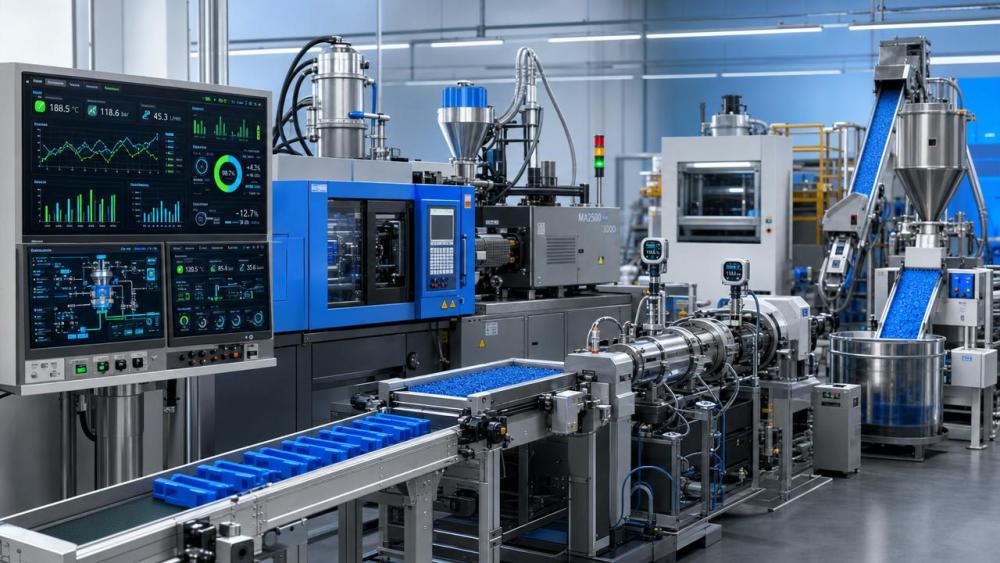
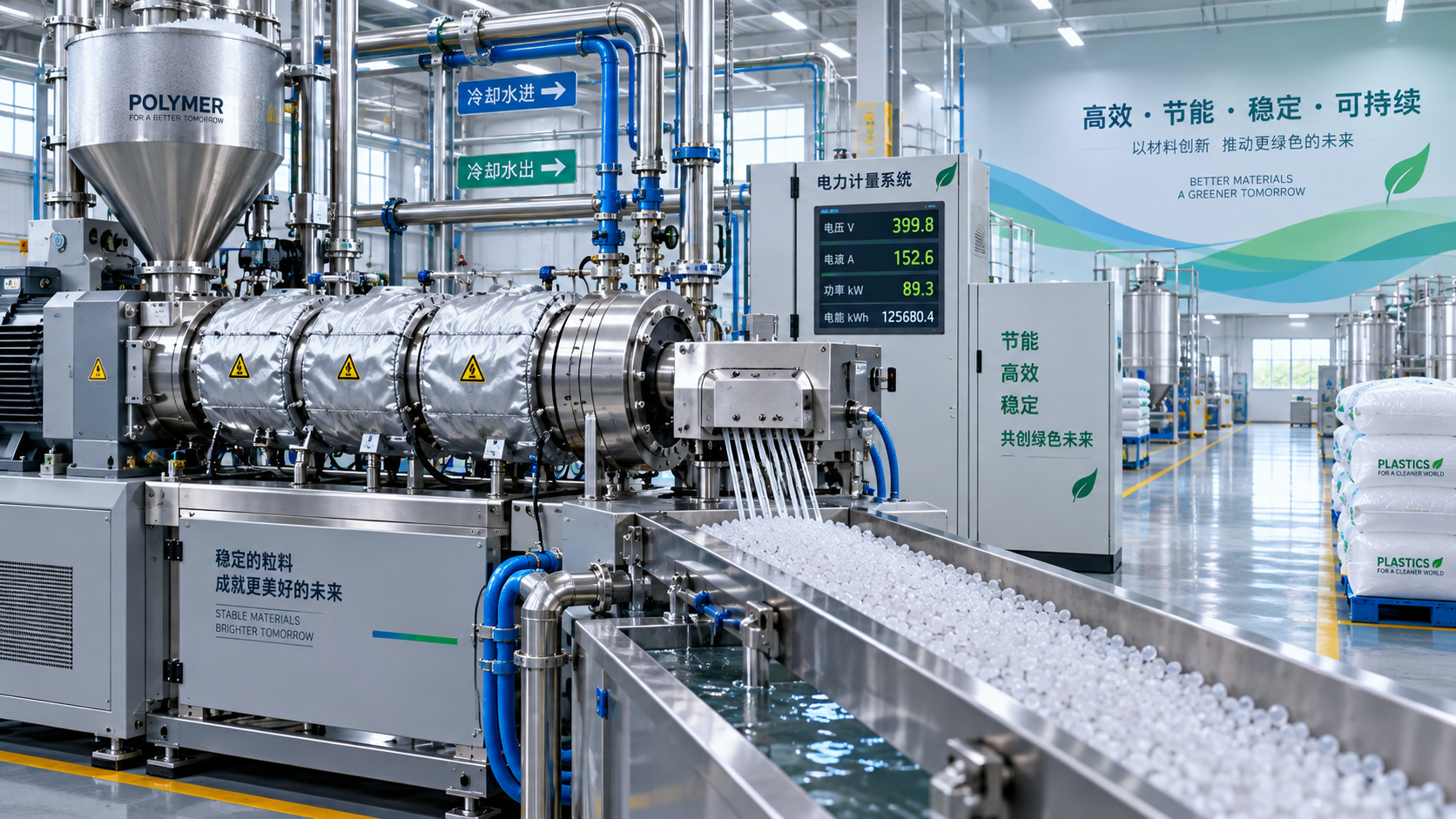
In practice, this means an injection press can adjust holding pressure curves. An extruder can monitor melt stability. A pelletizing line can track contamination, moisture, and filter pressure before quality drops.
The goal is not digitalization for its own sake. The goal is to make polymer behavior more visible and controllable, especially when rheology, heat history, and recycled feedstock variability create hidden waste.
What data points matter most?
- Melt temperature consistency
- Injection or extrusion pressure trends
- Screw speed, torque, and residence time
- Cooling, cure, or drying deviations
- Scrap rate by shift, cavity, die, or material batch
- Specific energy use per kilogram of output
When these variables are connected, digital polymer processing supports faster root-cause analysis. That is especially valuable in high-speed packaging, precision parts, automotive components, medical molding, and closed-loop recycling lines.
Where does digital polymer processing cut waste most effectively?
Waste reduction happens where process drift is common and material value is high. Digital polymer processing is strongest where small deviations create visible scrap, hidden rework, or unnecessary energy consumption.
Injection molding
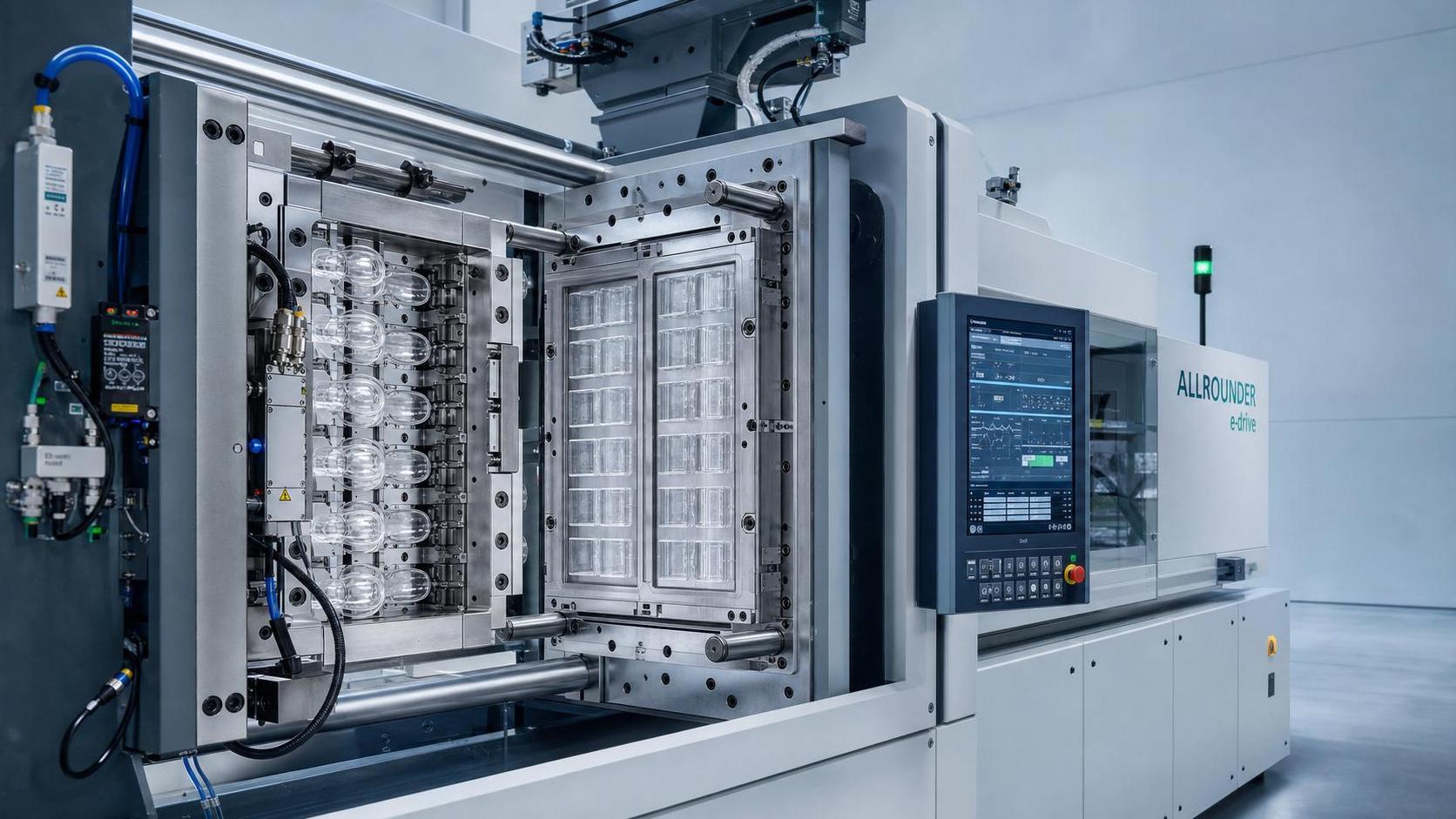
Real-time cavity pressure and machine response data can reduce short shots, flash, sink marks, and dimensional variation. Digital recipes also improve startup consistency after tool changes or material substitutions.
Extrusion
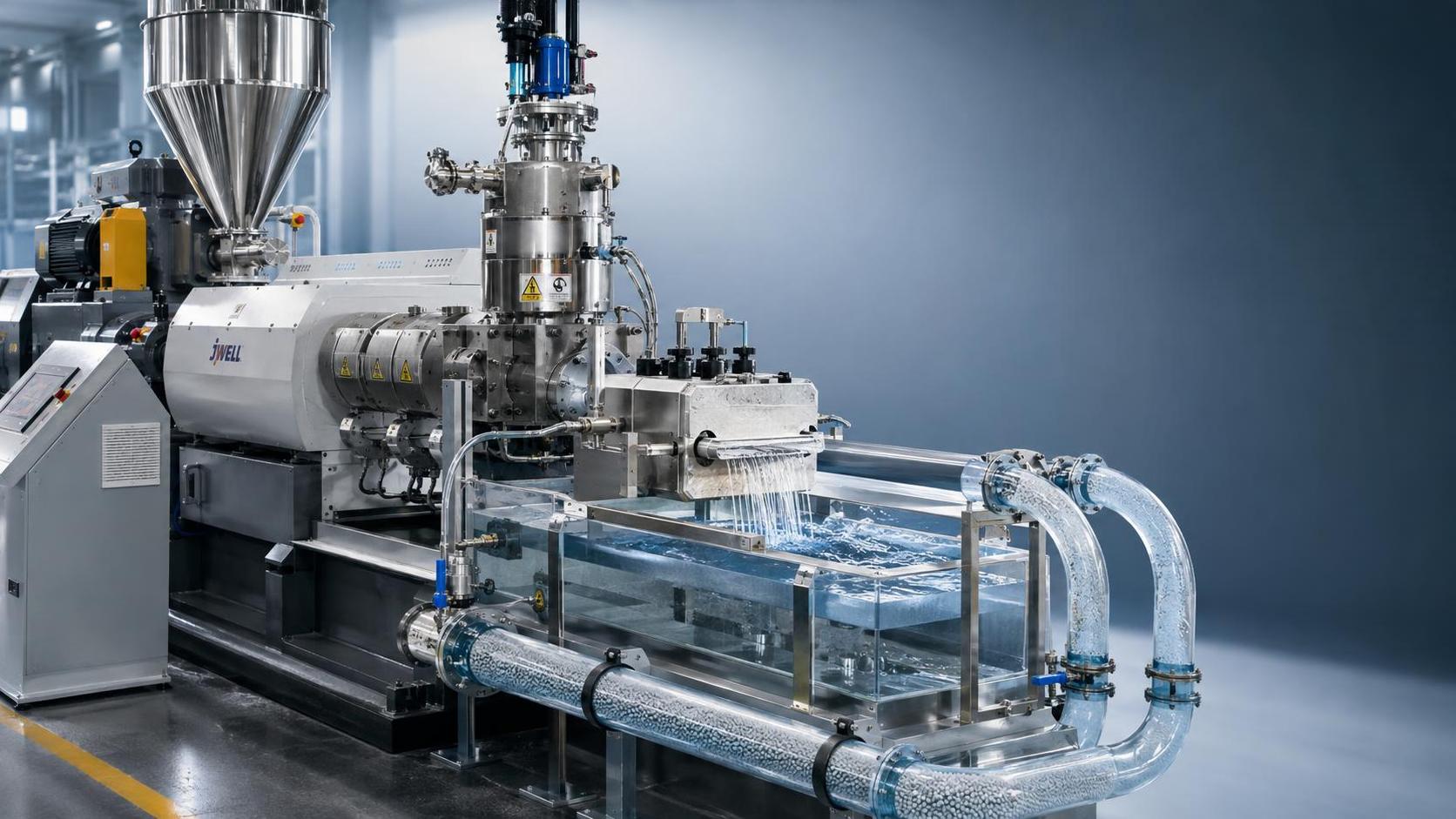
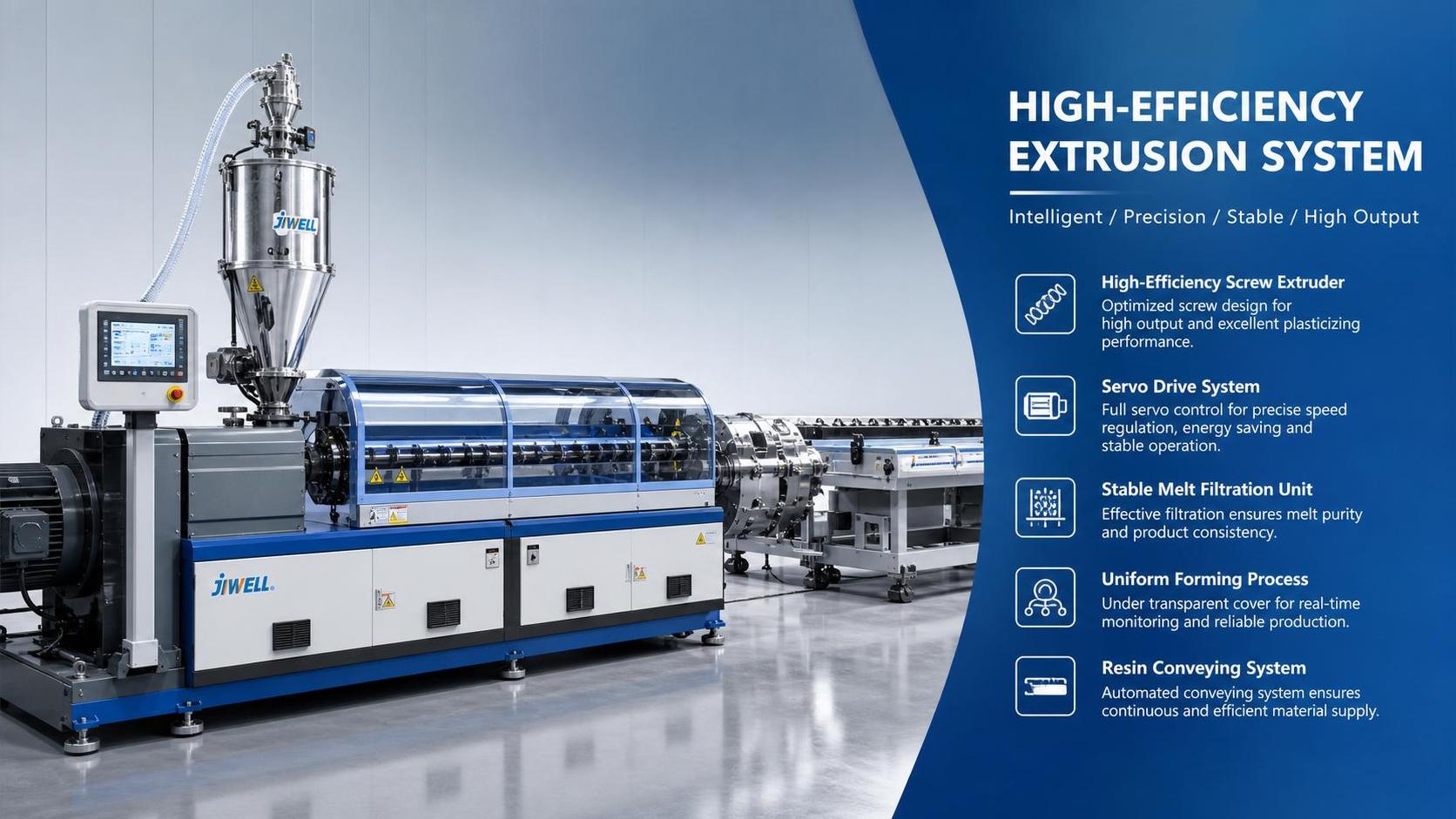
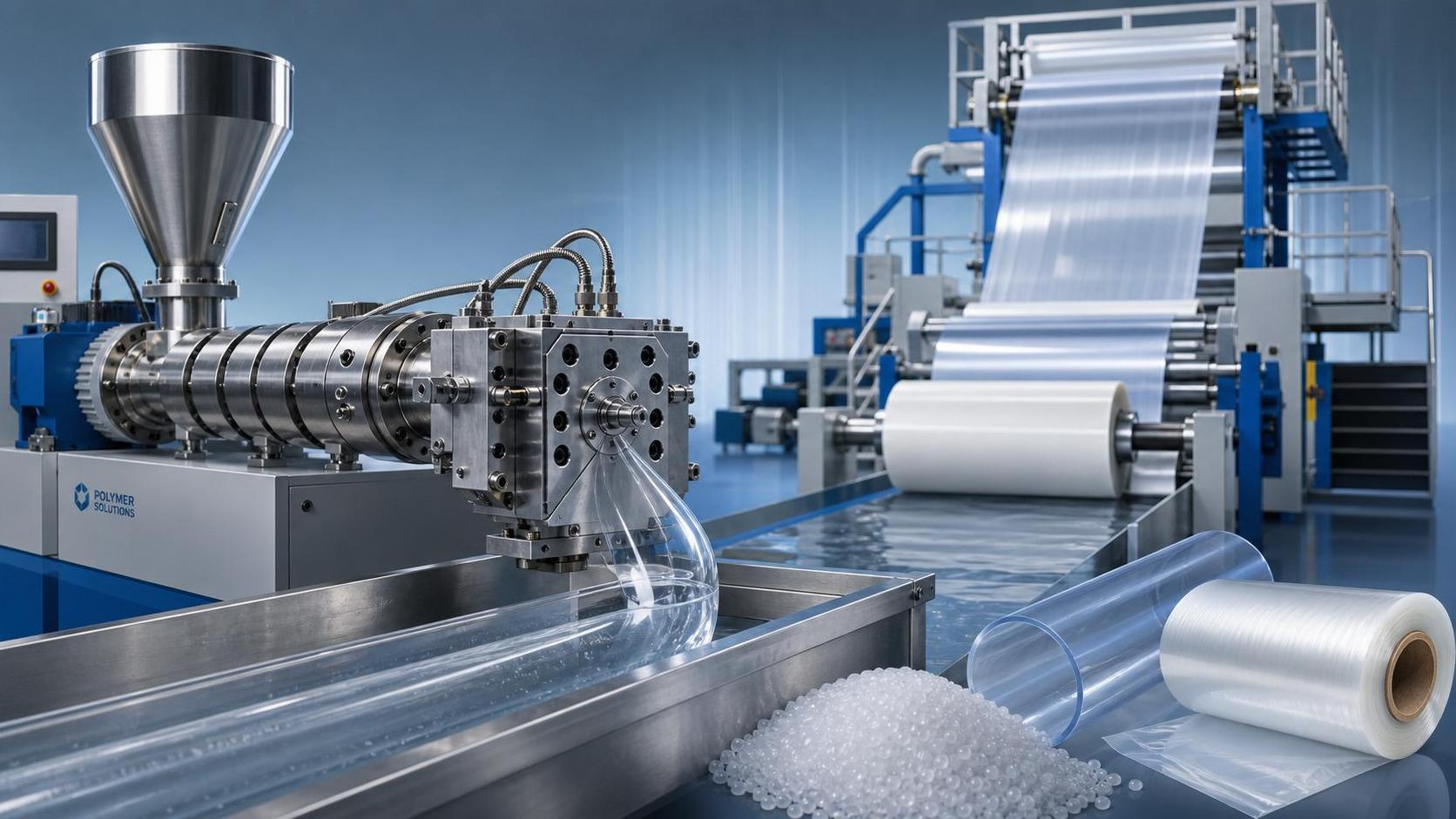
Twin-screw and single-screw lines benefit from tighter control of shear, temperature, and pressure. That reduces off-spec thickness, unstable output, die build-up, and resin degradation during continuous production.
Blow molding
Parison control, stretch ratios, and thermal balance can be monitored more precisely. This helps lower bottle weight variation, improve burst strength, and reduce wasted resin in overbuilt packaging.
Rubber vulcanization
Cure time, mold temperature, and pressure profiles matter greatly. Digital polymer processing helps prevent under-cure, over-cure, uneven cross-linking, and avoidable rejects in seals, tires, and technical elastomer parts.
Plastic recycling and pelletizing
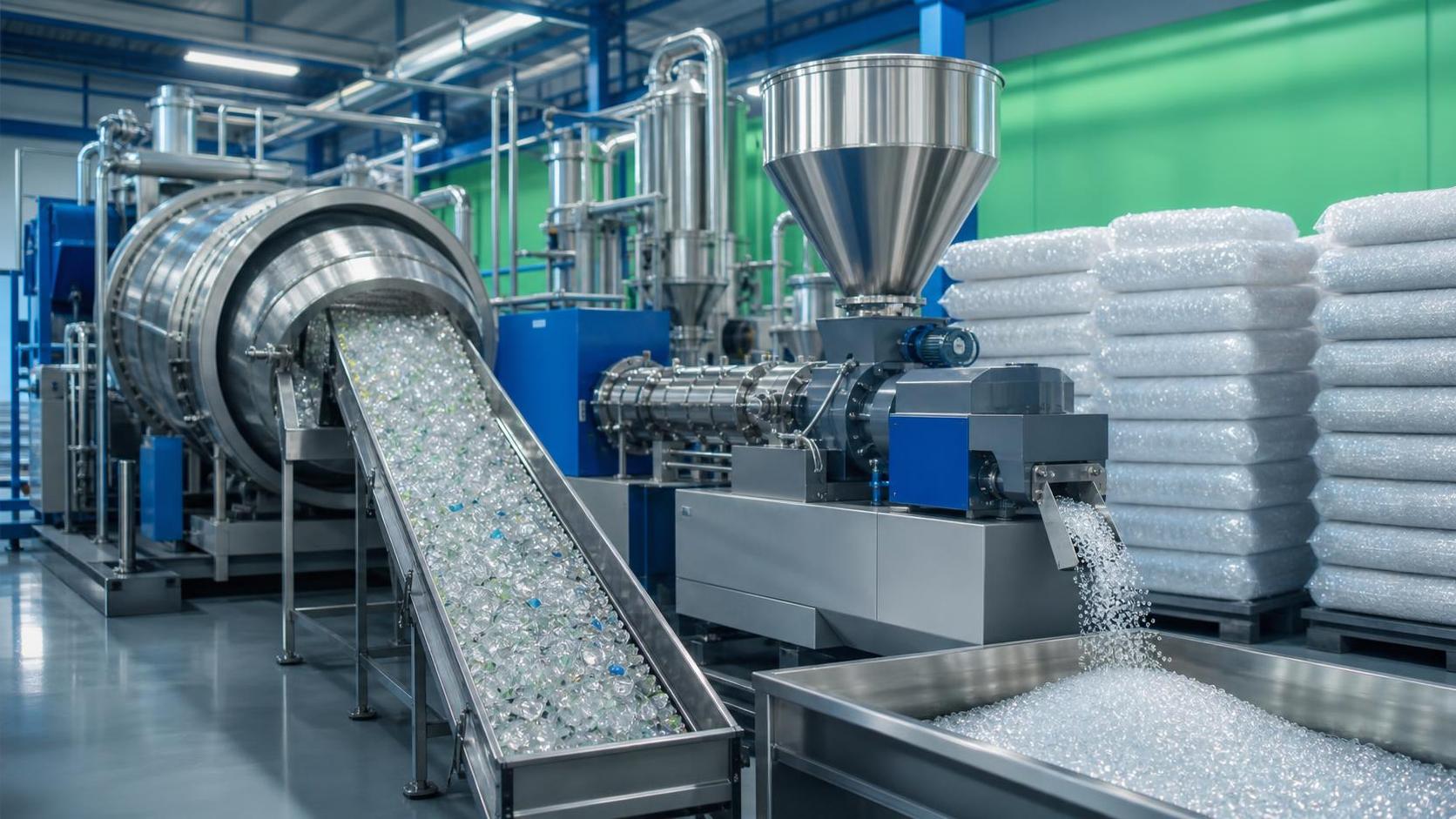
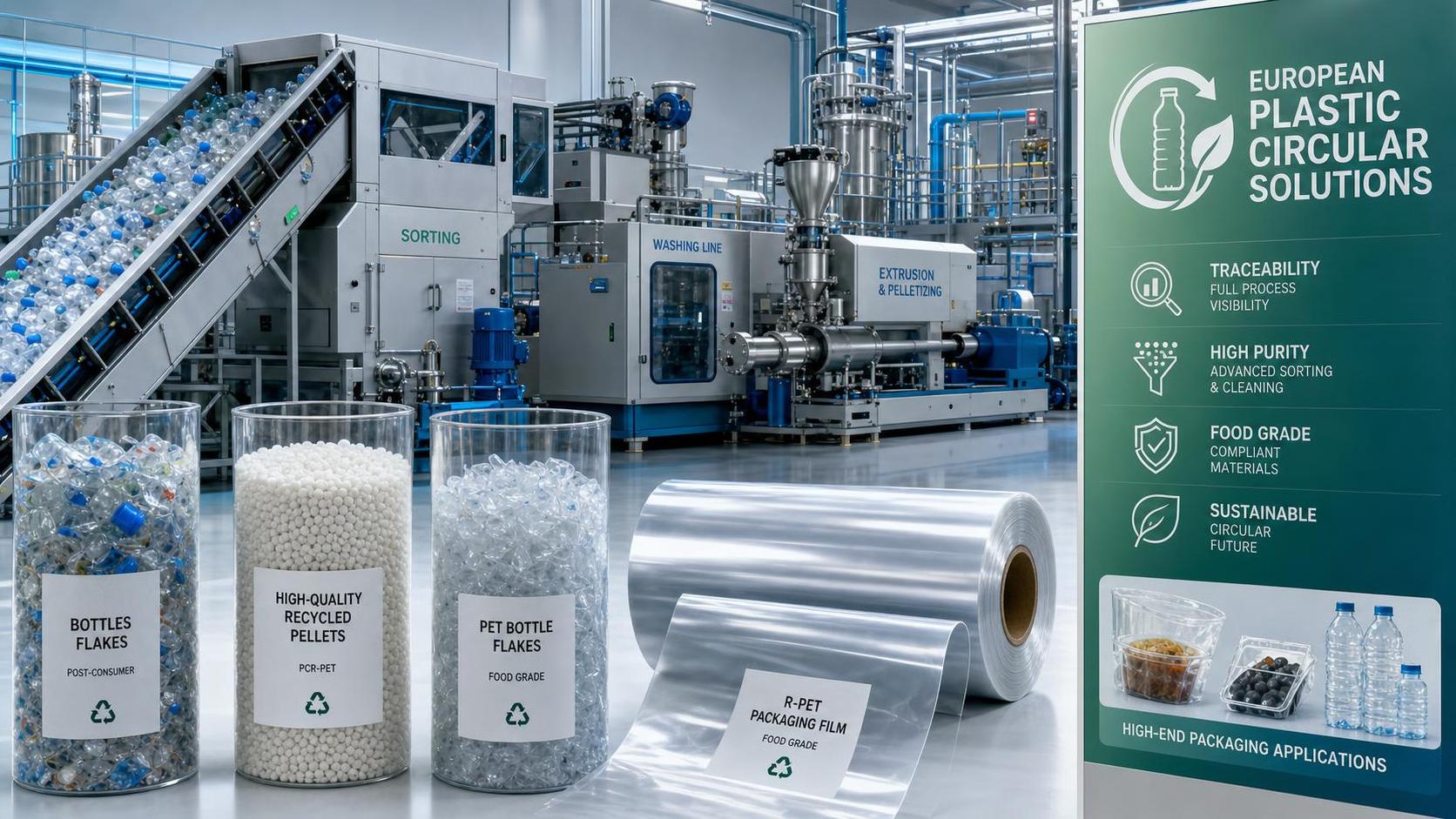
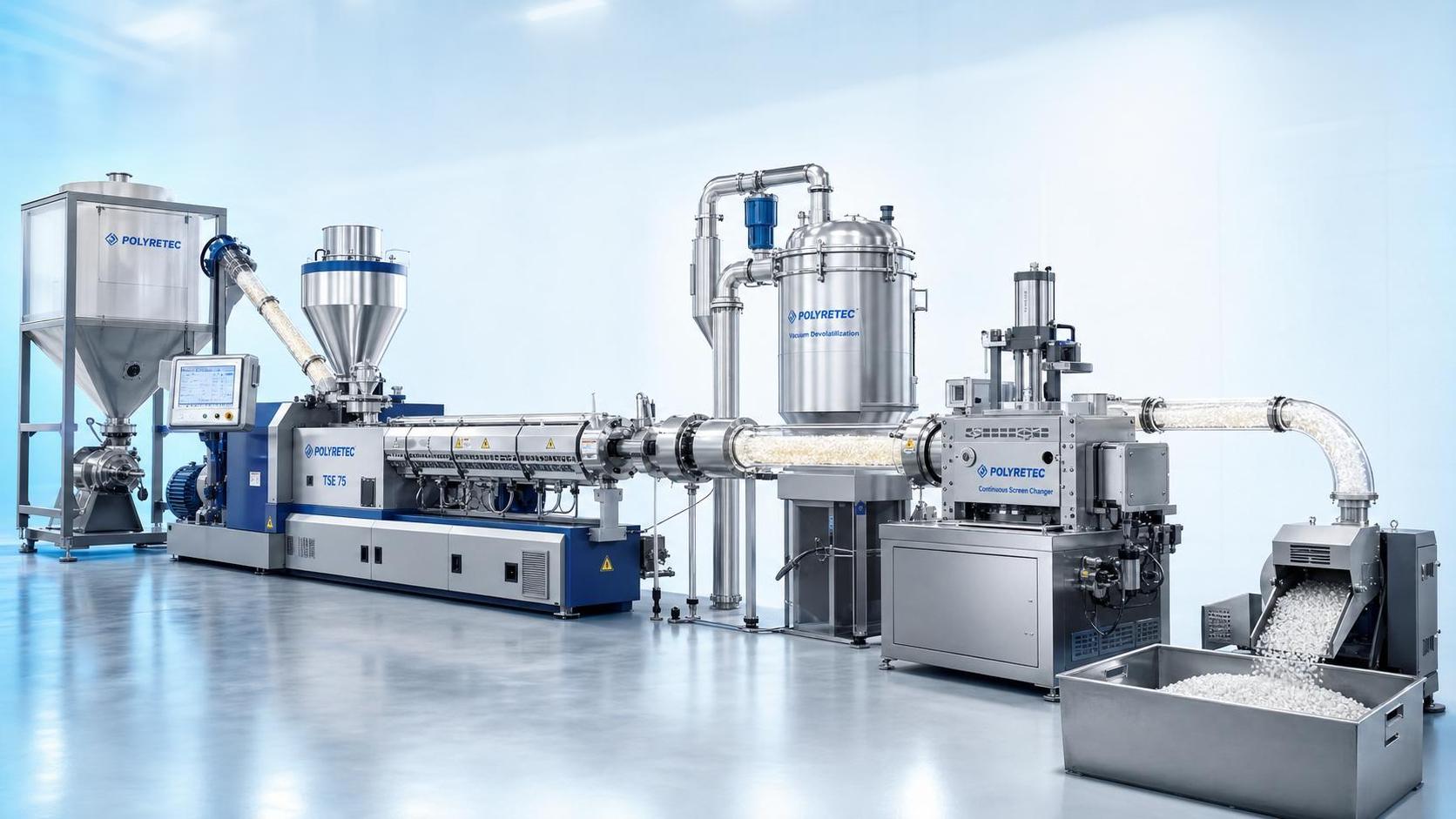
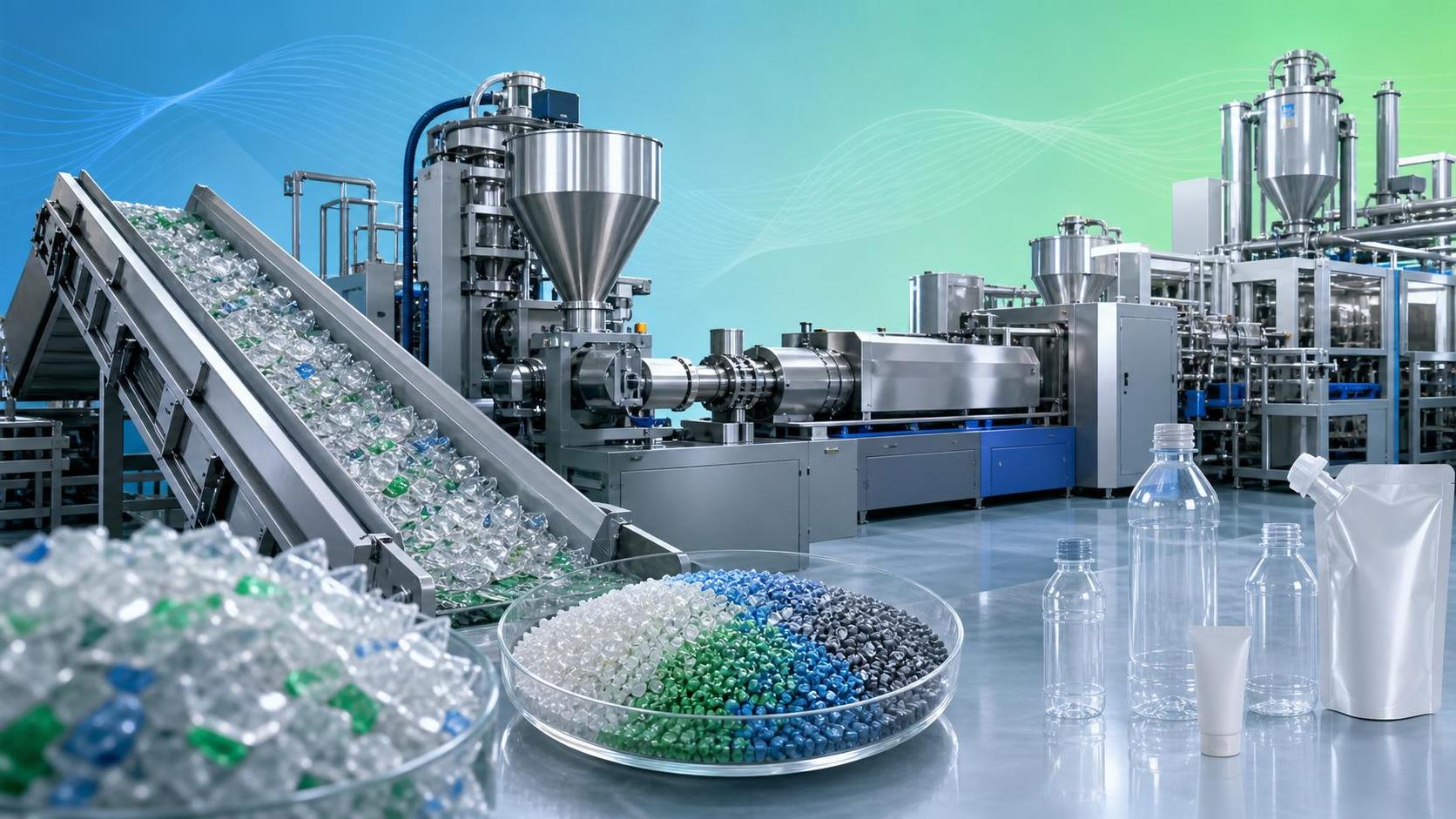
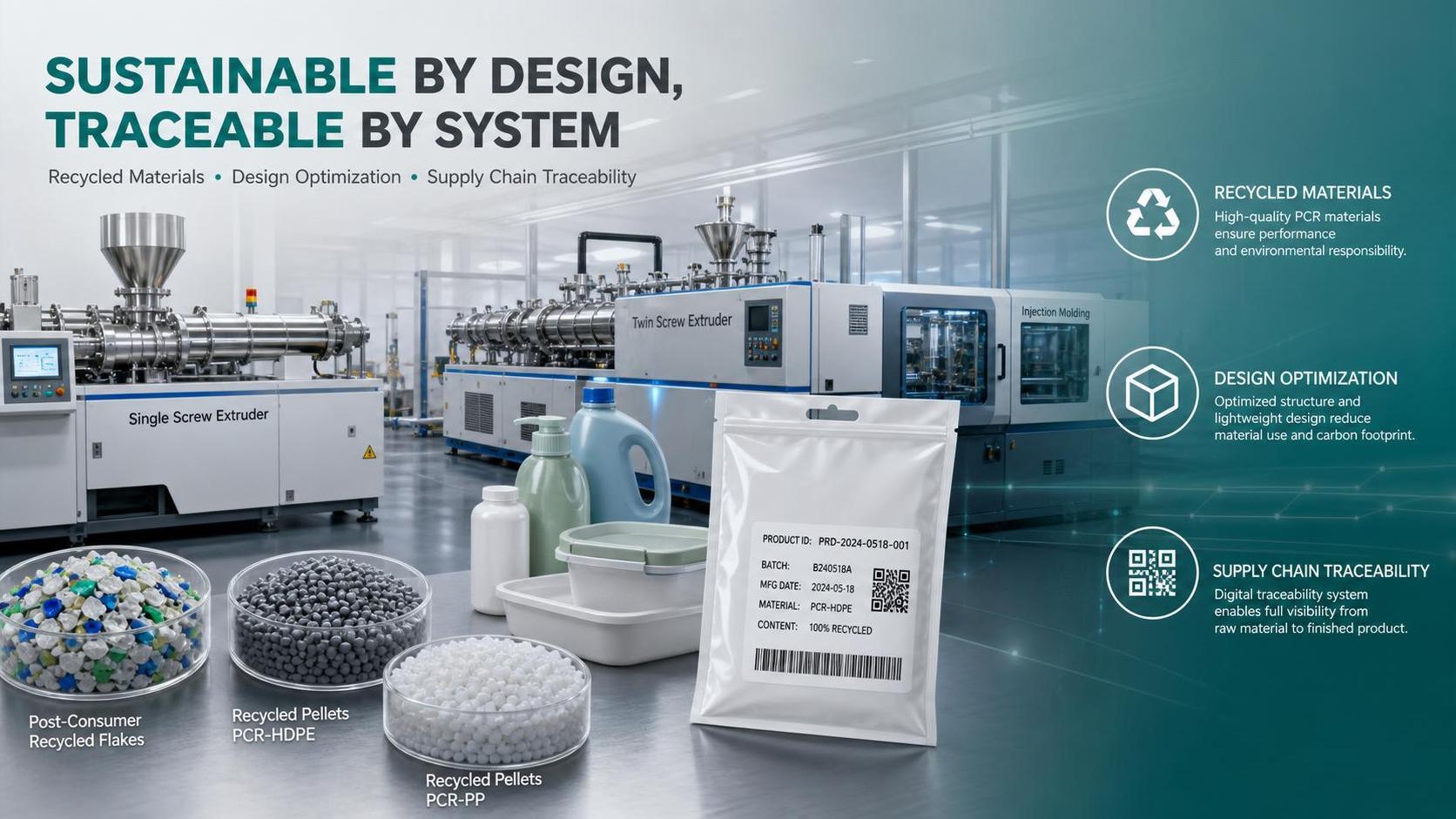
Recycled streams often vary in contamination, moisture, and melt behavior. Digital polymer processing supports better washing control, filtration timing, degassing performance, and pellet quality stability.
These gains matter because waste is not only scrap. Waste also includes excess changeover time, unstable quality windows, overprocessing, overcooling, excessive energy use, and poor traceability during compliance reviews.
How is digital polymer processing different from basic automation?
Basic automation executes preset machine actions. Digital polymer processing adds feedback, interpretation, and continuous optimization. It does not only repeat motion. It learns from process behavior and quality results.
A machine can be automated yet still produce avoidable scrap. Without connected process data, teams may only discover drift after rejects accumulate, customer complaints appear, or energy costs rise unexpectedly.
Key differences
This distinction matters for ESG reporting, packaging compliance, and recycled-content validation. Better digital records make it easier to support audits, process qualification, and customer confidence in material performance.
Which production environments gain the most from digital polymer processing?
Not every line has the same waste profile. Digital polymer processing delivers faster value where process sensitivity, throughput pressure, and material cost are already significant business factors.
High-value or tight-tolerance parts
Medical, optical, electronics, and technical automotive parts often require micron-level control. Here, one unstable thermal zone or pressure spike can cause expensive scrap and delayed approvals.
Continuous high-output lines
Extrusion and bottle production benefit because a small drift can affect many meters or thousands of units before intervention. Digital polymer processing shortens the time between deviation and correction.
Recycling systems using variable feedstock
Post-consumer and post-industrial waste streams are rarely uniform. Digital controls help standardize outputs despite unstable input quality, which is critical for rPET, rPE, and circular packaging applications.
Multi-site operations
Standardized digital recipes, alarms, and dashboards support more consistent process transfer. This lowers variation between plants and strengthens technical governance across global polymer operations.
What implementation mistakes limit waste reduction results?
Digital polymer processing does not reduce waste automatically. Weak sensor selection, poor data quality, and unclear operating rules can make dashboards busy while scrap remains unchanged.
Common mistakes
- Tracking too many metrics without linking them to scrap causes
- Ignoring material variability, especially recycled inputs
- Using software without calibrating sensors and instruments
- Treating machine alarms as enough for process intelligence
- Skipping change management for recipes, limits, and response rules
Another mistake is focusing only on machine uptime. A line can run continuously while still generating hidden waste through overweight parts, excessive purge material, unstable pellet quality, or avoidable energy intensity.
How to avoid a weak rollout
- Start with one high-loss line and define the biggest waste modes.
- Connect process variables directly to quality and scrap events.
- Set response thresholds that operators can act on quickly.
- Measure baseline and post-implementation material performance.
- Expand only after proving repeatable gains.
How should companies judge cost, timing, and return?
The value of digital polymer processing depends on scrap cost, process complexity, and how quickly variation spreads through output. Return is often strongest where resin cost, energy demand, or compliance pressure is high.
A practical evaluation should include more than software price. It should count wasted resin, unstable output, unplanned downtime, delayed root-cause analysis, quality claims, and the cost of inconsistent recycled material performance.
Quick decision table
For many lines, the first wins come from visibility and discipline rather than advanced AI. Better alarms, recipe governance, and linked scrap analytics often create a solid foundation for later optimization models.
What should the next step look like for waste-focused transformation?
Start with a narrow but measurable target. Choose one process family, one waste category, and one performance baseline. Then map which polymer variables most likely drive that loss.
For injection molding, that may be cavity pressure and cooling consistency. For extrusion, melt pressure and die temperature stability. For recycling, moisture, filtration, and degassing performance may matter more.
Digital polymer processing works best when technical data, production discipline, and sustainability objectives move together. That is where lower scrap, stronger output quality, and better circular material use begin to reinforce each other.
For operations navigating modern packaging compliance, resin volatility, and energy pressure, digital polymer processing is no longer a future concept. It is a practical method for cutting waste where it starts: inside the process window.
Related News
- 00
0000-00
How to Qualify a Servo Injection Molding Exporter for Global Sourcing - 00
0000-00
Polymer Processing for Extrusion: How Melt Rheology Affects Line Stability - 00
0000-00
Energy-Efficient Polymer Processing: Where Plants Can Cut kWh per Kilogram - 00
0000-00
German Extrusion Equipment Suppliers: Comparing Service, Lead Times, and Lifecycle Cost - 00
0000-00
Is an Underwater Pelletizer Worth the Added Cost for Recycled Plastics?
Weekly Insights
Stay ahead with our curated technology reports delivered every Monday.
Related News
 Prof. Marcus ChenEnergy-Efficient Polymer Processing: Where Plants Can Cut kWh per KilogramEnergy-efficient polymer processing solutions help plants reduce kWh per kilogram, protect quality, cut scrap, and prioritize upgrades with data-driven insights.Sep 23, 2026
 Prof. Marcus ChenPlastic Pelletizing Trends: How Recycling Demand Is Reshaping Processing TechnologyPlastic pelletizing trends are redefining recycling quality. Explore filtration, extrusion, degassing, and automation innovations driving cleaner, more consistent recycled resin.Sep 07, 2026
 Prof. Marcus ChenHow Polymer Supply Chains Are Changing to Support High-Quality Recycling FeedstockPolymer supply chain for recycling is shifting toward traceable sourcing, cleaner sorting, and stable processing. See how high-quality feedstock improves performance, compliance, and cost control.Aug 22, 2026
 Prof. Marcus ChenHow Europe’s Circular Plastics Economy Is Reshaping Recycling InvestmentCircular plastics economy Europe is reshaping recycling investment through quality, traceability, and packaging demand. Explore where capital is moving and why it matters now.Aug 04, 2026
 Prof. Marcus ChenBlow Molding Trends Shaping Packaging, Sustainability, and Production EfficiencyBlow molding trends are redefining packaging with lightweighting, recycled content, automation, and energy efficiency. Discover how smarter production boosts sustainability and cuts costs.Jul 23, 2026
 Prof. Marcus ChenExtrusion Equipment Modular Design: When It Makes Sense for Line ExpansionExtrusion equipment modular design helps manufacturers expand lines in phases, cut disruption, and stay ready for recycled content, utility limits, and changing product demands.Jul 15, 2026
 Prof. Marcus ChenPolymer Lifecycle Solutions Explained: From Material Sourcing to End-of-Life RecoveryPolymer lifecycle solutions explained from sourcing and processing to recycling and recovery. Discover how to cut waste, improve quality, and build smarter material strategies.Jul 13, 2026
 Prof. Marcus ChenEnergy-Efficient Polymer Processing Systems: Which Metrics Matter Most?Energy-efficient polymer processing systems: discover the metrics that truly drive ROI—specific energy use, yield, uptime, stability, and compliance for smarter equipment decisions.Jul 11, 2026
 Prof. Marcus ChenPolymer Recycling Systems for Continuous Operation: What to Check Before SpecifyingPolymer recycling systems continuous operation starts with the right specification. Learn what to check for uptime, melt quality, energy efficiency, and reliable pellet output.Jul 09, 2026
 Prof. Marcus ChenCircular Plastics Economy in Japan: Policy Drivers, Recycling Targets, and Market ImpactCircular plastics economy Japan is accelerating as policy, recycling targets, and packaging reforms reshape material choices, processing strategy, and market advantage.Jul 05, 2026
 Prof. Marcus ChenPlastic Extrusion Technology Trends: What Process Changes Are Improving Energy Efficiency?Plastic extrusion technology trends are reshaping energy efficiency through smarter screws, thermal control, servo drives, and digital optimization. See which process changes deliver lower costs and more stable output.Jul 01, 2026
 Prof. Marcus ChenInjection Molding Technology Trends: Which Process Changes Matter Most for Medical and Packaging Parts?Injection molding technology trends shaping medical and packaging parts: discover the process changes that improve validation, precision, efficiency, and recycled-material readiness.Jun 30, 2026
 Prof. Marcus ChenCircular Plastics Economy Compliance Explained: Key Requirements for ManufacturersCircular plastics economy compliance explained for manufacturers: learn key requirements, audit risks, process controls, and how to turn compliance into a competitive advantage.Jun 25, 2026
 Prof. Marcus ChenAdvanced Materials Processing Trends: 5 Shifts Reshaping Capacity Planning and SourcingAdvanced materials processing trends are reshaping capacity planning, sourcing, recycling, and compliance. Explore 5 shifts helping manufacturers cut risk, improve precision, and build resilient growth.Jun 24, 2026
 Prof. Marcus ChenGlobal Plastic Ban Trends: Which Packaging Materials and Export Markets Face the Biggest Changes?Global plastic ban trends are reshaping packaging choices and export strategy. See which materials and markets face the biggest shifts, and how to reduce compliance risk.Jun 22, 2026
 Prof. Marcus ChenPolymer Rheology Trends That Matter in Extrusion: Melt Strength, Shear, and StabilityPolymer rheology trends are reshaping extrusion performance. Learn how melt strength, shear, and stability affect quality, efficiency, and recycled resin processing.Jun 18, 2026
 Prof. Marcus ChenPlastic Circularity Strategies for Manufacturers: Recycled Content, Design, and TraceabilityPlastic circularity strategies for manufacturers: learn how recycled content, smarter design, and traceability can reduce risk, improve compliance, and strengthen supply resilience.Jun 18, 2026
 Prof. Marcus ChenAdvanced Materials Processing Equipment in High-Performance Manufacturing: Where It Fits BestAdvanced materials processing equipment drives precision, speed, and sustainability in manufacturing. Explore where each system fits best to improve quality, efficiency, and ROI.Jun 16, 2026
 Prof. Marcus ChenWhat Is Driving the Circular Economy Plastics Market? Policy, Pricing, and Demand ShiftsCircular economy plastics market trends are being driven by tighter policy, resin price volatility, and stricter buyer demands. Discover what this means for sourcing, processing, and growth.Jun 13, 2026
 Prof. Marcus ChenDigital Polymer Processing Explained: Methods, Materials, and Best-Fit ApplicationsDigital polymer processing explained clearly: explore key methods, materials, and best-fit applications to improve quality, efficiency, and recycling performance.Jun 10, 2026