Digital Polymer Processing Tools That Reduce Setup Errors




For operators under pressure to shorten changeovers and avoid costly misconfigurations, digital polymer processing tools are becoming essential on the factory floor. From setup guidance and parameter verification to real-time process monitoring, these systems help reduce human error, improve consistency, and support safer, more efficient production across injection molding, extrusion, blow molding, vulcanization, and recycling lines. As production environments become more connected and compliance requirements more demanding, the value of digital workflows is no longer limited to automation alone. It now extends to traceability, quality stability, training support, and faster response to material, tooling, and market changes.
What are digital polymer processing tools, and why do they matter?
In practical terms, digital polymer processing tools are software-driven systems that guide, verify, record, and optimize process setup and operation for polymer equipment. They may include recipe management platforms, machine HMIs with permission control, digital work instructions, mold or die setup checklists, SCADA dashboards, MES connections, sensor-based alarms, and AI-assisted parameter recommendation engines.
Their importance comes from a basic reality: polymer processing is highly sensitive to small variations. A wrong barrel temperature zone, incorrect screw speed, mismatched mold program, poor drying condition, or inaccurate regrind ratio can quickly lead to scrap, unstable dimensions, surface defects, unsafe pressure conditions, or unnecessary energy consumption. In sectors handling medical parts, food packaging, automotive components, cable compounds, and recycled pellets, one setup mistake can also create traceability and compliance risks.
This is where digital polymer processing creates measurable value. Instead of relying on memory, handwritten notes, or inconsistent shift handovers, teams can work with controlled parameter libraries, machine-specific limits, guided changeover sequences, and historical comparisons. The result is fewer setup errors, faster start-up, and more repeatable output even when products, materials, or operators change frequently.
Which setup errors can digital polymer processing reduce most effectively?
Not every production issue starts with machine wear or material inconsistency. Many losses begin during setup. The strongest digital polymer processing systems target recurring errors that are easy to overlook but expensive to correct later.
Common examples include loading the wrong recipe version, selecting a previous job with similar part dimensions but different resin behavior, skipping dryer verification for hygroscopic materials, entering incorrect clamp force or holding pressure, setting a die gap outside tolerance, or failing to confirm filtration and melt temperature conditions in recycling lines. For rubber vulcanization, errors often involve cure time, mold temperature, or venting sequence mismatches. In blow molding, parison programming and stretch timing are frequent sources of instability.
A strong digital workflow addresses these points through layered controls:
- Recipe lock and version control to prevent unauthorized parameter changes
- Step-by-step setup checklists with required confirmations
- Automatic validation of temperature, pressure, speed, and torque ranges
- Material and tooling ID matching through barcode or RFID
- Alarm escalation when startup conditions exceed predefined safe limits
- Electronic records for shift handover and process deviation review
Because polymer behavior is influenced by rheology, heat history, and residence time, digital checks are especially valuable during product changeovers and low-volume runs. These are the moments when assumptions replace discipline, and where setup support can save the most time.
Where does digital polymer processing deliver the most value across equipment types?
The benefits of digital polymer processing are not limited to one machine category. They appear differently depending on process architecture, material sensitivity, and quality risk.
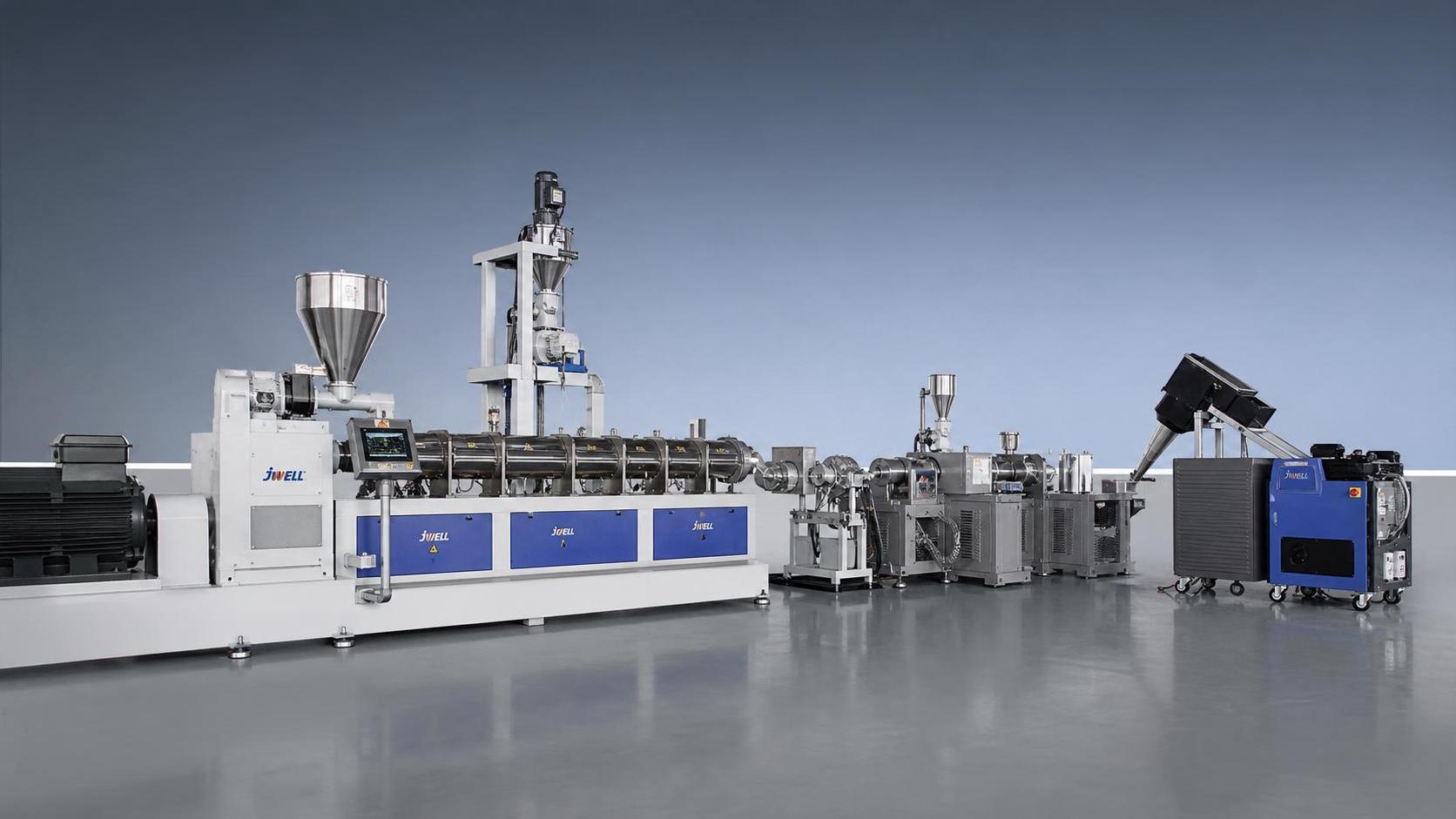
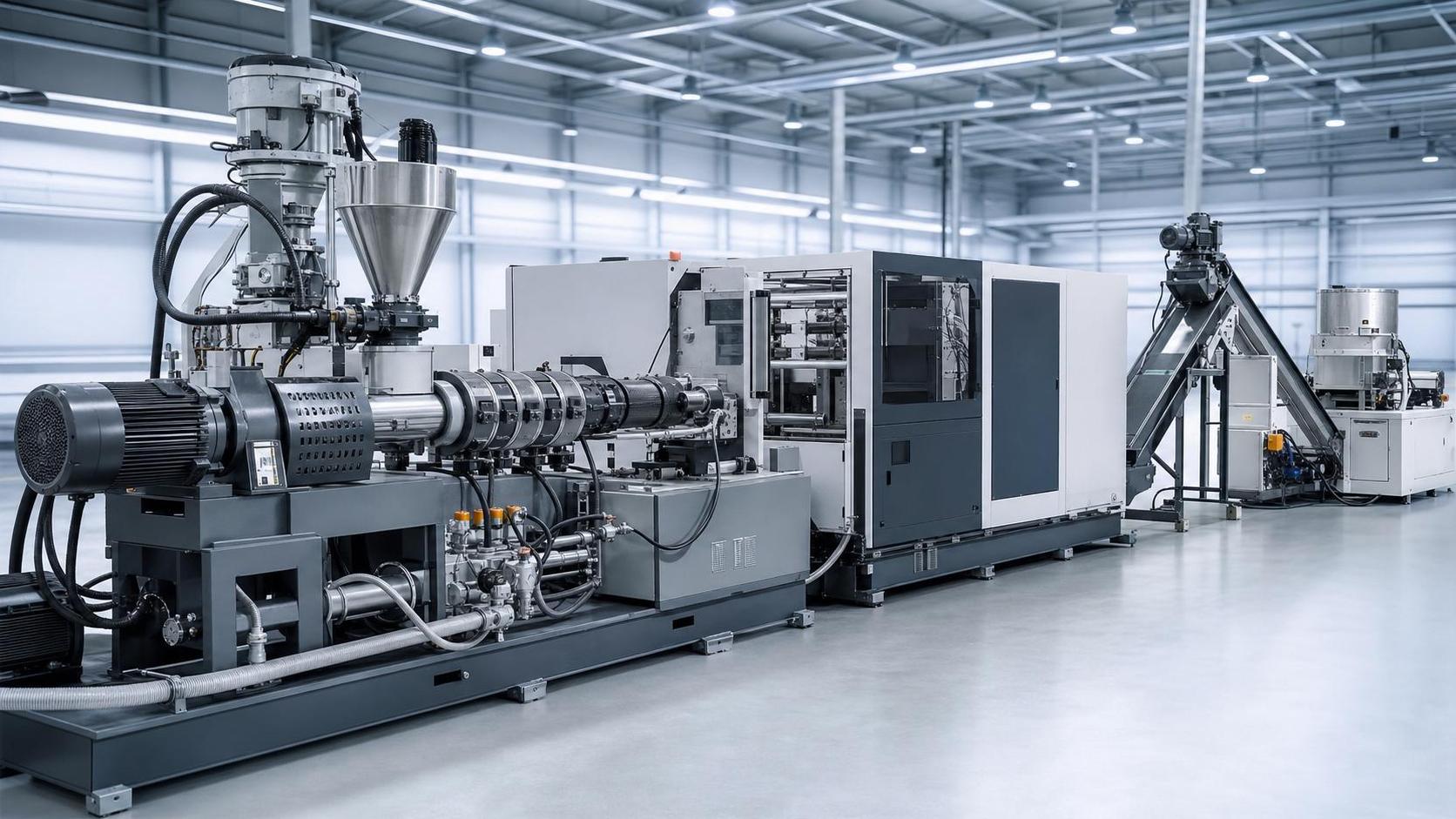
In injection molding, digital tools are most effective when they connect mold identification, recipe loading, cavity pressure trends, and startup approval logic. This helps avoid flash, short shots, warpage, burn marks, and dimensional drift. In extrusion, the critical gains often come from screw speed coordination, barrel zone monitoring, feeder synchronization, melt pressure alarms, and documentation of material blend ratios.
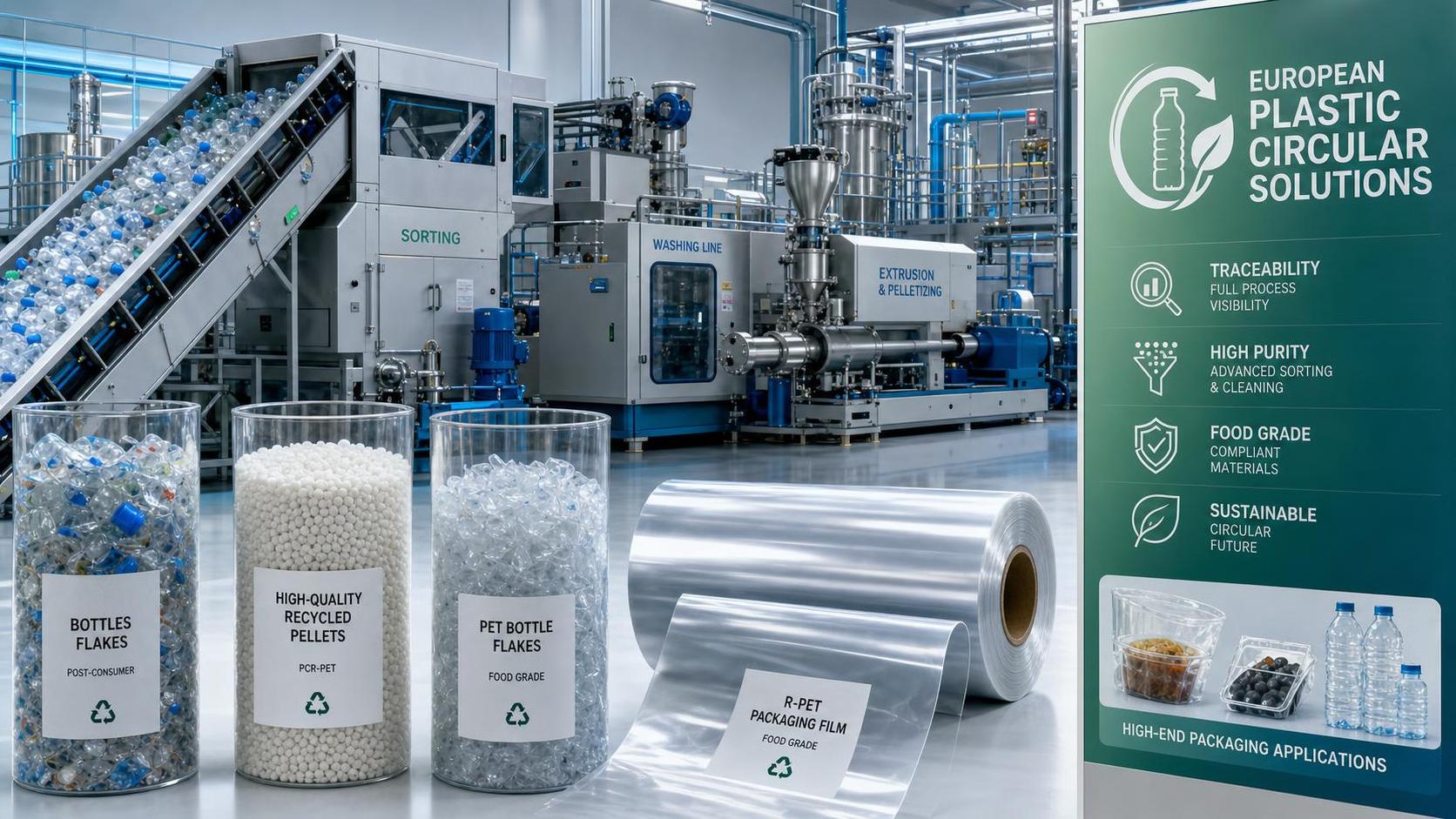
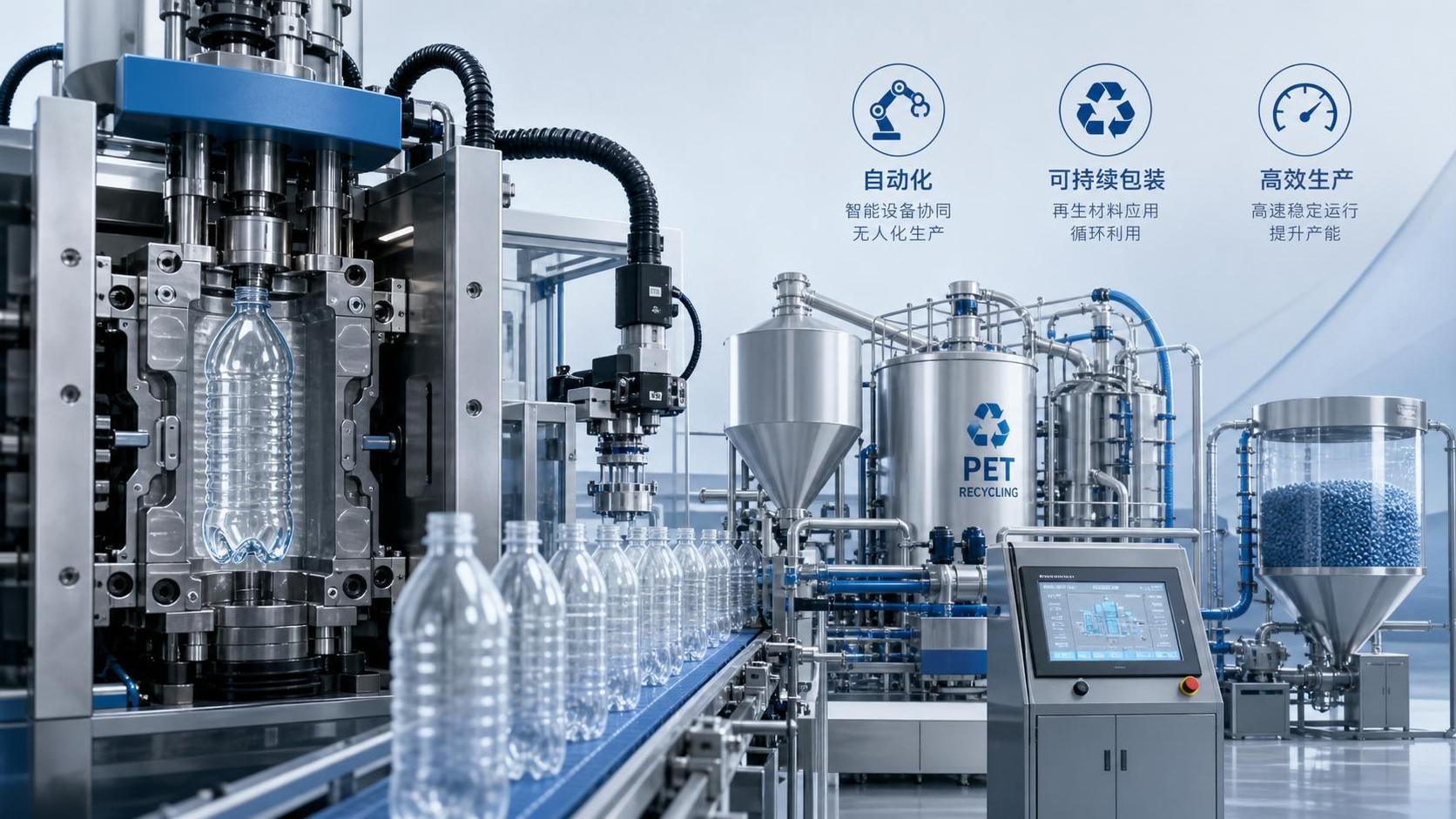
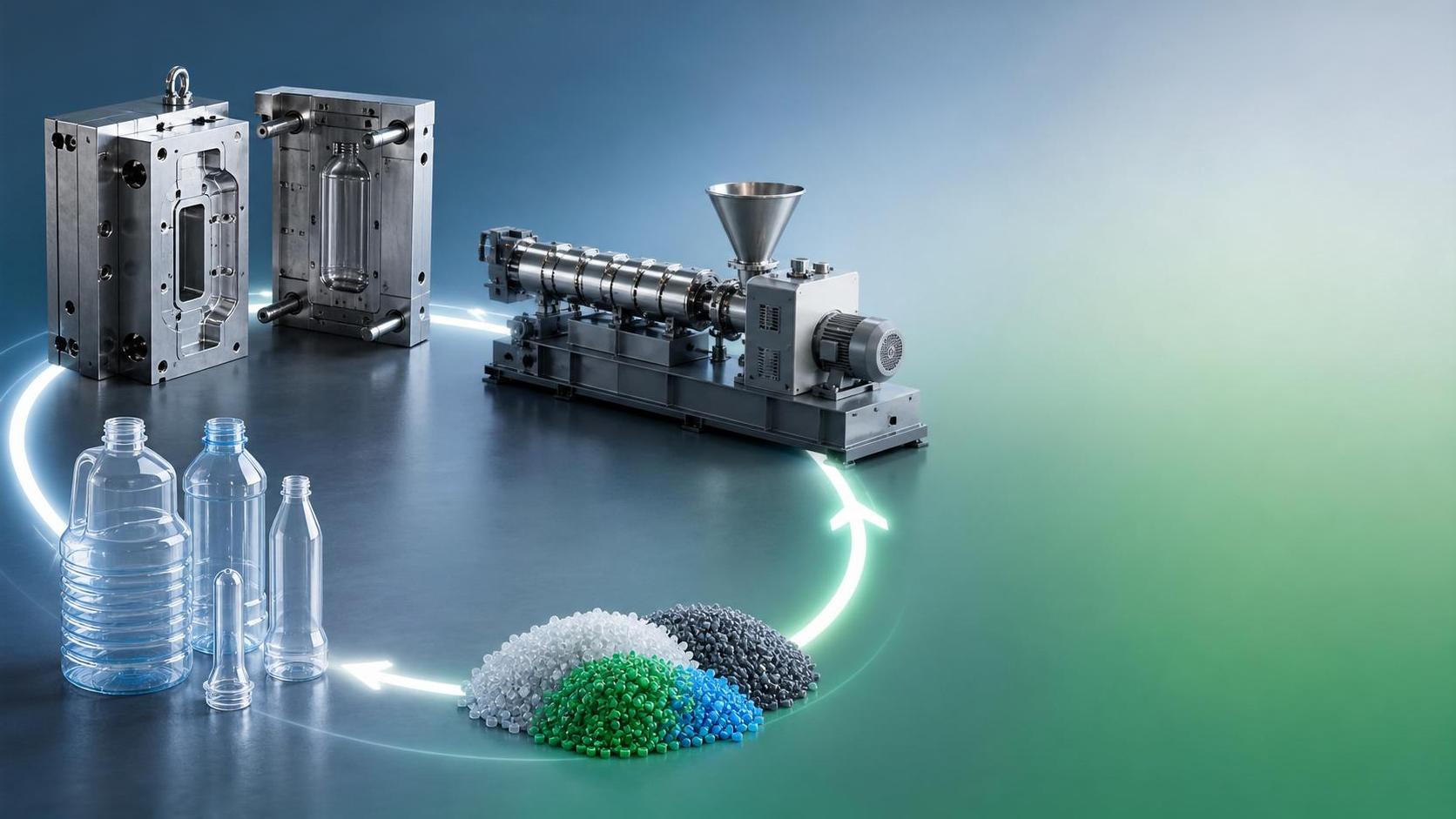
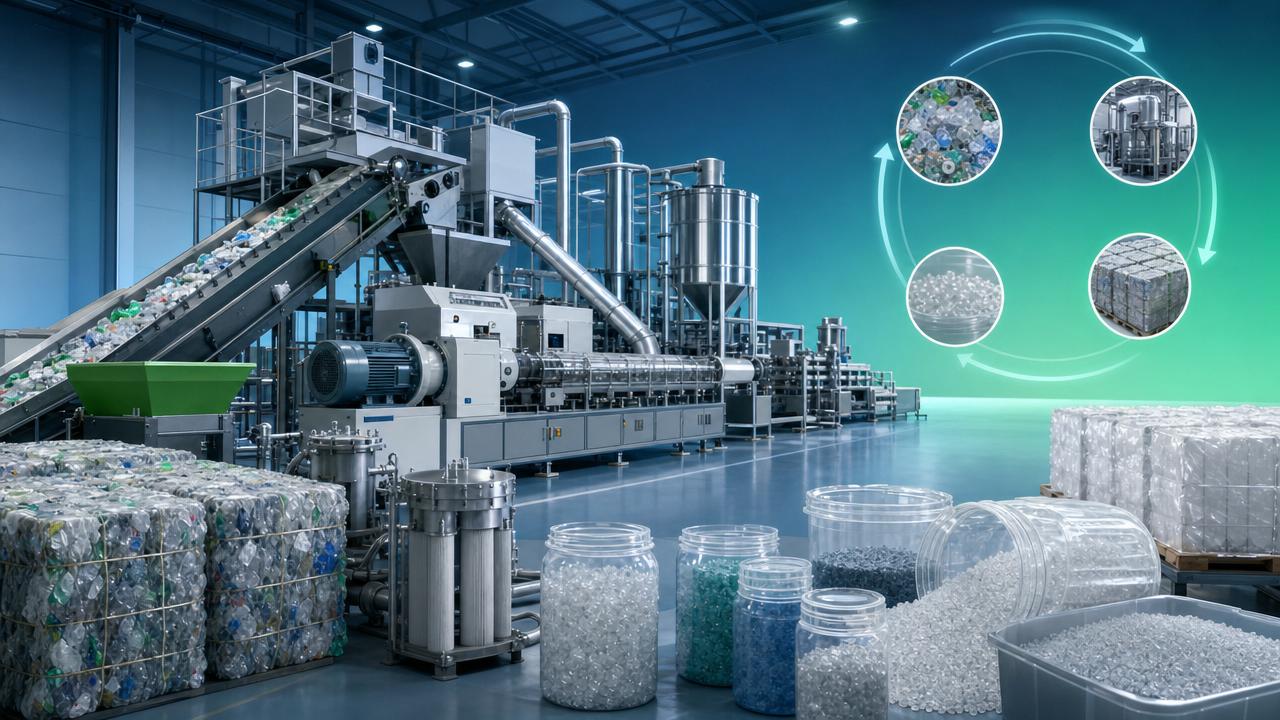
For blow molding, digital setup assistance reduces risks in preform handling, heating profile selection, stretch sequence timing, and bottle weight consistency. In rubber vulcanization, digital timing and mold condition verification improve repeatability in cross-linking and help reduce under-cure or over-cure defects. Recycling and pelletizing lines benefit from digital tracking of wash quality, contaminant filtering, melt temperature stability, vacuum degassing conditions, and pellet size consistency.
Across all of these applications, the biggest advantage is not simply more data. It is better decision structure. Effective digital polymer processing converts process knowledge into repeatable operational rules, making expertise easier to apply under real production pressure.
How should digital polymer processing tools be evaluated before adoption?
The best system is not always the one with the most dashboards or the broadest marketing claims. Evaluation should begin with setup failure patterns, process complexity, and integration needs. A useful question is simple: where do errors happen now, and what proof is needed to prevent them next time?
When comparing options, focus on whether the platform can capture machine-specific limits, preserve validated process windows, support multilingual but standardized work instructions, and connect to existing PLC, HMI, MES, or ERP environments without excessive customization. For regulated or export-oriented production, audit trails and parameter traceability may matter as much as speed improvement.
It is also important to separate monitoring from prevention. Some tools display process data well but do little to stop a wrong startup sequence. Others actively block machine run conditions until required checks are completed. For reducing setup errors, prevention features usually create the fastest return.
What implementation risks and misconceptions should be avoided?
One common misconception is that digital polymer processing automatically fixes weak process discipline. It does not. If recipes are outdated, machine sensors are uncalibrated, material naming is inconsistent, or troubleshooting standards are unclear, software may only digitize existing confusion. Good implementation starts with process cleaning before process digitization.
Another mistake is overloading the system with too many noncritical data points. Operators need actionable information, not endless screens. The most effective deployments focus first on startup conditions, parameter limits, deviation response, and traceability of changes. Once these are stable, more advanced analytics can be layered in.
There is also a timing issue. Plants often expect immediate transformation across all lines. In reality, a phased rollout works better. Start with one error-prone process family, validate the reduction in setup losses, then expand to adjacent equipment. This creates stronger process libraries and better user acceptance.
- Do not digitize unverified recipes
- Do not ignore sensor quality and calibration
- Do not treat dashboards as equal to control logic
- Do not skip user training and shift-handover design
- Do not measure success only by software uptime; track scrap, startup time, and deviation frequency
How can a practical rollout plan improve ROI and long-term process control?
A realistic digital polymer processing rollout should begin with a baseline. Measure current setup duration, first-pass yield after changeovers, scrap during startup, number of parameter overrides, and frequency of repeated defects. These metrics reveal where the digital intervention should start and how value will be verified.
Next, build standardized process definitions. For each machine family, define approved recipe ranges, mandatory setup checks, alarm thresholds, material preparation rules, and signoff responsibilities. Then pilot the system on a line where setup variability is high enough to show clear improvement but stable enough to manage implementation risk.
Long-term ROI usually comes from several combined gains: lower startup scrap, shorter changeovers, better repeatability across shifts, fewer quality claims, improved energy control, and stronger compliance records. In complex polymer operations, these gains often matter more than labor reduction alone because they improve throughput quality and business resilience at the same time.
Digital adoption in polymer manufacturing works best when it supports physical process realities rather than ignoring them. Material rheology, thermal stability, tool condition, and contamination sensitivity still define outcomes. What digital polymer processing adds is structure: the ability to turn complex process knowledge into repeatable, traceable, and safer execution.
For any operation seeking fewer setup mistakes and more reliable startup performance, the next step is straightforward: identify the top recurring setup failures, map the decisions behind them, and apply digital controls where mistakes are most likely to occur. With the right scope and discipline, digital polymer processing becomes more than a software upgrade. It becomes a practical foundation for precision, efficiency, and circular manufacturing performance.
Related News
- 00
0000-00
Polymer Processing for Extrusion: How Melt Rheology Affects Line Stability - 00
0000-00
Energy-Efficient Polymer Processing: Where Plants Can Cut kWh per Kilogram - 00
0000-00
German Extrusion Equipment Suppliers: Comparing Service, Lead Times, and Lifecycle Cost - 00
0000-00
Is an Underwater Pelletizer Worth the Added Cost for Recycled Plastics? - 00
0000-00
How Often Should Melt Filter Screens Be Changed?
Weekly Insights
Stay ahead with our curated technology reports delivered every Monday.
Related News
 Prof. Marcus ChenEnergy-Efficient Polymer Processing: Where Plants Can Cut kWh per KilogramEnergy-efficient polymer processing solutions help plants reduce kWh per kilogram, protect quality, cut scrap, and prioritize upgrades with data-driven insights.Sep 23, 2026
 Prof. Marcus ChenPlastic Pelletizing Trends: How Recycling Demand Is Reshaping Processing TechnologyPlastic pelletizing trends are redefining recycling quality. Explore filtration, extrusion, degassing, and automation innovations driving cleaner, more consistent recycled resin.Sep 07, 2026
 Prof. Marcus ChenHow Polymer Supply Chains Are Changing to Support High-Quality Recycling FeedstockPolymer supply chain for recycling is shifting toward traceable sourcing, cleaner sorting, and stable processing. See how high-quality feedstock improves performance, compliance, and cost control.Aug 22, 2026
 Prof. Marcus ChenHow Europe’s Circular Plastics Economy Is Reshaping Recycling InvestmentCircular plastics economy Europe is reshaping recycling investment through quality, traceability, and packaging demand. Explore where capital is moving and why it matters now.Aug 04, 2026
 Prof. Marcus ChenBlow Molding Trends Shaping Packaging, Sustainability, and Production EfficiencyBlow molding trends are redefining packaging with lightweighting, recycled content, automation, and energy efficiency. Discover how smarter production boosts sustainability and cuts costs.Jul 23, 2026
 Prof. Marcus ChenExtrusion Equipment Modular Design: When It Makes Sense for Line ExpansionExtrusion equipment modular design helps manufacturers expand lines in phases, cut disruption, and stay ready for recycled content, utility limits, and changing product demands.Jul 15, 2026
 Prof. Marcus ChenPolymer Lifecycle Solutions Explained: From Material Sourcing to End-of-Life RecoveryPolymer lifecycle solutions explained from sourcing and processing to recycling and recovery. Discover how to cut waste, improve quality, and build smarter material strategies.Jul 13, 2026
 Prof. Marcus ChenEnergy-Efficient Polymer Processing Systems: Which Metrics Matter Most?Energy-efficient polymer processing systems: discover the metrics that truly drive ROI—specific energy use, yield, uptime, stability, and compliance for smarter equipment decisions.Jul 11, 2026
 Prof. Marcus ChenPolymer Recycling Systems for Continuous Operation: What to Check Before SpecifyingPolymer recycling systems continuous operation starts with the right specification. Learn what to check for uptime, melt quality, energy efficiency, and reliable pellet output.Jul 09, 2026
 Prof. Marcus ChenCircular Plastics Economy in Japan: Policy Drivers, Recycling Targets, and Market ImpactCircular plastics economy Japan is accelerating as policy, recycling targets, and packaging reforms reshape material choices, processing strategy, and market advantage.Jul 05, 2026
 Prof. Marcus ChenPlastic Extrusion Technology Trends: What Process Changes Are Improving Energy Efficiency?Plastic extrusion technology trends are reshaping energy efficiency through smarter screws, thermal control, servo drives, and digital optimization. See which process changes deliver lower costs and more stable output.Jul 01, 2026
 Prof. Marcus ChenInjection Molding Technology Trends: Which Process Changes Matter Most for Medical and Packaging Parts?Injection molding technology trends shaping medical and packaging parts: discover the process changes that improve validation, precision, efficiency, and recycled-material readiness.Jun 30, 2026
 Prof. Marcus ChenCircular Plastics Economy Compliance Explained: Key Requirements for ManufacturersCircular plastics economy compliance explained for manufacturers: learn key requirements, audit risks, process controls, and how to turn compliance into a competitive advantage.Jun 25, 2026
 Prof. Marcus ChenAdvanced Materials Processing Trends: 5 Shifts Reshaping Capacity Planning and SourcingAdvanced materials processing trends are reshaping capacity planning, sourcing, recycling, and compliance. Explore 5 shifts helping manufacturers cut risk, improve precision, and build resilient growth.Jun 24, 2026
 Prof. Marcus ChenGlobal Plastic Ban Trends: Which Packaging Materials and Export Markets Face the Biggest Changes?Global plastic ban trends are reshaping packaging choices and export strategy. See which materials and markets face the biggest shifts, and how to reduce compliance risk.Jun 22, 2026
 Prof. Marcus ChenPolymer Rheology Trends That Matter in Extrusion: Melt Strength, Shear, and StabilityPolymer rheology trends are reshaping extrusion performance. Learn how melt strength, shear, and stability affect quality, efficiency, and recycled resin processing.Jun 18, 2026
 Prof. Marcus ChenPlastic Circularity Strategies for Manufacturers: Recycled Content, Design, and TraceabilityPlastic circularity strategies for manufacturers: learn how recycled content, smarter design, and traceability can reduce risk, improve compliance, and strengthen supply resilience.Jun 18, 2026
 Prof. Marcus ChenAdvanced Materials Processing Equipment in High-Performance Manufacturing: Where It Fits BestAdvanced materials processing equipment drives precision, speed, and sustainability in manufacturing. Explore where each system fits best to improve quality, efficiency, and ROI.Jun 16, 2026
 Prof. Marcus ChenWhat Is Driving the Circular Economy Plastics Market? Policy, Pricing, and Demand ShiftsCircular economy plastics market trends are being driven by tighter policy, resin price volatility, and stricter buyer demands. Discover what this means for sourcing, processing, and growth.Jun 13, 2026
 Prof. Marcus ChenDigital Polymer Processing Explained: Methods, Materials, and Best-Fit ApplicationsDigital polymer processing explained clearly: explore key methods, materials, and best-fit applications to improve quality, efficiency, and recycling performance.Jun 10, 2026