Why polymer molding scientists matter in process upgrades




In process upgrades, polymer molding scientists turn equipment investments into measurable gains in precision, throughput, energy efficiency, and compliance. For business evaluators comparing injection molding, extrusion, blow molding, vulcanization, or recycling systems, their expertise connects material behavior with real production outcomes, helping reduce technical risk and uncover stronger returns from every modernization decision.
Why business evaluators should care about polymer molding scientists first

When companies plan a process upgrade, the biggest risk is not usually the machine itself. It is the gap between equipment capability on paper and performance under real material conditions.
That gap is exactly where polymer molding scientists create value. They translate resin behavior, thermal response, flow stability, and part-performance requirements into decisions that improve output and reduce failure risk.
For business evaluators, this matters because capital projects succeed or fail on measurable outcomes. A faster cycle, lower scrap rate, reduced energy draw, or easier compliance path changes total project economics.
Without that scientific layer, process upgrades can become expensive hardware swaps. With it, they become controlled transformations tied to throughput, quality consistency, maintenance load, and margin improvement.
In practical terms, polymer molding scientists matter because they help answer the questions decision-makers actually ask: Will this upgrade run our materials reliably, hit specification, and pay back on schedule?
What searchers usually mean when they ask why polymer molding scientists matter
The search intent behind this topic is rarely academic. Most readers are trying to assess whether specialized polymer expertise is necessary during modernization, supplier selection, or production troubleshooting.
They want to know whether these experts influence machine sizing, tooling choices, processing windows, energy performance, recycled-content feasibility, or long-term operating stability in meaningful ways.
Business-focused readers also want clarity on cost justification. If a company hires, consults, or relies on polymer molding scientists, what decisions improve and what expensive mistakes become less likely?
Another common concern is accountability. Buyers want to understand whether technical experts only provide theory, or whether they materially improve commissioning speed, process validation, and ongoing production performance.
So the core answer is straightforward: polymer molding scientists matter because they reduce uncertainty in process upgrades where material behavior directly determines commercial results.
Where they create the most value during process upgrades
Not every upgrade needs the same level of scientific involvement. Their value rises sharply when the process window is narrow, the product is regulated, the geometry is complex, or the material mix is changing.
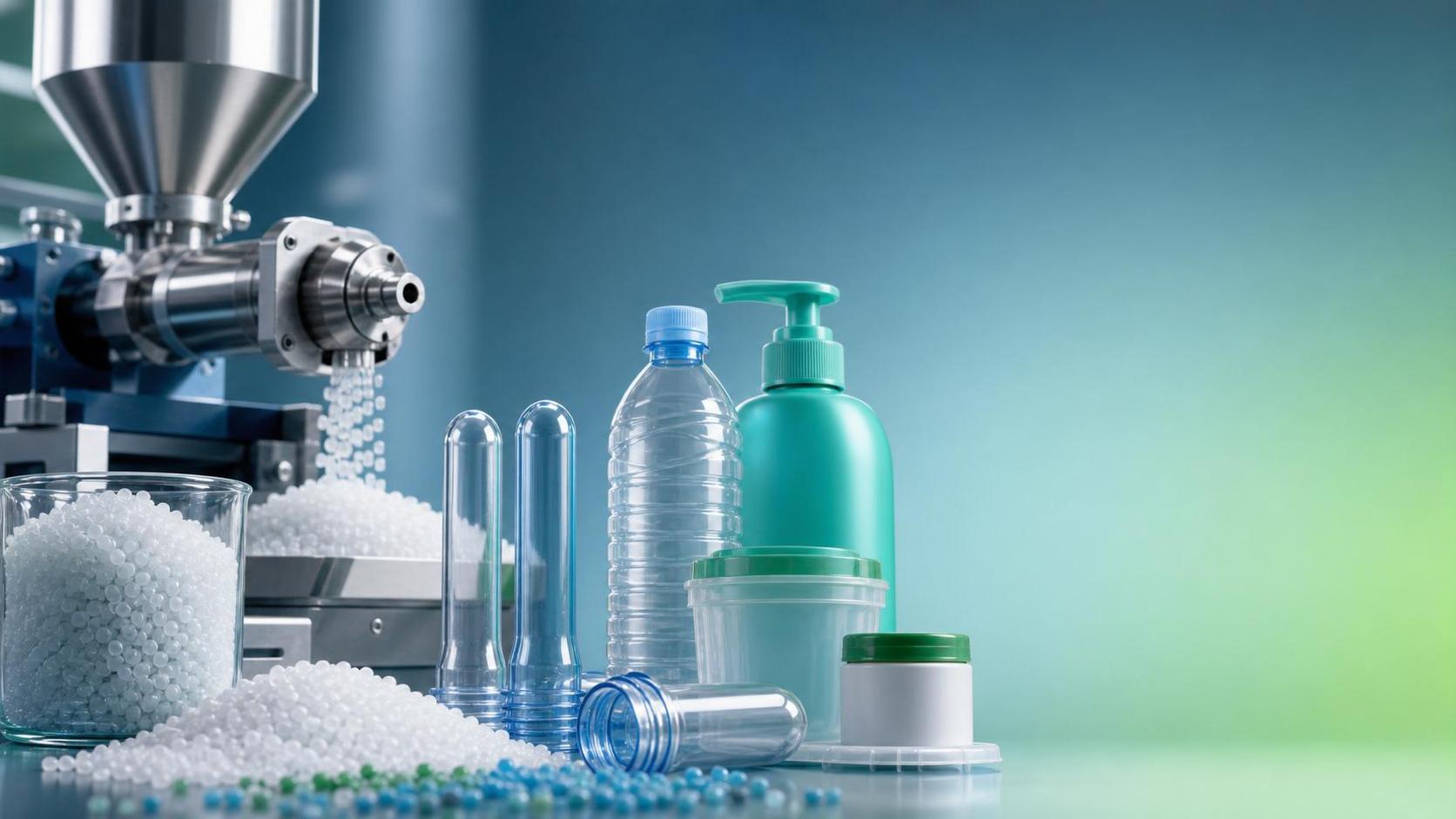
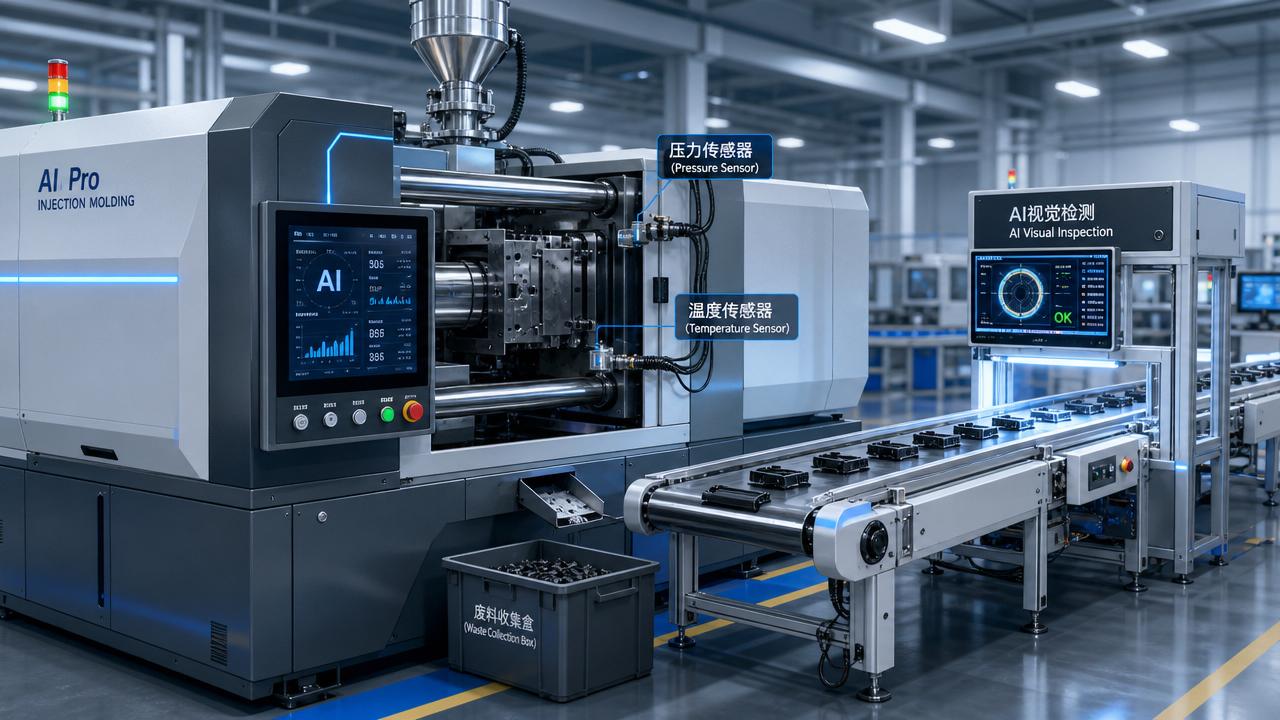
In injection molding, they help align melt temperature, cavity filling, packing pressure, cooling balance, and shrinkage behavior with dimensional stability and cosmetic quality.
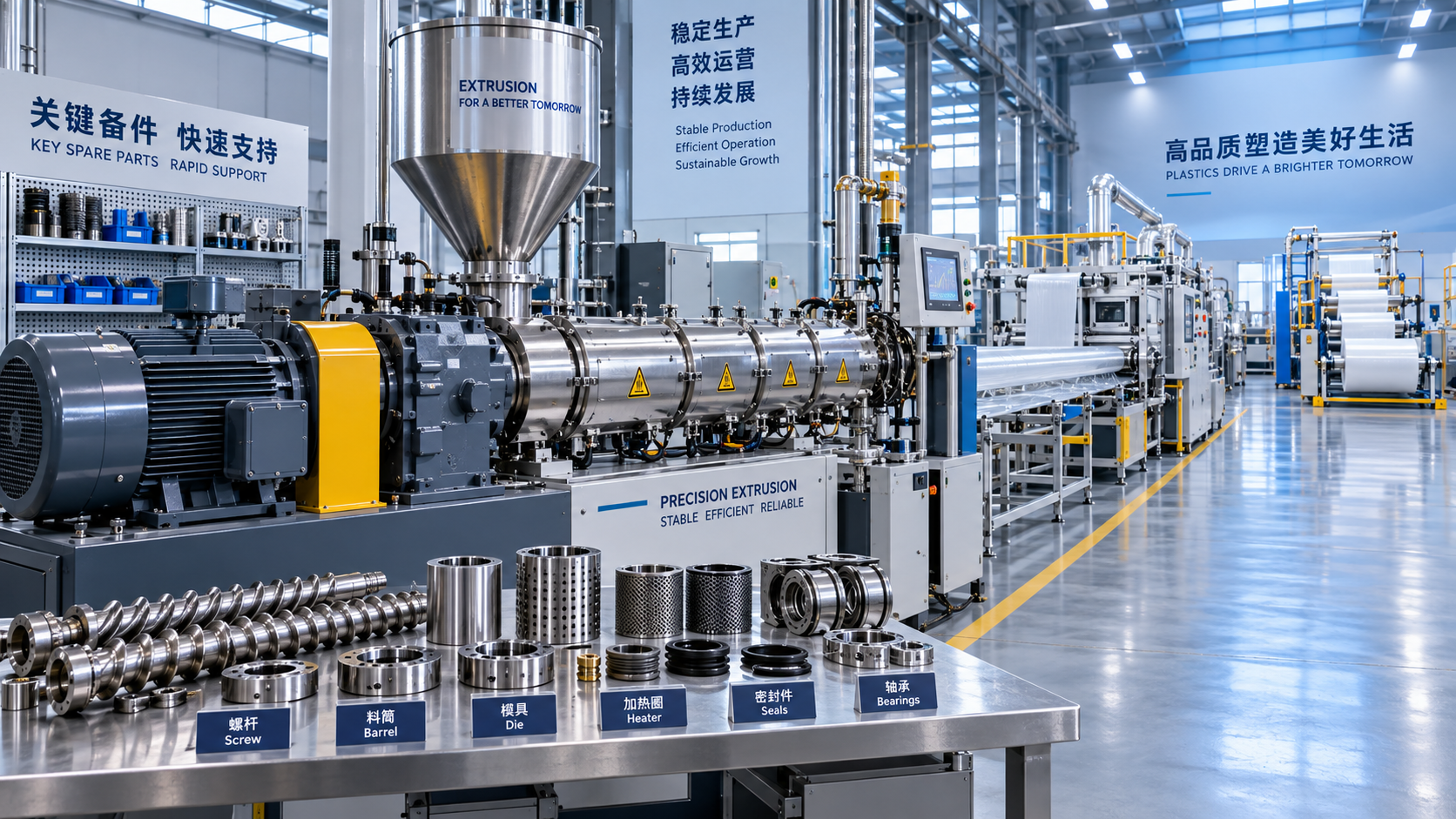
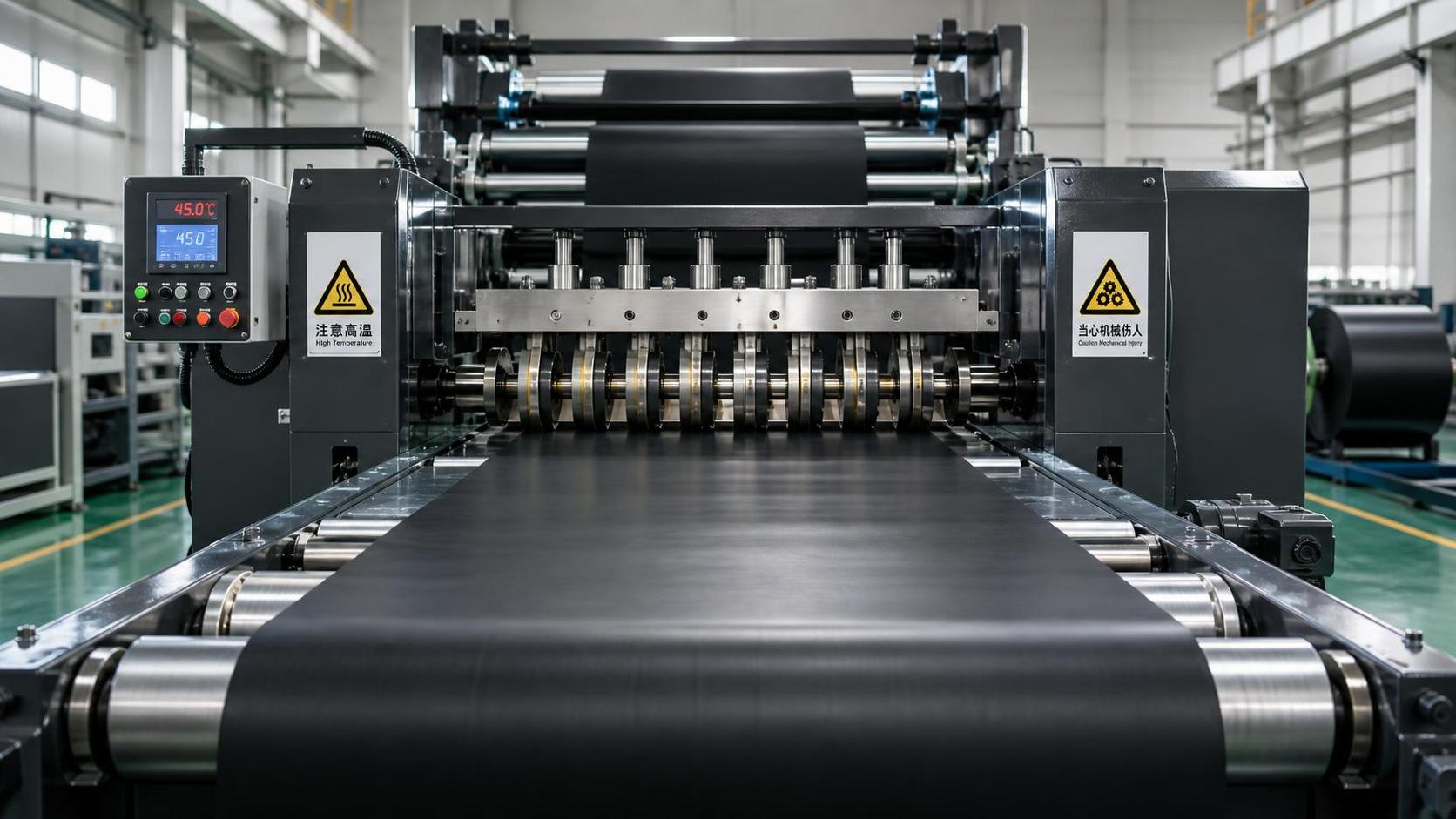
In extrusion, they evaluate shear history, residence time, screw design, venting, die behavior, additive dispersion, and melt pressure stability to protect continuous output and product uniformity.
In blow molding, they focus on parison control, stretch behavior, wall-thickness distribution, and resin response under high-speed production where defects scale quickly into major operating losses.
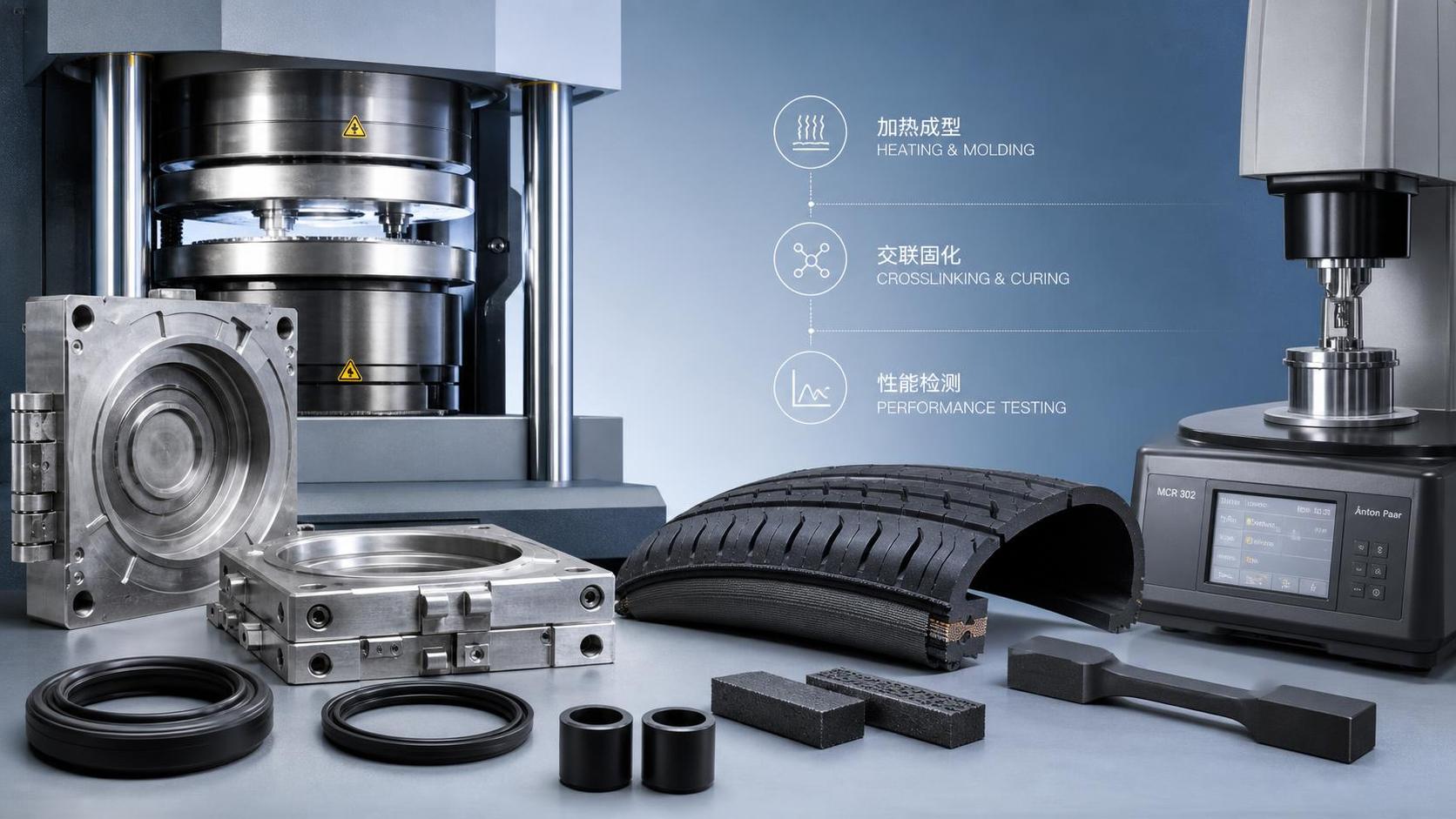
In rubber vulcanization, they connect cross-linking kinetics, mold temperature, pressure profiles, and cure time with final durability, cycle time, and defect prevention.
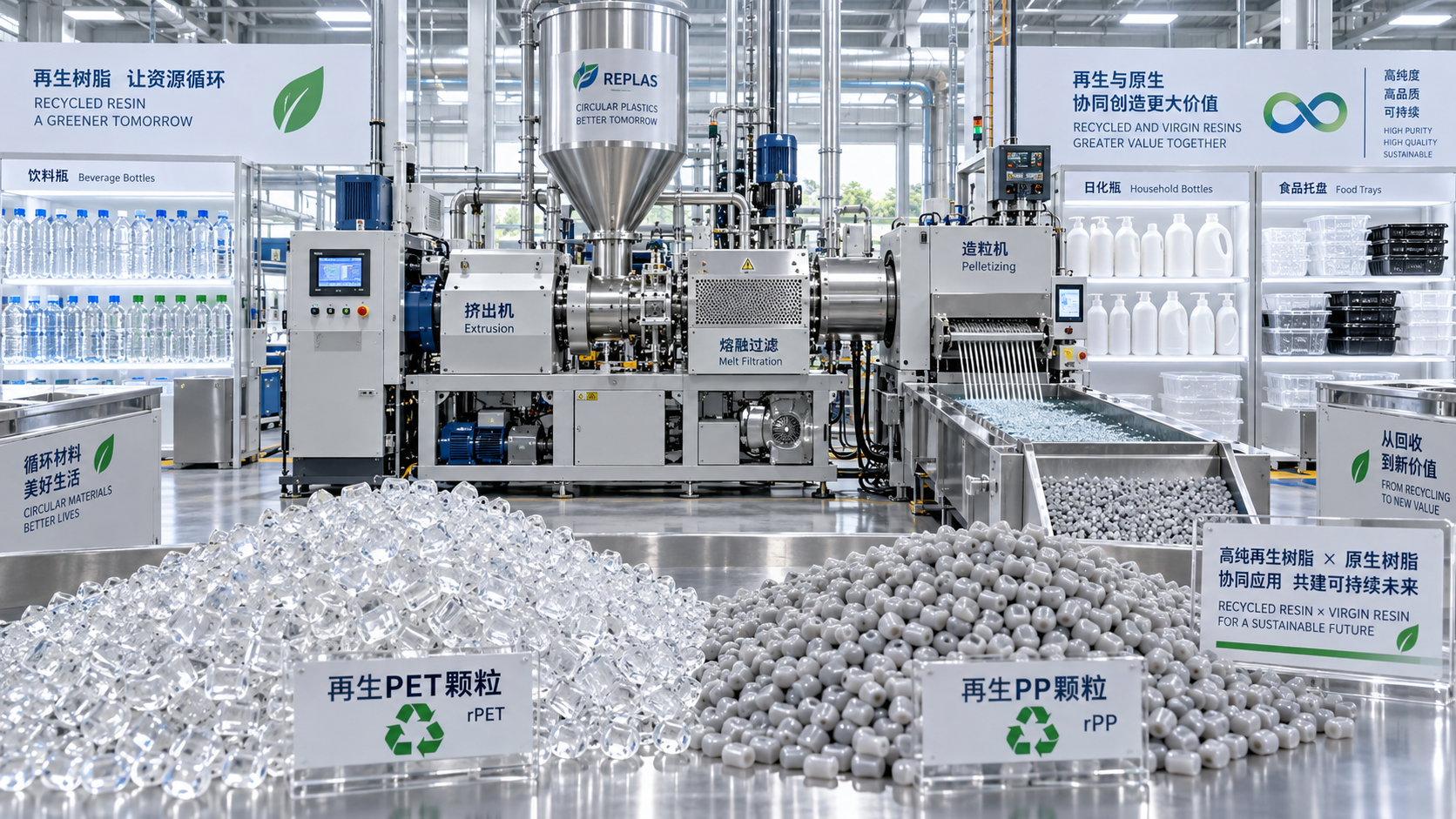
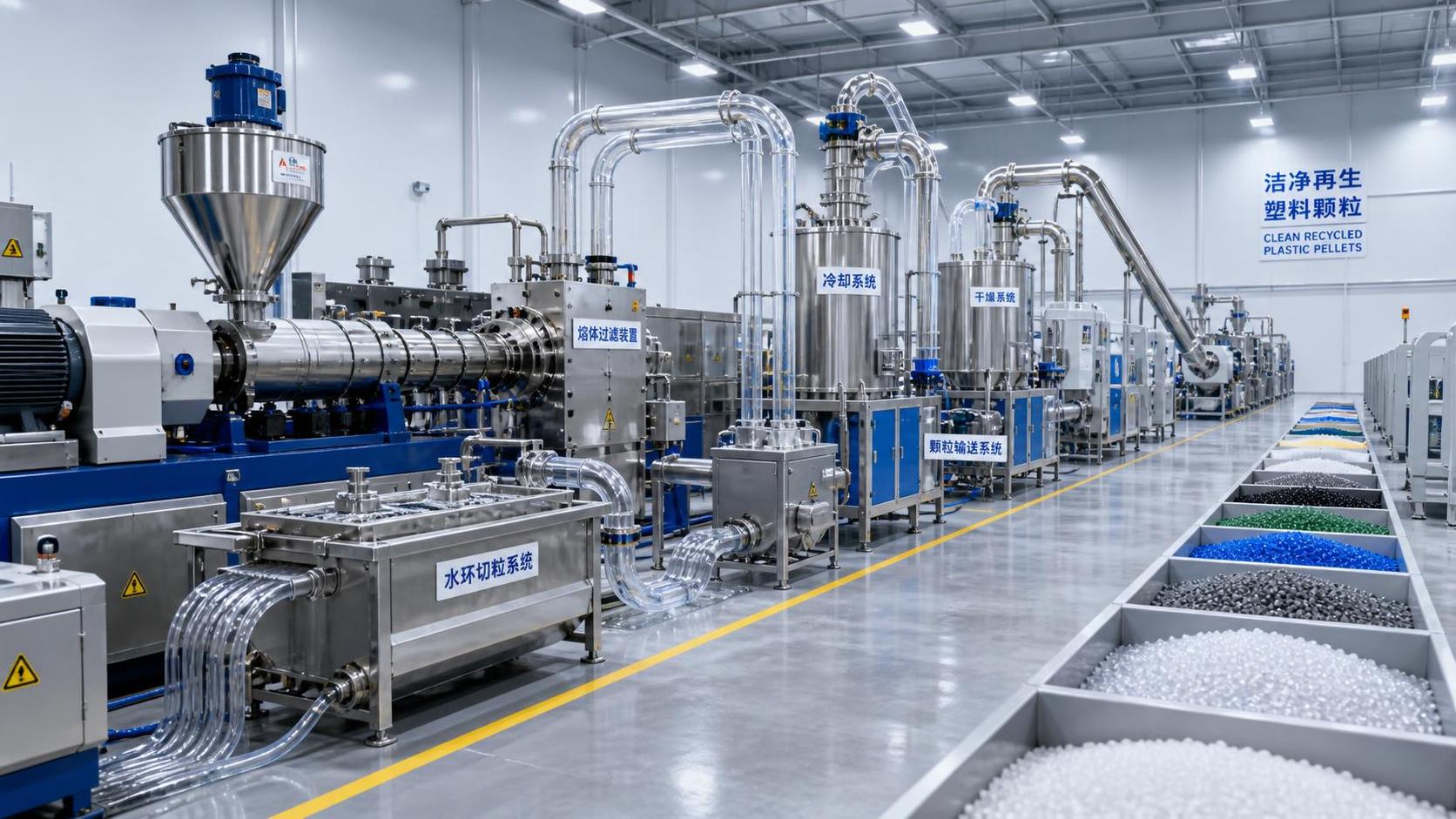
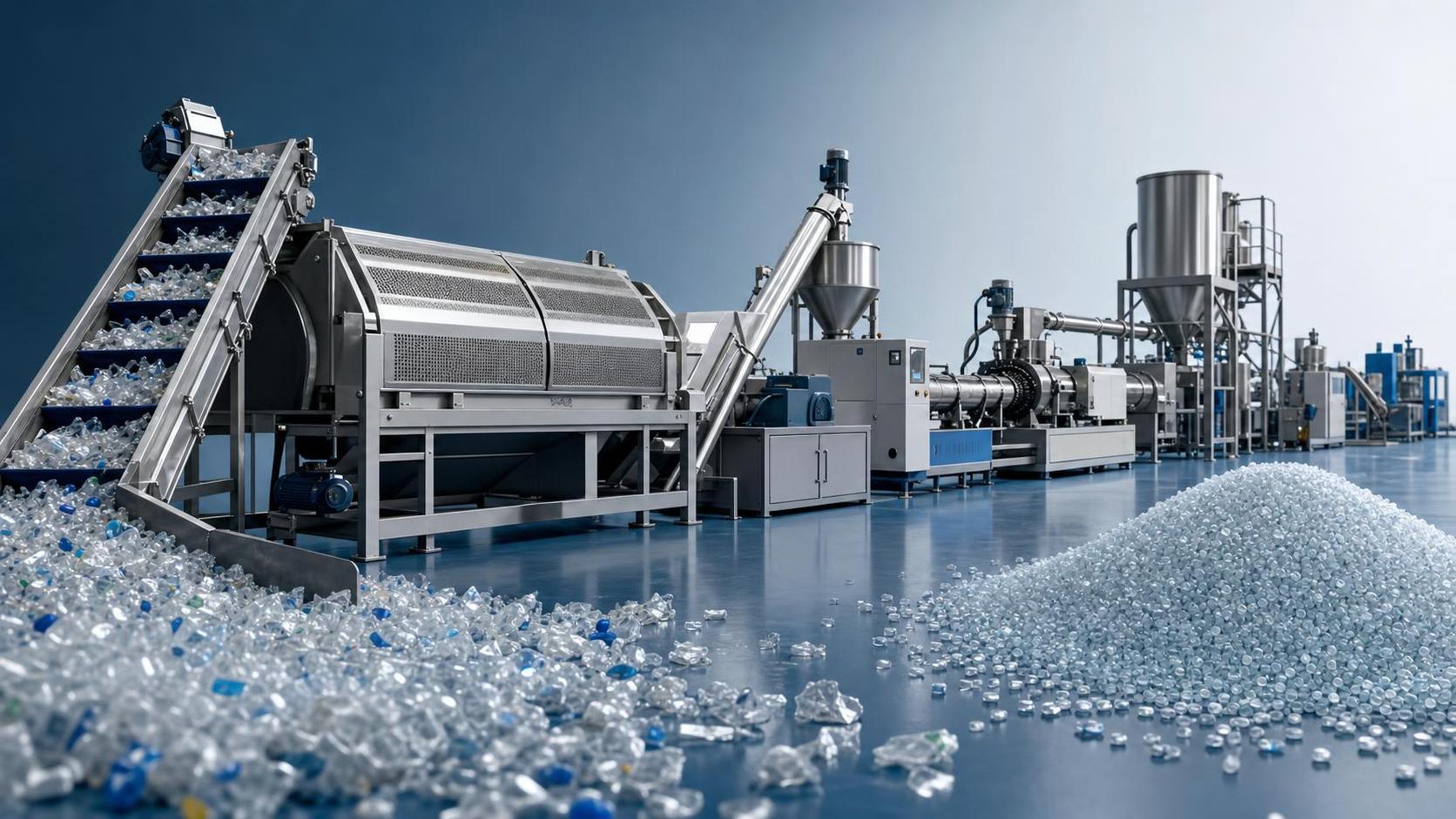
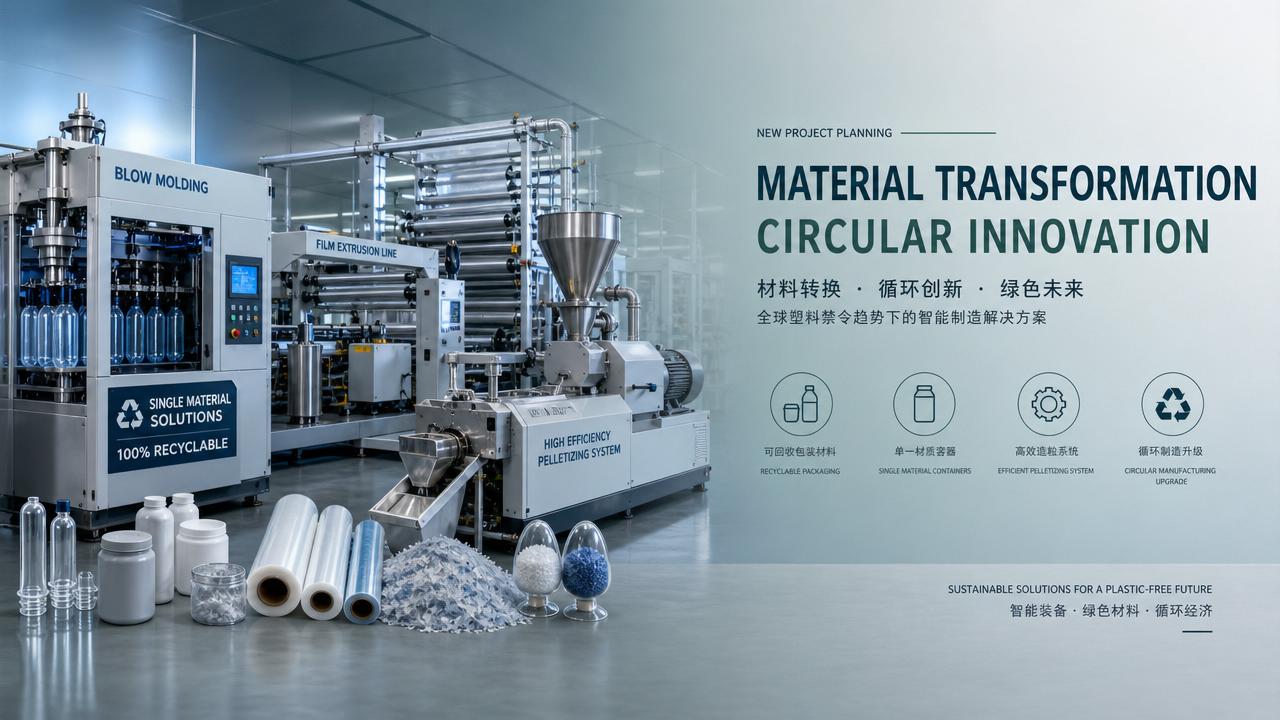
In waste plastic pelletizing and recycling, they assess contamination sensitivity, melt filtration limits, thermal degradation, odor management, viscosity shifts, and recycled-output consistency.
Across all these systems, the economic pattern is the same. Better scientific interpretation leads to fewer assumptions, smarter settings, and more stable production after the equipment is installed.
Why equipment upgrades often underperform without polymer process science
Many modernization projects are justified by machine speed, servo efficiency, digital controls, or automation upgrades. Those features matter, but they do not eliminate material-related bottlenecks.
If a resin behaves unpredictably under new shear conditions, if cooling is not balanced for the target geometry, or if recycled content changes viscosity, advanced equipment alone cannot solve the issue.
This is why some expensive lines still miss their promised output. The machine may be technically excellent, but the process was not tuned to the real rheological and thermodynamic demands.
Polymer molding scientists help prevent that mismatch by building a more realistic bridge between equipment specifications and production reality. They test assumptions before those assumptions become recurring losses.
For evaluators, this is critical because underperformance usually appears after purchase, during ramp-up. By then, the cost of correction is much higher than the cost of early scientific review.
What business evaluators care about most: returns, risk, and comparability
Business evaluators are not buying theory. They are comparing options and looking for evidence that one upgrade path will produce stronger commercial returns with lower technical uncertainty.
Polymer molding scientists support that goal by improving the quality of comparisons. They do not just ask which machine is faster; they ask faster under which resin, tolerance band, and reject threshold.
They also refine total cost of ownership analysis. A machine with lower purchase cost may create hidden costs through material waste, longer stabilization time, frequent changeovers, or unstable part quality.
Likewise, a higher-priced system may become economically superior if it delivers lower scrap, better repeatability, lower energy use, and stronger compatibility with future recycled-material requirements.
From an evaluation standpoint, the presence of polymer molding scientists strengthens due diligence. It moves the conversation from brochure claims to process evidence, production assumptions, and validated performance expectations.
How they improve ROI in measurable ways
The strongest argument for polymer molding scientists is not prestige. It is their ability to influence measurable levers that determine whether a process upgrade creates acceptable financial returns.
First, they help reduce scrap and startup waste. Better understanding of melt behavior and thermal sensitivity means fewer rejected parts, faster stabilization, and less raw material loss during commissioning.
Second, they improve cycle efficiency. In molding and extrusion, small adjustments to pressure, temperature, screw behavior, or cooling strategy can materially increase hourly output without sacrificing quality.
Third, they support energy optimization. Overheating material, running excessive pressure, or using poorly matched process conditions raises energy consumption and may accelerate equipment wear.
Fourth, they improve compliance readiness. For packaging, medical, automotive, and sustainability-sensitive applications, process science helps maintain traceability, performance consistency, and material suitability under stricter standards.
Fifth, they expand the usable material window. This can be especially valuable when companies want to introduce recycled content, bio-based polymers, lightweight designs, or high-performance compounds.
Each of these gains may appear operational, but together they reshape payback periods. Better process science often converts a borderline upgrade case into a clearly defensible investment.
Questions to ask suppliers, integrators, and internal teams
If you are evaluating a modernization project, one of the best signals of quality is how deeply the team can discuss material-process interaction rather than machine features alone.
Ask how the proposed system performs across your exact resin grades, additive packages, moisture conditions, and recycled-content targets. Generic answers should be treated cautiously.
Ask what process window has been validated. You want to know acceptable ranges for temperature, pressure, throughput, cooling, cure, or filtration before production problems appear.
Ask whether simulation, trial data, or case-based evidence supports the recommendation. Strong teams can explain why a given screw design, clamping profile, die geometry, or melt path fits your application.
Ask how startup risk will be managed. This includes commissioning support, parameter development, operator training, quality validation, and response plans if material performance differs from assumptions.
Finally, ask who owns the scientific interpretation. If nobody on the project can connect rheology and process behavior to machine settings, the upgrade carries more hidden risk.
How polymer molding scientists support specific equipment decisions
For injection molding buyers, they help determine whether all-electric, hybrid, or servo-hydraulic systems make sense for your tolerance targets, resin sensitivity, and expected cycle profile.
For extrusion projects, they help evaluate screw configuration, L/D ratio, venting strategy, melt homogeneity, and pressure stability in relation to output quality and downstream consistency.
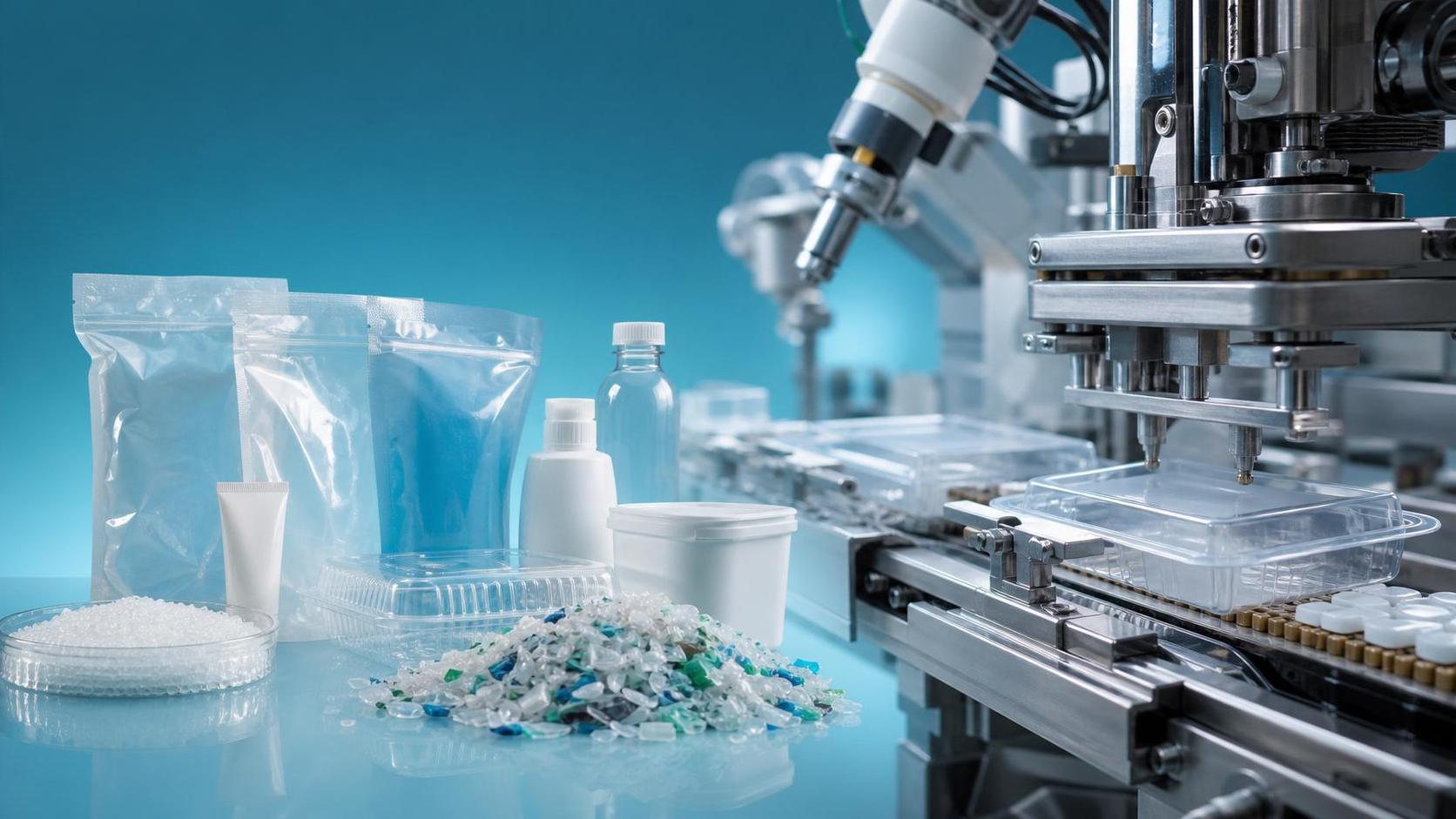
For blow molding lines, they assess whether the machine can maintain repeatable wall distribution and container integrity at target speed using your material and packaging format.
For vulcanization investments, they connect curing behavior with mold design, throughput planning, and final product reliability, especially where failure carries safety or warranty consequences.
For recycling systems, they are especially important because contamination variability, polymer degradation, and filtration demands can cause large swings in pellet quality and economics.
In each case, polymer molding scientists improve decision quality by replacing broad capability claims with application-specific process realism.
Why they are increasingly important in recycling and compliance-driven upgrades
One reason this role is growing in importance is the rise of circular manufacturing and environmental compliance. More processors now need to run difficult material streams with less tolerance for inconsistency.
Recycled polymers often show variable viscosity, contamination levels, odor profiles, and thermal history. These variations directly affect molding stability, extrusion quality, and final product performance.
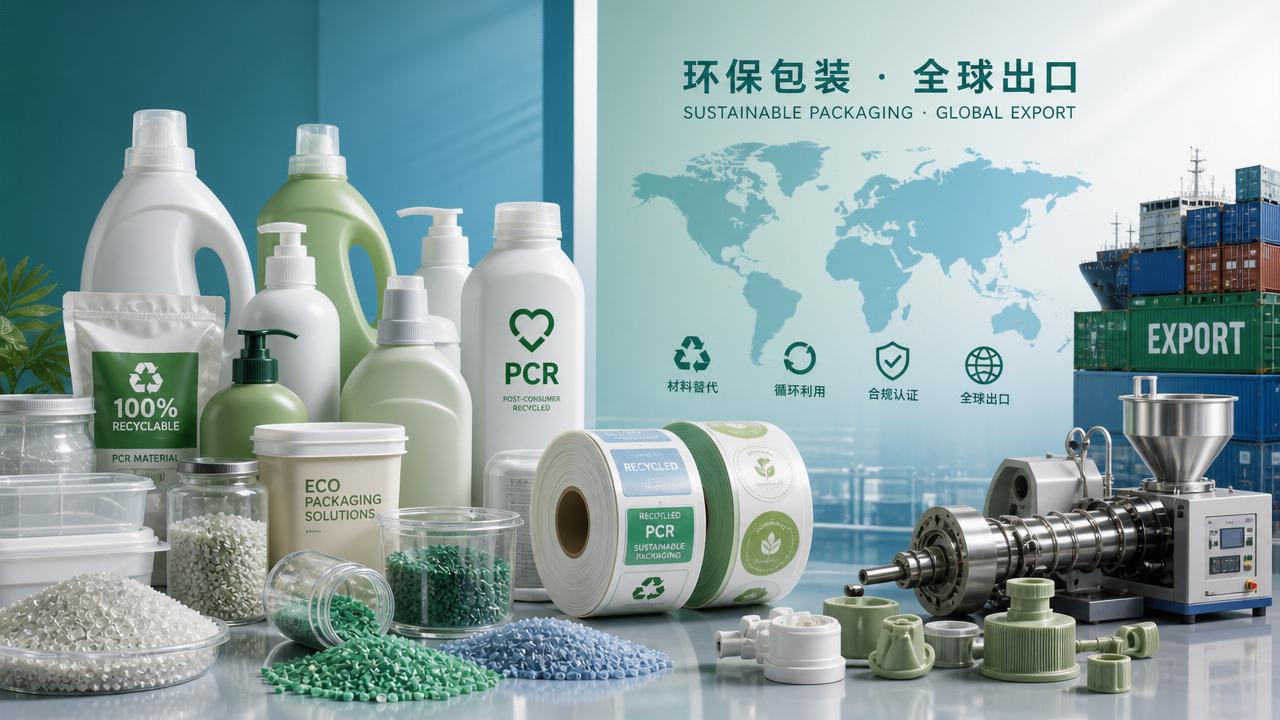
Polymer molding scientists help determine whether an upgrade can truly support rPET, rPE, rPP, or mixed recycled streams at the quality level your market requires.
They also help companies avoid overpromising sustainability outcomes. A system may technically process recycled material, but the commercial result depends on stable throughput, acceptable defect rates, and compliant output.
For business evaluators, this is a major issue. ESG-aligned investments only create value if environmental objectives and operating economics can coexist over sustained production periods.
Signs that a process upgrade needs stronger scientific involvement
Some situations clearly justify deeper involvement from polymer molding scientists. One is when a plant is introducing a new polymer family or moving toward higher recycled-content formulations.
Another is when the business needs tighter tolerances, thinner walls, faster cycles, or more demanding mechanical performance than the current line can reliably deliver.
Frequent defects, unstable quality across shifts, long startup times, unexplained energy spikes, or repeated disputes between machine suppliers and production teams are also warning signs.
So are projects involving medical components, food-contact packaging, automotive safety parts, optical applications, or regulated sustainability claims where process deviation can become commercially serious.
In these cases, polymer molding scientists are not optional support. They are often central to risk control and project credibility.
How PFRS intelligence helps evaluators make better decisions
For companies assessing polymer processing upgrades, good decisions require more than vendor comparisons. They require technical intelligence that connects equipment evolution with material science and market pressures.
PFRS focuses on that intersection. Its coverage of precision injection molding, high-efficiency extrusion, blow molding, vulcanization, and waste plastic resource recovery supports better commercial judgment.
That matters because buyers increasingly need to weigh servo efficiency, digital controls, CFD-supported screw design, AI-assisted process optimization, and filtration advances against real production goals.
By following how polymer molding scientists and other process specialists interpret these developments, evaluators gain a stronger basis for investment timing, supplier assessment, and strategic fit.
In a market shaped by tighter packaging rules, resin volatility, and circular-economy demands, that depth of intelligence is becoming a competitive advantage rather than a nice-to-have resource.
Conclusion: they matter because they make upgrades bankable
For business evaluators, the simplest way to understand the value of polymer molding scientists is this: they make process upgrades more predictable, more comparable, and more financially defensible.
They help ensure that equipment investments are matched to actual material behavior, operating constraints, and compliance obligations rather than idealized specifications.
That leads to better quality outcomes, faster ramp-up, lower waste, stronger energy performance, and fewer expensive surprises after installation.
So when assessing injection molding, extrusion, blow molding, vulcanization, or recycling upgrades, do not treat polymer science as a secondary technical detail. It is often the factor that determines whether modernization creates real return.
In a manufacturing environment where precision, sustainability, and resilience all matter, polymer molding scientists are not just process experts. They are investment-risk reducers and value creators.
Related News
- 00
0000-00
How High-Speed Precision Injection Molding Controls Part Tolerances at Scale - 00
0000-00
How to Select Packaging Molding Equipment for High-Volume Production Lines - 00
0000-00
How to Evaluate Plastic Pelletizing Machine Suppliers for Output, Support, and Risk - 00
0000-00
How to Select a Plastic Pipe Manufacturing System for Output, Resin, and Pipe Range - 00
0000-00
How to Specify Injection Molding Equipment for High-Volume Closure Production
Weekly Insights
Stay ahead with our curated technology reports delivered every Monday.
Related News
 Dr. Alistair VaughnHow Do PPWR Recycled-Content Targets Affect Packaging Resin Demand?How do PPWR recycled-content targets affect packaging resin demand? Explore shifts in recycled grades, virgin blends, food-contact supply, and processing strategy.Sep 26, 2026
 Dr. Alistair VaughnHow to Evaluate a Plastics Processing Equipment Manufacturer for Uptime and SupportPlastics processing equipment manufacturer evaluation guide: compare uptime, spare parts, service response, diagnostics, and lifecycle support before buying.Sep 17, 2026
 Dr. Alistair VaughnBudgeting a Plastic Pelletizing Machine: Cost Drivers for Recycling LinesPlastic pelletizing machines cost depends on feedstock, filtration, utilities, and installation. Explore key budget drivers to build a reliable recycling line investment plan.Sep 03, 2026
 Dr. Alistair VaughnCommon Waste and Downtime Causes in Rubber Processing and Cutting OperationsProcessamento e corte de borracha: discover the real causes of scrap and downtime in rubber lines, from material variation to machine wear, and learn how to cut waste and improve output.Aug 31, 2026
 Dr. Alistair VaughnWhat Is Automated Materials Processing and Where Does It Deliver the Most Value?Automated materials processing improves consistency, cuts waste, and boosts efficiency across molding, extrusion, and recycling. Discover where it delivers the most value.Aug 14, 2026
 Dr. Alistair VaughnHow Does a Polymer Recycling Plant Work? Process Steps and Key Equipment ExplainedPolymer recycling plant guide: explore sorting, washing, drying, extrusion, filtration, and pelletizing steps, plus key equipment that drives cleaner output and reliable recycled plastic quality.Jul 31, 2026
 Dr. Alistair VaughnHow Does Rubber Vulcanization Work and What Determines Final Rubber Performance?Rubber vulcanization explained: discover how curing, formulation, temperature, pressure, and machine control determine final rubber performance, durability, and product reliability.Jul 30, 2026
 Dr. Alistair VaughnHow Circular Plastics Economy EPR Rules Affect Packaging Costs and Compliance PlanningCircular plastics economy EPR is reshaping packaging costs, recyclability, and compliance planning. Learn how to reduce fee exposure, protect margins, and make smarter packaging decisions.Jul 13, 2026
 Dr. Alistair VaughnCircular Plastics Economy Trends: How EPR Policies and Recycled Content Rules Affect ManufacturersCircular plastics economy trends are reshaping manufacturing fast. See how EPR policies and recycled content rules impact costs, compliance, sourcing, and plant performance.Jun 30, 2026
![]() Dr. Alistair VaughnGlobal Plastic Ban Trends: Which Packaging Materials Face the Highest Compliance Risk?Global plastic ban trends are reshaping packaging compliance. Discover which materials face the highest risk and how to reduce cost, disruption, and redesign pressure.Jun 04, 2026
Dr. Alistair VaughnGlobal Plastic Ban Trends: Which Packaging Materials Face the Highest Compliance Risk?Global plastic ban trends are reshaping packaging compliance. Discover which materials face the highest risk and how to reduce cost, disruption, and redesign pressure.Jun 04, 2026 Dr. Alistair VaughnGlobal Plastic Ban Trends: Policy Shifts Affecting Packaging Materials and SupplyGlobal plastic ban trends are reshaping packaging supply. Discover policy shifts, material risks, and processing strategies to stay compliant and competitive.Jun 02, 2026
 Dr. Alistair VaughnHow is AI in injection molding cutting scrap?AI in injection molding cuts scrap by detecting process drift, optimizing pressure and cooling, and improving quality decisions—see how to reduce waste and boost ROI.May 29, 2026
 Dr. Alistair VaughnWhat global plastic ban trends mean for export planningGlobal plastic ban trends are reshaping export planning. Learn how to reduce compliance risk, choose smarter packaging, and align sourcing and equipment upgrades for market access.May 28, 2026
![]() Dr. Alistair VaughnWhy elastomer cross-linking fails and how to prevent defectsElastomer cross-linking failures can cause soft spots, cracks, and hidden reliability risks. Learn the key defect causes and proven prevention steps across molding, extrusion, and recycled blends.May 23, 2026
Dr. Alistair VaughnWhy elastomer cross-linking fails and how to prevent defectsElastomer cross-linking failures can cause soft spots, cracks, and hidden reliability risks. Learn the key defect causes and proven prevention steps across molding, extrusion, and recycled blends.May 23, 2026 Dr. Alistair VaughnHow fragile is the virgin resin supply chain in 2026Virgin resin supply chain risks are rising in 2026. Explore key disruption drivers, pricing impacts, and practical resilience strategies for smarter sourcing and planning.May 22, 2026
 Dr. Alistair VaughnWhy polymer molding scientists matter in process upgradesPolymer molding scientists help turn process upgrades into higher precision, lower waste, better energy efficiency, and faster ROI. See why their expertise reduces risk and improves modernization results.May 22, 2026
 Dr. Alistair VaughnWhat global plastic ban trends mean for new projectsGlobal plastic ban trends are reshaping new projects through design, compliance, recycled content, and equipment strategy. See how to plan smarter, reduce risk, and stay market-ready.May 21, 2026
 Dr. Alistair VaughnHow ESG in plastic manufacturing affects export riskESG in plastic manufacturing directly affects export risk, from customs delays to buyer approval. Learn how traceability, compliance, and smarter equipment protect market access.May 21, 2026
 Dr. Alistair VaughnWhat global plastic ban trends mean for export planningGlobal plastic ban trends are reshaping export planning, packaging choices, and compliance strategy. Learn how to reduce risk, adapt faster, and stay competitive across global markets.May 19, 2026
 Dr. Alistair VaughnHow polymer smart manufacturing improves batch consistencyPolymer smart manufacturing improves batch consistency with inline sensing, closed-loop control, and analytics. See how it reduces variation, scrap, and quality risk across polymer processing.May 18, 2026