How circular plastics solutions reshape packaging waste goals




As packaging regulations tighten and ESG targets become boardroom priorities, circular plastics solutions are reshaping how manufacturers, brand owners, and recyclers approach waste reduction. For decision-makers, the shift is no longer about compliance alone—it is about building resilient supply chains, improving material efficiency, and unlocking long-term value through smarter forming, recycling, and closed-loop packaging strategies.
For B2B leaders across packaging, consumer goods, industrial manufacturing, and recycling, this transition touches more than waste collection. It affects resin sourcing, equipment investment, operating cost, design standards, and the ability to respond when virgin polymer prices fluctuate over 10%–20% within a purchasing cycle.
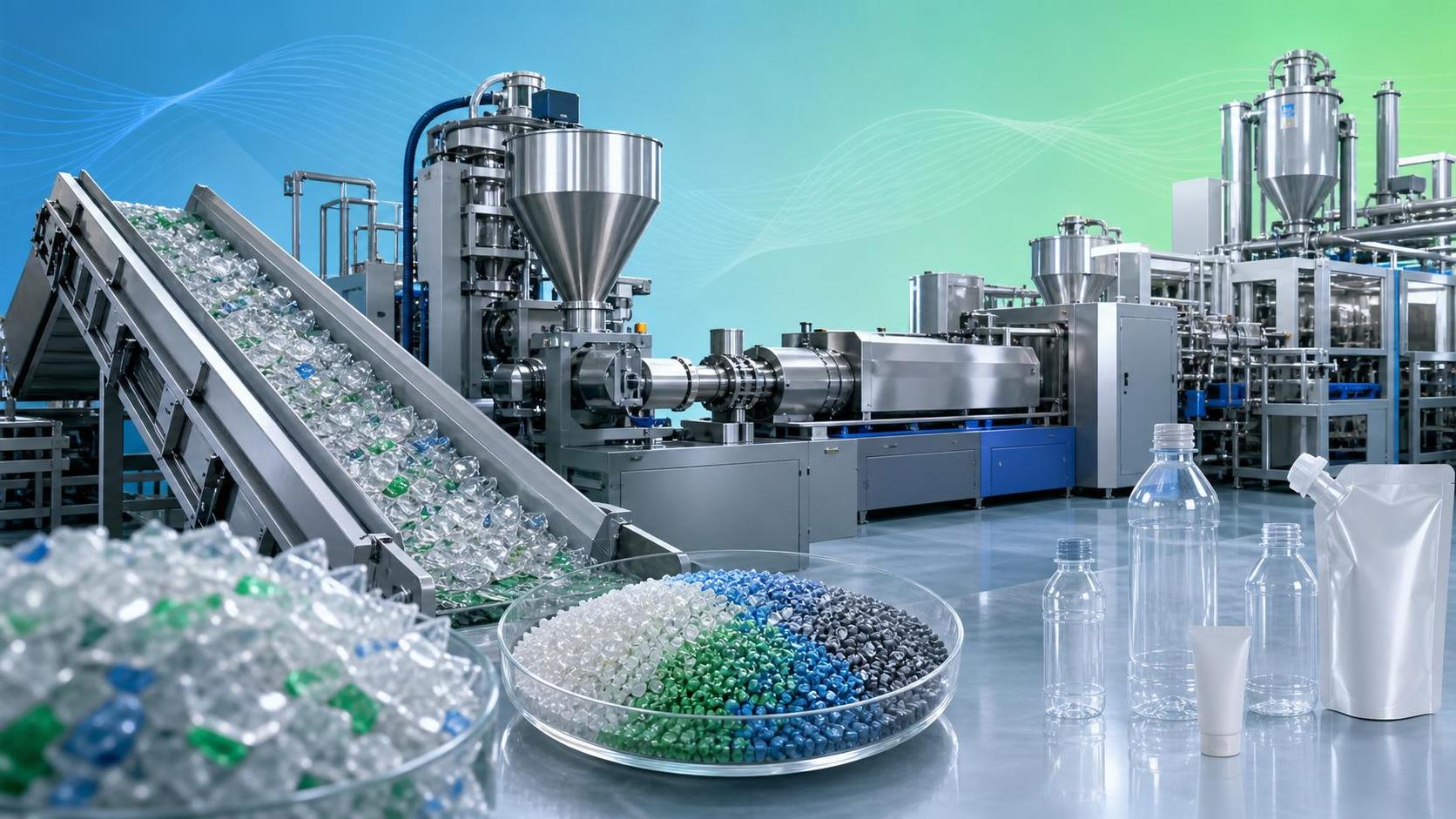
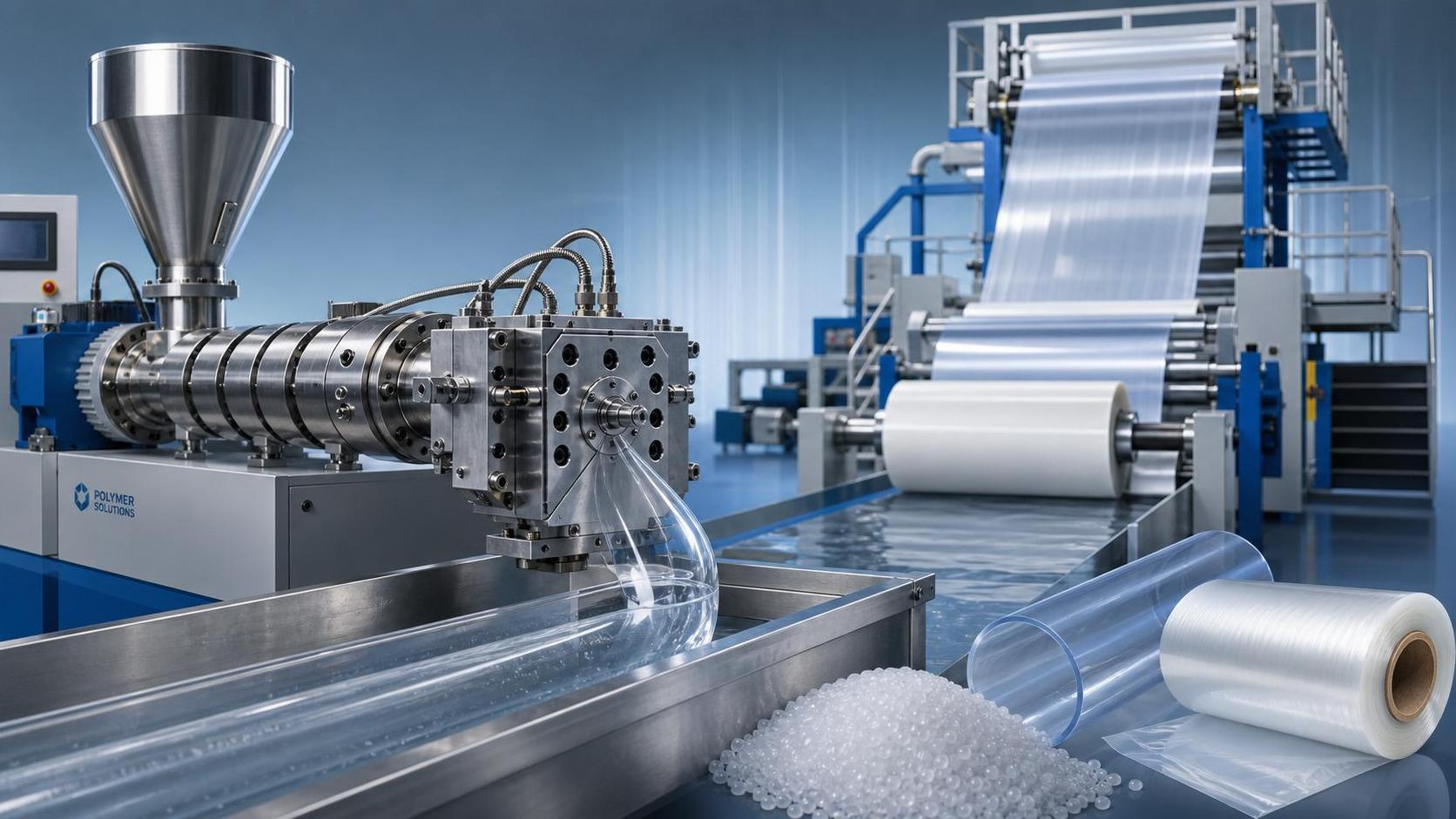
Within this context, circular plastics solutions are becoming a strategic operating model. They connect precision injection molding, high-efficiency extrusion, stretch blow molding, and waste plastic pelletizing into one measurable system that reduces leakage, improves recycled content use, and supports packaging compliance in 3 critical areas: material traceability, recyclability, and lifecycle efficiency.
Why circular plastics solutions now define packaging waste strategy
Packaging waste goals have changed from simple tonnage reduction targets into multi-variable performance targets. A company may now need to cut virgin resin use by 15%–30%, increase post-consumer recycled content, and maintain product protection, shelf appeal, and line efficiency at the same time.
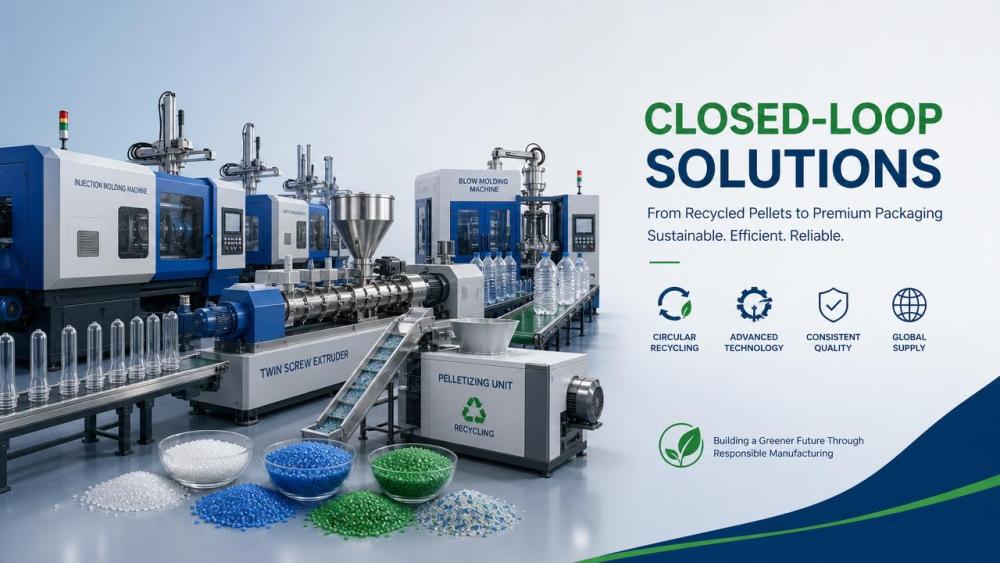
That is why circular plastics solutions matter. They help decision-makers move from a linear “make-use-dispose” model to a closed-loop framework where packaging is designed, formed, collected, reprocessed, and returned to production with fewer losses at each step.
From compliance pressure to operating resilience
Many companies first approach packaging circularity because of bans on specific formats, recycled content mandates, or producer responsibility fees. Yet the bigger business case appears in resilience. When in-house scrap recovery reaches even 60%–80% capture, plants can reduce dependence on volatile virgin material procurement and improve planning accuracy.
This is especially relevant for operations using injection molding, extrusion, and blow molding. Trim waste, start-up waste, rejected preforms, and off-spec film all represent recoverable value. Converting these streams back into usable pellets within 1–3 process loops can materially improve yield.
The packaging segments moving fastest
- Food and beverage bottles where rPET integration and lightweighting are now routine evaluation topics.
- Household and personal care packaging where mono-material conversion improves recyclability.
- Industrial containers and caps where closed-loop scrap reuse can often be implemented within 3–6 months.
- Medical and regulated formats where material purity, filtration, and traceability require stricter validation steps.
The table below outlines how circular plastics solutions reshape board-level packaging objectives across the value chain.
The key takeaway is that circular plastics solutions are no longer a sustainability add-on. They directly influence cost structure, compliance speed, and production continuity. For executives reviewing capital expenditure, that changes the payback conversation from waste avoidance to business resilience.
How forming and recycling technologies work together in a circular packaging model
A circular packaging system only works when processing equipment is aligned from the start. Resin selection, mold design, extrusion stability, blow molding speed, and reprocessing quality must support one another. If one stage fails, recycled content can become inconsistent, and waste goals stall.
This is where the intelligence focus of PFRS becomes practical. Decision-makers need visibility not just into machines, but into how polymer rheology, temperature windows, contamination control, and throughput interact across the full lifecycle.
Precision injection molding and material efficiency
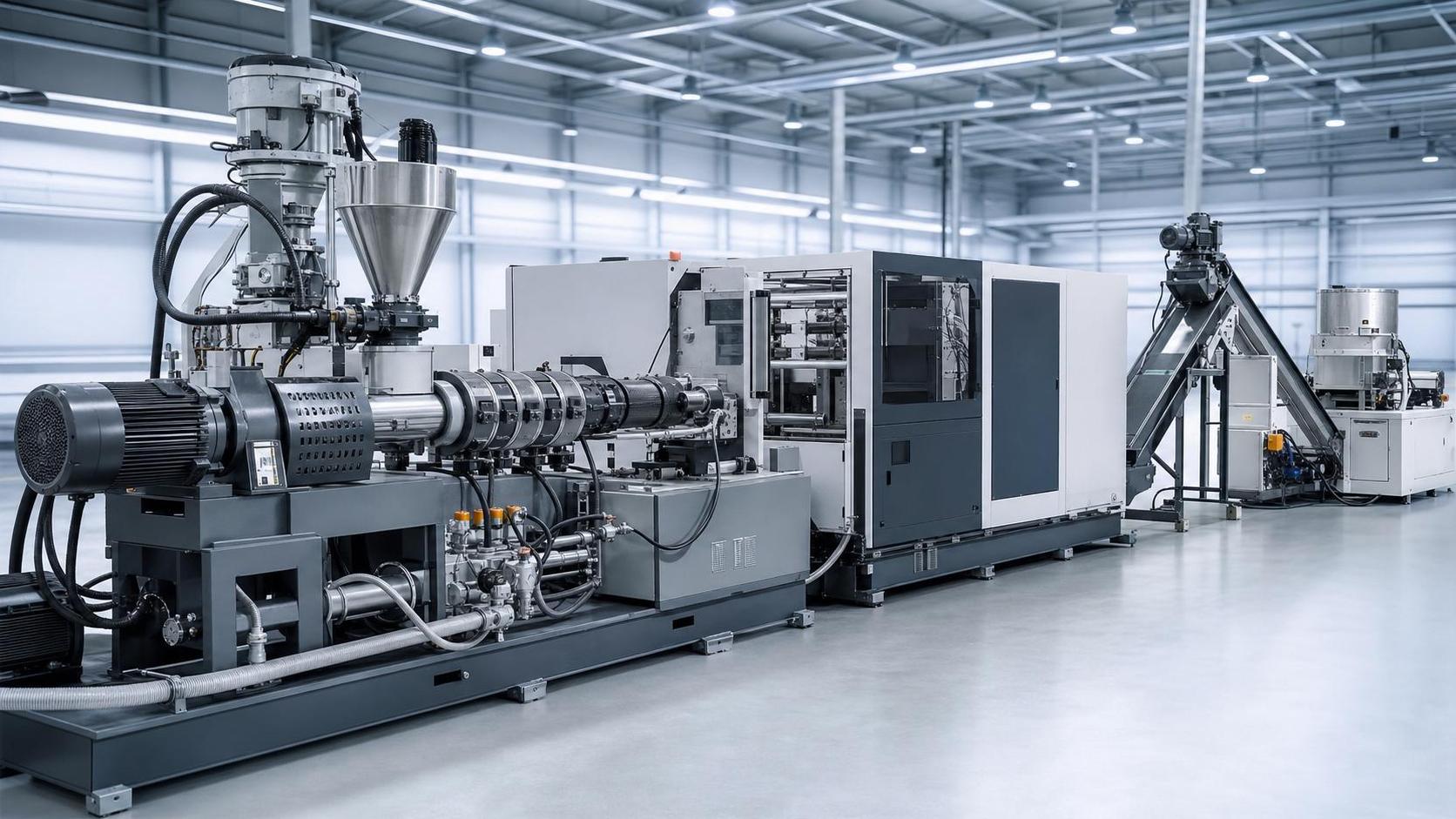
All-electric and servo-driven injection systems improve repeatability in thin-wall packaging parts, closures, and technical inserts. In many packaging lines, reducing part weight by even 3%–8% without compromising tolerances can remove significant annual resin demand.
Holding pressure optimization, cavity balance, and hot runner control are especially important when recycled content is introduced. Minor viscosity variation can affect fill consistency, so processors often define acceptable melt flow or density ranges before scaling recycled blends above 10%–25%.
Extrusion as the backbone of circular material compounding
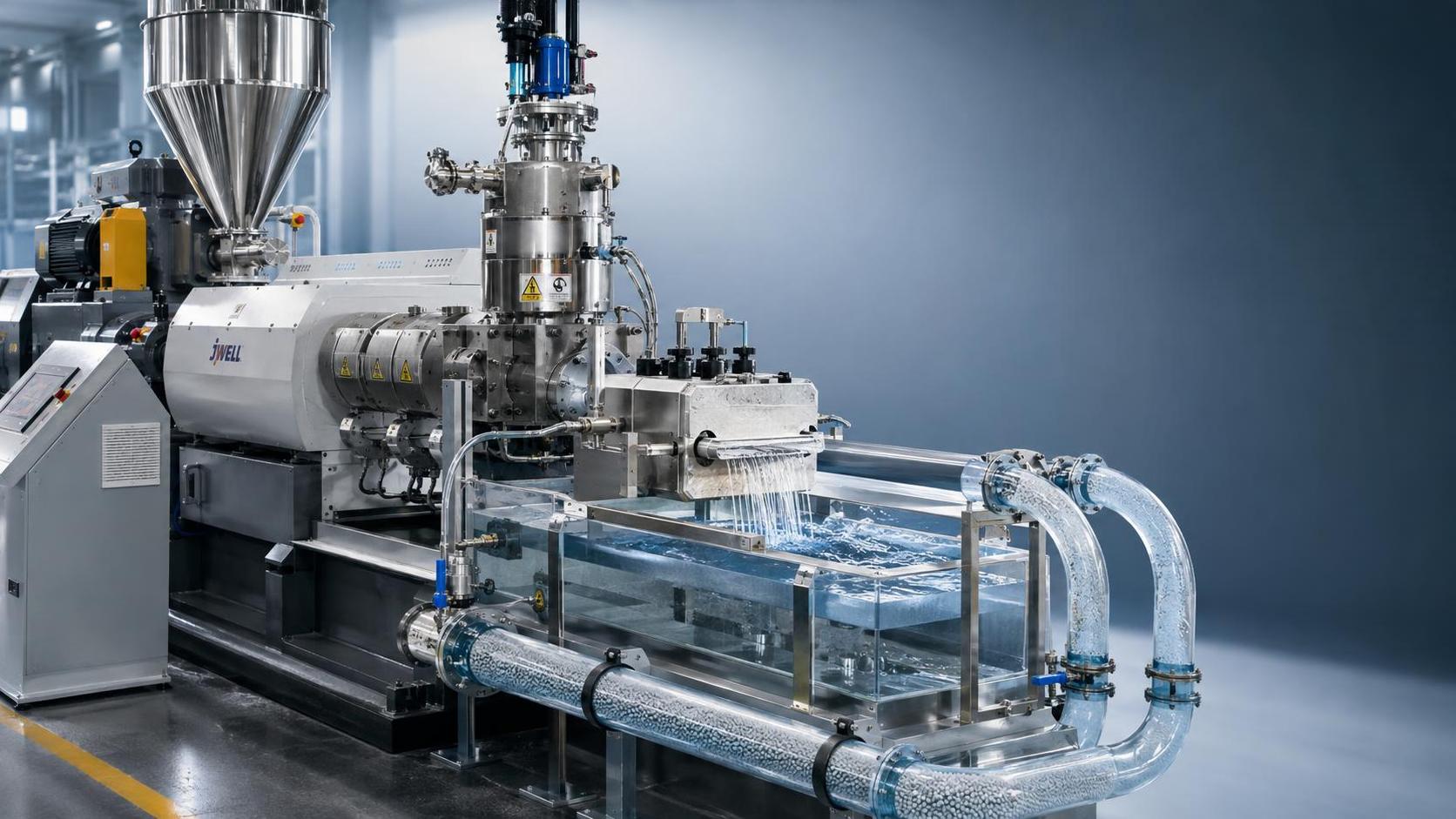
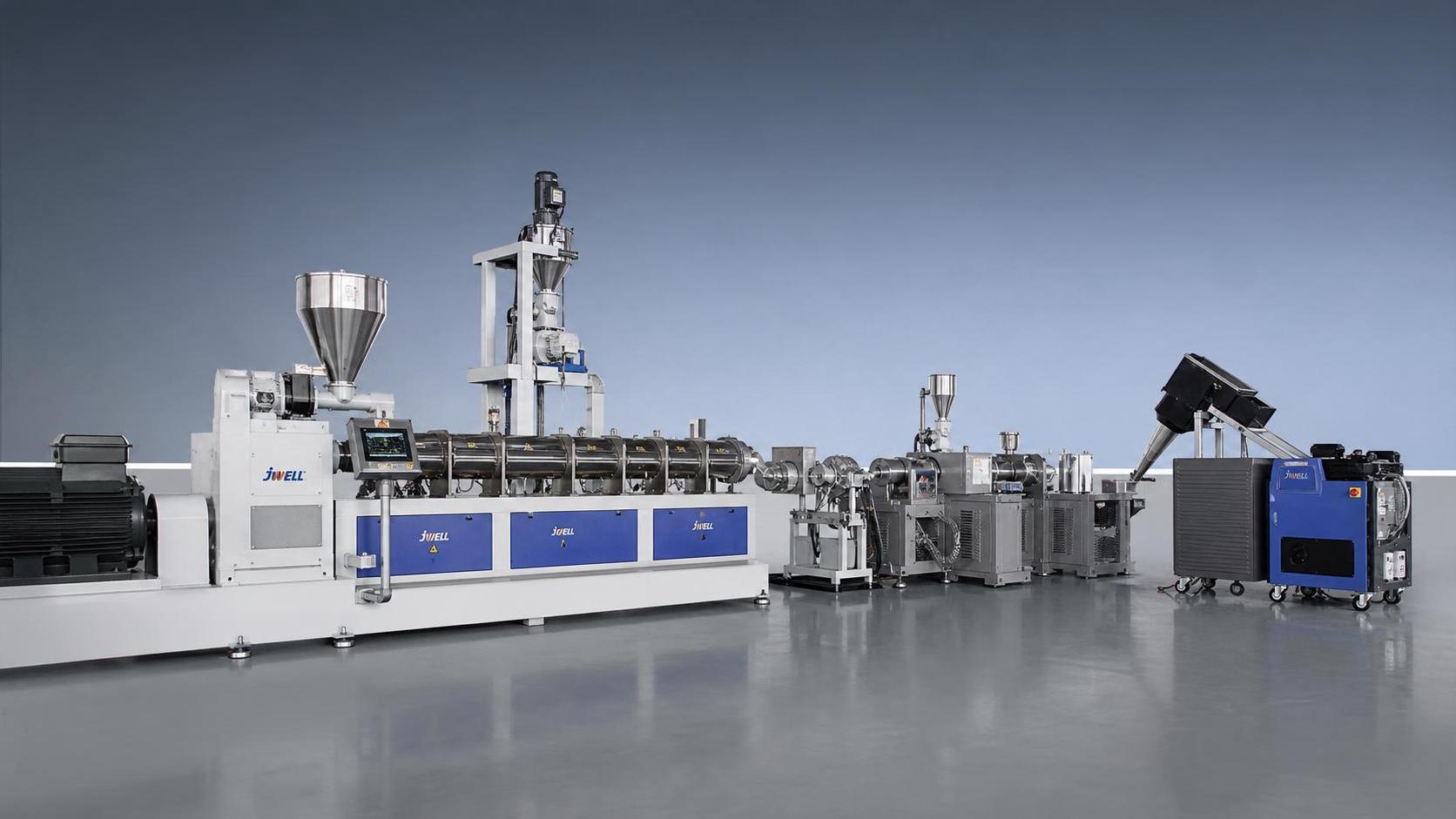
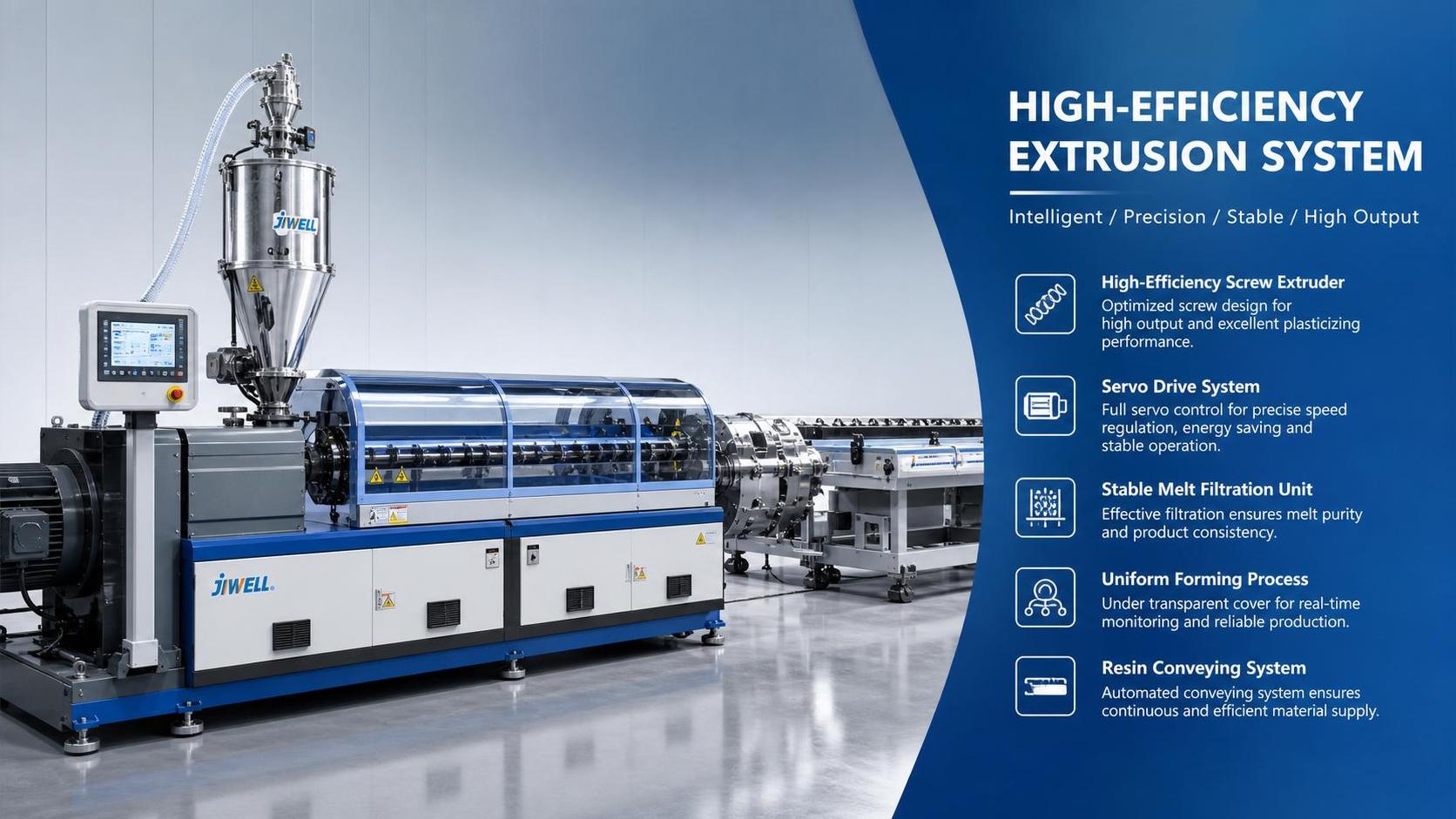
Twin-screw extruders are central to many circular plastics solutions because they can compound recycled flakes, virgin resin, colorants, stabilizers, and barrier-enhancing additives in one continuous process. In practical terms, this allows converters to tailor performance instead of rejecting recycled input outright.
Typical evaluation points include screw configuration, degassing performance, melt filtration level, and throughput stability. For many packaging applications, filtration precision and moisture control determine whether recycled polymers can move into higher-value use rather than lower-grade outlets.
Blow molding and bottle-to-bottle continuity
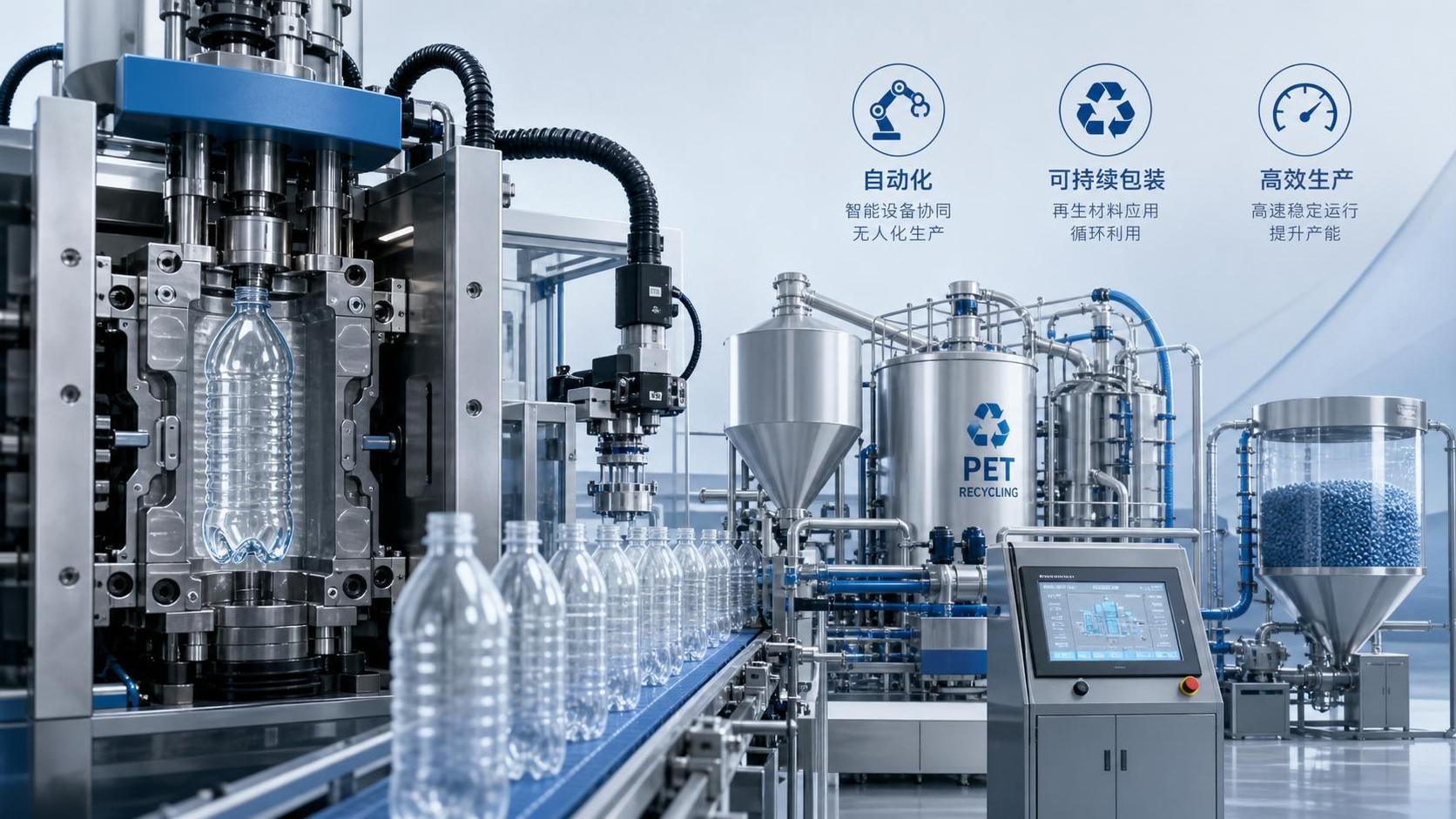
In beverage, healthcare, and cosmetics packaging, high-speed blow molding remains a decisive node. Lines running tens of thousands of bottles per hour cannot tolerate unstable preforms or contamination spikes. That makes recycled pellet consistency, IV retention, and drying discipline operational priorities, not secondary quality checks.
For decision-makers, the strategic point is clear: circular plastics solutions succeed when bottle design, preform process control, and recycling output specification are planned as one system rather than in separate departments.
Waste plastic pelletizing as the closing loop
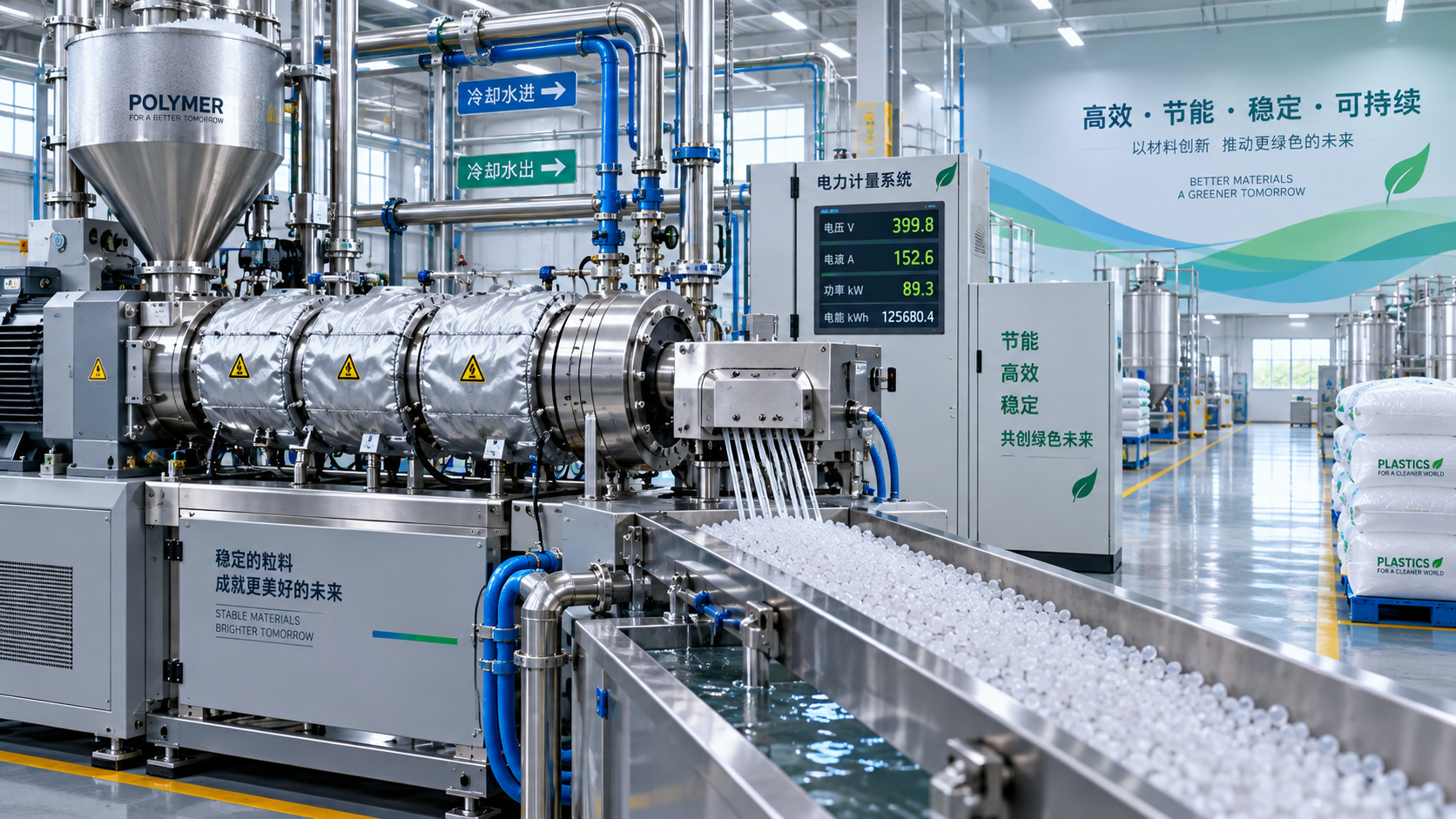
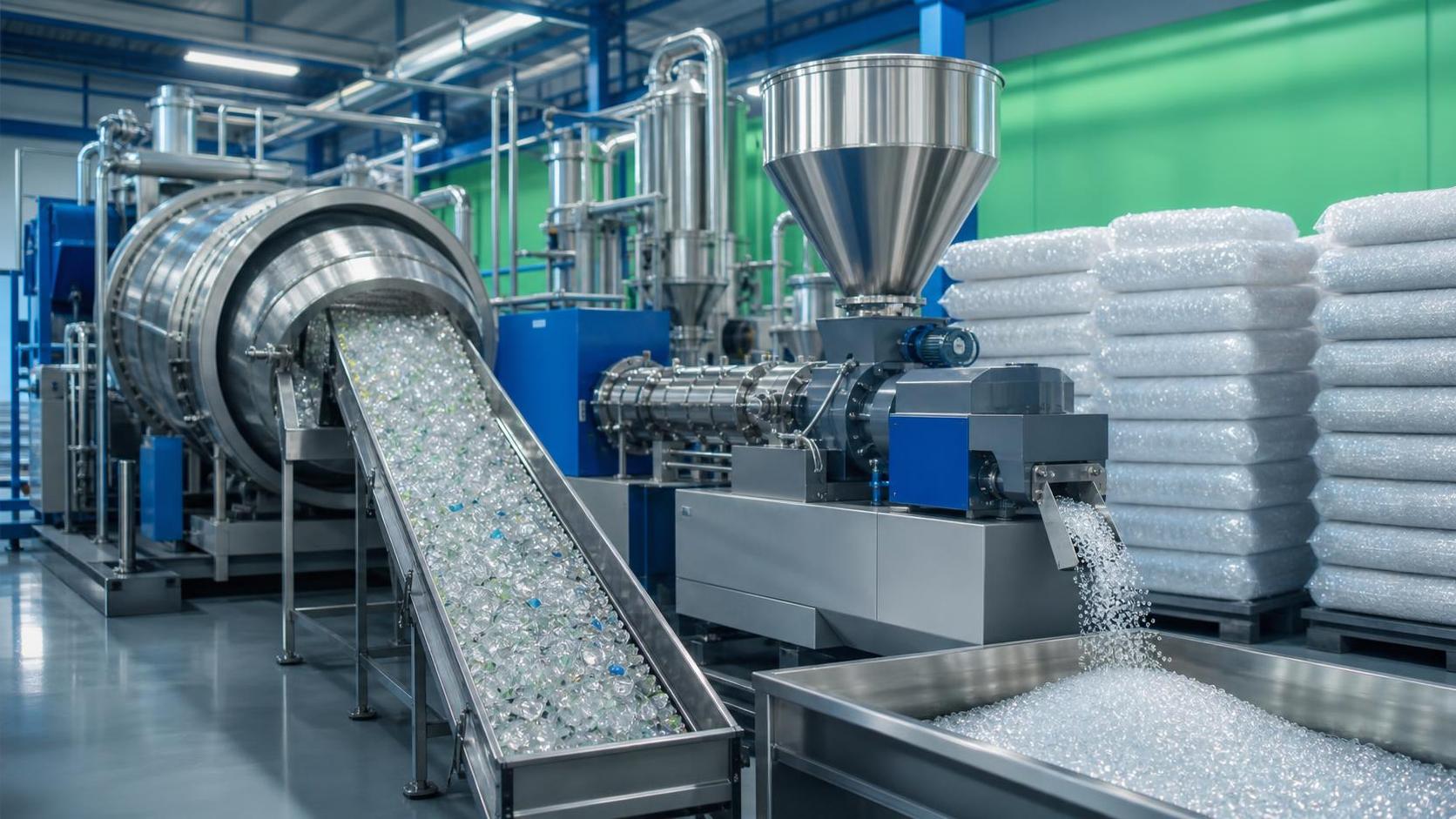
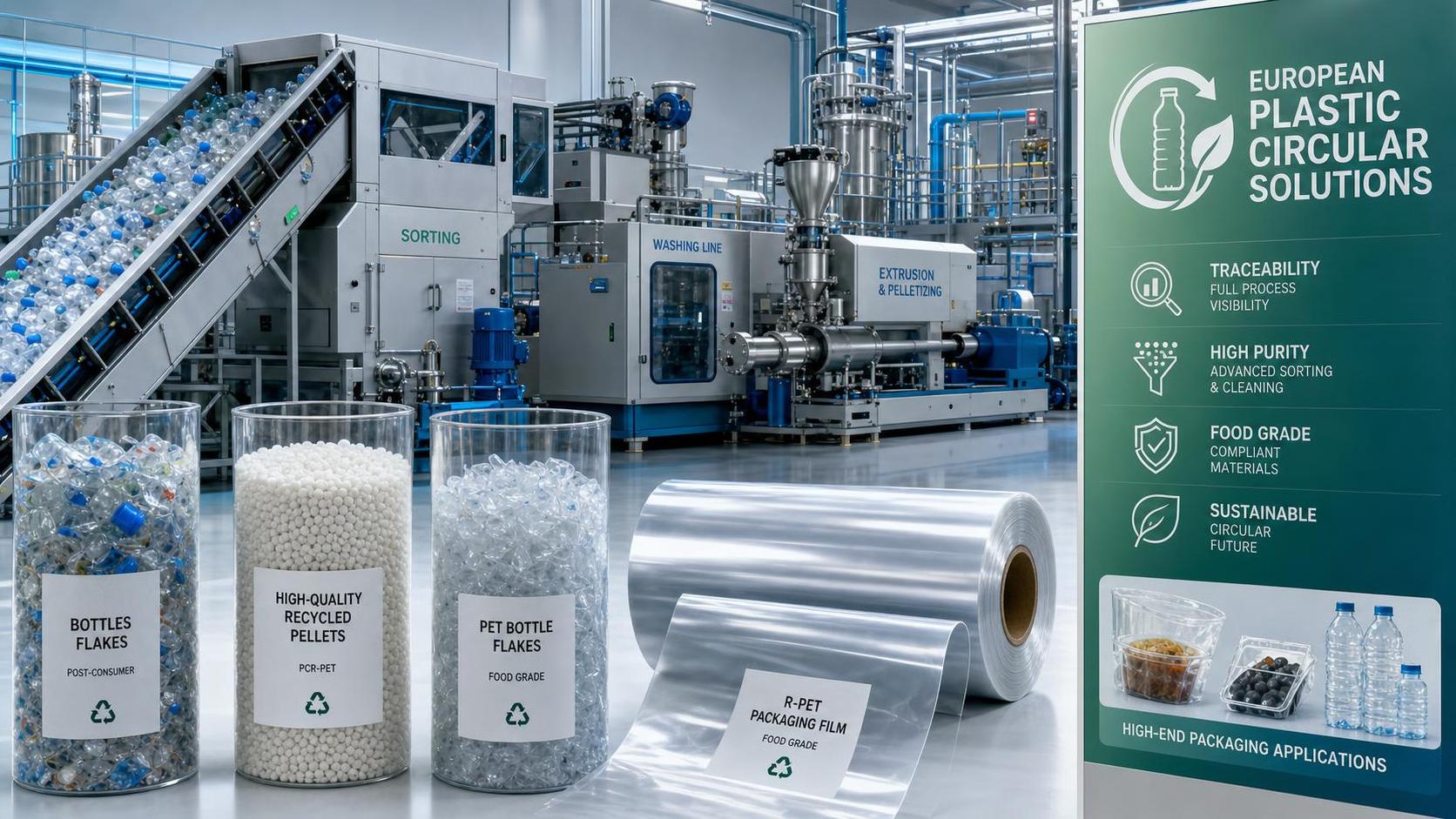
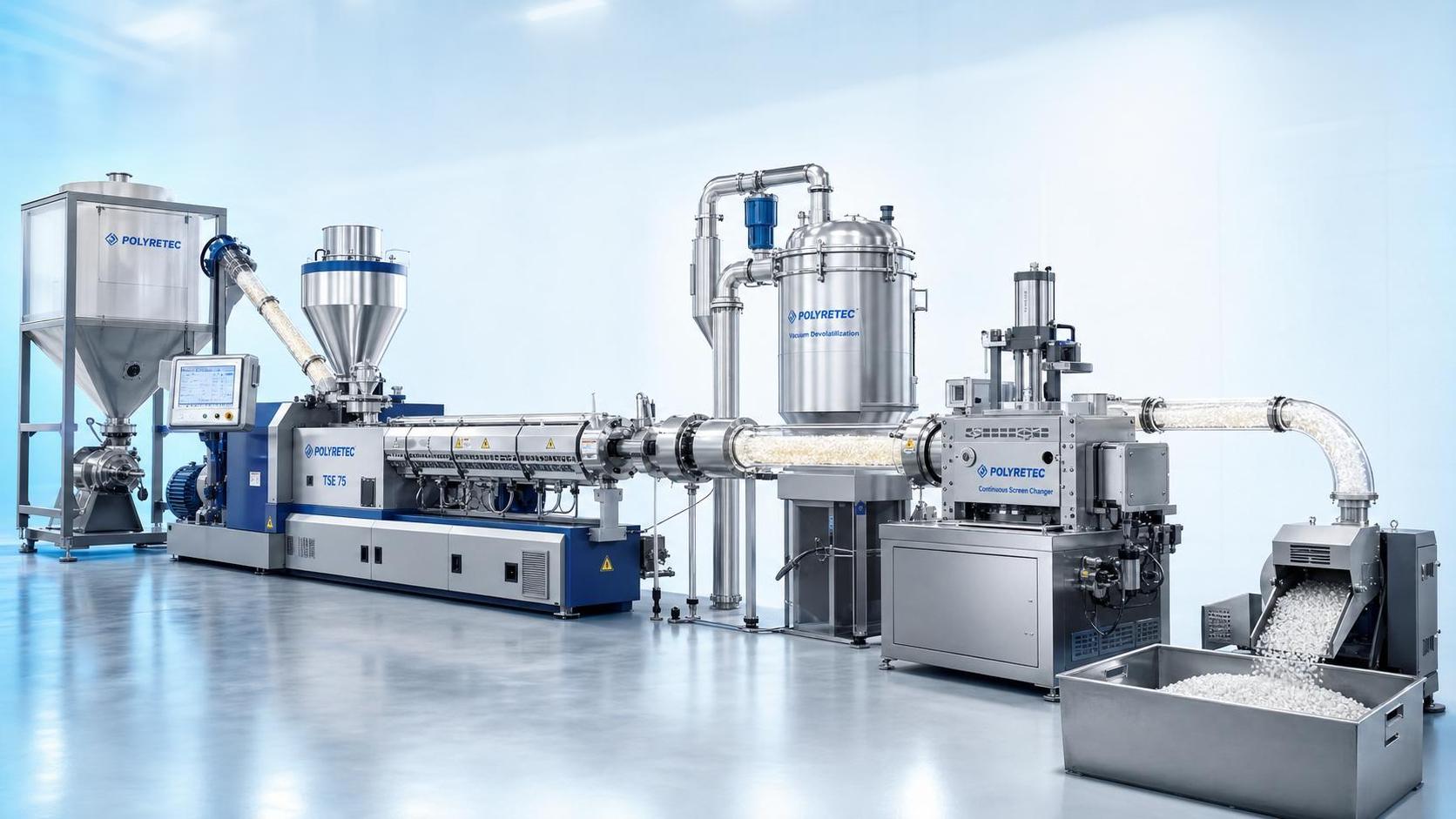
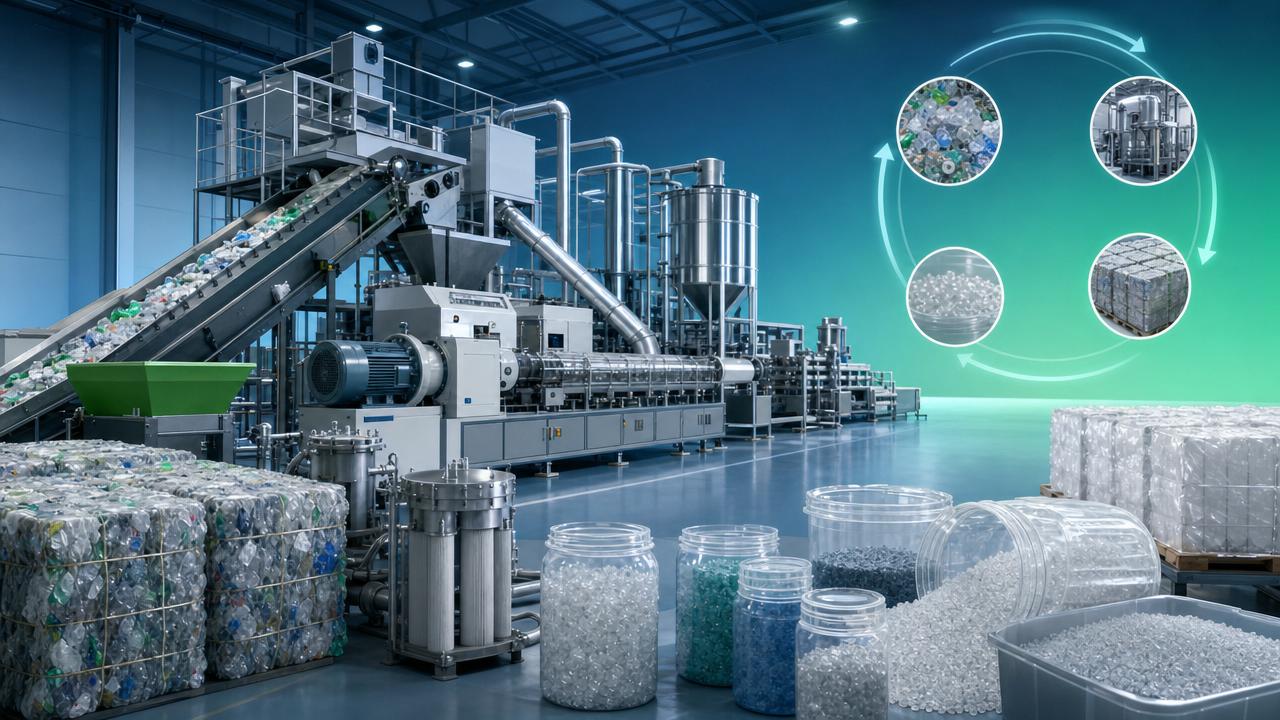
Waste plastic pelletizing machines convert post-industrial and post-consumer streams into reusable raw material through washing, shredding, melt processing, filtration, and pellet formation. In many plants, the most realistic first step is recovering internal scrap with contamination levels below mixed municipal streams.
Water quality, melt temperature, screen change frequency, and pellet uniformity all affect downstream processability. If pellet bulk density varies too widely, feeders become unstable; if filtration is insufficient, defects can multiply during molding or extrusion within days.
Core equipment decisions in a circular packaging line
The following comparison helps procurement teams align technology choices with packaging waste goals and production reality.
The lesson for procurement teams is that isolated machine efficiency is not enough. Circular plastics solutions depend on system compatibility, from material feeding and thermal control to filtration and digital monitoring.
What enterprise decision-makers should evaluate before investing
Boardroom support for circularity often exists, but implementation slows when investment criteria are unclear. A practical evaluation framework helps distinguish between symbolic upgrades and scalable operational change.
Four priority checkpoints
- Material stream clarity: quantify internal scrap, external feedstock, contamination profile, and monthly volume in tons.
- End-use specification: define whether output returns to primary packaging, secondary packaging, or non-packaging applications.
- Process compatibility: confirm molding, extrusion, or blow molding lines can handle expected recycled resin variation.
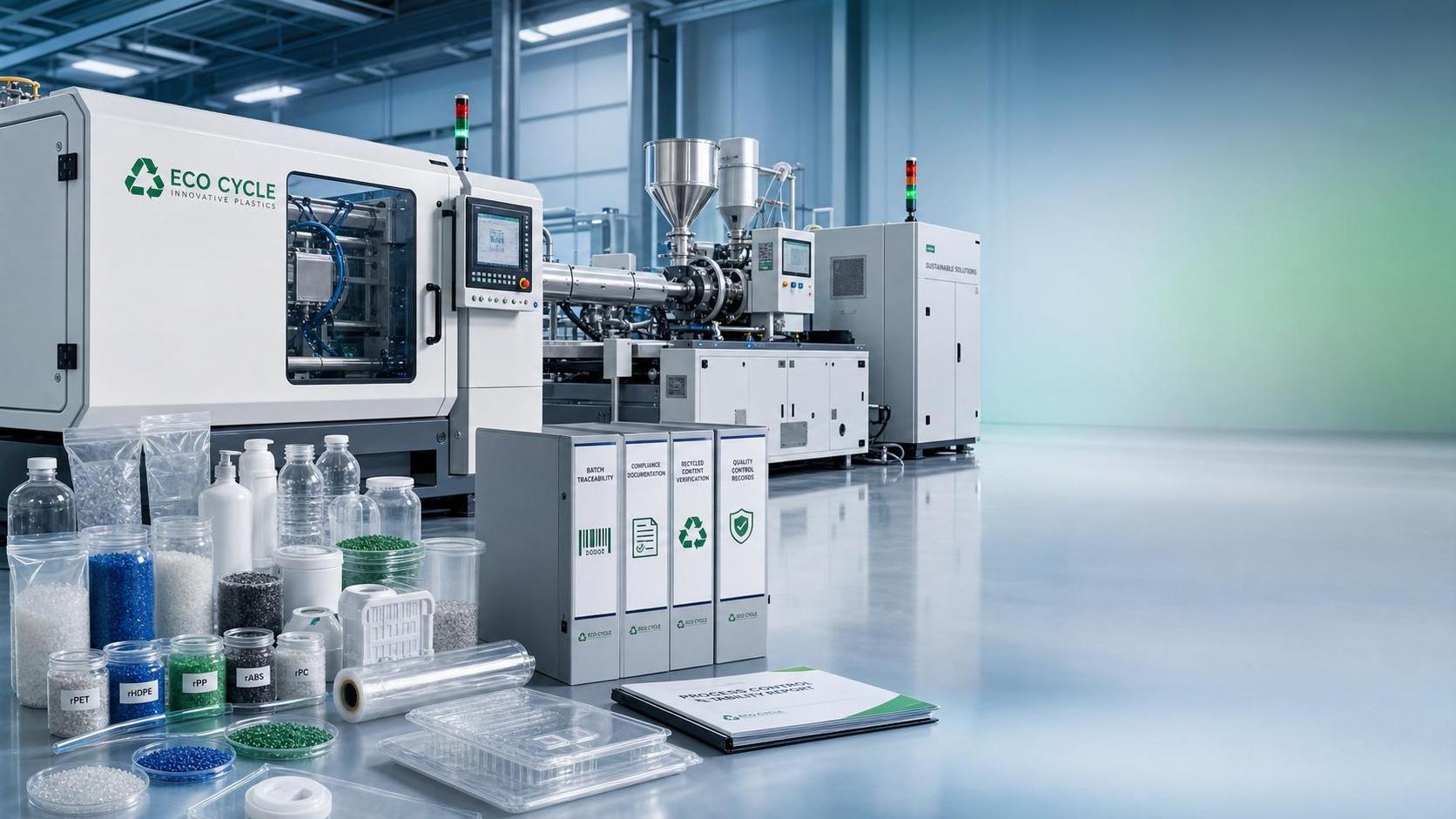
- Digital traceability: monitor batch history, process windows, and quality deviations over each 7-day or 30-day cycle.
If any of these four points is missing, circular plastics solutions can become expensive experiments. For example, buying reprocessing equipment before mapping contamination sources often leads to lower-than-expected pellet quality and delayed ROI.
Typical implementation timeline
Most projects move through 3 stages. Stage 1 covers waste audit and packaging redesign review over 2–6 weeks. Stage 2 includes technical validation, small-batch trials, and line tuning over 4–10 weeks. Stage 3 focuses on scale-up, operator training, and supplier alignment over another 4–8 weeks.
The total cycle may therefore range from 10 to 24 weeks depending on packaging complexity, hygiene requirements, and the number of production sites involved. Multi-plant rollouts usually take longer because data normalization and acceptance standards must be unified.
Common investment mistakes
- Focusing only on machine nameplate capacity rather than stable throughput under real contamination loads.
- Ignoring filtration and washing quality when targeting food-adjacent or cosmetic packaging applications.
- Adding recycled content without validating seal performance, drop resistance, or dimensional consistency.
- Separating sustainability targets from procurement metrics, which creates internal conflict during vendor selection.
The strongest projects treat circular plastics solutions as cross-functional investments linking procurement, operations, engineering, sustainability, and quality teams. That alignment reduces rework and accelerates decision-making when pilot results need rapid interpretation.
How to turn circular packaging goals into measurable results
Once a company selects the right technical path, execution discipline determines whether targets remain aspirational or become operational. Effective circular plastics solutions are managed through measurable KPIs rather than broad sustainability language.
Five KPIs that matter in practice
- Recycled content ratio by SKU, tracked weekly or monthly.
- Internal scrap recovery rate, often targeted above 70% for mature lines.
- Conversion yield loss between incoming waste and usable pellets.
- Packaging defect rate after recycled content introduction.
- Energy consumption per kilogram processed across molding, extrusion, and recycling stages.
These indicators provide operational truth. A packaging line may report higher recycled content, but if defect rates rise by 2%–4% or throughput falls sharply, the environmental gain may be offset by waste and hidden cost elsewhere in the system.
The role of technical intelligence
This is why intelligence platforms such as PFRS are relevant for enterprise strategy. Leaders need more than news on plastic restrictions. They need process-level insight into CFD behavior in twin-screw extrusion, AI-assisted pressure optimization in injection molding, and filtration performance in recycled melt streams.
When commercial and technical intelligence are stitched together, circular plastics solutions become easier to justify, specify, and scale. That is especially valuable for companies evaluating in-house recycling lines, packaging redesign, or new machine procurement under ESG and productivity pressure.
Final decision framework for leaders
A strong packaging waste strategy asks 3 questions. First, can the packaging be redesigned for easier recovery? Second, can production equipment process more circular material without compromising output? Third, can recovered plastic re-enter the value chain at commercially meaningful quality?
If the answer is yes to all three, circular plastics solutions stop being a cost center and start becoming a competitive advantage. They improve material efficiency, reduce supply risk, and support credible environmental claims in a market where scrutiny is only increasing.
For enterprise decision-makers, the next step is to assess waste streams, process compatibility, and equipment readiness with the same rigor used for any major production investment. PFRS supports that journey with intelligence across injection molding, extrusion, blow molding, and recycling systems—helping teams translate packaging waste goals into workable industrial action.
If your organization is evaluating circular plastics solutions for packaging, now is the time to compare technical options, validate material pathways, and build a roadmap grounded in production reality. Contact us to discuss your application, request a tailored solution path, or learn more about advanced polymer forming and recycling strategies.
Related News
- 00
0000-00
How to Select Rubber Processing Equipment for High-Precision Automotive Seals - 00
0000-00
How to Qualify a Servo Injection Molding Exporter for Global Sourcing - 00
0000-00
Polymer Processing for Extrusion: How Melt Rheology Affects Line Stability - 00
0000-00
Energy-Efficient Polymer Processing: Where Plants Can Cut kWh per Kilogram - 00
0000-00
German Extrusion Equipment Suppliers: Comparing Service, Lead Times, and Lifecycle Cost
Weekly Insights
Stay ahead with our curated technology reports delivered every Monday.
Related News
 Prof. Marcus ChenEnergy-Efficient Polymer Processing: Where Plants Can Cut kWh per KilogramEnergy-efficient polymer processing solutions help plants reduce kWh per kilogram, protect quality, cut scrap, and prioritize upgrades with data-driven insights.Sep 23, 2026
 Prof. Marcus ChenPlastic Pelletizing Trends: How Recycling Demand Is Reshaping Processing TechnologyPlastic pelletizing trends are redefining recycling quality. Explore filtration, extrusion, degassing, and automation innovations driving cleaner, more consistent recycled resin.Sep 07, 2026
 Prof. Marcus ChenHow Polymer Supply Chains Are Changing to Support High-Quality Recycling FeedstockPolymer supply chain for recycling is shifting toward traceable sourcing, cleaner sorting, and stable processing. See how high-quality feedstock improves performance, compliance, and cost control.Aug 22, 2026
 Prof. Marcus ChenHow Europe’s Circular Plastics Economy Is Reshaping Recycling InvestmentCircular plastics economy Europe is reshaping recycling investment through quality, traceability, and packaging demand. Explore where capital is moving and why it matters now.Aug 04, 2026
 Prof. Marcus ChenBlow Molding Trends Shaping Packaging, Sustainability, and Production EfficiencyBlow molding trends are redefining packaging with lightweighting, recycled content, automation, and energy efficiency. Discover how smarter production boosts sustainability and cuts costs.Jul 23, 2026
 Prof. Marcus ChenExtrusion Equipment Modular Design: When It Makes Sense for Line ExpansionExtrusion equipment modular design helps manufacturers expand lines in phases, cut disruption, and stay ready for recycled content, utility limits, and changing product demands.Jul 15, 2026
 Prof. Marcus ChenPolymer Lifecycle Solutions Explained: From Material Sourcing to End-of-Life RecoveryPolymer lifecycle solutions explained from sourcing and processing to recycling and recovery. Discover how to cut waste, improve quality, and build smarter material strategies.Jul 13, 2026
 Prof. Marcus ChenEnergy-Efficient Polymer Processing Systems: Which Metrics Matter Most?Energy-efficient polymer processing systems: discover the metrics that truly drive ROI—specific energy use, yield, uptime, stability, and compliance for smarter equipment decisions.Jul 11, 2026
 Prof. Marcus ChenPolymer Recycling Systems for Continuous Operation: What to Check Before SpecifyingPolymer recycling systems continuous operation starts with the right specification. Learn what to check for uptime, melt quality, energy efficiency, and reliable pellet output.Jul 09, 2026
 Prof. Marcus ChenCircular Plastics Economy in Japan: Policy Drivers, Recycling Targets, and Market ImpactCircular plastics economy Japan is accelerating as policy, recycling targets, and packaging reforms reshape material choices, processing strategy, and market advantage.Jul 05, 2026
 Prof. Marcus ChenPlastic Extrusion Technology Trends: What Process Changes Are Improving Energy Efficiency?Plastic extrusion technology trends are reshaping energy efficiency through smarter screws, thermal control, servo drives, and digital optimization. See which process changes deliver lower costs and more stable output.Jul 01, 2026
 Prof. Marcus ChenInjection Molding Technology Trends: Which Process Changes Matter Most for Medical and Packaging Parts?Injection molding technology trends shaping medical and packaging parts: discover the process changes that improve validation, precision, efficiency, and recycled-material readiness.Jun 30, 2026
 Prof. Marcus ChenCircular Plastics Economy Compliance Explained: Key Requirements for ManufacturersCircular plastics economy compliance explained for manufacturers: learn key requirements, audit risks, process controls, and how to turn compliance into a competitive advantage.Jun 25, 2026
 Prof. Marcus ChenAdvanced Materials Processing Trends: 5 Shifts Reshaping Capacity Planning and SourcingAdvanced materials processing trends are reshaping capacity planning, sourcing, recycling, and compliance. Explore 5 shifts helping manufacturers cut risk, improve precision, and build resilient growth.Jun 24, 2026
 Prof. Marcus ChenGlobal Plastic Ban Trends: Which Packaging Materials and Export Markets Face the Biggest Changes?Global plastic ban trends are reshaping packaging choices and export strategy. See which materials and markets face the biggest shifts, and how to reduce compliance risk.Jun 22, 2026
 Prof. Marcus ChenPolymer Rheology Trends That Matter in Extrusion: Melt Strength, Shear, and StabilityPolymer rheology trends are reshaping extrusion performance. Learn how melt strength, shear, and stability affect quality, efficiency, and recycled resin processing.Jun 18, 2026
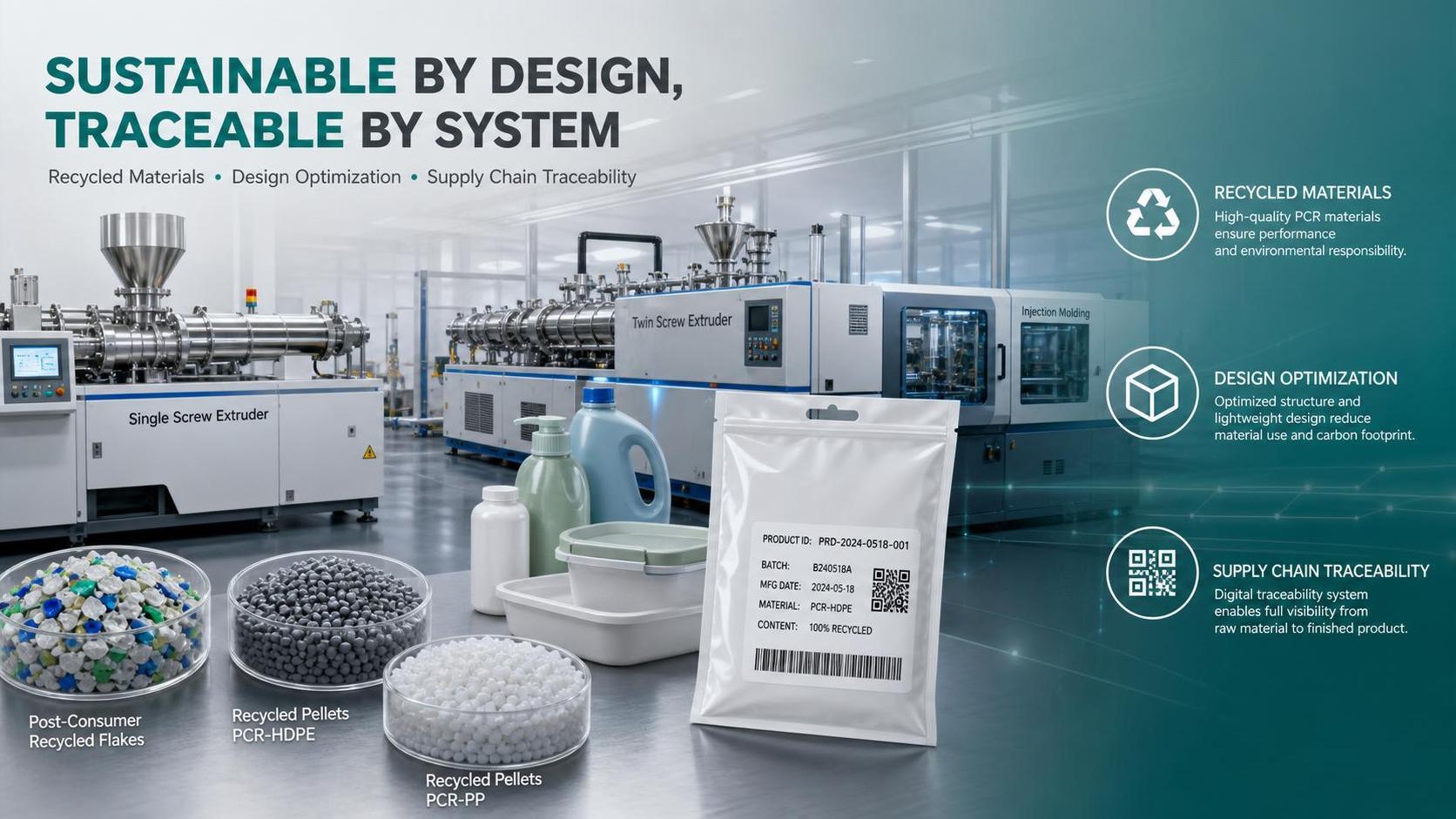
 Prof. Marcus ChenPlastic Circularity Strategies for Manufacturers: Recycled Content, Design, and TraceabilityPlastic circularity strategies for manufacturers: learn how recycled content, smarter design, and traceability can reduce risk, improve compliance, and strengthen supply resilience.Jun 18, 2026
 Prof. Marcus ChenAdvanced Materials Processing Equipment in High-Performance Manufacturing: Where It Fits BestAdvanced materials processing equipment drives precision, speed, and sustainability in manufacturing. Explore where each system fits best to improve quality, efficiency, and ROI.Jun 16, 2026
 Prof. Marcus ChenWhat Is Driving the Circular Economy Plastics Market? Policy, Pricing, and Demand ShiftsCircular economy plastics market trends are being driven by tighter policy, resin price volatility, and stricter buyer demands. Discover what this means for sourcing, processing, and growth.Jun 13, 2026
 Prof. Marcus ChenDigital Polymer Processing Explained: Methods, Materials, and Best-Fit ApplicationsDigital polymer processing explained clearly: explore key methods, materials, and best-fit applications to improve quality, efficiency, and recycling performance.Jun 10, 2026