How green packaging materials compare on cost and use




For procurement teams, choosing green packaging materials is no longer just about sustainability claims—it is a decision shaped by cost, performance, compliance, and supply stability. This article compares how major green packaging materials differ in total cost of use, processing efficiency, recyclability, and packaging fit, helping buyers make smarter sourcing decisions in a market increasingly influenced by ESG goals and global packaging regulations.
In practice, the best material is rarely the one with the lowest price per kilogram. Buyers must weigh conversion efficiency, machine compatibility, scrap rates, barrier performance, logistics costs, and end-of-life pathways across 3 to 5 years of sourcing cycles.
For companies working across injection molding, extrusion, blow molding, and recycled resin recovery, green packaging materials also affect line speed, tooling wear, drying needs, contamination risk, and future compliance exposure. That makes procurement a technical and commercial function at the same time.
What buyers should compare beyond material price

When procurement teams evaluate green packaging materials, the first mistake is comparing only the purchase price. A more reliable review includes at least 6 dimensions: material cost, processing cost, yield loss, transport efficiency, compliance fit, and recovery value after use.
In polymer packaging operations, a resin that costs 12% more may still reduce total use cost if it runs 8% faster, cuts scrap from 5% to 2%, or avoids secondary packaging. This is especially relevant for extruded film, thermoformed trays, and blow-molded containers.
The 4 core cost layers in green packaging sourcing
Procurement teams usually start with direct material spend, but total cost of use is broader. Green packaging materials can change energy demand, line setup frequency, moisture control, and downstream packing efficiency.
- Raw material cost per kg or per thousand units
- Conversion cost, including drying, melt temperature, and cycle time
- Functional cost, such as barrier layers, seal integrity, and damage rate
- End-of-life value, including recyclability, EPR impact, and recycled content potential
Why processing compatibility matters
A material may look attractive on a sustainability scorecard but perform poorly on existing equipment. On extrusion and blow molding lines, even a 3% to 6% drop in stable output can erase any headline savings from switching to a greener substrate.
For PFRS-oriented buyers, this is where material intelligence and machinery insight intersect. Recycled polymers, paper-plastic hybrids, compostables, and molded fiber each interact differently with screw design, melt filtration, temperature windows, and downstream handling.
The table below compares the main procurement criteria used when screening green packaging materials for industrial packaging, consumer goods, and regulated applications.
The key takeaway is that green packaging materials should be compared as operating systems, not just as commodities. Procurement decisions improve when buyers assign weighted scores to cost, manufacturability, compliance, and recovery pathways rather than relying on one environmental claim.
How major green packaging materials compare on cost and use
Most sourcing decisions come down to 5 material families: recycled PET or PE, mono-material polyolefins, paper-based packaging, compostable bioplastics such as PLA blends, and molded fiber. Each has a different cost profile and a different level of machine readiness.
Recycled plastics: strong circular value, variable feedstock stability
Recycled polymers are often the most scalable option for buyers who need existing plastic performance with lower virgin resin dependence. In bottles, trays, and flexible packaging, rPET and rPE can support established recycling systems, but quality variation remains a procurement risk.
Typical concerns include odor, gel count, color drift, melt flow consistency, and contamination. On extrusion or blow molding lines, inadequate filtration or unstable IV levels may reduce output by 5% to 15% if supplier quality control is weak.
Best use cases
Recycled plastics fit high-volume packaging where mechanical performance matters and existing collection channels are available. They are often preferred for beverage containers, detergent bottles, transport films, and secondary packaging with 10% to 70% recycled content targets.
Paper-based materials: strong perception, but function can require added layers
Paper and paperboard perform well in branding and consumer perception, and they can reduce dependence on fossil-derived materials in many dry-product formats. However, when moisture, grease, oxygen, or heat sealing are required, coatings or laminated layers often increase system complexity.
That complexity matters in procurement. A low-cost paper substrate may become expensive after adding barrier treatment, converting steps, and pack redesign. Freight efficiency can also decline because rigid paper formats may require 10% to 25% more storage volume than thin flexible alternatives.
Compostable materials: useful in narrow applications, not universal replacements
Compostable green packaging materials attract attention because they appear to solve waste concerns. In reality, they are most practical in food-service, organic waste collection, and contaminated packaging streams where mechanical recycling is unlikely.
For buyers, the main cost challenges are resin premiums, narrower processing windows, and uncertain end-of-life infrastructure. Drying conditions, crystallization behavior, and sealing performance may require line adjustments, especially in film extrusion and thermoforming operations.
Mono-material plastics: balanced economics for redesign projects
Mono-material PE or PP structures are increasingly popular because they simplify recycling compared with multi-layer combinations. They often provide a strong balance between source reduction, machinability, and lower sorting complexity.
The tradeoff is performance tuning. To replace multi-material packs, buyers may need upgraded sealants, orientation control, or specialty additives. This can increase initial development time by 4 to 12 weeks, but the long-term supply and compliance profile is often stronger.
The following comparison helps procurement teams align green packaging materials with likely cost and operational outcomes.
No single option wins across every format. Recycled plastics often lead in closed-loop practicality, paper wins in certain perception-driven categories, compostables fit limited waste scenarios, and mono-material designs offer a strong path for scale-friendly compliance.
How processing equipment changes the economics
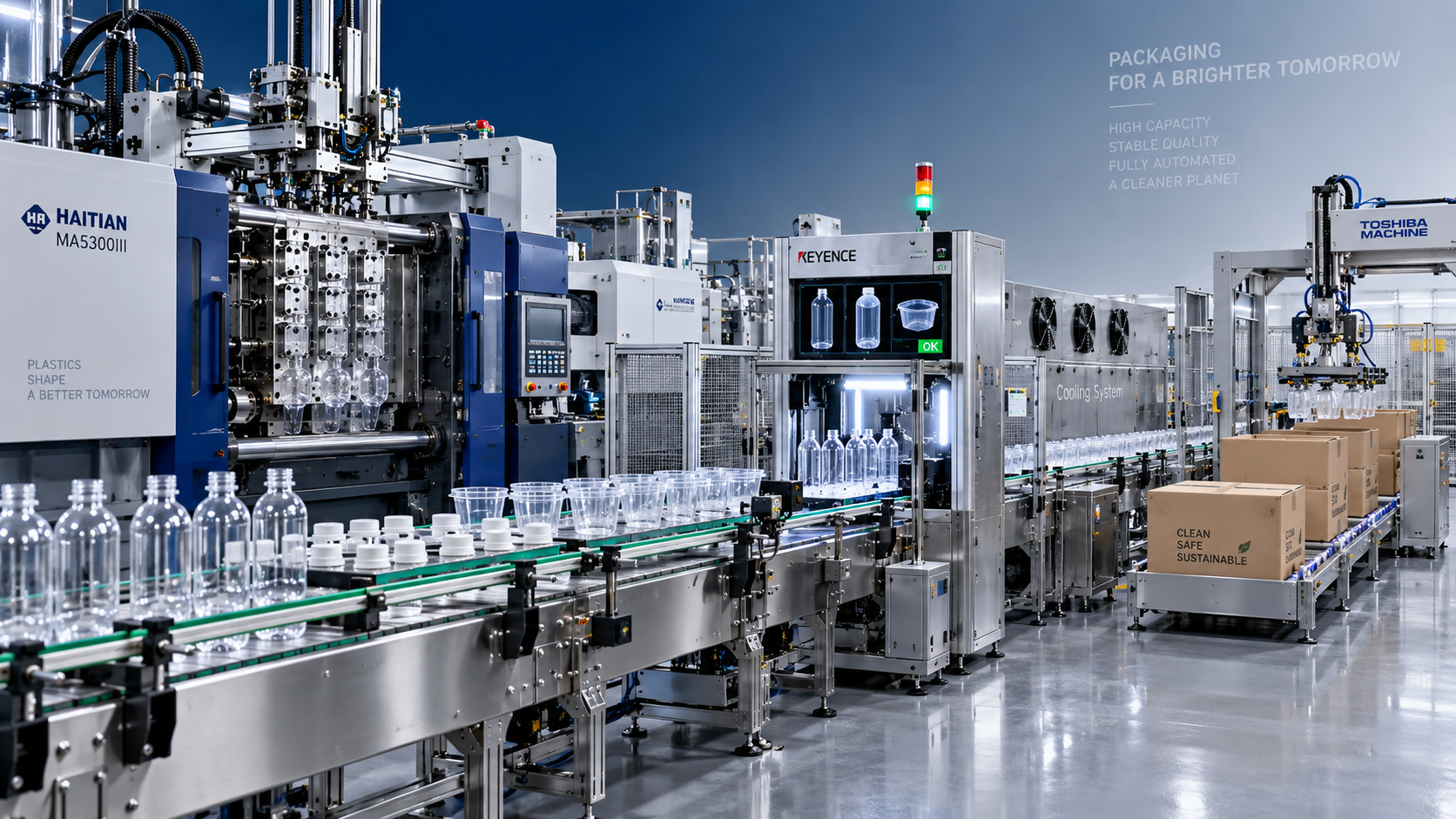
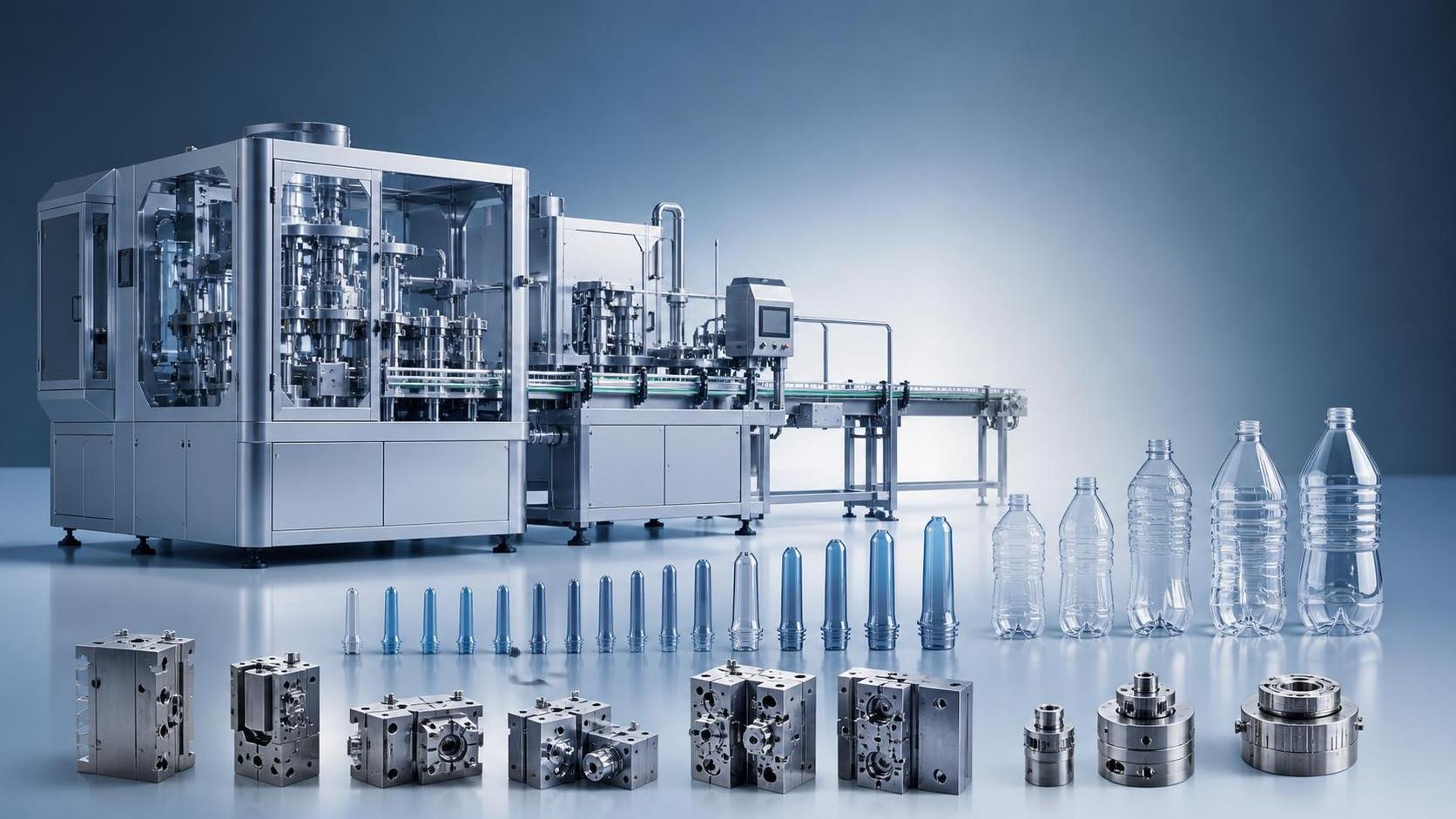
For industrial buyers, material selection cannot be separated from machinery. A green packaging material that looks attractive in theory may underperform if the injection molding machine, extruder, or blow molding line is not configured for its thermal and rheological behavior.
Injection molding and rigid packaging
In caps, closures, food tubs, and technical components, cycle time and dimensional stability matter. Recycled content can affect viscosity and shrinkage, while bio-based resins may require tighter drying control. Even a 1.5-second increase in cycle time becomes significant in high-cavity production.
Extrusion and film applications
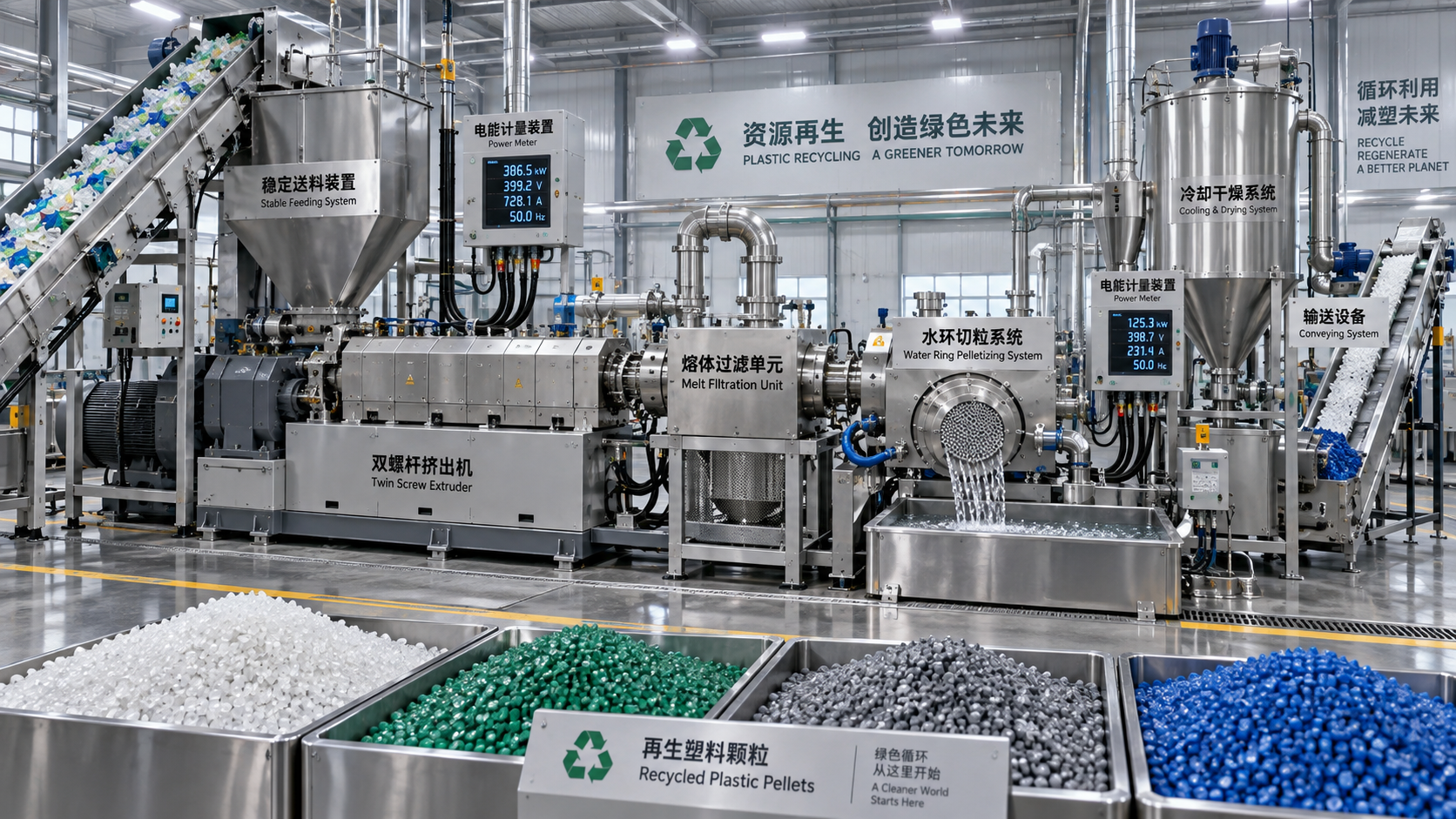
Extrusion economics depend on melt stability, screw design, filtration efficiency, and gauge consistency. Green packaging materials with variable melt flow can cause pressure fluctuation, more screen changes, and higher off-spec waste during start-up or grade changeover.
This is why many buyers now assess material and machinery as one sourcing package. In some cases, adding better gravimetric feeding, melt filtration, or AI-supported process control reduces defects enough to make greener substrates commercially viable within 9 to 18 months.
In-house recycling and pelletizing as a procurement lever
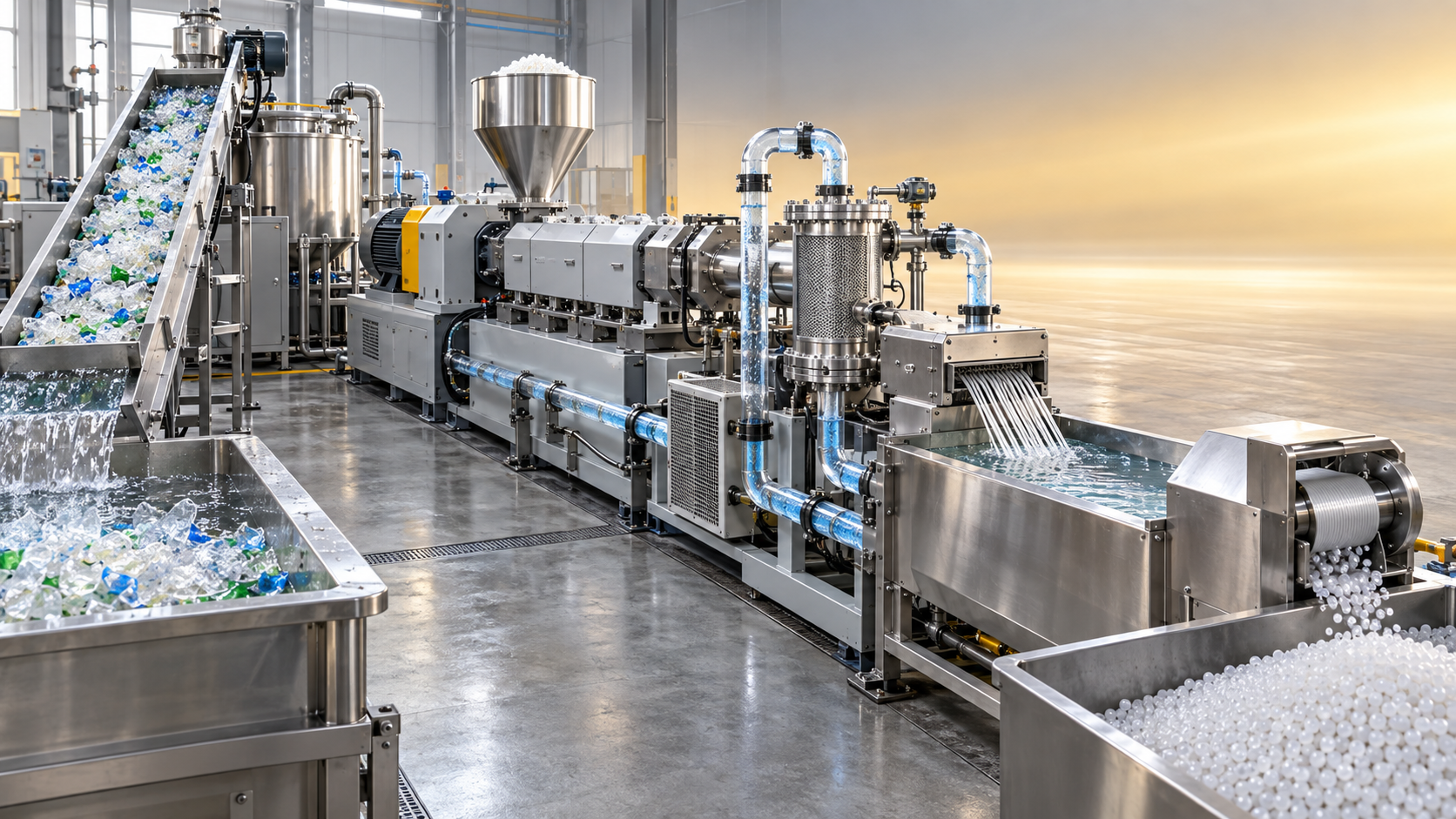
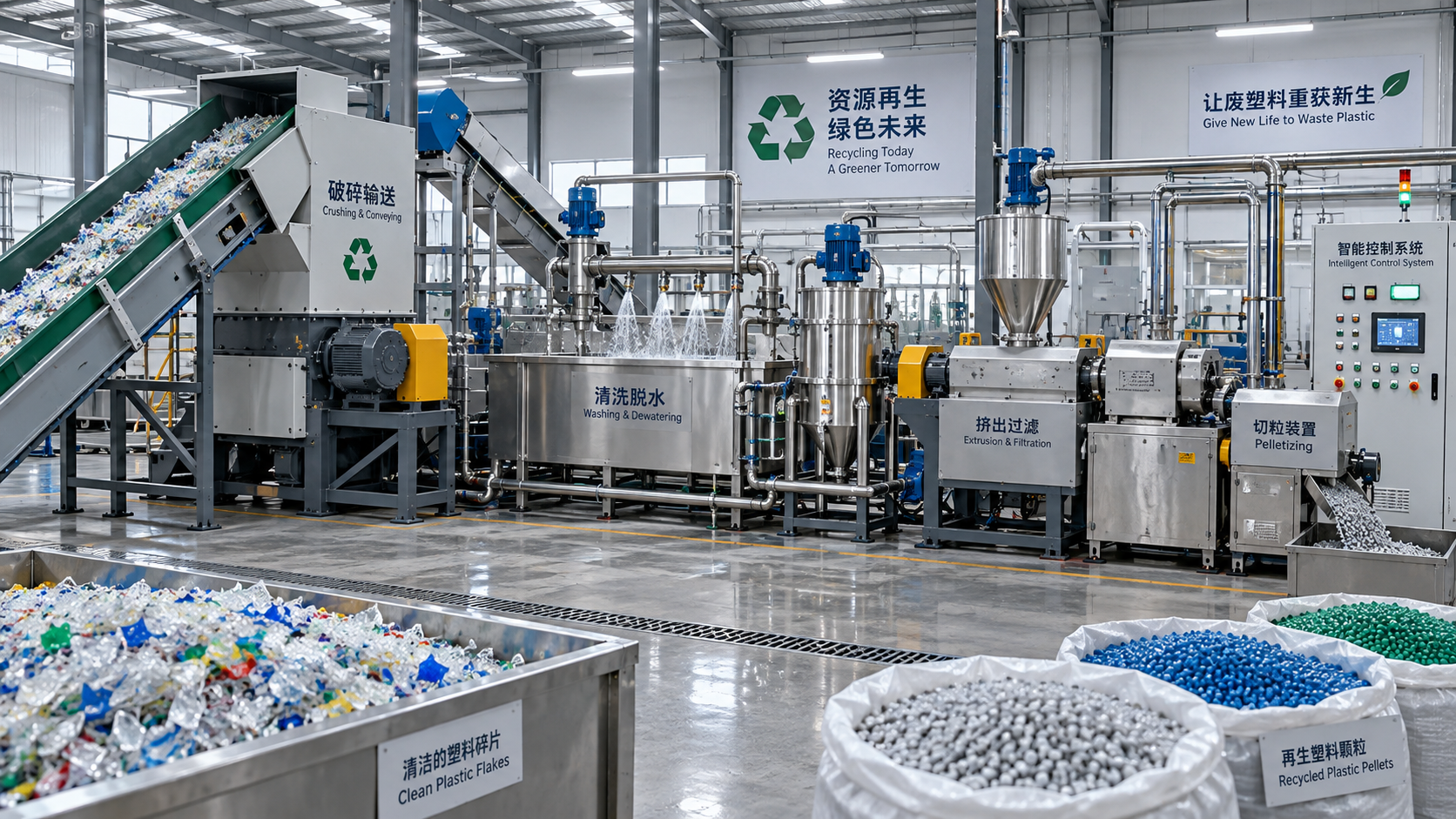
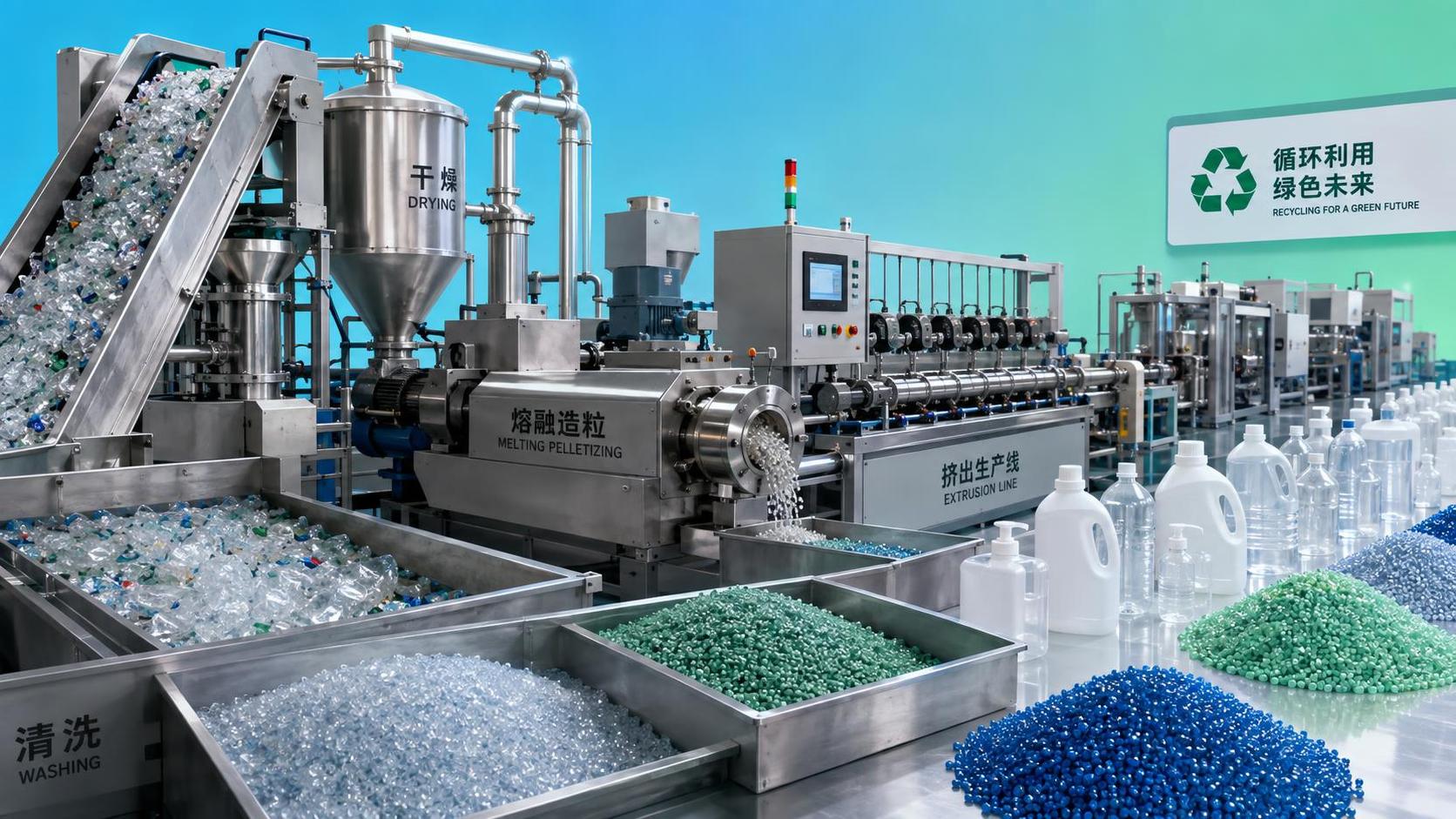
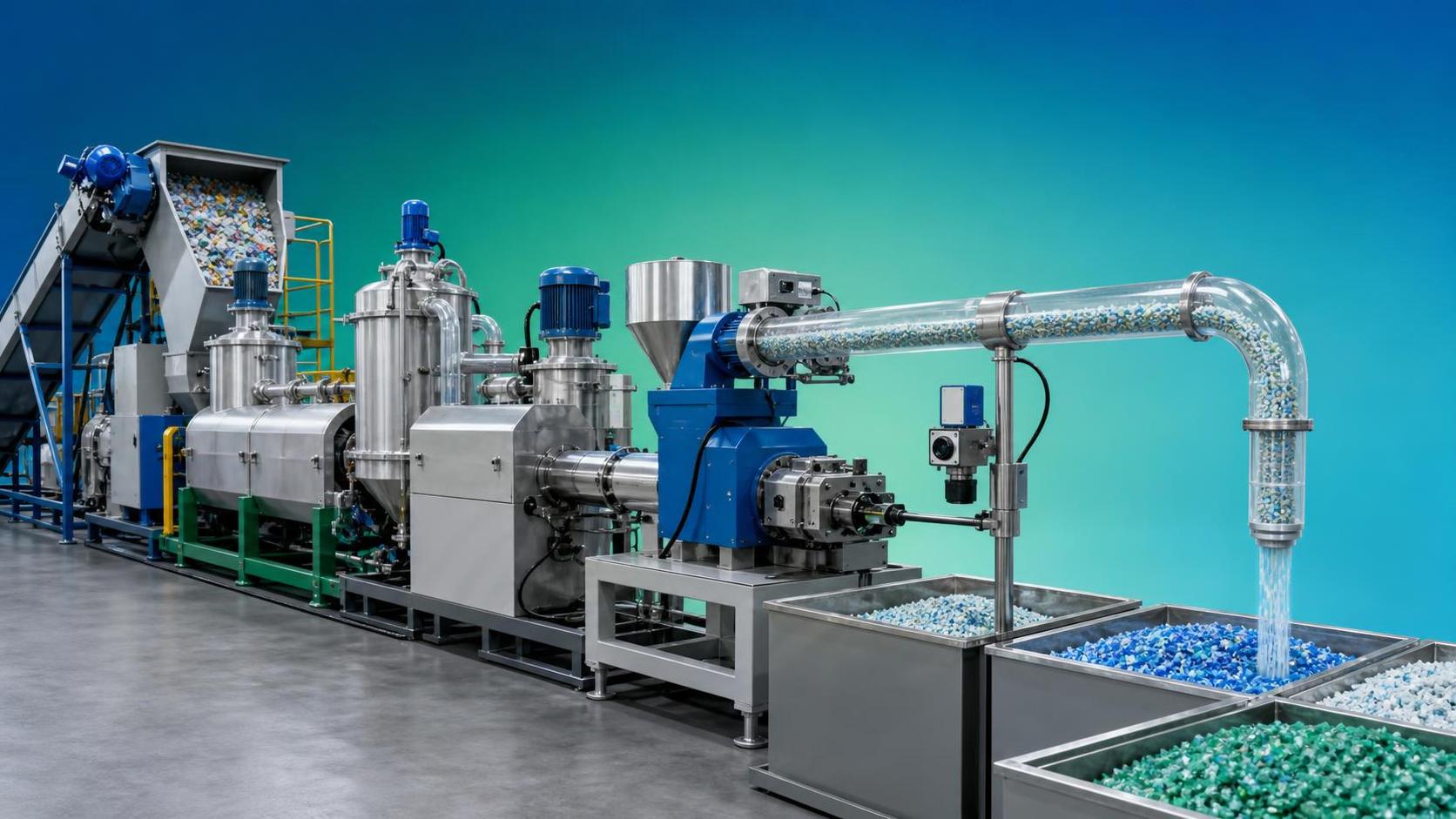
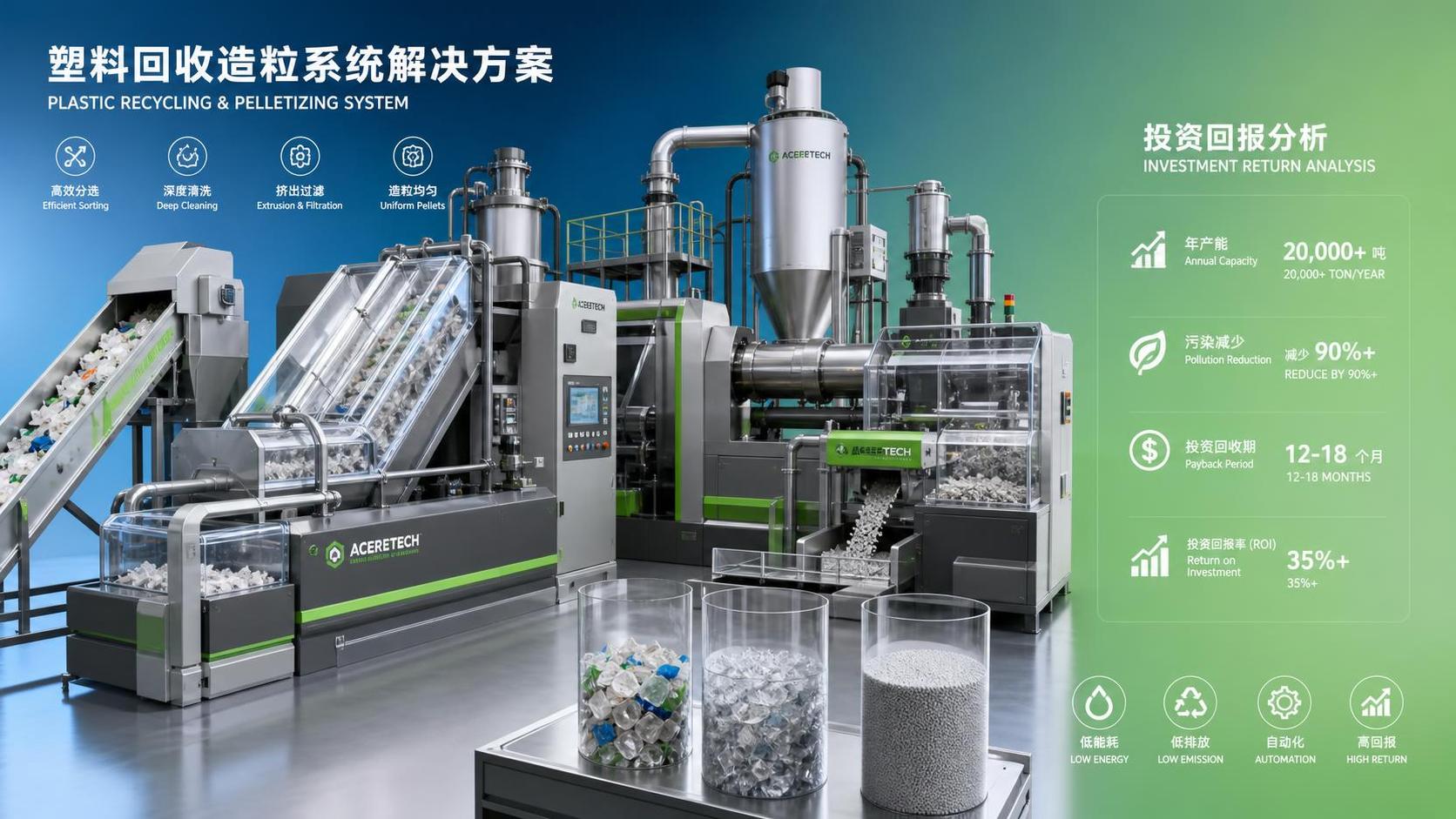
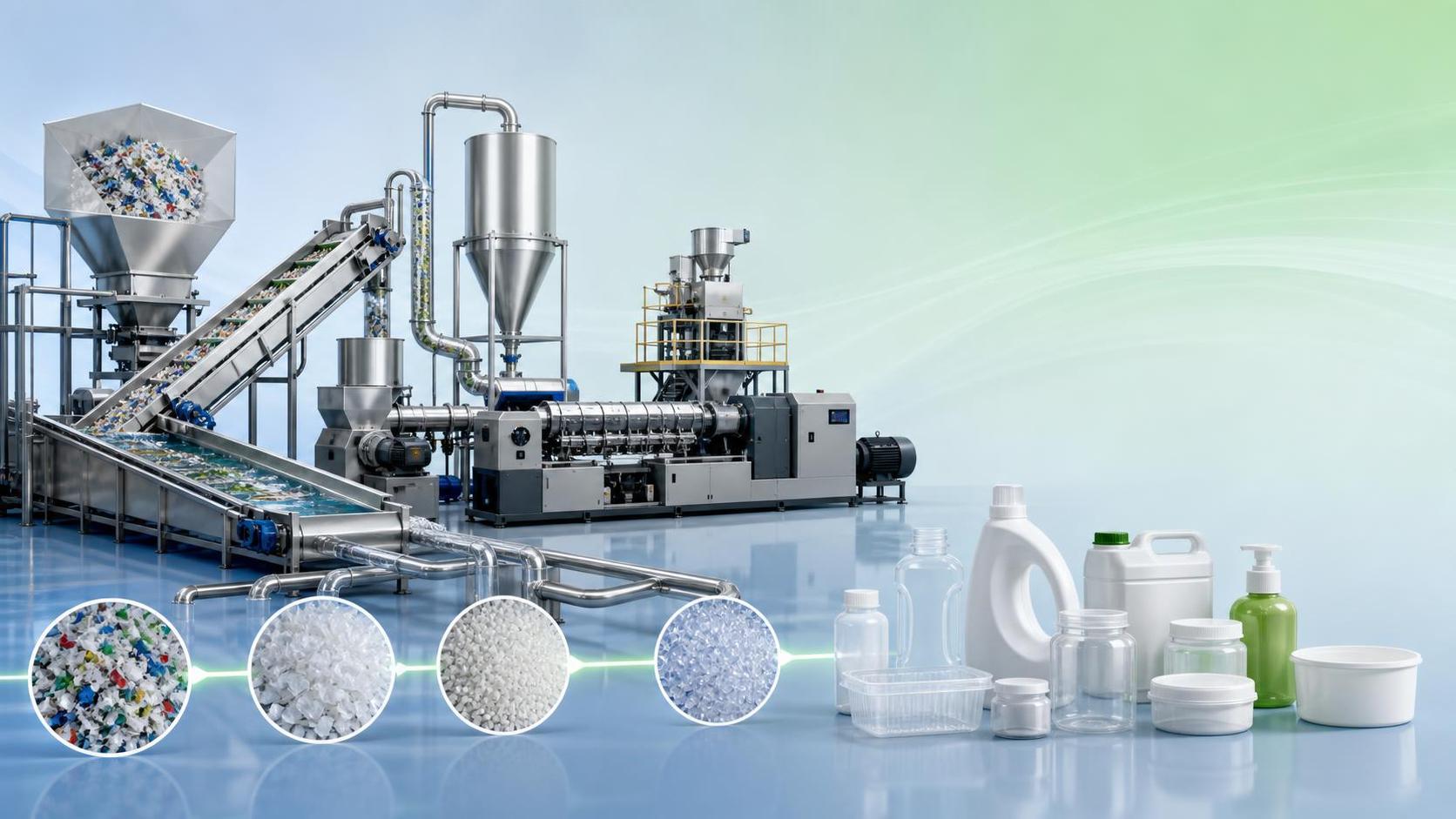
An overlooked cost advantage is internal scrap recovery. For plants generating edge trim, rejected bottles, purge waste, or post-industrial film, pelletizing systems can turn a disposal cost into usable feedstock. Recovery rates of 70% to 95% are common when sorting and washing quality are controlled.
For procurement, that means the comparison between green packaging materials should include the value of internal circularity. A material with higher initial cost may still perform better if it supports stable reprocessing and lowers dependence on virgin resin during volatile supply cycles.
A practical sourcing framework for procurement teams
The most effective procurement teams use a stage-gate method rather than switching material based on marketing claims. A 5-step review process helps reduce technical surprises and supports better alignment between sourcing, engineering, quality, and sustainability teams.
Step-by-step evaluation model
- Define the package function: barrier, stiffness, shelf life, seal type, and transport load.
- Screen 3 to 4 candidate materials based on recycling route, compliance fit, and regional availability.
- Run line trials and compare scrap, energy use, output rate, and sealing performance.
- Review supplier risk, lead time, MOQ, and formulation stability over at least 2 purchase cycles.
- Calculate total cost of use, including waste, returns, taxes, and potential recycled content benefits.
Common sourcing mistakes
The most common errors are treating compostable as universally better, ignoring machine adaptation cost, comparing materials by weight alone, and failing to verify local collection or recycling pathways. Another risk is switching to a new material without testing at commercial line speed.
Questions buyers should ask suppliers
- What is the acceptable process temperature range and moisture specification?
- How stable is the formulation across batches and seasons?
- What level of recycled content or bio-based content is practical at scale?
- What are the standard lead times: 2 weeks, 6 weeks, or longer?
- Can the material be reprocessed internally without severe property loss?
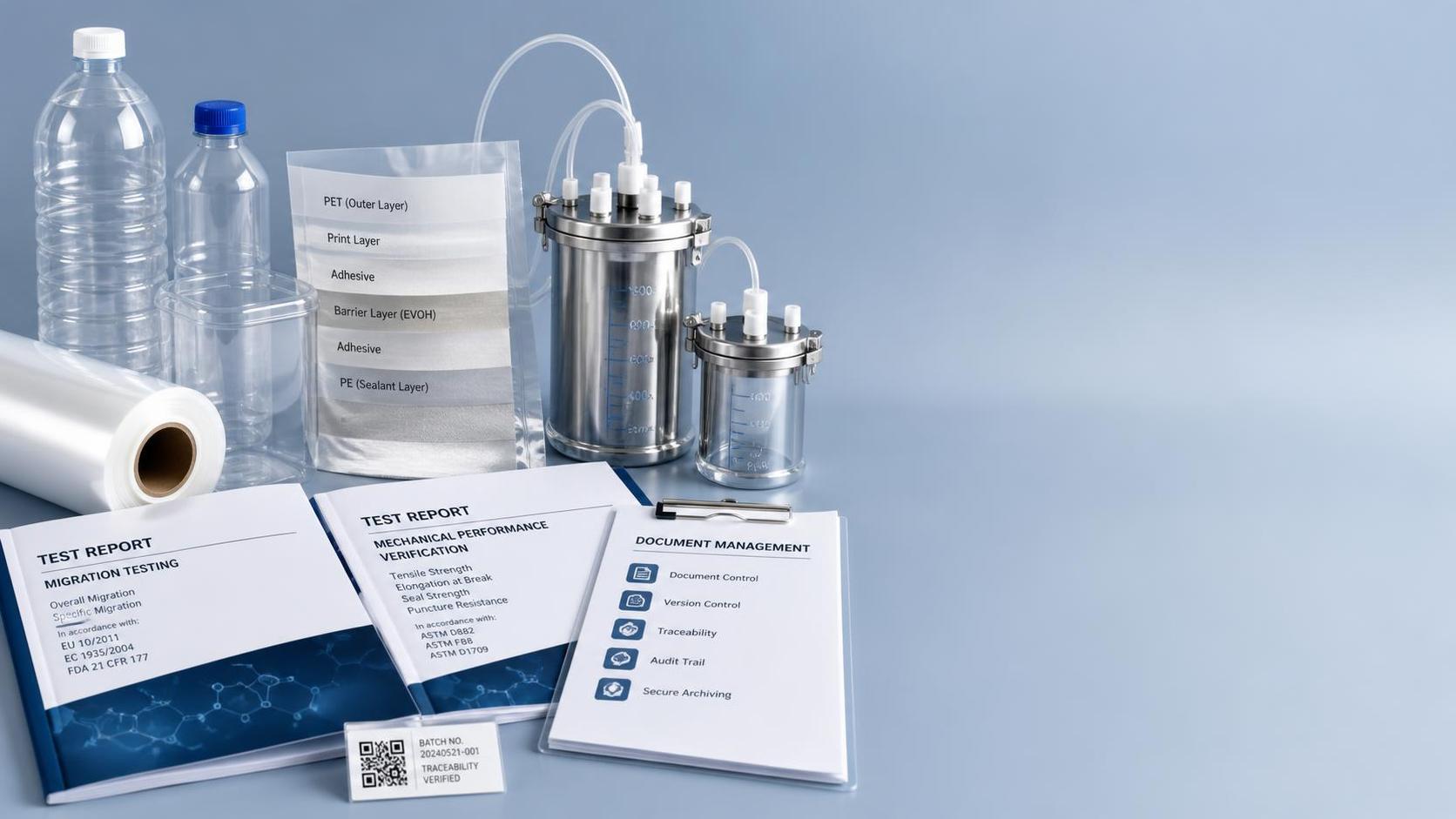
- What documentation is available for food contact, migration, or packaging compliance?
Green packaging materials create value only when environmental intent is matched with technical fit, reliable processing, and a realistic end-of-life pathway. For procurement teams, the most resilient choice is usually the one that balances 4 priorities at once: cost control, line efficiency, compliance readiness, and circular recovery potential.
PFRS supports this decision process by connecting material behavior with forming, extrusion, blow molding, and recycling system insight, helping buyers assess not just what to buy, but how it will perform in real production. To discuss sourcing strategy, recycled resin compatibility, or packaging process upgrades, contact us to get a tailored solution and explore more packaging intelligence options.
Related News
- 00
0000-00
How High-Speed Precision Injection Molding Controls Part Tolerances at Scale - 00
0000-00
How to Select Packaging Molding Equipment for High-Volume Production Lines - 00
0000-00
How to Evaluate Plastic Pelletizing Machine Suppliers for Output, Support, and Risk - 00
0000-00
How to Select a Plastic Pipe Manufacturing System for Output, Resin, and Pipe Range - 00
0000-00
How to Specify Injection Molding Equipment for High-Volume Closure Production
Weekly Insights
Stay ahead with our curated technology reports delivered every Monday.
Related News
 Ms. Elena RodriguezHow to Select Packaging Molding Equipment for High-Volume Production LinesPackaging molding equipment selection guide for high-volume lines: compare processes, throughput, materials, automation, and energy to achieve stable, cost-effective output.Oct 04, 2026
 Ms. Elena RodriguezHow to Evaluate Plastic Recycling Machinery for UAE Heat, Feedstock, and Output NeedsPlastic recycling machinery UAE buyers: evaluate heat resilience, feedstock handling, cooling, pellet quality, energy use, and lifecycle cost for reliable output.Sep 28, 2026
 Ms. Elena RodriguezGerman Extrusion Equipment Suppliers: Comparing Service, Lead Times, and Lifecycle CostExtrusion equipment Germany suppliers compared: evaluate service coverage, credible lead times, spare-parts access, and lifecycle cost to select a reliable, future-ready production partner.Sep 22, 2026
 Ms. Elena RodriguezWhat Should You Check Before Buying a Used Plastic Recycling Line?What should I check before buying a used plastic recycling line? Explore feedstock fit, wear, trials, utilities, controls, and restoration costs before you invest.Sep 26, 2026
 Ms. Elena RodriguezHow to Compare Pelletizing Lines by Energy Use per TonHow do I compare pelletizing lines by kWh per ton? Learn to measure total energy, verify saleable output, and select a cost-efficient line.Sep 23, 2026
 Ms. Elena RodriguezTyre Cutter Blade Wear: When Capacity Loss Needs Inspectionшинорез blade wear can quietly reduce tyre-cutting capacity. Learn the warning signs, inspection triggers, and maintenance actions that protect output and uptime.Sep 28, 2026
 Ms. Elena RodriguezIn-House Recycling for Factory Scrap: How to Reduce Material Waste and Disposal CostsIn house recycling for factory scrap helps manufacturers cut material waste, reduce disposal costs, and create controlled, quality-focused reuse loops.Sep 07, 2026
 Ms. Elena RodriguezHow Recyclable Packaging Manufacturing Balances Material Recovery and Production CostRecyclable packaging manufacturing: discover how smarter design, feedstock control, and process optimization reduce recovery costs while improving quality and yield.Sep 04, 2026
 Ms. Elena RodriguezHow to Evaluate a Plastic Recycling Systems Supplier for Your Processing NeedsChoose the right plastic recycling systems supplier with a practical guide to feedstock fit, output quality, total cost, testing, service, and compliance.Sep 01, 2026
 Ms. Elena RodriguezCE Marking for Plastic Processing Equipment: Documentation and Safety ChecksPlastic processing equipment CE compliance: learn the essential documentation, risk assessments, safety checks, and validation steps for reliable EU market access.Aug 30, 2026
 Ms. Elena RodriguezPlastic Packaging Compliance Standards: What Tests and Documents Matter Most?Plastic packaging compliance standards explained: learn which migration tests, mechanical checks, and audit-ready documents matter most to reduce risk and pass reviews with confidence.Aug 25, 2026
 Ms. Elena RodriguezHow to Evaluate a Plastic Waste Recycling System for Capacity, Contamination, and ROIPlastic waste recycling system evaluation made practical: compare true capacity, contamination control, and ROI to choose a line that delivers stable output and stronger returns.Aug 24, 2026
 Ms. Elena RodriguezPackaging Molding Equipment Price: What Drives Cost and How to Compare Quotes?Packaging molding equipment price varies by machine type, automation, tooling, energy use, and service scope. Learn what drives cost and how to compare quotes with confidence.Aug 21, 2026
 Ms. Elena RodriguezWhat Packaging Machinery for Plastic Containers Should You Choose for High-Volume Production?Packaging machinery for plastics containers can make or break high-volume production. Learn how to choose the right line for speed, consistency, compliance, and lower lifecycle costs.Aug 16, 2026
 Ms. Elena RodriguezWhat Circular Plastics Mean for Automotive Parts and Material SelectionCircular plastics for automotive are reshaping part selection with lower weight, better sustainability, and reliable performance. Discover how engineers balance recycled content, durability, and compliance.Aug 15, 2026
 Ms. Elena RodriguezBroiler Farming in Cage System: Selection Factors for Commercial FarmsBroiler farming in cage system selection for commercial farms: compare structure, ventilation, automation, and manure handling to improve efficiency and avoid costly mistakes.Aug 14, 2026
 Ms. Elena RodriguezHow to Implement Smart Polymer Manufacturing Without Disrupting Existing Production?Smart polymer manufacturing implementation made practical: learn how to upgrade existing production with phased digitalization, less downtime, better control, and measurable ROI.Aug 11, 2026
 Ms. Elena RodriguezHow to Evaluate a Rubber Compression Molding Supplier for Complex Part ProductionRubber compression molding supplier selection for complex parts starts with process, material, and tooling control. Learn how to compare vendors beyond price and reduce launch risk.Aug 10, 2026
 Ms. Elena RodriguezPackaging Compliance in Canada: Key Labeling and EPR Rules Importers Must KnowPackaging compliance Canada explained for importers: learn bilingual labeling, environmental claims, and provincial EPR rules to reduce risk, avoid costly errors, and stay market-ready.Aug 03, 2026
 Ms. Elena RodriguezWhy Circular Plastics Economy Traceability Matters for Recycled Content ComplianceCircular plastics economy traceability is essential for proving recycled content compliance across sourcing, processing, and reporting. Learn how strong evidence reduces audit risk.Aug 02, 2026