Why polymer molding scientists matter in process upgrades




In process upgrades, polymer molding scientists are the link between machinery investment and measurable performance gains. For business decision-makers facing tighter quality targets, energy pressures, and sustainability demands, their expertise helps turn complex polymer behavior into smarter molding, extrusion, and recycling strategies. That is why understanding their role is essential to improving efficiency, reducing risk, and securing long-term competitiveness.
Why do polymer molding scientists matter when equipment upgrades look similar on paper?
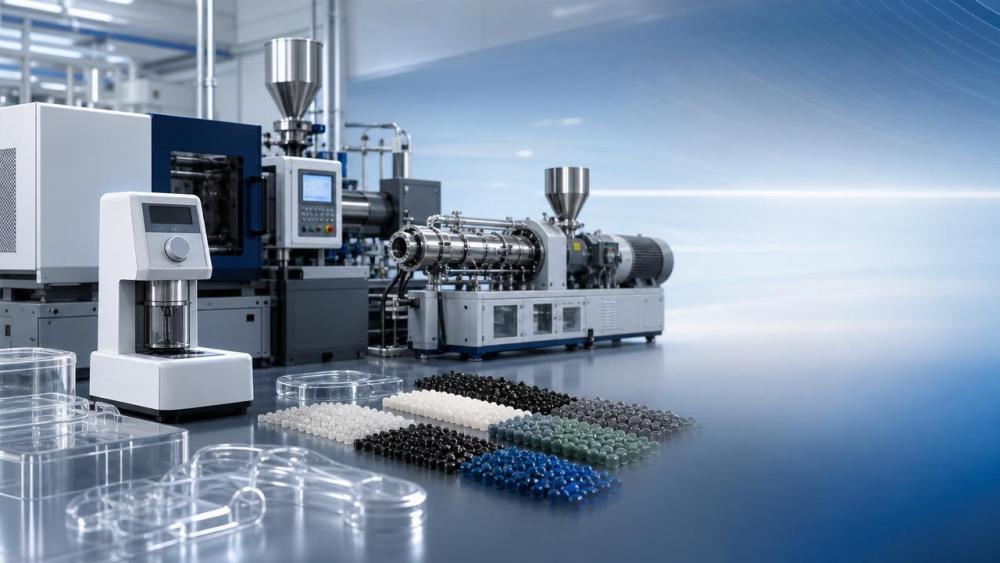
Many process upgrades begin with a machine comparison. Tonnage, screw diameter, motor type, throughput, and automation level all matter. Yet for executives approving capital spending, the real question is not whether a machine is advanced, but whether it will perform reliably with the company’s materials, tolerances, scrap targets, and compliance obligations.
This is where polymer molding scientists become strategically important. They interpret how melt flow, shear sensitivity, cooling behavior, moisture response, filler loading, and recycled content will affect the outcome of a planned upgrade. Without that interpretation, a new line may run, but not necessarily at the expected efficiency, consistency, or total cost profile.
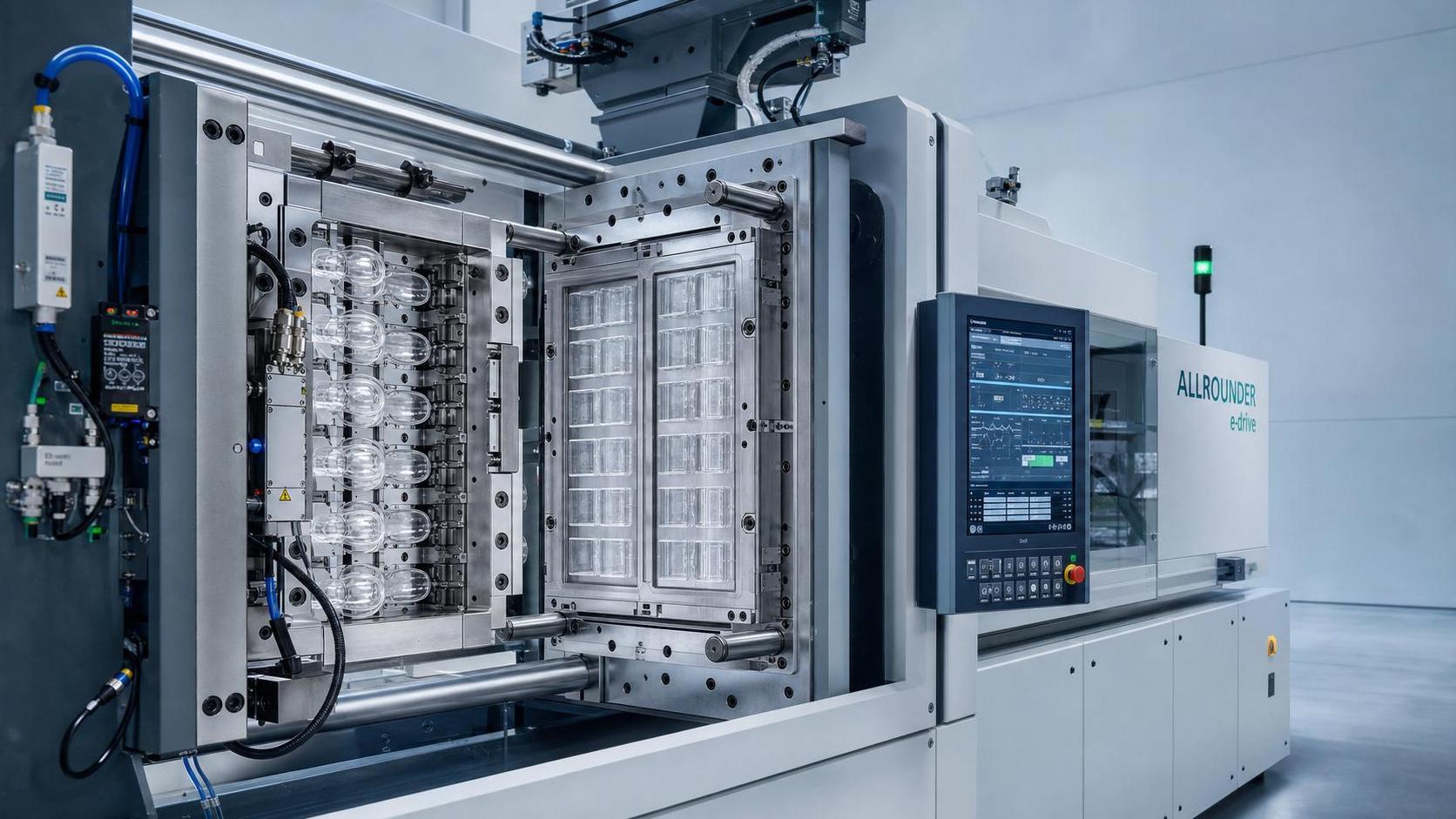
For companies involved in injection molding, extrusion, blow molding, rubber vulcanization, or plastic recycling, process changes are rarely isolated. A resin shift may require tooling adjustments. A sustainability target may change filtration needs. A faster cycle may increase warpage risk. Polymer molding scientists connect these variables before they become expensive operational surprises.
- They translate material science into production decisions, helping managers understand whether a process bottleneck comes from equipment limits, material instability, or process window design.
- They reduce commissioning risk by aligning resin behavior, mold or die conditions, thermal control, and quality criteria before line startup.
- They support long-term competitiveness by improving energy use, scrap reduction, recycled material integration, and repeatable part quality.
Their role goes beyond laboratory support
A common misconception is that polymer molding scientists only serve R&D teams. In reality, they are highly relevant to procurement, operations, quality, and sustainability leaders. Their work affects machine sizing, screw design assumptions, pressure profiles, cooling strategies, additive compatibility, and downstream inspection thresholds.
For enterprise decision-makers, this means better visibility before large purchases. Instead of relying only on vendor claims, they gain a technically grounded view of how a process upgrade should perform under actual plant conditions.
Where polymer molding scientists create measurable value across the polymer lifecycle
The value of polymer molding scientists becomes clearer when mapped to specific equipment categories. Their contribution changes by process, but the business impact remains consistent: lower risk, faster optimization, and better return on assets.
The table shows why process upgrades cannot be judged by mechanical specification alone. Polymer molding scientists bring the material-performance layer that determines whether new equipment truly improves profitability.
Why this matters more in today’s manufacturing climate
Manufacturers now face simultaneous pressure from cost control, packaging regulation, decarbonization targets, and raw material volatility. Virgin resin supply can fluctuate. Recycled content goals are rising. Product designs are getting thinner and lighter. This environment rewards companies that understand process science, not just machine ownership.
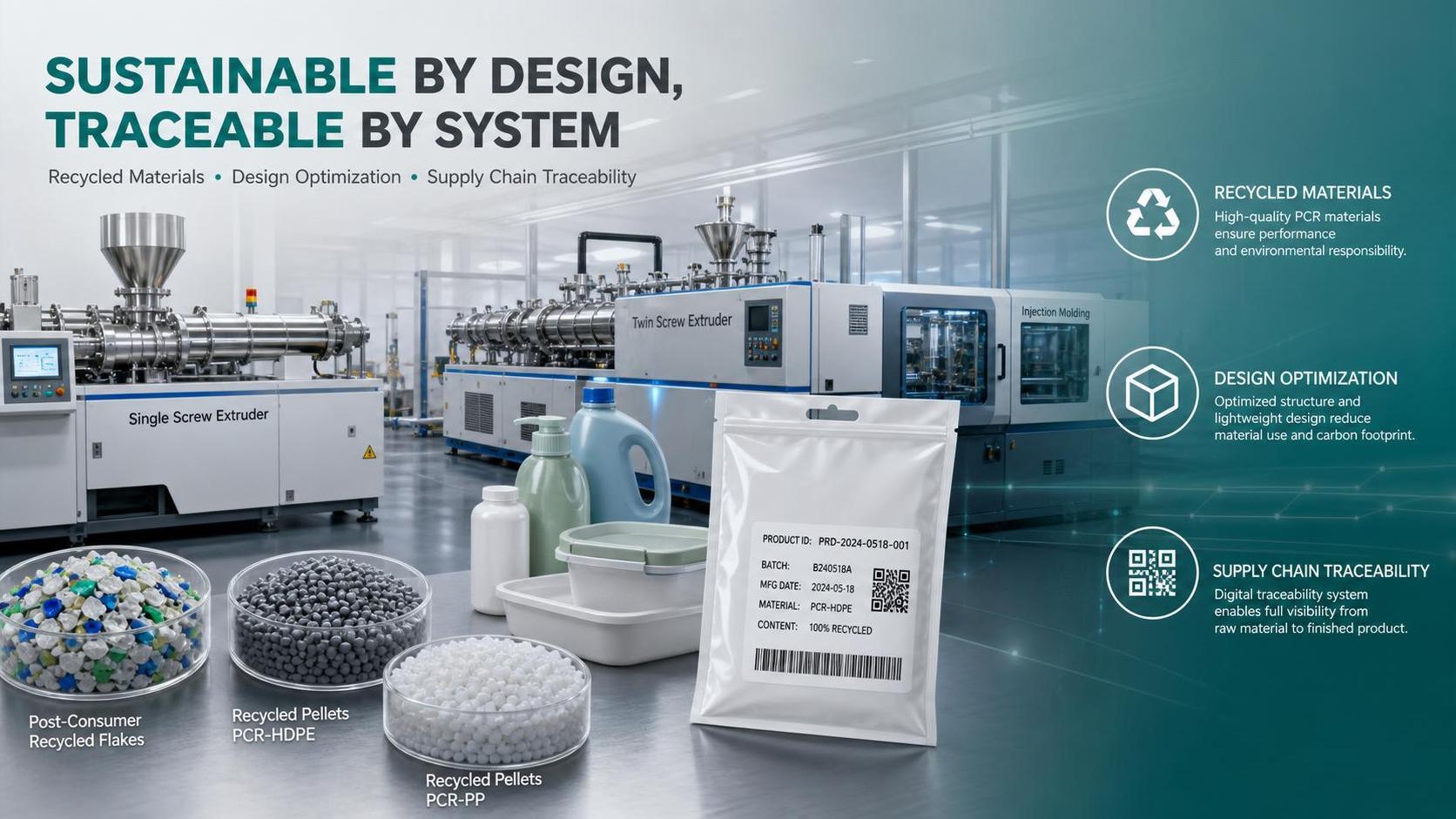
PFRS addresses this need by connecting strategic intelligence with process-level interpretation. For decision-makers, that means access to insight on non-Newtonian flow, thermodynamic behavior, AI-supported optimization, and recycling system evolution in one place rather than across disconnected sources.
What should business decision-makers evaluate before approving a process upgrade?
When executives review upgrade proposals, they often receive data on production capacity and payback period. Those metrics are necessary, but incomplete. The stronger approval framework combines financial, technical, and operational criteria. Polymer molding scientists help build that framework.
This evaluation logic helps procurement teams compare proposals on practical outcomes rather than headline specifications. It also gives senior leaders a clearer basis for approving phased investments, pilot runs, or line redesigns.
A useful procurement checklist
- Confirm the target resin mix, including future recycled-content ratios and additive packages.
- Map current defects and identify whether they stem from rheology, thermal imbalance, venting, tooling, or machine control.
- Request process assumptions, not just equipment data, from suppliers and internal technical teams.
- Evaluate startup support, recipe development, sampling protocol, and acceptance criteria before purchase order release.
- Consider whether intelligence from sources such as PFRS can reduce blind spots in market trends, compliance changes, and technology direction.
How polymer molding scientists reduce cost without turning upgrades into low-price decisions
Cost pressure often pushes buyers toward the lowest capital quote or the highest nameplate output. Both can be misleading. In polymer processing, the true cost of an upgrade includes scrap, start-up losses, tooling wear, energy use, unstable batches, downtime, and customer rejection risk.
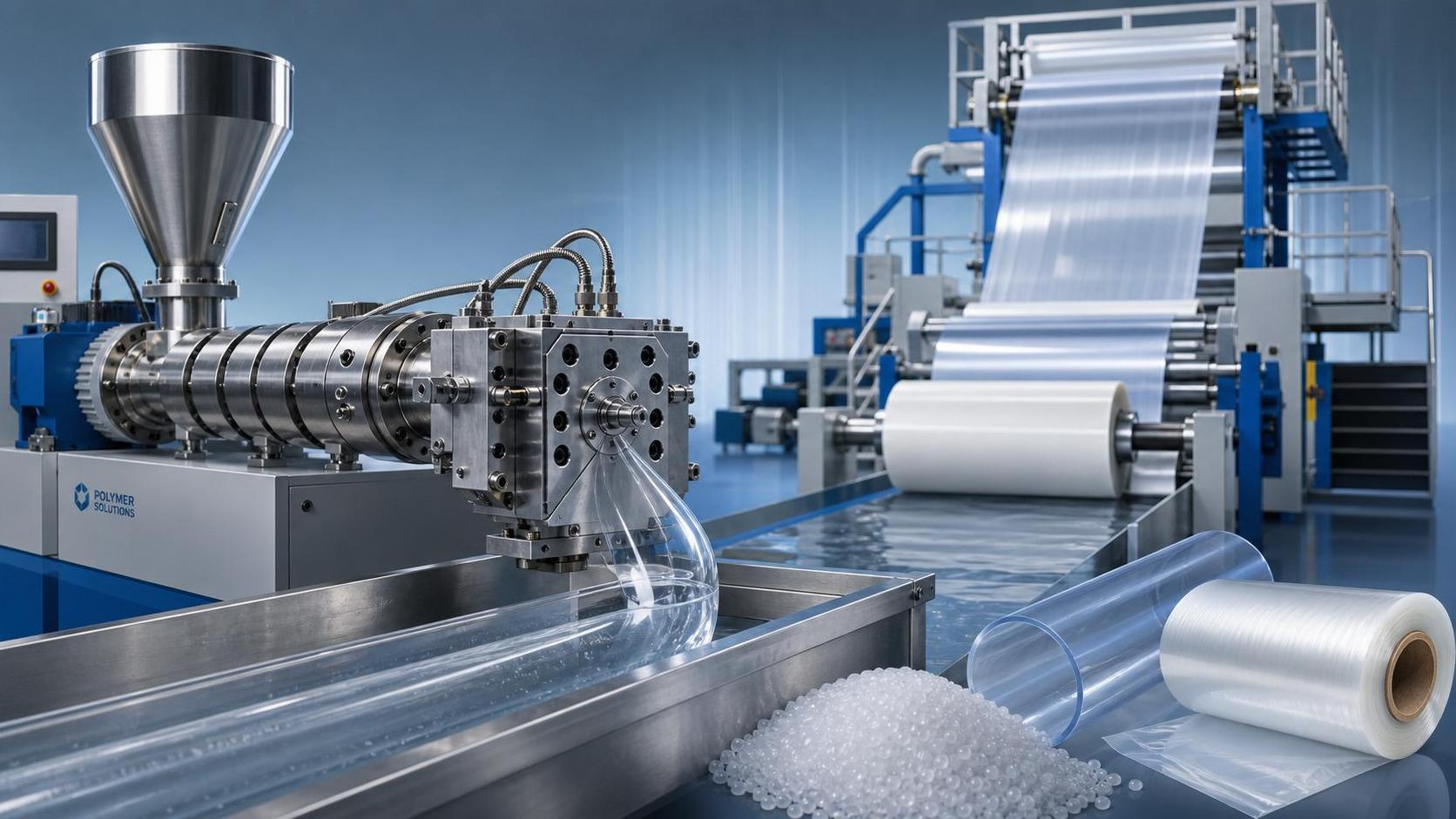
Polymer molding scientists help executives separate visible spending from hidden cost drivers. For example, a line with better control over melt temperature and pressure may justify a higher purchase price if it enables more stable recycled resin use or fewer off-spec products. Likewise, an extrusion system with optimized screw elements may outperform a larger machine that creates more degradation.
Common cost traps in upgrade projects
- Approving capacity increases without confirming cooling, drying, filtration, or downstream handling constraints.
- Assuming virgin-resin trial results will hold after introducing PCR, mineral fillers, or color concentrates.
- Underestimating the financial impact of unstable cycle time, die build-up, odor control, or black speck contamination.
- Focusing on machine hardware while neglecting process recipes, sensor logic, and commissioning methodology.
The practical advantage of polymer molding scientists is that they frame upgrades as process economics, not simply equipment transactions. That perspective is especially important for groups managing multiple plants, international suppliers, and strict margin expectations.
What standards, sustainability goals, and market shifts make their role more important?
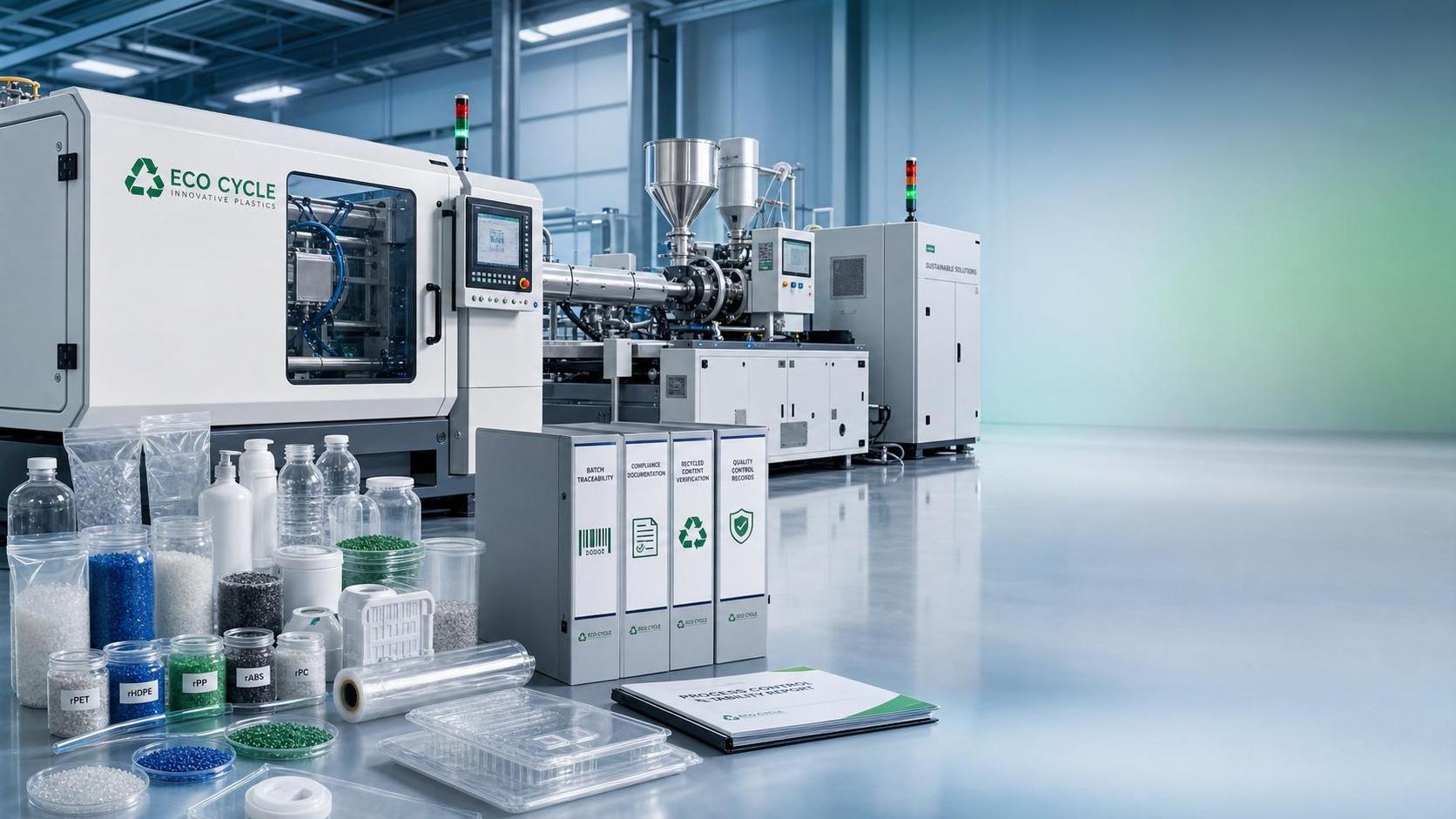
Across global manufacturing, compliance is becoming more material-specific and more process-sensitive. Packaging directives, customer sustainability scorecards, traceability demands, and quality management systems all create pressure to understand how polymers behave under production conditions. General references such as ISO-based quality systems, material traceability expectations, and sector-specific packaging requirements increasingly influence equipment justification.
That does not mean every company needs a large in-house science team. It does mean leadership needs access to polymer molding scientists or equivalent expertise when making decisions on decarbonization, all-electric equipment, recycled feedstock integration, AI-assisted process control, or high-precision output.
Why PFRS is relevant in this environment
PFRS focuses on the full polymer lifecycle rather than a single machine category. That matters because decision-makers increasingly need joined-up intelligence. Injection molding efficiency can affect packaging targets. Extruder design can affect additive use and emissions. Recycling quality can affect virgin resin dependence and procurement risk.
By covering precision molding, extrusion, blow molding, vulcanization, and waste plastic pelletizing, PFRS supports a more strategic view of upgrades. Its intelligence center approach is especially useful for businesses seeking to connect technical credibility with commercial action in green packaging and advanced materials.
FAQ: what do decision-makers ask most about polymer molding scientists?
Are polymer molding scientists only necessary for large manufacturers?
No. Their value scales with complexity, not just plant size. Mid-sized manufacturers often benefit significantly because they have less room for failed trials, excess scrap, or long commissioning delays. When one line carries a large share of revenue, correct process interpretation becomes even more important.
When should they be involved in an upgrade project?
Ideally before equipment is finalized. The best time is during requirement definition, resin review, and feasibility analysis. If involved only after installation, they can still solve issues, but the company may already be locked into avoidable compromises in hardware or process architecture.
Can polymer molding scientists support recycled material adoption?
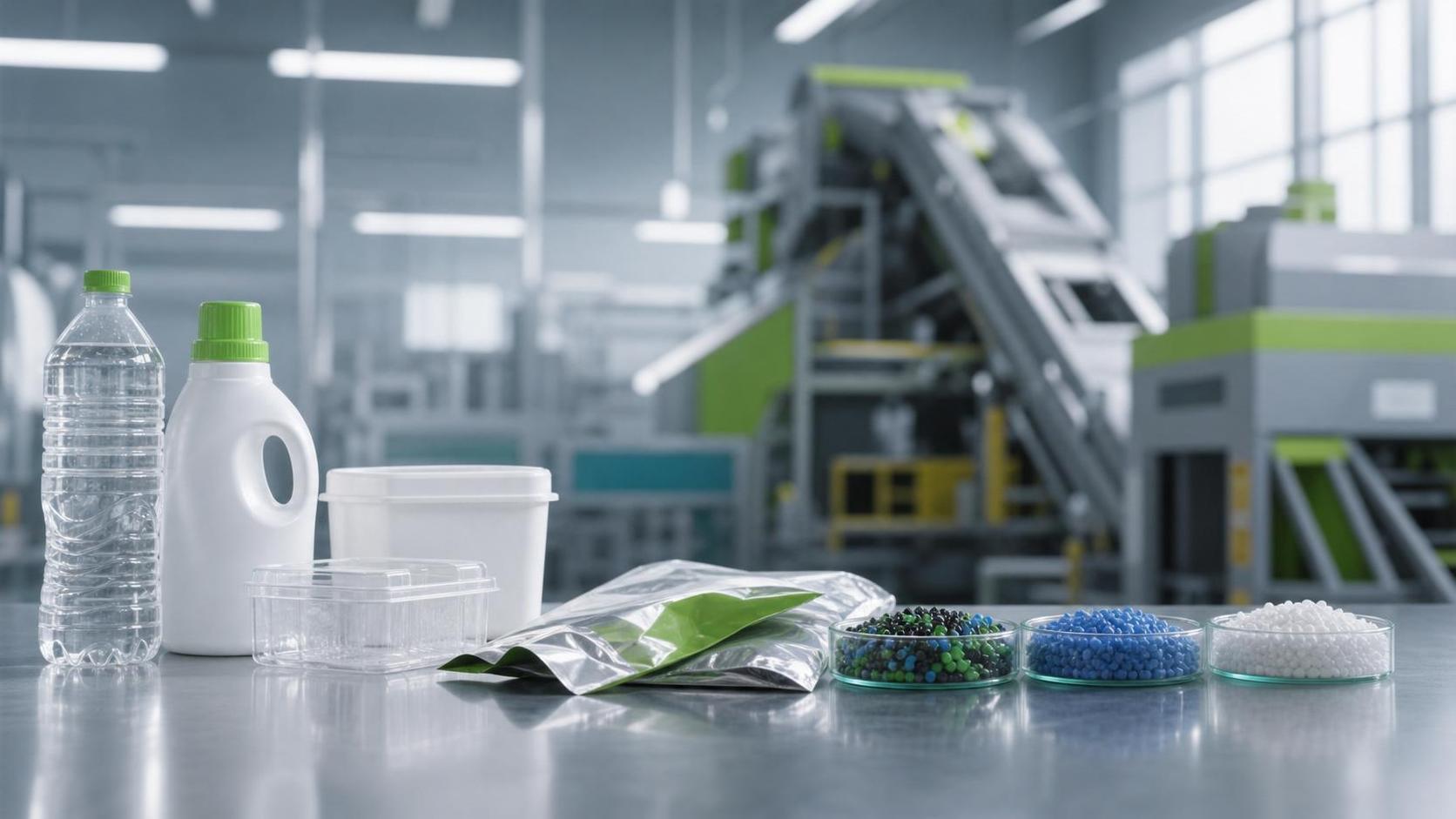
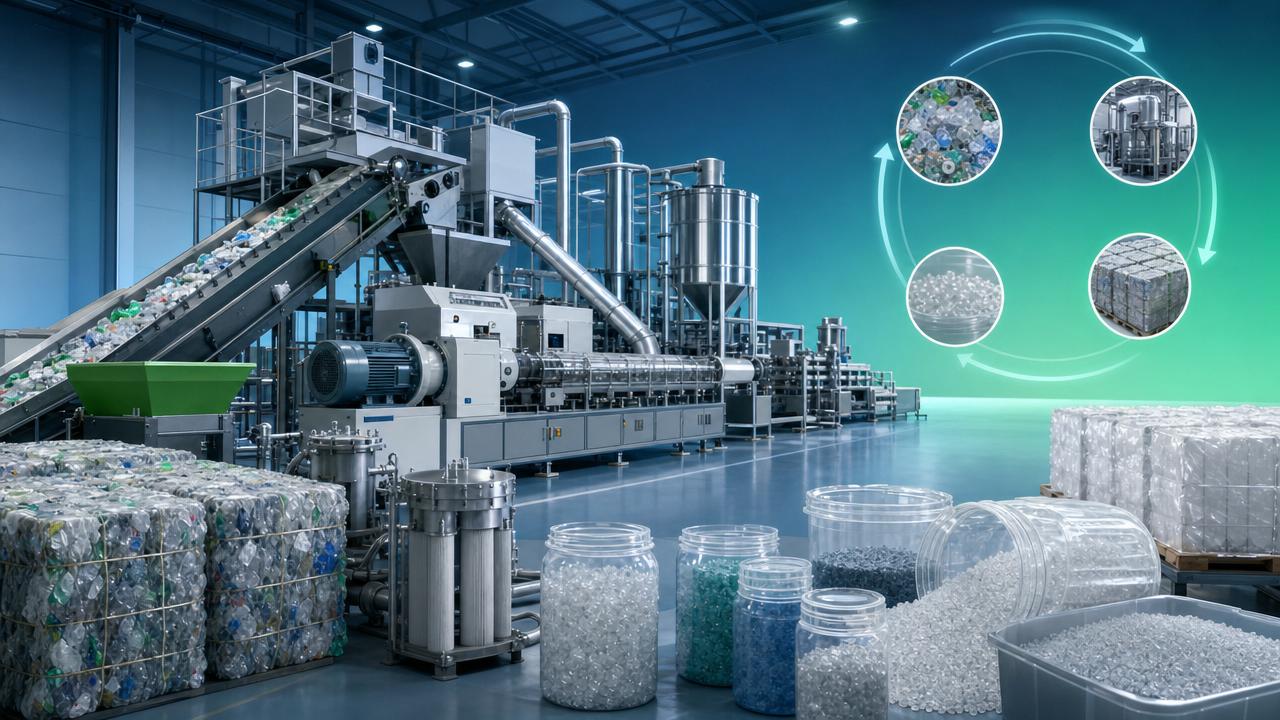
Yes. This is one of the strongest use cases. Recycled content affects viscosity consistency, contamination profile, odor behavior, filtration demand, and mechanical properties. Scientific process guidance helps companies decide how much recycled material they can introduce, where stabilization is needed, and which equipment changes are justified.
What results should management expect from their involvement?
Reasonable expectations include a clearer process window, fewer trial-and-error adjustments, better defect diagnosis, improved machine-material matching, and more reliable forecasting of quality, energy, and scrap outcomes. The exact gains depend on product mix and baseline performance, so disciplined evaluation is still necessary.
Why choose us for process-upgrade intelligence and next-step support?
For business leaders, the challenge is rarely access to machine brochures. The challenge is making the right upgrade decision across molding precision, extrusion stability, rubber performance, and circular plastics economics. PFRS helps close that gap by connecting polymer behavior, equipment evolution, and market intelligence in one decision-ready view.
If your team is evaluating a process upgrade, you can use PFRS to clarify key issues before costs escalate. Typical consultation topics include parameter confirmation for new materials, product and line selection, expected delivery timing, recycled-content feasibility, filtration and degassing logic, packaging compliance considerations, and discussion of custom process routes for injection molding, extrusion, vulcanization, or pelletizing.
You can also use PFRS to compare upgrade paths when budgets are limited. For example, should you prioritize an all-electric molding platform, a screw configuration change, an AI-supported control improvement, or an in-house recycling line? That kind of decision benefits from technically grounded commercial insight, not guesswork.
Contact us to discuss your resin system, quality targets, throughput goals, compliance concerns, and quotation scope. With the right polymer molding scientists and process intelligence behind the project, an upgrade becomes more than a capital expense. It becomes a controlled step toward higher efficiency, lower risk, and stronger long-term market position.
Related News
- 00
0000-00
How to Evaluate Plastic Pelletizing Machine Suppliers for Output, Support, and Risk - 00
0000-00
How to Select a Plastic Pipe Manufacturing System for Output, Resin, and Pipe Range - 00
0000-00
How to Specify Injection Molding Equipment for High-Volume Closure Production - 00
0000-00
How to Specify a Medical Molding Machine for Cleanroom Device Production - 00
0000-00
Plastic Extrusion Technology for Films: Process Controls That Improve Gauge Uniformity
Weekly Insights
Stay ahead with our curated technology reports delivered every Monday.
Related News
 Prof. Marcus ChenEnergy-Efficient Polymer Processing: Where Plants Can Cut kWh per KilogramEnergy-efficient polymer processing solutions help plants reduce kWh per kilogram, protect quality, cut scrap, and prioritize upgrades with data-driven insights.Sep 23, 2026
 Prof. Marcus ChenPlastic Pelletizing Trends: How Recycling Demand Is Reshaping Processing TechnologyPlastic pelletizing trends are redefining recycling quality. Explore filtration, extrusion, degassing, and automation innovations driving cleaner, more consistent recycled resin.Sep 07, 2026
 Prof. Marcus ChenHow Polymer Supply Chains Are Changing to Support High-Quality Recycling FeedstockPolymer supply chain for recycling is shifting toward traceable sourcing, cleaner sorting, and stable processing. See how high-quality feedstock improves performance, compliance, and cost control.Aug 22, 2026
 Prof. Marcus ChenHow Europe’s Circular Plastics Economy Is Reshaping Recycling InvestmentCircular plastics economy Europe is reshaping recycling investment through quality, traceability, and packaging demand. Explore where capital is moving and why it matters now.Aug 04, 2026
 Prof. Marcus ChenBlow Molding Trends Shaping Packaging, Sustainability, and Production EfficiencyBlow molding trends are redefining packaging with lightweighting, recycled content, automation, and energy efficiency. Discover how smarter production boosts sustainability and cuts costs.Jul 23, 2026
 Prof. Marcus ChenExtrusion Equipment Modular Design: When It Makes Sense for Line ExpansionExtrusion equipment modular design helps manufacturers expand lines in phases, cut disruption, and stay ready for recycled content, utility limits, and changing product demands.Jul 15, 2026
 Prof. Marcus ChenPolymer Lifecycle Solutions Explained: From Material Sourcing to End-of-Life RecoveryPolymer lifecycle solutions explained from sourcing and processing to recycling and recovery. Discover how to cut waste, improve quality, and build smarter material strategies.Jul 13, 2026
 Prof. Marcus ChenEnergy-Efficient Polymer Processing Systems: Which Metrics Matter Most?Energy-efficient polymer processing systems: discover the metrics that truly drive ROI—specific energy use, yield, uptime, stability, and compliance for smarter equipment decisions.Jul 11, 2026
 Prof. Marcus ChenPolymer Recycling Systems for Continuous Operation: What to Check Before SpecifyingPolymer recycling systems continuous operation starts with the right specification. Learn what to check for uptime, melt quality, energy efficiency, and reliable pellet output.Jul 09, 2026
 Prof. Marcus ChenCircular Plastics Economy in Japan: Policy Drivers, Recycling Targets, and Market ImpactCircular plastics economy Japan is accelerating as policy, recycling targets, and packaging reforms reshape material choices, processing strategy, and market advantage.Jul 05, 2026
 Prof. Marcus ChenPlastic Extrusion Technology Trends: What Process Changes Are Improving Energy Efficiency?Plastic extrusion technology trends are reshaping energy efficiency through smarter screws, thermal control, servo drives, and digital optimization. See which process changes deliver lower costs and more stable output.Jul 01, 2026
 Prof. Marcus ChenInjection Molding Technology Trends: Which Process Changes Matter Most for Medical and Packaging Parts?Injection molding technology trends shaping medical and packaging parts: discover the process changes that improve validation, precision, efficiency, and recycled-material readiness.Jun 30, 2026
 Prof. Marcus ChenCircular Plastics Economy Compliance Explained: Key Requirements for ManufacturersCircular plastics economy compliance explained for manufacturers: learn key requirements, audit risks, process controls, and how to turn compliance into a competitive advantage.Jun 25, 2026
 Prof. Marcus ChenAdvanced Materials Processing Trends: 5 Shifts Reshaping Capacity Planning and SourcingAdvanced materials processing trends are reshaping capacity planning, sourcing, recycling, and compliance. Explore 5 shifts helping manufacturers cut risk, improve precision, and build resilient growth.Jun 24, 2026
 Prof. Marcus ChenGlobal Plastic Ban Trends: Which Packaging Materials and Export Markets Face the Biggest Changes?Global plastic ban trends are reshaping packaging choices and export strategy. See which materials and markets face the biggest shifts, and how to reduce compliance risk.Jun 22, 2026
 Prof. Marcus ChenPolymer Rheology Trends That Matter in Extrusion: Melt Strength, Shear, and StabilityPolymer rheology trends are reshaping extrusion performance. Learn how melt strength, shear, and stability affect quality, efficiency, and recycled resin processing.Jun 18, 2026
 Prof. Marcus ChenPlastic Circularity Strategies for Manufacturers: Recycled Content, Design, and TraceabilityPlastic circularity strategies for manufacturers: learn how recycled content, smarter design, and traceability can reduce risk, improve compliance, and strengthen supply resilience.Jun 18, 2026
 Prof. Marcus ChenAdvanced Materials Processing Equipment in High-Performance Manufacturing: Where It Fits BestAdvanced materials processing equipment drives precision, speed, and sustainability in manufacturing. Explore where each system fits best to improve quality, efficiency, and ROI.Jun 16, 2026
 Prof. Marcus ChenWhat Is Driving the Circular Economy Plastics Market? Policy, Pricing, and Demand ShiftsCircular economy plastics market trends are being driven by tighter policy, resin price volatility, and stricter buyer demands. Discover what this means for sourcing, processing, and growth.Jun 13, 2026
 Prof. Marcus ChenDigital Polymer Processing Explained: Methods, Materials, and Best-Fit ApplicationsDigital polymer processing explained clearly: explore key methods, materials, and best-fit applications to improve quality, efficiency, and recycling performance.Jun 10, 2026