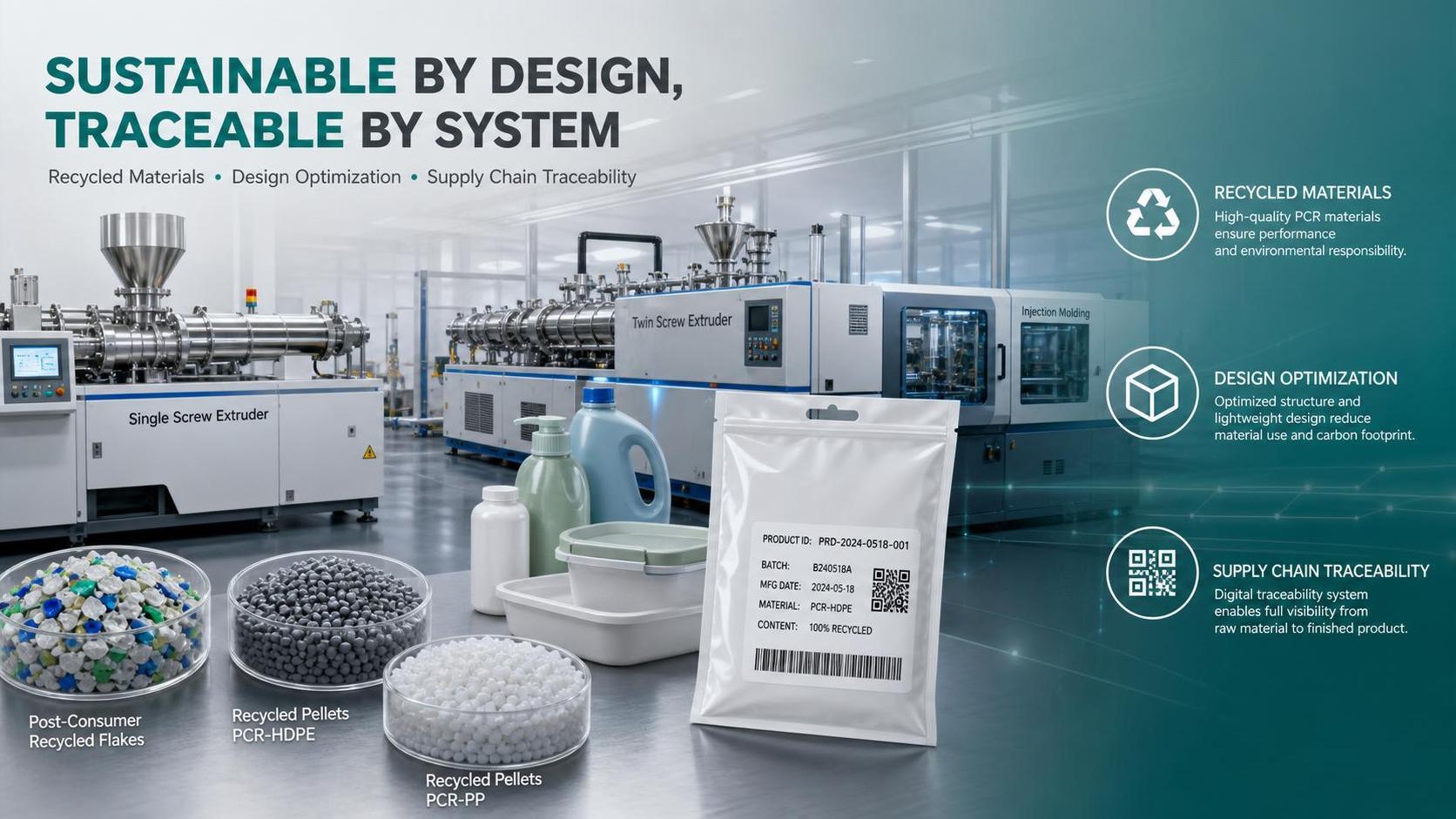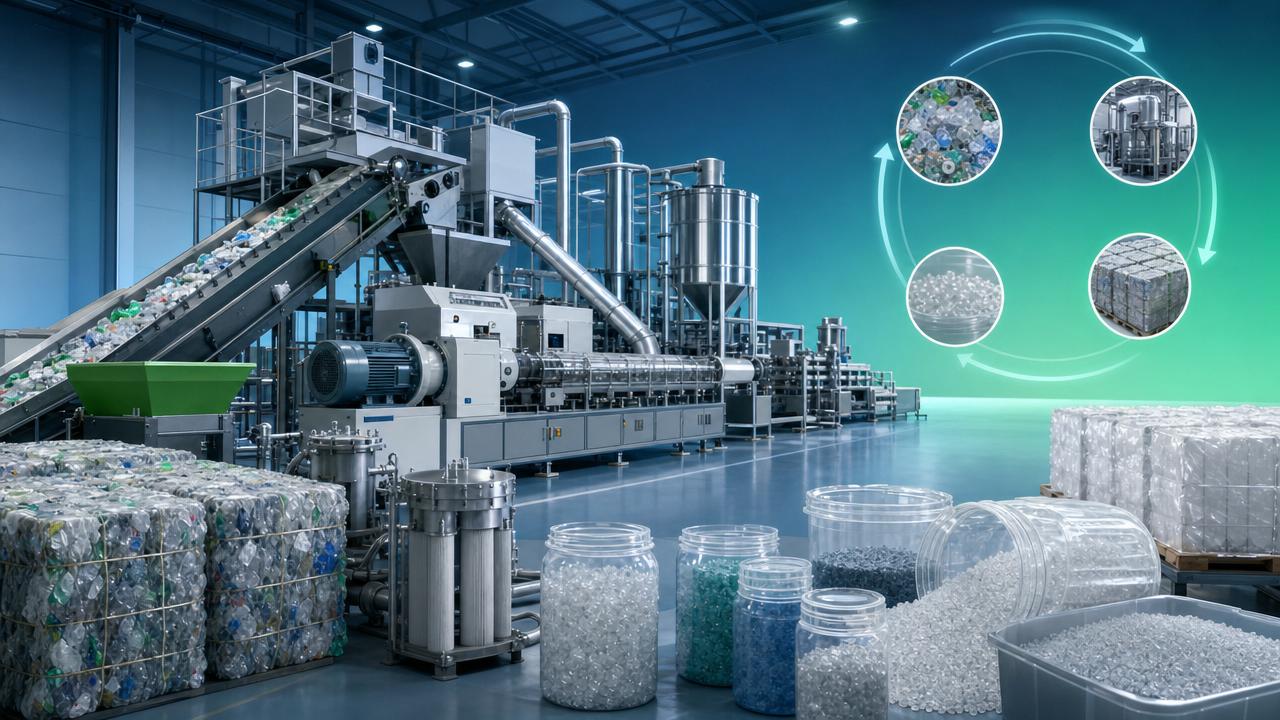
What the polymer material lifecycle means for compliance




For enterprise decision-makers, understanding the polymer material lifecycle is no longer just a technical concern—it is a compliance, cost, and competitiveness imperative. From injection molding and extrusion to blow molding, vulcanization, and recycled pelletizing, every stage shapes risk exposure, resource efficiency, and market access. This article explores how lifecycle thinking helps production systems align with tightening global environmental and packaging regulations.
Why the polymer material lifecycle now defines compliance outcomes
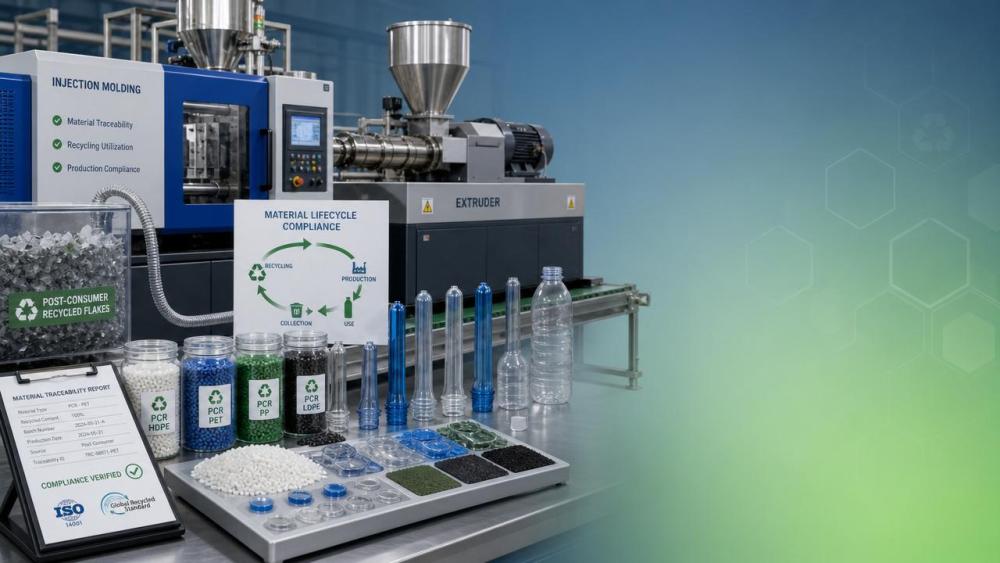
Global rules are moving beyond end-product testing. Regulators increasingly examine feedstock origin, additive transparency, process emissions, recycled content claims, and end-of-life recovery performance.
That shift makes the polymer material lifecycle a practical compliance framework. It connects material selection, machine settings, waste handling, documentation, and circularity metrics into one auditable chain.
For sectors linked to packaging, mobility, medical supplies, infrastructure, and consumer goods, lifecycle visibility also influences supplier qualification, export readiness, and ESG disclosures.
Use this compliance checklist across the polymer material lifecycle
The following checklist turns the polymer material lifecycle into a working control system. Each point supports traceability, regulatory readiness, and operational discipline.
- Map resin inputs by grade, supplier, recycled content, and chemical declarations before production starts, then link each batch to machine, mold, and downstream packaging records.
- Verify additive compliance for colorants, plasticizers, stabilizers, flame retardants, and processing aids against target market rules, customer restricted substance lists, and labeling obligations.
- Control process windows in injection molding, extrusion, blow molding, and vulcanization to reduce degradation, VOC formation, scrap generation, and inconsistent product performance.
- Measure energy, water, purge loss, startup scrap, and off-spec output at each stage, because resource inefficiency often signals hidden compliance and reporting weaknesses.
- Document emissions and waste streams from heating, compounding, washing, pelletizing, and curing operations, then match them with permits, treatment routes, and local reporting duties.
- Test recycled resin quality through melt flow, contamination, odor, moisture, and filtration performance so recycled content claims remain technically defensible and commercially stable.
- Check design-for-recycling factors early, including mono-material preference, label compatibility, pigment choice, barrier layers, and closure systems that affect sorting and reprocessing.
- Align product declarations, technical data sheets, certificates, and batch records so the compliance story matches the physical material throughout the polymer material lifecycle.
- Audit contract manufacturers and recycling partners using the same lifecycle criteria, because outsourced steps can still trigger legal, reputational, and customer-facing liabilities.
- Review market-specific laws regularly, especially packaging EPR, plastic taxes, food-contact standards, and recycled content mandates that can quickly reshape material decisions.
How lifecycle compliance plays out in major processing scenarios
Injection molding and precision parts
In injection molding, compliance starts with material integrity. Excess residence time, overheating, and unstable holding pressure can alter polymer properties and create traceability gaps.
For medical, electronics, or automotive parts, the polymer material lifecycle should link resin certificates, cavity performance, regrind rules, and part validation data.
Extrusion and continuous production
Extrusion lines face special pressure because additives, fillers, and multilayer structures complicate disclosure and recycling. Twin-screw compounding can improve performance, yet increase formulation complexity.
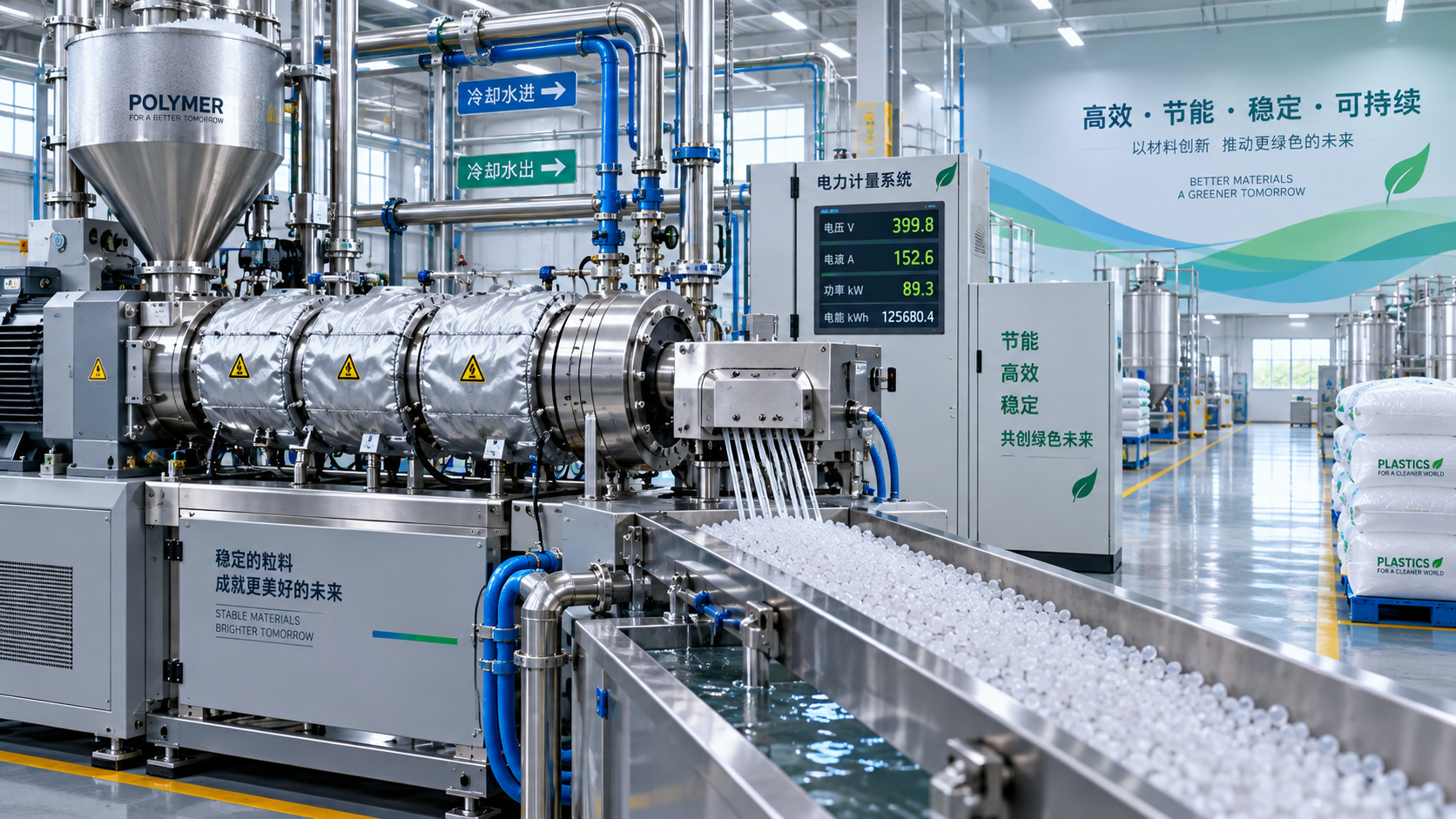
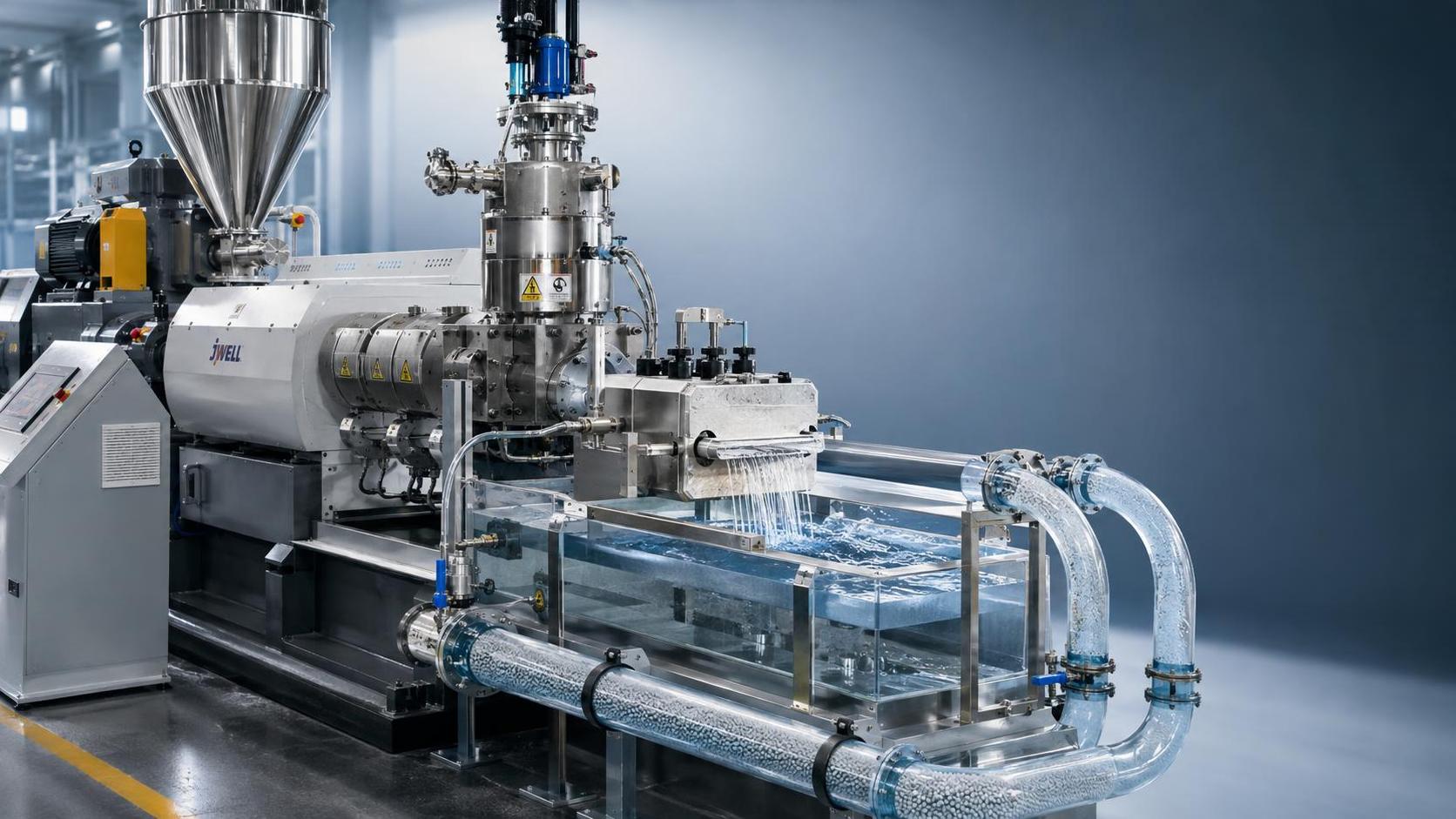
A strong polymer material lifecycle approach tracks screw configuration, temperature profile, devolatilization efficiency, and pellet consistency alongside product stewardship requirements.
Blow molding and packaging systems
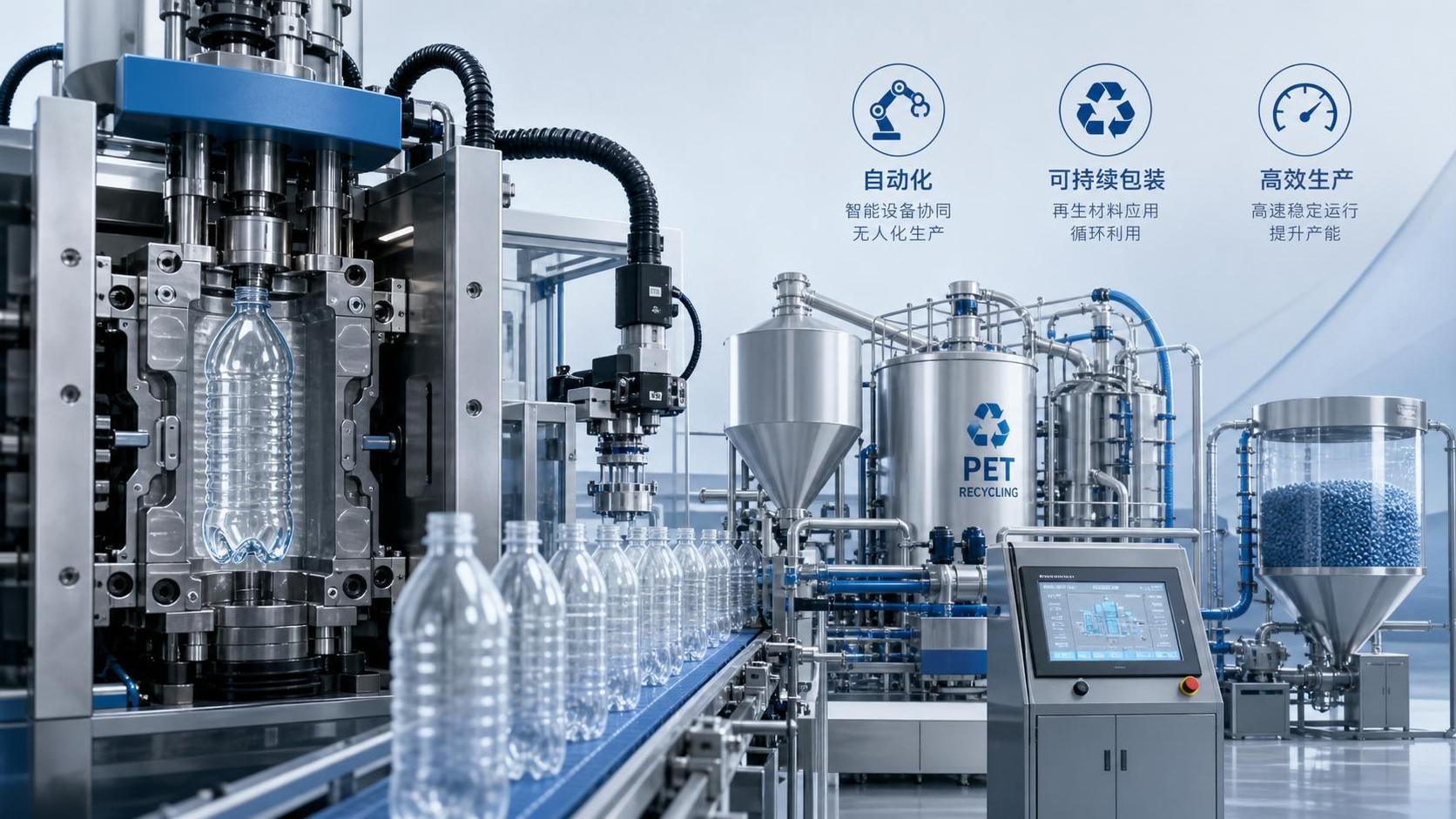
Packaging compliance now depends on much more than bottle weight or throughput. Recycled content thresholds, tethered components, label removability, and food-contact safety all matter.
Here, the polymer material lifecycle must connect preform quality, stretch ratios, barrier performance, and end-of-life sorting behavior to legal claims and brand commitments.
Rubber vulcanization and elastomer products
Vulcanized products add another layer of complexity. Cross-linking chemistry improves durability, but it can reduce recyclability and increase scrutiny around accelerators, processing oils, and emissions.
Compliance teams should treat cure systems, press conditions, and scrap handling as core lifecycle data, not isolated plant-floor variables.
Waste plastic pelletizing and circular recovery
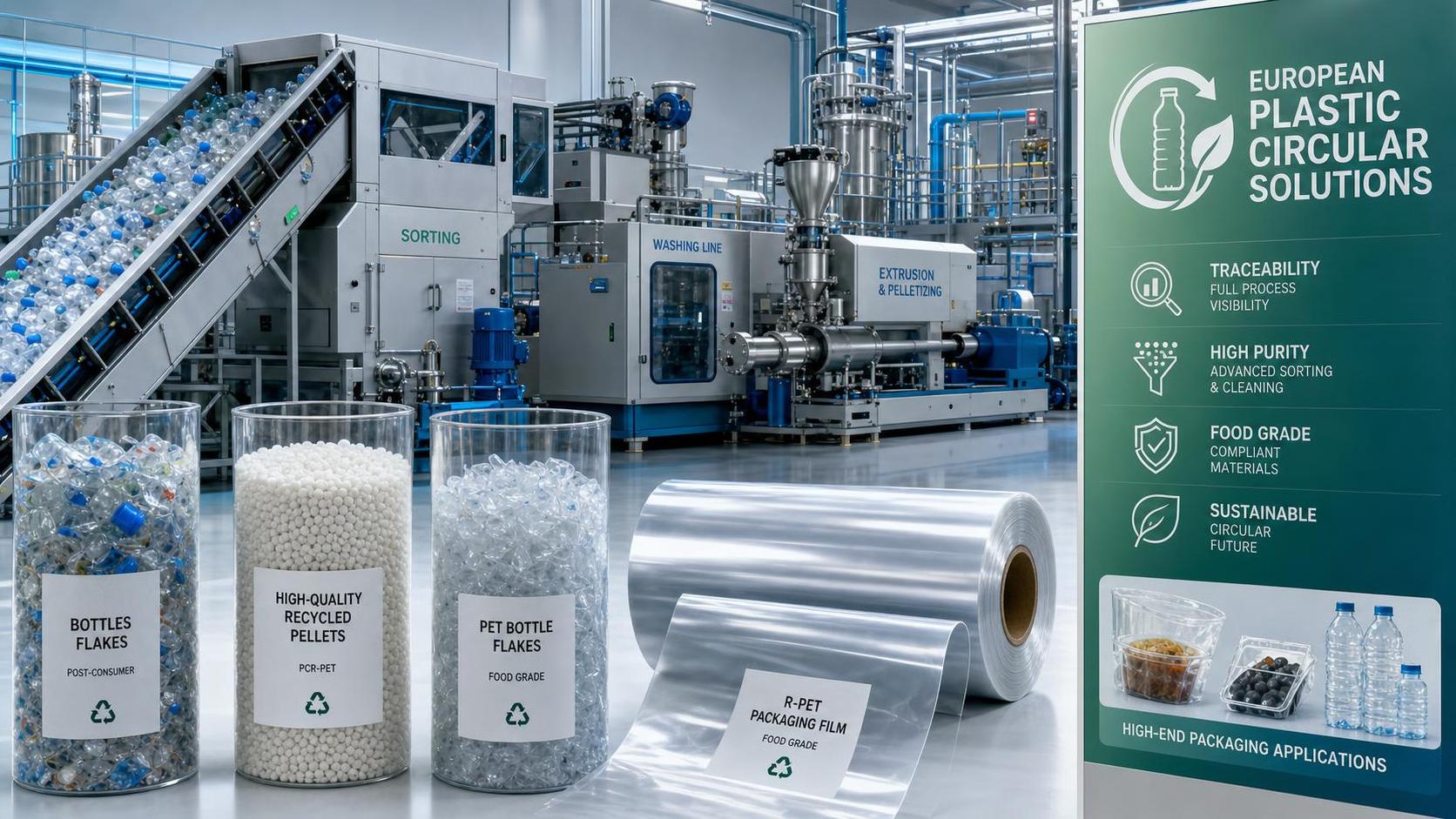
Recycling operations sit at the most visible end of the polymer material lifecycle. Yet poor washing, unstable melt filtration, or weak contamination control can undermine every recycled content promise.
Reliable pelletizing lines need quality gates for incoming bales, wash water management, odor reduction, and pellet traceability, especially when rPET or rPE enters regulated packaging applications.
Commonly overlooked risks in the polymer material lifecycle
Regrind assumptions: Internal scrap is often treated as harmless. In reality, repeated heat history can shift viscosity, appearance, and claim accuracy if regrind ratios are uncontrolled.
Supplier data gaps: A compliant resin grade on paper may still carry incomplete additive disclosure, outdated declarations, or missing regional approvals for target markets.
Equipment change effects: New screws, molds, dryers, filters, or automation settings can alter degradation rates, contamination risks, and reportable environmental performance.
Recycled content overstatement: Marketing claims sometimes move faster than process validation. Without mass balance discipline and batch evidence, claims become vulnerable during audits.
End-of-life blind spots: A product can pass factory quality checks but still fail circular design expectations if labels, multilayers, carbon black pigments, or bonded materials disrupt sorting.
Practical execution steps for stronger compliance control
- Build a lifecycle register covering raw material, processing, waste, recycled content, and market-specific legal checkpoints for every major product family.
- Standardize machine-level data capture across molding, extrusion, blow molding, vulcanization, and pelletizing so process evidence supports compliance decisions.
- Create a document control routine for declarations, test reports, supplier certificates, and change notifications, then review it at scheduled intervals.
- Run pilot validations whenever resin sources, recycled ratios, additive packages, or critical process settings change in the polymer material lifecycle.
- Use cross-functional reviews that combine engineering, quality, sustainability, and regulatory expertise before launching new materials or packaging formats.
Conclusion and next action
The polymer material lifecycle is now the operating map for compliance. It reveals where material choices, machine behavior, emissions, and circularity claims either support or weaken market access.
A practical next step is to review one product line from resin intake to end-of-life pathway. Identify missing records, unstable process points, and unsupported claims first.
That focused audit often delivers quick gains: better traceability, lower scrap, stronger recycled content credibility, and a more resilient response to changing global packaging rules.
Related News
- 00
0000-00
How to Evaluate Plastic Pelletizing Machine Suppliers for Output, Support, and Risk - 00
0000-00
How to Select a Plastic Pipe Manufacturing System for Output, Resin, and Pipe Range - 00
0000-00
How to Specify Injection Molding Equipment for High-Volume Closure Production - 00
0000-00
How to Specify a Medical Molding Machine for Cleanroom Device Production - 00
0000-00
Plastic Extrusion Technology for Films: Process Controls That Improve Gauge Uniformity
Weekly Insights
Stay ahead with our curated technology reports delivered every Monday.
Related News
 Prof. Marcus ChenEnergy-Efficient Polymer Processing: Where Plants Can Cut kWh per KilogramEnergy-efficient polymer processing solutions help plants reduce kWh per kilogram, protect quality, cut scrap, and prioritize upgrades with data-driven insights.Sep 23, 2026
 Prof. Marcus ChenPlastic Pelletizing Trends: How Recycling Demand Is Reshaping Processing TechnologyPlastic pelletizing trends are redefining recycling quality. Explore filtration, extrusion, degassing, and automation innovations driving cleaner, more consistent recycled resin.Sep 07, 2026
 Prof. Marcus ChenHow Polymer Supply Chains Are Changing to Support High-Quality Recycling FeedstockPolymer supply chain for recycling is shifting toward traceable sourcing, cleaner sorting, and stable processing. See how high-quality feedstock improves performance, compliance, and cost control.Aug 22, 2026
 Prof. Marcus ChenHow Europe’s Circular Plastics Economy Is Reshaping Recycling InvestmentCircular plastics economy Europe is reshaping recycling investment through quality, traceability, and packaging demand. Explore where capital is moving and why it matters now.Aug 04, 2026
 Prof. Marcus ChenBlow Molding Trends Shaping Packaging, Sustainability, and Production EfficiencyBlow molding trends are redefining packaging with lightweighting, recycled content, automation, and energy efficiency. Discover how smarter production boosts sustainability and cuts costs.Jul 23, 2026
 Prof. Marcus ChenExtrusion Equipment Modular Design: When It Makes Sense for Line ExpansionExtrusion equipment modular design helps manufacturers expand lines in phases, cut disruption, and stay ready for recycled content, utility limits, and changing product demands.Jul 15, 2026
 Prof. Marcus ChenPolymer Lifecycle Solutions Explained: From Material Sourcing to End-of-Life RecoveryPolymer lifecycle solutions explained from sourcing and processing to recycling and recovery. Discover how to cut waste, improve quality, and build smarter material strategies.Jul 13, 2026
 Prof. Marcus ChenEnergy-Efficient Polymer Processing Systems: Which Metrics Matter Most?Energy-efficient polymer processing systems: discover the metrics that truly drive ROI—specific energy use, yield, uptime, stability, and compliance for smarter equipment decisions.Jul 11, 2026
 Prof. Marcus ChenPolymer Recycling Systems for Continuous Operation: What to Check Before SpecifyingPolymer recycling systems continuous operation starts with the right specification. Learn what to check for uptime, melt quality, energy efficiency, and reliable pellet output.Jul 09, 2026
 Prof. Marcus ChenCircular Plastics Economy in Japan: Policy Drivers, Recycling Targets, and Market ImpactCircular plastics economy Japan is accelerating as policy, recycling targets, and packaging reforms reshape material choices, processing strategy, and market advantage.Jul 05, 2026
 Prof. Marcus ChenPlastic Extrusion Technology Trends: What Process Changes Are Improving Energy Efficiency?Plastic extrusion technology trends are reshaping energy efficiency through smarter screws, thermal control, servo drives, and digital optimization. See which process changes deliver lower costs and more stable output.Jul 01, 2026
 Prof. Marcus ChenInjection Molding Technology Trends: Which Process Changes Matter Most for Medical and Packaging Parts?Injection molding technology trends shaping medical and packaging parts: discover the process changes that improve validation, precision, efficiency, and recycled-material readiness.Jun 30, 2026
 Prof. Marcus ChenCircular Plastics Economy Compliance Explained: Key Requirements for ManufacturersCircular plastics economy compliance explained for manufacturers: learn key requirements, audit risks, process controls, and how to turn compliance into a competitive advantage.Jun 25, 2026
 Prof. Marcus ChenAdvanced Materials Processing Trends: 5 Shifts Reshaping Capacity Planning and SourcingAdvanced materials processing trends are reshaping capacity planning, sourcing, recycling, and compliance. Explore 5 shifts helping manufacturers cut risk, improve precision, and build resilient growth.Jun 24, 2026
 Prof. Marcus ChenGlobal Plastic Ban Trends: Which Packaging Materials and Export Markets Face the Biggest Changes?Global plastic ban trends are reshaping packaging choices and export strategy. See which materials and markets face the biggest shifts, and how to reduce compliance risk.Jun 22, 2026
 Prof. Marcus ChenPolymer Rheology Trends That Matter in Extrusion: Melt Strength, Shear, and StabilityPolymer rheology trends are reshaping extrusion performance. Learn how melt strength, shear, and stability affect quality, efficiency, and recycled resin processing.Jun 18, 2026
 Prof. Marcus ChenPlastic Circularity Strategies for Manufacturers: Recycled Content, Design, and TraceabilityPlastic circularity strategies for manufacturers: learn how recycled content, smarter design, and traceability can reduce risk, improve compliance, and strengthen supply resilience.Jun 18, 2026
 Prof. Marcus ChenAdvanced Materials Processing Equipment in High-Performance Manufacturing: Where It Fits BestAdvanced materials processing equipment drives precision, speed, and sustainability in manufacturing. Explore where each system fits best to improve quality, efficiency, and ROI.Jun 16, 2026
 Prof. Marcus ChenWhat Is Driving the Circular Economy Plastics Market? Policy, Pricing, and Demand ShiftsCircular economy plastics market trends are being driven by tighter policy, resin price volatility, and stricter buyer demands. Discover what this means for sourcing, processing, and growth.Jun 13, 2026
 Prof. Marcus ChenDigital Polymer Processing Explained: Methods, Materials, and Best-Fit ApplicationsDigital polymer processing explained clearly: explore key methods, materials, and best-fit applications to improve quality, efficiency, and recycling performance.Jun 10, 2026