What polymer molding scientists look for in scale-up risks




For project leaders navigating equipment expansion, polymer molding scientists focus on one question during scale-up: where will process stability break first? From rheology shifts and thermal imbalance to tooling tolerance drift and recycled-material variability, small lab successes can become costly production risks. Understanding these failure points early helps teams protect quality, timelines, compliance, and capital efficiency.
Why polymer molding scientists treat scale-up as a systems problem

Polymer molding scientists rarely view scale-up as a simple output increase. They study interacting variables across material, machine, mold, thermal load, and downstream handling.
A lab trial may look stable because residence time is short, geometry is simple, and operator attention is unusually high. Production conditions remove that protection.
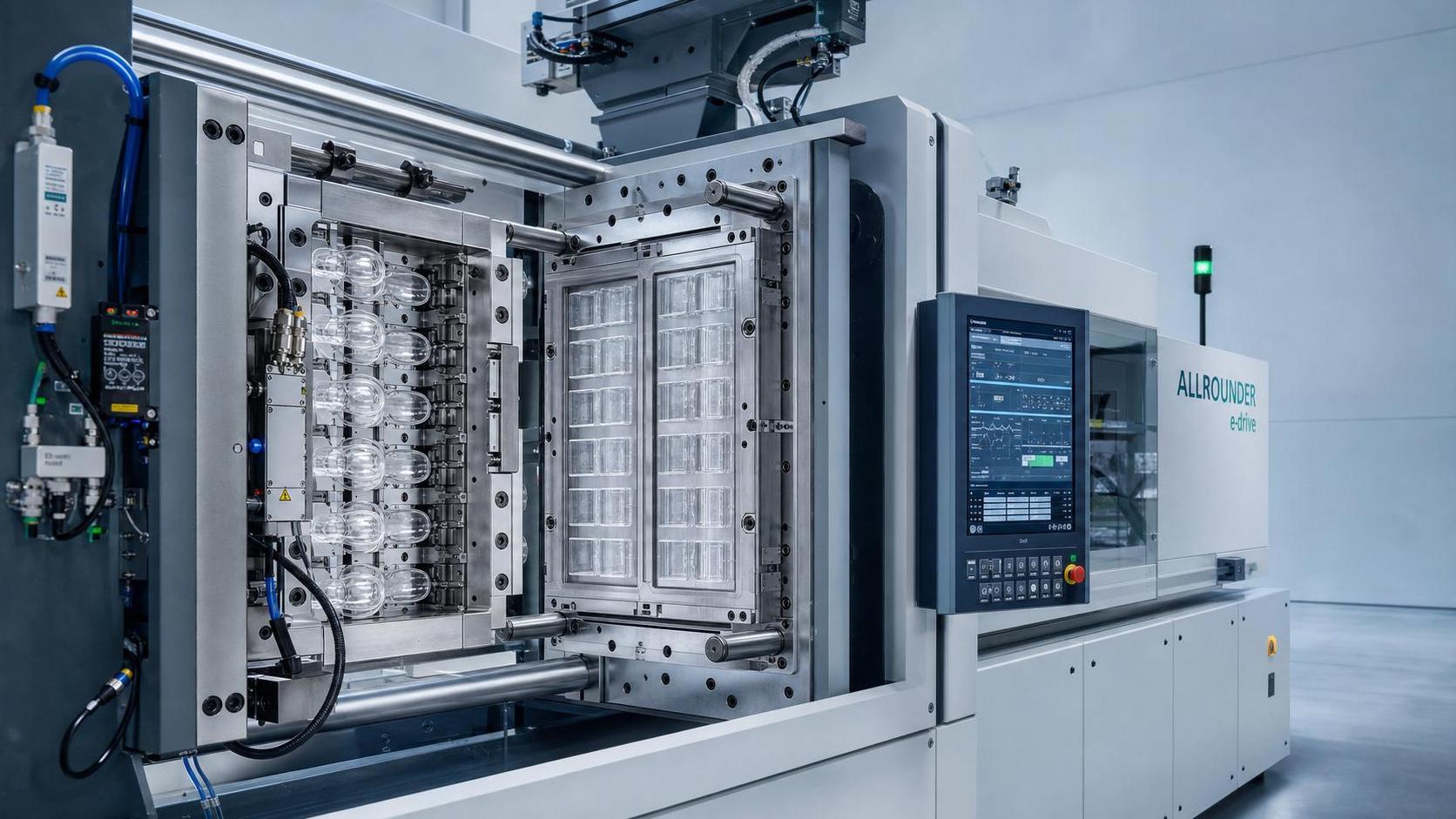
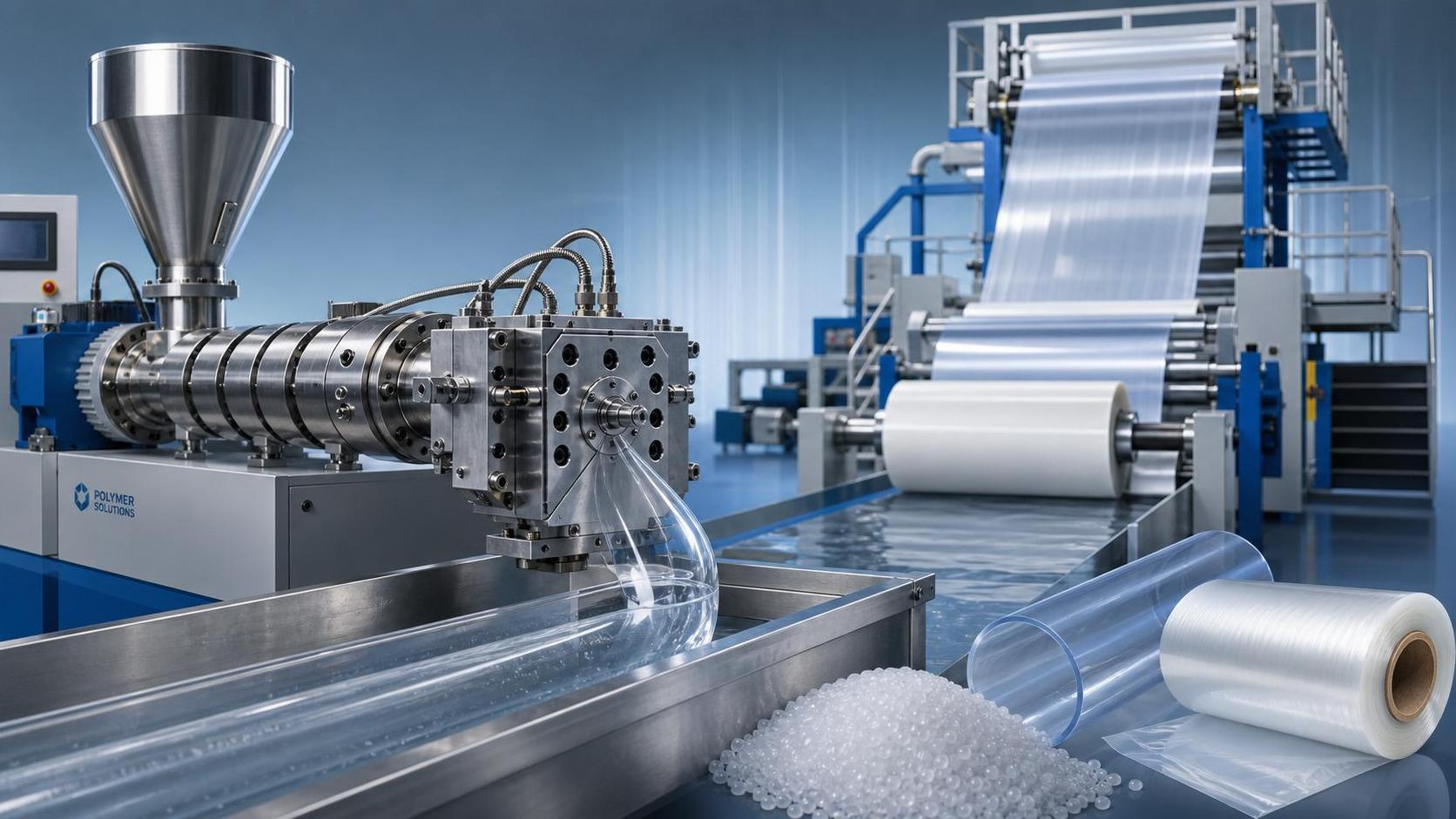
In injection molding, extrusion, blow molding, vulcanization, and recycling lines, scale changes alter shear history, heat generation, pressure loss, and moisture behavior.
That is why polymer molding scientists map risk before expansion. Their goal is not only throughput growth, but repeatable quality under industrial variability.
This approach matters across the broader manufacturing landscape. Packaging, medical components, mobility parts, consumer goods, and recycled feedstock all depend on stable polymer transformation.
Core definition of scale-up risk
Scale-up risk is the probability that a validated process loses capability when transferred to larger equipment, longer runs, higher speed, or broader raw-material windows.
For polymer molding scientists, risk appears when a process no longer holds target dimensions, appearance, mechanical properties, cycle time, energy use, or compliance limits.
The main failure signals polymer molding scientists track early
Experienced polymer molding scientists do not wait for scrap rates to rise. They track leading indicators that reveal instability before failures become expensive.
- Viscosity drift under changing shear rate and temperature
- Melt temperature spread across the shot, profile, or parison
- Pressure fluctuation at the screw, die, nozzle, or cavity
- Cycle instability caused by cooling imbalance or venting limits
- Dimensional drift linked to tool wear and clamp behavior
- Material inconsistency from moisture, additives, regrind, or recycled content
- Surface defects indicating degradation, contamination, or poor flow front control
These signals are relevant beyond one process family. They also connect with energy efficiency, emissions control, and packaging compliance in global supply chains.
Quick reference table for common risk areas
Industry context shaping today’s scale-up decisions
Modern expansion projects face pressures that make early risk detection more valuable. Polymer molding scientists now work within stricter technical and commercial constraints.
- Higher recycled-content targets increase feedstock variability
- Lightweight designs narrow processing windows
- Energy reduction goals demand more efficient thermal profiles
- Global compliance standards tighten contamination and migration limits
- Digital quality systems require traceable, data-backed process capability
For PFRS-aligned sectors, these factors span precision injection molding machines, plastic extruders, blow molding systems, rubber vulcanizing machines, and waste plastic pelletizing lines.
As a result, polymer molding scientists increasingly combine rheology data, machine response analysis, and practical line observations before approving capacity growth.
Why recycling and compliance intensify risk
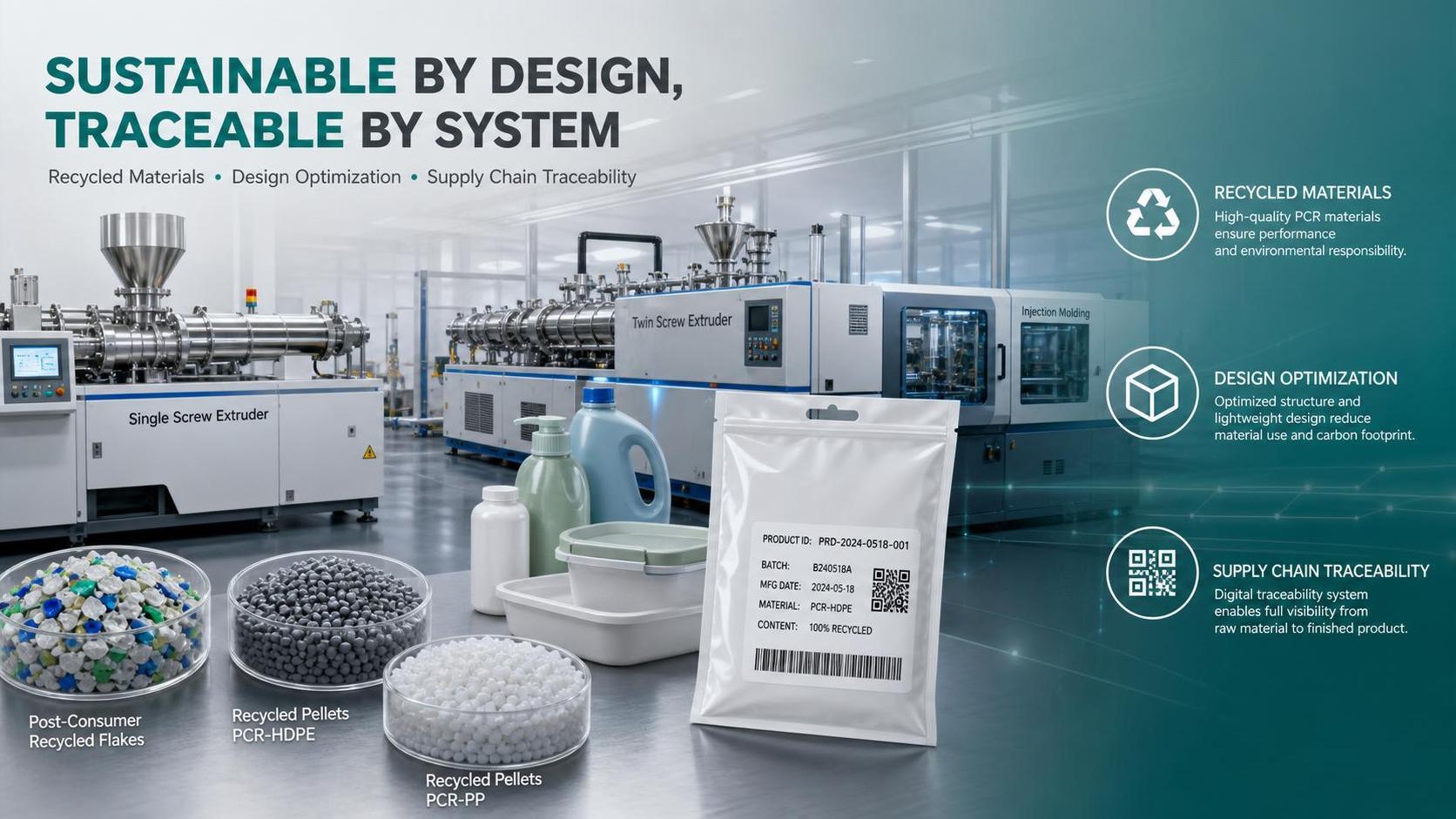
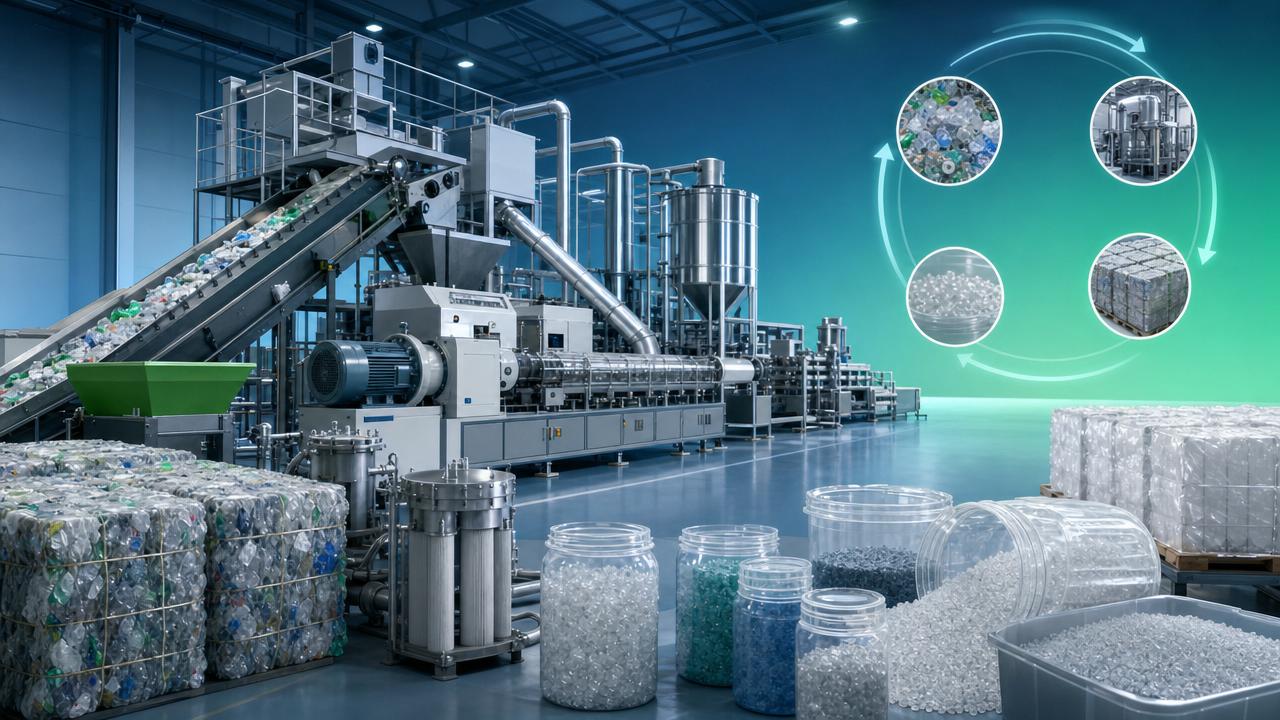
Virgin resin often hides fewer unknowns than recycled streams. Recycled flakes and pellets can vary in melt flow, contamination level, moisture, and thermal history.
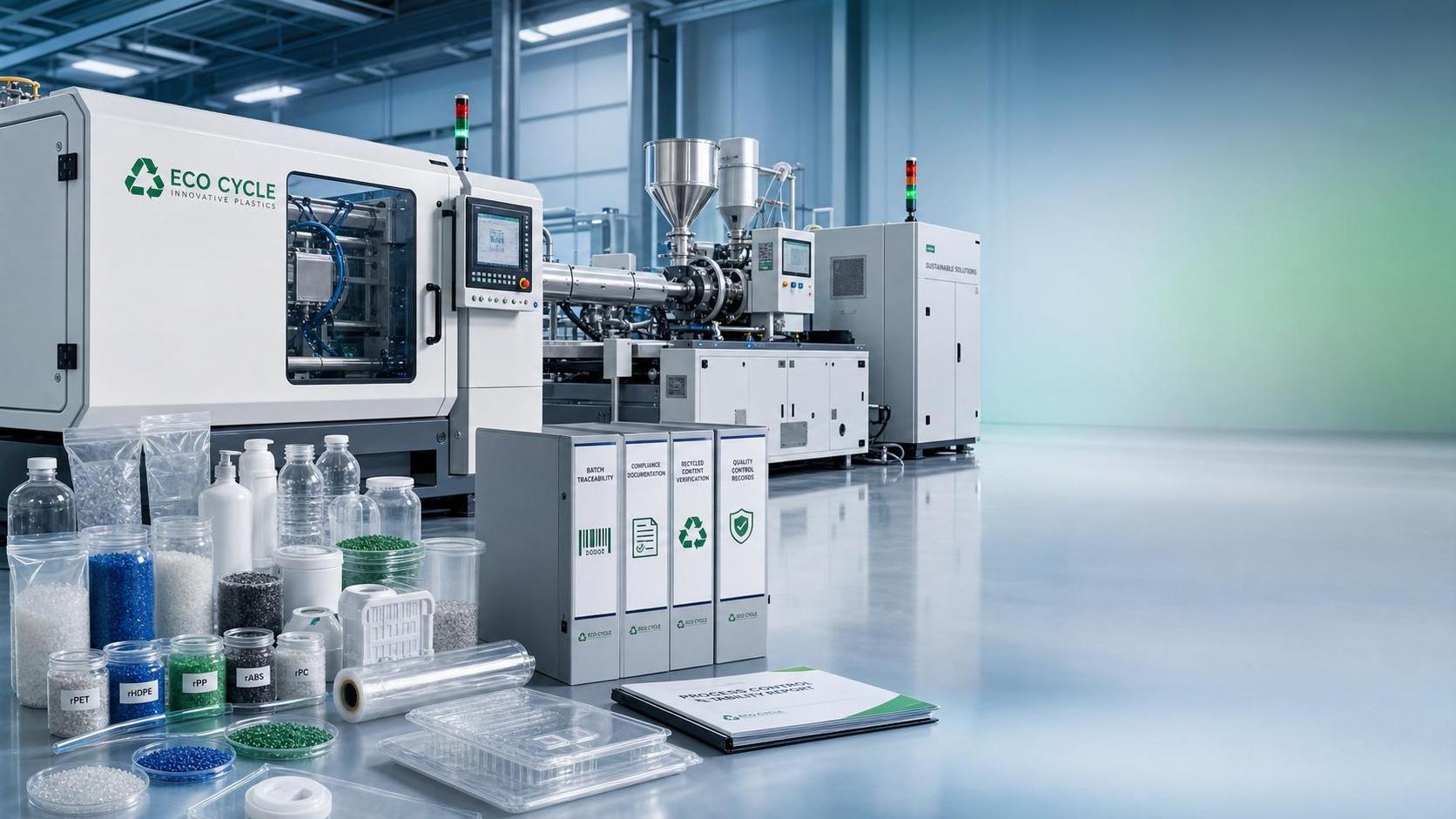
Polymer molding scientists must then verify filtration efficiency, devolatilization stability, color control, and final-property retention during high-output operation.
Where polymer molding scientists find the highest business value
The value of polymer molding scientists is not limited to troubleshooting. Their scale-up assessments directly improve financial and operational outcomes.
- Lower scrap during launch by defining safe operating windows early
- Shorter validation cycles through data-led parameter transfer
- Reduced unplanned downtime from pressure, cooling, and wear monitoring
- Better capital efficiency by matching equipment design to material behavior
- Stronger compliance confidence for food, medical, and packaging applications
In broad industrial terms, they help ensure that growth does not destroy capability. Stable scale-up supports output, reputation, and sustainability goals at once.
Connection to intelligent manufacturing
Digital sensors alone cannot explain polymer behavior. Polymer molding scientists convert machine data into physical meaning, linking temperature, torque, pressure, and part quality.
That translation is essential for AI-assisted process optimization, predictive maintenance, and closed-loop control in advanced polymer operations.
Typical scale-up scenarios across polymer processing
Not every project carries the same risk profile. Polymer molding scientists classify scale-up by process route, geometry, material sensitivity, and run length.
Practical methods polymer molding scientists use to reduce risk
Effective scale-up is disciplined, not heroic. Polymer molding scientists usually apply a staged framework rather than relying on one pilot result.
1. Build a material behavior baseline
Measure melt flow, viscosity curves, moisture sensitivity, thermal stability, and additive response. Baselines should include virgin, blended, and recycled-material cases.
2. Transfer by physics, not by machine settings
Copying barrel temperatures or screw speed rarely works. Polymer molding scientists translate scale using shear rate, energy input, residence time, and cooling intensity.
3. Validate tooling and thermal balance
Inspect gate design, venting, channel balance, clamp rigidity, and heat removal. Tooling limitations often become visible only after longer industrial runs.
4. Use structured trial plans
Short tests can miss slow drift. Planned trials should include start-up, steady state, material lot changes, pauses, restarts, and maximum intended throughput.
5. Define stop criteria before launch
Set limits for pressure rise, color shift, dimensional drift, gel count, odor, or cure deviation. Clear thresholds prevent avoidable losses during commissioning.
A grounded next step for more reliable expansion
The most effective next step is a scale-up risk map covering material, machine, tool, process window, and compliance exposure. Keep it practical and measurable.
For teams following PFRS intelligence, this means combining process data with equipment capability reviews across molding, extrusion, vulcanization, blow molding, and recycling.
Polymer molding scientists create value when expansion plans are tested against real-world variability, not ideal trial conditions. That discipline protects quality and growth simultaneously.
If a project is approaching higher output, larger tooling, or more recycled input, start with the first likely failure point. That is where scale-up becomes manageable.
Related News
- 00
0000-00
How to Evaluate Plastic Pelletizing Machine Suppliers for Output, Support, and Risk - 00
0000-00
How to Select a Plastic Pipe Manufacturing System for Output, Resin, and Pipe Range - 00
0000-00
How to Specify Injection Molding Equipment for High-Volume Closure Production - 00
0000-00
How to Specify a Medical Molding Machine for Cleanroom Device Production - 00
0000-00
Plastic Extrusion Technology for Films: Process Controls That Improve Gauge Uniformity
Weekly Insights
Stay ahead with our curated technology reports delivered every Monday.
Related News
 Prof. Marcus ChenEnergy-Efficient Polymer Processing: Where Plants Can Cut kWh per KilogramEnergy-efficient polymer processing solutions help plants reduce kWh per kilogram, protect quality, cut scrap, and prioritize upgrades with data-driven insights.Sep 23, 2026
 Prof. Marcus ChenPlastic Pelletizing Trends: How Recycling Demand Is Reshaping Processing TechnologyPlastic pelletizing trends are redefining recycling quality. Explore filtration, extrusion, degassing, and automation innovations driving cleaner, more consistent recycled resin.Sep 07, 2026
 Prof. Marcus ChenHow Polymer Supply Chains Are Changing to Support High-Quality Recycling FeedstockPolymer supply chain for recycling is shifting toward traceable sourcing, cleaner sorting, and stable processing. See how high-quality feedstock improves performance, compliance, and cost control.Aug 22, 2026
 Prof. Marcus ChenHow Europe’s Circular Plastics Economy Is Reshaping Recycling InvestmentCircular plastics economy Europe is reshaping recycling investment through quality, traceability, and packaging demand. Explore where capital is moving and why it matters now.Aug 04, 2026
 Prof. Marcus ChenBlow Molding Trends Shaping Packaging, Sustainability, and Production EfficiencyBlow molding trends are redefining packaging with lightweighting, recycled content, automation, and energy efficiency. Discover how smarter production boosts sustainability and cuts costs.Jul 23, 2026
 Prof. Marcus ChenExtrusion Equipment Modular Design: When It Makes Sense for Line ExpansionExtrusion equipment modular design helps manufacturers expand lines in phases, cut disruption, and stay ready for recycled content, utility limits, and changing product demands.Jul 15, 2026
 Prof. Marcus ChenPolymer Lifecycle Solutions Explained: From Material Sourcing to End-of-Life RecoveryPolymer lifecycle solutions explained from sourcing and processing to recycling and recovery. Discover how to cut waste, improve quality, and build smarter material strategies.Jul 13, 2026
 Prof. Marcus ChenEnergy-Efficient Polymer Processing Systems: Which Metrics Matter Most?Energy-efficient polymer processing systems: discover the metrics that truly drive ROI—specific energy use, yield, uptime, stability, and compliance for smarter equipment decisions.Jul 11, 2026
 Prof. Marcus ChenPolymer Recycling Systems for Continuous Operation: What to Check Before SpecifyingPolymer recycling systems continuous operation starts with the right specification. Learn what to check for uptime, melt quality, energy efficiency, and reliable pellet output.Jul 09, 2026
 Prof. Marcus ChenCircular Plastics Economy in Japan: Policy Drivers, Recycling Targets, and Market ImpactCircular plastics economy Japan is accelerating as policy, recycling targets, and packaging reforms reshape material choices, processing strategy, and market advantage.Jul 05, 2026
 Prof. Marcus ChenPlastic Extrusion Technology Trends: What Process Changes Are Improving Energy Efficiency?Plastic extrusion technology trends are reshaping energy efficiency through smarter screws, thermal control, servo drives, and digital optimization. See which process changes deliver lower costs and more stable output.Jul 01, 2026
 Prof. Marcus ChenInjection Molding Technology Trends: Which Process Changes Matter Most for Medical and Packaging Parts?Injection molding technology trends shaping medical and packaging parts: discover the process changes that improve validation, precision, efficiency, and recycled-material readiness.Jun 30, 2026
 Prof. Marcus ChenCircular Plastics Economy Compliance Explained: Key Requirements for ManufacturersCircular plastics economy compliance explained for manufacturers: learn key requirements, audit risks, process controls, and how to turn compliance into a competitive advantage.Jun 25, 2026
 Prof. Marcus ChenAdvanced Materials Processing Trends: 5 Shifts Reshaping Capacity Planning and SourcingAdvanced materials processing trends are reshaping capacity planning, sourcing, recycling, and compliance. Explore 5 shifts helping manufacturers cut risk, improve precision, and build resilient growth.Jun 24, 2026
 Prof. Marcus ChenGlobal Plastic Ban Trends: Which Packaging Materials and Export Markets Face the Biggest Changes?Global plastic ban trends are reshaping packaging choices and export strategy. See which materials and markets face the biggest shifts, and how to reduce compliance risk.Jun 22, 2026
 Prof. Marcus ChenPolymer Rheology Trends That Matter in Extrusion: Melt Strength, Shear, and StabilityPolymer rheology trends are reshaping extrusion performance. Learn how melt strength, shear, and stability affect quality, efficiency, and recycled resin processing.Jun 18, 2026
 Prof. Marcus ChenPlastic Circularity Strategies for Manufacturers: Recycled Content, Design, and TraceabilityPlastic circularity strategies for manufacturers: learn how recycled content, smarter design, and traceability can reduce risk, improve compliance, and strengthen supply resilience.Jun 18, 2026
 Prof. Marcus ChenAdvanced Materials Processing Equipment in High-Performance Manufacturing: Where It Fits BestAdvanced materials processing equipment drives precision, speed, and sustainability in manufacturing. Explore where each system fits best to improve quality, efficiency, and ROI.Jun 16, 2026
 Prof. Marcus ChenWhat Is Driving the Circular Economy Plastics Market? Policy, Pricing, and Demand ShiftsCircular economy plastics market trends are being driven by tighter policy, resin price volatility, and stricter buyer demands. Discover what this means for sourcing, processing, and growth.Jun 13, 2026
 Prof. Marcus ChenDigital Polymer Processing Explained: Methods, Materials, and Best-Fit ApplicationsDigital polymer processing explained clearly: explore key methods, materials, and best-fit applications to improve quality, efficiency, and recycling performance.Jun 10, 2026