Polymer Smart Manufacturing Signals Worth Watching This Year




Polymer smart manufacturing is rapidly moving from an efficiency upgrade to a boardroom-level priority. This year, the most important signals are not limited to robotics or machine connectivity. They include how precision injection molding, extrusion, blow molding, rubber vulcanization, and waste plastic recycling are being restructured by data visibility, tighter environmental rules, and energy accountability. In practical terms, polymer smart manufacturing now affects production stability, scrap cost, packaging compliance, quality traceability, and the speed at which operations can adapt to recycled or bio-based materials. For businesses tracking the next phase of industrial competitiveness, the real question is not whether change is coming, but which signals deserve action first.
Why polymer smart manufacturing matters differently across real operating scenarios
The value of polymer smart manufacturing changes by scenario. In high-volume packaging, the priority is often output stability, bottle consistency, and lower energy per unit. In technical molding, the critical issue may be micron-level repeatability, cavity balance, and process traceability. In rubber processing, thermal uniformity and curing consistency can define product safety. In recycling, the pressure comes from contamination control, melt filtration, and the economics of converting waste streams into usable pellets.
This is why broad automation claims can be misleading. A plant processing virgin resin for medical components is not reacting to the same market signals as a line blending recycled flakes for food-contact packaging. The stronger approach is to read polymer smart manufacturing through the lens of application conditions, material variability, regulatory exposure, and the intelligence level of existing equipment. That scenario-based view is where better investment decisions begin.
Scenario 1: Precision molding environments where process drift is the biggest warning sign
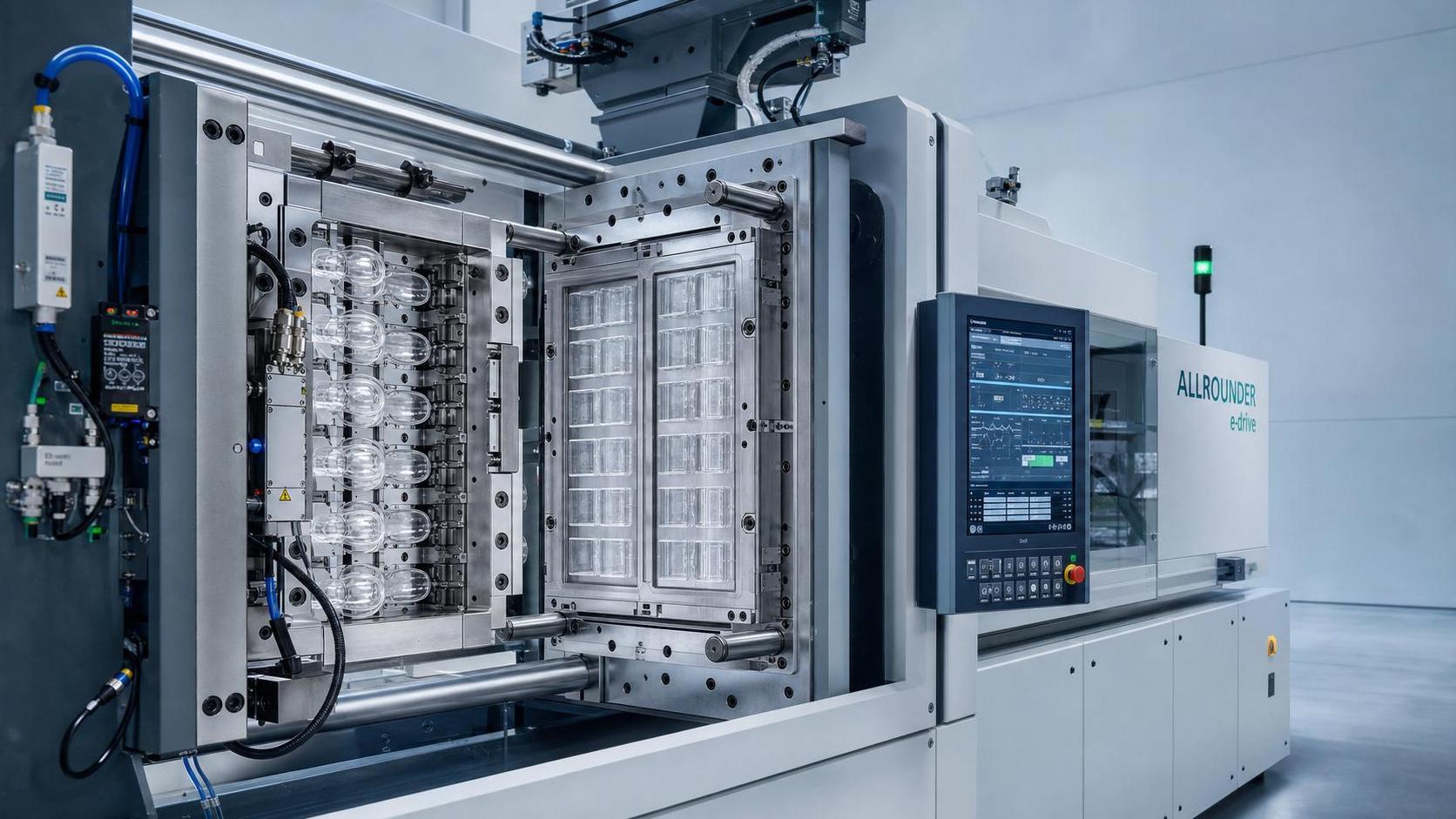
In precision injection molding, one of the clearest polymer smart manufacturing signals is the shift from machine monitoring to process prediction. It is no longer enough to record cycle time, injection speed, or holding pressure after defects appear. Advanced systems are now using cavity pressure sensing, melt temperature tracking, and AI-assisted curve optimization to identify drift before parts move out of tolerance.
This matters most in scenarios involving medical parts, optical components, connector housings, and automotive assemblies. Here, polymer smart manufacturing creates value when digital control can reduce flash, sink marks, warpage, and resin waste without slowing throughput. A strong signal worth watching is whether equipment can connect rheology behavior to machine settings in real time rather than relying on manual adjustments after scrap rises.
Key judgment points in precision molding
- Whether cavity pressure and melt temperature data are integrated into closed-loop control
- Whether all-electric or servo systems improve repeatability at stable energy use
- Whether quality traceability links each batch to process deviations
- Whether the platform can handle recycled or modified polymers without frequent retuning
Scenario 2: Continuous extrusion lines where compounding intelligence becomes a margin driver
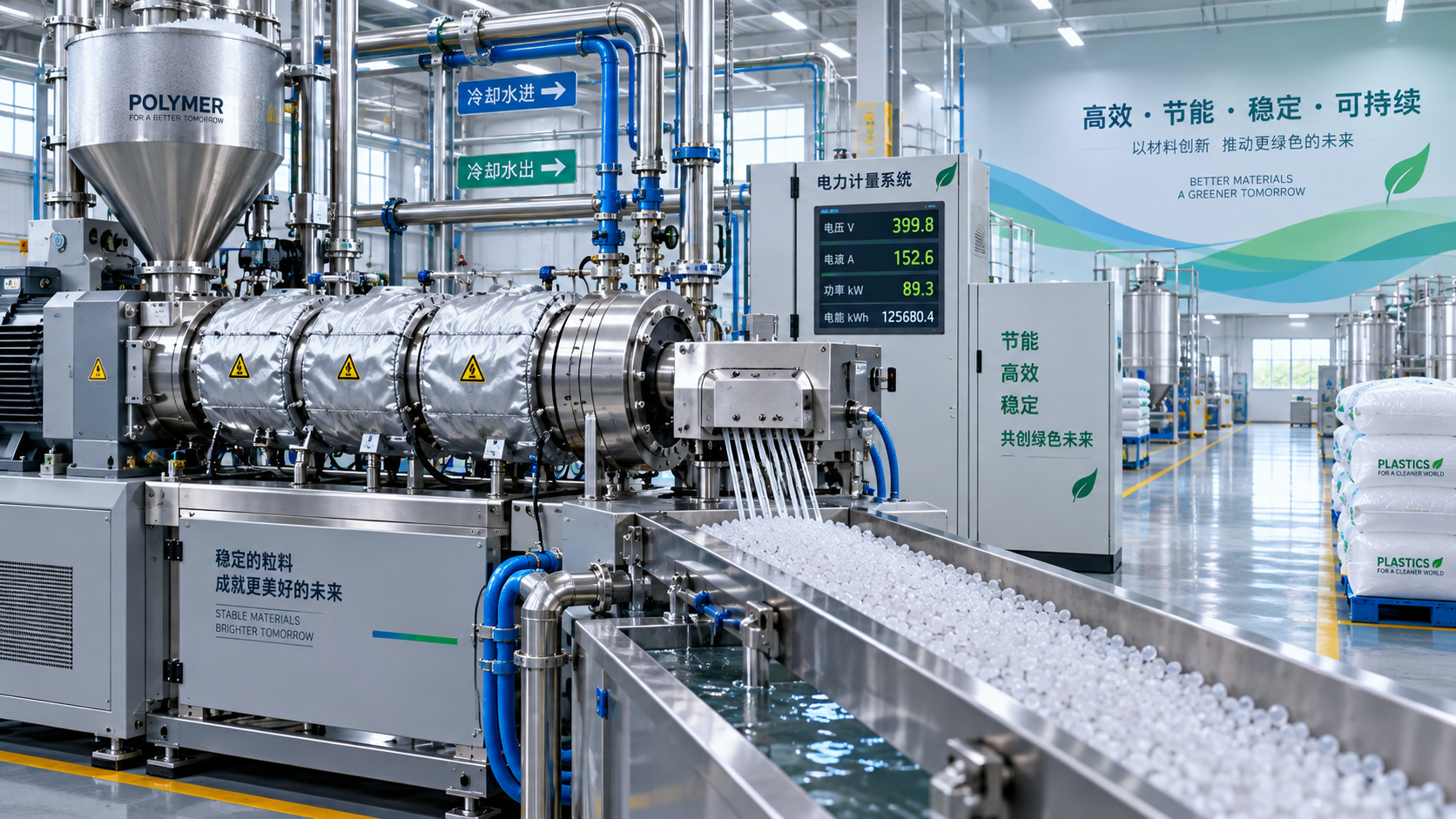
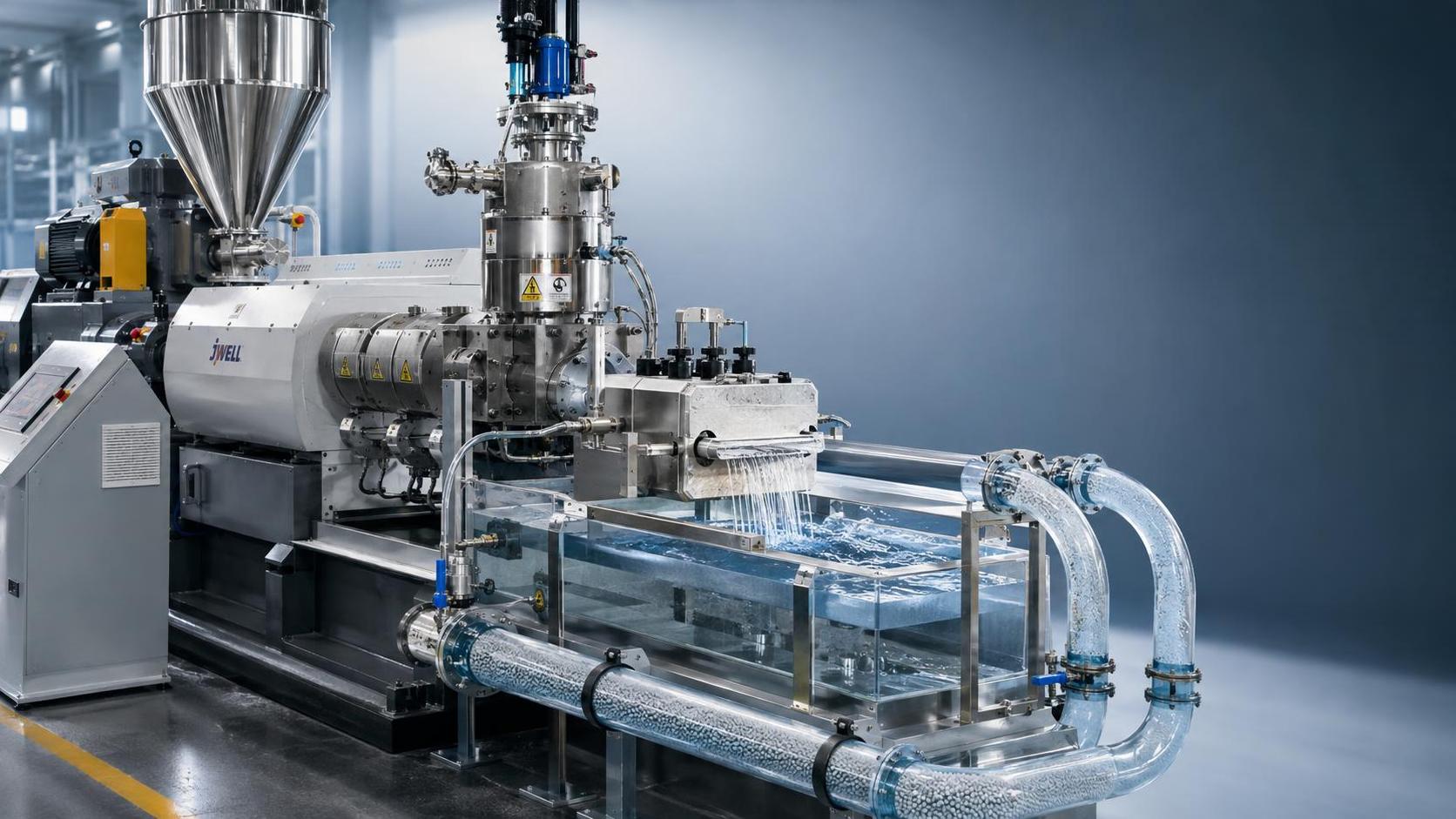
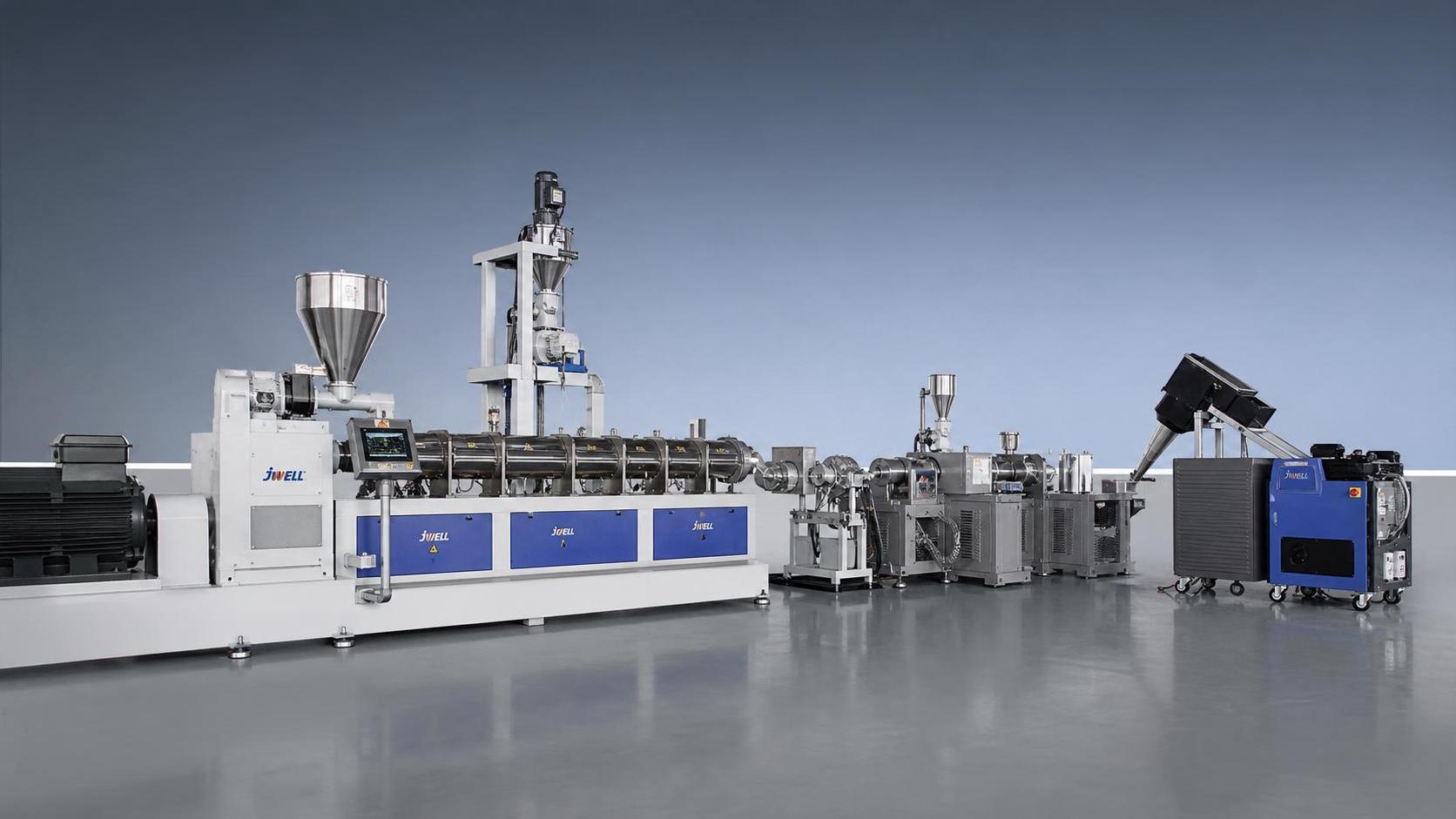
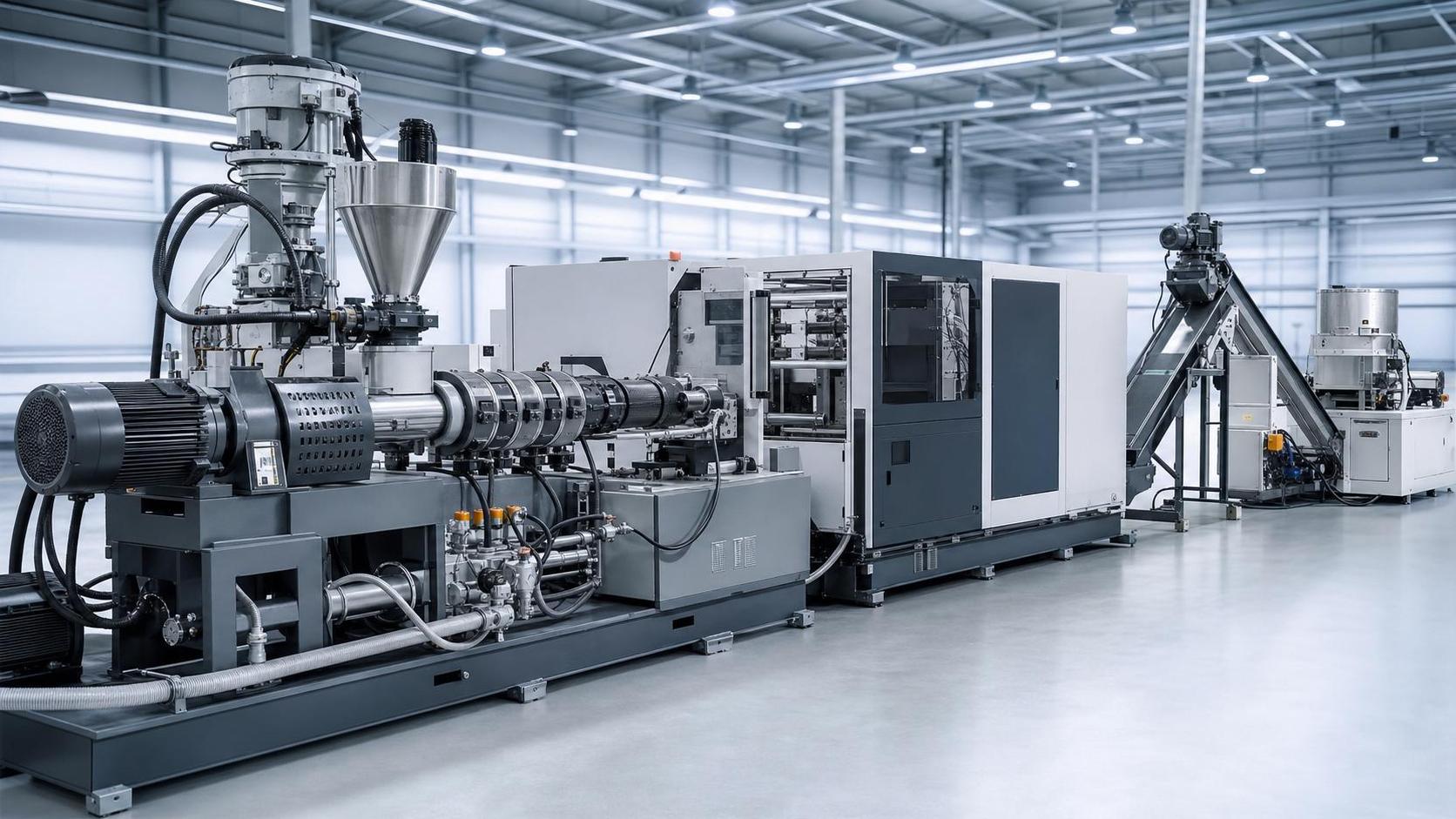
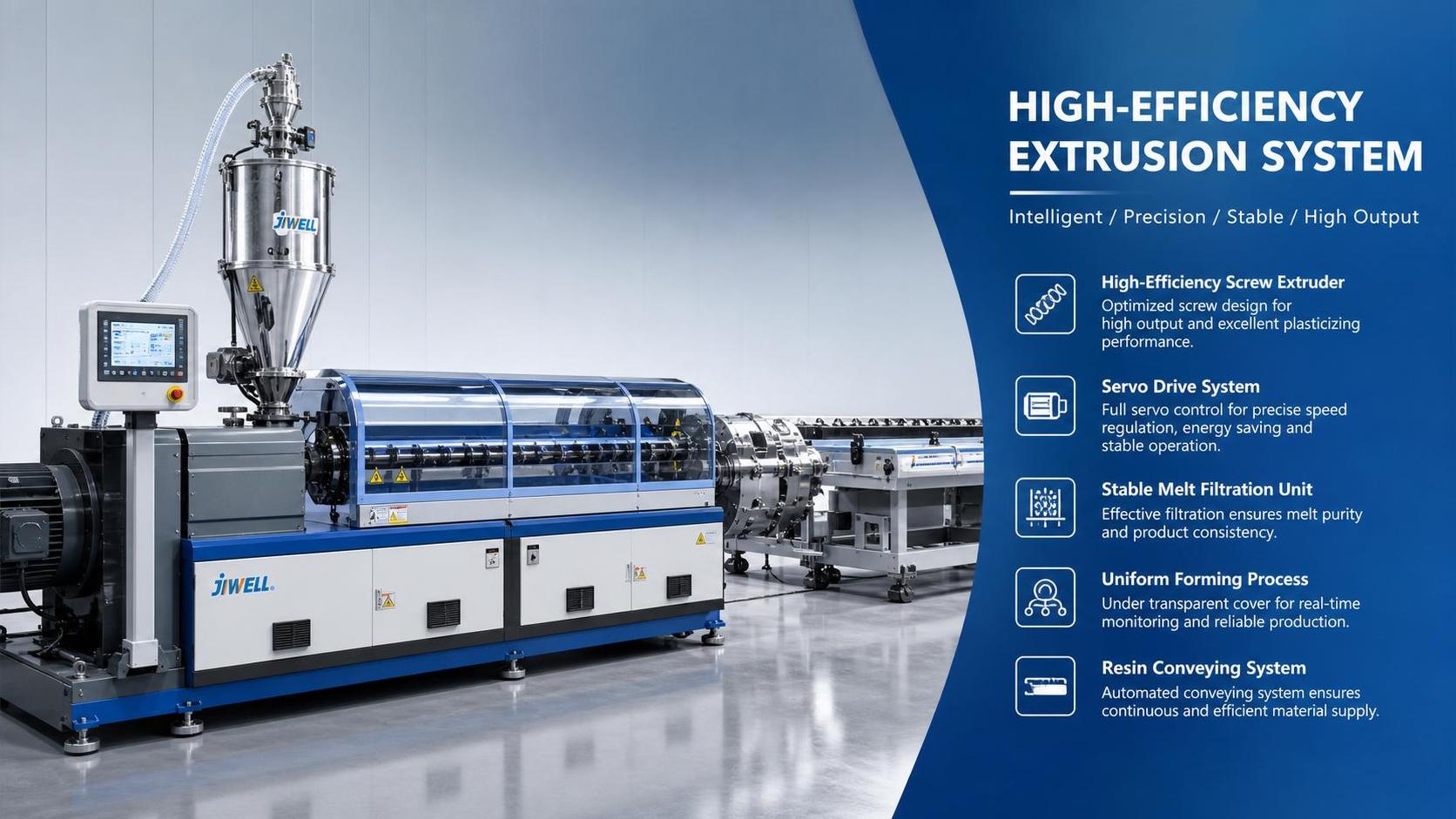
For extrusion, polymer smart manufacturing is increasingly defined by how well a line manages shear, mixing, and thermal history under continuous load. In pipe, sheet, film, and compounding scenarios, twin-screw systems are expected to do more than maintain throughput. They must support recipe flexibility, additive consistency, and energy-efficient output across changing materials.
A strong market signal this year is the growing importance of simulation-backed process design. CFD analysis inside screws and barrels is becoming more relevant because processors need to predict residence time, devolatilization performance, and melt homogeneity before changing formulations. In polymer smart manufacturing, this reduces trial-and-error costs and makes scale-up less risky, especially when incorporating fillers, flame retardants, or recycled content.
Another signal is energy benchmarking at the line level. Extrusion systems that show output per kilowatt-hour, not just total capacity, are better aligned with both cost control and ESG reporting. That shift turns smart manufacturing data into a financial and compliance tool rather than a dashboard feature.
Scenario 3: Packaging and container production where speed alone is no longer enough
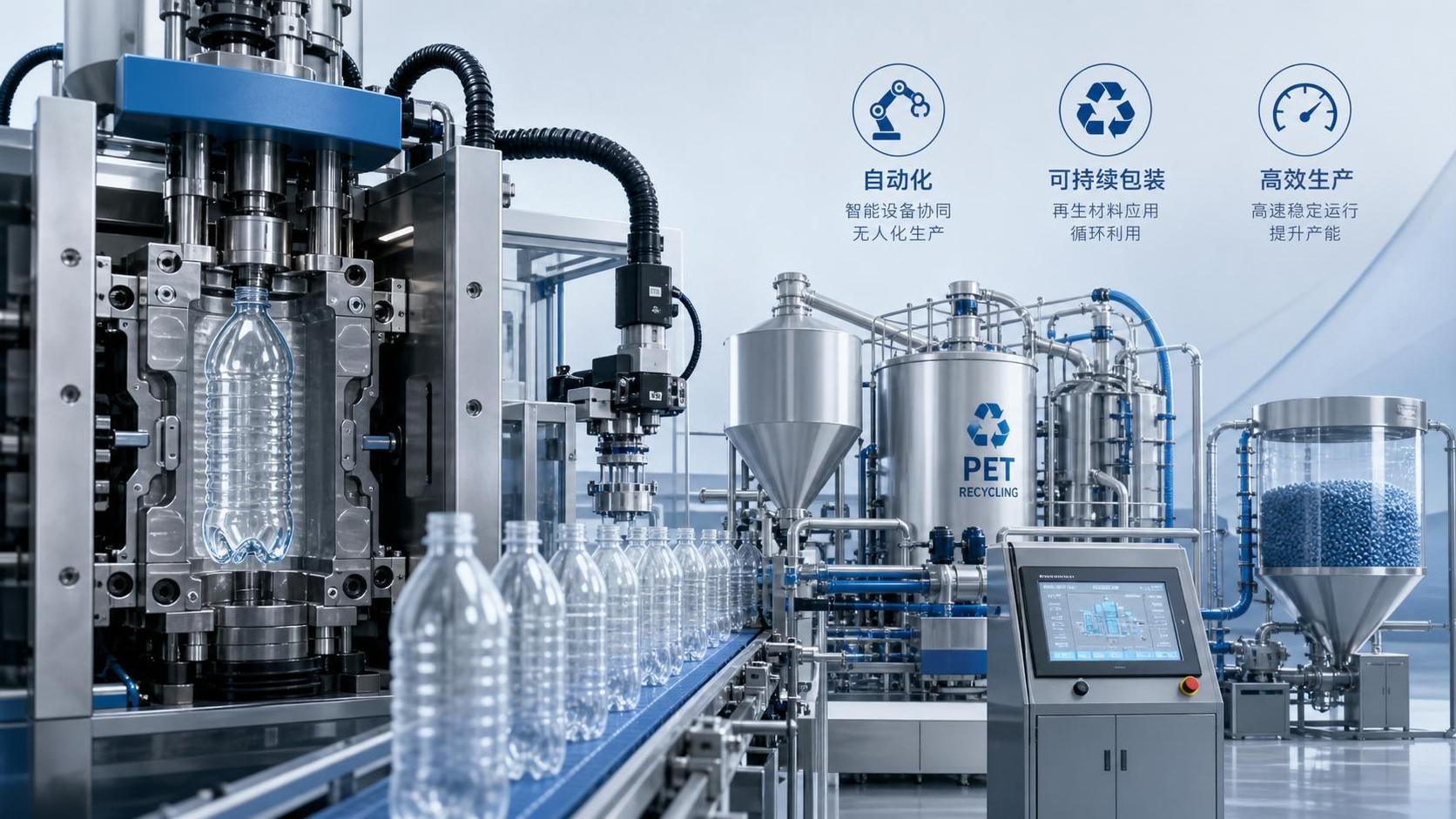
In blow molding and high-speed packaging scenarios, polymer smart manufacturing is being shaped by the combined pressure of volume, sustainability, and packaging regulation. Beverage, personal care, and healthcare packaging lines are under pressure to increase output while reducing weight, scrap, and resin cost. At the same time, brand owners are pushing for higher recycled content and better compliance documentation.
The signal worth watching here is whether production intelligence extends across the full packaging chain. Smart bottle forming is valuable, but it becomes far more strategic when linked to preform quality, wall thickness control, leak detection, energy use, and downstream packing performance. Polymer smart manufacturing in this scenario is successful when it stabilizes thin-wall production and supports material substitution without compromising line speed or shelf performance.
Scenario 4: Recycling and circular production where feedstock variability defines success
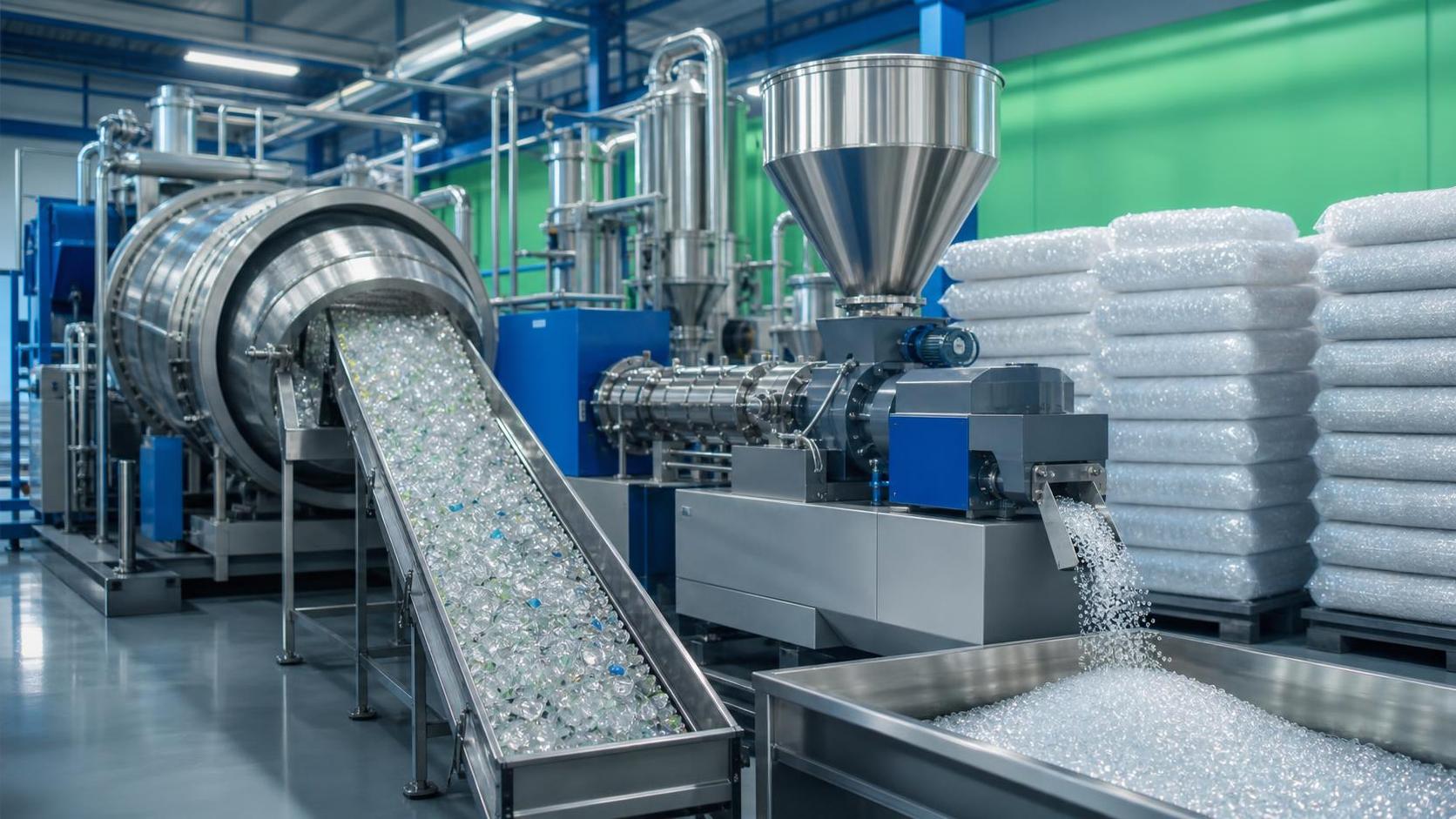
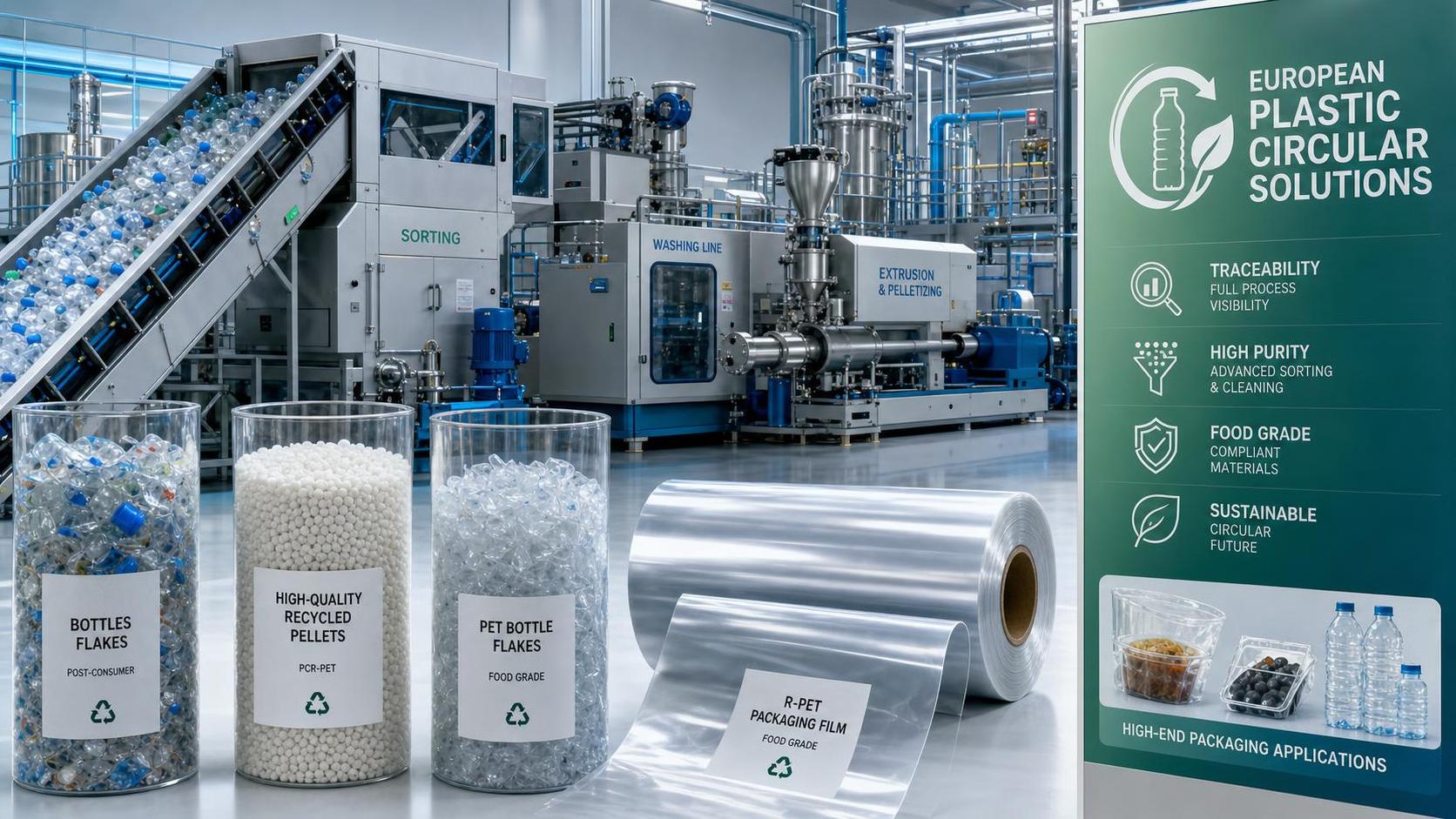
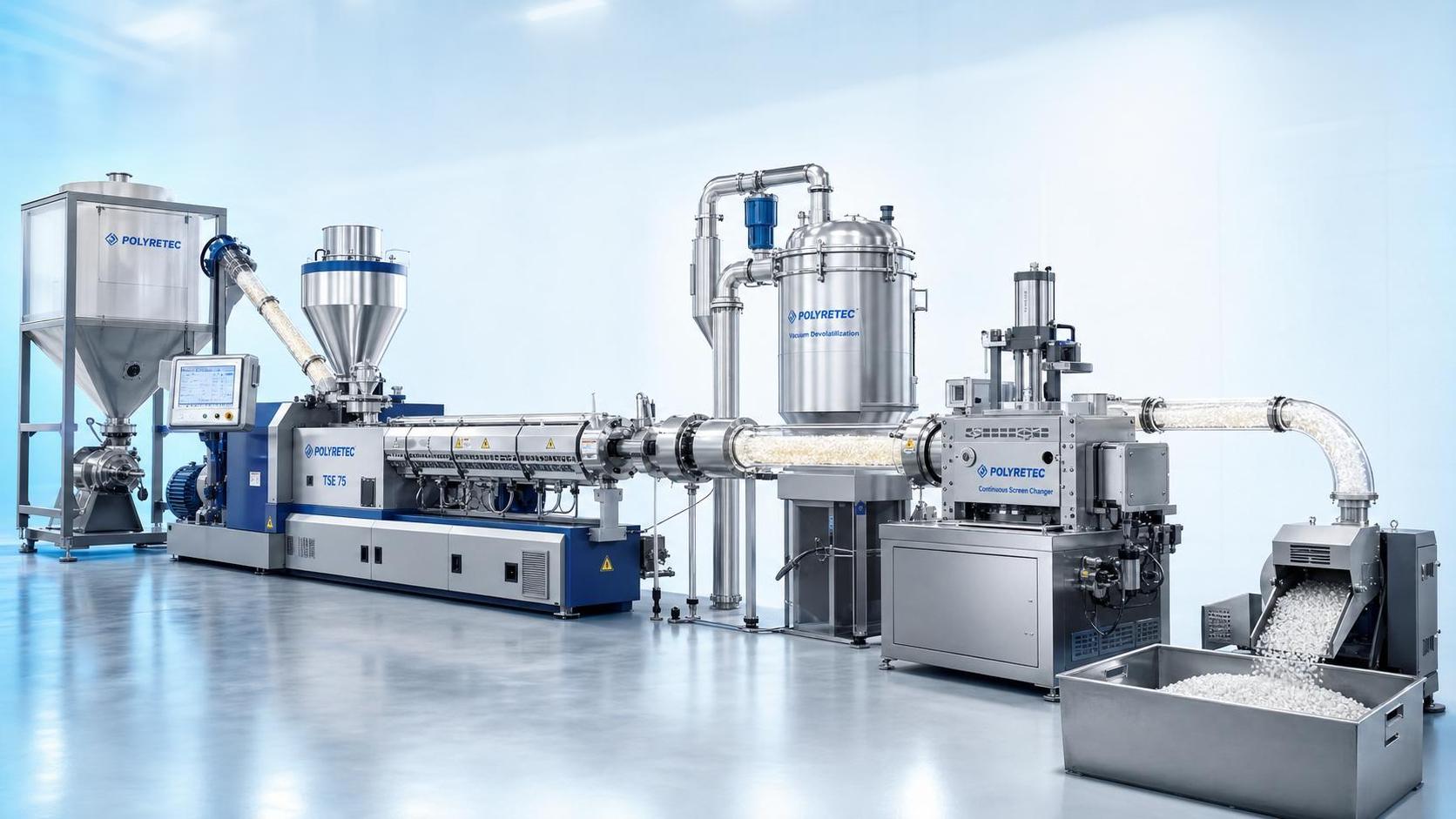
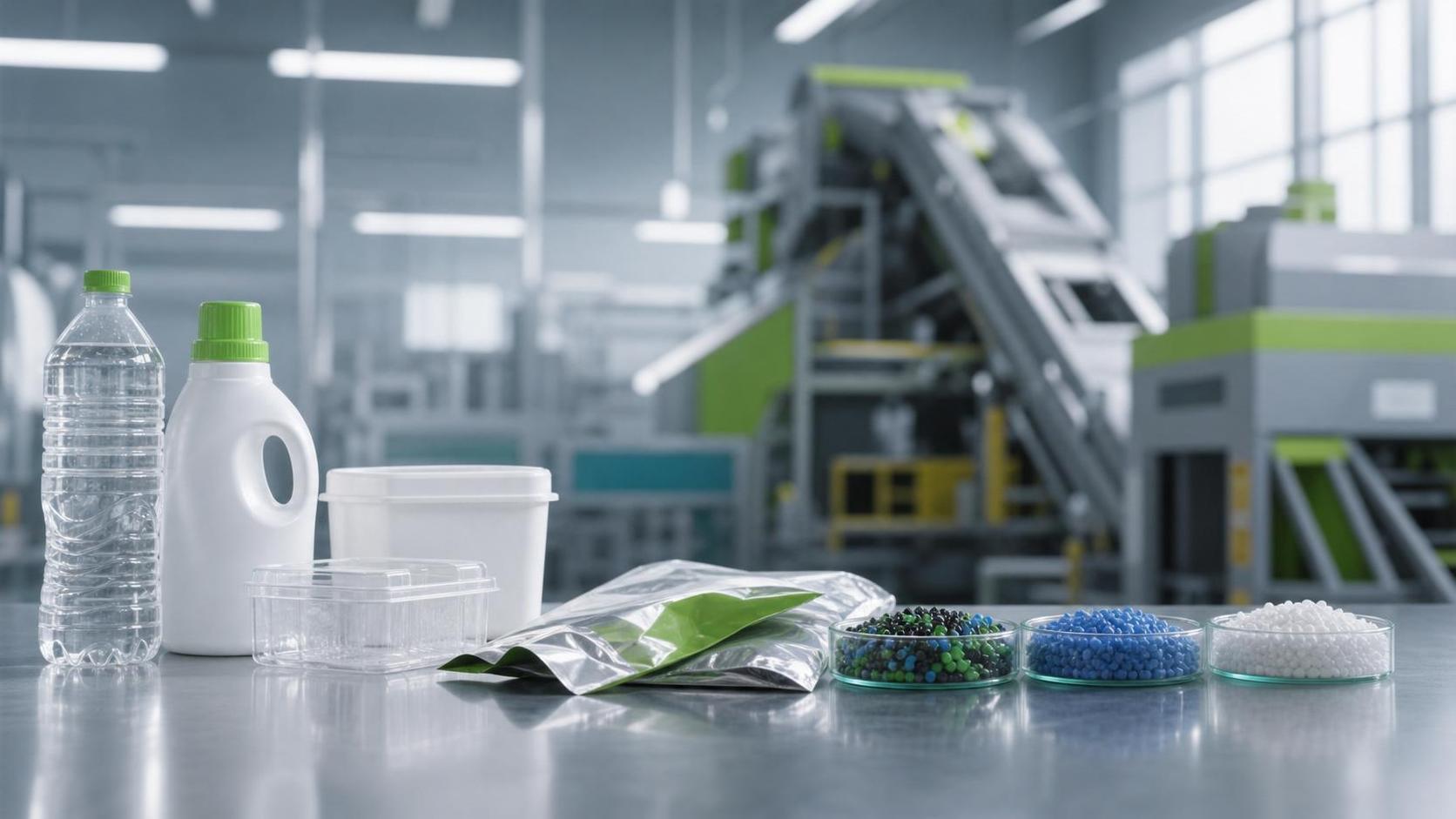
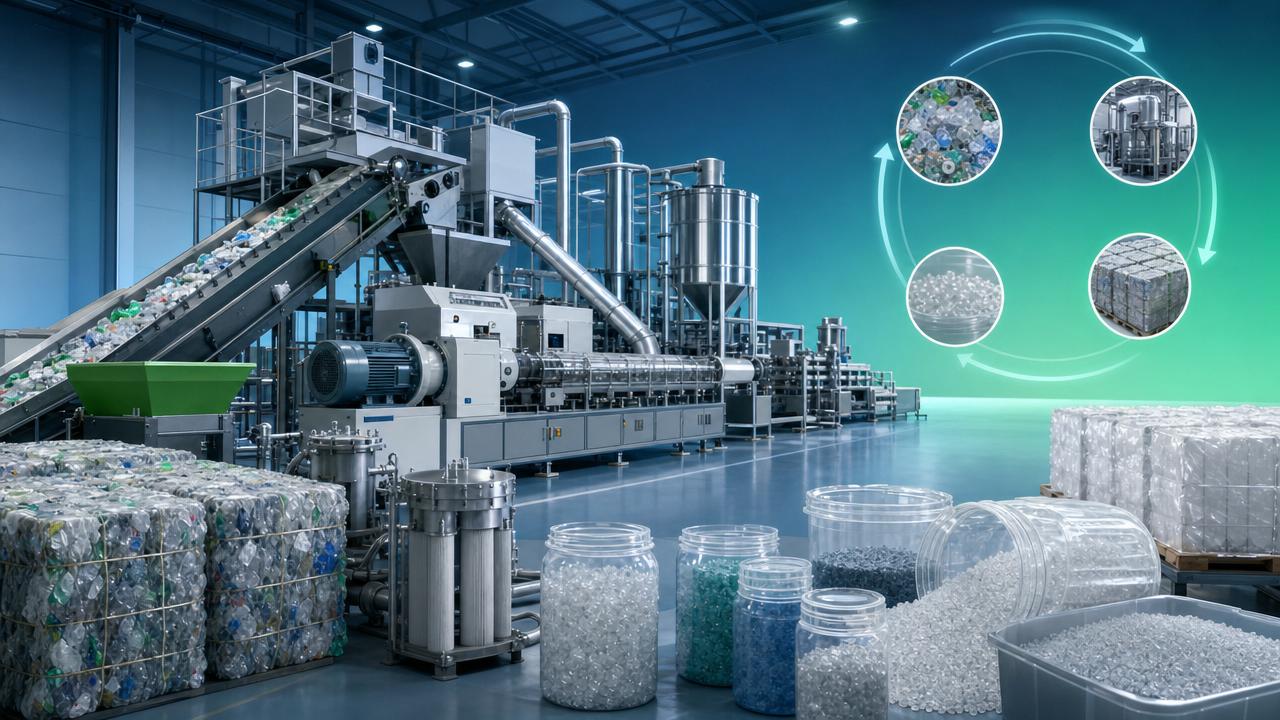
In waste plastic recovery, polymer smart manufacturing has become central to circular production strategy. The challenge is different from virgin resin processing because the incoming stream is inconsistent. Moisture, labels, inks, odor, contamination, and polymer mix can all affect pellet quality. As a result, the best intelligence systems are those that turn unstable input into predictable output.
This year, one major signal is the rise of in-house recycling lines integrated with production waste streams. Scrap is no longer treated only as disposal cost. It is increasingly managed as a recoverable material asset. Another signal is the adoption of better melt filtration, degassing, and underwater pelletizing technologies to support rPET, rPE, and rPP applications with tighter quality requirements. In polymer smart manufacturing, circularity only works when quality data, contamination control, and pellet consistency are measured continuously.
How scenario requirements differ in polymer smart manufacturing
Scenario-fit recommendations for this year’s investment priorities
Not every polymer smart manufacturing upgrade needs a full equipment replacement. In many cases, the best first step is to improve visibility at the highest-risk process point. That means focusing on the source of the largest hidden cost: variation, downtime, excess energy, or low-value scrap.
- If dimensional consistency is the main issue, prioritize sensing, process data capture, and closed-loop control before expanding automation.
- If raw material shifts are frequent, evaluate whether simulation, recipe management, and adaptive process tuning are robust enough for material variability.
- If sustainability targets are accelerating, measure energy per kilogram, regrind utilization rate, and recycled resin qualification speed.
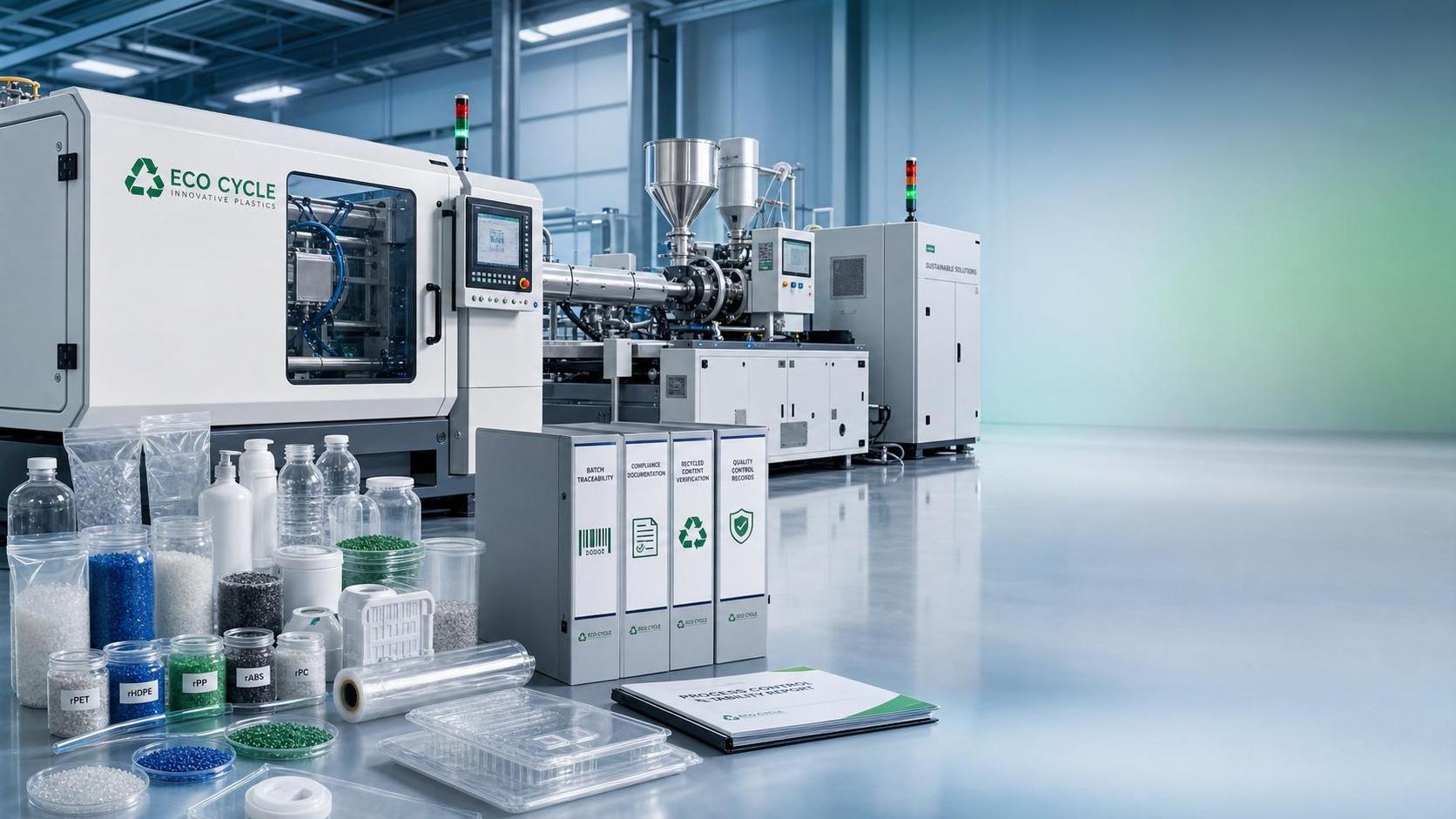
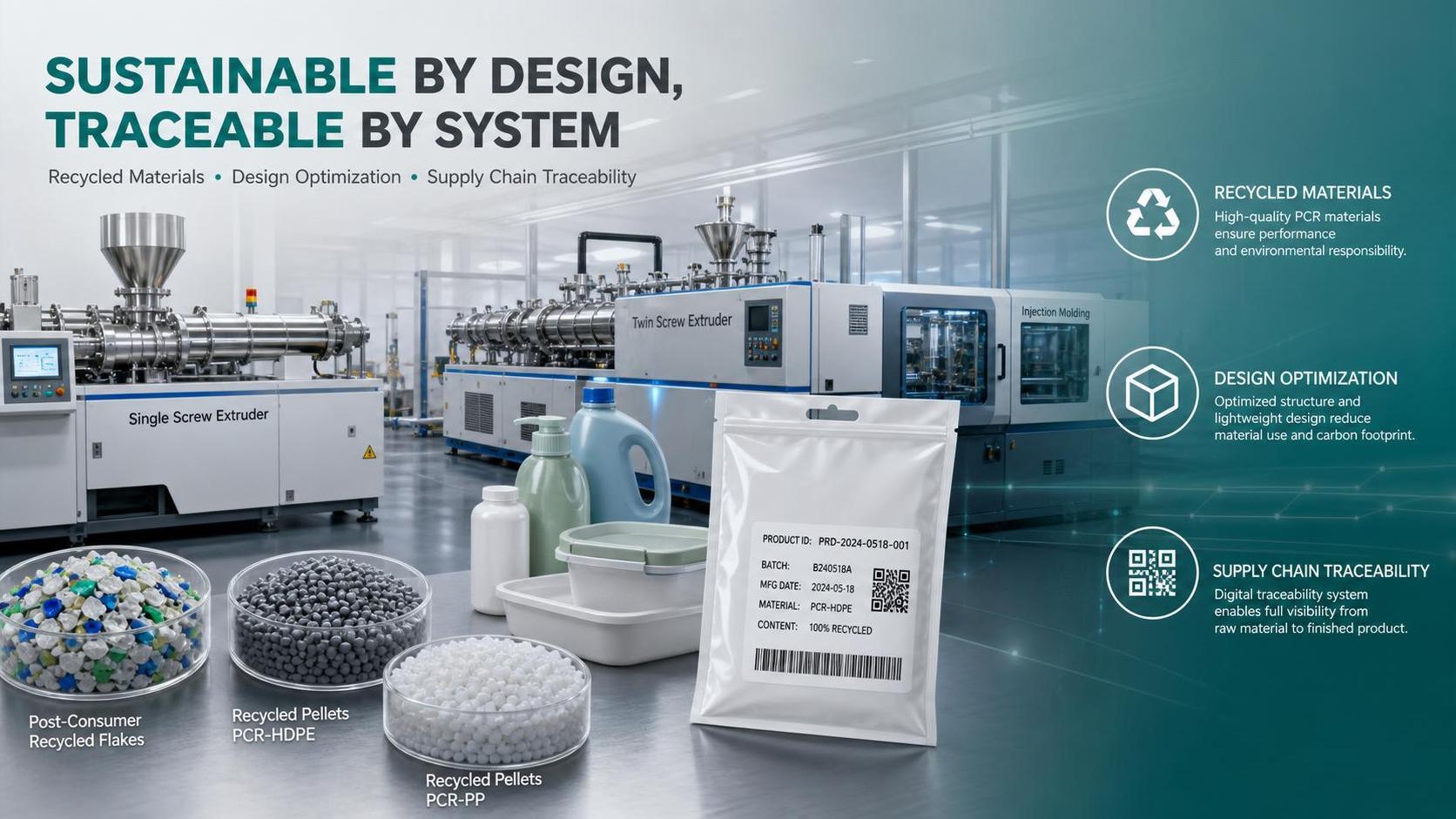
- If compliance exposure is rising, strengthen digital traceability from incoming resin to finished part or recycled pellet batch.
- If circular production is becoming strategic, compare outsourced recycling cost against the quality and recovery value of in-house lines.
Common misreads that weaken polymer smart manufacturing decisions
One common mistake is treating polymer smart manufacturing as a software story only. In reality, intelligence has limited value if screw design, thermal response, mold condition, or filtration performance are physically mismatched to the application. Another misread is assuming that more data automatically means better control. Data becomes useful only when tied to process decisions, alarm thresholds, and repeatable corrective action.
A third blind spot is underestimating recycled material complexity. Many operations attempt to add circular content without upgrading degassing, contamination detection, or melt stabilization. This often creates unstable quality and damages confidence in recycling economics. The better interpretation of polymer smart manufacturing is not digitalization for its own sake, but measurable improvement in precision, energy performance, and material loop closure.
What to do next if these signals are already visible in your environment
The most effective next step is to map polymer smart manufacturing priorities by scenario rather than by technology label. Identify which line or process is under the greatest pressure from quality drift, energy cost, compliance demands, or recycled material integration. Then define the smallest intelligence upgrade that can prove value quickly, such as cavity pressure control, extrusion energy benchmarking, packaging defect analytics, or digital tracking of recycled pellet consistency.
For organizations following PFRS, the advantage comes from connecting machine performance with material science, process modeling, and circular economy requirements. That is where polymer smart manufacturing becomes more than a trend. It becomes a practical framework for deciding which technologies, process changes, and recycling strategies will matter most this year and which ones can wait. In a market shaped by precision, decarbonization, and compliance, the strongest signal is simple: smarter polymer processing now defines resilience as much as productivity.
Related News
- 00
0000-00
Polymer Processing for Extrusion: How Melt Rheology Affects Line Stability - 00
0000-00
Energy-Efficient Polymer Processing: Where Plants Can Cut kWh per Kilogram - 00
0000-00
German Extrusion Equipment Suppliers: Comparing Service, Lead Times, and Lifecycle Cost - 00
0000-00
Is an Underwater Pelletizer Worth the Added Cost for Recycled Plastics? - 00
0000-00
How Often Should Melt Filter Screens Be Changed?
Weekly Insights
Stay ahead with our curated technology reports delivered every Monday.
Related News
 Prof. Marcus ChenEnergy-Efficient Polymer Processing: Where Plants Can Cut kWh per KilogramEnergy-efficient polymer processing solutions help plants reduce kWh per kilogram, protect quality, cut scrap, and prioritize upgrades with data-driven insights.Sep 23, 2026
 Prof. Marcus ChenPlastic Pelletizing Trends: How Recycling Demand Is Reshaping Processing TechnologyPlastic pelletizing trends are redefining recycling quality. Explore filtration, extrusion, degassing, and automation innovations driving cleaner, more consistent recycled resin.Sep 07, 2026
 Prof. Marcus ChenHow Polymer Supply Chains Are Changing to Support High-Quality Recycling FeedstockPolymer supply chain for recycling is shifting toward traceable sourcing, cleaner sorting, and stable processing. See how high-quality feedstock improves performance, compliance, and cost control.Aug 22, 2026
 Prof. Marcus ChenHow Europe’s Circular Plastics Economy Is Reshaping Recycling InvestmentCircular plastics economy Europe is reshaping recycling investment through quality, traceability, and packaging demand. Explore where capital is moving and why it matters now.Aug 04, 2026
 Prof. Marcus ChenBlow Molding Trends Shaping Packaging, Sustainability, and Production EfficiencyBlow molding trends are redefining packaging with lightweighting, recycled content, automation, and energy efficiency. Discover how smarter production boosts sustainability and cuts costs.Jul 23, 2026
 Prof. Marcus ChenExtrusion Equipment Modular Design: When It Makes Sense for Line ExpansionExtrusion equipment modular design helps manufacturers expand lines in phases, cut disruption, and stay ready for recycled content, utility limits, and changing product demands.Jul 15, 2026
 Prof. Marcus ChenPolymer Lifecycle Solutions Explained: From Material Sourcing to End-of-Life RecoveryPolymer lifecycle solutions explained from sourcing and processing to recycling and recovery. Discover how to cut waste, improve quality, and build smarter material strategies.Jul 13, 2026
 Prof. Marcus ChenEnergy-Efficient Polymer Processing Systems: Which Metrics Matter Most?Energy-efficient polymer processing systems: discover the metrics that truly drive ROI—specific energy use, yield, uptime, stability, and compliance for smarter equipment decisions.Jul 11, 2026
 Prof. Marcus ChenPolymer Recycling Systems for Continuous Operation: What to Check Before SpecifyingPolymer recycling systems continuous operation starts with the right specification. Learn what to check for uptime, melt quality, energy efficiency, and reliable pellet output.Jul 09, 2026
 Prof. Marcus ChenCircular Plastics Economy in Japan: Policy Drivers, Recycling Targets, and Market ImpactCircular plastics economy Japan is accelerating as policy, recycling targets, and packaging reforms reshape material choices, processing strategy, and market advantage.Jul 05, 2026
 Prof. Marcus ChenPlastic Extrusion Technology Trends: What Process Changes Are Improving Energy Efficiency?Plastic extrusion technology trends are reshaping energy efficiency through smarter screws, thermal control, servo drives, and digital optimization. See which process changes deliver lower costs and more stable output.Jul 01, 2026
 Prof. Marcus ChenInjection Molding Technology Trends: Which Process Changes Matter Most for Medical and Packaging Parts?Injection molding technology trends shaping medical and packaging parts: discover the process changes that improve validation, precision, efficiency, and recycled-material readiness.Jun 30, 2026
 Prof. Marcus ChenCircular Plastics Economy Compliance Explained: Key Requirements for ManufacturersCircular plastics economy compliance explained for manufacturers: learn key requirements, audit risks, process controls, and how to turn compliance into a competitive advantage.Jun 25, 2026
 Prof. Marcus ChenAdvanced Materials Processing Trends: 5 Shifts Reshaping Capacity Planning and SourcingAdvanced materials processing trends are reshaping capacity planning, sourcing, recycling, and compliance. Explore 5 shifts helping manufacturers cut risk, improve precision, and build resilient growth.Jun 24, 2026
 Prof. Marcus ChenGlobal Plastic Ban Trends: Which Packaging Materials and Export Markets Face the Biggest Changes?Global plastic ban trends are reshaping packaging choices and export strategy. See which materials and markets face the biggest shifts, and how to reduce compliance risk.Jun 22, 2026
 Prof. Marcus ChenPolymer Rheology Trends That Matter in Extrusion: Melt Strength, Shear, and StabilityPolymer rheology trends are reshaping extrusion performance. Learn how melt strength, shear, and stability affect quality, efficiency, and recycled resin processing.Jun 18, 2026
 Prof. Marcus ChenPlastic Circularity Strategies for Manufacturers: Recycled Content, Design, and TraceabilityPlastic circularity strategies for manufacturers: learn how recycled content, smarter design, and traceability can reduce risk, improve compliance, and strengthen supply resilience.Jun 18, 2026
 Prof. Marcus ChenAdvanced Materials Processing Equipment in High-Performance Manufacturing: Where It Fits BestAdvanced materials processing equipment drives precision, speed, and sustainability in manufacturing. Explore where each system fits best to improve quality, efficiency, and ROI.Jun 16, 2026
 Prof. Marcus ChenWhat Is Driving the Circular Economy Plastics Market? Policy, Pricing, and Demand ShiftsCircular economy plastics market trends are being driven by tighter policy, resin price volatility, and stricter buyer demands. Discover what this means for sourcing, processing, and growth.Jun 13, 2026
 Prof. Marcus ChenDigital Polymer Processing Explained: Methods, Materials, and Best-Fit ApplicationsDigital polymer processing explained clearly: explore key methods, materials, and best-fit applications to improve quality, efficiency, and recycling performance.Jun 10, 2026