What Slows Down a Polymer Material Lifecycle Upgrade?




Why does a polymer material lifecycle upgrade slow down when sustainability and profit should reinforce each other? The core issue is rarely one machine or one policy.
It usually comes from friction across the full polymer material lifecycle, from resin selection and forming stability to recycled content recovery and compliance verification.
In today’s cross-industry environment, every delay affects cost, quality, carbon targets, and packaging readiness. That makes lifecycle thinking a strategic operating discipline.
For sectors linked to packaging, automotive, medical, infrastructure, consumer goods, and industrial products, lifecycle upgrades depend on process intelligence and system coordination.
Understanding the polymer material lifecycle upgrade challenge
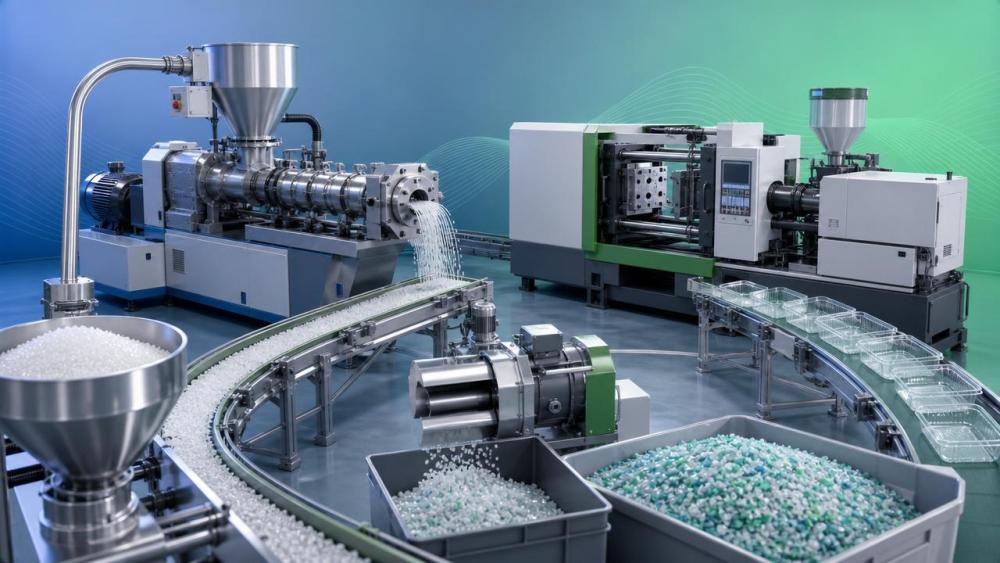
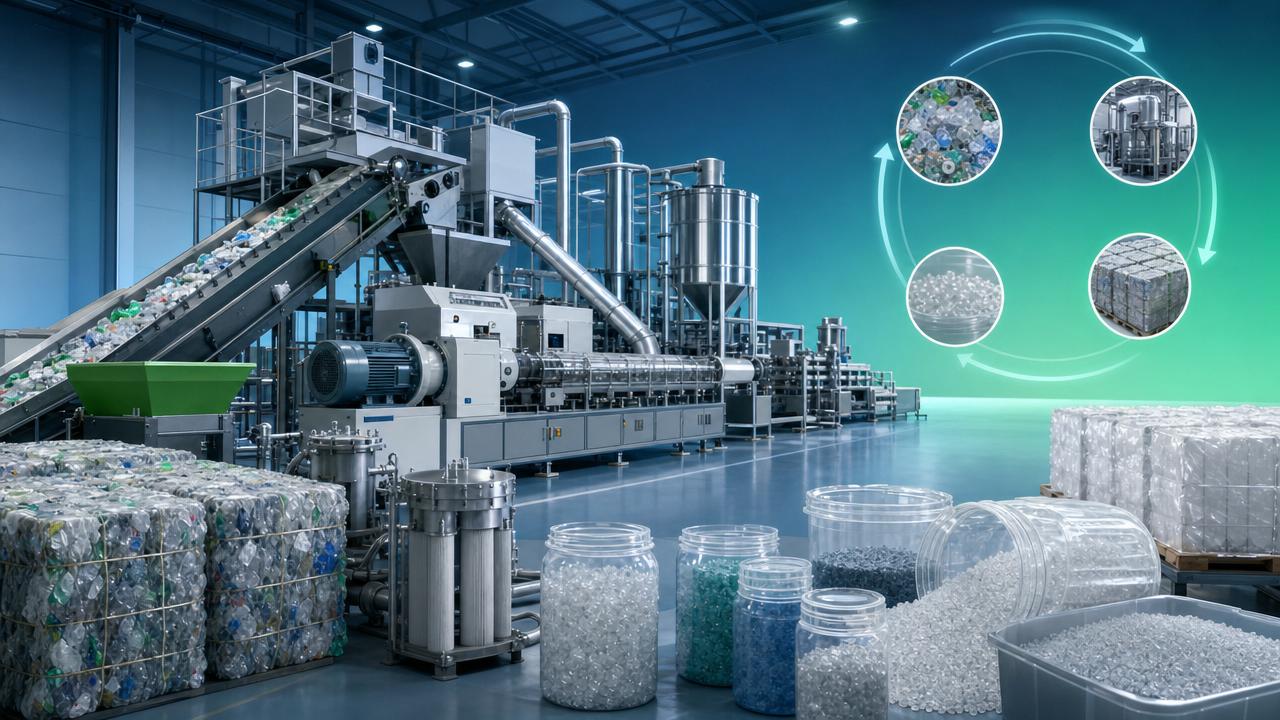
The polymer material lifecycle covers material design, forming, use, collection, recycling, and re-entry into production. An upgrade means improving performance, efficiency, and circularity together.
Many projects fail because they optimize one stage while weakening another. Faster output can raise scrap. Higher recycled content can reduce consistency. New compliance rules can disrupt legacy tooling.
This is why the polymer material lifecycle should be treated as a connected industrial system, not a series of isolated technical decisions.
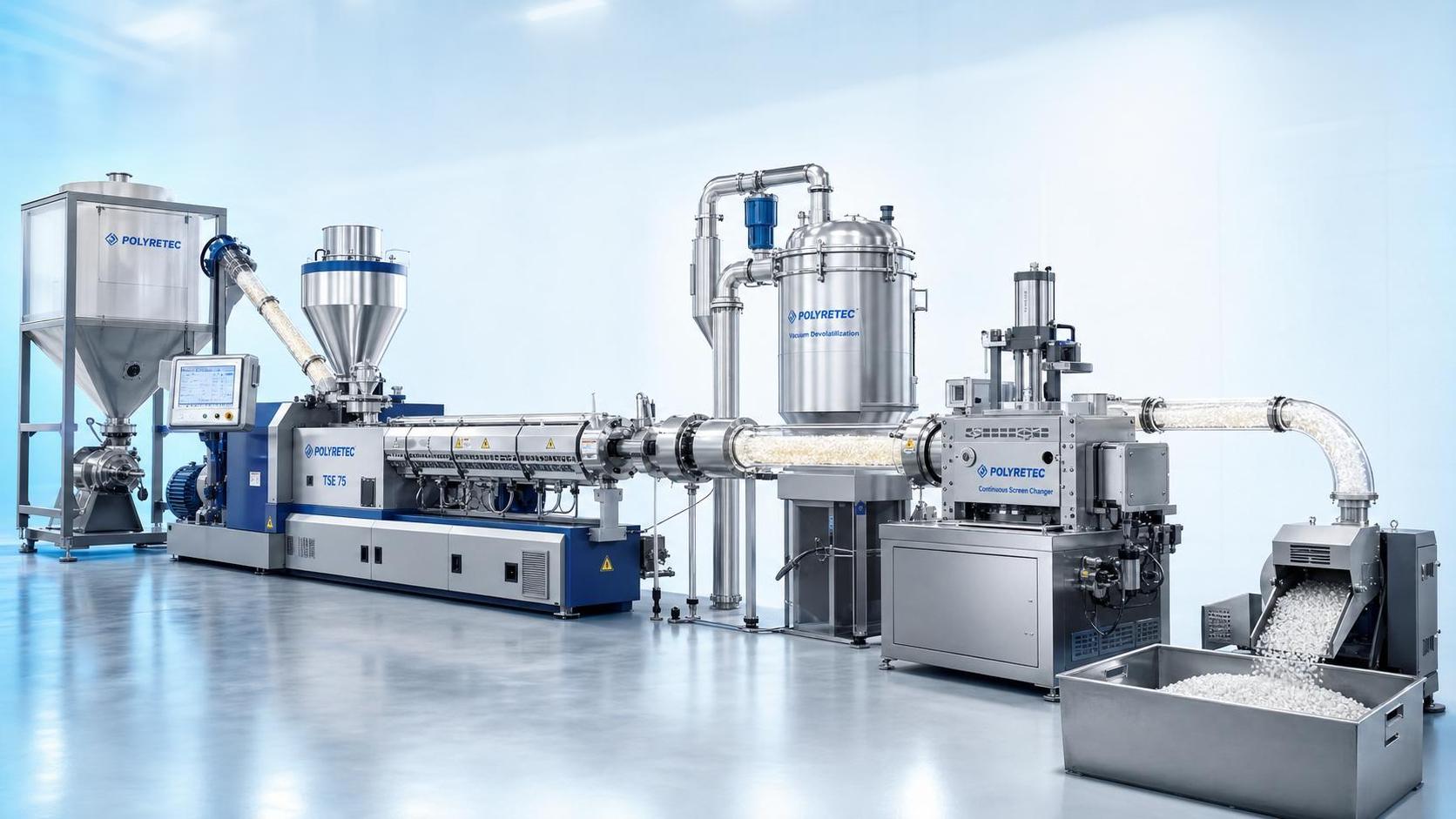
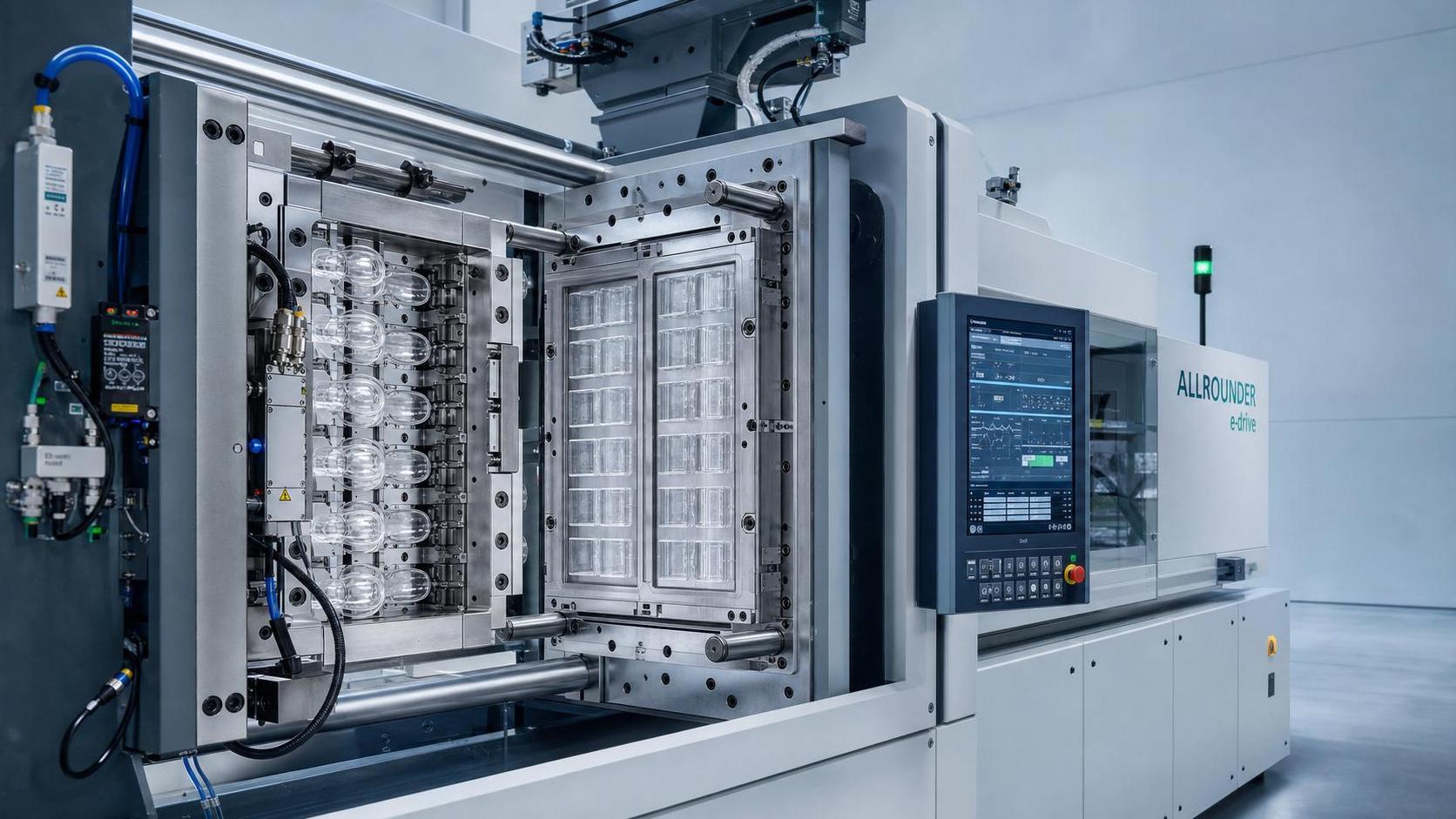
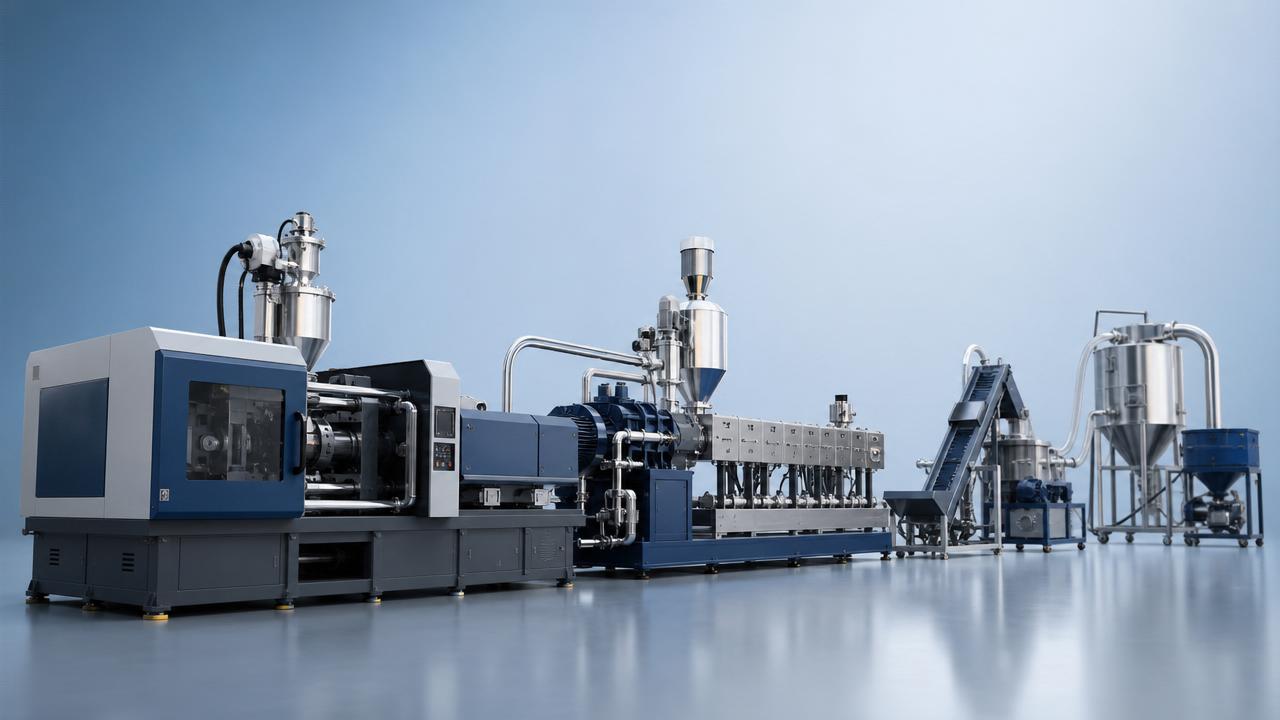
PFRS highlights this connection through intelligence on injection molding, extrusion, blow molding, vulcanization, and waste plastic pelletizing systems.
What usually defines lifecycle upgrade success
- Stable material behavior across forming conditions
- Lower energy use per qualified output
- Reduced scrap and better regrind utilization
- Traceable compliance for packaging and product safety
- Recycling compatibility without severe property loss
Industry signals slowing the polymer material lifecycle
Across the comprehensive industrial landscape, several forces are reshaping how quickly a polymer material lifecycle can evolve.
The pressure does not come only from environmental goals. It also comes from precision demands, supply volatility, and stricter global packaging regulations.
These signals explain why the polymer material lifecycle has become a board-level issue across multiple industries, not only a plant-floor engineering topic.
The main barriers inside forming and recycling systems
Lifecycle upgrades often stall where material science meets machine capability. The biggest barriers are usually technical, operational, and informational at the same time.
1. Inconsistent rheology under real production conditions
Polymer materials do not behave like simple fluids. Viscosity changes with shear, temperature, moisture, fillers, and recycled content ratios.
If machines cannot respond precisely, the polymer material lifecycle loses efficiency through warpage, bubbles, uneven thickness, short shots, or unstable pellet quality.
2. Equipment mismatch across lifecycle stages
A high-performance resin formulation may still fail commercially if molding machines, extruders, dryers, molds, and recycling lines are not aligned.
For example, recycled flakes may contain contamination levels that older filtration systems cannot manage. That weakens the next lifecycle loop.
3. Energy inefficiency hidden inside stable output
Many operations accept stable throughput as success. However, the polymer material lifecycle upgrade also depends on energy per kilogram, cooling efficiency, and motor response.
Legacy hydraulic systems, poor barrel insulation, and uncontrolled heating zones can quietly block decarbonization and cost reduction goals.
4. Weak digital visibility
Without reliable process data, it is difficult to connect defects to material variability or machine settings. That slows every improvement cycle.
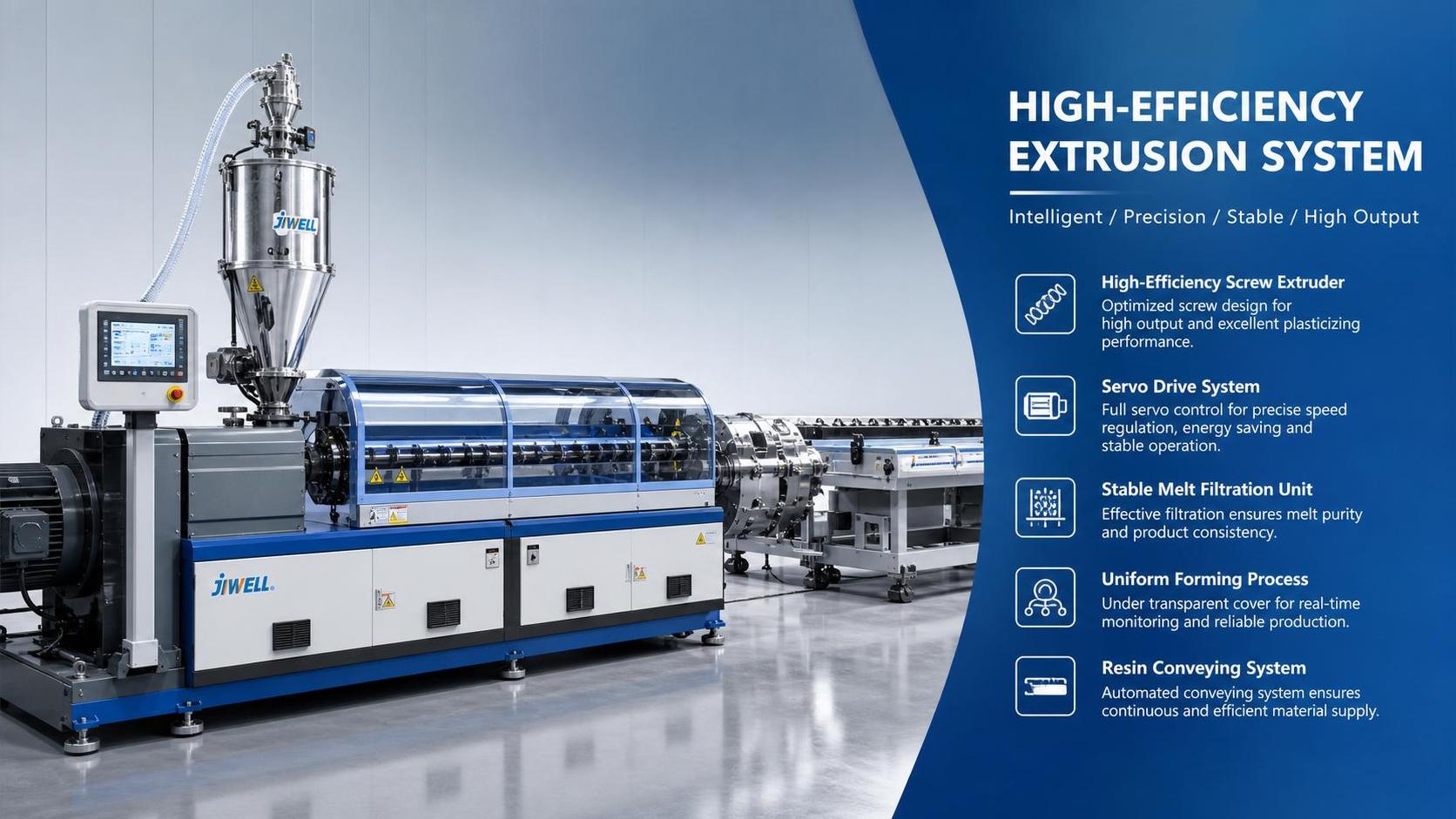
PFRS places strong emphasis on AI-assisted holding pressure optimization, CFD-based extrusion analysis, and smarter melt filtration monitoring for this reason.
5. Compliance and market acceptance gaps
A technically feasible upgrade may still stall if documentation, traceability, odor control, food-contact readiness, or recycled content claims are not credible.
In the polymer material lifecycle, market trust can be as decisive as machine performance.
Business value of accelerating the polymer material lifecycle
A faster and more controlled polymer material lifecycle creates value beyond sustainability reporting. It directly improves resilience, margin protection, and product consistency.
- Lower conversion cost through optimized energy and material use
- Reduced dependence on unstable virgin resin supply
- Improved product quality through tighter process windows
- Stronger compliance readiness for packaging and export markets
- Better ESG performance through measurable circularity gains
This is especially relevant where packaging, transportation, medical applications, infrastructure, and industrial sealing products depend on reliable polymer performance.
When the lifecycle is upgraded well, waste becomes feedstock, process data becomes insight, and compliance becomes a market enabler.
Typical lifecycle bottlenecks by equipment category
Different equipment categories shape different weak points in the polymer material lifecycle. Understanding them helps prioritize improvement investments.
Practical steps to improve lifecycle upgrade performance
The polymer material lifecycle improves fastest when technical upgrades are tied to measurable operating decisions. A structured roadmap is more effective than isolated retrofits.
Build around process stability first
Start with the most variable process points, such as melt temperature, pressure curves, moisture content, cooling time, and filtration efficiency.
Use data to connect material and machine behavior
Track how resin batches, recycled ratios, screw design, and machine settings influence defects, energy use, and cycle time.
Upgrade for circular compatibility
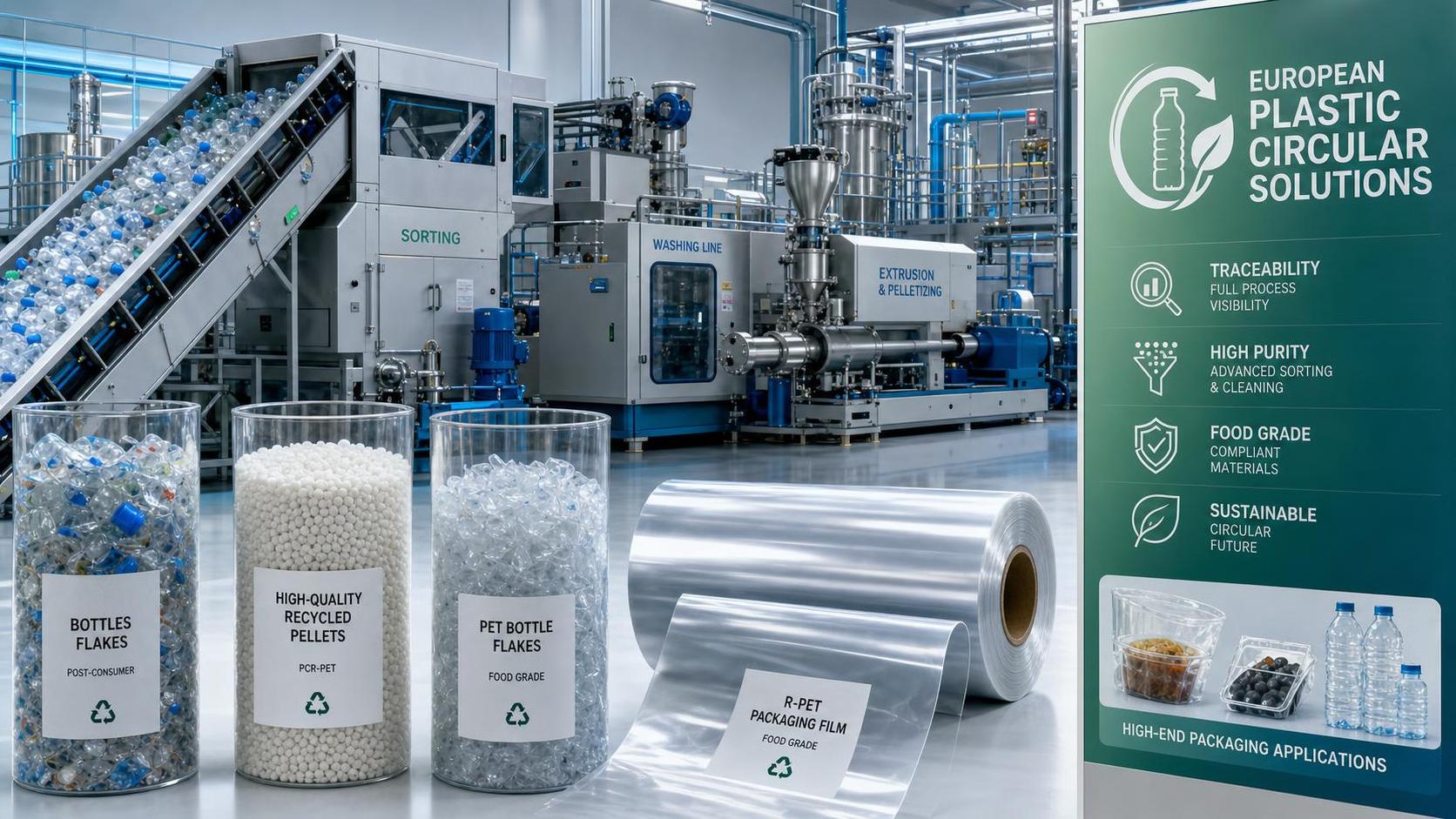
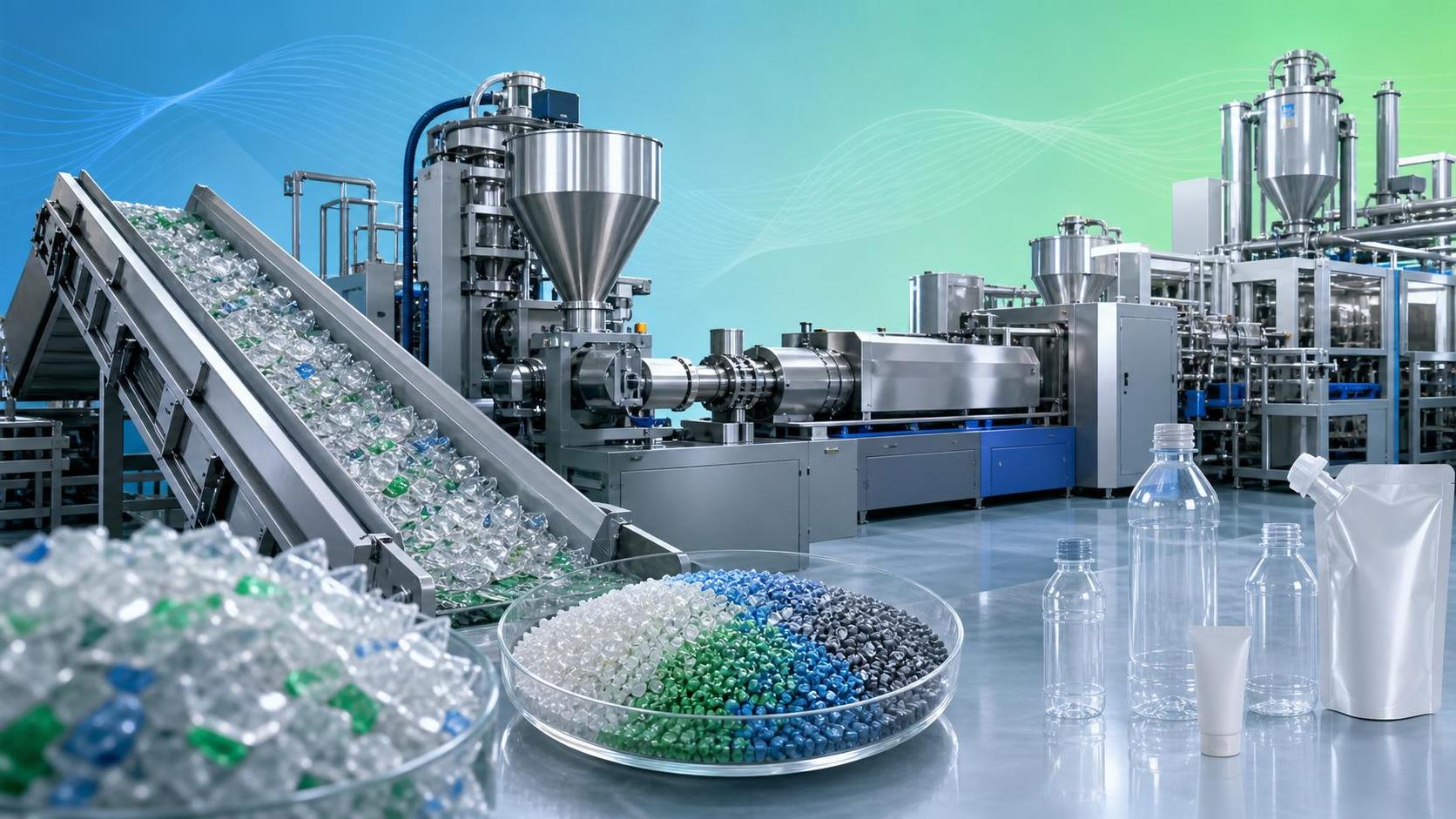
Choose systems that can handle variable feedstock quality, especially in washing, degassing, filtration, and pelletizing stages.
Integrate compliance early
Do not wait until commercial launch to address material declarations, recycled content proof, or packaging safety requirements.
Prioritize lifecycle KPIs
- Qualified output per kilowatt-hour
- Scrap rate by product and resin type
- Recycled content stability across runs
- Melt cleanliness and filtration replacement frequency
- Traceability completeness for regulated applications
A workable next step for lifecycle-focused operations
If a polymer material lifecycle upgrade has stalled, begin with a full process map rather than a single equipment purchase.
Review where precision losses, energy waste, contamination, or compliance gaps first appear. Then link those findings to the relevant forming or recycling stage.
PFRS supports this approach by connecting sector news, process intelligence, and commercial insight across molding, extrusion, vulcanization, and recycling systems.
The real opportunity is not simply to process more polymer. It is to make the polymer material lifecycle cleaner, smarter, and more profitable from the first melt to the next loop.
Related News
- 00
0000-00
Polymer Processing for Extrusion: How Melt Rheology Affects Line Stability - 00
0000-00
Energy-Efficient Polymer Processing: Where Plants Can Cut kWh per Kilogram - 00
0000-00
German Extrusion Equipment Suppliers: Comparing Service, Lead Times, and Lifecycle Cost - 00
0000-00
Is an Underwater Pelletizer Worth the Added Cost for Recycled Plastics? - 00
0000-00
How Often Should Melt Filter Screens Be Changed?
Weekly Insights
Stay ahead with our curated technology reports delivered every Monday.
Related News
 Prof. Marcus ChenEnergy-Efficient Polymer Processing: Where Plants Can Cut kWh per KilogramEnergy-efficient polymer processing solutions help plants reduce kWh per kilogram, protect quality, cut scrap, and prioritize upgrades with data-driven insights.Sep 23, 2026
 Prof. Marcus ChenPlastic Pelletizing Trends: How Recycling Demand Is Reshaping Processing TechnologyPlastic pelletizing trends are redefining recycling quality. Explore filtration, extrusion, degassing, and automation innovations driving cleaner, more consistent recycled resin.Sep 07, 2026
 Prof. Marcus ChenHow Polymer Supply Chains Are Changing to Support High-Quality Recycling FeedstockPolymer supply chain for recycling is shifting toward traceable sourcing, cleaner sorting, and stable processing. See how high-quality feedstock improves performance, compliance, and cost control.Aug 22, 2026
 Prof. Marcus ChenHow Europe’s Circular Plastics Economy Is Reshaping Recycling InvestmentCircular plastics economy Europe is reshaping recycling investment through quality, traceability, and packaging demand. Explore where capital is moving and why it matters now.Aug 04, 2026
 Prof. Marcus ChenBlow Molding Trends Shaping Packaging, Sustainability, and Production EfficiencyBlow molding trends are redefining packaging with lightweighting, recycled content, automation, and energy efficiency. Discover how smarter production boosts sustainability and cuts costs.Jul 23, 2026
 Prof. Marcus ChenExtrusion Equipment Modular Design: When It Makes Sense for Line ExpansionExtrusion equipment modular design helps manufacturers expand lines in phases, cut disruption, and stay ready for recycled content, utility limits, and changing product demands.Jul 15, 2026
 Prof. Marcus ChenPolymer Lifecycle Solutions Explained: From Material Sourcing to End-of-Life RecoveryPolymer lifecycle solutions explained from sourcing and processing to recycling and recovery. Discover how to cut waste, improve quality, and build smarter material strategies.Jul 13, 2026
 Prof. Marcus ChenEnergy-Efficient Polymer Processing Systems: Which Metrics Matter Most?Energy-efficient polymer processing systems: discover the metrics that truly drive ROI—specific energy use, yield, uptime, stability, and compliance for smarter equipment decisions.Jul 11, 2026
 Prof. Marcus ChenPolymer Recycling Systems for Continuous Operation: What to Check Before SpecifyingPolymer recycling systems continuous operation starts with the right specification. Learn what to check for uptime, melt quality, energy efficiency, and reliable pellet output.Jul 09, 2026
 Prof. Marcus ChenCircular Plastics Economy in Japan: Policy Drivers, Recycling Targets, and Market ImpactCircular plastics economy Japan is accelerating as policy, recycling targets, and packaging reforms reshape material choices, processing strategy, and market advantage.Jul 05, 2026
 Prof. Marcus ChenPlastic Extrusion Technology Trends: What Process Changes Are Improving Energy Efficiency?Plastic extrusion technology trends are reshaping energy efficiency through smarter screws, thermal control, servo drives, and digital optimization. See which process changes deliver lower costs and more stable output.Jul 01, 2026
 Prof. Marcus ChenInjection Molding Technology Trends: Which Process Changes Matter Most for Medical and Packaging Parts?Injection molding technology trends shaping medical and packaging parts: discover the process changes that improve validation, precision, efficiency, and recycled-material readiness.Jun 30, 2026
 Prof. Marcus ChenCircular Plastics Economy Compliance Explained: Key Requirements for ManufacturersCircular plastics economy compliance explained for manufacturers: learn key requirements, audit risks, process controls, and how to turn compliance into a competitive advantage.Jun 25, 2026
 Prof. Marcus ChenAdvanced Materials Processing Trends: 5 Shifts Reshaping Capacity Planning and SourcingAdvanced materials processing trends are reshaping capacity planning, sourcing, recycling, and compliance. Explore 5 shifts helping manufacturers cut risk, improve precision, and build resilient growth.Jun 24, 2026
 Prof. Marcus ChenGlobal Plastic Ban Trends: Which Packaging Materials and Export Markets Face the Biggest Changes?Global plastic ban trends are reshaping packaging choices and export strategy. See which materials and markets face the biggest shifts, and how to reduce compliance risk.Jun 22, 2026
 Prof. Marcus ChenPolymer Rheology Trends That Matter in Extrusion: Melt Strength, Shear, and StabilityPolymer rheology trends are reshaping extrusion performance. Learn how melt strength, shear, and stability affect quality, efficiency, and recycled resin processing.Jun 18, 2026
 Prof. Marcus ChenPlastic Circularity Strategies for Manufacturers: Recycled Content, Design, and TraceabilityPlastic circularity strategies for manufacturers: learn how recycled content, smarter design, and traceability can reduce risk, improve compliance, and strengthen supply resilience.Jun 18, 2026
 Prof. Marcus ChenAdvanced Materials Processing Equipment in High-Performance Manufacturing: Where It Fits BestAdvanced materials processing equipment drives precision, speed, and sustainability in manufacturing. Explore where each system fits best to improve quality, efficiency, and ROI.Jun 16, 2026
 Prof. Marcus ChenWhat Is Driving the Circular Economy Plastics Market? Policy, Pricing, and Demand ShiftsCircular economy plastics market trends are being driven by tighter policy, resin price volatility, and stricter buyer demands. Discover what this means for sourcing, processing, and growth.Jun 13, 2026
 Prof. Marcus ChenDigital Polymer Processing Explained: Methods, Materials, and Best-Fit ApplicationsDigital polymer processing explained clearly: explore key methods, materials, and best-fit applications to improve quality, efficiency, and recycling performance.Jun 10, 2026