Why polymer smart manufacturing is gaining real traction




Why is polymer smart manufacturing gaining real traction now? The short answer is simple: it solves several business pressures at once.
It improves precision, reduces waste, strengthens compliance, and supports circular production across injection molding, extrusion, vulcanization, blow molding, and recycling.
That makes polymer smart manufacturing more than a digital upgrade. It is becoming a practical operating model for modern polymer systems.
What does polymer smart manufacturing really mean?
Polymer smart manufacturing combines connected equipment, process data, automation, simulation, and analytics across the full material lifecycle.
In practice, it links machine behavior with polymer rheology, energy use, material flow, quality control, and environmental targets.
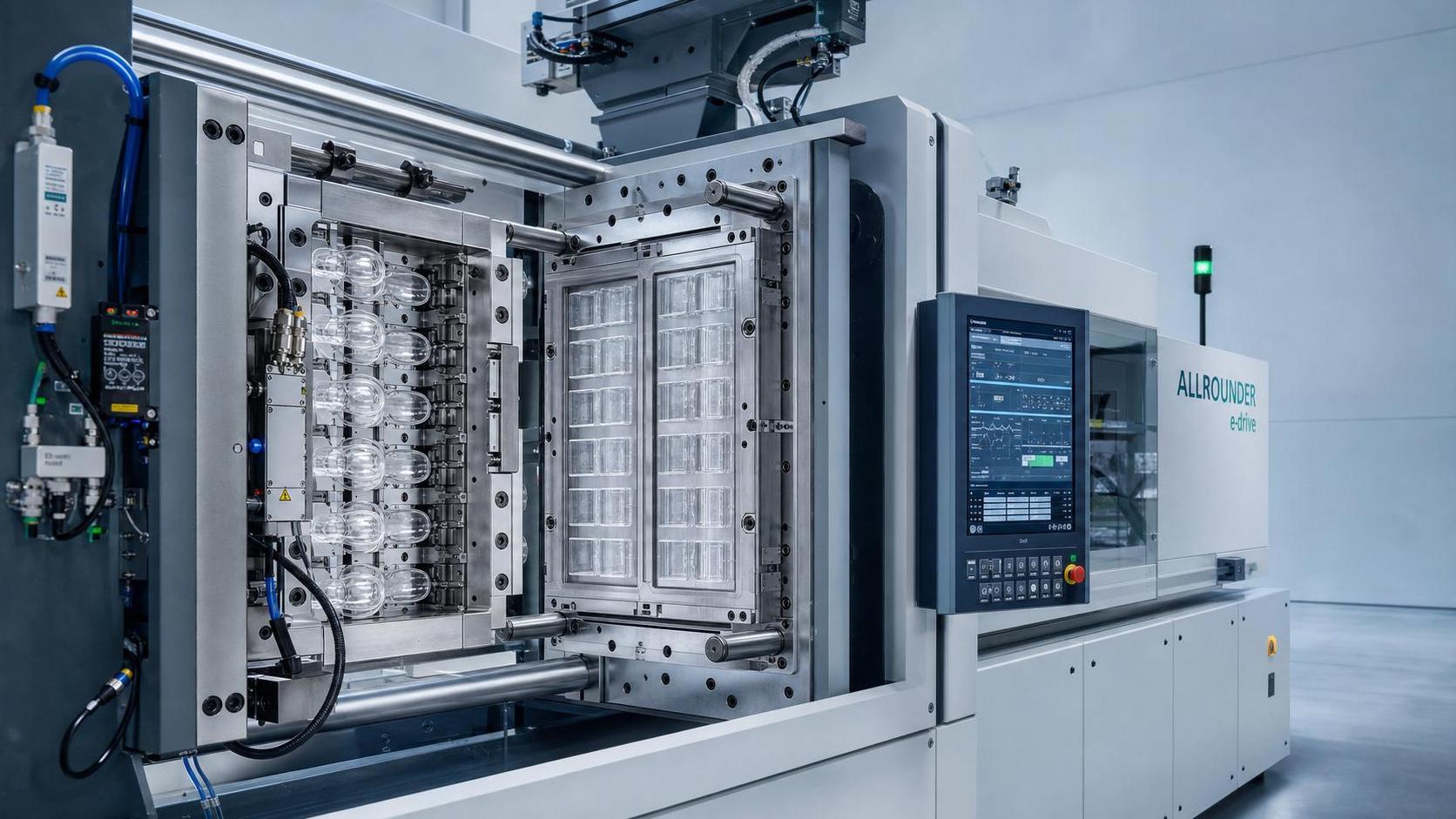
For injection molding, this can mean AI-assisted holding pressure tuning and cavity consistency monitoring.
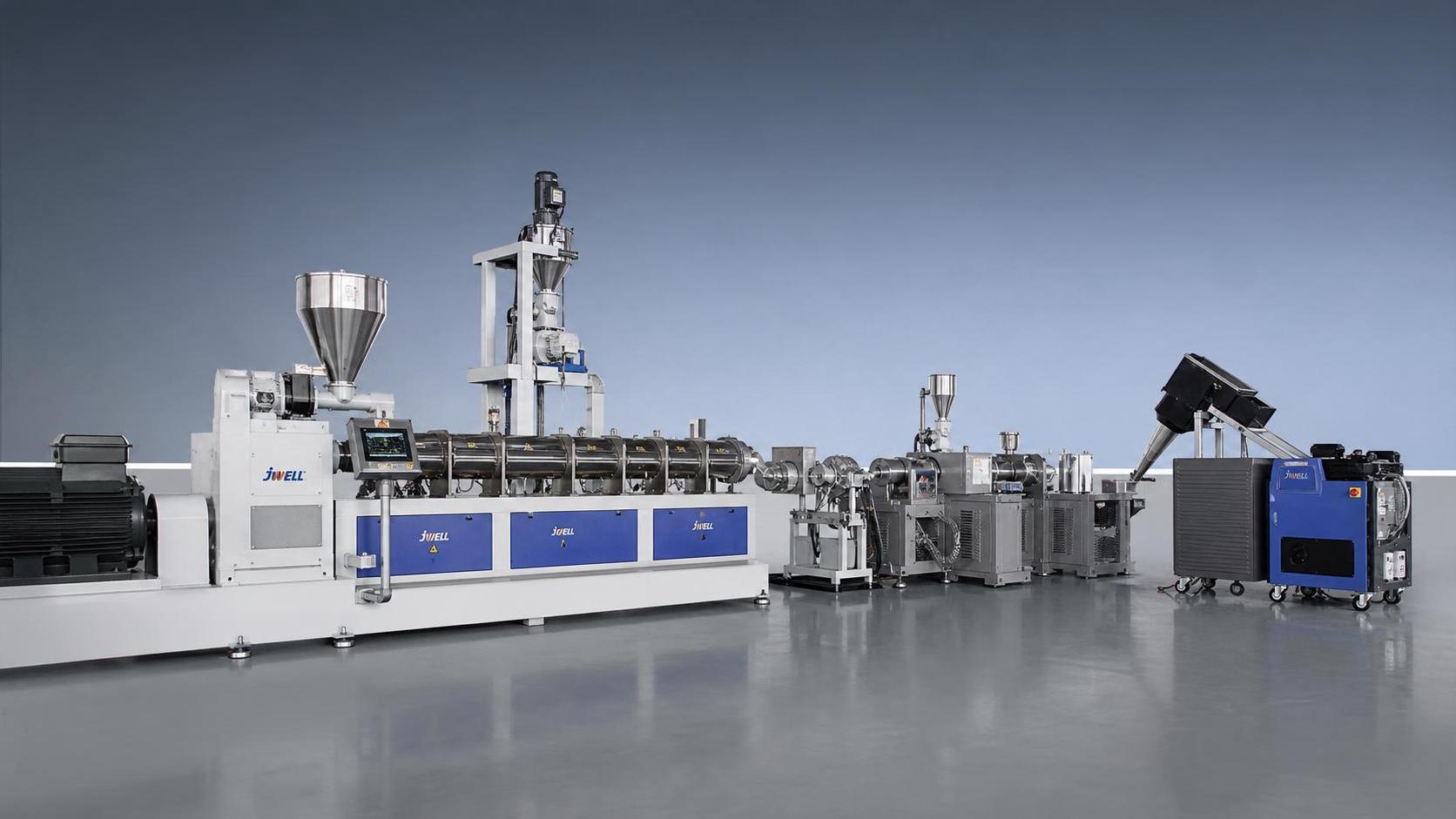
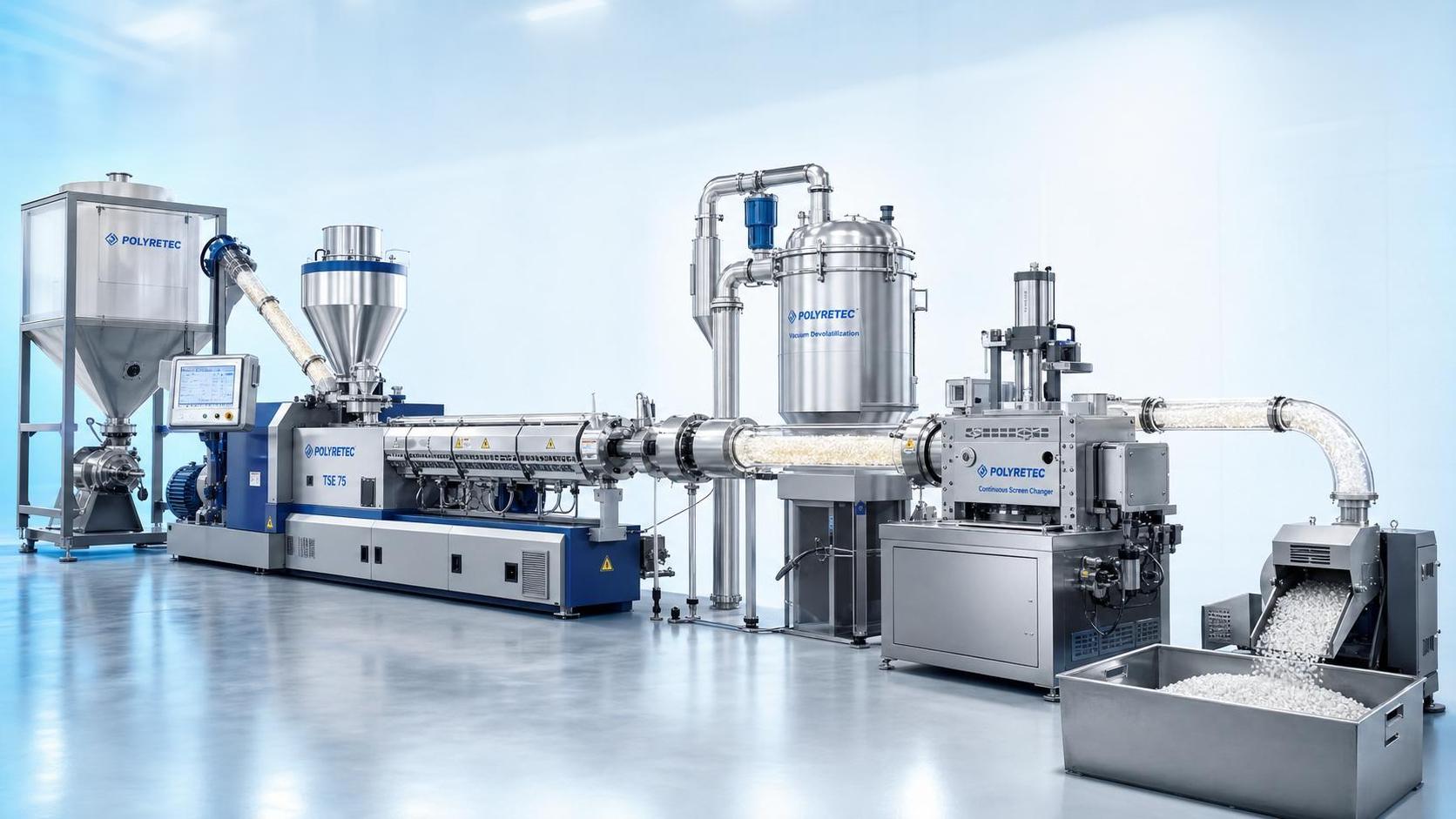
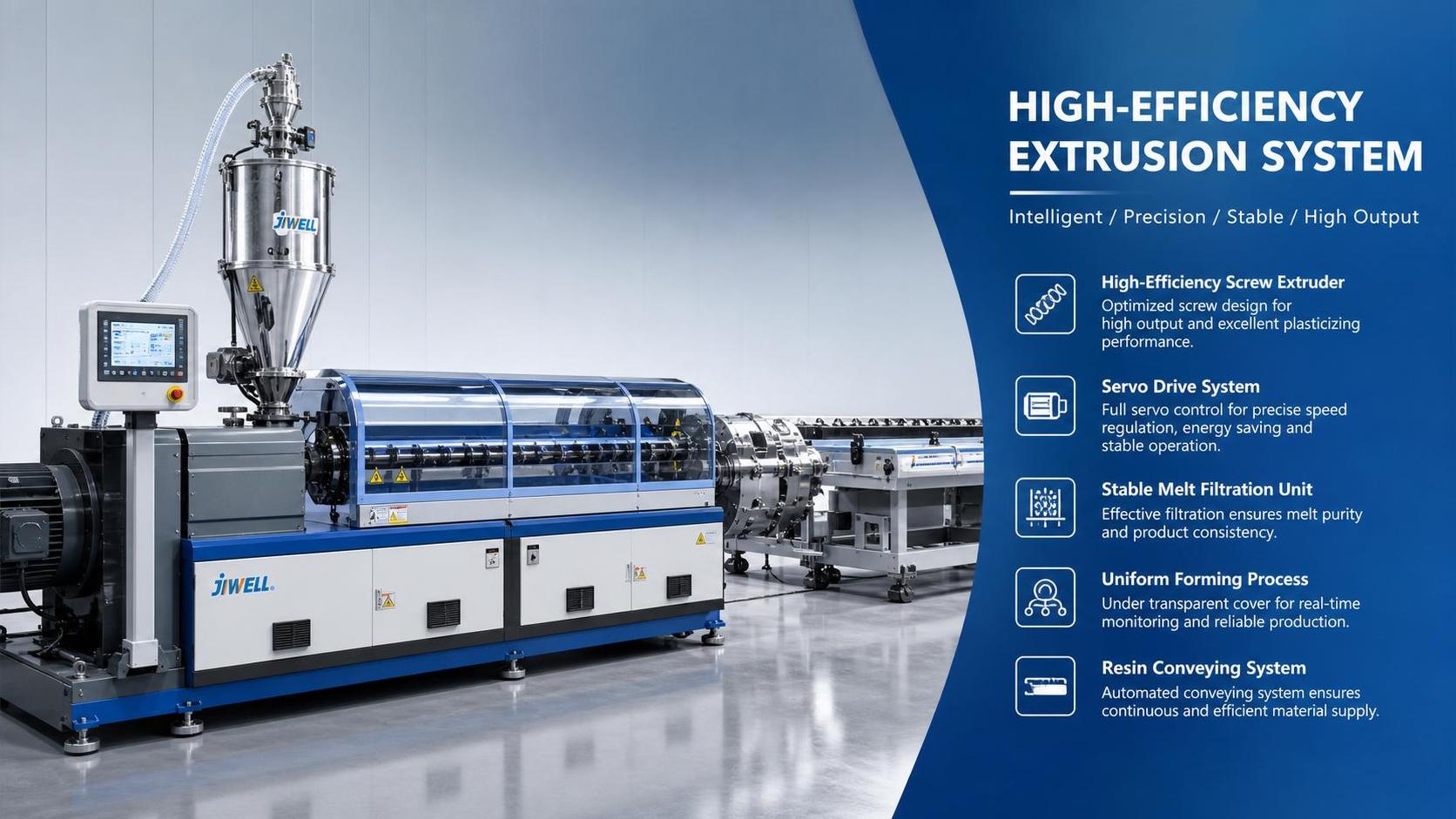
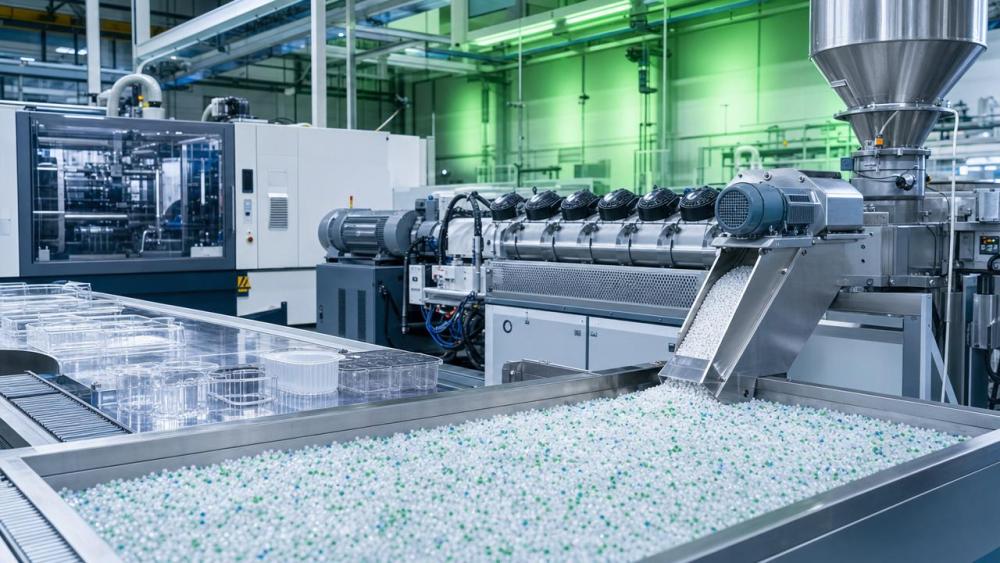
For extrusion, it often means screw-speed optimization, melt-pressure stability, and compounding traceability.
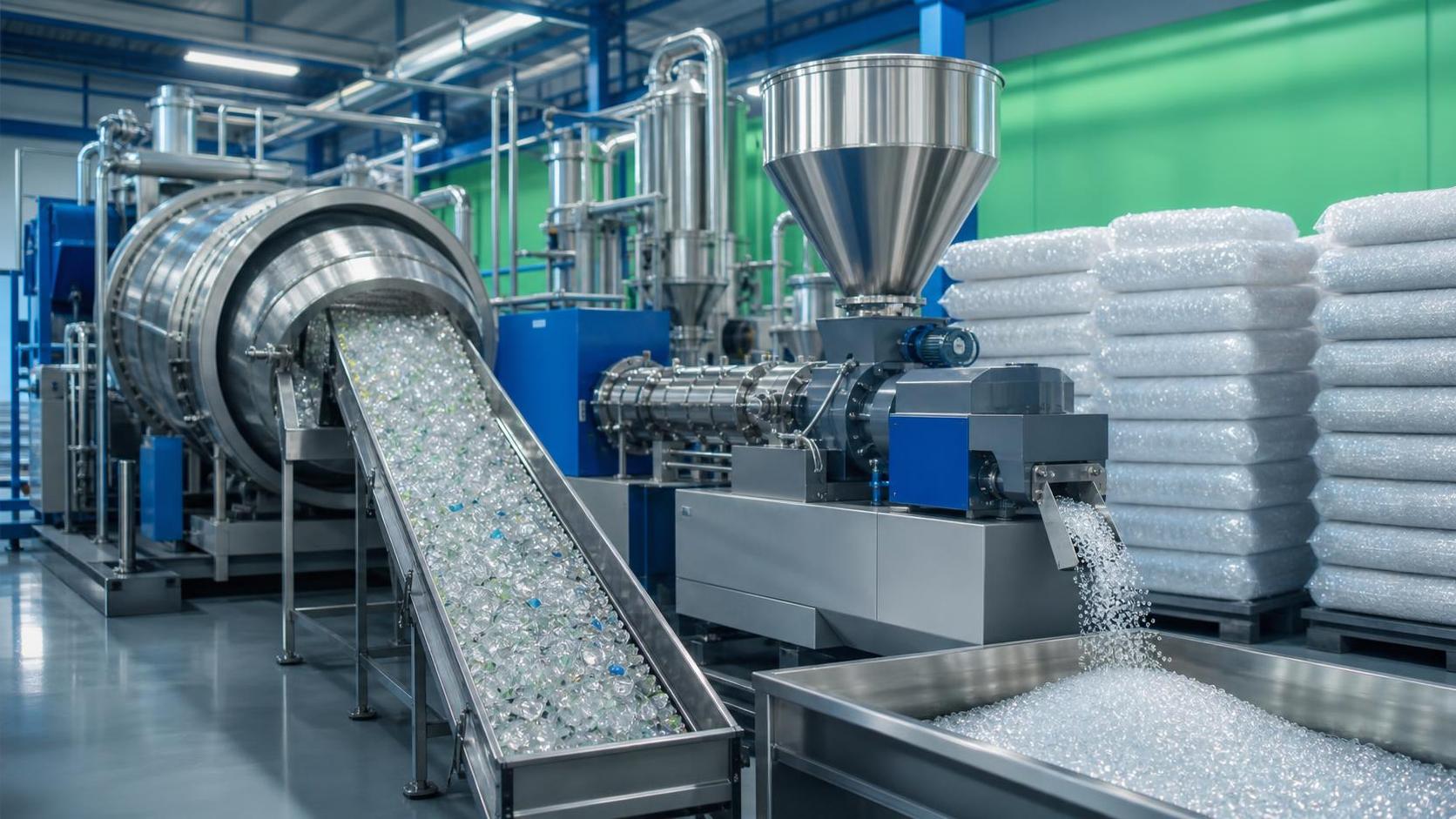
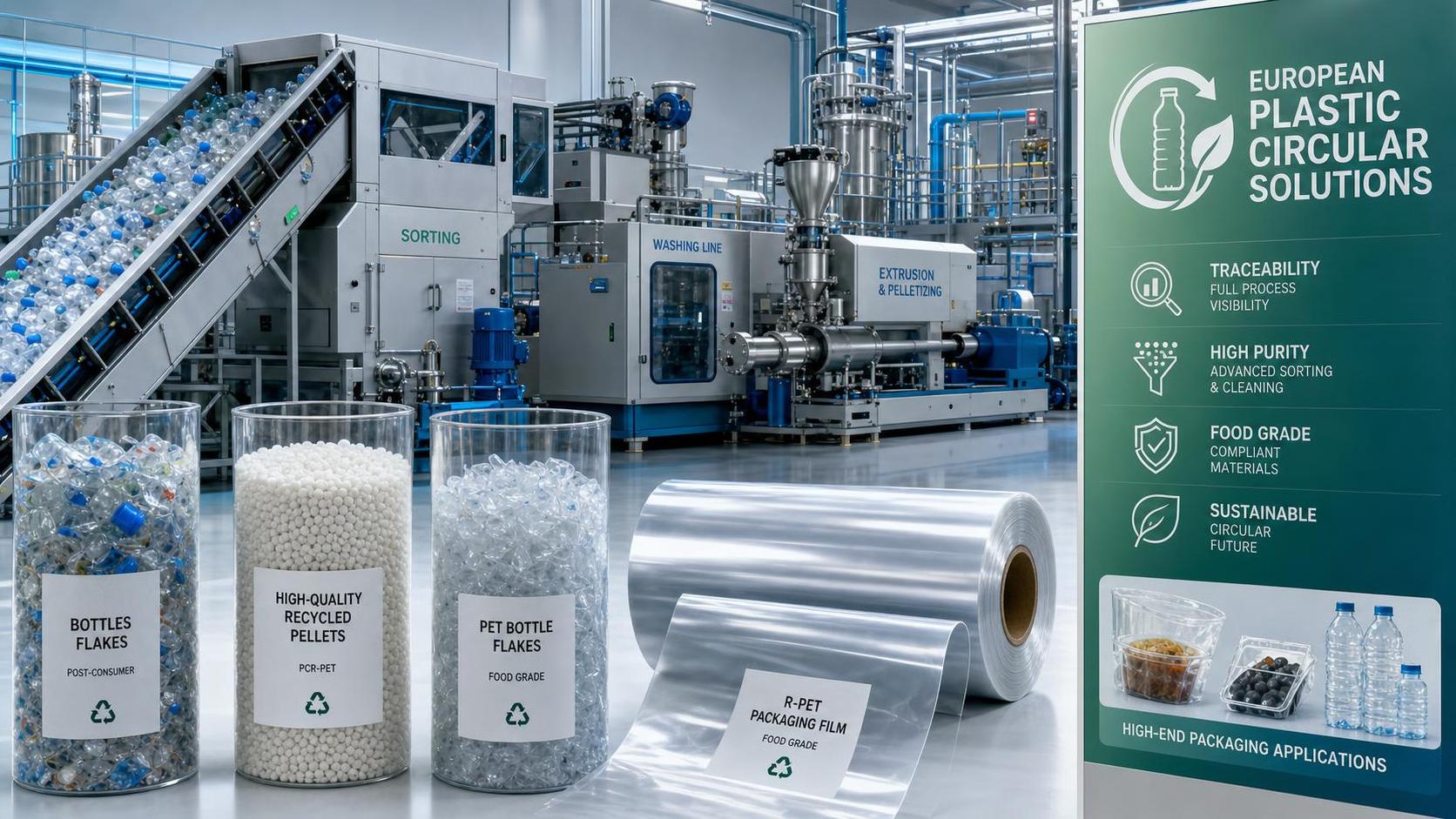
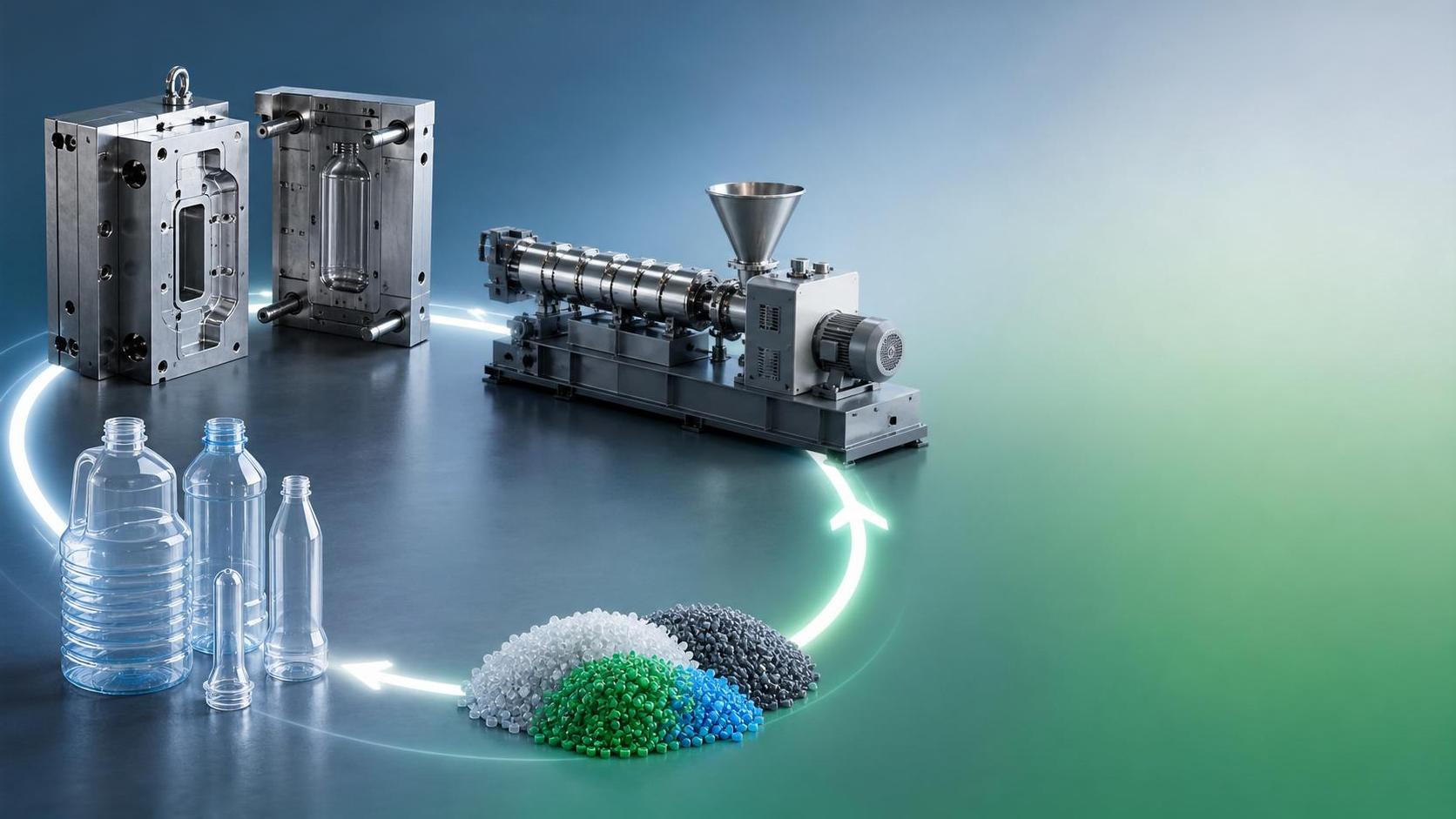
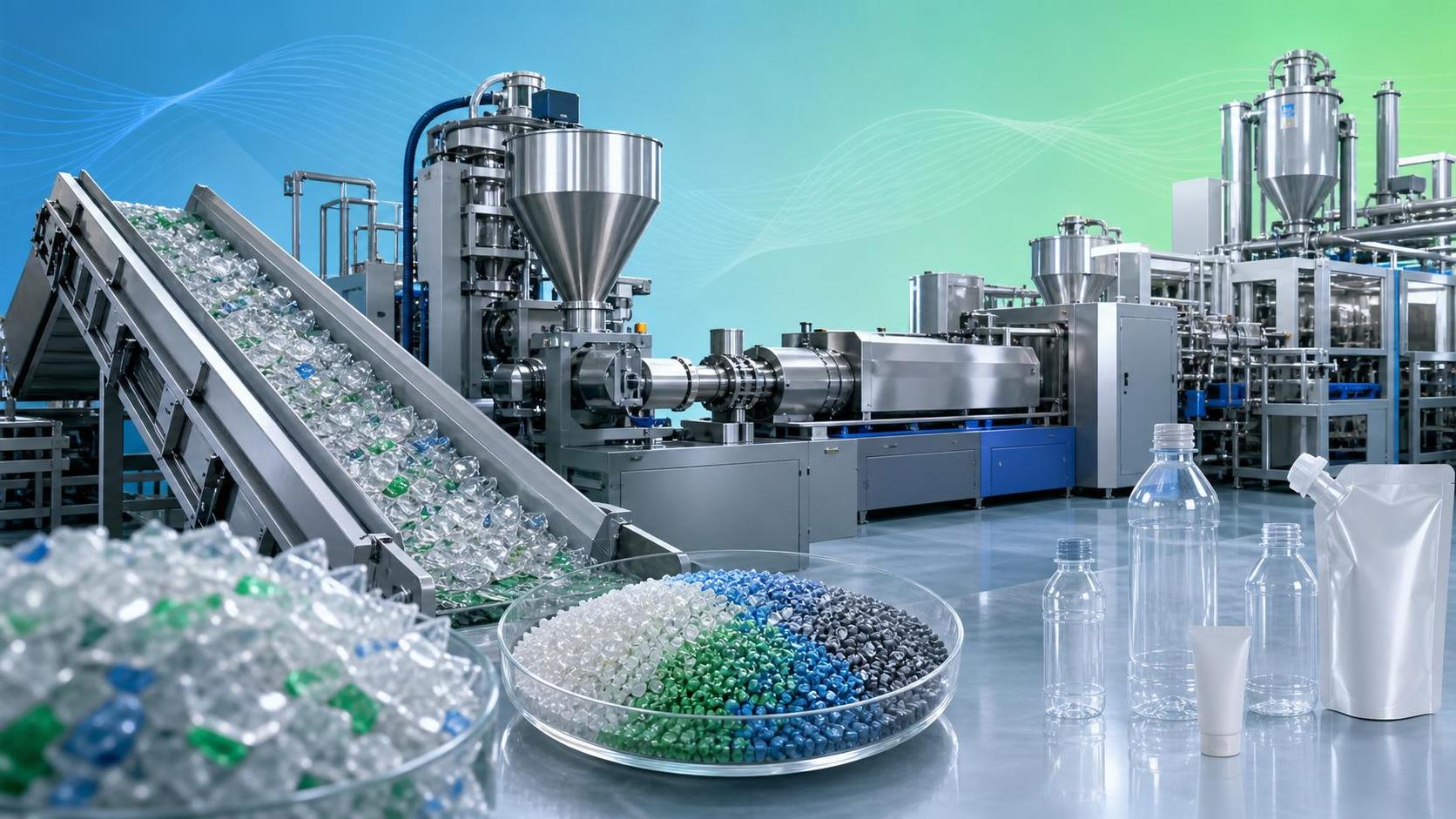
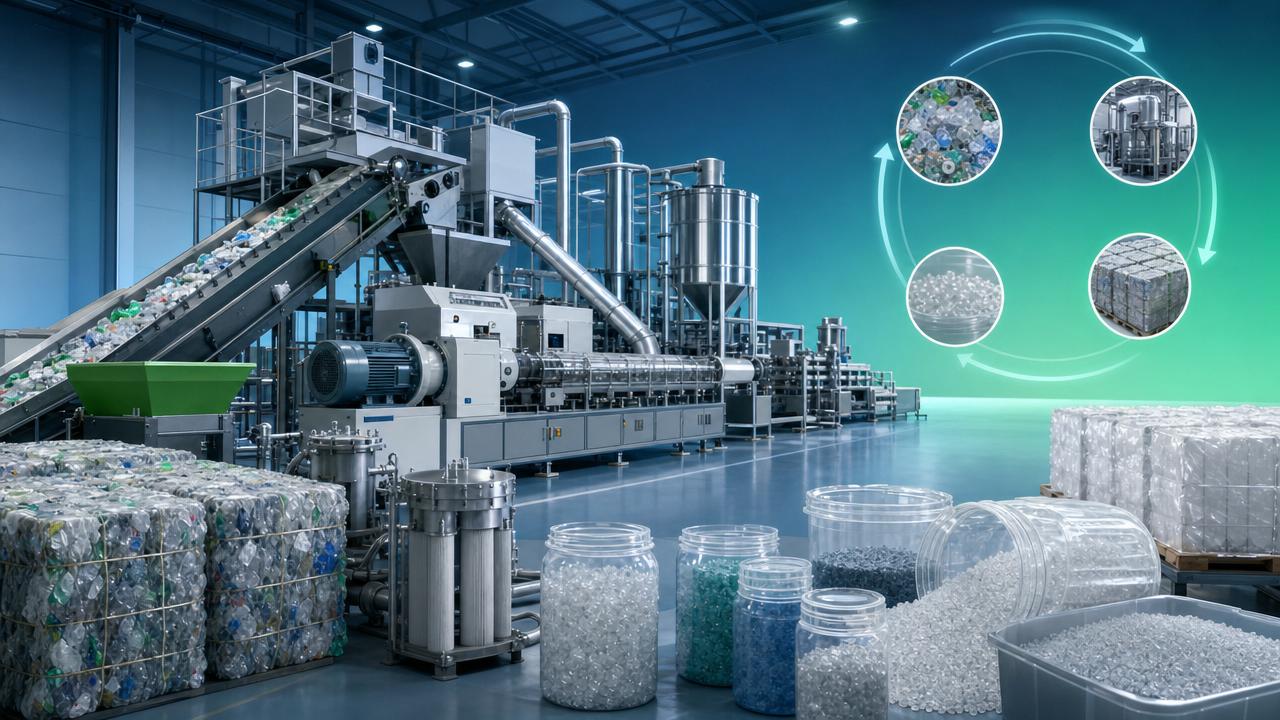
For recycling, polymer smart manufacturing connects washing, melt filtration, pellet quality, and recycled output verification.
This matters because polymer processing is highly sensitive to temperature, viscosity, residence time, contamination, and tooling conditions.
Traditional monitoring catches problems late. Smart systems detect drift early and support repeatable process windows.
Why is polymer smart manufacturing moving beyond pilot projects?
Earlier pilots often focused on dashboards. Today, polymer smart manufacturing is tied directly to scrap, throughput, uptime, and compliance.
That shift makes investment easier to justify. The value is operational, not theoretical.
Four forces are accelerating adoption
- Rising energy costs reward better thermal control and servo efficiency.
- Packaging and ESG regulations demand traceability and recycled-content confidence.
- Tighter tolerances increase the cost of unstable polymer processing.
- Resin volatility pushes facilities to optimize yield from every kilogram.
This is especially visible in sectors using medical parts, automotive components, FMCG packaging, agricultural films, and recovered plastics.
Polymer smart manufacturing also scales better now because sensors, edge devices, and industrial software are more mature.
Instead of replacing entire lines, many facilities add intelligence to existing machines in stages.
Which polymer processes benefit most from smart manufacturing?
Almost every polymer process can benefit, but the value appears differently in each operation.
Injection molding
Smart control improves shot-to-shot consistency, reduces warpage risk, and shortens stabilization time after material or mold changes.
Extrusion
Polymer smart manufacturing helps stabilize melt quality, additive dispersion, output rate, and dimensional accuracy.
Blow molding
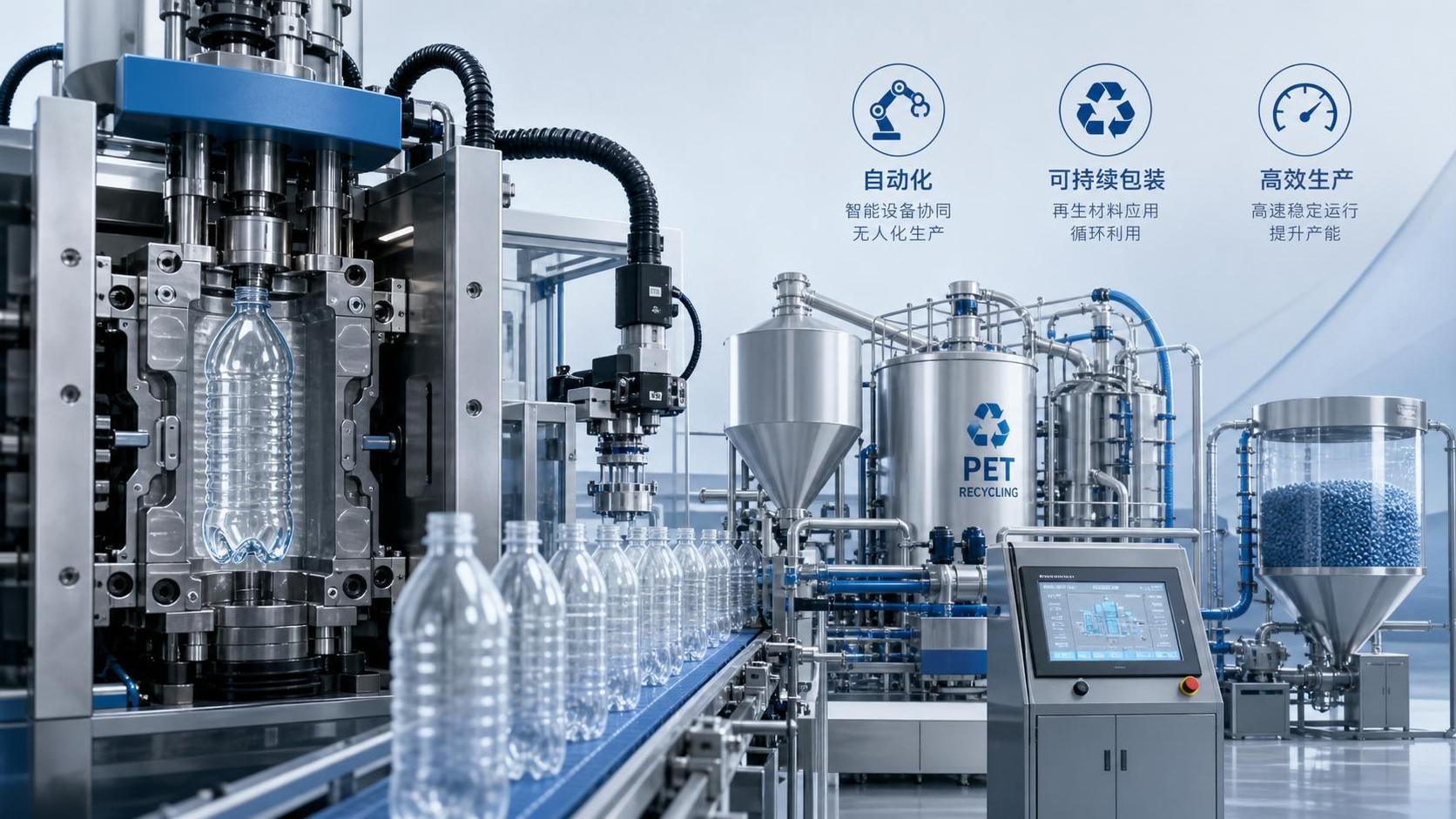
Connected systems improve wall-thickness control, bottle consistency, and line productivity in high-volume packaging environments.
Rubber vulcanization
Digital monitoring supports better curing control, mold-temperature balance, and reduced quality variation in elastomer parts.
Waste plastic pelletizing
Smart recycling lines improve contamination detection, melt filtration timing, pellet consistency, and resource recovery economics.
In each case, polymer smart manufacturing turns process knowledge into measurable, repeatable decisions.
How does polymer smart manufacturing support compliance and circularity?
Compliance is no longer separate from production. It is increasingly embedded inside process control and data architecture.
Global packaging rules, recycled-content claims, and material disclosure requirements all depend on trustworthy records.
Polymer smart manufacturing creates that foundation by connecting input materials, machine settings, quality results, and output batches.
That traceability supports audits, customer requests, and faster root-cause analysis when deviations occur.
Circularity is another major driver. Recycled polymers often show wider variability than virgin resin.
Smart manufacturing helps compensate for that variability through adaptive control, filtration management, and real-time quality feedback.
This is one reason in-house recycling lines are expanding. Plants want tighter control over both cost and material loops.
What should be evaluated before investing?
The best polymer smart manufacturing strategy starts with bottlenecks, not technology fashion.
A line with stable quality but high energy use needs a different roadmap than a line with scrap and traceability problems.
Key evaluation questions
- Where does value leak today: scrap, downtime, overprocessing, or compliance risk?
- Which variables matter most: melt temperature, pressure, humidity, cure time, or contamination?
- Can current machines export usable data without major retrofits?
- Is the team ready to act on alerts and process insights?
- How will gains be measured within ninety to one hundred eighty days?
A phased plan usually works best. Start with one process family, one line, and a small set of measurable outcomes.
Then expand after proving better yield, lower energy intensity, or stronger compliance readiness.
What risks and misconceptions slow down polymer smart manufacturing?
One common mistake is assuming software alone can fix poor process discipline.
If tooling maintenance, material handling, or calibration are weak, digital layers will expose problems, not hide them.
Another misconception is that polymer smart manufacturing only fits greenfield factories.
In reality, many gains come from retrofitting mature assets with targeted sensing, connectivity, and control logic.
Data overload is another risk. Too many metrics can distract from a few variables that truly govern product performance.
Cybersecurity and data governance also require attention, especially when remote monitoring crosses sites or suppliers.
The strongest programs define ownership early, including alarm response, data quality, and process change approval.
How can organizations judge readiness quickly?
A short readiness check can reveal whether polymer smart manufacturing will deliver fast benefits or need groundwork first.
This table shows a practical truth. Polymer smart manufacturing is not one project shape. It depends on the starting condition.
What does the next step look like in practice?
Begin with a narrow business case tied to one measurable pain point.
Examples include reducing injection scrap, stabilizing extrusion output, improving vulcanization consistency, or validating recycled pellet quality.
Then define baseline metrics, connect the critical variables, and review performance weekly.
A strong intelligence framework should connect machine data with polymer behavior, material economics, and compliance evidence.
That is why polymer smart manufacturing is gaining real traction. It brings precision, resilience, and circular value into the same operating system.
For organizations tracking the future of polymer processing, now is the time to assess one line, one workflow, and one high-impact opportunity.
Related News
- 00
0000-00
How to Evaluate Plastic Recycling Machinery for UAE Heat, Feedstock, and Output Needs - 00
0000-00
How to Evaluate a PET Bottle Recycling System Supplier for Reliable rPET Output - 00
0000-00
How to Select Rubber Processing Equipment for High-Precision Automotive Seals - 00
0000-00
How to Qualify a Servo Injection Molding Exporter for Global Sourcing - 00
0000-00
Polymer Processing for Extrusion: How Melt Rheology Affects Line Stability
Weekly Insights
Stay ahead with our curated technology reports delivered every Monday.
Related News
 Prof. Marcus ChenEnergy-Efficient Polymer Processing: Where Plants Can Cut kWh per KilogramEnergy-efficient polymer processing solutions help plants reduce kWh per kilogram, protect quality, cut scrap, and prioritize upgrades with data-driven insights.Sep 23, 2026
 Prof. Marcus ChenPlastic Pelletizing Trends: How Recycling Demand Is Reshaping Processing TechnologyPlastic pelletizing trends are redefining recycling quality. Explore filtration, extrusion, degassing, and automation innovations driving cleaner, more consistent recycled resin.Sep 07, 2026
 Prof. Marcus ChenHow Polymer Supply Chains Are Changing to Support High-Quality Recycling FeedstockPolymer supply chain for recycling is shifting toward traceable sourcing, cleaner sorting, and stable processing. See how high-quality feedstock improves performance, compliance, and cost control.Aug 22, 2026
 Prof. Marcus ChenHow Europe’s Circular Plastics Economy Is Reshaping Recycling InvestmentCircular plastics economy Europe is reshaping recycling investment through quality, traceability, and packaging demand. Explore where capital is moving and why it matters now.Aug 04, 2026
 Prof. Marcus ChenBlow Molding Trends Shaping Packaging, Sustainability, and Production EfficiencyBlow molding trends are redefining packaging with lightweighting, recycled content, automation, and energy efficiency. Discover how smarter production boosts sustainability and cuts costs.Jul 23, 2026
 Prof. Marcus ChenExtrusion Equipment Modular Design: When It Makes Sense for Line ExpansionExtrusion equipment modular design helps manufacturers expand lines in phases, cut disruption, and stay ready for recycled content, utility limits, and changing product demands.Jul 15, 2026
 Prof. Marcus ChenPolymer Lifecycle Solutions Explained: From Material Sourcing to End-of-Life RecoveryPolymer lifecycle solutions explained from sourcing and processing to recycling and recovery. Discover how to cut waste, improve quality, and build smarter material strategies.Jul 13, 2026
 Prof. Marcus ChenEnergy-Efficient Polymer Processing Systems: Which Metrics Matter Most?Energy-efficient polymer processing systems: discover the metrics that truly drive ROI—specific energy use, yield, uptime, stability, and compliance for smarter equipment decisions.Jul 11, 2026
 Prof. Marcus ChenPolymer Recycling Systems for Continuous Operation: What to Check Before SpecifyingPolymer recycling systems continuous operation starts with the right specification. Learn what to check for uptime, melt quality, energy efficiency, and reliable pellet output.Jul 09, 2026
 Prof. Marcus ChenCircular Plastics Economy in Japan: Policy Drivers, Recycling Targets, and Market ImpactCircular plastics economy Japan is accelerating as policy, recycling targets, and packaging reforms reshape material choices, processing strategy, and market advantage.Jul 05, 2026
 Prof. Marcus ChenPlastic Extrusion Technology Trends: What Process Changes Are Improving Energy Efficiency?Plastic extrusion technology trends are reshaping energy efficiency through smarter screws, thermal control, servo drives, and digital optimization. See which process changes deliver lower costs and more stable output.Jul 01, 2026
 Prof. Marcus ChenInjection Molding Technology Trends: Which Process Changes Matter Most for Medical and Packaging Parts?Injection molding technology trends shaping medical and packaging parts: discover the process changes that improve validation, precision, efficiency, and recycled-material readiness.Jun 30, 2026
 Prof. Marcus ChenCircular Plastics Economy Compliance Explained: Key Requirements for ManufacturersCircular plastics economy compliance explained for manufacturers: learn key requirements, audit risks, process controls, and how to turn compliance into a competitive advantage.Jun 25, 2026
 Prof. Marcus ChenAdvanced Materials Processing Trends: 5 Shifts Reshaping Capacity Planning and SourcingAdvanced materials processing trends are reshaping capacity planning, sourcing, recycling, and compliance. Explore 5 shifts helping manufacturers cut risk, improve precision, and build resilient growth.Jun 24, 2026
 Prof. Marcus ChenGlobal Plastic Ban Trends: Which Packaging Materials and Export Markets Face the Biggest Changes?Global plastic ban trends are reshaping packaging choices and export strategy. See which materials and markets face the biggest shifts, and how to reduce compliance risk.Jun 22, 2026
 Prof. Marcus ChenPolymer Rheology Trends That Matter in Extrusion: Melt Strength, Shear, and StabilityPolymer rheology trends are reshaping extrusion performance. Learn how melt strength, shear, and stability affect quality, efficiency, and recycled resin processing.Jun 18, 2026
 Prof. Marcus ChenPlastic Circularity Strategies for Manufacturers: Recycled Content, Design, and TraceabilityPlastic circularity strategies for manufacturers: learn how recycled content, smarter design, and traceability can reduce risk, improve compliance, and strengthen supply resilience.Jun 18, 2026
 Prof. Marcus ChenAdvanced Materials Processing Equipment in High-Performance Manufacturing: Where It Fits BestAdvanced materials processing equipment drives precision, speed, and sustainability in manufacturing. Explore where each system fits best to improve quality, efficiency, and ROI.Jun 16, 2026
 Prof. Marcus ChenWhat Is Driving the Circular Economy Plastics Market? Policy, Pricing, and Demand ShiftsCircular economy plastics market trends are being driven by tighter policy, resin price volatility, and stricter buyer demands. Discover what this means for sourcing, processing, and growth.Jun 13, 2026
 Prof. Marcus ChenDigital Polymer Processing Explained: Methods, Materials, and Best-Fit ApplicationsDigital polymer processing explained clearly: explore key methods, materials, and best-fit applications to improve quality, efficiency, and recycling performance.Jun 10, 2026