What makes high-performance elastomers fail too early




High-performance elastomers are built for harsh duty, but early breakdown is becoming a more visible industry risk. In sealing, transport, energy, medical, and packaging systems, failure now carries higher cost.
When high-performance elastomers fail too early, the cause is rarely simple aging alone. More often, it reflects a chain of issues across compound design, molding stability, curing discipline, storage, and service conditions.
For sectors tracked by PFRS, this matters because polymer performance depends on process accuracy. Injection molding, extrusion, vulcanization, and recycling quality all shape how long high-performance elastomers actually last in the field.
Why early failure of high-performance elastomers is drawing more attention now
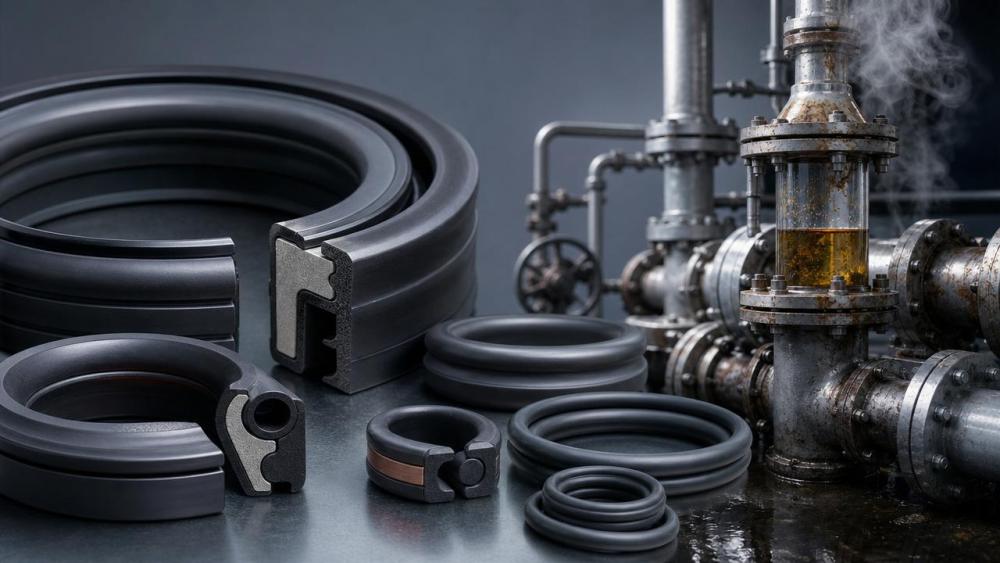
Operating environments are becoming tougher. Higher temperatures, more aggressive media, lighter product designs, and longer maintenance intervals are pushing high-performance elastomers closer to their limits.
At the same time, quality expectations are rising. A minor seal crack, compression set issue, or hardness drift can now trigger downtime, contamination concerns, warranty claims, or compliance problems.
Another trend is material substitution. Teams often replace legacy rubber with high-performance elastomers expecting instant gains, yet processing windows, cure systems, and geometry demands are not adjusted accordingly.
This gap between material promise and production reality explains many cases where high-performance elastomers fail too early, even when the selected polymer grade looks correct on paper.
The strongest signals behind premature high-performance elastomers failure
Several recurring signals appear across industrial applications. They rarely act alone. Most early failures involve interactions between formulation, manufacturing variation, and real-world loading.
Formulation mistakes remain a leading hidden driver
Not all high-performance elastomers are interchangeable. FKM, HNBR, EPDM, silicone, and fluorosilicone each respond differently to heat, fuels, steam, pressure, and flex fatigue.
A compound may meet hardness or tensile targets but still fail in service. Filler selection, crosslink density, plasticizer balance, and additive purity directly affect long-term durability.
Recycled or mixed feedstocks can also influence consistency when controls are weak. In demanding applications, small contamination levels may shorten the life of high-performance elastomers dramatically.
Processing variation often destroys theoretical material performance
Even excellent compounds can fail after unstable processing. In rubber molding and vulcanization, temperature gradients, poor venting, and uneven pressure create weak internal structures.
Flash trimming, gate design, and part geometry also matter. Sharp transitions raise localized stress and make high-performance elastomers look weaker than they really are.
In integrated polymer production lines, upstream inconsistency spreads downstream. Mixing quality, extrusion homogeneity, moisture control, and residence time all shape final elastomer behavior.
What is pushing failure risk higher across modern polymer applications
The rise in early failure is linked to several broader manufacturing pressures. These factors are changing the real performance window for high-performance elastomers.
- Higher system temperatures driven by compact equipment and energy-dense designs.
- More chemical exposure from aggressive cleaners, fuels, additives, and process fluids.
- Faster production cycles reducing cure tolerance and process stability.
- Cost pressure encouraging reformulation without enough validation time.
- Longer service intervals demanding better retention of elasticity and seal force.
- Sustainability targets increasing use of recycled streams and lower-emission processing.
These changes mean that high-performance elastomers must now be evaluated as part of a full process system, not as isolated catalog materials.
How early failure of high-performance elastomers affects key business links
The impact goes beyond one damaged part. When high-performance elastomers fail too early, the consequences spread through quality, maintenance, compliance, throughput, and reputation.
In molding and vulcanization operations, repeated failures often reveal process drift. Scrap rises, cycle confidence falls, and root cause analysis becomes slower when data capture is incomplete.
In downstream equipment, failed seals and flexible elements can contaminate product, reduce pressure stability, or interrupt continuous lines. This is especially serious in packaging, medical, and fluid handling.
- Maintenance costs increase through emergency replacement and inspection labor.
- Safety risk rises when cracks or leaks appear under pressure or high temperature.
- Equipment efficiency declines due to unplanned stops and unstable operating windows.
- Sustainability metrics worsen because of extra waste, scrap, and replacement frequency.
The failure points that deserve the closest monitoring
A preventive approach starts by watching the variables most likely to shorten service life. The following areas deserve continuous attention when using high-performance elastomers.
Material-to-media compatibility
Check exposure to oils, steam, fuels, solvents, oxidizers, and cleaning agents. Compatibility charts are useful, but real mixed-media testing is more reliable.
Cure control and post-cure discipline
Undercure leaves weak networks. Overcure can embrittle the part. For many high-performance elastomers, post-cure consistency strongly influences compression set and chemical resistance.
Part design and stress distribution
Thin edges, abrupt corners, and excessive squeeze create failure points. Better geometry can improve life even before any material upgrade is considered.
Storage and handling conditions
Light, ozone, humidity, and poor packaging can age elastomers before installation. Shelf-life discipline is often overlooked in otherwise advanced operations.
Practical ways to reduce premature failure in high-performance elastomers
The most effective response is cross-functional control from compounding to field feedback. High-performance elastomers last longer when decisions are linked across the whole polymer lifecycle.
A sharper next-step view for teams working with high-performance elastomers
The biggest mistake is assuming early failure is unavoidable. Most premature breakdown in high-performance elastomers can be reduced through better process intelligence and tighter validation.
Start by mapping every failed component to its material batch, molding conditions, cure profile, storage history, and operating media. Patterns usually appear faster than expected.
Then compare lab qualification with actual service stress. If those conditions do not match, redesign the test method before changing the polymer family.
For organizations following polymer equipment trends, this is where PFRS intelligence becomes useful. Stronger molding control, smarter vulcanization insight, and cleaner material handling can protect high-performance elastomers from avoidable early failure.
The practical next move is clear: build a closed feedback loop between material selection, rubber processing, field data, and continuous improvement. That is how high-performance elastomers deliver the service life they were meant to provide.
Related News
- 00
0000-00
How to Evaluate Plastic Pelletizing Machine Suppliers for Output, Support, and Risk - 00
0000-00
How to Select a Plastic Pipe Manufacturing System for Output, Resin, and Pipe Range - 00
0000-00
How to Specify Injection Molding Equipment for High-Volume Closure Production - 00
0000-00
How to Specify a Medical Molding Machine for Cleanroom Device Production - 00
0000-00
Plastic Extrusion Technology for Films: Process Controls That Improve Gauge Uniformity
Weekly Insights
Stay ahead with our curated technology reports delivered every Monday.
Related News
 Prof. Marcus ChenEnergy-Efficient Polymer Processing: Where Plants Can Cut kWh per KilogramEnergy-efficient polymer processing solutions help plants reduce kWh per kilogram, protect quality, cut scrap, and prioritize upgrades with data-driven insights.Sep 23, 2026
 Prof. Marcus ChenPlastic Pelletizing Trends: How Recycling Demand Is Reshaping Processing TechnologyPlastic pelletizing trends are redefining recycling quality. Explore filtration, extrusion, degassing, and automation innovations driving cleaner, more consistent recycled resin.Sep 07, 2026
 Prof. Marcus ChenHow Polymer Supply Chains Are Changing to Support High-Quality Recycling FeedstockPolymer supply chain for recycling is shifting toward traceable sourcing, cleaner sorting, and stable processing. See how high-quality feedstock improves performance, compliance, and cost control.Aug 22, 2026
 Prof. Marcus ChenHow Europe’s Circular Plastics Economy Is Reshaping Recycling InvestmentCircular plastics economy Europe is reshaping recycling investment through quality, traceability, and packaging demand. Explore where capital is moving and why it matters now.Aug 04, 2026
 Prof. Marcus ChenBlow Molding Trends Shaping Packaging, Sustainability, and Production EfficiencyBlow molding trends are redefining packaging with lightweighting, recycled content, automation, and energy efficiency. Discover how smarter production boosts sustainability and cuts costs.Jul 23, 2026
 Prof. Marcus ChenExtrusion Equipment Modular Design: When It Makes Sense for Line ExpansionExtrusion equipment modular design helps manufacturers expand lines in phases, cut disruption, and stay ready for recycled content, utility limits, and changing product demands.Jul 15, 2026
 Prof. Marcus ChenPolymer Lifecycle Solutions Explained: From Material Sourcing to End-of-Life RecoveryPolymer lifecycle solutions explained from sourcing and processing to recycling and recovery. Discover how to cut waste, improve quality, and build smarter material strategies.Jul 13, 2026
 Prof. Marcus ChenEnergy-Efficient Polymer Processing Systems: Which Metrics Matter Most?Energy-efficient polymer processing systems: discover the metrics that truly drive ROI—specific energy use, yield, uptime, stability, and compliance for smarter equipment decisions.Jul 11, 2026
 Prof. Marcus ChenPolymer Recycling Systems for Continuous Operation: What to Check Before SpecifyingPolymer recycling systems continuous operation starts with the right specification. Learn what to check for uptime, melt quality, energy efficiency, and reliable pellet output.Jul 09, 2026
 Prof. Marcus ChenCircular Plastics Economy in Japan: Policy Drivers, Recycling Targets, and Market ImpactCircular plastics economy Japan is accelerating as policy, recycling targets, and packaging reforms reshape material choices, processing strategy, and market advantage.Jul 05, 2026
 Prof. Marcus ChenPlastic Extrusion Technology Trends: What Process Changes Are Improving Energy Efficiency?Plastic extrusion technology trends are reshaping energy efficiency through smarter screws, thermal control, servo drives, and digital optimization. See which process changes deliver lower costs and more stable output.Jul 01, 2026
 Prof. Marcus ChenInjection Molding Technology Trends: Which Process Changes Matter Most for Medical and Packaging Parts?Injection molding technology trends shaping medical and packaging parts: discover the process changes that improve validation, precision, efficiency, and recycled-material readiness.Jun 30, 2026
 Prof. Marcus ChenCircular Plastics Economy Compliance Explained: Key Requirements for ManufacturersCircular plastics economy compliance explained for manufacturers: learn key requirements, audit risks, process controls, and how to turn compliance into a competitive advantage.Jun 25, 2026
 Prof. Marcus ChenAdvanced Materials Processing Trends: 5 Shifts Reshaping Capacity Planning and SourcingAdvanced materials processing trends are reshaping capacity planning, sourcing, recycling, and compliance. Explore 5 shifts helping manufacturers cut risk, improve precision, and build resilient growth.Jun 24, 2026
 Prof. Marcus ChenGlobal Plastic Ban Trends: Which Packaging Materials and Export Markets Face the Biggest Changes?Global plastic ban trends are reshaping packaging choices and export strategy. See which materials and markets face the biggest shifts, and how to reduce compliance risk.Jun 22, 2026
 Prof. Marcus ChenPolymer Rheology Trends That Matter in Extrusion: Melt Strength, Shear, and StabilityPolymer rheology trends are reshaping extrusion performance. Learn how melt strength, shear, and stability affect quality, efficiency, and recycled resin processing.Jun 18, 2026
 Prof. Marcus ChenPlastic Circularity Strategies for Manufacturers: Recycled Content, Design, and TraceabilityPlastic circularity strategies for manufacturers: learn how recycled content, smarter design, and traceability can reduce risk, improve compliance, and strengthen supply resilience.Jun 18, 2026
 Prof. Marcus ChenAdvanced Materials Processing Equipment in High-Performance Manufacturing: Where It Fits BestAdvanced materials processing equipment drives precision, speed, and sustainability in manufacturing. Explore where each system fits best to improve quality, efficiency, and ROI.Jun 16, 2026
 Prof. Marcus ChenWhat Is Driving the Circular Economy Plastics Market? Policy, Pricing, and Demand ShiftsCircular economy plastics market trends are being driven by tighter policy, resin price volatility, and stricter buyer demands. Discover what this means for sourcing, processing, and growth.Jun 13, 2026
 Prof. Marcus ChenDigital Polymer Processing Explained: Methods, Materials, and Best-Fit ApplicationsDigital polymer processing explained clearly: explore key methods, materials, and best-fit applications to improve quality, efficiency, and recycling performance.Jun 10, 2026