What the polymer material lifecycle reveals about waste




Understanding the polymer material lifecycle reveals far more than where plastic waste ends up—it shows how design, processing, use, and recovery are tightly connected. For researchers tracking industry shifts, this perspective highlights how injection molding, extrusion, vulcanization, and recycling technologies influence both material value and environmental impact across modern manufacturing.
For information-focused readers, the real question is not simply whether a polymer becomes waste. It is how decisions made at 4 critical stages—material selection, forming, product use, and post-consumer recovery—determine whether that polymer retains value or becomes a disposal burden.
This is where a lifecycle view becomes commercially useful. It helps buyers, analysts, and manufacturing strategists connect machine capability, process stability, packaging compliance, energy use, and recycling readiness into one decision framework rather than treating them as isolated issues.
Why the polymer material lifecycle matters beyond waste statistics
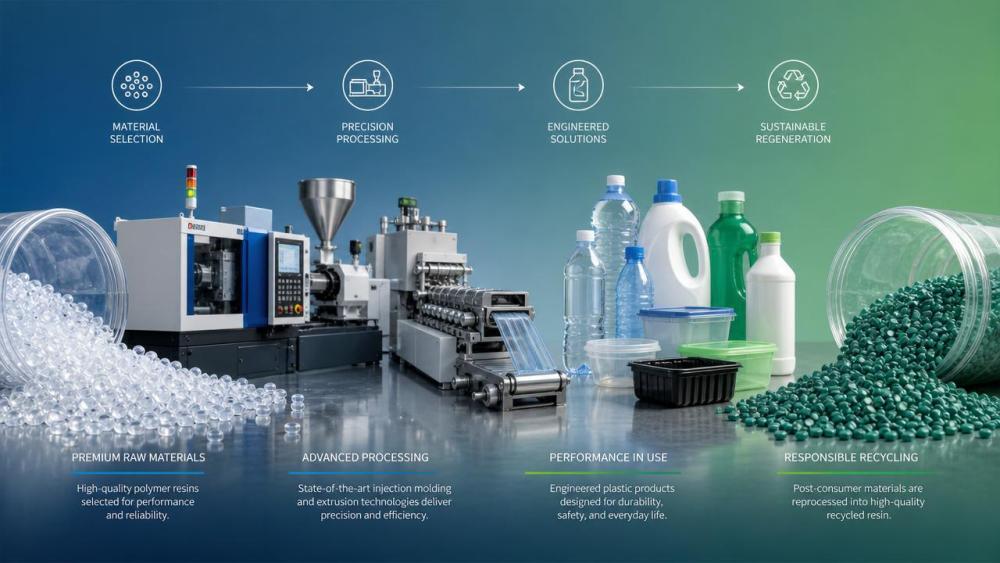
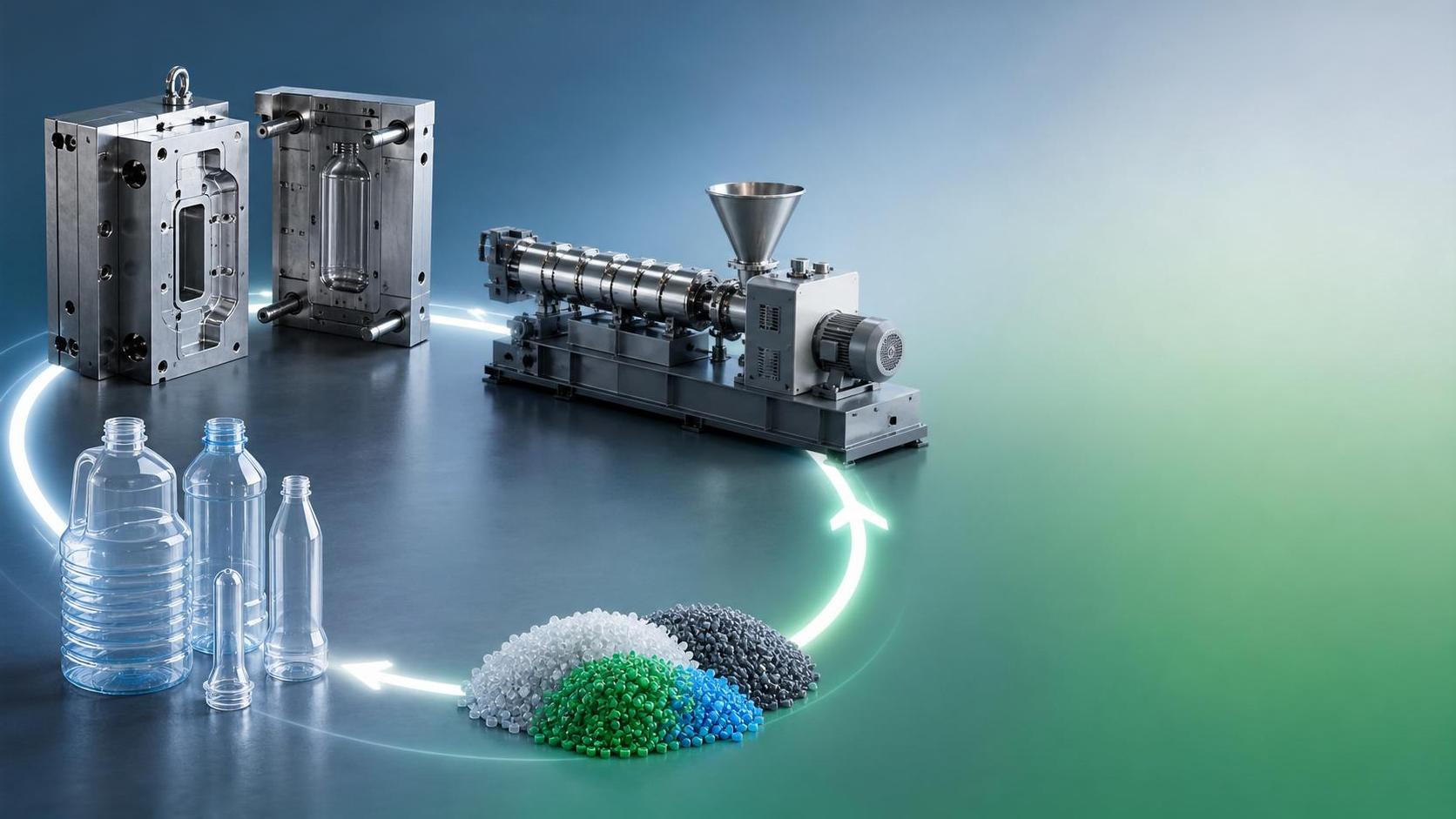
A polymer material lifecycle begins long before disposal. It starts with resin formulation, additive loading, and rheological behavior under heat and shear. It continues through molding or extrusion, product distribution, service life, collection, sorting, reprocessing, and secondary application.
When one link fails, the waste burden increases quickly. A bottle designed with incompatible multilayer structures, excessive colorants, or difficult-to-separate closures may perform well in use, yet lose much of its recoverable value after only 1 consumption cycle.
Waste is often designed in upstream, not only generated downstream
In many production environments, 1% to 3% scrap during molding is treated as normal. However, if the annual line output is high, that small percentage can equal tens or hundreds of tons of material loss. The same applies to overpacking, poor wall-thickness control, and unstable melt flow.
For researchers studying waste, this means the polymer material lifecycle should be read as a chain of technical decisions. Waste is not only what arrives at a landfill or recovery facility. Waste can also be hidden in startup purge volume, off-spec pellets, rejected parts, and low-yield sorting streams.
The lifecycle view aligns manufacturing and environmental priorities
A lifecycle perspective is especially relevant for sectors balancing throughput and compliance. Beverage packaging, medical consumables, automotive components, agricultural film, and sealing products all face different performance targets, but they share 3 recurring pressures: tighter cost control, lower carbon intensity, and improved material circularity.
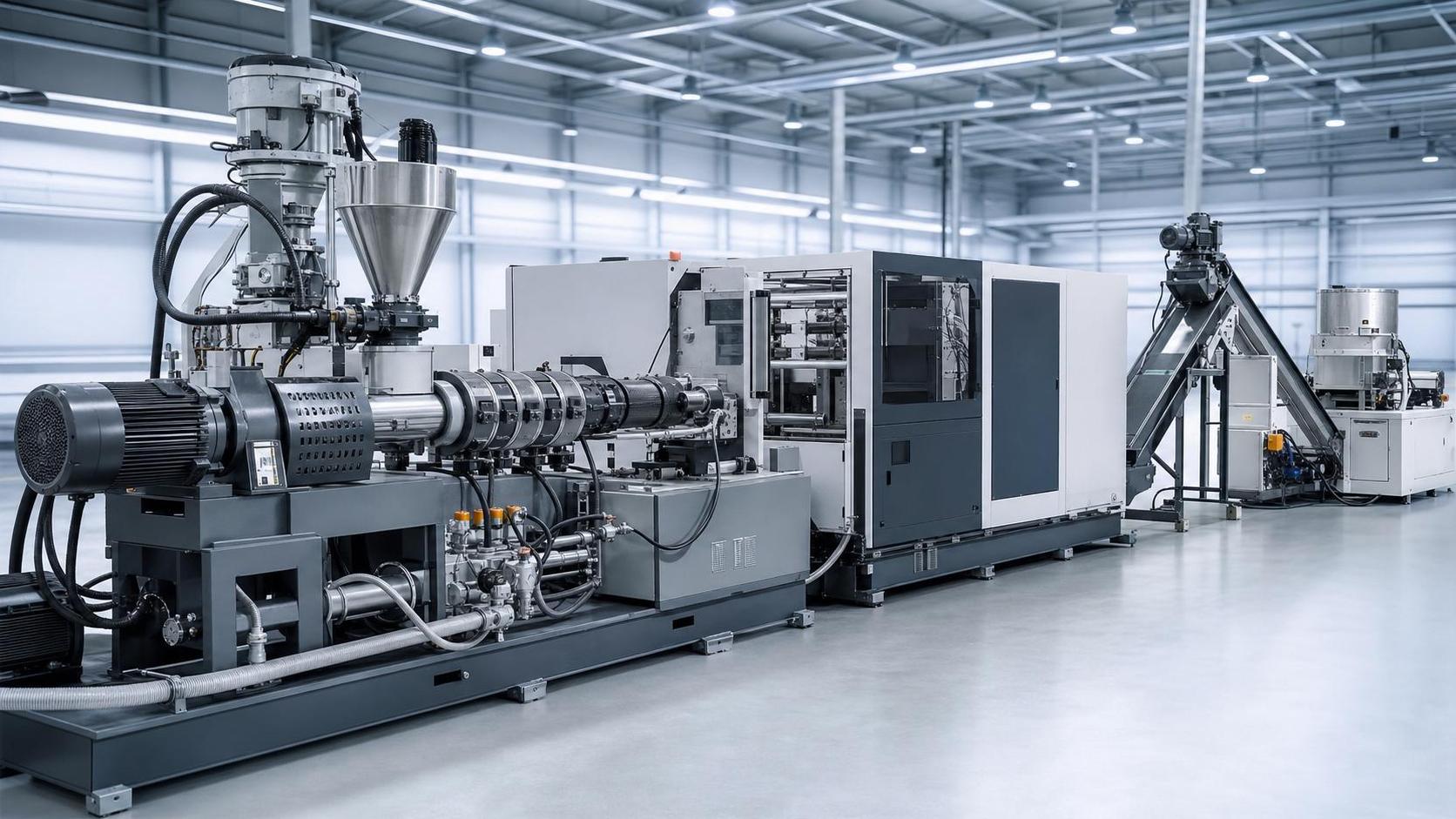
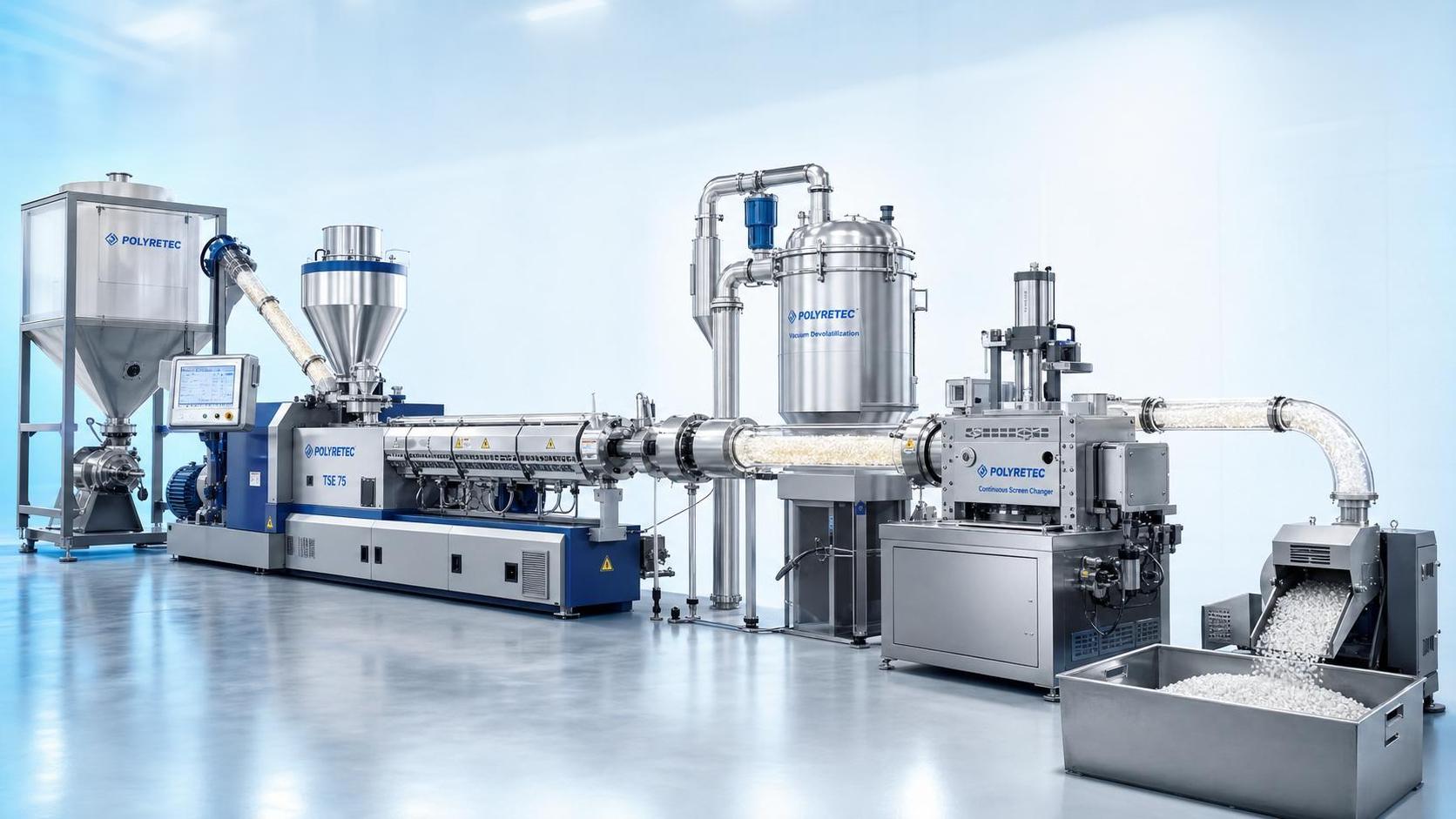
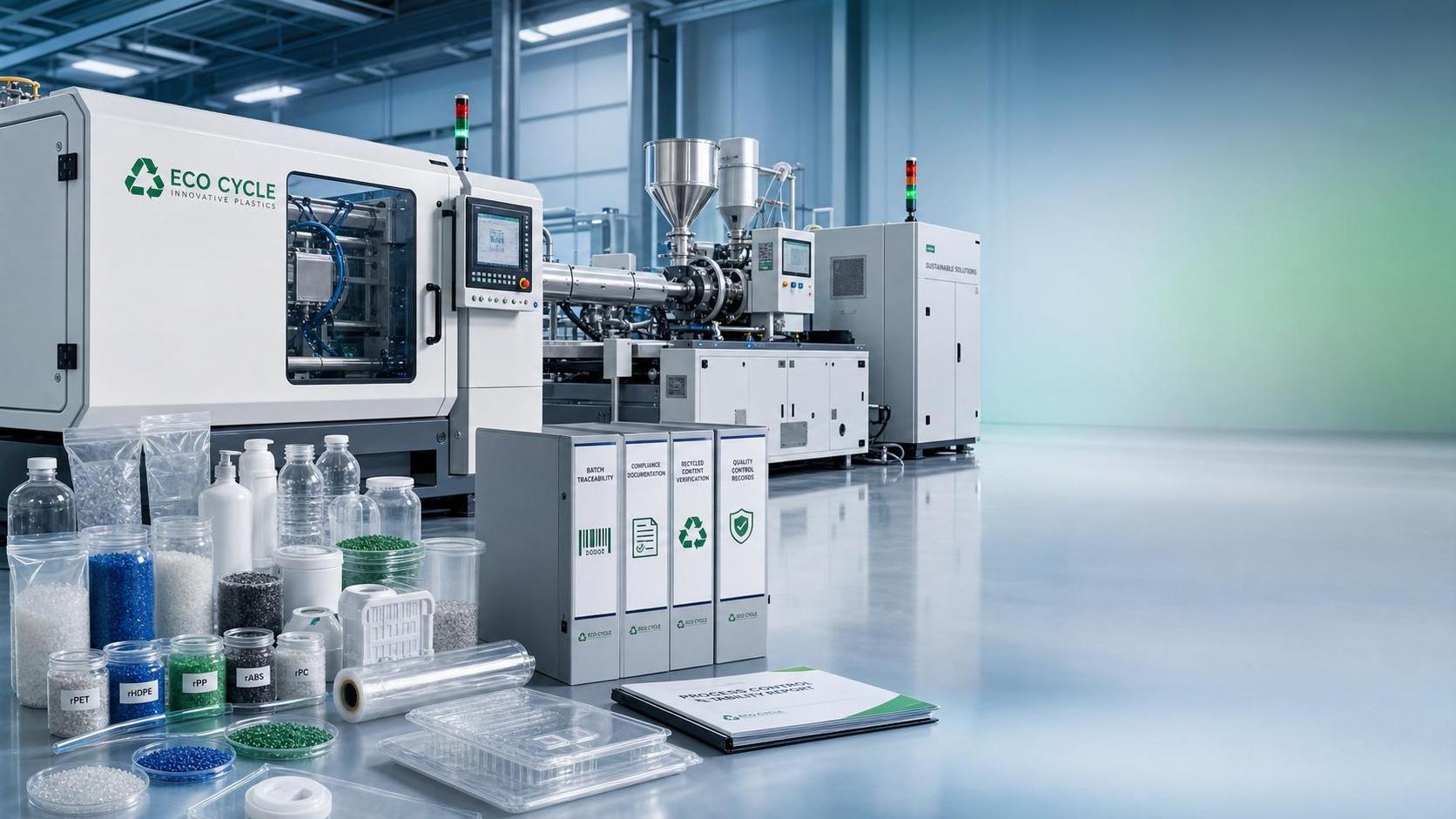
That is why equipment intelligence matters. Precision injection molding, twin-screw extrusion, high-speed blow molding, rubber vulcanization, and waste plastic pelletizing are not separate industrial topics. They form a connected production-to-recovery system that directly shapes waste outcomes.
Key lifecycle signals that researchers should track
The table below highlights practical signals that reveal whether a polymer system is preserving value or moving toward waste. These indicators are useful for market observation, technical benchmarking, and equipment-related due diligence.
The main conclusion is that waste is measurable much earlier than end-of-life. In practice, 5 indicators—scrap rate, contamination load, sortability, energy intensity, and recycled output quality—often reveal more than disposal tonnage alone.
How forming equipment influences waste across the lifecycle
The polymer material lifecycle becomes easier to interpret when viewed through equipment functions. Each machine category affects material behavior differently, and each can either protect polymer value or accelerate degradation, inefficiency, and unrecoverable waste.
Injection molding: precision reduces hidden material loss
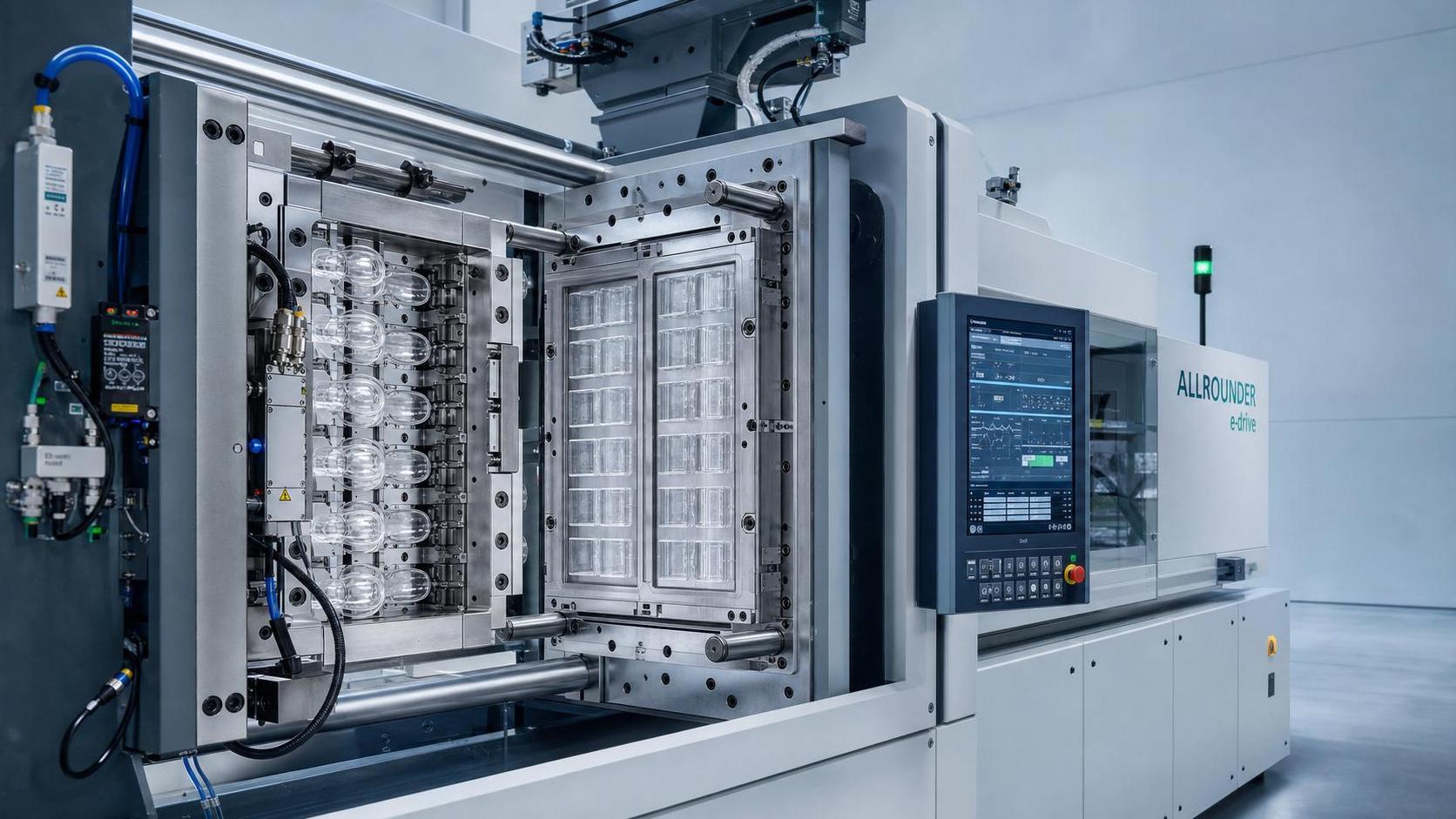
Injection molding is central to high-precision polymer applications such as medical components, electronic housings, optical parts, and automotive interiors. In these sectors, dimensional tolerances may fall within ±0.02 mm to ±0.10 mm depending on part geometry and resin behavior.
When clamping, shot control, or holding pressure curves are unstable, manufacturers face flash, sink marks, short shots, and warpage. Those defects are not merely quality issues. They are lifecycle losses, because each rejected part carries embedded resin, electricity, cooling water, and labor.
What researchers should watch
- Reject rate trends above 1.5% on stable mass-production programs
- Cycle time inflation of 3 to 8 seconds caused by poor thermal balance
- Overpacking used to mask mold or cooling design limitations
- Low use of closed-loop process monitoring in high-value parts
Extrusion: continuous processing can multiply gains or losses
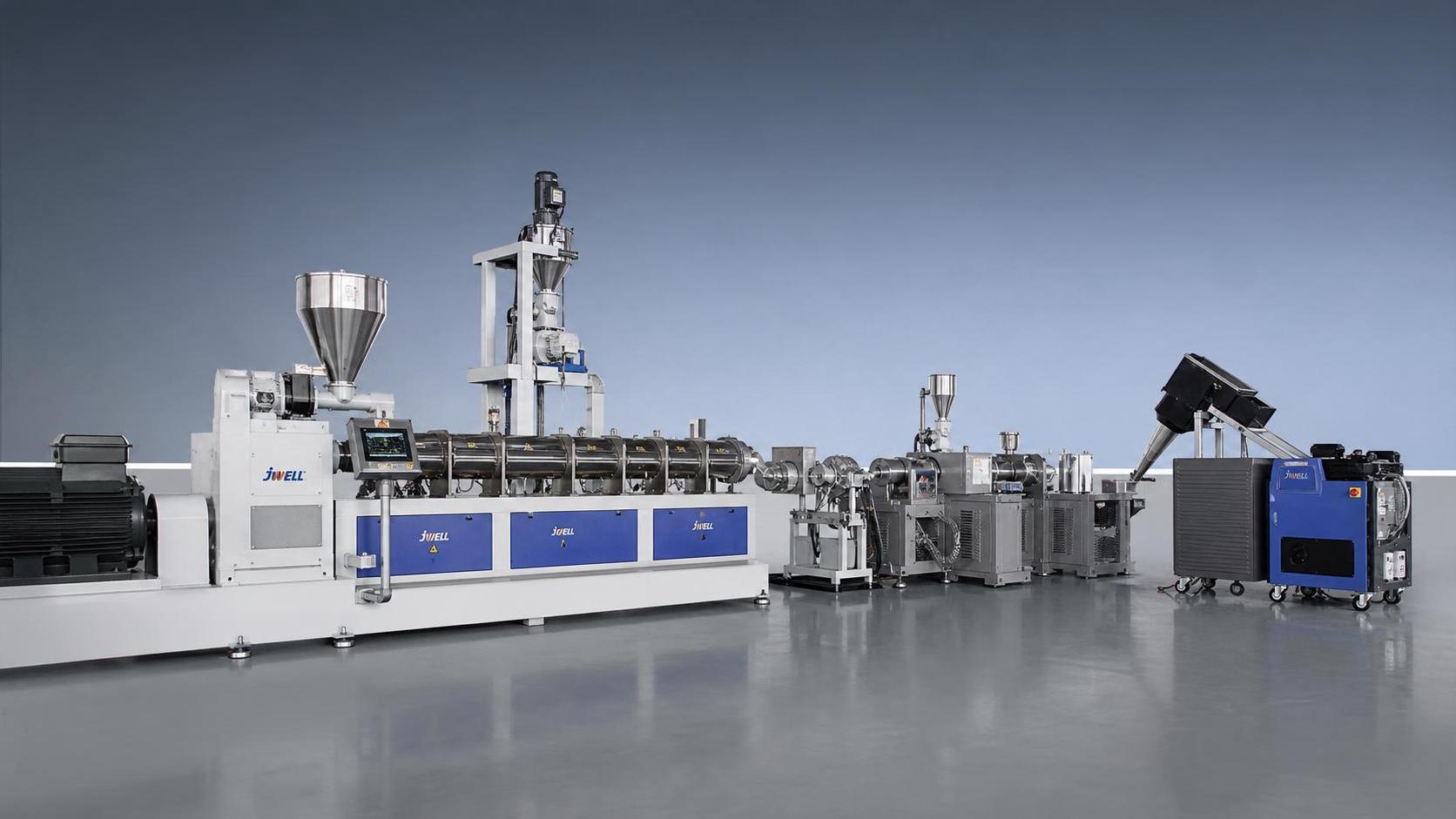
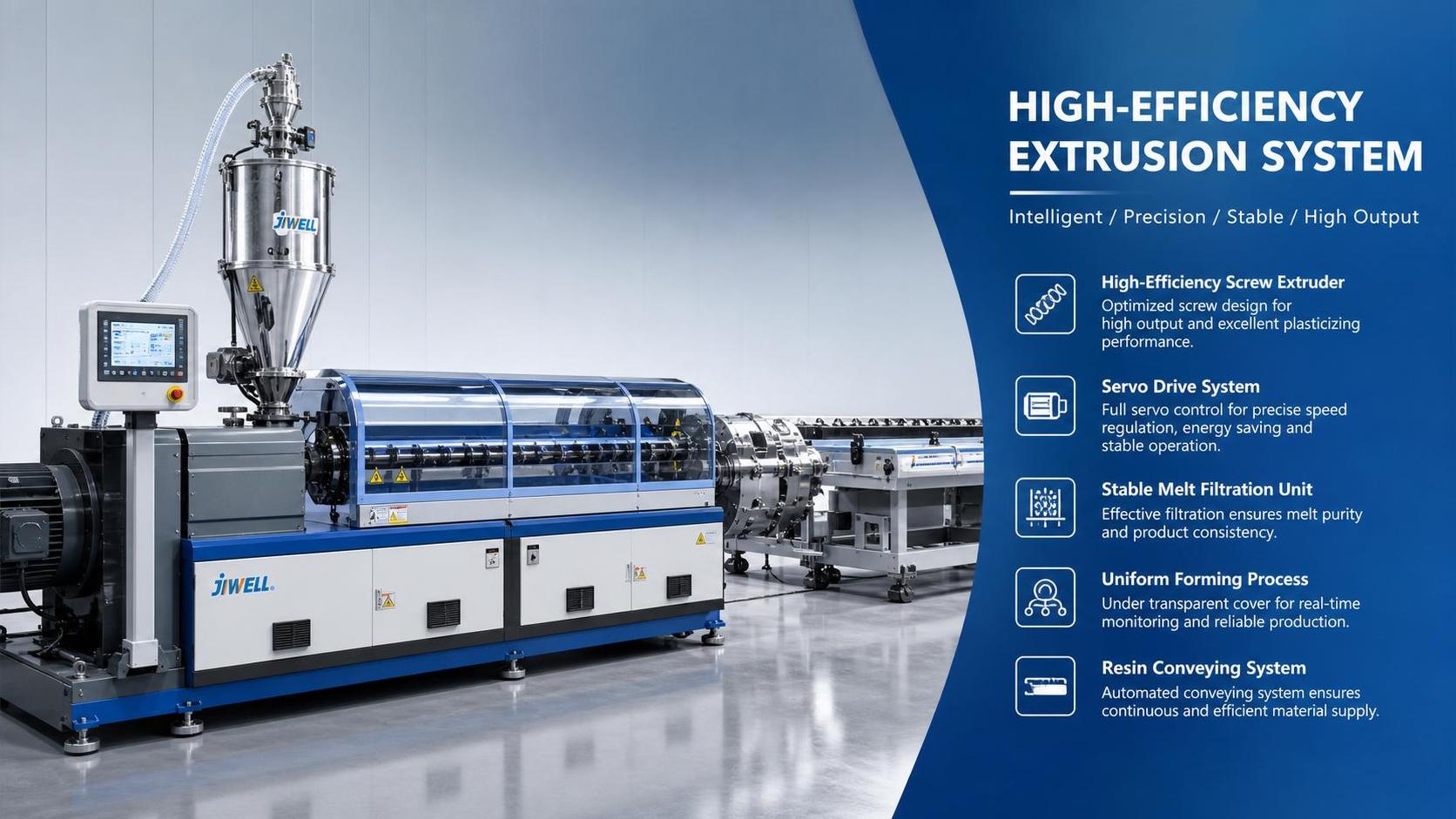
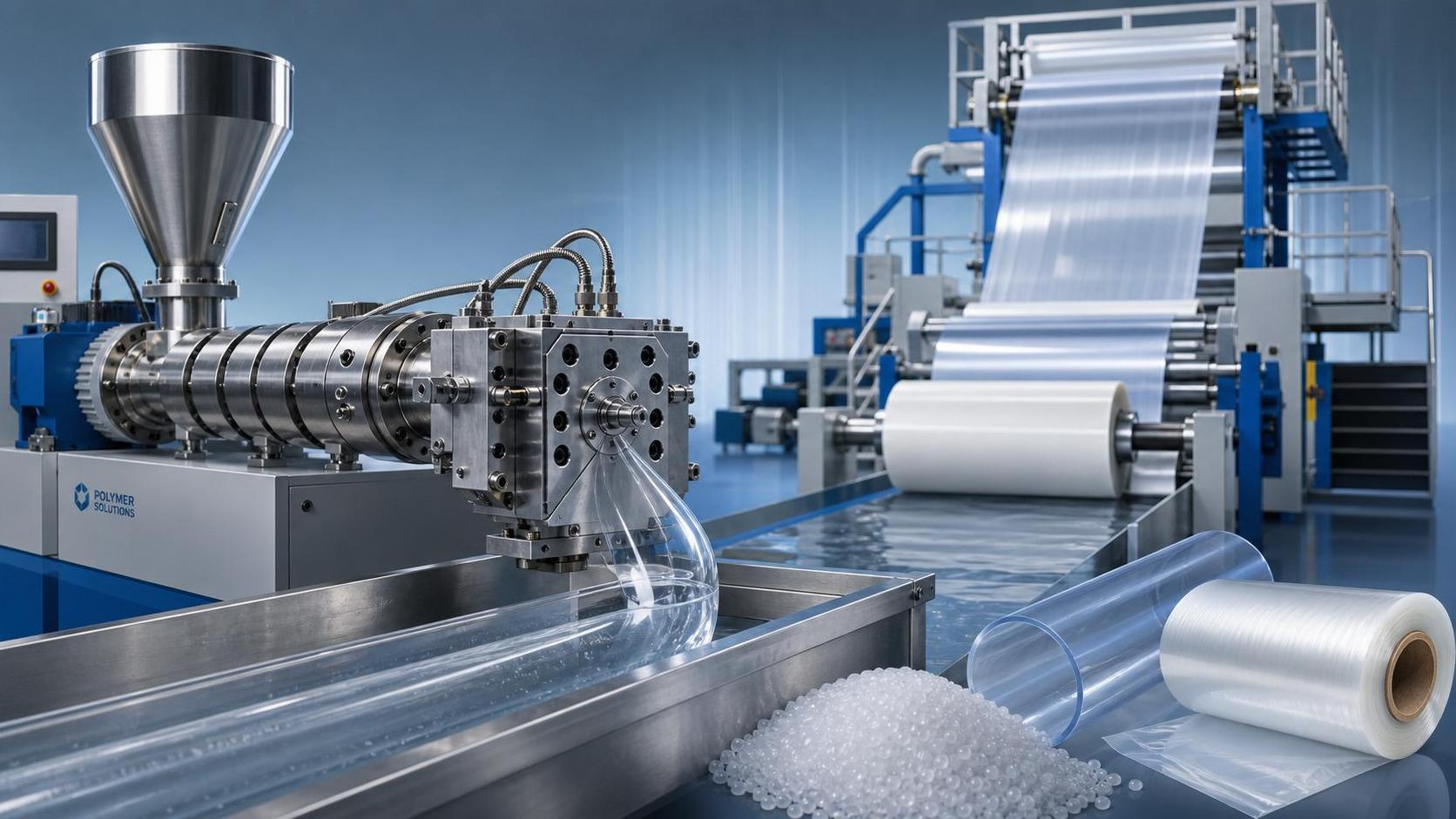
Extrusion is the main artery of polymer manufacturing because it operates continuously. Pipe, sheet, film, cable coating, and compound production depend on stable residence time, temperature profile, screw configuration, and additive dispersion.
Small instability can have large output consequences. A melt temperature deviation of 5°C to 10°C, or poor venting in moisture-sensitive compounds, may reduce mechanical properties, increase gel formation, or require line-speed reduction. On long runs, this directly expands waste volume.
Blow molding and packaging waste: speed must still support recyclability
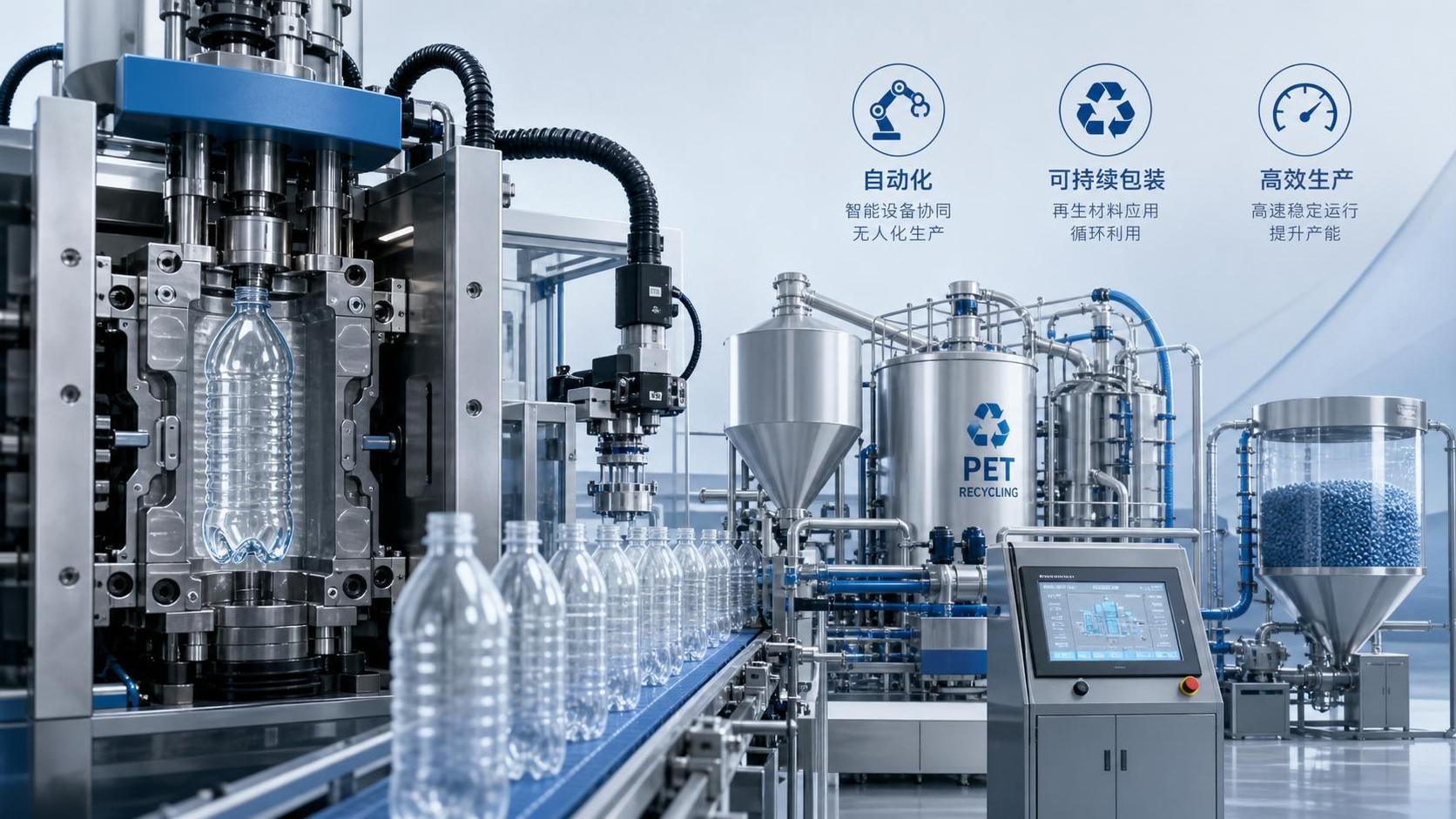
Blow molding supports extremely high packaging volumes, with some lines producing tens of thousands of bottles per hour. That scale makes design-for-recycling decisions more important, not less. A minor preform or label choice can affect millions of units across a production month.
For lifecycle analysis, researchers should connect container lightweighting, barrier requirements, cap design, and label compatibility with sorting and pelletizing performance. If packaging speed rises while recyclability falls, the waste burden is simply being shifted downstream.
Vulcanization: durability can lower waste but complicate recovery
Rubber vulcanization improves elasticity, heat resistance, and structural integrity through irreversible cross-linking. This longer service life can reduce replacement frequency in tires, seals, and industrial parts. Yet the same chemistry also makes end-of-life recovery more difficult than for many thermoplastics.
This means lifecycle interpretation must balance 2 variables: durability benefit during use and recovery limitation after use. In sectors where replacement intervals extend from 1 year to 3 years or more, total waste generation may still decline despite recycling complexity.
Why recycling quality depends on upstream design and downstream technology
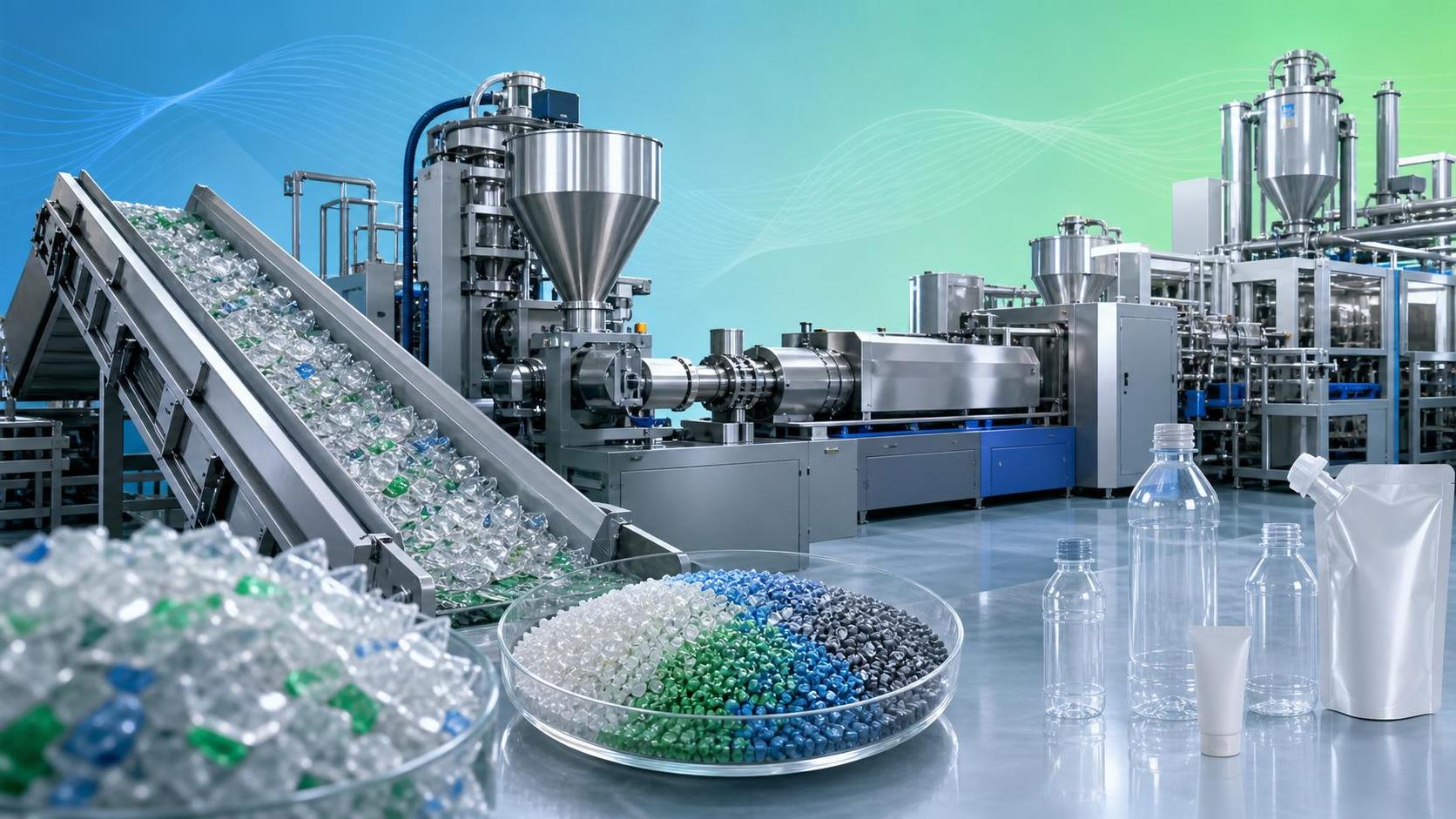
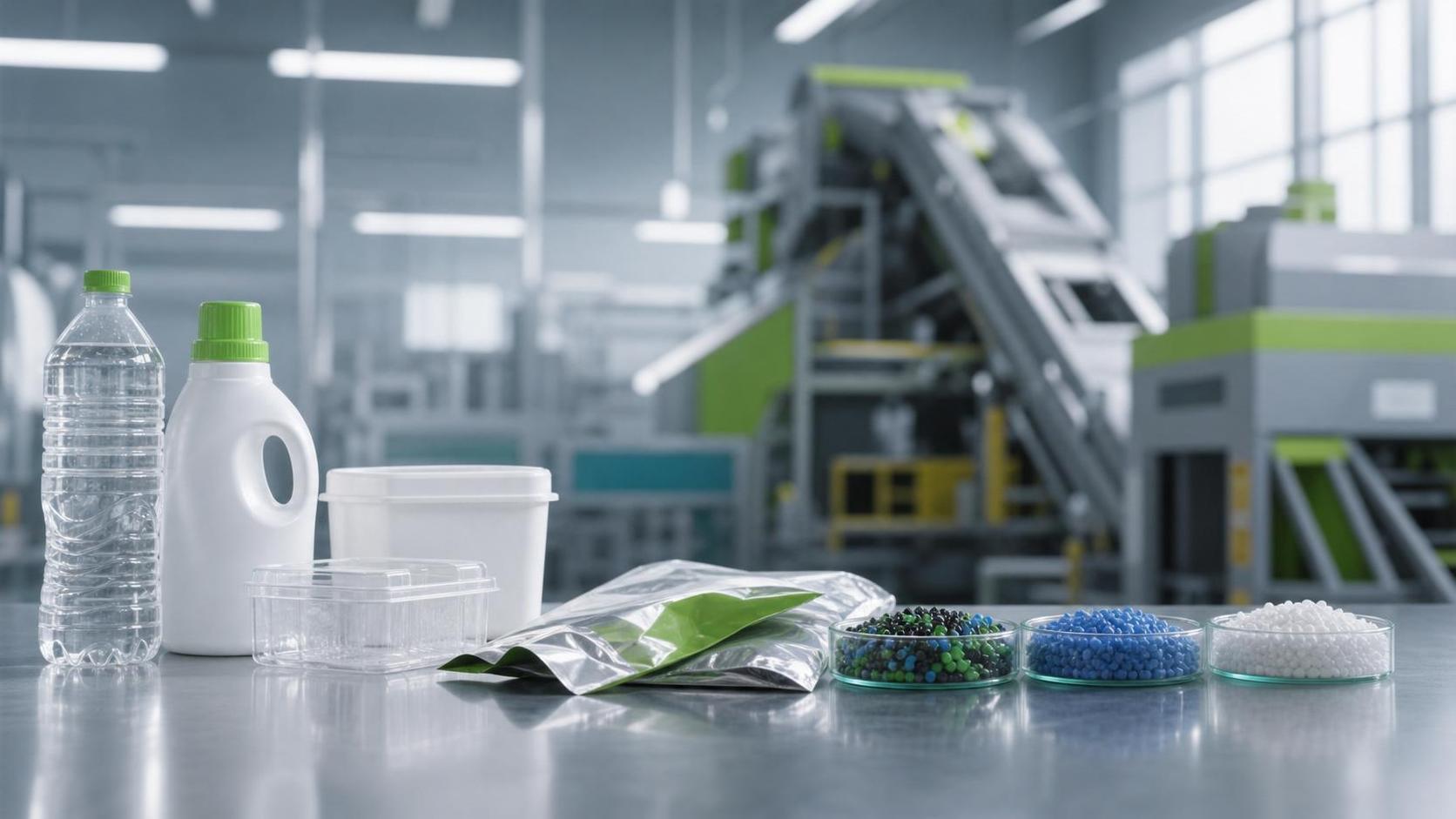
A common misconception is that waste plastic recycling starts at collection. In reality, the success of pelletizing lines is strongly influenced by decisions made weeks, months, or even years earlier in product and packaging design. The polymer material lifecycle is therefore cumulative.
Recovery systems can wash, shred, melt, filter, and re-pelletize material efficiently, but they cannot fully reverse every upstream incompatibility. Feedstock contamination, mixed resins, multilayer barriers, fillers, and thermal history all affect the final quality window.
What determines recycled pellet value
In practical terms, recycled resin quality often depends on 6 factors: input consistency, washing efficiency, moisture control, melt filtration level, degassing performance, and pellet uniformity. If any one factor falls outside an acceptable range, output value can drop significantly.
For example, filtration requirements vary by target use. A lower-grade application may tolerate coarser contamination control, while packaging or technical parts may require finer melt cleaning, more stable viscosity, and tighter odor management through multiple process steps.
The following table shows how upstream and downstream variables interact to influence recycled output quality and commercial usability.
The key message is straightforward: better recycling equipment improves recovery, but it cannot compensate for every poor design choice. The highest-value circular systems usually combine 2 disciplines at once—design for recyclability and process control for material regeneration.
The growing role of in-house recycling lines
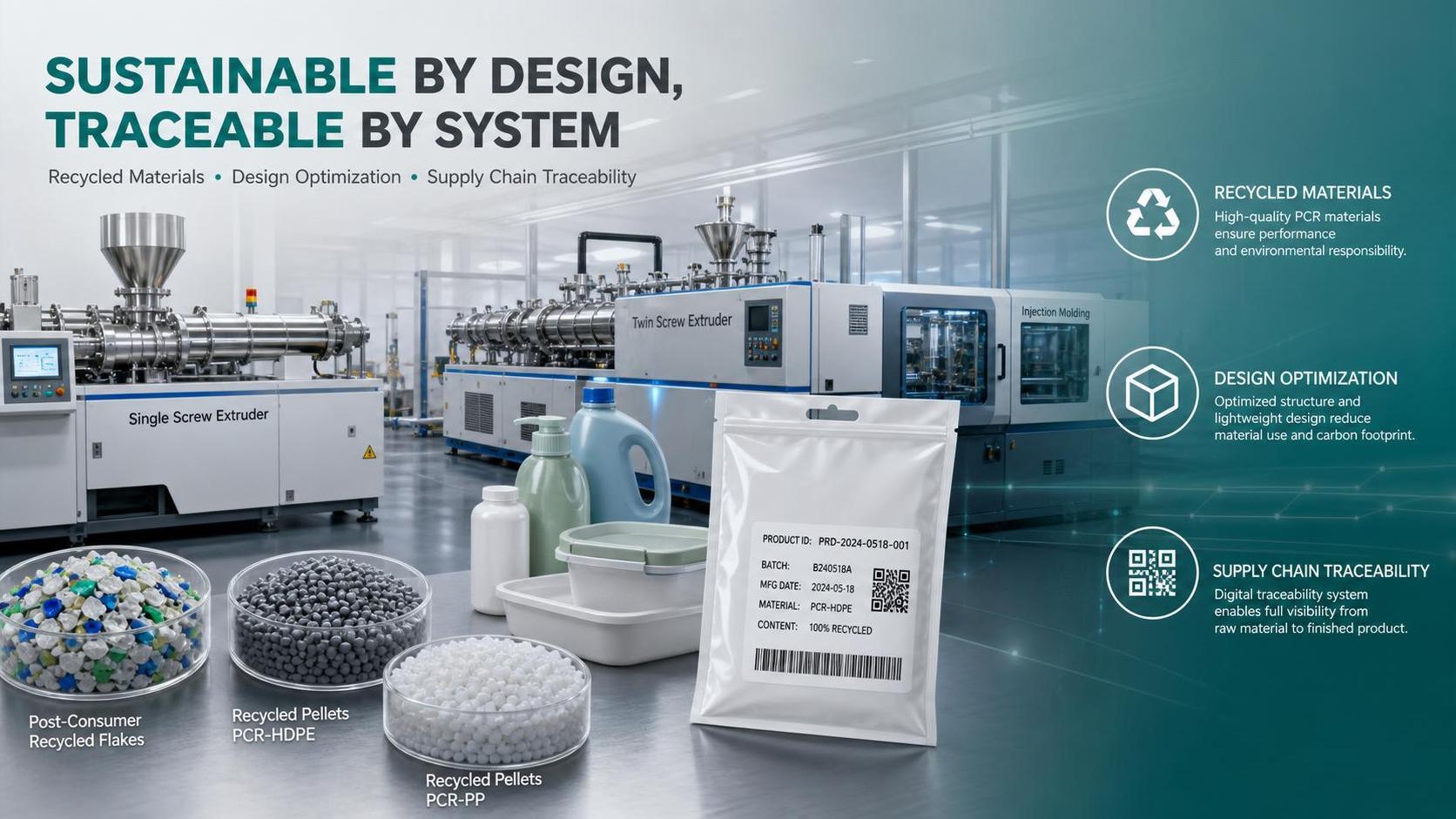
An increasing number of converters and packaging plants are evaluating in-house recycling lines for sprues, edge trim, rejected preforms, and post-industrial film. The commercial logic is clear: internal scrap is cleaner, traceable, and often easier to reprocess than mixed post-consumer streams.
For many operations, the first assessment covers 4 points: daily scrap volume, contamination type, reintroduction ratio, and payback window. If the line can recover material within a 6- to 24-month economic horizon, in-house pelletizing becomes strategically attractive.
How to evaluate lifecycle risk when researching polymer equipment and systems
For information researchers, the challenge is not a shortage of machine claims but a shortage of lifecycle context. Equipment should be evaluated not only by output speed or installed power, but by how it affects scrap generation, product consistency, compliance readiness, and end-of-life recoverability.
A practical 5-point evaluation framework
- Check process stability across normal operating windows, not only peak output claims.
- Review material compatibility for virgin, blended, and recycled feedstocks.
- Assess energy efficiency at actual production loads, such as 60% to 85% utilization.
- Examine digital monitoring capability for pressure, temperature, torque, and quality drift.
- Consider how the machine supports waste reduction, regrind reuse, or closed-loop recovery.
Common research blind spots
One blind spot is focusing only on throughput. A line that runs faster but produces higher reject rates may worsen total material efficiency. Another is ignoring maintenance intervals. In demanding polymer environments, poor screen changing, wear control, or seal reliability can interrupt production every few days instead of every few weeks.
A third blind spot is separating environmental compliance from equipment selection. Packaging rules, recycled content targets, and product stewardship expectations are moving closer to plant-floor operations. That shift makes lifecycle intelligence a procurement issue rather than a reporting issue alone.
Why intelligence platforms matter in this decision cycle
Because the polymer material lifecycle spans chemistry, machinery, packaging law, and recovery economics, decision-makers increasingly need integrated observation. This is where specialized industry intelligence becomes valuable. It helps connect technical signals with commercial timing and compliance pressure.
For readers following PFRS, the advantage lies in seeing the full chain at once: injection precision, extrusion rheology, blow molding efficiency, vulcanization durability, and recycling line performance. That broader view supports better benchmarking, faster opportunity identification, and more grounded equipment research.
What the lifecycle perspective reveals for future strategy
The strongest lesson from the polymer material lifecycle is that waste is rarely a single-stage failure. It is usually the result of accumulated design compromises, unstable processing, limited recovery planning, or weak coordination between production and recycling systems.
That insight changes how companies should respond. Instead of asking only how to dispose of more material, they can ask how to preserve material value through 3 linked priorities: precision forming, efficient use, and cleaner recovery. This approach is far more useful for long-term manufacturing strategy.
For information researchers, the next step is to compare technologies through a lifecycle lens—what they save, what they waste, what quality they preserve, and what circular options they enable. To explore deeper equipment intelligence, process trends, and recovery system insights, contact PFRS to get a tailored research perspective or learn more solutions.
Related News
- 00
0000-00
How to Evaluate Plastic Pelletizing Machine Suppliers for Output, Support, and Risk - 00
0000-00
How to Select a Plastic Pipe Manufacturing System for Output, Resin, and Pipe Range - 00
0000-00
How to Specify Injection Molding Equipment for High-Volume Closure Production - 00
0000-00
How to Specify a Medical Molding Machine for Cleanroom Device Production - 00
0000-00
Plastic Extrusion Technology for Films: Process Controls That Improve Gauge Uniformity
Weekly Insights
Stay ahead with our curated technology reports delivered every Monday.
Related News
 Prof. Marcus ChenEnergy-Efficient Polymer Processing: Where Plants Can Cut kWh per KilogramEnergy-efficient polymer processing solutions help plants reduce kWh per kilogram, protect quality, cut scrap, and prioritize upgrades with data-driven insights.Sep 23, 2026
 Prof. Marcus ChenPlastic Pelletizing Trends: How Recycling Demand Is Reshaping Processing TechnologyPlastic pelletizing trends are redefining recycling quality. Explore filtration, extrusion, degassing, and automation innovations driving cleaner, more consistent recycled resin.Sep 07, 2026
 Prof. Marcus ChenHow Polymer Supply Chains Are Changing to Support High-Quality Recycling FeedstockPolymer supply chain for recycling is shifting toward traceable sourcing, cleaner sorting, and stable processing. See how high-quality feedstock improves performance, compliance, and cost control.Aug 22, 2026
 Prof. Marcus ChenHow Europe’s Circular Plastics Economy Is Reshaping Recycling InvestmentCircular plastics economy Europe is reshaping recycling investment through quality, traceability, and packaging demand. Explore where capital is moving and why it matters now.Aug 04, 2026
 Prof. Marcus ChenBlow Molding Trends Shaping Packaging, Sustainability, and Production EfficiencyBlow molding trends are redefining packaging with lightweighting, recycled content, automation, and energy efficiency. Discover how smarter production boosts sustainability and cuts costs.Jul 23, 2026
 Prof. Marcus ChenExtrusion Equipment Modular Design: When It Makes Sense for Line ExpansionExtrusion equipment modular design helps manufacturers expand lines in phases, cut disruption, and stay ready for recycled content, utility limits, and changing product demands.Jul 15, 2026
 Prof. Marcus ChenPolymer Lifecycle Solutions Explained: From Material Sourcing to End-of-Life RecoveryPolymer lifecycle solutions explained from sourcing and processing to recycling and recovery. Discover how to cut waste, improve quality, and build smarter material strategies.Jul 13, 2026
 Prof. Marcus ChenEnergy-Efficient Polymer Processing Systems: Which Metrics Matter Most?Energy-efficient polymer processing systems: discover the metrics that truly drive ROI—specific energy use, yield, uptime, stability, and compliance for smarter equipment decisions.Jul 11, 2026
 Prof. Marcus ChenPolymer Recycling Systems for Continuous Operation: What to Check Before SpecifyingPolymer recycling systems continuous operation starts with the right specification. Learn what to check for uptime, melt quality, energy efficiency, and reliable pellet output.Jul 09, 2026
 Prof. Marcus ChenCircular Plastics Economy in Japan: Policy Drivers, Recycling Targets, and Market ImpactCircular plastics economy Japan is accelerating as policy, recycling targets, and packaging reforms reshape material choices, processing strategy, and market advantage.Jul 05, 2026
 Prof. Marcus ChenPlastic Extrusion Technology Trends: What Process Changes Are Improving Energy Efficiency?Plastic extrusion technology trends are reshaping energy efficiency through smarter screws, thermal control, servo drives, and digital optimization. See which process changes deliver lower costs and more stable output.Jul 01, 2026
 Prof. Marcus ChenInjection Molding Technology Trends: Which Process Changes Matter Most for Medical and Packaging Parts?Injection molding technology trends shaping medical and packaging parts: discover the process changes that improve validation, precision, efficiency, and recycled-material readiness.Jun 30, 2026
 Prof. Marcus ChenCircular Plastics Economy Compliance Explained: Key Requirements for ManufacturersCircular plastics economy compliance explained for manufacturers: learn key requirements, audit risks, process controls, and how to turn compliance into a competitive advantage.Jun 25, 2026
 Prof. Marcus ChenAdvanced Materials Processing Trends: 5 Shifts Reshaping Capacity Planning and SourcingAdvanced materials processing trends are reshaping capacity planning, sourcing, recycling, and compliance. Explore 5 shifts helping manufacturers cut risk, improve precision, and build resilient growth.Jun 24, 2026
 Prof. Marcus ChenGlobal Plastic Ban Trends: Which Packaging Materials and Export Markets Face the Biggest Changes?Global plastic ban trends are reshaping packaging choices and export strategy. See which materials and markets face the biggest shifts, and how to reduce compliance risk.Jun 22, 2026
 Prof. Marcus ChenPolymer Rheology Trends That Matter in Extrusion: Melt Strength, Shear, and StabilityPolymer rheology trends are reshaping extrusion performance. Learn how melt strength, shear, and stability affect quality, efficiency, and recycled resin processing.Jun 18, 2026
 Prof. Marcus ChenPlastic Circularity Strategies for Manufacturers: Recycled Content, Design, and TraceabilityPlastic circularity strategies for manufacturers: learn how recycled content, smarter design, and traceability can reduce risk, improve compliance, and strengthen supply resilience.Jun 18, 2026
 Prof. Marcus ChenAdvanced Materials Processing Equipment in High-Performance Manufacturing: Where It Fits BestAdvanced materials processing equipment drives precision, speed, and sustainability in manufacturing. Explore where each system fits best to improve quality, efficiency, and ROI.Jun 16, 2026
 Prof. Marcus ChenWhat Is Driving the Circular Economy Plastics Market? Policy, Pricing, and Demand ShiftsCircular economy plastics market trends are being driven by tighter policy, resin price volatility, and stricter buyer demands. Discover what this means for sourcing, processing, and growth.Jun 13, 2026
 Prof. Marcus ChenDigital Polymer Processing Explained: Methods, Materials, and Best-Fit ApplicationsDigital polymer processing explained clearly: explore key methods, materials, and best-fit applications to improve quality, efficiency, and recycling performance.Jun 10, 2026