Circular plastics solutions are changing sourcing decisions




Circular plastics solutions are reshaping how business evaluators compare suppliers, technologies, and long-term investment risks. As packaging compliance tightens and resin volatility grows, sourcing decisions now depend on more than cost alone. From injection molding and extrusion to waste plastic pelletizing, companies need data-backed insight into efficiency, recyclability, and ESG value—making circularity a core criterion in modern polymer equipment procurement.
Why are circular plastics solutions influencing sourcing decisions now?
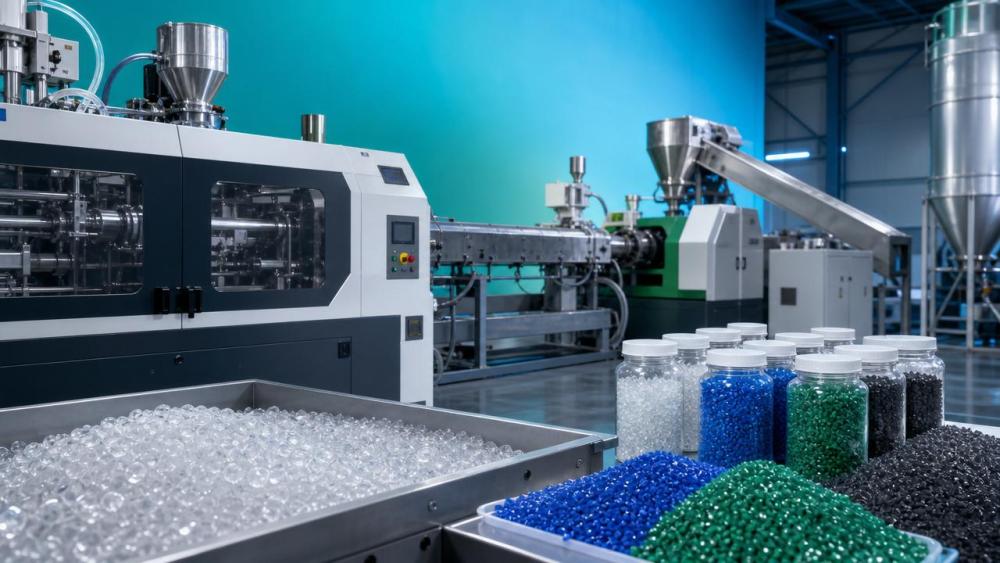
For business evaluators, the shift is practical rather than theoretical. Resin price swings, recycled-content mandates, extended producer responsibility, and customer sustainability targets are changing how equipment ROI is calculated.
A machine line that looks cheaper at purchase can become more expensive when scrap rates, energy draw, filtration limits, or recycled material instability reduce usable output. That is where circular plastics solutions move from a branding concept to a sourcing discipline.
In polymer processing, circularity affects the full chain: material selection, forming precision, process control, regrind reuse, wash-and-pellet recovery, and compliance documentation. Procurement teams now need to judge technical compatibility and lifecycle resilience together.
- Packaging buyers are under pressure to prove recycled-content feasibility without sacrificing seal integrity, clarity, impact strength, or production speed.
- Industrial buyers need stable throughput when virgin and recycled feedstocks are blended under changing viscosity and contamination conditions.
- Corporate evaluation teams increasingly compare suppliers on digital monitoring, energy efficiency, and readiness for future regulations, not just machine nameplate output.
PFRS is relevant in this environment because sourcing decisions are no longer isolated machine purchases. They are system-level choices involving injection molding, extrusion, blow molding, rubber processing interfaces, and waste plastic pelletizing intelligence.
What has changed in the evaluator’s checklist?
The old checklist centered on output, footprint, and price. The new checklist asks whether a supplier can handle variable feedstock, document process stability, support in-house recycling loops, and reduce compliance exposure across multiple product lines.
What do circular plastics solutions mean across the polymer equipment lifecycle?
For sourcing teams, circular plastics solutions should be defined by measurable operational capabilities. The question is not whether a vendor uses sustainability language. The question is whether its equipment architecture supports lower waste, higher reuse, and better material traceability.
Across PFRS focus areas, circularity appears differently. Injection molding needs precision to minimize rejects and enable controlled regrind use. Extrusion requires screw design and venting stability for mixed or recycled material streams. Blow molding depends on consistency at high speeds. Pelletizing is central to closing the loop.
The table below translates circular plastics solutions into procurement-relevant dimensions.
This lifecycle view matters because many buying mistakes happen when companies assess isolated machines without understanding how upstream contamination or downstream tolerance requirements change total performance.
How should business evaluators compare suppliers beyond headline price?
A low quote often hides future losses in scrap, downtime, unstable recycled-content adoption, or expensive retrofits. Business evaluators need a comparison model that captures technical fit, operating economics, and compliance risk together.
Supplier comparison factors that matter in circular plastics solutions
- Process adaptability: Can the system run virgin, blended, and recycled resin with predictable output and reject rates?
- Energy profile: Are all-electric or high-response servo technologies available where they materially reduce operating cost and emissions intensity?
- Digital visibility: Does the supplier provide data points on melt pressure, torque, holding pressure, filtration behavior, or line alarms for traceable decision-making?
- Recycling integration: Can the machine connect to in-house recycling lines or accept pellets with broader melt flow variation?
- Service depth: Is the supplier capable of helping with commissioning, process tuning, resin transition, and compliance documentation support?
The comparison table below helps procurement teams score suppliers more realistically when circular plastics solutions are a strategic requirement rather than a side project.
This approach helps evaluators avoid a common trap: paying less up front for a line that cannot support the recycled-content roadmap promised by the commercial team.
Which technical signals indicate a practical circular plastics solution?
Business evaluators do not need to become process engineers, but they do need a short list of technical signals that reveal whether a solution is likely to perform in real production conditions.
Key signals by equipment type
- Injection molding: Look for stable holding pressure control, repeatable shot weight, servo responsiveness, and the ability to manage regrind without excessive dimensional drift.
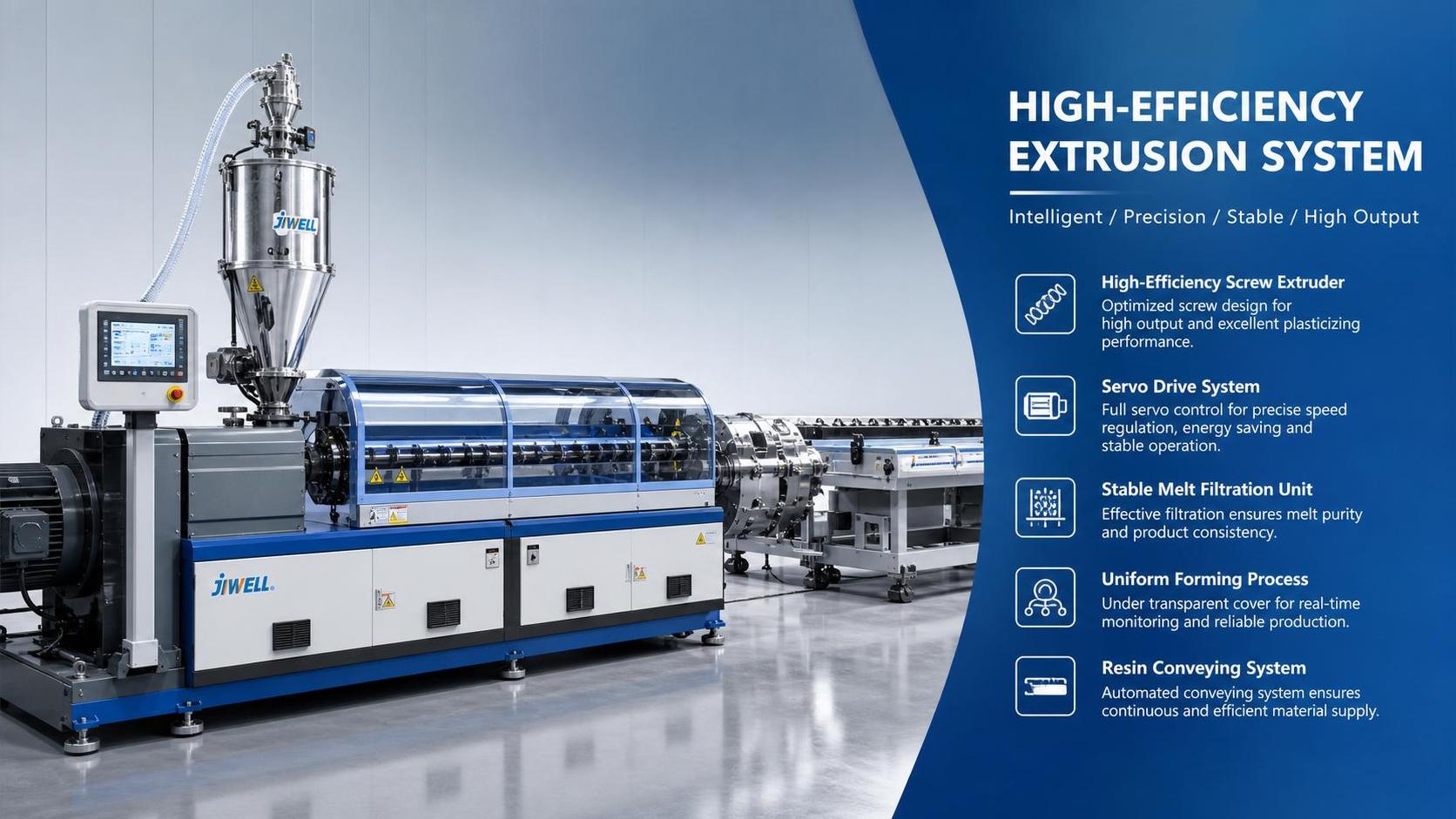
- Extrusion: Review screw design logic, venting arrangement, melt pressure consistency, and whether CFD-informed process understanding is part of supplier support.
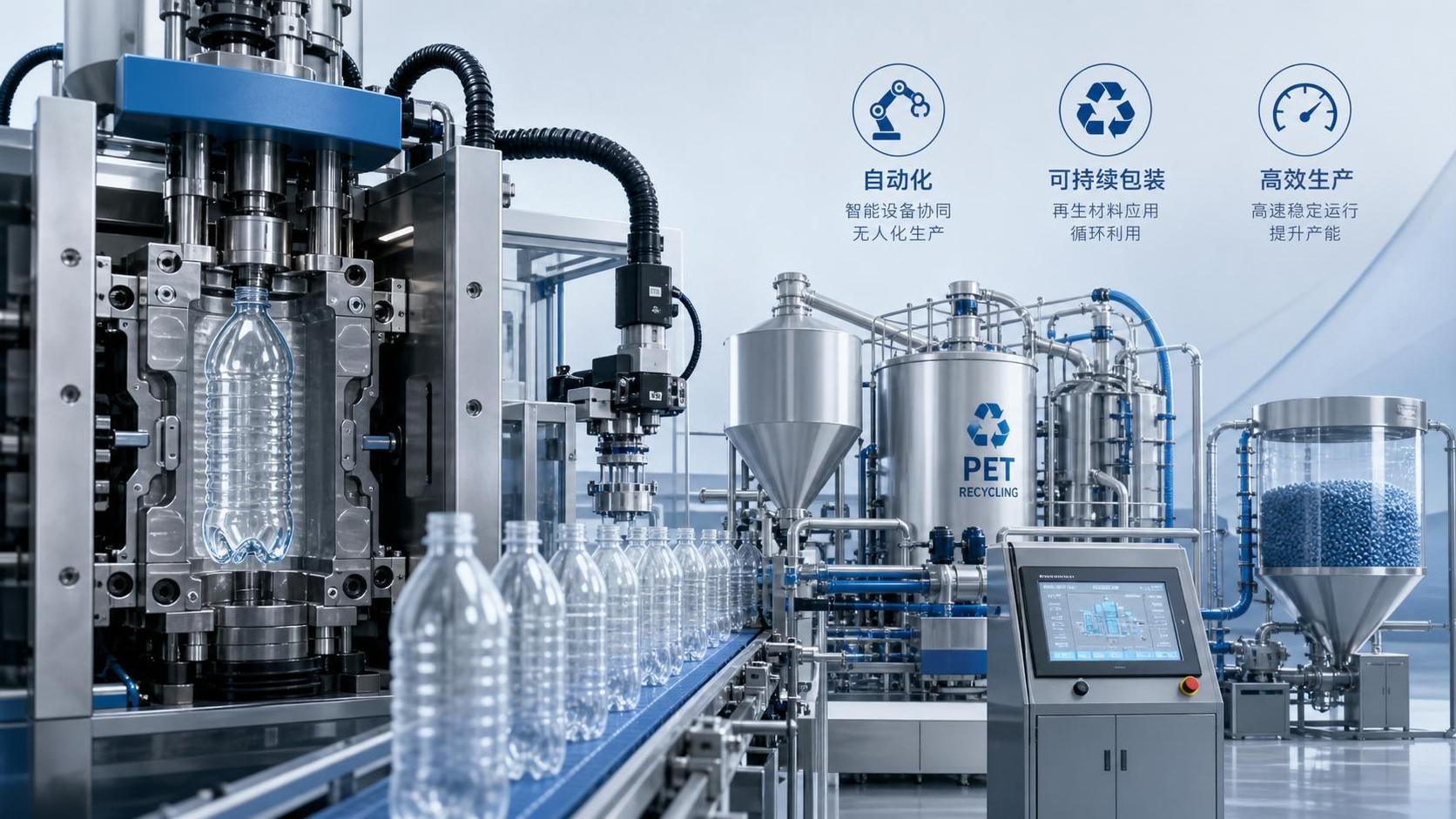
- Blow molding: Check output speed against bottle quality indicators such as wall distribution and leak resistance, especially when lightweighting or recycled PET is planned.
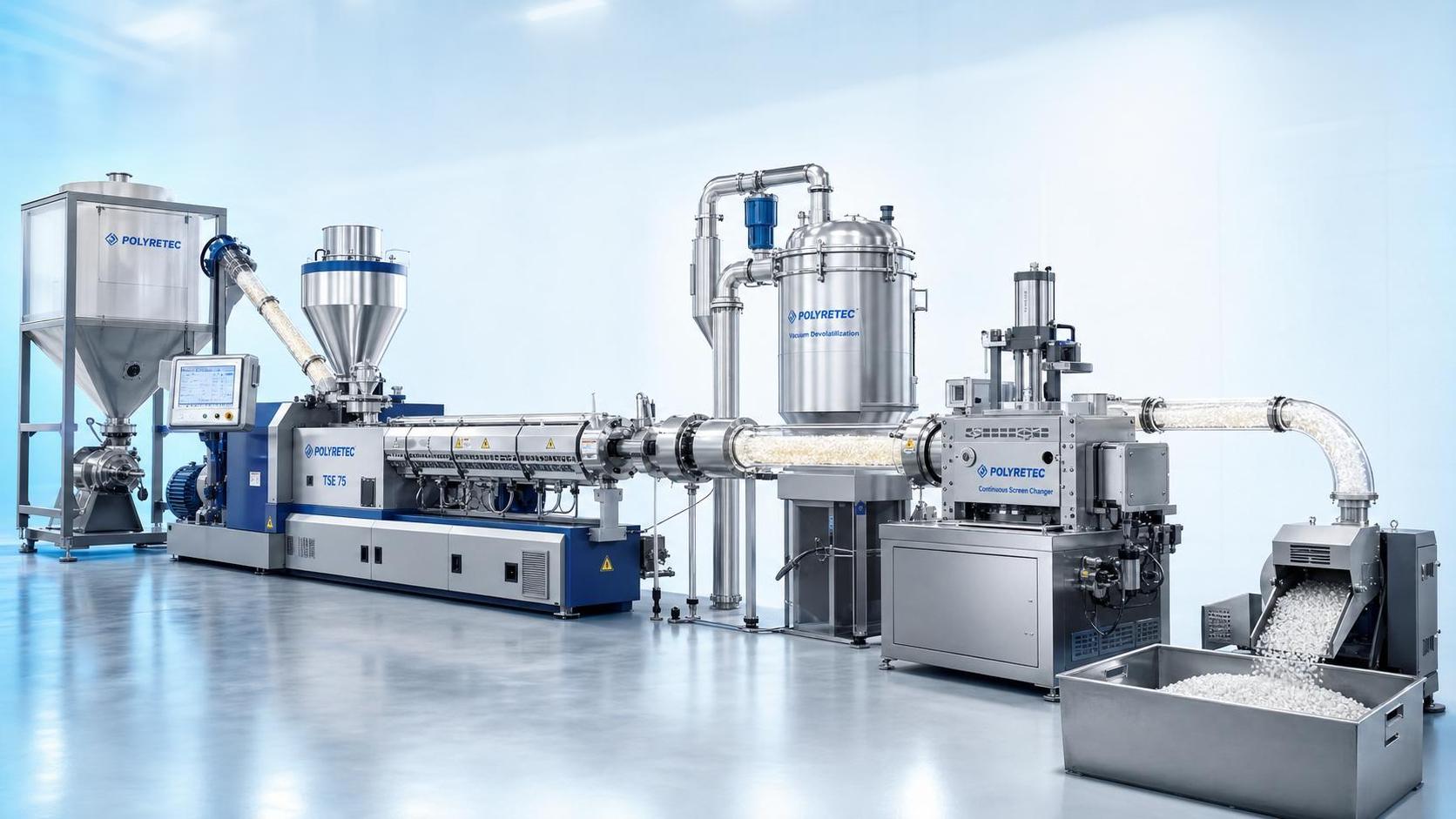
- Pelletizing: Focus on washing quality, filtration stage capability, melt cleanliness, pellet uniformity, and compatibility with downstream forming equipment.
PFRS adds value here because it interprets these signals through a strategic intelligence lens. Polymer rheology, thermodynamic behavior, and equipment architecture are connected instead of evaluated separately. That is crucial when recycled input quality is not perfectly uniform.
What data should be requested during evaluation?
Ask for actual operating ranges, not broad marketing claims. Useful data includes throughput windows, acceptable moisture levels, energy consumption trends, contamination tolerance assumptions, maintenance intervals, and reject-rate expectations under recycled-material scenarios.
How do compliance and packaging rules affect procurement risk?
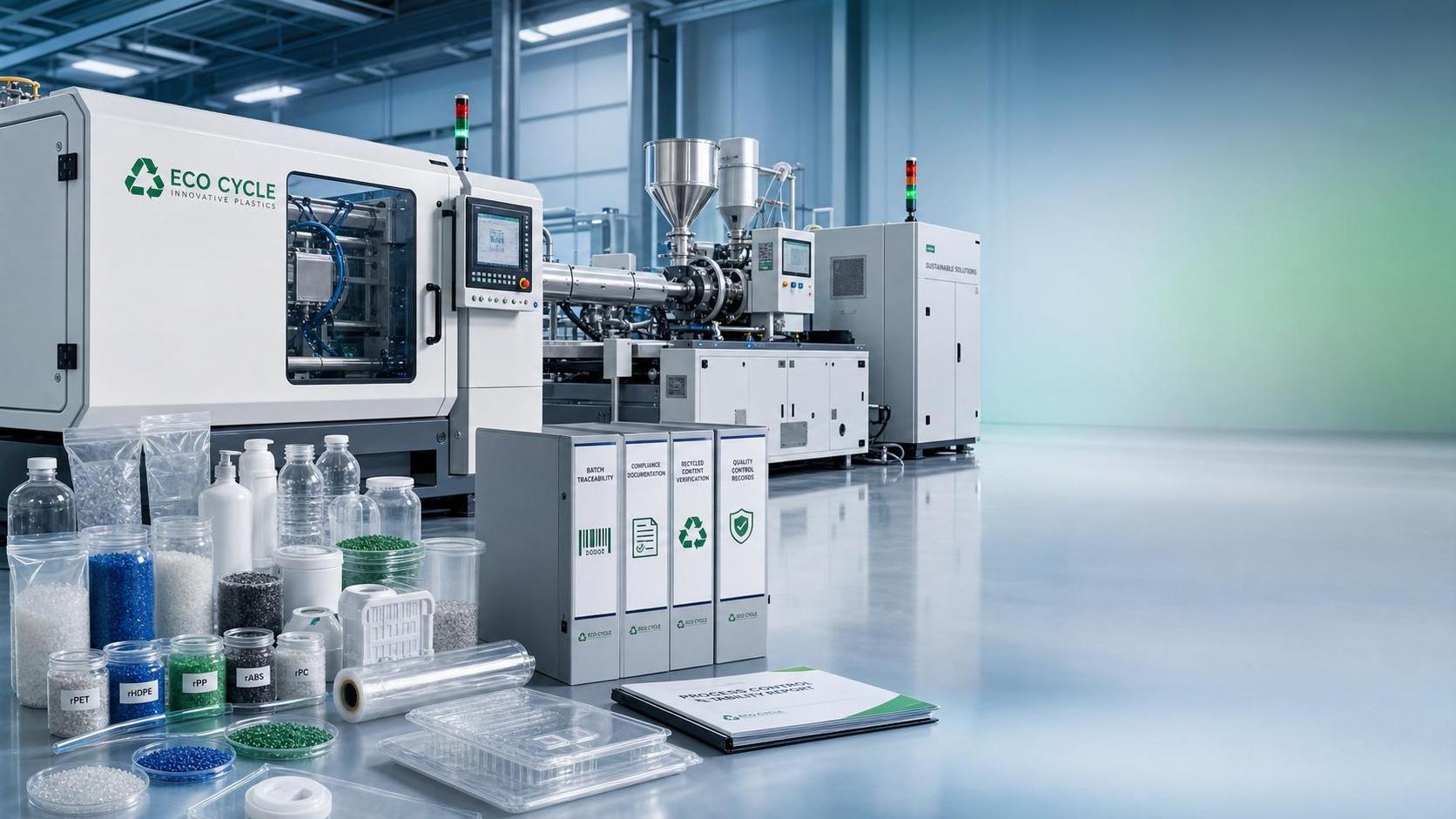
Compliance is one of the strongest drivers behind circular plastics solutions. Packaging rules are tightening across multiple regions, while customer audits increasingly examine recycled content, traceability, and production consistency.
Procurement risk rises when a supplier cannot explain how its machine supports documented process control, contamination management, or material segregation. Even when final certification depends on the product and market, equipment capability still influences whether compliance targets remain practical.
The table below summarizes common compliance-oriented review areas for sourcing teams.
Standards and declarations vary by region and end use, so evaluators should avoid assuming that one certification answer solves every market requirement. Instead, use compliance review as a structured risk-screening tool during sourcing.
Where do companies misjudge cost in circular plastics solutions?
Cost mistakes usually happen when teams compare only purchase price and ignore total conversion economics. Circular plastics solutions often involve higher initial engineering discipline, but they can reduce waste, material loss, and future adaptation cost.
Hidden cost drivers to examine
- Scrap and startup loss when switching material grades or recycled-content ratios.
- Energy cost differences between hydraulic, hybrid, all-electric, or servo-optimized systems.
- Maintenance frequency caused by contamination, wear, and unstable melt conditions.
- Downtime during retrofits if the original line was not designed for circular material flows.
- Opportunity cost when customers request higher recycled content and the existing line cannot qualify.
For budget-limited buyers, the best alternative is not always a full system replacement. In some cases, targeted upgrades such as better filtration, improved venting, enhanced controls, or in-house pelletizing support can create a phased circularity path.
What procurement process works best for complex polymer sourcing?
Complex sourcing requires a staged method. Circular plastics solutions should be assessed as business capability projects, not one-time machine transactions.
A practical evaluation workflow
- Define the target application: packaging, automotive parts, medical components, industrial profiles, or recycled pellet output all require different tolerances and compliance logic.
- Map the material scenario: virgin-only, post-industrial blend, or post-consumer stream. Feedstock reality drives machine risk more than brochure claims.
- Request performance evidence: ask for data ranges, process assumptions, and service boundaries relevant to your material and output target.
- Model total cost: include scrap, energy, downtime, maintenance, and future compliance adjustments.
- Review implementation support: commissioning, operator training, recipe optimization, spare parts planning, and process troubleshooting must be defined before purchase.
This is where an intelligence platform such as PFRS can shorten decision cycles. By combining market signals, equipment trend analysis, and process-level insight, it helps buyers move from generic supplier comparison to evidence-based shortlisting.
FAQ: what do business evaluators ask most about circular plastics solutions?
How do I know whether circular plastics solutions fit my current production line?
Start with three checks: your target recycled-content ratio, tolerance sensitivity of the end product, and the line’s ability to control pressure, temperature, and contamination. If those variables are not understood, circularity goals may remain commercial promises rather than operating reality.
Which process area usually delivers the fastest return?
It depends on your waste profile. Plants with high internal scrap may gain quickly from regrind control or pelletizing integration. Facilities with energy-heavy molding or extrusion lines may see strong returns from servo optimization or all-electric upgrades. The fastest return usually comes from the biggest current loss point.
Are circular plastics solutions only relevant to packaging?
No. Packaging is a major driver because regulations are visible and volume is large, but automotive, consumer goods, construction products, industrial compounds, and elastomer-related supply chains are also under pressure to improve material efficiency and sustainability reporting.
What is the most common sourcing mistake?
The most common mistake is assuming that a machine proven with virgin resin will automatically perform well with recycled blends. Without checking viscosity variation, contamination risk, filtration needs, and process control limits, buyers can underestimate total operating cost and overestimate recycled-content readiness.
Why choose us for circular plastics sourcing insight?
PFRS supports business evaluators who need more than product catalogs. Our focus on injection molding, extrusion, blow molding, rubber vulcanization, and waste plastic pelletizing allows us to connect sourcing decisions with material behavior, process risk, and circular business value.
If you are comparing circular plastics solutions, we can help you narrow the decision using practical checkpoints rather than generic claims. That includes parameter confirmation, equipment selection logic, expected delivery considerations, process-fit review, recycling line integration questions, and compliance-oriented discussion points.
- Confirm whether your target resin mix and recycled-content ratio match the proposed machine architecture.
- Discuss selection pathways for injection molding, extrusion, blow molding, or pelletizing under your actual throughput and quality requirements.
- Review likely delivery and commissioning considerations for new lines, upgrades, or in-house recycling integration.
- Clarify certification and documentation questions tied to packaging compliance, traceability, and internal audit needs.
- Prepare for quotation discussions with a stronger understanding of technical trade-offs, lifecycle cost, and supplier fit.
When circular plastics solutions begin to shape sourcing decisions, better questions lead to better investments. PFRS helps you ask those questions early, compare suppliers more accurately, and reduce the risk of buying equipment that cannot support tomorrow’s material and compliance demands.
Related News
- 00
0000-00
How to Evaluate Plastic Pelletizing Machine Suppliers for Output, Support, and Risk - 00
0000-00
How to Select a Plastic Pipe Manufacturing System for Output, Resin, and Pipe Range - 00
0000-00
How to Specify Injection Molding Equipment for High-Volume Closure Production - 00
0000-00
How to Specify a Medical Molding Machine for Cleanroom Device Production - 00
0000-00
Plastic Extrusion Technology for Films: Process Controls That Improve Gauge Uniformity
Weekly Insights
Stay ahead with our curated technology reports delivered every Monday.
Related News
 Prof. Marcus ChenEnergy-Efficient Polymer Processing: Where Plants Can Cut kWh per KilogramEnergy-efficient polymer processing solutions help plants reduce kWh per kilogram, protect quality, cut scrap, and prioritize upgrades with data-driven insights.Sep 23, 2026
 Prof. Marcus ChenPlastic Pelletizing Trends: How Recycling Demand Is Reshaping Processing TechnologyPlastic pelletizing trends are redefining recycling quality. Explore filtration, extrusion, degassing, and automation innovations driving cleaner, more consistent recycled resin.Sep 07, 2026
 Prof. Marcus ChenHow Polymer Supply Chains Are Changing to Support High-Quality Recycling FeedstockPolymer supply chain for recycling is shifting toward traceable sourcing, cleaner sorting, and stable processing. See how high-quality feedstock improves performance, compliance, and cost control.Aug 22, 2026
 Prof. Marcus ChenHow Europe’s Circular Plastics Economy Is Reshaping Recycling InvestmentCircular plastics economy Europe is reshaping recycling investment through quality, traceability, and packaging demand. Explore where capital is moving and why it matters now.Aug 04, 2026
 Prof. Marcus ChenBlow Molding Trends Shaping Packaging, Sustainability, and Production EfficiencyBlow molding trends are redefining packaging with lightweighting, recycled content, automation, and energy efficiency. Discover how smarter production boosts sustainability and cuts costs.Jul 23, 2026
 Prof. Marcus ChenExtrusion Equipment Modular Design: When It Makes Sense for Line ExpansionExtrusion equipment modular design helps manufacturers expand lines in phases, cut disruption, and stay ready for recycled content, utility limits, and changing product demands.Jul 15, 2026
 Prof. Marcus ChenPolymer Lifecycle Solutions Explained: From Material Sourcing to End-of-Life RecoveryPolymer lifecycle solutions explained from sourcing and processing to recycling and recovery. Discover how to cut waste, improve quality, and build smarter material strategies.Jul 13, 2026
 Prof. Marcus ChenEnergy-Efficient Polymer Processing Systems: Which Metrics Matter Most?Energy-efficient polymer processing systems: discover the metrics that truly drive ROI—specific energy use, yield, uptime, stability, and compliance for smarter equipment decisions.Jul 11, 2026
 Prof. Marcus ChenPolymer Recycling Systems for Continuous Operation: What to Check Before SpecifyingPolymer recycling systems continuous operation starts with the right specification. Learn what to check for uptime, melt quality, energy efficiency, and reliable pellet output.Jul 09, 2026
 Prof. Marcus ChenCircular Plastics Economy in Japan: Policy Drivers, Recycling Targets, and Market ImpactCircular plastics economy Japan is accelerating as policy, recycling targets, and packaging reforms reshape material choices, processing strategy, and market advantage.Jul 05, 2026
 Prof. Marcus ChenPlastic Extrusion Technology Trends: What Process Changes Are Improving Energy Efficiency?Plastic extrusion technology trends are reshaping energy efficiency through smarter screws, thermal control, servo drives, and digital optimization. See which process changes deliver lower costs and more stable output.Jul 01, 2026
 Prof. Marcus ChenInjection Molding Technology Trends: Which Process Changes Matter Most for Medical and Packaging Parts?Injection molding technology trends shaping medical and packaging parts: discover the process changes that improve validation, precision, efficiency, and recycled-material readiness.Jun 30, 2026
 Prof. Marcus ChenCircular Plastics Economy Compliance Explained: Key Requirements for ManufacturersCircular plastics economy compliance explained for manufacturers: learn key requirements, audit risks, process controls, and how to turn compliance into a competitive advantage.Jun 25, 2026
 Prof. Marcus ChenAdvanced Materials Processing Trends: 5 Shifts Reshaping Capacity Planning and SourcingAdvanced materials processing trends are reshaping capacity planning, sourcing, recycling, and compliance. Explore 5 shifts helping manufacturers cut risk, improve precision, and build resilient growth.Jun 24, 2026
 Prof. Marcus ChenGlobal Plastic Ban Trends: Which Packaging Materials and Export Markets Face the Biggest Changes?Global plastic ban trends are reshaping packaging choices and export strategy. See which materials and markets face the biggest shifts, and how to reduce compliance risk.Jun 22, 2026
 Prof. Marcus ChenPolymer Rheology Trends That Matter in Extrusion: Melt Strength, Shear, and StabilityPolymer rheology trends are reshaping extrusion performance. Learn how melt strength, shear, and stability affect quality, efficiency, and recycled resin processing.Jun 18, 2026
 Prof. Marcus ChenPlastic Circularity Strategies for Manufacturers: Recycled Content, Design, and TraceabilityPlastic circularity strategies for manufacturers: learn how recycled content, smarter design, and traceability can reduce risk, improve compliance, and strengthen supply resilience.Jun 18, 2026
 Prof. Marcus ChenAdvanced Materials Processing Equipment in High-Performance Manufacturing: Where It Fits BestAdvanced materials processing equipment drives precision, speed, and sustainability in manufacturing. Explore where each system fits best to improve quality, efficiency, and ROI.Jun 16, 2026
 Prof. Marcus ChenWhat Is Driving the Circular Economy Plastics Market? Policy, Pricing, and Demand ShiftsCircular economy plastics market trends are being driven by tighter policy, resin price volatility, and stricter buyer demands. Discover what this means for sourcing, processing, and growth.Jun 13, 2026
 Prof. Marcus ChenDigital Polymer Processing Explained: Methods, Materials, and Best-Fit ApplicationsDigital polymer processing explained clearly: explore key methods, materials, and best-fit applications to improve quality, efficiency, and recycling performance.Jun 10, 2026