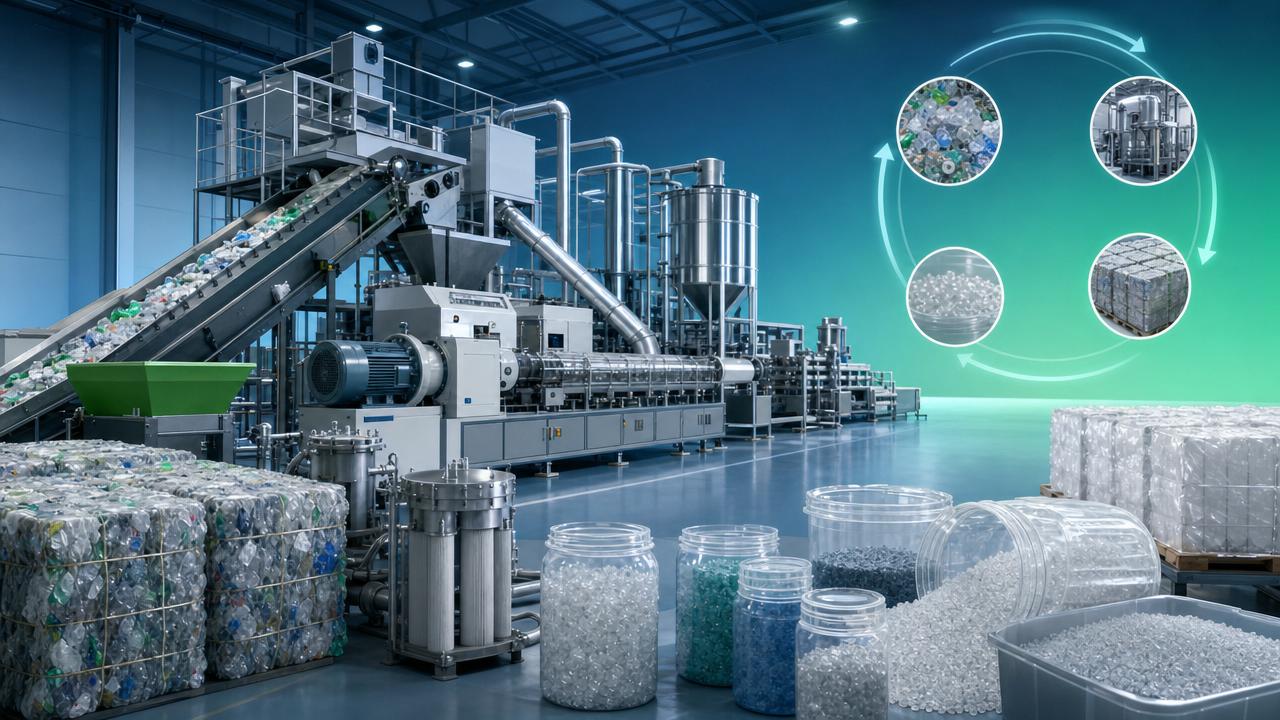
What recycled plastic technology cuts waste without raising cost




As packaging rules tighten and resin prices remain volatile, recycled plastic technology is becoming a practical way to reduce waste without adding cost pressure. The strongest results come from systems that lift yield, protect consistency, and keep compliance aligned with production reality.
Across molding, extrusion, blow molding, and pelletizing, the question is no longer whether recycled content matters. The real question is which recycled plastic technology fits each operating scene, and how to apply it without disrupting throughput, energy use, or quality targets.
When cost control and waste reduction must happen together
Not every production environment benefits from the same recycled plastic technology. A bottle line, a medical component line, and a pipe extrusion plant face different contamination risks, tolerance limits, and traceability demands.
That is why scene-based evaluation matters. The best system is rarely the cheapest machine alone. It is the combination of sorting, washing, filtration, melt control, and digital monitoring that lowers total waste cost.
PFRS tracks these links across polymer forming and resource recovery equipment. Its intelligence focus connects rheology, thermal behavior, and compliance pressure, helping technical teams compare recycled plastic technology by real operational value.
Scenario one: Packaging lines that need recycled content without quality drift
In packaging, the main challenge is balancing recycled content with appearance, sealing performance, and output speed. Even small gel defects or moisture variation can create rejects, downtime, or complaints.
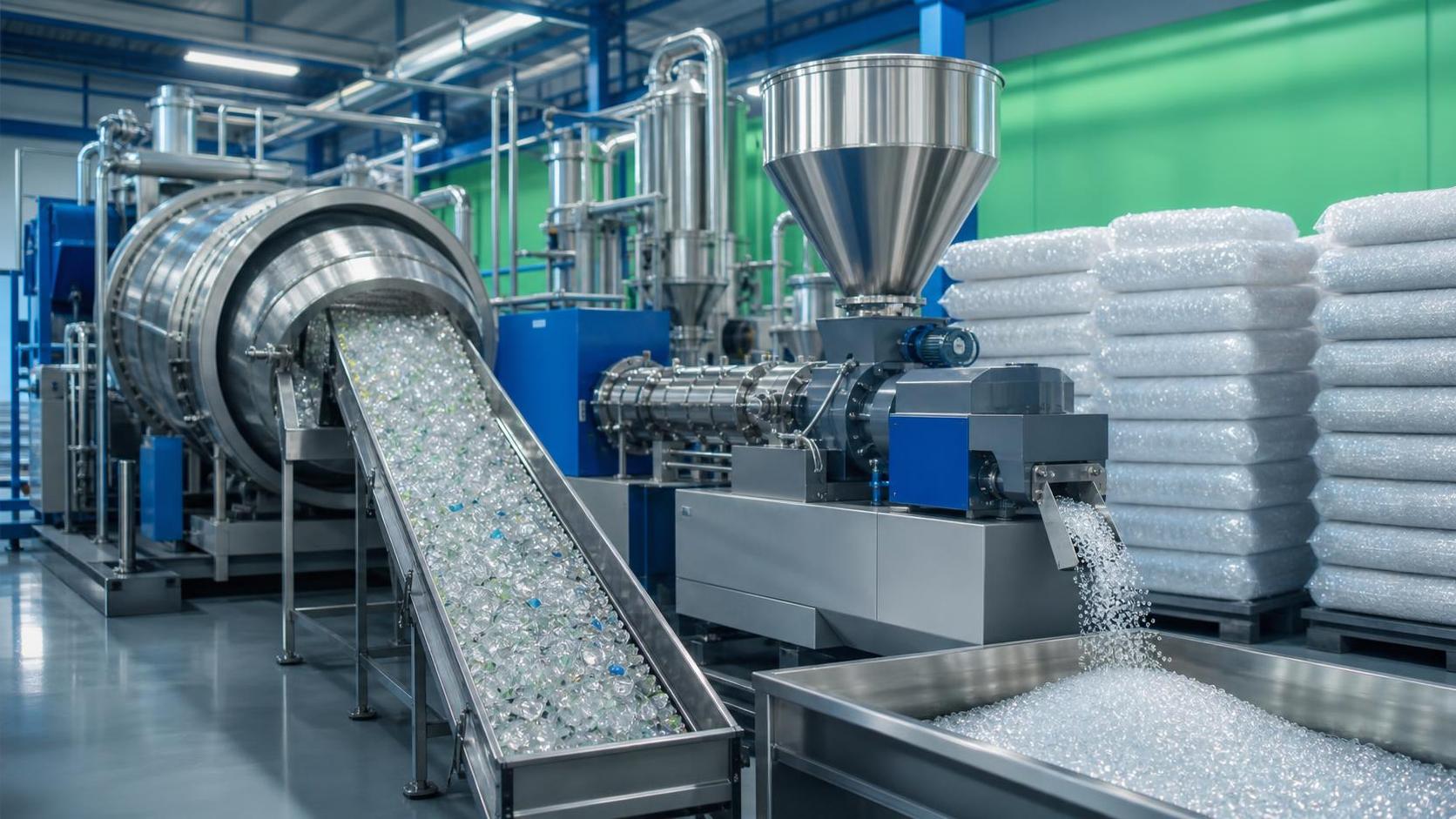
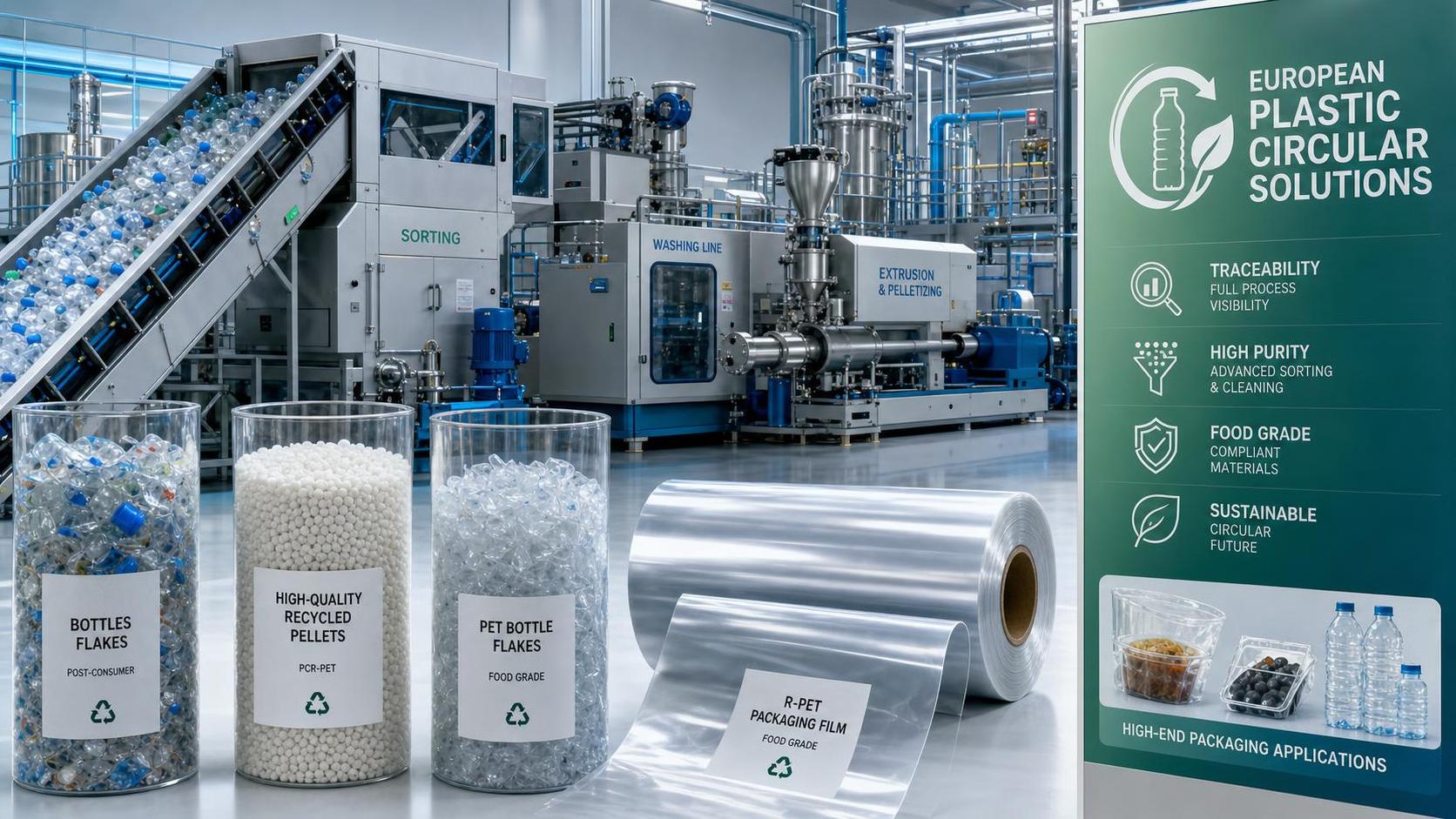
Here, recycled plastic technology should focus on stable flake preparation, efficient decontamination, and fine melt filtration. For rPET and rPE packaging, these steps often protect quality more than adding expensive virgin resin.
Core judgment points for packaging scenes
- How variable is incoming feedstock quality?
- Does the line require food-contact or high-clarity performance?
- Can filtration handle paper, aluminum, and black specks?
- Is moisture control linked to extrusion and pelletizing parameters?
For this scene, in-house recycling lines often outperform fragmented outsourcing. Scrap returns faster, formulation stays visible, and process windows can be adjusted before defects spread across multiple production shifts.
Scenario two: Injection molding cells where precision matters more than headline recycled content
Precision molding introduces a different constraint. Short shots, flash, sink marks, and warpage can rise when recycled material quality changes across lots. Cost savings disappear if dimensional stability falls.
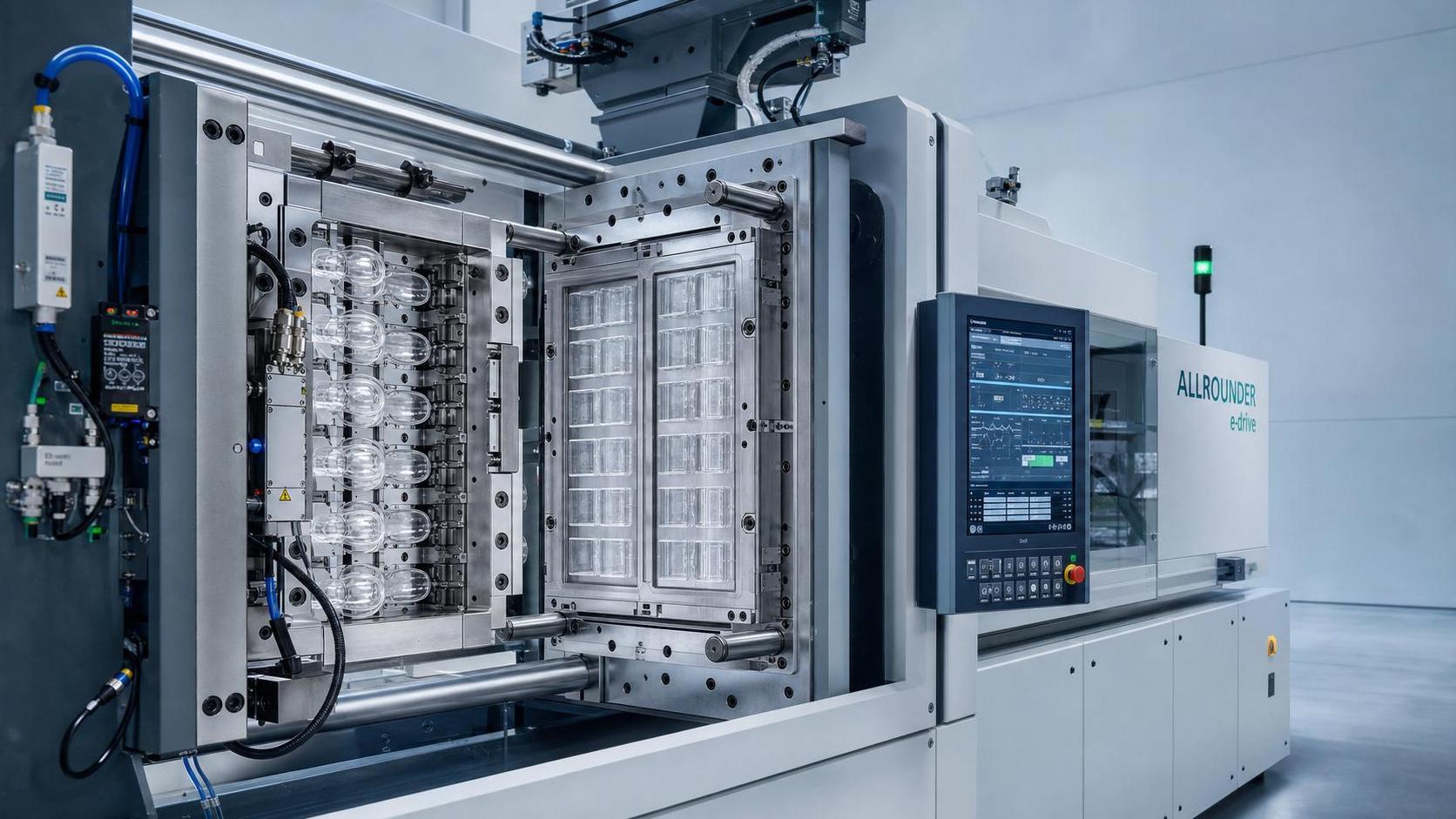
In this setting, recycled plastic technology should support controlled blending, accurate dosing, and AI-assisted holding pressure optimization. The target is not maximum recycled content. The target is stable molding behavior.
Best-fit approach in precision molding
- Use gravimetric feeders for repeatable recycled-to-virgin ratios.
- Track melt flow index and moisture before the press.
- Separate regrind from post-consumer recycled streams.
- Link cavity defects to upstream pellet quality data.
For engineering parts, the smartest recycled plastic technology may be advanced process control rather than a larger recycling unit. Better data often cuts waste faster than higher nominal recycling capacity.
Scenario three: Extrusion and pipe production where throughput defines economics
Extrusion lines live on continuous output. Any instability in melt pressure, dispersion, or temperature profile can create thick-thin variation, surface defects, or scrap reels that erase material savings.
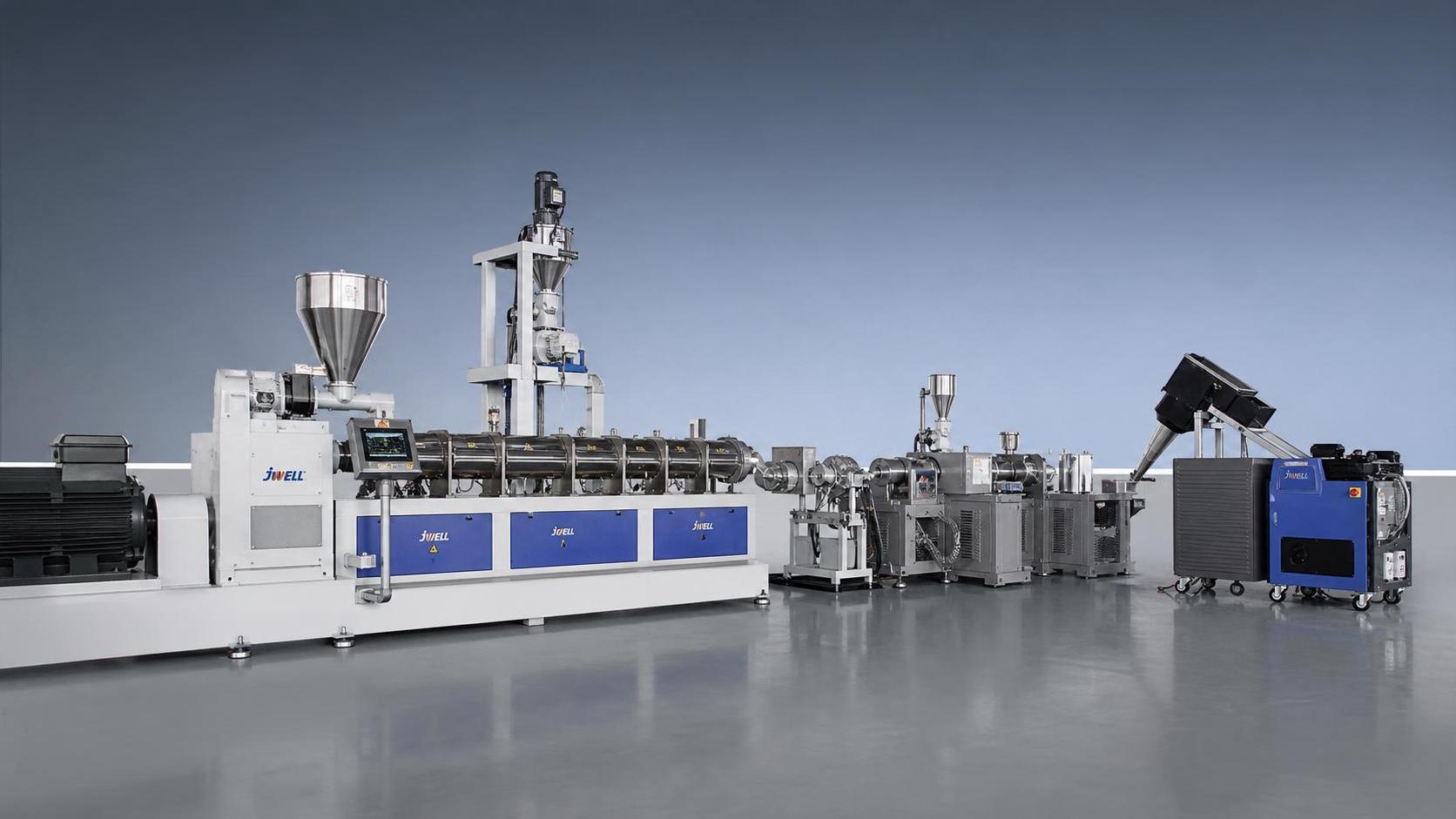
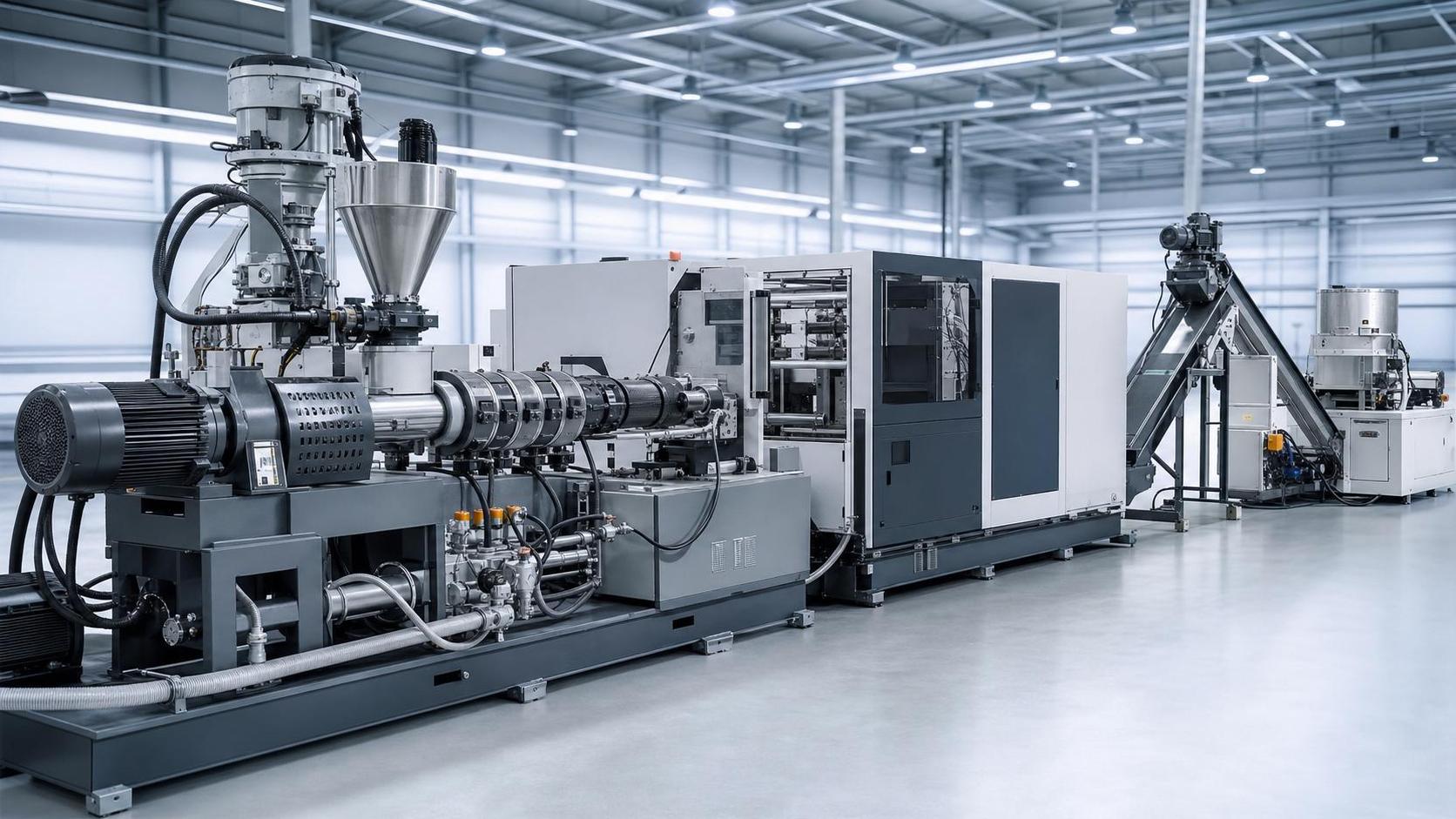
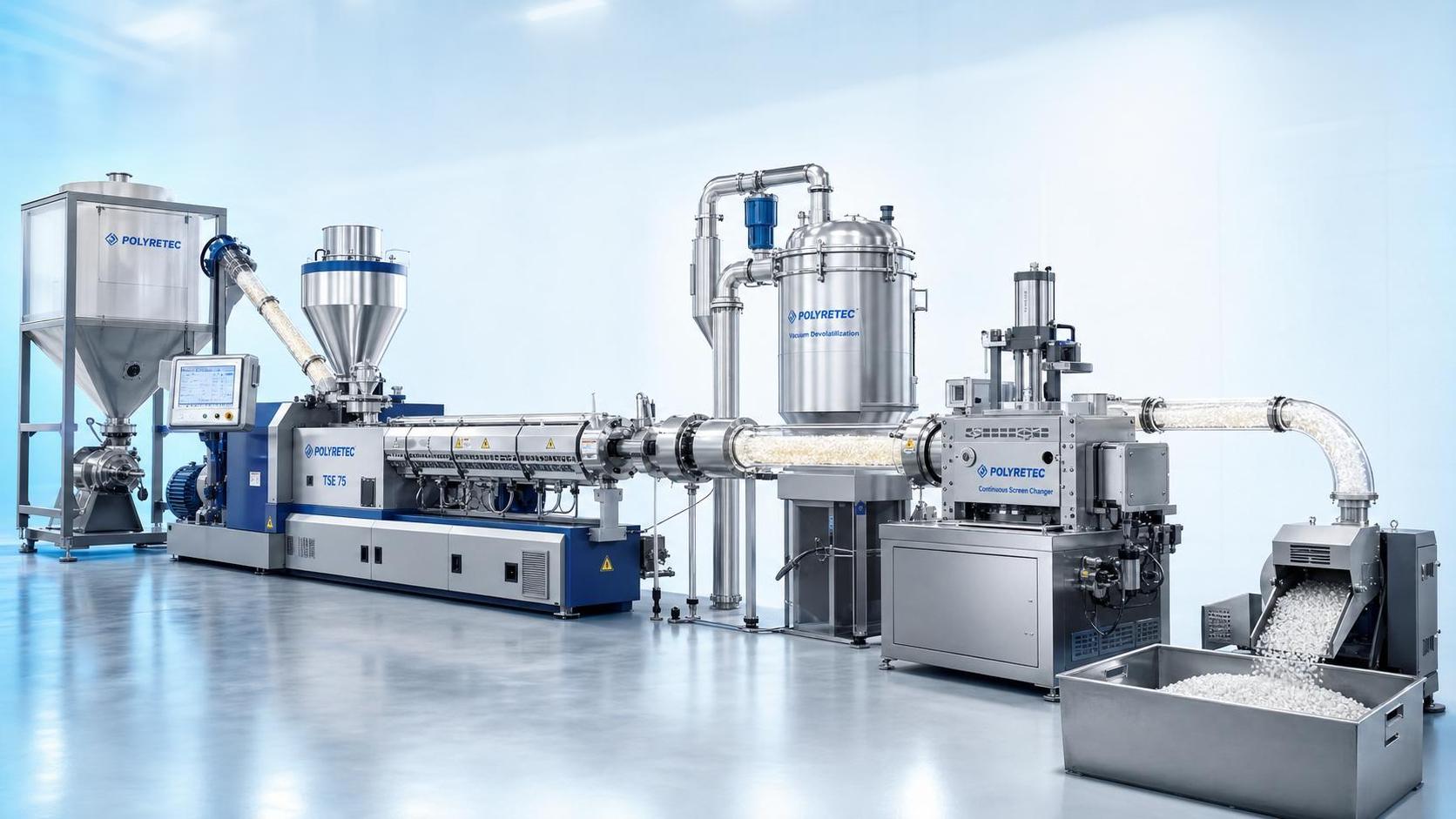
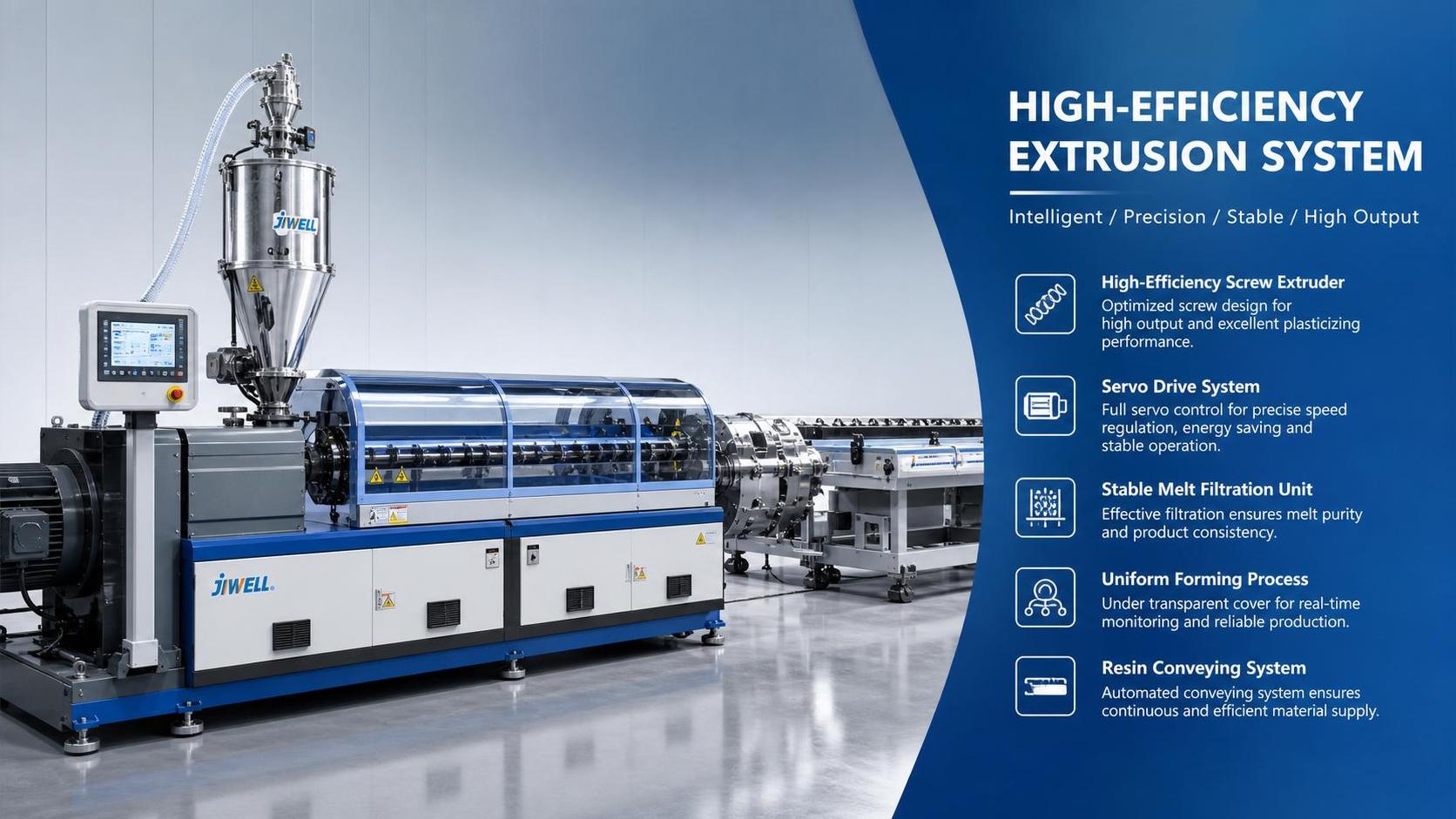
For these lines, recycled plastic technology should prioritize twin-screw compounding, degassing, and robust screw design. Consistent shearing and additive dispersion can unlock lower-cost recycled blends while maintaining mechanical performance.
What to verify before adoption
- Pressure stability across long runs.
- Screen changer efficiency under contaminated inputs.
- Odor control for film and consumer-facing applications.
- Energy use per ton after recycled content increases.
This is where PFRS intelligence on non-Newtonian flow and extrusion architecture becomes useful. Recycled plastic technology succeeds when rheology, screw configuration, and filtration are treated as one operating system.
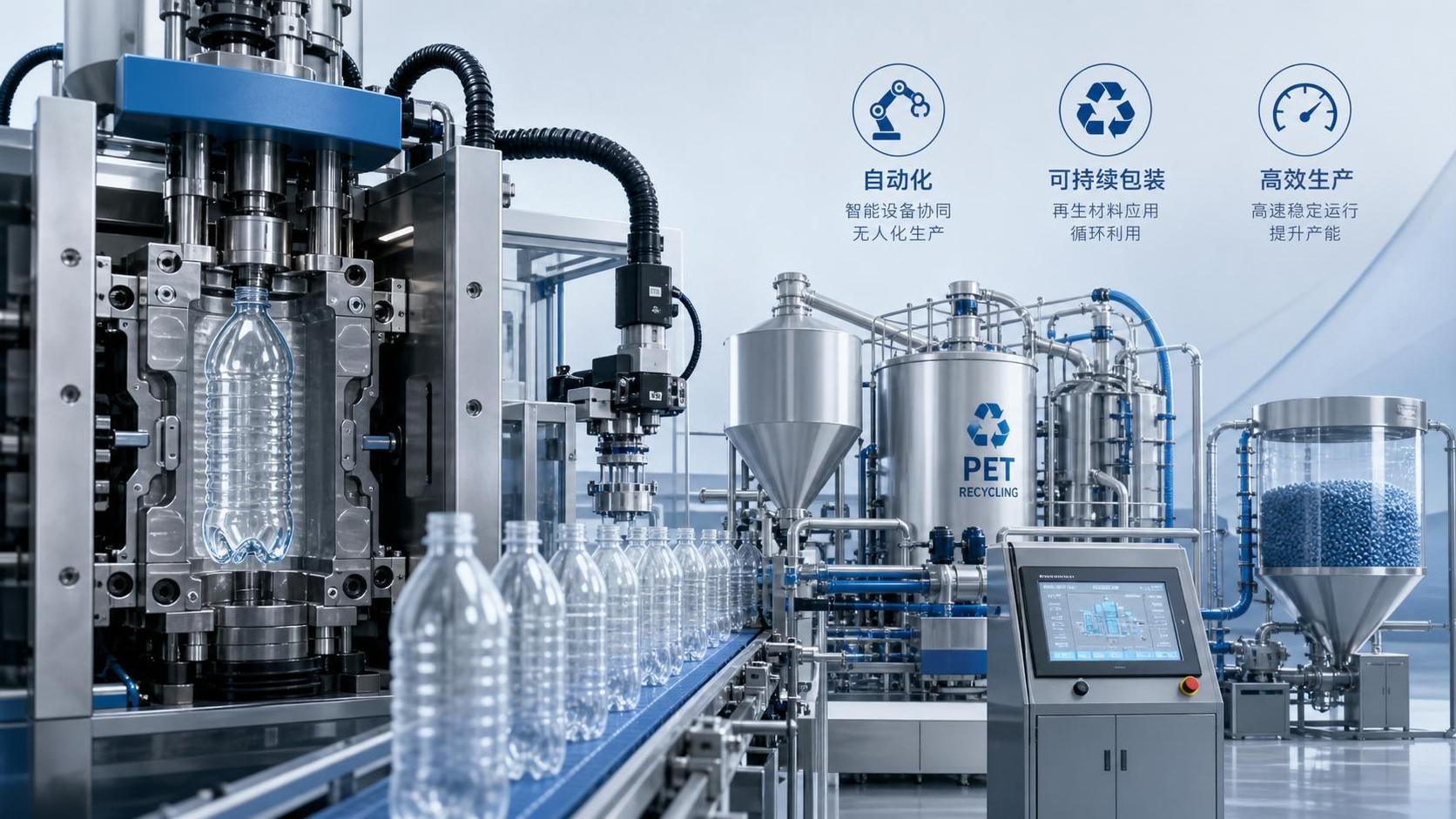
Scenario four: Blow molding and high-volume containers under compliance pressure
High-speed bottle production adds another layer of risk. Wall distribution, top-load strength, and clarity can all shift when recycled content enters the preform or parison process window.
The best recycled plastic technology for this scene combines decontamination, intrinsic viscosity preservation, and precise thermal management. Losing polymer performance forces compensation through thicker walls, which raises cost again.
A cost-neutral strategy often means improving material preparation rather than chasing high recycled percentages immediately. Better pellets, cleaner flakes, and tighter process control usually beat aggressive blending targets.
How application needs differ across common production scenes
How to match recycled plastic technology to real operating needs
A useful selection process starts with waste mapping, not equipment catalogs. Identify where loss happens first: trim scrap, unstable starts, contamination, quality rejects, or excessive virgin resin dependence.
- If scrap is clean and internal, prioritize regrind handling and dosing accuracy.
- If feedstock is mixed, prioritize sorting, washing, and melt filtration.
- If output varies, prioritize process analytics and closed-loop control.
- If compliance is rising, prioritize traceability and decontamination validation.
PFRS highlights a broader lesson here. Recycled plastic technology delivers the best economics when integrated with forming equipment, not treated as an isolated end-of-pipe investment.
Common misjudgments that make recycling look more expensive than it is
One common mistake is measuring success by recycled content percentage alone. If downtime, energy intensity, or reject volume rises, the headline number hides the true cost.
Another mistake is underestimating melt cleanliness. Low-cost feedstock can become high-cost production if filtration, venting, and contamination control are weak.
A third mistake is failing to connect quality data across steps. Pellet quality, extrusion pressure, injection response, and final defect rates should sit in one decision chain.
This is why modern recycled plastic technology increasingly includes sensors, AI tuning, and digital traceability. Better visibility cuts hidden waste that spreadsheets often miss.
Next-step actions for building a cost-neutral recycling upgrade
Start with one production scene and define one measurable objective. Good examples include lower reject rates, more stable melt pressure, reduced virgin resin share, or improved recycled pellet consistency.
Then compare recycled plastic technology by total system impact. Review washing, compounding, pelletizing, molding, extrusion, and data feedback as one workflow rather than separate purchases.
PFRS supports this evaluation with intelligence across injection molding, extrusion, blow molding, vulcanization, and waste plastic pelletizing systems. That broader view helps identify where waste can fall without adding avoidable cost.
The most effective recycled plastic technology is not simply advanced machinery. It is the right scene fit, the right process discipline, and the right data connection across the polymer lifecycle.
Related News
- 00
0000-00
How to Size a Servo Injection Molding Press for High-Precision Parts - 00
0000-00
How High-Speed Precision Injection Molding Controls Part Tolerances at Scale - 00
0000-00
How to Select Packaging Molding Equipment for High-Volume Production Lines - 00
0000-00
How to Evaluate Plastic Pelletizing Machine Suppliers for Output, Support, and Risk - 00
0000-00
How to Select a Plastic Pipe Manufacturing System for Output, Resin, and Pipe Range
Weekly Insights
Stay ahead with our curated technology reports delivered every Monday.
Related News
 Prof. Marcus ChenEnergy-Efficient Polymer Processing: Where Plants Can Cut kWh per KilogramEnergy-efficient polymer processing solutions help plants reduce kWh per kilogram, protect quality, cut scrap, and prioritize upgrades with data-driven insights.Sep 23, 2026
 Prof. Marcus ChenPlastic Pelletizing Trends: How Recycling Demand Is Reshaping Processing TechnologyPlastic pelletizing trends are redefining recycling quality. Explore filtration, extrusion, degassing, and automation innovations driving cleaner, more consistent recycled resin.Sep 07, 2026
 Prof. Marcus ChenHow Polymer Supply Chains Are Changing to Support High-Quality Recycling FeedstockPolymer supply chain for recycling is shifting toward traceable sourcing, cleaner sorting, and stable processing. See how high-quality feedstock improves performance, compliance, and cost control.Aug 22, 2026
 Prof. Marcus ChenHow Europe’s Circular Plastics Economy Is Reshaping Recycling InvestmentCircular plastics economy Europe is reshaping recycling investment through quality, traceability, and packaging demand. Explore where capital is moving and why it matters now.Aug 04, 2026
 Prof. Marcus ChenBlow Molding Trends Shaping Packaging, Sustainability, and Production EfficiencyBlow molding trends are redefining packaging with lightweighting, recycled content, automation, and energy efficiency. Discover how smarter production boosts sustainability and cuts costs.Jul 23, 2026
 Prof. Marcus ChenExtrusion Equipment Modular Design: When It Makes Sense for Line ExpansionExtrusion equipment modular design helps manufacturers expand lines in phases, cut disruption, and stay ready for recycled content, utility limits, and changing product demands.Jul 15, 2026
 Prof. Marcus ChenPolymer Lifecycle Solutions Explained: From Material Sourcing to End-of-Life RecoveryPolymer lifecycle solutions explained from sourcing and processing to recycling and recovery. Discover how to cut waste, improve quality, and build smarter material strategies.Jul 13, 2026
 Prof. Marcus ChenEnergy-Efficient Polymer Processing Systems: Which Metrics Matter Most?Energy-efficient polymer processing systems: discover the metrics that truly drive ROI—specific energy use, yield, uptime, stability, and compliance for smarter equipment decisions.Jul 11, 2026
 Prof. Marcus ChenPolymer Recycling Systems for Continuous Operation: What to Check Before SpecifyingPolymer recycling systems continuous operation starts with the right specification. Learn what to check for uptime, melt quality, energy efficiency, and reliable pellet output.Jul 09, 2026
 Prof. Marcus ChenCircular Plastics Economy in Japan: Policy Drivers, Recycling Targets, and Market ImpactCircular plastics economy Japan is accelerating as policy, recycling targets, and packaging reforms reshape material choices, processing strategy, and market advantage.Jul 05, 2026
 Prof. Marcus ChenPlastic Extrusion Technology Trends: What Process Changes Are Improving Energy Efficiency?Plastic extrusion technology trends are reshaping energy efficiency through smarter screws, thermal control, servo drives, and digital optimization. See which process changes deliver lower costs and more stable output.Jul 01, 2026
 Prof. Marcus ChenInjection Molding Technology Trends: Which Process Changes Matter Most for Medical and Packaging Parts?Injection molding technology trends shaping medical and packaging parts: discover the process changes that improve validation, precision, efficiency, and recycled-material readiness.Jun 30, 2026
 Prof. Marcus ChenCircular Plastics Economy Compliance Explained: Key Requirements for ManufacturersCircular plastics economy compliance explained for manufacturers: learn key requirements, audit risks, process controls, and how to turn compliance into a competitive advantage.Jun 25, 2026
 Prof. Marcus ChenAdvanced Materials Processing Trends: 5 Shifts Reshaping Capacity Planning and SourcingAdvanced materials processing trends are reshaping capacity planning, sourcing, recycling, and compliance. Explore 5 shifts helping manufacturers cut risk, improve precision, and build resilient growth.Jun 24, 2026
 Prof. Marcus ChenGlobal Plastic Ban Trends: Which Packaging Materials and Export Markets Face the Biggest Changes?Global plastic ban trends are reshaping packaging choices and export strategy. See which materials and markets face the biggest shifts, and how to reduce compliance risk.Jun 22, 2026
 Prof. Marcus ChenPolymer Rheology Trends That Matter in Extrusion: Melt Strength, Shear, and StabilityPolymer rheology trends are reshaping extrusion performance. Learn how melt strength, shear, and stability affect quality, efficiency, and recycled resin processing.Jun 18, 2026
 Prof. Marcus ChenPlastic Circularity Strategies for Manufacturers: Recycled Content, Design, and TraceabilityPlastic circularity strategies for manufacturers: learn how recycled content, smarter design, and traceability can reduce risk, improve compliance, and strengthen supply resilience.Jun 18, 2026
 Prof. Marcus ChenAdvanced Materials Processing Equipment in High-Performance Manufacturing: Where It Fits BestAdvanced materials processing equipment drives precision, speed, and sustainability in manufacturing. Explore where each system fits best to improve quality, efficiency, and ROI.Jun 16, 2026
 Prof. Marcus ChenWhat Is Driving the Circular Economy Plastics Market? Policy, Pricing, and Demand ShiftsCircular economy plastics market trends are being driven by tighter policy, resin price volatility, and stricter buyer demands. Discover what this means for sourcing, processing, and growth.Jun 13, 2026
 Prof. Marcus ChenDigital Polymer Processing Explained: Methods, Materials, and Best-Fit ApplicationsDigital polymer processing explained clearly: explore key methods, materials, and best-fit applications to improve quality, efficiency, and recycling performance.Jun 10, 2026