Can polymer smart manufacturing improve uptime this year?




For project managers under pressure to raise throughput, cut scrap, and control energy costs, polymer smart manufacturing offers a practical path to better uptime this year.
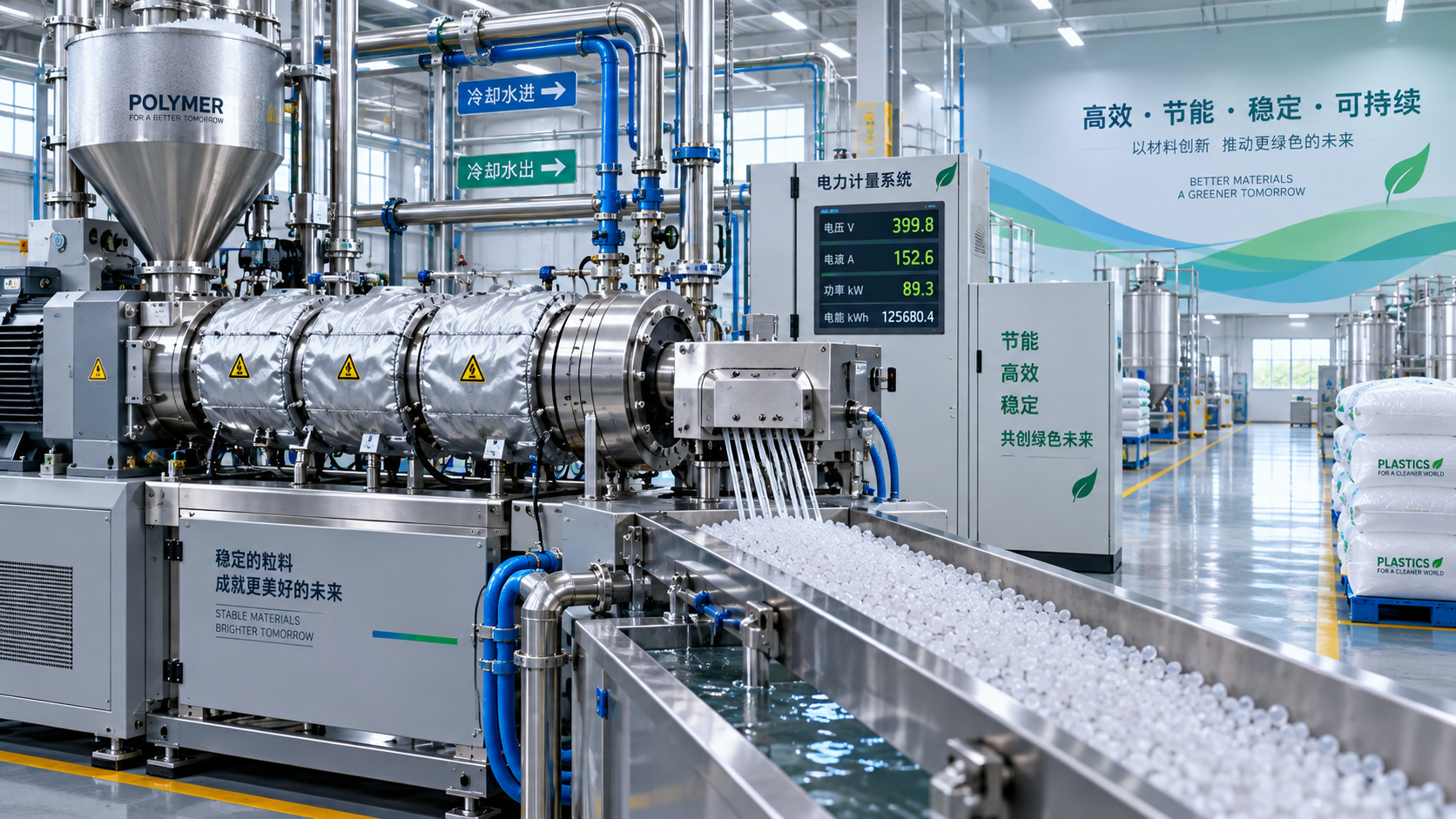
By linking machine data, process control, maintenance planning, and quality signals, plants can prevent stoppages before they spread across production.
This matters across injection molding, extrusion, blow molding, vulcanization, and recycling, where small process drifts often become expensive downtime.
What polymer smart manufacturing means in practical terms
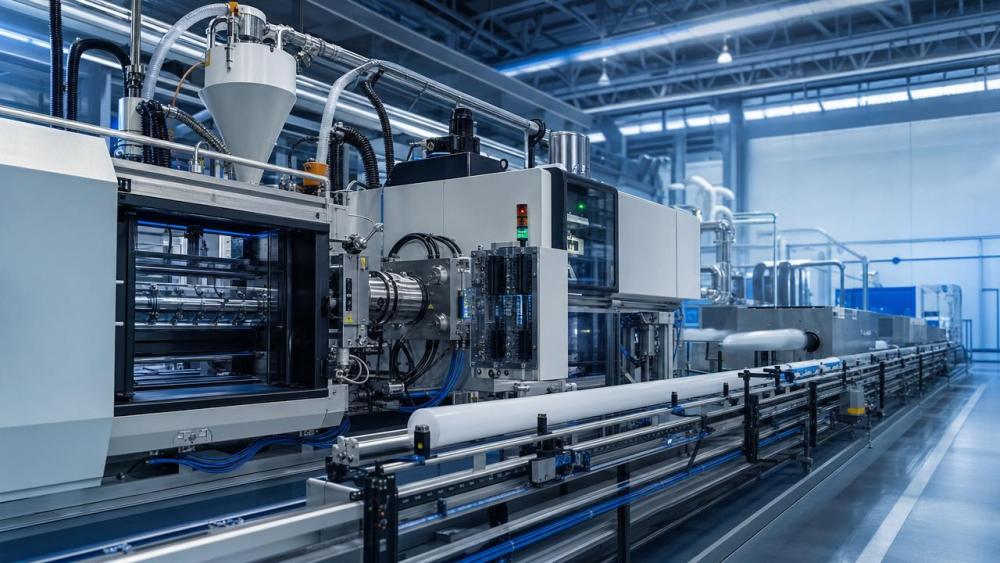
Polymer smart manufacturing combines automation, sensors, software, and process intelligence to stabilize polymer production and improve equipment availability.
It is not only about adding dashboards. It means using live data to guide setup, detect variation, and support faster intervention.
In polymer operations, uptime depends on temperature balance, pressure consistency, material condition, tool health, and operator response speed.
Polymer smart manufacturing turns those variables into measurable signals. That allows teams to manage instability before defects or line stops appear.
For PFRS, this approach connects polymer rheology, thermodynamics, energy efficiency, and recycling performance into one operational view.
Core building blocks
- Machine connectivity for molding, extrusion, vulcanization, and pelletizing equipment
- Real-time monitoring of pressure, temperature, torque, vibration, and cycle time
- Predictive maintenance based on wear patterns and alarm history
- Process optimization using recipe control, trend analysis, and closed-loop adjustment
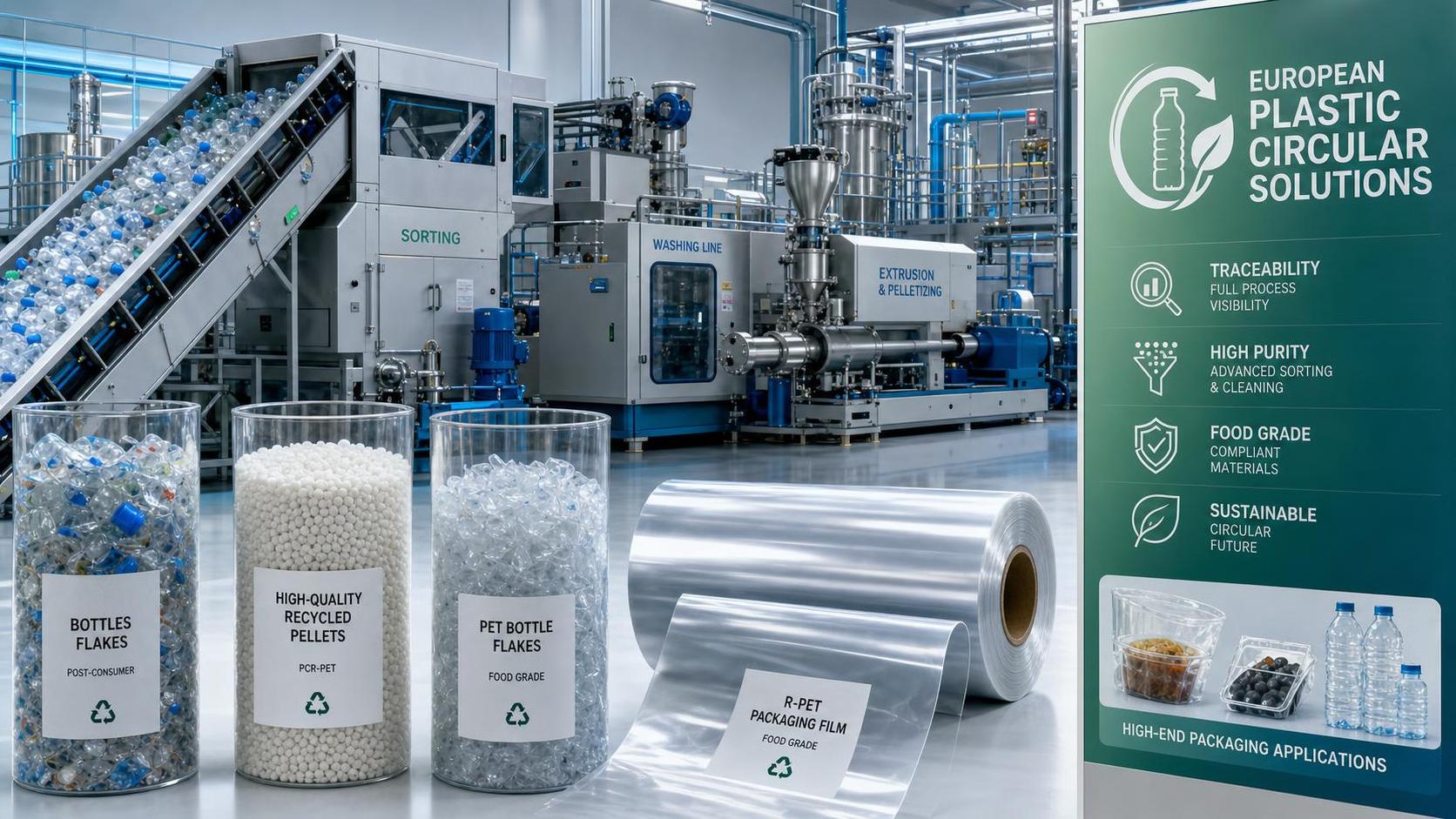
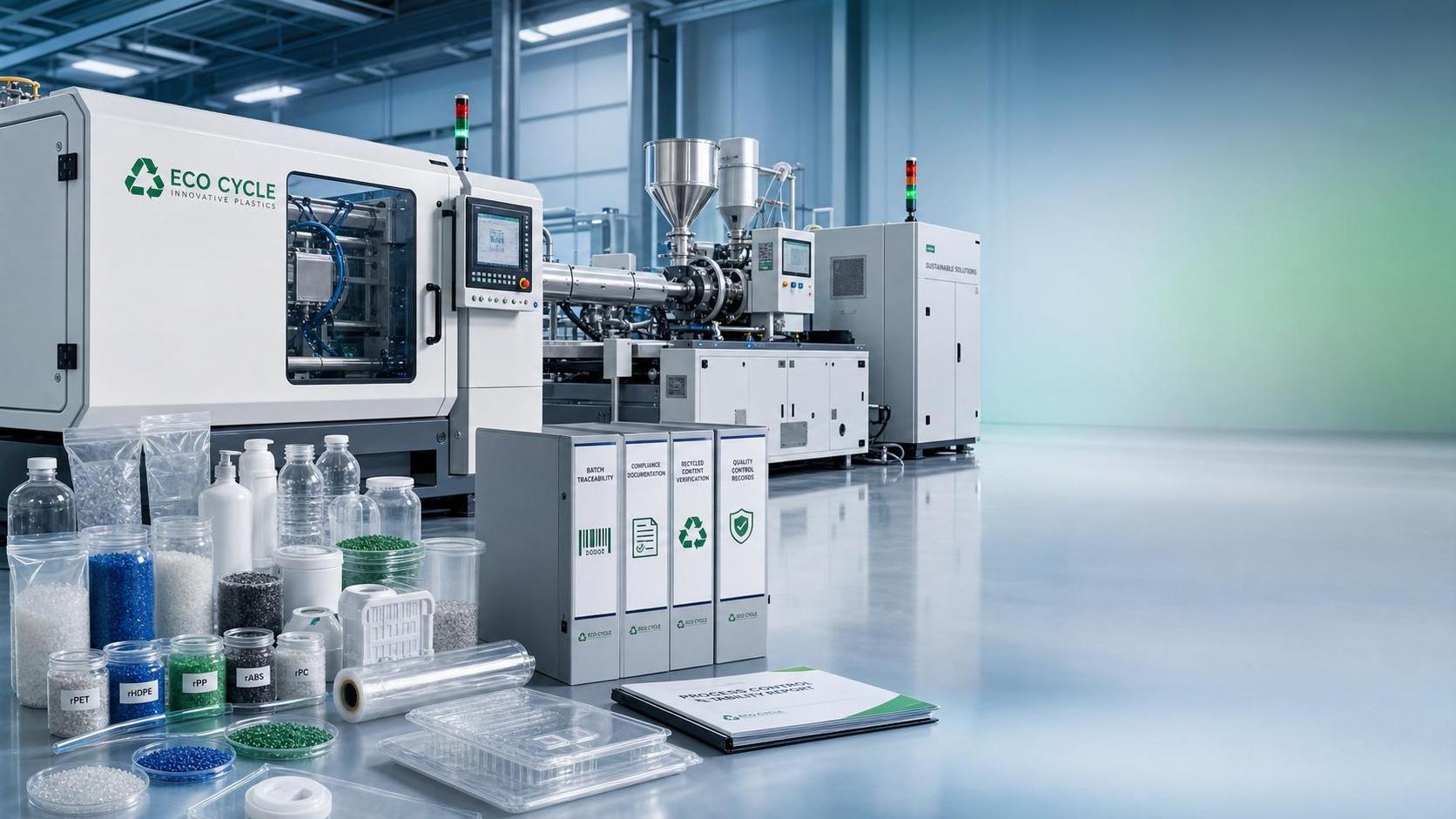
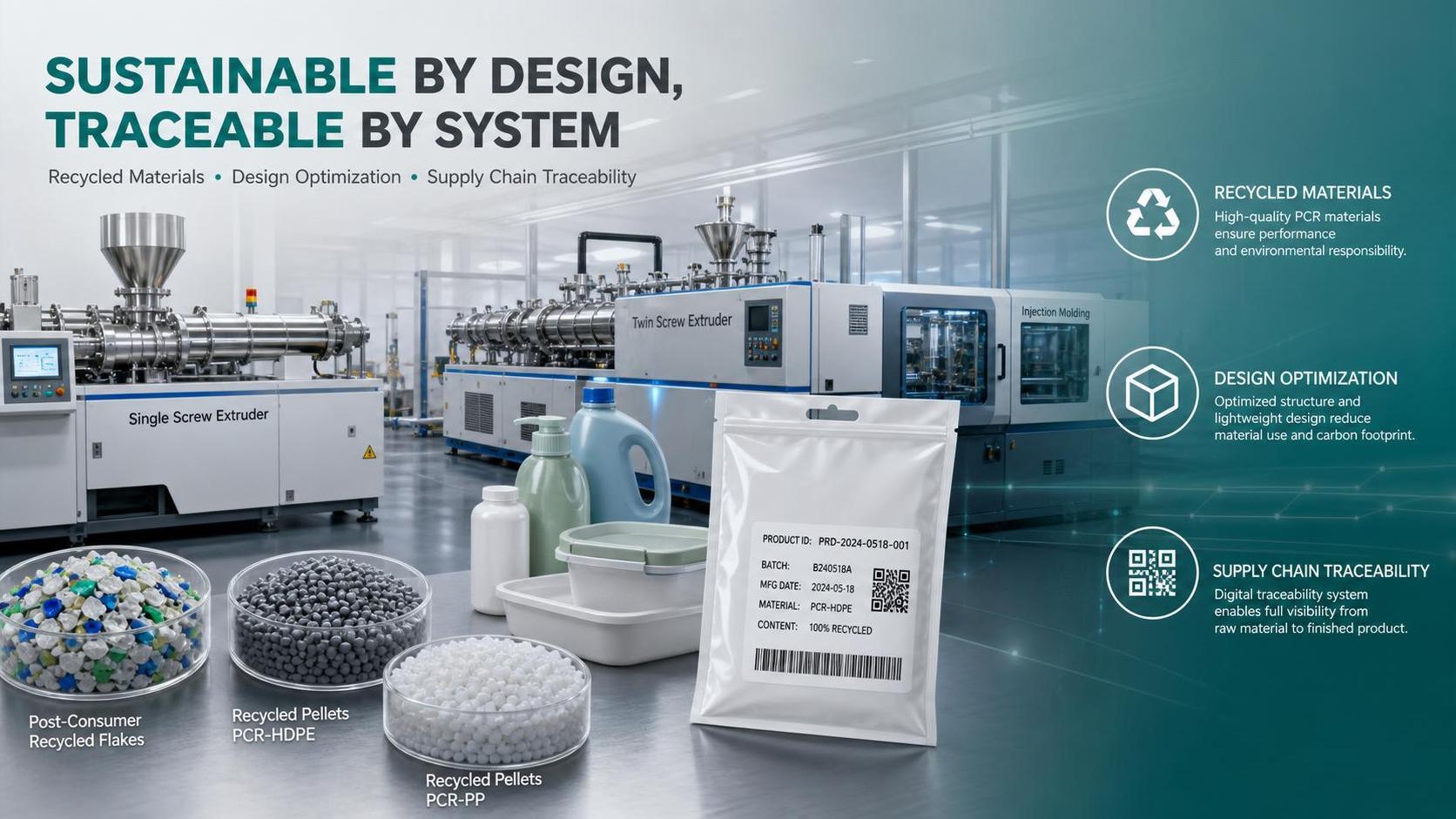
- Traceability for quality, compliance, and recycled content verification
Current industry signals shaping uptime priorities
Across the broader industrial sector, uptime is now tied to energy volatility, labor constraints, compliance pressure, and material cost swings.
That makes polymer smart manufacturing relevant beyond plastics specialists. It supports business continuity in packaging, automotive, medical, construction, and consumer goods.
These signals explain why polymer smart manufacturing is increasingly treated as an uptime discipline, not just a digital transformation project.
How polymer smart manufacturing improves uptime across equipment types
Different polymer systems fail in different ways. Smart manufacturing works best when logic matches each process and machine family.
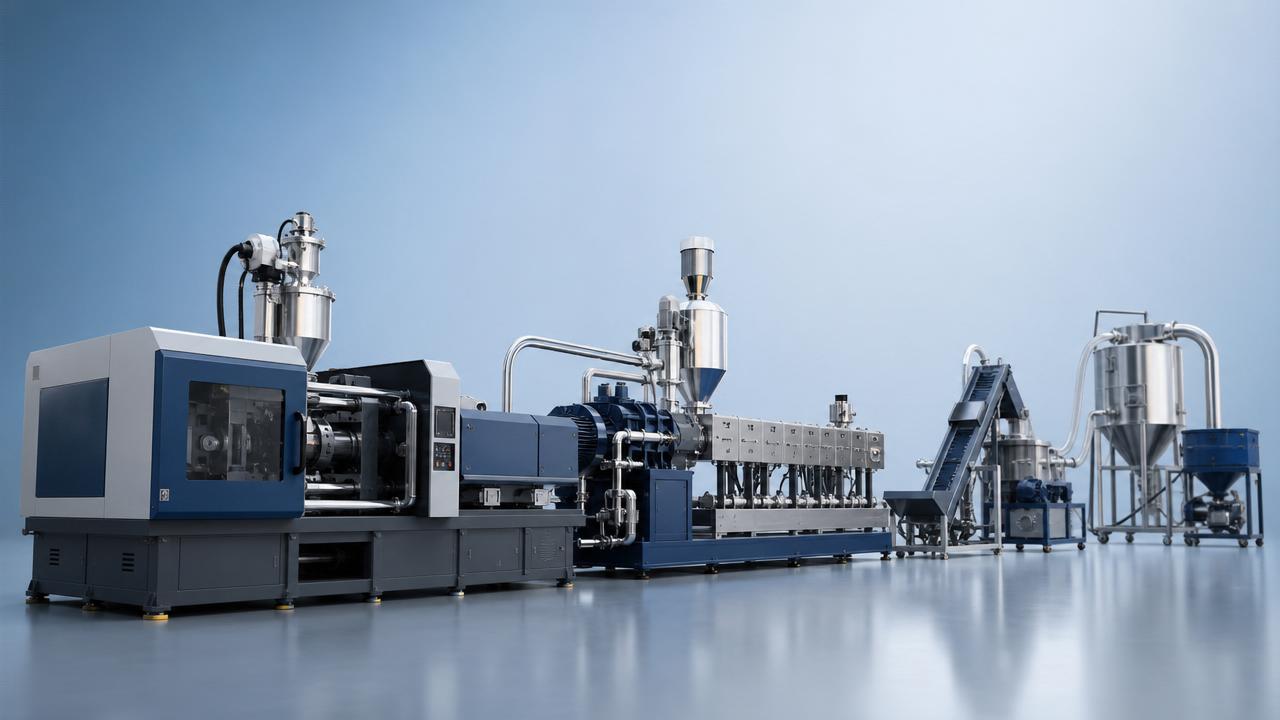
Precision injection molding machines
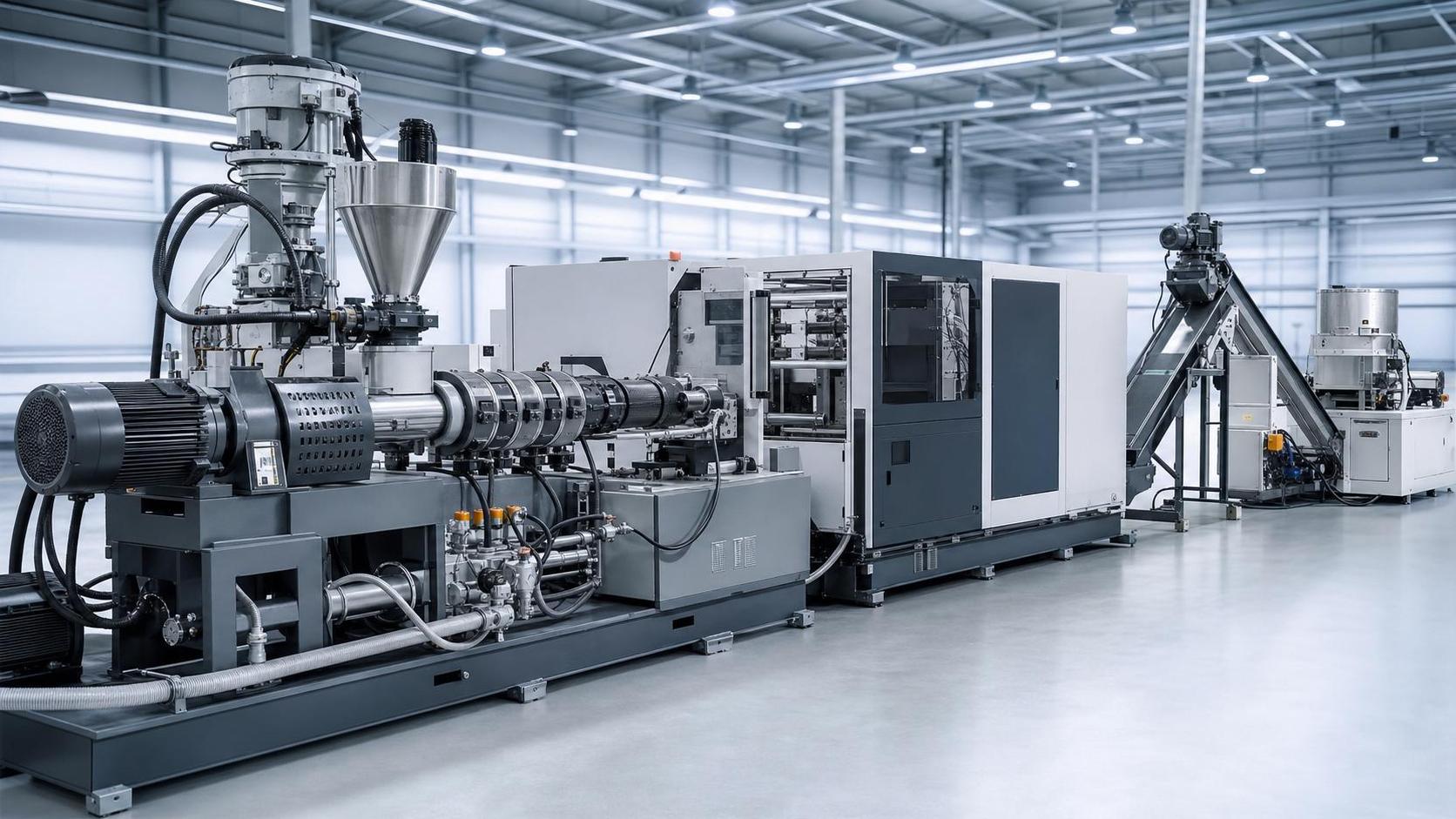
Injection molding uptime depends on repeatable filling, stable holding pressure, mold cooling, and servo performance.
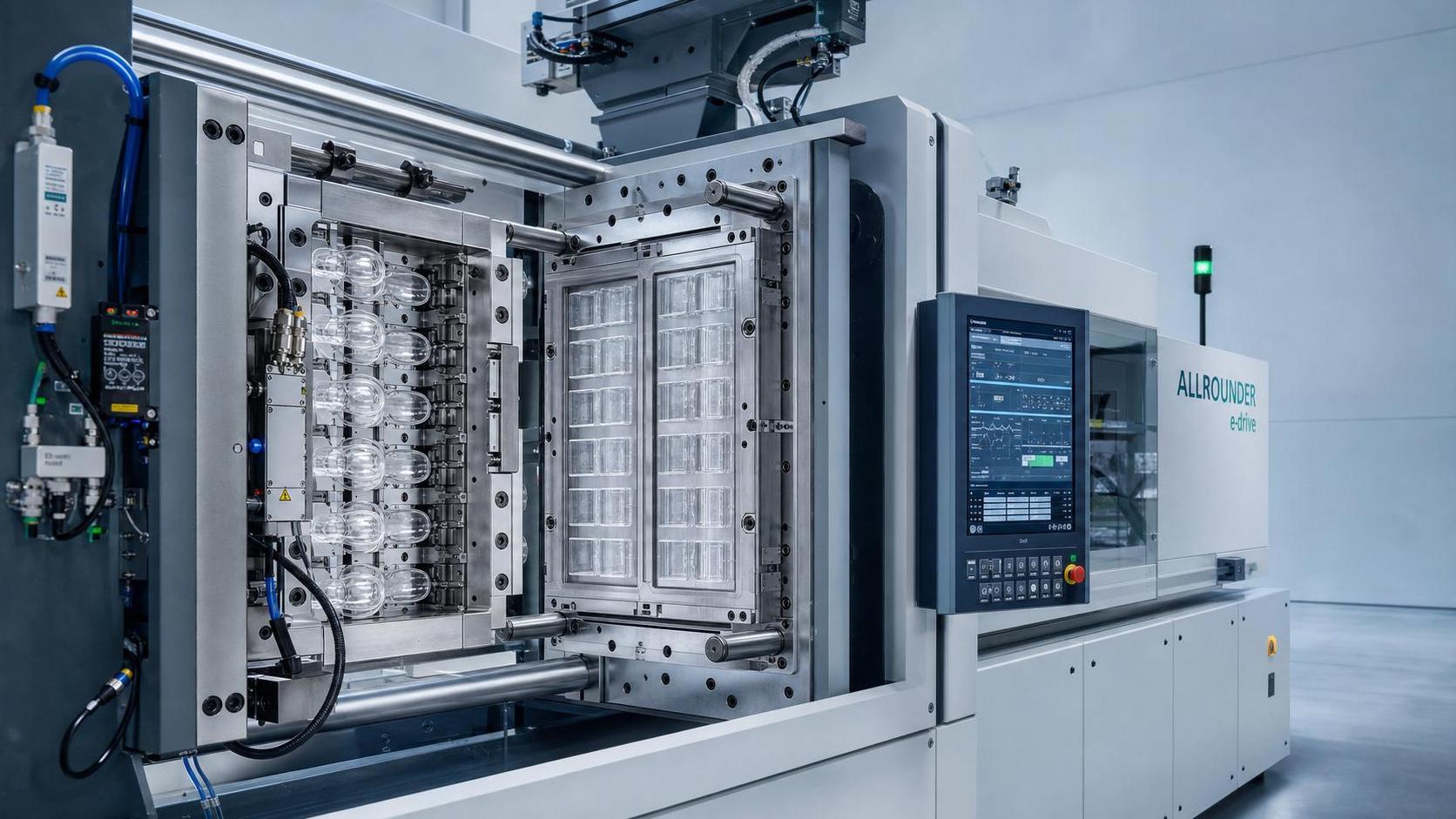
Polymer smart manufacturing monitors cycle deviations, cushion changes, screw recovery time, and clamp behavior.
That helps detect worn check rings, blocked cooling lines, heater drift, and material moisture issues before rejects escalate.
Plastic extruders
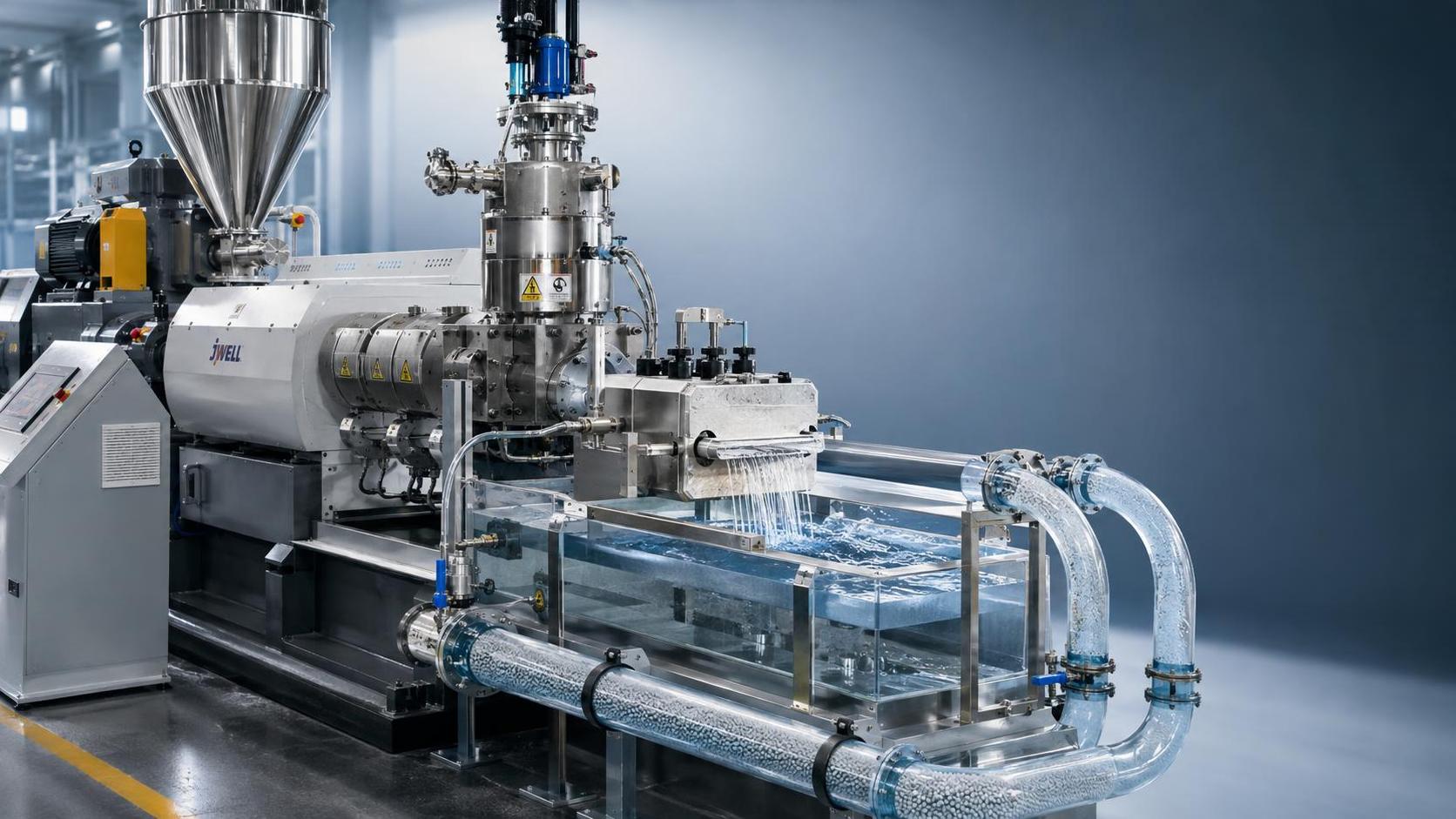
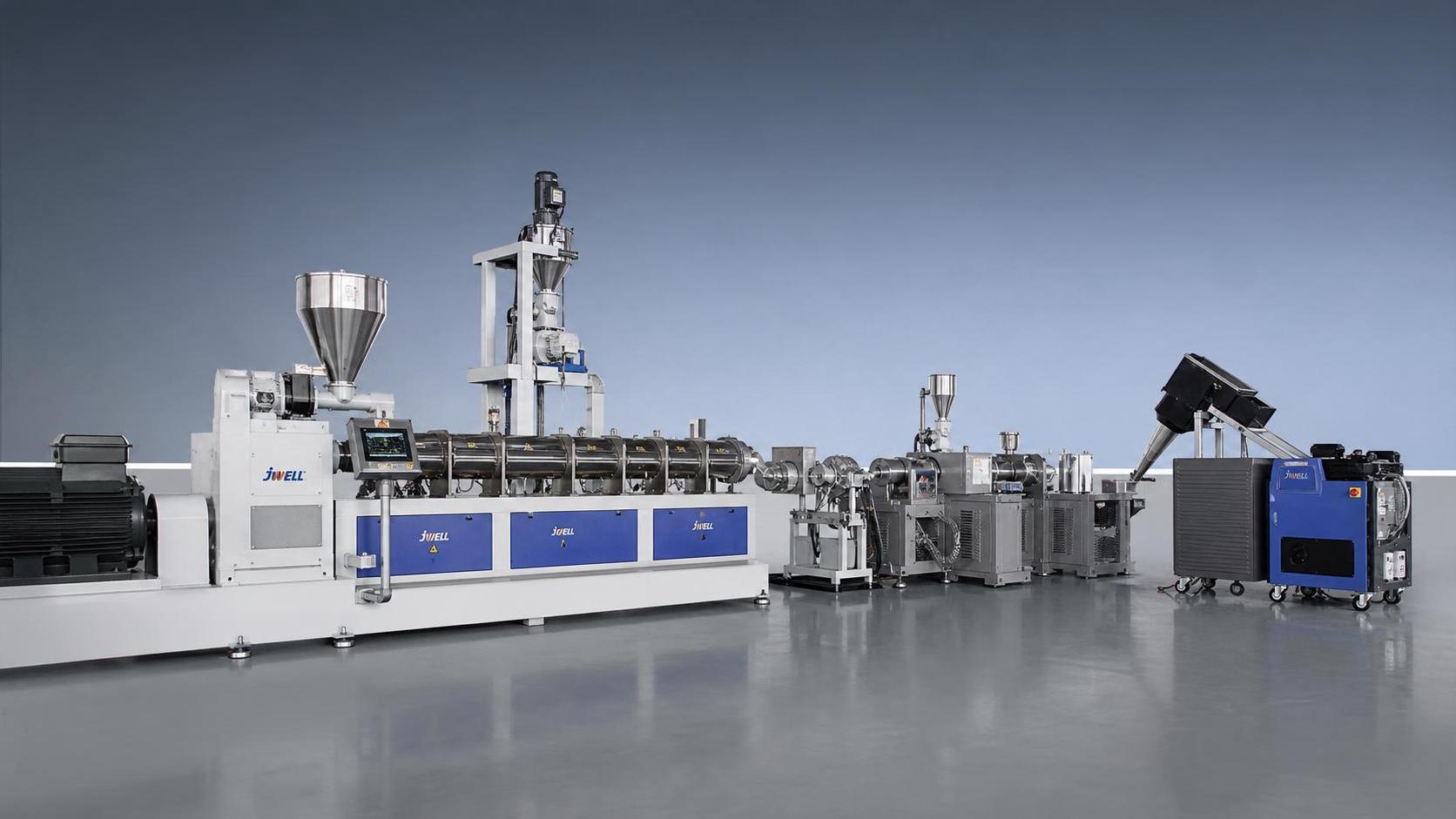
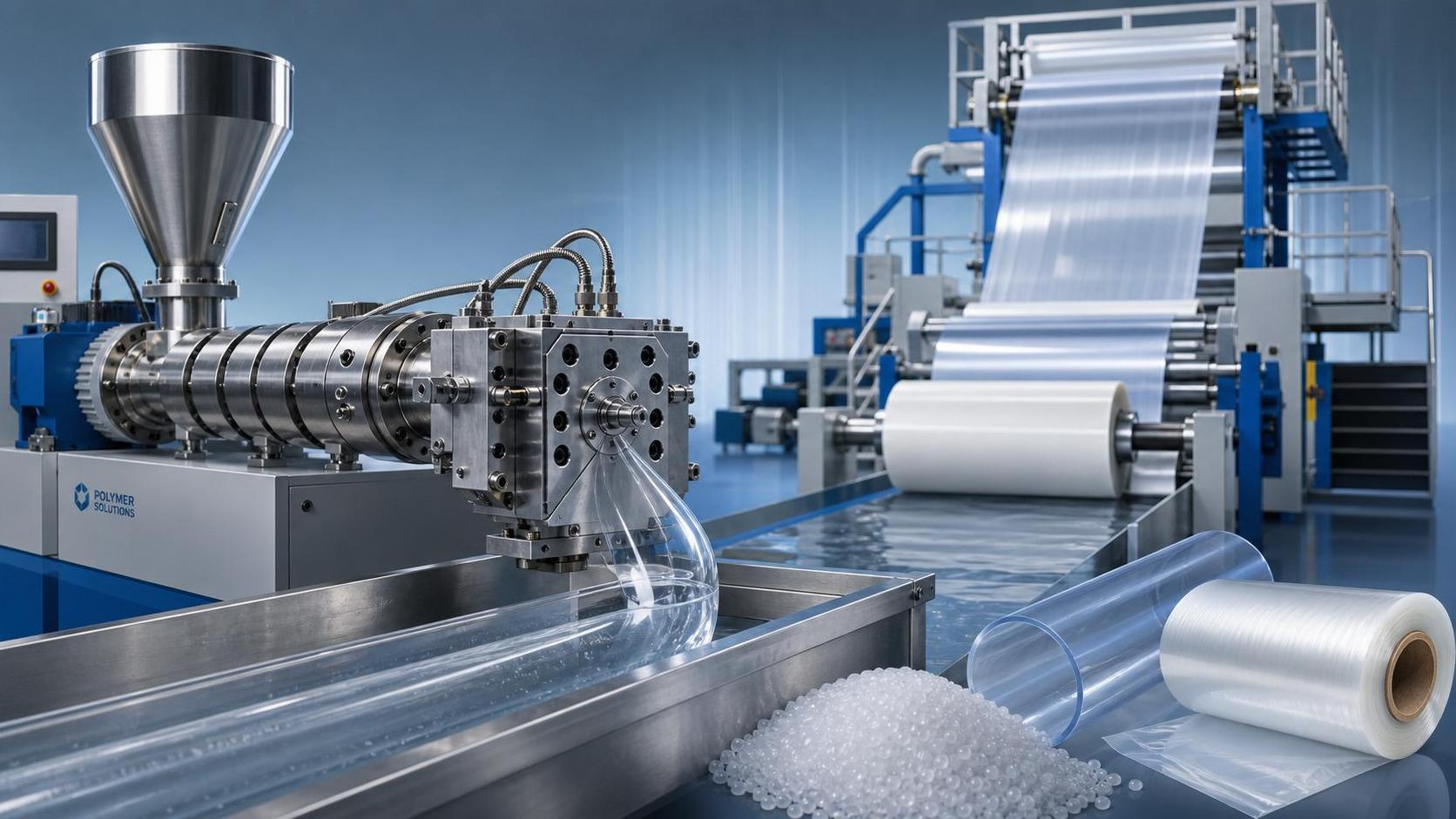
Extrusion lines rely on stable throughput, melt pressure, screw torque, and die temperature balance.
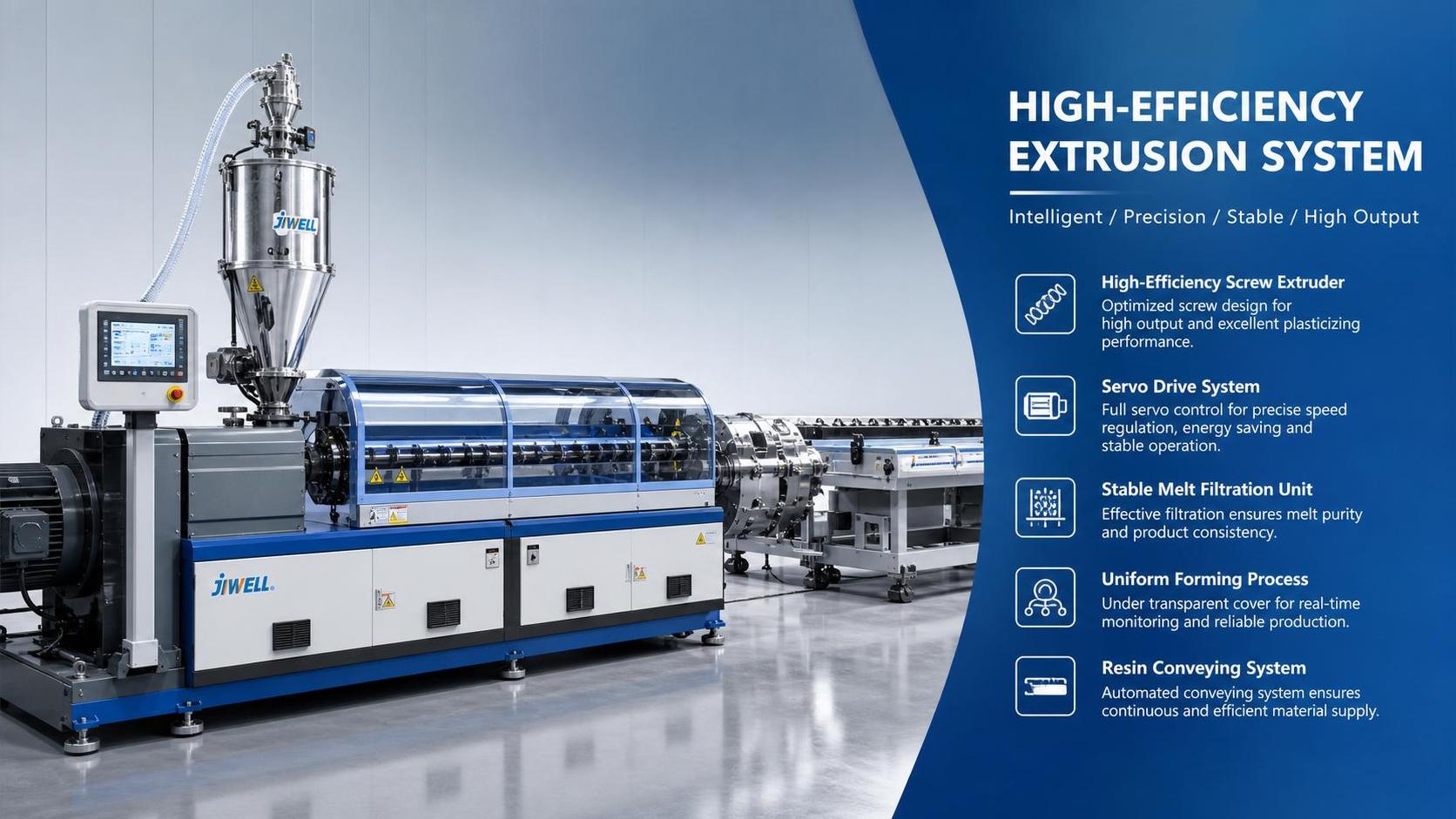
Polymer smart manufacturing identifies screen pack loading, motor stress, surging, additive inconsistency, and barrel zone instability.
When trends are visible early, teams can schedule interventions during planned windows instead of reacting to breakdowns.
Blow molding systems
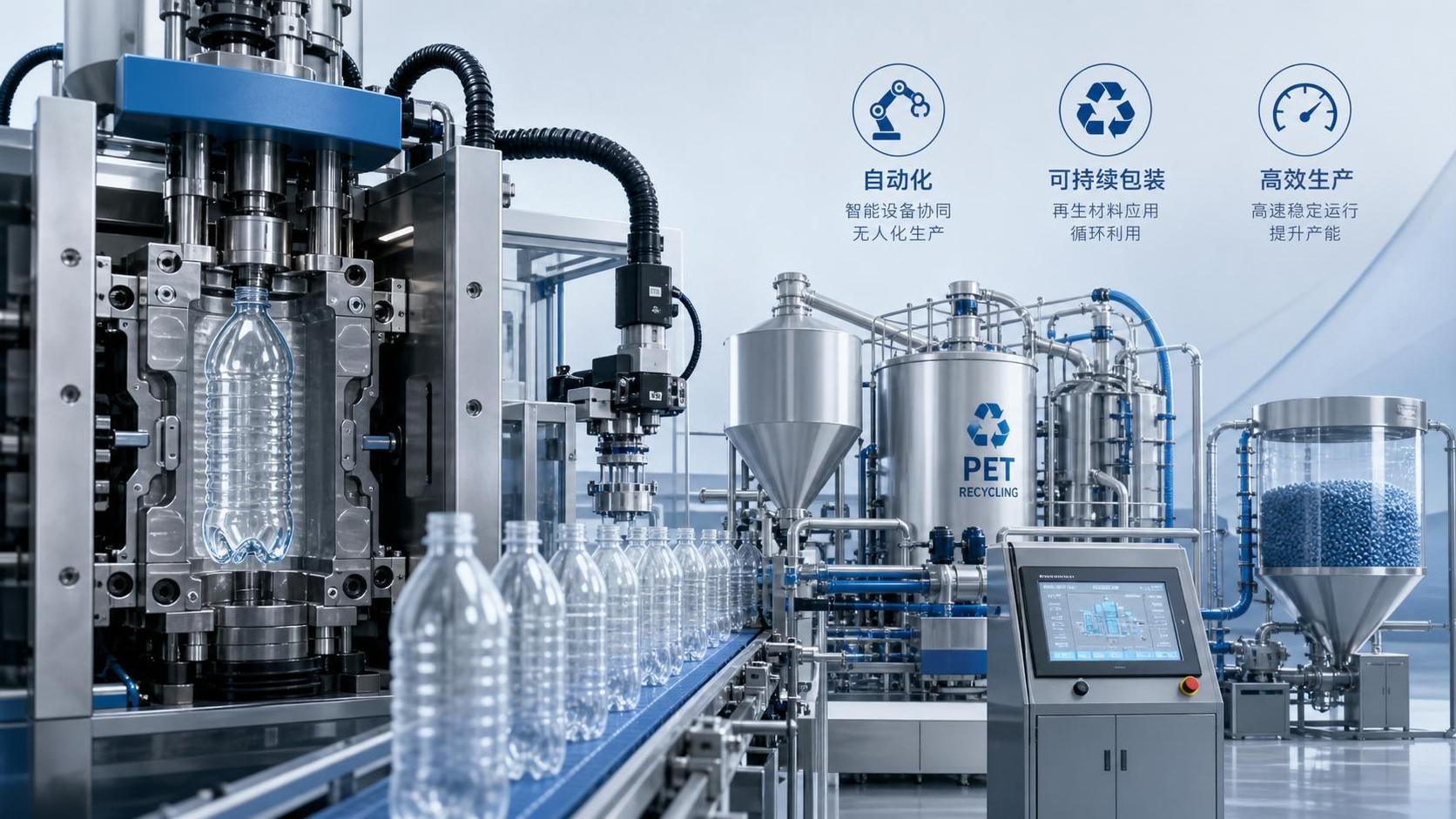
Bottle and container lines are highly sensitive to preform quality, heating uniformity, stretch ratios, and air system performance.
Smart controls reduce jams, thickness variation, and leak failures by linking upstream conditions to downstream inspection results.
Rubber vulcanizing machines
Vulcanization uptime often suffers from mold temperature imbalance, cure inconsistency, hydraulic instability, and long setup adjustments.
Polymer smart manufacturing improves press utilization with recipe locking, thermal uniformity checks, and alarm correlation.
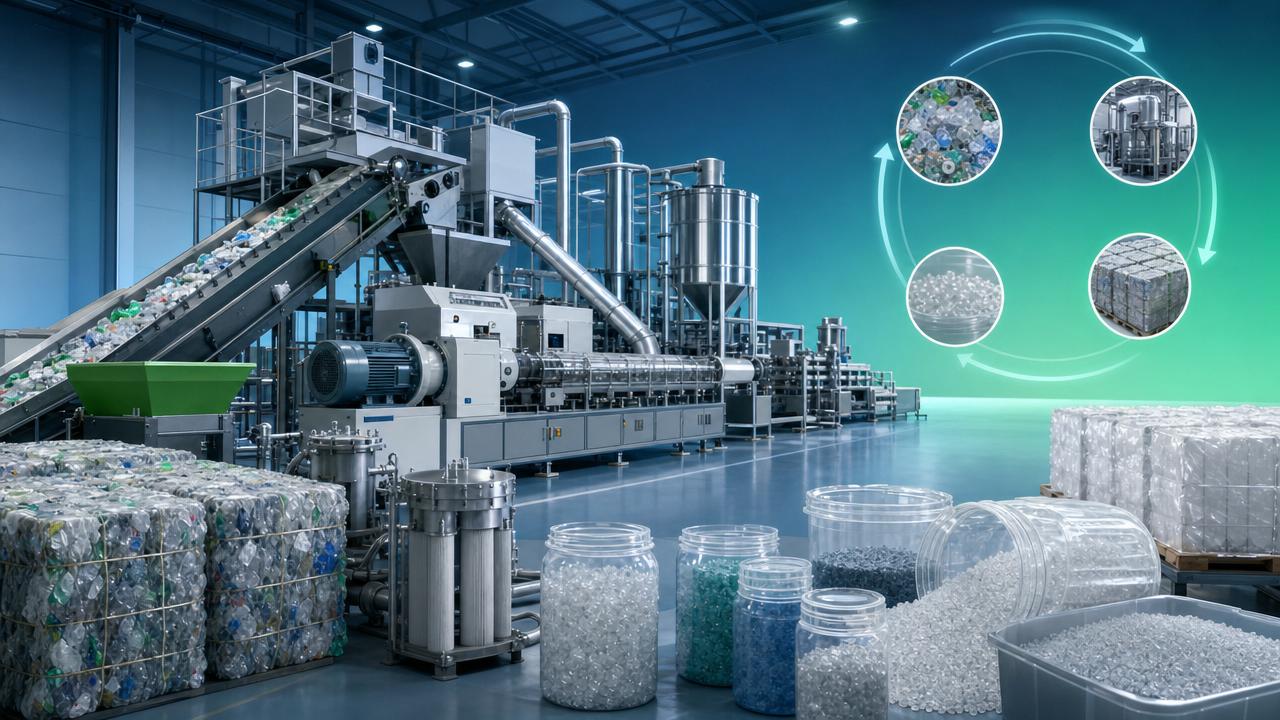
Waste plastic pelletizing machines
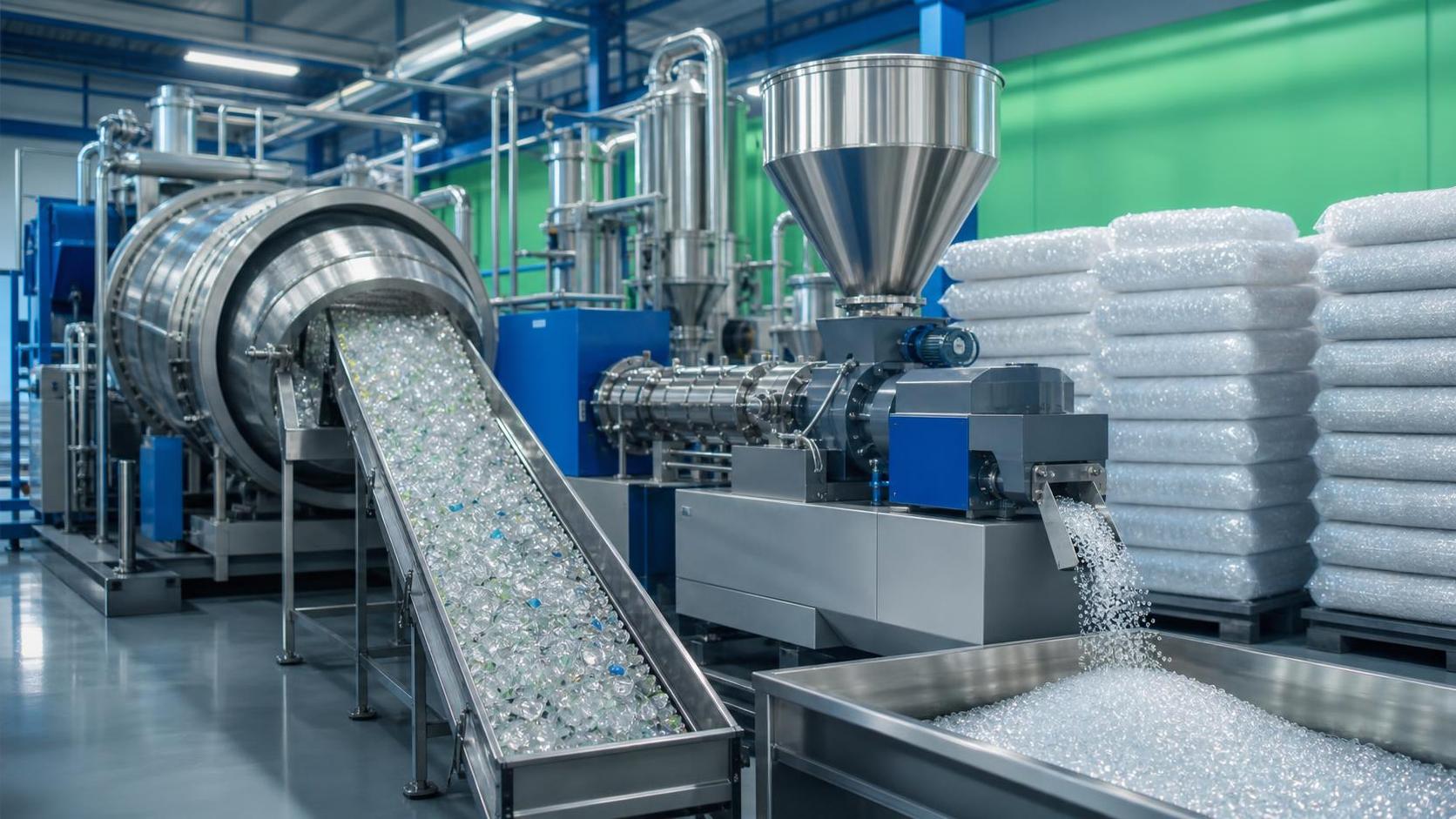
Recycling lines face contamination spikes, moisture variation, filtration load, and pellet quality swings.
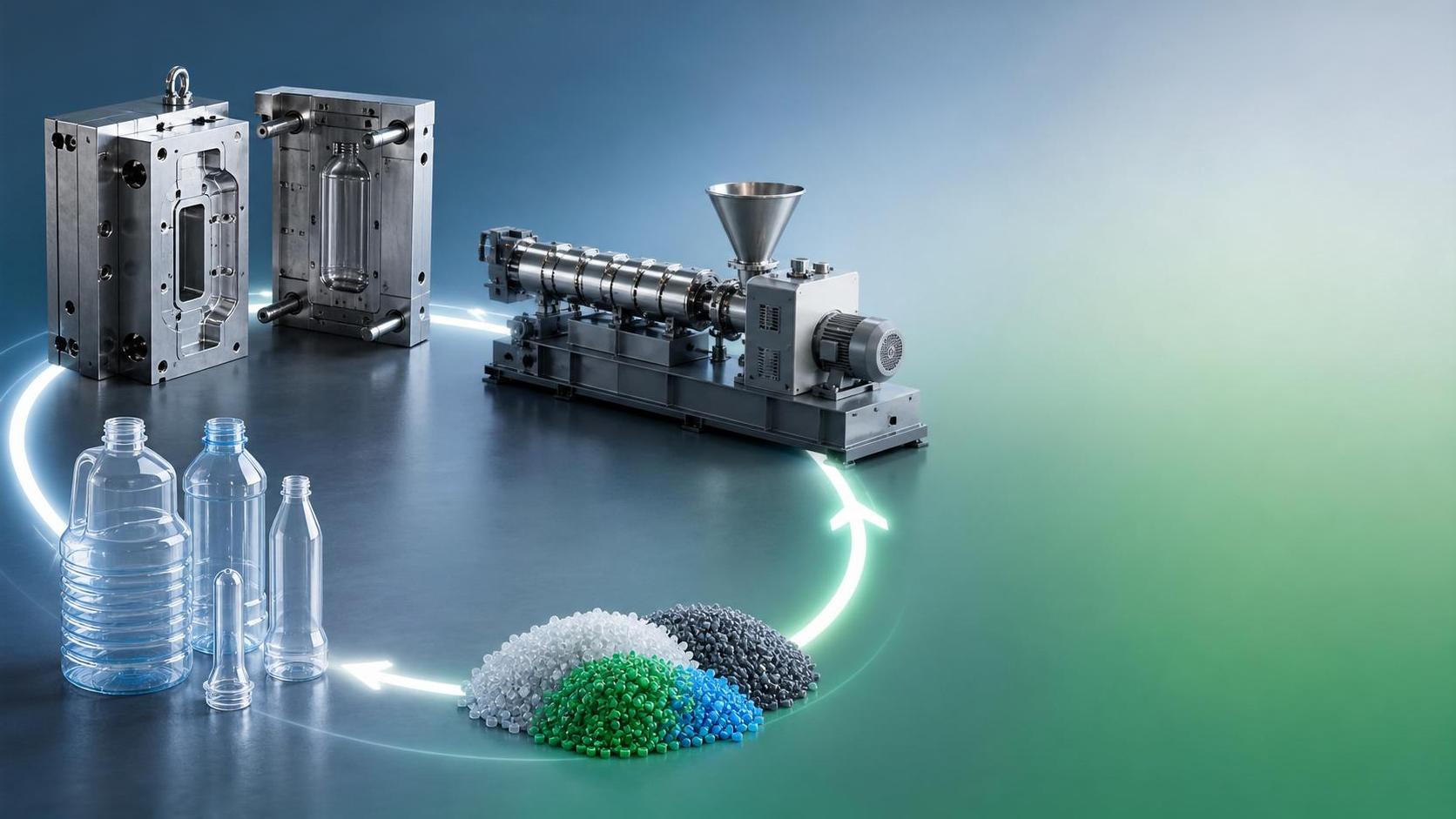
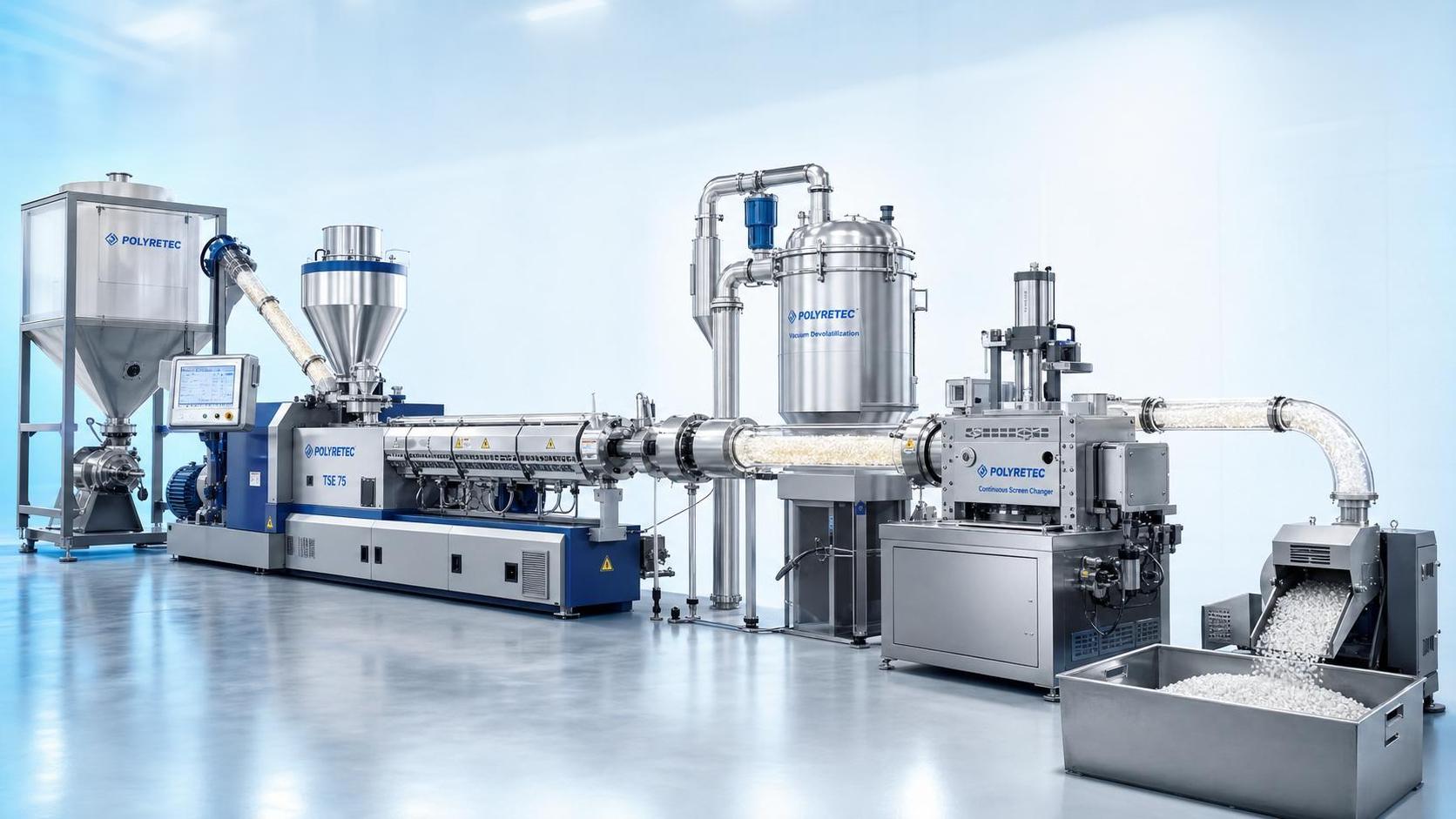
Polymer smart manufacturing supports stable washing, melt filtration, degassing, and underwater pelletizing through condition-based monitoring.
Business value beyond fewer stoppages
The most visible gain is improved uptime, but polymer smart manufacturing also strengthens quality, compliance, and resource efficiency.
- Lower scrap through tighter process windows and faster correction
- Better energy performance through load balancing and idle reduction
- Higher OEE from fewer micro-stops and shorter changeovers
- Stronger traceability for packaging, medical, and regulated material flows
- More reliable recycled-content processing and ESG reporting support
In many plants, the strongest returns come from combining uptime data with scrap cost and energy use, not from maintenance data alone.
This broader view aligns with the PFRS perspective, where polymer processing performance and circular economy targets must advance together.
Typical implementation scenarios
Polymer smart manufacturing can start small or scale across an entire site. The best entry point depends on the dominant loss pattern.
Practical guidance for adoption this year
A useful polymer smart manufacturing program starts with one measurable uptime problem and a limited, well-instrumented scope.
- Map the top three downtime causes by machine family and shift.
- Select signals that explain those failures, not every available variable.
- Set baseline values for uptime, scrap, cycle stability, and energy per unit.
- Standardize alarm response rules and escalation timing.
- Pilot on one line, then compare results over a full production cycle.
Data quality is critical. Sensor drift, inconsistent naming, and poor timestamp alignment can weaken confidence and slow adoption.
It is also important to connect maintenance and process teams. Many uptime losses come from both equipment wear and recipe instability.
Common pitfalls to avoid
- Launching software without clear downtime priorities
- Ignoring operator workflow during alert design
- Tracking too many metrics without action thresholds
- Separating recycled-material variability from core process analysis
A grounded next step for better uptime
Can polymer smart manufacturing improve uptime this year? In many operations, yes, if the effort stays focused on real loss mechanisms.
The strongest results usually come from targeted monitoring, disciplined response rules, and tighter control of polymer process variation.
A practical next step is to audit one molding, extrusion, vulcanization, or recycling line and identify preventable stops from the last ninety days.
From there, polymer smart manufacturing can be applied with clear metrics, realistic scope, and a stronger path toward uptime, quality, and circular performance.
Related News
- 00
0000-00
How High-Speed Precision Injection Molding Controls Part Tolerances at Scale - 00
0000-00
How to Select Packaging Molding Equipment for High-Volume Production Lines - 00
0000-00
How to Evaluate Plastic Pelletizing Machine Suppliers for Output, Support, and Risk - 00
0000-00
How to Select a Plastic Pipe Manufacturing System for Output, Resin, and Pipe Range - 00
0000-00
How to Specify Injection Molding Equipment for High-Volume Closure Production
Weekly Insights
Stay ahead with our curated technology reports delivered every Monday.
Related News
 Prof. Marcus ChenEnergy-Efficient Polymer Processing: Where Plants Can Cut kWh per KilogramEnergy-efficient polymer processing solutions help plants reduce kWh per kilogram, protect quality, cut scrap, and prioritize upgrades with data-driven insights.Sep 23, 2026
 Prof. Marcus ChenPlastic Pelletizing Trends: How Recycling Demand Is Reshaping Processing TechnologyPlastic pelletizing trends are redefining recycling quality. Explore filtration, extrusion, degassing, and automation innovations driving cleaner, more consistent recycled resin.Sep 07, 2026
 Prof. Marcus ChenHow Polymer Supply Chains Are Changing to Support High-Quality Recycling FeedstockPolymer supply chain for recycling is shifting toward traceable sourcing, cleaner sorting, and stable processing. See how high-quality feedstock improves performance, compliance, and cost control.Aug 22, 2026
 Prof. Marcus ChenHow Europe’s Circular Plastics Economy Is Reshaping Recycling InvestmentCircular plastics economy Europe is reshaping recycling investment through quality, traceability, and packaging demand. Explore where capital is moving and why it matters now.Aug 04, 2026
 Prof. Marcus ChenBlow Molding Trends Shaping Packaging, Sustainability, and Production EfficiencyBlow molding trends are redefining packaging with lightweighting, recycled content, automation, and energy efficiency. Discover how smarter production boosts sustainability and cuts costs.Jul 23, 2026
 Prof. Marcus ChenExtrusion Equipment Modular Design: When It Makes Sense for Line ExpansionExtrusion equipment modular design helps manufacturers expand lines in phases, cut disruption, and stay ready for recycled content, utility limits, and changing product demands.Jul 15, 2026
 Prof. Marcus ChenPolymer Lifecycle Solutions Explained: From Material Sourcing to End-of-Life RecoveryPolymer lifecycle solutions explained from sourcing and processing to recycling and recovery. Discover how to cut waste, improve quality, and build smarter material strategies.Jul 13, 2026
 Prof. Marcus ChenEnergy-Efficient Polymer Processing Systems: Which Metrics Matter Most?Energy-efficient polymer processing systems: discover the metrics that truly drive ROI—specific energy use, yield, uptime, stability, and compliance for smarter equipment decisions.Jul 11, 2026
 Prof. Marcus ChenPolymer Recycling Systems for Continuous Operation: What to Check Before SpecifyingPolymer recycling systems continuous operation starts with the right specification. Learn what to check for uptime, melt quality, energy efficiency, and reliable pellet output.Jul 09, 2026
 Prof. Marcus ChenCircular Plastics Economy in Japan: Policy Drivers, Recycling Targets, and Market ImpactCircular plastics economy Japan is accelerating as policy, recycling targets, and packaging reforms reshape material choices, processing strategy, and market advantage.Jul 05, 2026
 Prof. Marcus ChenPlastic Extrusion Technology Trends: What Process Changes Are Improving Energy Efficiency?Plastic extrusion technology trends are reshaping energy efficiency through smarter screws, thermal control, servo drives, and digital optimization. See which process changes deliver lower costs and more stable output.Jul 01, 2026
 Prof. Marcus ChenInjection Molding Technology Trends: Which Process Changes Matter Most for Medical and Packaging Parts?Injection molding technology trends shaping medical and packaging parts: discover the process changes that improve validation, precision, efficiency, and recycled-material readiness.Jun 30, 2026
 Prof. Marcus ChenCircular Plastics Economy Compliance Explained: Key Requirements for ManufacturersCircular plastics economy compliance explained for manufacturers: learn key requirements, audit risks, process controls, and how to turn compliance into a competitive advantage.Jun 25, 2026
 Prof. Marcus ChenAdvanced Materials Processing Trends: 5 Shifts Reshaping Capacity Planning and SourcingAdvanced materials processing trends are reshaping capacity planning, sourcing, recycling, and compliance. Explore 5 shifts helping manufacturers cut risk, improve precision, and build resilient growth.Jun 24, 2026
 Prof. Marcus ChenGlobal Plastic Ban Trends: Which Packaging Materials and Export Markets Face the Biggest Changes?Global plastic ban trends are reshaping packaging choices and export strategy. See which materials and markets face the biggest shifts, and how to reduce compliance risk.Jun 22, 2026
 Prof. Marcus ChenPolymer Rheology Trends That Matter in Extrusion: Melt Strength, Shear, and StabilityPolymer rheology trends are reshaping extrusion performance. Learn how melt strength, shear, and stability affect quality, efficiency, and recycled resin processing.Jun 18, 2026
 Prof. Marcus ChenPlastic Circularity Strategies for Manufacturers: Recycled Content, Design, and TraceabilityPlastic circularity strategies for manufacturers: learn how recycled content, smarter design, and traceability can reduce risk, improve compliance, and strengthen supply resilience.Jun 18, 2026
 Prof. Marcus ChenAdvanced Materials Processing Equipment in High-Performance Manufacturing: Where It Fits BestAdvanced materials processing equipment drives precision, speed, and sustainability in manufacturing. Explore where each system fits best to improve quality, efficiency, and ROI.Jun 16, 2026
 Prof. Marcus ChenWhat Is Driving the Circular Economy Plastics Market? Policy, Pricing, and Demand ShiftsCircular economy plastics market trends are being driven by tighter policy, resin price volatility, and stricter buyer demands. Discover what this means for sourcing, processing, and growth.Jun 13, 2026
 Prof. Marcus ChenDigital Polymer Processing Explained: Methods, Materials, and Best-Fit ApplicationsDigital polymer processing explained clearly: explore key methods, materials, and best-fit applications to improve quality, efficiency, and recycling performance.Jun 10, 2026