What matters most when comparing plastic extrusion technology




When comparing plastic extrusion technology, the most important factors are process stability, material flexibility, energy efficiency, screw and barrel design, melt quality, and the consistency of downstream output. For information researchers, the real question is not which machine has the highest headline throughput, but which system can reliably convert specific materials into compliant, repeatable products at the lowest total operational risk.
That distinction matters because extrusion lines are long-term industrial assets. A system that looks competitive on paper may underperform once resin variability, recycled content, energy prices, maintenance needs, or packaging compliance standards enter the equation. The best comparison framework therefore connects machine architecture to business outcomes such as scrap rate, product uniformity, uptime, and future adaptability.
What should you compare first when evaluating plastic extrusion technology?
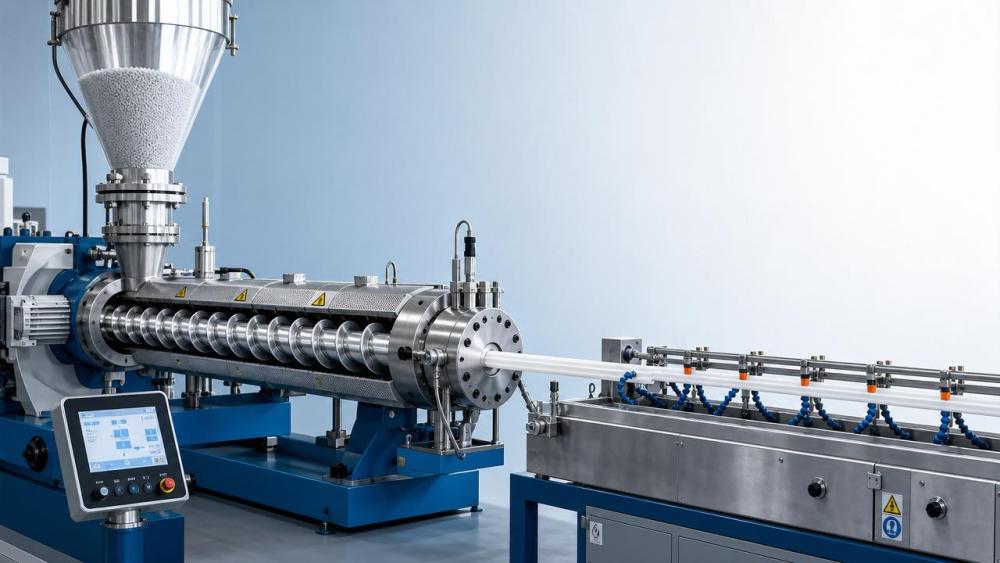
The first step is to shift the comparison away from nominal output alone. In real production, the strongest indicator of extrusion value is stable output under changing conditions, not peak kilograms per hour achieved during ideal trials.
For most researchers, the core search intent behind plastic extrusion technology is comparative understanding. They want to know which technical variables truly matter, how different systems perform in practical settings, and which specifications predict long-term operational value.
That means the most useful evaluation criteria are not generic marketing claims. They are the variables that influence product quality, production efficiency, material utilization, operator control, maintenance complexity, and the ability to process evolving resin formulations.
In practice, a serious comparison usually starts with six questions. Can the line hold a stable melt? Can it process the intended material portfolio? How efficiently does it use power? How well is the screw configured for the application? How consistent is the final product? And how easy is the system to optimize over time?
If those questions are answered clearly, buyers and analysts can move beyond surface-level comparisons. They can identify whether one extrusion platform is designed for commodity output, high-value precision products, recycled content processing, or flexible multi-material manufacturing.
Why process stability matters more than top speed
In extrusion, instability is expensive. A machine may advertise high throughput, but if melt pressure fluctuates, temperature control drifts, or feeding becomes inconsistent, the line can produce dimensional variation, surface defects, and unnecessary waste.
Stable extrusion performance affects nearly every downstream result. Pipe wall thickness, film gauge, pellet uniformity, profile accuracy, and sheet flatness all depend on a controlled and repeatable melt state before the material reaches the die.
For researchers comparing technologies, this is one of the most important insights: output speed only has value when it is sustained without compromising quality. A slower but more stable line can outperform a faster one in real economic terms.
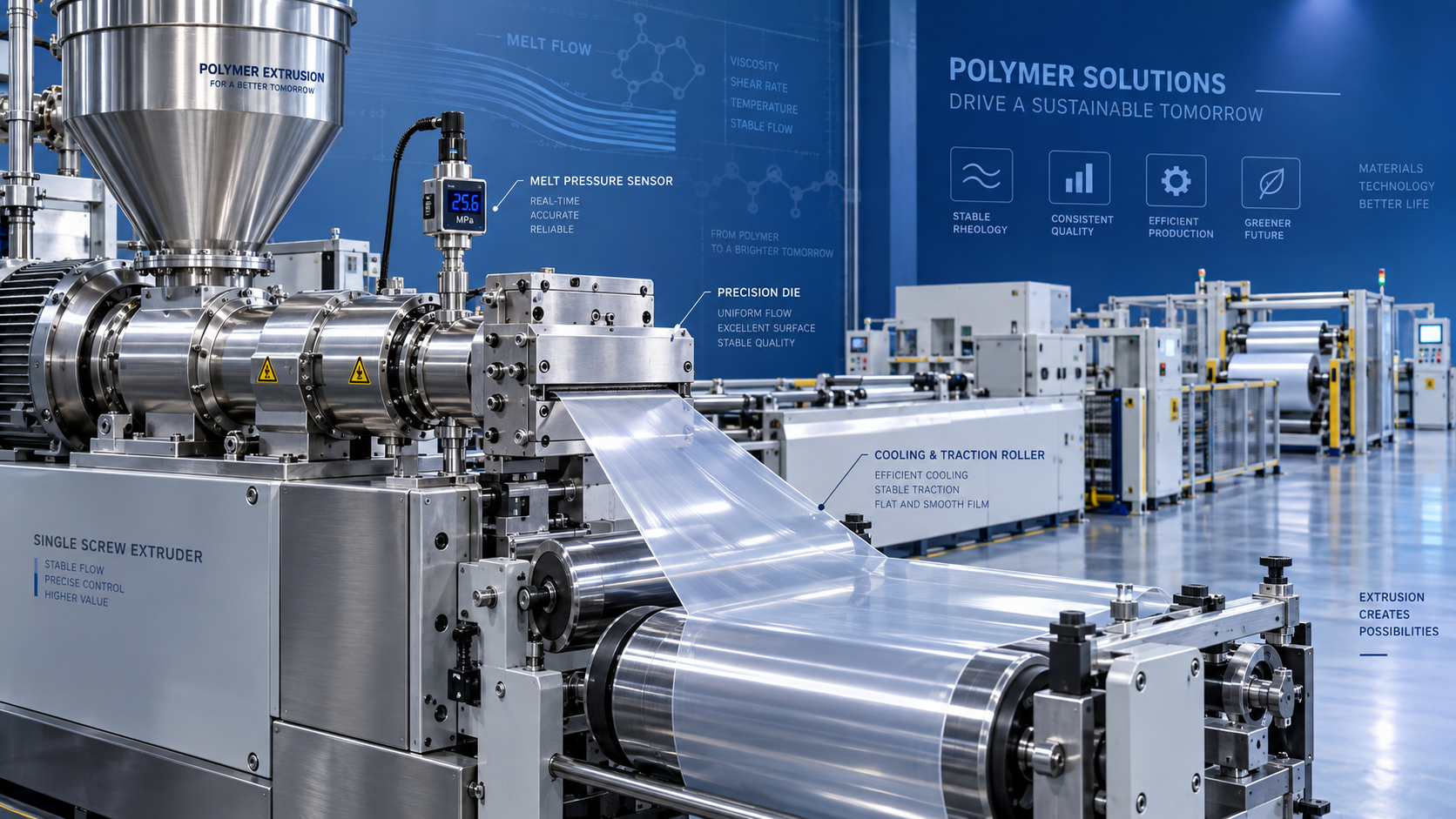
Indicators of stability include consistent melt pressure, narrow temperature variation across barrel zones, dependable gravimetric feeding, predictable motor load, and low fluctuation in product dimensions during long production runs.
Advanced systems increasingly use digital monitoring, closed-loop controls, and analytics to maintain these parameters. That does not eliminate process expertise, but it significantly improves repeatability and reduces the operator dependence often seen in older lines.
How material adaptability changes the value of an extrusion system
Material adaptability is becoming a major differentiator in plastic extrusion technology. Many processors no longer run only virgin resin. They must handle blends, filled compounds, bio-based polymers, multilayer structures, and higher levels of recycled content.
A line that performs well with a narrow resin window may struggle when materials become more variable. This is especially relevant as global packaging and sustainability requirements push converters toward recyclate integration and more complex formulations.
When comparing systems, researchers should ask what materials the extruder can process reliably and what modifications are needed. That includes screw geometry, venting capability, filtration compatibility, degassing performance, barrel metallurgy, and control flexibility.
For example, recycled polymers often introduce moisture, contamination, viscosity inconsistency, or odor management issues. A machine optimized only for clean virgin resin may not deliver acceptable melt quality or stable output under those conditions.
By contrast, technology designed for broader material adaptability can support future business resilience. It may allow a processor to respond faster to resin price volatility, sustainability targets, and application changes without replacing the full line.
Why screw design is central to performance
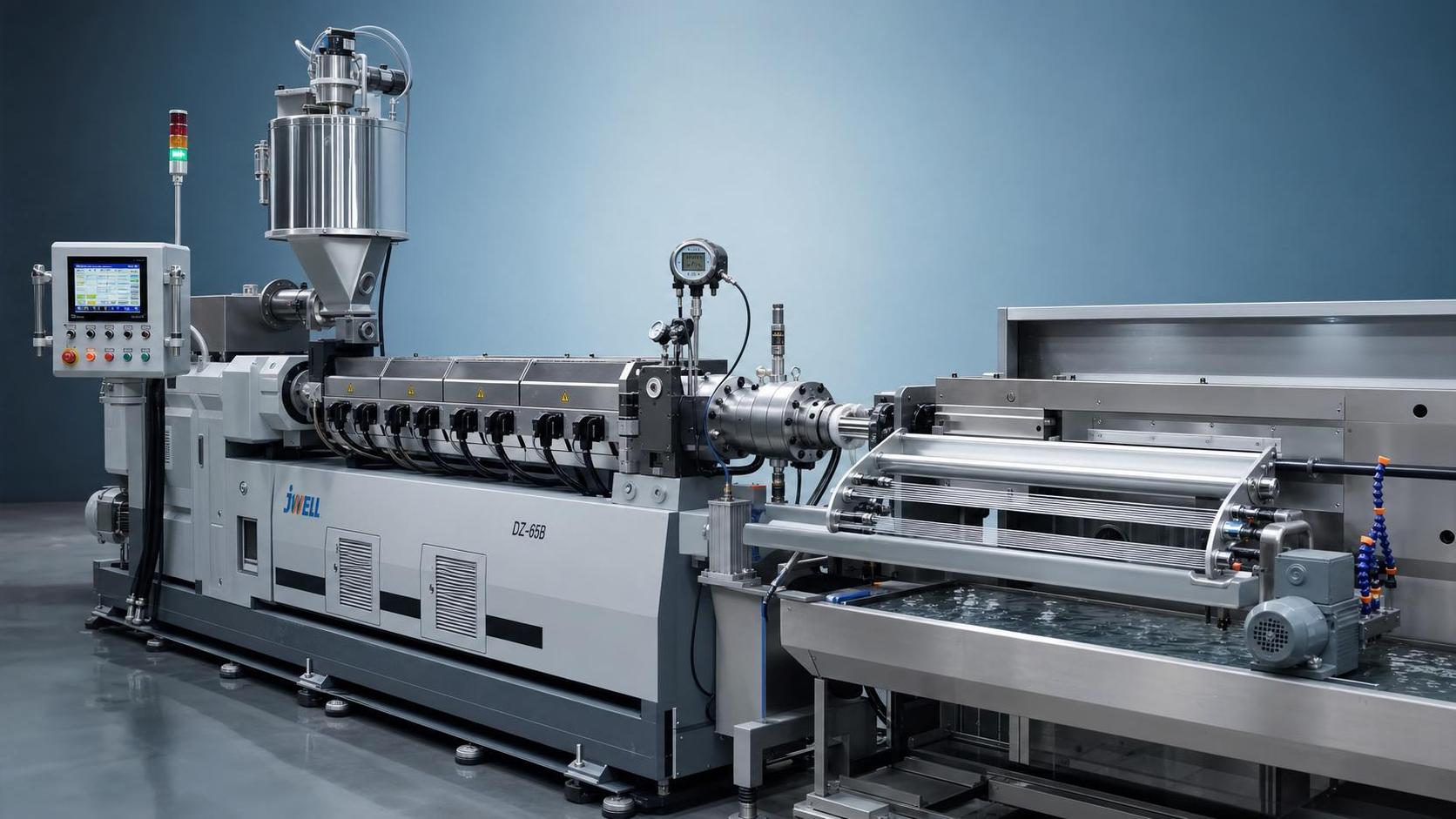
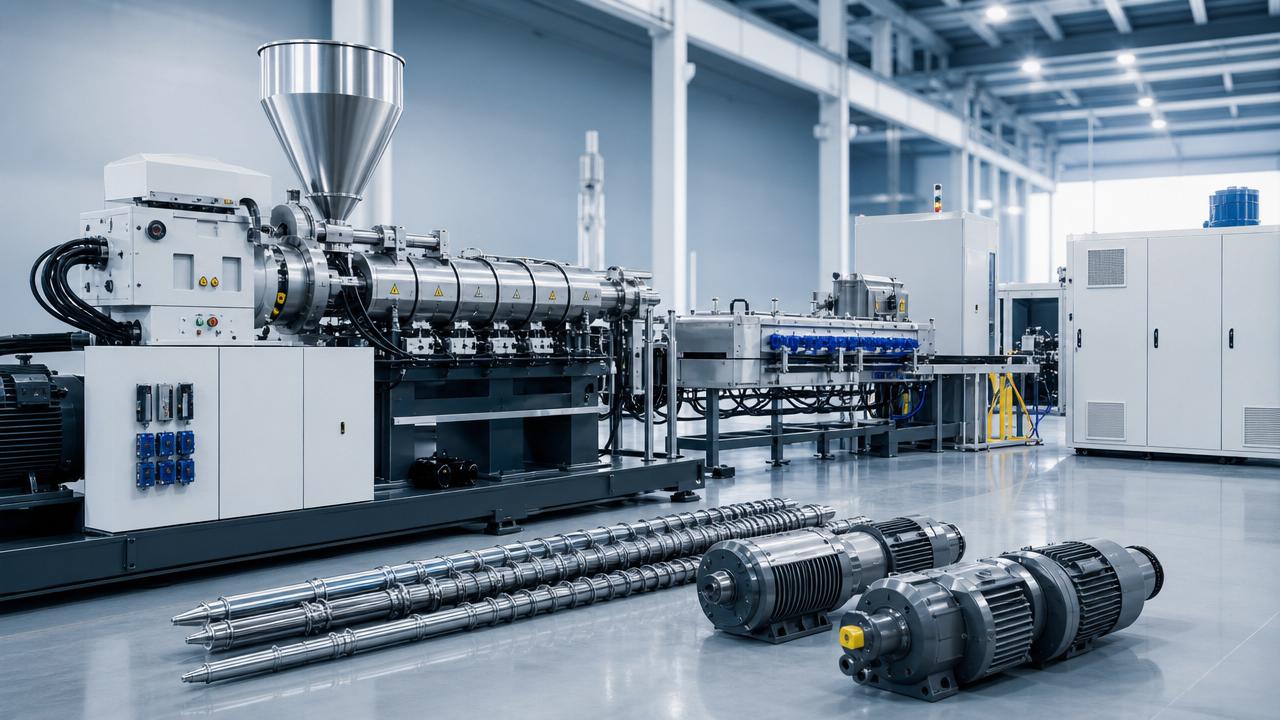
Screw design is one of the most critical technical factors in any extrusion comparison. It directly affects melting behavior, mixing quality, pressure development, residence time, shear exposure, and the overall thermal history of the polymer.
Single-screw and twin-screw systems serve different purposes, and even within those categories, the geometry can vary dramatically. Feed section design, compression ratio, mixing elements, vent zones, and screw length-to-diameter ratio all influence final processing behavior.
For commodity products, a standard configuration may be sufficient. But for filled compounds, color masterbatch dispersion, devolatilization, reactive extrusion, or recycled material homogenization, screw architecture becomes a decisive differentiator.
Researchers should also avoid evaluating screw design in isolation. The screw must be matched to the material rheology, target output, die design, downstream cooling, and expected product tolerance requirements. A technically advanced screw that is poorly matched to the application may create more problems than it solves.
This is why experienced suppliers focus on application-specific engineering rather than generic machine ratings. In many cases, the value of a line depends less on basic horsepower and more on how intelligently the screw profile translates energy into a uniform, controlled melt.
How energy efficiency should really be assessed
Energy efficiency is frequently used in marketing, but meaningful comparison requires more than a low headline power number. What matters is specific energy consumption in relation to usable output and product quality over a realistic production window.
An extrusion line can appear efficient during a short demonstration yet consume more energy in continuous operation if feeding is unstable, heating zones are poorly insulated, drive systems are inefficient, or the process requires repeated correction.
Researchers should therefore compare motor technology, barrel heating and cooling design, thermal insulation, gearbox efficiency, control logic, and the relationship between throughput and kilowatt-hours per kilogram of acceptable product.
All-electric auxiliaries, servo-driven components, smarter thermal management, and optimized screw design can significantly improve energy performance. However, the largest gains often come from reducing rework, scrap, purge loss, and unplanned downtime rather than from drive hardware alone.
In markets shaped by decarbonization pressure and rising utility costs, energy-efficient plastic extrusion technology is no longer only a cost issue. It increasingly affects ESG reporting, customer qualification, and the competitiveness of packaging and industrial material supply chains.
Why downstream consistency matters as much as the extruder itself
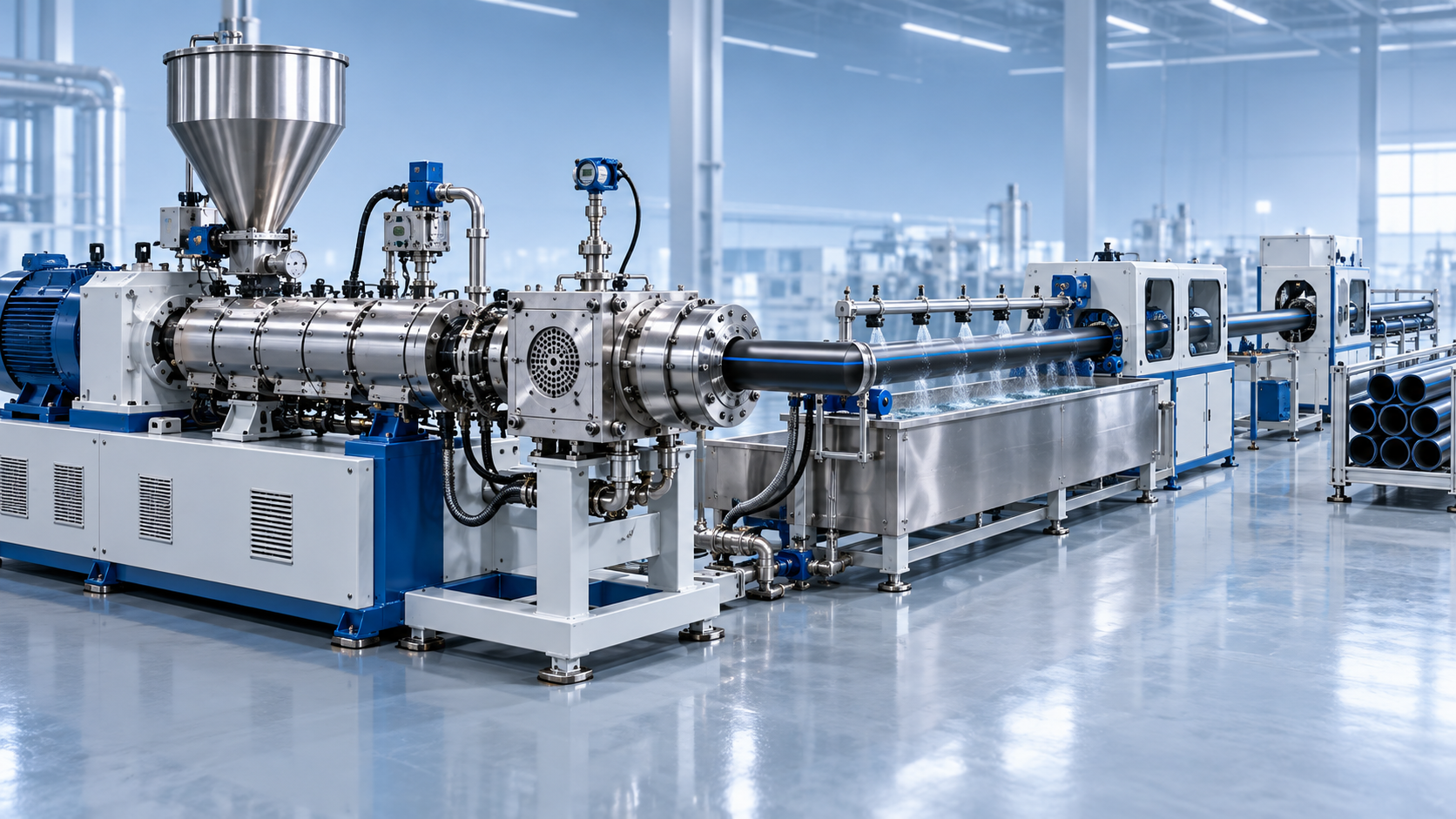
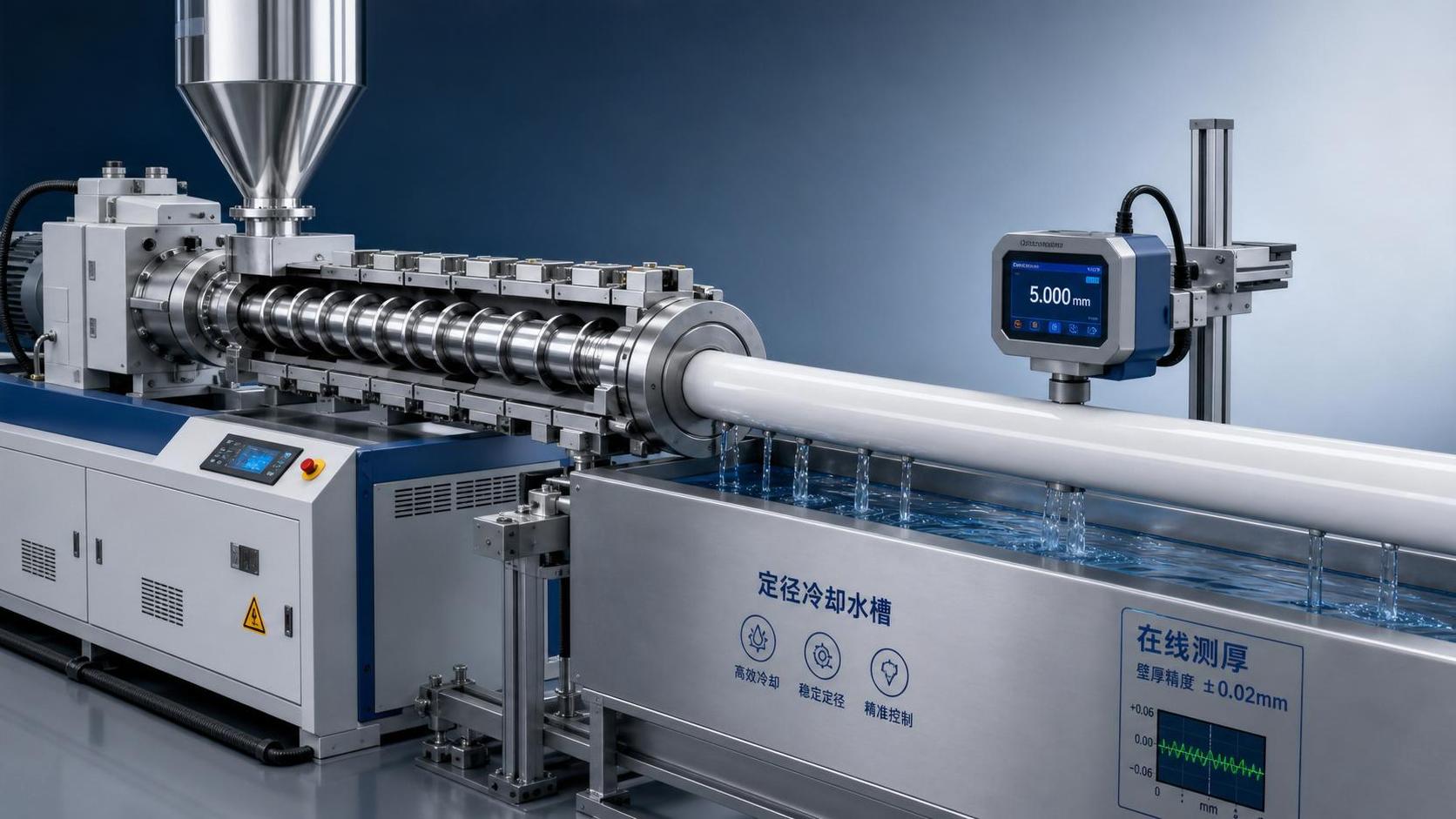
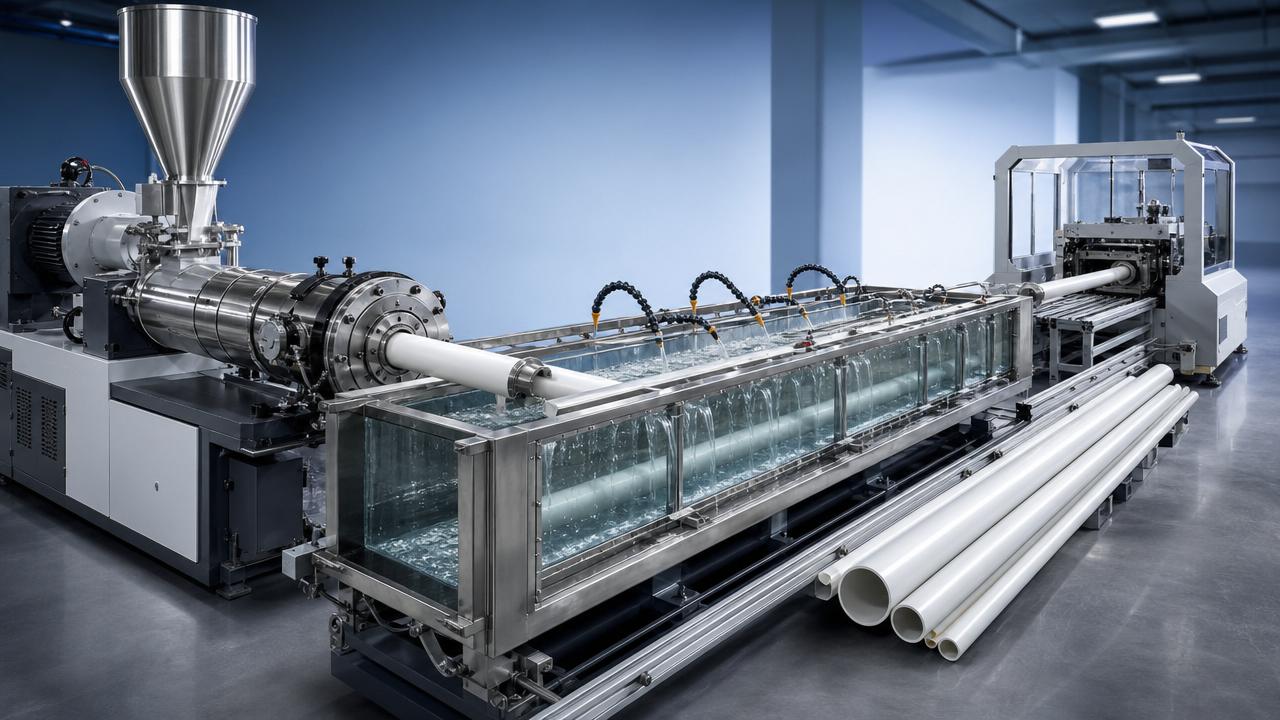
Extrusion technology should never be judged only at the barrel and screw level. The value of the system is realized at the product end, where calibration, cooling, haul-off, winding, cutting, or pelletizing determine whether the melt becomes a commercially acceptable output.
This is especially important for information researchers because many performance claims overlook line integration. A strong extruder paired with weak downstream control can still produce unstable dimensions, poor surface finish, inconsistent winding tension, or unacceptable pellet quality.
When comparing technologies, examine the full line architecture. Ask how the die is designed, how temperature is balanced, how product geometry is measured, how feedback is used to correct deviations, and how quickly the system reaches steady-state production.
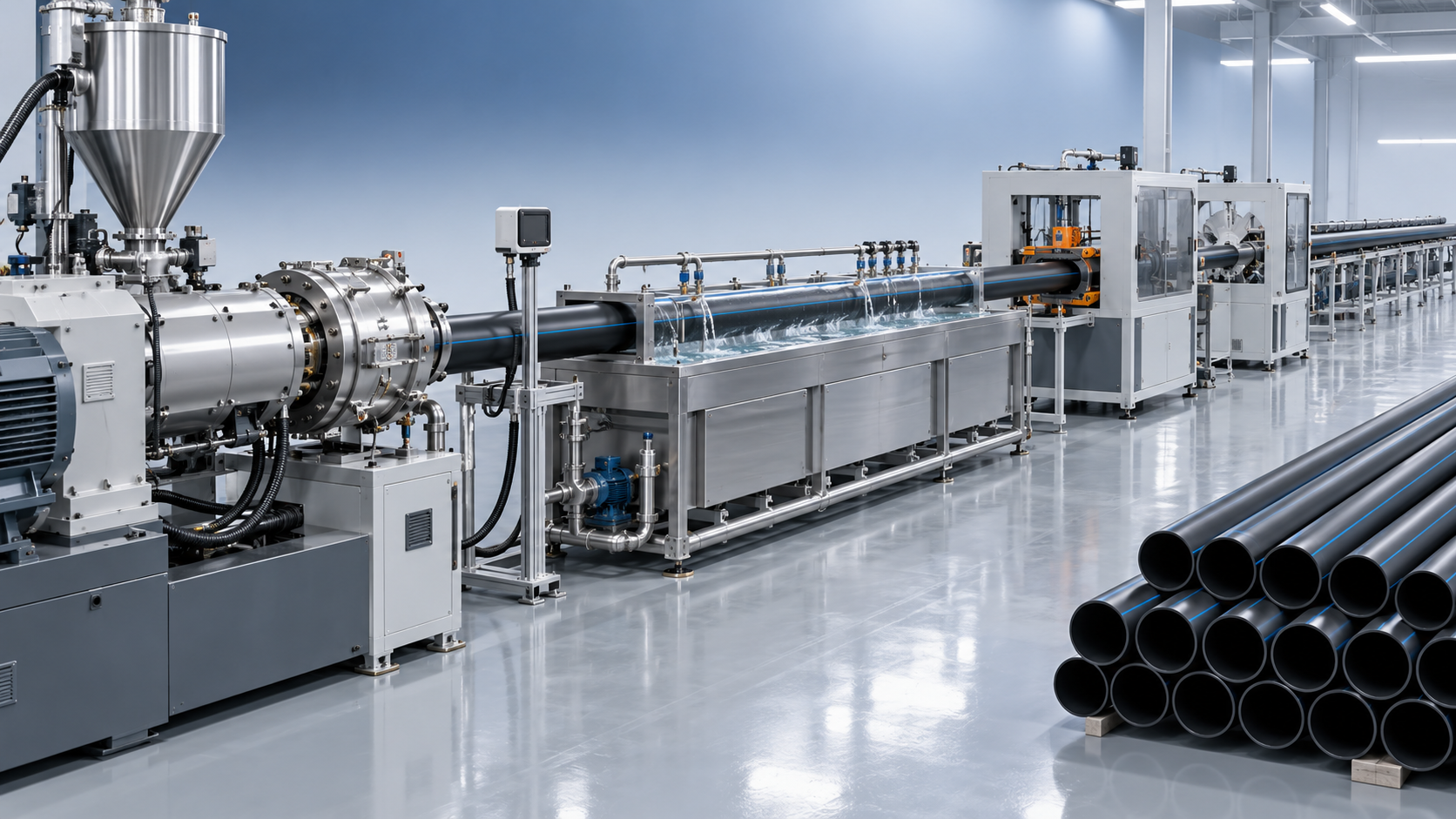
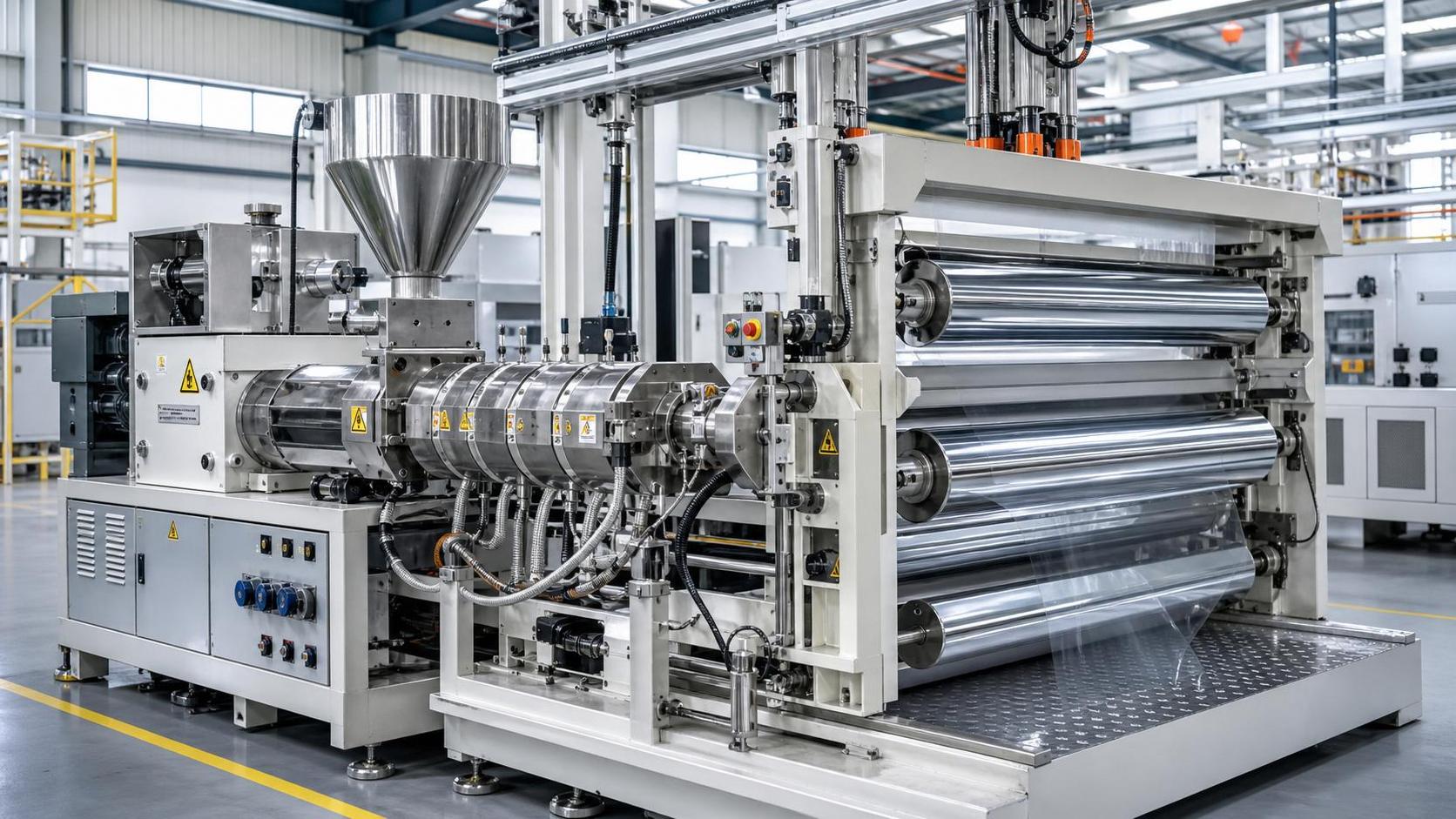
For film and sheet applications, gauge control and cooling uniformity are decisive. For pipe and profile, vacuum calibration and haul-off synchronization are essential. For recycling and pelletizing, melt filtration and pellet size consistency strongly affect market value.
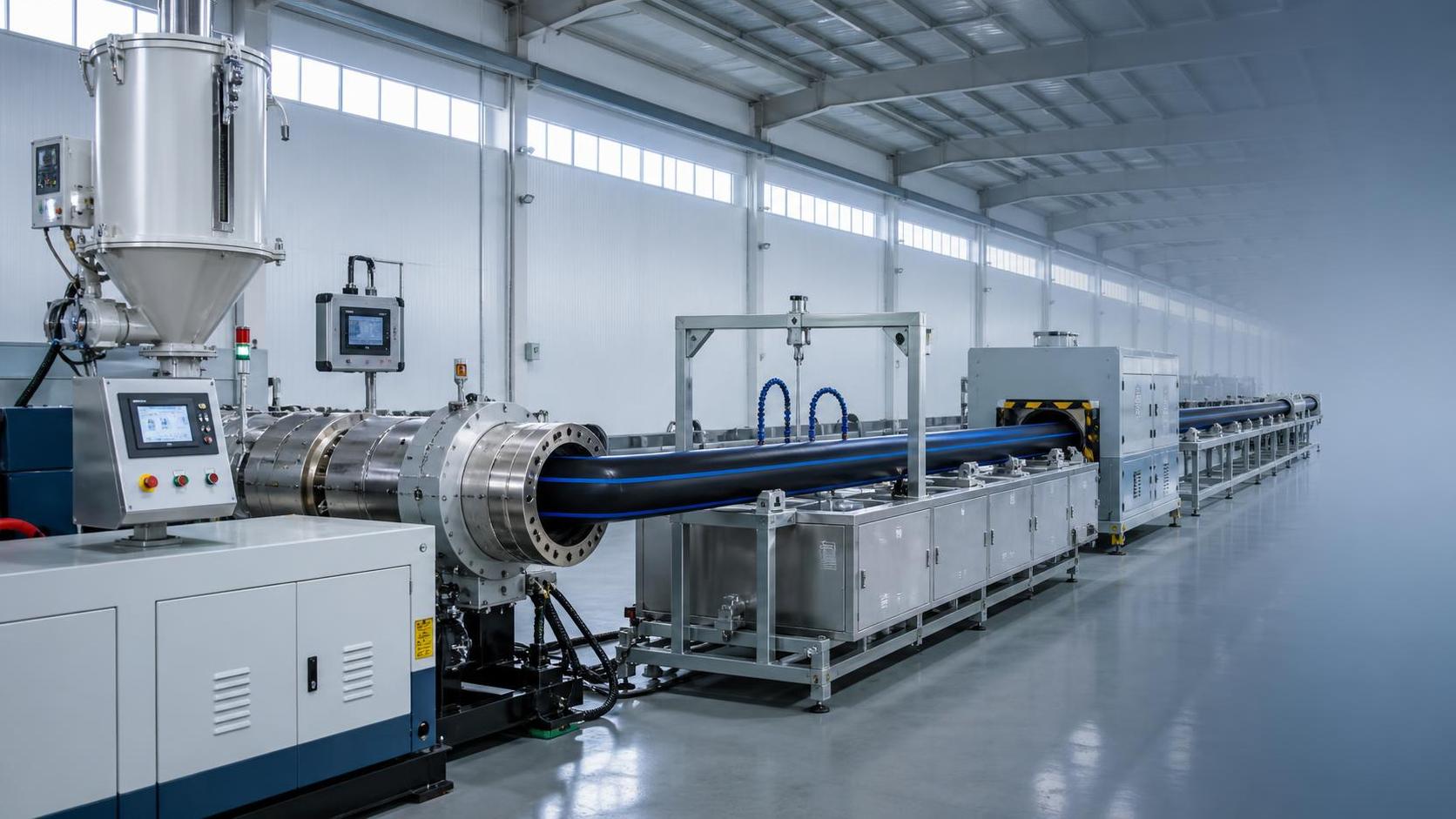
The best systems are designed as integrated manufacturing platforms rather than isolated machines. That integration reduces variability, simplifies startup, and improves the repeatability that customers ultimately experience in the finished product.
What compliance, recyclability, and future-readiness reveal about true system value
Another major comparison factor is whether the extrusion technology supports future regulatory and market requirements. Across packaging, construction, automotive, agriculture, and consumer goods, compliance expectations are rising quickly.
That includes food-contact traceability, material documentation, energy reporting, recycled-content targets, emissions management, and product consistency standards that become harder to achieve when resin streams are more diverse.
A system with strong process transparency, better filtration options, digital recipe control, and adaptable material handling is often better positioned for these changes than a line optimized only for current output volume.
For researchers, this means comparing not just current performance but future readiness. Can the line incorporate more recyclate? Can it maintain product quality as material regulations tighten? Can process data support audits, certification, or customer validation?
In many sectors, this strategic dimension is becoming a core purchasing criterion. Plastic extrusion technology now sits at the intersection of production economics, circularity, and compliance, so the most valuable systems are those that can support all three.
A practical framework for comparing plastic extrusion technology
To make evaluation more rigorous, researchers can use a structured comparison model. Start with the target application, then compare machine design, process control, energy behavior, material range, maintenance demands, and downstream consistency against that use case.
Next, distinguish between laboratory performance, short factory acceptance tests, and actual production conditions. Real value appears in sustained operation, not in best-case demonstrations using highly controlled materials and experienced setup teams.
It is also useful to compare technology across four business questions. How reliably does it produce specification-grade output? How flexibly can it process changing material inputs? How efficiently does it consume energy and labor? And how resilient is it against regulatory and market shifts?
Maintenance and serviceability should also be included. Wear resistance, screw changeover time, cleaning difficulty, spare parts access, and diagnostics quality all influence lifecycle economics, especially in high-throughput or abrasive material applications.
Finally, compare suppliers by technical depth, not just equipment catalogs. The strongest partners usually provide application engineering, process optimization support, commissioning discipline, and data-backed recommendations that improve the extruder’s performance long after installation.
Conclusion: the best extrusion technology is the one that stays valuable under real industrial conditions
When comparing plastic extrusion technology, what matters most is not a single specification but the interaction between stability, material adaptability, screw design, energy efficiency, and downstream control. These factors determine whether a line performs well only in theory or delivers durable industrial value.
For information researchers, the most productive mindset is to treat extrusion as a system, not a machine. The right comparison framework connects equipment design to practical outcomes such as quality consistency, recyclability, compliance readiness, operational cost, and long-term flexibility.
In that sense, the best extrusion platform is not simply the fastest or newest. It is the one that can hold a stable process, manage real-world materials, support future requirements, and generate repeatable product quality with the lowest avoidable risk.
That is the standard that separates surface-level specifications from true manufacturing capability. And it is the standard that should guide any serious evaluation of modern plastic extrusion technology.
Related News
- 00
0000-00
How to Evaluate Plastic Pelletizing Machine Suppliers for Output, Support, and Risk - 00
0000-00
How to Select a Plastic Pipe Manufacturing System for Output, Resin, and Pipe Range - 00
0000-00
How to Specify Injection Molding Equipment for High-Volume Closure Production - 00
0000-00
How to Specify a Medical Molding Machine for Cleanroom Device Production - 00
0000-00
Plastic Extrusion Technology for Films: Process Controls That Improve Gauge Uniformity
Weekly Insights
Stay ahead with our curated technology reports delivered every Monday.
Related News
 Extrusion Process ArchitectHow to Select a Plastic Pipe Manufacturing System for Output, Resin, and Pipe RangePlastic pipe manufacturing systems: learn how to match output, resin, tooling, cooling, and automation for reliable, scalable pipe production. Read the guide.Oct 02, 2026
 Extrusion Process ArchitectPolymer Processing for Extrusion: How Melt Rheology Affects Line StabilityPolymer processing for extrusion: discover how melt rheology influences pressure, output, die swell, and line stability for more consistent production.Sep 24, 2026
 Extrusion Process ArchitectHow to Evaluate German Extrusion Equipment for Stable, High-Output ProductionExtrusion equipment Germany: evaluate stable, high-output lines through melt control, feeding, tooling, energy use, maintenance, and acceptance trials.Sep 20, 2026
 Extrusion Process ArchitectHow to Size an HDPE Pipe Extrusion Line for Output, Diameter Range, and Pipe QualityHDPE pipe extrusion lines: learn how to size output, diameter range, cooling, and downstream equipment for stable, high-quality pipe production.Aug 29, 2026
 Extrusion Process ArchitectWhat Affects Output Quality in Polymer Processing Equipment Extrusion?Polymer processing equipment extrusion quality depends on material control, screw design, temperature, pressure, and die stability. Learn practical fixes to boost output, reduce defects, and improve consistency.Jul 14, 2026
 Extrusion Process ArchitectWindow Profile Extrusion Lines: Key Parameters for Output, Surface Finish, and StabilityWindow profile extrusion lines compared beyond nameplate output—learn how throughput, surface finish, and long-term stability affect scrap, quality, and production risk.Jul 13, 2026
 Extrusion Process ArchitectRecycled Polymer Applications in Pipe Extrusion: Material Limits, Performance, and Use CasesRecycled polymer applications pipe extrusion explained: discover material limits, real performance trade-offs, and the best use cases for reliable, cost-smart pipe production.Jul 12, 2026
 Extrusion Process ArchitectHow to Choose Extrusion Equipment for HDPE Pipe and Profile ProductionExtrusion equipment for HDPE selection starts with product goals. Learn how to compare extruders, dies, cooling, and controls to improve quality, cut scrap, and choose the right pipe or profile line.Jul 11, 2026
 Extrusion Process ArchitectExtrusion Systems for Pipe Selection Guide: Output, Screw Design, Cooling, and Wall ControlExtrusion systems for pipe selection made practical: compare output, screw design, cooling, and wall control to improve stability, cut scrap, and choose the right line with confidence.Jul 10, 2026
 Extrusion Process ArchitectExtrusion Equipment PLC Control: Which Functions Matter Most for Stable Line Operation?Extrusion equipment PLC control directly shapes line stability. Learn which functions matter most for steady output, fewer alarms, better quality, and smarter extrusion performance.Jul 05, 2026
 Extrusion Process ArchitectPP Sheet Extrusion Line Price Factors for Used Equipment BuyersLearn the main price factors for used PP sheet extrusion lines, from screw and die condition to controls, output, packing and commissioning risk.Jul 05, 2026
 Extrusion Process ArchitectUsed PP PE ABS PS Sheet Extruder Line Buying GuideA practical buyer guide for used PP, PE, ABS and PS sheet extruder lines, including inspection points, output checks and purchasing questions.Jul 01, 2026
 Extrusion Process ArchitectPVC Plastic Pipe Manufacturing Process Explained: Key Stages, Quality Checks, and Common DefectsPVC plastic pipe manufacturing explained clearly: explore key stages, quality checks, common defects, and practical insights to improve consistency, compliance, and pipe performance.Jun 30, 2026
 Extrusion Process ArchitectSmart Plastic Extrusion Technology: Which Sensors and Controls Improve Output Stability?Smart plastic extrusion technology starts with better sensing and control. Learn which sensors and closed-loop systems improve output stability, cut scrap, and boost ROI.Jun 27, 2026
 Extrusion Process ArchitectExtrusion Systems for Pipes: How to Choose the Right Line for Your Product RangeExtrusion systems for pipes: learn how to choose the right line for your product range, materials, output goals, compliance needs, and long-term ROI.Jun 26, 2026
 Extrusion Process ArchitectPipe and Profile Extrusion for Water Supply: Key Design Points for Stable OutputPipe and profile extrusion for water supply demands stable output, precise die design, and smart cooling control to reduce waste and boost reliability.Jun 26, 2026
 Extrusion Process ArchitectPipe Plastic Extrusion Machinery Selection Guide: Output, Diameter Range, and Cooling DesignPipe plastic extrusion machinery selection starts with output, diameter range, and cooling design. Learn how to compare line stability, flexibility, and ROI for better pipe production.Jun 16, 2026
 Extrusion Process ArchitectPlastic Extrusion Machinery Price Comparison: Which Specs Have the Biggest Budget Impact?Plastic extrusion machinery price depends most on screw design, output, energy systems, and automation. Compare specs smarter to cut hidden costs and improve ROI.Jun 15, 2026
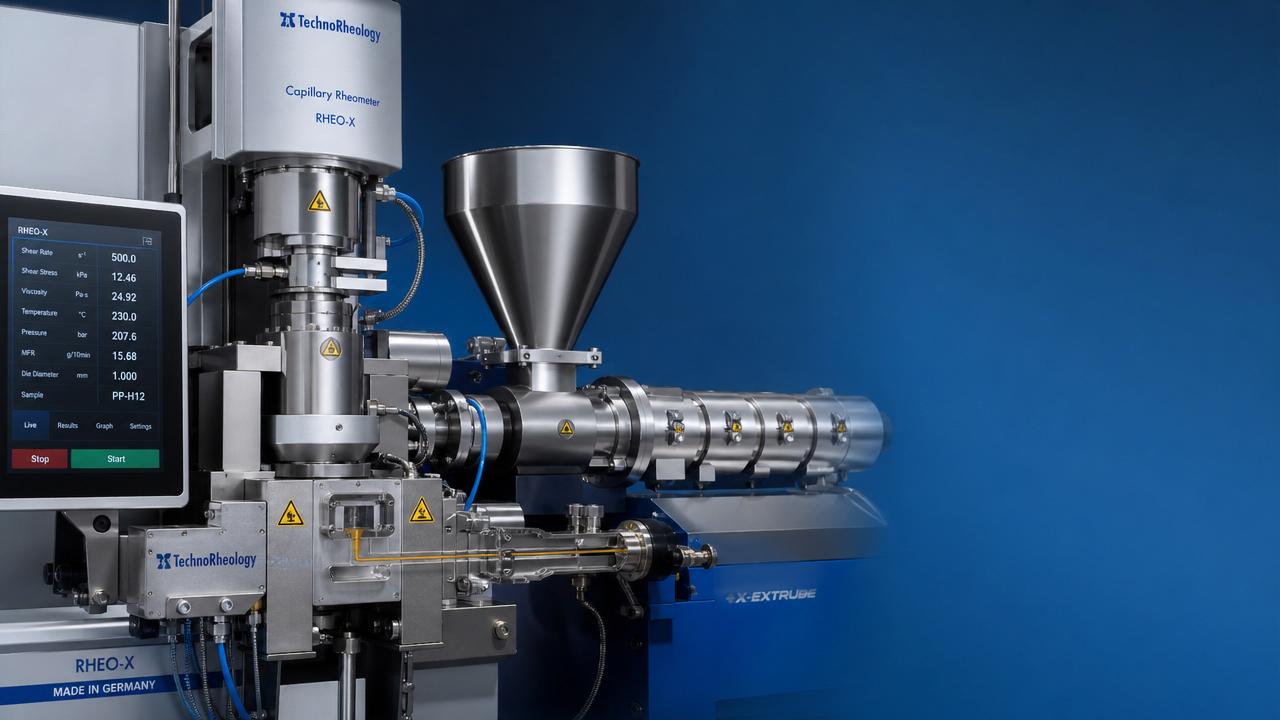
 Extrusion Process ArchitectPolymer Rheology Basics: Which Viscosity and Shear Data Matter in Process Setup?Polymer rheology basics explained: learn which viscosity and shear data truly matter for process setup, faster startup, stable flow, better quality, and smarter machine adjustments.Jun 12, 2026
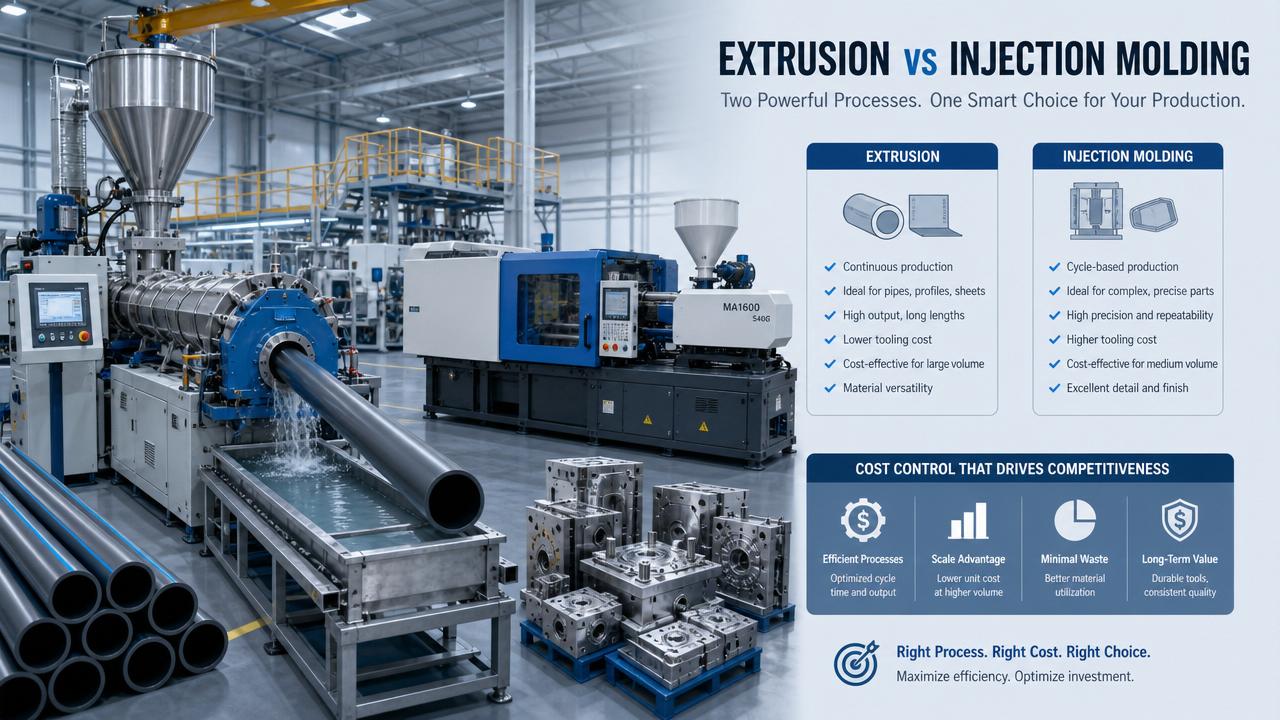
 Extrusion Process ArchitectPlastic Extrusion Technology vs Injection Molding: Which Offers Better Cost Control at Scale?Plastic extrusion technology vs injection molding: discover which process delivers better cost control at scale, with practical insights on tooling, scrap, energy, and ROI.Jun 10, 2026