When advanced polymer molding improves part consistency




For technical evaluators, advanced polymer molding is not simply a faster way to make parts. It is a system-level method for reducing dimensional drift, stabilizing material behavior, and lowering quality risk across real production conditions.
In practical terms, the value of advanced polymer molding shows up in tighter Cp and Cpk performance, fewer out-of-spec parts, better cavity-to-cavity repeatability, and stronger process control when materials, tooling, and ambient conditions change.
That matters because consistency is rarely limited by one machine feature alone. It comes from how equipment, melt preparation, control logic, tooling response, sensing, and data visibility work together to manage polymer variability.
For teams comparing new equipment or validating process upgrades, the key question is straightforward: which molding technologies improve part consistency in measurable ways, and how should those gains be evaluated before capital is committed?
This article answers that question from a technical assessment perspective. It focuses on the mechanisms that actually drive repeatable quality, the metrics that reveal true stability, and the conditions where advanced systems justify their cost.
What technical evaluators really need to confirm before approving advanced polymer molding
The core search intent behind “advanced polymer molding” is usually not academic. Evaluators want to know whether newer molding platforms produce more consistent parts, under what conditions, and with what level of measurable process reliability.
They are typically screening beyond vendor claims. Their concern is whether a machine or integrated molding cell can hold dimensional, cosmetic, mechanical, and functional requirements over long production runs, different lots, and varying environmental conditions.
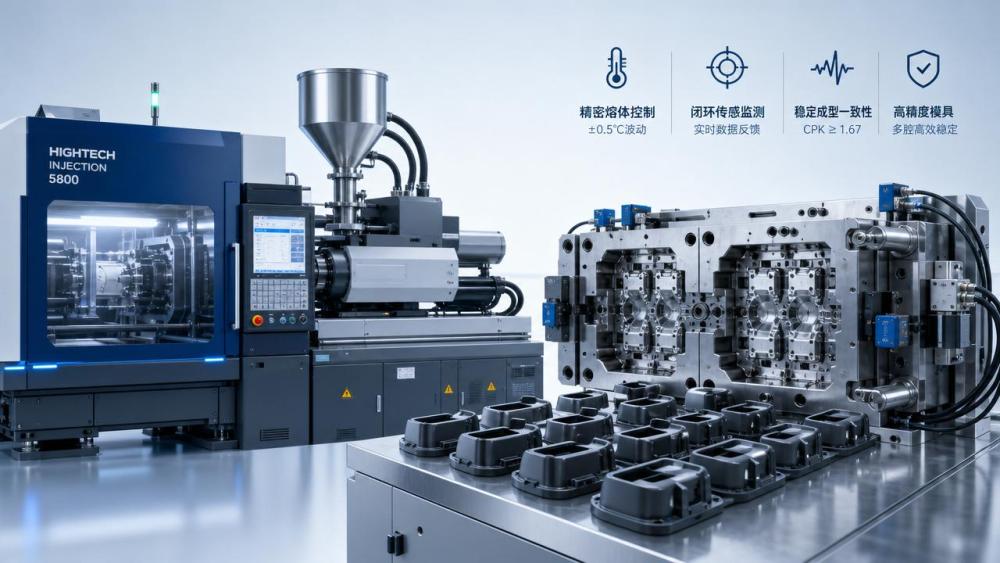
In that context, advanced polymer molding should be judged as a consistency architecture. It includes melt control, servo response, thermal management, pressure profiling, sensing, automation, and analytics that reduce variation from shot to shot.
The strongest evaluation approach starts with part requirements, not machine brochures. If consistency risks come from shrink variation, flash, warpage, sink, gate vestige, weld line weakness, or cavity imbalance, the technology review becomes much clearer.
Why part consistency is difficult in polymer processing even with experienced operators
Part consistency is inherently challenging because polymers do not behave like stable, simple fluids. Their rheology changes with temperature, shear, moisture, residence time, additive distribution, and recycled content percentage.
Even small disturbances can create visible quality shifts. A slight melt temperature increase may alter viscosity. A modest clamp variation may affect flash risk. A minor drying issue can degrade molecular structure and part performance.
Traditional molding setups can still produce acceptable parts, but they often rely heavily on operator correction. That creates a narrower process window and increases dependence on tribal knowledge rather than repeatable machine intelligence.
For technical evaluators, this is the first major value point. Advanced polymer molding improves consistency by widening the stable operating window and reducing sensitivity to routine production variation, not merely by increasing cycle speed.
Which advanced molding technologies most directly improve consistency
Not every “advanced” feature has equal effect on part repeatability. The technologies that matter most are those that control melt homogeneity, shot delivery precision, pressure stability, and mold temperature uniformity.
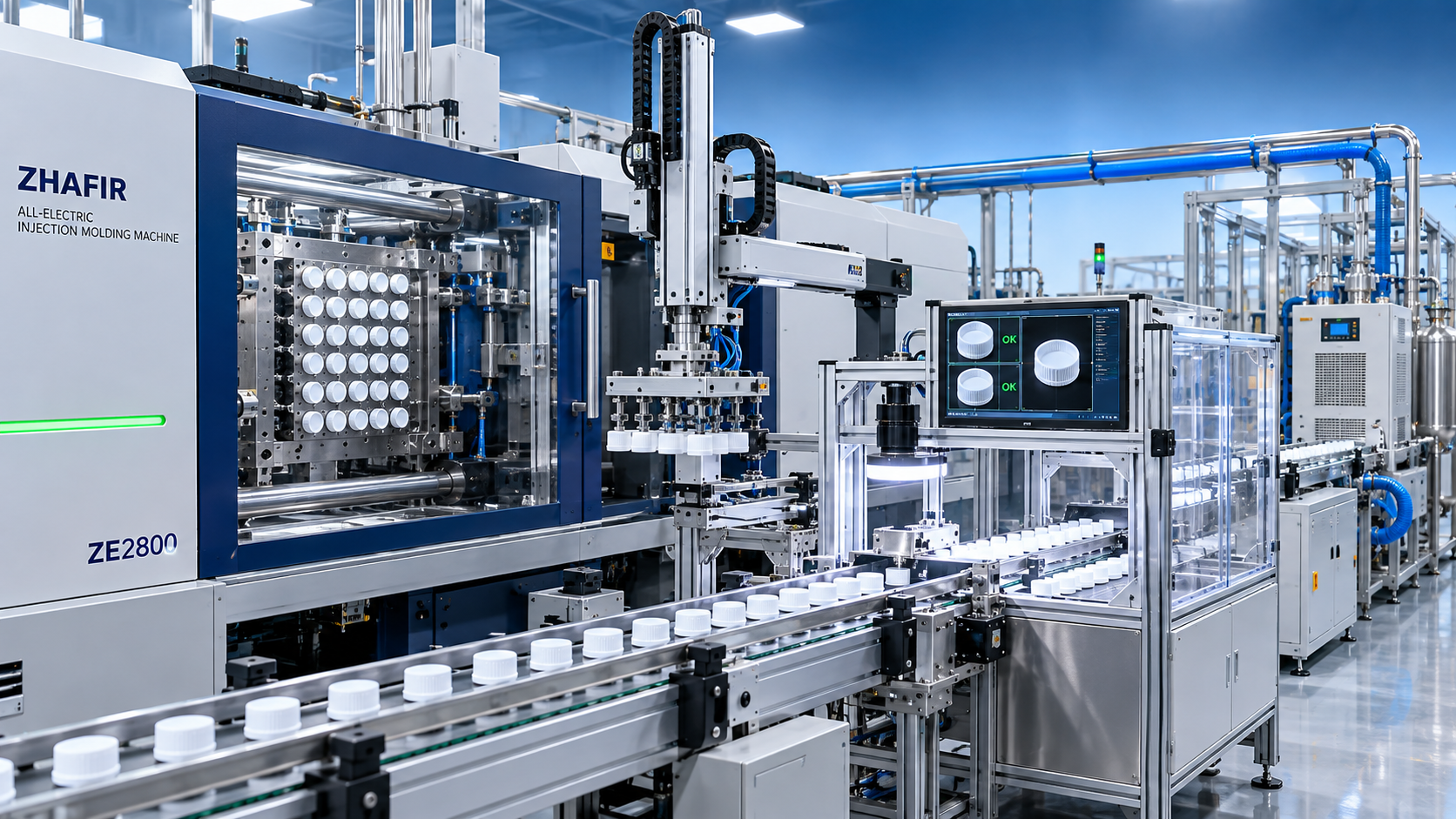
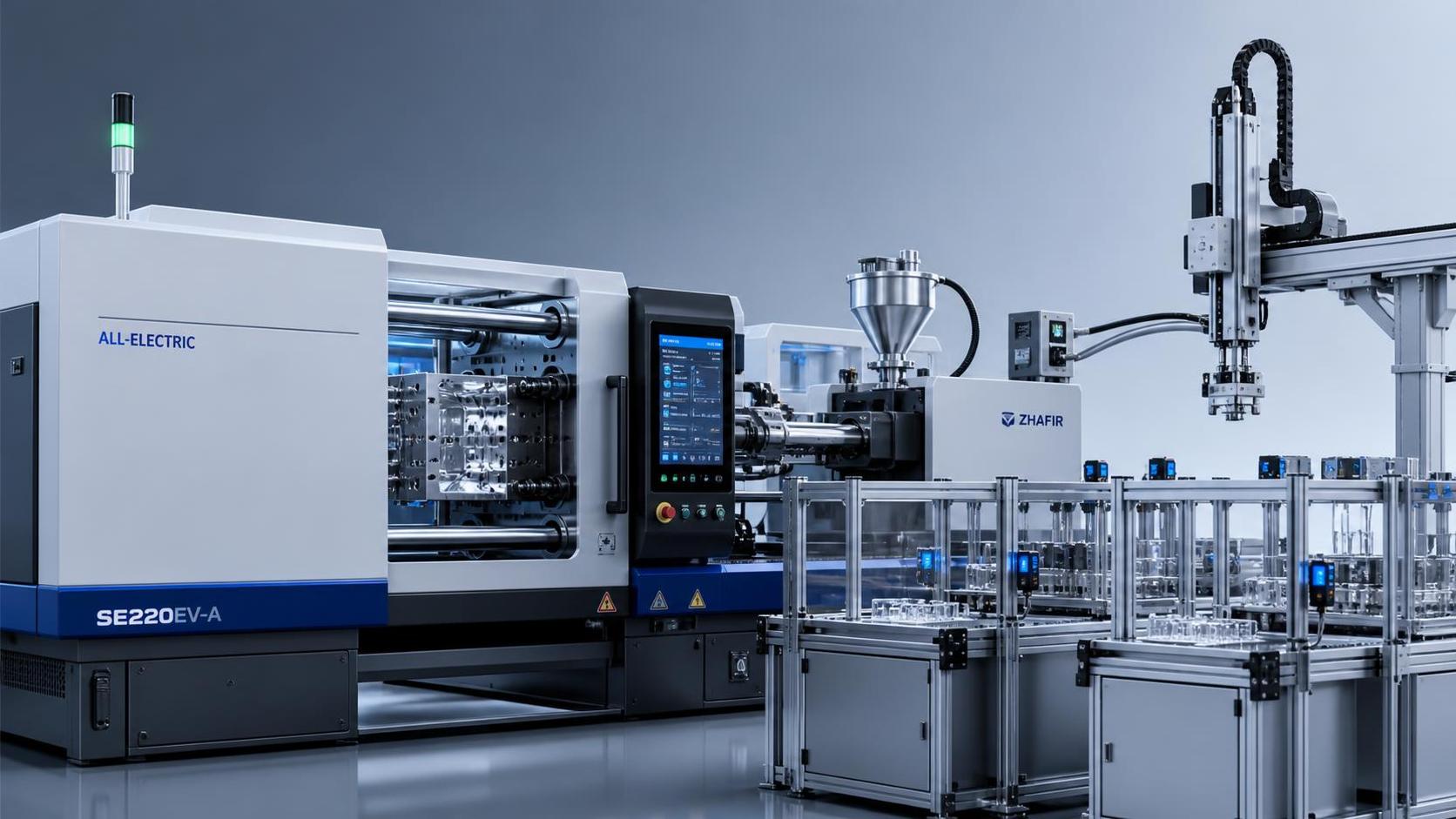
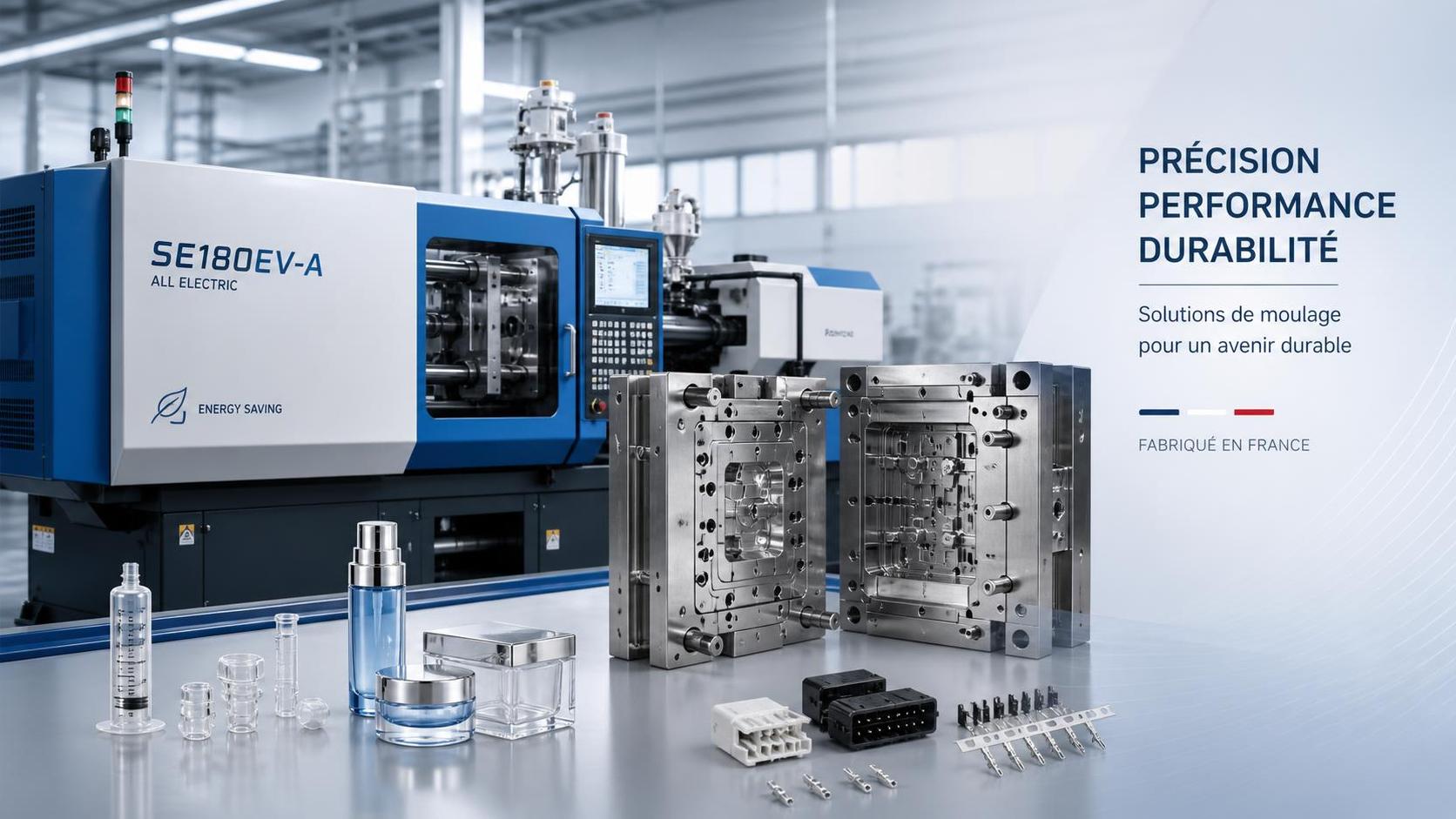
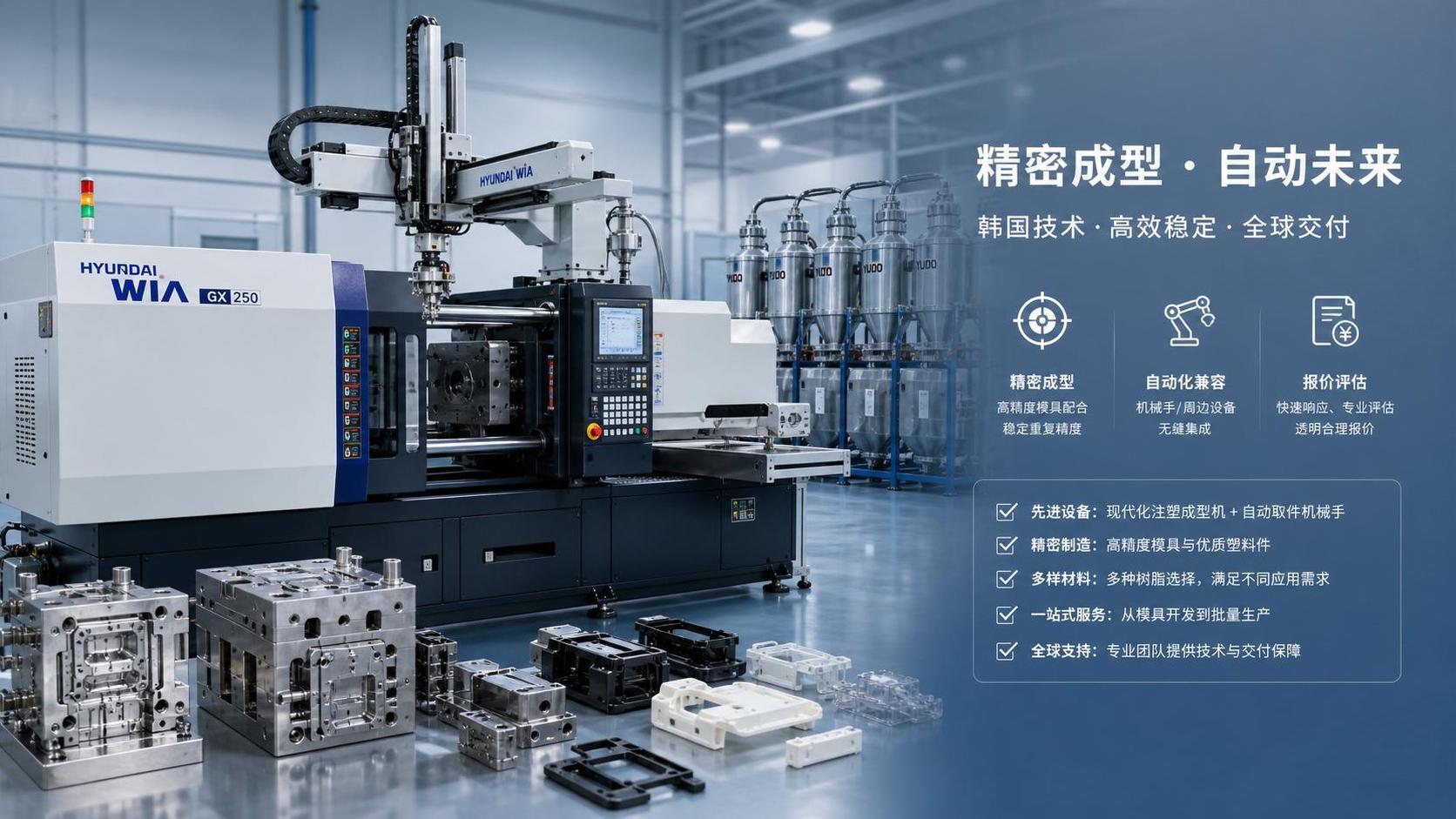
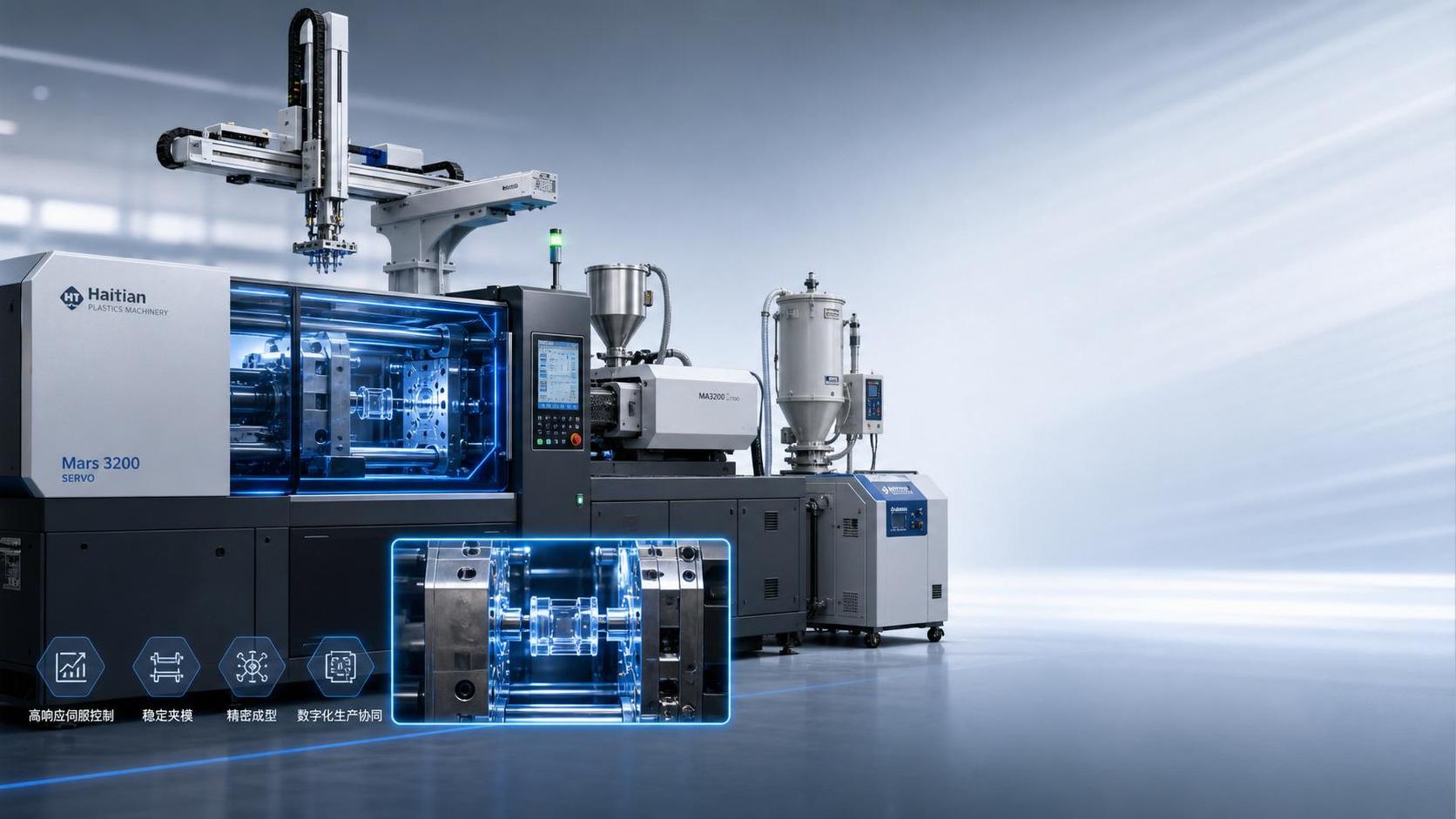
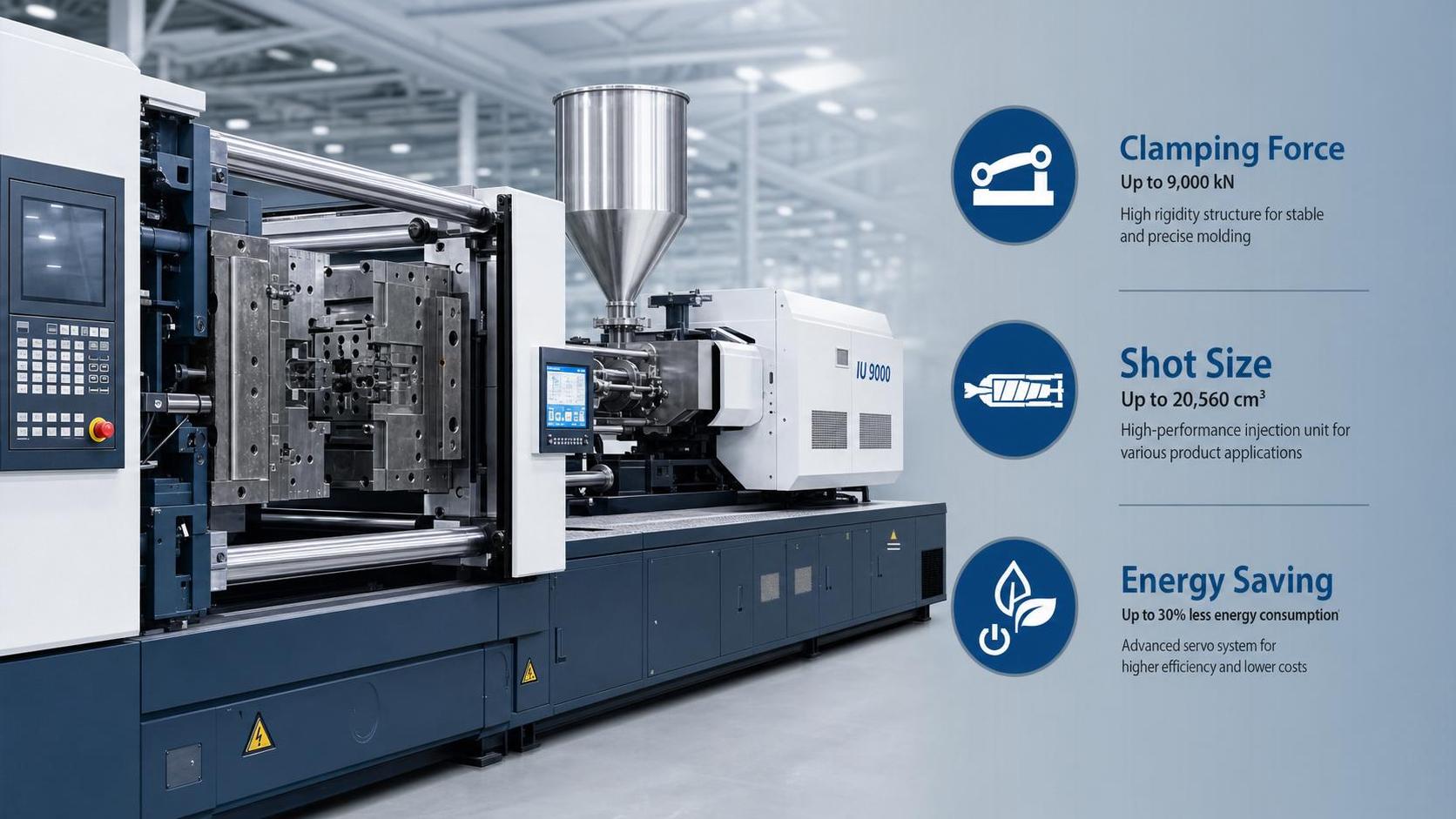
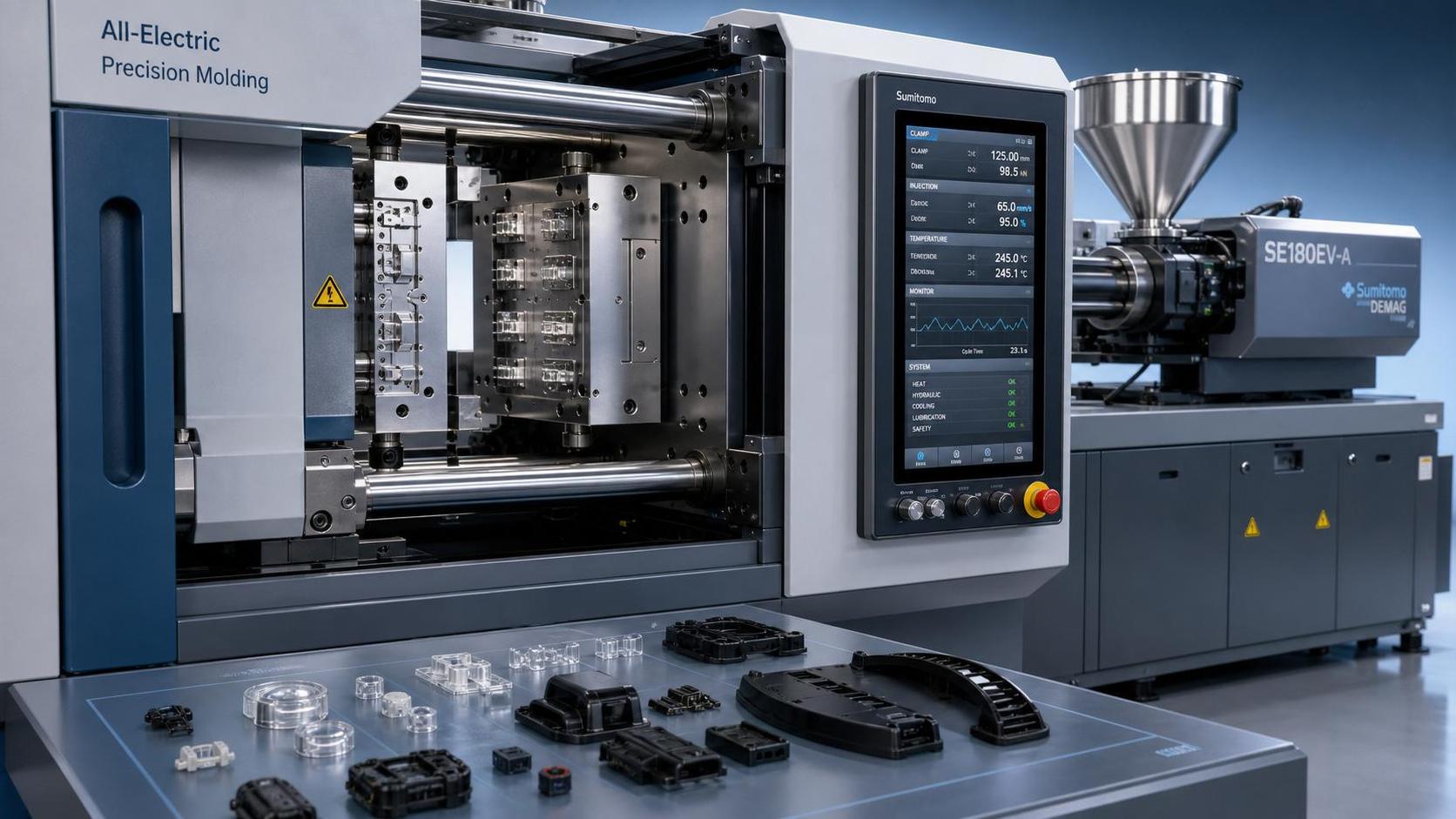
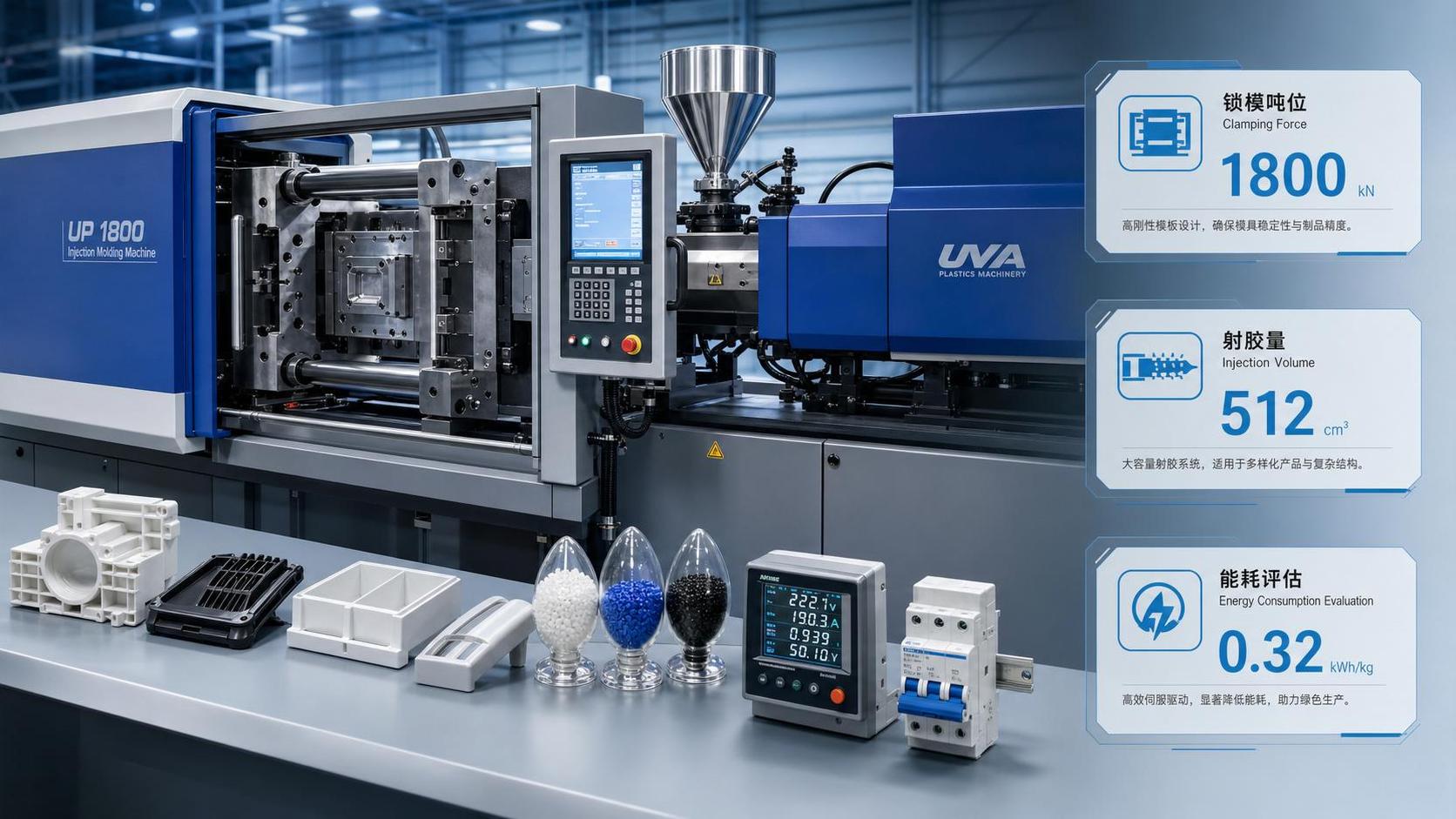
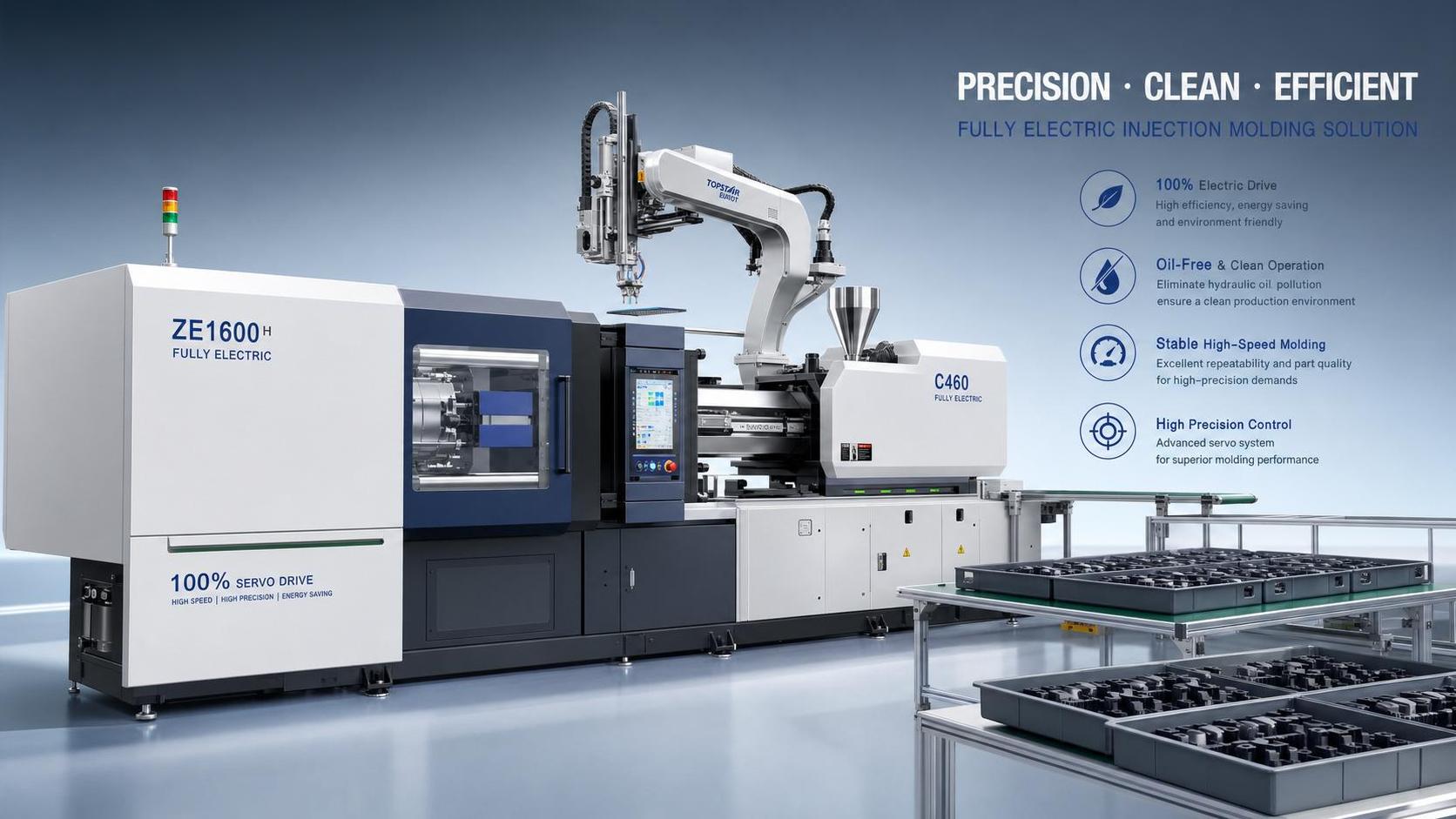
All-electric or high-response servo-driven injection units are often central here. They provide more precise movement control, faster response, and better repeatability in screw position, injection velocity, holding pressure, and decompression behavior.
That precision translates into more stable fill patterns and pack profiles. For thin-wall, optical, medical, and close-tolerance components, this can significantly reduce part weight variation, dimensional spread, and cosmetic inconsistency.
Closed-loop process control is another major contributor. Instead of running a fixed profile blindly, advanced systems adjust process variables based on pressure, position, temperature, or cavity feedback to maintain a target molding outcome.
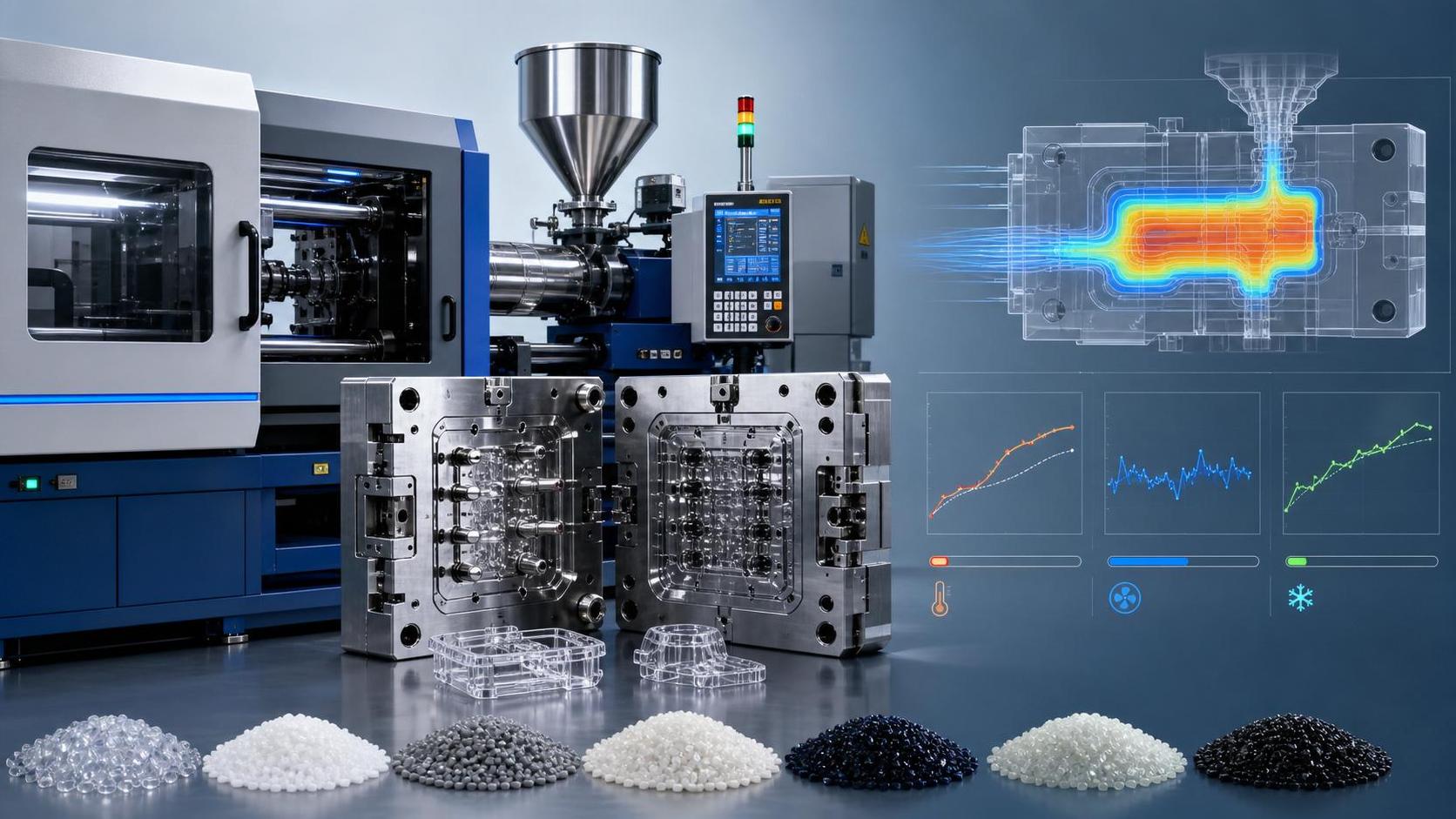
Mold temperature control also deserves more weight than many evaluations give it. Better thermal uniformity reduces differential shrinkage, improves surface quality, and limits warpage, especially in semi-crystalline and glass-filled materials.
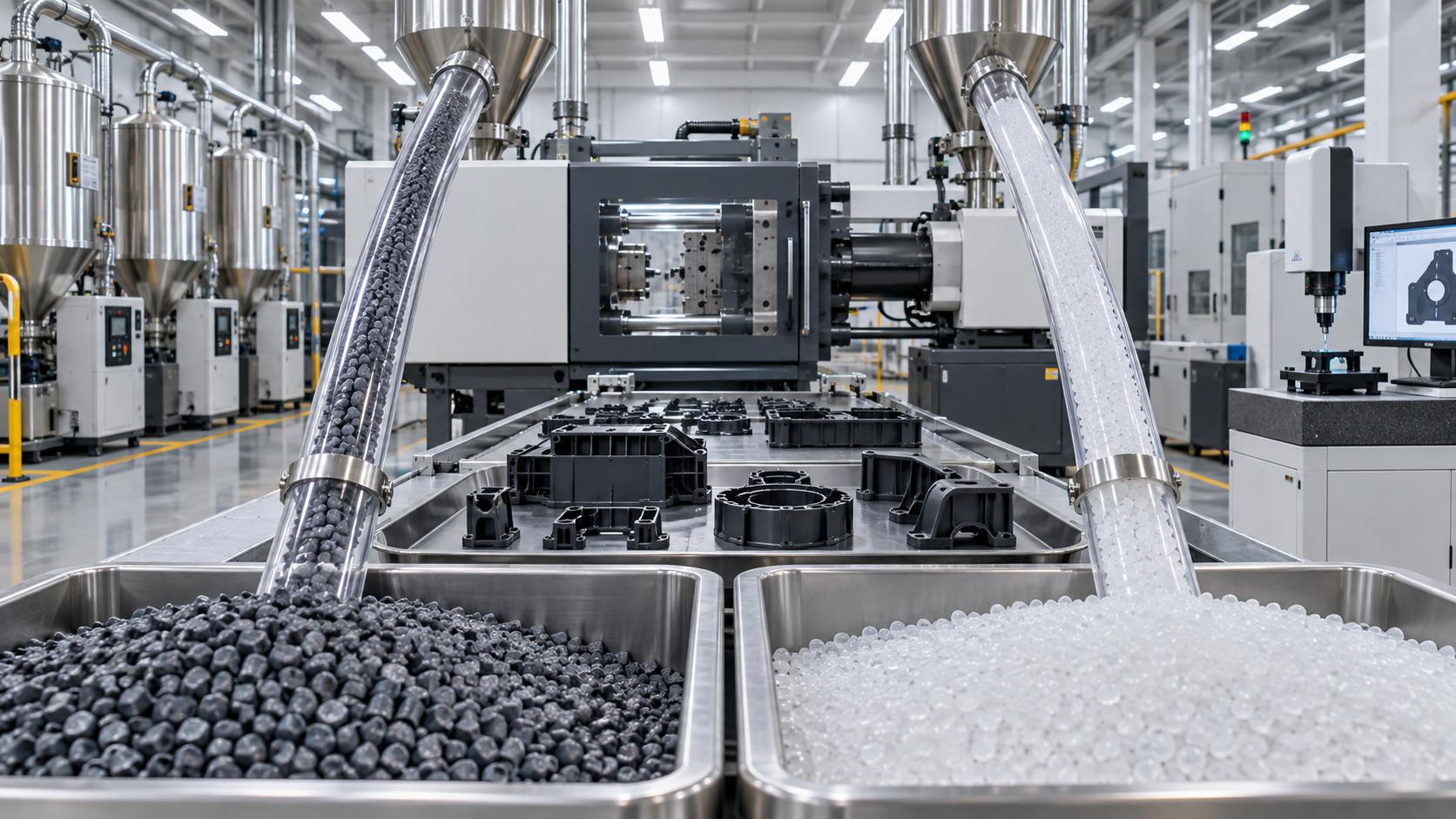
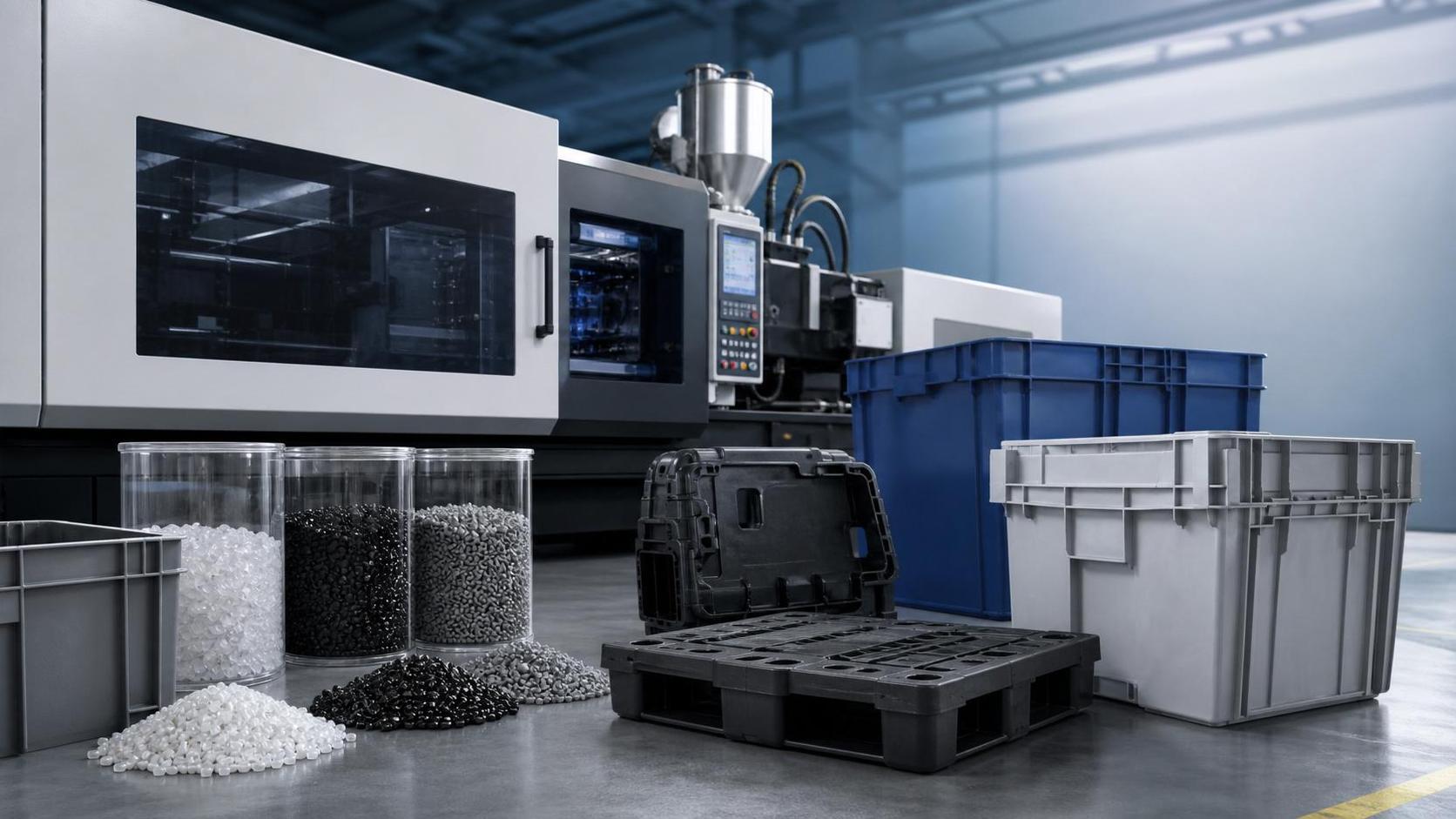
Integrated drying, gravimetric dosing, and material handling systems matter as well. If resin moisture content, color ratio, regrind proportion, or additive feed rate shifts, machine precision alone cannot protect consistency downstream.
For more demanding applications, cavity pressure sensors, in-mold temperature monitoring, and machine learning-assisted process optimization provide a stronger basis for stable production than relying only on barrel settings and part inspection.
How advanced polymer molding reduces the main sources of variation
Technical evaluation becomes easier when consistency is broken into controllable variation sources. Most molding instability comes from material variation, thermal variation, mechanical response variation, tooling imbalance, or operator-driven process correction.
Advanced polymer molding addresses material variation by improving plastication uniformity and residence time control. More consistent melt quality means fewer viscosity swings at the gate and more predictable filling and packing behavior.
It addresses thermal variation through better barrel zoning, mold temperature control, and energy management. Stable temperature conditions help maintain a repeatable viscosity profile, which is essential for dimensional accuracy and surface consistency.
Mechanical variation is reduced by servo systems and tighter motion control. When injection start position, transfer point, clamp movement, and screw recovery are repeatable, shot-to-shot deviation falls and process capability improves.
Tooling-related variation can be mitigated through balanced hot runners, improved venting, cavity pressure feedback, and more informed cooling circuit design. Advanced molding cannot rescue poor tooling, but it exposes and manages tooling limits far better.
Operator variation is reduced through recipe control, automated startup sequences, alarm logic, digital traceability, and guided parameter adjustment. This is especially valuable for plants where shifts, staffing levels, or regional skill availability vary.
What evidence shows that consistency has actually improved
Technical evaluators should avoid broad claims such as “better quality” unless the improvements are linked to specific production metrics. Consistency must be visible in data collected over meaningful run lengths, not only in short demonstrations.
Part weight variation is one useful leading indicator because it often reflects fill and pack stability. However, weight alone is not enough for precision parts where geometry, flatness, optical quality, or sealing function are more critical.
Dimensional capability data is more decisive. Look for Cp and Cpk values across key critical-to-quality dimensions, measured over time, across cavities, and ideally across multiple material lots or production shifts.
Scrap rate and rework rate also matter, but they should be segmented by defect mode. A lower total scrap number is helpful only if you can see whether flash, short shot, warpage, sink, burn marks, or gate defects were actually reduced.
Process stability indicators are equally important. Trends in cavity pressure, transfer consistency, cycle-to-cycle melt cushion, mold temperature spread, and filling time variation often reveal whether the process is truly under control.
If the part has functional requirements, include them in the evaluation. Burst strength, leak rate, torque retention, optical transmission, impact resistance, or sealing performance may be more relevant than purely dimensional outcomes.
How to compare equipment options without being misled by headline specifications
Many equipment comparisons become distorted because buyers focus on clamping force, screw diameter, or maximum injection speed before understanding the variation mechanisms affecting the actual part family under review.
A better approach is to create a consistency-focused scorecard. Start with part geometry, resin family, tolerance stack, wall thickness variation, cosmetic sensitivity, and expected recycled or filled material usage.
Then score each system against control features that influence those risks: injection response time, transfer repeatability, pressure control resolution, barrel recovery stability, thermal uniformity, cavity sensing compatibility, and traceability depth.
Request evidence under conditions similar to your production environment. A machine that performs well with virgin resin, one cavity, and a controlled demo mold may behave differently with hygroscopic materials, family molds, or high regrind ratios.
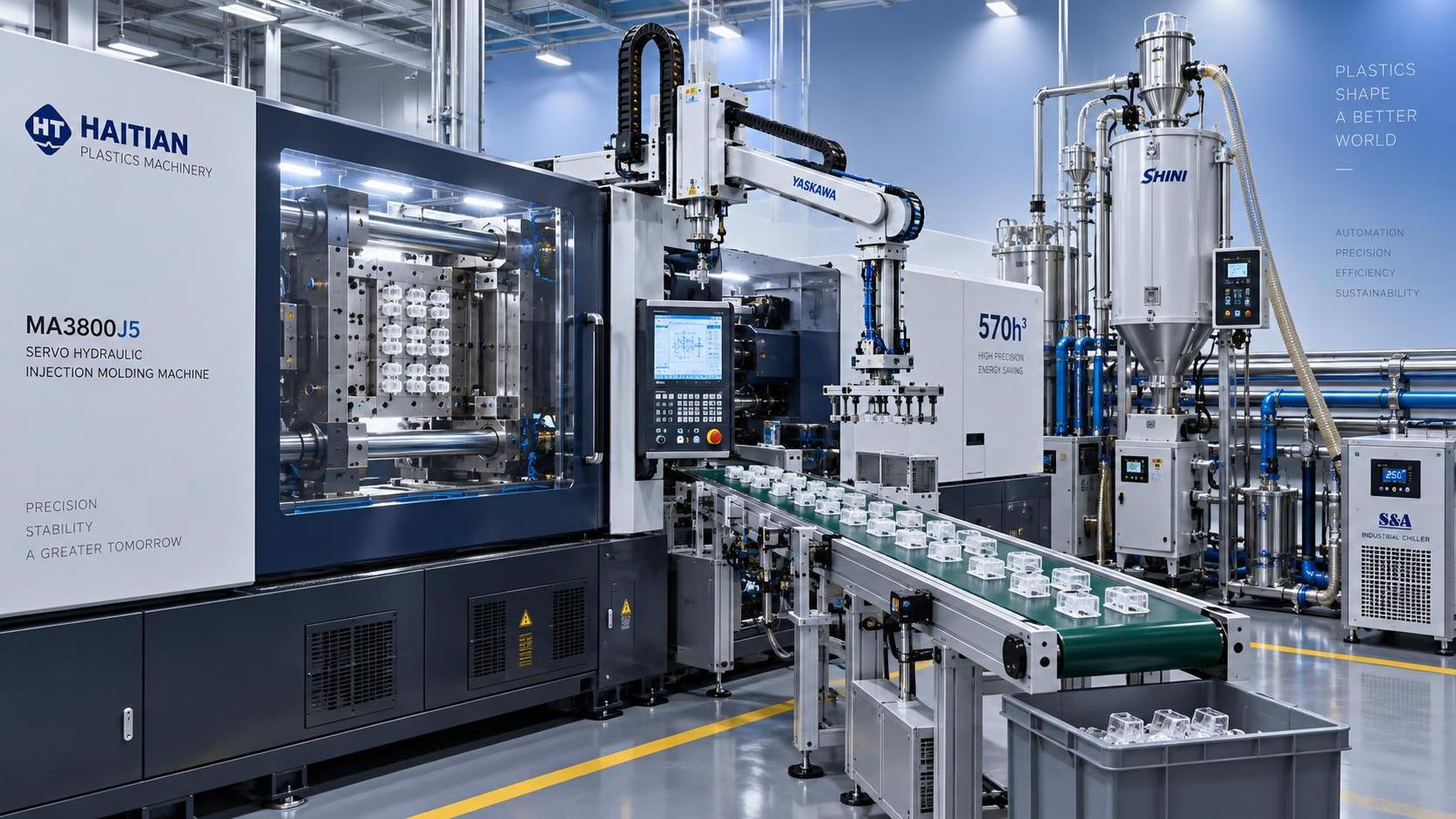
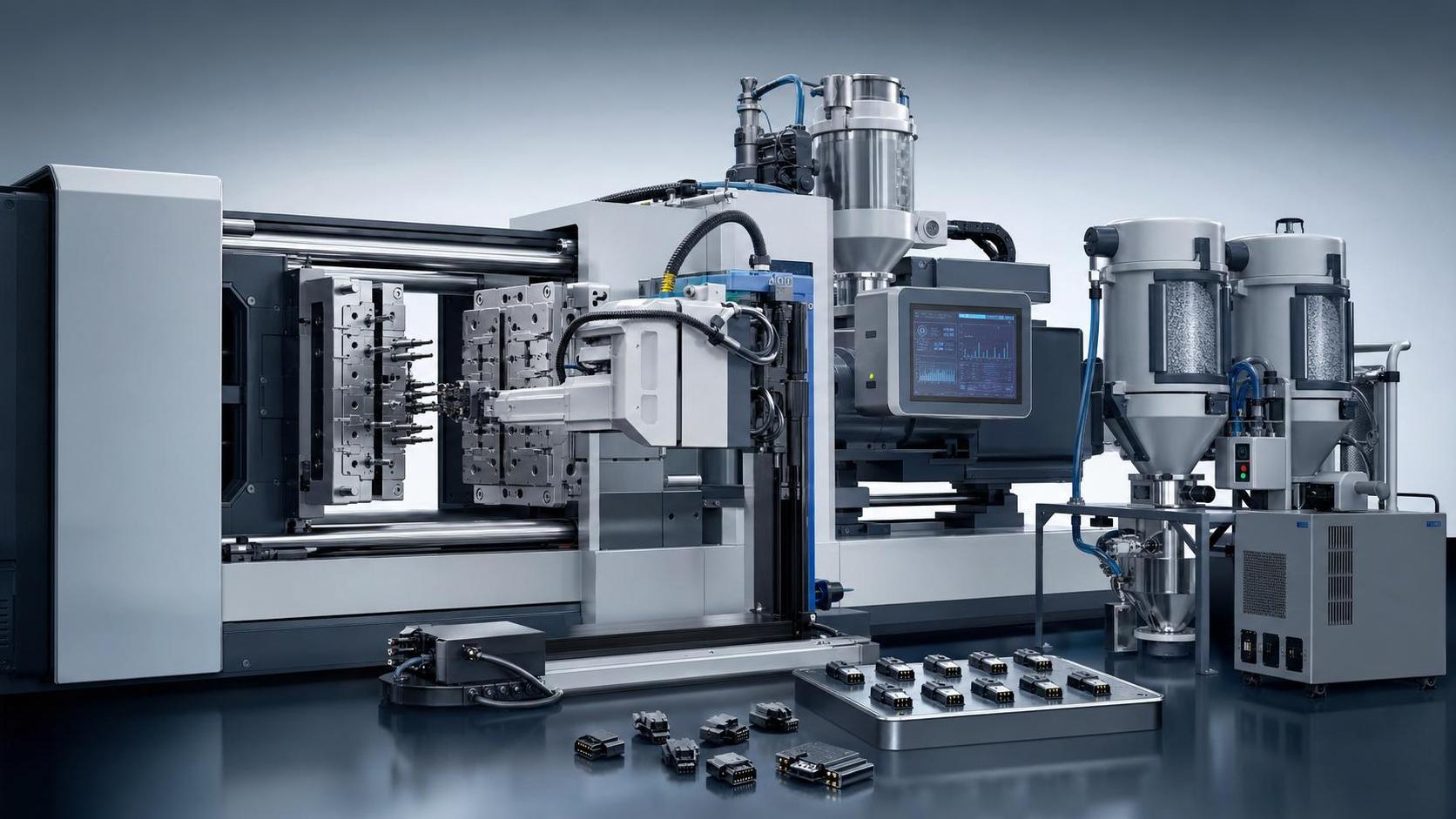
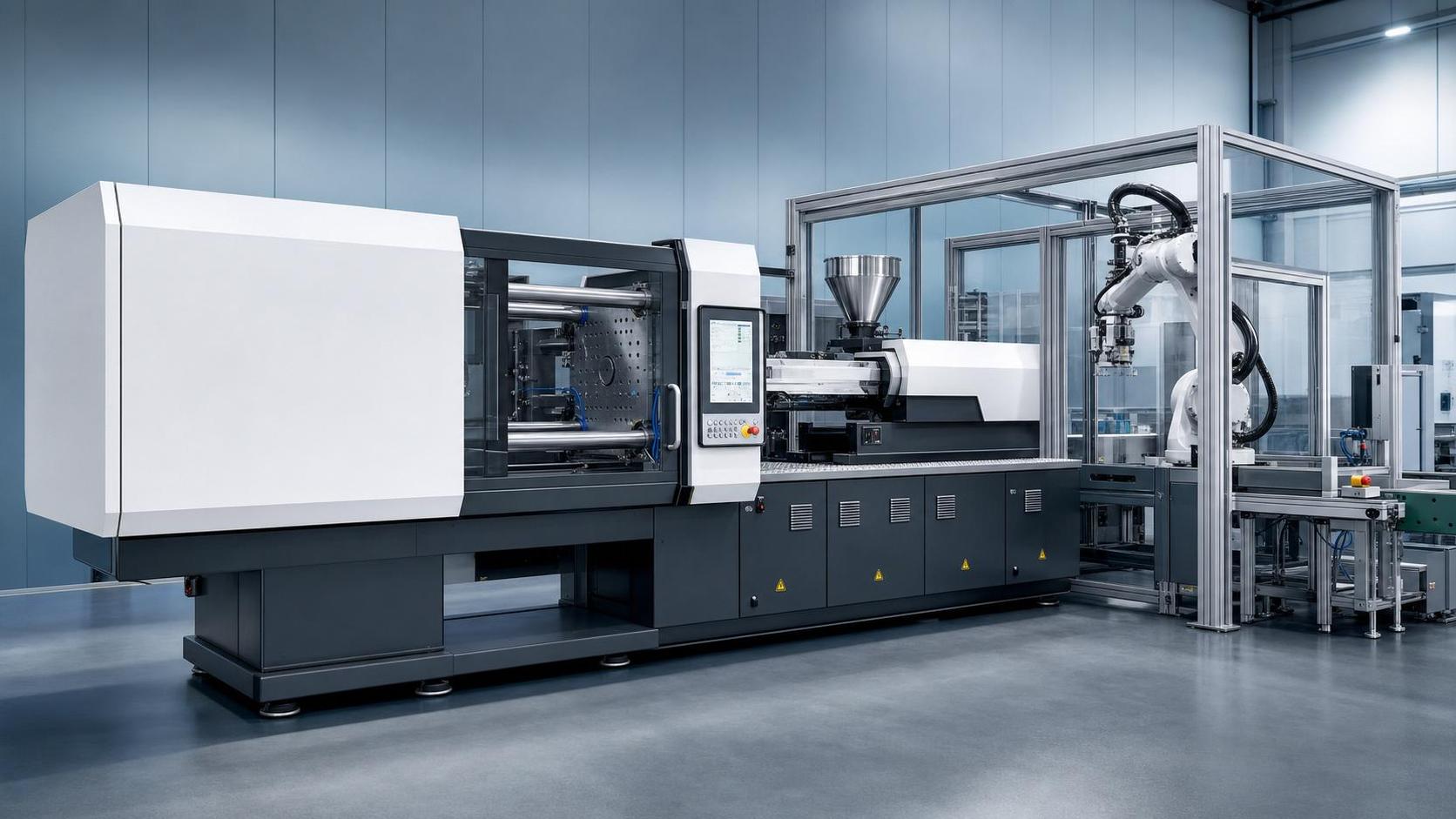
It is also important to assess integration, not only machine hardware. Material drying, dosing, robot handling, mold cooling, hot runner control, and MES connectivity all affect consistency. Weak links outside the press often dominate final variation.
For PFRS-type evaluations across broader polymer systems, this same principle applies in extrusion, blow molding, vulcanization, and recycling. Consistency is a line-level capability, supported by machine intelligence but proven through integrated control.
Where advanced polymer molding delivers the strongest return
Advanced polymer molding has the clearest value where part quality is tightly specified, defect costs are high, and process drift creates downstream risk. Medical components, connectors, precision housings, closures, lenses, and automotive parts fit this profile.
It also becomes attractive when materials are harder to process consistently. High-flow engineering resins, glass-filled compounds, bio-based blends, multi-material formulations, and recycled-content compounds all increase the importance of robust process control.
Another strong use case is multi-cavity production where small differences amplify quickly. A process that appears stable in one cavity can become expensive when imbalance creates sorting, rework, or customer complaints at scale.
Facilities facing labor variability often benefit as well. If consistency depends on a small number of expert setters, advanced control and automation reduce operational fragility and make quality more transferable across teams and shifts.
The return is not always immediate in simple commodity parts with broad tolerances. In those cases, the decision depends more on energy savings, uptime, labor efficiency, resin flexibility, and future compliance requirements than on precision alone.
What risks and limitations should evaluators keep in mind
Advanced polymer molding is not a guarantee of consistent output if the broader process ecosystem is weak. Poor mold design, unstable resin supply, bad cooling circuits, inadequate drying, or weak maintenance routines will still limit results.
There is also a common implementation risk: buying sophisticated control capability without organizational readiness to use it. Sensors, analytics, and adaptive control create value only when teams know how to interpret and maintain them.
Another issue is overfitting the process during trials. A demo can be tuned tightly for a short period, yet still lack robustness across startup conditions, material lot changes, or continuous production over several days.
Evaluators should therefore ask for long-run evidence, recipe management practices, calibration procedures, and service support structure. The quality of after-sales application support often determines whether consistency gains are sustained.
A practical evaluation framework for technical decision-makers
First, define the part consistency problem in measurable terms. Identify the top critical defects or drift modes, the associated cost, and whether the root cause is mainly material, thermal, machine, tooling, or operator related.
Second, map those risks to technologies that can reasonably reduce them. Do not pay for advanced features that have little connection to your dominant variation source. Precision only matters where the process can use it effectively.
Third, require data from trials or installed references. Review dimensional capability, cavity balance, process alarms, startup scrap, changeover repeatability, and performance under realistic material and environmental conditions.
Fourth, assess lifecycle factors. Include energy consumption, maintenance burden, spare parts access, software support, sensor reliability, and the ease of training operators and process engineers on the new platform.
Finally, evaluate strategic fit. If your roadmap includes more recycled content, tighter compliance, higher traceability, or more complex parts, advanced polymer molding may offer value beyond today’s immediate scrap reduction numbers.
Conclusion
When advanced polymer molding improves part consistency, it does so by controlling variation at its source: melt behavior, thermal stability, motion precision, tooling feedback, and process repeatability. That is the real technical advantage.
For evaluators, the decision should not rest on whether a machine is marketed as advanced. It should rest on whether the system delivers repeatable, data-backed stability for the specific parts, materials, and risk profile under review.
If the evidence shows tighter capability, lower defect sensitivity, stronger long-run control, and better resilience to normal production variation, advanced polymer molding is not just a production upgrade. It is a quality assurance investment.
Related News
- 00
0000-00
How to Evaluate Plastic Pelletizing Machine Suppliers for Output, Support, and Risk - 00
0000-00
How to Select a Plastic Pipe Manufacturing System for Output, Resin, and Pipe Range - 00
0000-00
How to Specify Injection Molding Equipment for High-Volume Closure Production - 00
0000-00
How to Specify a Medical Molding Machine for Cleanroom Device Production - 00
0000-00
Plastic Extrusion Technology for Films: Process Controls That Improve Gauge Uniformity
Weekly Insights
Stay ahead with our curated technology reports delivered every Monday.
Related News
 Polymer Molding ScientistHow to Specify Injection Molding Equipment for High-Volume Closure ProductionInjection molding equipment for caps: learn how to specify a high-volume closure cell with stable output, efficient energy use, automation, inspection, and process control.Oct 01, 2026
 Polymer Molding ScientistHow to Qualify a Servo Injection Molding Exporter for Global SourcingServo injection molding exporter qualification guide: assess technical fit, factory audits, FAT, landed cost, documentation, and service support for confident global sourcing.Sep 25, 2026
 Polymer Molding ScientistCan Recycled Pellets Meet Injection Molding Quality Requirements?Can recycled pellets meet injection molding quality requirements? Explore material control, testing, blending, and processing strategies for reliable molded parts.Sep 27, 2026
 Polymer Molding ScientistHow to Evaluate Industrial Injection Molding Machines for Indian Production PlantsIndustrial injection molding machines India: learn how to evaluate mould fit, resin performance, energy use, automation, service support, and long-term production value.Sep 09, 2026
 Polymer Molding ScientistHow to Choose an All-Electric Molding Machine for High-Precision ProductionAll-electric molding machine selection guide for high-precision production—evaluate repeatability, injection control, energy efficiency, and long-term process stability.Sep 02, 2026
 Polymer Molding ScientistHow to Evaluate All-Electric Injection Molding Machines in FranceAll-electric injection molding France evaluation starts with part needs, process stability, energy use, and EU support. Discover what French buyers should compare before choosing a machine.Aug 20, 2026
 Polymer Molding ScientistInjection Molding Systems for Connectors: Key Requirements for Precision and Cycle TimeInjection molding systems for connectors must balance precision and cycle time. Learn the key machine, mold, material, and automation factors that reduce scrap and boost output.Jul 14, 2026
 Polymer Molding ScientistHow to Choose an Electric Injection Molding Machine With CE for EU Production LinesElectric injection molding CE selection for EU lines starts with compliance, precision, and lifetime cost. Learn how to compare machines, documentation, and supplier support with confidence.Jul 14, 2026
 Polymer Molding ScientistInjection Molding Equipment in South Korea: What Buyers Should Check Before Requesting QuotesInjection molding equipment South Korea buyers compare should be judged beyond price. Learn the key RFQ checks, performance metrics, and cost risks before requesting quotes.Jul 12, 2026
 Polymer Molding ScientistRecycled Polymer Applications in Injection Molding: Best Uses and Material LimitsRecycled polymer applications injection molding explained: discover the best-fit parts, key material limits, and practical ways to cut cost while maintaining stable quality.Jul 09, 2026
![]() Polymer Molding ScientistPrecision Injection Molding Equipment Selection Guide: Tolerance, Repeatability, and Shot SizePrecision injection molding equipment selection guide covering tolerance, repeatability, and shot size. Learn how to reduce scrap, improve stability, and choose the right machine.Jul 07, 2026
Polymer Molding ScientistPrecision Injection Molding Equipment Selection Guide: Tolerance, Repeatability, and Shot SizePrecision injection molding equipment selection guide covering tolerance, repeatability, and shot size. Learn how to reduce scrap, improve stability, and choose the right machine.Jul 07, 2026 Polymer Molding ScientistHow to Evaluate a Servo Molding Technology Supplier for Precision Parts ProductionServo molding technology supplier selection starts with proof, not promises. Learn how to compare precision control, lifecycle cost, service, and digital support for better parts production.Jul 05, 2026
 Polymer Molding ScientistPrecision Injection Molding Systems: Which Process Parameters Matter Most for Part Consistency?Precision injection molding systems depend on tight control of melt temperature, speed, pressure, and cooling. Discover which parameters matter most to cut scrap and improve part consistency.Jul 03, 2026
 Polymer Molding ScientistHow to Compare Injection Molding Equipment by Clamping Force, Shot Size, and Energy UseInjection molding equipment comparison starts with the right metrics. Learn how clamping force, shot size, and energy use affect quality, stability, and long-term operating cost.Jun 30, 2026
 Polymer Molding ScientistHow to Choose Precision Plastic Molding Machinery for Tight-Tolerance PartsPrecision plastic molding machinery selection goes beyond tonnage. Learn how to match control, thermal stability, and mold compatibility for tight-tolerance parts with confidence.Jun 28, 2026
 Polymer Molding ScientistHow to Evaluate Injection Molding Machines in India: Tonnage, Shot Size, and Power CostsInjection molding machines India buyers compare should be judged by tonnage, shot size, and power costs. Learn how to choose the right machine for better output and lower long-term risk.Jun 27, 2026
 Polymer Molding ScientistAll-Electric Injection Molding Machines Cost Breakdown: What Drives Price and ROI?All-electric injection molding machines cost explained: discover the real price drivers, hidden costs, and ROI factors to compare electric, hybrid, and hydraulic options with confidence.Jun 25, 2026
 Polymer Molding ScientistAutomotive Plastic Molding Machinery Selection: Key Clamping, Shot Size, and Automation FactorsAutomotive plastic molding machinery selection starts with the right clamping force, shot size, and automation fit. Learn how to reduce risk, improve quality, and choose smarter for automotive production.Jun 23, 2026
 Polymer Molding ScientistInjection Molding Machinery Selection Guide: Key Parameters for Stable ProductionInjection molding machinery selection starts with the right parameters. Learn how clamping, shot size, control precision, and energy performance drive stable, low-scrap production.Jun 17, 2026
 Polymer Molding ScientistAll-Electric Injection Molding Equipment: Key Specs to Compare Before BuyingAll-electric injection molding equipment buyers should compare repeatability, energy use, connectivity, and lifecycle cost—not just tonnage. See the key specs that protect quality and ROI.Jun 14, 2026