When polymer processing equipment becomes too costly to run




When polymer processing equipment becomes too costly to run, the problem is rarely limited to the plant floor. For financial approvers, it usually signals declining asset productivity, higher earnings volatility, and a growing risk that yesterday’s machinery is quietly destroying today’s margins. The right response is not always immediate replacement, but it must begin with a disciplined view of total cost, hidden losses, and future compliance exposure.
In polymer manufacturing, aging or poorly matched equipment can raise costs through energy waste, unplanned downtime, excessive scrap, labor inefficiency, unstable output quality, and expensive environmental upgrades. For decision-makers responsible for capital allocation, the key question is straightforward: at what point does continued operation cost more than upgrade, retrofit, or replacement?
This article examines how financial decision-makers can identify the true cost drivers behind expensive polymer processing equipment, compare upgrade versus replacement options, and build a more defensible investment case across injection molding, extrusion, blow molding, vulcanization, and recycling operations.
What financial approvers should look at first when equipment costs rise
The first priority is to stop evaluating equipment cost only through maintenance invoices. In most polymer processing environments, the biggest losses are often indirect. A machine may still run, yet consume excessive electricity, produce higher scrap, require more operator intervention, and create scheduling instability that affects customer service.
For finance teams, this means the asset should be reviewed as a profit engine rather than a depreciated machine. A line that appears fully paid off may still be economically inferior if it drives hidden conversion costs well above current benchmarks.
A practical first-pass assessment should include five measurable areas: energy consumption per kilogram processed, maintenance spend and downtime frequency, scrap and rework rate, labor requirement per output unit, and compliance-related costs such as emissions, noise, safety, or recycled-content capability.
If three or more of these indicators are moving in the wrong direction, the issue is no longer tactical. It becomes a capital planning matter with implications for throughput, pricing power, and margin resilience.
The real cost drivers behind expensive polymer processing equipment
Many polymer processing equipment fleets become too costly to run not because of one dramatic failure, but because multiple small inefficiencies compound over time. Financial approvers need visibility into these compounding effects to avoid underestimating the true cost of continued operation.
Energy is often the most visible factor. Older hydraulic injection molding machines, aging extruders, outdated drive systems, and inefficient heating zones can consume significantly more power than modern servo-driven or all-electric alternatives. In energy-intensive operations, even a modest gap in kilowatt-hours per kilogram can materially change annual profitability.
Maintenance is the second major driver, but the cost is broader than spare parts. It includes emergency technician callouts, overtime labor, delayed orders, disrupted production planning, and the inventory burden created by uncertain machine availability. Unplanned downtime often costs far more than planned servicing.
Material loss is another major financial leak. In polymer processing, scrap is never just scrap resin. It includes wasted additives, colorants, labor, machine time, energy, and sometimes packaging materials. If unstable temperature control, screw wear, mold inconsistency, or poor process repeatability increases reject rates, the true loss multiplies quickly.
Labor inefficiency can also be substantial. Older systems often require more manual adjustment, more frequent operator checks, and more quality intervention. This raises direct labor cost and also limits the ability to redeploy skilled people toward higher-value work such as optimization, preventive maintenance, or process improvement.
Finally, compliance pressure is becoming a stronger cost driver. Equipment that cannot efficiently process recycled content, lightweight materials, or tighter product tolerances may become commercially limiting. Likewise, machines that struggle with emissions control, guarding, traceability, or energy reporting can generate future capital burdens that are not yet visible in current monthly accounts.
How to tell whether rising operating cost is temporary or structural
Not every cost spike justifies capital action. Resin price volatility, temporary utility inflation, a short-term labor shortage, or a product mix shift can distort machine economics. Financial approvers therefore need to distinguish cyclical pressure from structural inefficiency.
A useful method is to compare twelve to twenty-four months of normalized data. Separate external factors from equipment-linked factors. For example, if resin cost rose for market reasons, that alone does not prove machine underperformance. But if energy per unit, scrap per unit, and downtime per unit all rise while throughput falls, the pattern points to a structural issue.
Benchmarking is equally important. Compare the line against newer internal assets, sister plants, or supplier reference performance. If the machine requires meaningfully higher labor, maintenance, or energy input than comparable systems processing similar polymers and volumes, continued operation may be economically unjustified.
Another warning sign is that engineering teams spend increasing time keeping output acceptable rather than improving it. When equipment absorbs disproportionate troubleshooting effort, the organization pays an opportunity cost that standard machine accounting often misses.
Upgrade, retrofit, or replace: how to frame the capital decision
The central decision is rarely binary. In many cases, polymer processing equipment can be economically improved through targeted retrofits rather than full replacement. The finance question is not “Can we keep it running?” but “Which option creates the best risk-adjusted return?”
Upgrades make sense when the core mechanical structure remains sound and the main inefficiencies are localized. Examples include replacing drives, modernizing control systems, improving barrel insulation, installing servo pumps, upgrading heaters, adding gravimetric dosing, or integrating monitoring sensors. These measures can produce meaningful savings at lower capital intensity.
Replacement becomes more compelling when the machine suffers from multiple cost drivers at once: chronic downtime, poor repeatability, high energy draw, obsolescence of parts, safety limitations, and inability to meet evolving product or sustainability requirements. In such cases, retrofit spending can become a piecemeal strategy that delays rather than solves the problem.
Financial approvers should assess each option against a common decision framework: total capital required, expected annual savings, throughput impact, working capital effect, implementation risk, training requirements, compliance readiness, and residual operating life. A cheaper project is not necessarily the better one if it preserves a weak cost structure.
It is also useful to ask whether the asset still matches the business model. A machine sized for large, stable production runs may become inefficient in a market that increasingly demands shorter batches, faster changeovers, higher precision, or more recycled material flexibility.
Build the business case around total cost of ownership, not purchase price
For finance leaders, the strongest decisions come from a total cost of ownership model. This shifts the discussion away from upfront purchase price and toward the full economic profile of the equipment across its useful life.
A robust TCO model for polymer processing equipment should include acquisition cost, installation, utilities, tooling or auxiliary modifications, maintenance, spare parts, downtime exposure, labor, yield loss, quality claims risk, and end-of-life disposal or resale value. It should also account for production gains that free capacity without adding floor space.
In many cases, the hidden value of replacement is not only cost reduction but capacity recovery. A faster and more stable machine may allow more saleable output from the same shift pattern, reducing the need for overtime or delaying the next plant expansion. That capacity value should be included in the model.
Scenario analysis is especially helpful. Build a base case, downside case, and upside case. Test assumptions for energy prices, utilization rates, scrap improvement, and maintenance reduction. Financial approvers gain confidence when they can see how the investment performs under different operating realities.
Payback period remains important, but it should not be the only metric. Internal rate of return, net present value, and sensitivity to downtime or energy inflation can reveal whether a project is strategically sound or only superficially attractive.
Warning signs that delay may cost more than action
In some situations, waiting is itself an expensive decision. Financial approvers should be alert to signals that the cost of delay is rising faster than the cost of investment.
One sign is repeated emergency maintenance on critical lines. If the business repeatedly absorbs rush repairs, premium freight, missed delivery windows, or overtime recovery, the equipment is already imposing a volatility tax on the organization.
A second sign is customer quality risk. In sectors such as packaging, medical components, automotive parts, and engineered products, unstable processing conditions can lead to dimension drift, contamination, weak mechanical properties, or inconsistent appearance. The financial impact of one serious customer claim can erase the savings of postponing investment.
A third sign is strategic mismatch with market demand. If customers increasingly require recycled content, tighter traceability, lightweight formats, or lower embedded carbon, older equipment may weaken competitiveness even before it fails technically. The machine then becomes a commercial constraint, not just an operating asset.
Another sign is spare parts vulnerability. When OEM support weakens or key components become hard to source, repair lead times grow and unplanned outage risk rises. Finance teams should treat parts obsolescence as a balance-sheet risk, not merely a maintenance inconvenience.
How different polymer processes create different cost pressure profiles
Not all polymer processing equipment becomes too costly to run in the same way. The cost pattern depends heavily on the process type, so investment analysis should reflect process-specific economics.
In injection molding, the biggest financial issues often include energy draw, cycle time inefficiency, mold protection problems, inconsistent repeatability, and labor-intensive setup. For high-cavitation or tight-tolerance work, small cycle or quality losses can have large annual profit consequences.
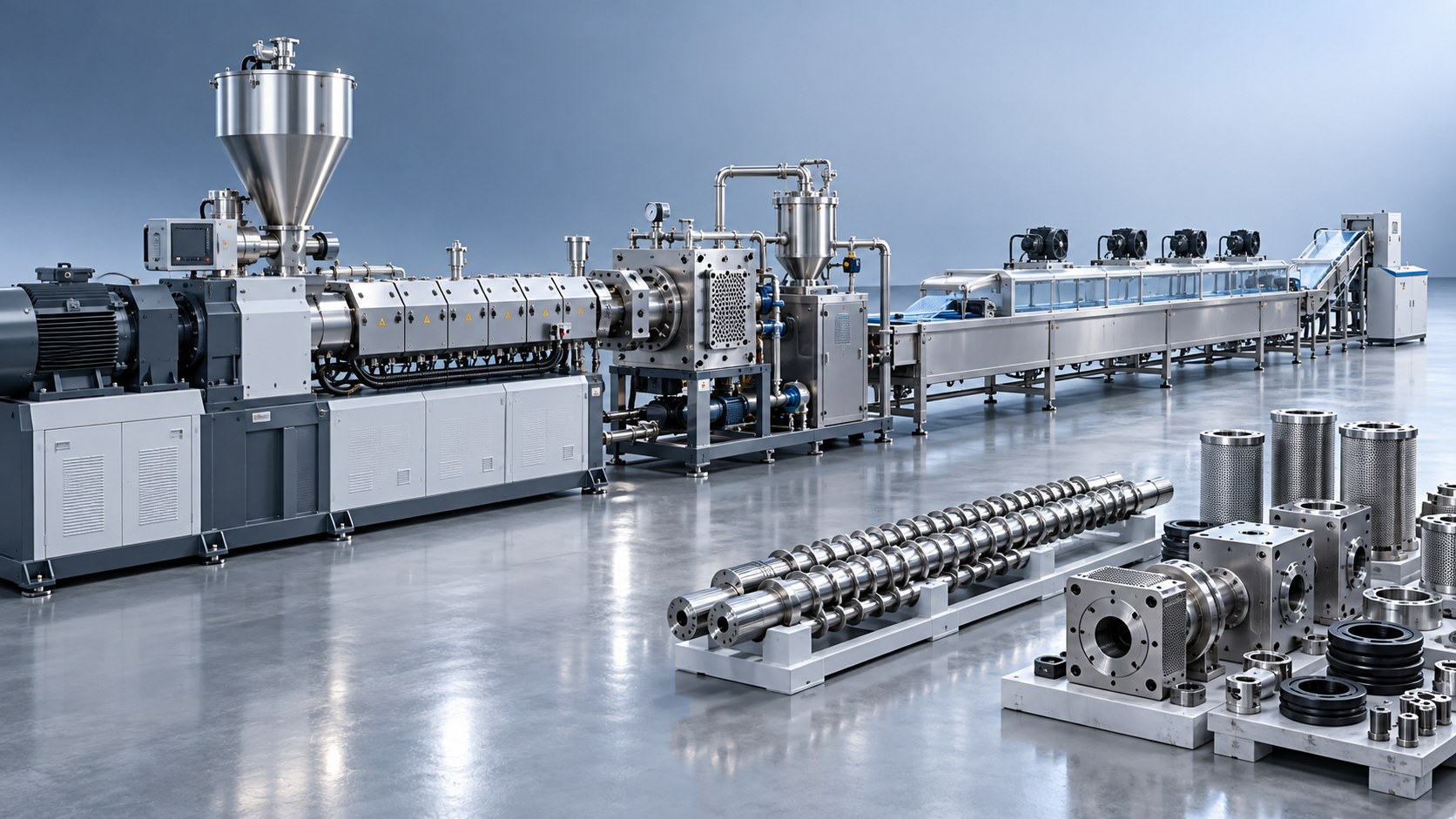
In extrusion, excessive melt temperature variation, screw or barrel wear, poor mixing, and unstable output rates can create large material and energy penalties. Because extrusion is continuous, seemingly minor inefficiencies often persist across long production hours and become major annual losses.
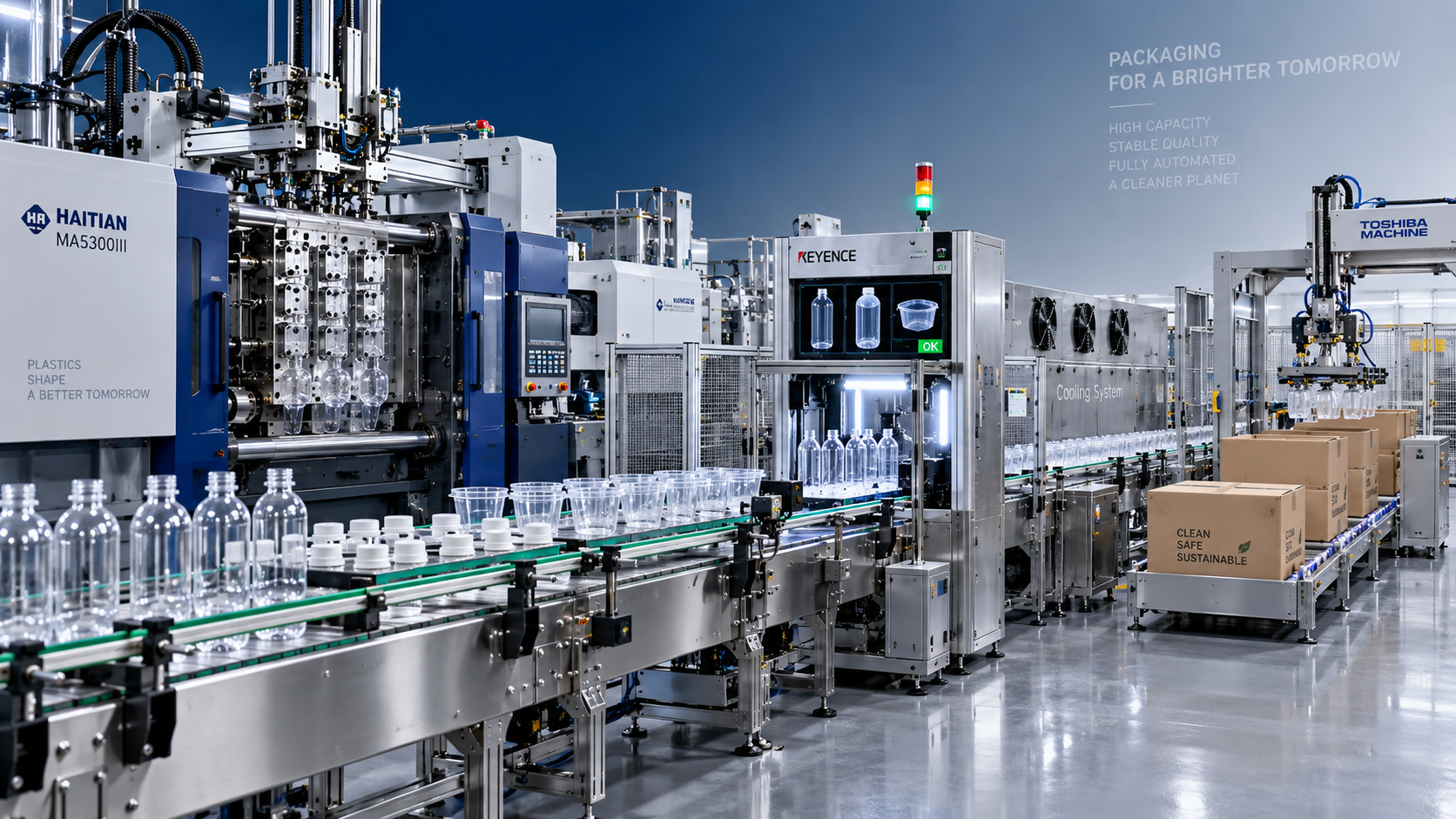
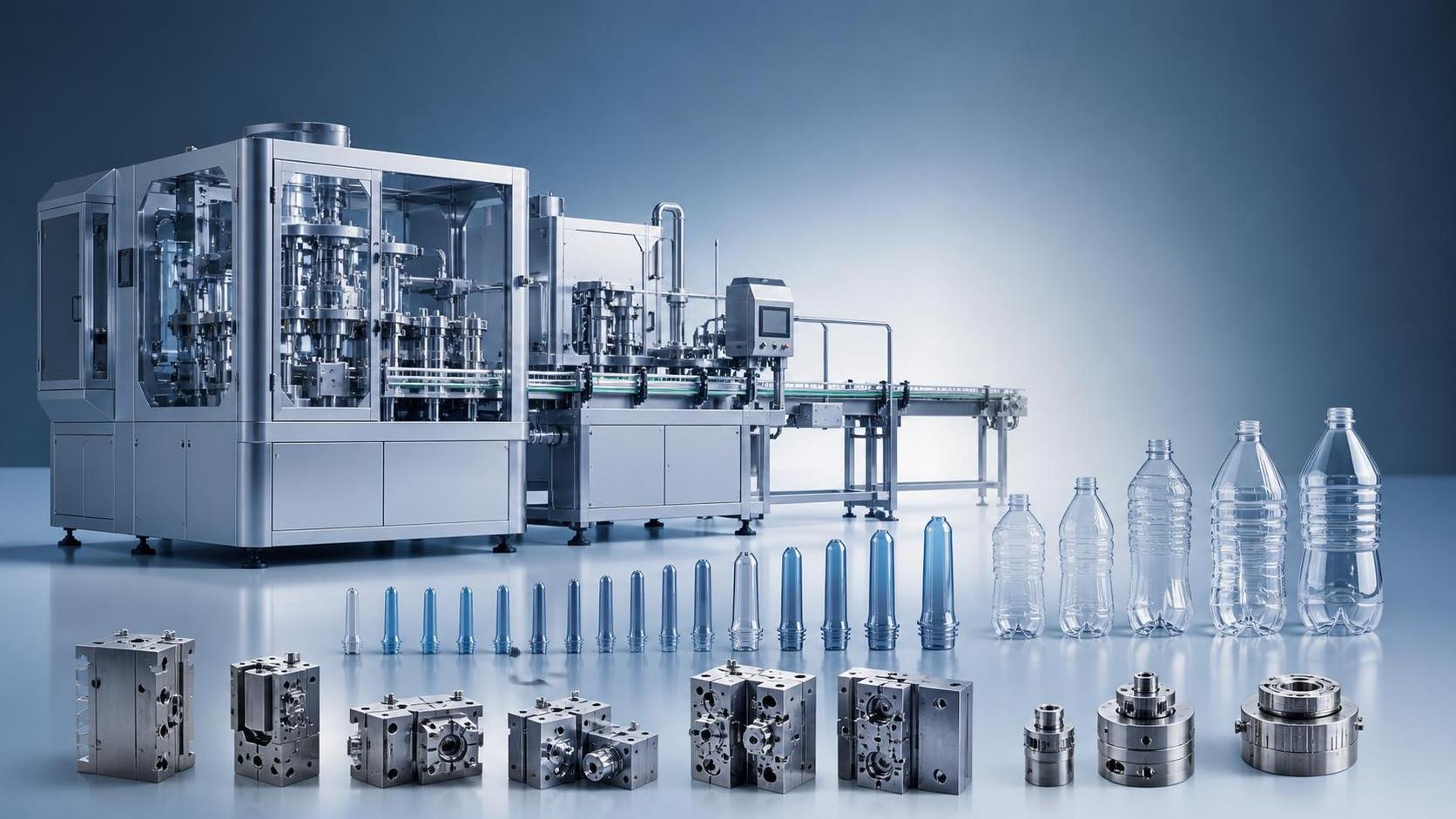
In blow molding, high-speed productivity and container consistency are central. A machine that causes thicker-than-necessary walls, bottle defects, or excessive energy use can quietly erode margins in high-volume packaging applications.
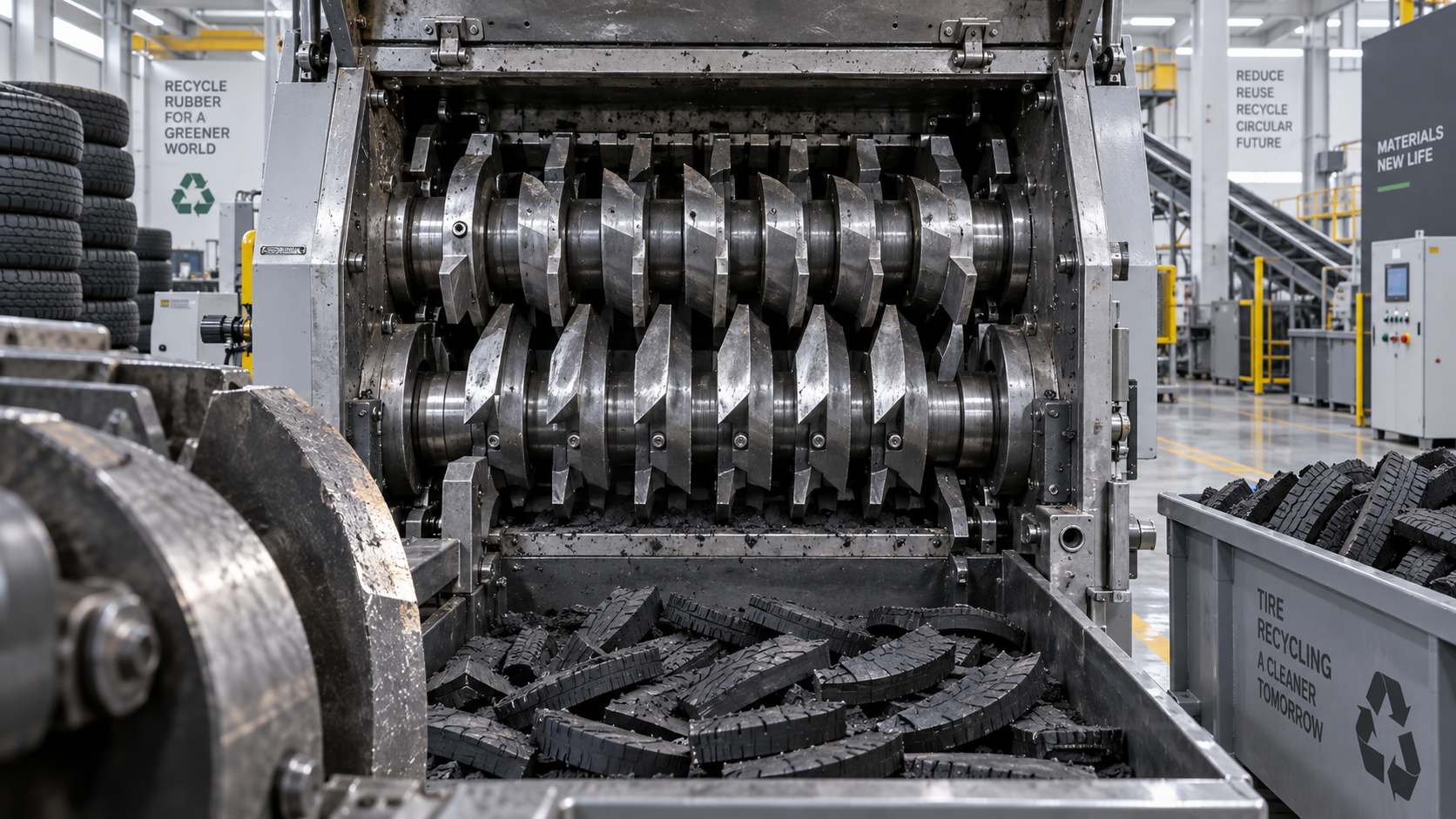
In rubber vulcanization, cure consistency, press uptime, and thermal control are crucial. Delays or instability can affect throughput, product performance, and waste generation, especially where compounds are expensive and specification failure is costly.
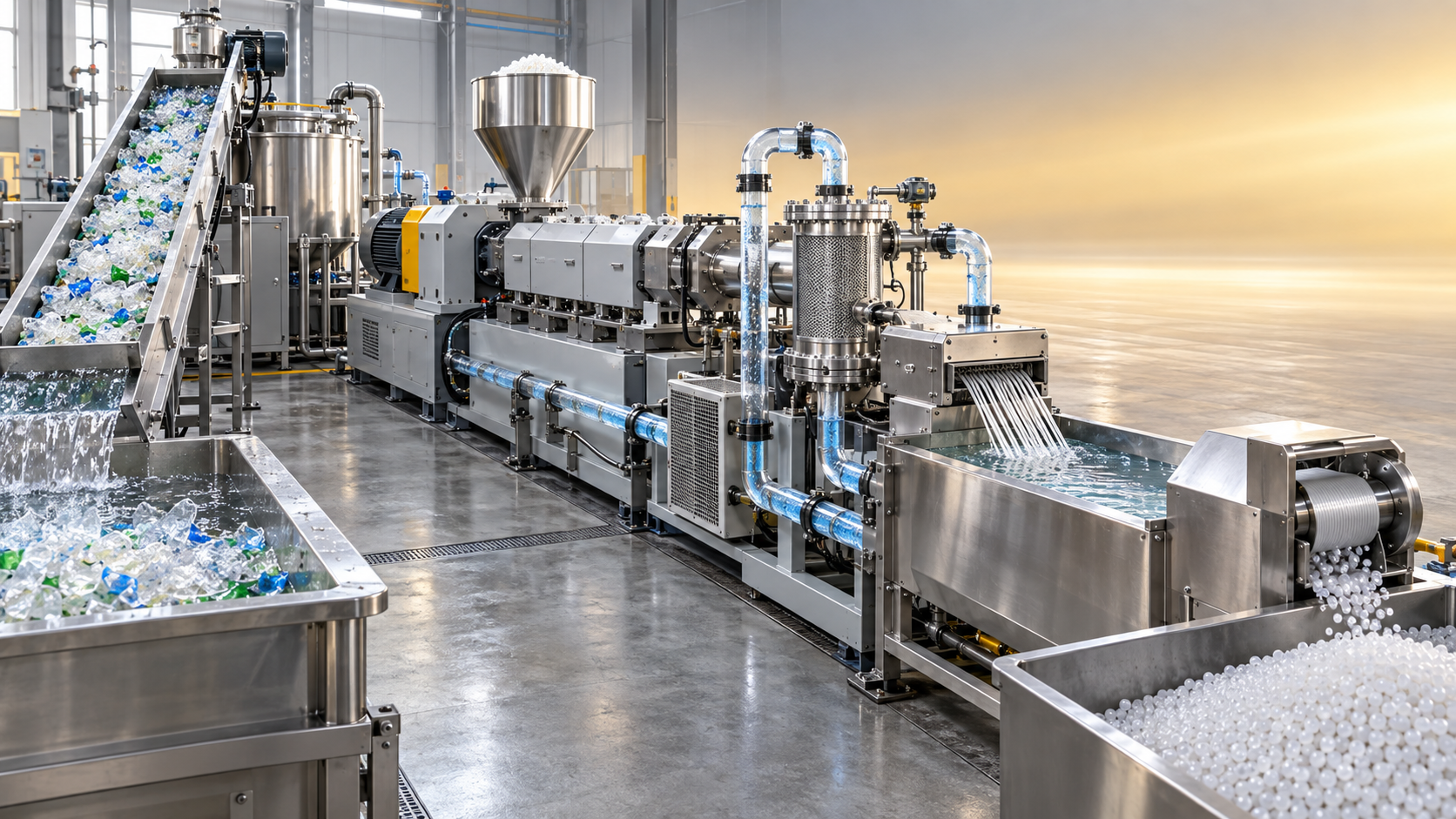
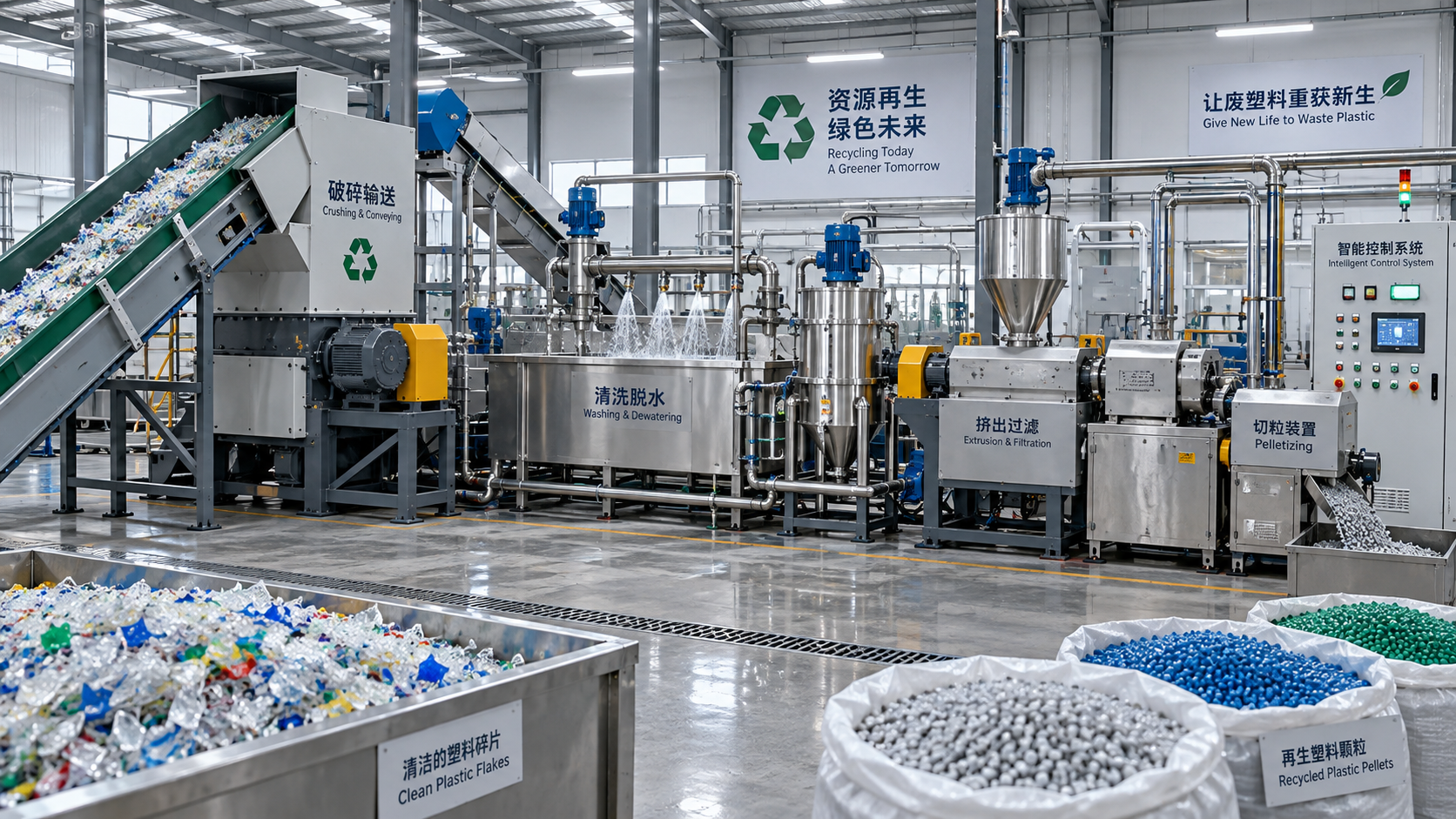
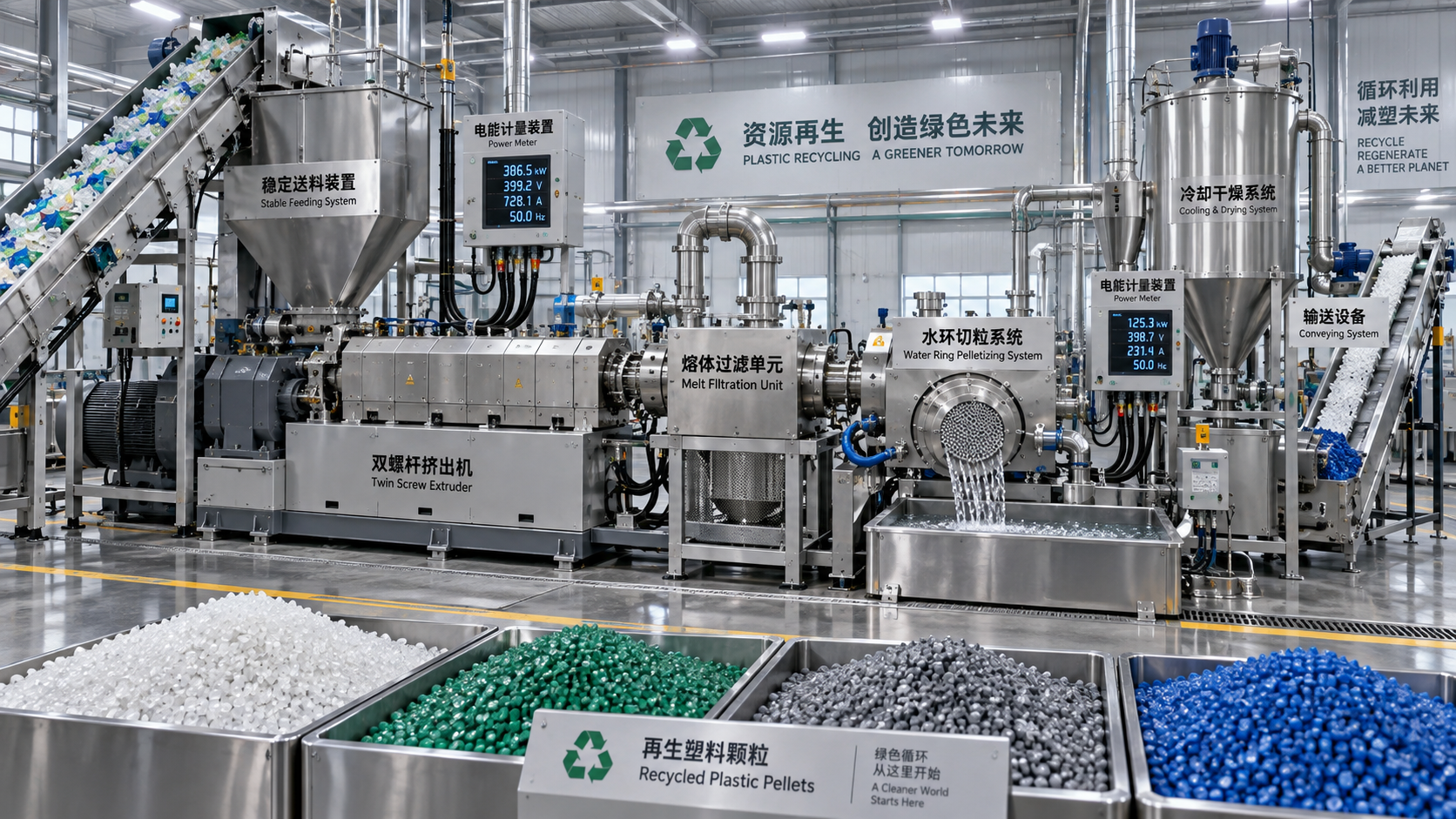
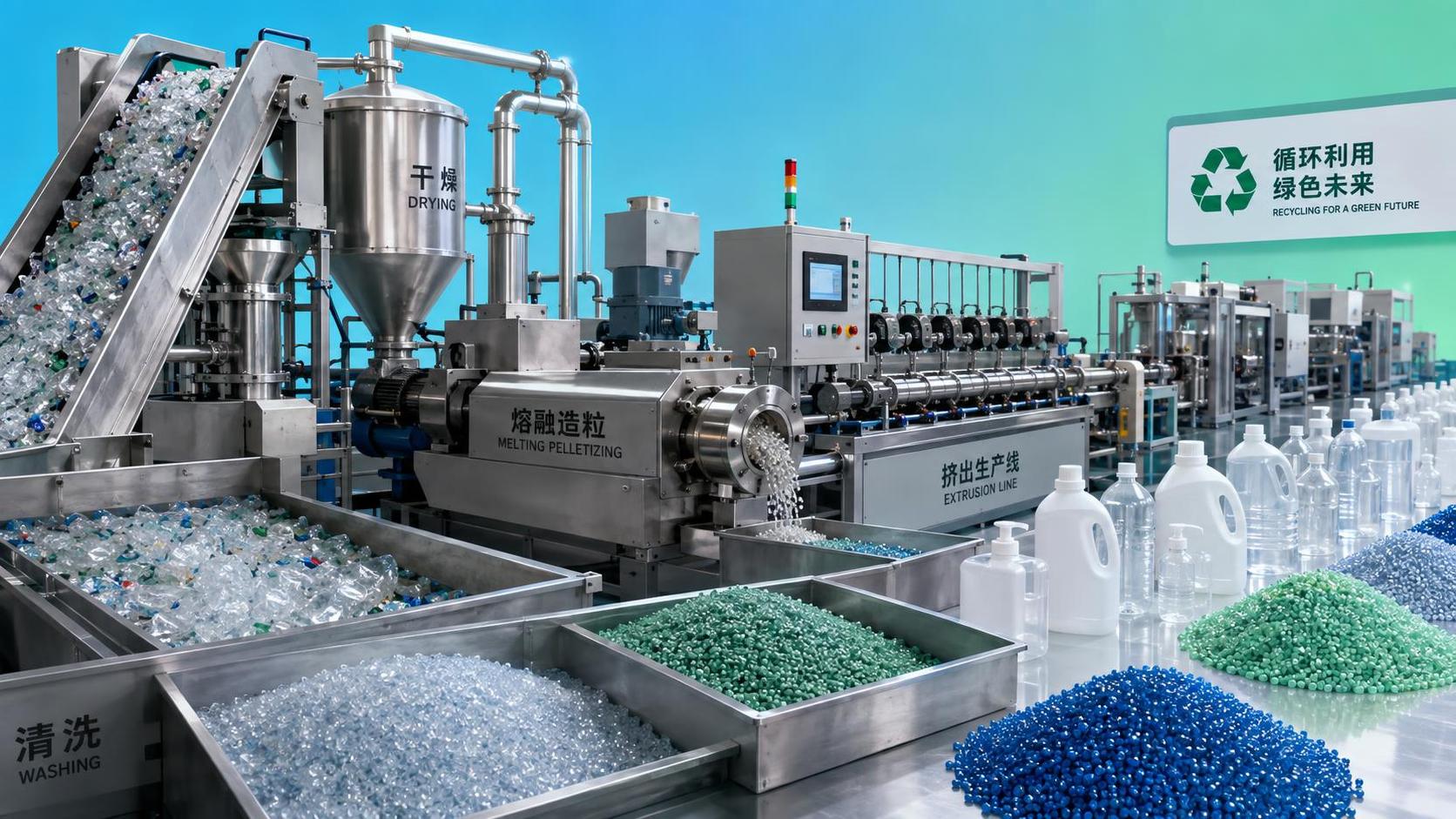
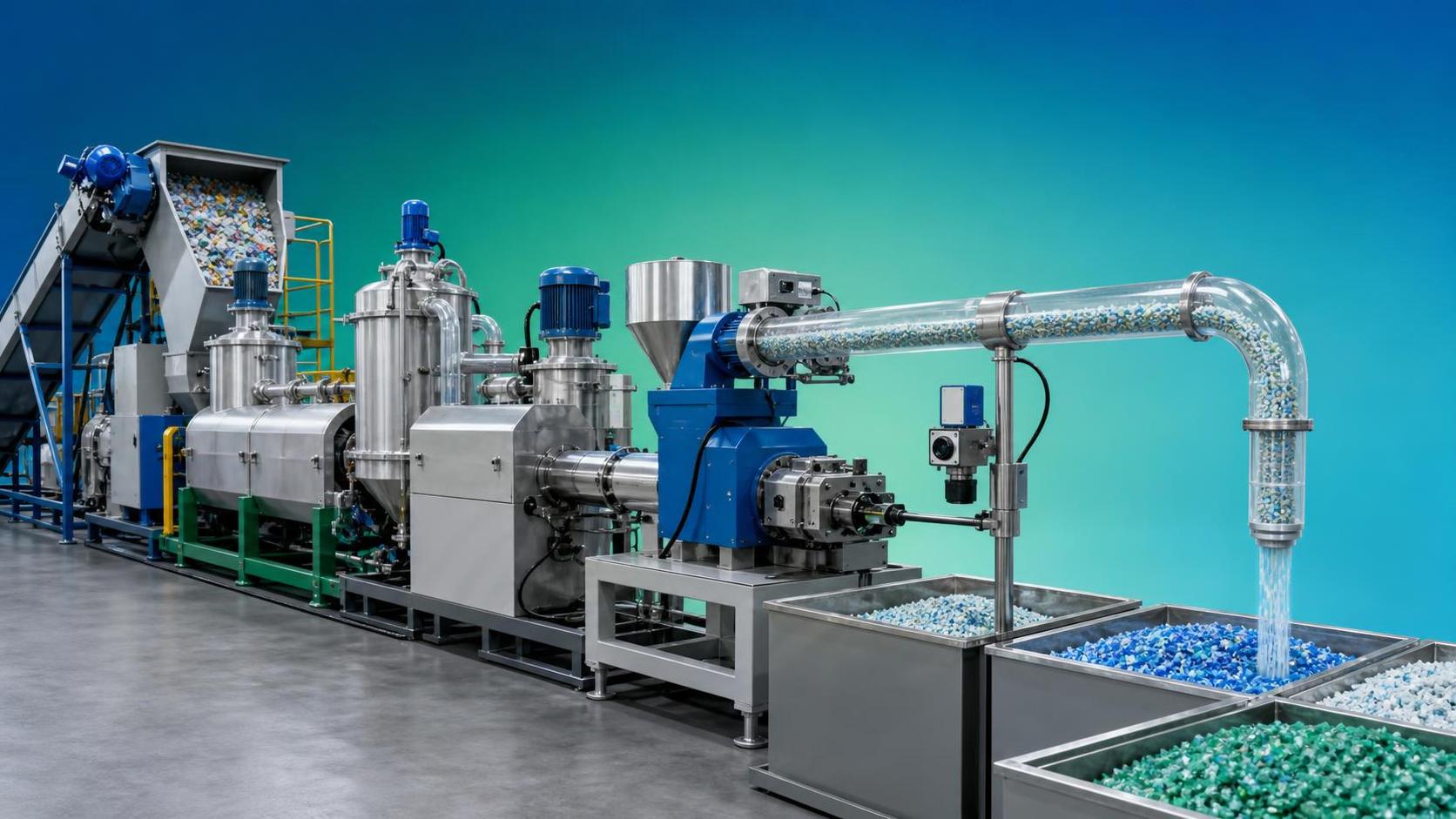
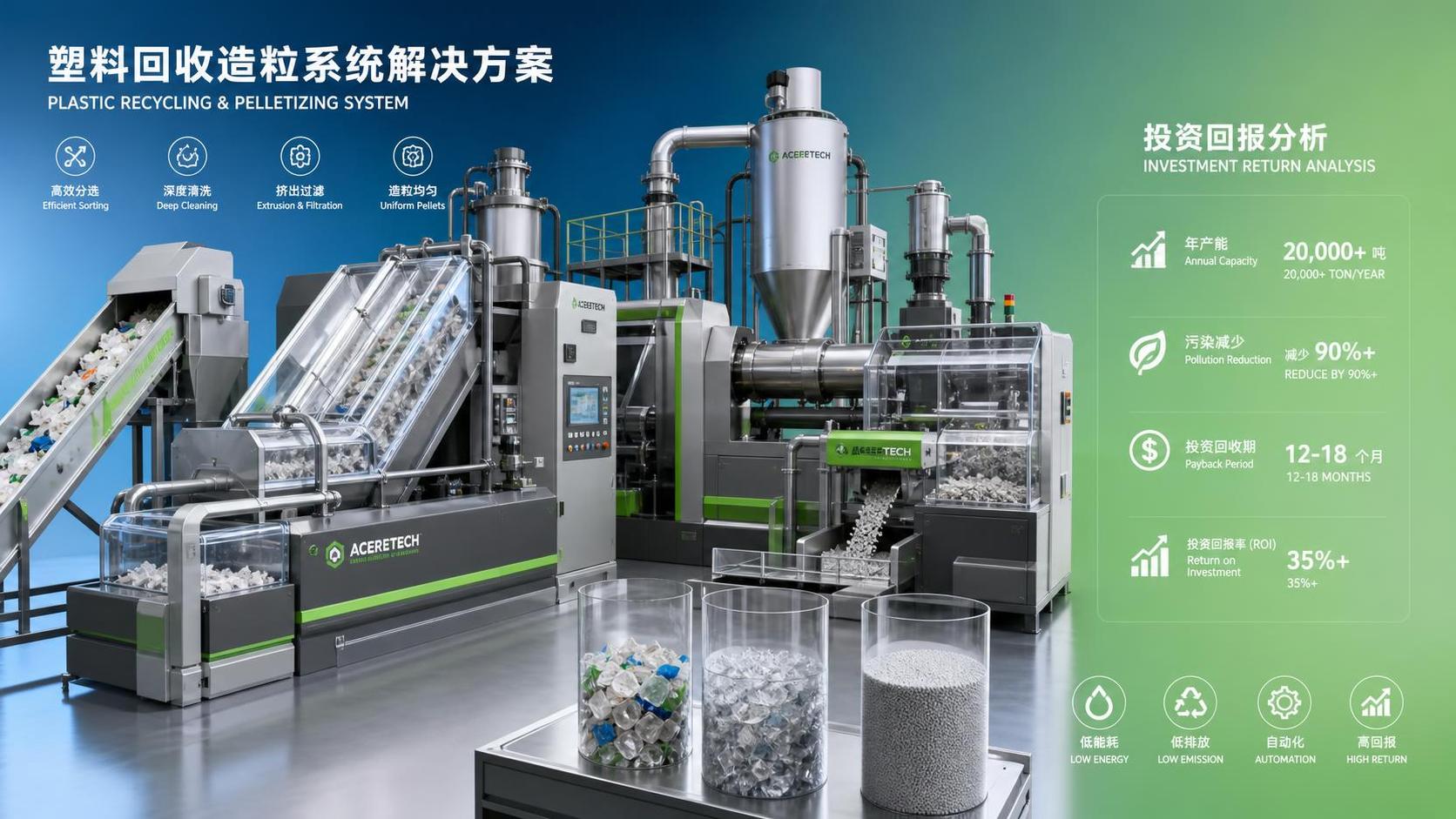
In plastic recycling and pelletizing, contamination management, washing efficiency, melt filtration, pellet uniformity, and energy intensity strongly influence profitability. Older systems may struggle to produce the quality required for higher-value recycled applications, reducing both yield and selling price.
What finance teams should ask operations before approving investment
Good capital decisions improve when finance challenges operations with the right questions. The goal is not to slow projects, but to make sure proposed spending addresses the real cost problem.
Ask whether the current cost issue is caused by the machine itself, by poor maintenance discipline, by tooling condition, or by process setup. If the root cause is operational and fixable without capital, replacement may be premature.
Ask for a quantified current-state baseline. How much energy, scrap, downtime, labor, and lost throughput is the asset creating today? Without a measured baseline, projected savings are often overstated.
Ask what assumptions support the projected future state. Are supplier claims based on comparable polymers, volumes, and product specifications? Has the business accounted for startup losses, training time, utility changes, and integration costs?
Ask what happens if no action is taken for twelve to twenty-four months. This forces the business to estimate the cost of delay and often clarifies whether the decision is urgent, optional, or better phased.
Finally, ask whether the proposed asset supports broader strategic goals such as energy efficiency, recycled-content processing, digital monitoring, or export compliance. A machine that solves today’s cost problem but creates tomorrow’s capability gap may not be a strong investment.
Conclusion: the cheapest machine to keep is not always the cheapest machine to own
When polymer processing equipment becomes too costly to run, the most important insight for financial approvers is that visible operating expense tells only part of the story. The larger risk usually sits in hidden cost accumulation, unstable output, lost capacity, and future compliance or market limitations.
The right response begins with disciplined measurement of total cost drivers, followed by a realistic comparison of upgrade, retrofit, and replacement options. Decisions should be based on total cost of ownership, risk-adjusted returns, and the equipment’s fit with future production requirements.
In other words, the key question is not whether an aging asset can continue operating. It is whether continuing to operate it is the most profitable use of capital. For polymer manufacturers facing energy pressure, tighter quality demands, and growing sustainability expectations, that distinction can define long-term competitiveness.
Related News
- 00
0000-00
How to Size a Servo Injection Molding Press for High-Precision Parts - 00
0000-00
How High-Speed Precision Injection Molding Controls Part Tolerances at Scale - 00
0000-00
How to Select Packaging Molding Equipment for High-Volume Production Lines - 00
0000-00
How to Evaluate Plastic Pelletizing Machine Suppliers for Output, Support, and Risk - 00
0000-00
How to Select a Plastic Pipe Manufacturing System for Output, Resin, and Pipe Range
Weekly Insights
Stay ahead with our curated technology reports delivered every Monday.
Related News
 Ms. Elena RodriguezHow to Select Packaging Molding Equipment for High-Volume Production LinesPackaging molding equipment selection guide for high-volume lines: compare processes, throughput, materials, automation, and energy to achieve stable, cost-effective output.Oct 04, 2026
 Ms. Elena RodriguezHow to Evaluate Plastic Recycling Machinery for UAE Heat, Feedstock, and Output NeedsPlastic recycling machinery UAE buyers: evaluate heat resilience, feedstock handling, cooling, pellet quality, energy use, and lifecycle cost for reliable output.Sep 28, 2026
 Ms. Elena RodriguezGerman Extrusion Equipment Suppliers: Comparing Service, Lead Times, and Lifecycle CostExtrusion equipment Germany suppliers compared: evaluate service coverage, credible lead times, spare-parts access, and lifecycle cost to select a reliable, future-ready production partner.Sep 22, 2026
 Ms. Elena RodriguezWhat Should You Check Before Buying a Used Plastic Recycling Line?What should I check before buying a used plastic recycling line? Explore feedstock fit, wear, trials, utilities, controls, and restoration costs before you invest.Sep 26, 2026
 Ms. Elena RodriguezHow to Compare Pelletizing Lines by Energy Use per TonHow do I compare pelletizing lines by kWh per ton? Learn to measure total energy, verify saleable output, and select a cost-efficient line.Sep 23, 2026
 Ms. Elena RodriguezTyre Cutter Blade Wear: When Capacity Loss Needs Inspectionшинорез blade wear can quietly reduce tyre-cutting capacity. Learn the warning signs, inspection triggers, and maintenance actions that protect output and uptime.Sep 28, 2026
 Ms. Elena RodriguezIn-House Recycling for Factory Scrap: How to Reduce Material Waste and Disposal CostsIn house recycling for factory scrap helps manufacturers cut material waste, reduce disposal costs, and create controlled, quality-focused reuse loops.Sep 07, 2026
 Ms. Elena RodriguezHow Recyclable Packaging Manufacturing Balances Material Recovery and Production CostRecyclable packaging manufacturing: discover how smarter design, feedstock control, and process optimization reduce recovery costs while improving quality and yield.Sep 04, 2026
 Ms. Elena RodriguezHow to Evaluate a Plastic Recycling Systems Supplier for Your Processing NeedsChoose the right plastic recycling systems supplier with a practical guide to feedstock fit, output quality, total cost, testing, service, and compliance.Sep 01, 2026
 Ms. Elena RodriguezCE Marking for Plastic Processing Equipment: Documentation and Safety ChecksPlastic processing equipment CE compliance: learn the essential documentation, risk assessments, safety checks, and validation steps for reliable EU market access.Aug 30, 2026
 Ms. Elena RodriguezPlastic Packaging Compliance Standards: What Tests and Documents Matter Most?Plastic packaging compliance standards explained: learn which migration tests, mechanical checks, and audit-ready documents matter most to reduce risk and pass reviews with confidence.Aug 25, 2026
 Ms. Elena RodriguezHow to Evaluate a Plastic Waste Recycling System for Capacity, Contamination, and ROIPlastic waste recycling system evaluation made practical: compare true capacity, contamination control, and ROI to choose a line that delivers stable output and stronger returns.Aug 24, 2026
 Ms. Elena RodriguezPackaging Molding Equipment Price: What Drives Cost and How to Compare Quotes?Packaging molding equipment price varies by machine type, automation, tooling, energy use, and service scope. Learn what drives cost and how to compare quotes with confidence.Aug 21, 2026
 Ms. Elena RodriguezWhat Packaging Machinery for Plastic Containers Should You Choose for High-Volume Production?Packaging machinery for plastics containers can make or break high-volume production. Learn how to choose the right line for speed, consistency, compliance, and lower lifecycle costs.Aug 16, 2026
 Ms. Elena RodriguezWhat Circular Plastics Mean for Automotive Parts and Material SelectionCircular plastics for automotive are reshaping part selection with lower weight, better sustainability, and reliable performance. Discover how engineers balance recycled content, durability, and compliance.Aug 15, 2026
 Ms. Elena RodriguezBroiler Farming in Cage System: Selection Factors for Commercial FarmsBroiler farming in cage system selection for commercial farms: compare structure, ventilation, automation, and manure handling to improve efficiency and avoid costly mistakes.Aug 14, 2026
 Ms. Elena RodriguezHow to Implement Smart Polymer Manufacturing Without Disrupting Existing Production?Smart polymer manufacturing implementation made practical: learn how to upgrade existing production with phased digitalization, less downtime, better control, and measurable ROI.Aug 11, 2026
 Ms. Elena RodriguezHow to Evaluate a Rubber Compression Molding Supplier for Complex Part ProductionRubber compression molding supplier selection for complex parts starts with process, material, and tooling control. Learn how to compare vendors beyond price and reduce launch risk.Aug 10, 2026
 Ms. Elena RodriguezPackaging Compliance in Canada: Key Labeling and EPR Rules Importers Must KnowPackaging compliance Canada explained for importers: learn bilingual labeling, environmental claims, and provincial EPR rules to reduce risk, avoid costly errors, and stay market-ready.Aug 03, 2026
 Ms. Elena RodriguezWhy Circular Plastics Economy Traceability Matters for Recycled Content ComplianceCircular plastics economy traceability is essential for proving recycled content compliance across sourcing, processing, and reporting. Learn how strong evidence reduces audit risk.Aug 02, 2026