How to judge risk in a virgin resin supply chain




For procurement teams, judging risk in a virgin resin supply chain is no longer just about price or lead time. Volatility in feedstock costs, geopolitical disruption, compliance pressure, and supplier reliability can all reshape total purchasing risk. This article outlines practical signals buyers should monitor to evaluate sourcing stability, protect margins, and build a more resilient resin procurement strategy.
Why a checklist is essential in a virgin resin supply chain
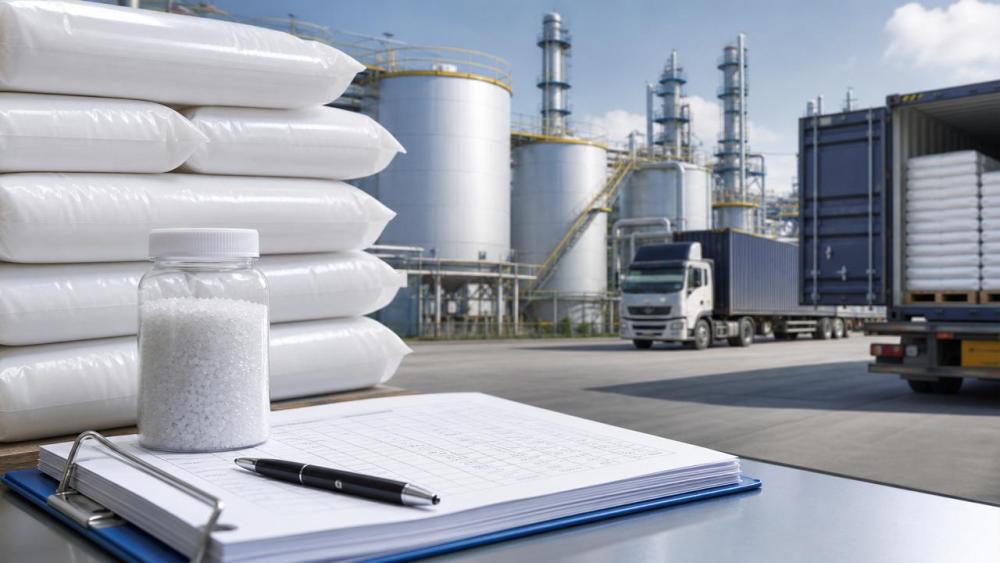
A virgin resin supply chain now sits between oil and gas markets, regional conversion capacity, freight networks, and increasingly strict packaging regulations.
That means one hidden weakness can trigger delayed production, margin erosion, quality claims, or sudden supplier switching costs.
A checklist approach reduces blind spots. It turns scattered market signals into a repeatable sourcing review across PE, PP, PET, PS, engineering plastics, and specialty compounds.
It also helps connect commercial risk with processing reality. Resin inconsistency affects extrusion stability, injection molding cycles, blow molding output, and recycled content planning.
Core checklist to judge risk in a virgin resin supply chain
- Map feedstock exposure by linking each resin grade to naphtha, ethane, propane, or aromatics, then track how upstream volatility may change delivered cost and availability.
- Verify supplier asset concentration by checking how much supply depends on one cracker, one polymerization line, or one export terminal in a single region.
- Review force majeure history and maintenance discipline, because frequent outages often reveal deeper reliability issues than spot price movements alone.
- Check grade interchangeability across approved vendors, since narrow specifications can lock operations into one vulnerable source during disruption.
- Compare lead time stability, not only quoted lead time, by measuring variance across the past six to twelve months.
- Audit logistics dependence, including port congestion, container balance, rail access, inland trucking, and weather-sensitive routes for bulk or bagged resin.
- Assess quality consistency through MFI, IV, density, ash, moisture, gel count, color drift, and contamination trends tied to each production site.
- Confirm compliance readiness for food contact, medical use, REACH, RoHS, packaging waste rules, and traceability documentation required by end markets.
- Evaluate supplier financial resilience, because distressed producers may cut inventory, delay maintenance, or change commercial terms without warning.
- Measure allocation risk by asking what happens in a tight market, who receives priority, and whether contract volumes are truly protected.
- Inspect sustainability alignment, especially where virgin resin supply chain decisions affect recycled content targets, Scope 3 reporting, or packaging declarations.
- Build a total cost view that includes scrap, machine downtime, changeover losses, safety stock, claims handling, and emergency freight.
A quick scoring framework
A practical model is to score each supplier from 1 to 5 across six areas: feedstock, assets, logistics, quality, compliance, and commercial resilience.
Weight quality and allocation more heavily for medical, food, and high-output packaging lines. Weight logistics and interchangeability more heavily for commodity applications.
How risk signals change by application
Injection molding
In precision injection molding, the virgin resin supply chain must support repeatable viscosity, moisture control, and additive dispersion.
Small property shifts can alter fill balance, holding pressure response, warpage, and reject rates. A low-cost source may become expensive after scrap and cycle penalties.
Extrusion and compounding
Extrusion lines feel risk through melt stability, die buildup, filter loading, and additive compatibility. These problems often appear before a formal quality complaint.
When judging the virgin resin supply chain, compare how each grade behaves under real screw speed, pressure, and output conditions, not only on datasheet values.
Blow molding and packaging
Bottle, container, and film applications carry added compliance and visual quality risk. Clarity drift, acetaldehyde control, seal performance, and food-contact records matter.
A virgin resin supply chain serving packaging should also be judged against future regulation, especially where recyclability claims and material declarations face tighter scrutiny.
Circular economy integration
Even when virgin resin remains essential, its sourcing cannot be separated from recycled resin strategy, in-house regrind management, or ESG reporting.
A resilient virgin resin supply chain is one that supports blend flexibility, allows phased substitution, and does not block future circular material transitions.
Commonly missed risks
One frequent mistake is treating a trader and a producer as equal risk profiles. The commercial offer may look similar, but upstream control is often very different.
Another missed issue is overreliance on annual contracts. In a tight market, contract language may still permit allocation, delayed shipment, or formula changes.
Documentation lag is also dangerous. Late updates on declarations, migration statements, or origin records can stop shipments even when the resin itself is available.
Finally, many reviews ignore conversion loss. A weak virgin resin supply chain may appear acceptable until start-up waste, purge frequency, and filter consumption are counted.
Practical execution steps
- Create a grade-by-grade risk register covering source plant, route, lead time variance, approvals, and processing sensitivity.
- Run quarterly supplier reviews using the same scoring logic, then compare trend movement rather than isolated snapshots.
- Qualify at least one alternate material or backup origin for every critical SKU with limited substitution tolerance.
- Link commercial review with production data, including scrap, downtime, and machine stability from molding or extrusion lines.
- Set trigger points for action, such as repeated late deliveries, widening MFI spread, or slower documentation turnaround.
Where possible, combine supplier intelligence with external market monitoring. Track cracker outages, shipping disruptions, energy shocks, and regulatory updates affecting resin flows.
This turns virgin resin supply chain management from a reactive buying task into a structured resilience program tied to operations and compliance.
Conclusion and next action
To judge risk in a virgin resin supply chain, start with visibility rather than price. The strongest decisions connect upstream feedstock, production concentration, quality behavior, logistics, and regulatory fit.
The next step is simple: build a one-page scorecard for each critical resin grade, review it with current supply data, and identify where a single disruption could stop output.
That disciplined review creates a more stable virgin resin supply chain, supports better machine performance, and protects margins in a market where disruption is now structural.
Related News
- 00
0000-00
How to Evaluate Plastic Pelletizing Machine Suppliers for Output, Support, and Risk - 00
0000-00
How to Select a Plastic Pipe Manufacturing System for Output, Resin, and Pipe Range - 00
0000-00
How to Specify Injection Molding Equipment for High-Volume Closure Production - 00
0000-00
How to Specify a Medical Molding Machine for Cleanroom Device Production - 00
0000-00
Plastic Extrusion Technology for Films: Process Controls That Improve Gauge Uniformity
Weekly Insights
Stay ahead with our curated technology reports delivered every Monday.
Related News
 Ms. Elena RodriguezHow to Evaluate Plastic Recycling Machinery for UAE Heat, Feedstock, and Output NeedsPlastic recycling machinery UAE buyers: evaluate heat resilience, feedstock handling, cooling, pellet quality, energy use, and lifecycle cost for reliable output.Sep 28, 2026
 Ms. Elena RodriguezGerman Extrusion Equipment Suppliers: Comparing Service, Lead Times, and Lifecycle CostExtrusion equipment Germany suppliers compared: evaluate service coverage, credible lead times, spare-parts access, and lifecycle cost to select a reliable, future-ready production partner.Sep 22, 2026
 Ms. Elena RodriguezWhat Should You Check Before Buying a Used Plastic Recycling Line?What should I check before buying a used plastic recycling line? Explore feedstock fit, wear, trials, utilities, controls, and restoration costs before you invest.Sep 26, 2026
 Ms. Elena RodriguezHow to Compare Pelletizing Lines by Energy Use per TonHow do I compare pelletizing lines by kWh per ton? Learn to measure total energy, verify saleable output, and select a cost-efficient line.Sep 23, 2026
 Ms. Elena RodriguezTyre Cutter Blade Wear: When Capacity Loss Needs Inspectionшинорез blade wear can quietly reduce tyre-cutting capacity. Learn the warning signs, inspection triggers, and maintenance actions that protect output and uptime.Sep 28, 2026
 Ms. Elena RodriguezIn-House Recycling for Factory Scrap: How to Reduce Material Waste and Disposal CostsIn house recycling for factory scrap helps manufacturers cut material waste, reduce disposal costs, and create controlled, quality-focused reuse loops.Sep 07, 2026
 Ms. Elena RodriguezHow Recyclable Packaging Manufacturing Balances Material Recovery and Production CostRecyclable packaging manufacturing: discover how smarter design, feedstock control, and process optimization reduce recovery costs while improving quality and yield.Sep 04, 2026
 Ms. Elena RodriguezHow to Evaluate a Plastic Recycling Systems Supplier for Your Processing NeedsChoose the right plastic recycling systems supplier with a practical guide to feedstock fit, output quality, total cost, testing, service, and compliance.Sep 01, 2026
 Ms. Elena RodriguezCE Marking for Plastic Processing Equipment: Documentation and Safety ChecksPlastic processing equipment CE compliance: learn the essential documentation, risk assessments, safety checks, and validation steps for reliable EU market access.Aug 30, 2026
 Ms. Elena RodriguezPlastic Packaging Compliance Standards: What Tests and Documents Matter Most?Plastic packaging compliance standards explained: learn which migration tests, mechanical checks, and audit-ready documents matter most to reduce risk and pass reviews with confidence.Aug 25, 2026
 Ms. Elena RodriguezHow to Evaluate a Plastic Waste Recycling System for Capacity, Contamination, and ROIPlastic waste recycling system evaluation made practical: compare true capacity, contamination control, and ROI to choose a line that delivers stable output and stronger returns.Aug 24, 2026
 Ms. Elena RodriguezPackaging Molding Equipment Price: What Drives Cost and How to Compare Quotes?Packaging molding equipment price varies by machine type, automation, tooling, energy use, and service scope. Learn what drives cost and how to compare quotes with confidence.Aug 21, 2026
 Ms. Elena RodriguezWhat Packaging Machinery for Plastic Containers Should You Choose for High-Volume Production?Packaging machinery for plastics containers can make or break high-volume production. Learn how to choose the right line for speed, consistency, compliance, and lower lifecycle costs.Aug 16, 2026
 Ms. Elena RodriguezWhat Circular Plastics Mean for Automotive Parts and Material SelectionCircular plastics for automotive are reshaping part selection with lower weight, better sustainability, and reliable performance. Discover how engineers balance recycled content, durability, and compliance.Aug 15, 2026
 Ms. Elena RodriguezBroiler Farming in Cage System: Selection Factors for Commercial FarmsBroiler farming in cage system selection for commercial farms: compare structure, ventilation, automation, and manure handling to improve efficiency and avoid costly mistakes.Aug 14, 2026
 Ms. Elena RodriguezHow to Implement Smart Polymer Manufacturing Without Disrupting Existing Production?Smart polymer manufacturing implementation made practical: learn how to upgrade existing production with phased digitalization, less downtime, better control, and measurable ROI.Aug 11, 2026
 Ms. Elena RodriguezHow to Evaluate a Rubber Compression Molding Supplier for Complex Part ProductionRubber compression molding supplier selection for complex parts starts with process, material, and tooling control. Learn how to compare vendors beyond price and reduce launch risk.Aug 10, 2026
 Ms. Elena RodriguezPackaging Compliance in Canada: Key Labeling and EPR Rules Importers Must KnowPackaging compliance Canada explained for importers: learn bilingual labeling, environmental claims, and provincial EPR rules to reduce risk, avoid costly errors, and stay market-ready.Aug 03, 2026
 Ms. Elena RodriguezWhy Circular Plastics Economy Traceability Matters for Recycled Content ComplianceCircular plastics economy traceability is essential for proving recycled content compliance across sourcing, processing, and reporting. Learn how strong evidence reduces audit risk.Aug 02, 2026
 Ms. Elena RodriguezRecycled Plastic Compliance: Key Standards, Testing Requirements, and DocumentationRecycled plastic compliance explained: key standards, testing requirements, supplier documents, and food-contact risks to help you avoid approval delays and costly compliance mistakes.Aug 01, 2026