Are circular plastics solutions saving costs or adding risk




Are circular plastics solutions truly reducing total cost of ownership, or are they introducing new operational, compliance, and supply chain risks? This question now shapes packaging, manufacturing, and ESG strategy across multiple sectors. The answer is rarely binary. Circular plastics solutions can unlock resin savings, waste reduction, and stronger brand resilience, but only when material quality, process stability, equipment compatibility, and regulatory evidence are managed with discipline.
In practice, the commercial outcome depends less on the sustainability claim and more on execution. A recycled-content program that destabilizes extrusion, injection molding, or blow molding can erase margin gains quickly. By contrast, a well-controlled circular system can improve yield, lower virgin resin exposure, and create a more defensible compliance position.
Why circular plastics solutions need a checklist-based decision process
Circular plastics solutions affect more than material sourcing. They influence machine wear, melt consistency, energy use, packaging performance, audit readiness, and customer acceptance. Because costs and risks sit across different departments, a checklist-based review reduces blind spots and forces measurable comparisons.
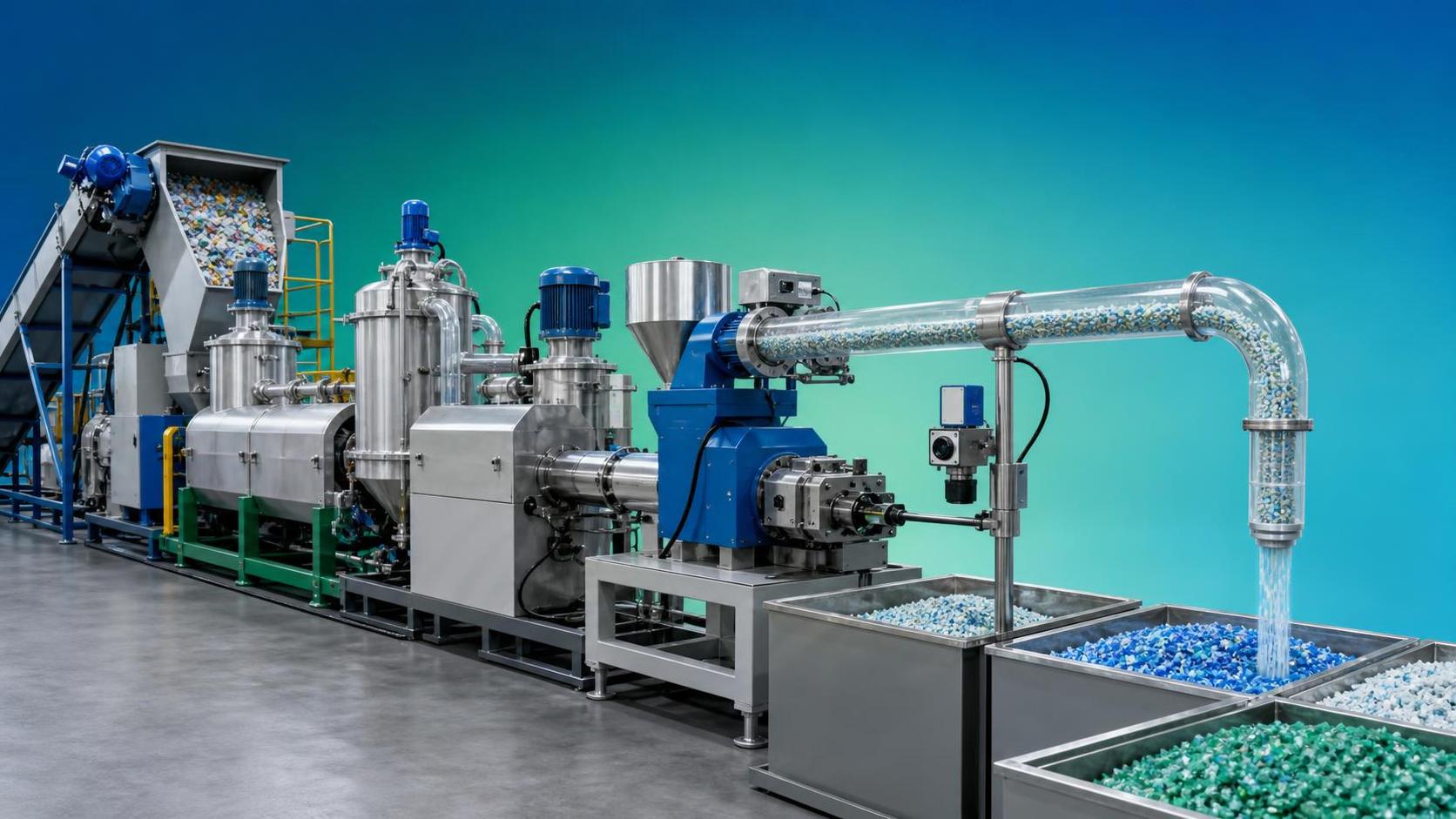
This is especially important in industries using precision injection molding, high-throughput extrusion, stretch blow molding, and plastic pelletizing systems. Small changes in moisture, contamination, melt flow index, or additive balance can alter cycle time, scrap rates, and downstream claims. A structured screening process helps separate durable savings from expensive experimentation.
Core checklist for evaluating circular plastics solutions
- Map the full cost stack before approval, including resin price, sorting losses, washing, drying, compounding, testing, downtime risk, and any added documentation burden.
- Verify feedstock consistency by reviewing source mix, contamination history, color variation, moisture control, and lot-to-lot melt flow stability over time.
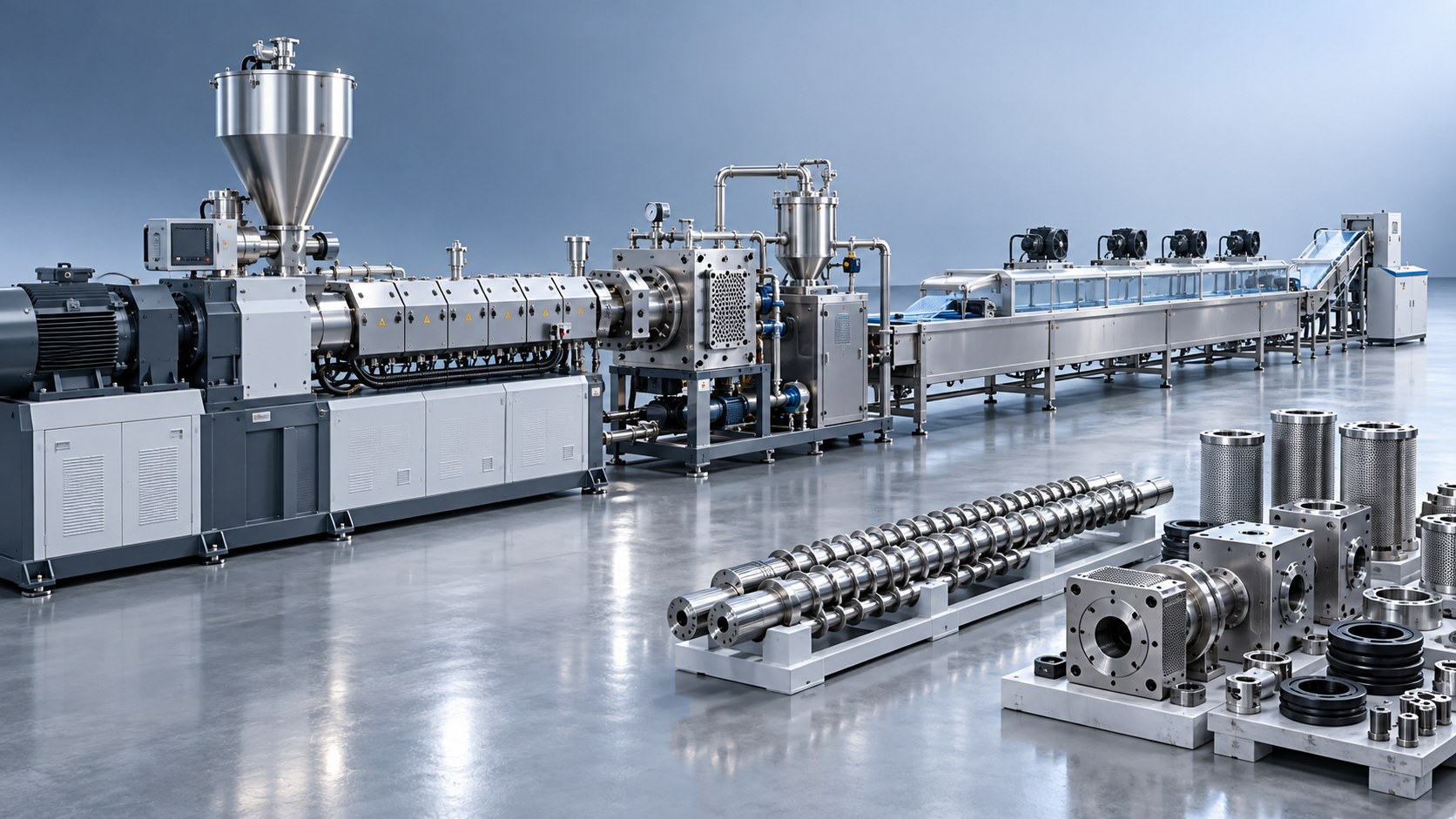
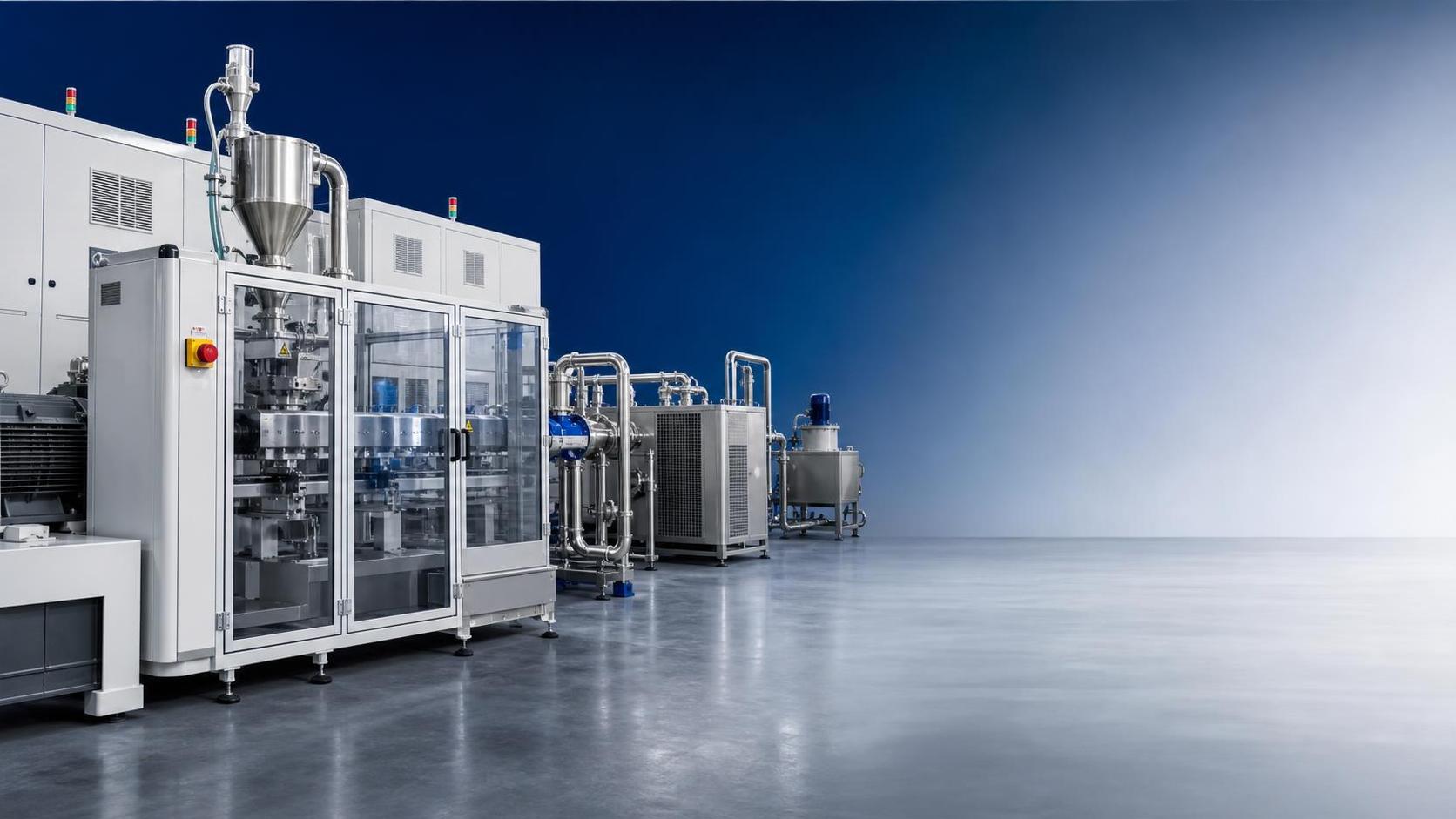
- Check machine compatibility against screw design, filtration capacity, venting efficiency, barrel wear resistance, and pressure stability under recycled-content conditions.
- Measure product-performance impact through tensile strength, impact resistance, odor, haze, seal behavior, dimensional tolerance, and shelf-life validation.
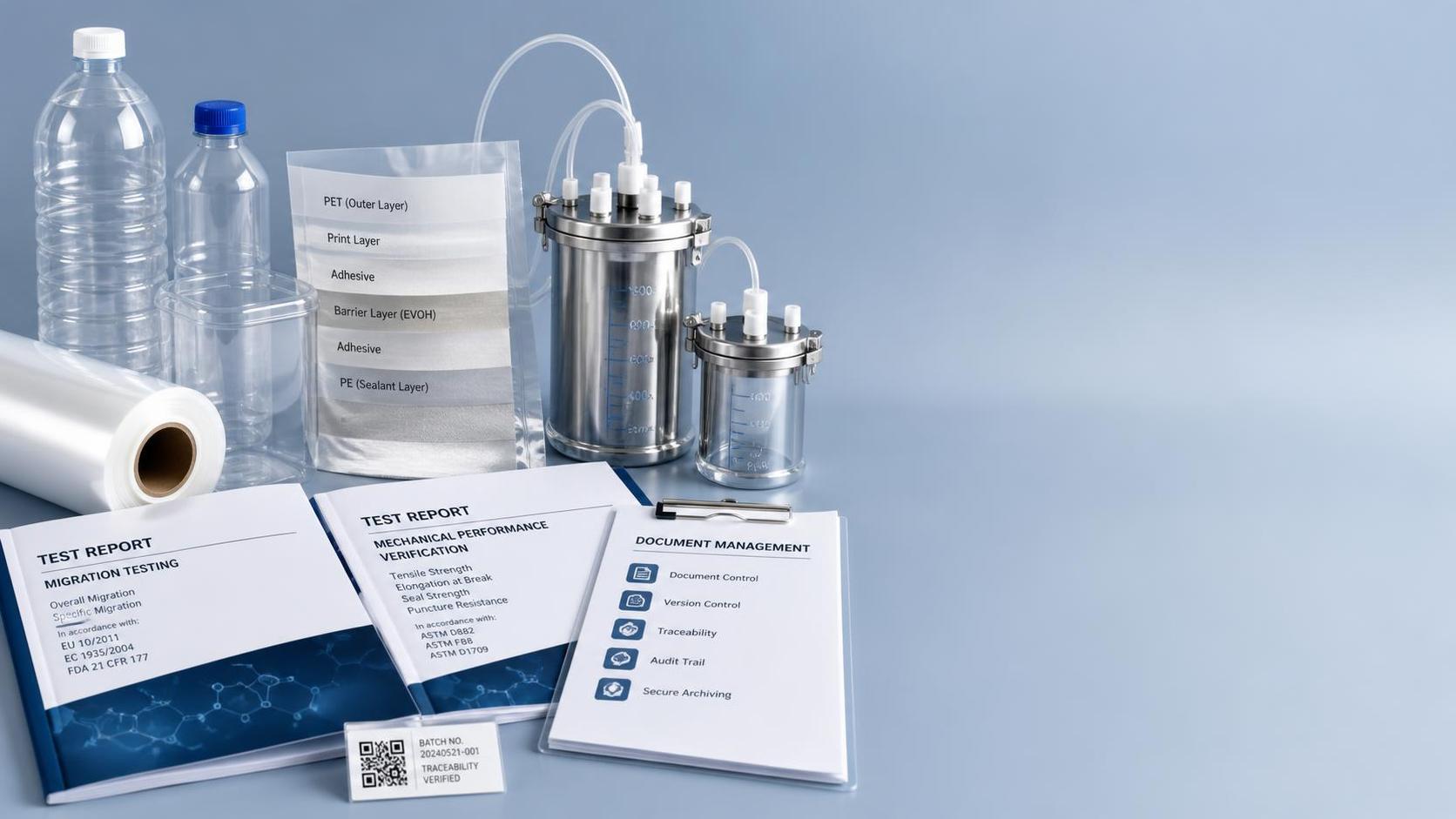
- Review regulatory exposure by matching recycled content claims with local packaging rules, food-contact standards, traceability needs, and audit evidence requirements.
- Test operational efficiency by tracking energy consumption, changeover frequency, screen pack replacement, reject rates, and line speed under real production loads.
- Stress-test supply resilience using dual-source planning, inventory buffers, regrind policies, and contingency options when recycled resin quality drops unexpectedly.
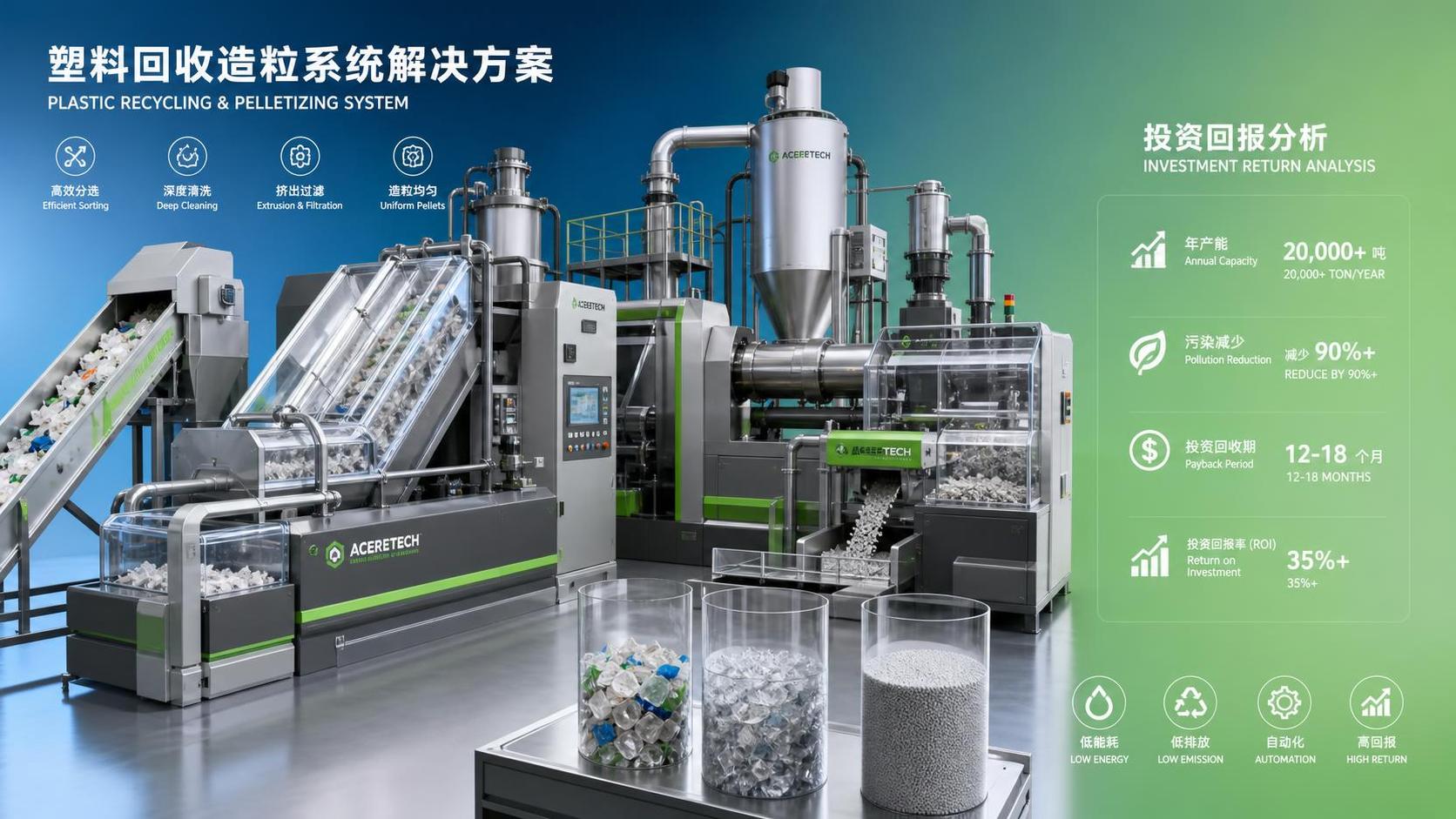
- Define commercial KPIs early, including total cost per good unit, scrap reduction, verified recycled-content percentage, complaint rate, and payback period.
How circular plastics solutions perform in different operating scenarios
Packaging with high-volume blow molding
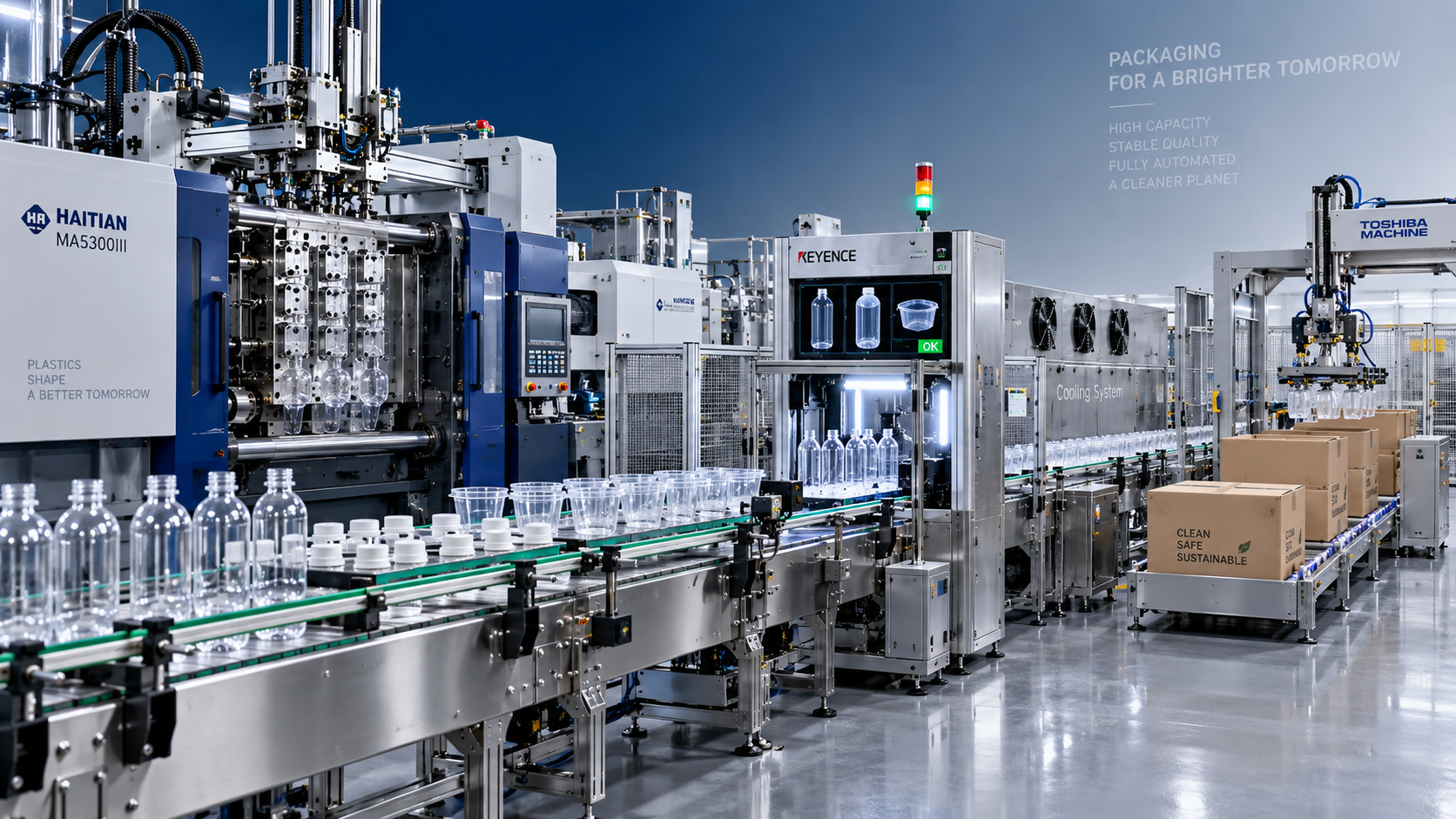
For bottles and containers, circular plastics solutions often promise fast cost savings because packaging uses large resin volumes. Yet bottle clarity, top-load strength, barrier performance, and label appearance can shift quickly when recycled material quality varies. If drying and melt filtration are inadequate, visual defects or process instability can offset savings.
The strongest outcomes usually come from pairing qualified rPET or rHDPE streams with strict incoming inspection and stable stretch blow molding parameters. When intrinsic viscosity, contamination control, and color management are maintained, circular plastics solutions can support both margin protection and ESG positioning.
Precision injection molding for technical parts
In technical molding, cost savings are harder to capture because tolerance windows are tighter. Circular plastics solutions must be judged not only on resin cost but also on shrinkage variation, warpage, gate behavior, and surface finish. A small drift in rheology can increase cycle adjustment time and trigger quality claims.
This does not rule out recycled-content strategies. It means the material must be matched to non-critical geometries or blended through a validated formulation. Process monitoring, cavity-pressure data, and holding-pressure optimization are essential before scaling circular plastics solutions into precision applications.
Extrusion for films, sheets, and pipe
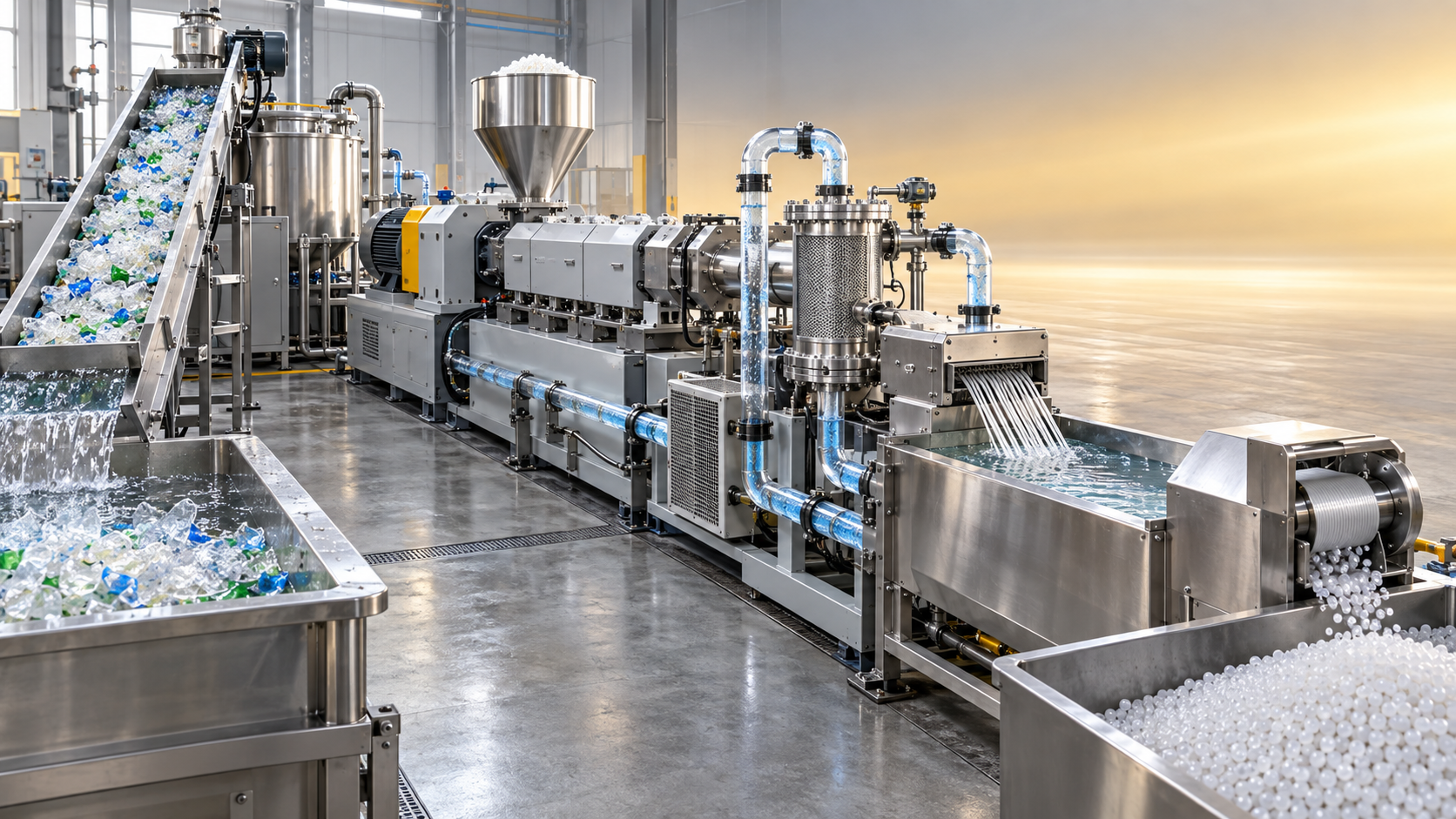
Extrusion can benefit significantly from circular plastics solutions because continuous lines can absorb large reprocessed volumes. However, gel formation, odor, black specks, and thickness variation remain common risks. Poorly cleaned feedstock can also accelerate screw wear and raise maintenance costs.
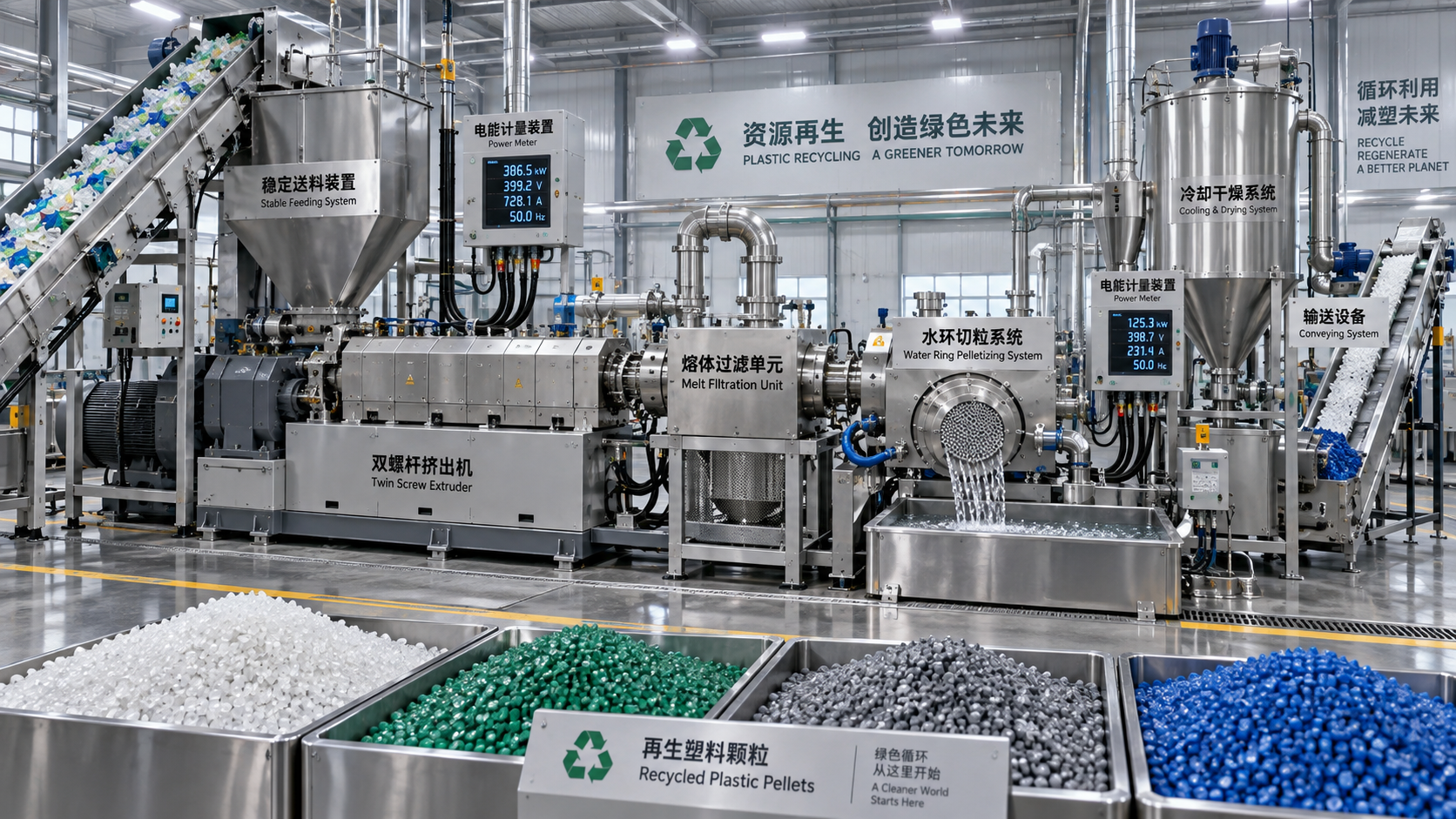
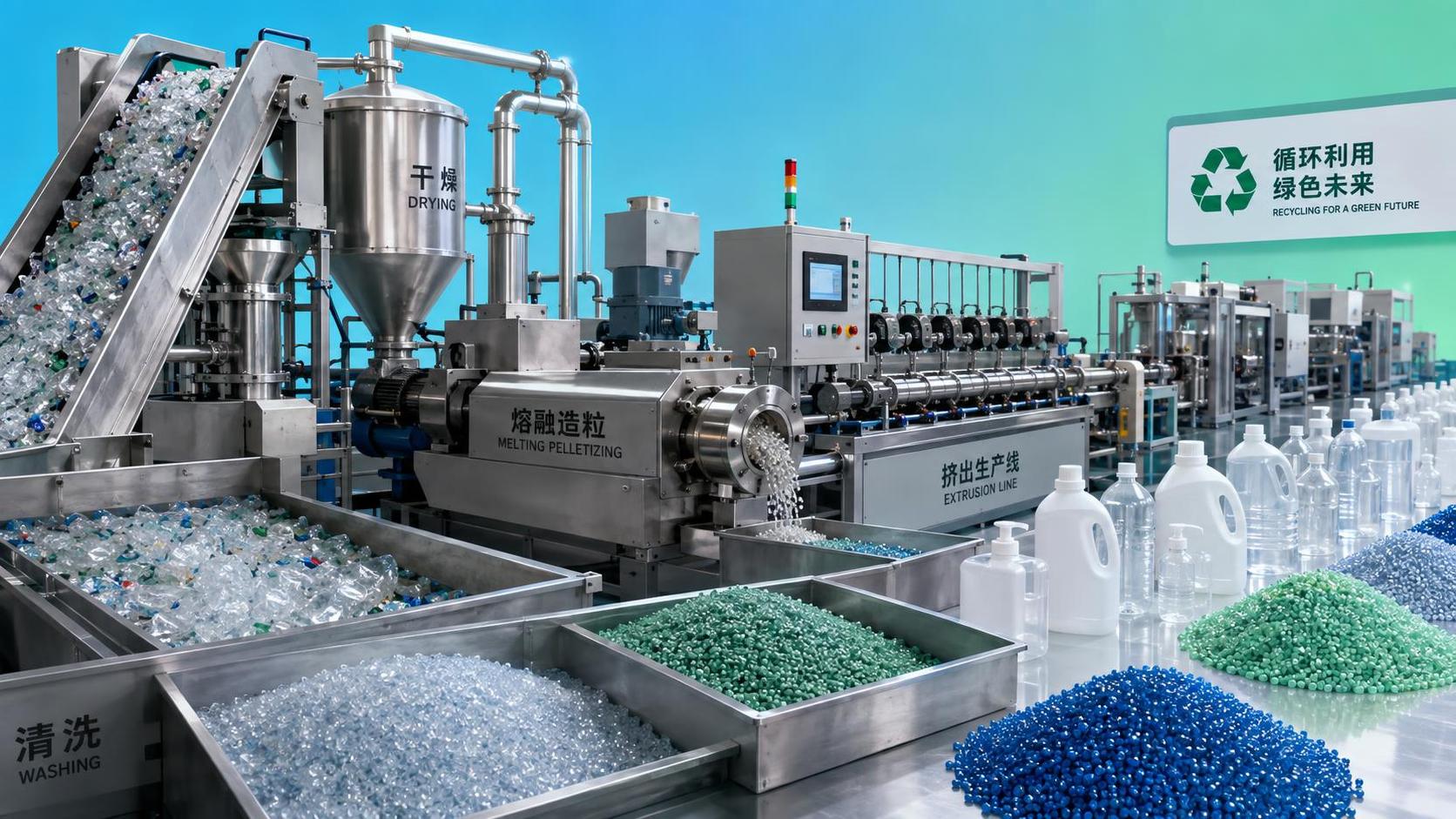
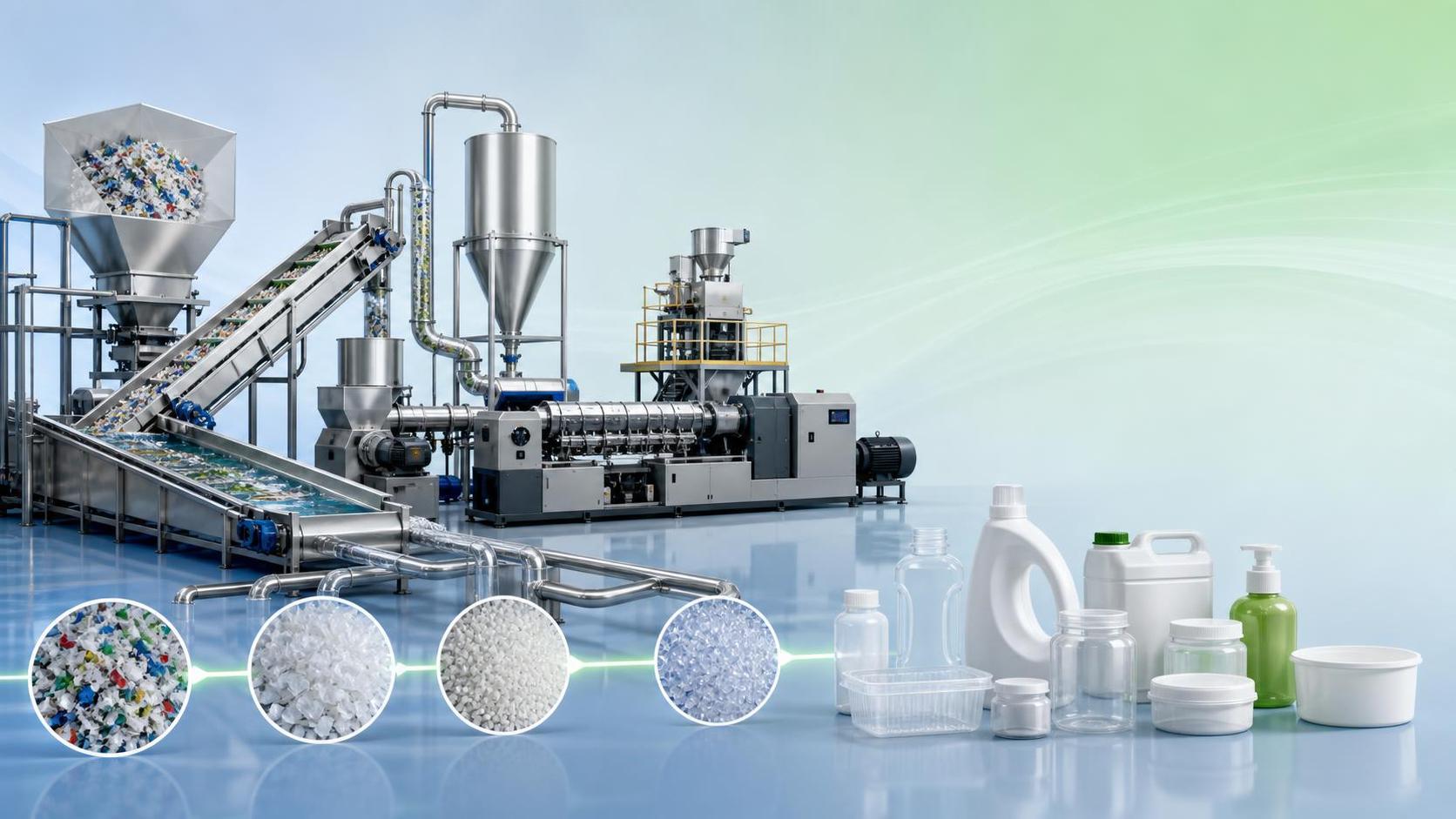
High-efficiency extrusion systems with twin-screw compounding, vacuum degassing, and advanced melt filtration often create the best balance. In these settings, circular plastics solutions become more than a sourcing tactic; they become a process engineering program tied directly to output stability.
Commonly overlooked risks that can make circular plastics solutions more expensive
Ignore hidden quality costs, and the project may look profitable only on paper. Additional sorting, more frequent purge cycles, and customer complaints can silently consume the expected resin savings.
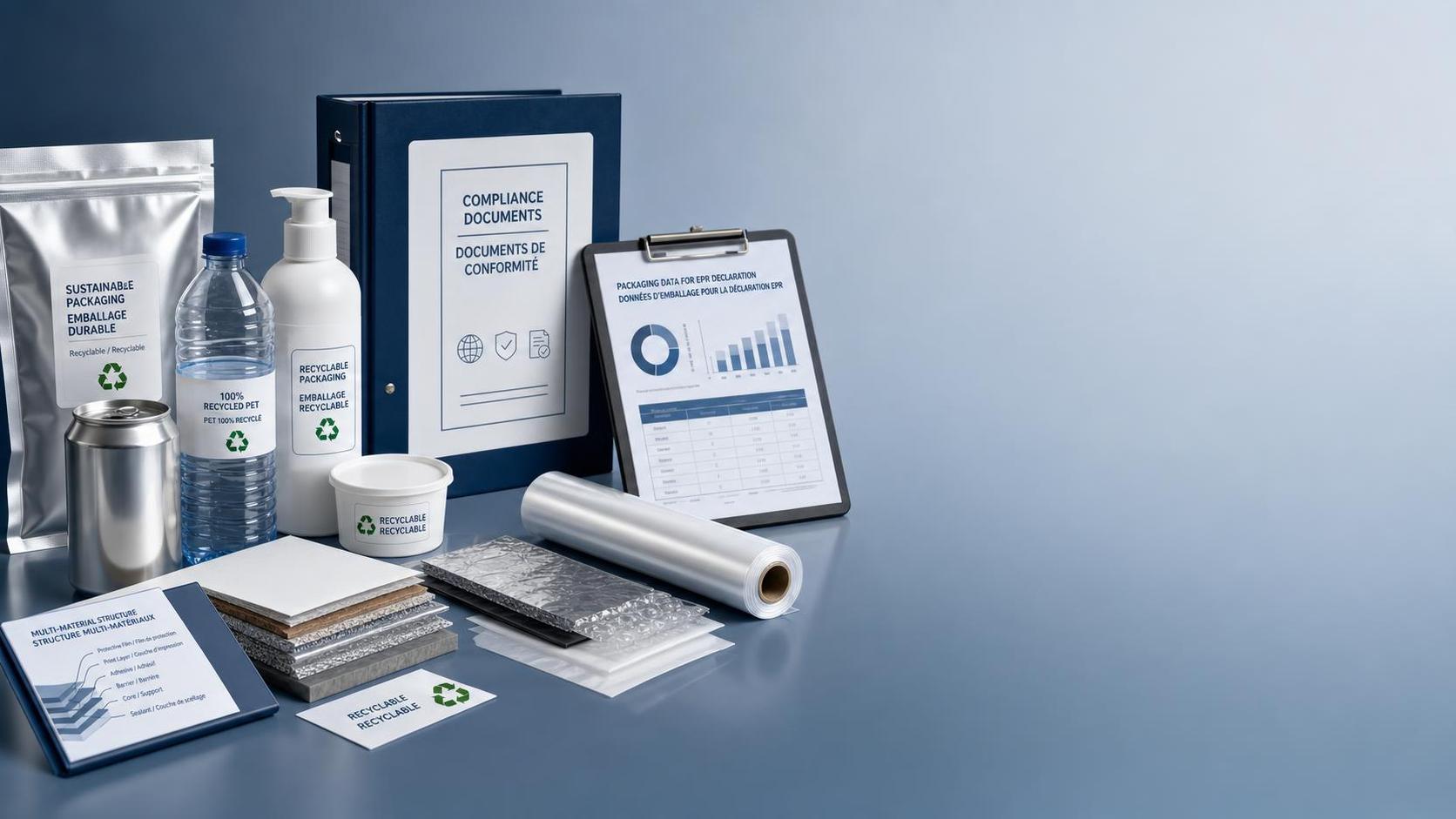
Underestimate compliance complexity, and regulatory risk rises. Claims around recycled content, recyclability, and food-contact suitability require evidence, not assumptions. Documentation gaps can create legal and reputational exposure.
Assume all recycled feedstock behaves the same, and production planning becomes fragile. Circular plastics solutions depend on source discipline, not simply on material labels such as rPET, rPE, or regrind.
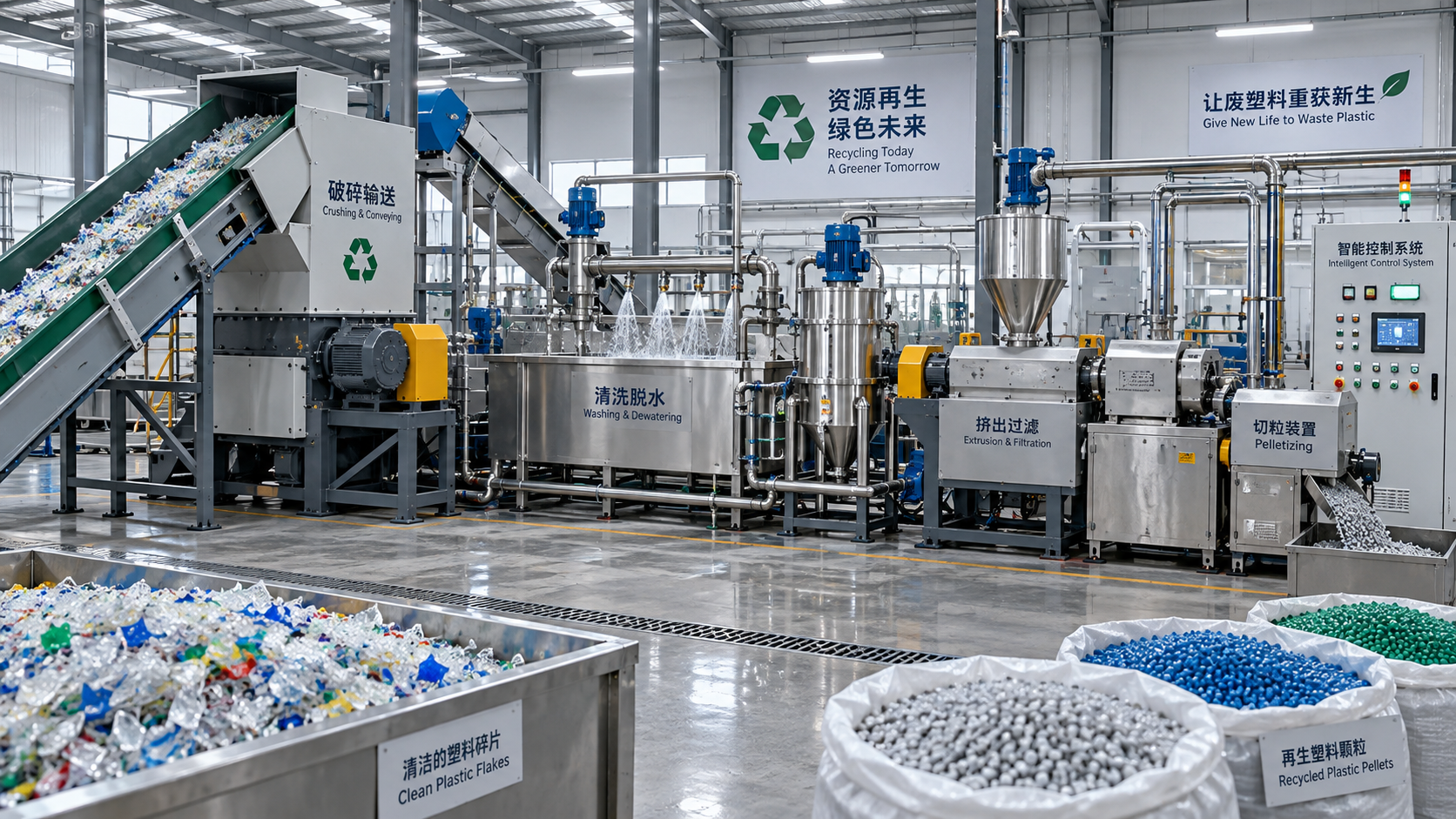
Neglect equipment adaptation, and line efficiency drops. Screen changers, dryers, dosing systems, and pelletizing quality all affect how smoothly recycled material runs through processing equipment.
Treat ESG as the only success metric, and financial performance suffers. Circular plastics solutions must still meet productivity, quality, and service-level expectations to remain viable over time.
Practical steps to lower risk while preserving savings
- Start with one validated material family and one product group before expanding recycled content across multiple lines or business units.
- Run production-scale trials, not lab-only tests, and compare scrap, energy, cycle time, maintenance events, and complaint trends against virgin benchmarks.
- Install stronger quality gates for moisture, contamination, melt index, and color, then connect acceptance limits to machine settings.
- Align supplier agreements with traceability, batch consistency, and corrective-action requirements to reduce volatility in circular plastics solutions.
- Use digital monitoring to capture pressure, temperature, and throughput changes early, especially on extrusion and injection molding systems.
- Recalculate total cost quarterly because virgin resin pricing, waste handling fees, and compliance rules can change the business case fast.
Conclusion: Are circular plastics solutions saving costs or adding risk?
Circular plastics solutions can do both. They save costs when supported by stable feedstock, process-capable equipment, disciplined testing, and credible compliance management. They add risk when organizations chase recycled-content targets without protecting throughput, product quality, and traceability.
The most reliable next step is simple: audit one high-volume application, measure the real production economics, and score the result against the checklist above. That approach turns circular plastics solutions from a broad sustainability promise into a controlled operational decision with measurable commercial value.
Related News
- 00
0000-00
How High-Speed Precision Injection Molding Controls Part Tolerances at Scale - 00
0000-00
How to Select Packaging Molding Equipment for High-Volume Production Lines - 00
0000-00
How to Evaluate Plastic Pelletizing Machine Suppliers for Output, Support, and Risk - 00
0000-00
How to Select a Plastic Pipe Manufacturing System for Output, Resin, and Pipe Range - 00
0000-00
How to Specify Injection Molding Equipment for High-Volume Closure Production
Weekly Insights
Stay ahead with our curated technology reports delivered every Monday.
Related News
 Ms. Elena RodriguezHow to Select Packaging Molding Equipment for High-Volume Production LinesPackaging molding equipment selection guide for high-volume lines: compare processes, throughput, materials, automation, and energy to achieve stable, cost-effective output.Oct 04, 2026
 Ms. Elena RodriguezHow to Evaluate Plastic Recycling Machinery for UAE Heat, Feedstock, and Output NeedsPlastic recycling machinery UAE buyers: evaluate heat resilience, feedstock handling, cooling, pellet quality, energy use, and lifecycle cost for reliable output.Sep 28, 2026
 Ms. Elena RodriguezGerman Extrusion Equipment Suppliers: Comparing Service, Lead Times, and Lifecycle CostExtrusion equipment Germany suppliers compared: evaluate service coverage, credible lead times, spare-parts access, and lifecycle cost to select a reliable, future-ready production partner.Sep 22, 2026
 Ms. Elena RodriguezWhat Should You Check Before Buying a Used Plastic Recycling Line?What should I check before buying a used plastic recycling line? Explore feedstock fit, wear, trials, utilities, controls, and restoration costs before you invest.Sep 26, 2026
 Ms. Elena RodriguezHow to Compare Pelletizing Lines by Energy Use per TonHow do I compare pelletizing lines by kWh per ton? Learn to measure total energy, verify saleable output, and select a cost-efficient line.Sep 23, 2026
 Ms. Elena RodriguezTyre Cutter Blade Wear: When Capacity Loss Needs Inspectionшинорез blade wear can quietly reduce tyre-cutting capacity. Learn the warning signs, inspection triggers, and maintenance actions that protect output and uptime.Sep 28, 2026
 Ms. Elena RodriguezIn-House Recycling for Factory Scrap: How to Reduce Material Waste and Disposal CostsIn house recycling for factory scrap helps manufacturers cut material waste, reduce disposal costs, and create controlled, quality-focused reuse loops.Sep 07, 2026
 Ms. Elena RodriguezHow Recyclable Packaging Manufacturing Balances Material Recovery and Production CostRecyclable packaging manufacturing: discover how smarter design, feedstock control, and process optimization reduce recovery costs while improving quality and yield.Sep 04, 2026
 Ms. Elena RodriguezHow to Evaluate a Plastic Recycling Systems Supplier for Your Processing NeedsChoose the right plastic recycling systems supplier with a practical guide to feedstock fit, output quality, total cost, testing, service, and compliance.Sep 01, 2026
 Ms. Elena RodriguezCE Marking for Plastic Processing Equipment: Documentation and Safety ChecksPlastic processing equipment CE compliance: learn the essential documentation, risk assessments, safety checks, and validation steps for reliable EU market access.Aug 30, 2026
 Ms. Elena RodriguezPlastic Packaging Compliance Standards: What Tests and Documents Matter Most?Plastic packaging compliance standards explained: learn which migration tests, mechanical checks, and audit-ready documents matter most to reduce risk and pass reviews with confidence.Aug 25, 2026
 Ms. Elena RodriguezHow to Evaluate a Plastic Waste Recycling System for Capacity, Contamination, and ROIPlastic waste recycling system evaluation made practical: compare true capacity, contamination control, and ROI to choose a line that delivers stable output and stronger returns.Aug 24, 2026
 Ms. Elena RodriguezPackaging Molding Equipment Price: What Drives Cost and How to Compare Quotes?Packaging molding equipment price varies by machine type, automation, tooling, energy use, and service scope. Learn what drives cost and how to compare quotes with confidence.Aug 21, 2026
 Ms. Elena RodriguezWhat Packaging Machinery for Plastic Containers Should You Choose for High-Volume Production?Packaging machinery for plastics containers can make or break high-volume production. Learn how to choose the right line for speed, consistency, compliance, and lower lifecycle costs.Aug 16, 2026
 Ms. Elena RodriguezWhat Circular Plastics Mean for Automotive Parts and Material SelectionCircular plastics for automotive are reshaping part selection with lower weight, better sustainability, and reliable performance. Discover how engineers balance recycled content, durability, and compliance.Aug 15, 2026
 Ms. Elena RodriguezBroiler Farming in Cage System: Selection Factors for Commercial FarmsBroiler farming in cage system selection for commercial farms: compare structure, ventilation, automation, and manure handling to improve efficiency and avoid costly mistakes.Aug 14, 2026
 Ms. Elena RodriguezHow to Implement Smart Polymer Manufacturing Without Disrupting Existing Production?Smart polymer manufacturing implementation made practical: learn how to upgrade existing production with phased digitalization, less downtime, better control, and measurable ROI.Aug 11, 2026
 Ms. Elena RodriguezHow to Evaluate a Rubber Compression Molding Supplier for Complex Part ProductionRubber compression molding supplier selection for complex parts starts with process, material, and tooling control. Learn how to compare vendors beyond price and reduce launch risk.Aug 10, 2026
 Ms. Elena RodriguezPackaging Compliance in Canada: Key Labeling and EPR Rules Importers Must KnowPackaging compliance Canada explained for importers: learn bilingual labeling, environmental claims, and provincial EPR rules to reduce risk, avoid costly errors, and stay market-ready.Aug 03, 2026
 Ms. Elena RodriguezWhy Circular Plastics Economy Traceability Matters for Recycled Content ComplianceCircular plastics economy traceability is essential for proving recycled content compliance across sourcing, processing, and reporting. Learn how strong evidence reduces audit risk.Aug 02, 2026