How to compare polymer forming systems without overspending




Comparing polymer forming systems can become costly when decisions rely on marketing claims, incomplete data, or short-term price thinking.
A better method is to compare polymer forming systems through output value, lifecycle cost, energy use, tooling fit, maintenance needs, and compliance performance.
This guide explains how to assess polymer forming systems without overspending while still protecting quality, efficiency, and long-term operating flexibility.
What should be compared first in polymer forming systems?
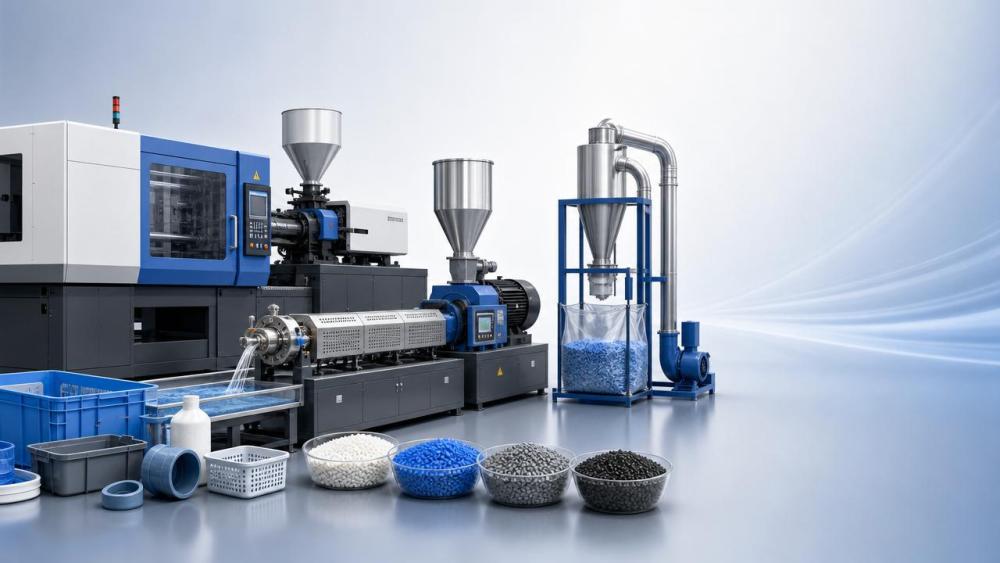
Start with process fit, not sticker price.
Different polymer forming systems serve different material behaviors, product geometries, and production rhythms.
Injection molding systems suit high-precision parts, repeatable tolerances, and complex shapes with short cycle demands.
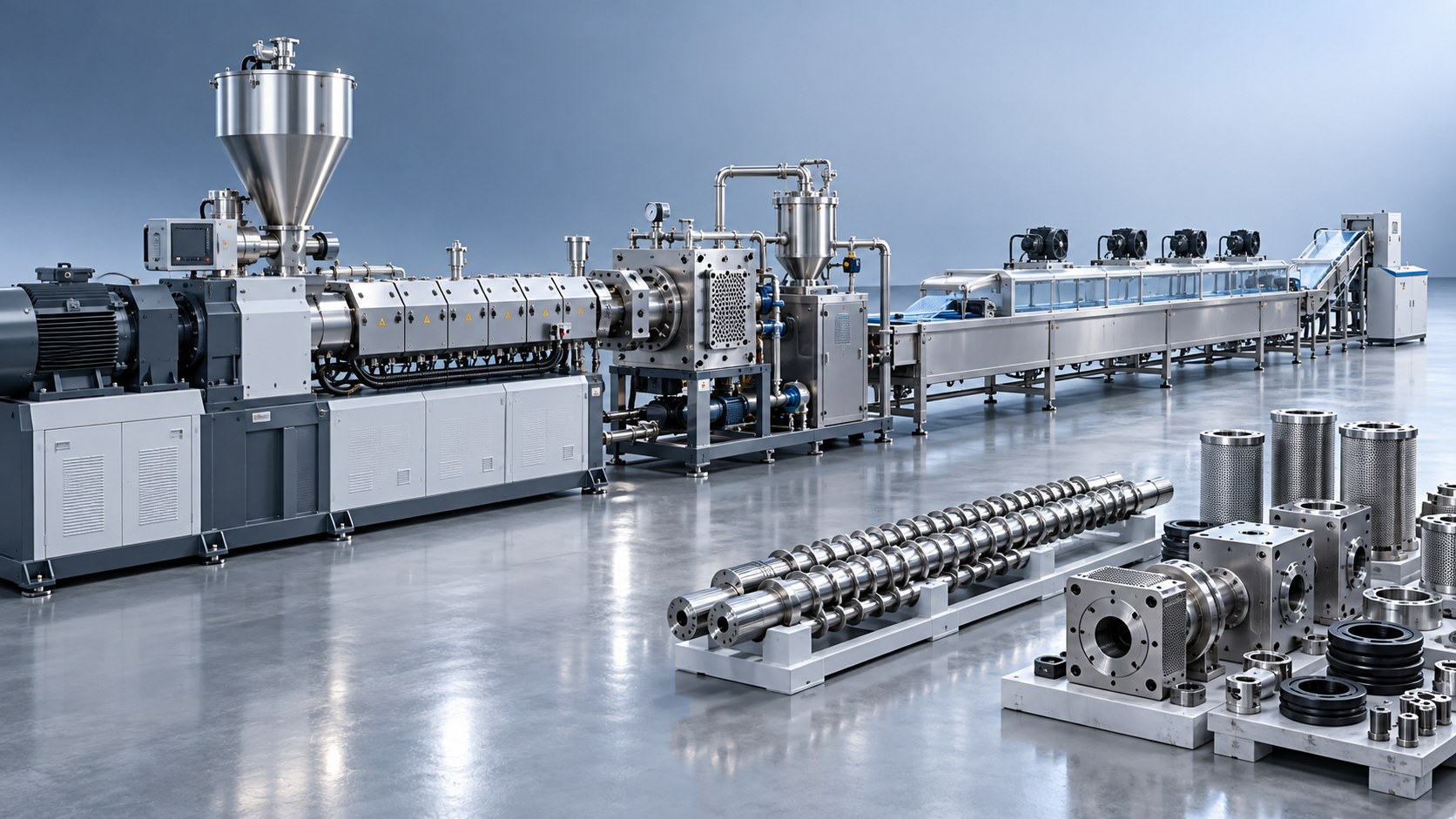
Extrusion systems support continuous profiles, sheets, pipes, films, and compounding tasks requiring stable throughput.
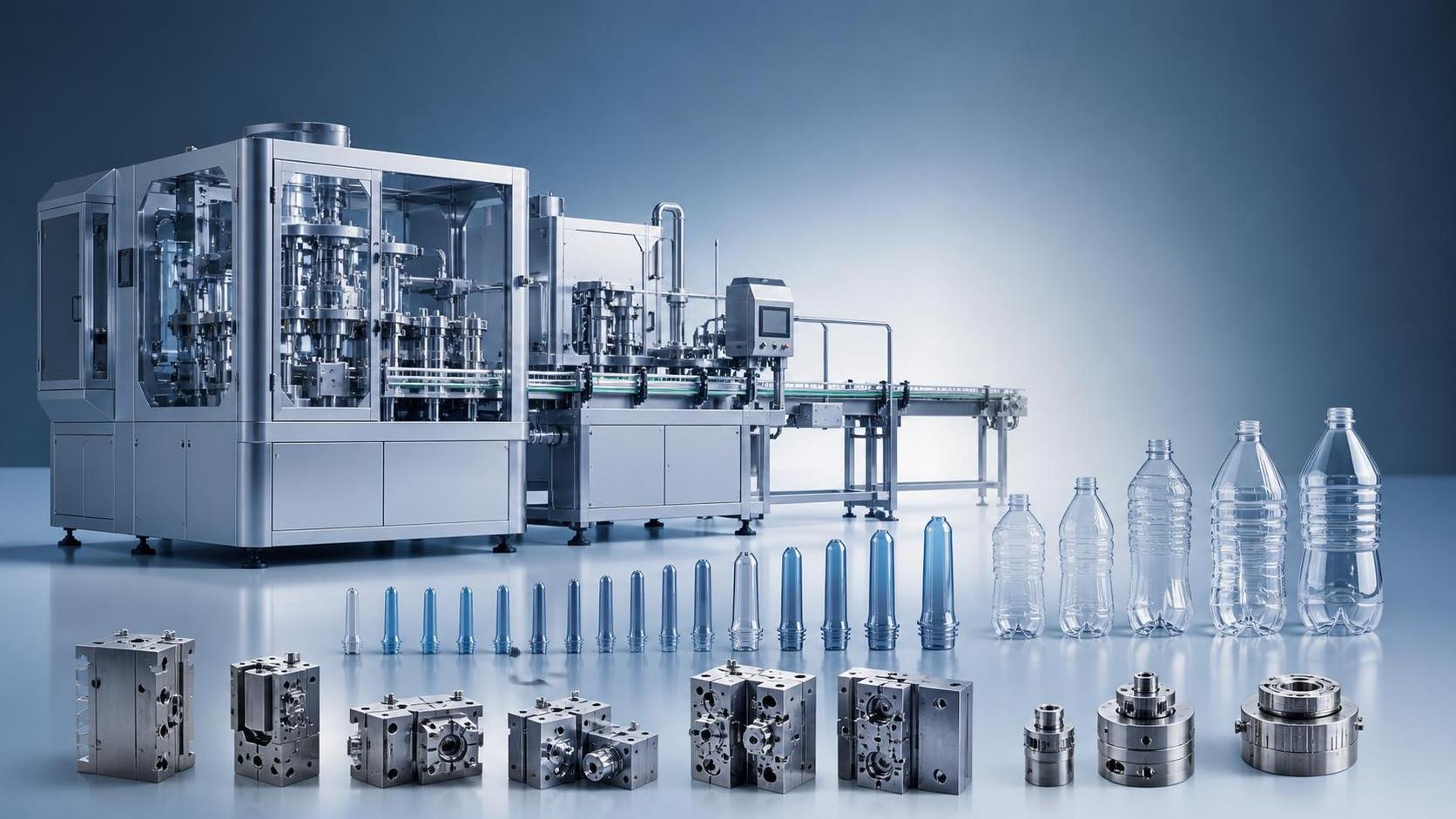
Blow molding systems fit hollow packaging, bottles, and containers where wall distribution and output speed matter most.
Rubber vulcanizing systems handle elastomer curing, compression shaping, and strength development under controlled heat and pressure.
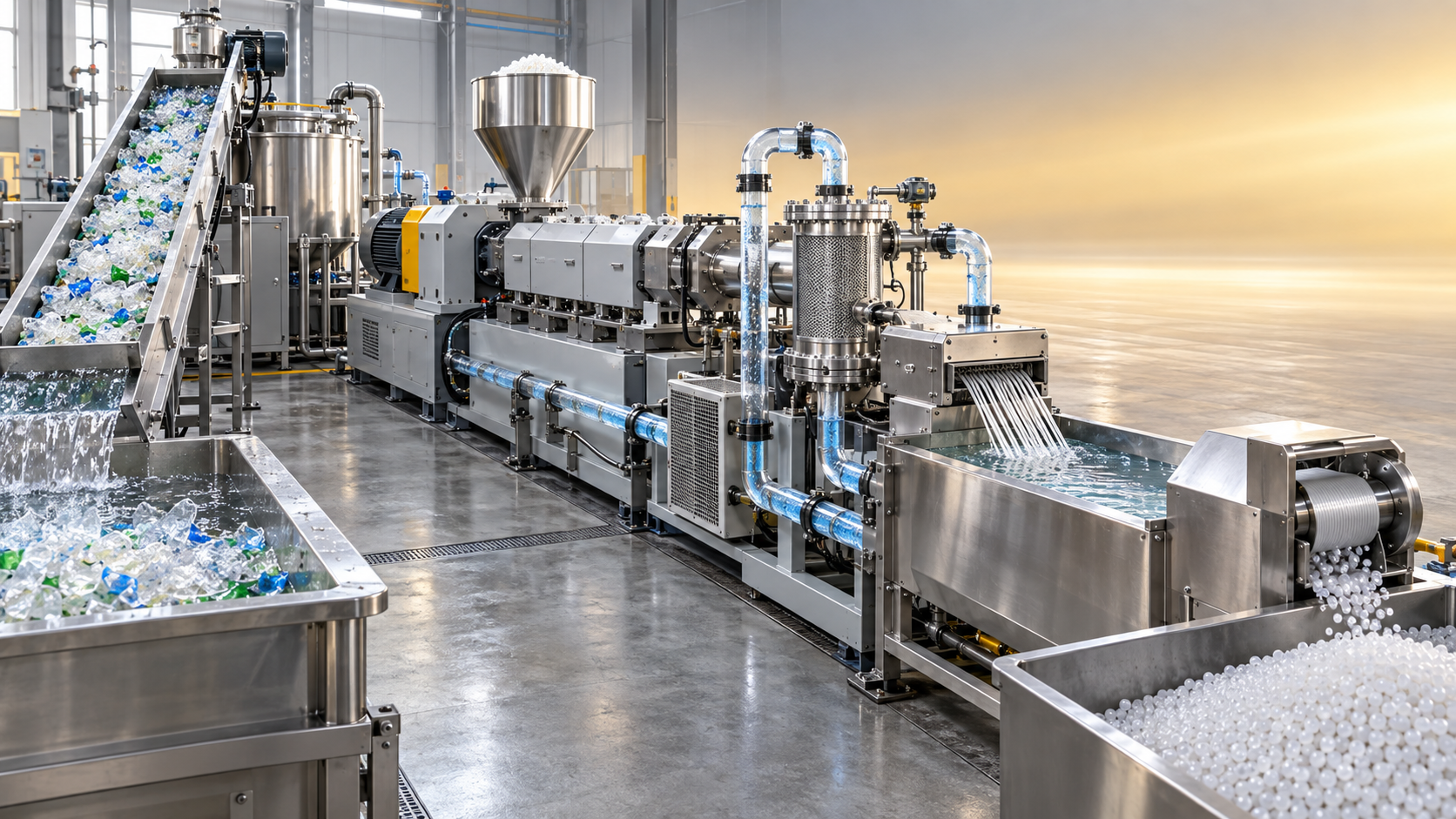
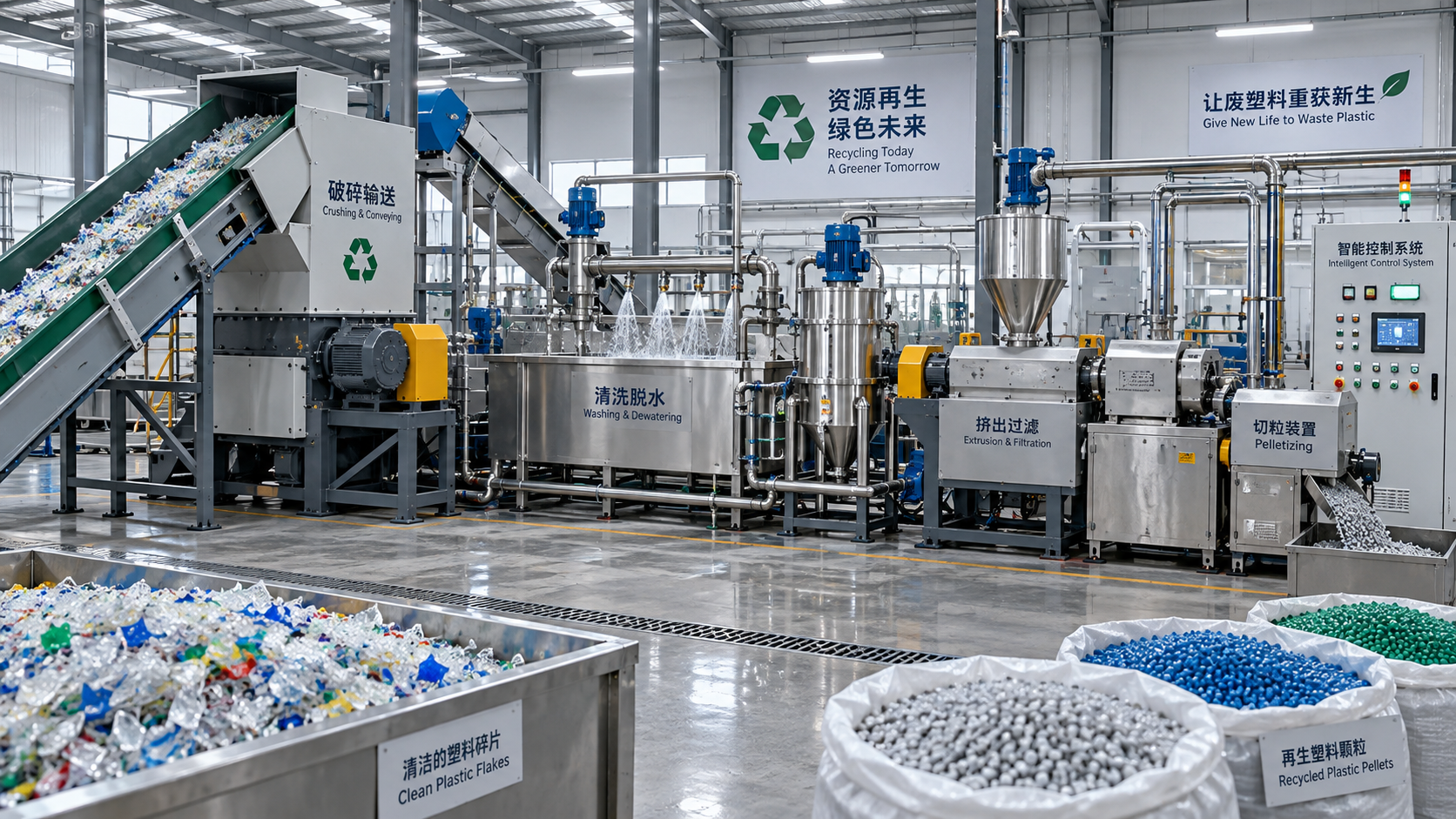
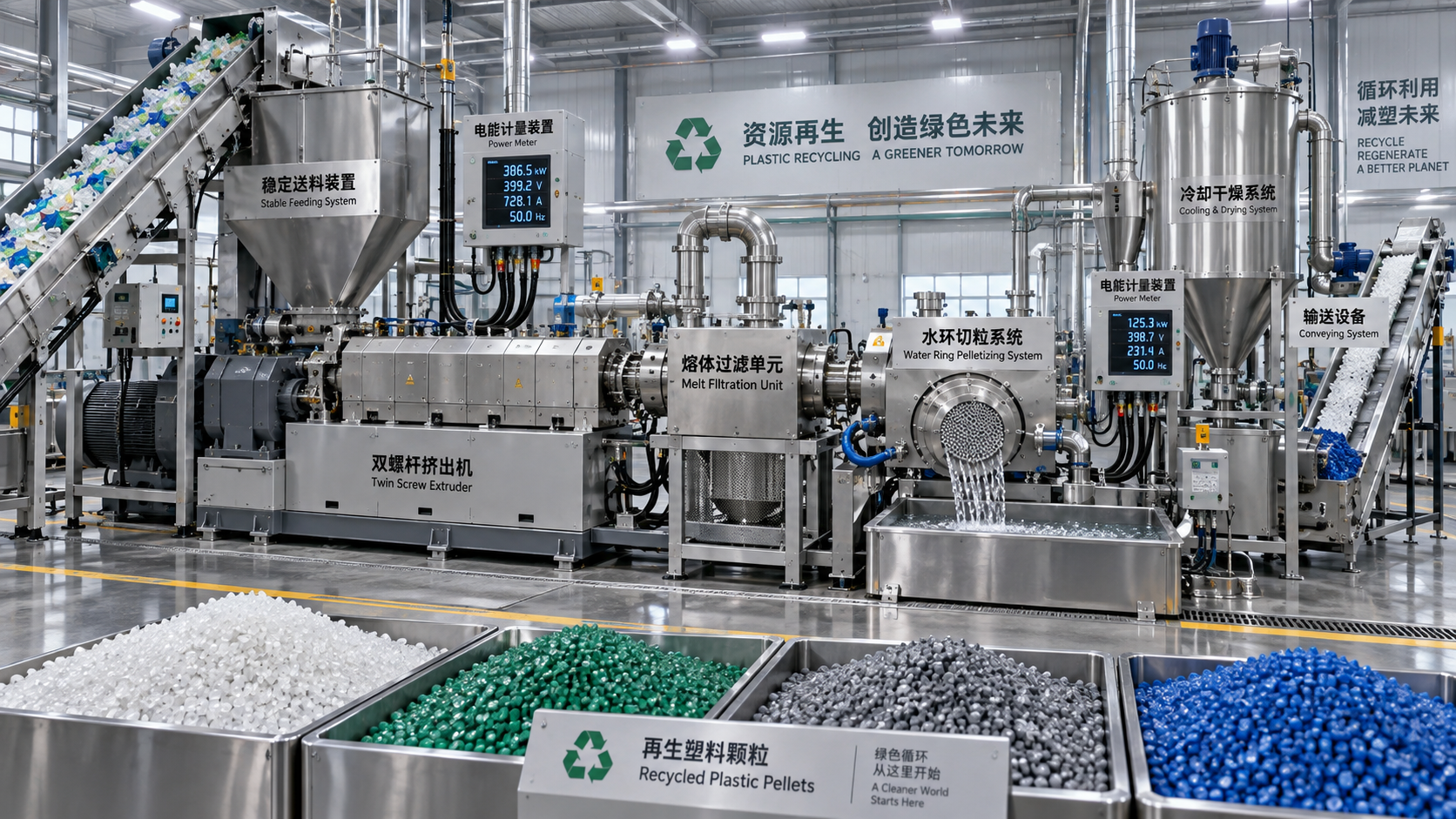
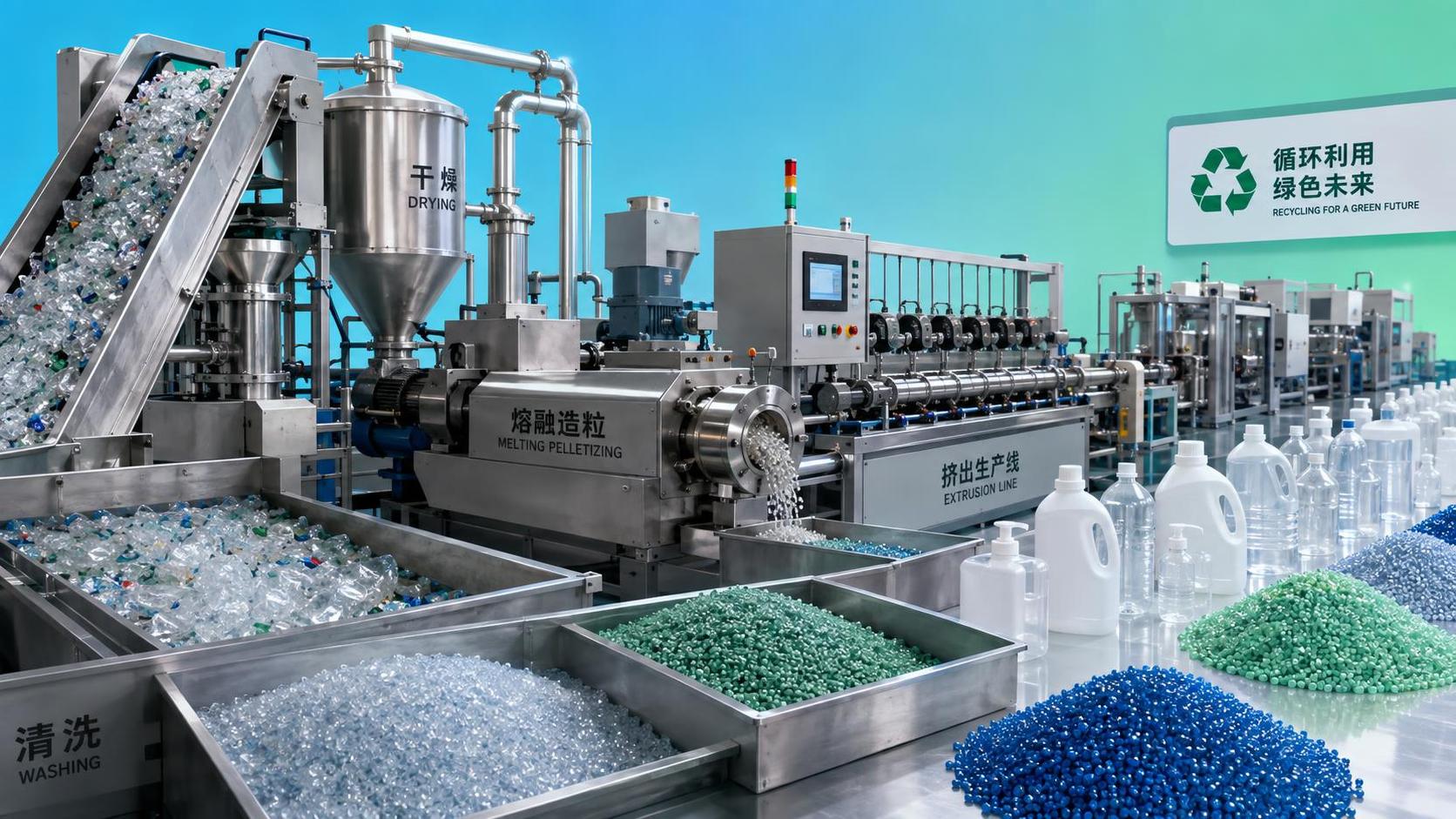
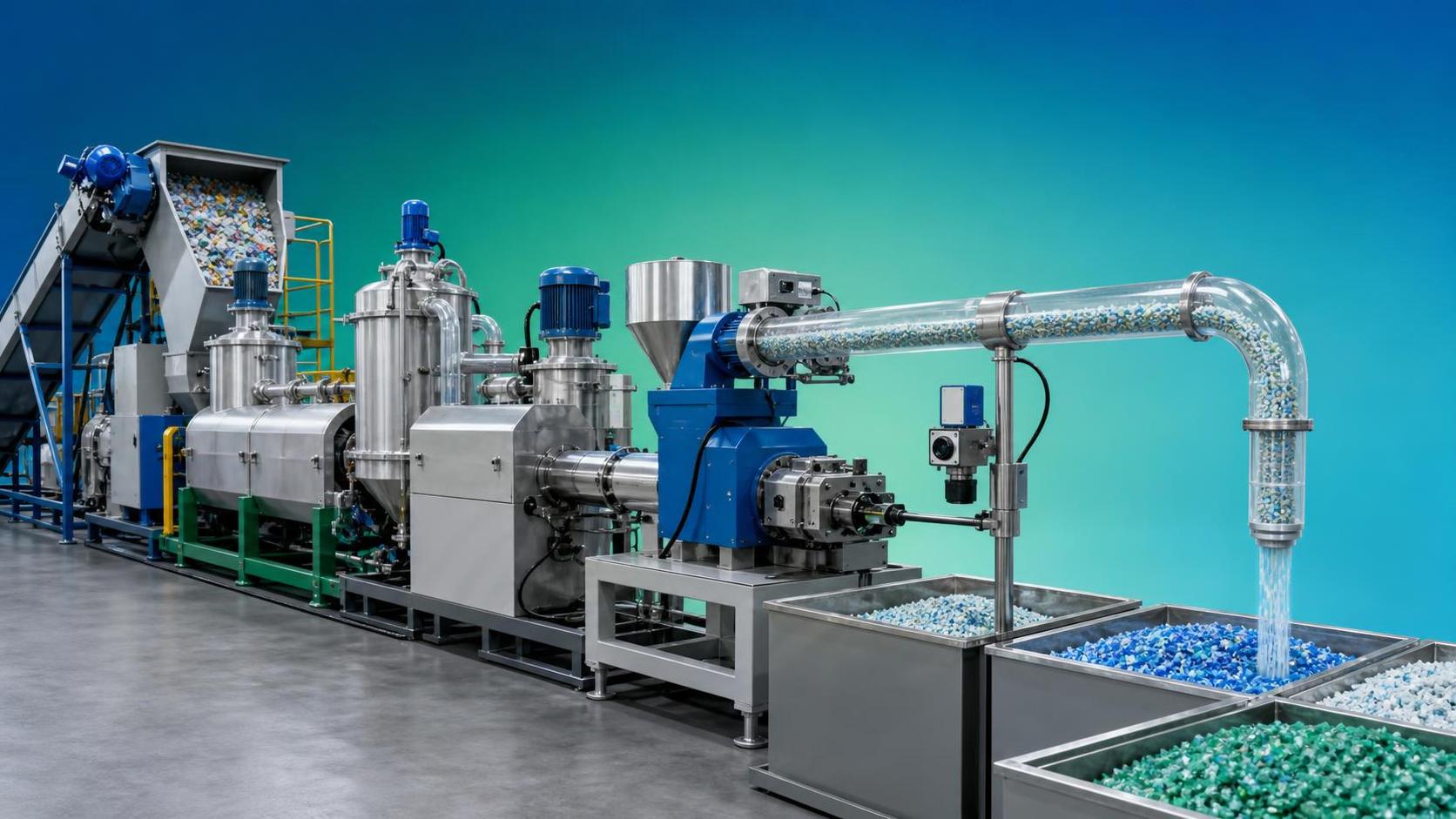
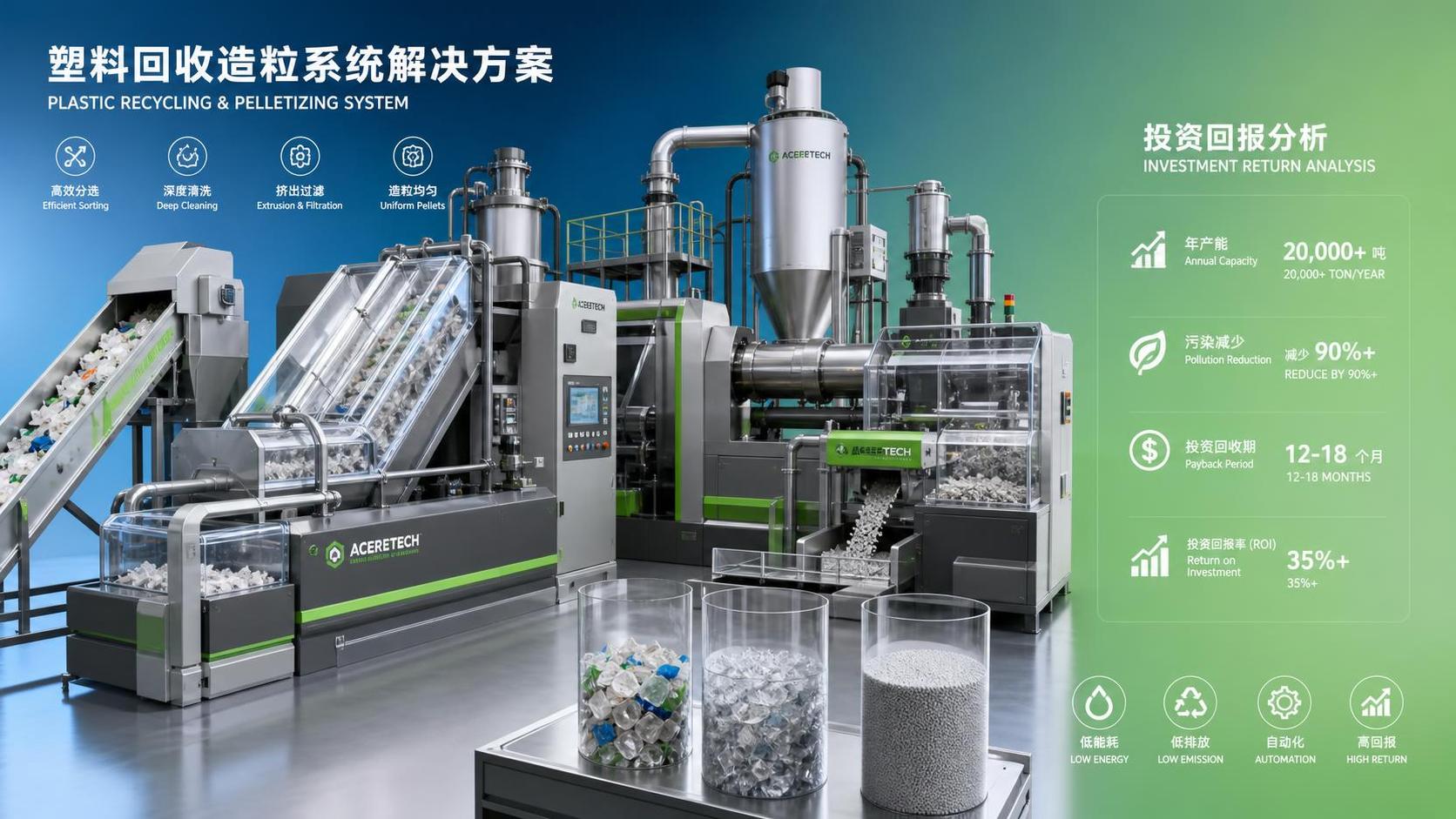
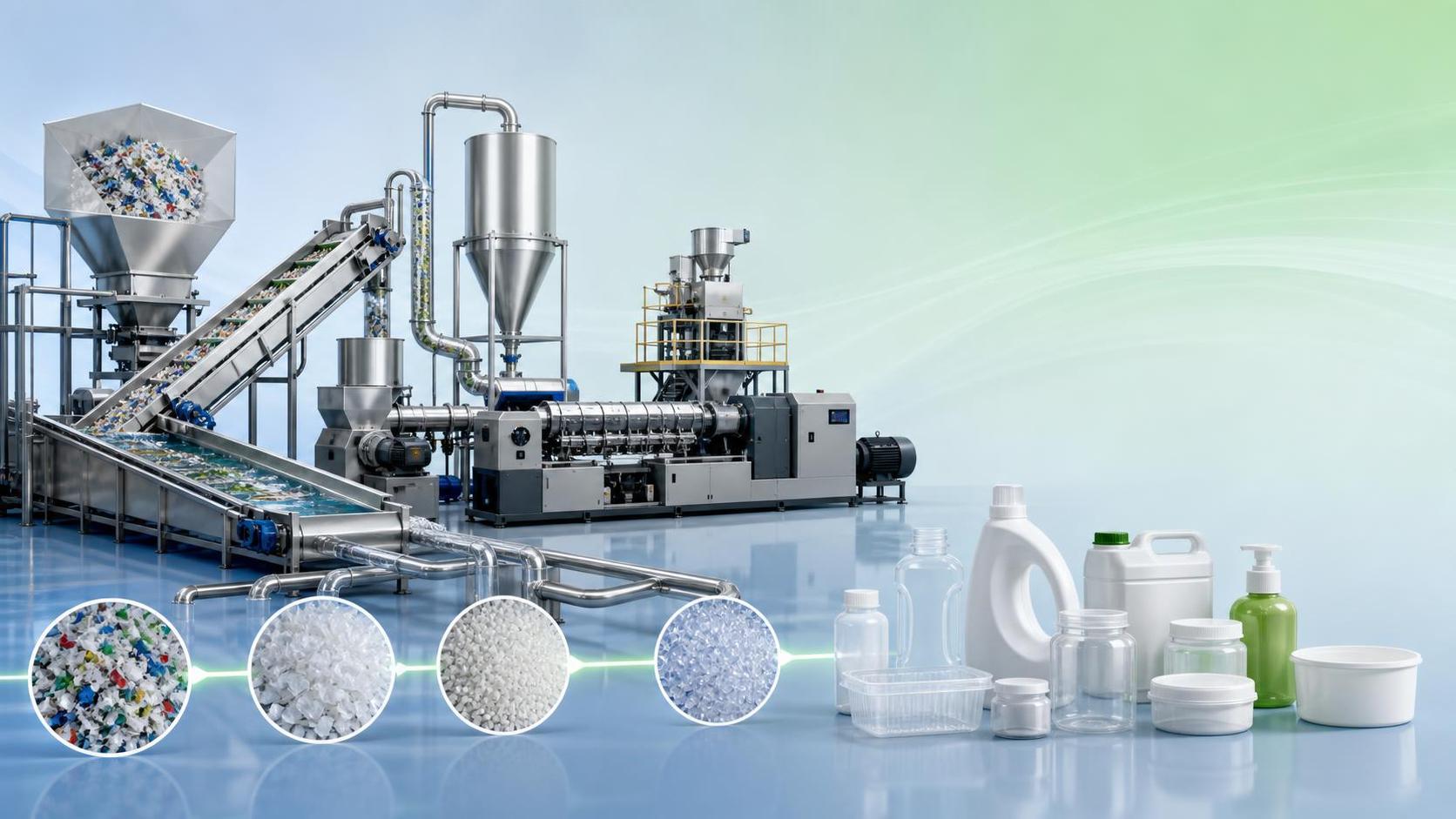
Waste plastic pelletizing systems focus on washing, remelting, filtering, and converting scrap into reusable pellets.
Before comparing brands, define five essentials:
- Material type and viscosity behavior
- Target product form and tolerance
- Required output volume
- Energy and labor limits
- Recycling or compliance requirements
If these factors are unclear, even advanced polymer forming systems may underperform or create hidden operating waste.
How do you compare total cost instead of purchase price?
The cheapest machine often becomes the most expensive system over time.
A serious comparison of polymer forming systems should use total cost of ownership, usually across three to seven years.
Include direct and indirect cost elements, not only quotation values.
For polymer forming systems, one percent lower scrap can outweigh a lower purchase price surprisingly fast.
Likewise, better servo drives or all-electric platforms may cost more upfront but save energy during every shift.
Ask for measured energy data under real production loads, not brochure figures from empty running conditions.
Which performance metrics matter most when comparing polymer forming systems?
Performance should be measured by useful output, not by the biggest advertised specification.
The right metrics depend on whether polymer forming systems are used for precision parts, continuous products, packaging, rubber, or recycling.
Core metrics worth checking
- Cycle time consistency
- Throughput per hour under stable quality
- Temperature control precision
- Pressure stability and repeatability
- Material changeover speed
- Scrap ratio during startup and full production
- Digital monitoring and alarm quality
In injection molding, clamp stability, response time, and holding pressure control often decide final part quality.
In extrusion, screw design, melt homogeneity, and output stability usually matter more than peak hourly capacity claims.
In pelletizing, filtration efficiency, contamination tolerance, and pellet uniformity are often stronger value indicators than line speed alone.
When comparing polymer forming systems, request trial data using materials close to your actual resin mix.
A machine that performs well with virgin resin may behave very differently with recycled, filled, or moisture-sensitive feedstock.
How can material compatibility prevent overspending?
Material mismatch is one of the fastest ways to waste money.
Polymer forming systems must match melt flow, thermal sensitivity, filler content, and moisture behavior.
For example, abrasive compounds may require wear-resistant screws, barrels, and dies.
Heat-sensitive polymers may need tighter temperature zoning and better residence time control.
Recycled inputs usually need stronger degassing, filtration, and contamination management than virgin resin lines.
Questions that reduce material-related risk
- Can the system handle both virgin and recycled grades?
- What screw or barrel options support filled materials?
- How is moisture controlled before processing?
- What contamination level can the filtration section manage?
- How much purge material is needed during changeovers?
Flexible polymer forming systems can lower future capital spending because they adapt to changing resin supply and sustainability targets.
That flexibility is especially valuable when global resin pricing and packaging regulations shift quickly.
What hidden risks make polymer forming systems more expensive later?
Hidden risks usually appear after installation, not during the sales presentation.
One major risk is poor service access.
If spare parts are slow, downtime can erase any initial savings.
Another risk is overbuying capacity.
Oversized polymer forming systems often run inefficiently at partial loads and consume unnecessary power, floor space, and maintenance time.
A third risk is underestimating compliance.
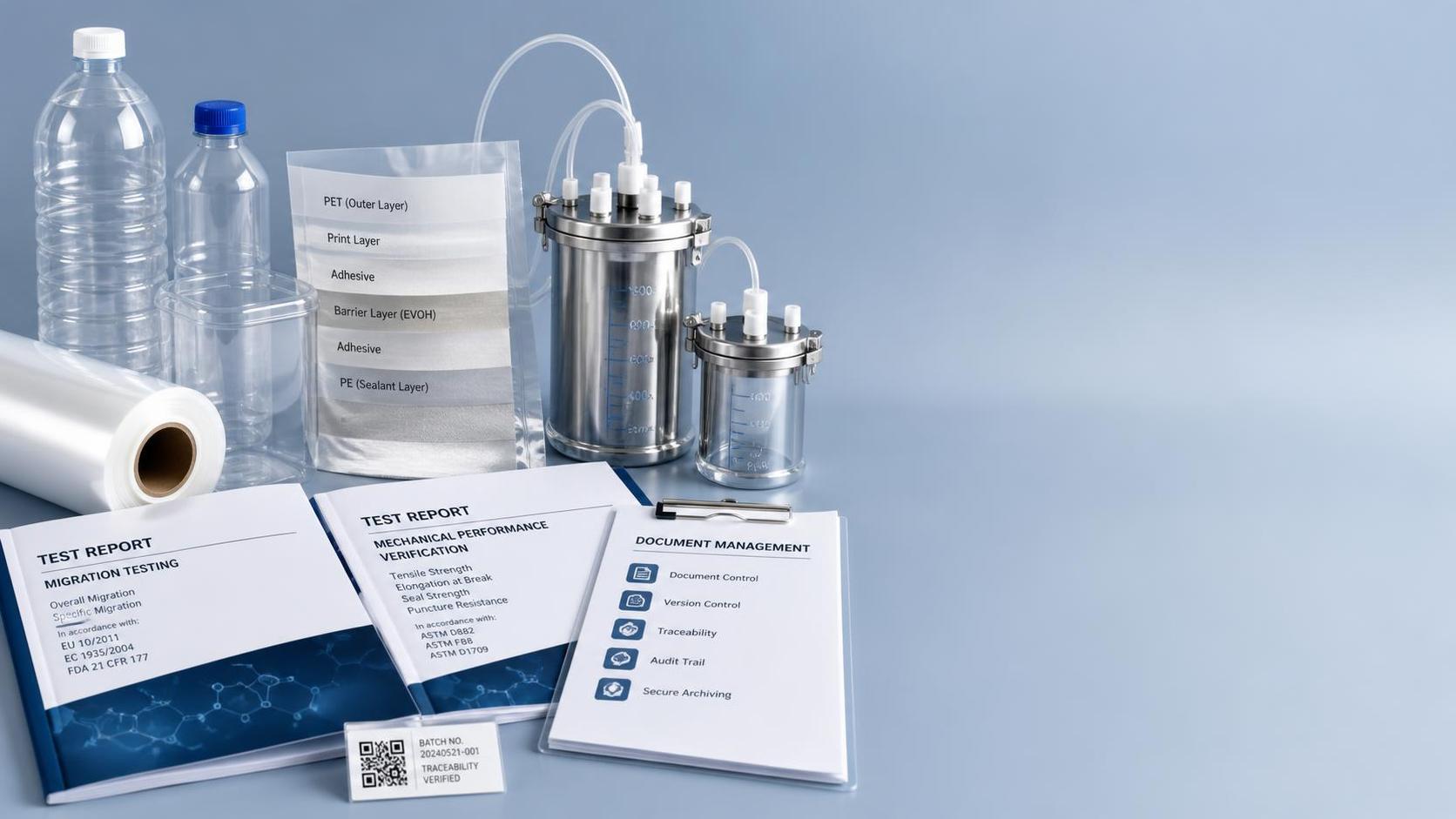
Modern polymer forming systems increasingly need data traceability, emissions control, and support for recycled content documentation.
Ignoring these requirements can trigger retrofit costs later.
Common comparison mistakes
- Comparing nameplate output instead of saleable output
- Ignoring startup scrap and changeover waste
- Choosing controls that operators cannot use efficiently
- Skipping acceptance trials with real materials
- Treating recycling readiness as a future issue
The best polymer forming systems are not always the most advanced.
They are the ones that fit your actual operating window with minimum waste and stable support.
How do you build a practical comparison checklist before buying?
A structured checklist keeps comparison objective and prevents emotional decisions.
Score each supplier against the same criteria.
Then compare polymer forming systems by weighted value, not by the loudest promise.
If possible, include live trial results, reference line performance, and expected annual waste reduction in the final review.
FAQ summary: what are the smartest next steps?
The smartest way to compare polymer forming systems is to connect equipment choice with real production economics.
Define the product, material, and compliance target first.
After that, compare polymer forming systems using lifecycle cost, saleable output, energy efficiency, maintenance practicality, and adaptability to recycled materials.
Avoid buying based only on top speed, low headline price, or broad brand reputation.
A disciplined shortlist should include technical trials, support verification, and a simple ownership model covering at least three years.
That process helps identify polymer forming systems that deliver precision, efficiency, and compliance value without unnecessary spending.
Use this checklist-driven approach as the next step before requesting final proposals or planning a system upgrade.
Related News
- 00
0000-00
How to Evaluate Plastic Pelletizing Machine Suppliers for Output, Support, and Risk - 00
0000-00
How to Select a Plastic Pipe Manufacturing System for Output, Resin, and Pipe Range - 00
0000-00
How to Specify Injection Molding Equipment for High-Volume Closure Production - 00
0000-00
How to Specify a Medical Molding Machine for Cleanroom Device Production - 00
0000-00
Plastic Extrusion Technology for Films: Process Controls That Improve Gauge Uniformity
Weekly Insights
Stay ahead with our curated technology reports delivered every Monday.
Related News
 Ms. Elena RodriguezHow to Evaluate Plastic Recycling Machinery for UAE Heat, Feedstock, and Output NeedsPlastic recycling machinery UAE buyers: evaluate heat resilience, feedstock handling, cooling, pellet quality, energy use, and lifecycle cost for reliable output.Sep 28, 2026
 Ms. Elena RodriguezGerman Extrusion Equipment Suppliers: Comparing Service, Lead Times, and Lifecycle CostExtrusion equipment Germany suppliers compared: evaluate service coverage, credible lead times, spare-parts access, and lifecycle cost to select a reliable, future-ready production partner.Sep 22, 2026
 Ms. Elena RodriguezWhat Should You Check Before Buying a Used Plastic Recycling Line?What should I check before buying a used plastic recycling line? Explore feedstock fit, wear, trials, utilities, controls, and restoration costs before you invest.Sep 26, 2026
 Ms. Elena RodriguezHow to Compare Pelletizing Lines by Energy Use per TonHow do I compare pelletizing lines by kWh per ton? Learn to measure total energy, verify saleable output, and select a cost-efficient line.Sep 23, 2026
 Ms. Elena RodriguezTyre Cutter Blade Wear: When Capacity Loss Needs Inspectionшинорез blade wear can quietly reduce tyre-cutting capacity. Learn the warning signs, inspection triggers, and maintenance actions that protect output and uptime.Sep 28, 2026
 Ms. Elena RodriguezIn-House Recycling for Factory Scrap: How to Reduce Material Waste and Disposal CostsIn house recycling for factory scrap helps manufacturers cut material waste, reduce disposal costs, and create controlled, quality-focused reuse loops.Sep 07, 2026
 Ms. Elena RodriguezHow Recyclable Packaging Manufacturing Balances Material Recovery and Production CostRecyclable packaging manufacturing: discover how smarter design, feedstock control, and process optimization reduce recovery costs while improving quality and yield.Sep 04, 2026
 Ms. Elena RodriguezHow to Evaluate a Plastic Recycling Systems Supplier for Your Processing NeedsChoose the right plastic recycling systems supplier with a practical guide to feedstock fit, output quality, total cost, testing, service, and compliance.Sep 01, 2026
 Ms. Elena RodriguezCE Marking for Plastic Processing Equipment: Documentation and Safety ChecksPlastic processing equipment CE compliance: learn the essential documentation, risk assessments, safety checks, and validation steps for reliable EU market access.Aug 30, 2026
 Ms. Elena RodriguezPlastic Packaging Compliance Standards: What Tests and Documents Matter Most?Plastic packaging compliance standards explained: learn which migration tests, mechanical checks, and audit-ready documents matter most to reduce risk and pass reviews with confidence.Aug 25, 2026
 Ms. Elena RodriguezHow to Evaluate a Plastic Waste Recycling System for Capacity, Contamination, and ROIPlastic waste recycling system evaluation made practical: compare true capacity, contamination control, and ROI to choose a line that delivers stable output and stronger returns.Aug 24, 2026
 Ms. Elena RodriguezPackaging Molding Equipment Price: What Drives Cost and How to Compare Quotes?Packaging molding equipment price varies by machine type, automation, tooling, energy use, and service scope. Learn what drives cost and how to compare quotes with confidence.Aug 21, 2026
 Ms. Elena RodriguezWhat Packaging Machinery for Plastic Containers Should You Choose for High-Volume Production?Packaging machinery for plastics containers can make or break high-volume production. Learn how to choose the right line for speed, consistency, compliance, and lower lifecycle costs.Aug 16, 2026
 Ms. Elena RodriguezWhat Circular Plastics Mean for Automotive Parts and Material SelectionCircular plastics for automotive are reshaping part selection with lower weight, better sustainability, and reliable performance. Discover how engineers balance recycled content, durability, and compliance.Aug 15, 2026
 Ms. Elena RodriguezBroiler Farming in Cage System: Selection Factors for Commercial FarmsBroiler farming in cage system selection for commercial farms: compare structure, ventilation, automation, and manure handling to improve efficiency and avoid costly mistakes.Aug 14, 2026
 Ms. Elena RodriguezHow to Implement Smart Polymer Manufacturing Without Disrupting Existing Production?Smart polymer manufacturing implementation made practical: learn how to upgrade existing production with phased digitalization, less downtime, better control, and measurable ROI.Aug 11, 2026
 Ms. Elena RodriguezHow to Evaluate a Rubber Compression Molding Supplier for Complex Part ProductionRubber compression molding supplier selection for complex parts starts with process, material, and tooling control. Learn how to compare vendors beyond price and reduce launch risk.Aug 10, 2026
 Ms. Elena RodriguezPackaging Compliance in Canada: Key Labeling and EPR Rules Importers Must KnowPackaging compliance Canada explained for importers: learn bilingual labeling, environmental claims, and provincial EPR rules to reduce risk, avoid costly errors, and stay market-ready.Aug 03, 2026
 Ms. Elena RodriguezWhy Circular Plastics Economy Traceability Matters for Recycled Content ComplianceCircular plastics economy traceability is essential for proving recycled content compliance across sourcing, processing, and reporting. Learn how strong evidence reduces audit risk.Aug 02, 2026
 Ms. Elena RodriguezRecycled Plastic Compliance: Key Standards, Testing Requirements, and DocumentationRecycled plastic compliance explained: key standards, testing requirements, supplier documents, and food-contact risks to help you avoid approval delays and costly compliance mistakes.Aug 01, 2026