Are green packaging materials worth the higher upfront cost




For finance decision-makers, the real question is not whether green packaging materials cost more upfront, but whether they reduce total risk and unlock long-term value. As regulations tighten, resin prices fluctuate, and ESG expectations rise, smarter packaging investments can improve compliance, brand resilience, and lifecycle efficiency—making the higher initial spend easier to justify with measurable returns.
When are green packaging materials actually worth the higher upfront cost?

The short answer is yes, but not in every case and not for every material. For financial approvers, the decision should be based on total cost of ownership, risk exposure, and payback timing.
Many buyers still compare packaging options using unit price alone. That approach misses compliance costs, disposal fees, potential redesign expenses, and the growing commercial value of better sustainability performance across supply chains.
If your business sells into regulated markets, works with major retailers, or faces pressure from brand owners, green packaging materials often move from optional premium to strategic necessity.
In those situations, the higher upfront cost can be offset by lower legal risk, improved contract retention, easier customer approval, and stronger resilience against future packaging restrictions.
On the other hand, some projects adopt greener materials too early, before barrier performance, processing stability, or end-of-life systems are ready. That is where finance leaders need a disciplined screening framework.
What is the real search intent behind this question?
Someone searching “Are green packaging materials worth the higher upfront cost” is usually not asking for a basic definition of sustainable packaging. They want a business case.
More specifically, they want to know whether paying more today creates measurable financial value tomorrow. They are looking for a clear decision model, not marketing language.
For finance decision-makers, the search intent is tied to capital discipline. They need to understand cost drivers, timing of return, downside protection, and whether the investment improves business competitiveness.
That means the most useful article is not one that lists eco-friendly materials in general terms. It is one that helps assess ROI, operational fit, and risk-adjusted value.
What finance approvers care about most before signing off
Cost remains the first filter, but it is not the only one. Financial approvers usually evaluate five questions before approving a shift to green packaging materials.
First, how much higher is the initial spend? This includes material premiums, tooling adjustments, testing, supplier qualification, and possible process changes in molding, extrusion, or filling lines.
Second, can the packaging maintain product performance? A lower-carbon solution that causes breakage, spoilage, leakage, or shorter shelf life can destroy margin very quickly.
Third, will it reduce regulatory and compliance risk? This point has become more important as extended producer responsibility rules, recycled content mandates, and labeling requirements expand globally.
Fourth, will customers reward the move? In some sectors, sustainable packaging improves win rates, shelf appeal, and procurement scores. In others, customer willingness to pay remains weak.
Fifth, how fast can the business recover the added cost? Without a realistic payback path, even a strong ESG narrative may not survive internal capital review.
Why unit price is the wrong metric for evaluating green packaging materials
Unit price is easy to compare, which is why teams often rely on it. However, it captures only the visible purchase cost and ignores many downstream impacts.
A more useful view is total landed packaging cost across the full lifecycle. That includes raw material price, conversion efficiency, scrap rates, energy use, logistics, compliance, and disposal.
For example, a lightweight mono-material pouch may cost more per kilogram than a conventional structure, yet reduce freight cost and improve recyclability in target markets.
Similarly, packaging made with recycled polymer may carry a premium in tight supply conditions, but lower plastic tax exposure or help meet customer sustainability scorecards.
In manufacturing-heavy packaging environments, processing behavior also matters. A material that runs faster, reduces waste, or lowers changeover losses may outperform a cheaper alternative financially.
Where the higher upfront cost usually comes from
Finance teams can make better decisions when they understand what drives the premium. The extra cost of green packaging materials typically comes from four sources.
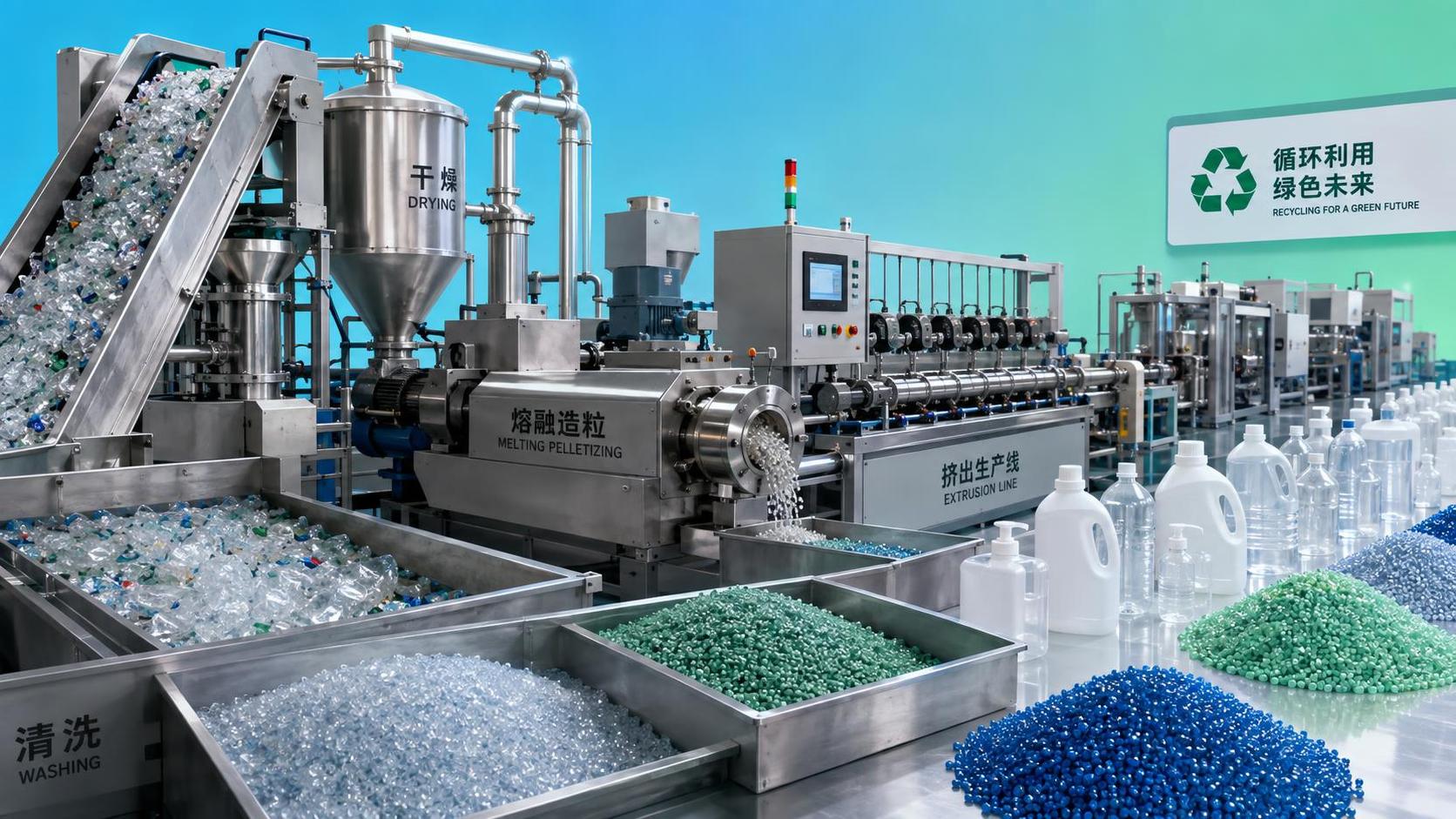
The first is feedstock economics. Recycled resins, compostable polymers, or certified bio-based inputs may have tighter supply, more variable quality, or higher certification costs than virgin materials.
The second is converting complexity. New materials may require different drying conditions, screw designs, melt temperatures, sealing windows, or mold settings to maintain output and quality.
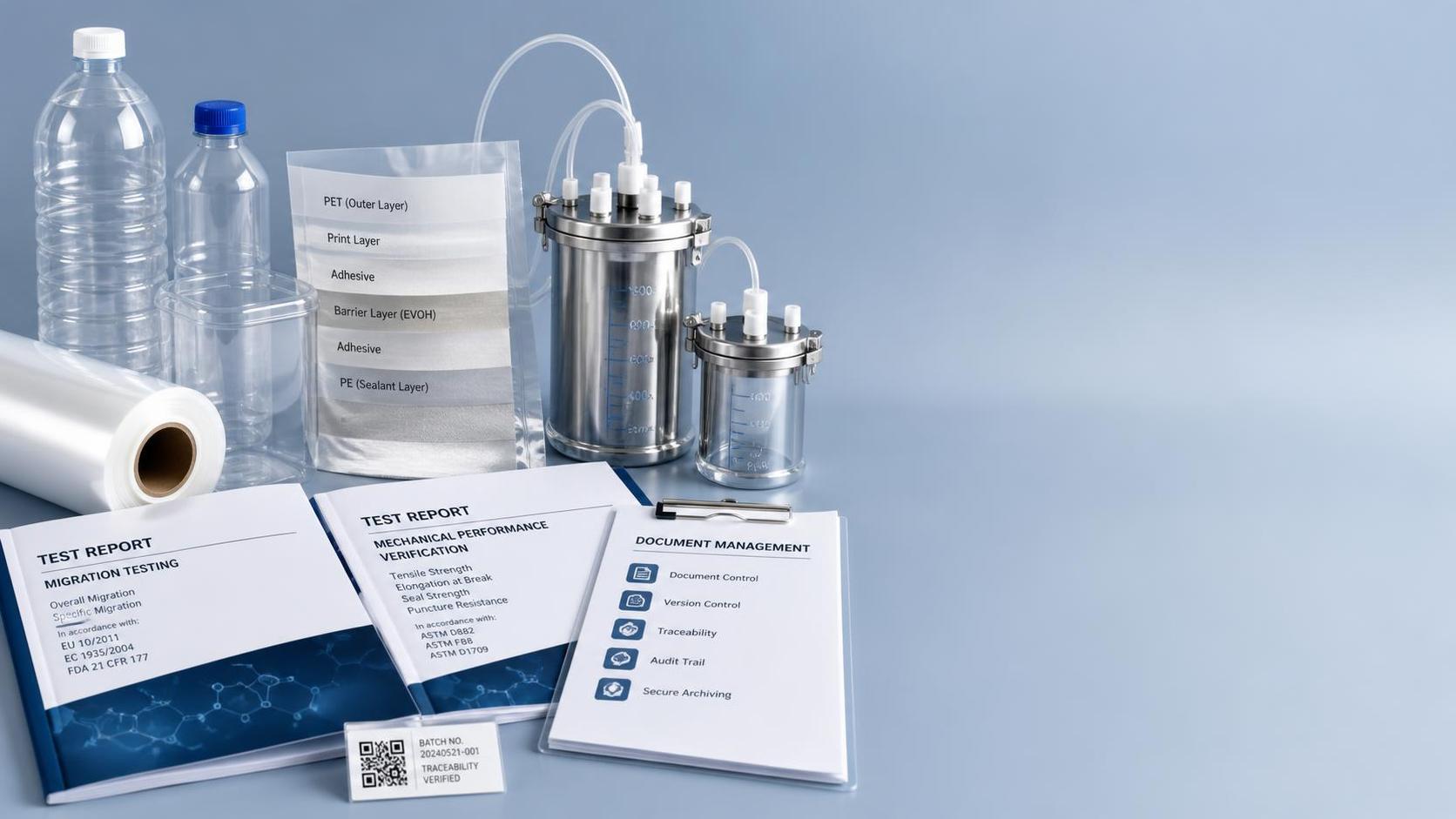
The third is qualification expense. Migration testing, shelf-life validation, drop tests, line trials, and retailer approvals can add non-trivial cost before rollout even begins.
The fourth is infrastructure mismatch. A pack may be technically recyclable, but if local collection and reprocessing systems are weak, the commercial and compliance value may be lower than expected.
What returns can justify the premium?
The strongest financial case appears when green packaging materials create value in multiple areas at once. Looking at one benefit in isolation can understate the full return.
One return category is risk reduction. Better alignment with packaging regulations can lower the chance of fees, reformulation pressure, market access barriers, or rushed redesign under compliance deadlines.
Another is revenue protection. Large brand owners and retailers increasingly require packaging sustainability progress from suppliers. Failing to adapt can weaken supplier status or reduce future bid competitiveness.
A third is operational efficiency. Some redesigned structures reduce resin consumption, transport weight, or scrap generation. In volume businesses, those small savings can compound meaningfully over time.
A fourth is capital market and reputational value. While harder to quantify directly, improved ESG positioning can support investor confidence, procurement credibility, and stronger stakeholder trust.
How regulation changes the ROI calculation
Regulation is one of the biggest reasons green packaging materials may be worth more upfront today than they were a few years ago. Compliance risk now has direct financial implications.
Governments and regional authorities are increasing pressure through plastic taxes, recycled content targets, producer responsibility schemes, and restrictions on difficult-to-recycle formats.
For finance leaders, this means future costs are becoming less theoretical. A packaging material that looks cheap today may become expensive once taxes, reporting obligations, or redesign costs are added.
This is especially relevant for companies selling across multiple jurisdictions. Different rules in Europe, North America, and Asia can turn packaging standardization into a strategic finance issue.
In that context, paying more now for a compliant and scalable packaging platform can be less costly than managing fragmented materials and repeated changes later.
Processing reality matters as much as sustainability claims
Not every green packaging material performs well in production. For businesses operating extrusion, blow molding, thermoforming, or injection molding systems, process stability must be part of the financial case.
Materials with poor melt consistency, narrow thermal windows, or high contamination sensitivity can create scrap, downtime, and maintenance cost that quickly erase sustainability benefits.
This is where cross-functional evaluation becomes essential. Procurement may see a greener resin option, but operations may see higher reject rates or slower throughput.
For finance teams, the right question is not only “What does the material cost?” but also “What does it do to line efficiency, energy use, and output quality?”
In polymer processing environments, technical intelligence is critical. Resin rheology, sealing behavior, and compatibility with recycling streams all affect the true business outcome.
Which green packaging materials tend to make the strongest business case?
The answer depends on product category, equipment base, and target market, but some material pathways generally offer clearer economic logic than others.
Lightweighted recyclable plastics often provide an attractive balance of cost, performance, and compliance. Reducing material usage while improving recovery potential can create direct financial benefits.
Post-consumer recycled content can also be compelling where customers demand it or taxes reward it. The challenge is managing price volatility and quality consistency through strong supplier partnerships.
Mono-material structures are gaining attention because they can simplify recycling and regulatory alignment. However, they must still meet barrier, sealing, and mechanical performance requirements.
Compostable materials can make sense in niche applications, especially where food contamination blocks recycling. But they often require careful review because infrastructure and disposal behavior vary widely.
How finance teams should evaluate the investment
A practical approval framework can reduce uncertainty. Instead of asking whether green packaging materials are broadly worth it, assess whether a specific conversion meets measurable thresholds.
Start with a baseline cost model. Include current material cost, scrap, logistics, taxes, waste management, customer requirements, and likely regulatory exposure over the next three to five years.
Then build a scenario model for the greener alternative. Add all transition costs such as trials, tooling, qualification, production learning curve, and inventory complexity during rollout.
Next, estimate value creation across four buckets: cost savings, risk reduction, revenue retention, and commercial upside. Assign realistic timing to each benefit rather than assuming immediate payback.
Finally, test sensitivity. Ask what happens if recycled resin prices rise, regulation accelerates, customer demand softens, or line efficiency underperforms. Good approvals survive stress testing.
Red flags that suggest the premium may not be worth it yet
Finance discipline also means knowing when to wait. Some projects are more symbolic than strategic and should be challenged before approval.
Be cautious if the material solves no real compliance or customer problem, creates major process instability, or lacks end-of-life infrastructure in the company’s main sales region.
Another warning sign is poor data quality. If the proposal relies on generic sustainability claims without trial evidence, lifecycle assumptions, or supplier transparency, decision risk is too high.
Also question projects with unclear ownership. If packaging, operations, procurement, and commercial teams are not aligned, hidden costs often appear after launch.
In short, green packaging materials are not automatically worth the premium. They are worth it when the economics, operations, and market context support the shift.
A simple decision rule for financial approvers
For most businesses, the best decision rule is this: approve the premium when greener packaging lowers future cost exposure, preserves market access, or creates operational and commercial gains that outweigh transition cost.
If the business faces tightening regulation, customer sustainability requirements, or unstable virgin resin economics, the case becomes much stronger.
If the packaging change also improves lightweighting, recyclability, or recycled content without harming production efficiency, the investment is often easier to defend financially.
But if the proposal adds cost without measurable strategic value, proven performance, or credible recovery pathways, a delay or pilot approach may be wiser.
Conclusion: worth it, but only with a full-value lens
Are green packaging materials worth the higher upfront cost? For finance decision-makers, the answer is often yes when evaluated through total value rather than purchase price alone.
The strongest cases combine compliance readiness, customer retention, lower lifecycle cost, and better resilience in an increasingly regulated packaging market.
As packaging rules evolve and circular economy expectations grow, the cost of doing nothing may become higher than the cost of change.
That is why the smartest approvals are not based on whether green packaging materials are cheaper today, but on whether they make the business stronger tomorrow.
Related News
- 00
0000-00
How to Evaluate Plastic Pelletizing Machine Suppliers for Output, Support, and Risk - 00
0000-00
How to Select a Plastic Pipe Manufacturing System for Output, Resin, and Pipe Range - 00
0000-00
How to Specify Injection Molding Equipment for High-Volume Closure Production - 00
0000-00
How to Specify a Medical Molding Machine for Cleanroom Device Production - 00
0000-00
Plastic Extrusion Technology for Films: Process Controls That Improve Gauge Uniformity
Weekly Insights
Stay ahead with our curated technology reports delivered every Monday.
Related News
 Ms. Elena RodriguezHow to Evaluate Plastic Recycling Machinery for UAE Heat, Feedstock, and Output NeedsPlastic recycling machinery UAE buyers: evaluate heat resilience, feedstock handling, cooling, pellet quality, energy use, and lifecycle cost for reliable output.Sep 28, 2026
 Ms. Elena RodriguezGerman Extrusion Equipment Suppliers: Comparing Service, Lead Times, and Lifecycle CostExtrusion equipment Germany suppliers compared: evaluate service coverage, credible lead times, spare-parts access, and lifecycle cost to select a reliable, future-ready production partner.Sep 22, 2026
 Ms. Elena RodriguezWhat Should You Check Before Buying a Used Plastic Recycling Line?What should I check before buying a used plastic recycling line? Explore feedstock fit, wear, trials, utilities, controls, and restoration costs before you invest.Sep 26, 2026
 Ms. Elena RodriguezHow to Compare Pelletizing Lines by Energy Use per TonHow do I compare pelletizing lines by kWh per ton? Learn to measure total energy, verify saleable output, and select a cost-efficient line.Sep 23, 2026
 Ms. Elena RodriguezTyre Cutter Blade Wear: When Capacity Loss Needs Inspectionшинорез blade wear can quietly reduce tyre-cutting capacity. Learn the warning signs, inspection triggers, and maintenance actions that protect output and uptime.Sep 28, 2026
 Ms. Elena RodriguezIn-House Recycling for Factory Scrap: How to Reduce Material Waste and Disposal CostsIn house recycling for factory scrap helps manufacturers cut material waste, reduce disposal costs, and create controlled, quality-focused reuse loops.Sep 07, 2026
 Ms. Elena RodriguezHow Recyclable Packaging Manufacturing Balances Material Recovery and Production CostRecyclable packaging manufacturing: discover how smarter design, feedstock control, and process optimization reduce recovery costs while improving quality and yield.Sep 04, 2026
 Ms. Elena RodriguezHow to Evaluate a Plastic Recycling Systems Supplier for Your Processing NeedsChoose the right plastic recycling systems supplier with a practical guide to feedstock fit, output quality, total cost, testing, service, and compliance.Sep 01, 2026
 Ms. Elena RodriguezCE Marking for Plastic Processing Equipment: Documentation and Safety ChecksPlastic processing equipment CE compliance: learn the essential documentation, risk assessments, safety checks, and validation steps for reliable EU market access.Aug 30, 2026
 Ms. Elena RodriguezPlastic Packaging Compliance Standards: What Tests and Documents Matter Most?Plastic packaging compliance standards explained: learn which migration tests, mechanical checks, and audit-ready documents matter most to reduce risk and pass reviews with confidence.Aug 25, 2026
 Ms. Elena RodriguezHow to Evaluate a Plastic Waste Recycling System for Capacity, Contamination, and ROIPlastic waste recycling system evaluation made practical: compare true capacity, contamination control, and ROI to choose a line that delivers stable output and stronger returns.Aug 24, 2026
 Ms. Elena RodriguezPackaging Molding Equipment Price: What Drives Cost and How to Compare Quotes?Packaging molding equipment price varies by machine type, automation, tooling, energy use, and service scope. Learn what drives cost and how to compare quotes with confidence.Aug 21, 2026
 Ms. Elena RodriguezWhat Packaging Machinery for Plastic Containers Should You Choose for High-Volume Production?Packaging machinery for plastics containers can make or break high-volume production. Learn how to choose the right line for speed, consistency, compliance, and lower lifecycle costs.Aug 16, 2026
 Ms. Elena RodriguezWhat Circular Plastics Mean for Automotive Parts and Material SelectionCircular plastics for automotive are reshaping part selection with lower weight, better sustainability, and reliable performance. Discover how engineers balance recycled content, durability, and compliance.Aug 15, 2026
 Ms. Elena RodriguezBroiler Farming in Cage System: Selection Factors for Commercial FarmsBroiler farming in cage system selection for commercial farms: compare structure, ventilation, automation, and manure handling to improve efficiency and avoid costly mistakes.Aug 14, 2026
 Ms. Elena RodriguezHow to Implement Smart Polymer Manufacturing Without Disrupting Existing Production?Smart polymer manufacturing implementation made practical: learn how to upgrade existing production with phased digitalization, less downtime, better control, and measurable ROI.Aug 11, 2026
 Ms. Elena RodriguezHow to Evaluate a Rubber Compression Molding Supplier for Complex Part ProductionRubber compression molding supplier selection for complex parts starts with process, material, and tooling control. Learn how to compare vendors beyond price and reduce launch risk.Aug 10, 2026
 Ms. Elena RodriguezPackaging Compliance in Canada: Key Labeling and EPR Rules Importers Must KnowPackaging compliance Canada explained for importers: learn bilingual labeling, environmental claims, and provincial EPR rules to reduce risk, avoid costly errors, and stay market-ready.Aug 03, 2026
 Ms. Elena RodriguezWhy Circular Plastics Economy Traceability Matters for Recycled Content ComplianceCircular plastics economy traceability is essential for proving recycled content compliance across sourcing, processing, and reporting. Learn how strong evidence reduces audit risk.Aug 02, 2026
 Ms. Elena RodriguezRecycled Plastic Compliance: Key Standards, Testing Requirements, and DocumentationRecycled plastic compliance explained: key standards, testing requirements, supplier documents, and food-contact risks to help you avoid approval delays and costly compliance mistakes.Aug 01, 2026