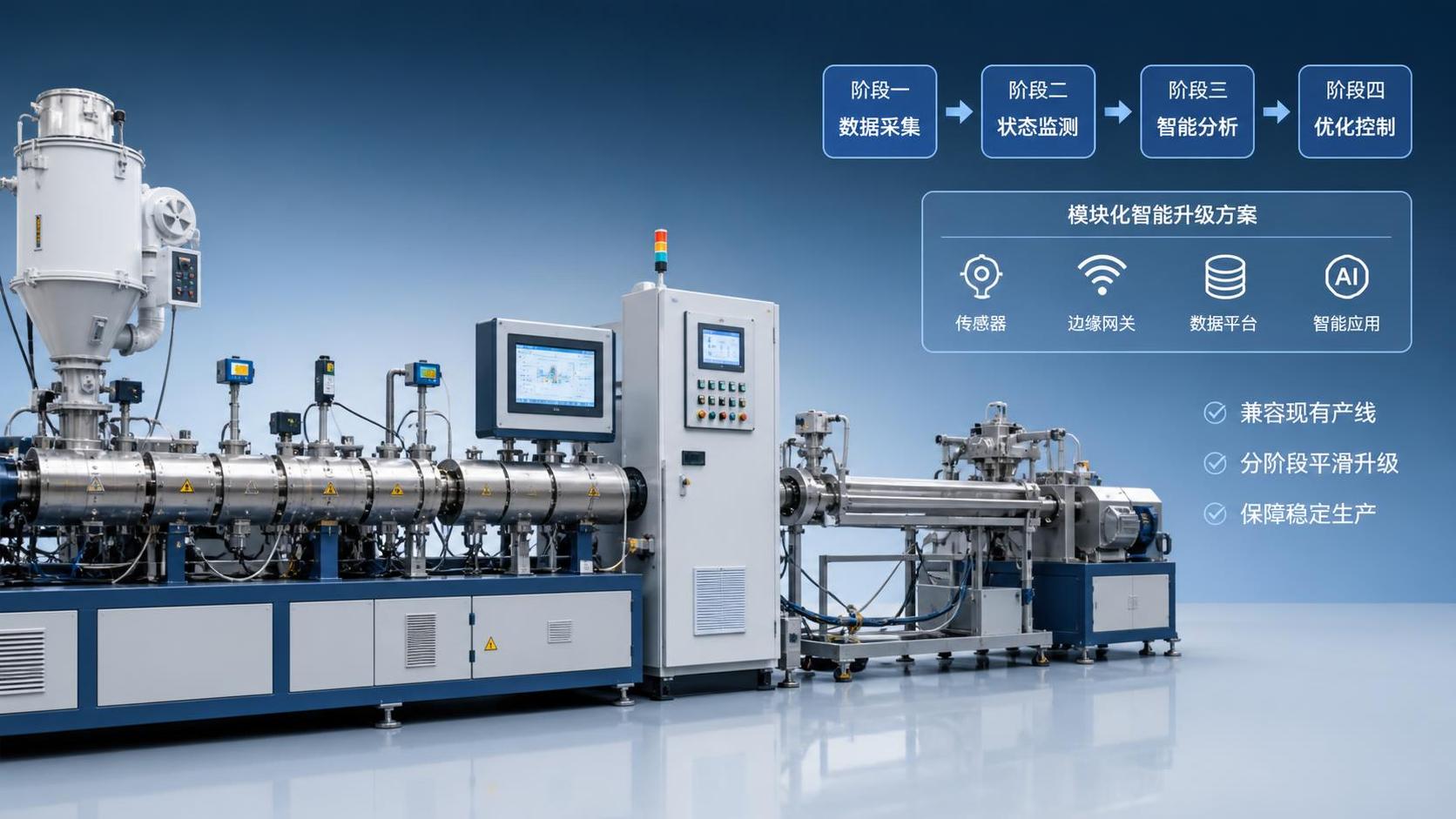
Is polymer smart manufacturing worth the upgrade cost




Is polymer smart manufacturing worth the upgrade cost? In many cases, yes, but only when the investment is tied to measurable operational outcomes.
For polymer processing, the real value comes from higher uptime, lower scrap, better energy control, faster changeovers, and stronger traceability.
That is why polymer smart manufacturing is no longer just an automation trend. It is becoming a practical framework for profitability, compliance, and resilience.
Across injection molding, extrusion, blow molding, vulcanization, and recycling, upgrade decisions should be judged by lifecycle ROI rather than purchase price alone.
What does polymer smart manufacturing actually include?
Polymer smart manufacturing combines connected equipment, process sensors, software analytics, and automated control to improve polymer production performance.

It is not limited to one machine. It links the full process chain, from raw material feeding to forming, quality checks, packaging, and recycling loops.
In injection molding, it may include cavity pressure monitoring, AI holding pressure optimization, and predictive maintenance for servo systems.
In extrusion, it often means melt pressure sensing, screw load analysis, recipe management, and digital control of temperature zones.
In rubber vulcanization, smart upgrades can track curing cycles, mold temperature, and press consistency to stabilize product performance.
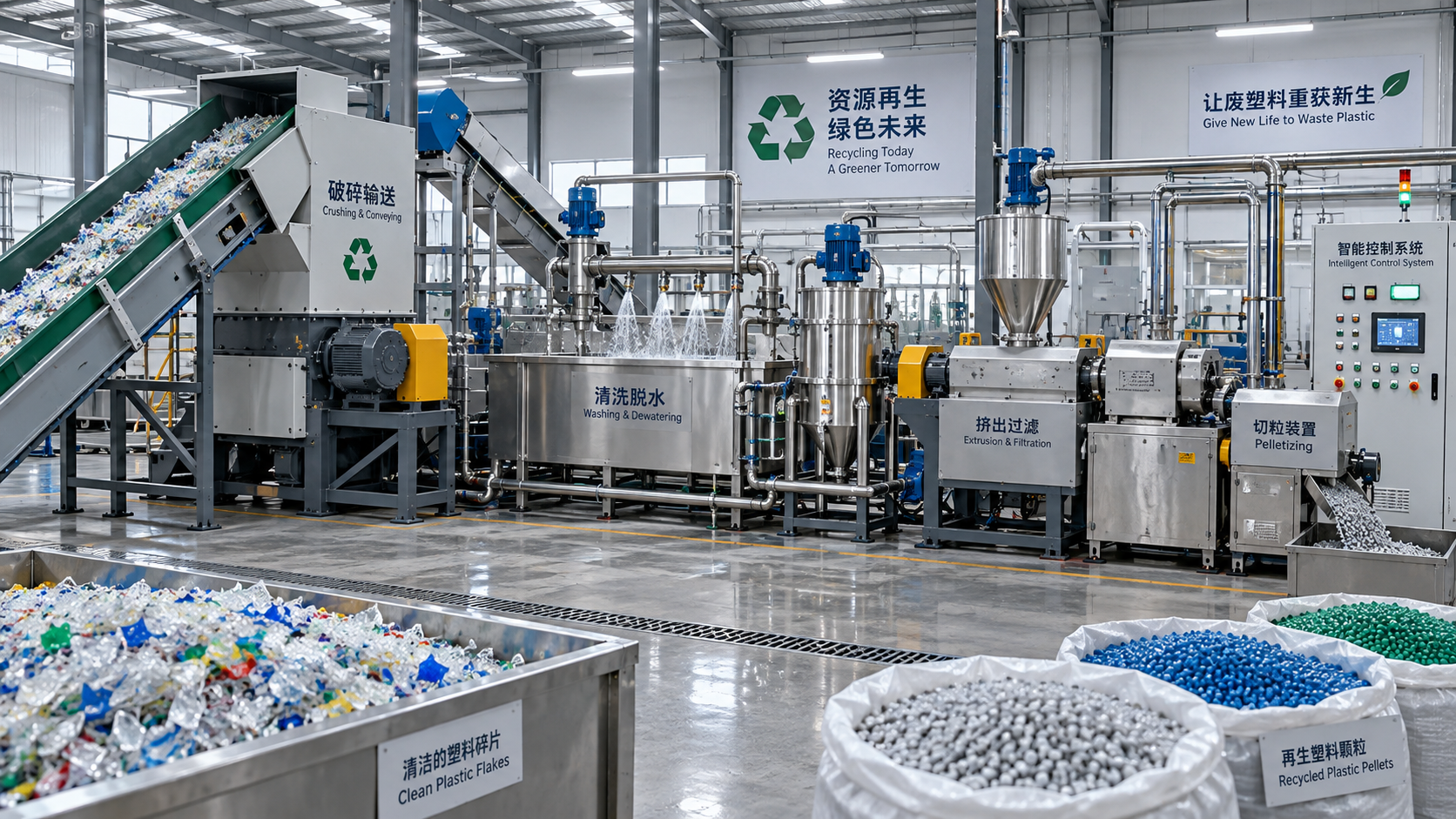
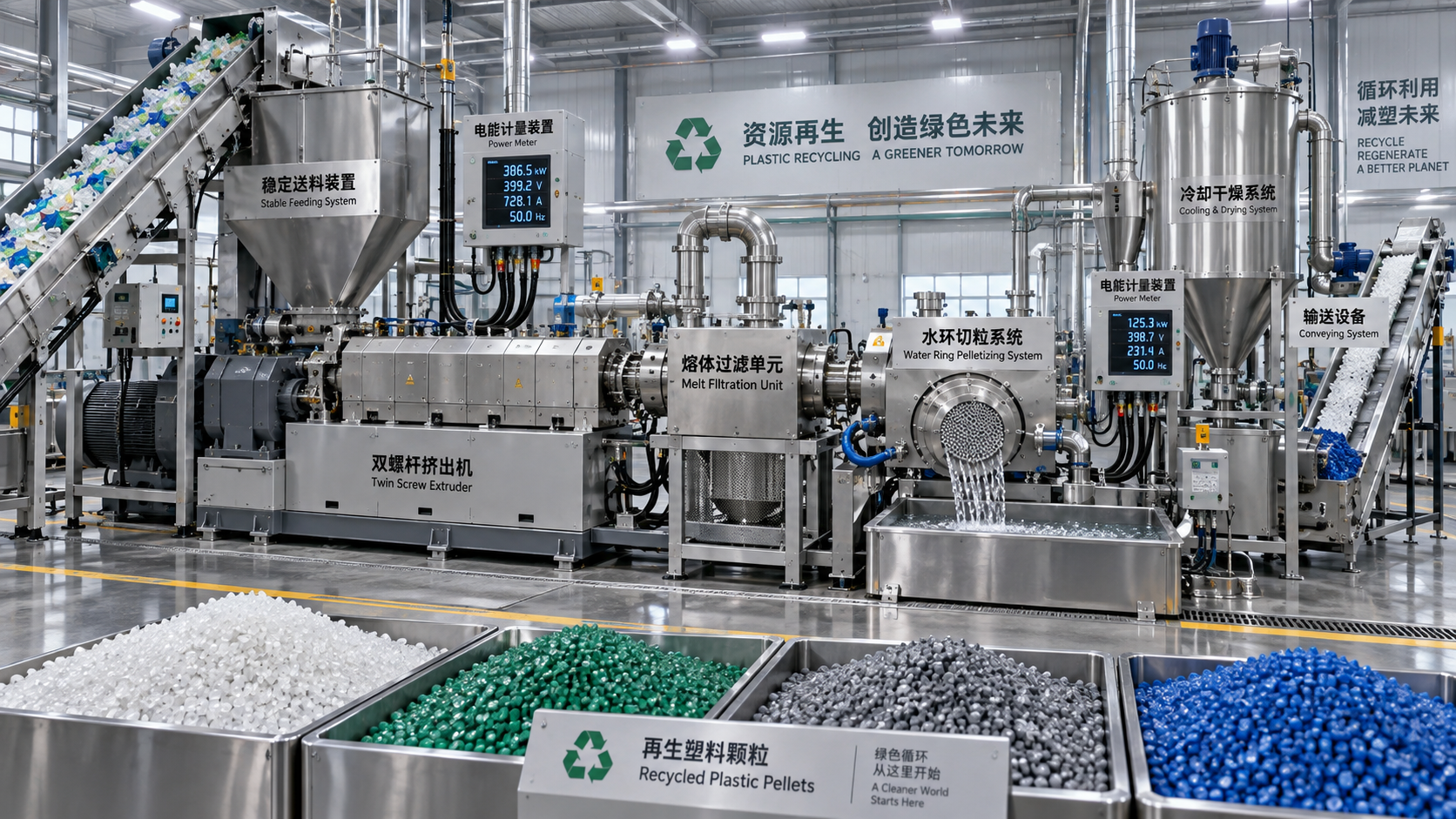
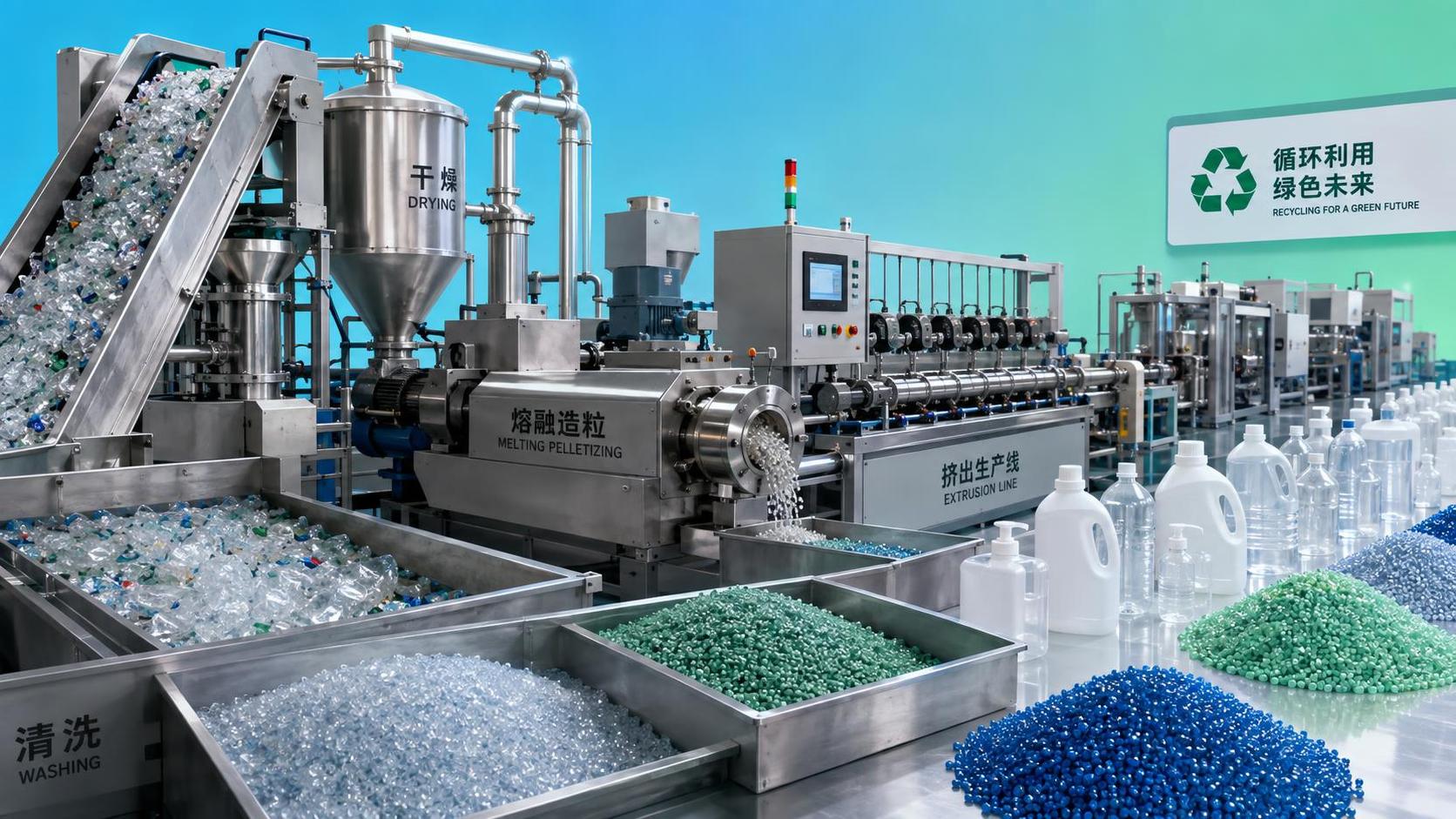
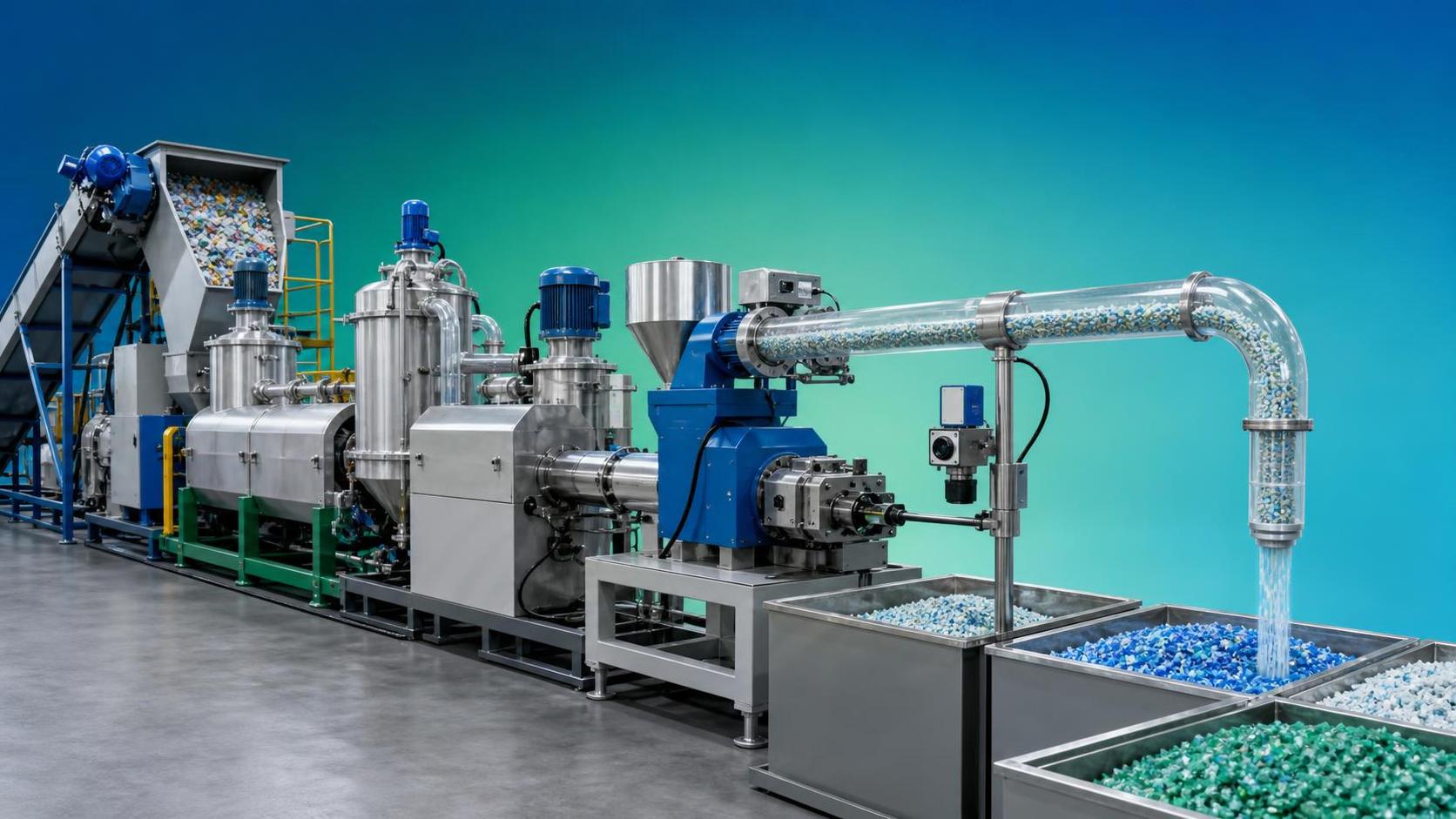
In plastic recycling, polymer smart manufacturing may monitor washing efficiency, melt filtration, pellet consistency, and contamination trends.
The core idea is simple. Better data leads to faster decisions, tighter control, and less waste across the material lifecycle.
Why is polymer smart manufacturing becoming a strategic investment?
Margins in polymer processing are under pressure from energy costs, labor shortages, resin volatility, and stricter environmental requirements.
Traditional operations often rely on operator experience, delayed reporting, and manual quality checks. That slows reaction time and hides avoidable losses.
Polymer smart manufacturing addresses this gap by turning hidden process variation into visible, actionable information.
That matters in regulated packaging, medical parts, automotive components, cable compounds, agricultural films, and recycled resin applications.
It also supports broader business goals. These include ESG reporting, energy reduction, digital compliance records, and better supply chain coordination.
For organizations following the PFRS vision, polymer smart manufacturing helps connect precision shaping with circular material recovery.
How can the upgrade cost be evaluated beyond the initial price?
The biggest mistake is treating the project as a hardware purchase only. The better approach is to calculate total value over time.
A strong business case for polymer smart manufacturing usually includes five measurable areas:
- Throughput improvement from reduced downtime and faster stabilization
- Energy savings from optimized heating, drives, and cycle management
- Scrap reduction through tighter process consistency
- Labor efficiency from automated data capture and fewer manual interventions
- Compliance readiness through traceable production records
For example, a small scrap reduction can create major savings when resin prices are high or recycled material quality is inconsistent.
Likewise, one avoided unplanned shutdown on a critical extrusion or molding line may justify a large share of the software and sensor cost.
Lifecycle ROI should include maintenance, training, integration, and expected productivity gains over three to seven years.
Quick decision table for upgrade value
Which operations benefit most from polymer smart manufacturing?
Not every line gains equally. The best candidates usually combine process complexity, high volume, quality sensitivity, and costly downtime.
Injection molding lines producing medical, optical, automotive, or technical parts often benefit from advanced parameter control and traceability.
Extrusion lines gain value when formulations vary, output is continuous, and melt consistency directly affects downstream quality.
Blow molding operations can use polymer smart manufacturing to monitor wall thickness consistency, heating balance, and bottle defect trends.
Rubber curing lines benefit where cycle precision affects seal durability, tire performance, or dimensional reliability.
Recycling systems often see strong returns because contamination, moisture, and melt stability are difficult to manage manually.
High-mix, low-volume environments may still benefit, but they need flexible software and realistic implementation scopes.
What risks and misconceptions can weaken ROI?
One common misconception is that polymer smart manufacturing delivers instant gains after installation. In reality, performance improves through tuning, training, and disciplined use.
Another risk is buying isolated technology without integration into production planning, maintenance routines, or quality systems.
Some projects fail because data is collected but not translated into operating decisions. Dashboards alone do not improve output.
Cybersecurity, legacy machine compatibility, and sensor calibration are also practical concerns that should be addressed early.
The safest path is phased deployment. Start with one bottleneck line, define baseline metrics, and compare results against pre-upgrade performance.
That approach reduces capital risk and creates a stronger internal case for wider polymer smart manufacturing adoption.
Warning signs before investing
- No baseline data on scrap, uptime, or energy
- No owner for implementation and follow-up
- Software selected before process pain points are defined
- Legacy equipment interfaces ignored during planning
- Training budget excluded from ROI calculations
How should an upgrade roadmap be built for practical results?
A useful roadmap begins with process mapping. Identify where variation, waste, rework, or downtime cause the greatest financial damage.
Next, select metrics that matter. Examples include cycle time stability, specific energy consumption, reject rate, OEE, and maintenance response time.
Then choose the smallest upgrade package that can prove value. This may be sensors, machine connectivity, analytics, or closed-loop control.
After validation, connect additional assets across molding, extrusion, vulcanization, or recycling lines to build a broader polymer smart manufacturing system.
In parallel, standardize recipes, alerts, and response actions. Technology works best when process discipline supports it.
For circular manufacturing goals, include traceability between virgin resin, regrind, recycled pellets, and final product quality records.
Suggested implementation sequence
- Audit current process losses and digital readiness
- Prioritize one high-value pilot line
- Set ROI targets and measurement rules
- Deploy, train, and review after a fixed operating period
- Scale only after verified results
FAQ summary: when is polymer smart manufacturing worth the cost?
So, is polymer smart manufacturing worth the upgrade cost? It is worth it when the project is linked to operational pain points and measured with discipline.
The strongest cases appear where precision, energy use, compliance, and recycled material control directly affect competitiveness.
A practical next step is to review one production line, capture baseline losses, and test a focused polymer smart manufacturing pilot.
That method turns a broad digital idea into a financial decision supported by data, not assumptions.
Related News
- 00
0000-00
How to Evaluate Plastic Pelletizing Machine Suppliers for Output, Support, and Risk - 00
0000-00
How to Select a Plastic Pipe Manufacturing System for Output, Resin, and Pipe Range - 00
0000-00
How to Specify Injection Molding Equipment for High-Volume Closure Production - 00
0000-00
How to Specify a Medical Molding Machine for Cleanroom Device Production - 00
0000-00
Plastic Extrusion Technology for Films: Process Controls That Improve Gauge Uniformity
Weekly Insights
Stay ahead with our curated technology reports delivered every Monday.
Related News
 Ms. Elena RodriguezHow to Evaluate Plastic Recycling Machinery for UAE Heat, Feedstock, and Output NeedsPlastic recycling machinery UAE buyers: evaluate heat resilience, feedstock handling, cooling, pellet quality, energy use, and lifecycle cost for reliable output.Sep 28, 2026
 Ms. Elena RodriguezGerman Extrusion Equipment Suppliers: Comparing Service, Lead Times, and Lifecycle CostExtrusion equipment Germany suppliers compared: evaluate service coverage, credible lead times, spare-parts access, and lifecycle cost to select a reliable, future-ready production partner.Sep 22, 2026
 Ms. Elena RodriguezWhat Should You Check Before Buying a Used Plastic Recycling Line?What should I check before buying a used plastic recycling line? Explore feedstock fit, wear, trials, utilities, controls, and restoration costs before you invest.Sep 26, 2026
 Ms. Elena RodriguezHow to Compare Pelletizing Lines by Energy Use per TonHow do I compare pelletizing lines by kWh per ton? Learn to measure total energy, verify saleable output, and select a cost-efficient line.Sep 23, 2026
 Ms. Elena RodriguezTyre Cutter Blade Wear: When Capacity Loss Needs Inspectionшинорез blade wear can quietly reduce tyre-cutting capacity. Learn the warning signs, inspection triggers, and maintenance actions that protect output and uptime.Sep 28, 2026
 Ms. Elena RodriguezIn-House Recycling for Factory Scrap: How to Reduce Material Waste and Disposal CostsIn house recycling for factory scrap helps manufacturers cut material waste, reduce disposal costs, and create controlled, quality-focused reuse loops.Sep 07, 2026
 Ms. Elena RodriguezHow Recyclable Packaging Manufacturing Balances Material Recovery and Production CostRecyclable packaging manufacturing: discover how smarter design, feedstock control, and process optimization reduce recovery costs while improving quality and yield.Sep 04, 2026
 Ms. Elena RodriguezHow to Evaluate a Plastic Recycling Systems Supplier for Your Processing NeedsChoose the right plastic recycling systems supplier with a practical guide to feedstock fit, output quality, total cost, testing, service, and compliance.Sep 01, 2026
 Ms. Elena RodriguezCE Marking for Plastic Processing Equipment: Documentation and Safety ChecksPlastic processing equipment CE compliance: learn the essential documentation, risk assessments, safety checks, and validation steps for reliable EU market access.Aug 30, 2026
 Ms. Elena RodriguezPlastic Packaging Compliance Standards: What Tests and Documents Matter Most?Plastic packaging compliance standards explained: learn which migration tests, mechanical checks, and audit-ready documents matter most to reduce risk and pass reviews with confidence.Aug 25, 2026
 Ms. Elena RodriguezHow to Evaluate a Plastic Waste Recycling System for Capacity, Contamination, and ROIPlastic waste recycling system evaluation made practical: compare true capacity, contamination control, and ROI to choose a line that delivers stable output and stronger returns.Aug 24, 2026
 Ms. Elena RodriguezPackaging Molding Equipment Price: What Drives Cost and How to Compare Quotes?Packaging molding equipment price varies by machine type, automation, tooling, energy use, and service scope. Learn what drives cost and how to compare quotes with confidence.Aug 21, 2026
 Ms. Elena RodriguezWhat Packaging Machinery for Plastic Containers Should You Choose for High-Volume Production?Packaging machinery for plastics containers can make or break high-volume production. Learn how to choose the right line for speed, consistency, compliance, and lower lifecycle costs.Aug 16, 2026
 Ms. Elena RodriguezWhat Circular Plastics Mean for Automotive Parts and Material SelectionCircular plastics for automotive are reshaping part selection with lower weight, better sustainability, and reliable performance. Discover how engineers balance recycled content, durability, and compliance.Aug 15, 2026
 Ms. Elena RodriguezBroiler Farming in Cage System: Selection Factors for Commercial FarmsBroiler farming in cage system selection for commercial farms: compare structure, ventilation, automation, and manure handling to improve efficiency and avoid costly mistakes.Aug 14, 2026
 Ms. Elena RodriguezHow to Implement Smart Polymer Manufacturing Without Disrupting Existing Production?Smart polymer manufacturing implementation made practical: learn how to upgrade existing production with phased digitalization, less downtime, better control, and measurable ROI.Aug 11, 2026
 Ms. Elena RodriguezHow to Evaluate a Rubber Compression Molding Supplier for Complex Part ProductionRubber compression molding supplier selection for complex parts starts with process, material, and tooling control. Learn how to compare vendors beyond price and reduce launch risk.Aug 10, 2026
 Ms. Elena RodriguezPackaging Compliance in Canada: Key Labeling and EPR Rules Importers Must KnowPackaging compliance Canada explained for importers: learn bilingual labeling, environmental claims, and provincial EPR rules to reduce risk, avoid costly errors, and stay market-ready.Aug 03, 2026
 Ms. Elena RodriguezWhy Circular Plastics Economy Traceability Matters for Recycled Content ComplianceCircular plastics economy traceability is essential for proving recycled content compliance across sourcing, processing, and reporting. Learn how strong evidence reduces audit risk.Aug 02, 2026
 Ms. Elena RodriguezRecycled Plastic Compliance: Key Standards, Testing Requirements, and DocumentationRecycled plastic compliance explained: key standards, testing requirements, supplier documents, and food-contact risks to help you avoid approval delays and costly compliance mistakes.Aug 01, 2026