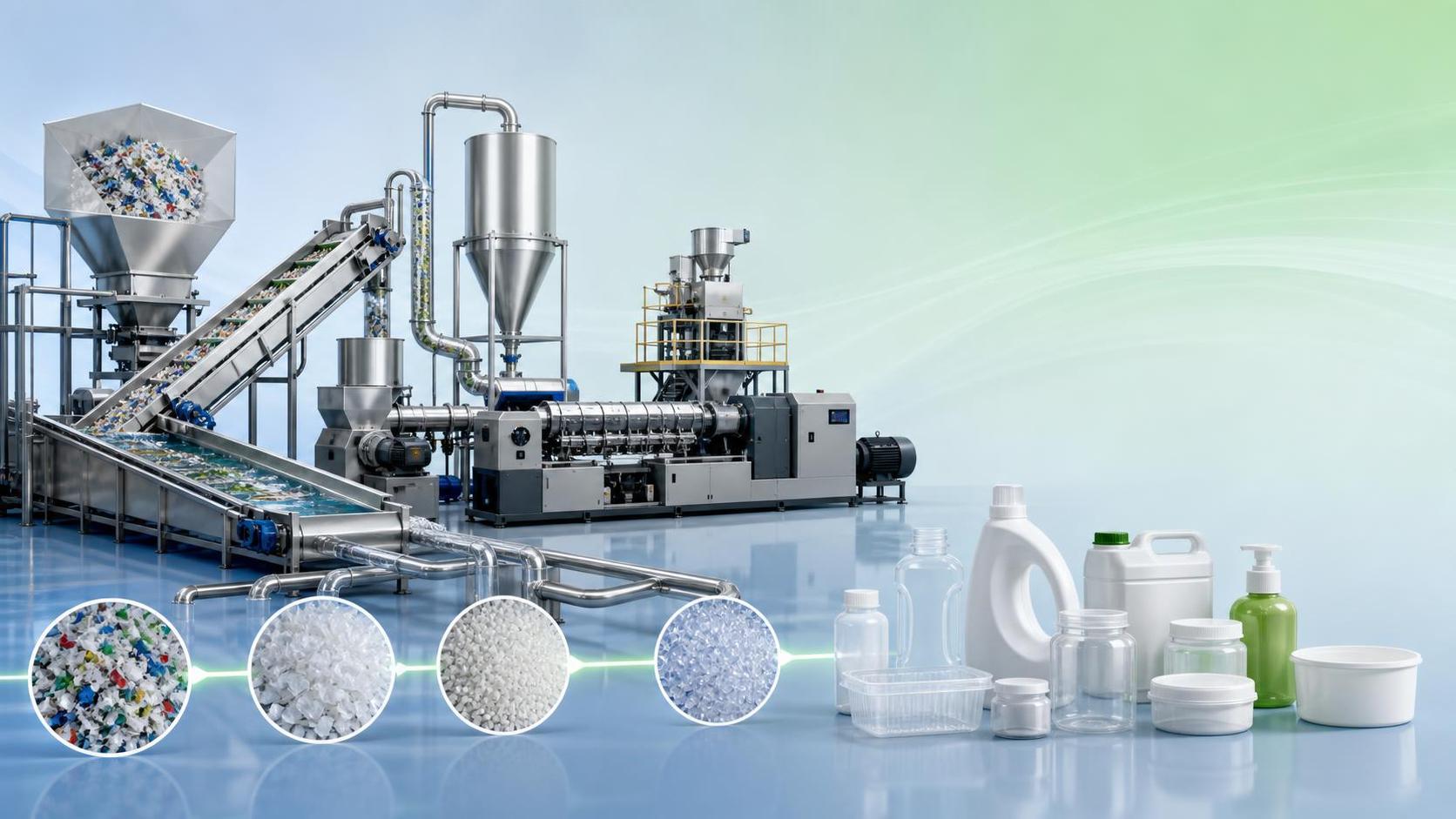
Are green packaging materials worth the higher cost




Are green packaging materials worth the higher cost for budget-conscious decision-makers? The answer is no longer about comparing two purchase prices.
Across packaging, polymer processing, and recycling systems, cost now includes compliance exposure, recovery value, energy use, rejection rates, and brand resilience.
That is why green packaging materials are moving from a premium option to a strategic operating variable.
For businesses connected to injection molding, extrusion, blow molding, vulcanization, and waste plastic recovery, the real question is different.
The better question is whether conventional packaging still remains cheaper after accounting for future disruption and full lifecycle performance.
Why green packaging materials are gaining economic relevance now
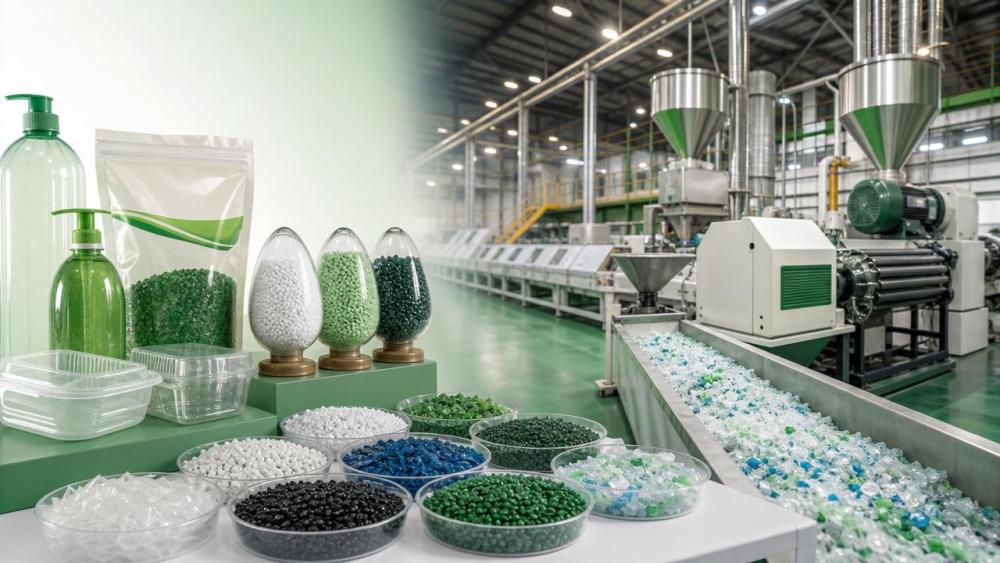
Recent market shifts have changed the cost logic behind green packaging materials.
Virgin resin prices remain exposed to energy shocks, geopolitical friction, and supply chain interruptions.
At the same time, packaging laws are becoming more specific about recyclability, material traceability, and post-consumer content.
ESG reporting also pushes companies to show measurable progress, not just broad sustainability claims.
This is especially important in polymer-intensive sectors, where equipment efficiency and material selection directly shape waste rates and carbon intensity.
PFRS closely tracks this intersection between processing technology and environmental packaging compliance.
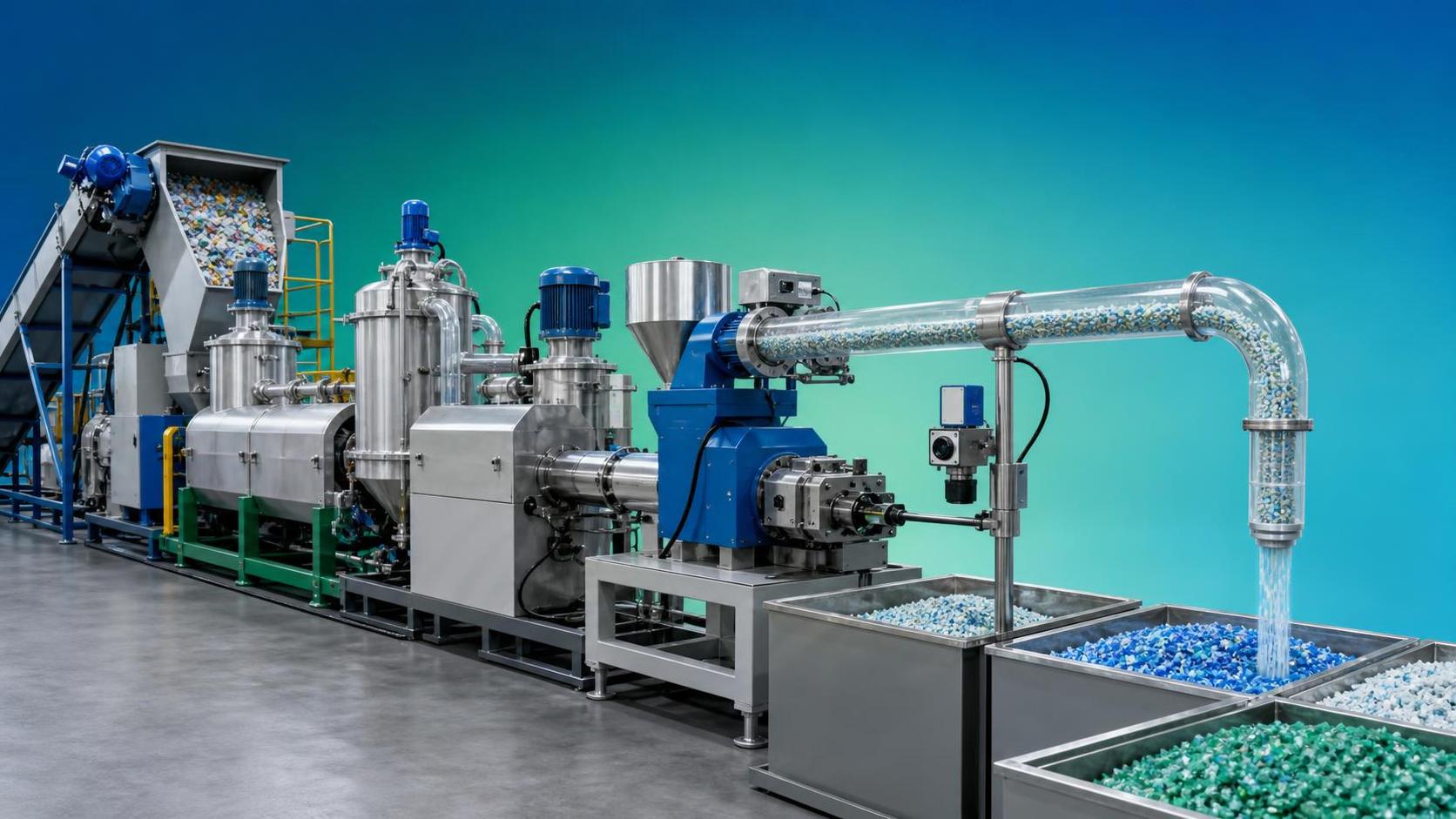
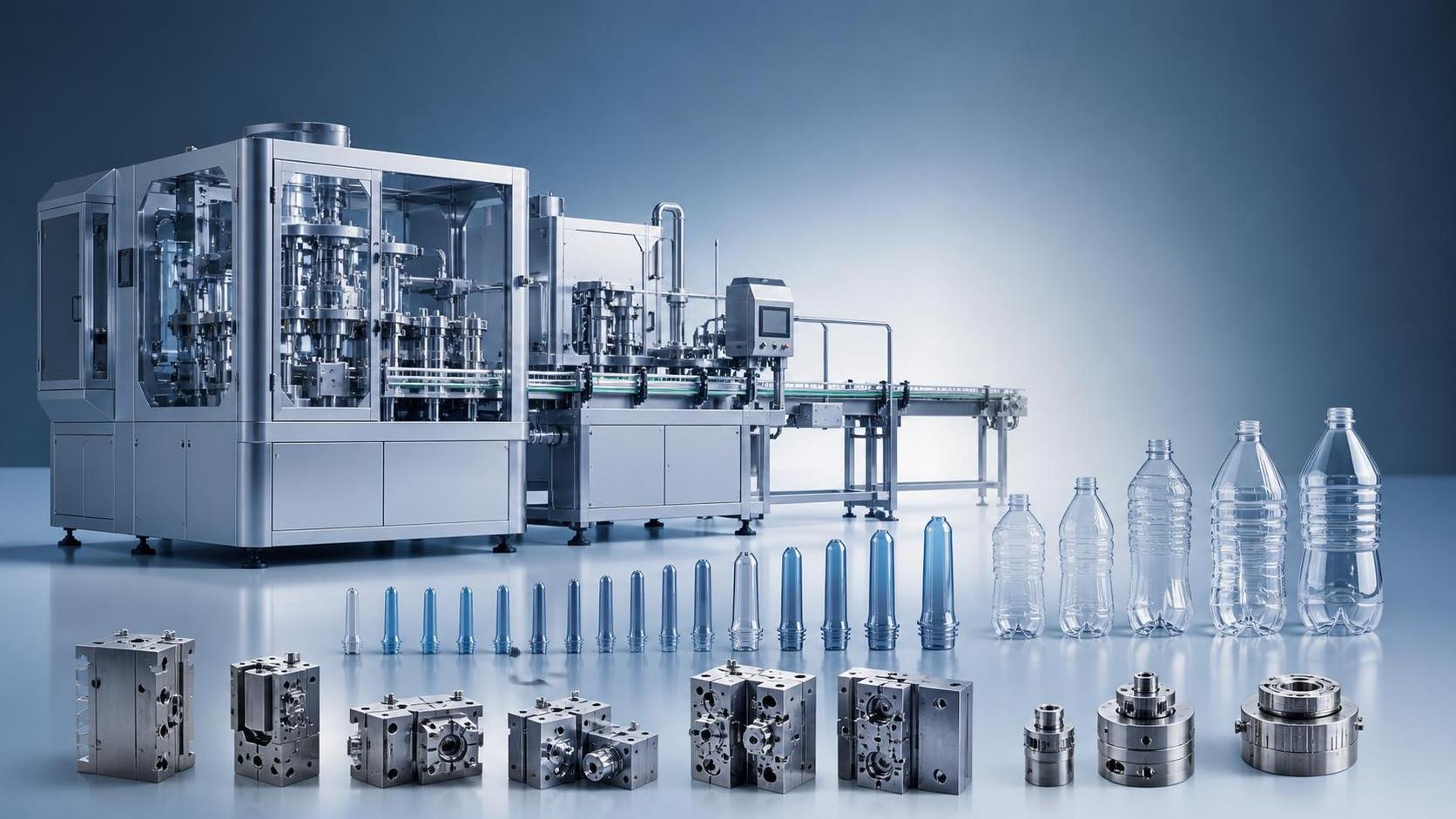
Smarter extrusion compounding, tighter injection control, and improved pelletizing lines can reduce the effective premium of green packaging materials.
The higher price of green packaging materials often reflects several hidden market forces
The upfront premium usually comes from more than one source.
This means green packaging materials should be judged through total system economics, not material cost alone.
Where green packaging materials can reduce total cost over time
In many cases, green packaging materials create payback outside the purchasing ledger.
1. Compliance risk can become more expensive than material premiums
Packaging rules increasingly penalize formats that are hard to recycle or difficult to verify.
A lower-cost package can become high-cost once fees, redesign deadlines, relabeling, or restricted market access are considered.
2. Better design can lower scrap and improve process stability
Well-matched green packaging materials often perform better when processing settings are optimized.
Servo injection systems, advanced extruder control, and melt filtration can reduce variation, rejects, and startup waste.
3. Recovery value matters more in circular supply chains
Packaging designed for easier collection and reprocessing can retain more downstream value.
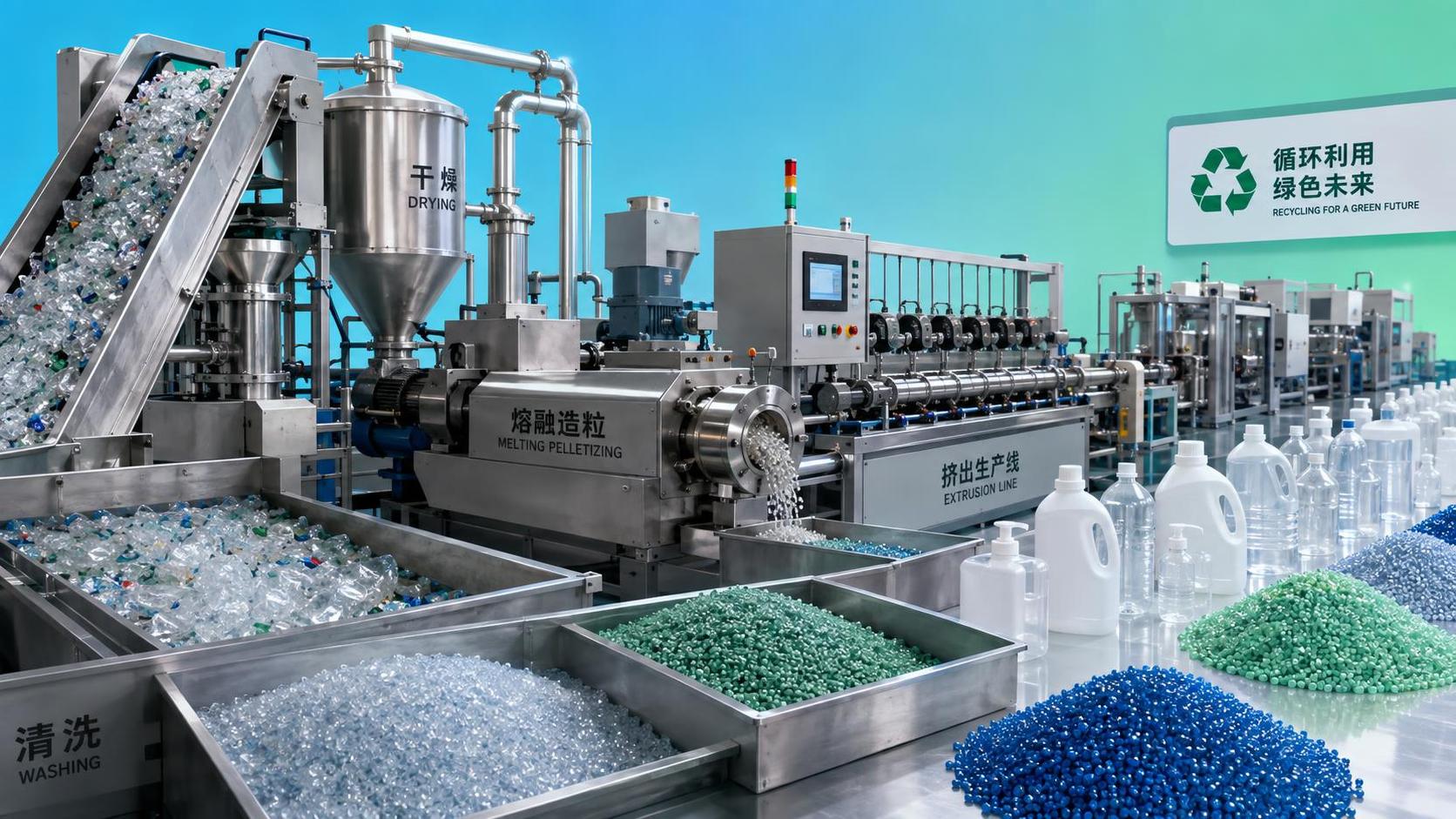
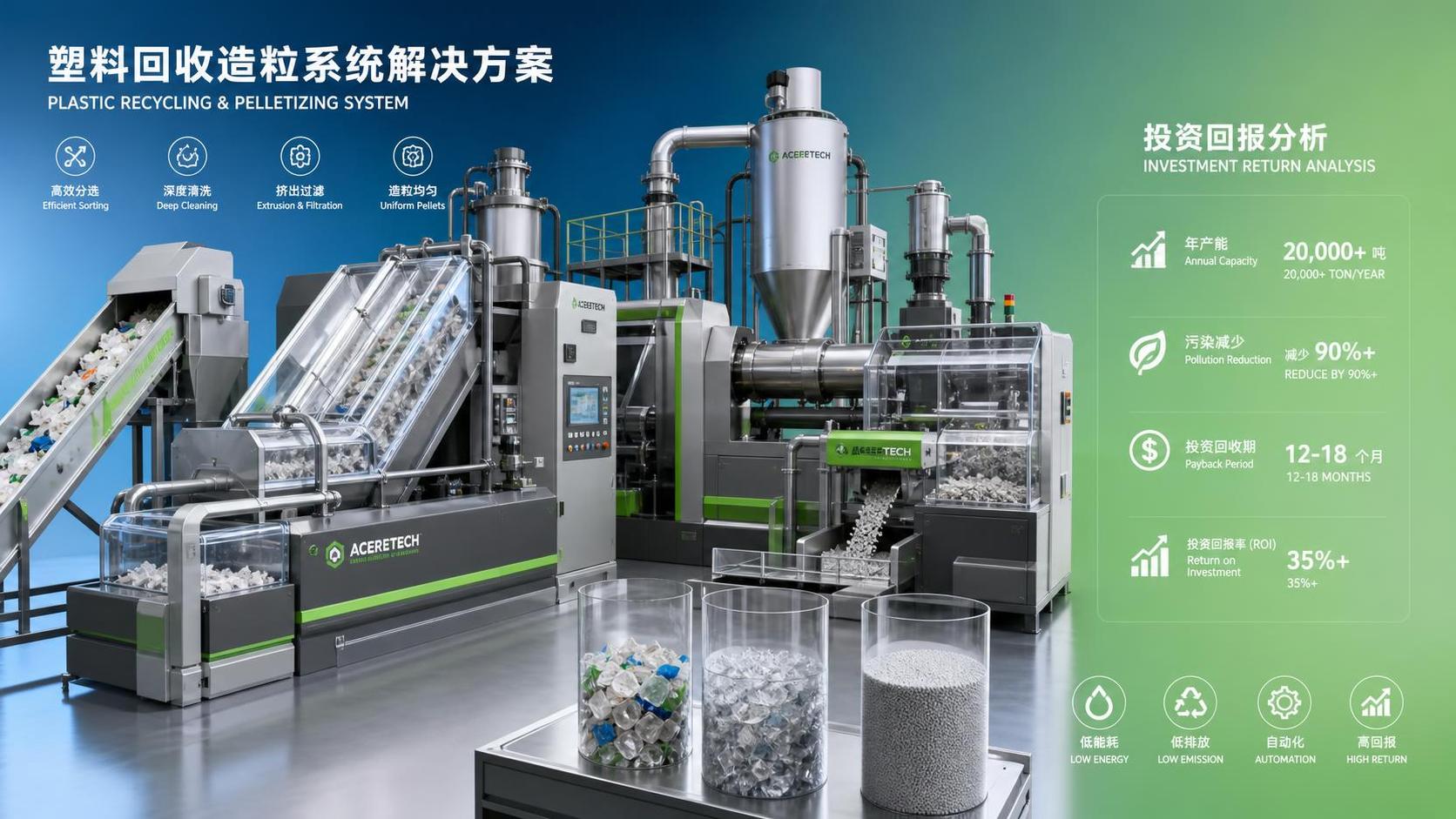
That is particularly true when in-house recycling lines convert scrap into reusable pellets.
4. Brand and channel access can justify the premium
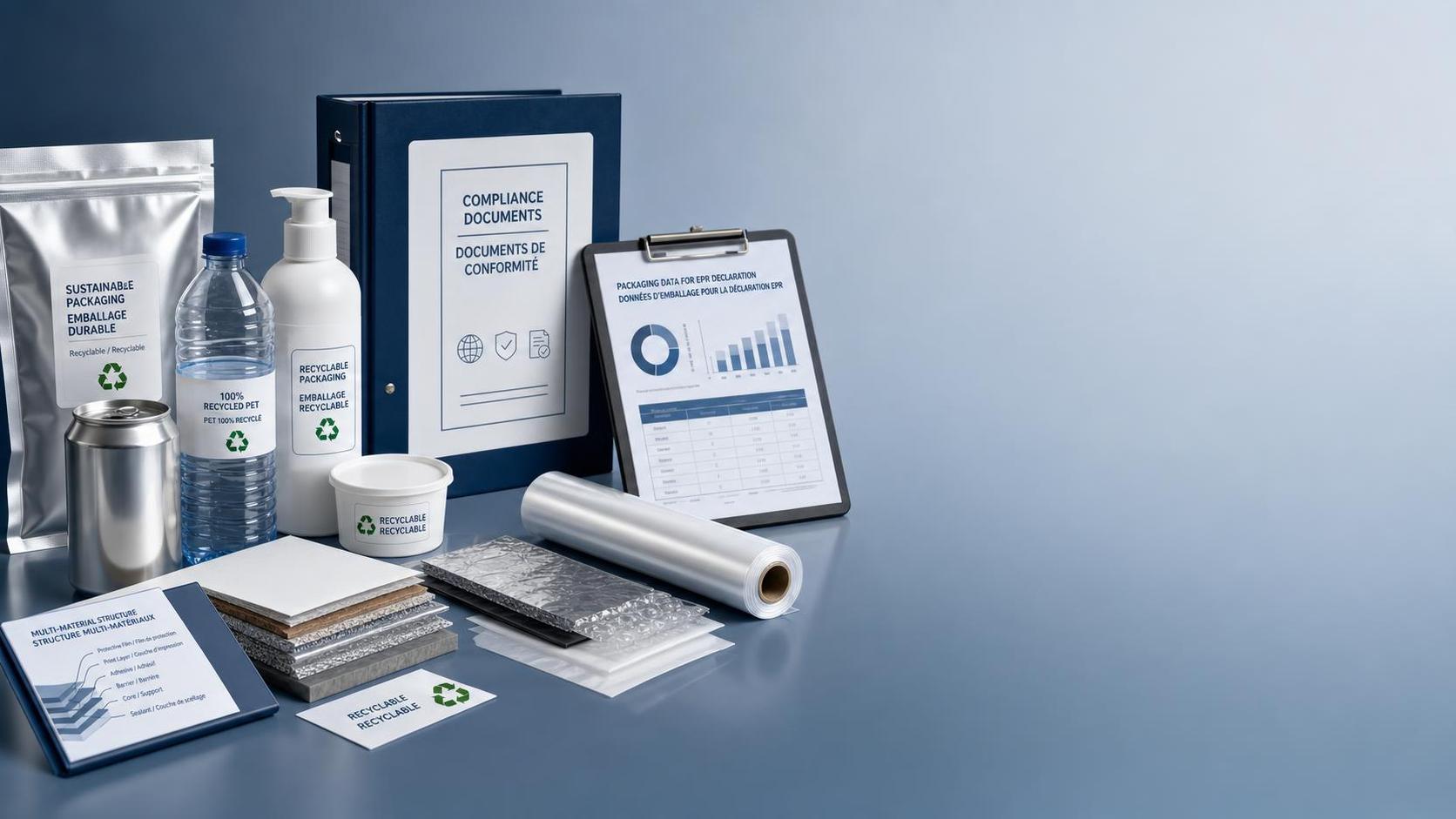
Retailers, global buyers, and regulated sectors increasingly expect documented environmental packaging progress.
Green packaging materials can help maintain preferred supplier status and improve market trust.
When green packaging materials may not be worth the cost yet
The premium is not always justified.
Some formats look sustainable in marketing, but underperform in real processing or end-of-life systems.
- Local recycling infrastructure cannot actually recover the selected material.
- Mechanical properties cause line instability, leakage, warpage, or high defect rates.
- Barrier performance shortens shelf life and increases product loss.
- Certification costs exceed practical business gains.
- Claims are vague, creating greenwashing and reputational risk.
This is why material choice should align with actual conversion technology and recovery pathways.
PFRS intelligence often shows that process compatibility decides whether green packaging materials deliver true returns.
How the shift affects different stages of polymer processing and packaging operations
The move toward green packaging materials influences several linked business functions.
This full-chain perspective is essential when evaluating whether green packaging materials justify higher cost.
What deserves close attention before switching to green packaging materials
- Measure total cost of ownership, not just resin or package unit price.
- Validate processing behavior on real equipment, including extrusion, molding, and sealing performance.
- Check whether local collection and recycling systems support the chosen format.
- Compare shelf-life impact against material savings and sustainability claims.
- Assess how recycled content affects appearance, odor, strength, and consistency.
- Review regulatory developments in all target markets, not only domestic markets.
- Consider whether in-house regrind or pelletizing can improve economics.
These checks help separate durable value from sustainability theater.
A practical way to judge if green packaging materials are worth the premium
- Map current packaging cost, waste, compliance exposure, and recovery value.
- Test two or three green packaging materials under actual production conditions.
- Track cycle time, reject rate, line efficiency, transport durability, and shelf performance.
- Estimate end-of-life outcomes, including recyclability and internal scrap reuse.
- Add strategic factors such as brand requirements, export rules, and ESG commitments.
- Select the option with the best combined financial and operational result.
This method turns the green packaging materials debate into a measurable business case.
The long-term outlook points to smarter adoption, not blind adoption
Green packaging materials are not automatically worth more simply because they sound sustainable.
They become worth the higher cost when they reduce risk, improve recovery, support compliance, and fit processing realities.
As polymer equipment becomes more digital, precise, and energy efficient, the performance gap can narrow further.
That creates a strong opportunity for green packaging materials to shift from cost burden to value driver.
For deeper visibility into packaging compliance, polymer processing trends, and recycling system economics, follow PFRS intelligence updates and benchmark decisions against full lifecycle data.
Related News
- 00
0000-00
How to Evaluate Plastic Pelletizing Machine Suppliers for Output, Support, and Risk - 00
0000-00
How to Select a Plastic Pipe Manufacturing System for Output, Resin, and Pipe Range - 00
0000-00
How to Specify Injection Molding Equipment for High-Volume Closure Production - 00
0000-00
How to Specify a Medical Molding Machine for Cleanroom Device Production - 00
0000-00
Plastic Extrusion Technology for Films: Process Controls That Improve Gauge Uniformity
Weekly Insights
Stay ahead with our curated technology reports delivered every Monday.
Related News
 Ms. Elena RodriguezHow to Evaluate Plastic Recycling Machinery for UAE Heat, Feedstock, and Output NeedsPlastic recycling machinery UAE buyers: evaluate heat resilience, feedstock handling, cooling, pellet quality, energy use, and lifecycle cost for reliable output.Sep 28, 2026
 Ms. Elena RodriguezGerman Extrusion Equipment Suppliers: Comparing Service, Lead Times, and Lifecycle CostExtrusion equipment Germany suppliers compared: evaluate service coverage, credible lead times, spare-parts access, and lifecycle cost to select a reliable, future-ready production partner.Sep 22, 2026
 Ms. Elena RodriguezWhat Should You Check Before Buying a Used Plastic Recycling Line?What should I check before buying a used plastic recycling line? Explore feedstock fit, wear, trials, utilities, controls, and restoration costs before you invest.Sep 26, 2026
 Ms. Elena RodriguezHow to Compare Pelletizing Lines by Energy Use per TonHow do I compare pelletizing lines by kWh per ton? Learn to measure total energy, verify saleable output, and select a cost-efficient line.Sep 23, 2026
 Ms. Elena RodriguezTyre Cutter Blade Wear: When Capacity Loss Needs Inspectionшинорез blade wear can quietly reduce tyre-cutting capacity. Learn the warning signs, inspection triggers, and maintenance actions that protect output and uptime.Sep 28, 2026
 Ms. Elena RodriguezIn-House Recycling for Factory Scrap: How to Reduce Material Waste and Disposal CostsIn house recycling for factory scrap helps manufacturers cut material waste, reduce disposal costs, and create controlled, quality-focused reuse loops.Sep 07, 2026
 Ms. Elena RodriguezHow Recyclable Packaging Manufacturing Balances Material Recovery and Production CostRecyclable packaging manufacturing: discover how smarter design, feedstock control, and process optimization reduce recovery costs while improving quality and yield.Sep 04, 2026
 Ms. Elena RodriguezHow to Evaluate a Plastic Recycling Systems Supplier for Your Processing NeedsChoose the right plastic recycling systems supplier with a practical guide to feedstock fit, output quality, total cost, testing, service, and compliance.Sep 01, 2026
 Ms. Elena RodriguezCE Marking for Plastic Processing Equipment: Documentation and Safety ChecksPlastic processing equipment CE compliance: learn the essential documentation, risk assessments, safety checks, and validation steps for reliable EU market access.Aug 30, 2026
 Ms. Elena RodriguezPlastic Packaging Compliance Standards: What Tests and Documents Matter Most?Plastic packaging compliance standards explained: learn which migration tests, mechanical checks, and audit-ready documents matter most to reduce risk and pass reviews with confidence.Aug 25, 2026
 Ms. Elena RodriguezHow to Evaluate a Plastic Waste Recycling System for Capacity, Contamination, and ROIPlastic waste recycling system evaluation made practical: compare true capacity, contamination control, and ROI to choose a line that delivers stable output and stronger returns.Aug 24, 2026
 Ms. Elena RodriguezPackaging Molding Equipment Price: What Drives Cost and How to Compare Quotes?Packaging molding equipment price varies by machine type, automation, tooling, energy use, and service scope. Learn what drives cost and how to compare quotes with confidence.Aug 21, 2026
 Ms. Elena RodriguezWhat Packaging Machinery for Plastic Containers Should You Choose for High-Volume Production?Packaging machinery for plastics containers can make or break high-volume production. Learn how to choose the right line for speed, consistency, compliance, and lower lifecycle costs.Aug 16, 2026
 Ms. Elena RodriguezWhat Circular Plastics Mean for Automotive Parts and Material SelectionCircular plastics for automotive are reshaping part selection with lower weight, better sustainability, and reliable performance. Discover how engineers balance recycled content, durability, and compliance.Aug 15, 2026
 Ms. Elena RodriguezBroiler Farming in Cage System: Selection Factors for Commercial FarmsBroiler farming in cage system selection for commercial farms: compare structure, ventilation, automation, and manure handling to improve efficiency and avoid costly mistakes.Aug 14, 2026
 Ms. Elena RodriguezHow to Implement Smart Polymer Manufacturing Without Disrupting Existing Production?Smart polymer manufacturing implementation made practical: learn how to upgrade existing production with phased digitalization, less downtime, better control, and measurable ROI.Aug 11, 2026
 Ms. Elena RodriguezHow to Evaluate a Rubber Compression Molding Supplier for Complex Part ProductionRubber compression molding supplier selection for complex parts starts with process, material, and tooling control. Learn how to compare vendors beyond price and reduce launch risk.Aug 10, 2026
 Ms. Elena RodriguezPackaging Compliance in Canada: Key Labeling and EPR Rules Importers Must KnowPackaging compliance Canada explained for importers: learn bilingual labeling, environmental claims, and provincial EPR rules to reduce risk, avoid costly errors, and stay market-ready.Aug 03, 2026
 Ms. Elena RodriguezWhy Circular Plastics Economy Traceability Matters for Recycled Content ComplianceCircular plastics economy traceability is essential for proving recycled content compliance across sourcing, processing, and reporting. Learn how strong evidence reduces audit risk.Aug 02, 2026
 Ms. Elena RodriguezRecycled Plastic Compliance: Key Standards, Testing Requirements, and DocumentationRecycled plastic compliance explained: key standards, testing requirements, supplier documents, and food-contact risks to help you avoid approval delays and costly compliance mistakes.Aug 01, 2026