What thermodynamic reactions in polymers reveal in molding




For technical evaluators, understanding what thermodynamic reactions in polymers reveal in molding is essential to judging process stability, part quality, and energy efficiency.
Across injection molding, extrusion, vulcanization, blow molding, and recycling, thermal behavior governs viscosity, crystallization, curing, degradation, and gas release.
These signals help explain why a line runs smoothly, why defects emerge, and why some equipment delivers stronger lifetime value under compliance pressure.
Thermodynamic reactions in polymers: a practical definition for molding
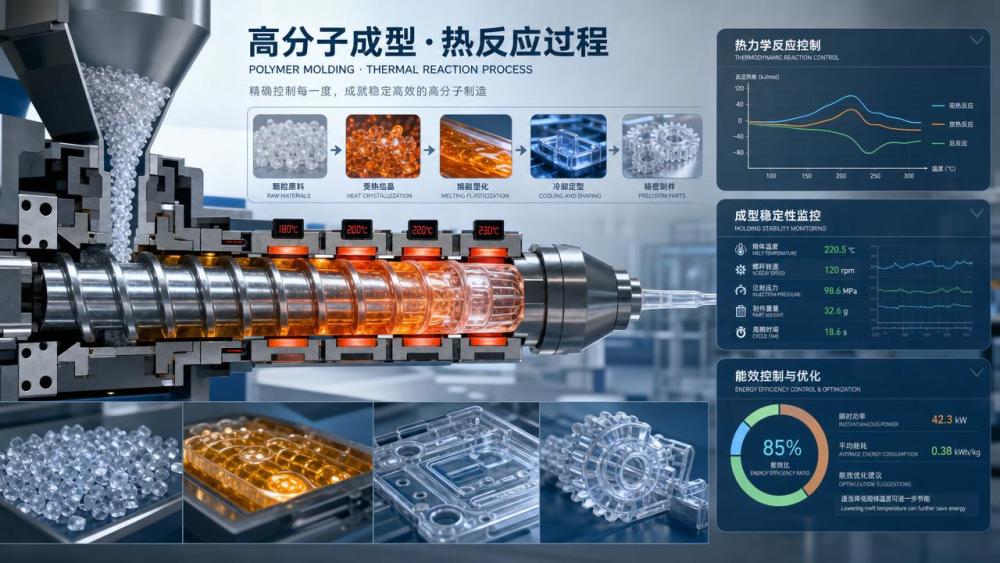
In molding, thermodynamic reactions in polymers describe how materials absorb, store, transfer, and release heat during processing and cooling.
They also include irreversible changes, such as oxidation, chain scission, cross-linking, and thermal decomposition under shear and temperature exposure.
These reactions are not academic details. They directly shape pressure demand, melt uniformity, part shrinkage, cycle time, and scrap rates.
For semi-crystalline polymers, crystallization heat strongly affects dimensional stability. For elastomers, curing heat defines structure development and final resilience.
For recycled streams, mixed contamination may trigger unstable thermodynamic reactions in polymers, causing odor, gels, discoloration, or unpredictable melt flow.
Core thermal events commonly observed
- Glass transition, where polymer mobility changes and stiffness drops.
- Melting, where crystalline regions absorb heat and lose structure.
- Crystallization, where ordered regions form and release heat.
- Cross-linking, where polymer chains build a permanent network.
- Degradation, where molecular weight declines through thermal or oxidative attack.
Why the industry watches these reactions more closely now
The polymer processing sector now faces tighter dimensional tolerances, lower energy budgets, broader material portfolios, and stricter environmental packaging rules.
That makes thermodynamic reactions in polymers a key decision layer for machine design, sensor deployment, and production control strategy.
Electric and servo-driven systems can regulate thermal windows more precisely, but only when material behavior is correctly interpreted.
At the same time, recycled and bio-based resins often show narrower stability margins and more sensitive degradation pathways.
What thermodynamic reactions in polymers reveal in major molding processes
Injection molding
In injection molding, thermodynamic reactions in polymers reveal how melt temperature, shear heating, and cooling rate interact inside the barrel and cavity.
A stable profile supports repeatable fill pressure, balanced packing, and predictable shrinkage. Instability often appears as flash, sink, warpage, haze, or burn marks.
For semi-crystalline materials, mold temperature influences crystal growth and therefore stiffness, gloss, impact strength, and post-mold dimensional change.
Extrusion
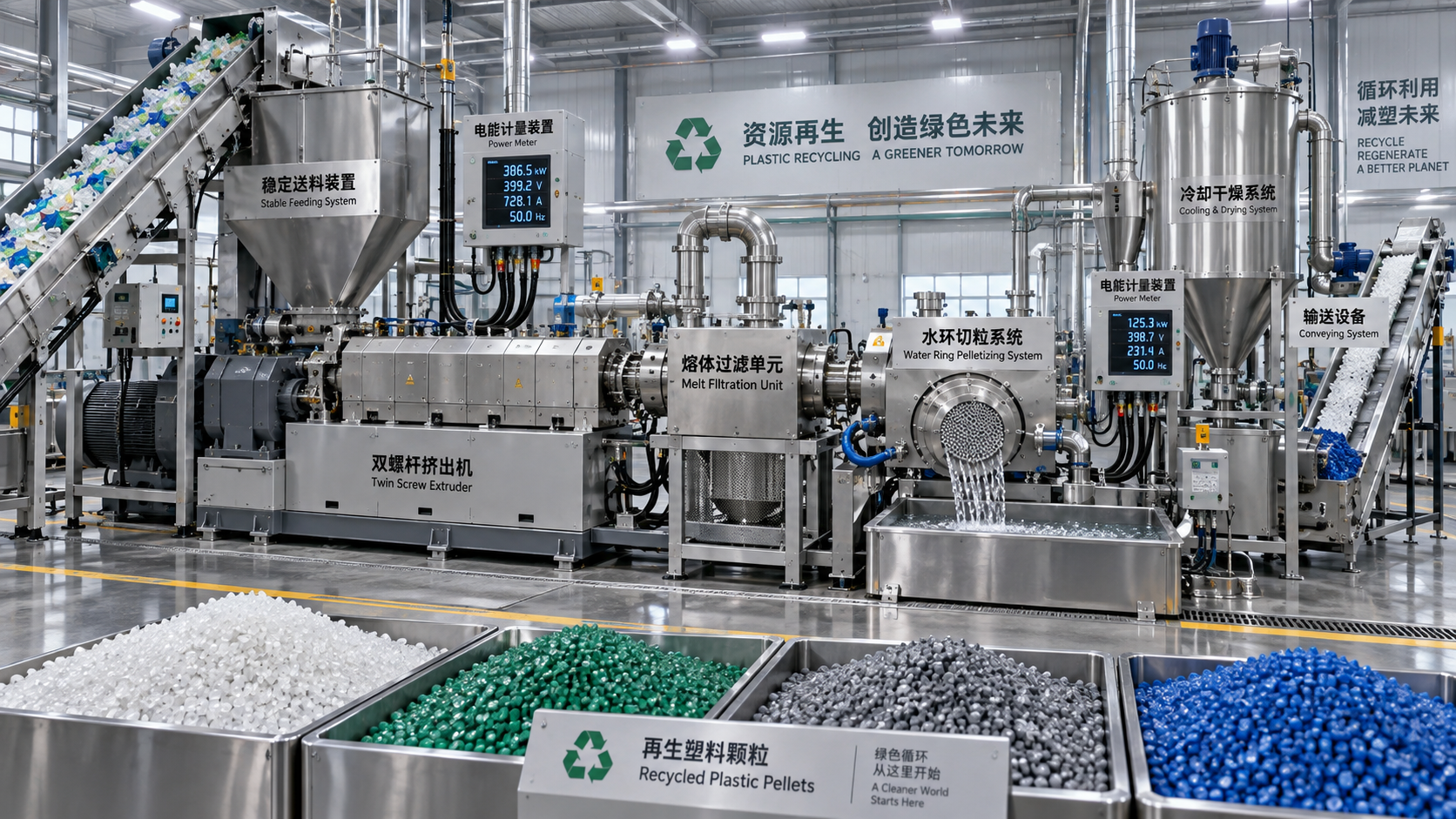
In extrusion, thermodynamic reactions in polymers reveal whether screw design and barrel zones create uniform melting without overexposing material to heat.
Poor thermal balance causes surging, melt fracture, unstable output, weak dispersion, and energy waste. Twin-screw systems especially depend on controlled thermal buildup.
Reactive additives, fillers, and color masterbatch can alter heat absorption and viscosity. That changes torque demand and downstream dimensional consistency.
Blow molding
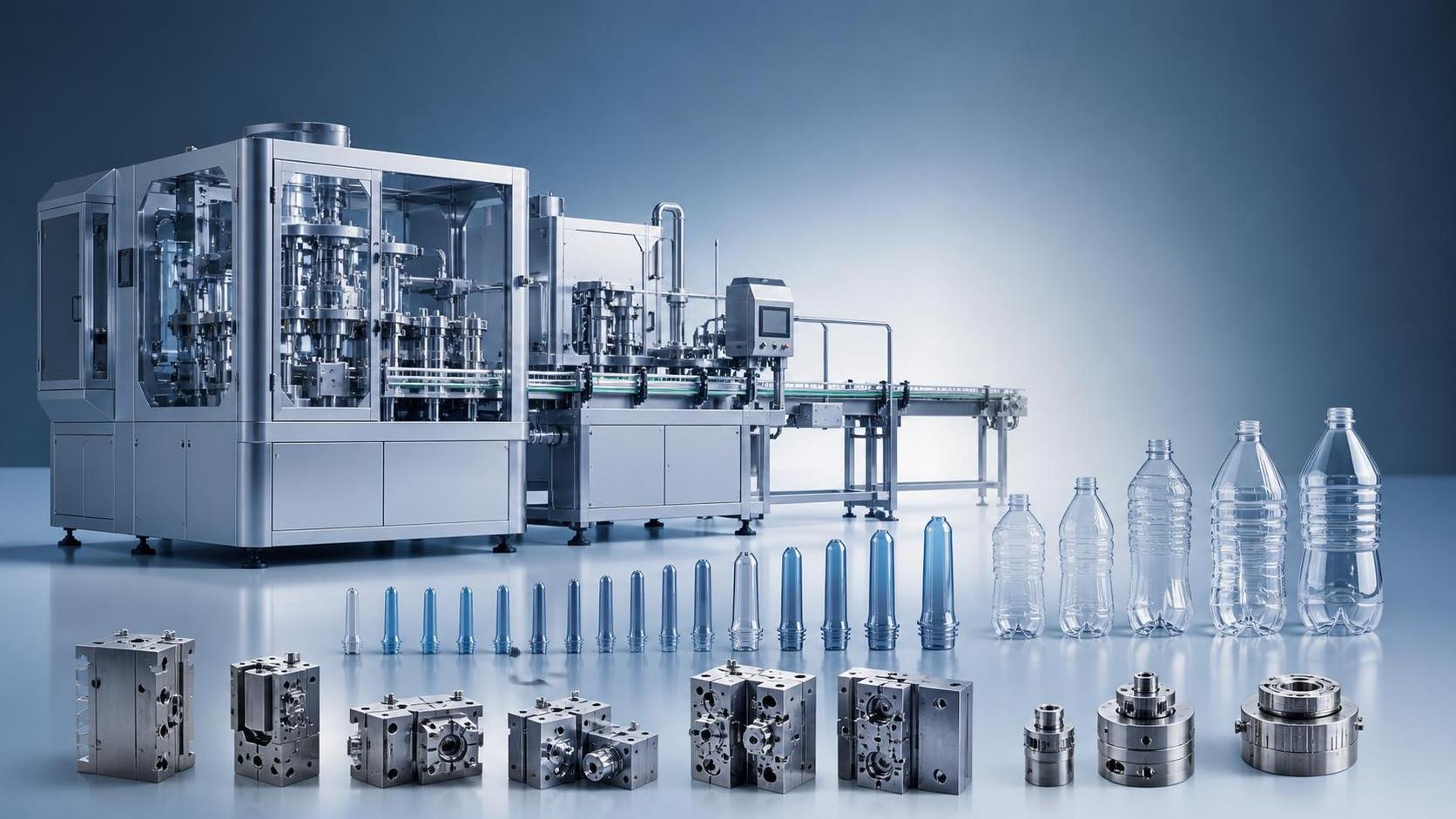
In blow molding, the parison or preform must reach a narrow thermal state before stretching or inflation.
Thermodynamic reactions in polymers reveal orientation potential, wall thickness distribution, and barrier performance in beverage, medical, and cosmetics packaging.
Rubber vulcanization
In vulcanization, thermodynamic reactions in polymers are centered on exothermic cross-linking. Cure speed and heat release determine network density and mechanical durability.
Uneven mold heating or incorrect dwell time may produce undercure, reversion, or internal stress, reducing tire and seal reliability.
Waste plastic recycling and pelletizing
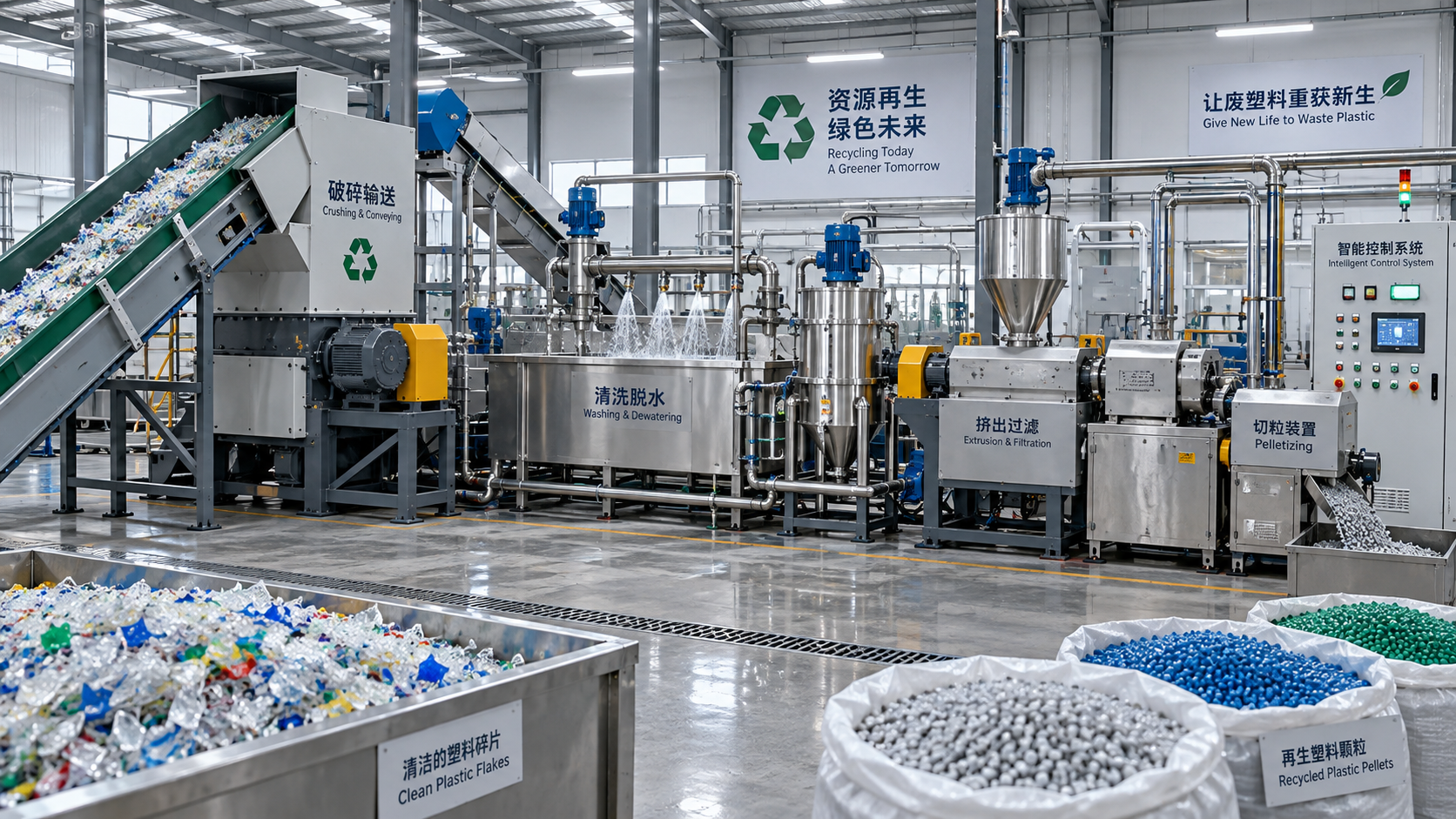
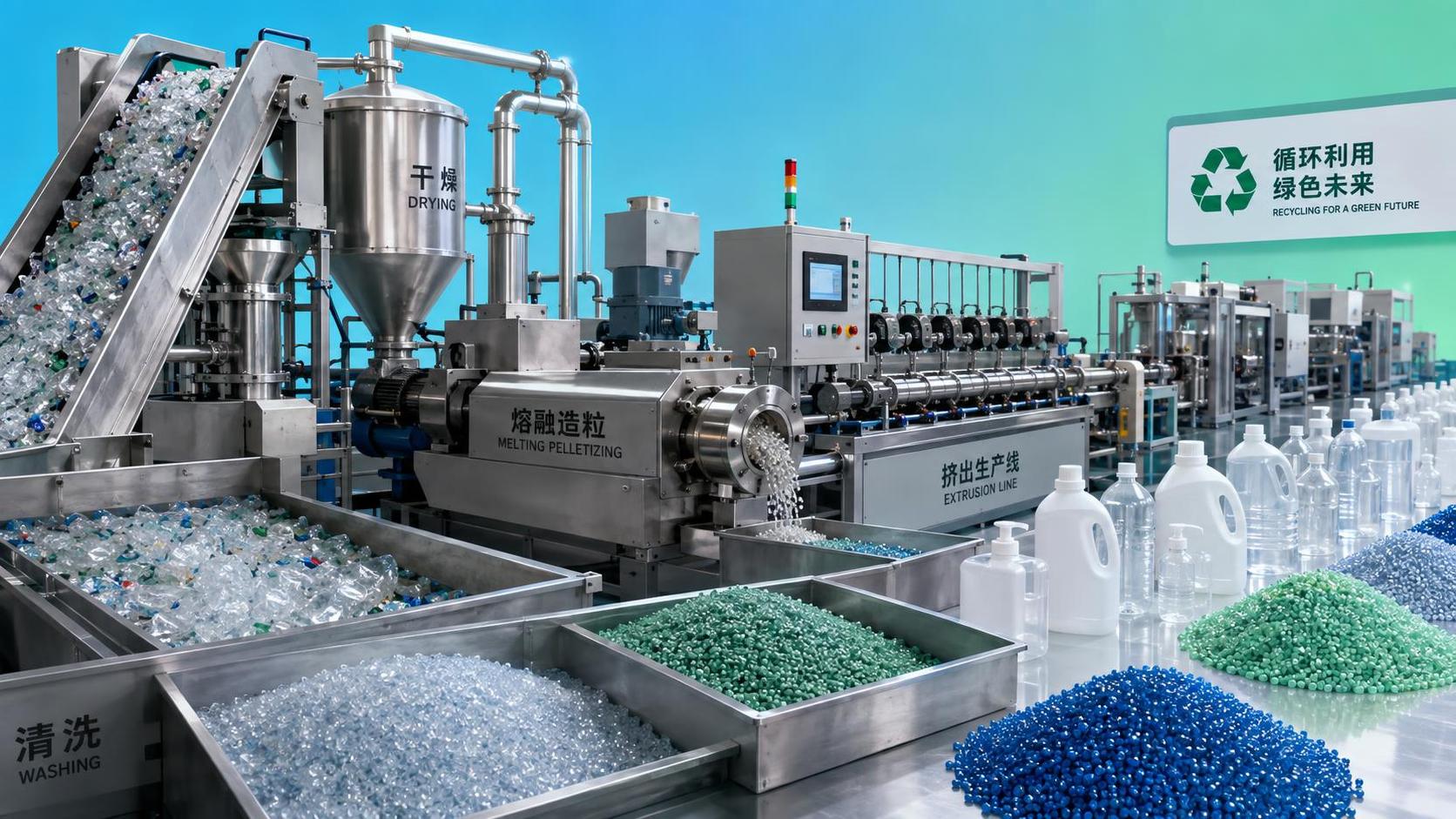
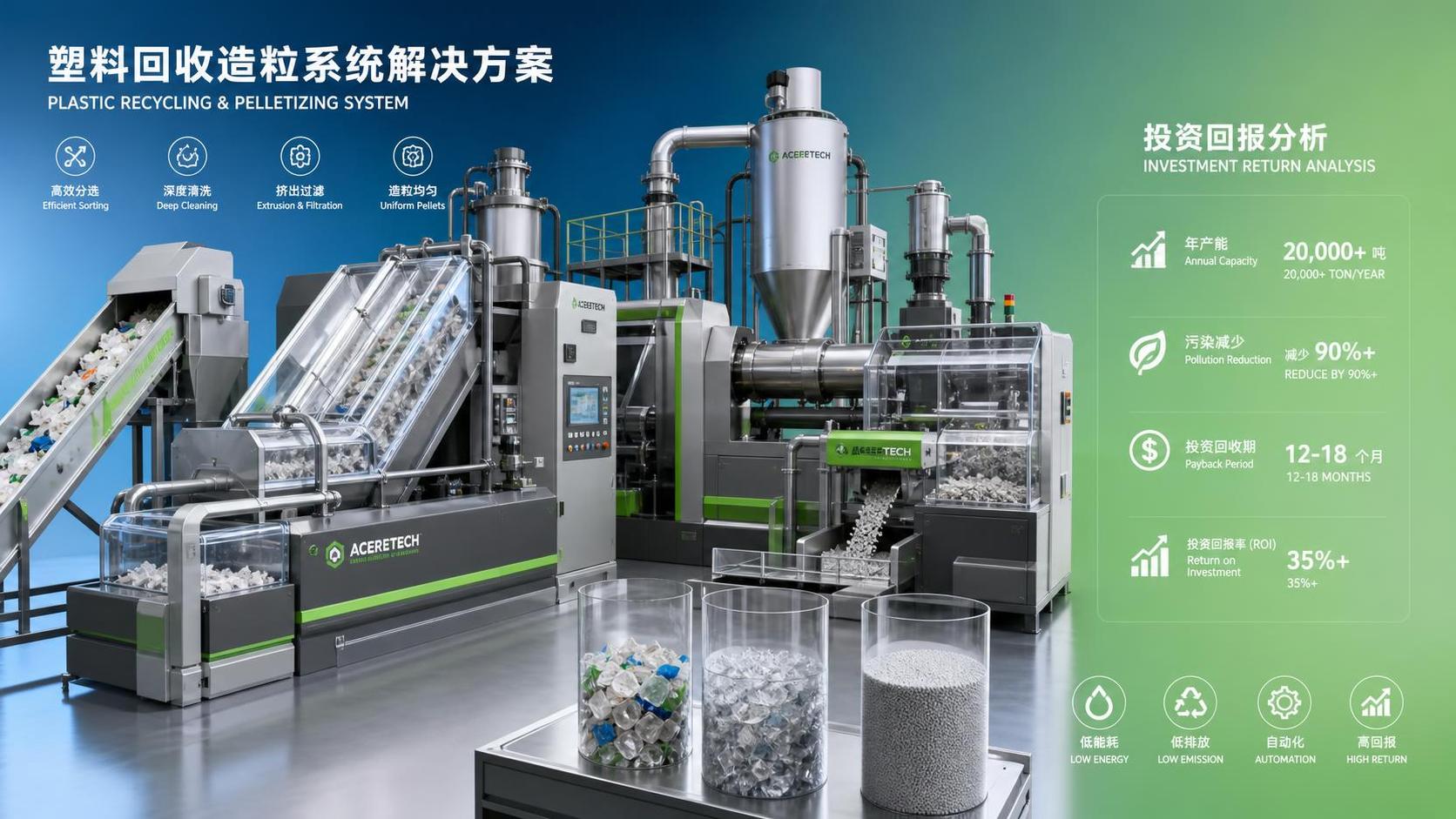
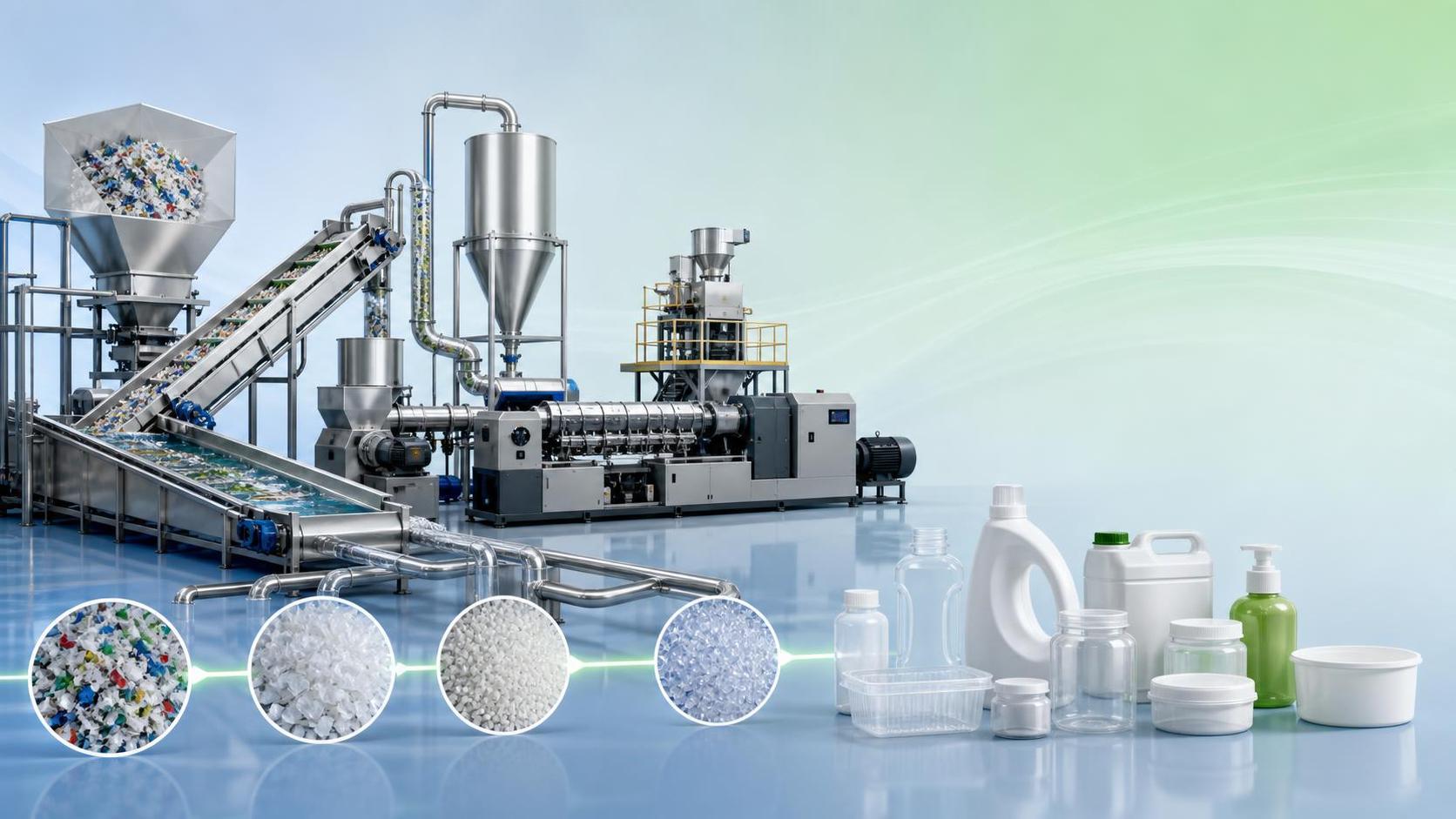
In recycling, thermodynamic reactions in polymers reveal contamination impact, prior thermal damage, and filtration demands during remelting and pellet formation.
Moisture, labels, multilayer residues, and mixed resins can trigger hydrolysis, oxidation, and volatile release, affecting pellet quality and reusability.
Business value hidden inside thermal interpretation
Reading thermodynamic reactions in polymers well creates value beyond laboratory analysis. It improves machine matching, cycle design, maintenance timing, and energy benchmarking.
Thermal interpretation also helps compare equipment architectures, including all-electric injection units, advanced screw geometries, and high-efficiency pelletizing lines.
- Lower scrap through better melt stability and cooling control.
- Higher output because safe thermal windows can be widened with confidence.
- Better compliance support for food contact, packaging consistency, and traceability needs.
- Stronger lifecycle economics through reduced energy use and less unplanned downtime.
For intelligence-driven platforms such as PFRS, these insights connect material science with realistic equipment selection across the polymer lifecycle.
Typical material and process scenarios to evaluate
Practical recommendations for interpreting polymer thermal behavior
The most useful approach combines machine data, laboratory testing, and process observation instead of relying on one indicator alone.
- Map resin transitions using DSC, TGA, or cure analysis before scaling a new formulation.
- Track actual melt temperature, not only barrel setpoints.
- Monitor residence time, screw speed, back pressure, and venting together.
- Compare thermal signatures between virgin and recycled content blends.
- Use cavity pressure, torque, and energy data to confirm thermal assumptions.
- Review cooling system balance because thermal exit conditions shape final part performance.
It is also wise to treat unexplained color drift, odor, rising pressure, or gloss variation as possible signs of shifting thermodynamic reactions in polymers.
Next-step reference for stable and efficient molding decisions
A clear reading of thermodynamic reactions in polymers turns material complexity into an operational advantage.
It helps connect rheology, thermal history, equipment response, and sustainability goals across molding, extrusion, vulcanization, and recycling systems.
When evaluating a process or machine line, start with the polymer’s thermal map, then match it with screw design, heating control, cooling capacity, and monitoring tools.
That step creates stronger technical confidence, more consistent output, and better long-term value in modern polymer forming and circular material recovery.
Related News
- 00
0000-00
How to Evaluate Plastic Pelletizing Machine Suppliers for Output, Support, and Risk - 00
0000-00
How to Select a Plastic Pipe Manufacturing System for Output, Resin, and Pipe Range - 00
0000-00
How to Specify Injection Molding Equipment for High-Volume Closure Production - 00
0000-00
How to Specify a Medical Molding Machine for Cleanroom Device Production - 00
0000-00
Plastic Extrusion Technology for Films: Process Controls That Improve Gauge Uniformity
Weekly Insights
Stay ahead with our curated technology reports delivered every Monday.
Related News
 Ms. Elena RodriguezHow to Evaluate Plastic Recycling Machinery for UAE Heat, Feedstock, and Output NeedsPlastic recycling machinery UAE buyers: evaluate heat resilience, feedstock handling, cooling, pellet quality, energy use, and lifecycle cost for reliable output.Sep 28, 2026
 Ms. Elena RodriguezGerman Extrusion Equipment Suppliers: Comparing Service, Lead Times, and Lifecycle CostExtrusion equipment Germany suppliers compared: evaluate service coverage, credible lead times, spare-parts access, and lifecycle cost to select a reliable, future-ready production partner.Sep 22, 2026
 Ms. Elena RodriguezWhat Should You Check Before Buying a Used Plastic Recycling Line?What should I check before buying a used plastic recycling line? Explore feedstock fit, wear, trials, utilities, controls, and restoration costs before you invest.Sep 26, 2026
 Ms. Elena RodriguezHow to Compare Pelletizing Lines by Energy Use per TonHow do I compare pelletizing lines by kWh per ton? Learn to measure total energy, verify saleable output, and select a cost-efficient line.Sep 23, 2026
 Ms. Elena RodriguezTyre Cutter Blade Wear: When Capacity Loss Needs Inspectionшинорез blade wear can quietly reduce tyre-cutting capacity. Learn the warning signs, inspection triggers, and maintenance actions that protect output and uptime.Sep 28, 2026
 Ms. Elena RodriguezIn-House Recycling for Factory Scrap: How to Reduce Material Waste and Disposal CostsIn house recycling for factory scrap helps manufacturers cut material waste, reduce disposal costs, and create controlled, quality-focused reuse loops.Sep 07, 2026
 Ms. Elena RodriguezHow Recyclable Packaging Manufacturing Balances Material Recovery and Production CostRecyclable packaging manufacturing: discover how smarter design, feedstock control, and process optimization reduce recovery costs while improving quality and yield.Sep 04, 2026
 Ms. Elena RodriguezHow to Evaluate a Plastic Recycling Systems Supplier for Your Processing NeedsChoose the right plastic recycling systems supplier with a practical guide to feedstock fit, output quality, total cost, testing, service, and compliance.Sep 01, 2026
 Ms. Elena RodriguezCE Marking for Plastic Processing Equipment: Documentation and Safety ChecksPlastic processing equipment CE compliance: learn the essential documentation, risk assessments, safety checks, and validation steps for reliable EU market access.Aug 30, 2026
 Ms. Elena RodriguezPlastic Packaging Compliance Standards: What Tests and Documents Matter Most?Plastic packaging compliance standards explained: learn which migration tests, mechanical checks, and audit-ready documents matter most to reduce risk and pass reviews with confidence.Aug 25, 2026
 Ms. Elena RodriguezHow to Evaluate a Plastic Waste Recycling System for Capacity, Contamination, and ROIPlastic waste recycling system evaluation made practical: compare true capacity, contamination control, and ROI to choose a line that delivers stable output and stronger returns.Aug 24, 2026
 Ms. Elena RodriguezPackaging Molding Equipment Price: What Drives Cost and How to Compare Quotes?Packaging molding equipment price varies by machine type, automation, tooling, energy use, and service scope. Learn what drives cost and how to compare quotes with confidence.Aug 21, 2026
 Ms. Elena RodriguezWhat Packaging Machinery for Plastic Containers Should You Choose for High-Volume Production?Packaging machinery for plastics containers can make or break high-volume production. Learn how to choose the right line for speed, consistency, compliance, and lower lifecycle costs.Aug 16, 2026
 Ms. Elena RodriguezWhat Circular Plastics Mean for Automotive Parts and Material SelectionCircular plastics for automotive are reshaping part selection with lower weight, better sustainability, and reliable performance. Discover how engineers balance recycled content, durability, and compliance.Aug 15, 2026
 Ms. Elena RodriguezBroiler Farming in Cage System: Selection Factors for Commercial FarmsBroiler farming in cage system selection for commercial farms: compare structure, ventilation, automation, and manure handling to improve efficiency and avoid costly mistakes.Aug 14, 2026
 Ms. Elena RodriguezHow to Implement Smart Polymer Manufacturing Without Disrupting Existing Production?Smart polymer manufacturing implementation made practical: learn how to upgrade existing production with phased digitalization, less downtime, better control, and measurable ROI.Aug 11, 2026
 Ms. Elena RodriguezHow to Evaluate a Rubber Compression Molding Supplier for Complex Part ProductionRubber compression molding supplier selection for complex parts starts with process, material, and tooling control. Learn how to compare vendors beyond price and reduce launch risk.Aug 10, 2026
 Ms. Elena RodriguezPackaging Compliance in Canada: Key Labeling and EPR Rules Importers Must KnowPackaging compliance Canada explained for importers: learn bilingual labeling, environmental claims, and provincial EPR rules to reduce risk, avoid costly errors, and stay market-ready.Aug 03, 2026
 Ms. Elena RodriguezWhy Circular Plastics Economy Traceability Matters for Recycled Content ComplianceCircular plastics economy traceability is essential for proving recycled content compliance across sourcing, processing, and reporting. Learn how strong evidence reduces audit risk.Aug 02, 2026
 Ms. Elena RodriguezRecycled Plastic Compliance: Key Standards, Testing Requirements, and DocumentationRecycled plastic compliance explained: key standards, testing requirements, supplier documents, and food-contact risks to help you avoid approval delays and costly compliance mistakes.Aug 01, 2026