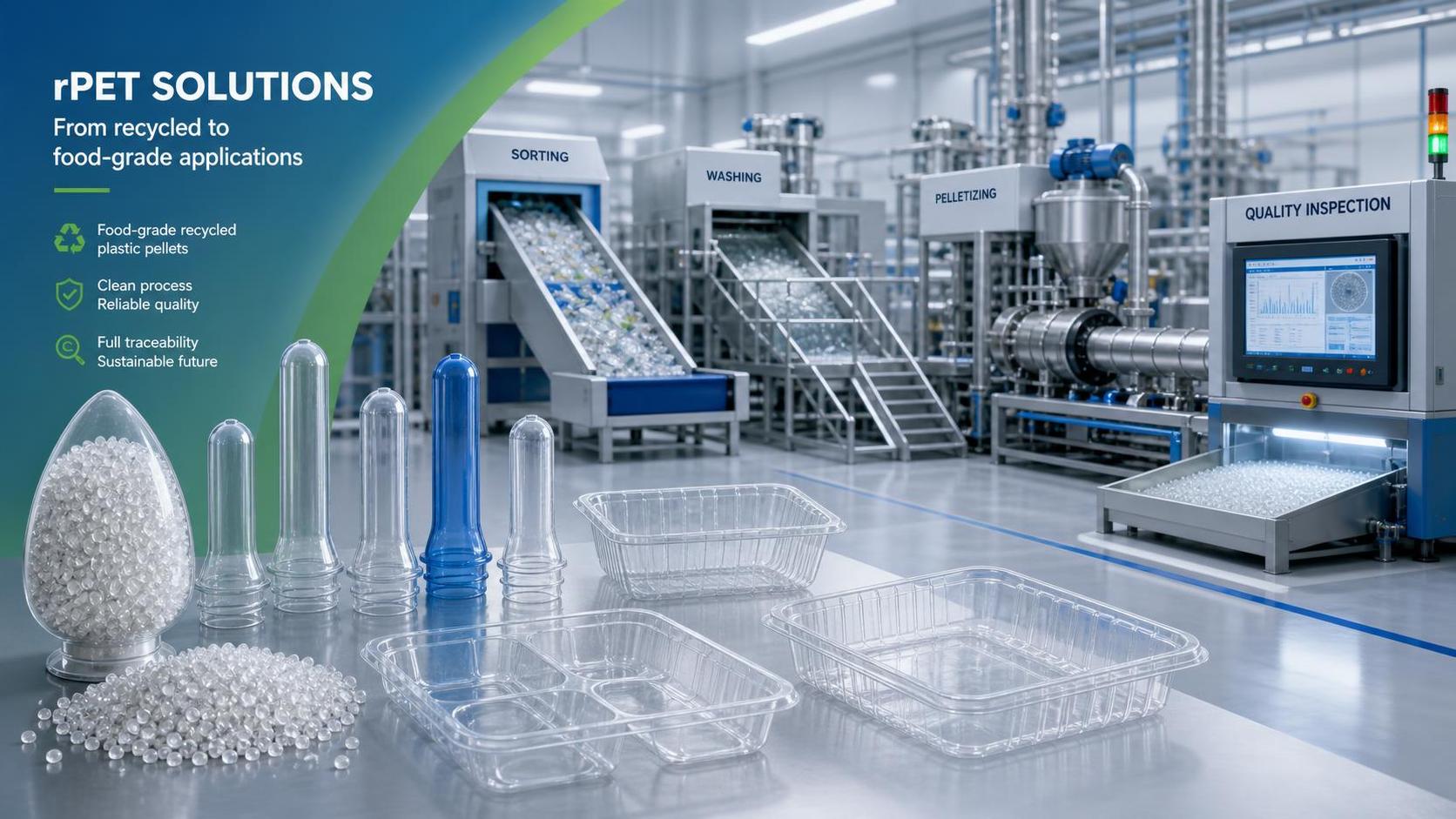
Virgin Resin Supply Chain Risks Are Shifting Faster Than Many Contracts




The virgin resin supply chain is no longer moving at a pace that legacy contracts can safely absorb. For procurement teams balancing cost, continuity, and compliance, sudden shifts in feedstock availability, freight volatility, and regional policy changes are creating new exposure across polymer sourcing. Understanding where these risks are accelerating is now essential to securing more resilient supply strategies.
Why procurement teams are rethinking the virgin resin supply chain now
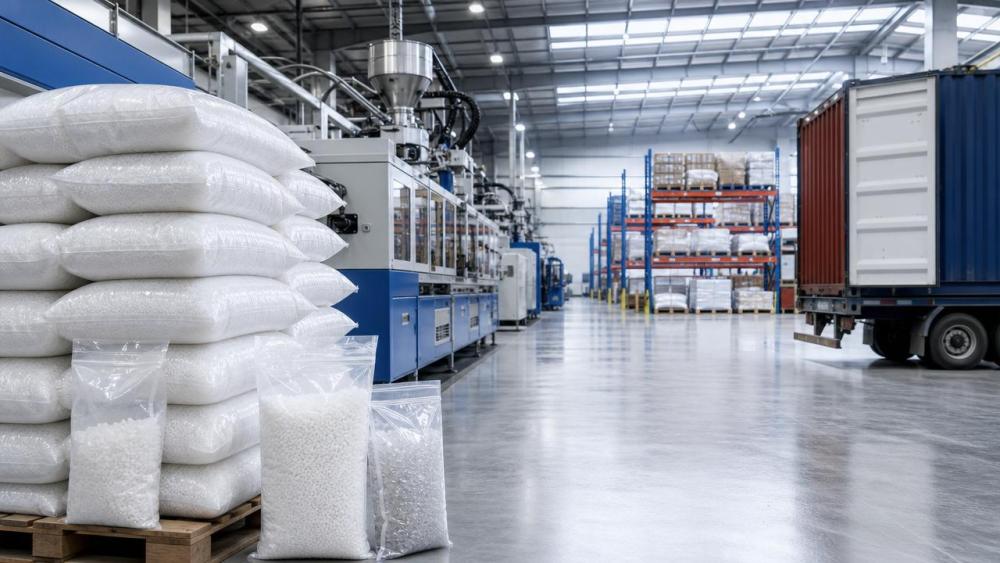
In many manufacturing segments, the virgin resin supply chain used to be managed through annual price talks, supplier allocation, and safety stock. That model is weakening. Resin availability now shifts faster because upstream energy markets, cracker operating rates, logistics bottlenecks, and sustainability regulation are interacting at the same time.
For buyers of materials linked to injection molding, extrusion, blow molding, rubber processing, and recycled plastics integration, the issue is not only resin price. It is also grade continuity, compliance documentation, substitution risk, and the effect of changing resin properties on downstream equipment efficiency.
PFRS tracks this full chain because polymer procurement decisions increasingly affect machine utilization, scrap rates, energy consumption, and recycled content strategies. A resin disruption can quickly become a production scheduling problem, a packaging compliance issue, or a customer service failure.
- Feedstock exposure is rising as natural gas, naphtha, and refinery output fluctuate across regions.
- Freight and port delays are creating longer replenishment cycles for standard and specialty grades.
- Regulatory pressure on packaging, food contact materials, and recycled content is narrowing acceptable sourcing options.
- Processing sensitivity is increasing as converters run tighter tolerances on all-electric molding lines and high-output extrusion systems.
Where the biggest virgin resin supply chain risks are accelerating
Procurement teams need a structured view of risk, not only a price chart. The table below maps common pressure points in the virgin resin supply chain to their practical purchasing impact across polymer processing operations.
The main lesson is simple: resin risk now travels across cost, logistics, quality, and compliance at once. Procurement teams that still treat the virgin resin supply chain as a single-variable purchasing category often react too late.
Why contracts are losing predictive value
Traditional contracts were built for slower market transmission. Today, formula-linked pricing may not protect against freight shocks, qualification delays, or abrupt demand spikes from packaging, automotive, medical, and consumer goods converters. Even when contractual pricing holds, supply assurance may not.
This is especially relevant when a material switch affects molding windows, melt flow behavior, or die pressure stability. A contract that secures volume but not process consistency can still produce hidden cost.
How resin instability affects injection molding, extrusion, and circular material strategies
The virgin resin supply chain does not affect all processes equally. Procurement teams should evaluate risk by converting line, product tolerance, and the feasibility of mixing virgin and recycled inputs.
Injection molding
Precision molding programs are highly sensitive to lot consistency, moisture behavior, and melt flow index variation. A substitute resin may require new holding pressure settings, cooling adjustments, and dimensional validation. In medical, optics, and technical parts, that can slow approval cycles and raise scrap.
Extrusion and compounding
Extrusion operations can often absorb controlled formulation changes more flexibly, but throughput and surface finish still depend on stable rheology. In pipe, film, sheet, and compound production, sudden resin shifts may alter torque load, output rate, and additive dispersion inside twin-screw systems.
Blow molding and packaging lines
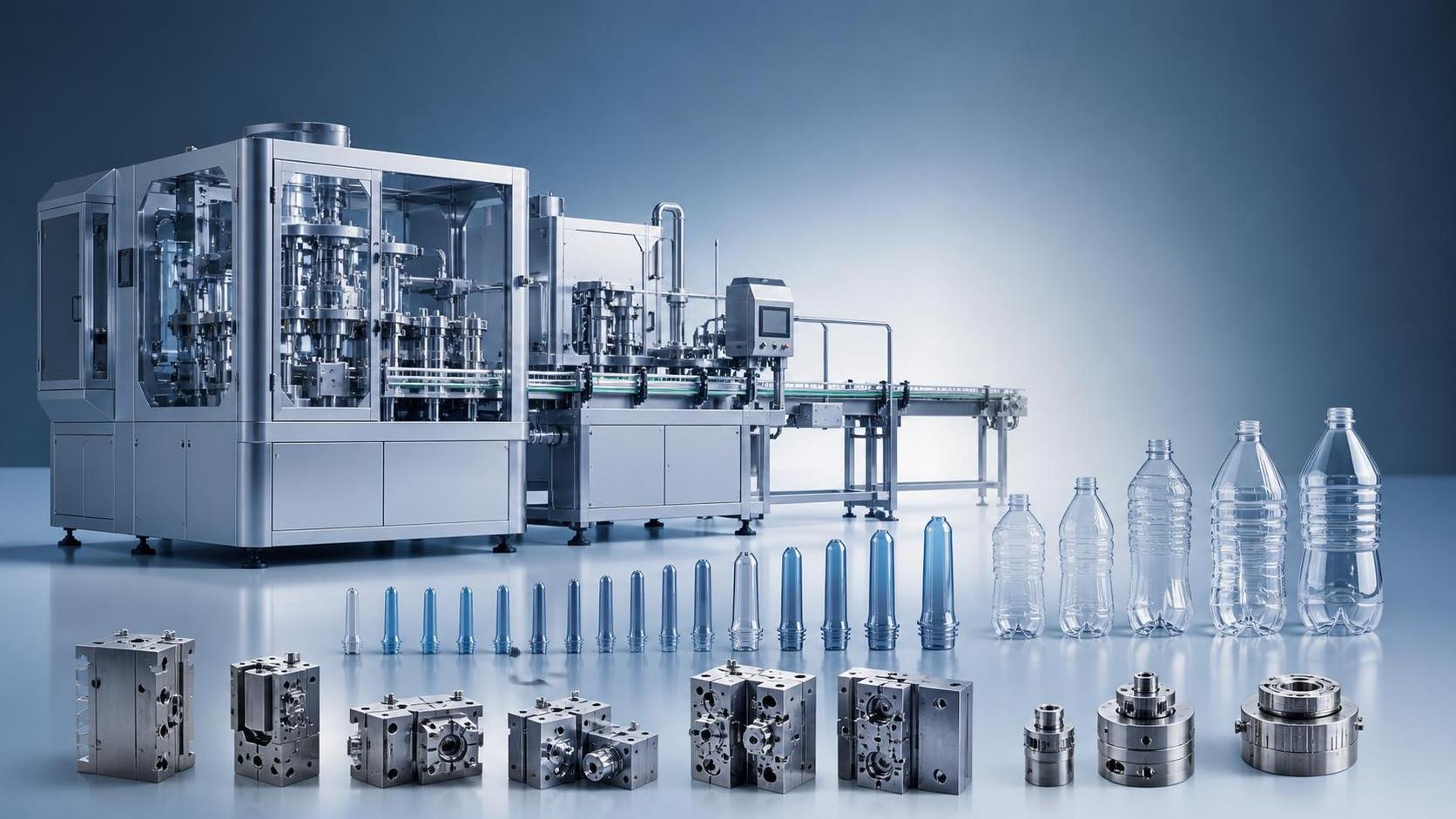
For high-speed bottle and container production, resin continuity is closely tied to cycle time, clarity, top-load strength, and lightweighting targets. If the virgin resin supply chain tightens, processors may need to reconsider preform design, recycled content ratios, or regional sourcing mixes.
In-house recycling and hybrid sourcing
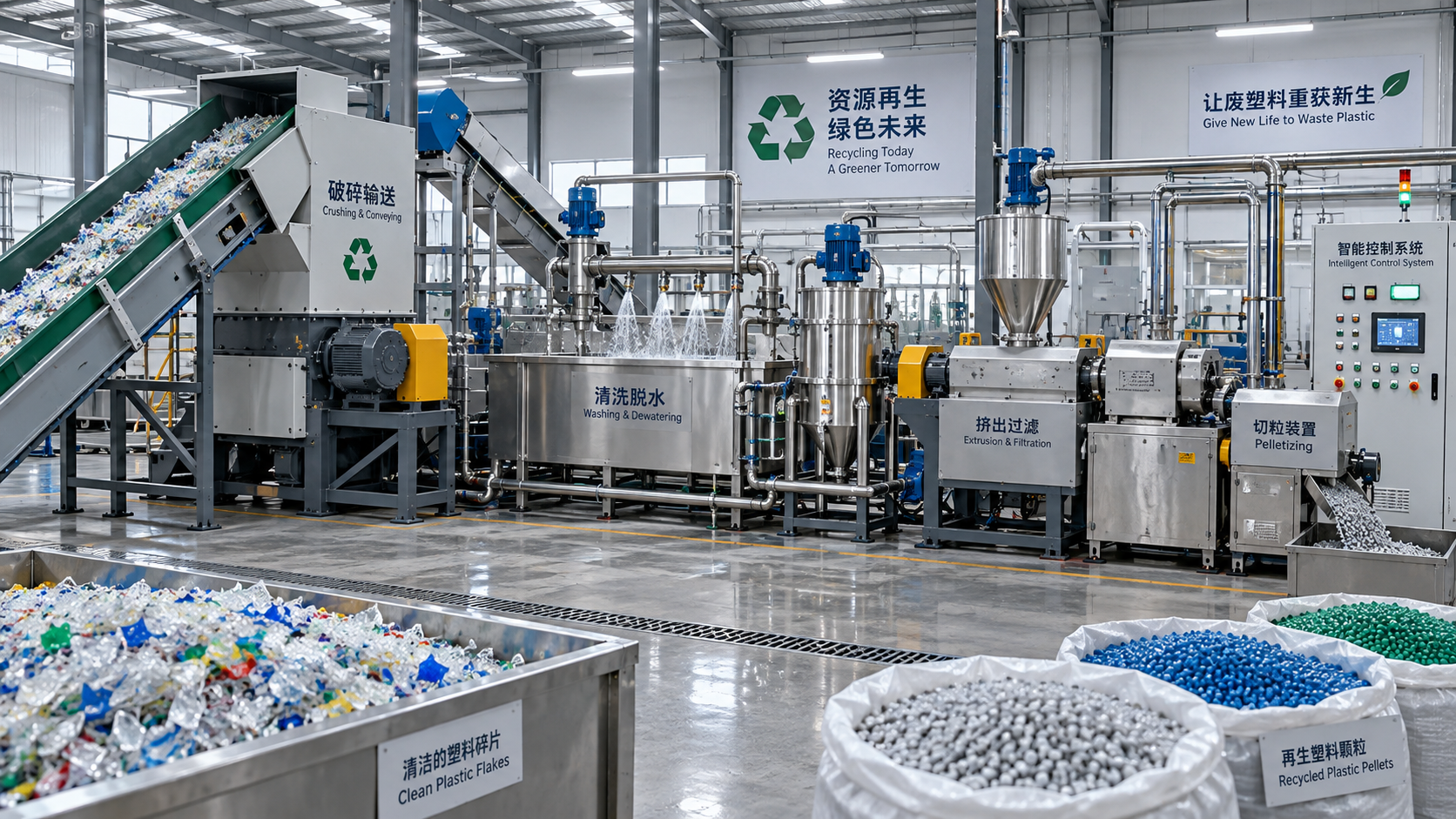
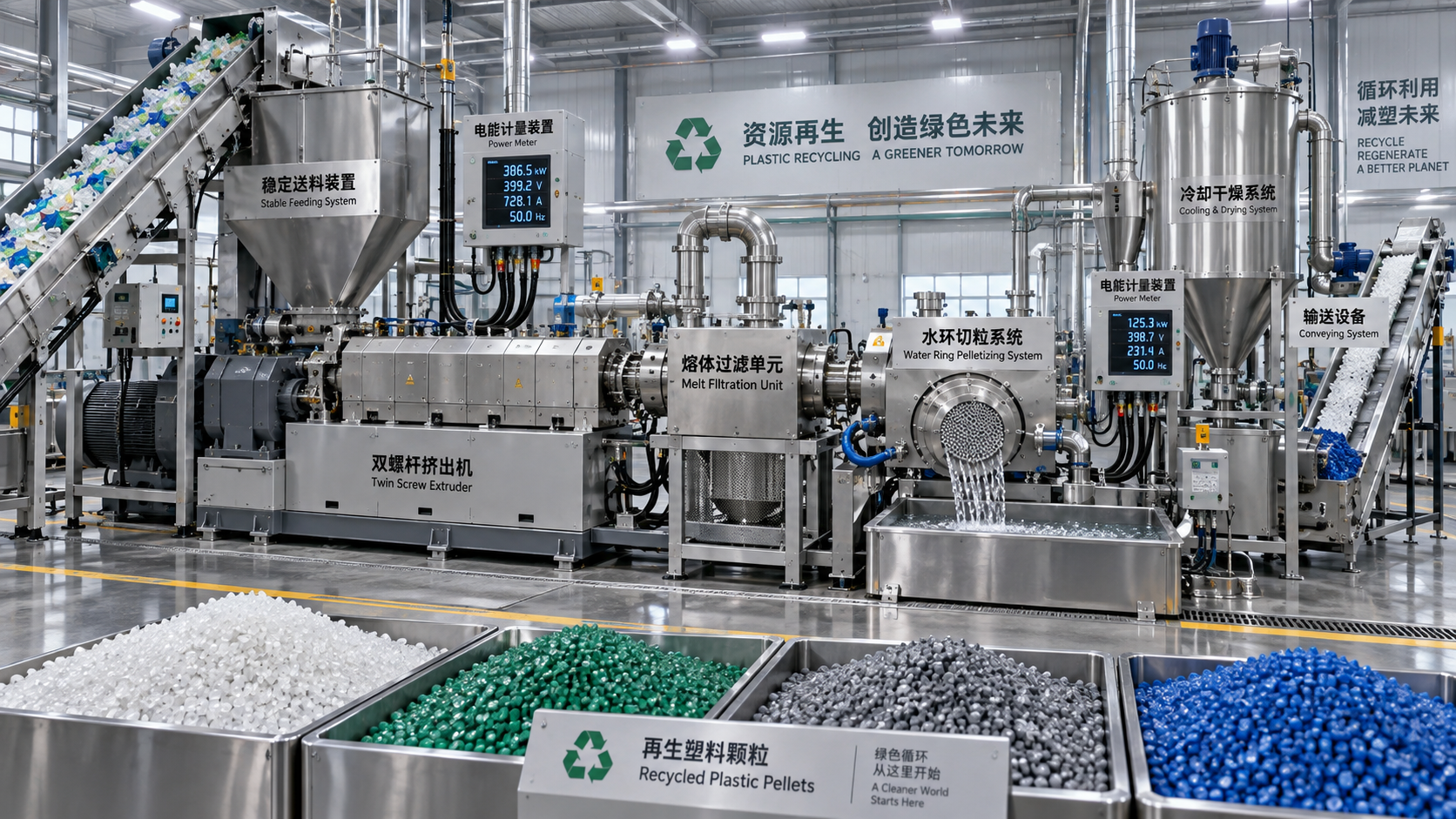
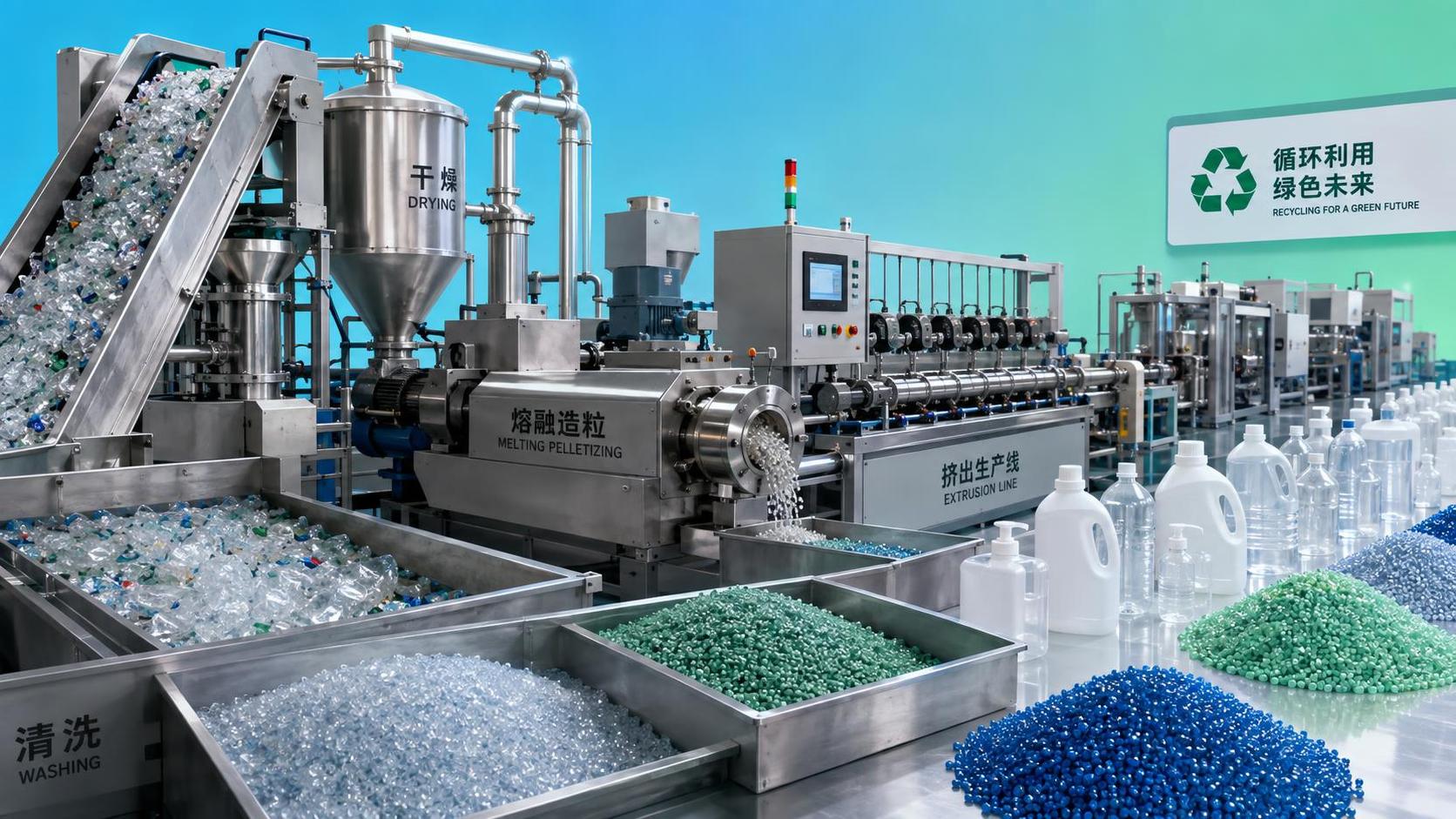
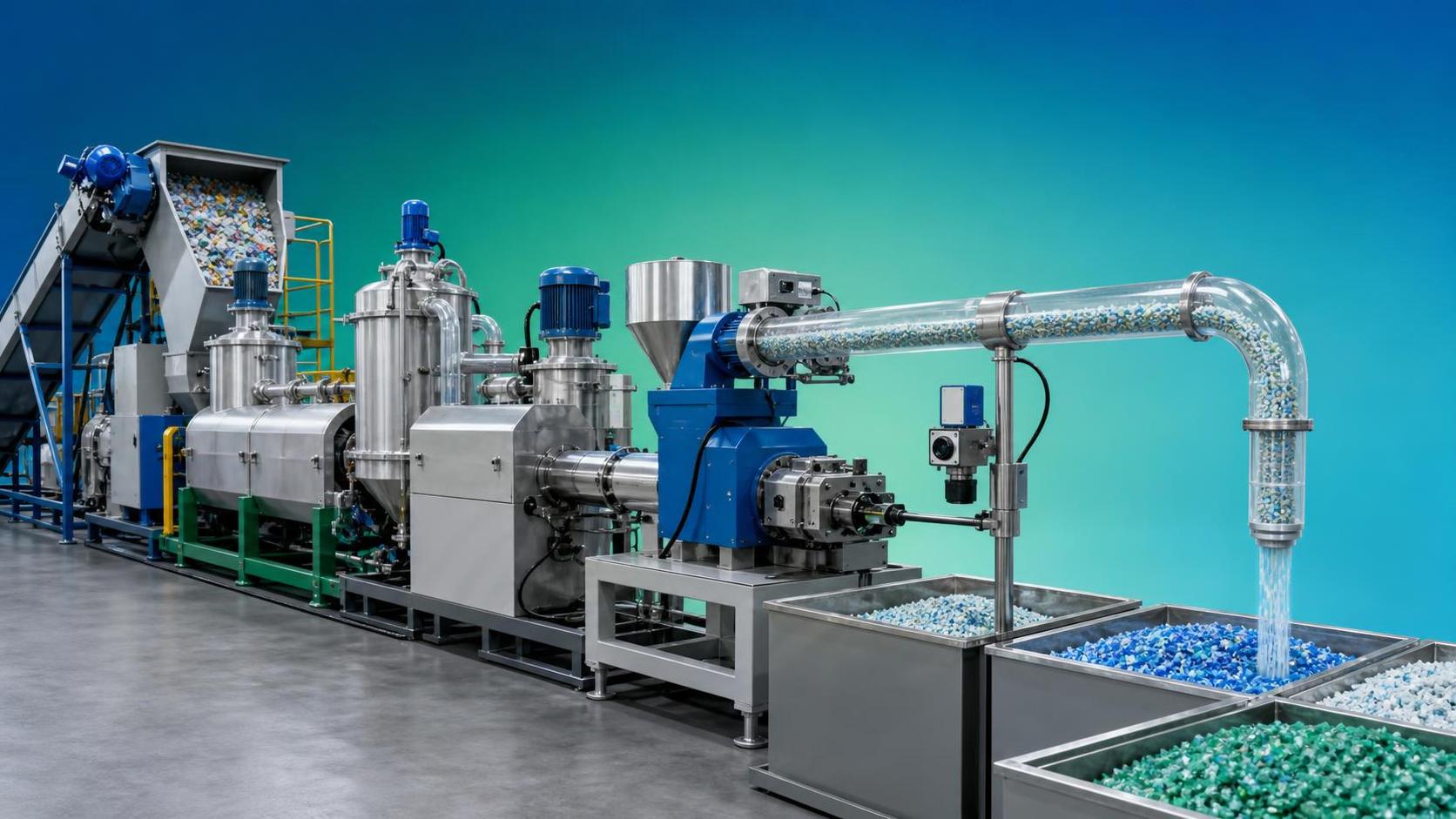
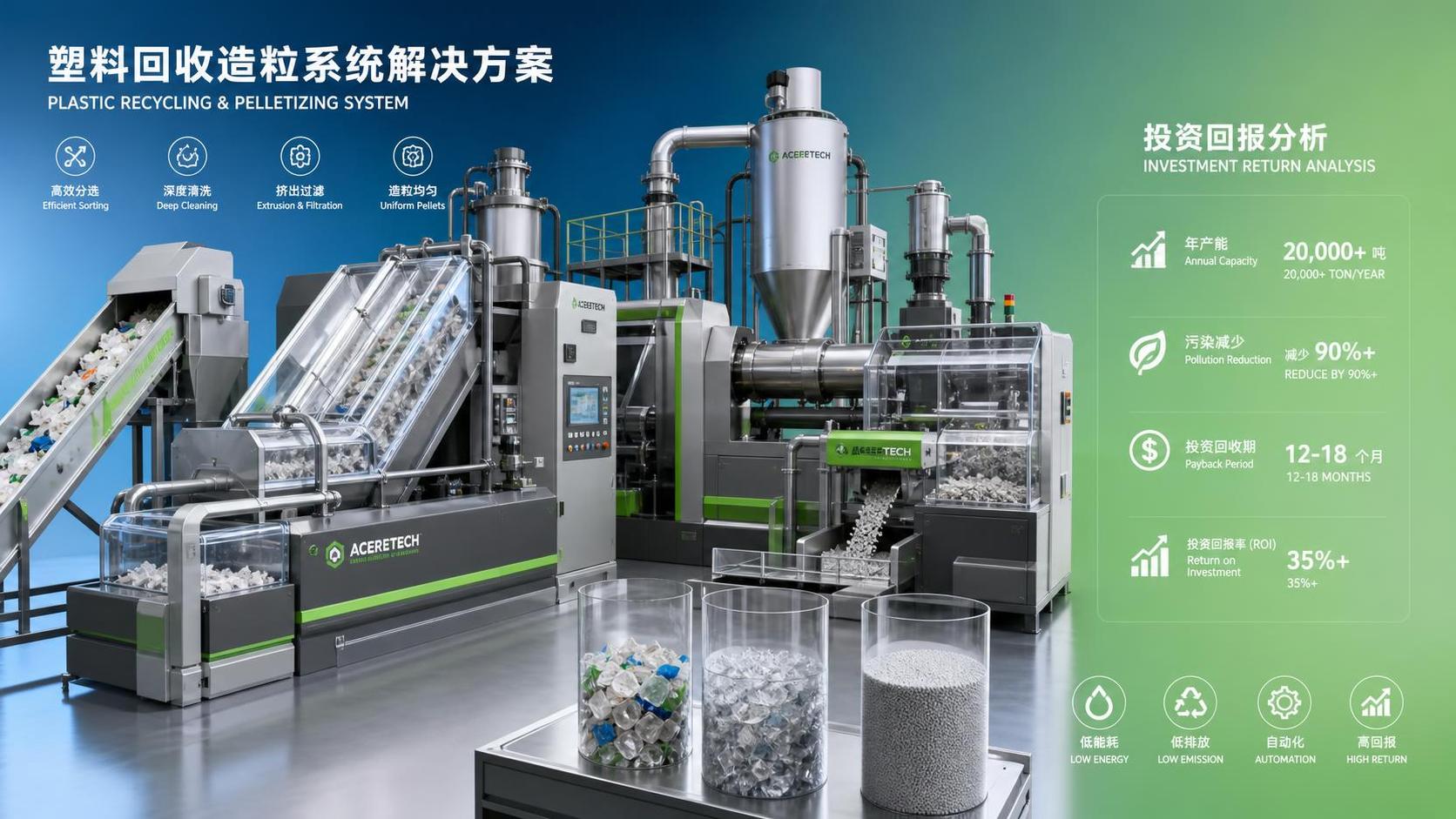
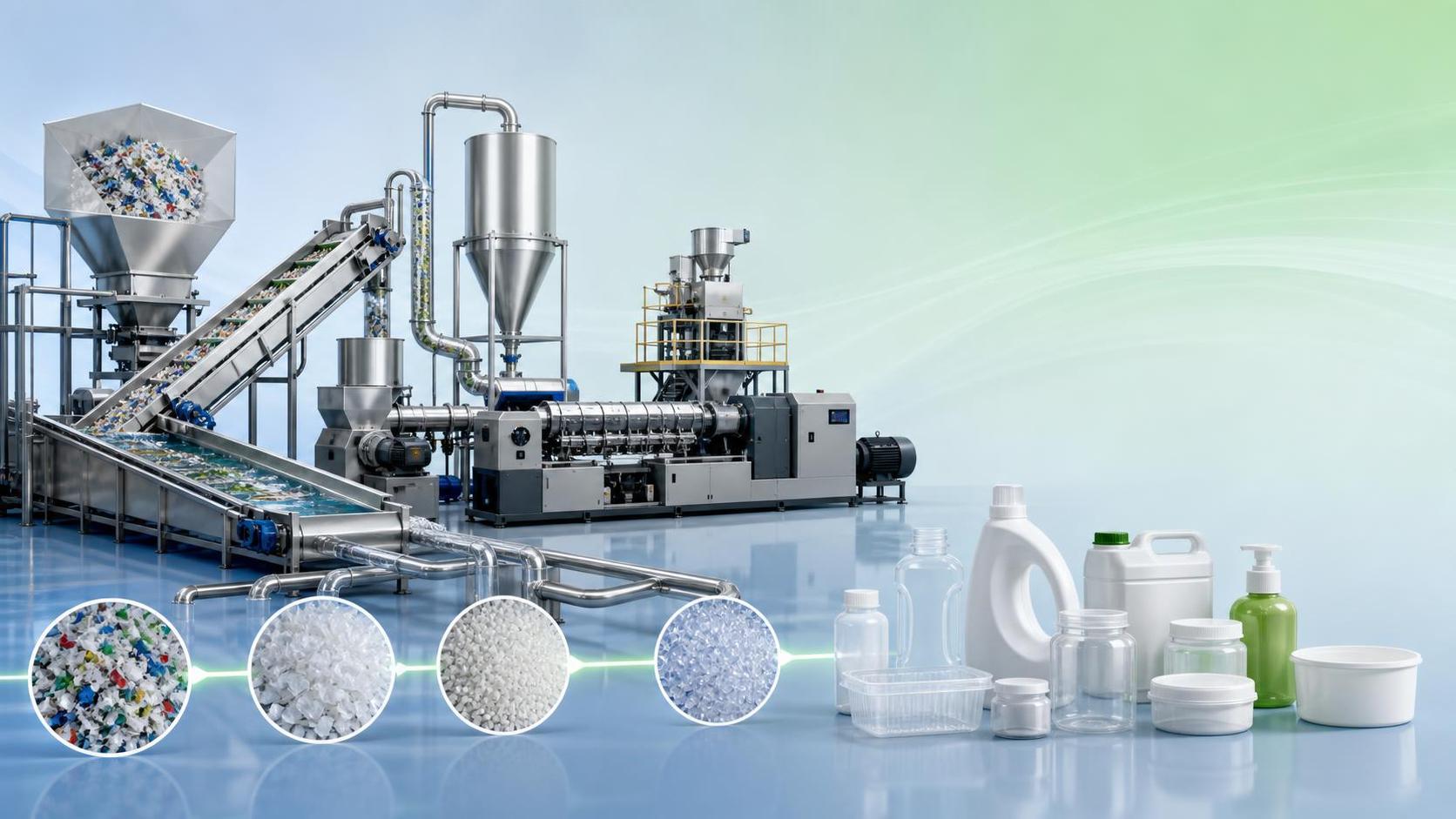
As more manufacturers install washing, pelletizing, and melt filtration capacity, procurement is becoming a broader material architecture function. Buyers are not only comparing virgin suppliers. They are also comparing when to offset virgin exposure with internal regrind, post-industrial recovery, or approved recycled resin streams.
- Use process capability data before approving alternate grades.
- Check whether machine settings, molds, screws, or dies require adjustment.
- Review whether recycled content targets can reduce dependence on exposed virgin volumes.
What procurement should evaluate before renewing supply agreements
When the virgin resin supply chain becomes less predictable, contract reviews should move beyond price formulas. The next table gives a practical sourcing checklist that procurement teams can use with operations, quality, and compliance functions.
A stronger resin contract is not necessarily a longer contract. It is a contract with better visibility, clearer fallback options, and defined triggers for logistics, quality, and documentation escalation.
A practical procurement checklist
- Rank materials by revenue impact, approval difficulty, and restart risk rather than annual spend alone.
- Separate commodity resins from process-critical grades that influence tolerances or certification status.
- Model landed cost with freight, safety stock, scrap, and requalification cost included.
- Build a parallel path for recycled or recovered material where technically acceptable.
Virgin resin vs recycled and hybrid sourcing: which strategy reduces exposure?
Many buyers ask whether the answer to virgin resin supply chain instability is simply to buy more recycled material. The better answer is that different sourcing models solve different risks. The right balance depends on product specification, customer acceptance, and processing constraints.
This comparison shows why PFRS places equal focus on polymer processing equipment and circular recovery systems. Buyers facing virgin resin supply chain risk should evaluate not only supplier diversity, but also whether technical investment in recovery lines can reduce exposure over time.
What standards, documents, and process data should buyers verify?
When supply becomes unstable, teams sometimes approve material changes too quickly. That saves days at first but can create months of downstream corrective work. Documentation and process validation should stay disciplined, especially where packaging compliance or technical performance is sensitive.
Core verification points
- Material identity data, including grade code, density, melt flow, viscosity-related indicators, and additive package notes.
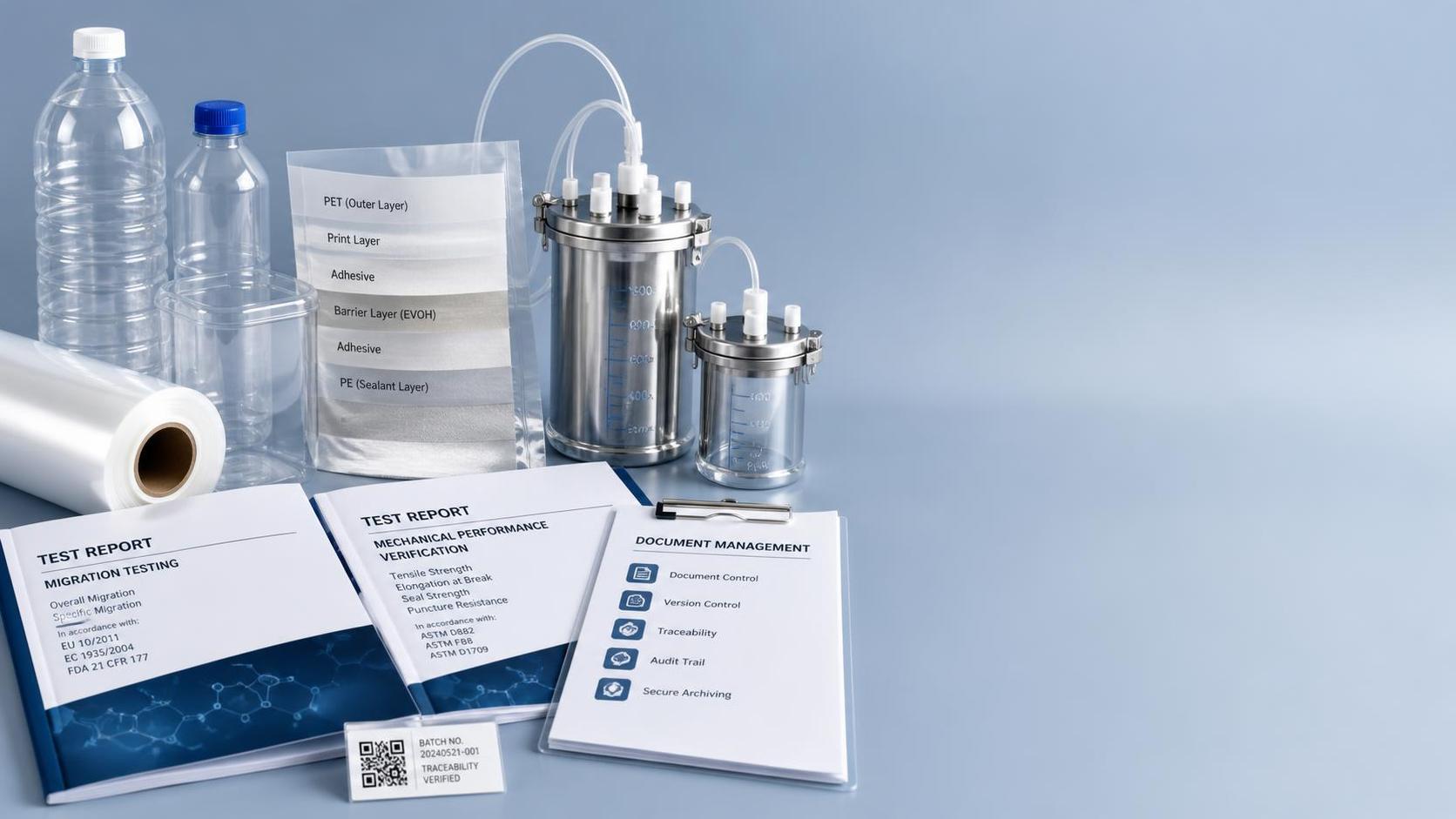
- Batch-level certificates where required for traceability or customer audits.
- Declarations related to REACH, RoHS, food contact, or region-specific packaging obligations when relevant.
- Processing trial records covering temperature profile, pressure response, cycle stability, scrap rate, and finished-part acceptance.
For extrusion and molding plants, process data is often as important as the certificate itself. A compliant resin that causes unstable torque, haze variation, sink marks, or sealing inconsistency may still be a poor procurement decision.
FAQ: common procurement questions about the virgin resin supply chain
How many suppliers should be approved for a critical resin grade?
For high-impact grades, one approved source is usually too exposed. Many procurement teams aim for at least one primary and one technically validated backup, though the right number depends on annual volume, product risk, and approval effort. Backup suppliers should not remain only on paper; they need current documents and occasional trial validation.
Is spot buying a good answer when the virgin resin supply chain tightens?
Spot buying can solve immediate shortages, but it also raises quality and compliance risk. It is more suitable for non-critical commodity grades than for materials tied to regulated packaging, precision molding, or customer-specific approvals. Buyers should compare the apparent price benefit with requalification time, scrap risk, and freight uncertainty.
When should a company consider in-house recycling to offset virgin exposure?
The strongest case appears when a plant generates recurring internal scrap, has stable polymer families, and can reuse recovered material in products with defined tolerance windows. Equipment selection then matters: washing efficiency, melt filtration, pellet uniformity, and contamination control determine whether recovered output can reliably replace part of virgin demand.
What is the most overlooked hidden cost in resin procurement?
Many teams underestimate process disruption cost. A cheaper resin can become expensive if it reduces cycle stability, increases purge waste, forces screw cleaning, or extends machine setup time. On high-output extrusion and molding lines, these indirect costs can outweigh nominal purchase savings.
Why PFRS is useful when resin risk meets equipment and circular strategy
PFRS follows the full polymer lifecycle, from precision injection molding and extrusion to blow molding, vulcanization, and waste plastic pelletizing. That perspective matters because the virgin resin supply chain is no longer just a raw material issue. It affects machine settings, throughput reliability, recycled integration, and packaging compliance planning.
Our Strategic Intelligence Center connects market turbulence with processing reality. That includes how resin variation influences non-Newtonian flow behavior in twin-screw systems, how quality shifts affect molding pressure optimization, and where in-house recycling lines can realistically support procurement resilience.
- We help buyers compare virgin, hybrid, and recovery-based sourcing pathways with process implications in mind.
- We support discussions around equipment fit, material handling, filtration, and quality control requirements.
- We provide insight that links procurement exposure to practical plant decisions, not only market headlines.
Contact us for sourcing evaluation, equipment fit, and recovery pathway planning
If your team is reviewing contracts, qualifying alternate grades, or evaluating whether process upgrades can reduce virgin resin supply chain dependence, PFRS can support the next step with focused technical and commercial insight.
You can consult us on resin-related equipment matching, in-house recycling line direction, polymer processing parameter implications, supplier risk comparison, expected delivery cycle considerations, and documentation checkpoints for compliance-sensitive applications.
Bring your current sourcing challenge, target polymer family, processing route, or recycled content goal. We can help frame the discussion around material selection, qualification risk, delivery timing, technical feasibility, and quotation communication so procurement decisions become faster and better grounded.
Related News
- 00
0000-00
How to Evaluate a PET Bottle Recycling System Supplier for Reliable rPET Output - 00
0000-00
How to Select Rubber Processing Equipment for High-Precision Automotive Seals - 00
0000-00
How to Qualify a Servo Injection Molding Exporter for Global Sourcing - 00
0000-00
Polymer Processing for Extrusion: How Melt Rheology Affects Line Stability - 00
0000-00
Energy-Efficient Polymer Processing: Where Plants Can Cut kWh per Kilogram
Weekly Insights
Stay ahead with our curated technology reports delivered every Monday.
Related News
 Ms. Elena RodriguezGerman Extrusion Equipment Suppliers: Comparing Service, Lead Times, and Lifecycle CostExtrusion equipment Germany suppliers compared: evaluate service coverage, credible lead times, spare-parts access, and lifecycle cost to select a reliable, future-ready production partner.Sep 22, 2026
 Ms. Elena RodriguezWhat Should You Check Before Buying a Used Plastic Recycling Line?What should I check before buying a used plastic recycling line? Explore feedstock fit, wear, trials, utilities, controls, and restoration costs before you invest.Sep 26, 2026
 Ms. Elena RodriguezHow to Compare Pelletizing Lines by Energy Use per TonHow do I compare pelletizing lines by kWh per ton? Learn to measure total energy, verify saleable output, and select a cost-efficient line.Sep 23, 2026
 Ms. Elena RodriguezIn-House Recycling for Factory Scrap: How to Reduce Material Waste and Disposal CostsIn house recycling for factory scrap helps manufacturers cut material waste, reduce disposal costs, and create controlled, quality-focused reuse loops.Sep 07, 2026
 Ms. Elena RodriguezHow Recyclable Packaging Manufacturing Balances Material Recovery and Production CostRecyclable packaging manufacturing: discover how smarter design, feedstock control, and process optimization reduce recovery costs while improving quality and yield.Sep 04, 2026
 Ms. Elena RodriguezHow to Evaluate a Plastic Recycling Systems Supplier for Your Processing NeedsChoose the right plastic recycling systems supplier with a practical guide to feedstock fit, output quality, total cost, testing, service, and compliance.Sep 01, 2026
 Ms. Elena RodriguezCE Marking for Plastic Processing Equipment: Documentation and Safety ChecksPlastic processing equipment CE compliance: learn the essential documentation, risk assessments, safety checks, and validation steps for reliable EU market access.Aug 30, 2026
 Ms. Elena RodriguezPlastic Packaging Compliance Standards: What Tests and Documents Matter Most?Plastic packaging compliance standards explained: learn which migration tests, mechanical checks, and audit-ready documents matter most to reduce risk and pass reviews with confidence.Aug 25, 2026
 Ms. Elena RodriguezHow to Evaluate a Plastic Waste Recycling System for Capacity, Contamination, and ROIPlastic waste recycling system evaluation made practical: compare true capacity, contamination control, and ROI to choose a line that delivers stable output and stronger returns.Aug 24, 2026
 Ms. Elena RodriguezPackaging Molding Equipment Price: What Drives Cost and How to Compare Quotes?Packaging molding equipment price varies by machine type, automation, tooling, energy use, and service scope. Learn what drives cost and how to compare quotes with confidence.Aug 21, 2026
 Ms. Elena RodriguezWhat Packaging Machinery for Plastic Containers Should You Choose for High-Volume Production?Packaging machinery for plastics containers can make or break high-volume production. Learn how to choose the right line for speed, consistency, compliance, and lower lifecycle costs.Aug 16, 2026
 Ms. Elena RodriguezWhat Circular Plastics Mean for Automotive Parts and Material SelectionCircular plastics for automotive are reshaping part selection with lower weight, better sustainability, and reliable performance. Discover how engineers balance recycled content, durability, and compliance.Aug 15, 2026
 Ms. Elena RodriguezBroiler Farming in Cage System: Selection Factors for Commercial FarmsBroiler farming in cage system selection for commercial farms: compare structure, ventilation, automation, and manure handling to improve efficiency and avoid costly mistakes.Aug 14, 2026
 Ms. Elena RodriguezHow to Implement Smart Polymer Manufacturing Without Disrupting Existing Production?Smart polymer manufacturing implementation made practical: learn how to upgrade existing production with phased digitalization, less downtime, better control, and measurable ROI.Aug 11, 2026
 Ms. Elena RodriguezHow to Evaluate a Rubber Compression Molding Supplier for Complex Part ProductionRubber compression molding supplier selection for complex parts starts with process, material, and tooling control. Learn how to compare vendors beyond price and reduce launch risk.Aug 10, 2026
 Ms. Elena RodriguezPackaging Compliance in Canada: Key Labeling and EPR Rules Importers Must KnowPackaging compliance Canada explained for importers: learn bilingual labeling, environmental claims, and provincial EPR rules to reduce risk, avoid costly errors, and stay market-ready.Aug 03, 2026
 Ms. Elena RodriguezWhy Circular Plastics Economy Traceability Matters for Recycled Content ComplianceCircular plastics economy traceability is essential for proving recycled content compliance across sourcing, processing, and reporting. Learn how strong evidence reduces audit risk.Aug 02, 2026
 Ms. Elena RodriguezRecycled Plastic Compliance: Key Standards, Testing Requirements, and DocumentationRecycled plastic compliance explained: key standards, testing requirements, supplier documents, and food-contact risks to help you avoid approval delays and costly compliance mistakes.Aug 01, 2026
 Ms. Elena RodriguezHow to Evaluate an Extrusion Machinery Manufacturer for Quality, Support, and ROIExtrusion machinery manufacturer selection affects quality, uptime, and ROI. Learn how to compare process fit, output claims, service, compliance, and long-term operating costs.Jul 29, 2026
 Ms. Elena RodriguezHow to Evaluate Food Grade Recycled Pellets for Safe Packaging ApplicationsFood grade recycled pellets for safe packaging demand more than a label. Learn how to assess feedstock, process validation, pellet quality, and compliance before approval.Jul 28, 2026