How polymer forming systems affect product consistency




For technical evaluators, product consistency defines whether output remains predictable under real production pressure. In polymer processing, small thermal or mechanical shifts can amplify variation across thousands of parts.
That is why polymer forming systems matter far beyond machine labels. They shape melt history, pressure stability, cooling behavior, residence time, and final part performance in every major conversion process.
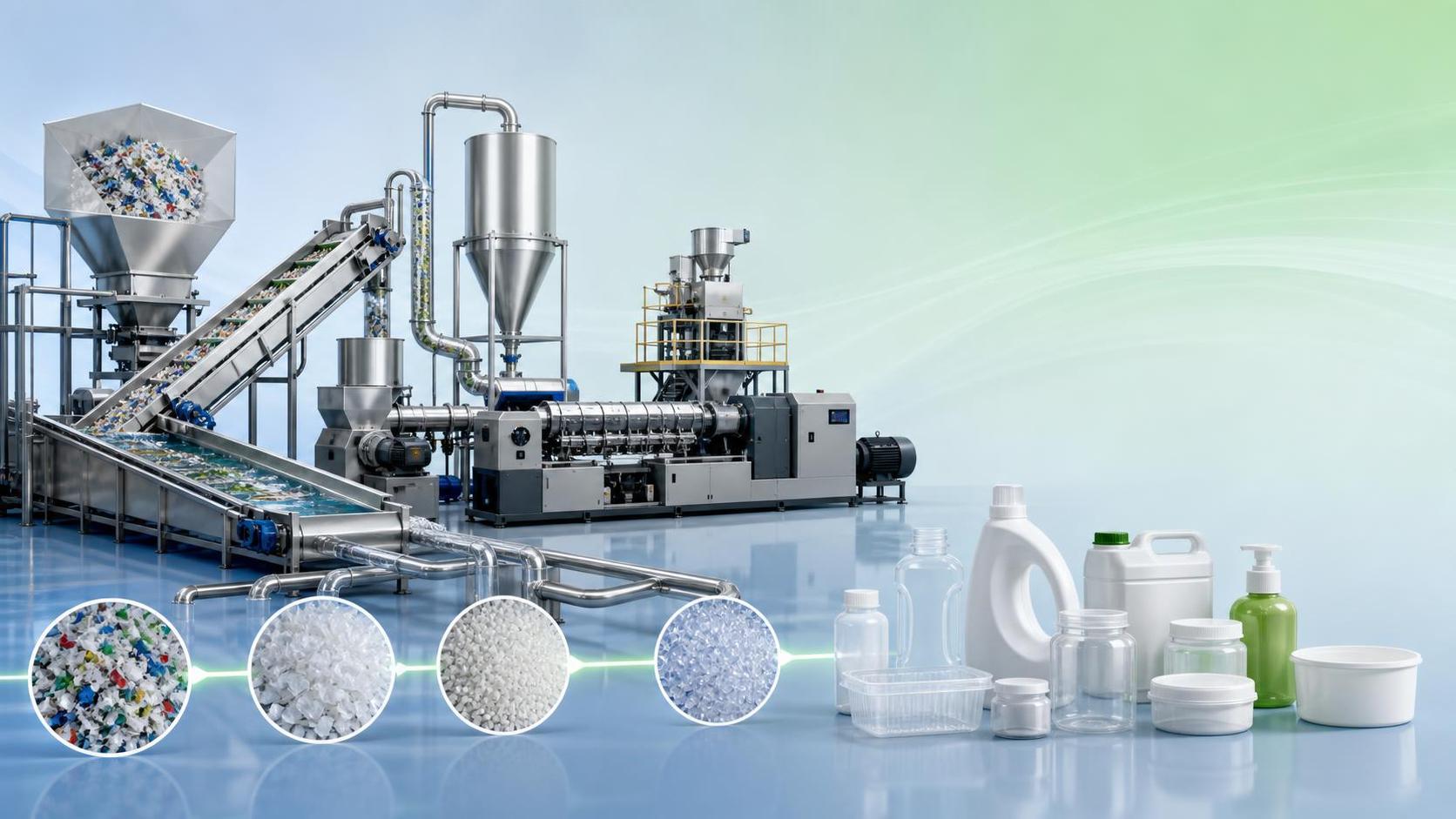
From injection molding and extrusion to blow molding, vulcanization, and recycling, consistent quality depends on matching equipment architecture with material rheology and control precision.
This guide explains how polymer forming systems affect product consistency, what to compare, where variation begins, and how to reduce defects before they become recurring costs.
What do polymer forming systems actually control in product consistency?
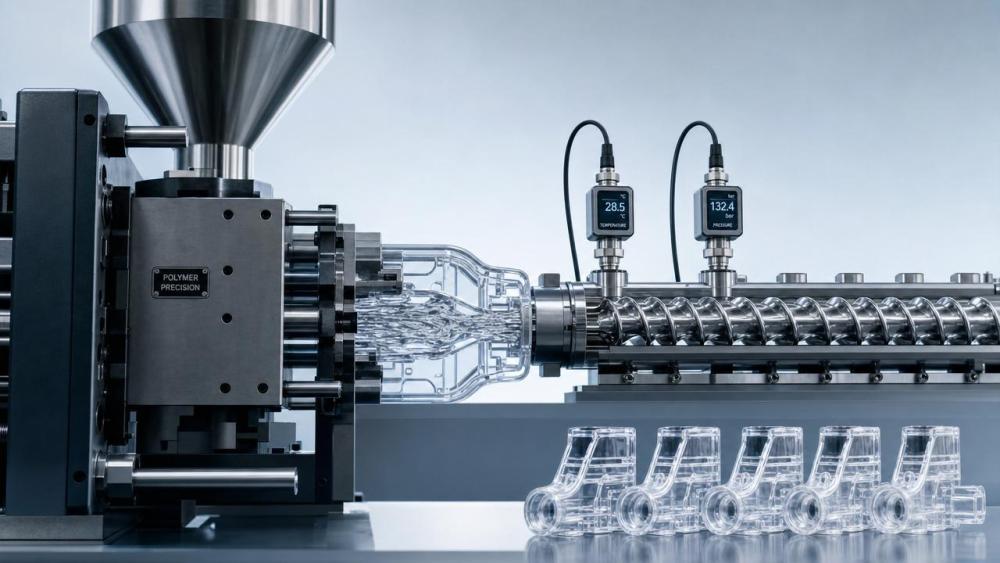
Polymer forming systems control how raw material becomes a finished geometry under heat, pressure, shear, and time. Consistency depends on how repeatably those variables are managed in every cycle.
A stable system keeps melt temperature narrow, pressure response fast, and flow behavior predictable. It also limits material degradation, trapped air, uneven cooling, and inconsistent shrinkage.
In injection molding, the main consistency outputs are part weight, dimensions, flash control, sink marks, and mechanical repeatability. In extrusion, they include gauge uniformity, surface finish, and compound dispersion.
For blow molding, wall thickness distribution and bottle strength become key indicators. In vulcanization, cure uniformity and cross-link density dominate. In recycling, pellet quality and contamination stability are central.
When comparing polymer forming systems, focus on what they stabilize:
- Melt homogeneity
- Pressure consistency
- Residence time control
- Cooling or curing balance
- Closed-loop response speed
- Sensitivity to material variation
Why do machine design and rheology matter so much?
Polymer forming systems do not process simple liquids. Most polymers are non-Newtonian, shear-sensitive, temperature-sensitive, and sometimes moisture-sensitive. Their viscosity changes quickly during processing.
Because of that, screw design, barrel zoning, clamp rigidity, die geometry, mold venting, and servo response directly affect consistency. A weak design magnifies rheological instability instead of controlling it.
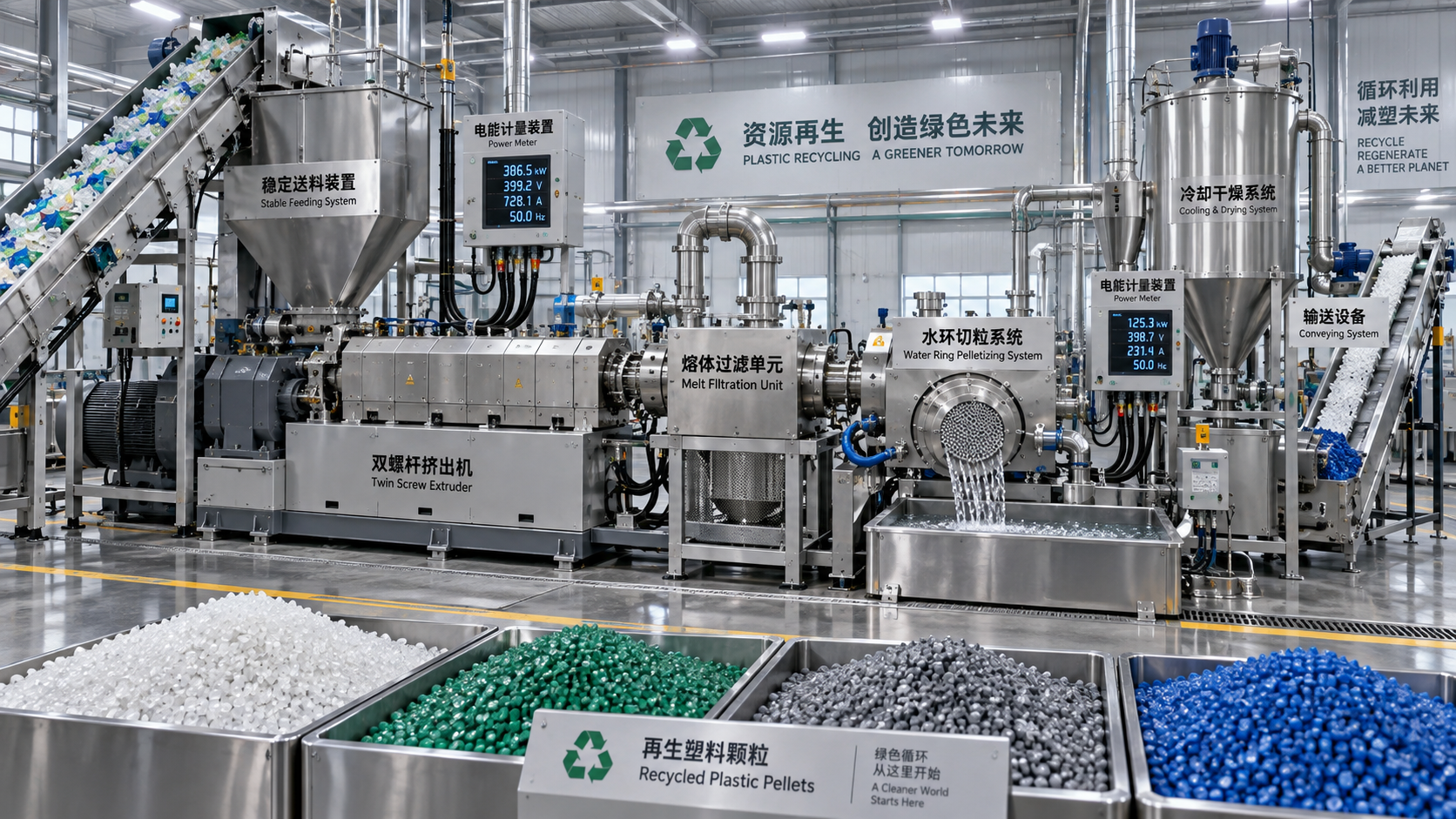
Take twin-screw extrusion as an example. Screw elements determine mixing intensity, dispersive energy, and residence distribution. Poor configuration can cause additive streaking, gels, or unstable throughput.
In precision injection molding, the injection unit must deliver repeatable shot size and holding pressure. Small deviations in melt cushion or response time can shift dimensions outside tolerance.
Rubber vulcanizing systems face a different challenge. They must balance heat transfer, cavity fill, and cure kinetics. Uneven platen temperature often leads to hardness variation or incomplete cross-linking.
Well-engineered polymer forming systems usually show:
- Precise thermal zoning with low overshoot
- High-response servo or electric motion control
- Rigid mechanical structure under load
- Optimized flow paths with fewer dead zones
- Sensors positioned for meaningful feedback
Which process variables create the biggest consistency risks?
Most quality drift comes from interacting variables, not a single bad setting. Polymer forming systems must manage thermal, mechanical, and material variation at the same time.
The highest-risk variables usually include melt temperature, moisture content, screw speed, back pressure, injection velocity, die pressure, cooling rate, cure time, and recycled material contamination.
Material lot variation matters too. Even when a resin grade stays nominally identical, molecular weight distribution or additive package differences can shift flow behavior.
Common consistency risks across polymer forming systems include:
- Overheating that lowers viscosity and accelerates degradation
- Under-mixing that creates poor filler or pigment distribution
- Pressure pulsation that changes output weight or wall thickness
- Uneven cooling that drives warpage and residual stress
- Long residence pockets that cause black specks or gels
- Unfiltered recycled stream contamination
Advanced controls reduce these risks, but they cannot fully compensate for poor hardware matching. A precise controller still struggles if the screw, mold, die, or heater layout is fundamentally unsuitable.
How should polymer forming systems be compared across applications?
The best comparison starts with the consistency target, not the machine category. Different products require different stability priorities, even within the same polymer family.
A medical molded component may prioritize shot repeatability and cavity balance. An agricultural film line may prioritize gauge control, bubble stability, and additive dispersion over long runs.
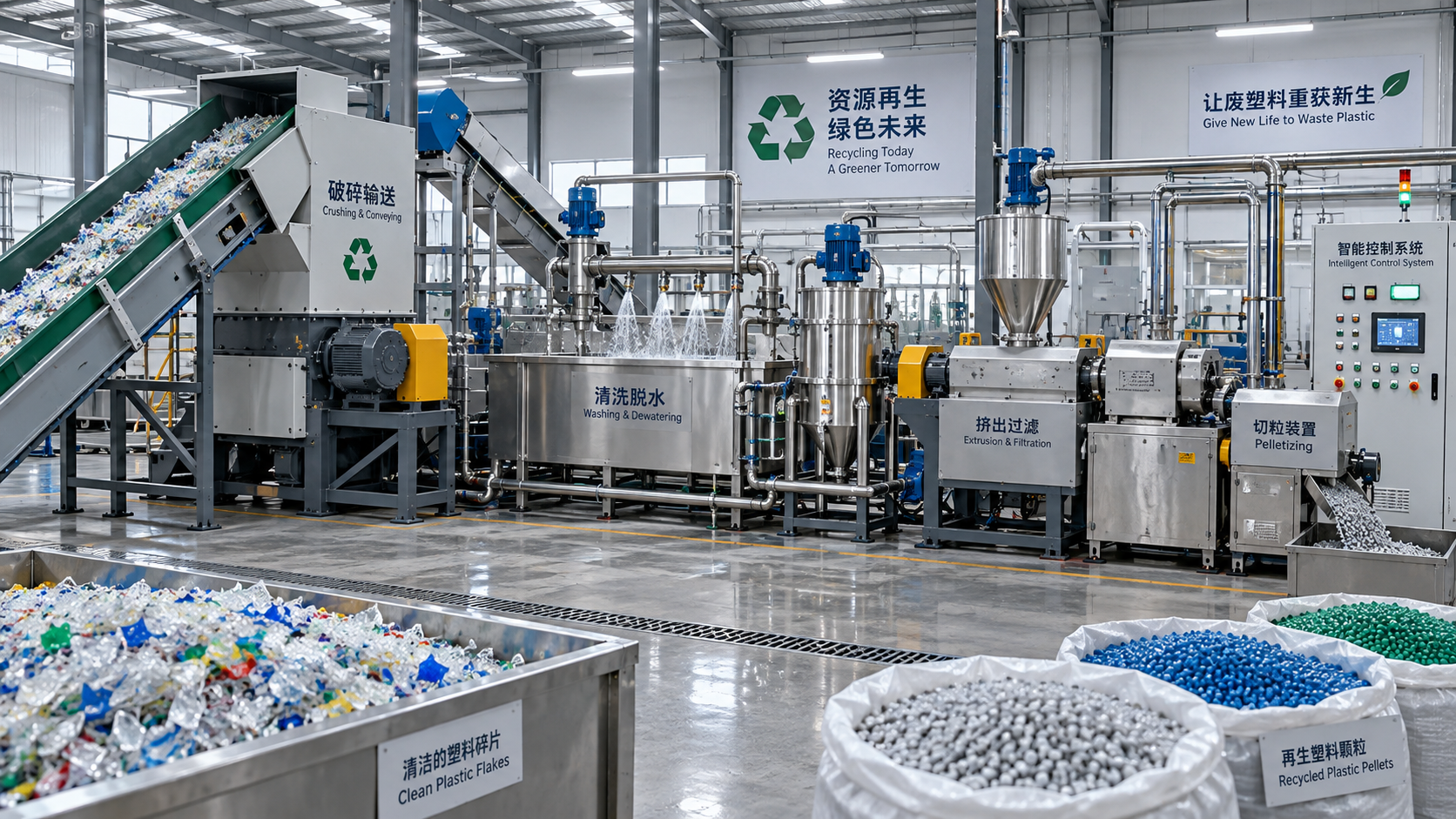
A recycled pelletizing line should be judged by contamination handling, melt filtration efficiency, and pellet uniformity, not only by rated throughput.
Use this comparison table when evaluating polymer forming systems:
This application-first method reveals whether polymer forming systems are truly aligned with the output profile, compliance demands, and defect sensitivity of the intended product.
What are the most common misconceptions when selecting polymer forming systems?
One common mistake is assuming higher throughput guarantees better consistency. In reality, pushing capacity often narrows the process window and increases sensitivity to raw material fluctuation.
Another misconception is treating automation as a complete cure. Smart controls improve response, but poor screw geometry, weak venting, or inaccurate thermal zones still produce unstable parts.
A third mistake is overlooking recycled content behavior. Polymer forming systems processing reclaimed material need stronger filtration, degassing, and contamination management than virgin-only lines.
It is also risky to compare machines using only catalog tolerances. Real consistency depends on performance under load, startup repeatability, material changes, and long-run thermal equilibrium.
Useful selection reminders include:
- Request stability data across long production runs
- Check sensor accuracy and calibration logic
- Review material changeover behavior
- Ask how the system handles off-spec feedstock
- Evaluate maintainability of screws, filters, valves, and heaters
How can consistency be improved without major redesign?
Many polymer forming systems gain consistency through disciplined process refinement rather than complete replacement. The first step is identifying whether variation is thermal, mechanical, rheological, or material-driven.
Start by trending key variables against defect patterns. Weight variation, pressure peaks, melt temperature drift, cure curves, and contamination counts often expose the real instability source.
Then improve the control loop around the dominant factor. Sometimes that means better drying. Sometimes it means tighter filter maintenance, revised screw speed, improved venting, or optimized holding pressure profiles.
Practical improvement actions include:
- Stabilize raw material moisture and feed consistency
- Validate heater accuracy and thermal uniformity
- Reduce dead zones in flow paths where possible
- Use in-line monitoring for pressure and melt temperature
- Tune recipes separately for virgin and recycled blends
- Audit maintenance intervals for wear-sensitive components
In many facilities, consistency improves fastest when data from machine behavior and final product inspection are linked instead of reviewed separately.
Quick FAQ: what should be checked first?
Product consistency is not accidental. It is the result of how polymer forming systems manage heat, flow, pressure, mixing, curing, and contamination across every production cycle.
The strongest evaluations compare machine design with real rheological behavior and application needs. That approach reveals which systems support repeatable quality instead of simply promising output.
When reviewing polymer forming systems, prioritize measurable stability, process transparency, and defect prevention capability. Those factors create the clearest path to reliable quality, lower waste, and scalable performance.
For the next step, build a comparison checklist around consistency metrics, not just capacity. That simple shift leads to better decisions and stronger long-term process control.
Related News
- 00
0000-00
How to Evaluate Plastic Pelletizing Machine Suppliers for Output, Support, and Risk - 00
0000-00
How to Select a Plastic Pipe Manufacturing System for Output, Resin, and Pipe Range - 00
0000-00
How to Specify Injection Molding Equipment for High-Volume Closure Production - 00
0000-00
How to Specify a Medical Molding Machine for Cleanroom Device Production - 00
0000-00
Plastic Extrusion Technology for Films: Process Controls That Improve Gauge Uniformity
Weekly Insights
Stay ahead with our curated technology reports delivered every Monday.
Related News
 Ms. Elena RodriguezHow to Evaluate Plastic Recycling Machinery for UAE Heat, Feedstock, and Output NeedsPlastic recycling machinery UAE buyers: evaluate heat resilience, feedstock handling, cooling, pellet quality, energy use, and lifecycle cost for reliable output.Sep 28, 2026
 Ms. Elena RodriguezGerman Extrusion Equipment Suppliers: Comparing Service, Lead Times, and Lifecycle CostExtrusion equipment Germany suppliers compared: evaluate service coverage, credible lead times, spare-parts access, and lifecycle cost to select a reliable, future-ready production partner.Sep 22, 2026
 Ms. Elena RodriguezWhat Should You Check Before Buying a Used Plastic Recycling Line?What should I check before buying a used plastic recycling line? Explore feedstock fit, wear, trials, utilities, controls, and restoration costs before you invest.Sep 26, 2026
 Ms. Elena RodriguezHow to Compare Pelletizing Lines by Energy Use per TonHow do I compare pelletizing lines by kWh per ton? Learn to measure total energy, verify saleable output, and select a cost-efficient line.Sep 23, 2026
 Ms. Elena RodriguezTyre Cutter Blade Wear: When Capacity Loss Needs Inspectionшинорез blade wear can quietly reduce tyre-cutting capacity. Learn the warning signs, inspection triggers, and maintenance actions that protect output and uptime.Sep 28, 2026
 Ms. Elena RodriguezIn-House Recycling for Factory Scrap: How to Reduce Material Waste and Disposal CostsIn house recycling for factory scrap helps manufacturers cut material waste, reduce disposal costs, and create controlled, quality-focused reuse loops.Sep 07, 2026
 Ms. Elena RodriguezHow Recyclable Packaging Manufacturing Balances Material Recovery and Production CostRecyclable packaging manufacturing: discover how smarter design, feedstock control, and process optimization reduce recovery costs while improving quality and yield.Sep 04, 2026
 Ms. Elena RodriguezHow to Evaluate a Plastic Recycling Systems Supplier for Your Processing NeedsChoose the right plastic recycling systems supplier with a practical guide to feedstock fit, output quality, total cost, testing, service, and compliance.Sep 01, 2026
 Ms. Elena RodriguezCE Marking for Plastic Processing Equipment: Documentation and Safety ChecksPlastic processing equipment CE compliance: learn the essential documentation, risk assessments, safety checks, and validation steps for reliable EU market access.Aug 30, 2026
 Ms. Elena RodriguezPlastic Packaging Compliance Standards: What Tests and Documents Matter Most?Plastic packaging compliance standards explained: learn which migration tests, mechanical checks, and audit-ready documents matter most to reduce risk and pass reviews with confidence.Aug 25, 2026
 Ms. Elena RodriguezHow to Evaluate a Plastic Waste Recycling System for Capacity, Contamination, and ROIPlastic waste recycling system evaluation made practical: compare true capacity, contamination control, and ROI to choose a line that delivers stable output and stronger returns.Aug 24, 2026
 Ms. Elena RodriguezPackaging Molding Equipment Price: What Drives Cost and How to Compare Quotes?Packaging molding equipment price varies by machine type, automation, tooling, energy use, and service scope. Learn what drives cost and how to compare quotes with confidence.Aug 21, 2026
 Ms. Elena RodriguezWhat Packaging Machinery for Plastic Containers Should You Choose for High-Volume Production?Packaging machinery for plastics containers can make or break high-volume production. Learn how to choose the right line for speed, consistency, compliance, and lower lifecycle costs.Aug 16, 2026
 Ms. Elena RodriguezWhat Circular Plastics Mean for Automotive Parts and Material SelectionCircular plastics for automotive are reshaping part selection with lower weight, better sustainability, and reliable performance. Discover how engineers balance recycled content, durability, and compliance.Aug 15, 2026
 Ms. Elena RodriguezBroiler Farming in Cage System: Selection Factors for Commercial FarmsBroiler farming in cage system selection for commercial farms: compare structure, ventilation, automation, and manure handling to improve efficiency and avoid costly mistakes.Aug 14, 2026
 Ms. Elena RodriguezHow to Implement Smart Polymer Manufacturing Without Disrupting Existing Production?Smart polymer manufacturing implementation made practical: learn how to upgrade existing production with phased digitalization, less downtime, better control, and measurable ROI.Aug 11, 2026
 Ms. Elena RodriguezHow to Evaluate a Rubber Compression Molding Supplier for Complex Part ProductionRubber compression molding supplier selection for complex parts starts with process, material, and tooling control. Learn how to compare vendors beyond price and reduce launch risk.Aug 10, 2026
 Ms. Elena RodriguezPackaging Compliance in Canada: Key Labeling and EPR Rules Importers Must KnowPackaging compliance Canada explained for importers: learn bilingual labeling, environmental claims, and provincial EPR rules to reduce risk, avoid costly errors, and stay market-ready.Aug 03, 2026
 Ms. Elena RodriguezWhy Circular Plastics Economy Traceability Matters for Recycled Content ComplianceCircular plastics economy traceability is essential for proving recycled content compliance across sourcing, processing, and reporting. Learn how strong evidence reduces audit risk.Aug 02, 2026
 Ms. Elena RodriguezRecycled Plastic Compliance: Key Standards, Testing Requirements, and DocumentationRecycled plastic compliance explained: key standards, testing requirements, supplier documents, and food-contact risks to help you avoid approval delays and costly compliance mistakes.Aug 01, 2026