Can a green circular economy lower long-term plant costs




Can a green circular economy lower long-term plant costs in polymer processing? Increasingly, yes. The strongest gains come from lower energy demand, less virgin resin exposure, tighter compliance control, and better asset utilization.
Across injection molding, extrusion, vulcanization, blow molding, and recycling, the green circular economy has shifted from brand language to operating discipline. It now influences capex logic, maintenance planning, material strategy, and plant resilience.
For sectors observed by PFRS, the question is no longer whether circularity matters. The real question is which production scenarios produce the fastest financial return from a green circular economy model.
When does a green circular economy create the biggest cost advantage?
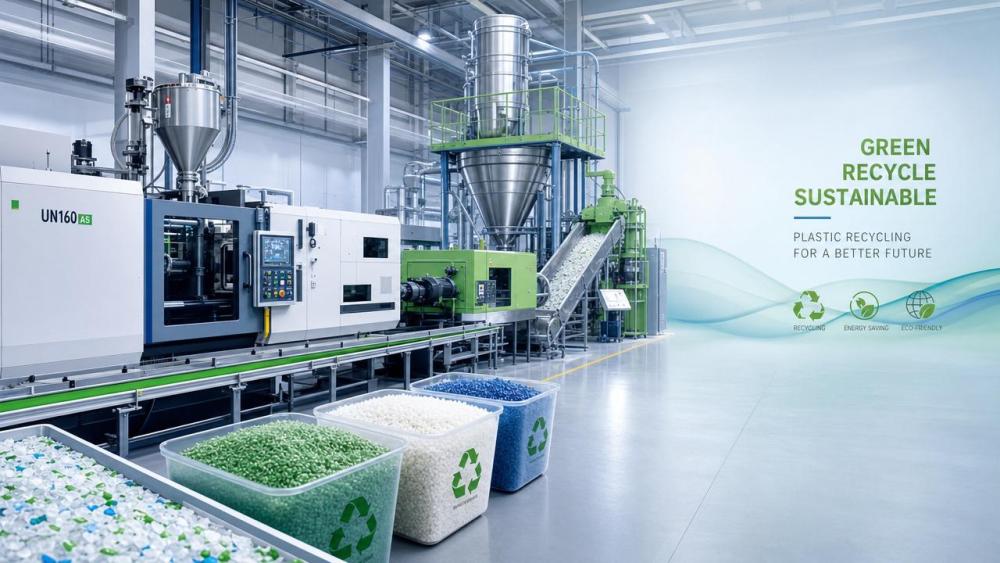
The answer depends on plant conditions. A green circular economy delivers the most value where energy intensity is high, scrap is recurring, resin prices are volatile, or packaging rules are tightening.
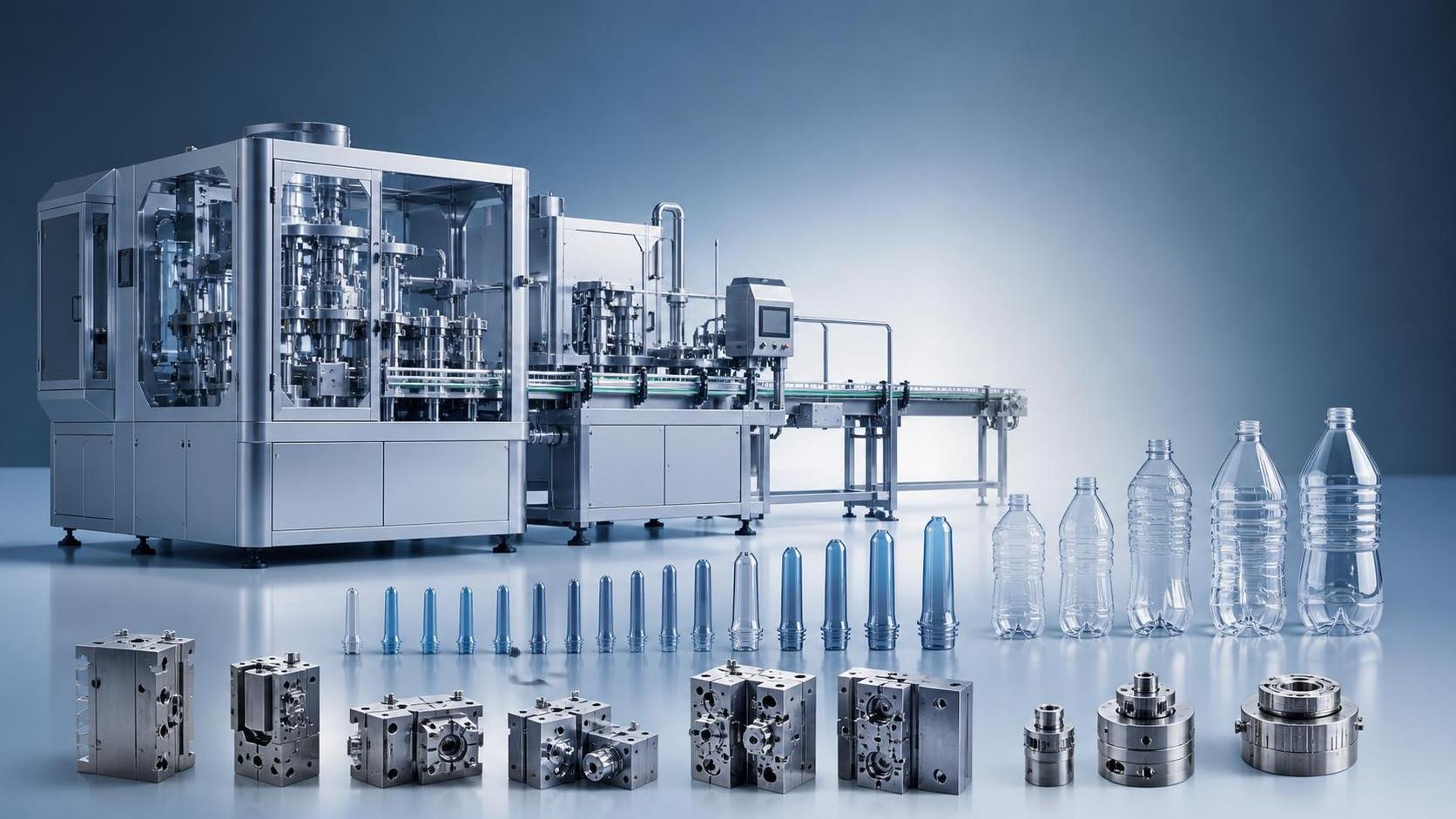
This is especially true in operations running continuous extrusion, high-cavity injection molding, stretch blow molding, rubber curing, or internal recycling loops. In these settings, small efficiency gains multiply across large volumes.
The background is clear. Global packaging compliance is becoming stricter. Electricity costs remain unstable in many regions. Recycled content targets are expanding. Equipment performance is now judged by throughput, waste, traceability, and carbon intensity together.
A green circular economy helps plants respond by redesigning material flow, digital controls, thermal systems, and end-of-line recovery. That changes long-term cost structures, not just monthly utility bills.
Scenario 1: High-volume molding lines with recurring scrap losses
In high-volume molding, scrap is often treated as a quality issue. Under a green circular economy approach, scrap becomes a cost signal across tooling, energy, labor, and material handling.
For injection molding and blow molding, the key judgment points include runner loss, startup rejects, cycle stability, and regrind consistency. If these remain unmanaged, long-term plant costs rise silently.
Core indicators in this scenario
- Scrap rate by product family and shift
- Energy use per accepted part
- Regrind ratio without quality drift
- Holding pressure and cooling stability
- Tool wear linked to reject patterns
All-electric presses, servo drives, hot runner optimization, and closed-loop controls often reduce both waste and power consumption. That is where the green circular economy becomes financially visible.
When internal scrap is returned under controlled ratios, resin purchasing pressure also drops. Over time, this lowers the plant’s dependence on virgin polymer price spikes.
Scenario 2: Extrusion plants facing energy and formulation volatility
Extrusion is a classic case where a green circular economy can reshape cost performance. Continuous operation means thermal inefficiency and poor compounding discipline become expensive very quickly.
The biggest judgment points here are screw design, melt homogeneity, line speed stability, additive dosing accuracy, and recycled feedstock compatibility. These factors directly affect yield and energy intensity.
Where savings usually appear
- Lower kWh per kilogram through better thermal balance
- Reduced off-spec output during startups and changeovers
- Higher use of recycled pellets or flakes
- Less downtime from contamination or unstable melt pressure
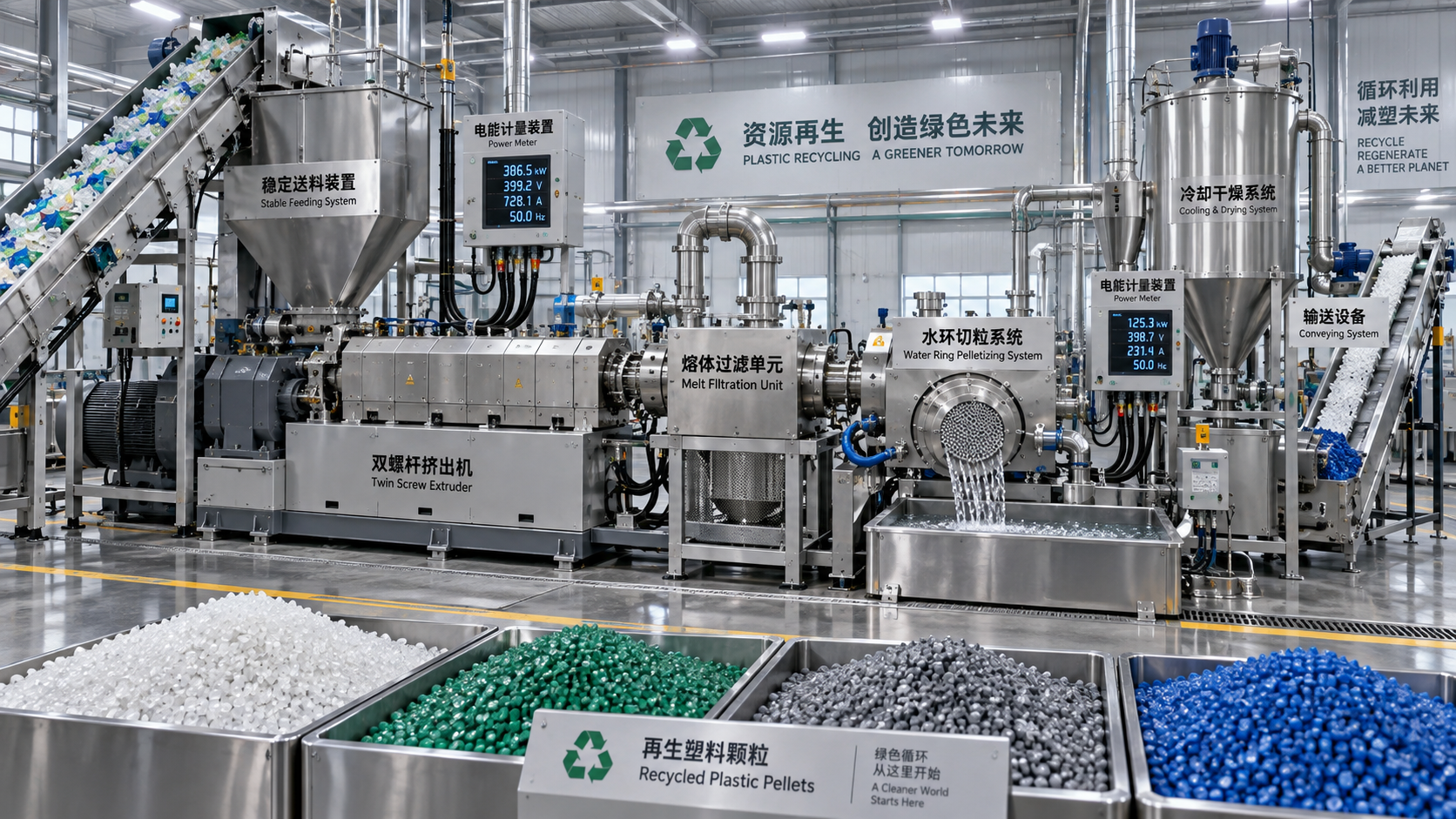
Twin-screw systems, gravimetric dosing, melt filtration, and digital monitoring often support green circular economy goals in a practical way. They improve consistency while making recycled content more usable.
This matters for pipe, film, sheet, and compound applications. In each case, better process control lowers hidden costs tied to rework, customer claims, and overconsumption of additives.
Scenario 3: Plants exposed to packaging compliance and recycled content pressure
A green circular economy is especially valuable where packaging regulations are changing faster than asset depreciation schedules. Compliance risk can become a major cost if equipment cannot adapt.
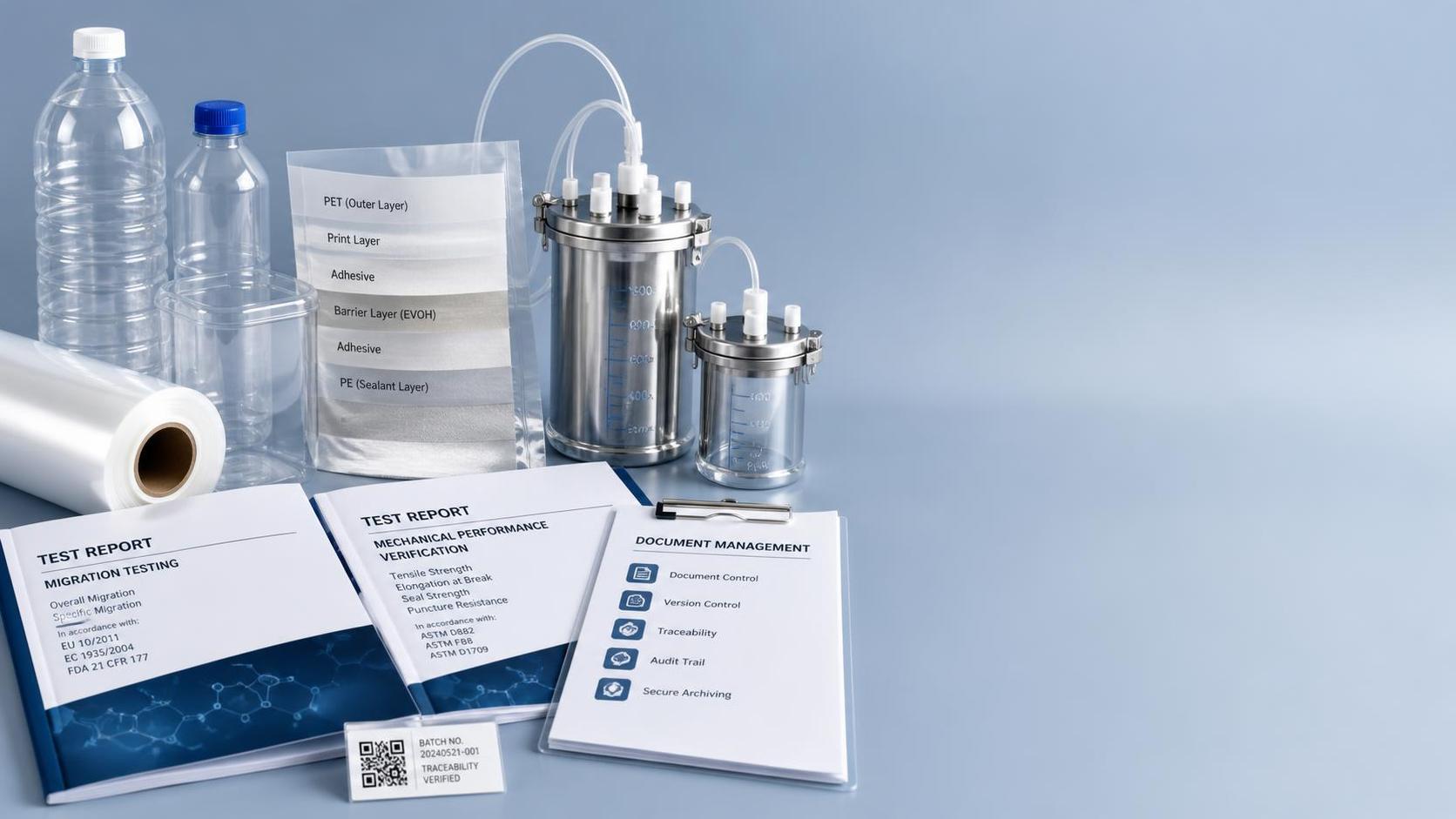
For bottle, cap, container, film, and medical packaging lines, the central judgment point is flexibility. Can the plant process recycled content, document traceability, and maintain output quality?
If not, future retrofit costs may exceed the price of earlier modernization. In this scenario, a green circular economy lowers long-term cost by avoiding stranded capacity and rushed compliance spending.
Signals that adaptation is becoming urgent
- Rising demand for recycled-content packaging
- Frequent resin substitution requests
- Customer requirements for production traceability
- Growing need for food-contact or medical-grade process discipline
The green circular economy works here by combining material qualification, process transparency, and efficient equipment upgrades. It is not only about waste recovery. It is about preserving market access.
Scenario 4: In-house recycling lines that turn waste into cost control
One of the clearest green circular economy cases is in-house recycling. Plants generating stable internal waste streams can often convert disposal cost into feedstock value.
The judgment points include contamination level, sorting discipline, washing demand, pellet quality targets, and the percentage of recyclate that downstream lines can absorb safely.
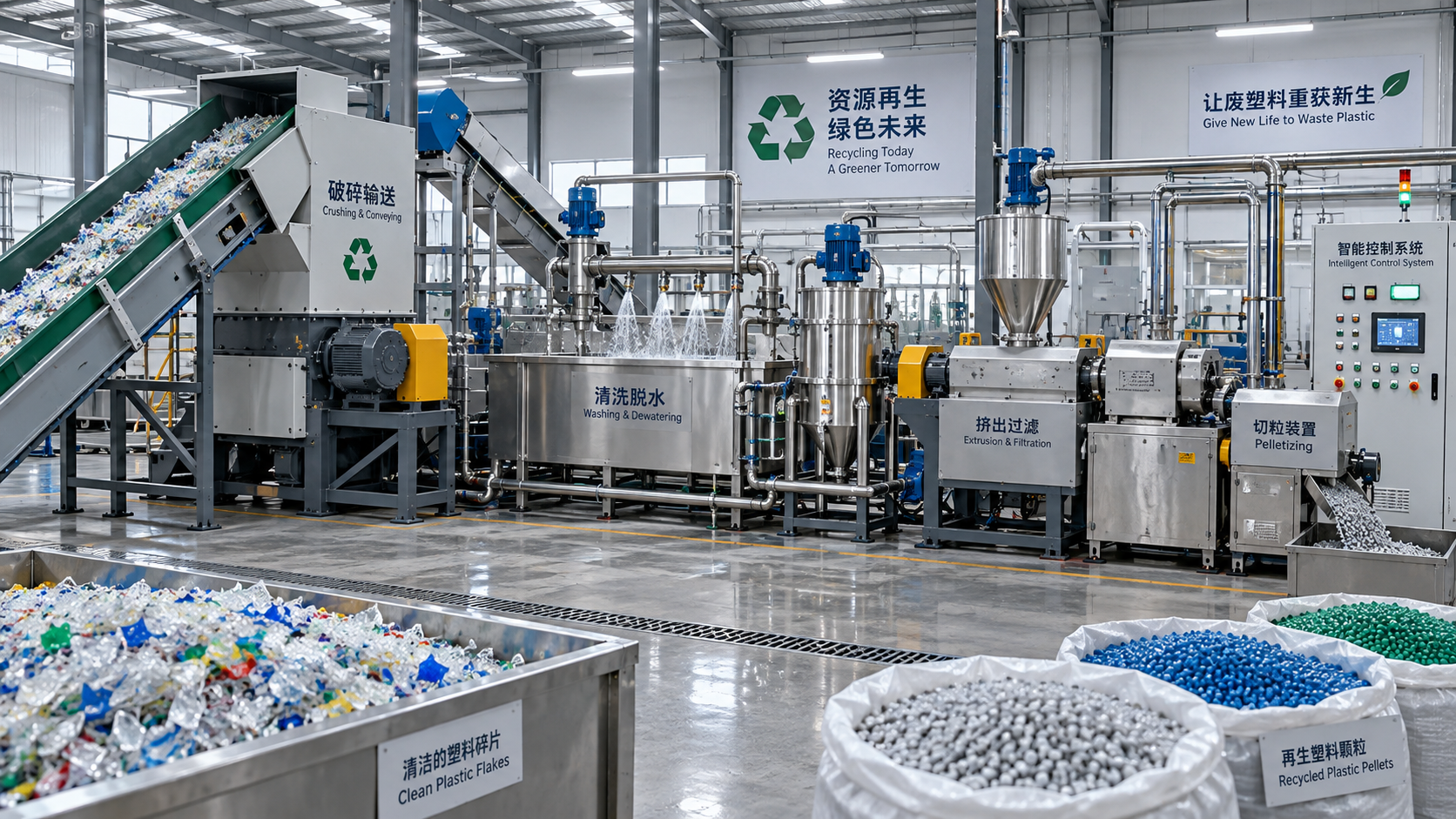
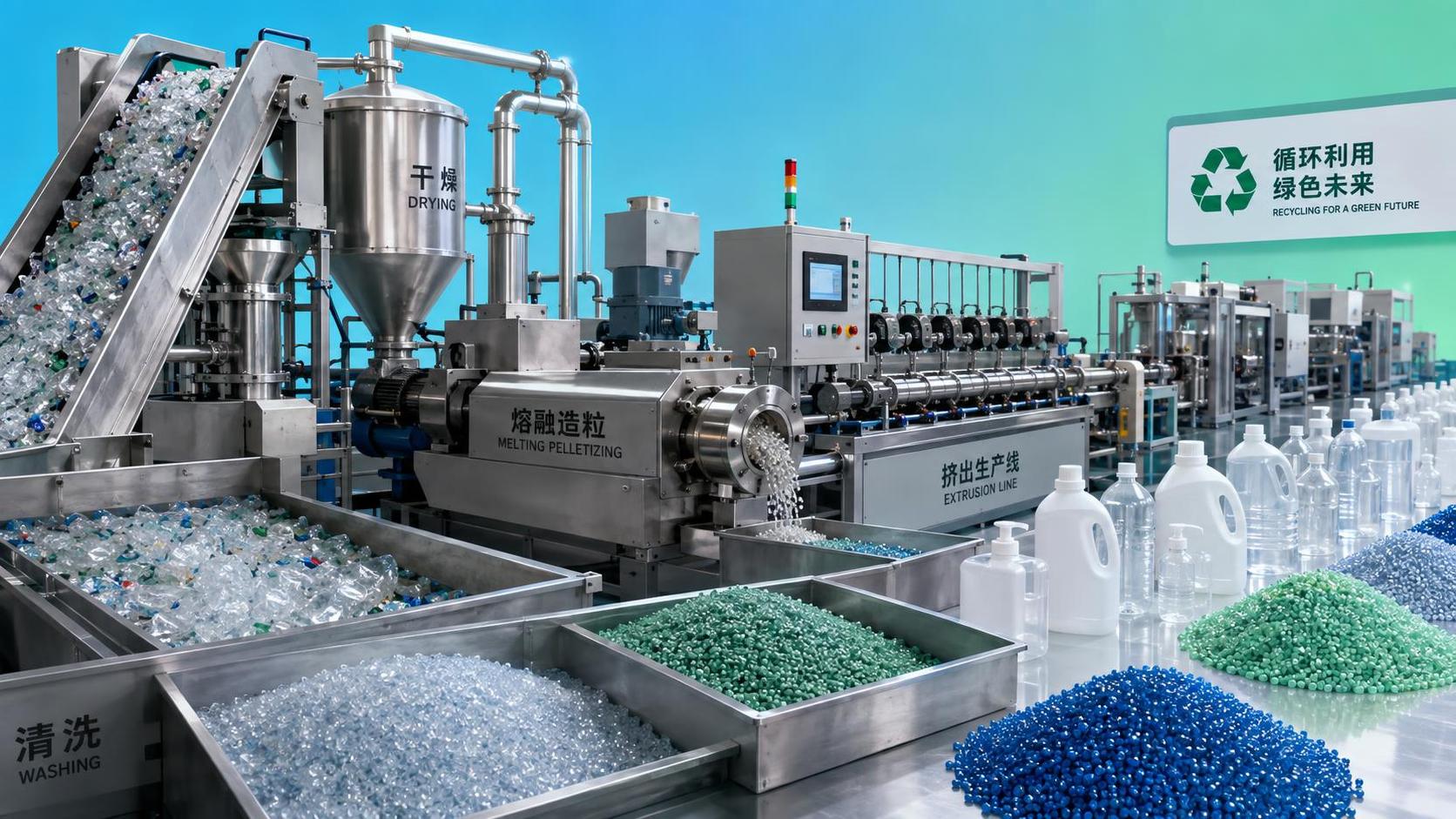
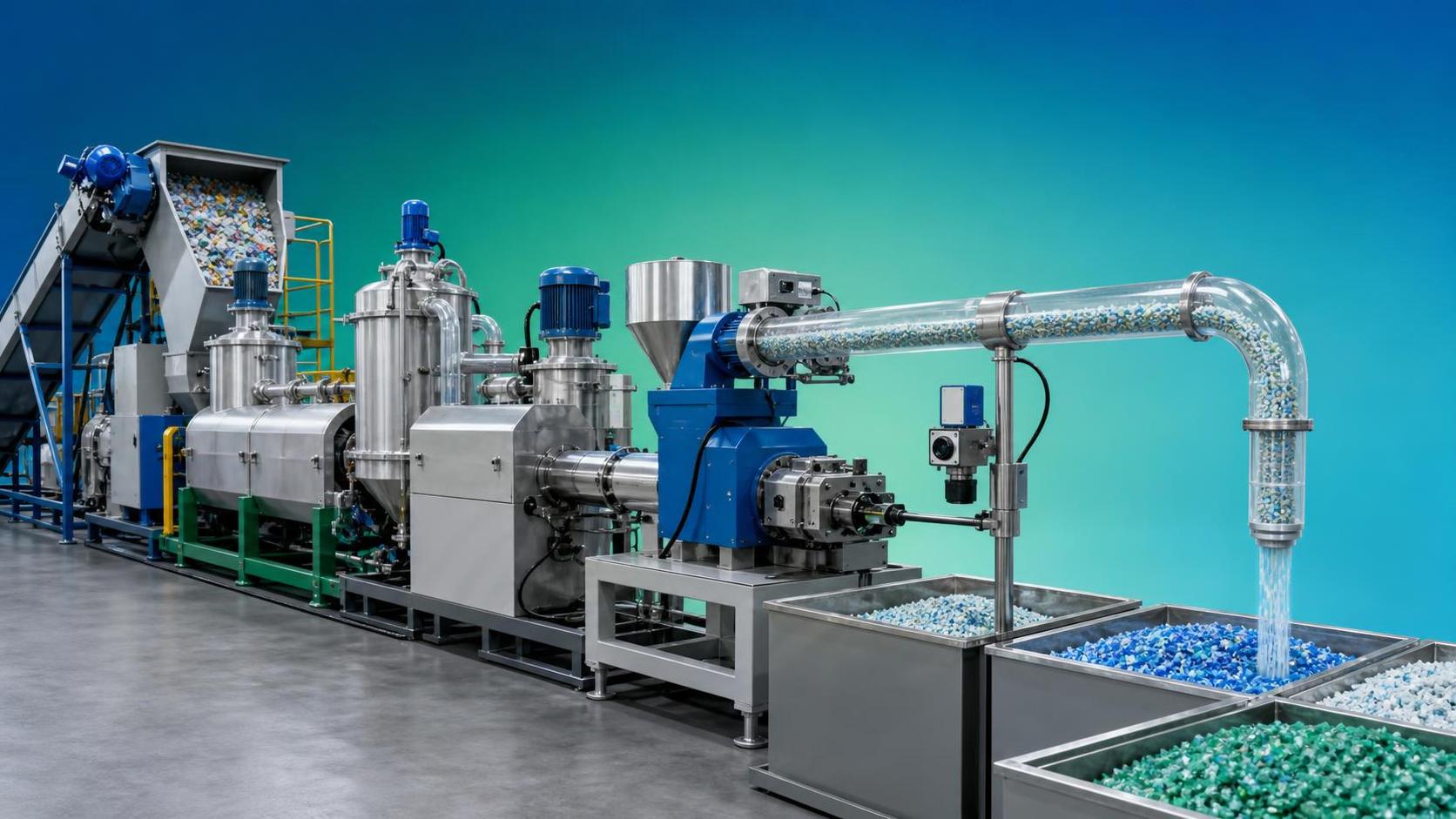
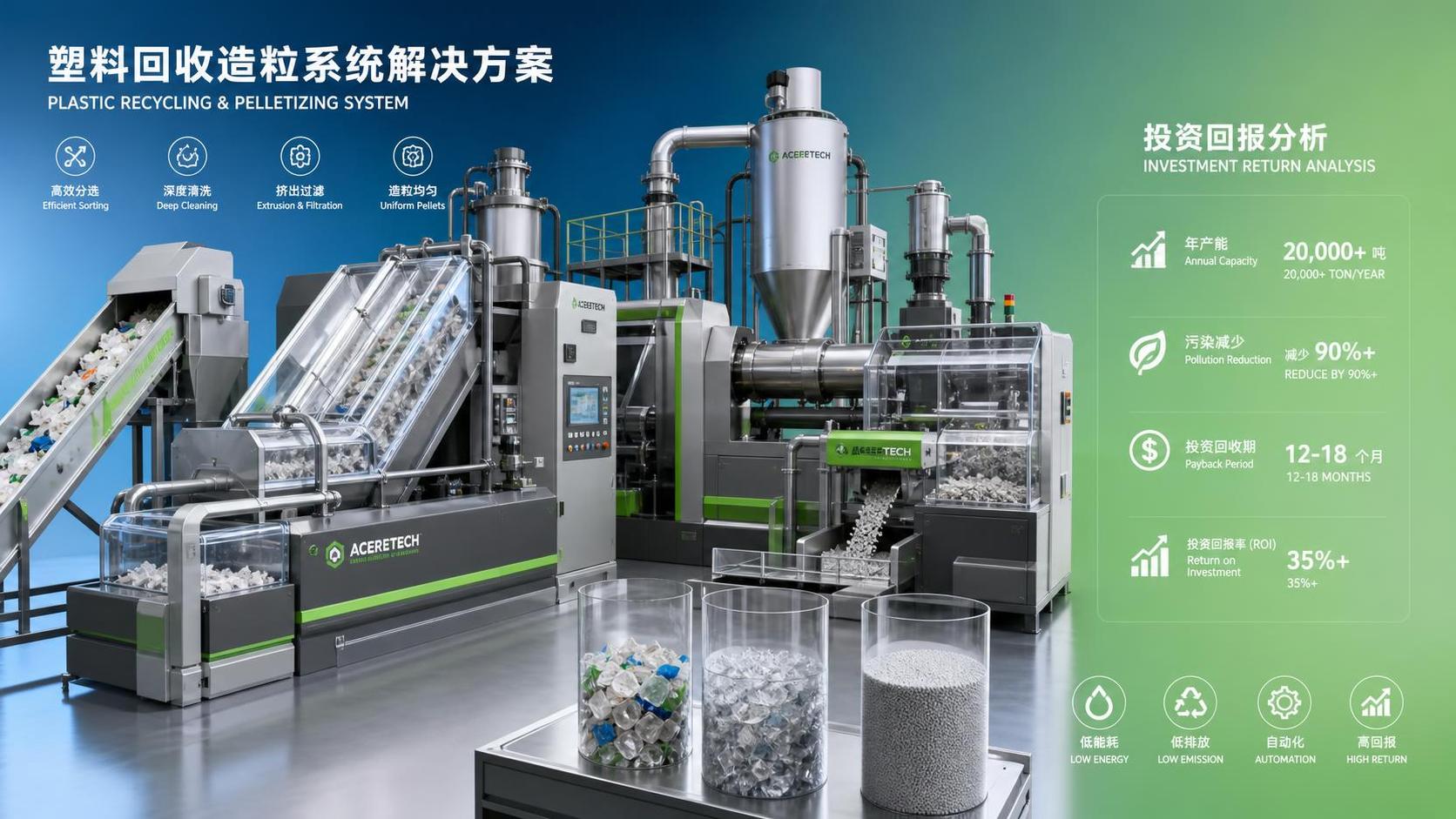
Waste plastic pelletizing systems, underwater pelletizing, advanced filtration, and moisture control are central in this scenario. Their value depends on whether recovered material can re-enter production reliably.
The green circular economy reduces long-term costs here through lower disposal fees, lower virgin material demand, shorter logistics loops, and stronger supply continuity during resin disruptions.
How scenario needs differ across plant types
Practical adaptation advice for different operating scenarios
- Audit cost per accepted kilogram, not only monthly utility totals.
- Track scrap by root cause, machine, mold, material, and shift.
- Test where recycled content affects quality, throughput, or maintenance.
- Compare retrofit value against future compliance risk.
- Use digital monitoring to link energy, rejects, and process settings.
- Evaluate in-house recycling only where waste streams are consistent.
In every case, the green circular economy works best when technical and financial data are reviewed together. Equipment efficiency alone is not enough. Material flow and output quality must also improve.
Common misjudgments that weaken circular cost savings
A frequent mistake is treating the green circular economy as a branding project. That approach often ignores maintenance intervals, melt quality, contamination control, and actual reuse rates.
Another error is focusing only on machine purchase price. Lower-cost equipment may create higher energy use, weaker process stability, and larger reject volumes over its service life.
Some plants also overestimate the value of recycled material without testing filtration, viscosity shifts, odor control, or additive balance. Poor-quality recyclate can increase hidden costs downstream.
Finally, many operations measure sustainability separately from profit. A true green circular economy model combines both. It links carbon, waste, compliance, and total production cost in one framework.
Next steps for lowering plant costs through a green circular economy
Start with one production scenario, not the entire site. Select the line with the clearest combination of energy intensity, scrap generation, resin exposure, or compliance pressure.
Then build a baseline using three numbers: cost per accepted output, recoverable waste value, and equipment-related energy intensity. These reveal whether the green circular economy case is operationally strong.
From there, prioritize upgrades with measurable payback. That may include servo systems, better molds, filtration, pelletizing, dosing, digital controls, or traceability tools.
For deeper sector intelligence, PFRS connects equipment evolution, polymer process insight, and circular manufacturing trends. That perspective helps turn the green circular economy from an abstract ambition into a durable cost strategy.
Related News
- 00
0000-00
How to Evaluate Plastic Recycling Machinery for UAE Heat, Feedstock, and Output Needs - 00
0000-00
How to Evaluate a PET Bottle Recycling System Supplier for Reliable rPET Output - 00
0000-00
How to Select Rubber Processing Equipment for High-Precision Automotive Seals - 00
0000-00
How to Qualify a Servo Injection Molding Exporter for Global Sourcing - 00
0000-00
Polymer Processing for Extrusion: How Melt Rheology Affects Line Stability
Weekly Insights
Stay ahead with our curated technology reports delivered every Monday.
Related News
 Ms. Elena RodriguezHow to Evaluate Plastic Recycling Machinery for UAE Heat, Feedstock, and Output NeedsPlastic recycling machinery UAE buyers: evaluate heat resilience, feedstock handling, cooling, pellet quality, energy use, and lifecycle cost for reliable output.Sep 28, 2026
 Ms. Elena RodriguezGerman Extrusion Equipment Suppliers: Comparing Service, Lead Times, and Lifecycle CostExtrusion equipment Germany suppliers compared: evaluate service coverage, credible lead times, spare-parts access, and lifecycle cost to select a reliable, future-ready production partner.Sep 22, 2026
 Ms. Elena RodriguezWhat Should You Check Before Buying a Used Plastic Recycling Line?What should I check before buying a used plastic recycling line? Explore feedstock fit, wear, trials, utilities, controls, and restoration costs before you invest.Sep 26, 2026
 Ms. Elena RodriguezHow to Compare Pelletizing Lines by Energy Use per TonHow do I compare pelletizing lines by kWh per ton? Learn to measure total energy, verify saleable output, and select a cost-efficient line.Sep 23, 2026
 Ms. Elena RodriguezTyre Cutter Blade Wear: When Capacity Loss Needs Inspectionшинорез blade wear can quietly reduce tyre-cutting capacity. Learn the warning signs, inspection triggers, and maintenance actions that protect output and uptime.Sep 28, 2026
 Ms. Elena RodriguezIn-House Recycling for Factory Scrap: How to Reduce Material Waste and Disposal CostsIn house recycling for factory scrap helps manufacturers cut material waste, reduce disposal costs, and create controlled, quality-focused reuse loops.Sep 07, 2026
 Ms. Elena RodriguezHow Recyclable Packaging Manufacturing Balances Material Recovery and Production CostRecyclable packaging manufacturing: discover how smarter design, feedstock control, and process optimization reduce recovery costs while improving quality and yield.Sep 04, 2026
 Ms. Elena RodriguezHow to Evaluate a Plastic Recycling Systems Supplier for Your Processing NeedsChoose the right plastic recycling systems supplier with a practical guide to feedstock fit, output quality, total cost, testing, service, and compliance.Sep 01, 2026
 Ms. Elena RodriguezCE Marking for Plastic Processing Equipment: Documentation and Safety ChecksPlastic processing equipment CE compliance: learn the essential documentation, risk assessments, safety checks, and validation steps for reliable EU market access.Aug 30, 2026
 Ms. Elena RodriguezPlastic Packaging Compliance Standards: What Tests and Documents Matter Most?Plastic packaging compliance standards explained: learn which migration tests, mechanical checks, and audit-ready documents matter most to reduce risk and pass reviews with confidence.Aug 25, 2026
 Ms. Elena RodriguezHow to Evaluate a Plastic Waste Recycling System for Capacity, Contamination, and ROIPlastic waste recycling system evaluation made practical: compare true capacity, contamination control, and ROI to choose a line that delivers stable output and stronger returns.Aug 24, 2026
 Ms. Elena RodriguezPackaging Molding Equipment Price: What Drives Cost and How to Compare Quotes?Packaging molding equipment price varies by machine type, automation, tooling, energy use, and service scope. Learn what drives cost and how to compare quotes with confidence.Aug 21, 2026
 Ms. Elena RodriguezWhat Packaging Machinery for Plastic Containers Should You Choose for High-Volume Production?Packaging machinery for plastics containers can make or break high-volume production. Learn how to choose the right line for speed, consistency, compliance, and lower lifecycle costs.Aug 16, 2026
 Ms. Elena RodriguezWhat Circular Plastics Mean for Automotive Parts and Material SelectionCircular plastics for automotive are reshaping part selection with lower weight, better sustainability, and reliable performance. Discover how engineers balance recycled content, durability, and compliance.Aug 15, 2026
 Ms. Elena RodriguezBroiler Farming in Cage System: Selection Factors for Commercial FarmsBroiler farming in cage system selection for commercial farms: compare structure, ventilation, automation, and manure handling to improve efficiency and avoid costly mistakes.Aug 14, 2026
 Ms. Elena RodriguezHow to Implement Smart Polymer Manufacturing Without Disrupting Existing Production?Smart polymer manufacturing implementation made practical: learn how to upgrade existing production with phased digitalization, less downtime, better control, and measurable ROI.Aug 11, 2026
 Ms. Elena RodriguezHow to Evaluate a Rubber Compression Molding Supplier for Complex Part ProductionRubber compression molding supplier selection for complex parts starts with process, material, and tooling control. Learn how to compare vendors beyond price and reduce launch risk.Aug 10, 2026
 Ms. Elena RodriguezPackaging Compliance in Canada: Key Labeling and EPR Rules Importers Must KnowPackaging compliance Canada explained for importers: learn bilingual labeling, environmental claims, and provincial EPR rules to reduce risk, avoid costly errors, and stay market-ready.Aug 03, 2026
 Ms. Elena RodriguezWhy Circular Plastics Economy Traceability Matters for Recycled Content ComplianceCircular plastics economy traceability is essential for proving recycled content compliance across sourcing, processing, and reporting. Learn how strong evidence reduces audit risk.Aug 02, 2026
 Ms. Elena RodriguezRecycled Plastic Compliance: Key Standards, Testing Requirements, and DocumentationRecycled plastic compliance explained: key standards, testing requirements, supplier documents, and food-contact risks to help you avoid approval delays and costly compliance mistakes.Aug 01, 2026