Where Polymer Material Lifecycle Costs Often Get Misread




For finance approvers, polymer material lifecycle costs are often misread when attention stays on purchase price alone.
In reality, the polymer material lifecycle includes energy demand, scrap generation, downtime exposure, maintenance intensity, compliance risk, and end-of-life recovery value.
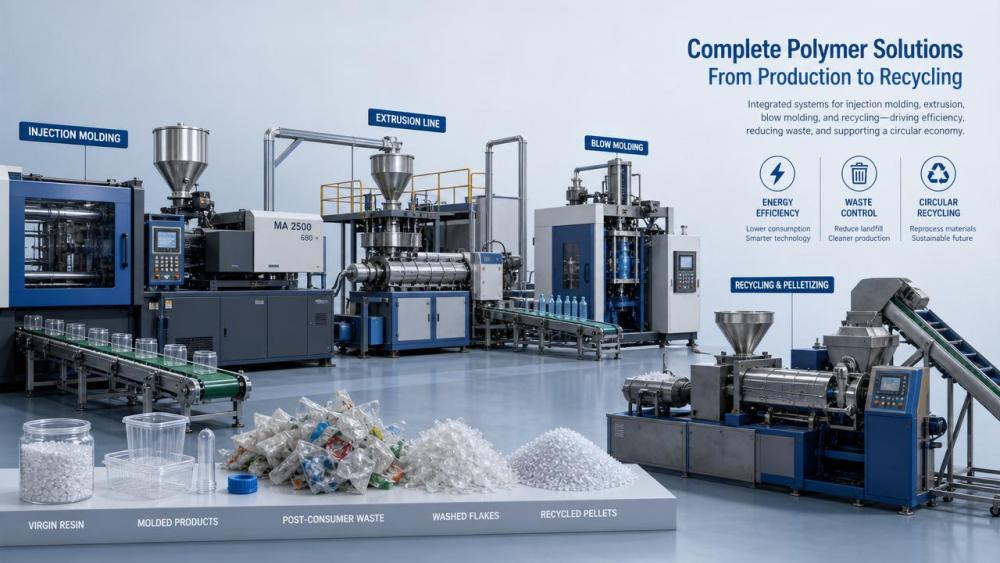
Across injection molding, extrusion, blow molding, vulcanization, and recycling, these hidden cost layers now matter more than before.
Rising power prices, stricter packaging rules, recycled content targets, and digital traceability are changing how lifecycle economics should be judged.
A better reading of the polymer material lifecycle helps protect margins, support ESG goals, and improve long-term capital efficiency.
Why the polymer material lifecycle is being re-evaluated now
The old cost model assumed stable resin supply, cheaper electricity, and lower pressure from environmental compliance.
That assumption is breaking down across the global polymer processing landscape.
Equipment decisions now affect not only output, but also carbon intensity, recycled feedstock flexibility, and packaging law exposure.
This shift is especially visible in high-volume systems where small process losses become major annual costs.
PFRS tracks this change through intelligence on molding precision, extrusion efficiency, vulcanization control, and waste plastic recovery performance.
The common thread is simple: the polymer material lifecycle must be measured from raw input to recovered material value.
The most frequent places where lifecycle costs get misread
Misreading the polymer material lifecycle rarely comes from one mistake.
It usually comes from ignoring several small variables that compound over years.
1. Energy use is treated as secondary
All-electric injection systems, servo drives, optimized heaters, and better screw design can significantly change unit energy consumption.
A lower-priced machine may lock in higher electricity costs for the entire polymer material lifecycle.
2. Scrap is underestimated
Poor melt stability, inconsistent holding pressure, weak temperature control, and startup losses quietly erode profitability.
In the polymer material lifecycle, scrap is not only wasted resin.
It also includes wasted labor, machine hours, energy, and delayed shipments.
3. Maintenance is viewed only as spare parts cost
The real issue is process interruption.
Unplanned downtime can exceed the value of the replaced component many times over.
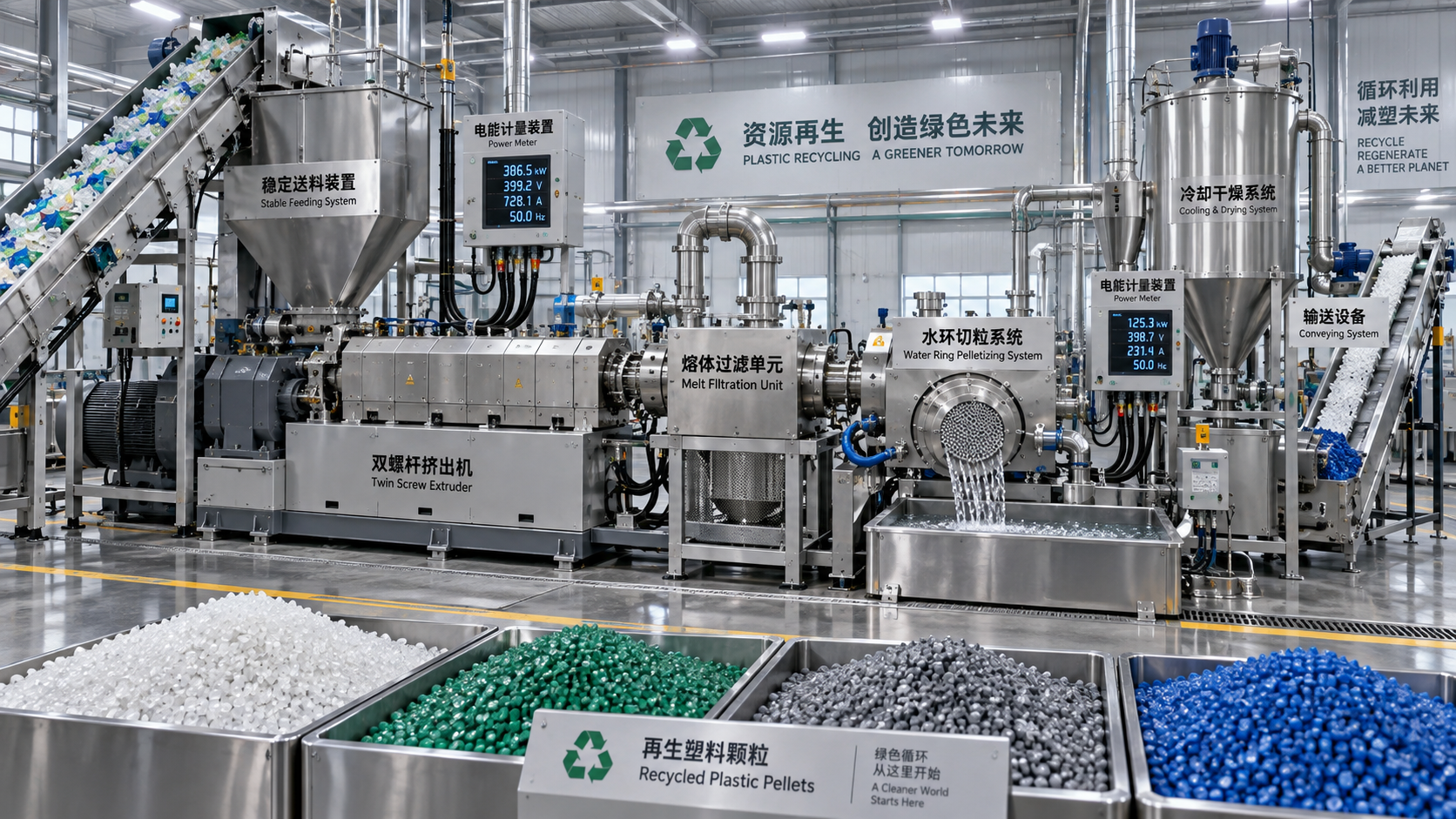
For extrusion and pelletizing lines, wear on screws, barrels, filters, and cutters can also reduce material quality before failure appears.
4. Compliance costs are ignored until late
Packaging regulations, recycled content mandates, food-contact restrictions, and emissions reporting now influence equipment economics.
If a system cannot process compliant materials reliably, the polymer material lifecycle becomes more expensive than forecasts suggest.
5. Recycling value is left out of the equation
Closed-loop recovery changes the true cost of ownership.
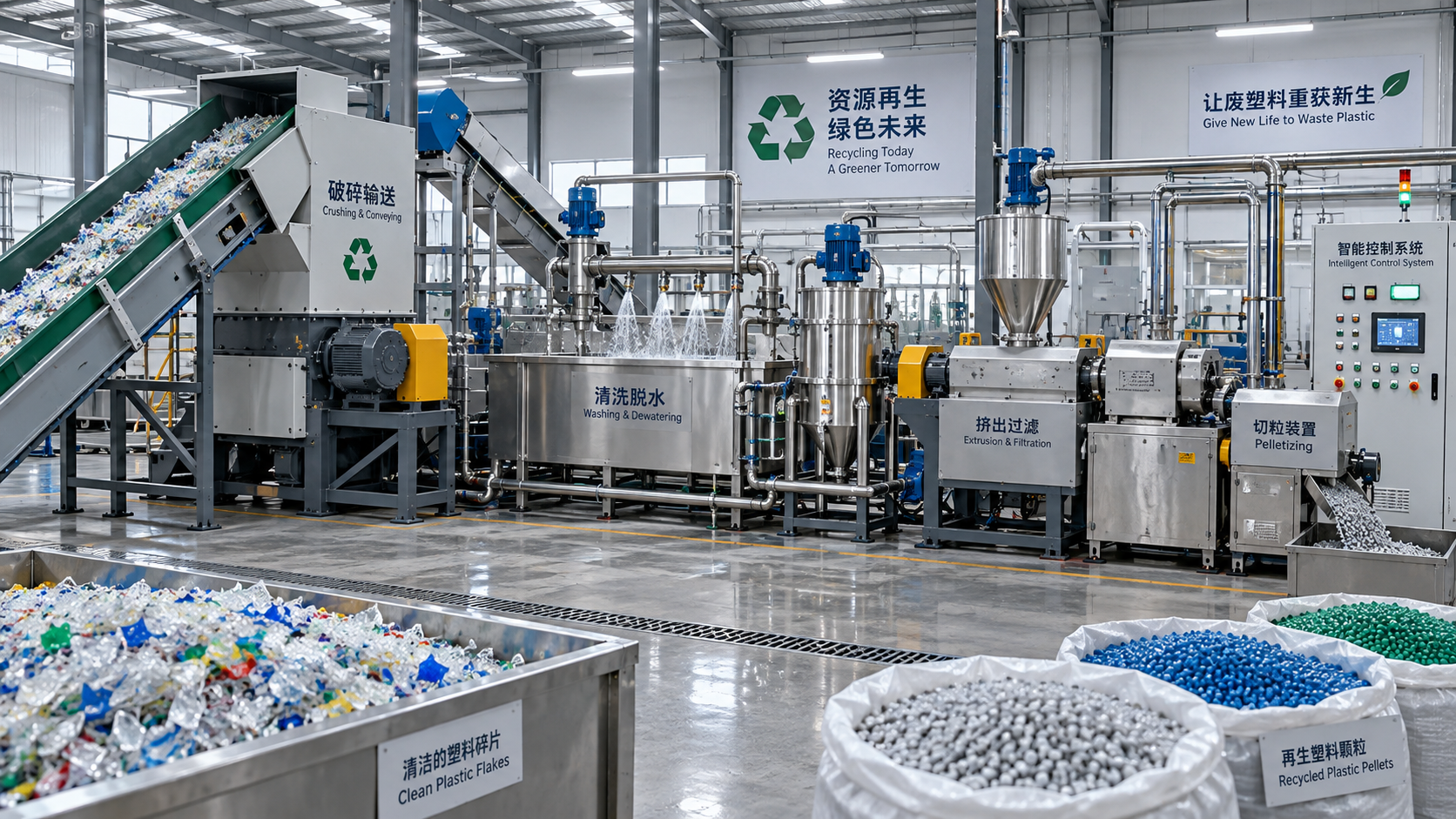
Regrind handling, washing quality, melt filtration, and pellet consistency can turn waste into usable feedstock.
That recovery value belongs inside any realistic polymer material lifecycle model.
What is driving this trend in lifecycle cost analysis
Several forces are pushing the market toward deeper polymer material lifecycle evaluation.
How the polymer material lifecycle affects different process stages
The cost story changes by process type, but the lifecycle logic stays connected.
Every stage can either preserve material value or destroy it.
Injection molding
Precision drives, stable clamping, and intelligent pressure curves reduce flash, sink, and dimensional drift.
That lowers scrap and supports higher-value applications across the polymer material lifecycle.
Extrusion
Twin-screw compounding efficiency determines mixing quality, additive dispersion, and throughput stability.
Bad shear control can increase degradation, waste, and downstream complaints.
Blow molding
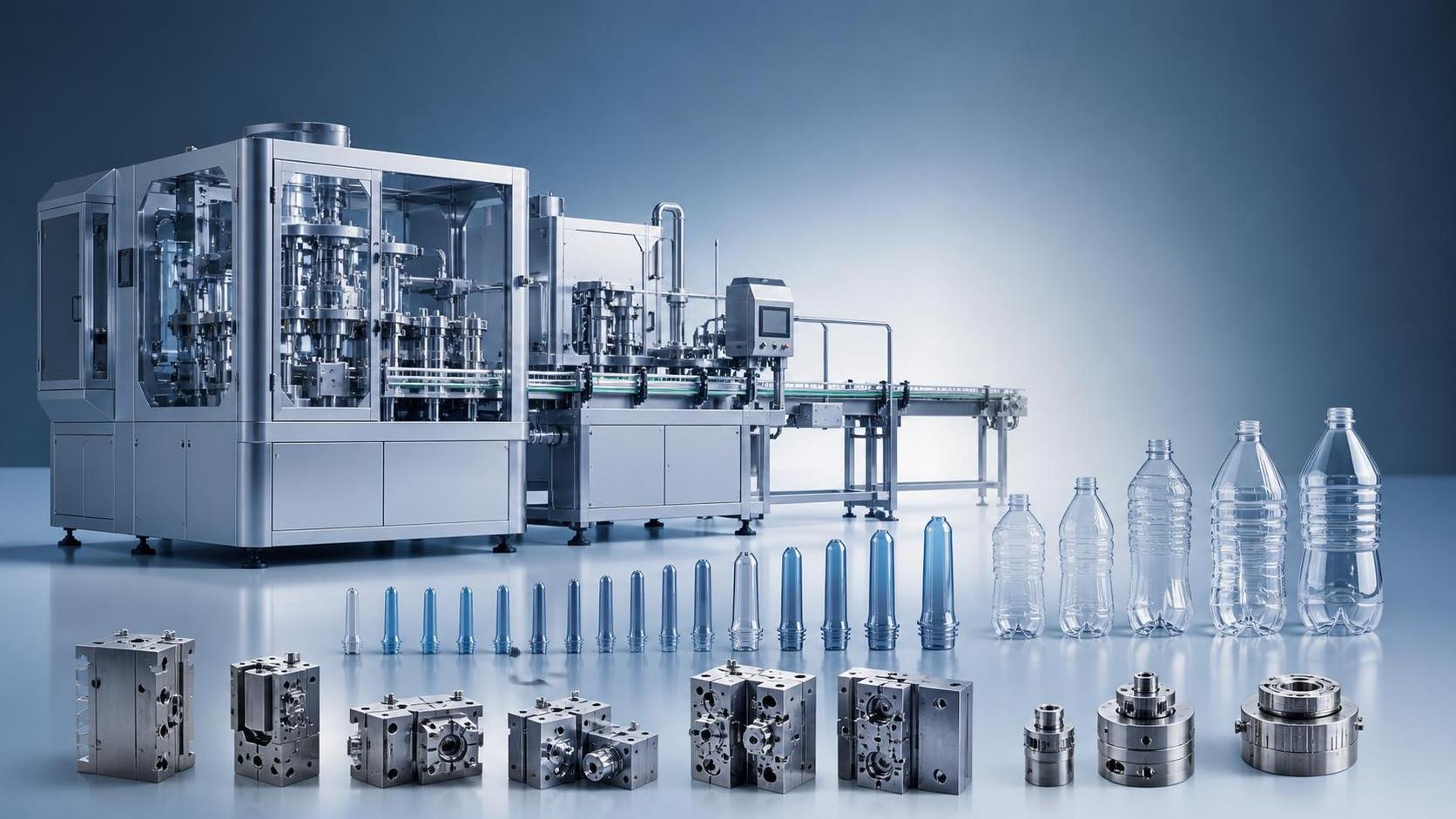
Bottle weight consistency, stretch ratios, and line speed influence resin consumption and reject rates.
In fast-moving packaging, even tiny inefficiencies reshape the polymer material lifecycle cost base.
Rubber vulcanization
Cure precision affects product durability, safety performance, and return risk.
Lifecycle cost here extends beyond factory output into product service life.
Waste plastic pelletizing
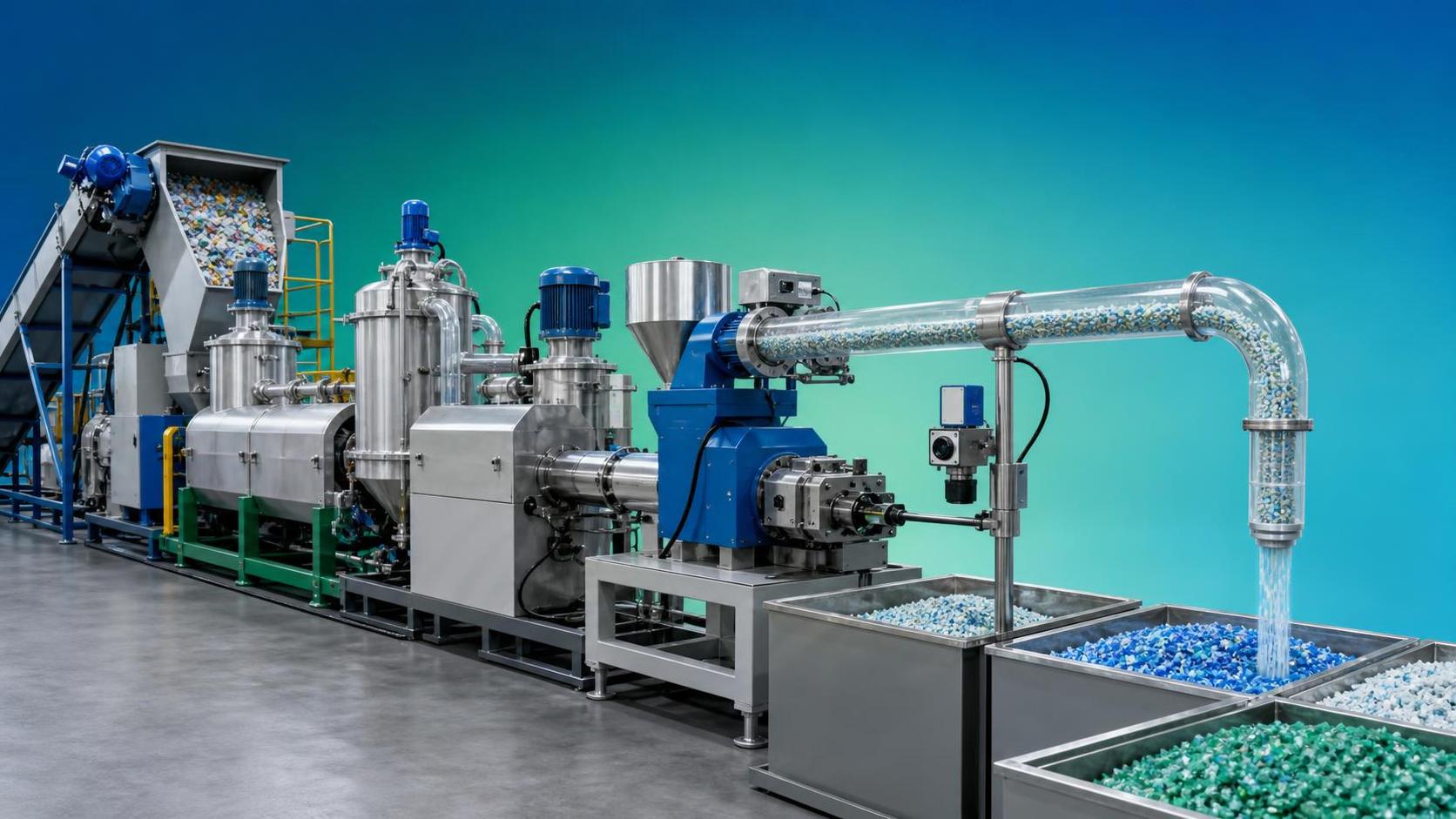
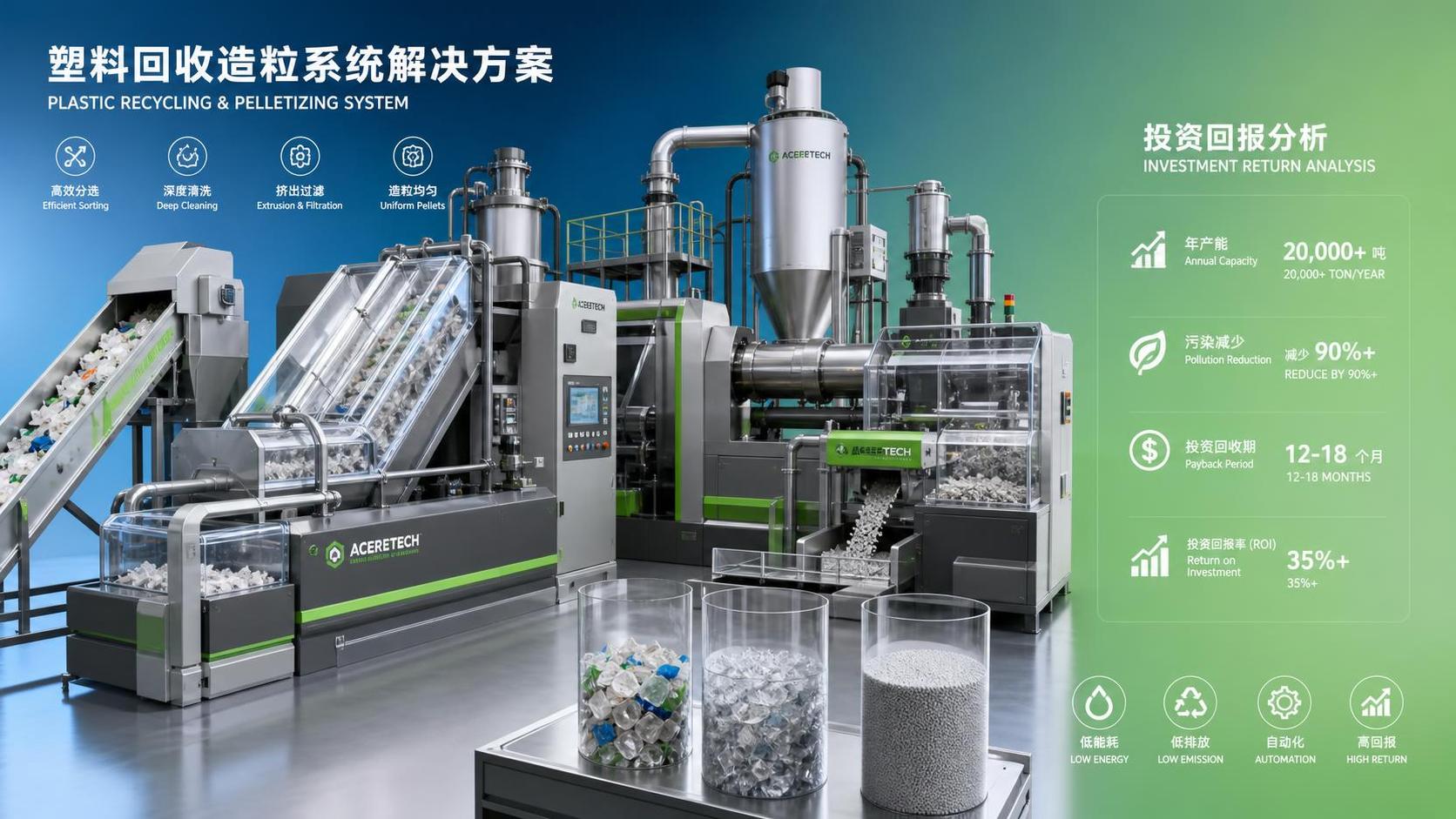
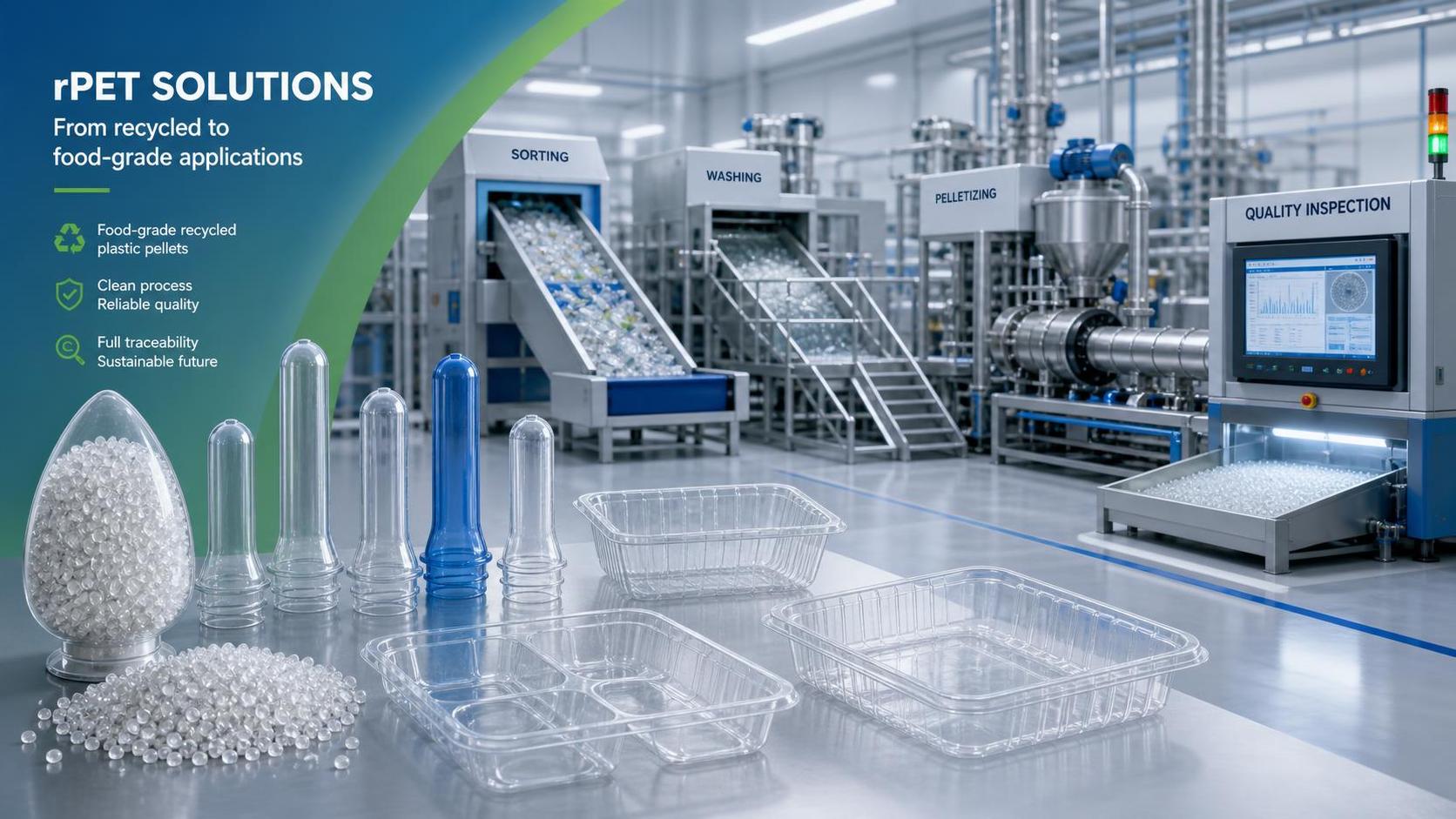
Washing quality, melt decontamination, and pellet uniformity decide whether recovered material can re-enter demanding applications.
This is where the polymer material lifecycle closes, or fails to close.
Signals worth watching before lifecycle costs widen further
- Higher interest in in-house recycling lines linked to packaging ESG commitments.
- Faster adoption of all-electric and servo platforms to cut energy intensity.
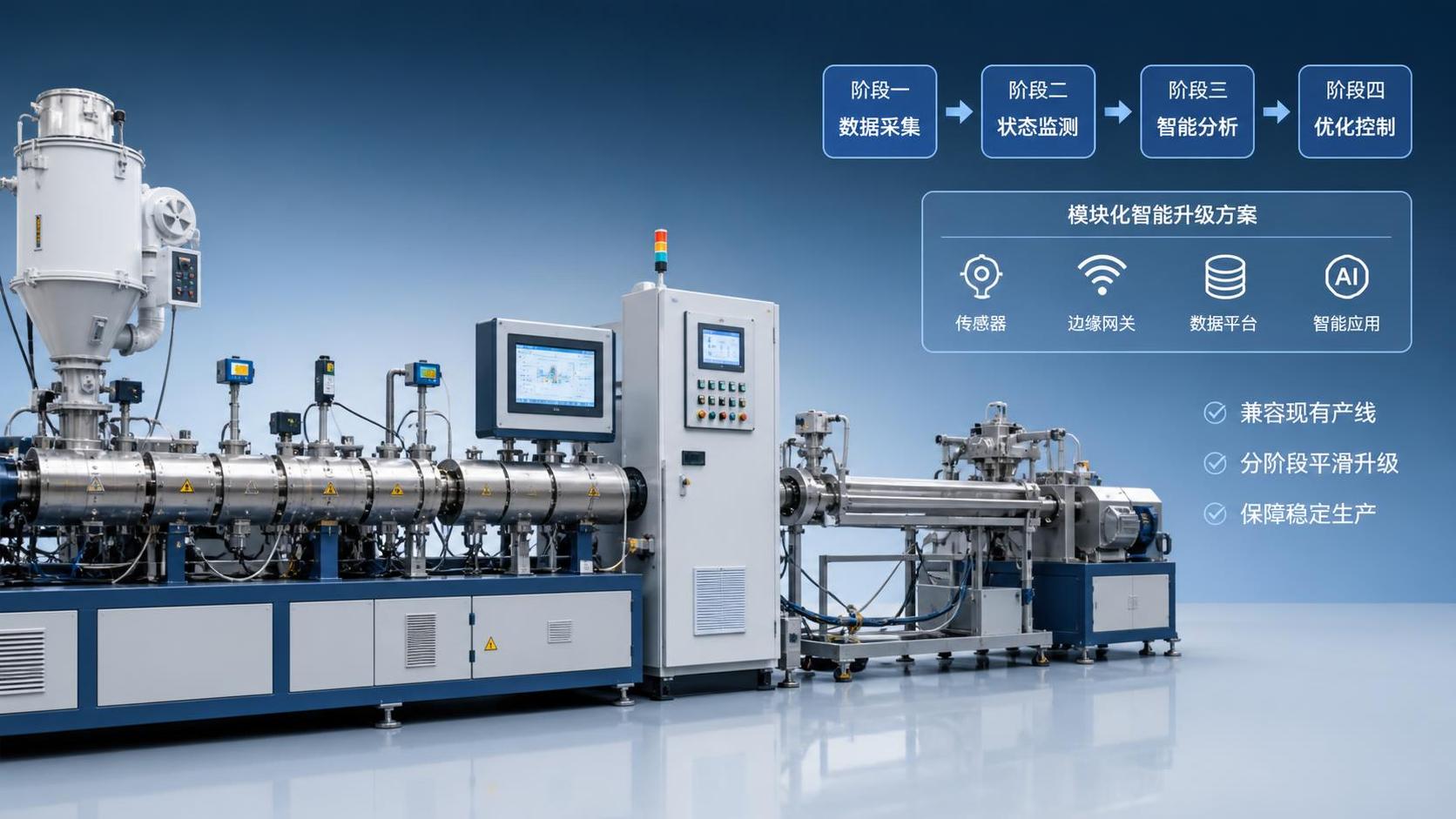
- Greater use of digital monitoring for OEE, specific energy use, and scrap trends.
- More demand for equipment that tolerates recycled and blended feedstocks.
- Stronger attention to filtration, contamination control, and traceable process records.
These signals show that polymer material lifecycle performance is becoming a strategic metric, not only an engineering metric.
Where attention should focus when reviewing lifecycle economics
A practical review should go beyond machine price and annual output assumptions.
- Measure energy consumption per qualified kilogram, not per hour alone.
- Track startup scrap separately from steady-state scrap.
- Estimate downtime cost using lost contribution, not only repair expense.
- Stress-test the line with recycled content and variable resin batches.
- Add compliance adaptation cost into the polymer material lifecycle model.
- Quantify reclaim value from regrind, flakes, or pellets.
- Review data visibility for ESG, quality, and traceability reporting.
A more reliable way to judge the next decision
The strongest decisions combine process science with financial discipline.
That is exactly where intelligence platforms like PFRS add value across modern polymer systems.
The next step is to map hidden costs before they become visible losses
The polymer material lifecycle should be reviewed as a connected operating system, not as isolated equipment purchases.
Start with one line, one product family, or one recycled-content target.
Measure actual energy, scrap, downtime, compliance exposure, and recovery value across the full cycle.
Then compare that baseline against process upgrades, digital controls, and recycling integration options.
A clearer view of the polymer material lifecycle turns hidden cost into actionable insight.
It also creates a stronger foundation for resilient growth in precision manufacturing and the circular plastics economy.
Related News
- 00
0000-00
How to Evaluate a PET Bottle Recycling System Supplier for Reliable rPET Output - 00
0000-00
How to Select Rubber Processing Equipment for High-Precision Automotive Seals - 00
0000-00
How to Qualify a Servo Injection Molding Exporter for Global Sourcing - 00
0000-00
Polymer Processing for Extrusion: How Melt Rheology Affects Line Stability - 00
0000-00
Energy-Efficient Polymer Processing: Where Plants Can Cut kWh per Kilogram
Weekly Insights
Stay ahead with our curated technology reports delivered every Monday.
Related News
 Ms. Elena RodriguezGerman Extrusion Equipment Suppliers: Comparing Service, Lead Times, and Lifecycle CostExtrusion equipment Germany suppliers compared: evaluate service coverage, credible lead times, spare-parts access, and lifecycle cost to select a reliable, future-ready production partner.Sep 22, 2026
 Ms. Elena RodriguezWhat Should You Check Before Buying a Used Plastic Recycling Line?What should I check before buying a used plastic recycling line? Explore feedstock fit, wear, trials, utilities, controls, and restoration costs before you invest.Sep 26, 2026
 Ms. Elena RodriguezHow to Compare Pelletizing Lines by Energy Use per TonHow do I compare pelletizing lines by kWh per ton? Learn to measure total energy, verify saleable output, and select a cost-efficient line.Sep 23, 2026
 Ms. Elena RodriguezIn-House Recycling for Factory Scrap: How to Reduce Material Waste and Disposal CostsIn house recycling for factory scrap helps manufacturers cut material waste, reduce disposal costs, and create controlled, quality-focused reuse loops.Sep 07, 2026
 Ms. Elena RodriguezHow Recyclable Packaging Manufacturing Balances Material Recovery and Production CostRecyclable packaging manufacturing: discover how smarter design, feedstock control, and process optimization reduce recovery costs while improving quality and yield.Sep 04, 2026
 Ms. Elena RodriguezHow to Evaluate a Plastic Recycling Systems Supplier for Your Processing NeedsChoose the right plastic recycling systems supplier with a practical guide to feedstock fit, output quality, total cost, testing, service, and compliance.Sep 01, 2026
 Ms. Elena RodriguezCE Marking for Plastic Processing Equipment: Documentation and Safety ChecksPlastic processing equipment CE compliance: learn the essential documentation, risk assessments, safety checks, and validation steps for reliable EU market access.Aug 30, 2026
 Ms. Elena RodriguezPlastic Packaging Compliance Standards: What Tests and Documents Matter Most?Plastic packaging compliance standards explained: learn which migration tests, mechanical checks, and audit-ready documents matter most to reduce risk and pass reviews with confidence.Aug 25, 2026
 Ms. Elena RodriguezHow to Evaluate a Plastic Waste Recycling System for Capacity, Contamination, and ROIPlastic waste recycling system evaluation made practical: compare true capacity, contamination control, and ROI to choose a line that delivers stable output and stronger returns.Aug 24, 2026
 Ms. Elena RodriguezPackaging Molding Equipment Price: What Drives Cost and How to Compare Quotes?Packaging molding equipment price varies by machine type, automation, tooling, energy use, and service scope. Learn what drives cost and how to compare quotes with confidence.Aug 21, 2026
 Ms. Elena RodriguezWhat Packaging Machinery for Plastic Containers Should You Choose for High-Volume Production?Packaging machinery for plastics containers can make or break high-volume production. Learn how to choose the right line for speed, consistency, compliance, and lower lifecycle costs.Aug 16, 2026
 Ms. Elena RodriguezWhat Circular Plastics Mean for Automotive Parts and Material SelectionCircular plastics for automotive are reshaping part selection with lower weight, better sustainability, and reliable performance. Discover how engineers balance recycled content, durability, and compliance.Aug 15, 2026
 Ms. Elena RodriguezBroiler Farming in Cage System: Selection Factors for Commercial FarmsBroiler farming in cage system selection for commercial farms: compare structure, ventilation, automation, and manure handling to improve efficiency and avoid costly mistakes.Aug 14, 2026
 Ms. Elena RodriguezHow to Implement Smart Polymer Manufacturing Without Disrupting Existing Production?Smart polymer manufacturing implementation made practical: learn how to upgrade existing production with phased digitalization, less downtime, better control, and measurable ROI.Aug 11, 2026
 Ms. Elena RodriguezHow to Evaluate a Rubber Compression Molding Supplier for Complex Part ProductionRubber compression molding supplier selection for complex parts starts with process, material, and tooling control. Learn how to compare vendors beyond price and reduce launch risk.Aug 10, 2026
 Ms. Elena RodriguezPackaging Compliance in Canada: Key Labeling and EPR Rules Importers Must KnowPackaging compliance Canada explained for importers: learn bilingual labeling, environmental claims, and provincial EPR rules to reduce risk, avoid costly errors, and stay market-ready.Aug 03, 2026
 Ms. Elena RodriguezWhy Circular Plastics Economy Traceability Matters for Recycled Content ComplianceCircular plastics economy traceability is essential for proving recycled content compliance across sourcing, processing, and reporting. Learn how strong evidence reduces audit risk.Aug 02, 2026
 Ms. Elena RodriguezRecycled Plastic Compliance: Key Standards, Testing Requirements, and DocumentationRecycled plastic compliance explained: key standards, testing requirements, supplier documents, and food-contact risks to help you avoid approval delays and costly compliance mistakes.Aug 01, 2026
 Ms. Elena RodriguezHow to Evaluate an Extrusion Machinery Manufacturer for Quality, Support, and ROIExtrusion machinery manufacturer selection affects quality, uptime, and ROI. Learn how to compare process fit, output claims, service, compliance, and long-term operating costs.Jul 29, 2026
 Ms. Elena RodriguezHow to Evaluate Food Grade Recycled Pellets for Safe Packaging ApplicationsFood grade recycled pellets for safe packaging demand more than a label. Learn how to assess feedstock, process validation, pellet quality, and compliance before approval.Jul 28, 2026