When high-performance elastomers justify higher spend




For business evaluators, the key issue is timing, not sticker price. High-performance elastomers cost more upfront, yet in demanding operations they often protect margins better than cheaper compounds.
When heat, chemicals, pressure pulses, abrasion, and long maintenance intervals combine, high-performance elastomers can lower downtime, reduce scrap, and stabilize process quality.
Across polymer processing, packaging, transport, recycling, and heavy equipment, the right material choice affects seals, rollers, liners, hoses, gaskets, and vibration-control parts.
This guide explains when high-performance elastomers justify higher spend, how to judge application fit, and where decision errors usually destroy total cost performance.
When harsh operating conditions turn material cost into a business decision
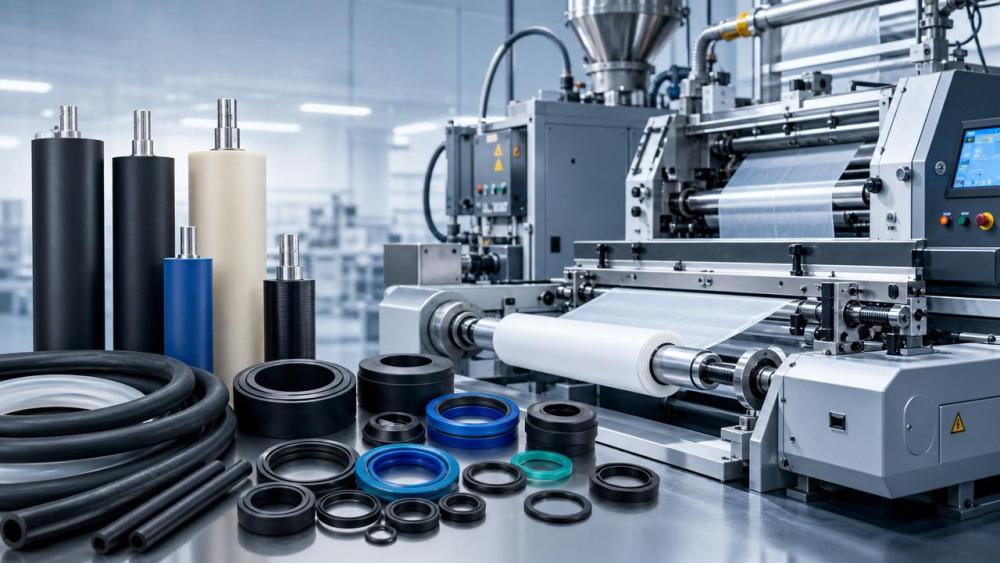
Not every application needs premium compounds. In mild environments, standard elastomers may perform well enough and preserve budget flexibility.
The equation changes when failure carries wider consequences. A low-cost seal becomes expensive if leakage stops a line, contaminates product, or damages precision components.
This matters strongly in injection molding, extrusion, blow molding, vulcanization, and recycling systems covered by PFRS intelligence.
Modern equipment runs faster, hotter, and with tighter tolerances. That pushes elastomer selection beyond price comparisons toward lifecycle judgment.
- Frequent thermal cycling
- Exposure to oils, solvents, steam, or aggressive cleaning agents
- Compression set risk in static seals
- Dynamic wear in rollers, belts, and moving interfaces
- Strict contamination or compliance limits
- High replacement cost due to difficult access or shutdown losses
In these cases, high-performance elastomers shift value from purchase price to uptime, safety, consistency, and longer service intervals.
Which application scenarios most often justify high-performance elastomers
High-heat sealing zones in extrusion and vulcanization
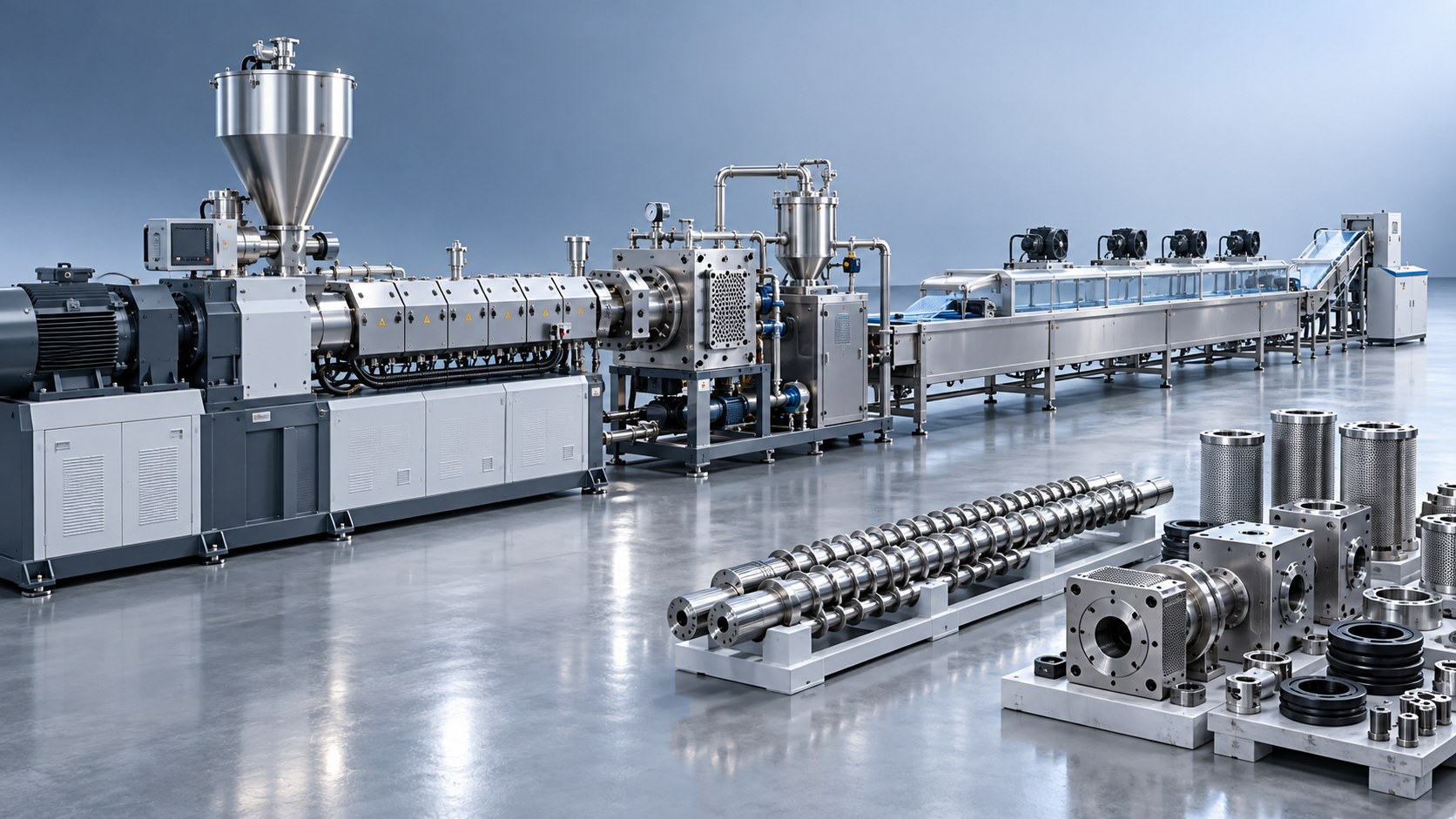
Extrusion heads, heated transfer points, and vulcanizing presses expose seals to continuous temperature stress. Standard materials can harden, crack, or lose elasticity too quickly.
Here, high-performance elastomers justify higher spend when thermal stability prevents leaks, pressure loss, and unplanned maintenance.
Chemical contact areas in recycling and compounding lines
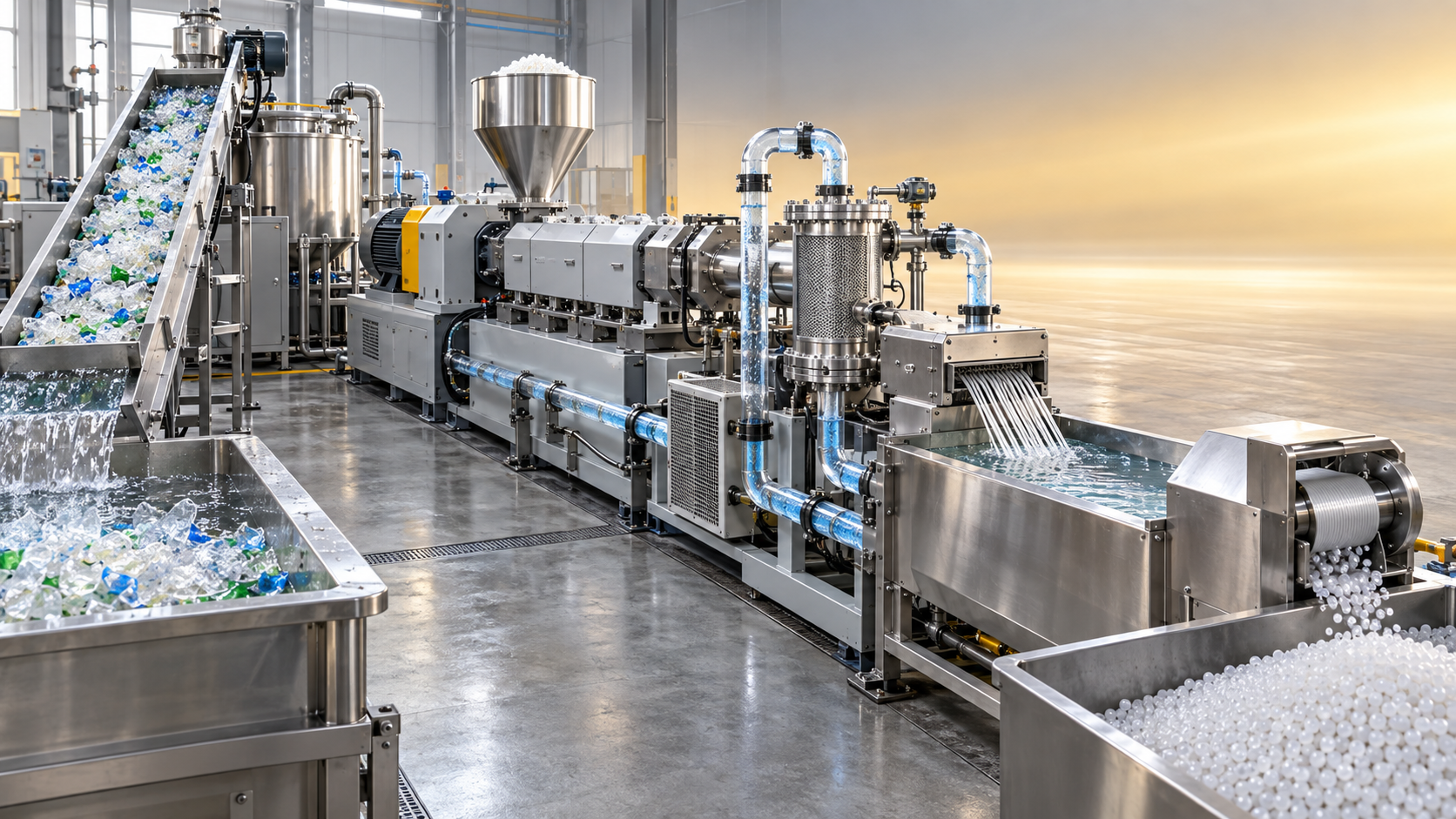
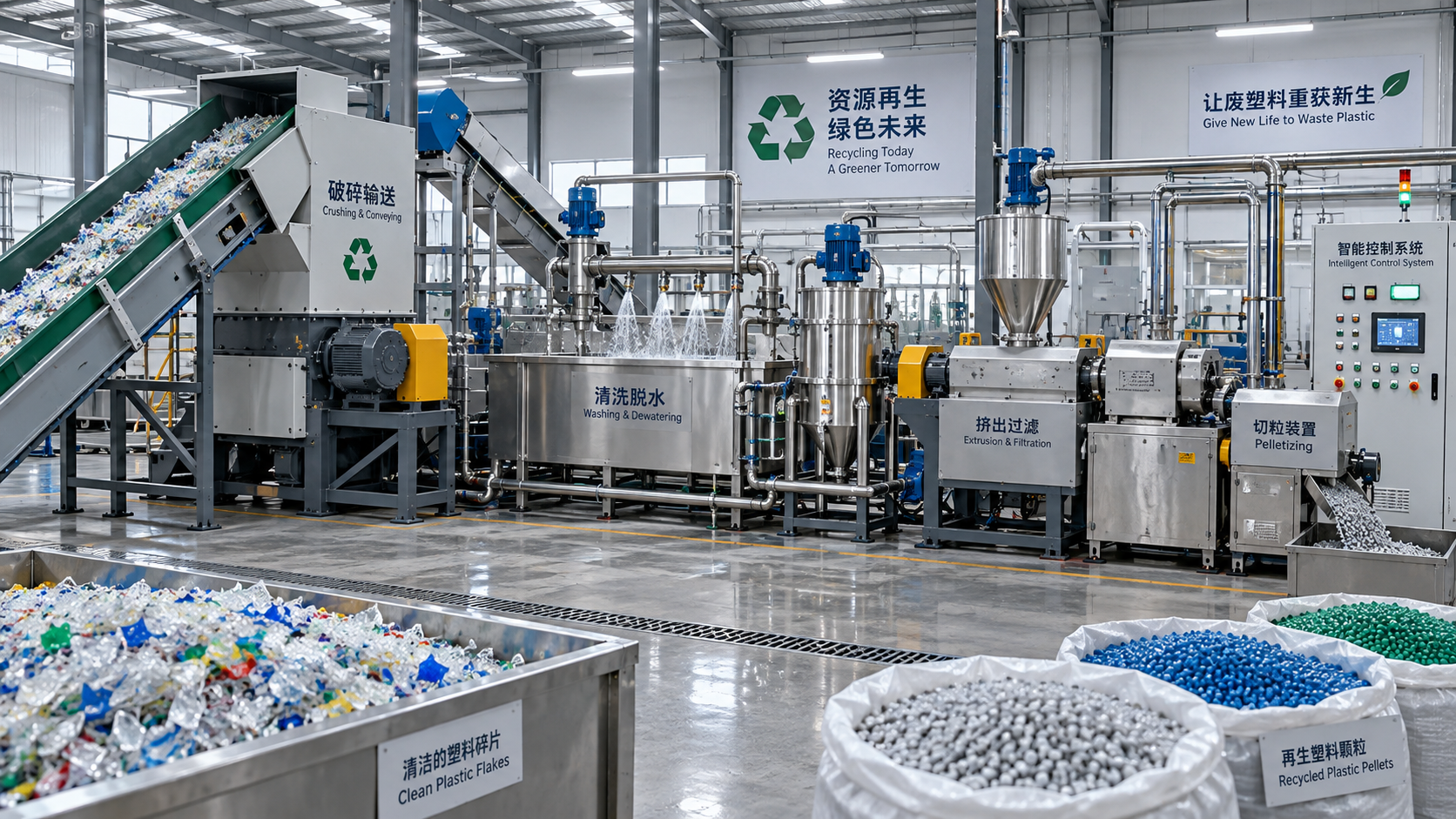
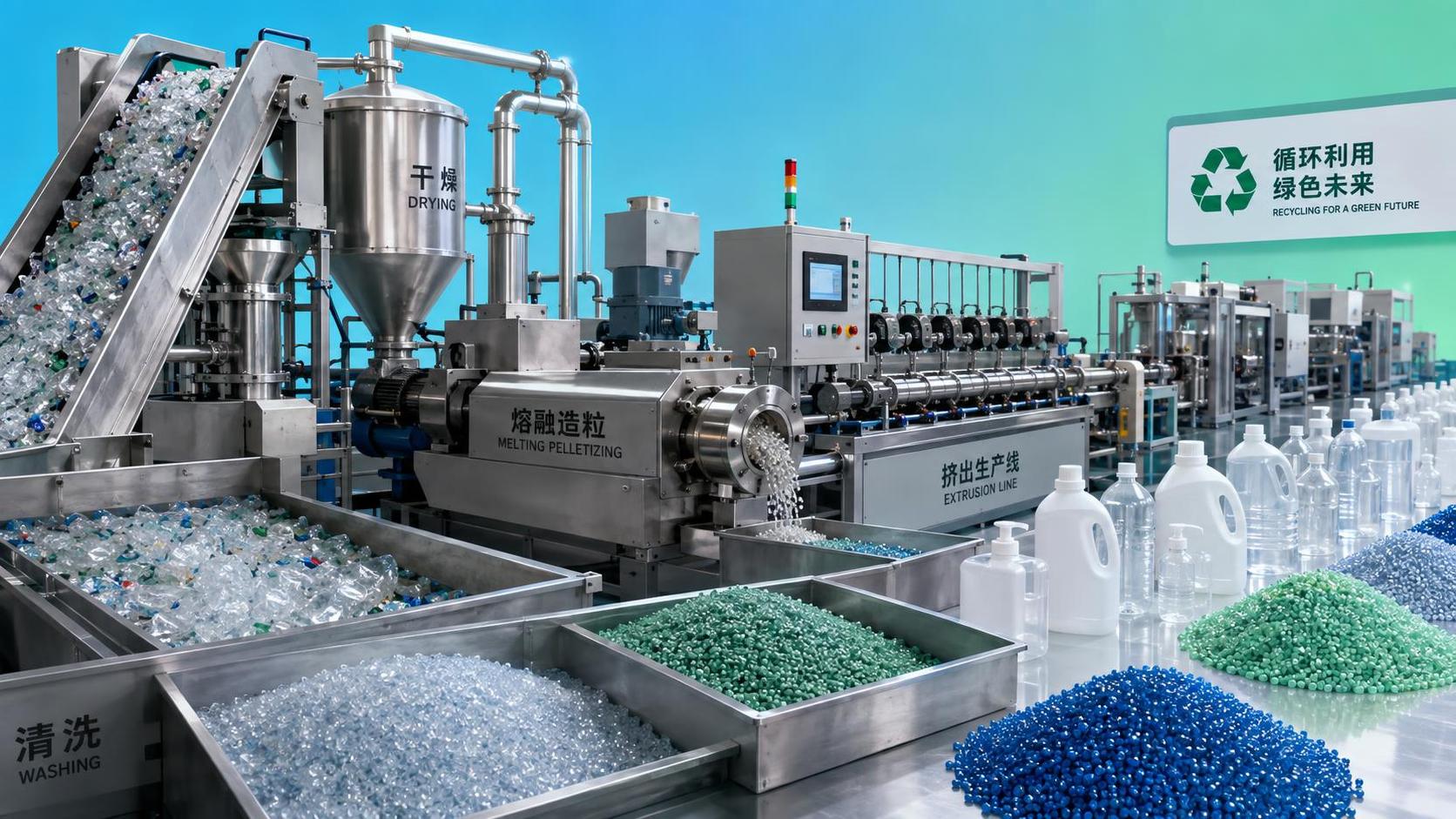
Waste plastic recovery systems face detergents, contaminated feedstock, additives, and degraded polymers. Chemical resistance becomes essential, not optional.
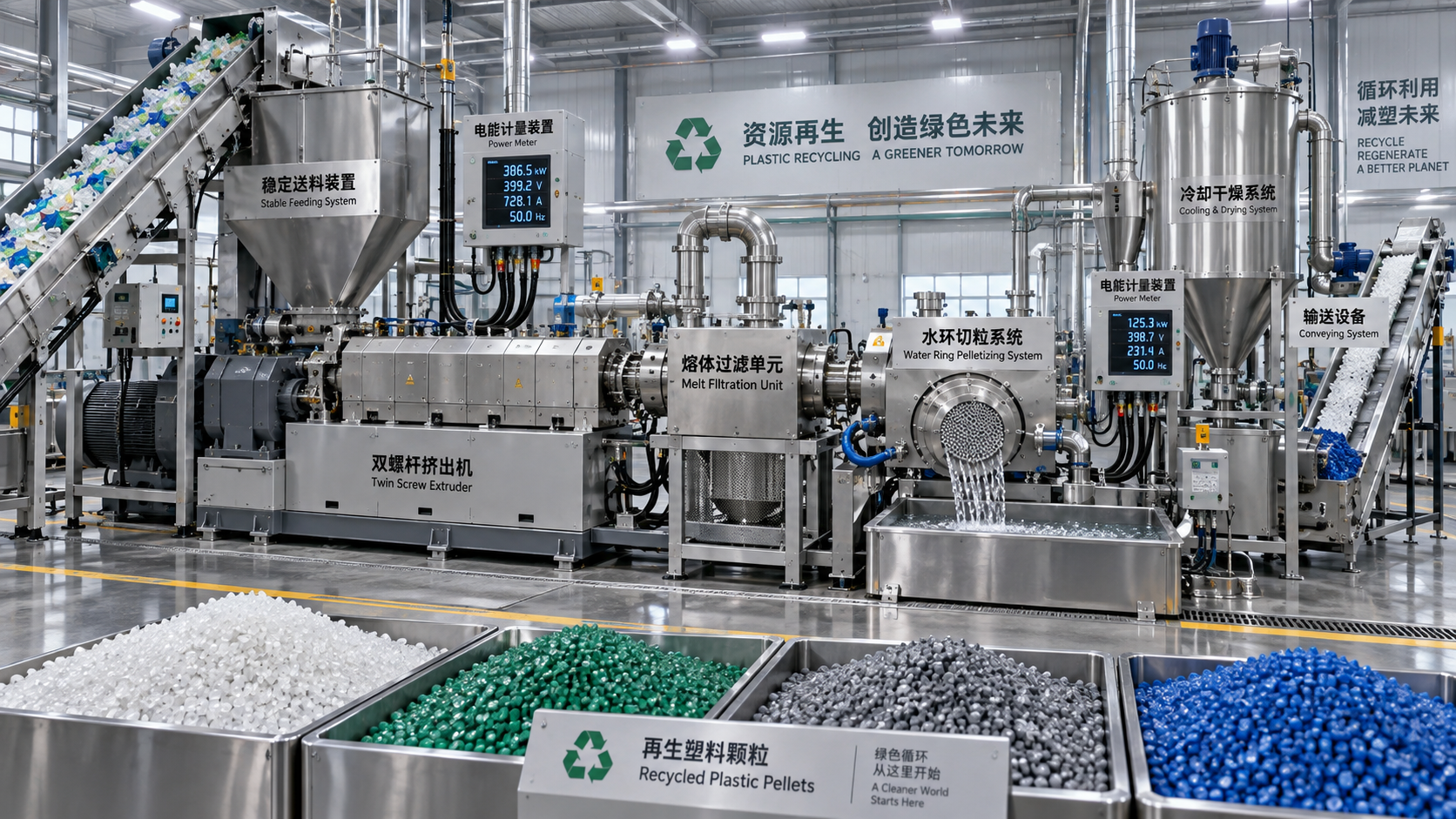
High-performance elastomers help preserve sealing integrity, especially where wash systems, melt filtration, and pelletizing lines operate continuously.
Precision molding components where dimensional stability matters
In precision injection molding, tiny shifts create quality drift. Elastomer parts used in handling, damping, or sealing must remain stable under repetitive cycles.
When scrap cost is high, high-performance elastomers justify higher spend by supporting repeatability and reducing part rejection.
Food, beverage, medical, and hygiene packaging systems
Blow molding and packaging lines often combine speed, sanitation, and compliance. Material migration, cleaning resistance, and odor control can affect market acceptance.
In these regulated settings, high-performance elastomers can support safer contact, better washdown durability, and more stable packaging output.
Heavy-load transport, mobile equipment, and industrial sealing
Outside polymer plants, industrial fleets, pumps, hydraulics, and rotating assemblies rely on elastomers under severe compression and vibration.
Where replacement means field failure, fluid loss, or safety exposure, high-performance elastomers often deliver clear economic value.
How different scenarios change the value test
The same material does not fit every duty. The best decision comes from matching stress patterns with business consequences.
This comparison shows why high-performance elastomers should be judged by operating context, not by generic material rankings.
A practical checklist for deciding when higher spend is justified
Use a structured filter before approving premium compounds. Good decisions come from measurable triggers.
- Estimate downtime cost per hour, including scrap, labor, and delayed shipments.
- Check exposure to temperature peaks, pressure spikes, and chemical wash cycles.
- Measure replacement frequency and maintenance access difficulty.
- Review compliance needs for food contact, medical use, or low contamination.
- Compare full lifecycle cost, not only initial component pricing.
- Request trial data under actual process conditions whenever possible.
If two or more factors are severe, high-performance elastomers often justify higher spend with strong business logic.
Scenario-based recommendations for better elastomer selection
Selection improves when recommendations stay tied to process reality rather than broad material labels.
- For hot extrusion zones, prioritize thermal aging resistance and compression set control.
- For recycling systems, emphasize chemical compatibility and abrasion tolerance.
- For precision molding, focus on dimensional consistency and fatigue durability.
- For hygienic packaging, confirm compliance, cleanability, and low extractables.
- For mobile or hydraulic equipment, value fluid resistance and vibration endurance.
PFRS-covered sectors increasingly demand this kind of application-specific judgment because machines now run with narrower tolerances and stricter sustainability goals.
High-performance elastomers also support ESG outcomes indirectly by reducing waste, avoiding leakage, and extending component replacement cycles.
Common mistakes that make premium elastomers look overpriced
Many disappointing results come from bad selection logic, not from the material itself.
Choosing by hardness alone
Hardness matters, but it does not explain thermal aging, swell behavior, or long-term compression recovery.
Ignoring the full chemical environment
Lubricants, cleaners, additives, and process residues may attack compounds differently than the main product stream.
Testing only in short pilot cycles
Some failures appear after repeated thermal cycling or long compression periods. Short trials can hide expensive weaknesses.
Separating material choice from equipment strategy
Elastomer performance depends on groove design, pressure profile, surface finish, and maintenance practice.
When these mistakes are corrected, the case for high-performance elastomers becomes easier to evaluate objectively.
Next-step actions for evaluating high-performance elastomers with confidence
Start with one failure-prone application where downtime or scrap is already visible. Build a simple before-and-after cost model.
Track service life, replacement intervals, product quality impact, and cleaning or maintenance frequency.
Then compare standard compounds against high-performance elastomers under identical operating conditions.
In many industrial settings, the premium is justified not because the material is advanced, but because the application is unforgiving.
That is the most reliable decision rule: choose high-performance elastomers when failure costs, operating stress, or compliance demands are higher than the price gap.
With disciplined scenario analysis, high-performance elastomers become a practical tool for uptime, quality, and lifecycle efficiency across modern manufacturing systems.
Related News
- 00
0000-00
How to Evaluate Plastic Pelletizing Machine Suppliers for Output, Support, and Risk - 00
0000-00
How to Select a Plastic Pipe Manufacturing System for Output, Resin, and Pipe Range - 00
0000-00
How to Specify Injection Molding Equipment for High-Volume Closure Production - 00
0000-00
How to Specify a Medical Molding Machine for Cleanroom Device Production - 00
0000-00
Plastic Extrusion Technology for Films: Process Controls That Improve Gauge Uniformity
Weekly Insights
Stay ahead with our curated technology reports delivered every Monday.
Related News
 Ms. Elena RodriguezHow to Evaluate Plastic Recycling Machinery for UAE Heat, Feedstock, and Output NeedsPlastic recycling machinery UAE buyers: evaluate heat resilience, feedstock handling, cooling, pellet quality, energy use, and lifecycle cost for reliable output.Sep 28, 2026
 Ms. Elena RodriguezGerman Extrusion Equipment Suppliers: Comparing Service, Lead Times, and Lifecycle CostExtrusion equipment Germany suppliers compared: evaluate service coverage, credible lead times, spare-parts access, and lifecycle cost to select a reliable, future-ready production partner.Sep 22, 2026
 Ms. Elena RodriguezWhat Should You Check Before Buying a Used Plastic Recycling Line?What should I check before buying a used plastic recycling line? Explore feedstock fit, wear, trials, utilities, controls, and restoration costs before you invest.Sep 26, 2026
 Ms. Elena RodriguezHow to Compare Pelletizing Lines by Energy Use per TonHow do I compare pelletizing lines by kWh per ton? Learn to measure total energy, verify saleable output, and select a cost-efficient line.Sep 23, 2026
 Ms. Elena RodriguezTyre Cutter Blade Wear: When Capacity Loss Needs Inspectionшинорез blade wear can quietly reduce tyre-cutting capacity. Learn the warning signs, inspection triggers, and maintenance actions that protect output and uptime.Sep 28, 2026
 Ms. Elena RodriguezIn-House Recycling for Factory Scrap: How to Reduce Material Waste and Disposal CostsIn house recycling for factory scrap helps manufacturers cut material waste, reduce disposal costs, and create controlled, quality-focused reuse loops.Sep 07, 2026
 Ms. Elena RodriguezHow Recyclable Packaging Manufacturing Balances Material Recovery and Production CostRecyclable packaging manufacturing: discover how smarter design, feedstock control, and process optimization reduce recovery costs while improving quality and yield.Sep 04, 2026
 Ms. Elena RodriguezHow to Evaluate a Plastic Recycling Systems Supplier for Your Processing NeedsChoose the right plastic recycling systems supplier with a practical guide to feedstock fit, output quality, total cost, testing, service, and compliance.Sep 01, 2026
 Ms. Elena RodriguezCE Marking for Plastic Processing Equipment: Documentation and Safety ChecksPlastic processing equipment CE compliance: learn the essential documentation, risk assessments, safety checks, and validation steps for reliable EU market access.Aug 30, 2026
 Ms. Elena RodriguezPlastic Packaging Compliance Standards: What Tests and Documents Matter Most?Plastic packaging compliance standards explained: learn which migration tests, mechanical checks, and audit-ready documents matter most to reduce risk and pass reviews with confidence.Aug 25, 2026
 Ms. Elena RodriguezHow to Evaluate a Plastic Waste Recycling System for Capacity, Contamination, and ROIPlastic waste recycling system evaluation made practical: compare true capacity, contamination control, and ROI to choose a line that delivers stable output and stronger returns.Aug 24, 2026
 Ms. Elena RodriguezPackaging Molding Equipment Price: What Drives Cost and How to Compare Quotes?Packaging molding equipment price varies by machine type, automation, tooling, energy use, and service scope. Learn what drives cost and how to compare quotes with confidence.Aug 21, 2026
 Ms. Elena RodriguezWhat Packaging Machinery for Plastic Containers Should You Choose for High-Volume Production?Packaging machinery for plastics containers can make or break high-volume production. Learn how to choose the right line for speed, consistency, compliance, and lower lifecycle costs.Aug 16, 2026
 Ms. Elena RodriguezWhat Circular Plastics Mean for Automotive Parts and Material SelectionCircular plastics for automotive are reshaping part selection with lower weight, better sustainability, and reliable performance. Discover how engineers balance recycled content, durability, and compliance.Aug 15, 2026
 Ms. Elena RodriguezBroiler Farming in Cage System: Selection Factors for Commercial FarmsBroiler farming in cage system selection for commercial farms: compare structure, ventilation, automation, and manure handling to improve efficiency and avoid costly mistakes.Aug 14, 2026
 Ms. Elena RodriguezHow to Implement Smart Polymer Manufacturing Without Disrupting Existing Production?Smart polymer manufacturing implementation made practical: learn how to upgrade existing production with phased digitalization, less downtime, better control, and measurable ROI.Aug 11, 2026
 Ms. Elena RodriguezHow to Evaluate a Rubber Compression Molding Supplier for Complex Part ProductionRubber compression molding supplier selection for complex parts starts with process, material, and tooling control. Learn how to compare vendors beyond price and reduce launch risk.Aug 10, 2026
 Ms. Elena RodriguezPackaging Compliance in Canada: Key Labeling and EPR Rules Importers Must KnowPackaging compliance Canada explained for importers: learn bilingual labeling, environmental claims, and provincial EPR rules to reduce risk, avoid costly errors, and stay market-ready.Aug 03, 2026
 Ms. Elena RodriguezWhy Circular Plastics Economy Traceability Matters for Recycled Content ComplianceCircular plastics economy traceability is essential for proving recycled content compliance across sourcing, processing, and reporting. Learn how strong evidence reduces audit risk.Aug 02, 2026
 Ms. Elena RodriguezRecycled Plastic Compliance: Key Standards, Testing Requirements, and DocumentationRecycled plastic compliance explained: key standards, testing requirements, supplier documents, and food-contact risks to help you avoid approval delays and costly compliance mistakes.Aug 01, 2026