Why high-performance elastomers fail earlier than expected




High-performance elastomers are designed for severe duty, but field life often falls short of design assumptions.
When high-performance elastomers fail early, the cause is rarely a single defect.
Failure usually develops across formulation, mixing, vulcanization, molding, storage, and service exposure.
In polymer processing, small variations in cure state, filler dispersion, or thermal history can shorten reliability margins.
Understanding those links helps reduce scrap, downtime, leakage, and safety events.
What high-performance elastomers are expected to deliver
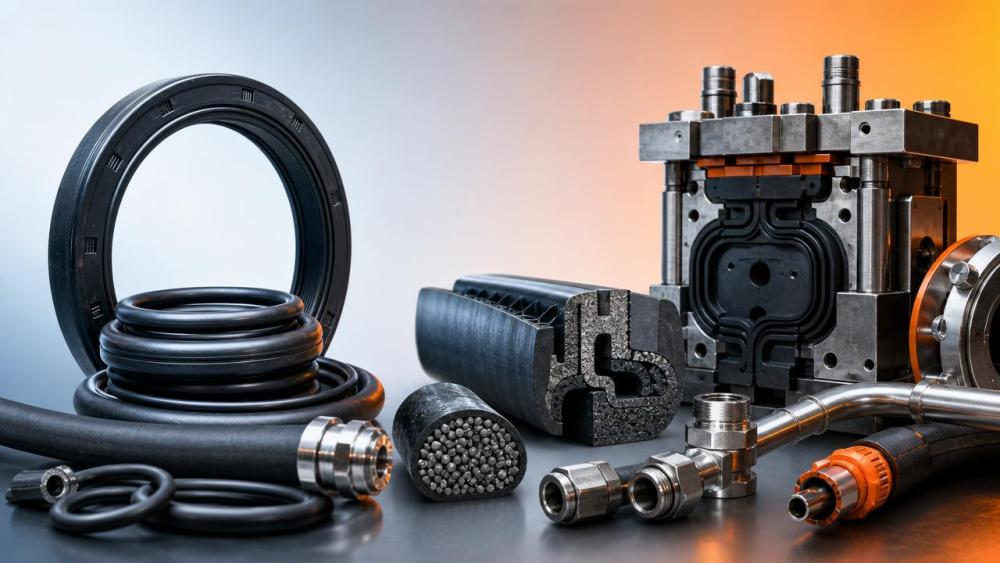
High-performance elastomers include FKM, HNBR, EPDM, silicone, fluorosilicone, ACM, AEM, and specialty polyurethane systems.
They are selected for heat resistance, compression set control, chemical compatibility, and fatigue endurance.
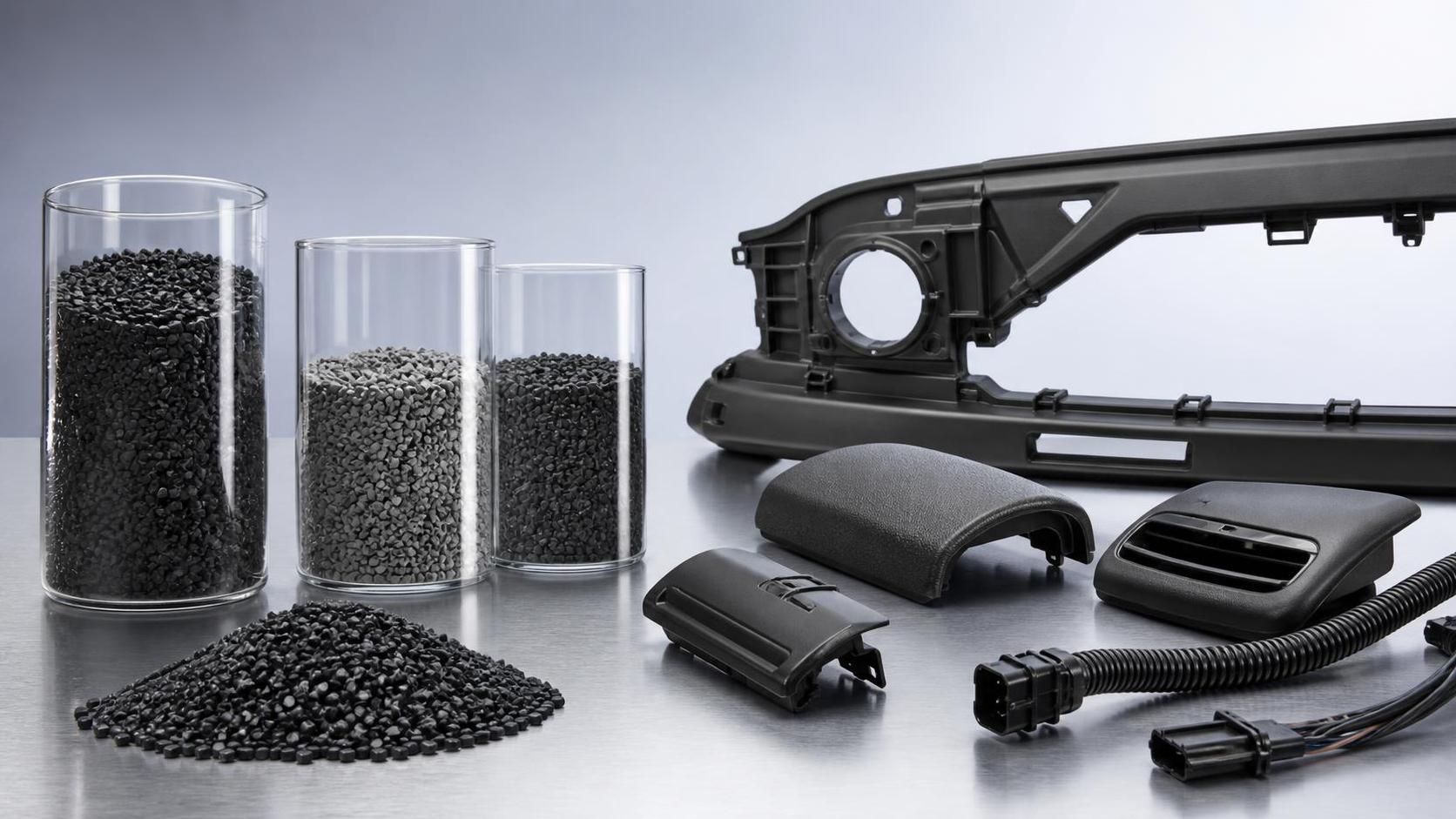
Typical parts include seals, gaskets, hoses, dampers, diaphragms, rollers, bushings, and vibration isolators.
In theory, high-performance elastomers handle conditions that standard rubber compounds cannot survive.
In practice, property data from datasheets may not reflect the exact service environment or processing window.
The gap between lab performance and real service
A laboratory test isolates one stress factor, while real equipment applies many at once.
Heat, oxygen, pressure spikes, media contamination, dynamic strain, and assembly errors can interact aggressively.
That interaction explains why high-performance elastomers sometimes fail earlier than expected.
Current industry signals behind early elastomer failure
Across general industry, premature elastomer degradation is receiving more attention for three reasons.
- Equipment runs hotter and faster, increasing thermal and mechanical stress.
- More recycled and alternative fluids create uncertain chemical exposure.
- Tighter sustainability goals reduce tolerance for scrap, leaks, and unplanned replacement.
Polymer processors also face narrower quality windows due to complex additive packages and global raw material variability.
Why high-performance elastomers fail earlier than expected
Most early failures in high-performance elastomers come from hidden mismatch, not obvious misuse.
Formulation mismatch
Base polymer choice may fit heat requirements but miss the real fluid chemistry.
Plasticizers, process aids, curatives, and fillers can also react with service media.
A compound marketed as durable may still lose properties under mixed contaminants.
Poor dispersion and mixing history
Uneven filler dispersion creates localized stiffness, weak bonding zones, and heat concentration points.
If shear or temperature rises too high during mixing, the compound can pre-react prematurely.
That reduces processing stability and weakens final fatigue performance.
Incorrect vulcanization profile
Under-cure leaves an unstable network with poor compression set and low chemical resistance.
Over-cure can cause reversion, chain scission, or brittle behavior in some systems.
Nonuniform mold temperature makes the same batch perform differently across cavities.
Processing defects
Air traps, knit lines, contamination, and dimensional variation become crack initiation sites.
Post-cure control matters as much as primary cure for many high-performance elastomers.
Service conditions beyond design assumptions
Temperature cycling is often more damaging than steady temperature.
Combined pressure, motion, and chemical exposure accelerate crack growth and permanent deformation.
Ozone, UV, steam, and cleaning agents are frequent hidden accelerants.
Business value of understanding elastomer failure mechanisms
Better control of high-performance elastomers improves more than part durability.
- Lower leak risk and fewer shutdowns
- Reduced warranty exposure and maintenance cost
- More stable molding and vulcanization yields
- Higher confidence during material substitution or localization
- Stronger ESG performance through less scrap and longer service life
For polymer intelligence platforms such as PFRS, these issues connect material science directly to equipment decisions.
Mixing, extrusion, molding, curing, and recycling all influence how high-performance elastomers behave in service.
Typical failure patterns and what they usually indicate
Practical ways to reduce early failure in high-performance elastomers
Improvement starts with tighter links between material selection and process control.
- Test compounds against real fluids, not only standard reference oils.
- Use rheometer data to define safe cure windows for each part geometry.
- Monitor mixer energy, stock temperature, and batch-to-batch dispersion quality.
- Validate mold temperature uniformity and post-cure consistency.
- Review assembly compression, surface finish, and hardware tolerances.
- Track field returns by failure mode, exposure history, and production lot.
Useful process checkpoints
- Mooney viscosity trend
- Scorch safety and cure rate
- Specific gravity consistency
- Compression set after aging
- Volume change in actual media
- Microscopic review of fracture surfaces
A practical next step for more reliable elastomer performance
When high-performance elastomers fail too soon, the best response is structured diagnosis, not fast substitution.
Start by mapping the full chain from raw material receipt to field exposure.
Then compare cure data, molding records, media contact, and returned-part evidence.
This approach often reveals that early failure in high-performance elastomers begins long before installation.
For organizations following polymer processing trends, PFRS offers a useful lens on that full lifecycle.
Better intelligence around mixing, vulcanization, extrusion, and recycling supports more durable elastomer decisions.
The result is fewer surprises, stronger compliance, and longer service from high-performance elastomers.
Related News
- 00
0000-00
How to Evaluate Plastic Pelletizing Machine Suppliers for Output, Support, and Risk - 00
0000-00
How to Select a Plastic Pipe Manufacturing System for Output, Resin, and Pipe Range - 00
0000-00
How to Specify Injection Molding Equipment for High-Volume Closure Production - 00
0000-00
How to Specify a Medical Molding Machine for Cleanroom Device Production - 00
0000-00
Plastic Extrusion Technology for Films: Process Controls That Improve Gauge Uniformity
Weekly Insights
Stay ahead with our curated technology reports delivered every Monday.
Related News
 Ms. Elena RodriguezHow to Evaluate Plastic Recycling Machinery for UAE Heat, Feedstock, and Output NeedsPlastic recycling machinery UAE buyers: evaluate heat resilience, feedstock handling, cooling, pellet quality, energy use, and lifecycle cost for reliable output.Sep 28, 2026
 Ms. Elena RodriguezGerman Extrusion Equipment Suppliers: Comparing Service, Lead Times, and Lifecycle CostExtrusion equipment Germany suppliers compared: evaluate service coverage, credible lead times, spare-parts access, and lifecycle cost to select a reliable, future-ready production partner.Sep 22, 2026
 Ms. Elena RodriguezWhat Should You Check Before Buying a Used Plastic Recycling Line?What should I check before buying a used plastic recycling line? Explore feedstock fit, wear, trials, utilities, controls, and restoration costs before you invest.Sep 26, 2026
 Ms. Elena RodriguezHow to Compare Pelletizing Lines by Energy Use per TonHow do I compare pelletizing lines by kWh per ton? Learn to measure total energy, verify saleable output, and select a cost-efficient line.Sep 23, 2026
 Ms. Elena RodriguezTyre Cutter Blade Wear: When Capacity Loss Needs Inspectionшинорез blade wear can quietly reduce tyre-cutting capacity. Learn the warning signs, inspection triggers, and maintenance actions that protect output and uptime.Sep 28, 2026
 Ms. Elena RodriguezIn-House Recycling for Factory Scrap: How to Reduce Material Waste and Disposal CostsIn house recycling for factory scrap helps manufacturers cut material waste, reduce disposal costs, and create controlled, quality-focused reuse loops.Sep 07, 2026
 Ms. Elena RodriguezHow Recyclable Packaging Manufacturing Balances Material Recovery and Production CostRecyclable packaging manufacturing: discover how smarter design, feedstock control, and process optimization reduce recovery costs while improving quality and yield.Sep 04, 2026
 Ms. Elena RodriguezHow to Evaluate a Plastic Recycling Systems Supplier for Your Processing NeedsChoose the right plastic recycling systems supplier with a practical guide to feedstock fit, output quality, total cost, testing, service, and compliance.Sep 01, 2026
 Ms. Elena RodriguezCE Marking for Plastic Processing Equipment: Documentation and Safety ChecksPlastic processing equipment CE compliance: learn the essential documentation, risk assessments, safety checks, and validation steps for reliable EU market access.Aug 30, 2026
 Ms. Elena RodriguezPlastic Packaging Compliance Standards: What Tests and Documents Matter Most?Plastic packaging compliance standards explained: learn which migration tests, mechanical checks, and audit-ready documents matter most to reduce risk and pass reviews with confidence.Aug 25, 2026
 Ms. Elena RodriguezHow to Evaluate a Plastic Waste Recycling System for Capacity, Contamination, and ROIPlastic waste recycling system evaluation made practical: compare true capacity, contamination control, and ROI to choose a line that delivers stable output and stronger returns.Aug 24, 2026
 Ms. Elena RodriguezPackaging Molding Equipment Price: What Drives Cost and How to Compare Quotes?Packaging molding equipment price varies by machine type, automation, tooling, energy use, and service scope. Learn what drives cost and how to compare quotes with confidence.Aug 21, 2026
 Ms. Elena RodriguezWhat Packaging Machinery for Plastic Containers Should You Choose for High-Volume Production?Packaging machinery for plastics containers can make or break high-volume production. Learn how to choose the right line for speed, consistency, compliance, and lower lifecycle costs.Aug 16, 2026
 Ms. Elena RodriguezWhat Circular Plastics Mean for Automotive Parts and Material SelectionCircular plastics for automotive are reshaping part selection with lower weight, better sustainability, and reliable performance. Discover how engineers balance recycled content, durability, and compliance.Aug 15, 2026
 Ms. Elena RodriguezBroiler Farming in Cage System: Selection Factors for Commercial FarmsBroiler farming in cage system selection for commercial farms: compare structure, ventilation, automation, and manure handling to improve efficiency and avoid costly mistakes.Aug 14, 2026
 Ms. Elena RodriguezHow to Implement Smart Polymer Manufacturing Without Disrupting Existing Production?Smart polymer manufacturing implementation made practical: learn how to upgrade existing production with phased digitalization, less downtime, better control, and measurable ROI.Aug 11, 2026
 Ms. Elena RodriguezHow to Evaluate a Rubber Compression Molding Supplier for Complex Part ProductionRubber compression molding supplier selection for complex parts starts with process, material, and tooling control. Learn how to compare vendors beyond price and reduce launch risk.Aug 10, 2026
 Ms. Elena RodriguezPackaging Compliance in Canada: Key Labeling and EPR Rules Importers Must KnowPackaging compliance Canada explained for importers: learn bilingual labeling, environmental claims, and provincial EPR rules to reduce risk, avoid costly errors, and stay market-ready.Aug 03, 2026
 Ms. Elena RodriguezWhy Circular Plastics Economy Traceability Matters for Recycled Content ComplianceCircular plastics economy traceability is essential for proving recycled content compliance across sourcing, processing, and reporting. Learn how strong evidence reduces audit risk.Aug 02, 2026
 Ms. Elena RodriguezRecycled Plastic Compliance: Key Standards, Testing Requirements, and DocumentationRecycled plastic compliance explained: key standards, testing requirements, supplier documents, and food-contact risks to help you avoid approval delays and costly compliance mistakes.Aug 01, 2026