Green packaging materials that hold up in real shipping




Green packaging materials sound ideal in theory, yet real shipping exposes every weakness quickly. Boxes face compression, pouches face punctures, and labels face moisture, heat, and friction.
That is why the discussion around green packaging materials has shifted. The key question is no longer whether they look sustainable, but whether they perform reliably across storage, transit, and delivery.
Across the wider materials industry, this change matters deeply. Packaging decisions now connect polymer science, forming technology, recycling systems, and global compliance requirements in one practical performance test.
Today’s best green packaging materials are designed for balance. They must reduce environmental impact while protecting products, supporting automation, and fitting evolving rules on recyclability, compostability, and material traceability.
Why green packaging materials are being judged by shipping reality
A few years ago, many sustainable packs were evaluated mainly by shelf appeal and end-of-life claims. That is changing because e-commerce, export complexity, and stricter packaging laws have raised the standard.
Green packaging materials now need to survive stacked pallets, courier drops, temperature swings, and long dwell times. A material that works in a store display may still fail in cross-border logistics.
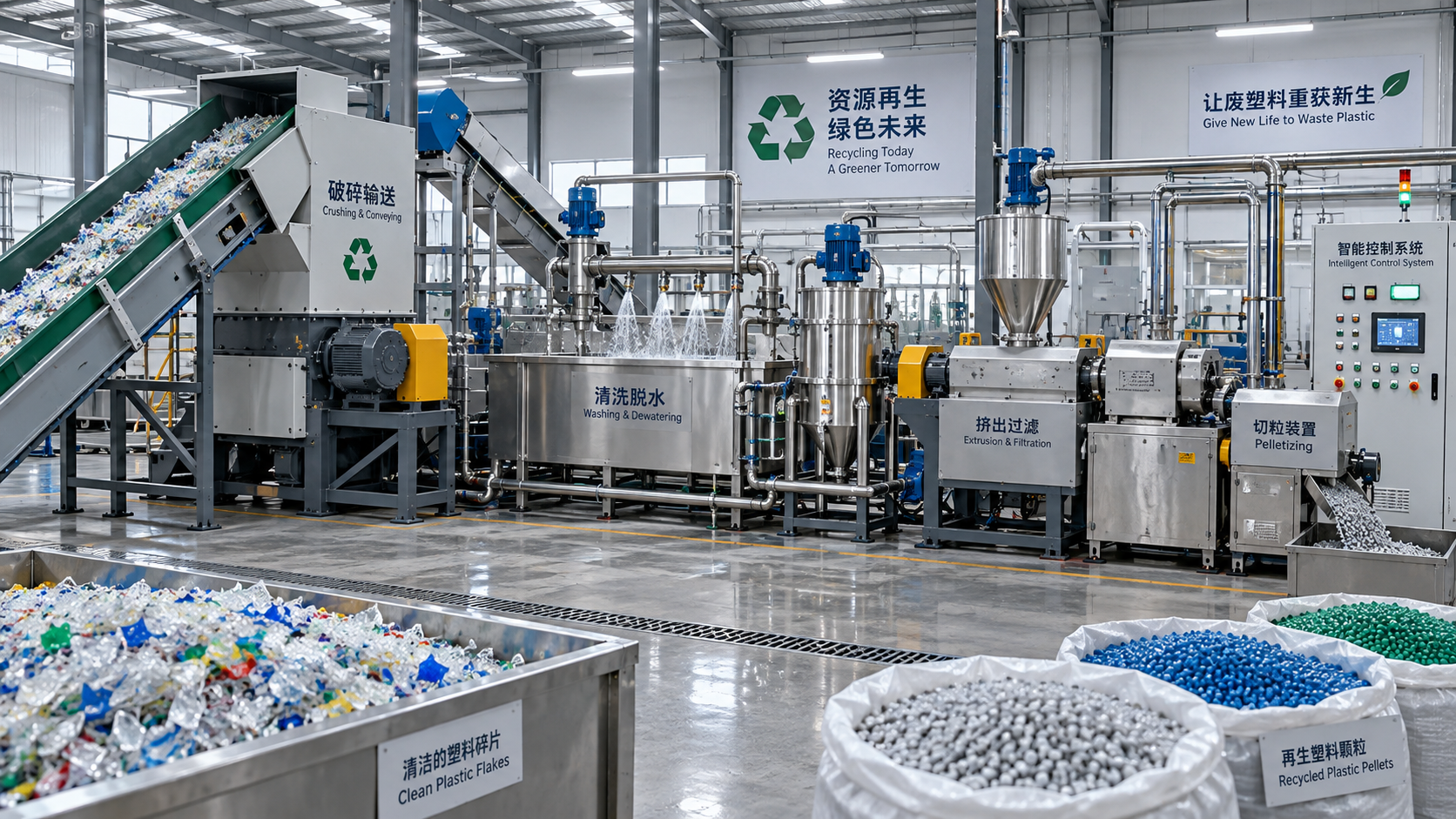
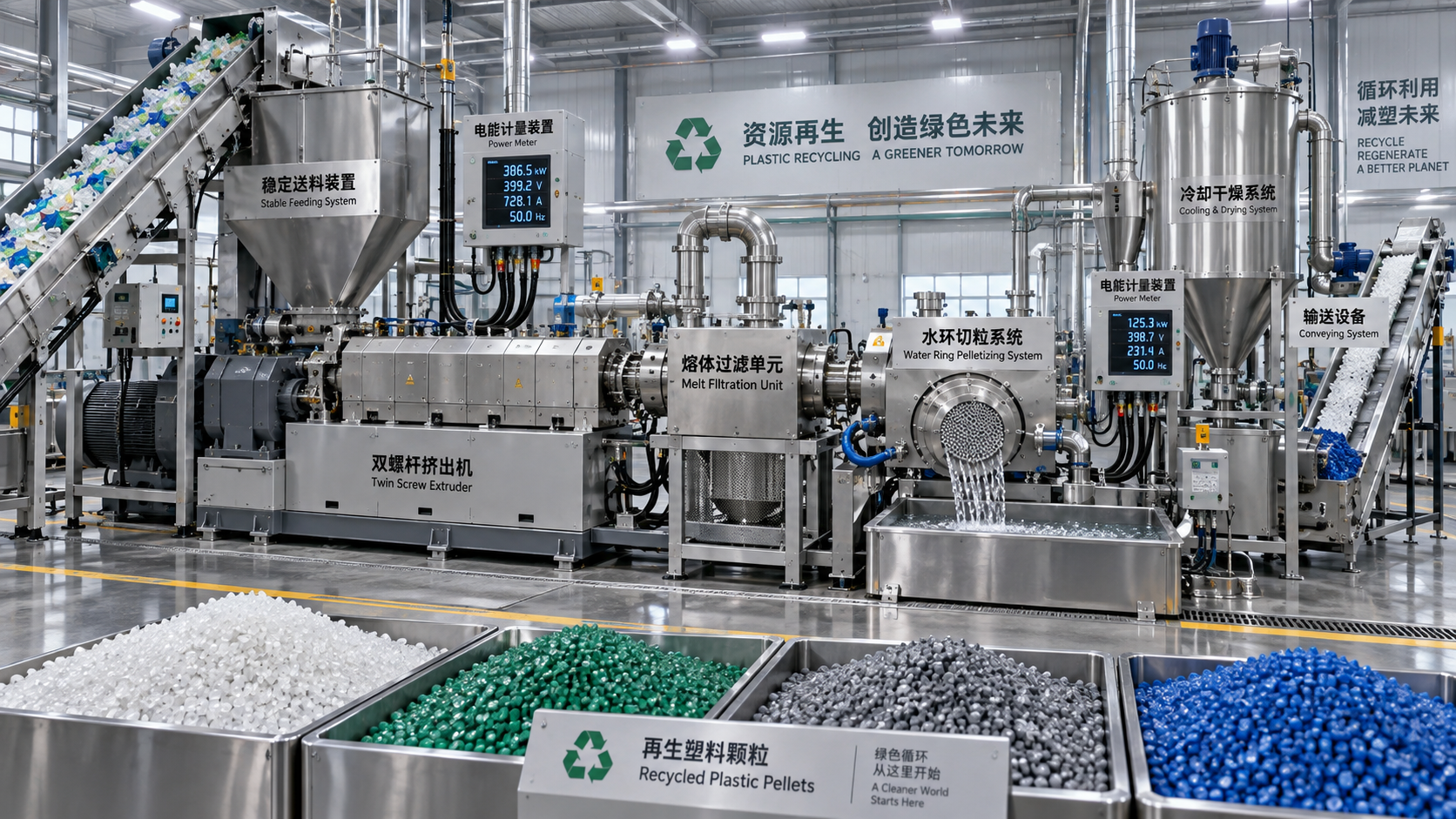
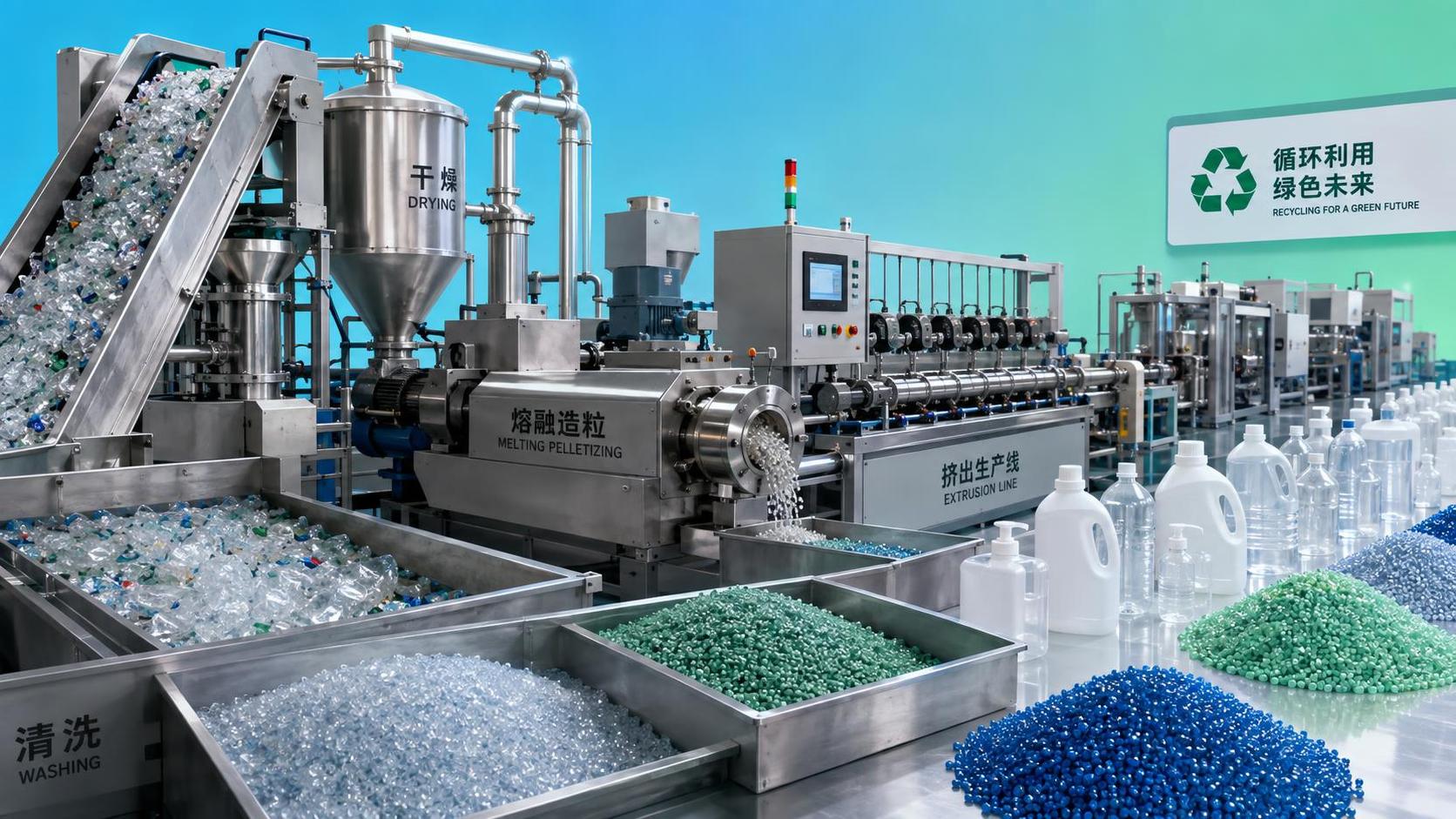
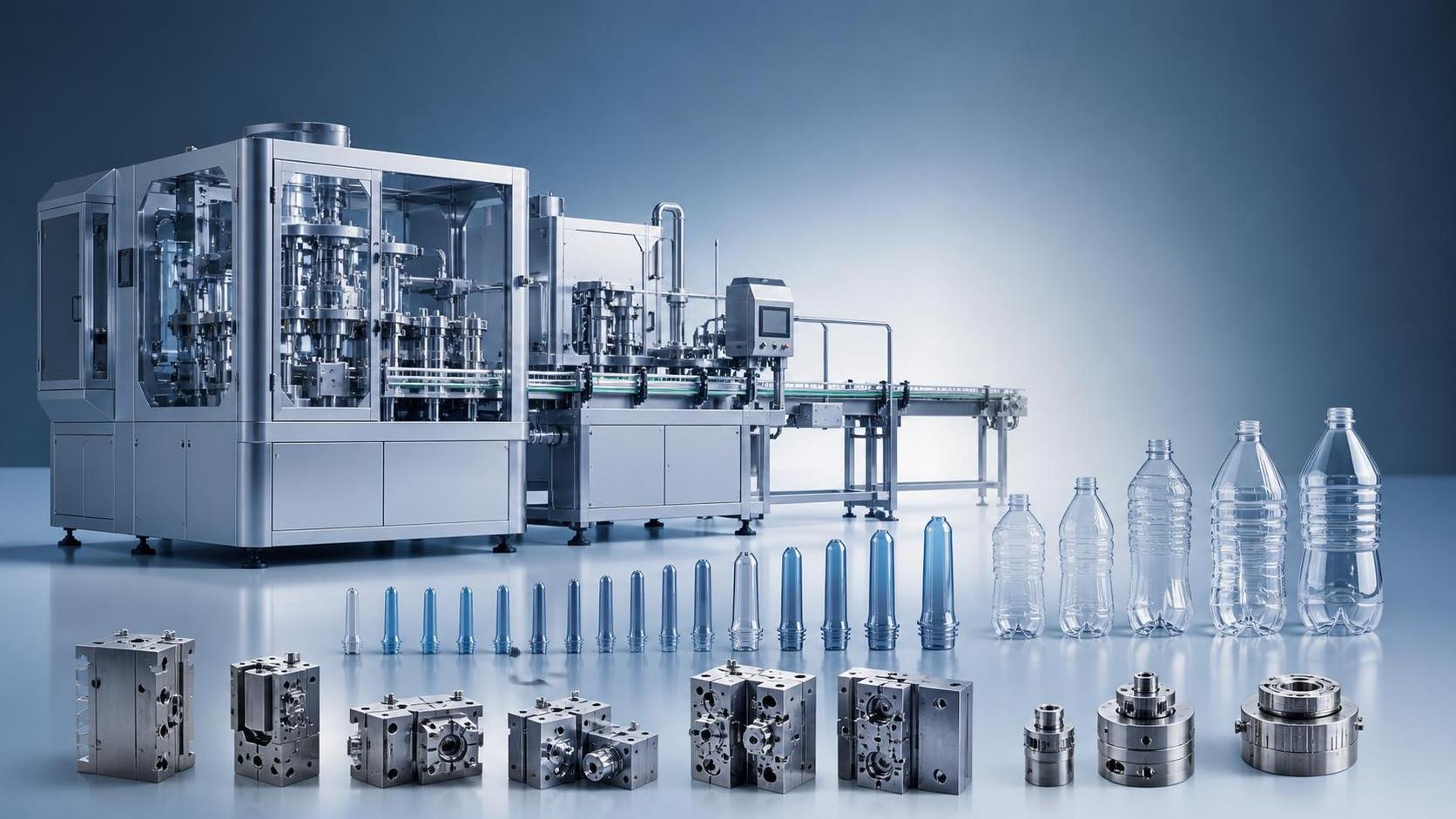
This is where modern processing matters. Injection molding, extrusion, blow molding, and recycled resin preparation all influence wall thickness consistency, seal integrity, barrier performance, and overall pack toughness.
The market is rewarding solutions that perform in both sustainability audits and transit tests. In other words, packaging claims must now be supported by engineering evidence, not just marketing language.
The strongest trend signals are coming from performance, compliance, and circularity
Several clear signals show where green packaging materials are heading. These signals reflect a broader industry shift toward measurable resilience and lifecycle accountability.
- Lightweighting is still important, but not at the cost of crush resistance.
- Mono-material structures are gaining preference for easier recycling streams.
- High recycled content is desirable, yet mechanical stability remains under close review.
- Fiber-based formats are expanding, especially when moisture control improves.
- Compostable options are growing, but only where collection systems and use cases align.
- Digital traceability is becoming part of packaging credibility.
These signals suggest a more mature packaging era. Buyers and specifiers increasingly ask how green packaging materials behave under pressure, not just how they are described in brochures.
What is driving the upgrade in green packaging materials
The shift is not caused by one factor alone. It is the result of logistics changes, regulatory pressure, and faster material innovation across the polymer and recycling ecosystem.
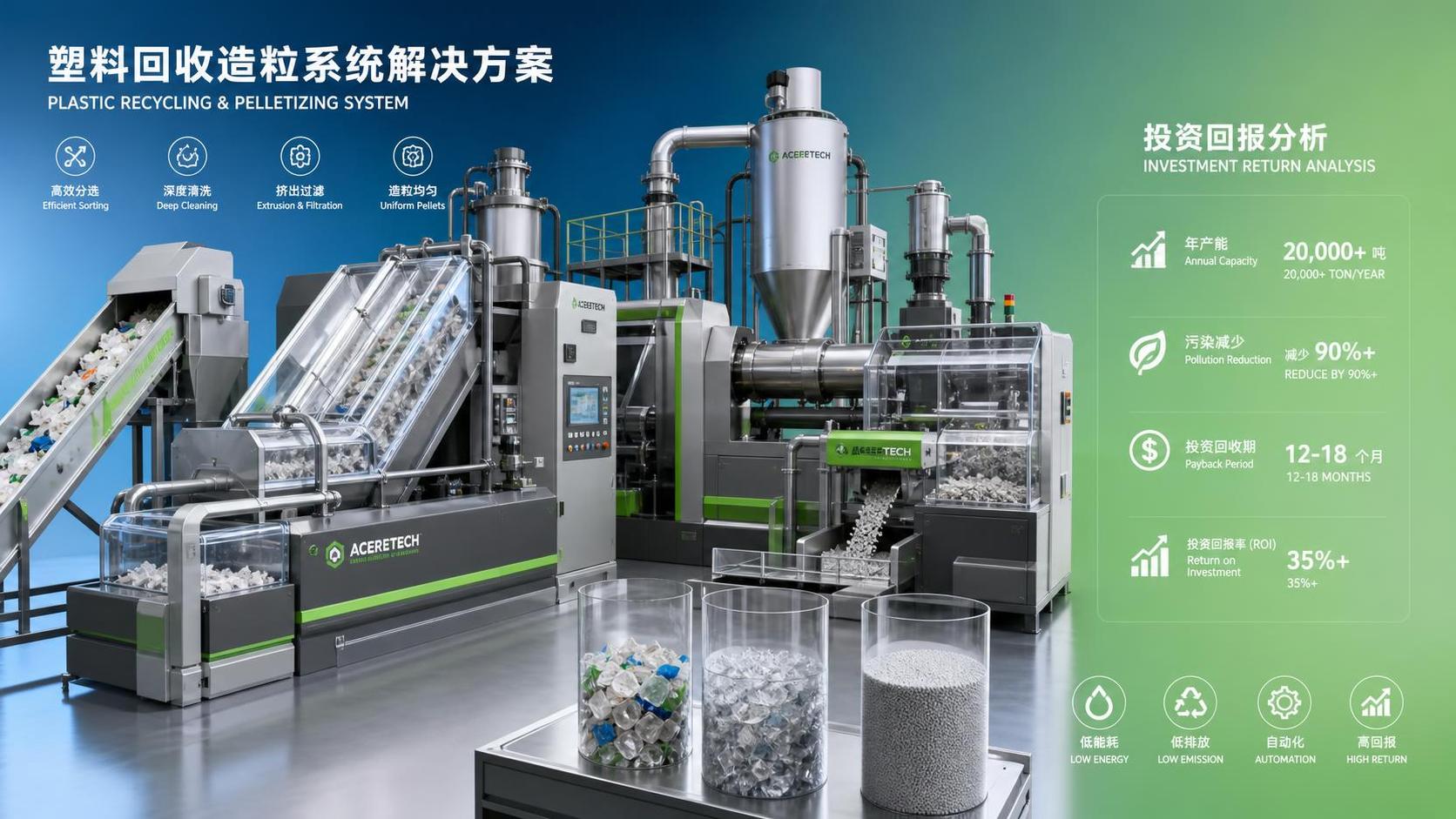
In practical terms, green packaging materials are improving because machinery, simulation, and recycled feedstock quality are improving together. Better equipment often leads to more stable and trustworthy sustainable packaging output.
Which green packaging materials hold up best in real shipping conditions
No single option wins every application. The best green packaging materials depend on product weight, moisture sensitivity, drop risk, and the distance traveled.
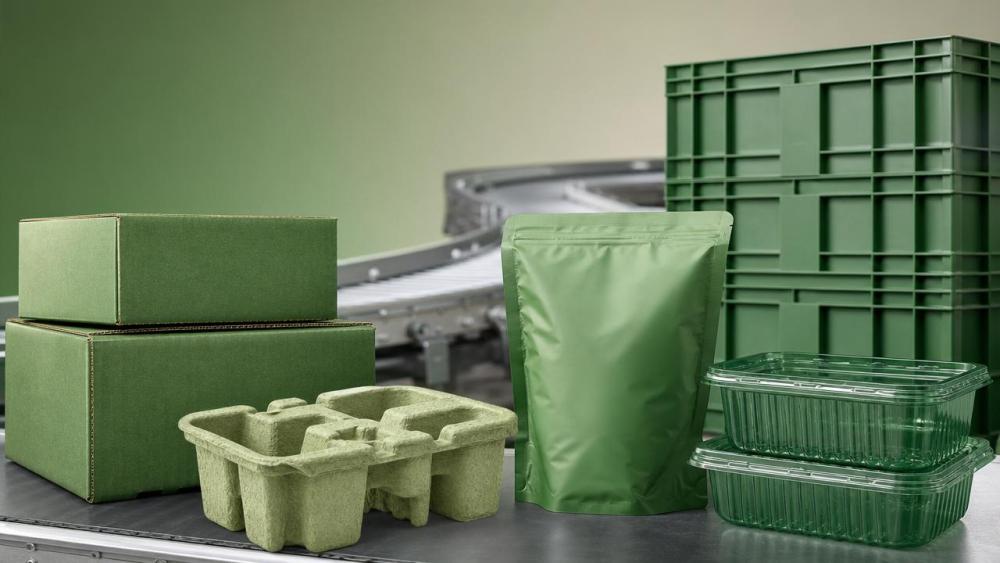
Recycled corrugated and molded fiber
These work well for dry goods and secondary protection. They offer good stacking performance, but moisture exposure can reduce strength unless coatings or structural redesign are applied.
Mono-material polyethylene and polypropylene formats
Flexible packs using recyclable polyolefins often perform strongly in puncture resistance and sealing. Advanced extrusion helps improve toughness while supporting simpler recovery pathways.
rPET and recycled-content rigid packaging
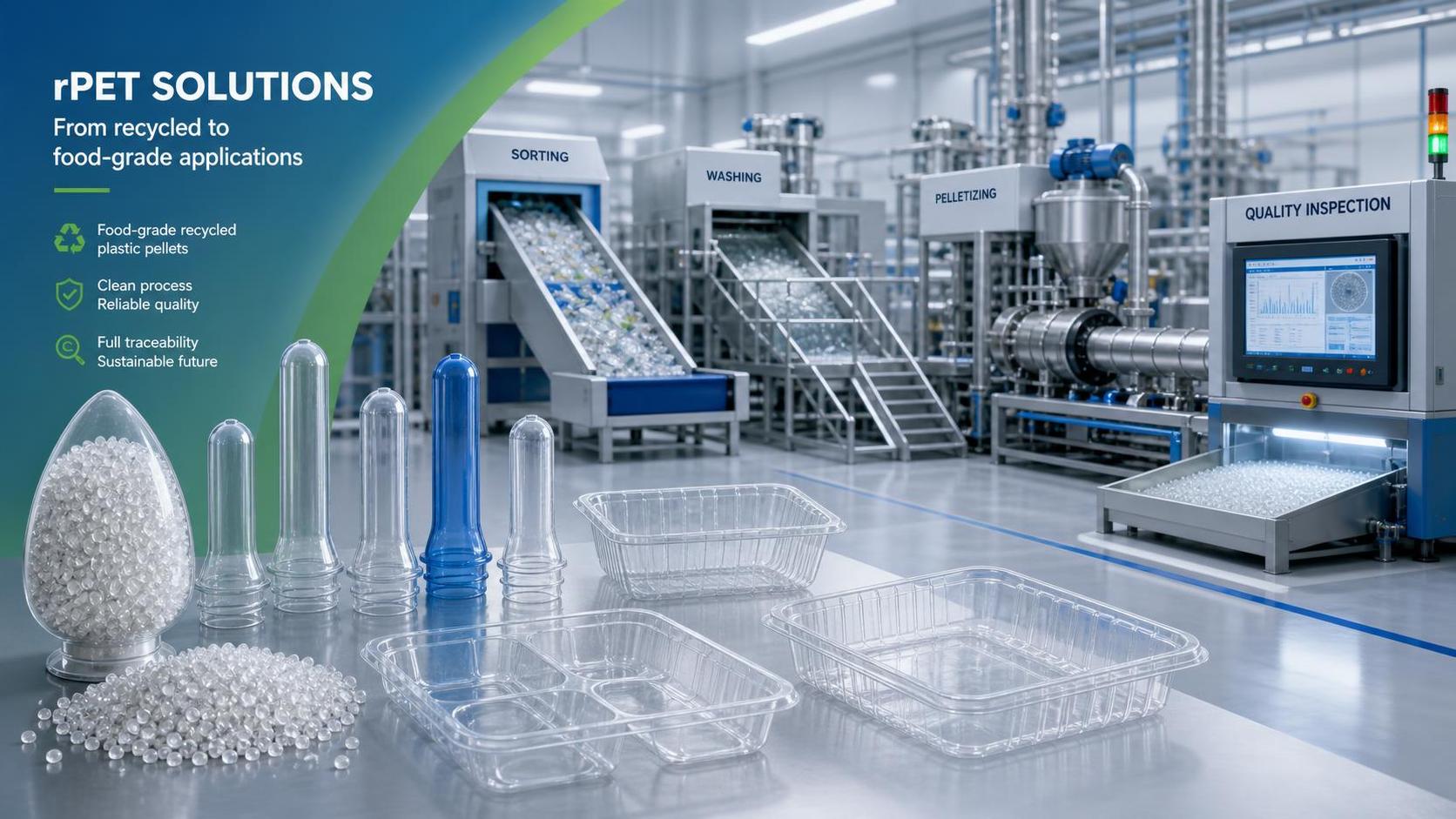
Well-processed rPET can provide strong clarity and impact resistance. For bottles and trays, performance depends heavily on pellet purity, thermal history, and blow molding precision.
Compostable biopolymer packaging
These green packaging materials can suit specific food and short-life applications. However, humidity tolerance, heat resistance, and infrastructure compatibility must be checked carefully before wider shipping use.
The most reliable solutions usually combine material choice with structural design. Cushion geometry, ribbing, flute profiles, seal width, and closure design can dramatically improve shipping survival.
How this trend affects packaging performance across the supply chain
The rise of stronger green packaging materials affects more than the pack itself. It influences how products are formed, filled, transported, recovered, and reported in sustainability programs.
When packaging becomes lighter but weaker, damage costs can erase environmental gains. When it becomes greener and durable, businesses can reduce waste, returns, repacking, and brand risk at once.
- Material processing lines must maintain tighter consistency.
- Filling and sealing systems may need calibration updates.
- Logistics teams benefit from lower breakage rates.
- Recycling systems gain value when pack structures are simplified.
- Compliance reporting becomes easier with traceable materials.
This is why the conversation belongs to the broader materials and equipment sector. Packaging performance now depends on smart forming, controlled extrusion, precise molding, and clean recycled resin loops.
What deserves close attention when evaluating green packaging materials
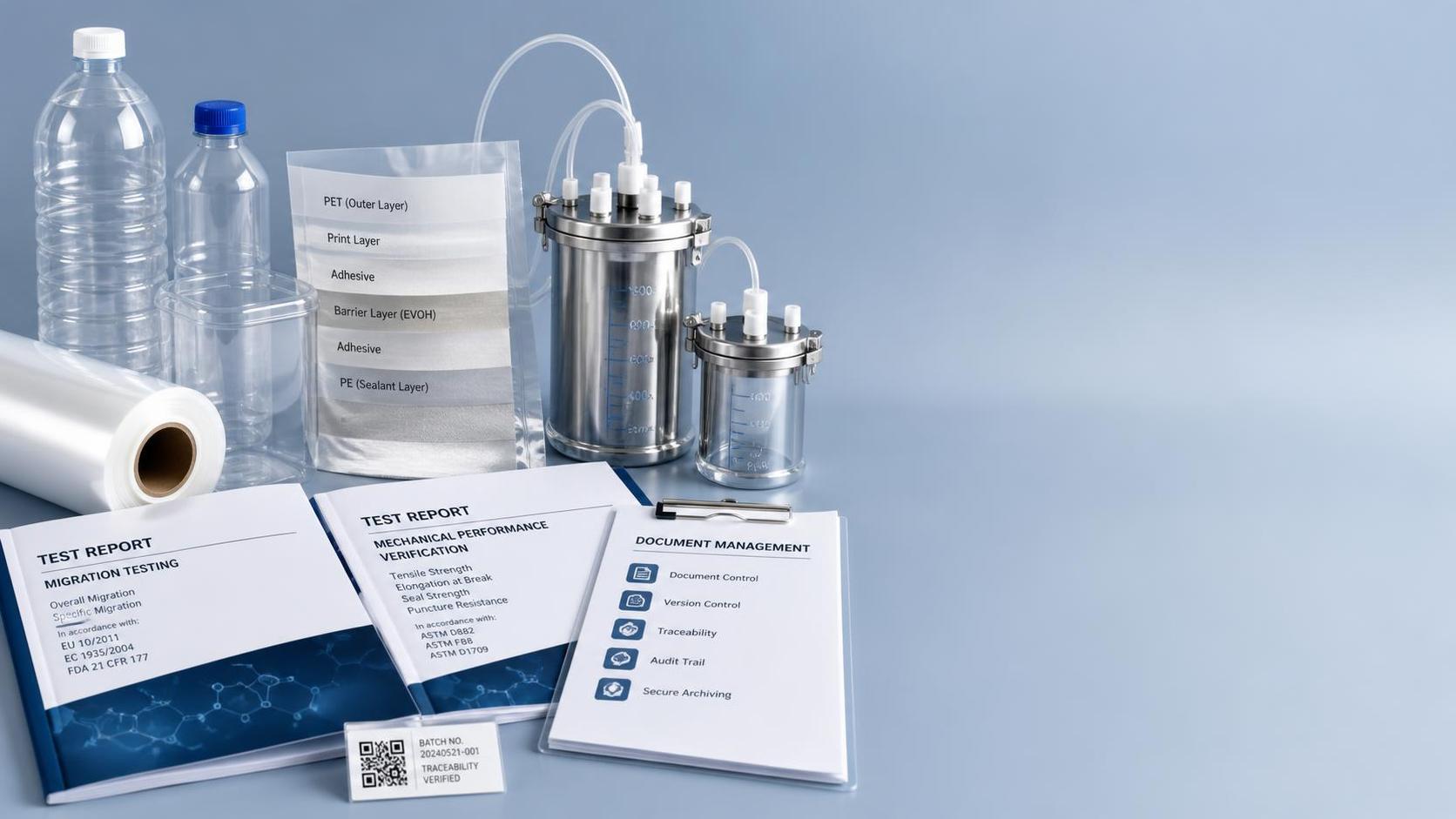
Strong sustainability claims should always be matched with practical verification. Several checkpoints help distinguish packaging that is genuinely ready for shipping from packaging that only looks responsible.
- Check compression, drop, vibration, and puncture test results.
- Review moisture sensitivity and barrier behavior.
- Confirm recycled content consistency across batches.
- Verify compatibility with current filling and sealing operations.
- Assess end-of-life fit with local recycling or composting systems.
- Look for data on energy use and material efficiency during production.
These factors help keep green packaging materials practical. They also reduce the risk of choosing a pack that meets policy language but fails under freight stress.
A practical way to judge what comes next
The next phase will likely favor packaging systems, not isolated materials. Stronger outcomes will come from linking design, processing equipment, recycled feedstock, and circular recovery targets.
Green packaging materials are no longer judged by intent alone. They are judged by whether they protect products, move efficiently through real logistics, and still support a credible circular economy.
A useful next step is to compare materials through actual transit scenarios, not only lab assumptions. The most future-ready packaging will be the option that balances durability, recyclability, process stability, and compliance from start to finish.
Related News
- 00
0000-00
How to Select Rubber Processing Equipment for High-Precision Automotive Seals - 00
0000-00
How to Qualify a Servo Injection Molding Exporter for Global Sourcing - 00
0000-00
Polymer Processing for Extrusion: How Melt Rheology Affects Line Stability - 00
0000-00
Energy-Efficient Polymer Processing: Where Plants Can Cut kWh per Kilogram - 00
0000-00
German Extrusion Equipment Suppliers: Comparing Service, Lead Times, and Lifecycle Cost
Weekly Insights
Stay ahead with our curated technology reports delivered every Monday.
Related News
 Ms. Elena RodriguezGerman Extrusion Equipment Suppliers: Comparing Service, Lead Times, and Lifecycle CostExtrusion equipment Germany suppliers compared: evaluate service coverage, credible lead times, spare-parts access, and lifecycle cost to select a reliable, future-ready production partner.Sep 22, 2026
 Ms. Elena RodriguezWhat Should You Check Before Buying a Used Plastic Recycling Line?What should I check before buying a used plastic recycling line? Explore feedstock fit, wear, trials, utilities, controls, and restoration costs before you invest.Sep 26, 2026
 Ms. Elena RodriguezHow to Compare Pelletizing Lines by Energy Use per TonHow do I compare pelletizing lines by kWh per ton? Learn to measure total energy, verify saleable output, and select a cost-efficient line.Sep 23, 2026
 Ms. Elena RodriguezIn-House Recycling for Factory Scrap: How to Reduce Material Waste and Disposal CostsIn house recycling for factory scrap helps manufacturers cut material waste, reduce disposal costs, and create controlled, quality-focused reuse loops.Sep 07, 2026
 Ms. Elena RodriguezHow Recyclable Packaging Manufacturing Balances Material Recovery and Production CostRecyclable packaging manufacturing: discover how smarter design, feedstock control, and process optimization reduce recovery costs while improving quality and yield.Sep 04, 2026
 Ms. Elena RodriguezHow to Evaluate a Plastic Recycling Systems Supplier for Your Processing NeedsChoose the right plastic recycling systems supplier with a practical guide to feedstock fit, output quality, total cost, testing, service, and compliance.Sep 01, 2026
 Ms. Elena RodriguezCE Marking for Plastic Processing Equipment: Documentation and Safety ChecksPlastic processing equipment CE compliance: learn the essential documentation, risk assessments, safety checks, and validation steps for reliable EU market access.Aug 30, 2026
 Ms. Elena RodriguezPlastic Packaging Compliance Standards: What Tests and Documents Matter Most?Plastic packaging compliance standards explained: learn which migration tests, mechanical checks, and audit-ready documents matter most to reduce risk and pass reviews with confidence.Aug 25, 2026
 Ms. Elena RodriguezHow to Evaluate a Plastic Waste Recycling System for Capacity, Contamination, and ROIPlastic waste recycling system evaluation made practical: compare true capacity, contamination control, and ROI to choose a line that delivers stable output and stronger returns.Aug 24, 2026
 Ms. Elena RodriguezPackaging Molding Equipment Price: What Drives Cost and How to Compare Quotes?Packaging molding equipment price varies by machine type, automation, tooling, energy use, and service scope. Learn what drives cost and how to compare quotes with confidence.Aug 21, 2026
 Ms. Elena RodriguezWhat Packaging Machinery for Plastic Containers Should You Choose for High-Volume Production?Packaging machinery for plastics containers can make or break high-volume production. Learn how to choose the right line for speed, consistency, compliance, and lower lifecycle costs.Aug 16, 2026
 Ms. Elena RodriguezWhat Circular Plastics Mean for Automotive Parts and Material SelectionCircular plastics for automotive are reshaping part selection with lower weight, better sustainability, and reliable performance. Discover how engineers balance recycled content, durability, and compliance.Aug 15, 2026
 Ms. Elena RodriguezBroiler Farming in Cage System: Selection Factors for Commercial FarmsBroiler farming in cage system selection for commercial farms: compare structure, ventilation, automation, and manure handling to improve efficiency and avoid costly mistakes.Aug 14, 2026
 Ms. Elena RodriguezHow to Implement Smart Polymer Manufacturing Without Disrupting Existing Production?Smart polymer manufacturing implementation made practical: learn how to upgrade existing production with phased digitalization, less downtime, better control, and measurable ROI.Aug 11, 2026
 Ms. Elena RodriguezHow to Evaluate a Rubber Compression Molding Supplier for Complex Part ProductionRubber compression molding supplier selection for complex parts starts with process, material, and tooling control. Learn how to compare vendors beyond price and reduce launch risk.Aug 10, 2026
 Ms. Elena RodriguezPackaging Compliance in Canada: Key Labeling and EPR Rules Importers Must KnowPackaging compliance Canada explained for importers: learn bilingual labeling, environmental claims, and provincial EPR rules to reduce risk, avoid costly errors, and stay market-ready.Aug 03, 2026
 Ms. Elena RodriguezWhy Circular Plastics Economy Traceability Matters for Recycled Content ComplianceCircular plastics economy traceability is essential for proving recycled content compliance across sourcing, processing, and reporting. Learn how strong evidence reduces audit risk.Aug 02, 2026
 Ms. Elena RodriguezRecycled Plastic Compliance: Key Standards, Testing Requirements, and DocumentationRecycled plastic compliance explained: key standards, testing requirements, supplier documents, and food-contact risks to help you avoid approval delays and costly compliance mistakes.Aug 01, 2026
 Ms. Elena RodriguezHow to Evaluate an Extrusion Machinery Manufacturer for Quality, Support, and ROIExtrusion machinery manufacturer selection affects quality, uptime, and ROI. Learn how to compare process fit, output claims, service, compliance, and long-term operating costs.Jul 29, 2026
 Ms. Elena RodriguezHow to Evaluate Food Grade Recycled Pellets for Safe Packaging ApplicationsFood grade recycled pellets for safe packaging demand more than a label. Learn how to assess feedstock, process validation, pellet quality, and compliance before approval.Jul 28, 2026