Polymer smart manufacturing and the ROI question in 2026




As 2026 approaches, polymer smart manufacturing is shifting from pilot language to capital allocation logic. The debate now centers on ROI, payback speed, and strategic resilience.
Across injection molding, extrusion, blow molding, vulcanization, and recycling, polymer smart manufacturing links data, automation, energy control, and quality intelligence into one operating model.
For enterprises balancing cost pressure, ESG goals, and packaging compliance, the value question is practical. Which scenarios justify investment first, and which technologies return cash fastest?
When polymer smart manufacturing becomes an ROI priority

Not every plant faces the same urgency. ROI improves when polymer smart manufacturing solves a visible constraint rather than adding disconnected digital features.
The strongest triggers usually include scrap volatility, unstable cycle times, rising electricity costs, labor shortages, audit pressure, and recycled content targets.
In 2026, packaging regulation and material traceability will tighten investment discipline. Smart systems that prove quality, emissions, and resource efficiency will carry more boardroom credibility.
High-value precision parts need stable process windows
Medical, optical, and technical molded parts require micron-level repeatability. Here, polymer smart manufacturing supports ROI through closed-loop control, faster validation, and fewer rejected batches.
AI-assisted holding pressure tuning, mold temperature monitoring, and machine vision often matter more than broad factory dashboards. The return comes from consistency, not digital theater.
High-volume packaging lines need throughput and compliance
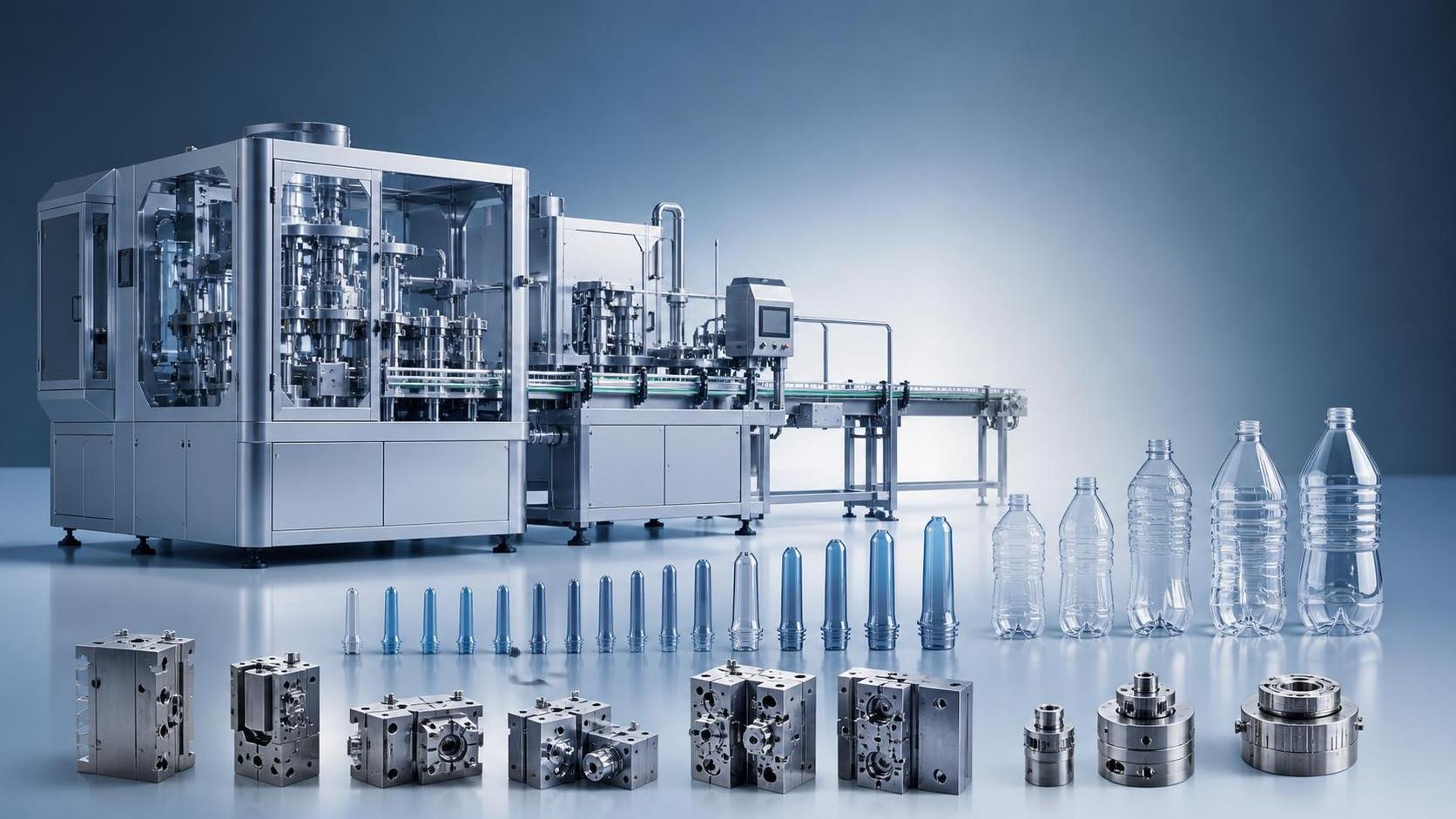
Bottle, cap, film, and container lines run on speed and waste control. Polymer smart manufacturing lifts ROI when it reduces changeover loss and proves food-contact or packaging compliance.
Integrated data from blow molding, extrusion, and inspection systems can cut hidden downtime. It also supports traceability when recycled resin ratios must be documented.
How ROI differs across polymer processing scenarios
Different polymer workflows create different economic logic. A smart extrusion line does not justify investment the same way as a connected recycling cell.
Injection molding: ROI starts with cycle stability
In injection molding, polymer smart manufacturing often wins through lower scrap, tighter tolerances, and shorter setup time. Servo control and cavity-level analytics usually create measurable gains first.
If energy intensity is high, all-electric systems strengthen the case. If defect costs dominate, process intelligence usually beats machine replacement alone.
Extrusion: ROI depends on energy and material efficiency
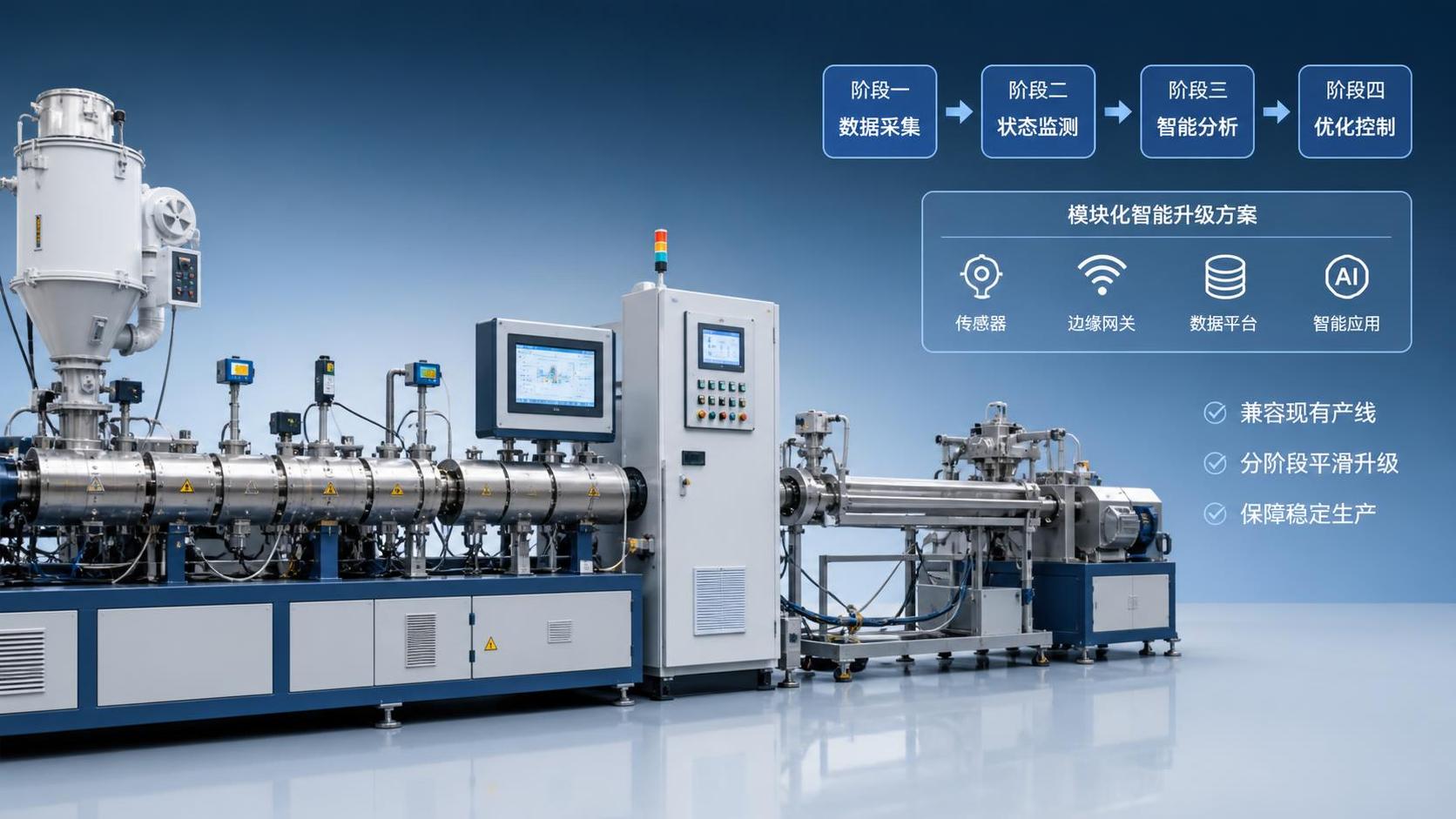
Twin-screw and single-screw operations benefit from melt pressure visibility, recipe management, and screw performance analytics. Polymer smart manufacturing pays back when throughput rises without quality drift.
For pipe, sheet, and film, even small reductions in gel defects or gauge variation can unlock major annual savings. Energy monitoring adds another layer of return.
Blow molding: ROI is strongest where uptime is everything
Stretch blow molding lines operate at extreme speed. Polymer smart manufacturing improves ROI by detecting drift early, protecting bottle weight targets, and minimizing unplanned stoppages.
When a line feeds beverage or healthcare packaging, traceable alarms and digital quality records become business-critical, not optional extras.
Rubber vulcanization: ROI comes from curing precision
Vulcanization assets consume heat, time, and floor space. Polymer smart manufacturing helps by controlling thermal uniformity, recipe discipline, and preventive maintenance timing.
Returns appear in fewer under-cured or over-cured parts, lower energy waste, and better consistency for seals, tires, and industrial elastomer components.
Recycling and pelletizing: ROI grows with circularity pressure
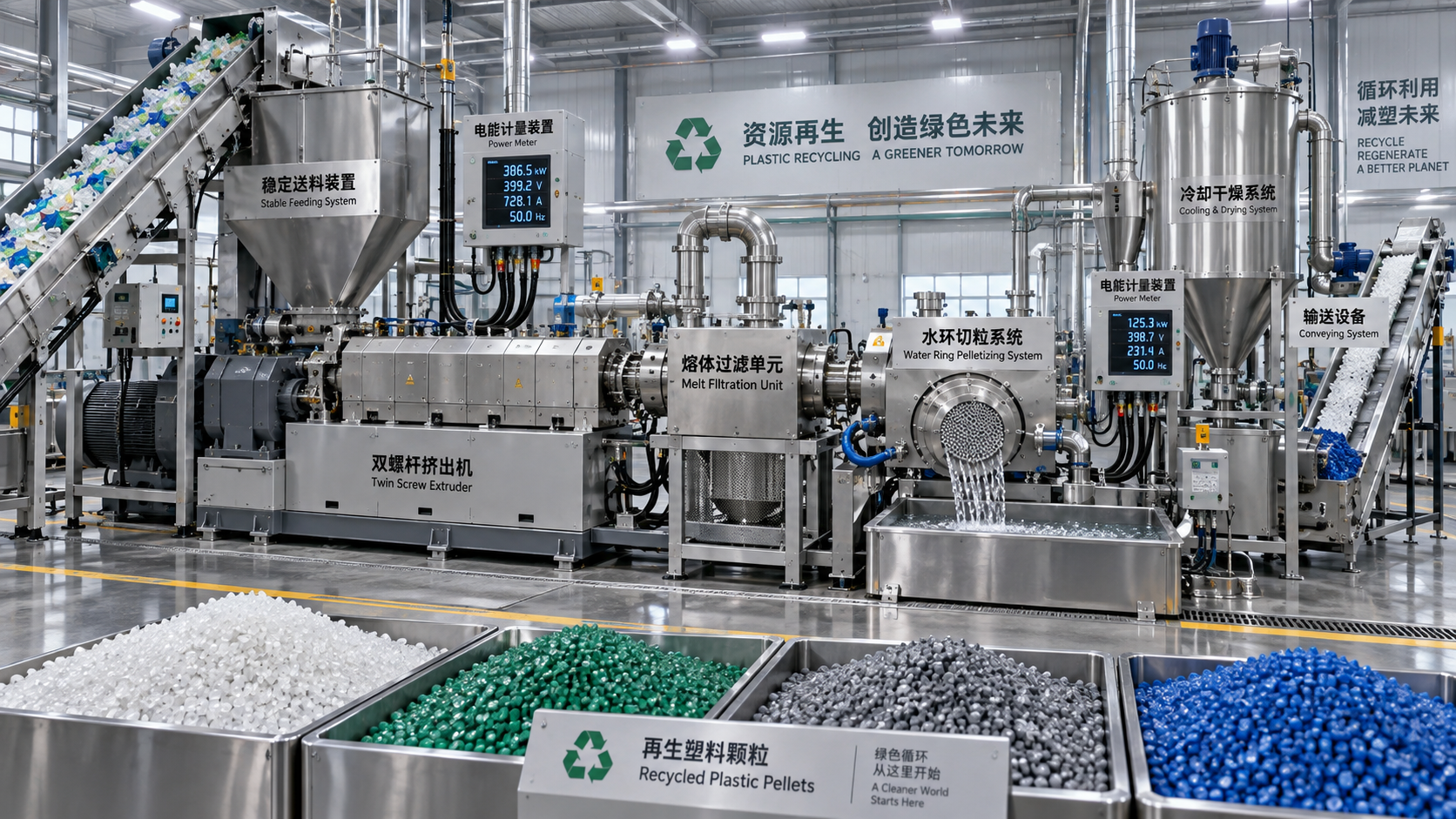
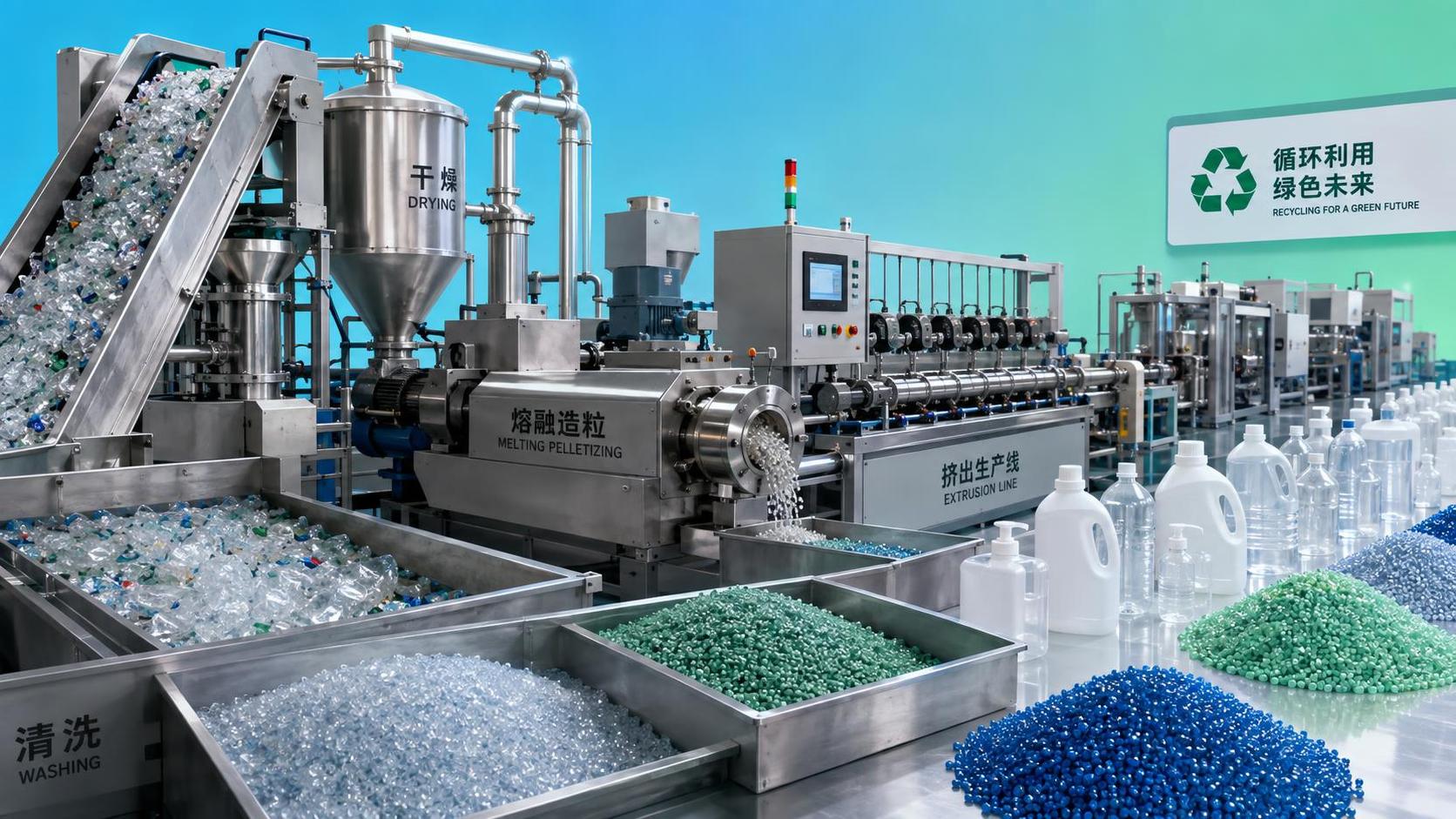
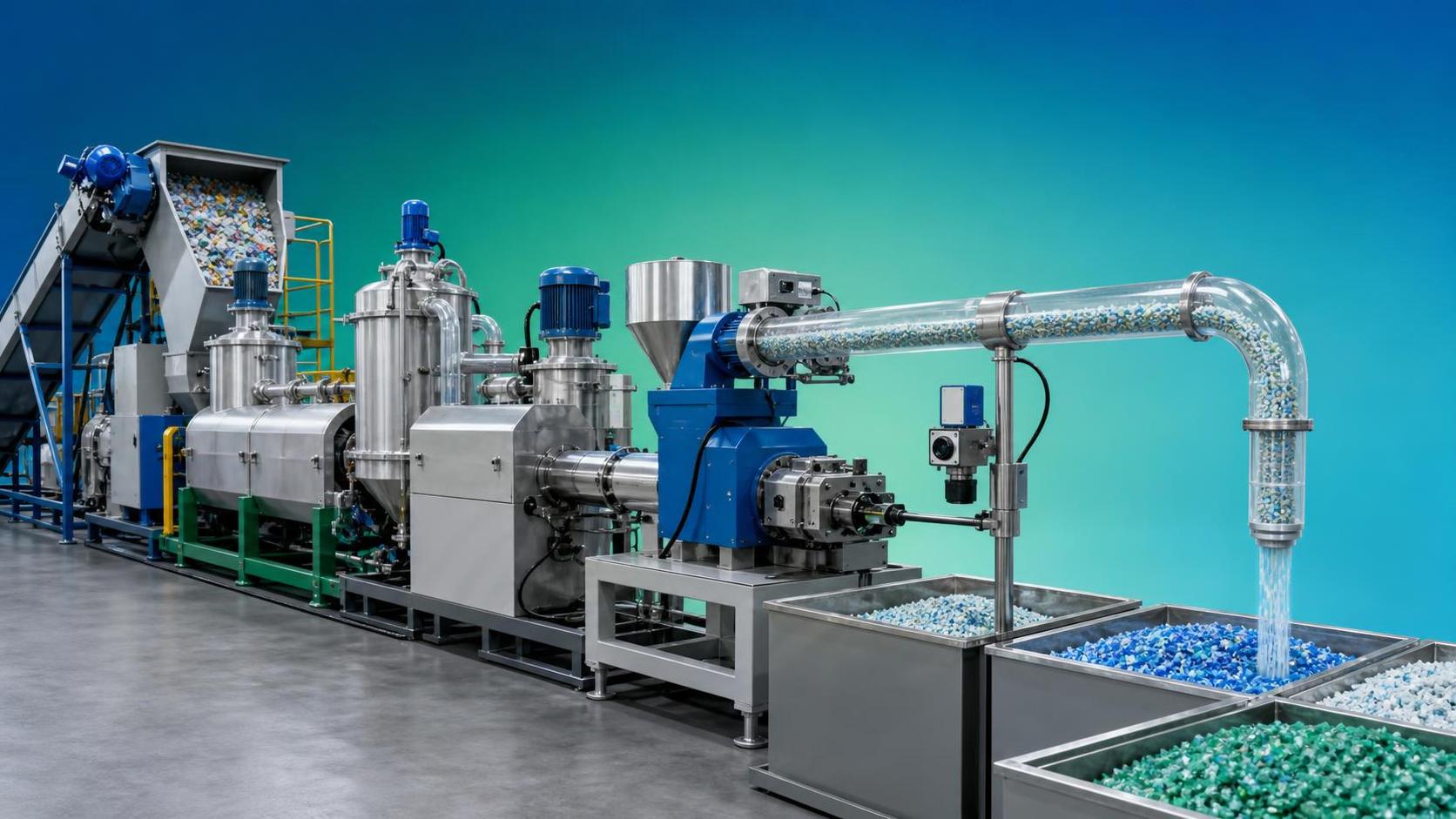
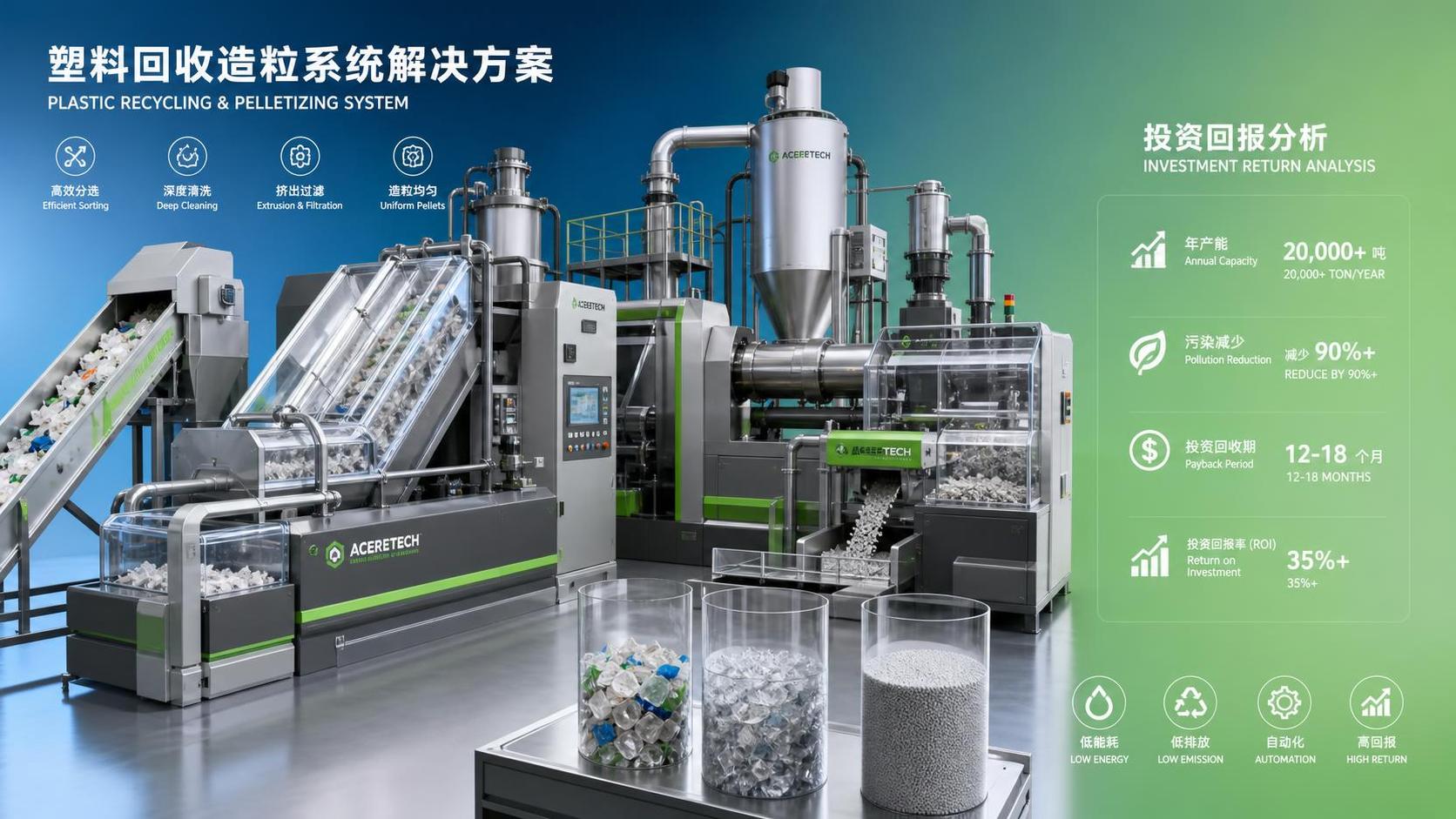
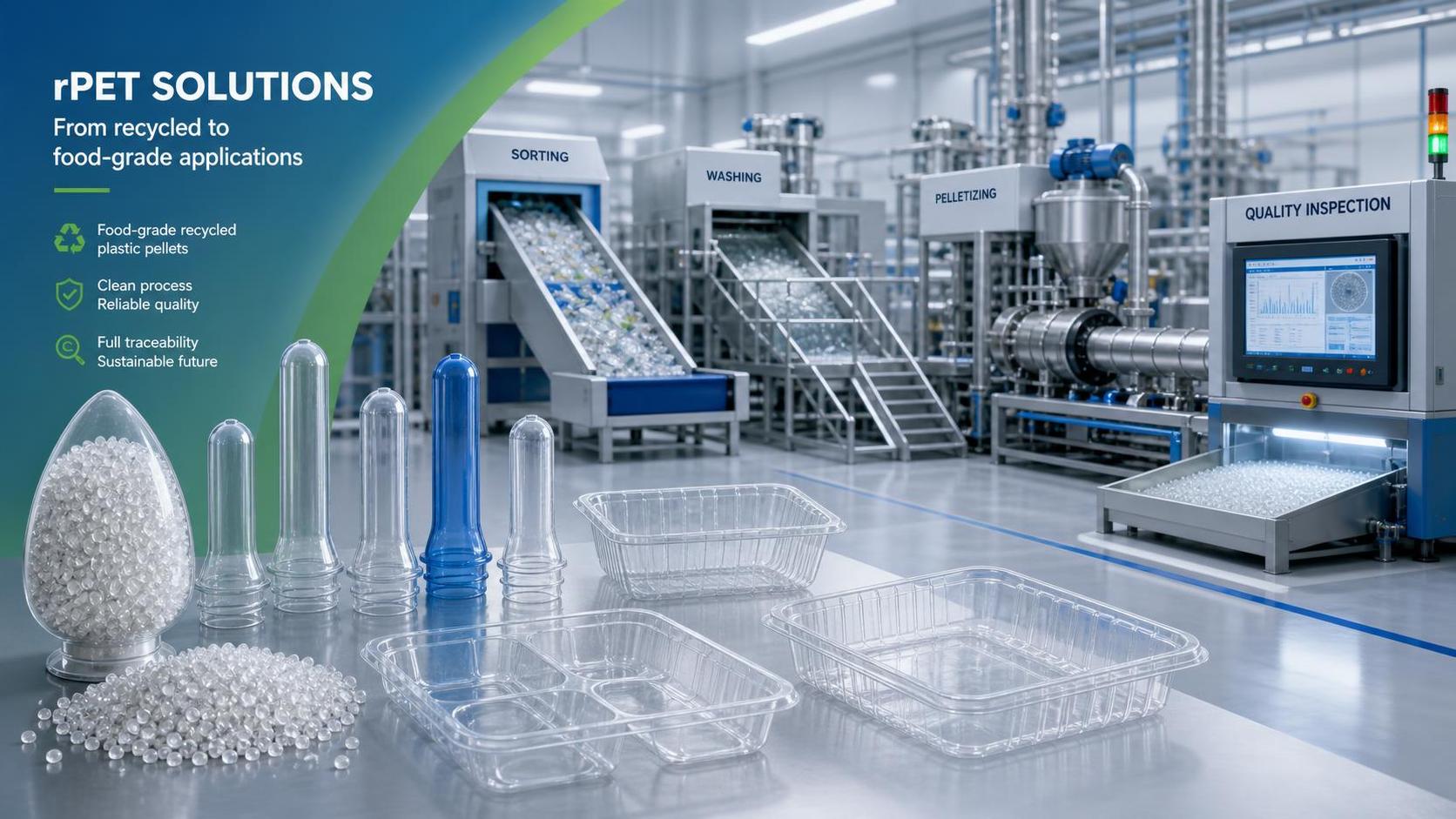
Waste plastic processing faces contamination swings and margin pressure. Polymer smart manufacturing supports ROI through wash-line optimization, melt filtration visibility, and pellet quality consistency.
Where in-house recycling offsets virgin resin exposure, digital control can quickly become a strategic profit lever. This is especially true under ESG-linked reporting demands.
Comparing scenario needs before investing
Where polymer smart manufacturing creates the fastest payback
Fast payback usually appears in bottleneck-heavy environments. The best first projects remove recurring losses that already show up in maintenance, scrap, or utility reports.
- Install machine-level energy metering on high-load extrusion and vulcanization assets.
- Link quality inspection directly to process parameters on molding and blow molding lines.
- Digitize recipes and setup windows before deploying advanced AI tools.
- Add traceability for recycled content, batch history, and compliance evidence.
- Use predictive maintenance only where downtime costs are already quantified.
This sequence matters. Polymer smart manufacturing delivers better ROI when operational discipline comes before large-scale platform expansion.
Common misjudgments that weaken ROI in 2026
One common mistake is treating polymer smart manufacturing as a software purchase. In practice, return depends on process physics, operator adoption, and data quality from the machine layer.
Another mistake is copying another site’s roadmap. A recycling line with unstable feedstock needs different intelligence than an all-electric injection molding cell.
Some projects also overestimate labor savings and underestimate material savings. In polymer processing, scrap, energy, and compliance failures often have the largest financial impact.
A final blind spot involves ESG reporting. If systems cannot verify recycled content, emissions, or packaging consistency, claimed sustainability value may not survive audits.
A practical action path for polymer smart manufacturing decisions
The smartest next step is not a full digital overhaul. It is a scenario-based audit of losses, compliance exposure, and line-level control gaps.
- Rank lines by scrap cost, energy intensity, downtime frequency, and traceability risk.
- Identify which polymer smart manufacturing tools address those losses directly.
- Pilot one process family first, such as molding, extrusion, or recycling.
- Measure baseline and post-project results with financial indicators, not only technical KPIs.
- Scale only after process governance and data integrity are proven.
For sectors influenced by packaging regulation, resin volatility, and circular economy pressure, polymer smart manufacturing is no longer a future concept. It is a competitive filter.
The 2026 ROI question is therefore simple: invest broadly and vaguely, or invest by scenario with measurable return. The second path is the one most likely to endure.
PFRS tracks the technologies, market signals, and process intelligence behind that decision, helping polymer operations connect smart manufacturing ambition with accountable business value.
Related News
- 00
0000-00
How to Qualify a Servo Injection Molding Exporter for Global Sourcing - 00
0000-00
Polymer Processing for Extrusion: How Melt Rheology Affects Line Stability - 00
0000-00
Energy-Efficient Polymer Processing: Where Plants Can Cut kWh per Kilogram - 00
0000-00
German Extrusion Equipment Suppliers: Comparing Service, Lead Times, and Lifecycle Cost - 00
0000-00
Is an Underwater Pelletizer Worth the Added Cost for Recycled Plastics?
Weekly Insights
Stay ahead with our curated technology reports delivered every Monday.
Related News
 Ms. Elena RodriguezGerman Extrusion Equipment Suppliers: Comparing Service, Lead Times, and Lifecycle CostExtrusion equipment Germany suppliers compared: evaluate service coverage, credible lead times, spare-parts access, and lifecycle cost to select a reliable, future-ready production partner.Sep 22, 2026
 Ms. Elena RodriguezHow to Compare Pelletizing Lines by Energy Use per TonHow do I compare pelletizing lines by kWh per ton? Learn to measure total energy, verify saleable output, and select a cost-efficient line.Sep 23, 2026
 Ms. Elena RodriguezIn-House Recycling for Factory Scrap: How to Reduce Material Waste and Disposal CostsIn house recycling for factory scrap helps manufacturers cut material waste, reduce disposal costs, and create controlled, quality-focused reuse loops.Sep 07, 2026
 Ms. Elena RodriguezHow Recyclable Packaging Manufacturing Balances Material Recovery and Production CostRecyclable packaging manufacturing: discover how smarter design, feedstock control, and process optimization reduce recovery costs while improving quality and yield.Sep 04, 2026
 Ms. Elena RodriguezHow to Evaluate a Plastic Recycling Systems Supplier for Your Processing NeedsChoose the right plastic recycling systems supplier with a practical guide to feedstock fit, output quality, total cost, testing, service, and compliance.Sep 01, 2026
 Ms. Elena RodriguezCE Marking for Plastic Processing Equipment: Documentation and Safety ChecksPlastic processing equipment CE compliance: learn the essential documentation, risk assessments, safety checks, and validation steps for reliable EU market access.Aug 30, 2026
 Ms. Elena RodriguezPlastic Packaging Compliance Standards: What Tests and Documents Matter Most?Plastic packaging compliance standards explained: learn which migration tests, mechanical checks, and audit-ready documents matter most to reduce risk and pass reviews with confidence.Aug 25, 2026
 Ms. Elena RodriguezHow to Evaluate a Plastic Waste Recycling System for Capacity, Contamination, and ROIPlastic waste recycling system evaluation made practical: compare true capacity, contamination control, and ROI to choose a line that delivers stable output and stronger returns.Aug 24, 2026
 Ms. Elena RodriguezPackaging Molding Equipment Price: What Drives Cost and How to Compare Quotes?Packaging molding equipment price varies by machine type, automation, tooling, energy use, and service scope. Learn what drives cost and how to compare quotes with confidence.Aug 21, 2026
 Ms. Elena RodriguezWhat Packaging Machinery for Plastic Containers Should You Choose for High-Volume Production?Packaging machinery for plastics containers can make or break high-volume production. Learn how to choose the right line for speed, consistency, compliance, and lower lifecycle costs.Aug 16, 2026
 Ms. Elena RodriguezWhat Circular Plastics Mean for Automotive Parts and Material SelectionCircular plastics for automotive are reshaping part selection with lower weight, better sustainability, and reliable performance. Discover how engineers balance recycled content, durability, and compliance.Aug 15, 2026
 Ms. Elena RodriguezBroiler Farming in Cage System: Selection Factors for Commercial FarmsBroiler farming in cage system selection for commercial farms: compare structure, ventilation, automation, and manure handling to improve efficiency and avoid costly mistakes.Aug 14, 2026
 Ms. Elena RodriguezHow to Implement Smart Polymer Manufacturing Without Disrupting Existing Production?Smart polymer manufacturing implementation made practical: learn how to upgrade existing production with phased digitalization, less downtime, better control, and measurable ROI.Aug 11, 2026
 Ms. Elena RodriguezHow to Evaluate a Rubber Compression Molding Supplier for Complex Part ProductionRubber compression molding supplier selection for complex parts starts with process, material, and tooling control. Learn how to compare vendors beyond price and reduce launch risk.Aug 10, 2026
 Ms. Elena RodriguezPackaging Compliance in Canada: Key Labeling and EPR Rules Importers Must KnowPackaging compliance Canada explained for importers: learn bilingual labeling, environmental claims, and provincial EPR rules to reduce risk, avoid costly errors, and stay market-ready.Aug 03, 2026
 Ms. Elena RodriguezWhy Circular Plastics Economy Traceability Matters for Recycled Content ComplianceCircular plastics economy traceability is essential for proving recycled content compliance across sourcing, processing, and reporting. Learn how strong evidence reduces audit risk.Aug 02, 2026
 Ms. Elena RodriguezRecycled Plastic Compliance: Key Standards, Testing Requirements, and DocumentationRecycled plastic compliance explained: key standards, testing requirements, supplier documents, and food-contact risks to help you avoid approval delays and costly compliance mistakes.Aug 01, 2026
 Ms. Elena RodriguezHow to Evaluate an Extrusion Machinery Manufacturer for Quality, Support, and ROIExtrusion machinery manufacturer selection affects quality, uptime, and ROI. Learn how to compare process fit, output claims, service, compliance, and long-term operating costs.Jul 29, 2026
 Ms. Elena RodriguezHow to Evaluate Food Grade Recycled Pellets for Safe Packaging ApplicationsFood grade recycled pellets for safe packaging demand more than a label. Learn how to assess feedstock, process validation, pellet quality, and compliance before approval.Jul 28, 2026
 Ms. Elena RodriguezHow to Evaluate a Rubber Vulcanization Supplier for Quality, Capacity, and Lead TimeRubber vulcanization supplier selection made easier: learn how to assess quality systems, true production capacity, and lead time reliability to reduce sourcing risk and improve supply performance.Jul 25, 2026