Polymer Material Lifecycle Metrics That Matter in New Projects




In new industrial projects, polymer material lifecycle decisions shape cost, compliance, efficiency, and long-term competitiveness from day one. For project managers and engineering leaders, understanding the right metrics across molding, extrusion, vulcanization, blow molding, and recycling is essential to reduce risk, improve resource use, and align with ESG goals. This guide highlights the polymer material lifecycle indicators that matter most when planning smarter, future-ready investments.
Why polymer material lifecycle metrics should be defined before equipment selection
Many new projects still evaluate polymer systems by machine output, purchase price, and nominal energy use alone. That approach is too narrow. A strong polymer material lifecycle framework connects raw material behavior, process stability, scrap generation, maintenance burden, recycled content readiness, and compliance exposure across the full production chain.
For project managers, the real challenge is timing. By the time line layout, utility design, and supplier nomination are fixed, changing the material strategy becomes expensive. Metrics must therefore be embedded early, especially when the project involves injection molding, extrusion, blow molding, rubber vulcanization, or waste plastic pelletizing.
- Capital planning depends on the material route, because resin handling, drying, filtration, degassing, and regrind systems change the total equipment scope.
- Compliance planning depends on the lifecycle route, because packaging, traceability, emissions, and recycled-content requirements differ by region and end market.
- Operational stability depends on the interaction between polymer rheology and process windows, not just on machine nameplate capacity.
This is where PFRS provides practical value. By linking polymer rheology, thermal behavior, processing equipment, and circular economy intelligence, it helps teams move from isolated machine comparison to lifecycle-based project decisions.
The cost of using incomplete metrics
A project may buy a lower-cost molding line but later face unstable cycle times, resin waste, poor recycled-content performance, or expensive retrofits for filtration and ventilation. These hidden costs typically surface after commissioning, when deadlines are tight and budget flexibility is low.
Which polymer material lifecycle metrics matter most in new projects?
The most useful polymer material lifecycle metrics are not abstract sustainability slogans. They are measurable indicators that support engineering decisions, supplier alignment, and investment approval. The table below summarizes the metrics that should be reviewed during concept design and technical clarification.
These metrics bring discipline to polymer material lifecycle planning. They also reveal why the cheapest machine is often not the lowest-cost project solution. Stable output, lower resin loss, and better recycled-material adaptability usually outweigh small differences in purchase price.
Metrics that deserve board-level attention
- Lifecycle energy use, because utility costs and carbon reporting are increasingly tied to investment approval.
- Material circularity, because regulations and customer contracts may demand recycled content or take-back capability.
- Process resilience, because startup losses and unstable quality often damage project ROI more than headline capex.
How the key metrics change across injection molding, extrusion, blow molding, vulcanization, and recycling
The polymer material lifecycle is not measured the same way in every process. Project teams often make the mistake of using one evaluation sheet for all equipment types. That creates blind spots. Each processing route has its own critical variables and failure modes.
The comparison below helps engineering leaders identify which indicators should carry more weight during technical evaluation.
This process view matters because each line interacts differently with polymer rheology and heat history. PFRS tracks these interactions through intelligence on molding control, extrusion simulation, recycling filtration, and market demand for in-house circular systems, giving project teams a more realistic evaluation basis.
A practical rule for cross-process projects
If your project includes more than one polymer processing stage, align metrics at the system level first. For example, a packaging site may combine preform injection, stretch blow molding, scrap recovery, and recycled-flake integration. In that case, the correct question is not which standalone machine looks best, but which combination creates the strongest polymer material lifecycle performance from resin input to reusable output.
What project managers should check during procurement and supplier comparison
Procurement pressure often pushes teams toward fast comparison based on price and delivery promise. Yet polymer material lifecycle success depends on technical detail. A capable supplier should explain not only machine configuration, but also how the solution behaves with specific polymers, additives, recycled fractions, and quality targets.
Procurement checklist for lifecycle-based decisions
- Confirm the target resin family and viscosity range, including future recycled-content scenarios.
- Request energy consumption data linked to actual production conditions, not only ideal test values.
- Ask how startup scrap, purge losses, and grade-change losses are managed in daily operation.
- Review wear parts, service intervals, and cleaning requirements that influence lifecycle cost.
- Check whether the line architecture supports digital monitoring of pressure, temperature, torque, and quality drift.
- Verify whether the process is compatible with relevant packaging, environmental, or product-specific compliance requirements.
For project leaders, one of the most useful supplier questions is simple: what changes if material quality fluctuates? The answer reveals process robustness, control maturity, and the likely cost of operating under real-world conditions rather than laboratory assumptions.
When lower capex becomes higher lifecycle cost
A machine with basic controls may look attractive at bid stage, but poor pressure stability, limited screw flexibility, or weak filtration can drive higher material loss for years. In polymer material lifecycle terms, the project then pays repeatedly through waste, energy, labor, and quality claims.
How to evaluate cost, compliance, and circularity together
The best new projects do not treat cost, compliance, and circularity as separate tracks. They evaluate them as one decision model. This is increasingly important in packaging, automotive, medical, construction, and industrial goods, where polymer choices are tied to documentation, recyclability, and market access.
The table below provides a practical view of how these three priorities interact inside polymer material lifecycle planning.
The lifecycle-oriented view reduces future disruption. It is especially relevant where packaging regulations evolve quickly, virgin resin pricing becomes volatile, or ESG commitments push companies to integrate internal recycling and lower-energy equipment.
Compliance areas worth checking early
- Material traceability and production records for regulated applications.
- Environmental and packaging rules affecting recycled content, restricted substances, or waste reporting.
- Equipment safety and electrical conformity requirements relevant to the project region.
Common mistakes that weaken polymer material lifecycle performance
Even well-funded projects can miss key lifecycle issues. Most failures are not caused by a single bad machine, but by fragmented decisions between engineering, procurement, production, and sustainability teams.
Frequent planning errors
- Assuming virgin resin conditions will remain stable throughout the project life, despite supply and price volatility.
- Treating recycled-content capability as a future add-on instead of a current design requirement.
- Ignoring polymer degradation caused by residence time, moisture, contamination, or uncontrolled thermal load.
- Comparing suppliers without normalizing performance data to qualified output and real operating conditions.
- Failing to plan enough instrumentation for pressure, temperature, torque, or melt quality tracking.
These mistakes are preventable. A more rigorous polymer material lifecycle review, supported by process-specific intelligence, can identify weak assumptions before they become commissioning delays or quality claims.
FAQ: practical questions from project and engineering teams
How should we prioritize polymer material lifecycle metrics when budget is limited?
Start with the metrics that most strongly affect operating cost and project risk: qualified output stability, specific energy consumption, scrap rate, and compatibility with recycled or variable feedstock. These four indicators usually reveal whether a lower initial bid will remain economical after startup.
Are polymer material lifecycle metrics only relevant for sustainability-driven projects?
No. They are equally important for throughput planning, utility sizing, product quality, and margin control. Sustainability goals increase the urgency, but even a purely commercial project benefits from better resin efficiency, lower downtime, and stronger process repeatability.
What is the biggest risk when introducing recycled content in a new line?
The biggest risk is assuming the existing process window will hold. Recycled materials can introduce variation in moisture, melt flow, contamination level, odor, and thermal history. Projects should therefore review filtration, drying, venting, screw design, and quality monitoring before setting aggressive recycled-content targets.
How early should recycling and scrap recovery be included in the project scope?
As early as concept design. Waiting until after core equipment selection often leads to poor plant layout, missing utilities, and weak material logistics. If the business case includes internal regrind, flake washing, or pelletizing, those systems should be evaluated together with the main production line.
Why work with PFRS when planning polymer material lifecycle strategy?
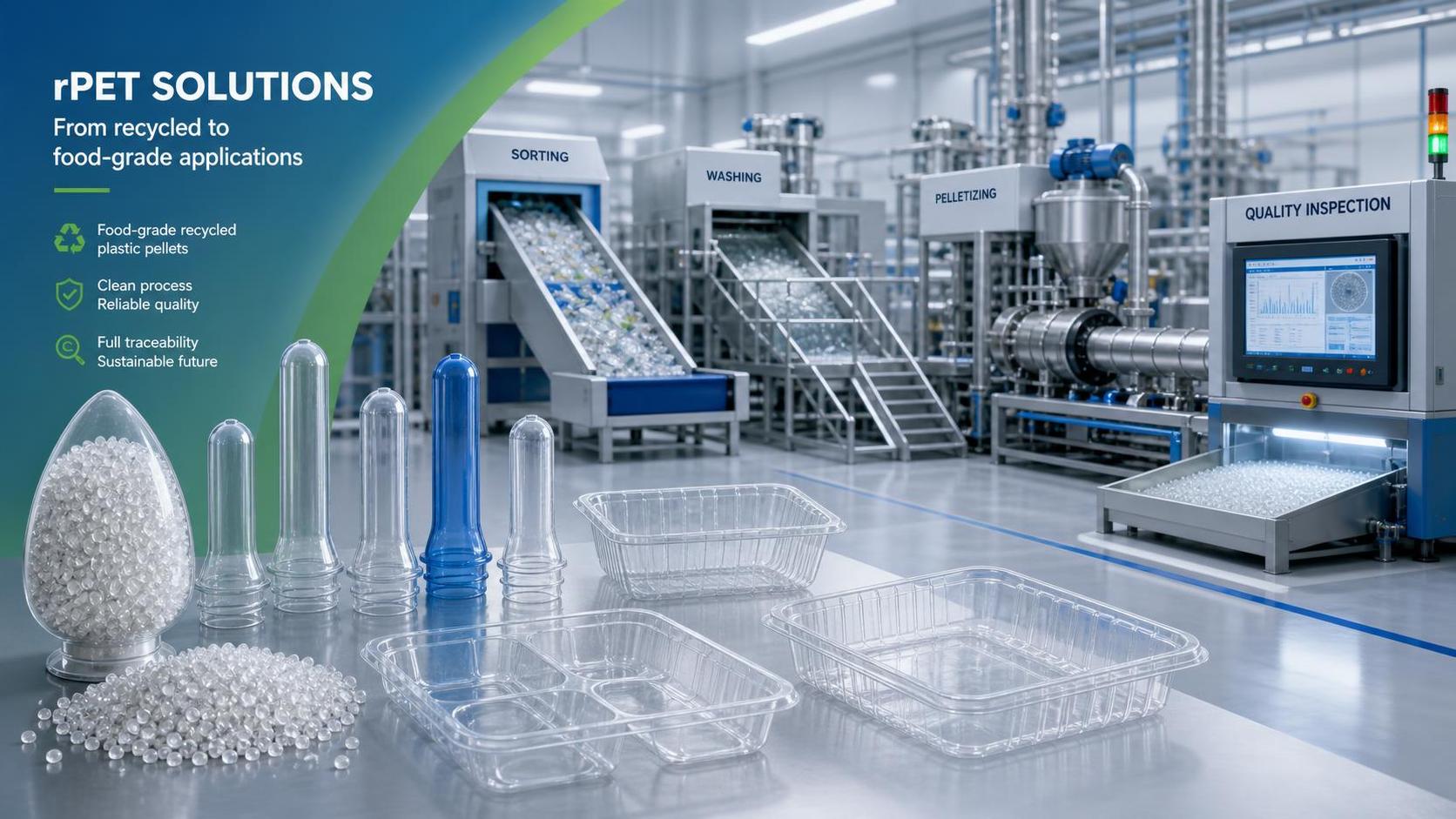
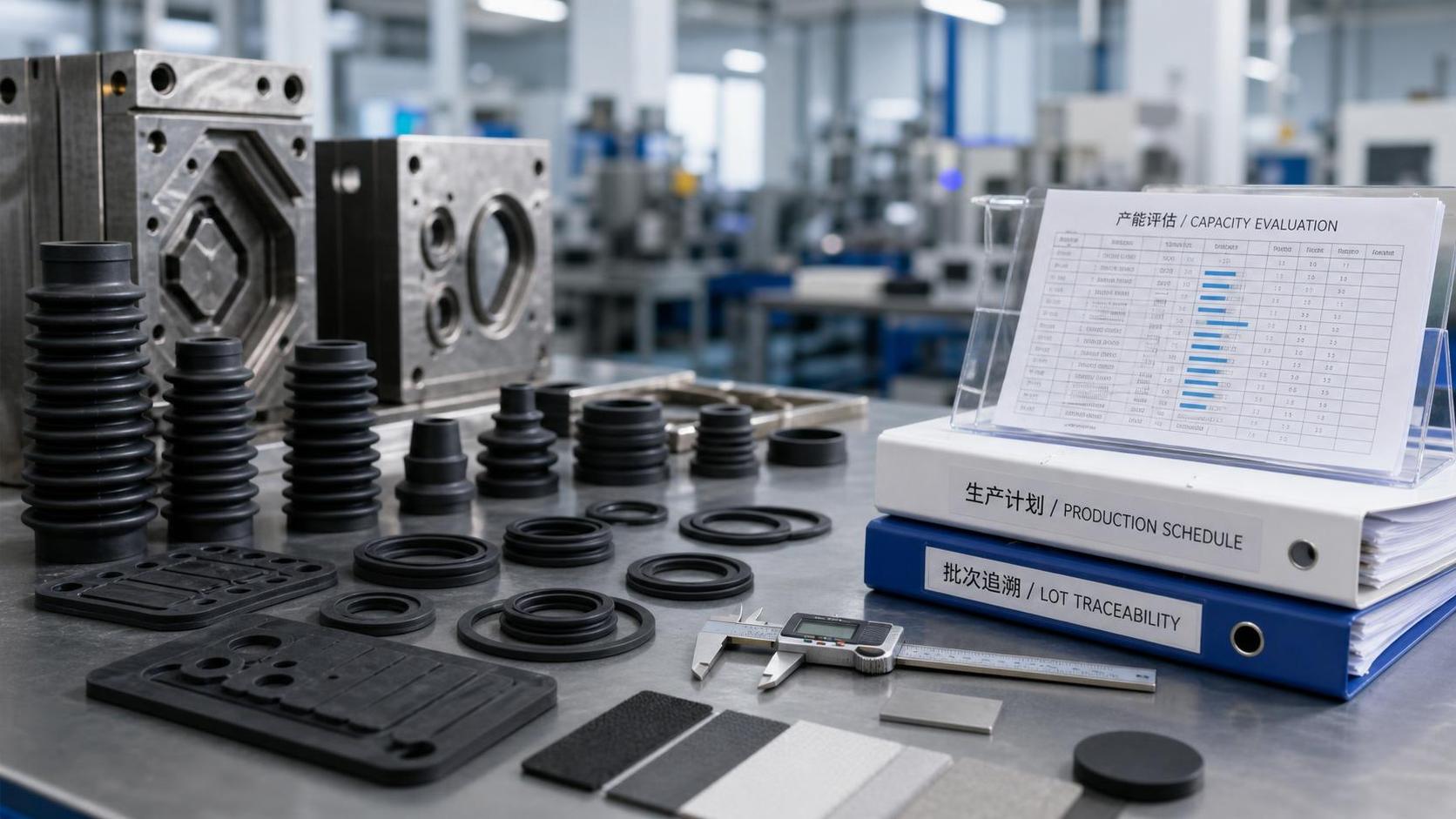
PFRS supports project managers and engineering leaders who need more than isolated machine information. Its strength lies in connecting precision injection molding, high-efficiency extrusion, blow molding, rubber vulcanization, and waste plastic resource recovery into one practical lifecycle perspective.
That perspective matters when your team must evaluate energy efficiency, process precision, recycled-material integration, and compliance exposure at the same time. PFRS follows the technical and commercial signals behind these decisions, including advanced process control, CFD-informed extrusion trends, AI-supported molding optimization, and the growing demand for in-house recycling lines.
What you can discuss with us
- Parameter confirmation for injection molding, extrusion, blow molding, vulcanization, or pelletizing projects.
- Equipment and process selection based on your target resin, product geometry, throughput, and recycled-content goals.
- Delivery-cycle discussions for new installations, expansions, or integrated circular manufacturing layouts.
- Customized solution planning for energy reduction, scrap control, filtration upgrades, and digital process monitoring.
- Certification and compliance alignment for packaging, industrial, and regulated manufacturing scenarios.
- Quotation communication and technical clarification before supplier comparison or internal investment approval.
If your next project depends on better polymer material lifecycle decisions, bring the process targets, material assumptions, and investment constraints to the discussion early. That is the fastest way to reduce rework, avoid hidden lifecycle cost, and build a production system that remains competitive under tighter quality and environmental demands.
Related News
- 00
0000-00
Polymer Processing for Extrusion: How Melt Rheology Affects Line Stability - 00
0000-00
Energy-Efficient Polymer Processing: Where Plants Can Cut kWh per Kilogram - 00
0000-00
German Extrusion Equipment Suppliers: Comparing Service, Lead Times, and Lifecycle Cost - 00
0000-00
Is an Underwater Pelletizer Worth the Added Cost for Recycled Plastics? - 00
0000-00
How Often Should Melt Filter Screens Be Changed?
Weekly Insights
Stay ahead with our curated technology reports delivered every Monday.
Related News
 Ms. Elena RodriguezGerman Extrusion Equipment Suppliers: Comparing Service, Lead Times, and Lifecycle CostExtrusion equipment Germany suppliers compared: evaluate service coverage, credible lead times, spare-parts access, and lifecycle cost to select a reliable, future-ready production partner.Sep 22, 2026
 Ms. Elena RodriguezHow to Compare Pelletizing Lines by Energy Use per TonHow do I compare pelletizing lines by kWh per ton? Learn to measure total energy, verify saleable output, and select a cost-efficient line.Sep 23, 2026
 Ms. Elena RodriguezIn-House Recycling for Factory Scrap: How to Reduce Material Waste and Disposal CostsIn house recycling for factory scrap helps manufacturers cut material waste, reduce disposal costs, and create controlled, quality-focused reuse loops.Sep 07, 2026
 Ms. Elena RodriguezHow Recyclable Packaging Manufacturing Balances Material Recovery and Production CostRecyclable packaging manufacturing: discover how smarter design, feedstock control, and process optimization reduce recovery costs while improving quality and yield.Sep 04, 2026
 Ms. Elena RodriguezHow to Evaluate a Plastic Recycling Systems Supplier for Your Processing NeedsChoose the right plastic recycling systems supplier with a practical guide to feedstock fit, output quality, total cost, testing, service, and compliance.Sep 01, 2026
 Ms. Elena RodriguezCE Marking for Plastic Processing Equipment: Documentation and Safety ChecksPlastic processing equipment CE compliance: learn the essential documentation, risk assessments, safety checks, and validation steps for reliable EU market access.Aug 30, 2026
 Ms. Elena RodriguezPlastic Packaging Compliance Standards: What Tests and Documents Matter Most?Plastic packaging compliance standards explained: learn which migration tests, mechanical checks, and audit-ready documents matter most to reduce risk and pass reviews with confidence.Aug 25, 2026
 Ms. Elena RodriguezHow to Evaluate a Plastic Waste Recycling System for Capacity, Contamination, and ROIPlastic waste recycling system evaluation made practical: compare true capacity, contamination control, and ROI to choose a line that delivers stable output and stronger returns.Aug 24, 2026
 Ms. Elena RodriguezPackaging Molding Equipment Price: What Drives Cost and How to Compare Quotes?Packaging molding equipment price varies by machine type, automation, tooling, energy use, and service scope. Learn what drives cost and how to compare quotes with confidence.Aug 21, 2026
 Ms. Elena RodriguezWhat Packaging Machinery for Plastic Containers Should You Choose for High-Volume Production?Packaging machinery for plastics containers can make or break high-volume production. Learn how to choose the right line for speed, consistency, compliance, and lower lifecycle costs.Aug 16, 2026
 Ms. Elena RodriguezWhat Circular Plastics Mean for Automotive Parts and Material SelectionCircular plastics for automotive are reshaping part selection with lower weight, better sustainability, and reliable performance. Discover how engineers balance recycled content, durability, and compliance.Aug 15, 2026
 Ms. Elena RodriguezBroiler Farming in Cage System: Selection Factors for Commercial FarmsBroiler farming in cage system selection for commercial farms: compare structure, ventilation, automation, and manure handling to improve efficiency and avoid costly mistakes.Aug 14, 2026
 Ms. Elena RodriguezHow to Implement Smart Polymer Manufacturing Without Disrupting Existing Production?Smart polymer manufacturing implementation made practical: learn how to upgrade existing production with phased digitalization, less downtime, better control, and measurable ROI.Aug 11, 2026
 Ms. Elena RodriguezHow to Evaluate a Rubber Compression Molding Supplier for Complex Part ProductionRubber compression molding supplier selection for complex parts starts with process, material, and tooling control. Learn how to compare vendors beyond price and reduce launch risk.Aug 10, 2026
 Ms. Elena RodriguezPackaging Compliance in Canada: Key Labeling and EPR Rules Importers Must KnowPackaging compliance Canada explained for importers: learn bilingual labeling, environmental claims, and provincial EPR rules to reduce risk, avoid costly errors, and stay market-ready.Aug 03, 2026
 Ms. Elena RodriguezWhy Circular Plastics Economy Traceability Matters for Recycled Content ComplianceCircular plastics economy traceability is essential for proving recycled content compliance across sourcing, processing, and reporting. Learn how strong evidence reduces audit risk.Aug 02, 2026
 Ms. Elena RodriguezRecycled Plastic Compliance: Key Standards, Testing Requirements, and DocumentationRecycled plastic compliance explained: key standards, testing requirements, supplier documents, and food-contact risks to help you avoid approval delays and costly compliance mistakes.Aug 01, 2026
 Ms. Elena RodriguezHow to Evaluate an Extrusion Machinery Manufacturer for Quality, Support, and ROIExtrusion machinery manufacturer selection affects quality, uptime, and ROI. Learn how to compare process fit, output claims, service, compliance, and long-term operating costs.Jul 29, 2026
 Ms. Elena RodriguezHow to Evaluate Food Grade Recycled Pellets for Safe Packaging ApplicationsFood grade recycled pellets for safe packaging demand more than a label. Learn how to assess feedstock, process validation, pellet quality, and compliance before approval.Jul 28, 2026
 Ms. Elena RodriguezHow to Evaluate a Rubber Vulcanization Supplier for Quality, Capacity, and Lead TimeRubber vulcanization supplier selection made easier: learn how to assess quality systems, true production capacity, and lead time reliability to reduce sourcing risk and improve supply performance.Jul 25, 2026