Green packaging materials that balance shelf life and cost




Green packaging materials are moving from niche choice to operating requirement
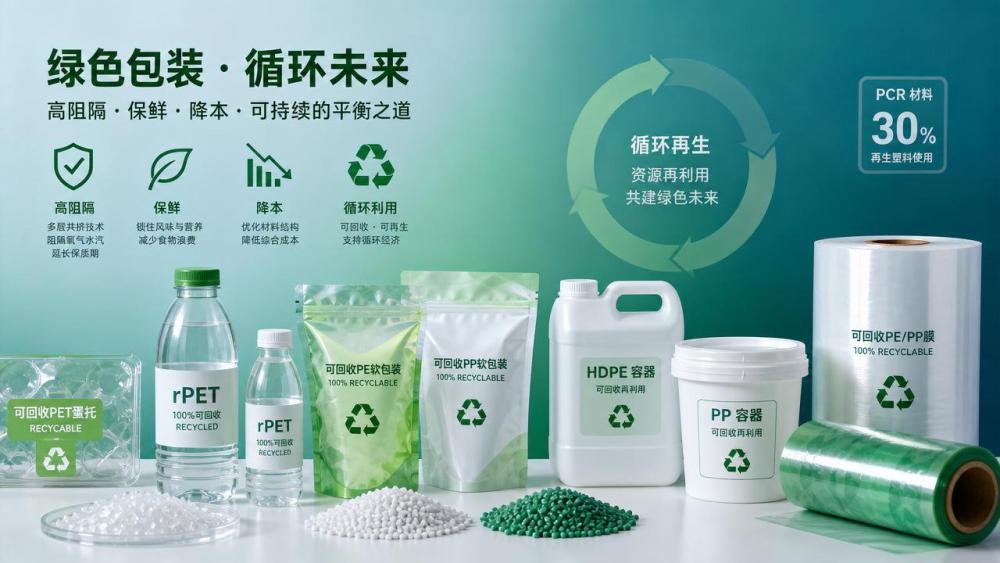
For procurement teams, choosing green packaging materials is no longer just about sustainability—it is about protecting shelf life, controlling total cost, and meeting fast-changing compliance standards.
Across food, personal care, healthcare, and industrial goods, packaging now carries more expectations than ever before.
It must preserve product quality, reduce material waste, enable recycling, and remain cost-stable under volatile resin markets.
That is why green packaging materials have become a strategic topic across the broader manufacturing landscape.
The strongest market shift is clear: buyers no longer evaluate sustainability and performance separately.
They now ask whether green packaging materials can extend shelf life, survive logistics stress, and support compliance without inflating total packaging cost.
This change is reshaping decisions in polymer selection, multilayer design, converting methods, and recycling compatibility.
The market signal is not just greener packaging, but smarter material balance
Recent packaging development shows a decisive move away from single-metric decisions.
Low cost alone is no longer safe when product spoilage, compliance risks, and disposal fees are rising.
At the same time, a highly sustainable claim means little if oxygen, moisture, or light quickly damages the product.
The new benchmark is balance.
Green packaging materials are increasingly selected for optimized barrier performance, downgauging potential, and end-of-life practicality.
In flexible packaging, mono-material PE or PP structures are gaining attention where recycling streams exist.
In rigid formats, rPET, HDPE, and advanced bio-based blends are competing on both carbon profile and processing efficiency.
This trend also connects directly to processing equipment.
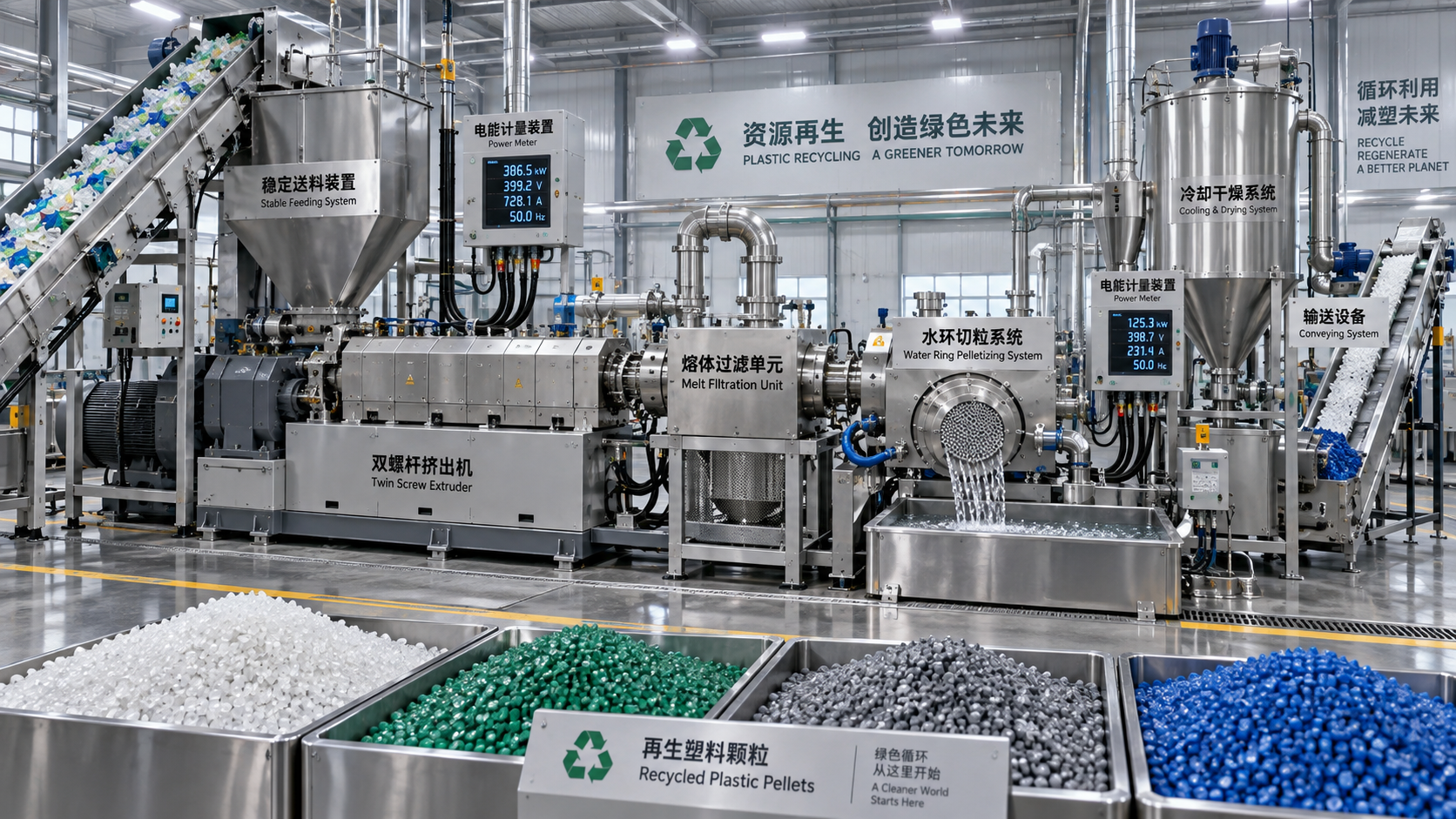
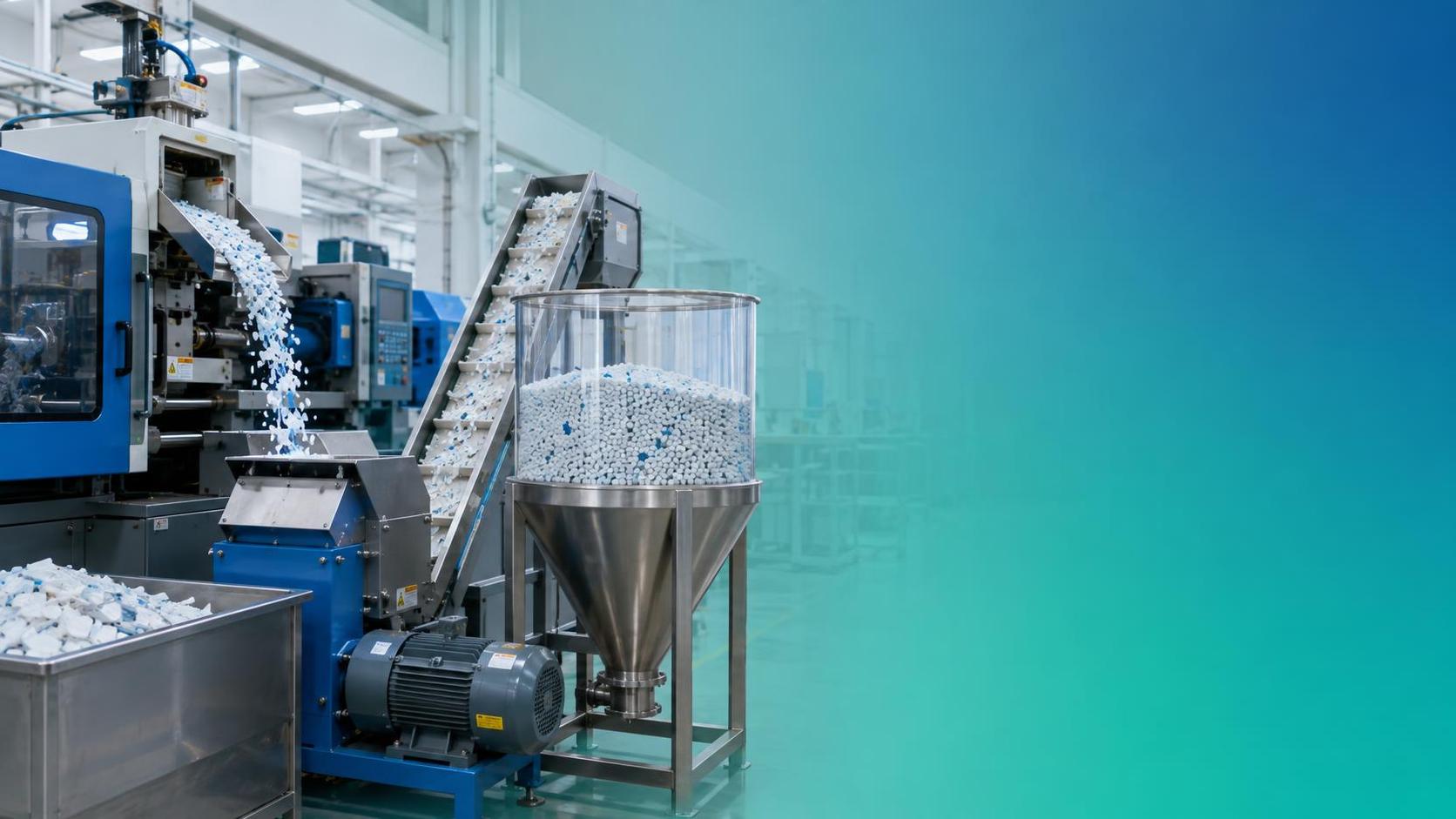
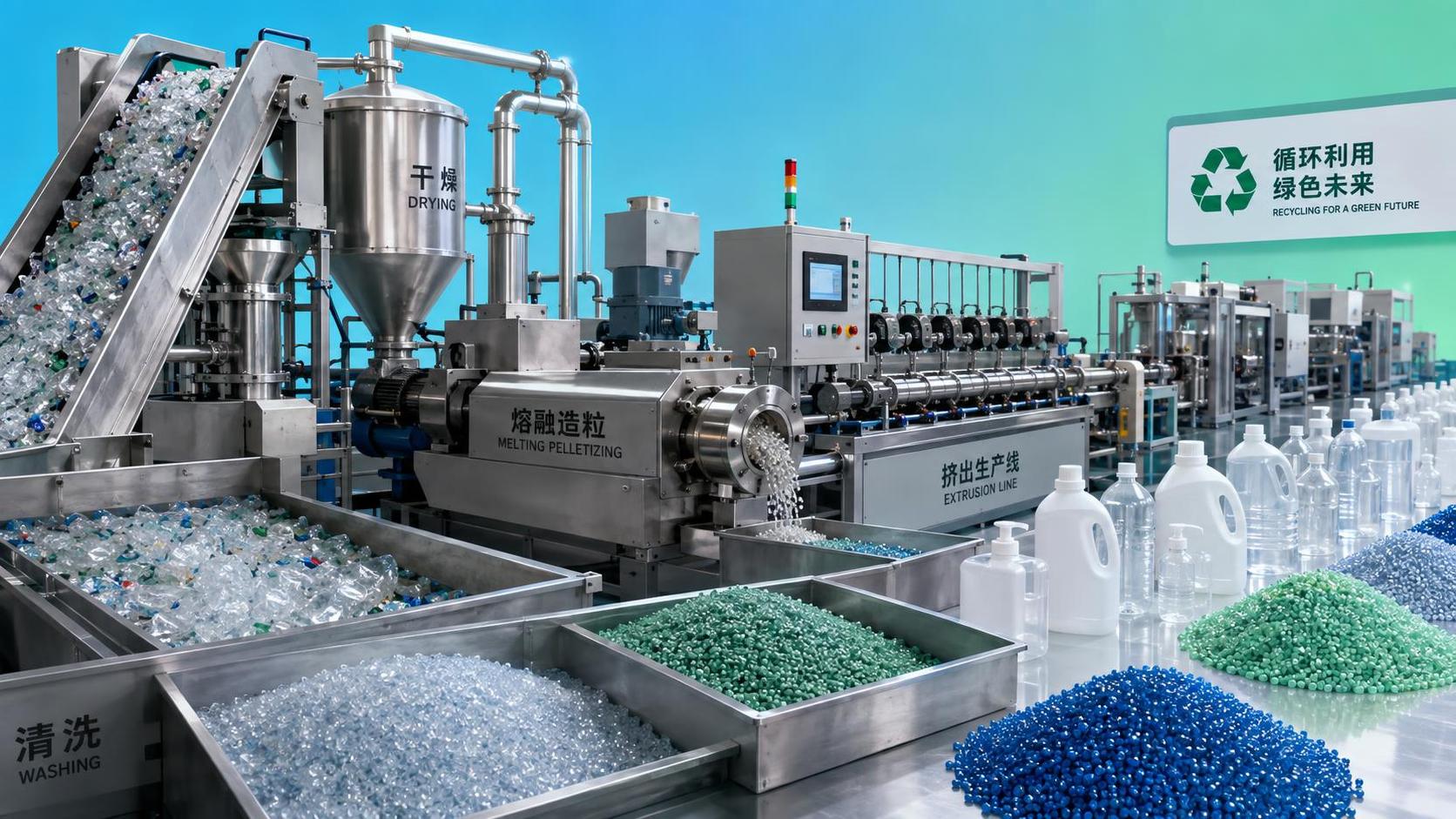
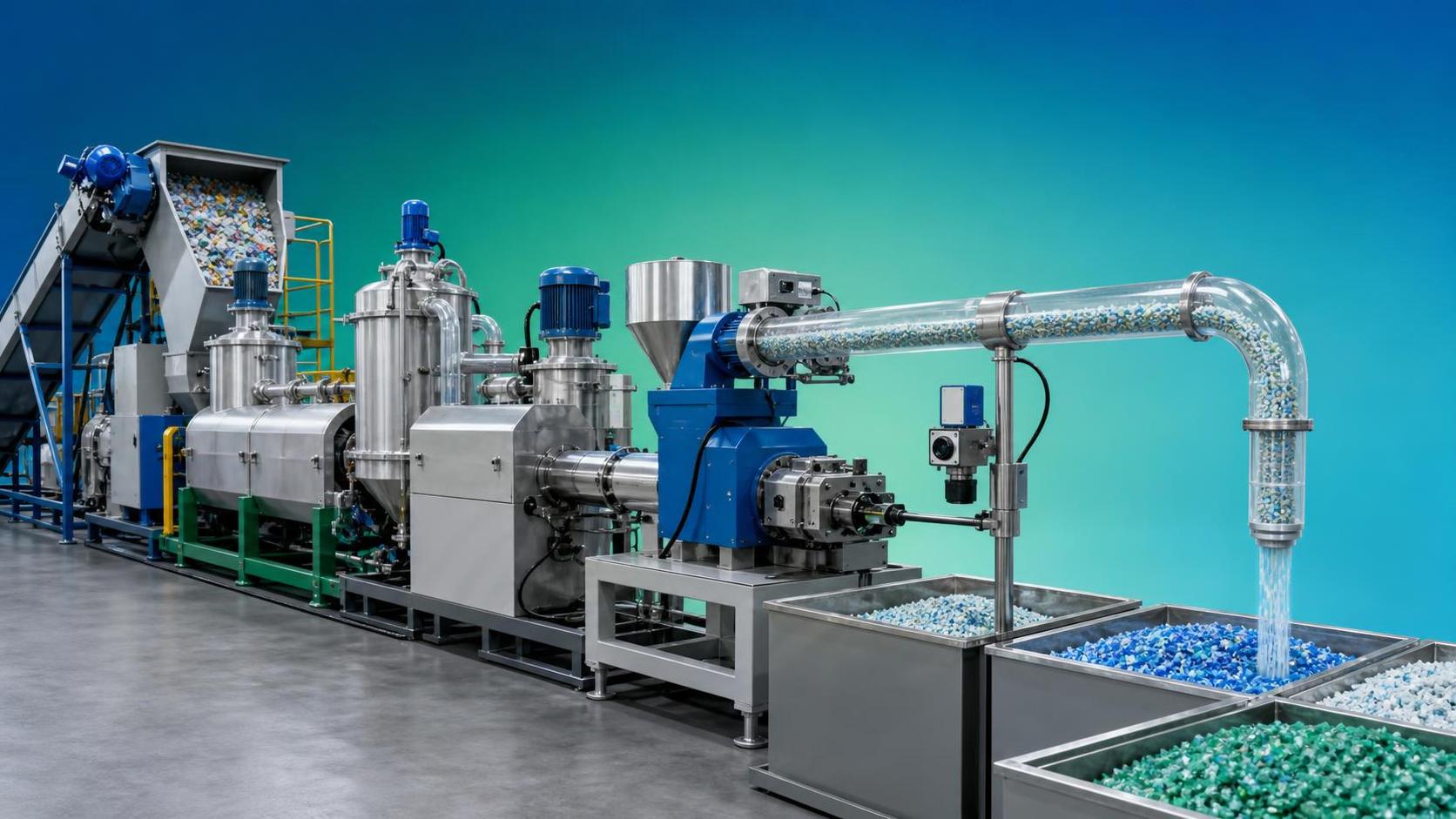
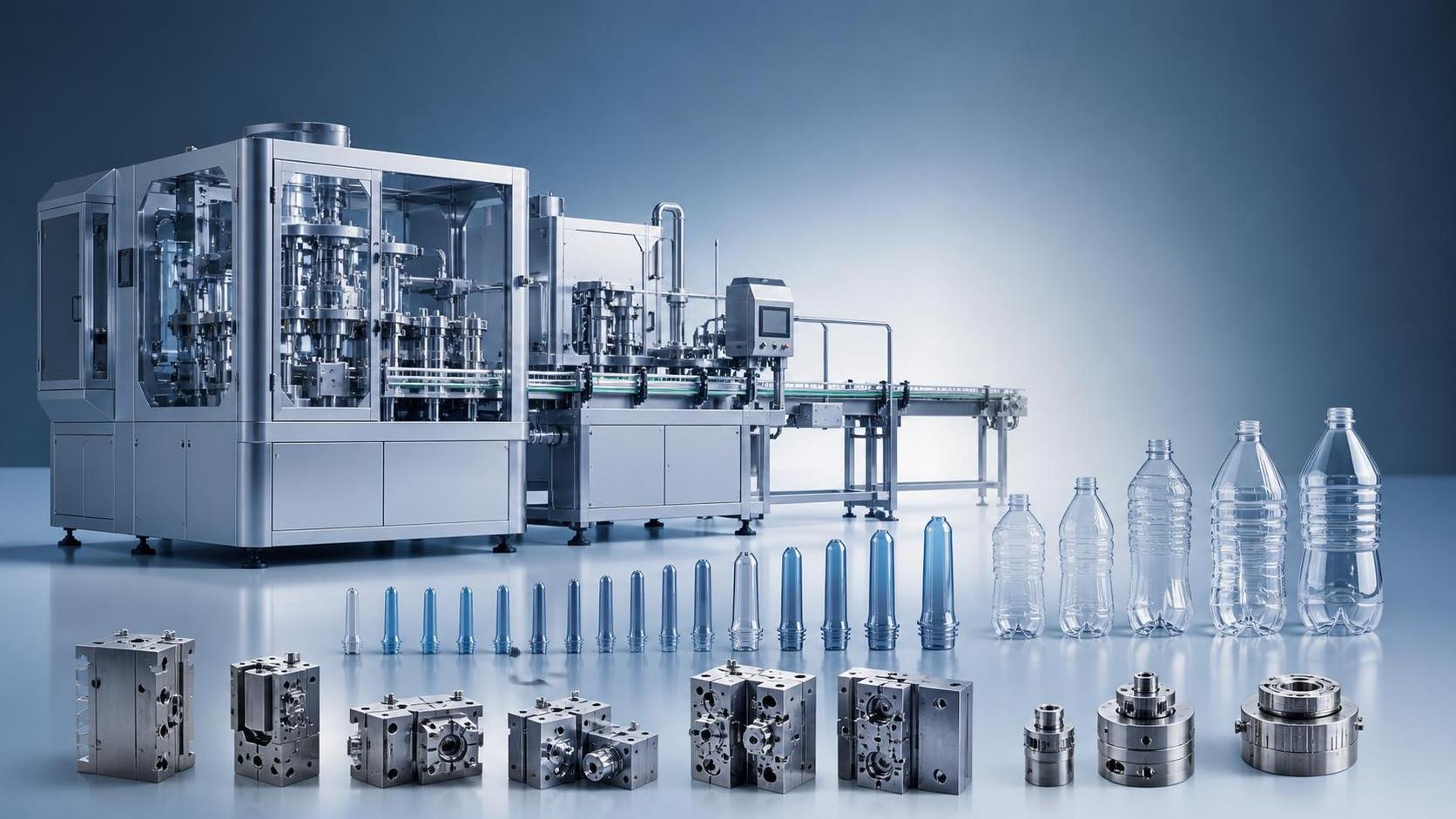
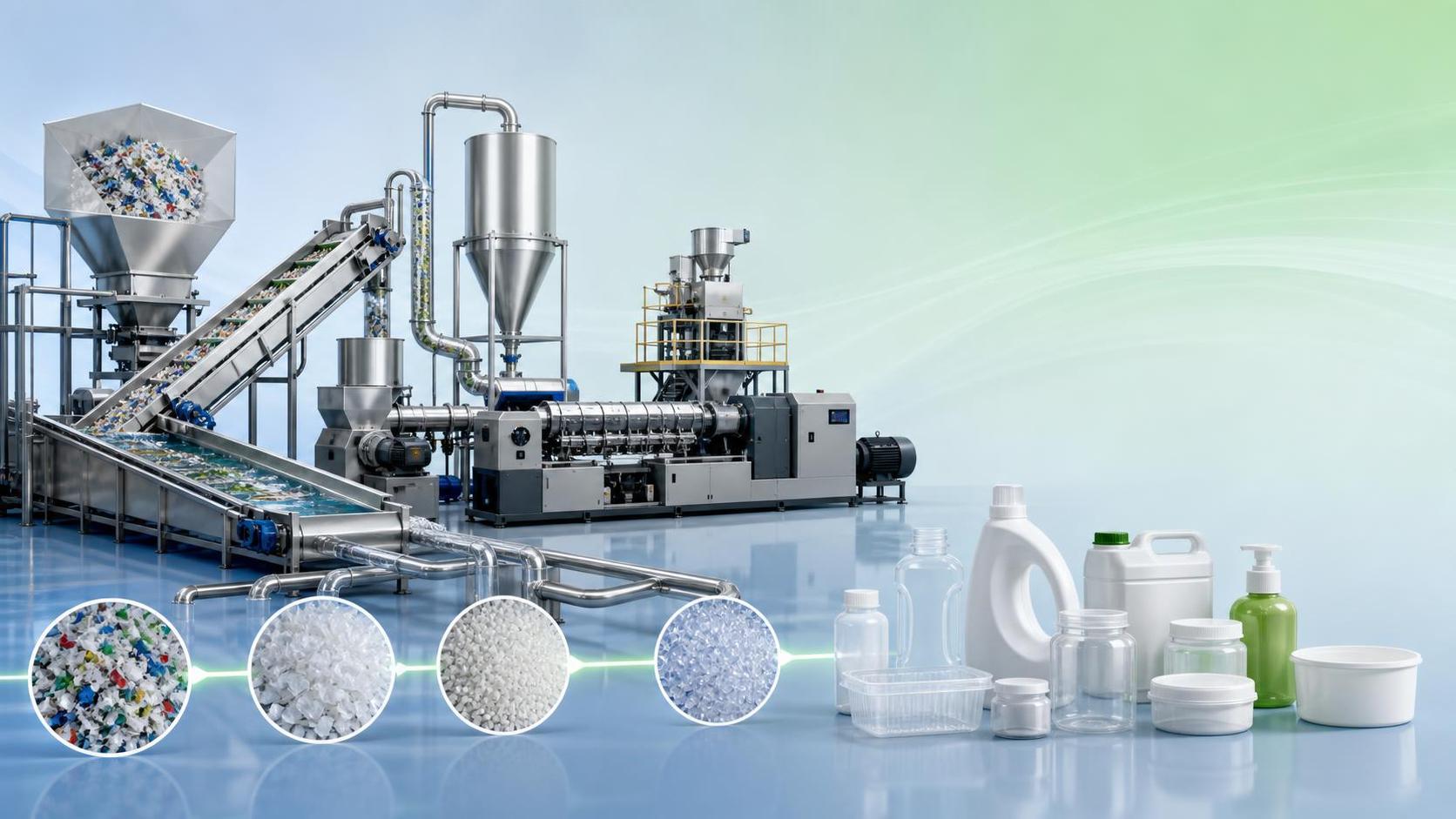
Extrusion stability, blow molding consistency, and recycling pellet quality all affect whether green packaging materials deliver practical value at scale.
Why demand for green packaging materials keeps accelerating
Several forces are pushing the shift from conventional structures to more advanced green packaging materials.
These drivers explain why green packaging materials are no longer judged by appearance or labeling claims alone.
They are being evaluated through total system performance, from resin compounding to end-use preservation and post-consumer recovery.
Shelf life and cost are no longer trade-offs in every application
A common assumption says sustainable packaging always shortens shelf life or raises costs.
That assumption is increasingly outdated.
In many categories, modern green packaging materials can lower total cost by cutting spoilage, reducing thickness, or simplifying structures.
Where balance is improving fastest
- Mono-material flexible packs with engineered barrier layers
- rPET bottles with improved clarity and mechanical consistency
- High-density PE containers optimized for recyclability and impact strength
- Bio-based polymers in dry goods and short-cycle applications
- Recycled-content films supported by better melt filtration and compounding
The best outcome depends on product sensitivity, fill conditions, distribution distance, and local recovery infrastructure.
For oxygen-sensitive goods, barrier performance remains decisive.
For durable household products, impact resistance and resin efficiency may matter more than ultra-high barrier performance.
Material decisions now influence more business functions than packaging alone
The choice of green packaging materials affects sourcing, conversion, filling, warehousing, returns, and sustainability reporting.
A material that looks economical at unit level can create hidden losses elsewhere.
Poor seal integrity, unstable dimensions, and shorter shelf life often increase total system cost.
This is where polymer processing intelligence becomes important.
PFRS closely tracks how extrusion, injection molding, blow molding, vulcanization support systems, and recycling lines shape packaging economics.
Better screw design improves dispersion.
More stable melt behavior improves thickness control.
Cleaner recycled pellets expand the usable range of green packaging materials in mainstream production.
As a result, material strategy is now tied directly to machinery capability and process control.
What deserves the closest attention when evaluating green packaging materials
Several checkpoints can help separate promising options from risky substitutions.
- Barrier fit: Match oxygen, moisture, grease, and light protection to actual product needs.
- Process fit: Confirm runnability on current extrusion, molding, sealing, and filling equipment.
- Cost fit: Compare total delivered cost, scrap, spoilage, and compliance exposure.
- Recovery fit: Check whether the structure aligns with real recycling streams, not just theoretical claims.
- Supply fit: Assess feedstock stability for virgin, bio-based, and recycled polymers.
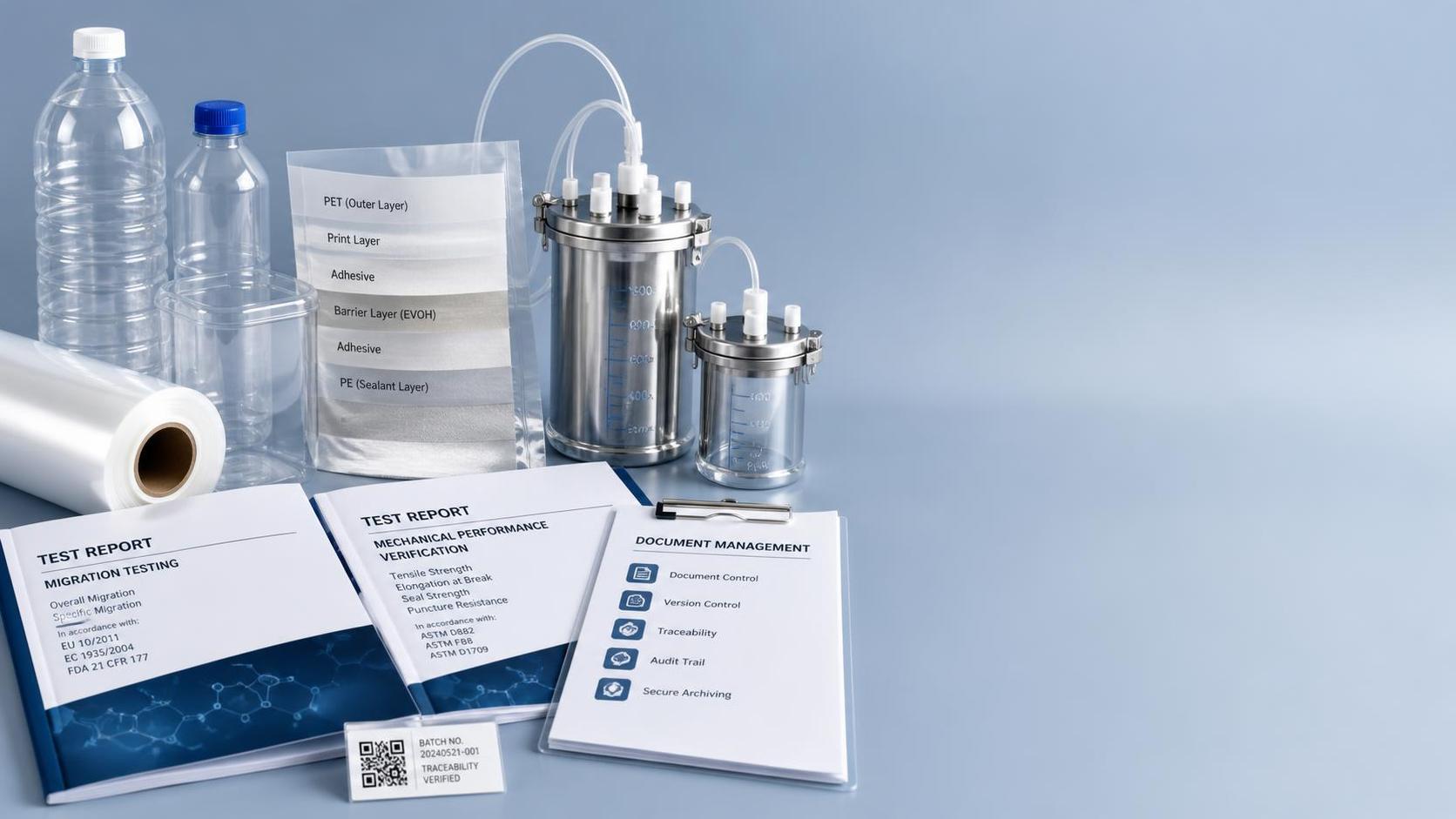
- Data fit: Request migration, shelf-life, mechanical, and traceability documentation.
These criteria help reduce the risk of adopting green packaging materials that perform well in trials but fail in commercial volumes.
A practical comparison framework helps avoid false savings
This comparison method gives green packaging materials a fair test against legacy formats.
It also reveals when a slightly higher material price leads to lower total operating cost.
The next wave will be driven by processing quality and circular feedstock control
The future of green packaging materials will depend less on marketing claims and more on technical consistency.
As recycled content targets expand, melt cleanliness, odor control, and rheology stability will become more critical.
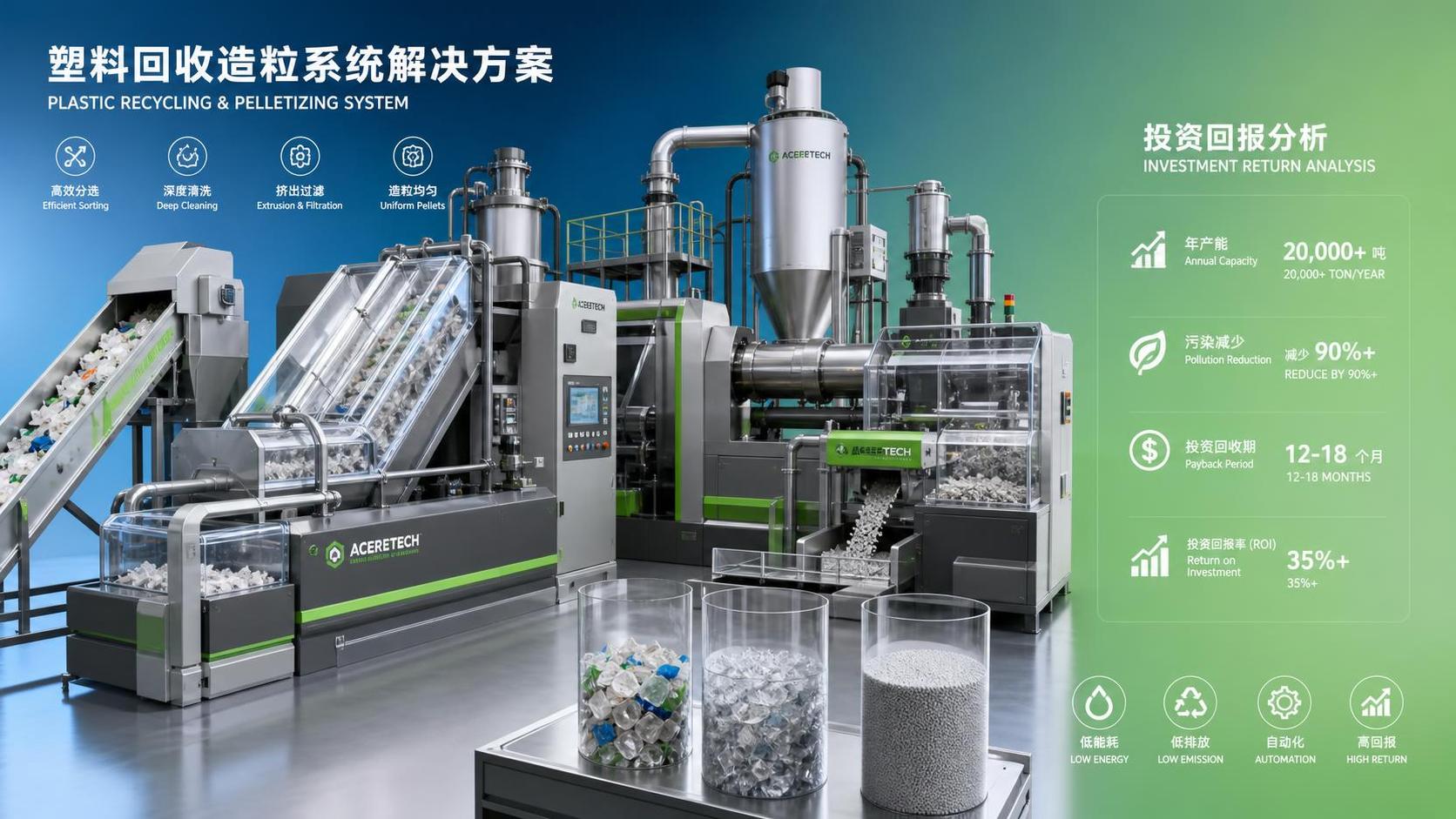
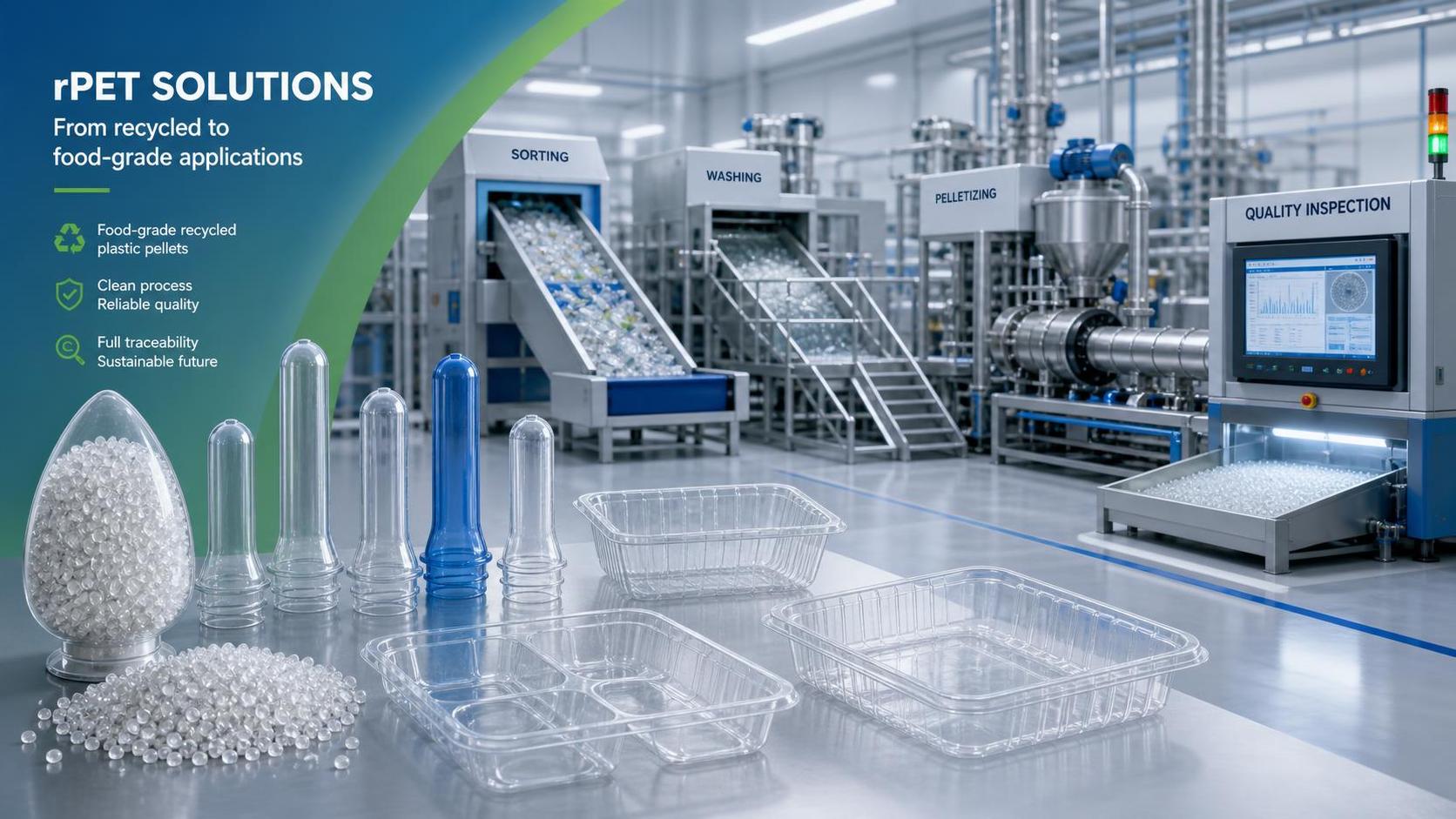
That is why high-efficiency extrusion, precise blow molding, and advanced waste plastic pelletizing systems matter so much.
PFRS observes that the strongest performers are integrating packaging development with machinery intelligence.
They are using process data, recycled feedstock validation, and barrier optimization together.
This creates green packaging materials that are scalable, compliant, and economically defendable.
A focused next step can turn material uncertainty into competitive advantage
The best response is not a rushed switch to the newest label-friendly substrate.
It is a structured review of where green packaging materials can improve shelf life, simplify structures, and reduce lifecycle cost.
Start with the highest-volume or highest-waste packaging formats.
Map barrier needs, current scrap rates, recycled-content potential, and processing constraints.
Then compare alternative green packaging materials using real production and distribution data.
For deeper visibility into polymer processing, circular plastics recovery, and packaging equipment trends, PFRS offers an informed lens on the technologies shaping the next packaging standard.
Related News
- 00
0000-00
How to Qualify a Servo Injection Molding Exporter for Global Sourcing - 00
0000-00
Polymer Processing for Extrusion: How Melt Rheology Affects Line Stability - 00
0000-00
Energy-Efficient Polymer Processing: Where Plants Can Cut kWh per Kilogram - 00
0000-00
German Extrusion Equipment Suppliers: Comparing Service, Lead Times, and Lifecycle Cost - 00
0000-00
Is an Underwater Pelletizer Worth the Added Cost for Recycled Plastics?
Weekly Insights
Stay ahead with our curated technology reports delivered every Monday.
Related News
 Ms. Elena RodriguezGerman Extrusion Equipment Suppliers: Comparing Service, Lead Times, and Lifecycle CostExtrusion equipment Germany suppliers compared: evaluate service coverage, credible lead times, spare-parts access, and lifecycle cost to select a reliable, future-ready production partner.Sep 22, 2026
 Ms. Elena RodriguezHow to Compare Pelletizing Lines by Energy Use per TonHow do I compare pelletizing lines by kWh per ton? Learn to measure total energy, verify saleable output, and select a cost-efficient line.Sep 23, 2026
 Ms. Elena RodriguezIn-House Recycling for Factory Scrap: How to Reduce Material Waste and Disposal CostsIn house recycling for factory scrap helps manufacturers cut material waste, reduce disposal costs, and create controlled, quality-focused reuse loops.Sep 07, 2026
 Ms. Elena RodriguezHow Recyclable Packaging Manufacturing Balances Material Recovery and Production CostRecyclable packaging manufacturing: discover how smarter design, feedstock control, and process optimization reduce recovery costs while improving quality and yield.Sep 04, 2026
 Ms. Elena RodriguezHow to Evaluate a Plastic Recycling Systems Supplier for Your Processing NeedsChoose the right plastic recycling systems supplier with a practical guide to feedstock fit, output quality, total cost, testing, service, and compliance.Sep 01, 2026
 Ms. Elena RodriguezCE Marking for Plastic Processing Equipment: Documentation and Safety ChecksPlastic processing equipment CE compliance: learn the essential documentation, risk assessments, safety checks, and validation steps for reliable EU market access.Aug 30, 2026
 Ms. Elena RodriguezPlastic Packaging Compliance Standards: What Tests and Documents Matter Most?Plastic packaging compliance standards explained: learn which migration tests, mechanical checks, and audit-ready documents matter most to reduce risk and pass reviews with confidence.Aug 25, 2026
 Ms. Elena RodriguezHow to Evaluate a Plastic Waste Recycling System for Capacity, Contamination, and ROIPlastic waste recycling system evaluation made practical: compare true capacity, contamination control, and ROI to choose a line that delivers stable output and stronger returns.Aug 24, 2026
 Ms. Elena RodriguezPackaging Molding Equipment Price: What Drives Cost and How to Compare Quotes?Packaging molding equipment price varies by machine type, automation, tooling, energy use, and service scope. Learn what drives cost and how to compare quotes with confidence.Aug 21, 2026
 Ms. Elena RodriguezWhat Packaging Machinery for Plastic Containers Should You Choose for High-Volume Production?Packaging machinery for plastics containers can make or break high-volume production. Learn how to choose the right line for speed, consistency, compliance, and lower lifecycle costs.Aug 16, 2026
 Ms. Elena RodriguezWhat Circular Plastics Mean for Automotive Parts and Material SelectionCircular plastics for automotive are reshaping part selection with lower weight, better sustainability, and reliable performance. Discover how engineers balance recycled content, durability, and compliance.Aug 15, 2026
 Ms. Elena RodriguezBroiler Farming in Cage System: Selection Factors for Commercial FarmsBroiler farming in cage system selection for commercial farms: compare structure, ventilation, automation, and manure handling to improve efficiency and avoid costly mistakes.Aug 14, 2026
 Ms. Elena RodriguezHow to Implement Smart Polymer Manufacturing Without Disrupting Existing Production?Smart polymer manufacturing implementation made practical: learn how to upgrade existing production with phased digitalization, less downtime, better control, and measurable ROI.Aug 11, 2026
 Ms. Elena RodriguezHow to Evaluate a Rubber Compression Molding Supplier for Complex Part ProductionRubber compression molding supplier selection for complex parts starts with process, material, and tooling control. Learn how to compare vendors beyond price and reduce launch risk.Aug 10, 2026
 Ms. Elena RodriguezPackaging Compliance in Canada: Key Labeling and EPR Rules Importers Must KnowPackaging compliance Canada explained for importers: learn bilingual labeling, environmental claims, and provincial EPR rules to reduce risk, avoid costly errors, and stay market-ready.Aug 03, 2026
 Ms. Elena RodriguezWhy Circular Plastics Economy Traceability Matters for Recycled Content ComplianceCircular plastics economy traceability is essential for proving recycled content compliance across sourcing, processing, and reporting. Learn how strong evidence reduces audit risk.Aug 02, 2026
 Ms. Elena RodriguezRecycled Plastic Compliance: Key Standards, Testing Requirements, and DocumentationRecycled plastic compliance explained: key standards, testing requirements, supplier documents, and food-contact risks to help you avoid approval delays and costly compliance mistakes.Aug 01, 2026
 Ms. Elena RodriguezHow to Evaluate an Extrusion Machinery Manufacturer for Quality, Support, and ROIExtrusion machinery manufacturer selection affects quality, uptime, and ROI. Learn how to compare process fit, output claims, service, compliance, and long-term operating costs.Jul 29, 2026
 Ms. Elena RodriguezHow to Evaluate Food Grade Recycled Pellets for Safe Packaging ApplicationsFood grade recycled pellets for safe packaging demand more than a label. Learn how to assess feedstock, process validation, pellet quality, and compliance before approval.Jul 28, 2026
 Ms. Elena RodriguezHow to Evaluate a Rubber Vulcanization Supplier for Quality, Capacity, and Lead TimeRubber vulcanization supplier selection made easier: learn how to assess quality systems, true production capacity, and lead time reliability to reduce sourcing risk and improve supply performance.Jul 25, 2026