How ESG in Plastic Manufacturing Is Changing Bids




For business evaluators, ESG in plastic manufacturing is no longer a branding issue—it is a decisive factor in bid scoring, supplier qualification, and long-term risk control. As buyers face tighter carbon targets, recycled-content mandates, and compliance scrutiny, machinery efficiency, traceable materials, and circular production capabilities are reshaping how contracts are awarded across injection molding, extrusion, blow molding, vulcanization, and recycling systems.
In practical terms, this means bid decisions are shifting from pure capex comparison toward lifecycle performance, audit readiness, and measurable reduction pathways. A machine line that saves 15% to 30% energy, supports recycled feedstock, and documents process stability can now outperform a lower-priced alternative that carries higher compliance risk.
For procurement teams, technical evaluators, and commercial due diligence professionals, ESG in plastic manufacturing is now directly linked to supplier resilience, export eligibility, and customer retention. The strongest proposals are no longer those with the shortest quotation sheet, but those that connect output quality, material efficiency, emissions control, and reporting transparency into one investable package.
Why ESG Metrics Now Influence Plastic Equipment Bids

Bid committees increasingly evaluate polymer processing assets through a wider lens. In many tenders, commercial terms still matter, but ESG in plastic manufacturing now affects 4 core scoring blocks: energy use, material utilization, compliance traceability, and end-of-life circularity. This is especially visible in packaging, automotive, medical, and consumer goods supply chains.
For injection molding and extrusion projects, evaluators often compare kWh per kilogram of output, scrap ratios, startup loss volume, and recycled-content compatibility. A difference of 2% to 5% in reject rate may appear small on paper, yet over 12 to 24 months it can materially change margin, waste disposal cost, and customer audit performance.
From cost-per-machine to cost-per-compliant-output
Traditional purchasing focused on machine price, mold compatibility, output speed, and delivery time. That remains relevant, but buyers now ask whether the line can maintain stable production with rPET, rPE, or blended compounds, whether process data can be exported, and whether energy baselines can be verified during FAT and SAT.
For example, an all-electric injection molding machine may carry a higher upfront price than a conventional hydraulic alternative, yet its lower energy draw, cleaner operation, and repeatable precision can strengthen bid value where customers require tighter ESG reporting over a 5-year depreciation horizon.
Typical bid questions now include
- Can the system document energy use by batch, shift, or SKU?
- What recycled-content percentage can be processed without major output instability?
- Is there filtration, degassing, or melt-quality control for post-consumer feedstock?
- How many maintenance hours are required every 500 to 1,000 operating hours?
- Can the supplier support environmental packaging compliance across multiple export markets?
The table below shows how procurement logic changes when ESG in plastic manufacturing is added to technical-commercial scoring.
The key takeaway is that ESG in plastic manufacturing does not replace classic engineering criteria; it reframes them. Output, precision, and uptime still matter, but they are increasingly judged alongside waste intensity, data visibility, and readiness for tighter environmental buyer requirements.
What Evaluators Should Check Across the Polymer Processing Lifecycle
A strong bid review should map ESG risk across the full lifecycle of polymer conversion. For PFRS-aligned sectors, that means assessing five major equipment domains: injection molding, extrusion, blow molding, rubber vulcanization, and waste plastic pelletizing. Each carries different energy profiles, defect risks, and circularity opportunities.
Injection molding: precision, repeatability, and energy discipline
In injection molding, evaluators should look beyond clamp force and shot size. Useful ESG indicators include servo response stability, holding pressure optimization, part-weight consistency, and scrap rate under recycled or bio-attributed resin blends. On precision parts, even a tolerance drift of ±0.1 mm can raise rejection cost and customer complaint risk.
All-electric and hybrid systems often gain bid advantage where low contamination, reduced hydraulic oil usage, and better repeatability are required. For medical or optical applications, this can support both quality assurance and environmental housekeeping expectations.
Extrusion: continuous output with lower material loss
Extrusion lines are frequently judged on throughput, but ESG in plastic manufacturing places equal weight on compounding efficiency, melt homogeneity, startup waste, and specific energy consumption. Twin-screw lines processing filled compounds or recycled blends need stable temperature control, consistent shearing, and practical cleaning cycles to avoid excessive purge waste.
For pipe, sheet, and film applications, a 1% to 3% reduction in startup scrap can materially improve annual resource efficiency. Evaluators should also review whether the system supports inline gravimetric dosing, melt-pressure tracking, and data export for quality and sustainability reporting.
Blow molding and packaging: speed versus traceability
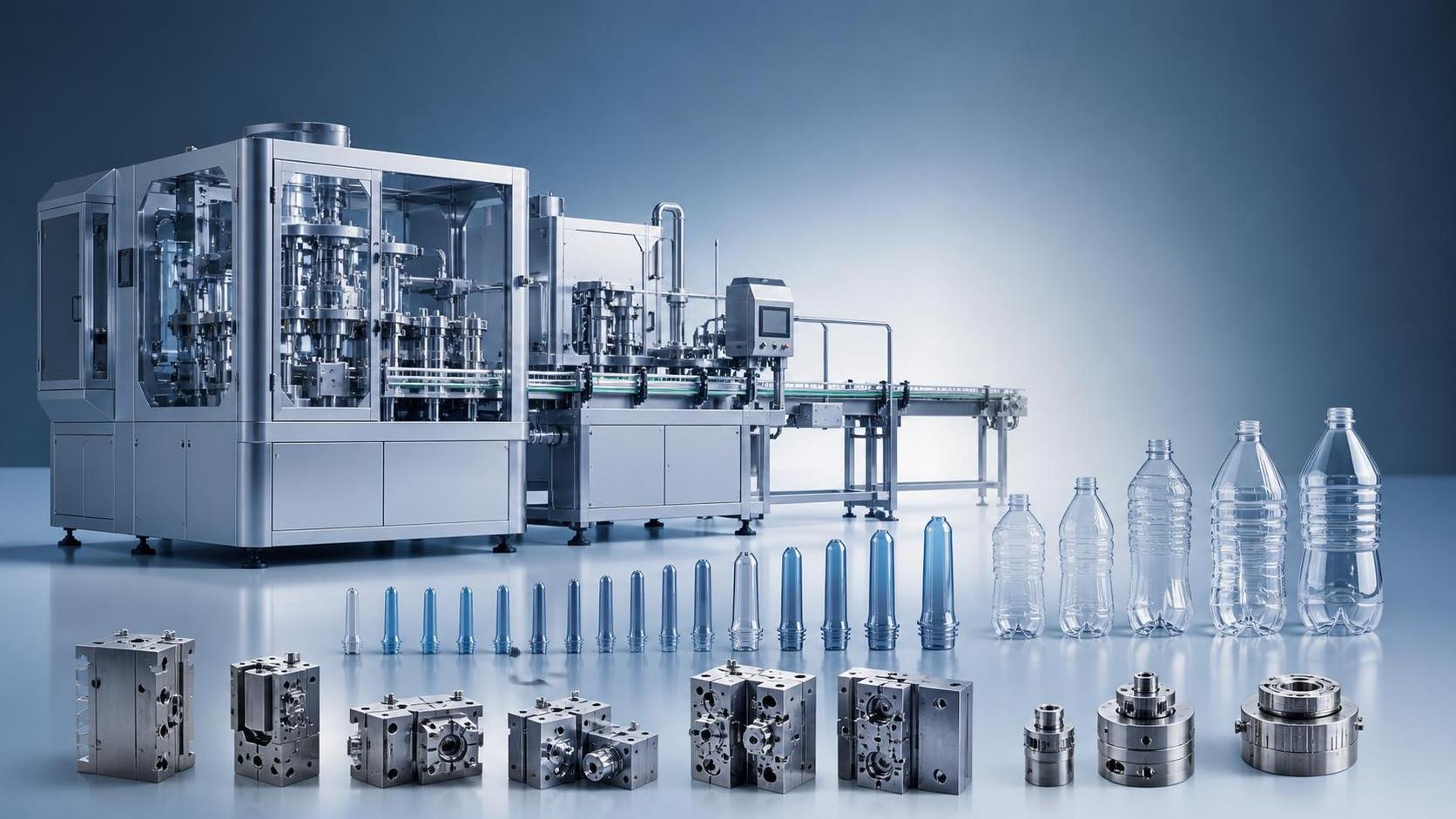
High-speed blow molding lines may produce tens of thousands of bottles per hour, but buyers increasingly ask whether lightweighting targets can be met without raising burst-failure risk. Resin variability, bottle wall distribution, and recycled-content adaptation are now bid topics, not only production topics.
Where beverage and FMCG brands face packaging audits, machine suppliers that can demonstrate stable processing of approved recycled feedstock often gain a strategic edge. This is one of the clearest examples of ESG in plastic manufacturing directly affecting commercial award probability.
Vulcanization and recycling: the hidden ESG differentiators
Rubber vulcanizing systems are energy-intensive by nature, so evaluators should review heating efficiency, cure consistency, mold utilization, and reject management. Long cure cycles, uneven heat distribution, or poor process controls can increase both carbon intensity and unit cost.
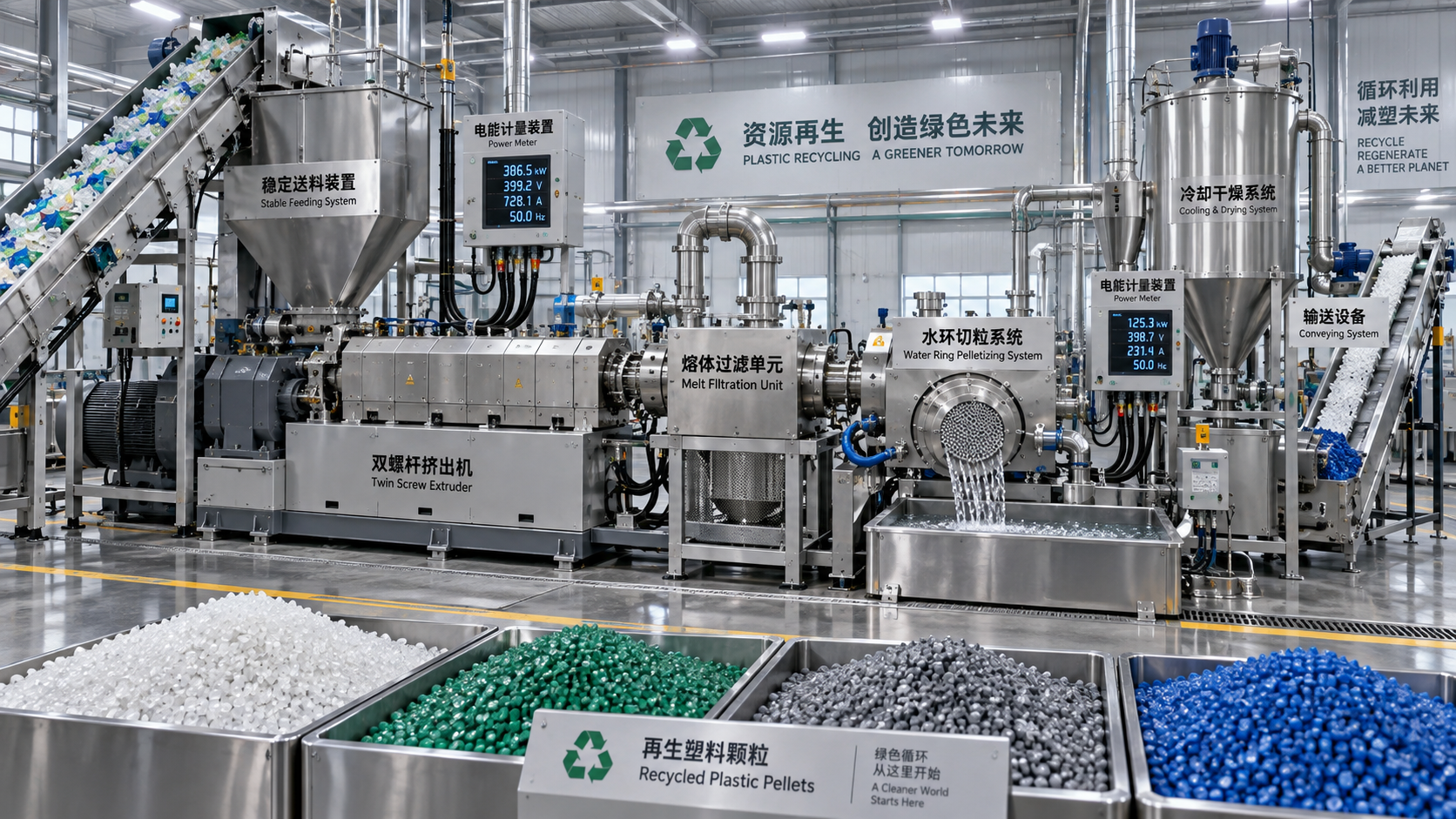
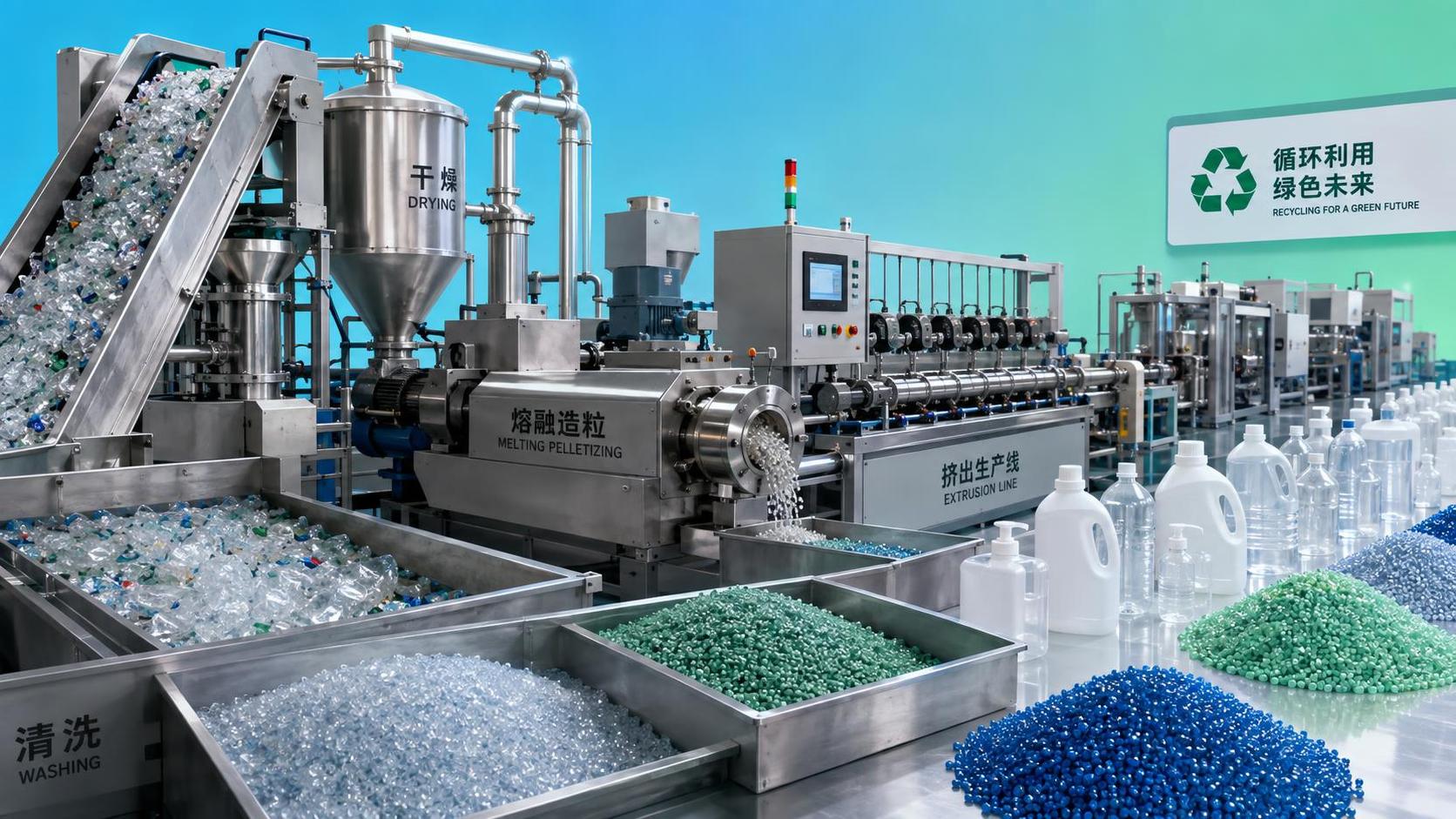
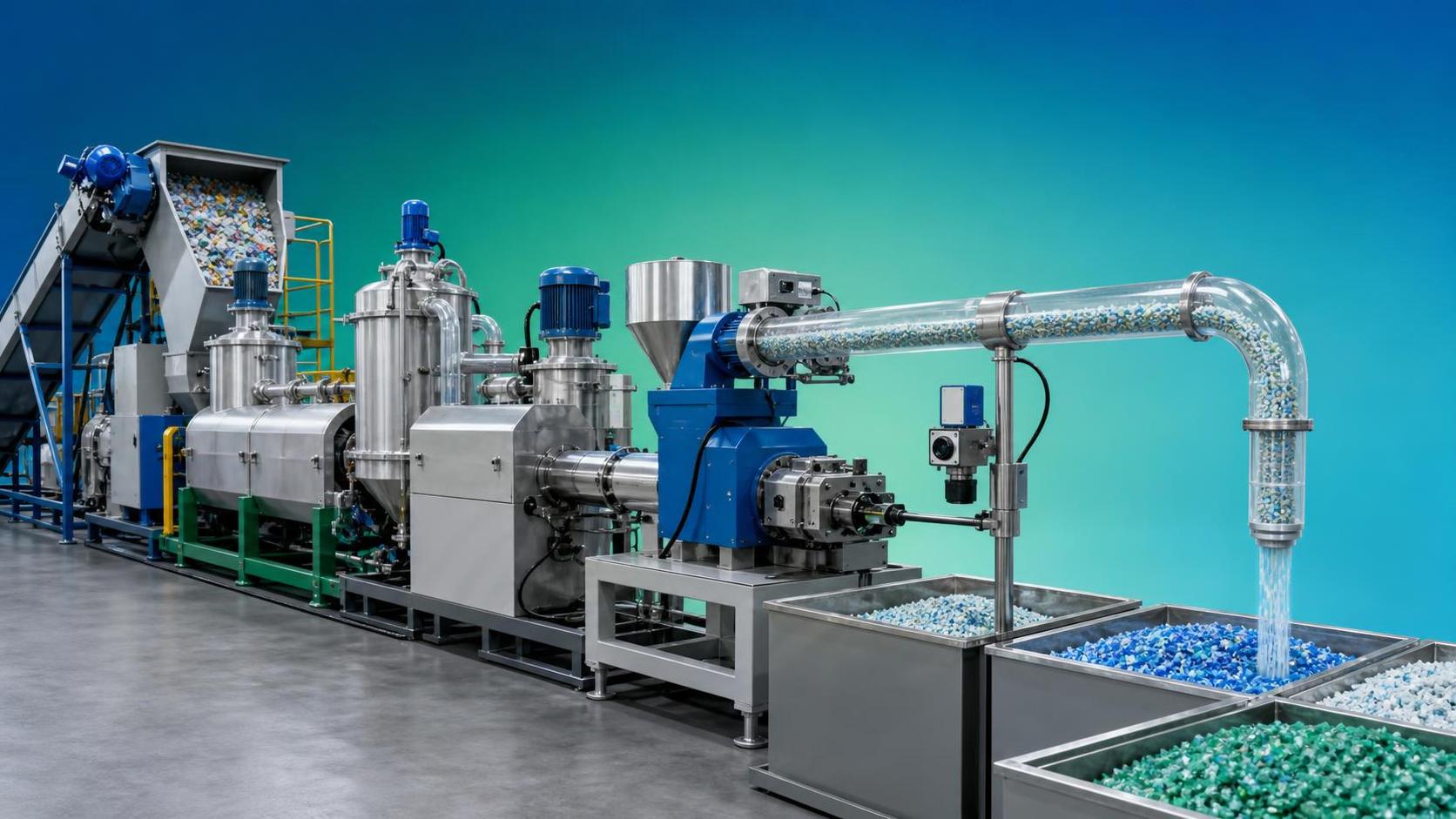
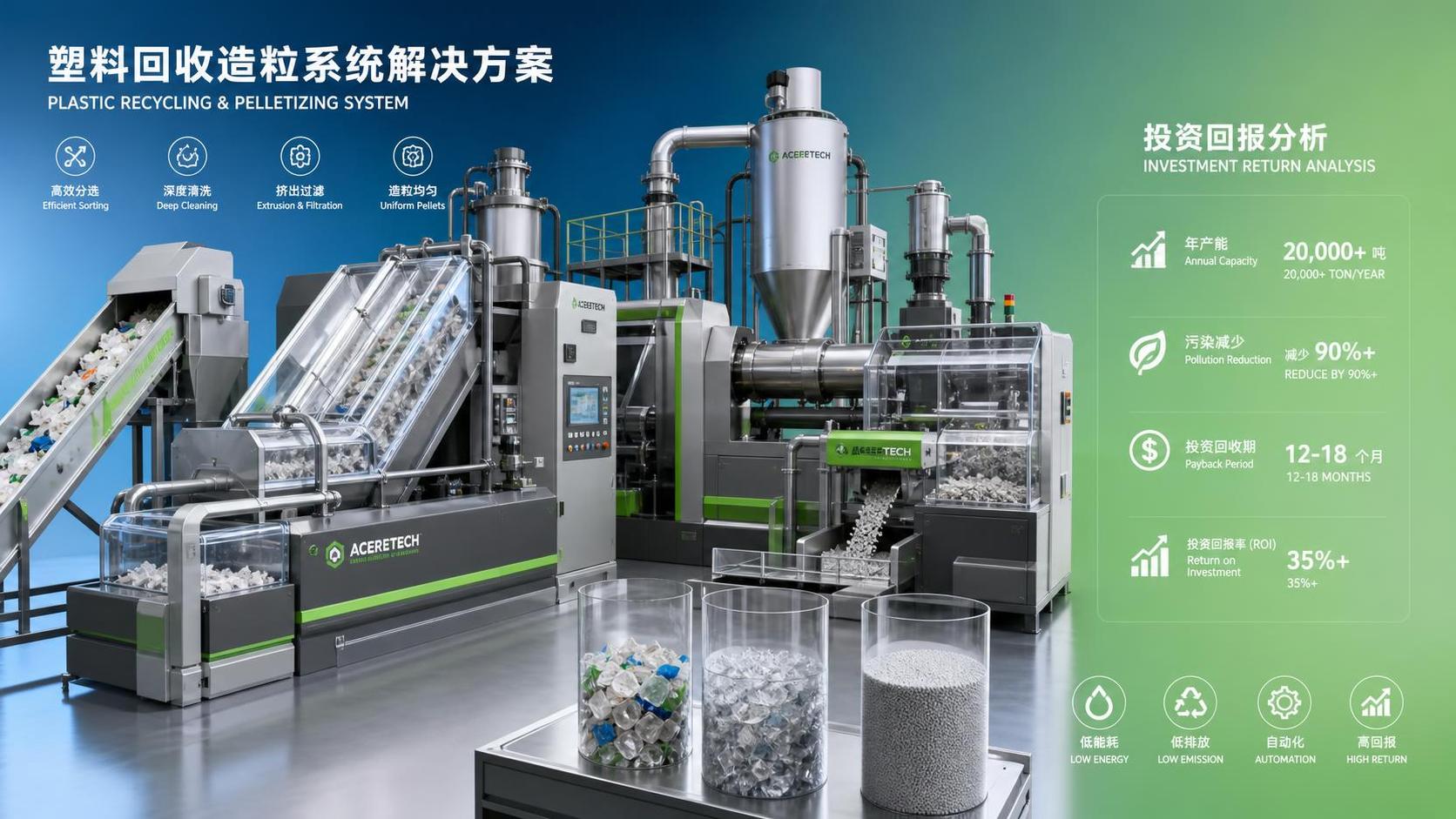
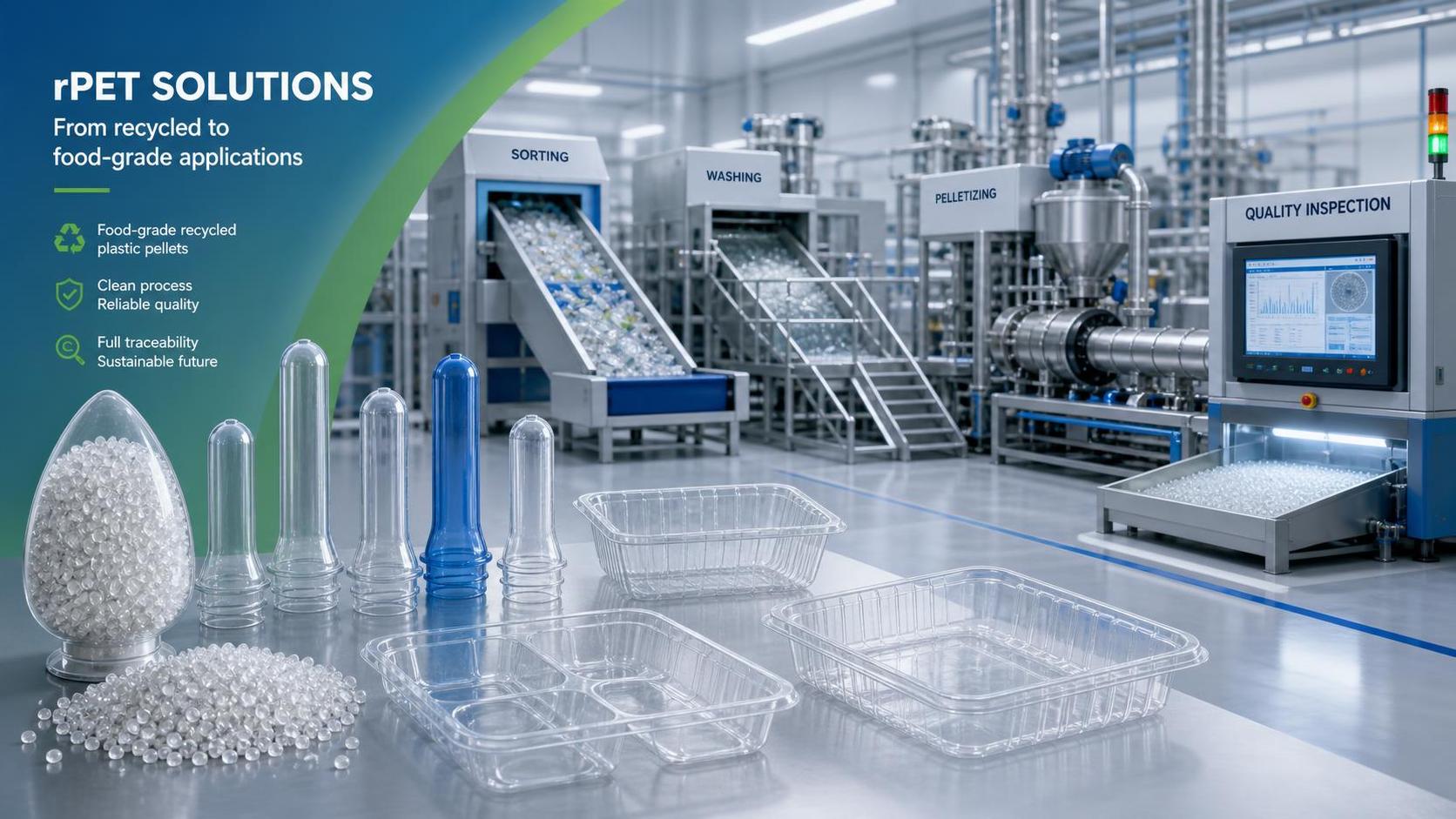
In recycling, pelletizing lines are increasingly becoming bid-winning assets rather than downstream utilities. Washing efficiency, contamination control, filtration fineness, moisture reduction, and pellet consistency are important because poor recyclate quality can undermine the ESG case of the entire manufacturing site.
Five operational checks for evaluators
- Measure energy per kilogram or per thousand parts under normal load, not only peak performance.
- Review scrap and startup loss over at least 3 production scenarios.
- Confirm recycled-content compatibility ranges and material preparation requirements.
- Verify digital traceability, alarm logging, and maintenance records.
- Check whether supplier service response is defined within 24 to 72 hours for critical issues.
How ESG Requirements Are Reshaping Supplier Qualification
Supplier qualification is becoming more evidence-based. Business evaluators are no longer satisfied with broad claims about sustainability. They want process documentation, machine-level efficiency data, traceable component sourcing, and proof that the supplier understands the operational realities of modern polymer manufacturing.
This change is particularly important for global buyers sourcing machinery for multiple plants. A supplier may offer competitive pricing, yet still fail qualification if commissioning support is weak, spare parts planning is unclear, or recycled-material processing capability is not validated in a structured way.
What documentation matters most
In many bid rounds, the strongest suppliers provide machine utility consumption ranges, preventive maintenance plans, recommended spare lists for 12 months, digital dashboard options, and process notes for recycled materials. These documents help evaluators translate ESG in plastic manufacturing into auditable procurement criteria rather than abstract preference.
Lead time also matters. A line delivered in 10 to 14 weeks with weak commissioning support may be less attractive than a 14 to 18 week schedule backed by stronger FAT structure, operator training, and post-startup optimization. ESG-linked performance depends on execution, not only machine specification.
The following table offers a practical qualification matrix that commercial and technical teams can adapt during vendor review.
The matrix shows a broader pattern: qualification has become operationally detailed. Buyers want assurance that the supplier can help maintain lower waste, better reporting, and stronger process control from day 1 through steady-state production.
Common qualification mistakes
- Accepting energy claims without defining resin type, ambient conditions, or output level.
- Reviewing recycled-content capability without checking filtration, venting, or drying constraints.
- Ignoring startup scrap, color-change waste, and cleaning intervals in ROI analysis.
- Overlooking the impact of software integration and data export on customer audits.
A Practical Bid Evaluation Framework for ESG in Plastic Manufacturing
To make ESG in plastic manufacturing actionable, evaluators need a framework that connects bid scoring to plant reality. A practical model can divide review into 4 layers: equipment efficiency, material circularity, compliance readiness, and execution support. Each layer should carry both quantitative and qualitative checks.
Recommended 4-layer assessment model
1. Equipment efficiency
Check energy consumption, temperature control stability, cycle repeatability, and preventive maintenance intervals. Compare actual operating windows, such as 70% to 85% load, instead of relying only on nameplate conditions.
2. Material circularity
Assess compatibility with recycled resins, regrind ratios, contamination tolerance, and pellet quality or part consistency. For recycling systems, examine washing efficiency, melt filtration, and moisture reduction stages in sequence.
3. Compliance readiness
Review data logging, traceability depth, and document availability for internal audits or customer questionnaires. A line that can export process trends every shift or every batch offers stronger control than one that depends on manual records.
4. Execution support
Include FAT structure, SAT criteria, ramp-up training, and service response. Many ESG-related performance losses appear during the first 30 to 90 days after startup, when recipes, operators, and material variability are still being stabilized.
How this creates commercial advantage
For suppliers, stronger ESG positioning can improve win rates if it is backed by precise engineering language. For buyers, this framework helps identify which offers reduce total risk rather than only purchase price. The result is better alignment between operations, finance, sustainability, and customer compliance teams.
For intelligence platforms such as PFRS, the market signal is clear: modern material shaping equipment is no longer evaluated as isolated hardware. It is judged as part of a connected production ecosystem that must balance throughput, precision, decarbonization pressure, and circular resource recovery.
Frequently asked procurement questions
Does ESG always increase equipment cost?
Not necessarily. Some solutions require higher upfront investment, but many reduce scrap, labor intervention, and energy use enough to improve payback within 18 to 36 months, depending on output volume and product mix.
Which process area usually shows the fastest ESG payback?
Often it is a combination of servo efficiency, process optimization, and in-house recycling. In plants with high scrap or purge loss, relatively modest process improvements can create visible cost and compliance gains within 2 to 4 quarters.
What is the biggest red flag in vendor proposals?
Broad sustainability claims without machine-level data, operating assumptions, or service details. If a supplier cannot explain how ESG in plastic manufacturing is supported on the production floor, evaluators should treat the proposal cautiously.
Bids in polymer processing are entering a more disciplined era. The winning proposal is increasingly the one that can prove lower waste, stronger traceability, better recycled-material readiness, and stable output across real operating conditions. For business evaluators, that makes ESG in plastic manufacturing a practical commercial filter, not a secondary narrative.
If you are reviewing machinery for injection molding, extrusion, blow molding, vulcanization, or plastic recycling, PFRS can help you translate technical data into clearer procurement decisions. Contact us to explore tailored insights, compare solution pathways, and get a more decision-ready view of sustainable polymer processing investments.
Related News
- 00
0000-00
Polymer Processing for Extrusion: How Melt Rheology Affects Line Stability - 00
0000-00
Energy-Efficient Polymer Processing: Where Plants Can Cut kWh per Kilogram - 00
0000-00
German Extrusion Equipment Suppliers: Comparing Service, Lead Times, and Lifecycle Cost - 00
0000-00
Is an Underwater Pelletizer Worth the Added Cost for Recycled Plastics? - 00
0000-00
How Often Should Melt Filter Screens Be Changed?
Weekly Insights
Stay ahead with our curated technology reports delivered every Monday.
Related News
 Ms. Elena RodriguezGerman Extrusion Equipment Suppliers: Comparing Service, Lead Times, and Lifecycle CostExtrusion equipment Germany suppliers compared: evaluate service coverage, credible lead times, spare-parts access, and lifecycle cost to select a reliable, future-ready production partner.Sep 22, 2026
 Ms. Elena RodriguezHow to Compare Pelletizing Lines by Energy Use per TonHow do I compare pelletizing lines by kWh per ton? Learn to measure total energy, verify saleable output, and select a cost-efficient line.Sep 23, 2026
 Ms. Elena RodriguezIn-House Recycling for Factory Scrap: How to Reduce Material Waste and Disposal CostsIn house recycling for factory scrap helps manufacturers cut material waste, reduce disposal costs, and create controlled, quality-focused reuse loops.Sep 07, 2026
 Ms. Elena RodriguezHow Recyclable Packaging Manufacturing Balances Material Recovery and Production CostRecyclable packaging manufacturing: discover how smarter design, feedstock control, and process optimization reduce recovery costs while improving quality and yield.Sep 04, 2026
 Ms. Elena RodriguezHow to Evaluate a Plastic Recycling Systems Supplier for Your Processing NeedsChoose the right plastic recycling systems supplier with a practical guide to feedstock fit, output quality, total cost, testing, service, and compliance.Sep 01, 2026
 Ms. Elena RodriguezCE Marking for Plastic Processing Equipment: Documentation and Safety ChecksPlastic processing equipment CE compliance: learn the essential documentation, risk assessments, safety checks, and validation steps for reliable EU market access.Aug 30, 2026
 Ms. Elena RodriguezPlastic Packaging Compliance Standards: What Tests and Documents Matter Most?Plastic packaging compliance standards explained: learn which migration tests, mechanical checks, and audit-ready documents matter most to reduce risk and pass reviews with confidence.Aug 25, 2026
 Ms. Elena RodriguezHow to Evaluate a Plastic Waste Recycling System for Capacity, Contamination, and ROIPlastic waste recycling system evaluation made practical: compare true capacity, contamination control, and ROI to choose a line that delivers stable output and stronger returns.Aug 24, 2026
 Ms. Elena RodriguezPackaging Molding Equipment Price: What Drives Cost and How to Compare Quotes?Packaging molding equipment price varies by machine type, automation, tooling, energy use, and service scope. Learn what drives cost and how to compare quotes with confidence.Aug 21, 2026
 Ms. Elena RodriguezWhat Packaging Machinery for Plastic Containers Should You Choose for High-Volume Production?Packaging machinery for plastics containers can make or break high-volume production. Learn how to choose the right line for speed, consistency, compliance, and lower lifecycle costs.Aug 16, 2026
 Ms. Elena RodriguezWhat Circular Plastics Mean for Automotive Parts and Material SelectionCircular plastics for automotive are reshaping part selection with lower weight, better sustainability, and reliable performance. Discover how engineers balance recycled content, durability, and compliance.Aug 15, 2026
 Ms. Elena RodriguezBroiler Farming in Cage System: Selection Factors for Commercial FarmsBroiler farming in cage system selection for commercial farms: compare structure, ventilation, automation, and manure handling to improve efficiency and avoid costly mistakes.Aug 14, 2026
 Ms. Elena RodriguezHow to Implement Smart Polymer Manufacturing Without Disrupting Existing Production?Smart polymer manufacturing implementation made practical: learn how to upgrade existing production with phased digitalization, less downtime, better control, and measurable ROI.Aug 11, 2026
 Ms. Elena RodriguezHow to Evaluate a Rubber Compression Molding Supplier for Complex Part ProductionRubber compression molding supplier selection for complex parts starts with process, material, and tooling control. Learn how to compare vendors beyond price and reduce launch risk.Aug 10, 2026
 Ms. Elena RodriguezPackaging Compliance in Canada: Key Labeling and EPR Rules Importers Must KnowPackaging compliance Canada explained for importers: learn bilingual labeling, environmental claims, and provincial EPR rules to reduce risk, avoid costly errors, and stay market-ready.Aug 03, 2026
 Ms. Elena RodriguezWhy Circular Plastics Economy Traceability Matters for Recycled Content ComplianceCircular plastics economy traceability is essential for proving recycled content compliance across sourcing, processing, and reporting. Learn how strong evidence reduces audit risk.Aug 02, 2026
 Ms. Elena RodriguezRecycled Plastic Compliance: Key Standards, Testing Requirements, and DocumentationRecycled plastic compliance explained: key standards, testing requirements, supplier documents, and food-contact risks to help you avoid approval delays and costly compliance mistakes.Aug 01, 2026
 Ms. Elena RodriguezHow to Evaluate an Extrusion Machinery Manufacturer for Quality, Support, and ROIExtrusion machinery manufacturer selection affects quality, uptime, and ROI. Learn how to compare process fit, output claims, service, compliance, and long-term operating costs.Jul 29, 2026
 Ms. Elena RodriguezHow to Evaluate Food Grade Recycled Pellets for Safe Packaging ApplicationsFood grade recycled pellets for safe packaging demand more than a label. Learn how to assess feedstock, process validation, pellet quality, and compliance before approval.Jul 28, 2026
 Ms. Elena RodriguezHow to Evaluate a Rubber Vulcanization Supplier for Quality, Capacity, and Lead TimeRubber vulcanization supplier selection made easier: learn how to assess quality systems, true production capacity, and lead time reliability to reduce sourcing risk and improve supply performance.Jul 25, 2026