Why polymer smart manufacturing matters in 2026




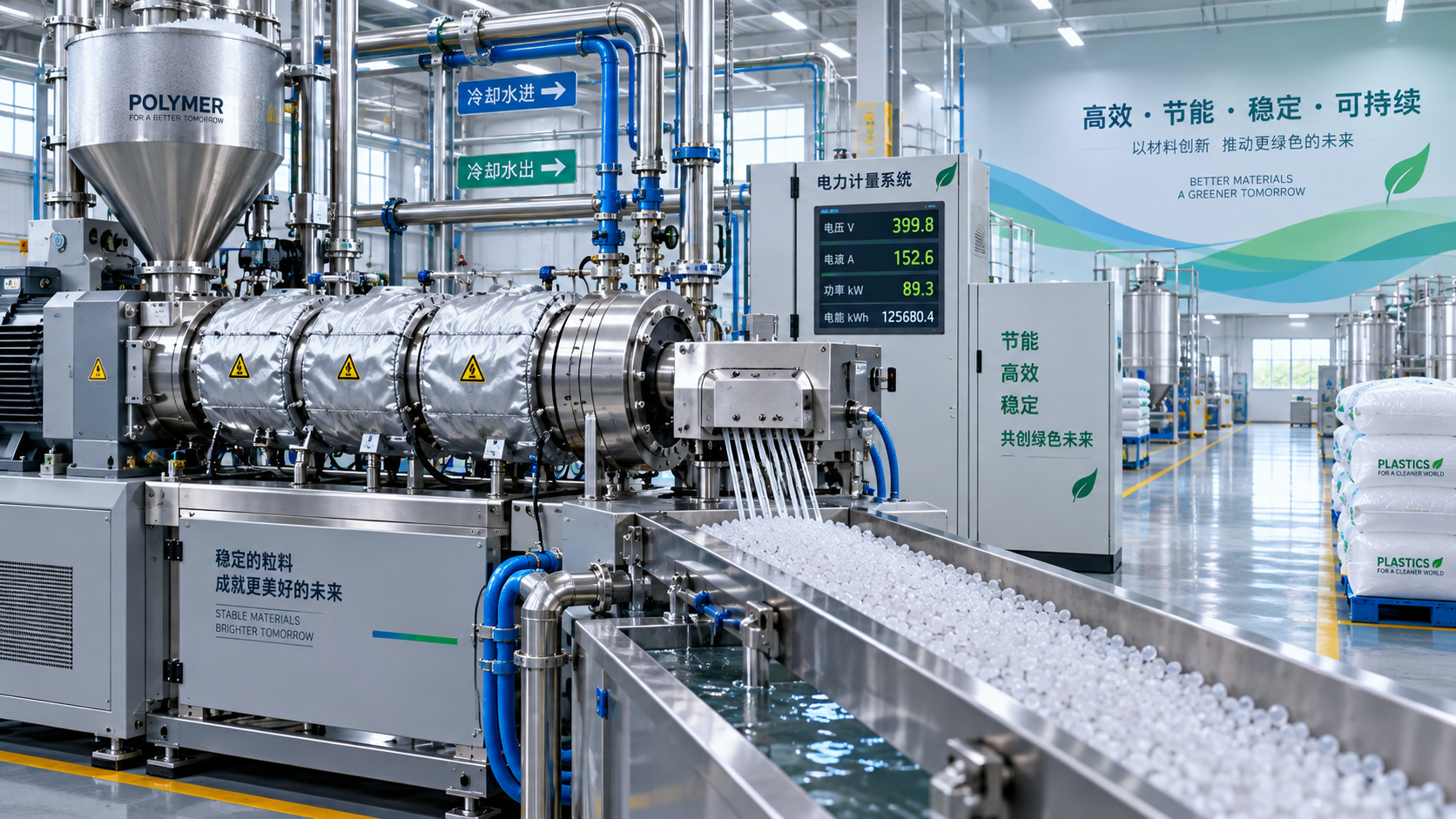
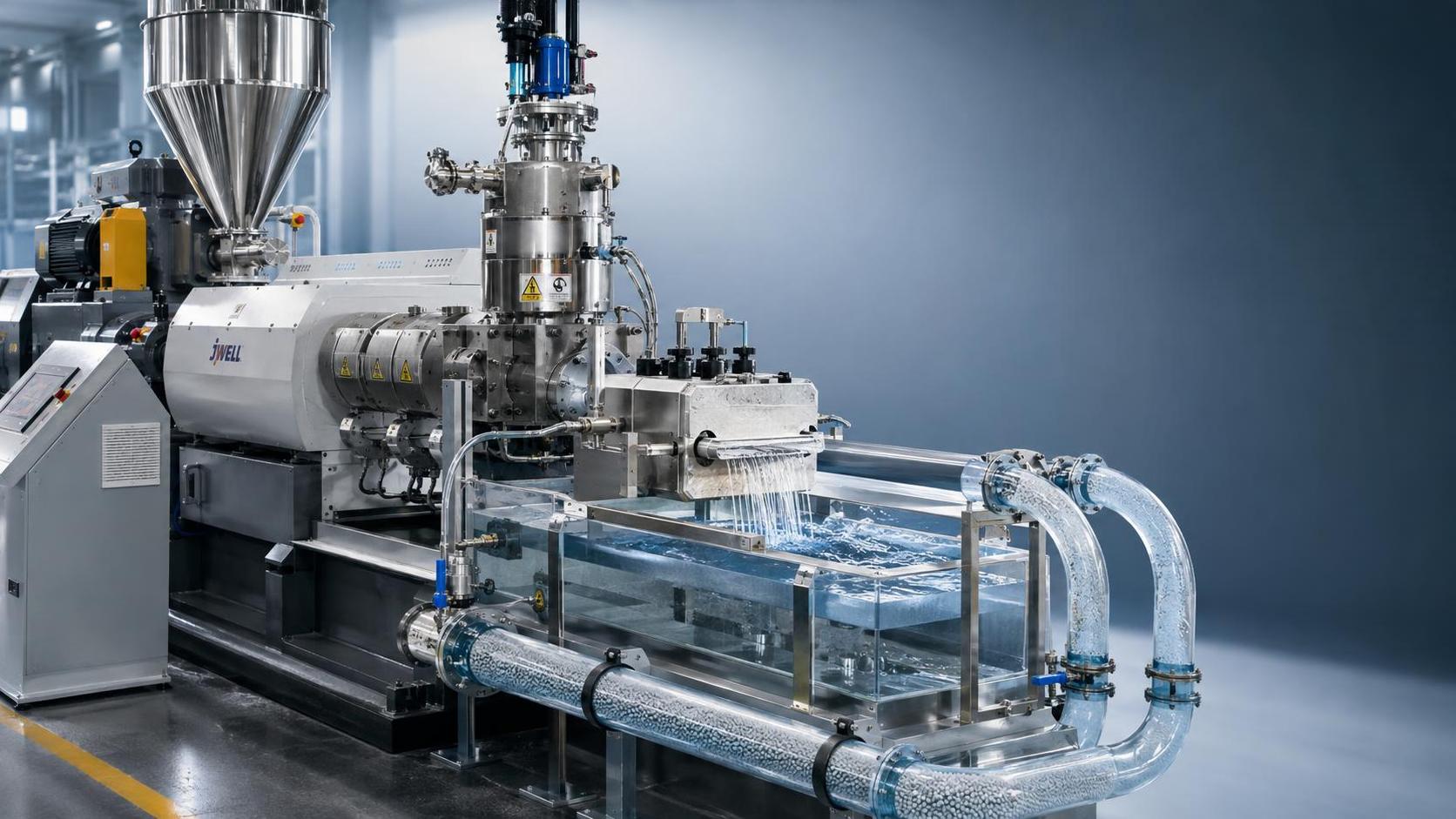
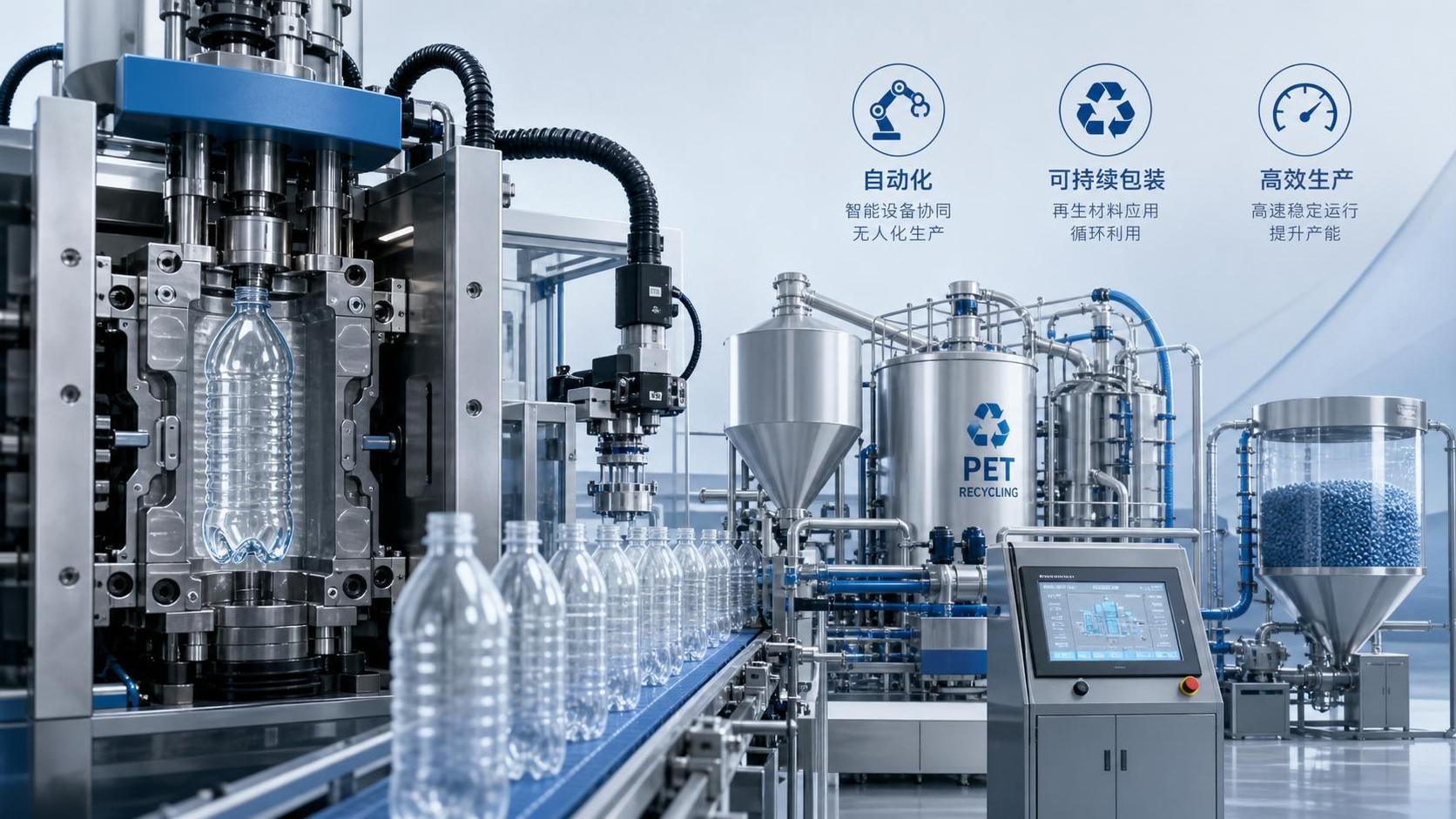
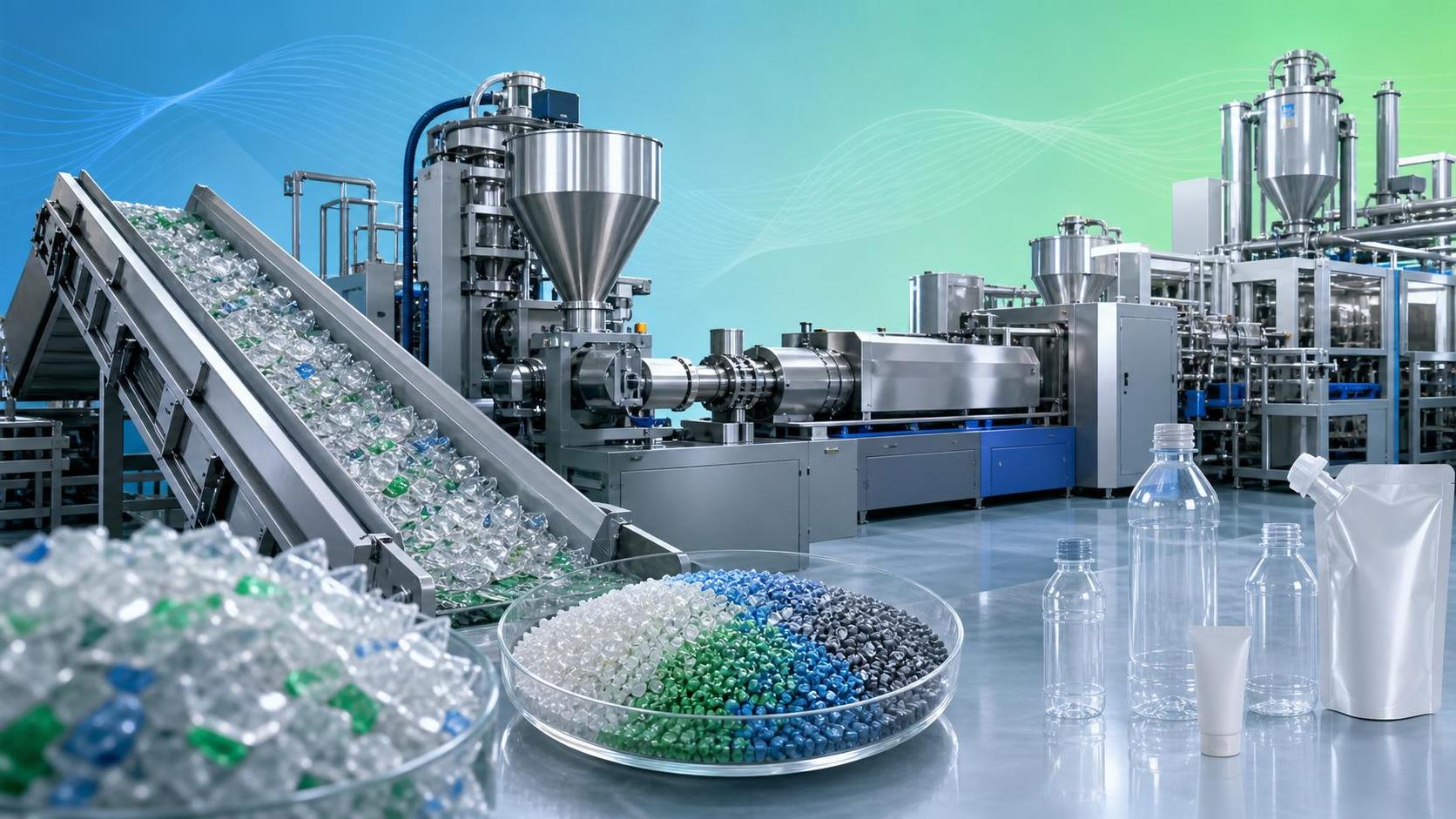
In 2026, polymer smart manufacturing is becoming a strategic priority for business leaders facing tighter sustainability rules, volatile resin supply, and rising demands for precision and speed. From injection molding and extrusion to blow molding, vulcanization, and plastic recycling, intelligent systems are reshaping how manufacturers improve efficiency, reduce waste, and strengthen competitiveness across the polymer value chain.
Why polymer smart manufacturing has moved from technical upgrade to board-level decision

For enterprise decision-makers, polymer smart manufacturing is no longer a plant-floor topic. It now sits at the intersection of margin protection, compliance control, supply resilience, and brand risk. A molding line that cannot maintain repeatability, traceability, and energy discipline can quickly become a strategic weakness.
The pressure is coming from multiple directions at once. Resin prices remain unstable. Packaging regulations are stricter. Customers want lighter, stronger, and more consistent polymer products. At the same time, labor shortages and shorter product cycles are forcing factories to make decisions faster and with less tolerance for trial-and-error.
This is where polymer smart manufacturing matters. It links equipment, material behavior, process parameters, quality signals, and recycling loops into a unified decision framework. Instead of optimizing one machine at a time, manufacturers can optimize throughput, scrap rate, energy use, and compliance outcomes across the full material lifecycle.
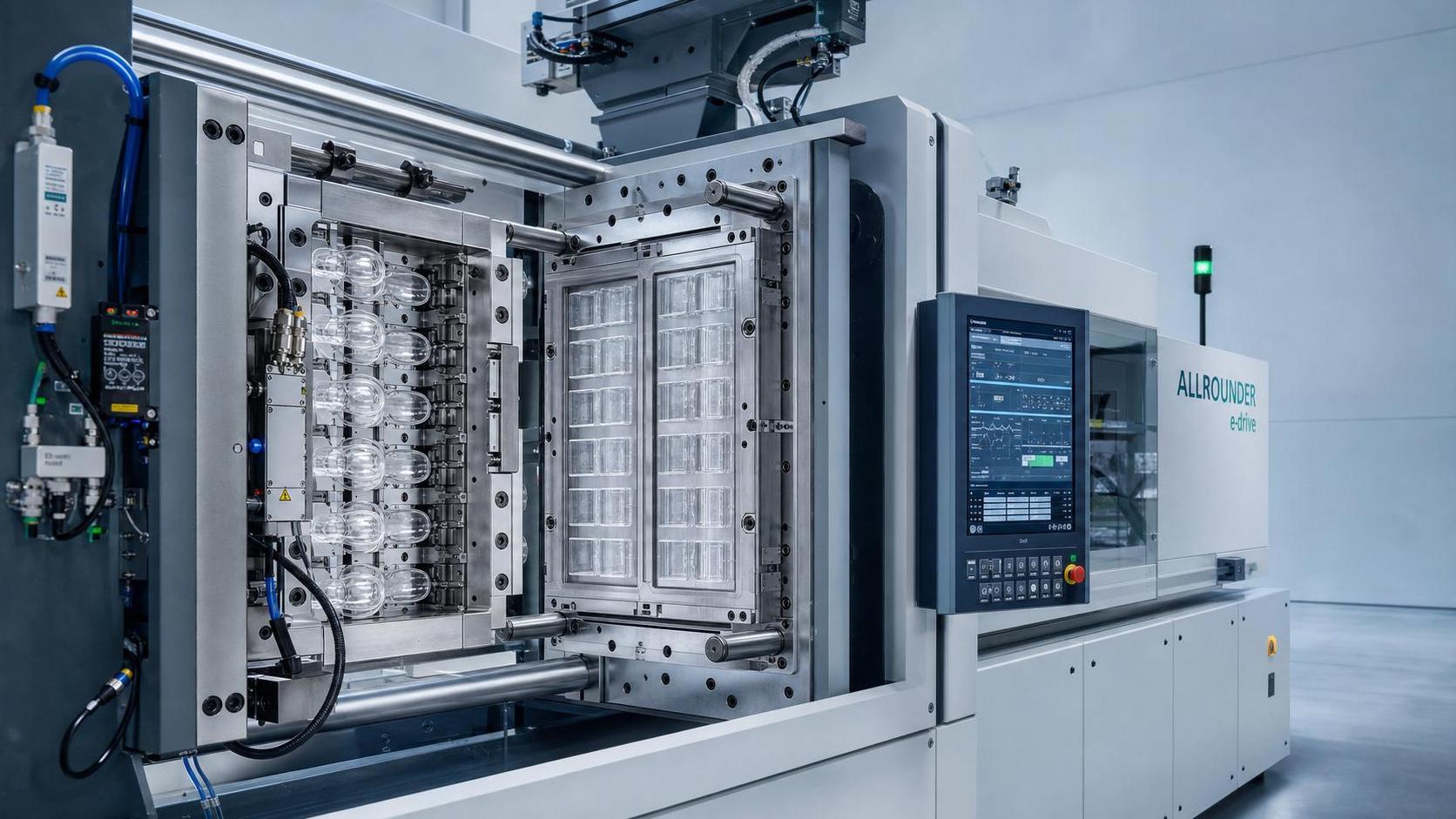
- It improves process consistency in precision injection molding, where micron-level tolerance and stable holding pressure profiles directly affect defect rates.
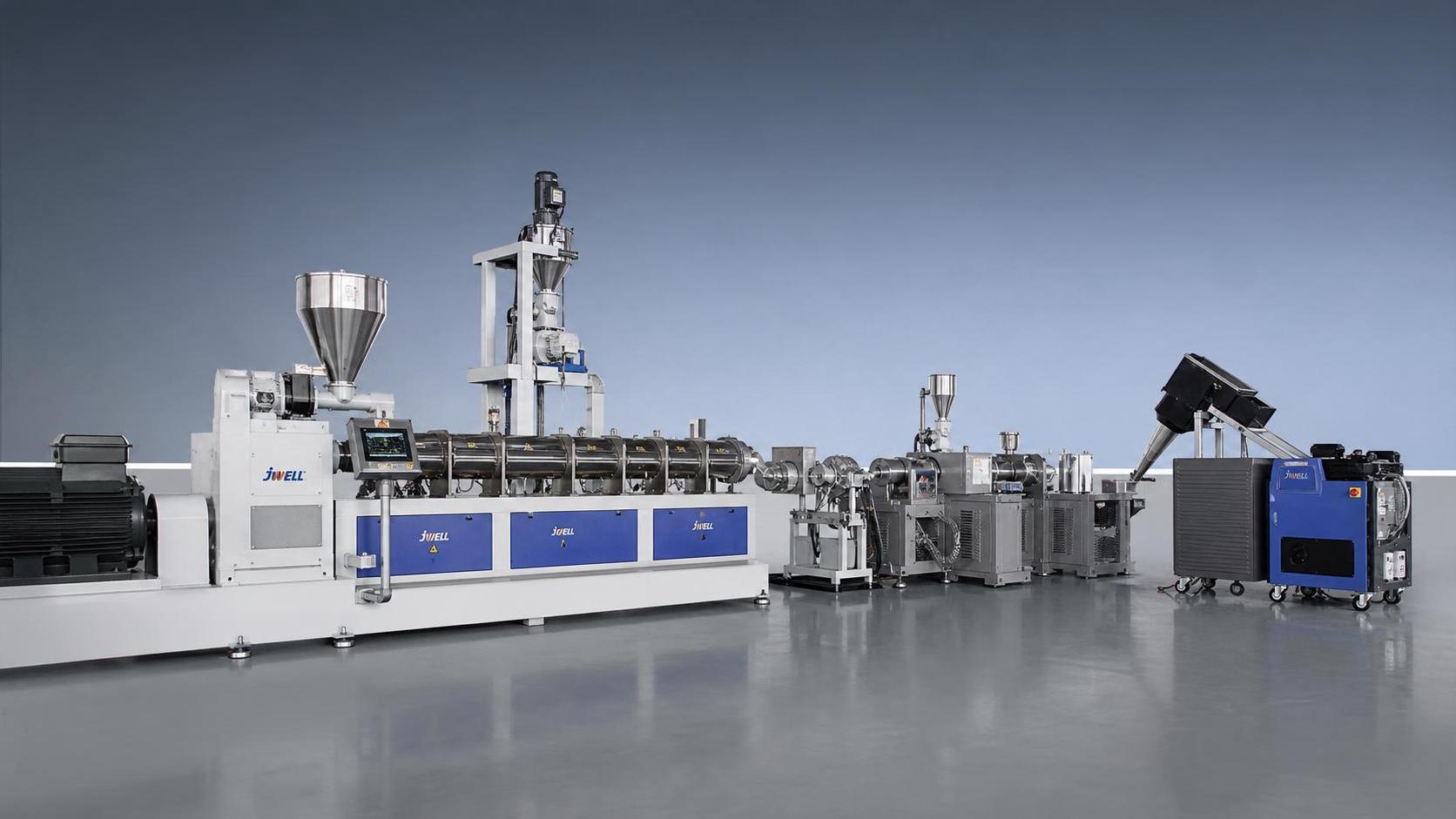
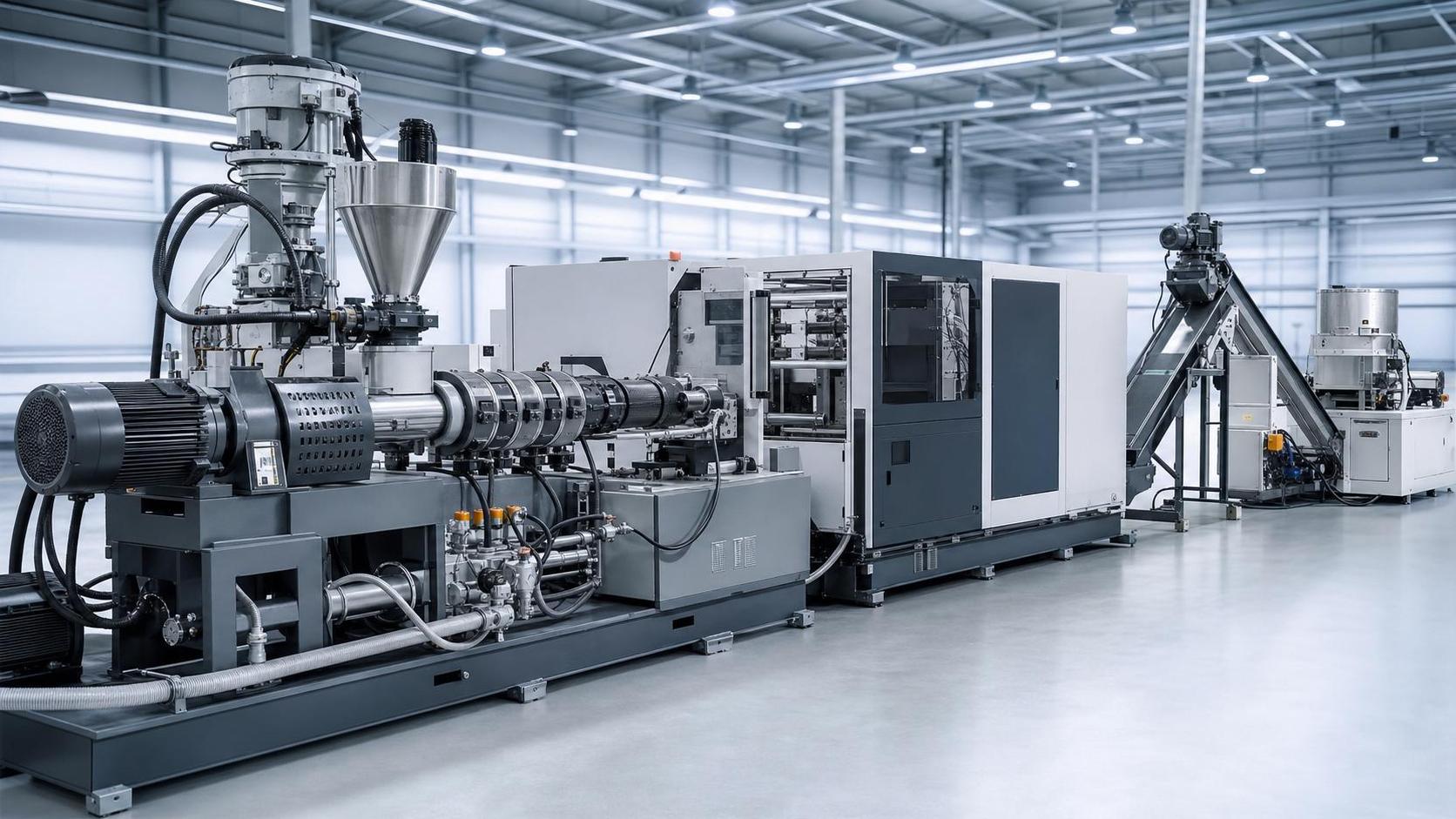
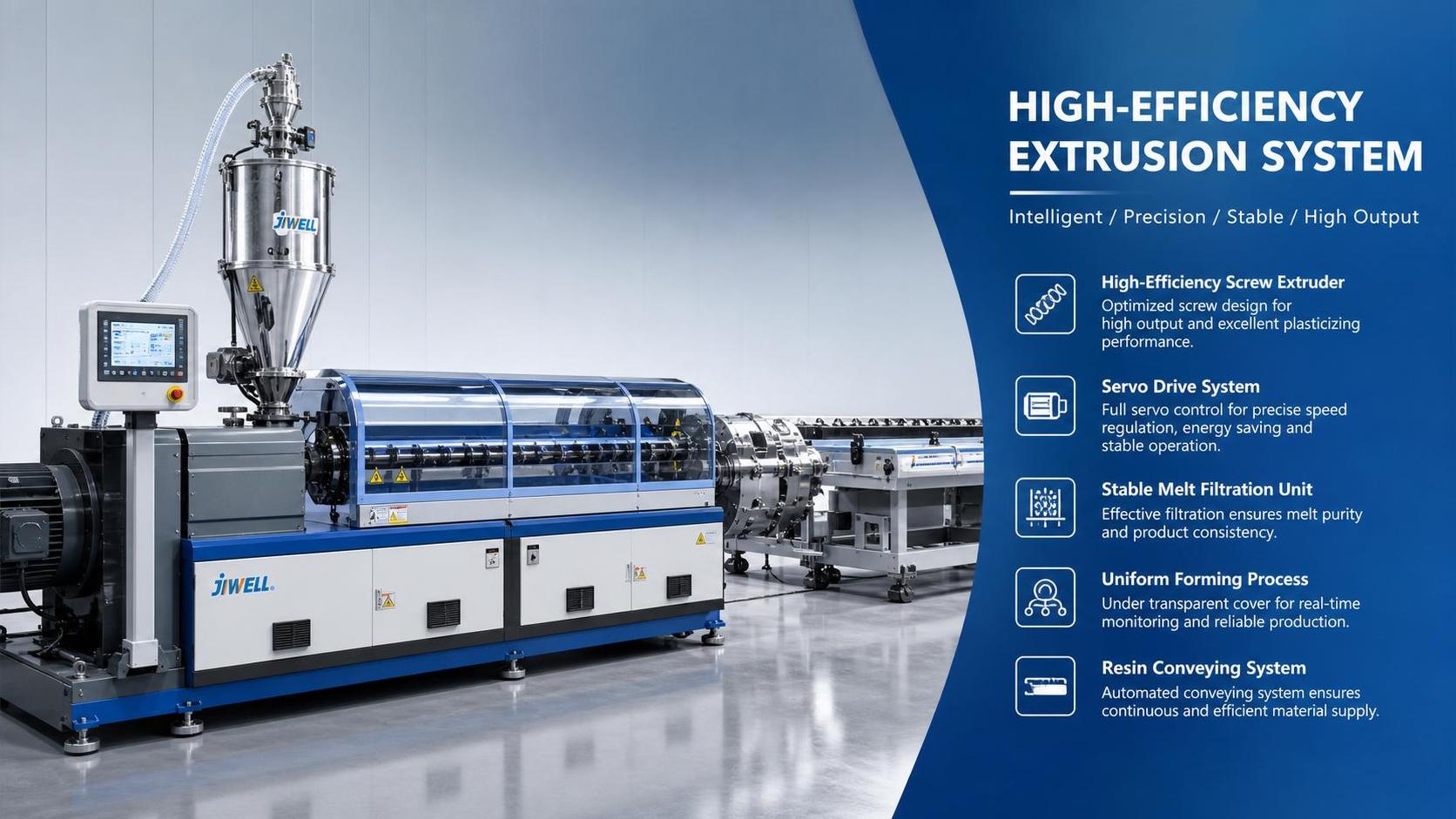
- It raises extrusion efficiency by using data from screw torque, melt pressure, temperature zones, and CFD-backed process modeling.
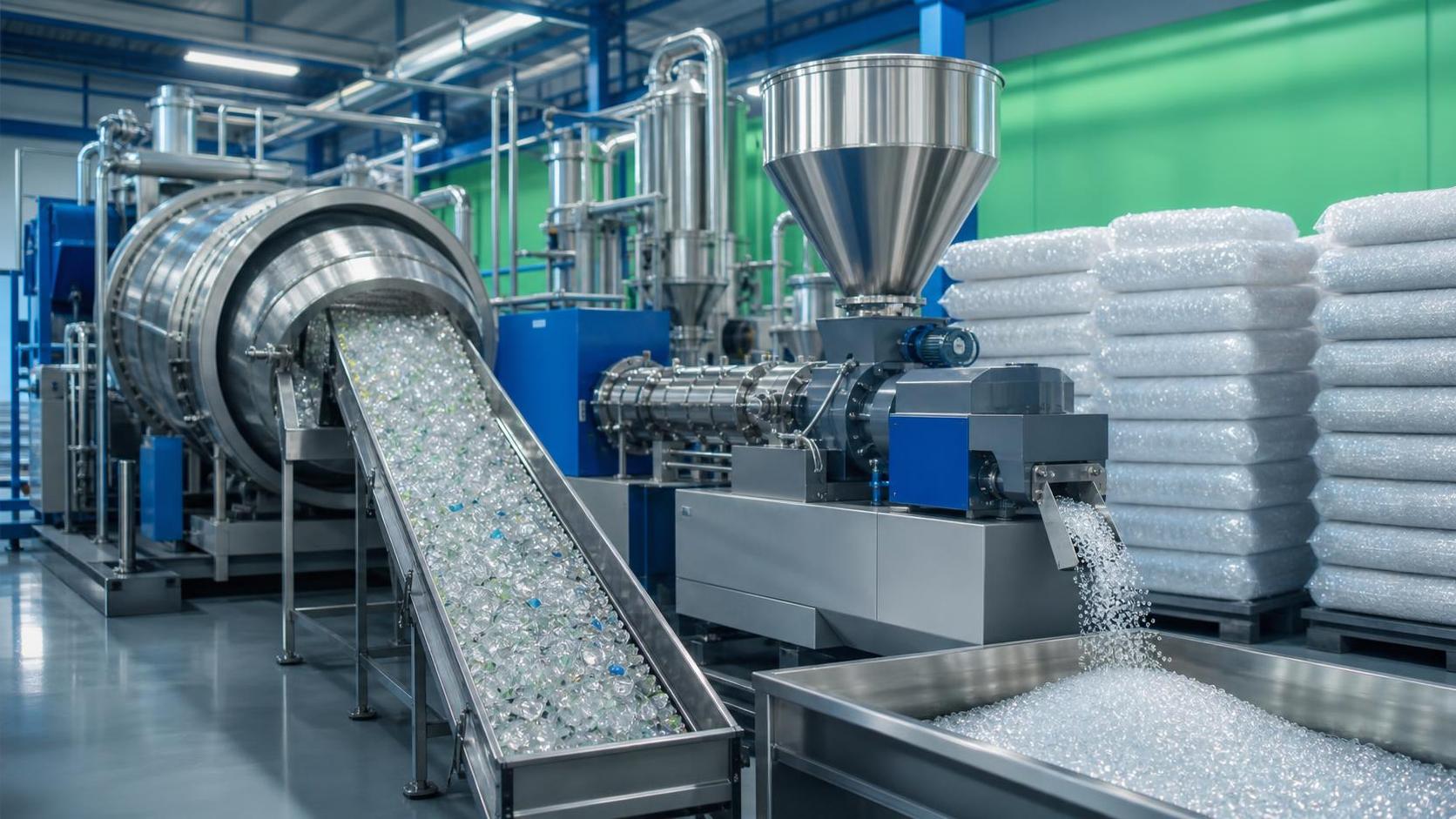
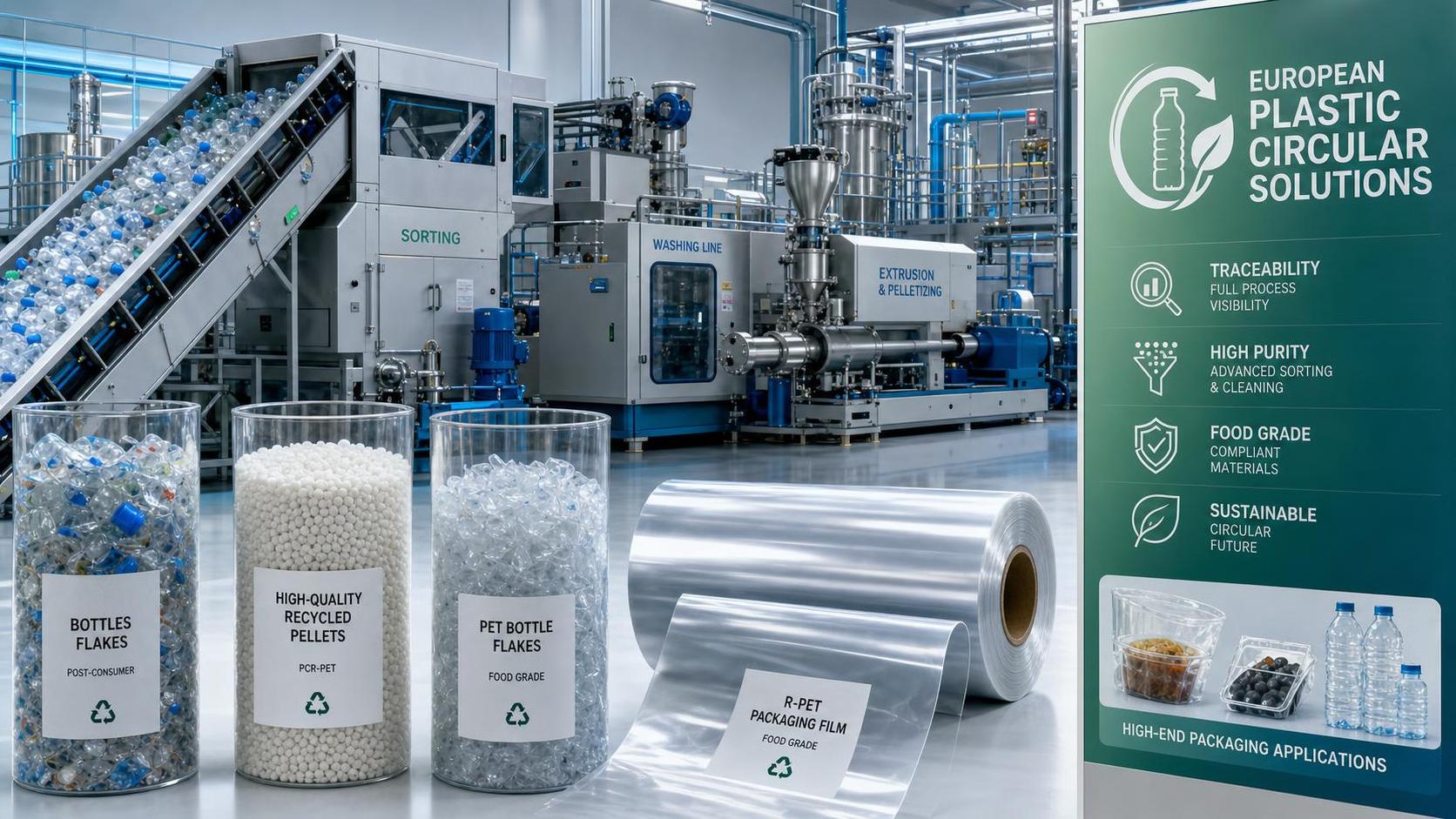
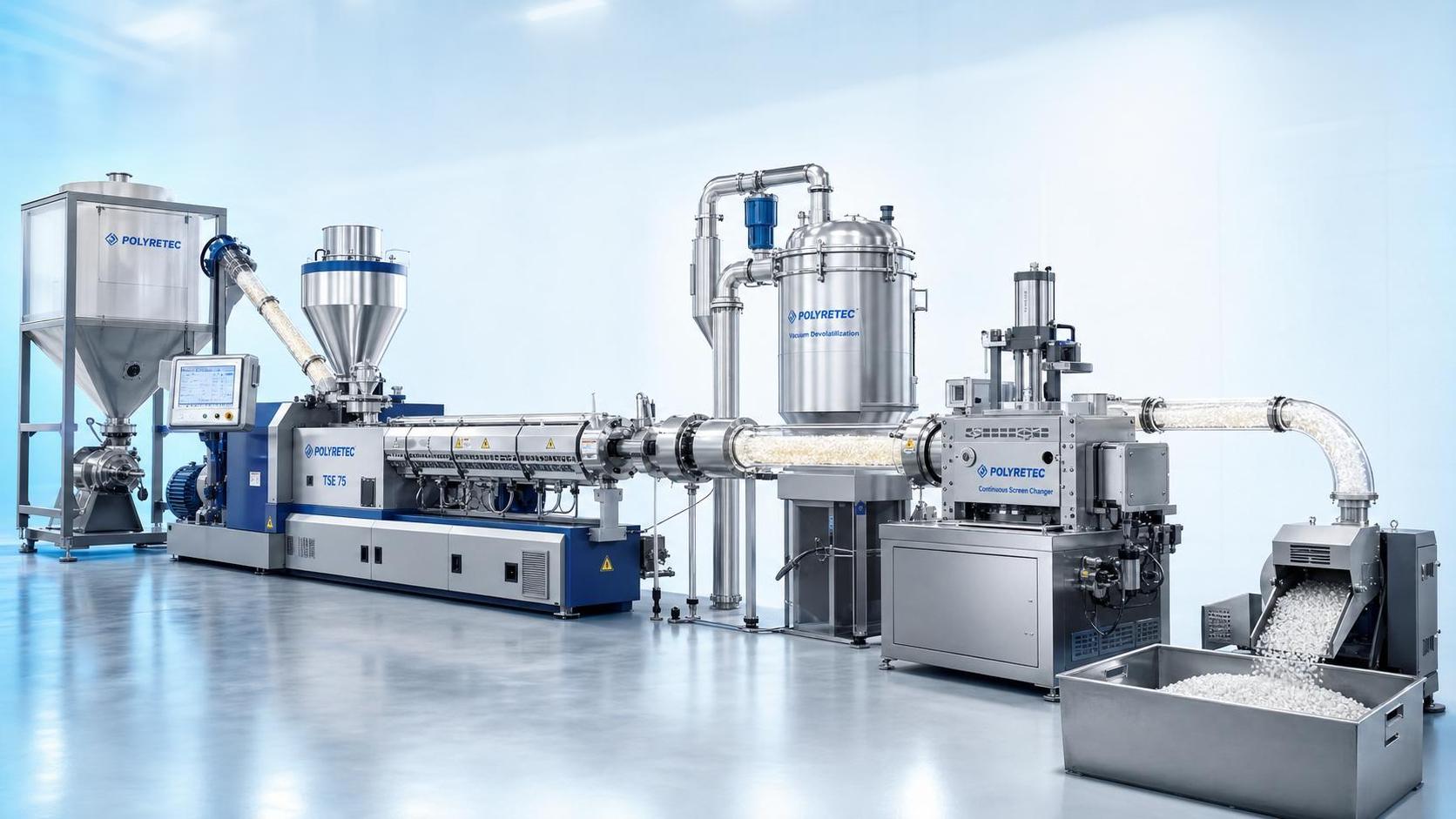
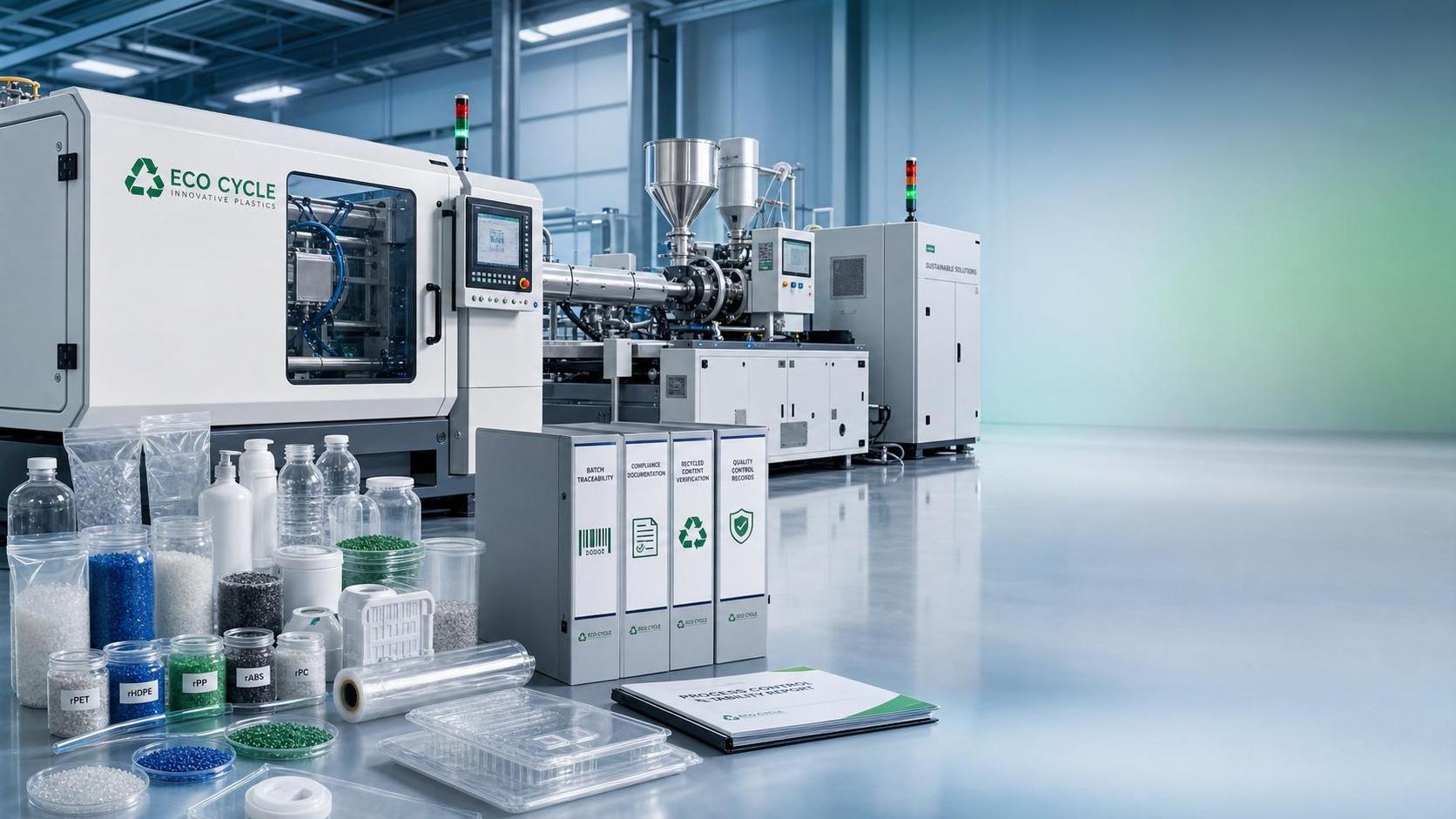
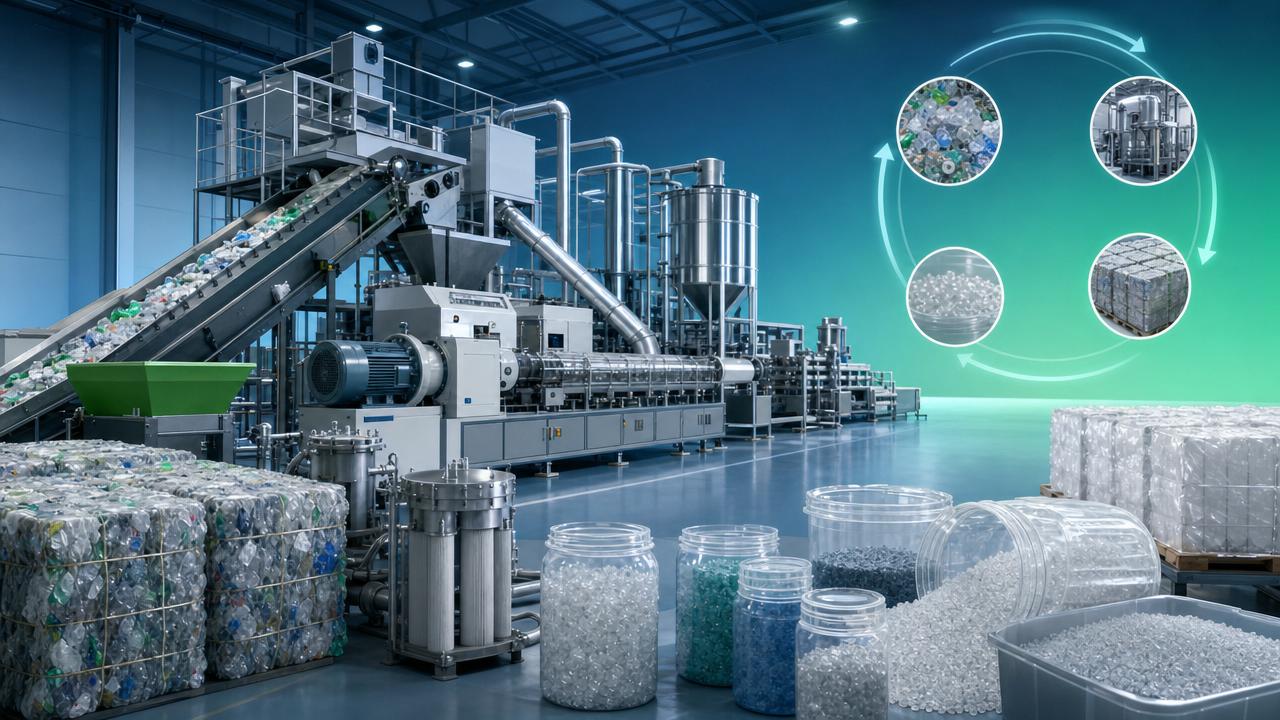
- It supports circularity through in-house recycling, pellet quality tracking, and contamination control in recycled polymer streams.
PFRS follows this shift closely because the change is not limited to one machine category. It affects injection molding machines, plastic extruders, blow molding systems, rubber vulcanizing equipment, and waste plastic pelletizing lines as one connected industrial ecosystem.
Which business problems does polymer smart manufacturing solve in 2026?
Executives usually do not buy “smart manufacturing” for the slogan. They invest when it solves a measurable business problem. In polymer processing, the biggest problems are usually hidden inside process drift, uneven material quality, unplanned downtime, and compliance gaps that are expensive to fix after shipment.
Common decision-level pain points
- High scrap and rework rates caused by unstable melt flow, poor thermal control, or inconsistent mold conditions.
- Procurement uncertainty when comparing all-electric, servo-hydraulic, twin-screw, blow molding, or recycling solutions across different suppliers.
- Delayed delivery because commissioning depends too heavily on operator experience instead of parameter libraries and digital validation.
- Rising audit pressure related to traceability, recycled content claims, energy reporting, and packaging compliance.
- Weak visibility between R&D, production, quality, and sustainability teams, causing slow cross-functional decisions.
Polymer smart manufacturing addresses these issues by turning process knowledge into structured operational intelligence. Sensors, MES integration, machine analytics, AI-assisted parameter tuning, and recycling line monitoring create a more predictable manufacturing environment. That matters when every percentage point of yield and uptime affects annual profitability.
Where does polymer smart manufacturing create the most value across the polymer lifecycle?
The strongest business case appears when leaders evaluate the full polymer lifecycle rather than isolated equipment purchases. The table below shows how different process segments benefit from polymer smart manufacturing and what metrics leaders should track.
The value is practical. Better control reduces conversion cost. Better data reduces quality disputes. Better recycling intelligence increases the usable share of secondary material. For decision-makers, polymer smart manufacturing becomes a capital allocation tool rather than a vague digital initiative.
How should executives compare smart polymer processing investments?
Many companies compare equipment by purchase price first, then discover hidden costs in energy, scrap, maintenance, operator dependence, or poor integration. A better approach is to compare solutions by lifecycle impact. The next table helps structure a realistic procurement discussion around polymer smart manufacturing.
This comparison shows why low-entry-cost systems can become expensive over time. If your production mix changes often, if your customers require more documentation, or if recycled material must be integrated without quality drift, polymer smart manufacturing usually delivers stronger long-term economics.
What should buyers examine before selecting equipment or intelligence systems?
Selection mistakes usually happen when companies buy around headline specifications and ignore process fit. A high-speed machine can still underperform if material behavior, mold design, screw configuration, filtration level, or software interoperability are mismatched. Executives should insist on a cross-functional evaluation model.
Procurement checklist for polymer smart manufacturing
- Define the target product mix clearly. Medical parts, beverage packaging, automotive components, rubber seals, and recycled pellets each require different process windows and quality controls.
- Map critical variables. In injection molding, focus on shot consistency, clamp behavior, melt temperature, and holding pressure. In extrusion, examine screw design, venting, pressure stability, and mixing quality.
- Assess digital integration readiness. Confirm whether machine data can connect with existing MES, ERP, QA, and energy-monitoring systems without expensive custom middleware.
- Check recycling compatibility. If your sustainability roadmap includes in-house regrind or post-consumer material, evaluate washing, melt filtration, degassing, and pellet uniformity from the start.
- Ask for commissioning logic, not only machine specs. The supplier or intelligence partner should explain parameter validation, operator training, ramp-up support, and troubleshooting workflow.
PFRS is especially useful at this stage because buyers often need independent market and process intelligence before speaking with machinery suppliers. Access to trend analysis, polymer rheology insights, and recycling technology developments helps reduce the risk of misaligned capital spending.
How do compliance and sustainability make polymer smart manufacturing more urgent?
In 2026, sustainability is not only a reporting exercise. It changes machine selection, material strategy, and plant design. Packaging rules, recycled content expectations, and broader ESG commitments are pushing manufacturers to prove how materials are processed, reused, and documented.
Key compliance-related focus areas
- Traceability of raw materials, additives, and recycled inputs across shifts and production lots.
- Control of contamination, especially in recycling lines where feedstock variability can disrupt downstream molding or extrusion quality.
- Energy-efficiency documentation for major process equipment, particularly where decarbonization targets affect capital budgeting.
- Support for common quality and management frameworks such as ISO-based systems where process evidence and repeatability matter.
Smart systems do not automatically guarantee compliance, but they make compliance manageable. Structured process records, alarm histories, batch-level traceability, and data-backed maintenance actions reduce audit stress and improve confidence during customer qualification.
What are the most common implementation mistakes?
The biggest risk is treating polymer smart manufacturing as a software project rather than a process transformation. In polymer operations, data is only useful when it reflects real rheology, thermal behavior, cycle constraints, and product tolerances. Poor implementation often comes from technology enthusiasm without manufacturing discipline.
Frequent misconceptions
- Believing that more sensors automatically create more value. If teams cannot act on the signals, data overload slows decisions.
- Ignoring material variability. Recycled resin, compounded blends, and moisture-sensitive polymers need adaptive logic, not fixed assumptions.
- Rolling out plant-wide systems before stabilizing one pilot line with clear KPIs such as scrap reduction, output gain, or changeover time.
- Separating sustainability targets from operations. A recycled-content objective without filtration, pellet quality control, and downstream process validation often fails.
A better path is phased deployment. Start where cost leakage is visible. For some firms, that is precision molding scrap. For others, it is extrusion throughput instability or the need to build a reliable in-house recycling loop. Early wins create internal support for broader transformation.
FAQ: what decision-makers ask most about polymer smart manufacturing
How do we know whether polymer smart manufacturing is worth the investment?
Start with measurable pain. If your operation suffers from unstable quality, high startup loss, frequent manual intervention, poor traceability, or rising recycled-content pressure, the business case is already present. The goal is not to digitalize everything at once, but to target the cost centers where process intelligence can improve yield, uptime, and compliance confidence.
Which plants benefit most first?
High-mix plants, precision product plants, and packaging operations often benefit early because they face tight tolerances and fast cycle demands. Facilities integrating recycled polymer also gain quickly, since feedstock variation makes manual process control less reliable. Extrusion and pelletizing lines with significant energy use are another strong starting point.
How long does implementation usually take?
It depends on scope. A focused pilot around one machine family or one recycling line can move much faster than a multi-site program. The realistic sequence includes parameter mapping, data interface checks, operator training, pilot validation, and KPI review. Leaders should plan for phased commissioning instead of expecting instant plant-wide transformation.
What should we request from an intelligence partner before supplier selection?
Ask for process trend interpretation, technology comparison, typical risk points by application, and insight into how sustainability requirements are influencing machine architecture. This is where PFRS adds value by connecting molding science, extrusion design logic, and circular plastics expertise before the capital commitment is finalized.
Why PFRS is a practical partner for smarter polymer manufacturing decisions
PFRS is positioned around the full lifecycle of polymer materials, not a single equipment category. That matters for business leaders who need to connect precision molding, extrusion efficiency, blow molding productivity, rubber curing reliability, and plastic recycling viability into one investment logic.
Its Strategic Intelligence Center focuses on the issues that shape real procurement and operational outcomes: non-Newtonian flow behavior in twin-screw systems, AI optimization in injection molding, melt filtration in recycled streams, market turbulence in virgin resin supply, and the commercial pull of in-house recycling lines under ESG pressure.
- If you need parameter confirmation, PFRS can help frame which process variables deserve priority by application.
- If you need product selection guidance, PFRS can help compare machine categories and process routes against throughput, tolerance, and circularity goals.
- If you need delivery and ramp-up planning, PFRS can help identify technical dependencies that often delay commissioning.
- If you need custom solution direction, PFRS can support discussion around application-specific intelligence, recycling integration, and compliance expectations.
- If you need certification-related preparation or quotation alignment, PFRS can help clarify the information buyers should gather before formal supplier engagement.
For companies planning their 2026 manufacturing roadmap, polymer smart manufacturing is not simply about automation. It is about building a more controllable, efficient, compliant, and circular polymer business. If you are evaluating equipment upgrades, in-house recycling, process optimization, or a multi-line digitalization plan, now is the right time to start a focused discussion with PFRS around technology selection, implementation priorities, delivery expectations, and budget-fit options.
Related News
- 00
0000-00
How to Evaluate a Tire Curing Equipment Supplier for Capacity, Support, and Uptime - 00
0000-00
How to Size a Servo Injection Molding Press for High-Precision Parts - 00
0000-00
How High-Speed Precision Injection Molding Controls Part Tolerances at Scale - 00
0000-00
How to Select Packaging Molding Equipment for High-Volume Production Lines - 00
0000-00
How to Evaluate Plastic Pelletizing Machine Suppliers for Output, Support, and Risk
Weekly Insights
Stay ahead with our curated technology reports delivered every Monday.
Related News
 Prof. Marcus ChenEnergy-Efficient Polymer Processing: Where Plants Can Cut kWh per KilogramEnergy-efficient polymer processing solutions help plants reduce kWh per kilogram, protect quality, cut scrap, and prioritize upgrades with data-driven insights.Sep 23, 2026
 Prof. Marcus ChenPlastic Pelletizing Trends: How Recycling Demand Is Reshaping Processing TechnologyPlastic pelletizing trends are redefining recycling quality. Explore filtration, extrusion, degassing, and automation innovations driving cleaner, more consistent recycled resin.Sep 07, 2026
 Prof. Marcus ChenHow Polymer Supply Chains Are Changing to Support High-Quality Recycling FeedstockPolymer supply chain for recycling is shifting toward traceable sourcing, cleaner sorting, and stable processing. See how high-quality feedstock improves performance, compliance, and cost control.Aug 22, 2026
 Prof. Marcus ChenHow Europe’s Circular Plastics Economy Is Reshaping Recycling InvestmentCircular plastics economy Europe is reshaping recycling investment through quality, traceability, and packaging demand. Explore where capital is moving and why it matters now.Aug 04, 2026
 Prof. Marcus ChenBlow Molding Trends Shaping Packaging, Sustainability, and Production EfficiencyBlow molding trends are redefining packaging with lightweighting, recycled content, automation, and energy efficiency. Discover how smarter production boosts sustainability and cuts costs.Jul 23, 2026
 Prof. Marcus ChenExtrusion Equipment Modular Design: When It Makes Sense for Line ExpansionExtrusion equipment modular design helps manufacturers expand lines in phases, cut disruption, and stay ready for recycled content, utility limits, and changing product demands.Jul 15, 2026
 Prof. Marcus ChenPolymer Lifecycle Solutions Explained: From Material Sourcing to End-of-Life RecoveryPolymer lifecycle solutions explained from sourcing and processing to recycling and recovery. Discover how to cut waste, improve quality, and build smarter material strategies.Jul 13, 2026
 Prof. Marcus ChenEnergy-Efficient Polymer Processing Systems: Which Metrics Matter Most?Energy-efficient polymer processing systems: discover the metrics that truly drive ROI—specific energy use, yield, uptime, stability, and compliance for smarter equipment decisions.Jul 11, 2026
 Prof. Marcus ChenPolymer Recycling Systems for Continuous Operation: What to Check Before SpecifyingPolymer recycling systems continuous operation starts with the right specification. Learn what to check for uptime, melt quality, energy efficiency, and reliable pellet output.Jul 09, 2026
 Prof. Marcus ChenCircular Plastics Economy in Japan: Policy Drivers, Recycling Targets, and Market ImpactCircular plastics economy Japan is accelerating as policy, recycling targets, and packaging reforms reshape material choices, processing strategy, and market advantage.Jul 05, 2026
 Prof. Marcus ChenPlastic Extrusion Technology Trends: What Process Changes Are Improving Energy Efficiency?Plastic extrusion technology trends are reshaping energy efficiency through smarter screws, thermal control, servo drives, and digital optimization. See which process changes deliver lower costs and more stable output.Jul 01, 2026
 Prof. Marcus ChenInjection Molding Technology Trends: Which Process Changes Matter Most for Medical and Packaging Parts?Injection molding technology trends shaping medical and packaging parts: discover the process changes that improve validation, precision, efficiency, and recycled-material readiness.Jun 30, 2026
 Prof. Marcus ChenCircular Plastics Economy Compliance Explained: Key Requirements for ManufacturersCircular plastics economy compliance explained for manufacturers: learn key requirements, audit risks, process controls, and how to turn compliance into a competitive advantage.Jun 25, 2026
 Prof. Marcus ChenAdvanced Materials Processing Trends: 5 Shifts Reshaping Capacity Planning and SourcingAdvanced materials processing trends are reshaping capacity planning, sourcing, recycling, and compliance. Explore 5 shifts helping manufacturers cut risk, improve precision, and build resilient growth.Jun 24, 2026
 Prof. Marcus ChenGlobal Plastic Ban Trends: Which Packaging Materials and Export Markets Face the Biggest Changes?Global plastic ban trends are reshaping packaging choices and export strategy. See which materials and markets face the biggest shifts, and how to reduce compliance risk.Jun 22, 2026
 Prof. Marcus ChenPolymer Rheology Trends That Matter in Extrusion: Melt Strength, Shear, and StabilityPolymer rheology trends are reshaping extrusion performance. Learn how melt strength, shear, and stability affect quality, efficiency, and recycled resin processing.Jun 18, 2026
 Prof. Marcus ChenPlastic Circularity Strategies for Manufacturers: Recycled Content, Design, and TraceabilityPlastic circularity strategies for manufacturers: learn how recycled content, smarter design, and traceability can reduce risk, improve compliance, and strengthen supply resilience.Jun 18, 2026
 Prof. Marcus ChenAdvanced Materials Processing Equipment in High-Performance Manufacturing: Where It Fits BestAdvanced materials processing equipment drives precision, speed, and sustainability in manufacturing. Explore where each system fits best to improve quality, efficiency, and ROI.Jun 16, 2026
 Prof. Marcus ChenWhat Is Driving the Circular Economy Plastics Market? Policy, Pricing, and Demand ShiftsCircular economy plastics market trends are being driven by tighter policy, resin price volatility, and stricter buyer demands. Discover what this means for sourcing, processing, and growth.Jun 13, 2026
 Prof. Marcus ChenDigital Polymer Processing Explained: Methods, Materials, and Best-Fit ApplicationsDigital polymer processing explained clearly: explore key methods, materials, and best-fit applications to improve quality, efficiency, and recycling performance.Jun 10, 2026