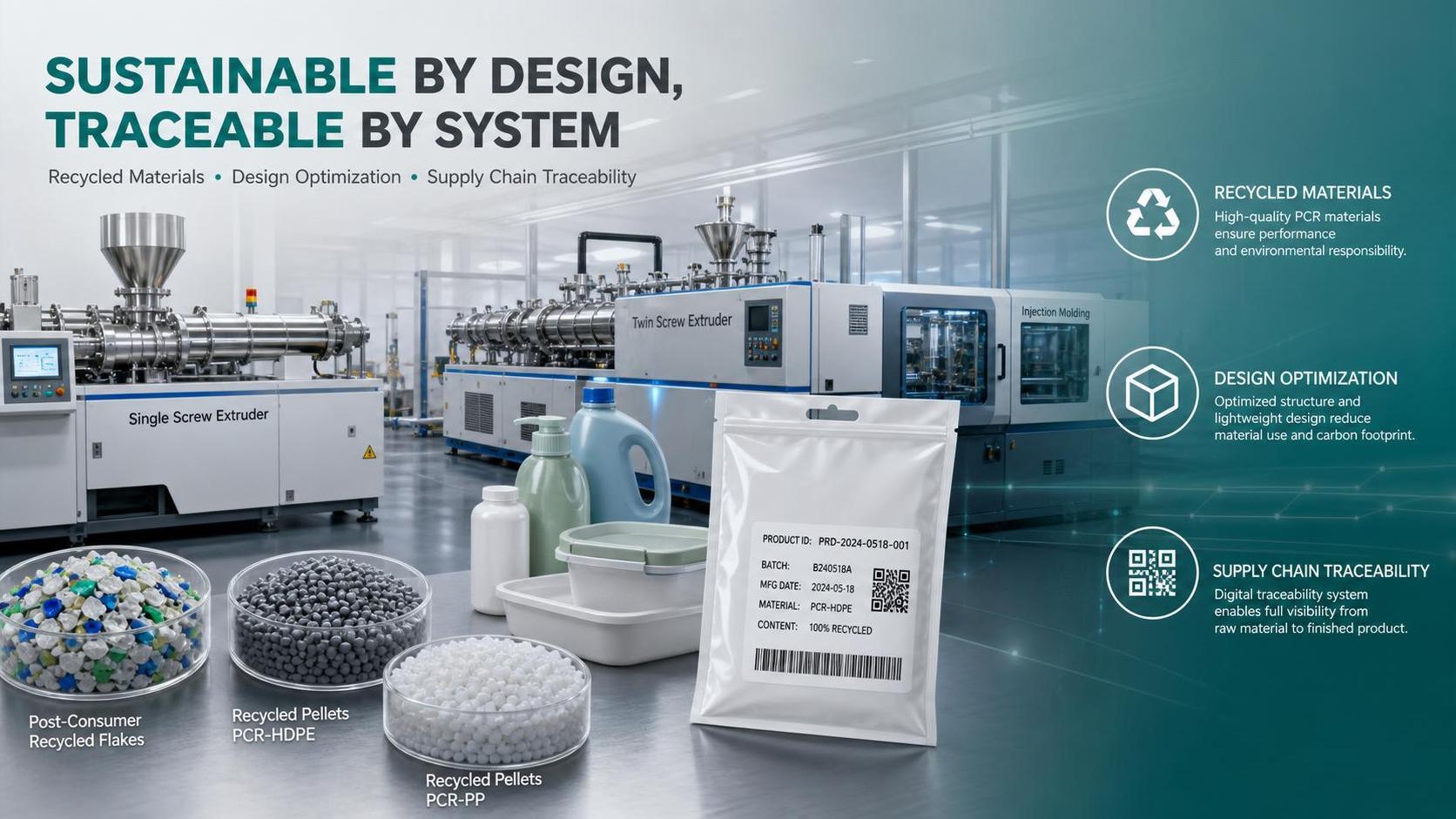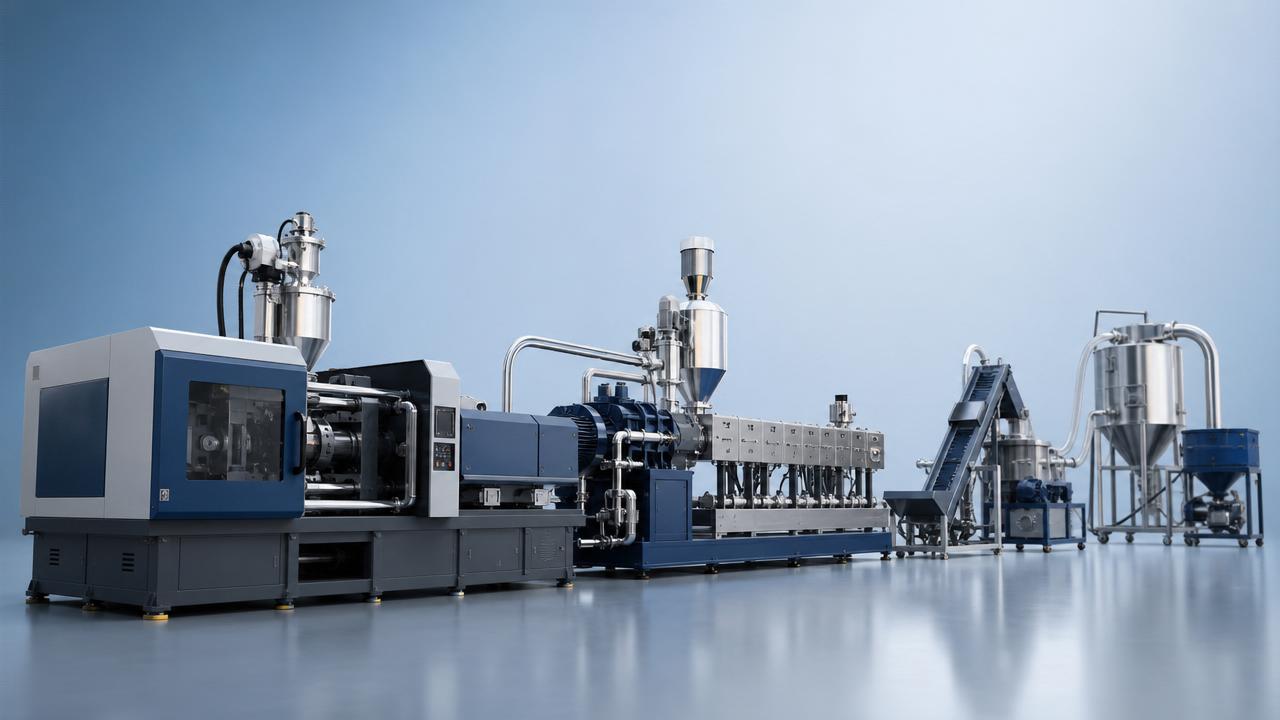
How will the green circular economy reshape plastics?




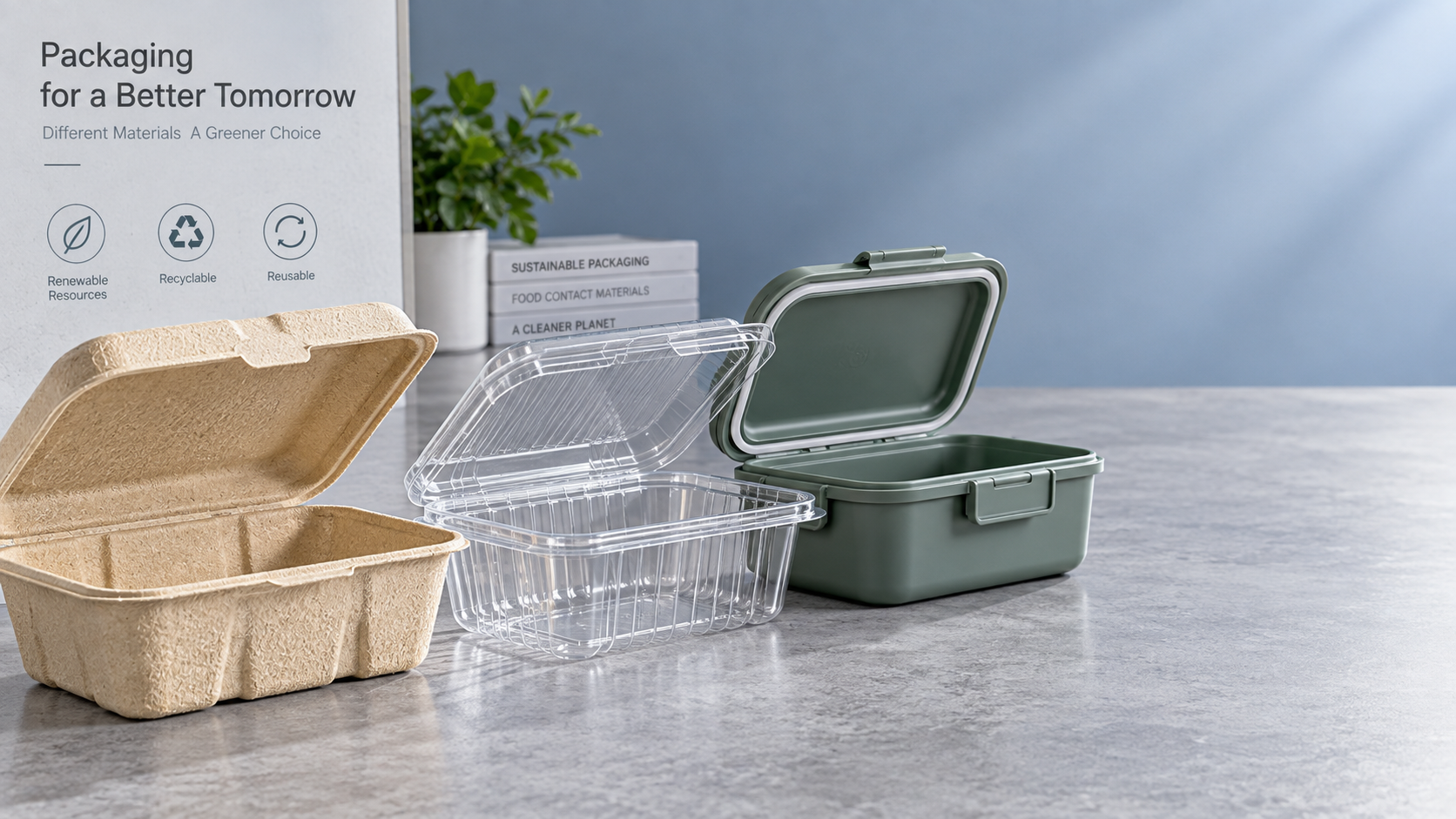
As global packaging rules tighten and resin markets fluctuate, the green circular economy is moving plastics from a linear cost center to a strategic value loop.
This shift is not only about compliance. It is redefining investment priorities across molding, extrusion, blow molding, vulcanization, and recycling systems.
Companies that combine efficient processing, in-house recycling, and material intelligence can reduce carbon exposure while securing more stable recycled feedstock.
The green circular economy is turning plastics into a managed resource

For decades, plastic value chains optimized speed, cost, and convenience. Waste was treated as an external problem after product use.
The green circular economy changes that assumption. Materials must now be designed, processed, recovered, and reused with measurable accountability.
This is reshaping equipment strategy. Machines are no longer judged only by output, tolerance, or energy consumption.
They are increasingly evaluated by recyclability support, melt stability, digital traceability, and compatibility with post-consumer recycled content.
In this context, the green circular economy is not a slogan. It is becoming an operating model for polymer manufacturing.
Policy pressure and resin volatility are accelerating the shift
Plastic bans, extended producer responsibility programs, and recycled-content mandates are expanding across major packaging markets.
At the same time, virgin resin pricing remains exposed to energy costs, logistics disruptions, and geopolitical supply risks.
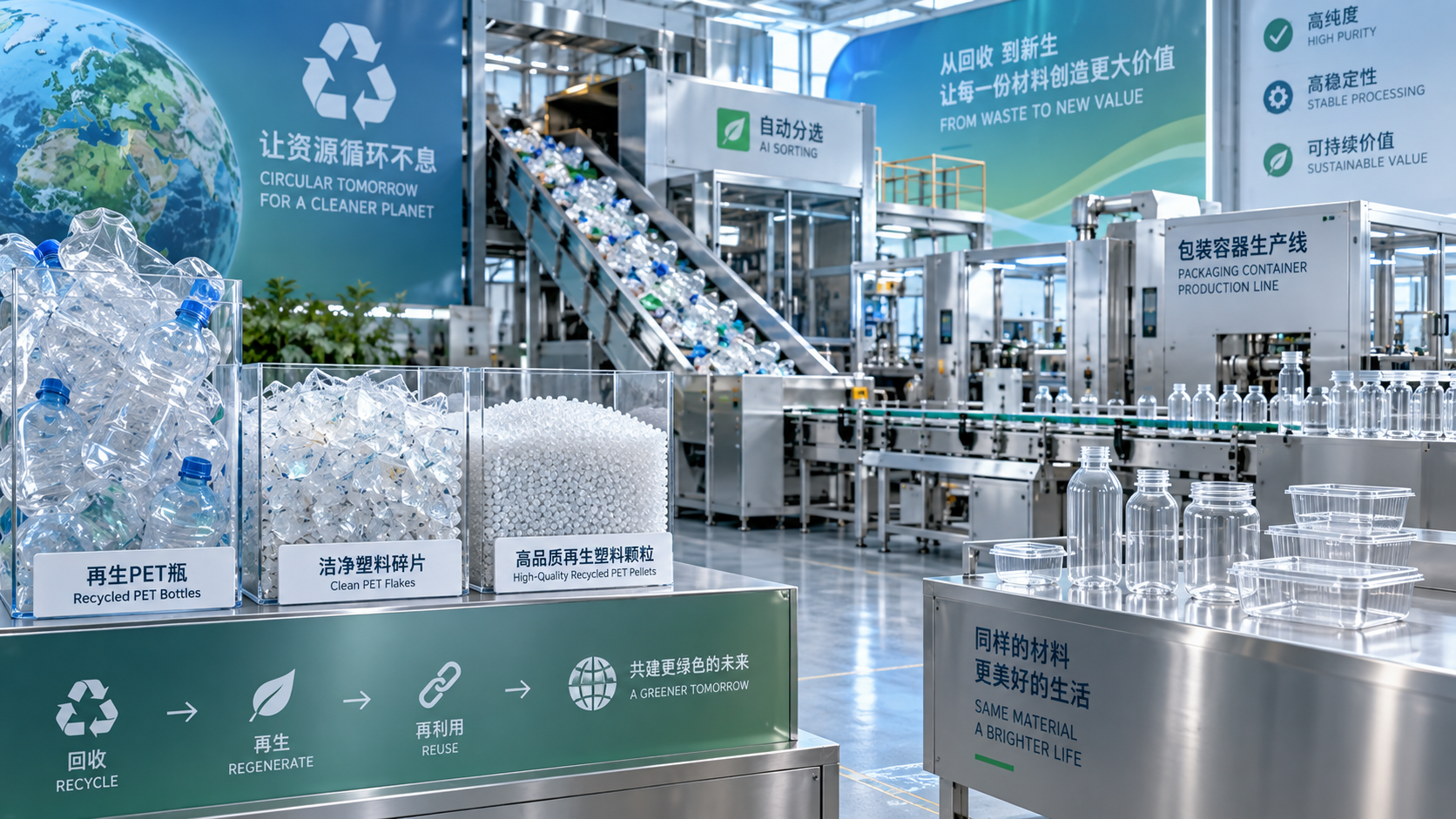
The green circular economy offers a response by converting waste streams into strategic material reserves.
Instead of relying only on external resin markets, plants can capture value from trim, rejects, obsolete inventory, and sorted post-consumer waste.
This trend is visible in packaging, automotive parts, medical consumables, agricultural films, construction pipes, and household goods.
The green circular economy is therefore linking sustainability with business continuity, not separating environmental responsibility from industrial performance.
Why the green circular economy is gaining industrial momentum
Several forces are converging. Together, they make circular plastics a capital investment question rather than a public relations topic.
These drivers make the green circular economy relevant to boardroom strategy, plant engineering, and product development simultaneously.
The strongest gains appear when equipment selection, formulation design, and waste recovery planning are considered together.
Processing equipment is becoming the backbone of circular plastics
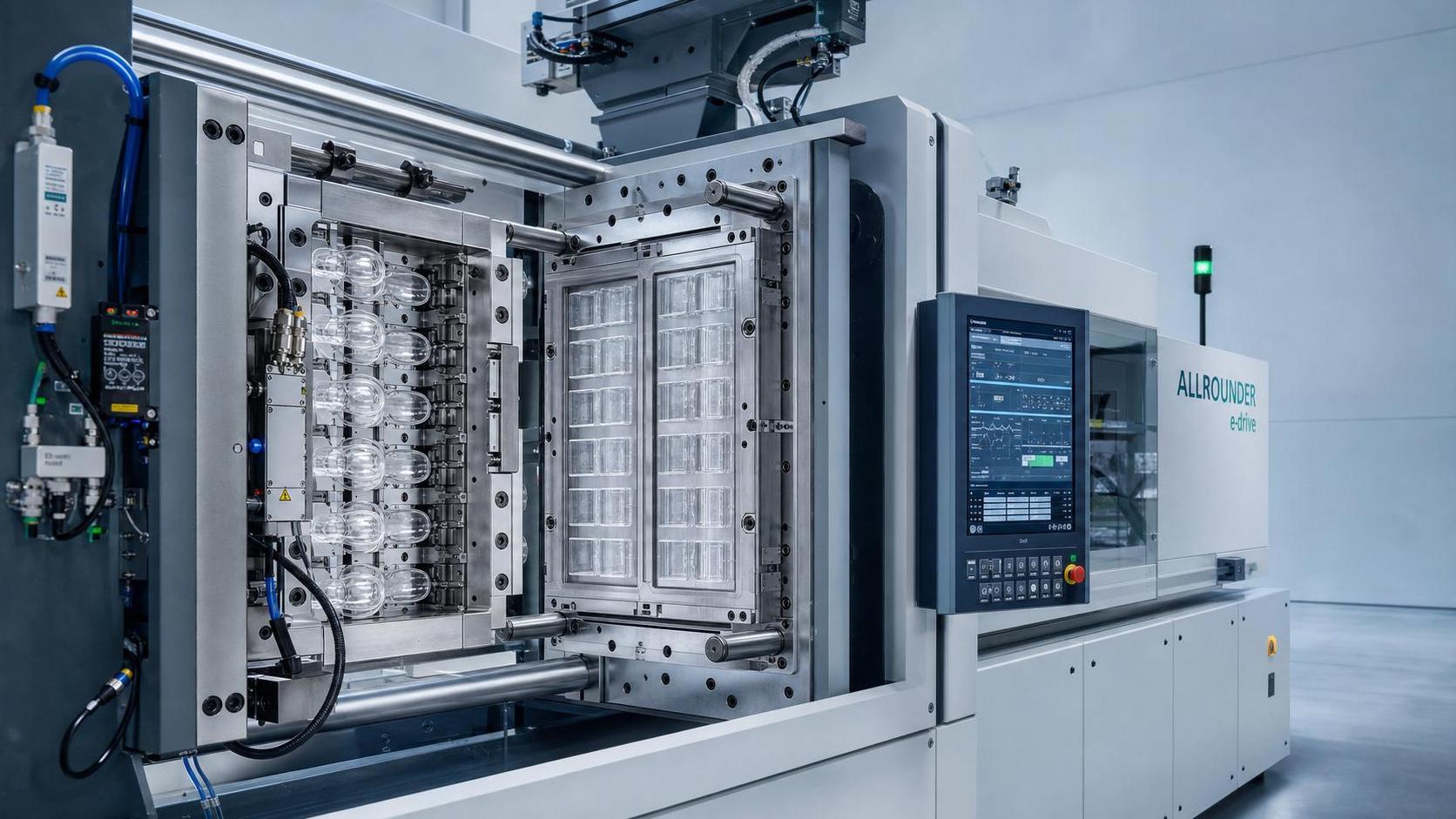
Precision injection molding is moving toward tighter process control, especially when recycled polymers have variable melt flow and contamination risk.
All-electric platforms and servo systems help stabilize holding pressure, cooling behavior, and shot repeatability under mixed material conditions.
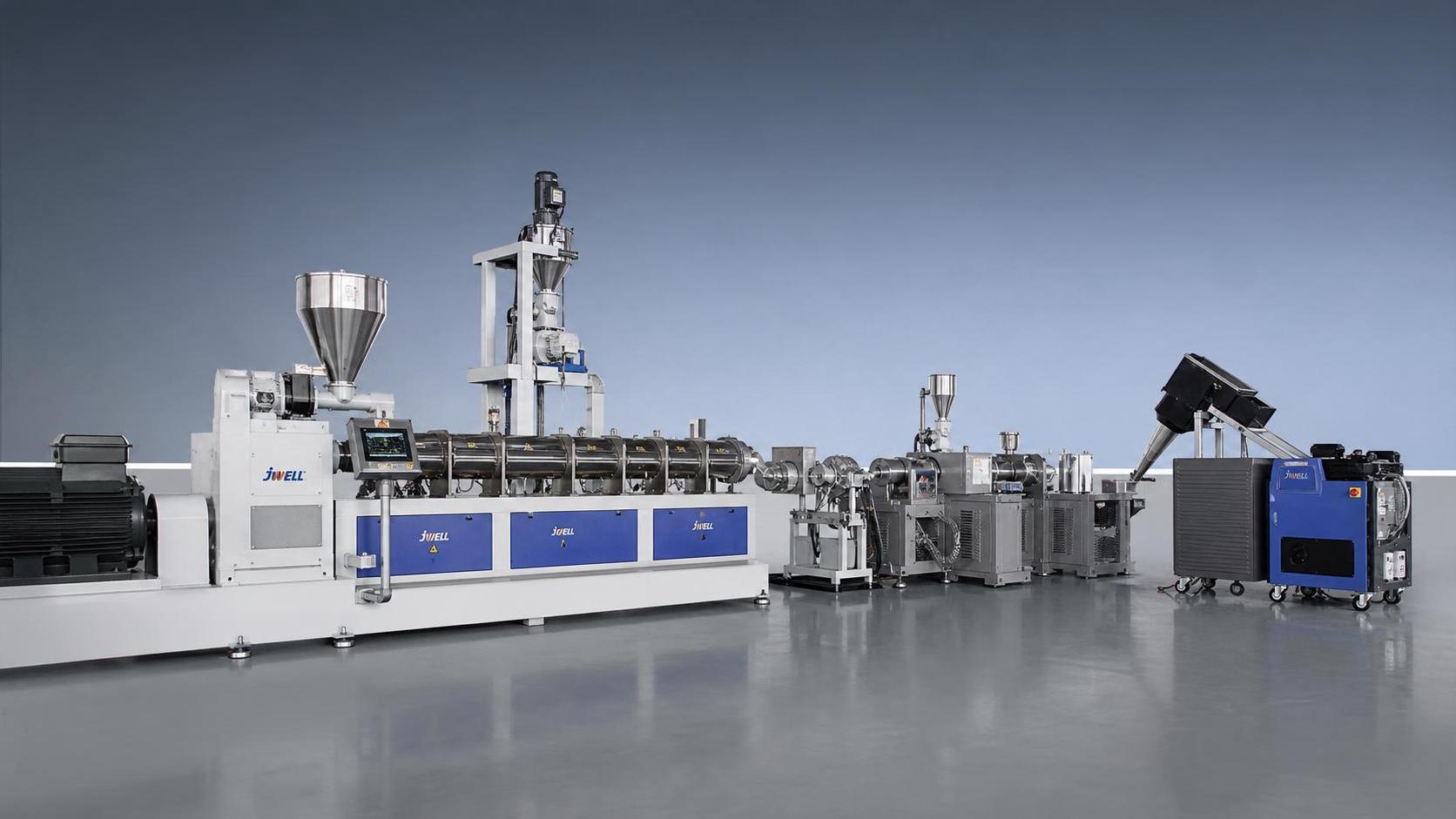
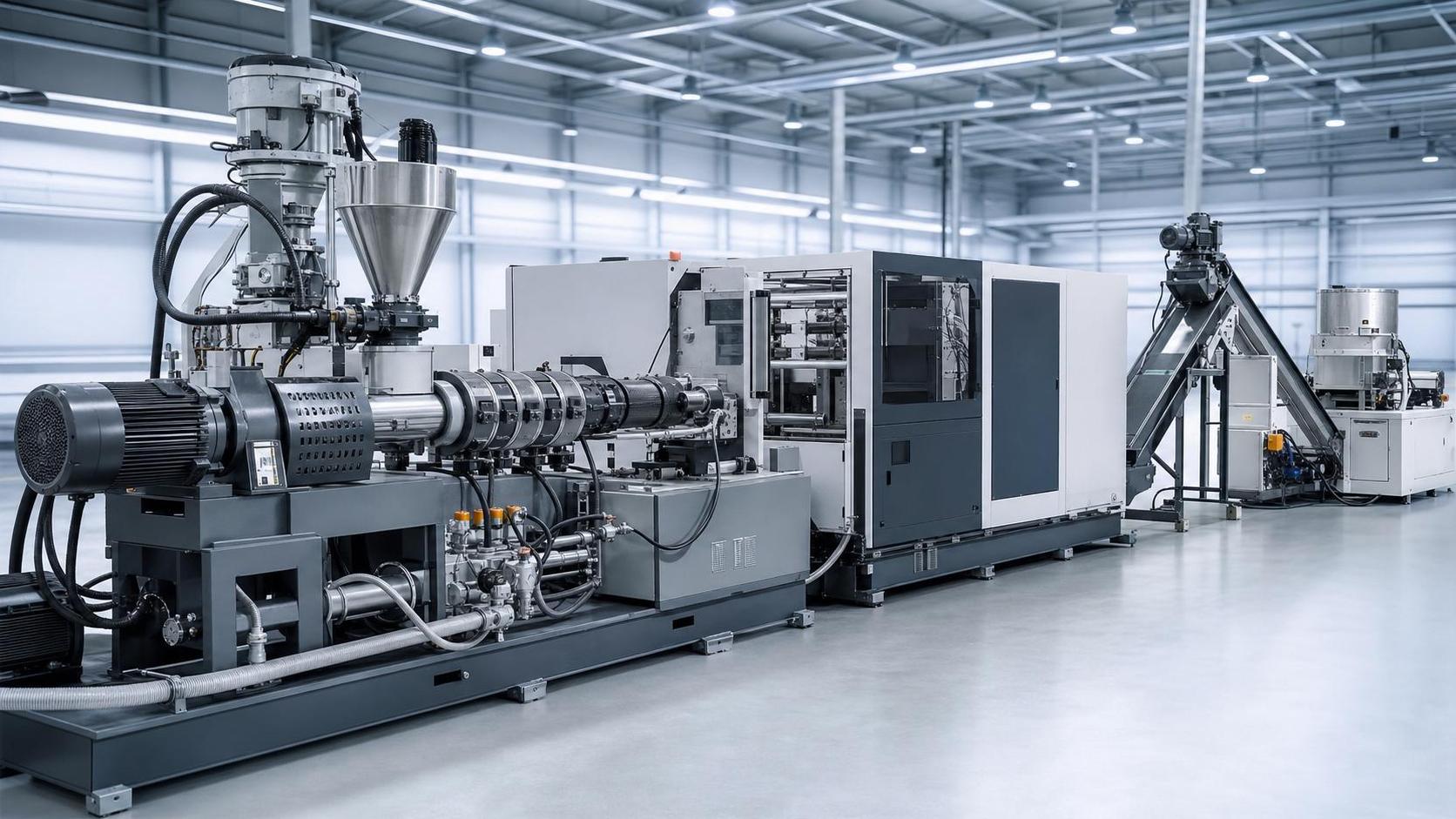
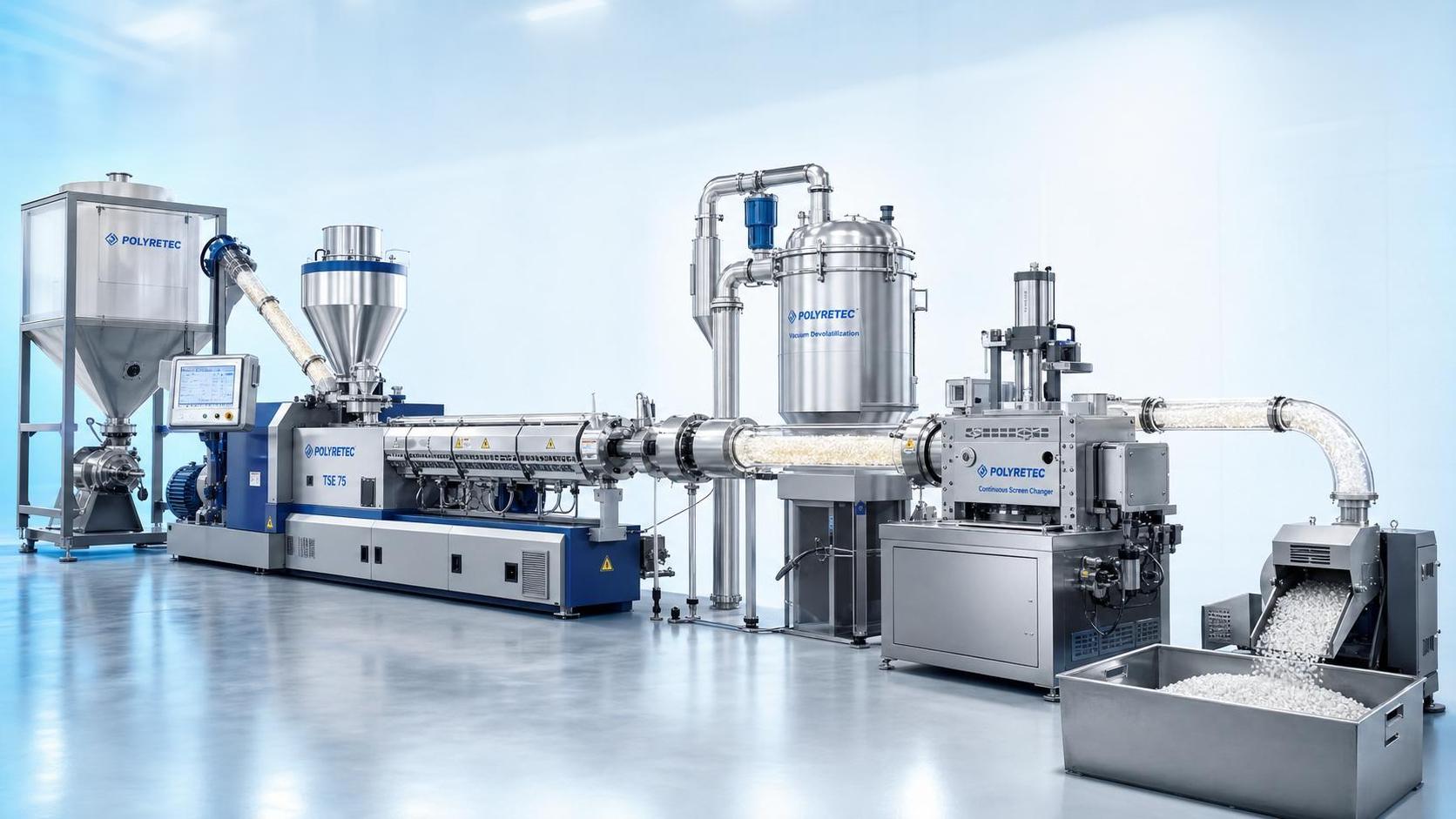
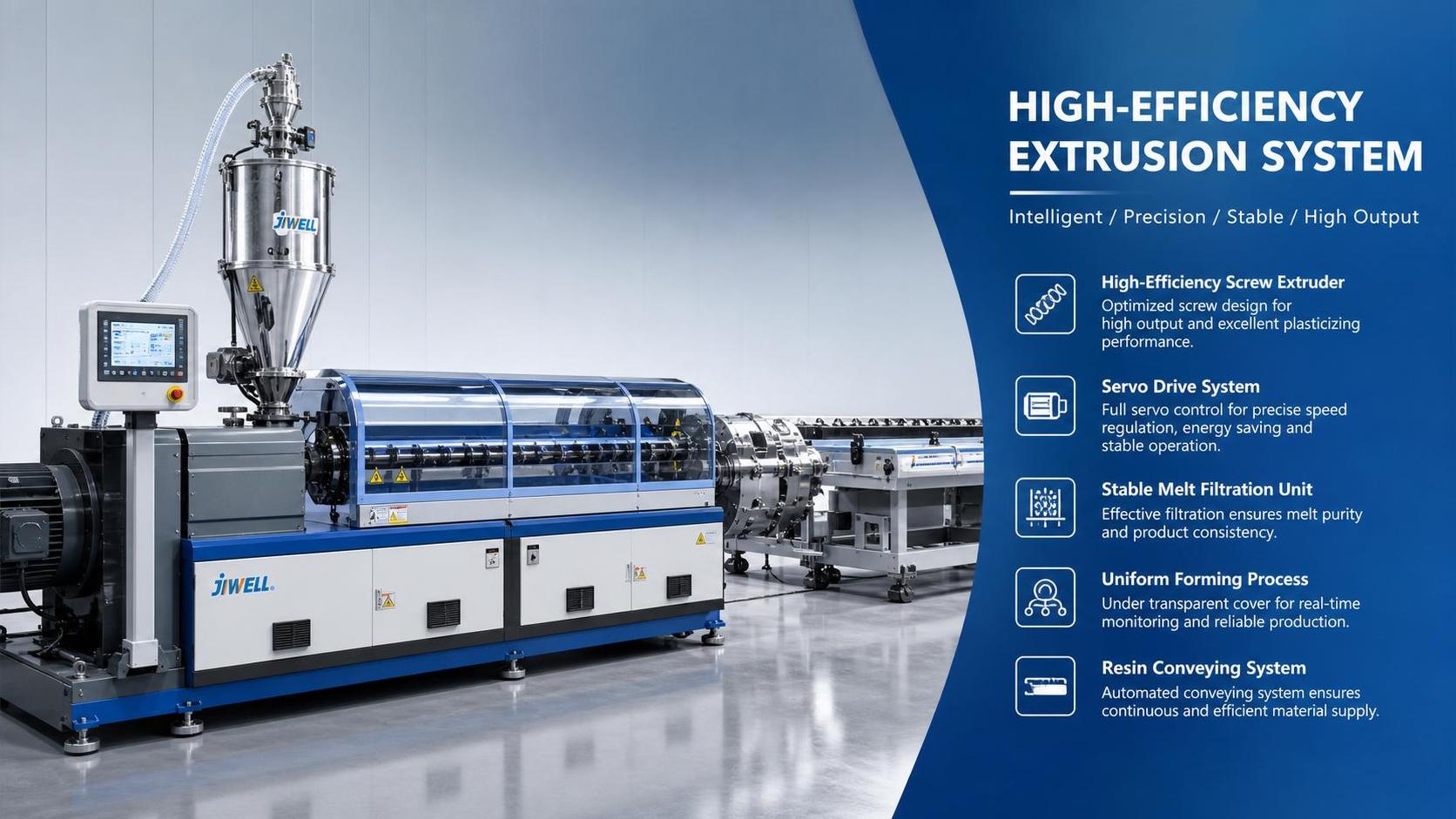
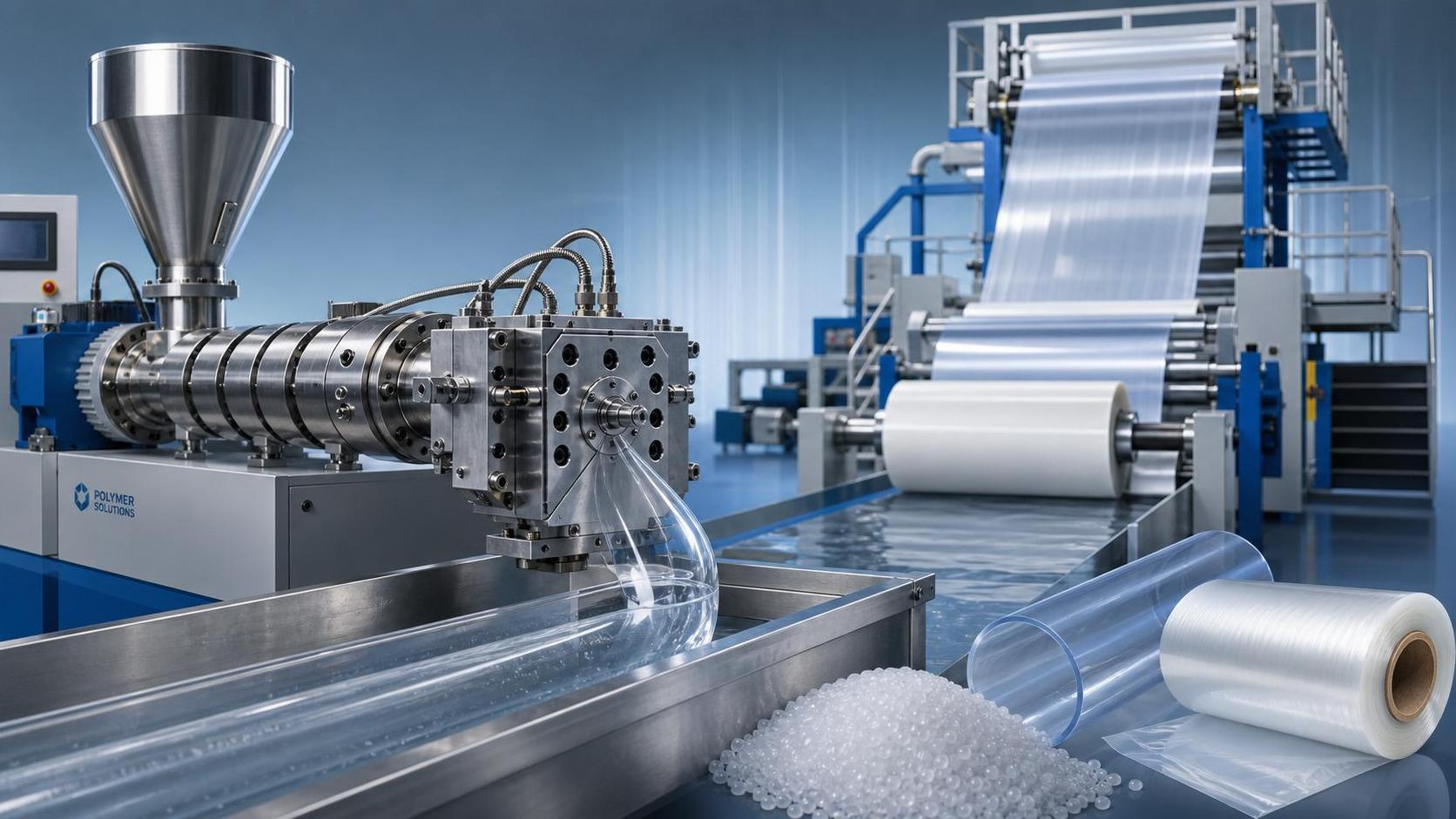
Extrusion is equally central to the green circular economy. Twin-screw compounding enables recycled flakes to be blended with additives and modifiers.
This is crucial for pipes, sheets, films, profiles, and masterbatch systems that demand predictable mechanical performance.
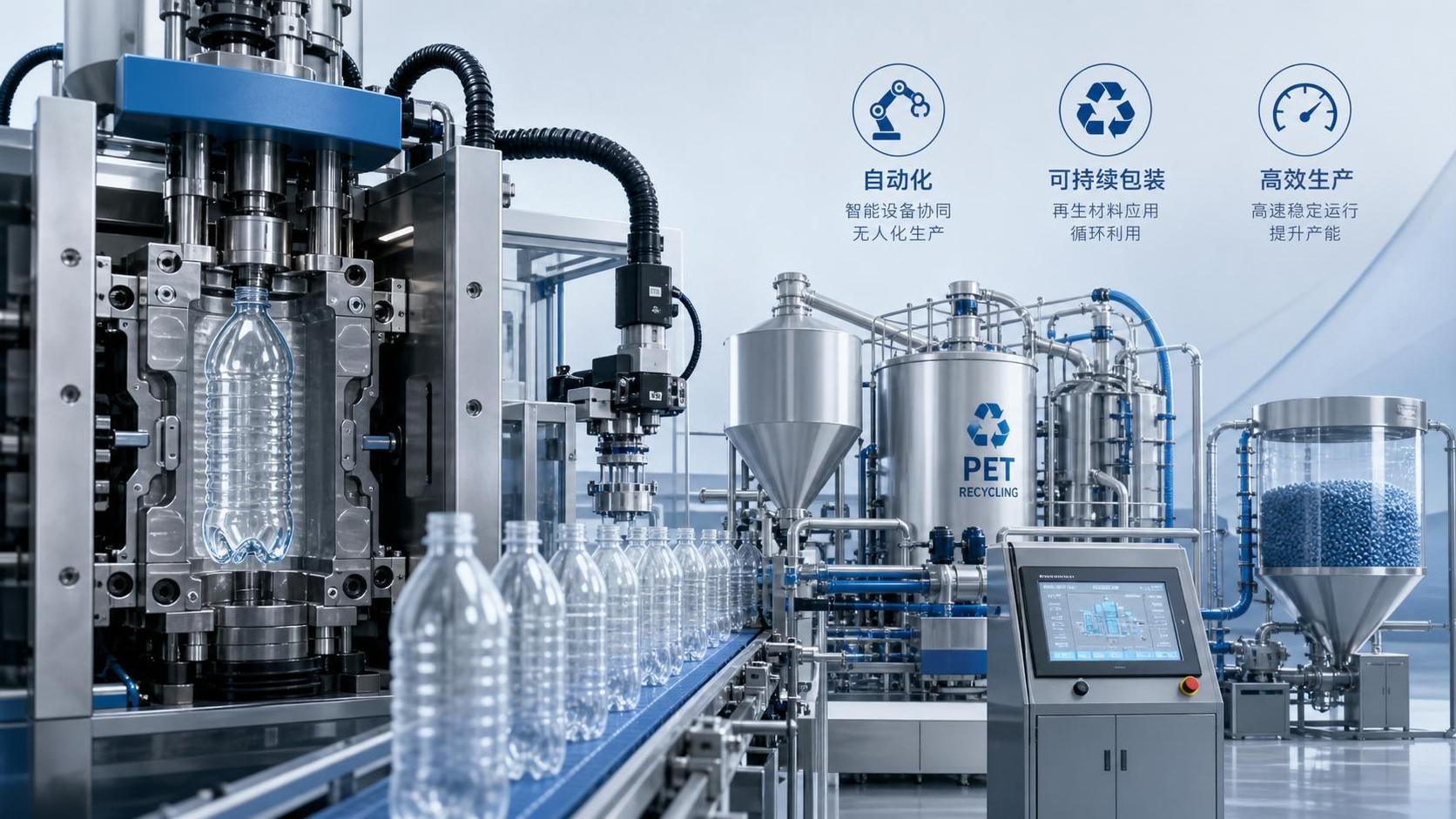
Blow molding must also adapt. Beverage, cosmetics, and medical packaging require bottle quality while increasing rPET or rHDPE participation.
Rubber vulcanizing systems face a related challenge. Tire and seal producers need lower energy intensity without compromising cross-linking reliability.
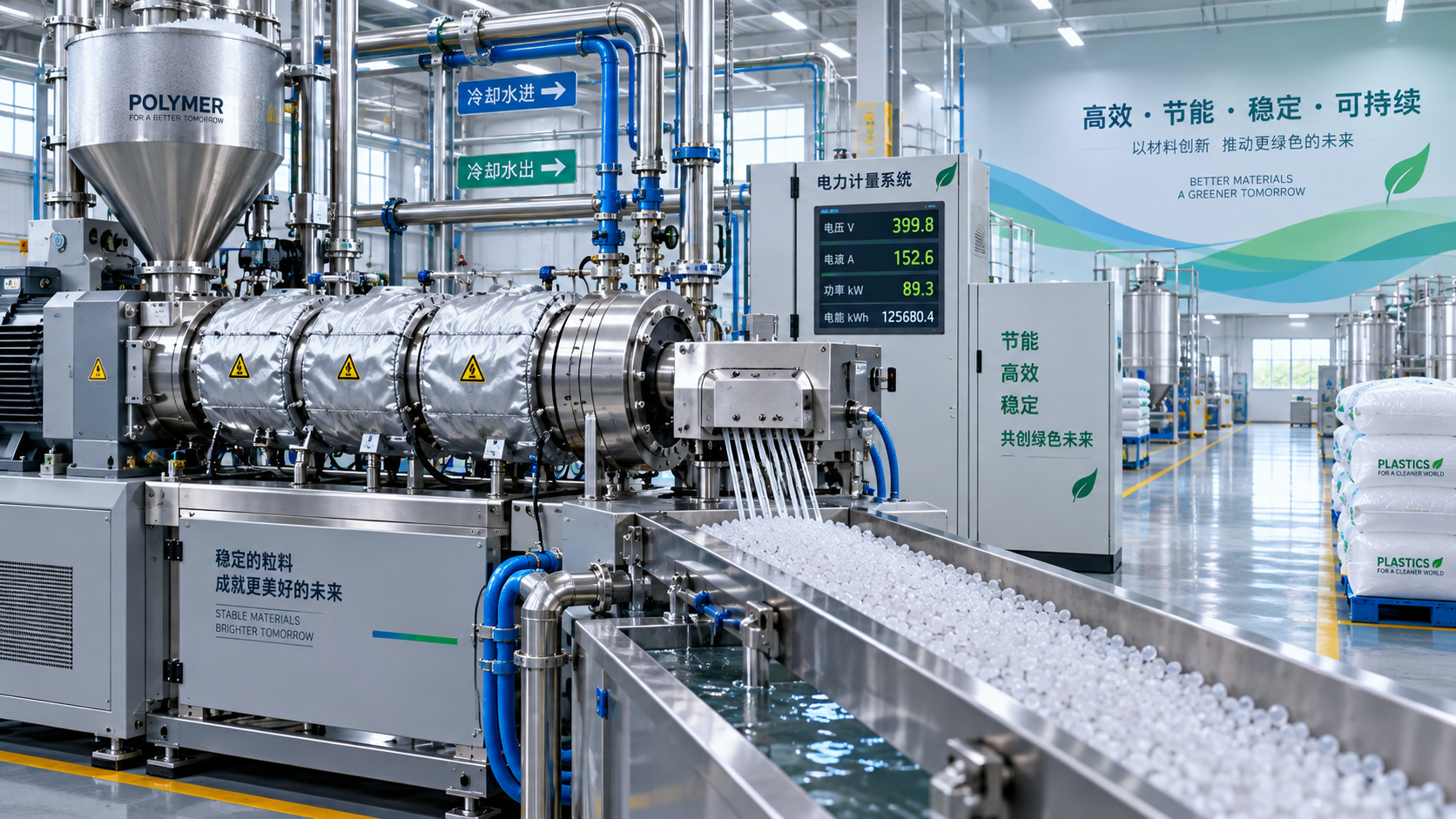
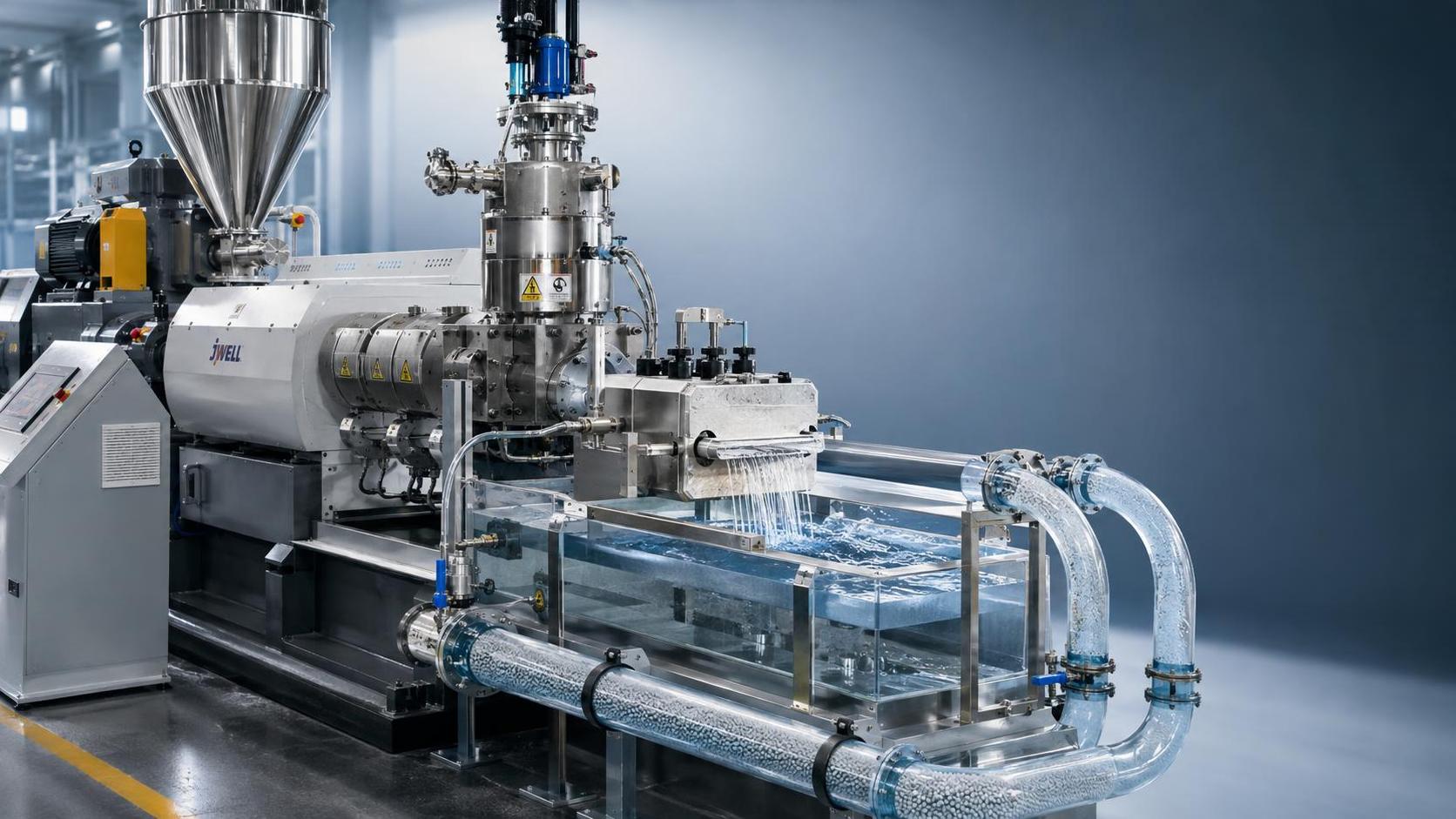
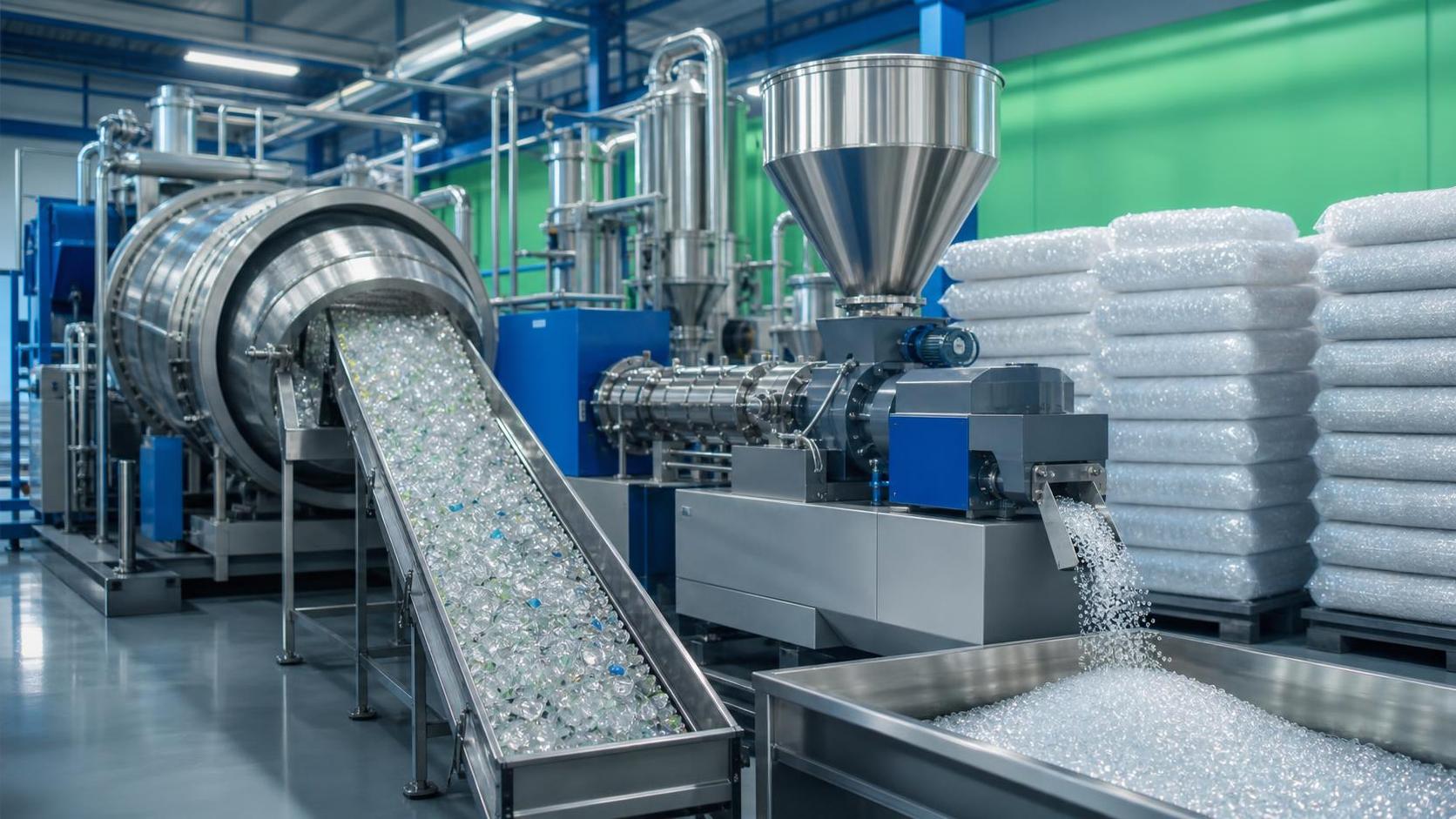
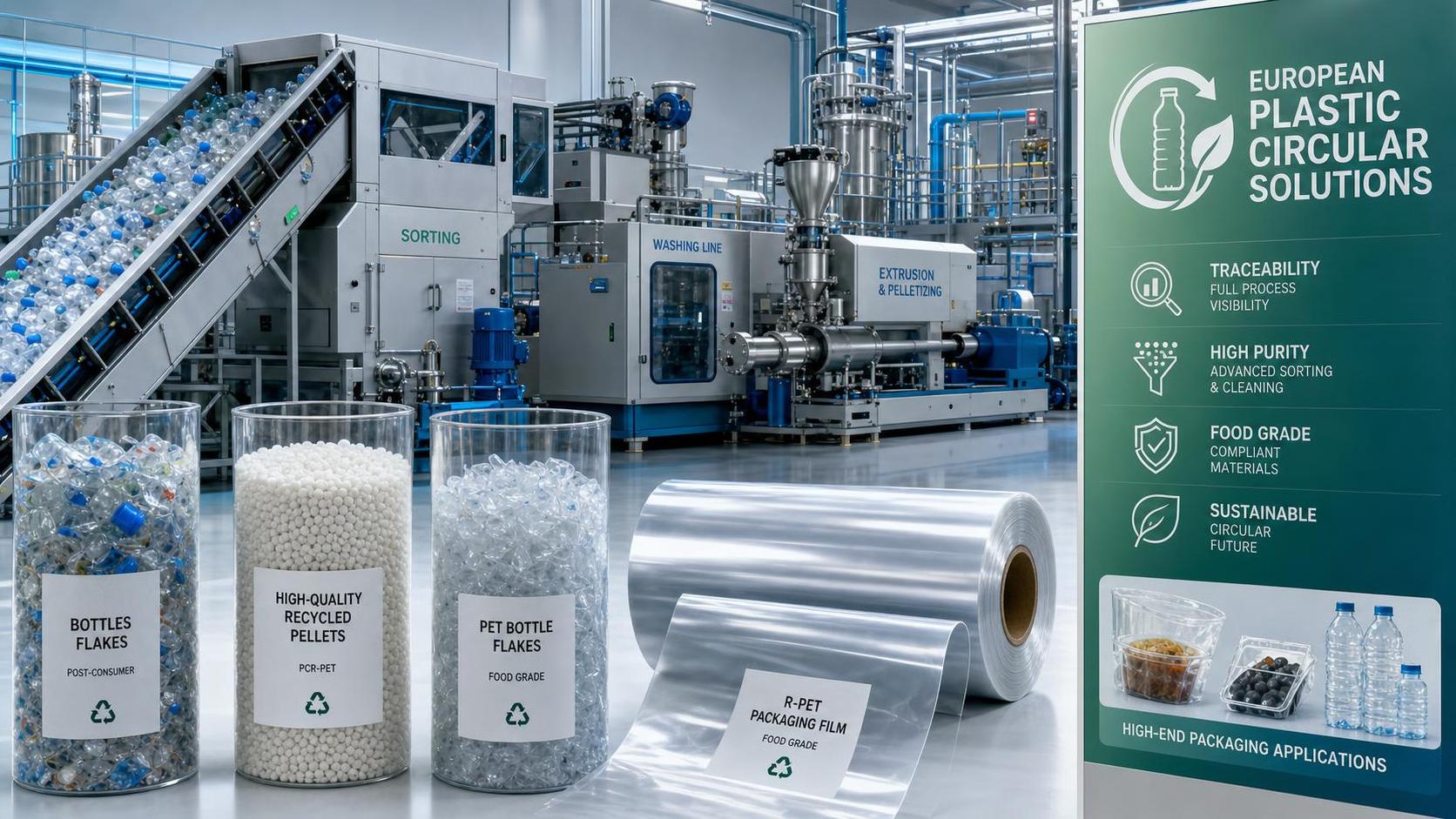
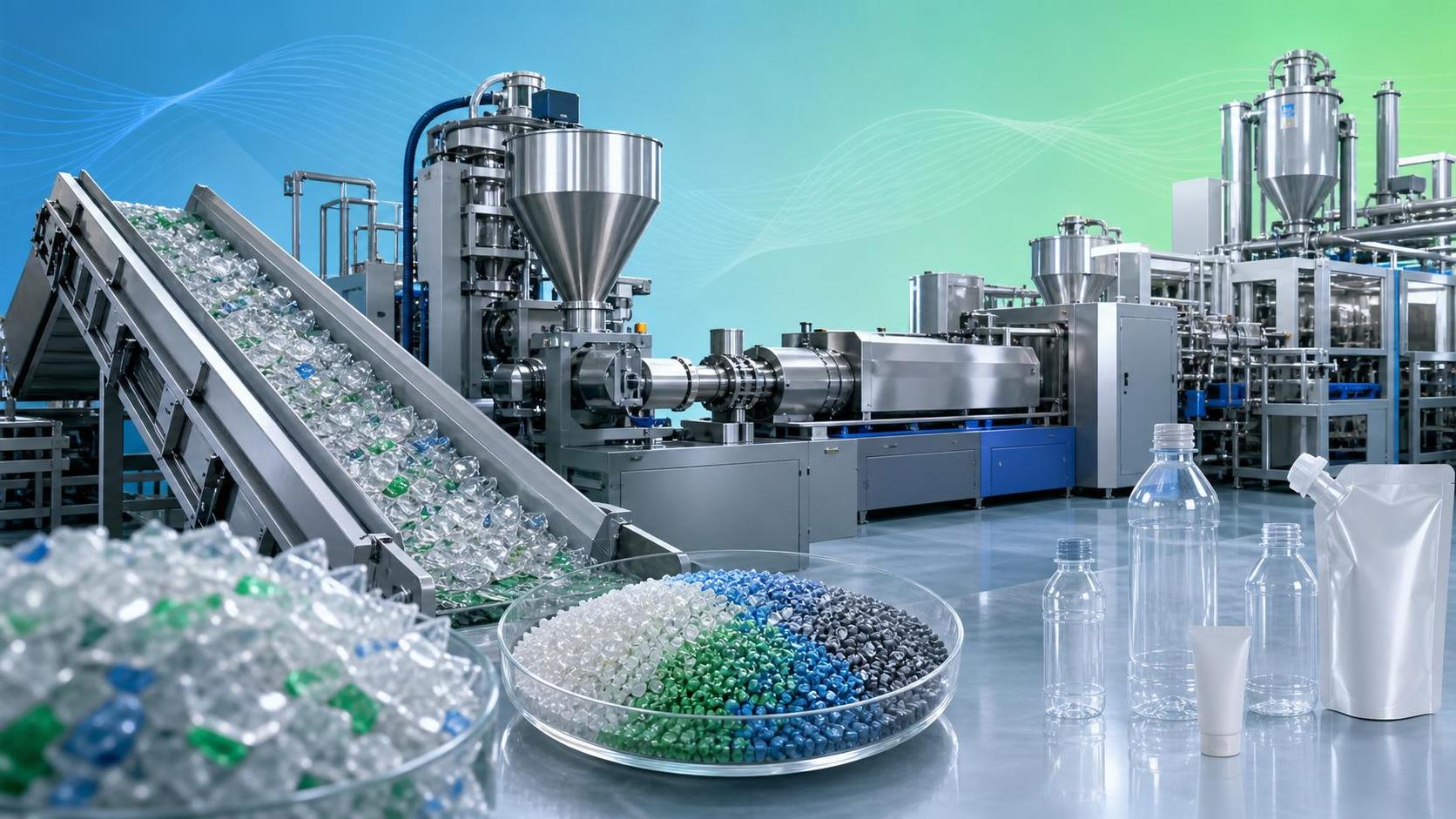
Waste plastic pelletizing machines are the final defense line. They transform dispersed waste into reusable industrial feedstock.
Without stable washing, melting, filtration, degassing, and underwater pelletizing, the green circular economy cannot scale reliably.
Material intelligence will decide who captures value
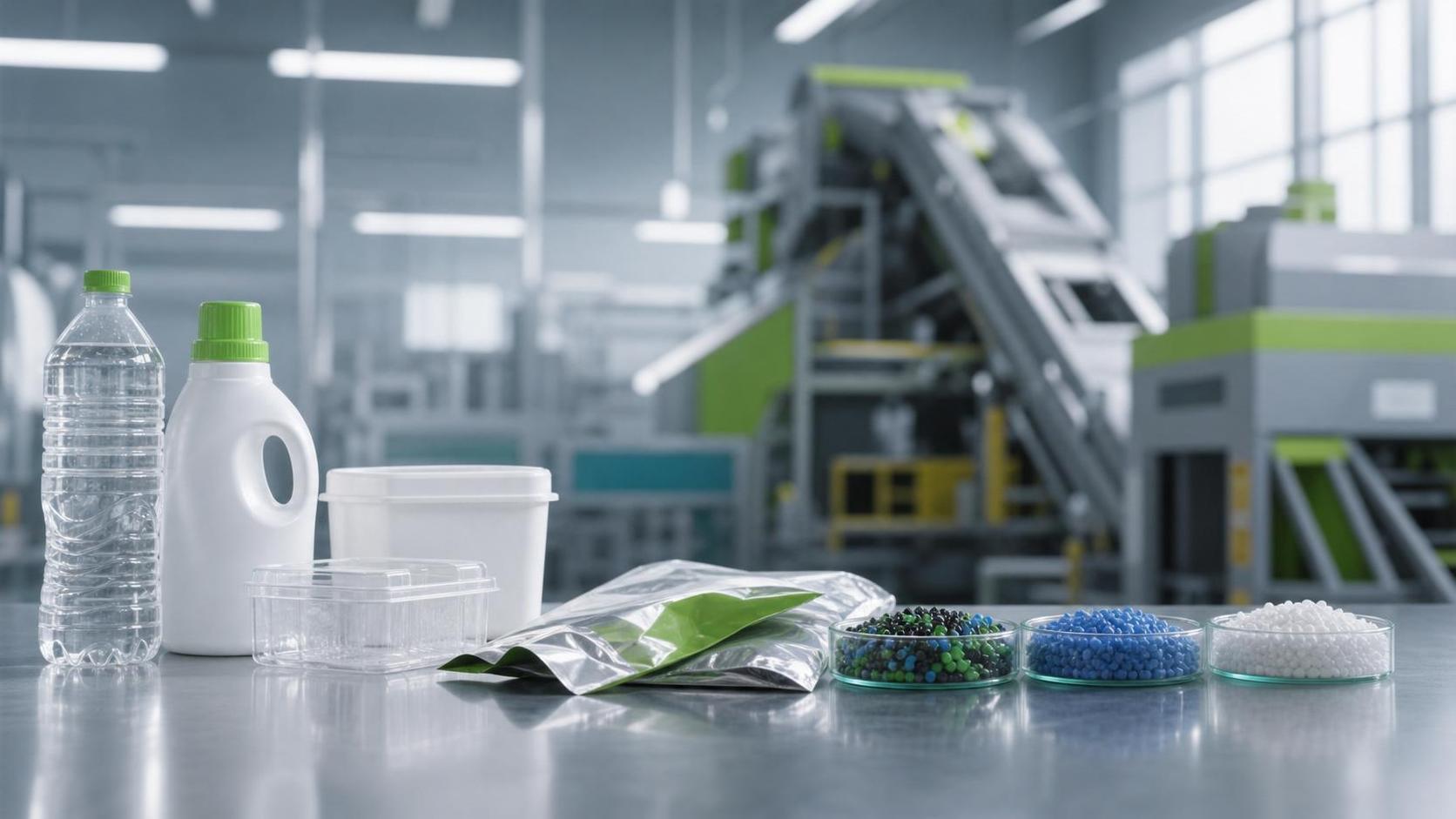
Circular plastics are not simple substitutes for virgin materials. Recycled streams vary in color, odor, viscosity, moisture, and residual additives.
This makes material intelligence essential. Plants need data on melt behavior, contamination level, thermal history, and final application limits.
The green circular economy rewards organizations that can connect laboratory testing with real-time machine parameters.
For injection molding, this may mean AI-assisted pressure curves and automatic compensation for viscosity fluctuation.
For extrusion, it can involve torque monitoring, melt pressure analytics, and CFD-supported screw design for non-Newtonian flow.
For recycling, nano-level filtration and advanced melt decontamination can upgrade recyclate into higher-margin applications.
The green circular economy therefore depends on both mechanical capability and decision-grade data.
Impacts across production, packaging, and procurement decisions
The impact is broad because plastics connect many sectors. A single resin choice can affect tooling, logistics, labeling, recycling, and compliance.
Packaging operations may need monomaterial designs, thinner walls, and higher recycled content while preserving barrier performance.
Automotive and construction applications may prioritize durability, impact strength, and lifecycle documentation over simple material substitution.
The green circular economy also changes procurement logic. Lowest unit price is no longer the only relevant benchmark.
- Recycled feedstock availability becomes a risk indicator.
- Machine energy consumption affects carbon reporting.
- Process stability influences scrap and rework costs.
- Traceability supports audits and customer qualification.
- Recyclability affects market access under stricter packaging laws.
These pressures make the green circular economy a cross-functional operating concern, not a separate environmental program.
Key priorities for staying competitive in the green circular economy
A practical response starts with measurable priorities. Circular ambitions must translate into equipment, process, and material decisions.
- Map material flows: Identify internal scrap, supplier waste, post-consumer sources, and possible closed-loop streams.
- Upgrade process control: Use sensors, servo systems, and analytics to stabilize variable recycled inputs.
- Invest in filtration: Improve melt cleanliness to expand recyclate use in demanding applications.
- Design for recyclability: Reduce incompatible layers, labels, pigments, and additives where possible.
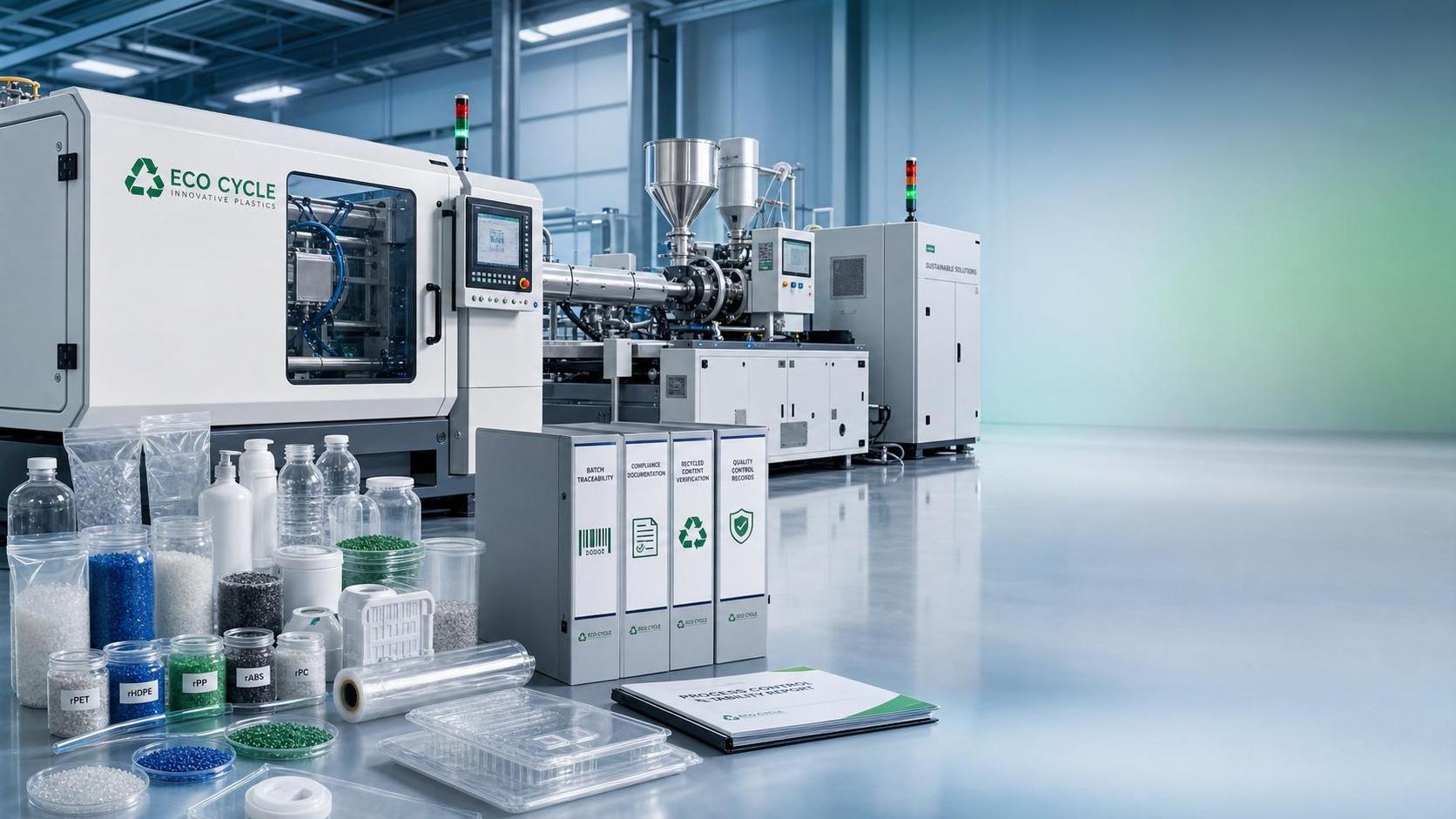
- Build data records: Track resin origin, recycled content, machine settings, and quality results.
- Evaluate energy intensity: Compare output per kilowatt-hour, not only nominal machine capacity.
These priorities help the green circular economy move from abstract intent to operational discipline.
They also create a stronger basis for investment in injection molding machines, extruders, blow molding lines, and pelletizing systems.
How to judge the next stage of circular plastics
The next stage will be shaped by the quality gap between ordinary recyclate and application-ready circular materials.
When recycled pellets meet predictable processing windows, more converters will increase circular content without sacrificing productivity.
When quality remains unstable, circular targets may create higher scrap, customer disputes, and hidden energy costs.
The green circular economy will favor systems that combine flexibility, precision, and evidence-based material management.
A practical path from compliance pressure to value creation
A realistic transition does not require every product to become fully circular immediately. It requires staged, measurable progress.
First, identify high-volume waste streams and applications where recycled content can be introduced with limited technical risk.
Second, validate equipment capability under recycled-material conditions, including drying, feeding, melting, filtration, and cooling behavior.
Third, build digital records that connect formulation, machine parameters, energy consumption, and final quality results.
Finally, scale successful models across product families, plants, and supplier networks.
This pathway turns the green circular economy into a repeatable management system rather than a one-time sustainability project.
PFRS perspective: intelligence will reshape the plastics loop
The Global Polymer Forming & Recycling Systems observes this transition through machinery, materials, and circular resource recovery.
Its focus spans precision injection molding, high-efficiency extrusion, blow molding, rubber vulcanization, and waste plastic pelletizing.
That perspective matters because the green circular economy depends on the full lifecycle of polymer materials.
Polymer rheology, thermodynamic reactions, packaging regulations, and recycling economics must be understood as one connected system.
By following sector news, evolutionary trends, and commercial signals, stronger decisions can be made before market pressure becomes urgent.
Next actions for building circular plastics capability
The green circular economy will not eliminate plastics. It will redefine which plastics, processes, and equipment remain competitive.
Start with a material-flow audit, then compare machine performance against recycled-content goals and future compliance requirements.
Review injection molding, extrusion, blow molding, vulcanization, and pelletizing assets through the lens of circular readiness.
Prioritize projects that reduce scrap, stabilize recyclate quality, cut energy intensity, and generate reliable traceability data.
In a market defined by regulation, carbon scrutiny, and resin uncertainty, the green circular economy is becoming a strategic advantage.
The next winners will be those that shape matter precisely while closing the ecological loop intelligently.
Related News
- 00
0000-00
Injection Molding System Costs: Machine, Molds, Automation, and Installation - 00
0000-00
Truck Tire Manufacturing Equipment: Sizing Curing Presses for Target Output - 00
0000-00
How Single-Use Plastic Bans Shift Demand for Packaging Materials - 00
0000-00
PET Pelletizing Equipment: Strand vs. Underwater Systems for Recycled PET - 00
0000-00
Tire Manufacturing Equipment: Choosing Curing Presses by Tire Size and Output
Weekly Insights
Stay ahead with our curated technology reports delivered every Monday.
Related News
 Prof. Marcus ChenHow Single-Use Plastic Bans Shift Demand for Packaging MaterialsExplore the plastic ban market impact on packaging demand, from fiber and recycled plastics to reuse. Discover viable alternatives and smarter investment opportunities.Oct 15, 2026
 Prof. Marcus ChenWhere Recycled Plastic Innovation Delivers the Biggest Value in PackagingRecycled plastic innovation delivers the greatest packaging value through proven material loops, reliable processing, compliance readiness, and circular design.Oct 08, 2026
 Prof. Marcus ChenEnergy-Efficient Polymer Processing: Where Plants Can Cut kWh per KilogramEnergy-efficient polymer processing solutions help plants reduce kWh per kilogram, protect quality, cut scrap, and prioritize upgrades with data-driven insights.Sep 23, 2026
 Prof. Marcus ChenPlastic Pelletizing Trends: How Recycling Demand Is Reshaping Processing TechnologyPlastic pelletizing trends are redefining recycling quality. Explore filtration, extrusion, degassing, and automation innovations driving cleaner, more consistent recycled resin.Sep 07, 2026
 Prof. Marcus ChenHow Polymer Supply Chains Are Changing to Support High-Quality Recycling FeedstockPolymer supply chain for recycling is shifting toward traceable sourcing, cleaner sorting, and stable processing. See how high-quality feedstock improves performance, compliance, and cost control.Aug 22, 2026
 Prof. Marcus ChenHow Europe’s Circular Plastics Economy Is Reshaping Recycling InvestmentCircular plastics economy Europe is reshaping recycling investment through quality, traceability, and packaging demand. Explore where capital is moving and why it matters now.Aug 04, 2026
 Prof. Marcus ChenBlow Molding Trends Shaping Packaging, Sustainability, and Production EfficiencyBlow molding trends are redefining packaging with lightweighting, recycled content, automation, and energy efficiency. Discover how smarter production boosts sustainability and cuts costs.Jul 23, 2026
 Prof. Marcus ChenExtrusion Equipment Modular Design: When It Makes Sense for Line ExpansionExtrusion equipment modular design helps manufacturers expand lines in phases, cut disruption, and stay ready for recycled content, utility limits, and changing product demands.Jul 15, 2026
 Prof. Marcus ChenPolymer Lifecycle Solutions Explained: From Material Sourcing to End-of-Life RecoveryPolymer lifecycle solutions explained from sourcing and processing to recycling and recovery. Discover how to cut waste, improve quality, and build smarter material strategies.Jul 13, 2026
 Prof. Marcus ChenEnergy-Efficient Polymer Processing Systems: Which Metrics Matter Most?Energy-efficient polymer processing systems: discover the metrics that truly drive ROI—specific energy use, yield, uptime, stability, and compliance for smarter equipment decisions.Jul 11, 2026
 Prof. Marcus ChenPolymer Recycling Systems for Continuous Operation: What to Check Before SpecifyingPolymer recycling systems continuous operation starts with the right specification. Learn what to check for uptime, melt quality, energy efficiency, and reliable pellet output.Jul 09, 2026
 Prof. Marcus ChenCircular Plastics Economy in Japan: Policy Drivers, Recycling Targets, and Market ImpactCircular plastics economy Japan is accelerating as policy, recycling targets, and packaging reforms reshape material choices, processing strategy, and market advantage.Jul 05, 2026
 Prof. Marcus ChenPlastic Extrusion Technology Trends: What Process Changes Are Improving Energy Efficiency?Plastic extrusion technology trends are reshaping energy efficiency through smarter screws, thermal control, servo drives, and digital optimization. See which process changes deliver lower costs and more stable output.Jul 01, 2026
 Prof. Marcus ChenInjection Molding Technology Trends: Which Process Changes Matter Most for Medical and Packaging Parts?Injection molding technology trends shaping medical and packaging parts: discover the process changes that improve validation, precision, efficiency, and recycled-material readiness.Jun 30, 2026
 Prof. Marcus ChenCircular Plastics Economy Compliance Explained: Key Requirements for ManufacturersCircular plastics economy compliance explained for manufacturers: learn key requirements, audit risks, process controls, and how to turn compliance into a competitive advantage.Jun 25, 2026
 Prof. Marcus ChenAdvanced Materials Processing Trends: 5 Shifts Reshaping Capacity Planning and SourcingAdvanced materials processing trends are reshaping capacity planning, sourcing, recycling, and compliance. Explore 5 shifts helping manufacturers cut risk, improve precision, and build resilient growth.Jun 24, 2026
 Prof. Marcus ChenGlobal Plastic Ban Trends: Which Packaging Materials and Export Markets Face the Biggest Changes?Global plastic ban trends are reshaping packaging choices and export strategy. See which materials and markets face the biggest shifts, and how to reduce compliance risk.Jun 22, 2026
 Prof. Marcus ChenPolymer Rheology Trends That Matter in Extrusion: Melt Strength, Shear, and StabilityPolymer rheology trends are reshaping extrusion performance. Learn how melt strength, shear, and stability affect quality, efficiency, and recycled resin processing.Jun 18, 2026
 Prof. Marcus ChenPlastic Circularity Strategies for Manufacturers: Recycled Content, Design, and TraceabilityPlastic circularity strategies for manufacturers: learn how recycled content, smarter design, and traceability can reduce risk, improve compliance, and strengthen supply resilience.Jun 18, 2026
 Prof. Marcus ChenAdvanced Materials Processing Equipment in High-Performance Manufacturing: Where It Fits BestAdvanced materials processing equipment drives precision, speed, and sustainability in manufacturing. Explore where each system fits best to improve quality, efficiency, and ROI.Jun 16, 2026