Global Packaging Compliance Explained: Key Standards for Recycled Plastic Packaging




Why does global packaging compliance matter so much for recycled plastic packaging?
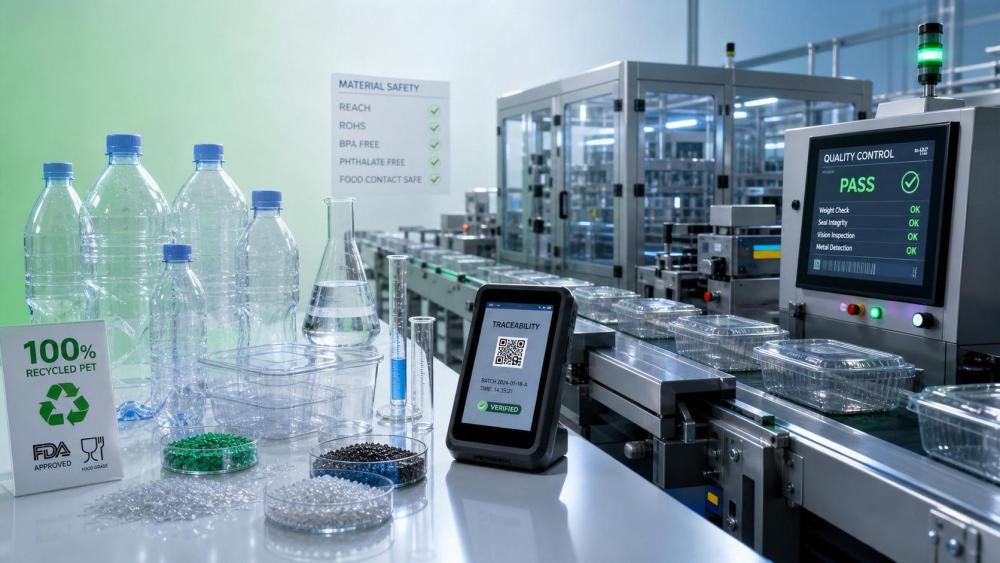
Global packaging compliance has moved beyond paperwork. It now shapes release decisions, supplier approval, market access, and recall exposure for recycled plastic packaging.
That shift is especially visible when recycled content enters food, personal care, medical-adjacent, or household packaging streams.
The basic question is no longer, “Is recycled plastic allowed?” A better question is, “Under which conditions, with which evidence, and for which destination market?”
In practice, global packaging compliance connects three layers at once: material safety, process control, and market-specific legal claims.
A recycled PET bottle may pass mechanical checks, yet fail on traceability, decontamination validation, or migration documentation.
That is why quality teams increasingly track packaging rules alongside resin data, line conditions, and post-consumer feedstock risk.
PFRS follows this intersection closely. Its intelligence work links polymer processing behavior with environmental packaging requirements across molding, extrusion, blow molding, and recycling systems.
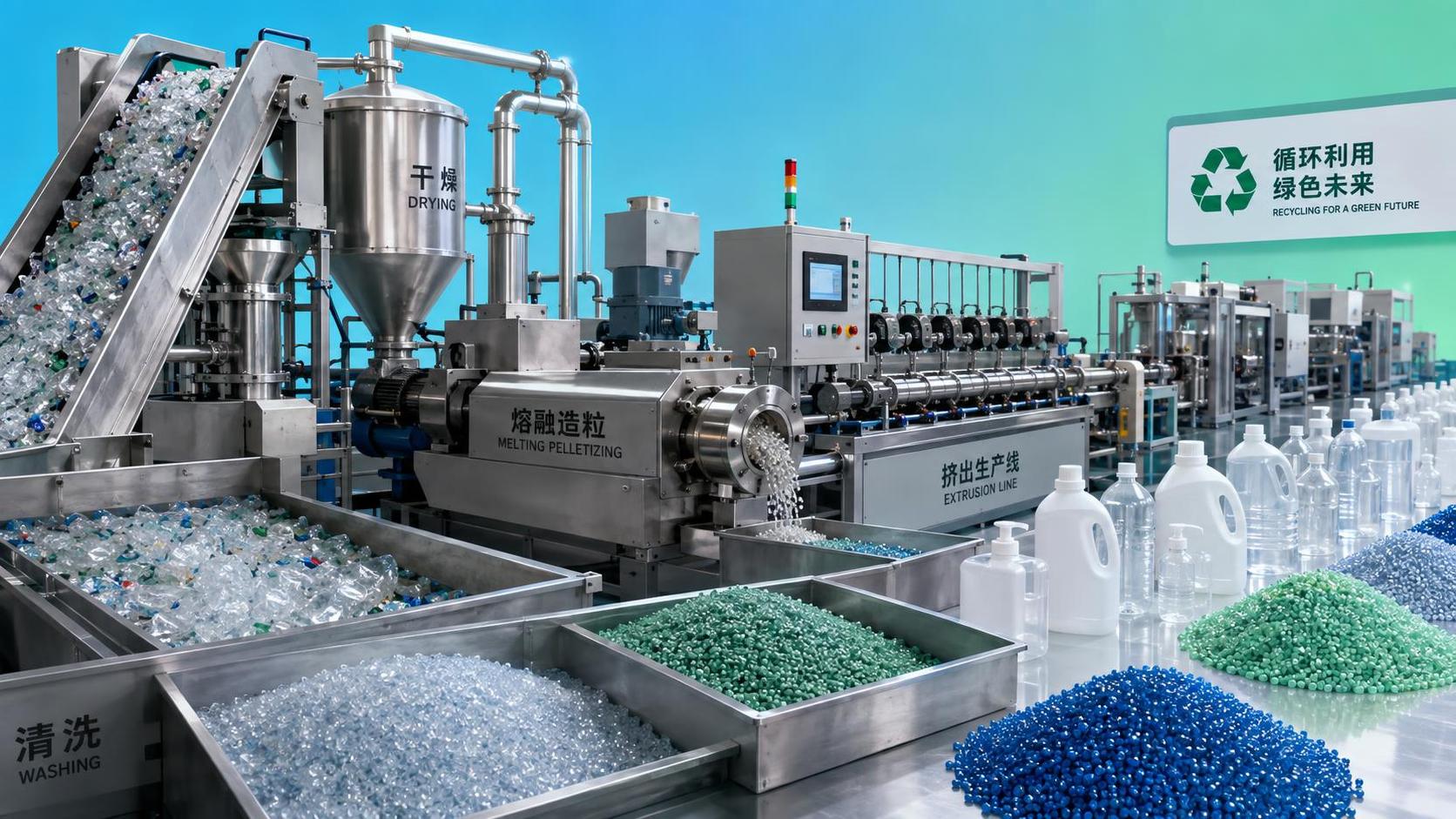
This matters because compliance often begins upstream. Melt filtration, contamination control, pellet consistency, and line hygiene all affect later certification confidence.
So when people search for global packaging compliance, they usually want more than a regulation list. They want a workable decision framework.
Which standards usually define global packaging compliance across regions?
There is no single worldwide rulebook. Global packaging compliance is built from overlapping legal, technical, and customer-driven standards.
The most common reference points include food-contact legislation, recycled content rules, restricted substance controls, and labeling obligations.
For many packaging programs, these are the standards reviewed first:
- EU Framework Regulation 1935/2004 for materials contacting food.
- EU Regulation 2022/1616 for recycled plastic food-contact materials.
- FDA guidance and no objection pathways for recycled plastics in food packaging.
- REACH and SVHC screening for chemical risk management.
- Packaging and packaging waste directives, including design and recoverability expectations.
- National extended producer responsibility rules and market labeling requirements.
- Voluntary schemes such as ISCC PLUS, EuCertPlast, or recycled content verification programs.
What often causes confusion is that legal compliance and customer acceptance are not the same thing.
A package may satisfy minimum law, yet still fail a retailer standard on odor, color variation, PCR source disclosure, or recyclability wording.
More commonly, global packaging compliance is managed by matching destination market, application type, and material pathway before production begins.
A quick comparison helps narrow the review scope
The table below summarizes what teams usually check first when recycled plastic packaging crosses borders.
When is recycled plastic packaging considered high risk from a compliance perspective?
The highest risk appears when application sensitivity and source uncertainty meet each other.
Food-contact packaging is the obvious example, but not the only one. Infant-related uses, cosmetics, and pharma-support packaging often face similar scrutiny.
A second risk point is uncontrolled input material. Post-consumer feedstock may contain residues, unknown additives, inks, adhesives, or incompatible polymers.
This is where process engineering becomes part of global packaging compliance, not a separate topic.
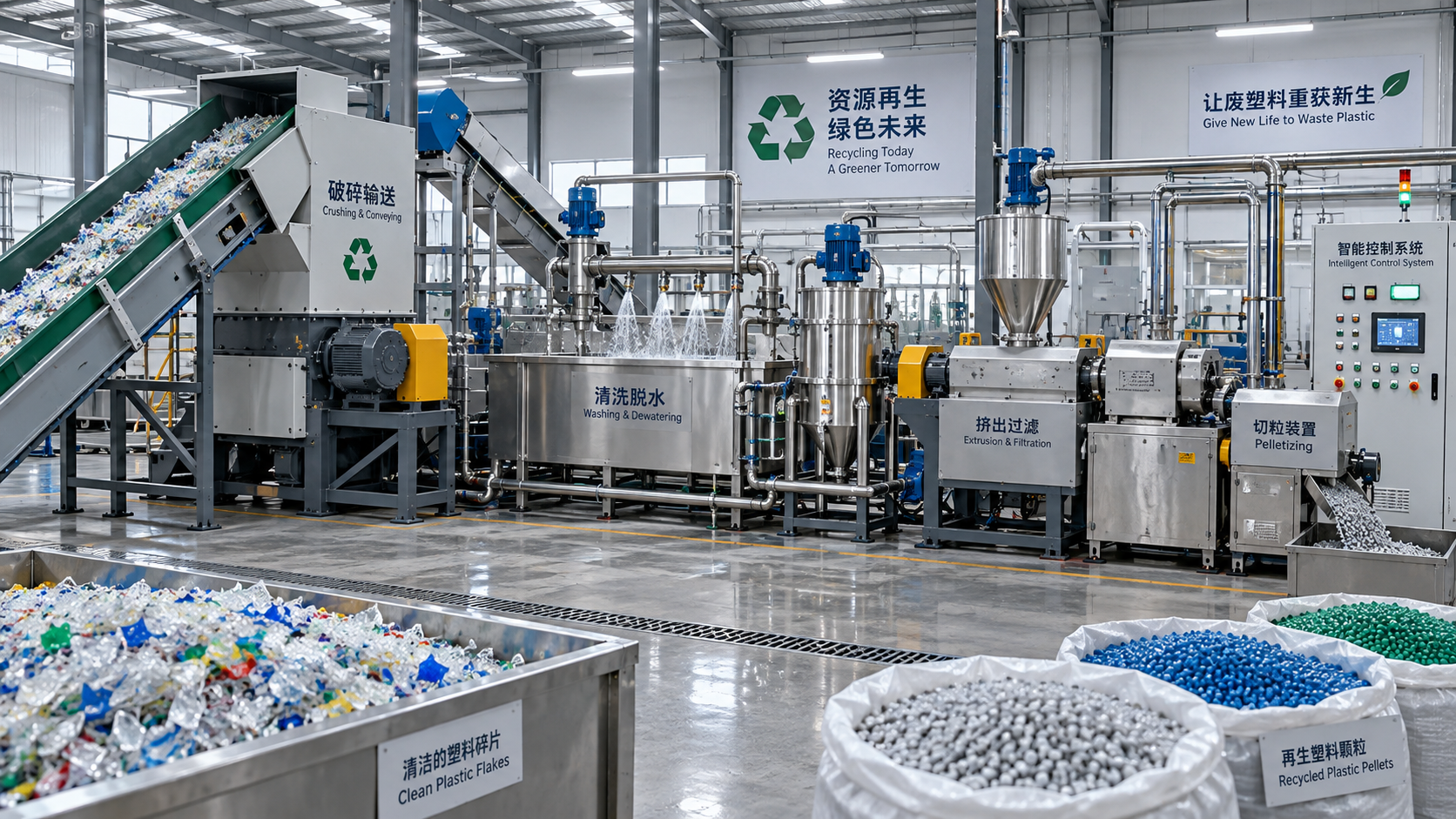
If washing, sorting, extrusion degassing, melt filtration, or pelletizing are inconsistent, downstream declarations become weaker.
PFRS regularly highlights this link. Equipment precision and digital process control are increasingly tied to evidence quality in recycled packaging programs.
Another high-risk scenario is making a sustainability claim without matching legal support. “Recyclable,” “food safe,” or “contains recycled plastic” can trigger challenges if records are incomplete.
A practical warning sign is frequent formulation change. New colorants, slip agents, barrier layers, or regrind ratios may alter compliance status.
In actual operations, the safest approach is to classify packaging by end use, market destination, and contamination sensitivity before choosing the recycled resin route.
How do you judge whether documents and test data are actually enough?
This is one of the most searched questions around global packaging compliance, because many files look complete until an audit begins.
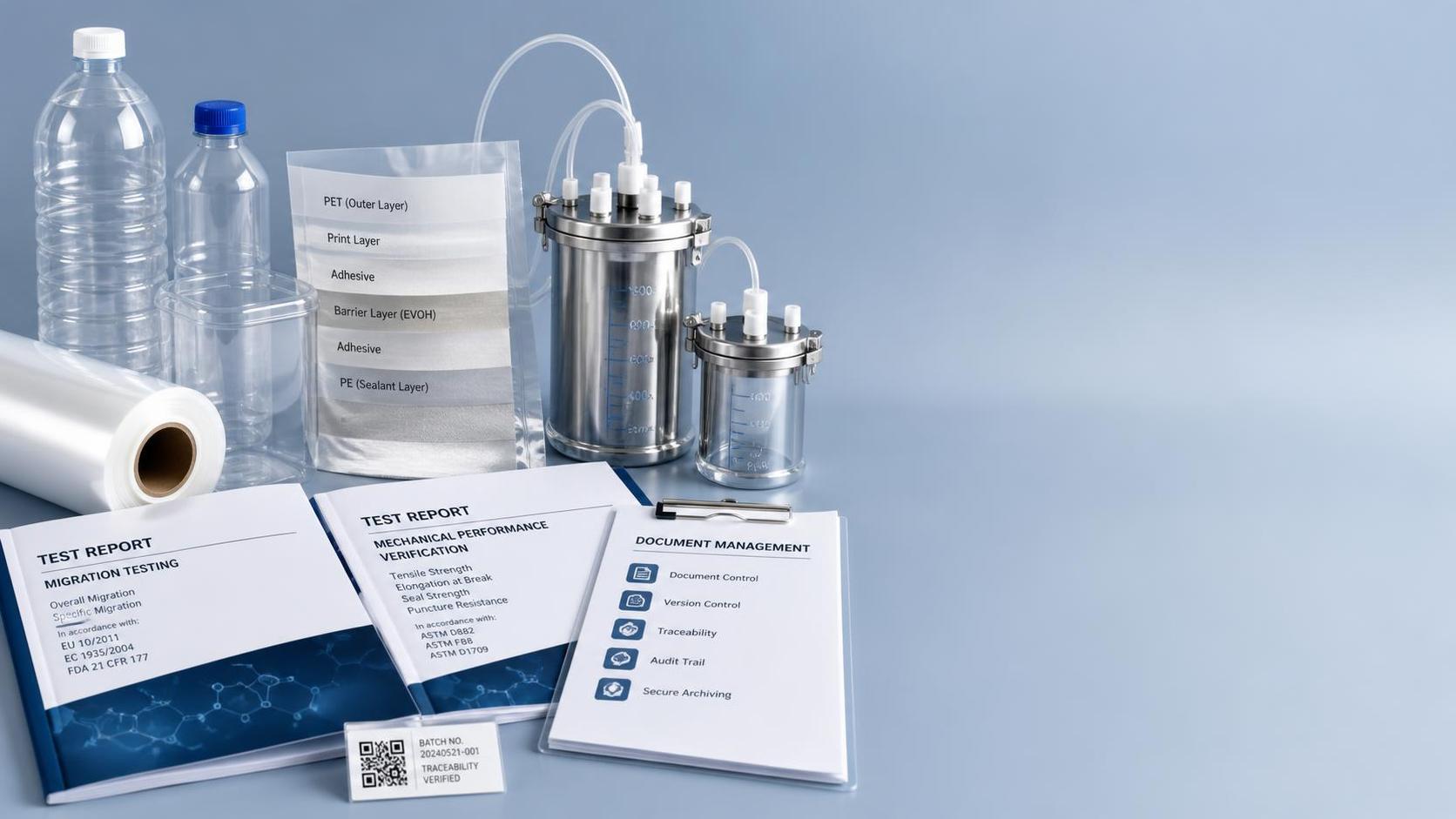
A certificate alone is rarely enough. What matters is whether the document set matches the exact material, process, and market combination.
A reliable review usually checks five points together:
- Is the supplier declaration current and market-specific?
- Do test conditions reflect actual package use, including temperature and contact time?
- Can the recycled content claim be traced back by lot and invoice?
- Are process changes linked to requalification triggers?
- Do artwork and label statements match the approved legal position?
More experienced teams also ask whether the data was generated before or after a major line adjustment.
For example, screw design changes, residence time shifts, filtration upgrades, or decontamination temperature changes can affect material behavior.
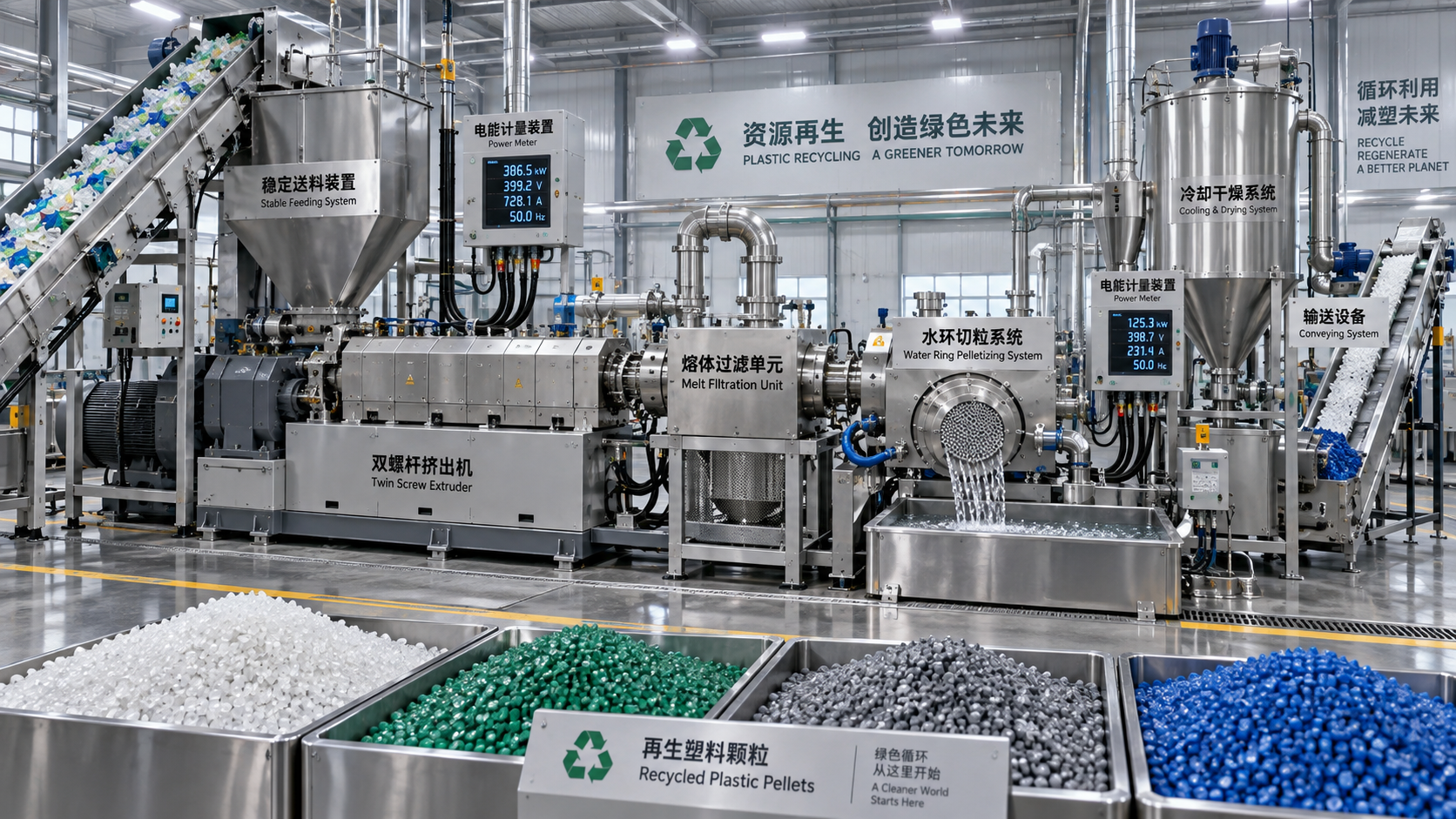
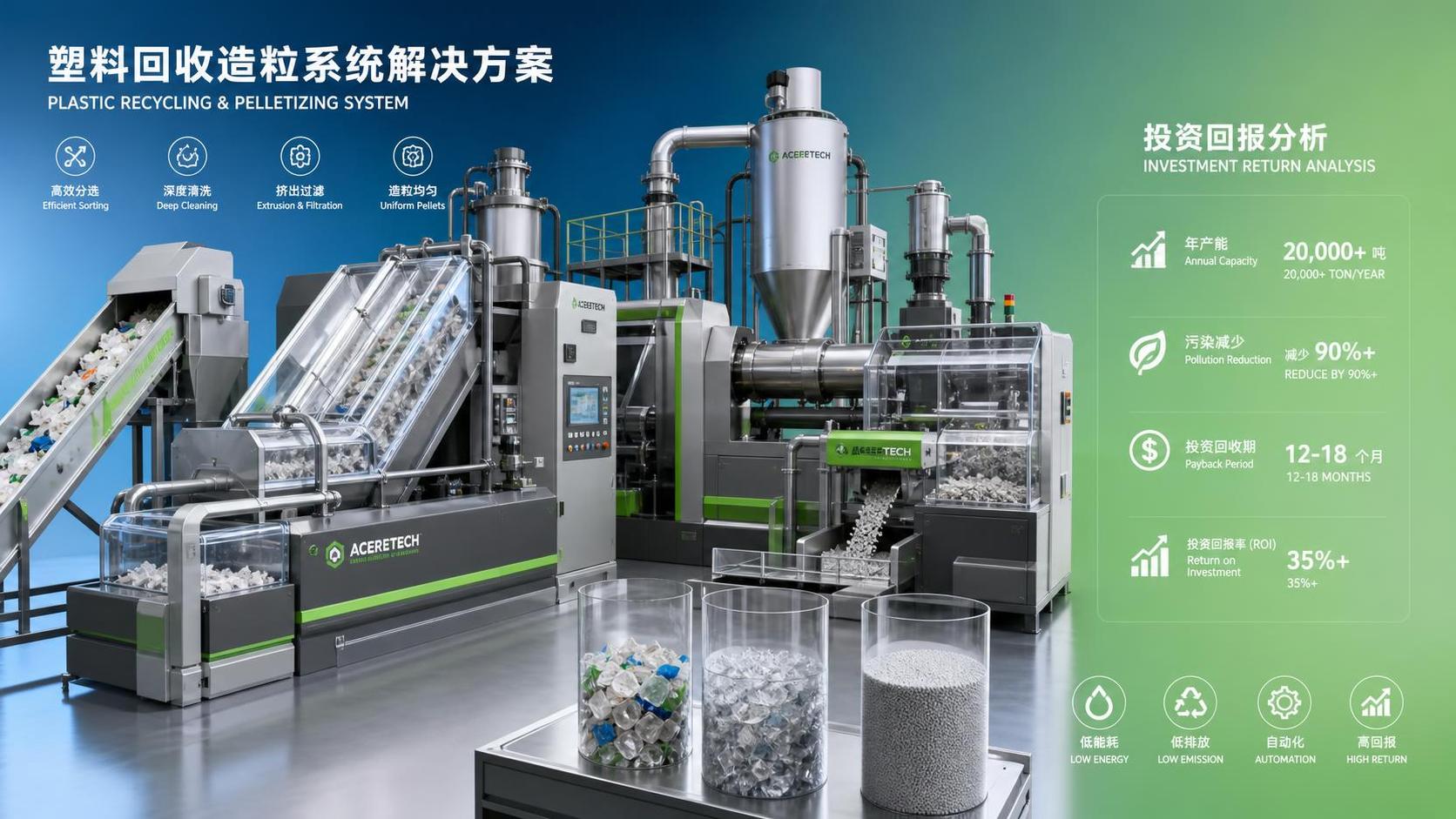
That is why process intelligence matters. In extrusion and pelletizing systems, rheology stability and contaminant removal are not just production metrics. They support the compliance file.
If documentation feels broad but not precise, it usually needs a gap review instead of a simple archive check.
What mistakes most often weaken global packaging compliance programs?
The most common mistake is treating compliance as a final approval step.
By the time packaging is molded, blown, printed, and packed, changing the material route becomes expensive and slow.
Another frequent issue is assuming one region’s approval automatically supports another. It rarely works that cleanly.
There is also a data continuity problem. Test reports may exist, but batch linkage, supplier revisions, and label versions are not synchronized.
Some programs overfocus on recycled percentage and underfocus on contamination control. That imbalance creates risk during customer review.
A shorter checklist can help identify weak spots early:
- Recycled resin source is approved, but sorting and washing history is unclear.
- Migration testing exists, but it was run on an outdated formulation.
- PCR claim is printed, but chain-of-custody proof is incomplete.
- Material passes internal checks, but destination market labeling rules were not reviewed.
- Process drift is monitored for quality, but not linked to compliance revalidation.
In real-world packaging lines, better outcomes come from integrating legal review with production data, not separating them into different silos.
What is a practical way to build a stronger compliance workflow?
Start with packaging families, not with isolated documents. Group products by resin type, use case, barrier structure, recycled content route, and destination market.
Then define which evidence must travel with each family from incoming resin to final label approval.
A workable workflow usually includes these steps:
- Map the package to its legal use case and target country set.
- Confirm feedstock source, recycling pathway, and allowable recycled content claims.
- Link critical process controls to the compliance file.
- Set retest triggers for formulation, supplier, or line changes.
- Review artwork, disposal marks, and environmental wording before release.
This is where PFRS can be useful as a technical reference source. Its coverage of extrusion stability, injection precision, blow molding efficiency, and recycled pellet quality helps interpret where compliance evidence begins.
The larger lesson is simple. Global packaging compliance works best when legal requirements, process science, and sustainability claims are managed as one system.
For the next step, review one packaging line end to end. Check feedstock history, test scope, declarations, and label language against the intended market.
That single exercise often reveals whether the program is ready for scale, or whether hidden gaps still sit between recycled plastic performance and market acceptance.
Related News
- 00
0000-00
How to Evaluate a Tire Curing Equipment Supplier for Capacity, Support, and Uptime - 00
0000-00
How to Size a Servo Injection Molding Press for High-Precision Parts - 00
0000-00
How High-Speed Precision Injection Molding Controls Part Tolerances at Scale - 00
0000-00
How to Select Packaging Molding Equipment for High-Volume Production Lines - 00
0000-00
How to Evaluate Plastic Pelletizing Machine Suppliers for Output, Support, and Risk
Weekly Insights
Stay ahead with our curated technology reports delivered every Monday.
Related News
 Ms. Elena RodriguezHow to Select Packaging Molding Equipment for High-Volume Production LinesPackaging molding equipment selection guide for high-volume lines: compare processes, throughput, materials, automation, and energy to achieve stable, cost-effective output.Oct 04, 2026
 Ms. Elena RodriguezHow to Evaluate Plastic Recycling Machinery for UAE Heat, Feedstock, and Output NeedsPlastic recycling machinery UAE buyers: evaluate heat resilience, feedstock handling, cooling, pellet quality, energy use, and lifecycle cost for reliable output.Sep 28, 2026
 Ms. Elena RodriguezGerman Extrusion Equipment Suppliers: Comparing Service, Lead Times, and Lifecycle CostExtrusion equipment Germany suppliers compared: evaluate service coverage, credible lead times, spare-parts access, and lifecycle cost to select a reliable, future-ready production partner.Sep 22, 2026
 Ms. Elena RodriguezWhat Should You Check Before Buying a Used Plastic Recycling Line?What should I check before buying a used plastic recycling line? Explore feedstock fit, wear, trials, utilities, controls, and restoration costs before you invest.Sep 26, 2026
 Ms. Elena RodriguezHow to Compare Pelletizing Lines by Energy Use per TonHow do I compare pelletizing lines by kWh per ton? Learn to measure total energy, verify saleable output, and select a cost-efficient line.Sep 23, 2026
 Ms. Elena RodriguezTyre Cutter Blade Wear: When Capacity Loss Needs Inspectionшинорез blade wear can quietly reduce tyre-cutting capacity. Learn the warning signs, inspection triggers, and maintenance actions that protect output and uptime.Sep 28, 2026
 Ms. Elena RodriguezIn-House Recycling for Factory Scrap: How to Reduce Material Waste and Disposal CostsIn house recycling for factory scrap helps manufacturers cut material waste, reduce disposal costs, and create controlled, quality-focused reuse loops.Sep 07, 2026
 Ms. Elena RodriguezHow Recyclable Packaging Manufacturing Balances Material Recovery and Production CostRecyclable packaging manufacturing: discover how smarter design, feedstock control, and process optimization reduce recovery costs while improving quality and yield.Sep 04, 2026
 Ms. Elena RodriguezHow to Evaluate a Plastic Recycling Systems Supplier for Your Processing NeedsChoose the right plastic recycling systems supplier with a practical guide to feedstock fit, output quality, total cost, testing, service, and compliance.Sep 01, 2026
 Ms. Elena RodriguezCE Marking for Plastic Processing Equipment: Documentation and Safety ChecksPlastic processing equipment CE compliance: learn the essential documentation, risk assessments, safety checks, and validation steps for reliable EU market access.Aug 30, 2026
 Ms. Elena RodriguezPlastic Packaging Compliance Standards: What Tests and Documents Matter Most?Plastic packaging compliance standards explained: learn which migration tests, mechanical checks, and audit-ready documents matter most to reduce risk and pass reviews with confidence.Aug 25, 2026
 Ms. Elena RodriguezHow to Evaluate a Plastic Waste Recycling System for Capacity, Contamination, and ROIPlastic waste recycling system evaluation made practical: compare true capacity, contamination control, and ROI to choose a line that delivers stable output and stronger returns.Aug 24, 2026
 Ms. Elena RodriguezPackaging Molding Equipment Price: What Drives Cost and How to Compare Quotes?Packaging molding equipment price varies by machine type, automation, tooling, energy use, and service scope. Learn what drives cost and how to compare quotes with confidence.Aug 21, 2026
 Ms. Elena RodriguezWhat Packaging Machinery for Plastic Containers Should You Choose for High-Volume Production?Packaging machinery for plastics containers can make or break high-volume production. Learn how to choose the right line for speed, consistency, compliance, and lower lifecycle costs.Aug 16, 2026
 Ms. Elena RodriguezWhat Circular Plastics Mean for Automotive Parts and Material SelectionCircular plastics for automotive are reshaping part selection with lower weight, better sustainability, and reliable performance. Discover how engineers balance recycled content, durability, and compliance.Aug 15, 2026
 Ms. Elena RodriguezBroiler Farming in Cage System: Selection Factors for Commercial FarmsBroiler farming in cage system selection for commercial farms: compare structure, ventilation, automation, and manure handling to improve efficiency and avoid costly mistakes.Aug 14, 2026
 Ms. Elena RodriguezHow to Implement Smart Polymer Manufacturing Without Disrupting Existing Production?Smart polymer manufacturing implementation made practical: learn how to upgrade existing production with phased digitalization, less downtime, better control, and measurable ROI.Aug 11, 2026
 Ms. Elena RodriguezHow to Evaluate a Rubber Compression Molding Supplier for Complex Part ProductionRubber compression molding supplier selection for complex parts starts with process, material, and tooling control. Learn how to compare vendors beyond price and reduce launch risk.Aug 10, 2026
 Ms. Elena RodriguezPackaging Compliance in Canada: Key Labeling and EPR Rules Importers Must KnowPackaging compliance Canada explained for importers: learn bilingual labeling, environmental claims, and provincial EPR rules to reduce risk, avoid costly errors, and stay market-ready.Aug 03, 2026
 Ms. Elena RodriguezWhy Circular Plastics Economy Traceability Matters for Recycled Content ComplianceCircular plastics economy traceability is essential for proving recycled content compliance across sourcing, processing, and reporting. Learn how strong evidence reduces audit risk.Aug 02, 2026