Is polymer smart manufacturing ready for plant upgrades?




Is Polymer Smart Manufacturing Ready for Plant Upgrades?
As polymer processors weigh plant upgrades, the real question is no longer whether automation matters.
The sharper question is whether polymer smart manufacturing can deliver measurable gains in energy efficiency, quality stability, compliance, and material circularity.
Across injection molding, extrusion, blow molding, vulcanization, and recycling, connected production is moving from concept to investment discipline.
Plant upgrades now need more than new machines. They need data visibility, process intelligence, and lifecycle control over materials.
The Upgrade Window Is Opening Faster Than Expected
Several market signals suggest polymer smart manufacturing is entering a practical deployment phase, not just a technology showcase phase.
Energy volatility is forcing plants to understand where each kilowatt goes across heaters, drives, chillers, compressors, and auxiliary systems.
Packaging rules are also tightening. Recycled content, traceability, and lower carbon footprints are becoming conditions for market access.
Meanwhile, resin supply instability has made material efficiency a board-level concern, especially in high-volume packaging and automotive applications.
These pressures create a strong case for polymer smart manufacturing, especially where legacy assets still run with limited process feedback.
Why Polymer Smart Manufacturing Is Becoming Upgrade-Ready
The readiness of polymer smart manufacturing is not caused by one breakthrough. It reflects several converging improvements across equipment and software.
The strongest business case appears where process complexity, compliance pressure, and energy intensity intersect.
That is why polymer smart manufacturing fits precision molding, twin-screw extrusion, bottle production, rubber curing, and plastic pelletizing lines.
Injection Molding Shows the Clearest Early Gains
Injection molding offers a strong proving ground for polymer smart manufacturing because cycle data is highly structured and repeatable.
Holding pressure curves, screw recovery, clamp force, mold temperature, and cooling time can be captured with high precision.
AI-assisted optimization can detect subtle changes before they become short shots, flash, warpage, sink marks, or dimensional drift.
For medical, optical, and automotive parts, this creates value beyond speed. It supports stable tolerances and reliable documentation.
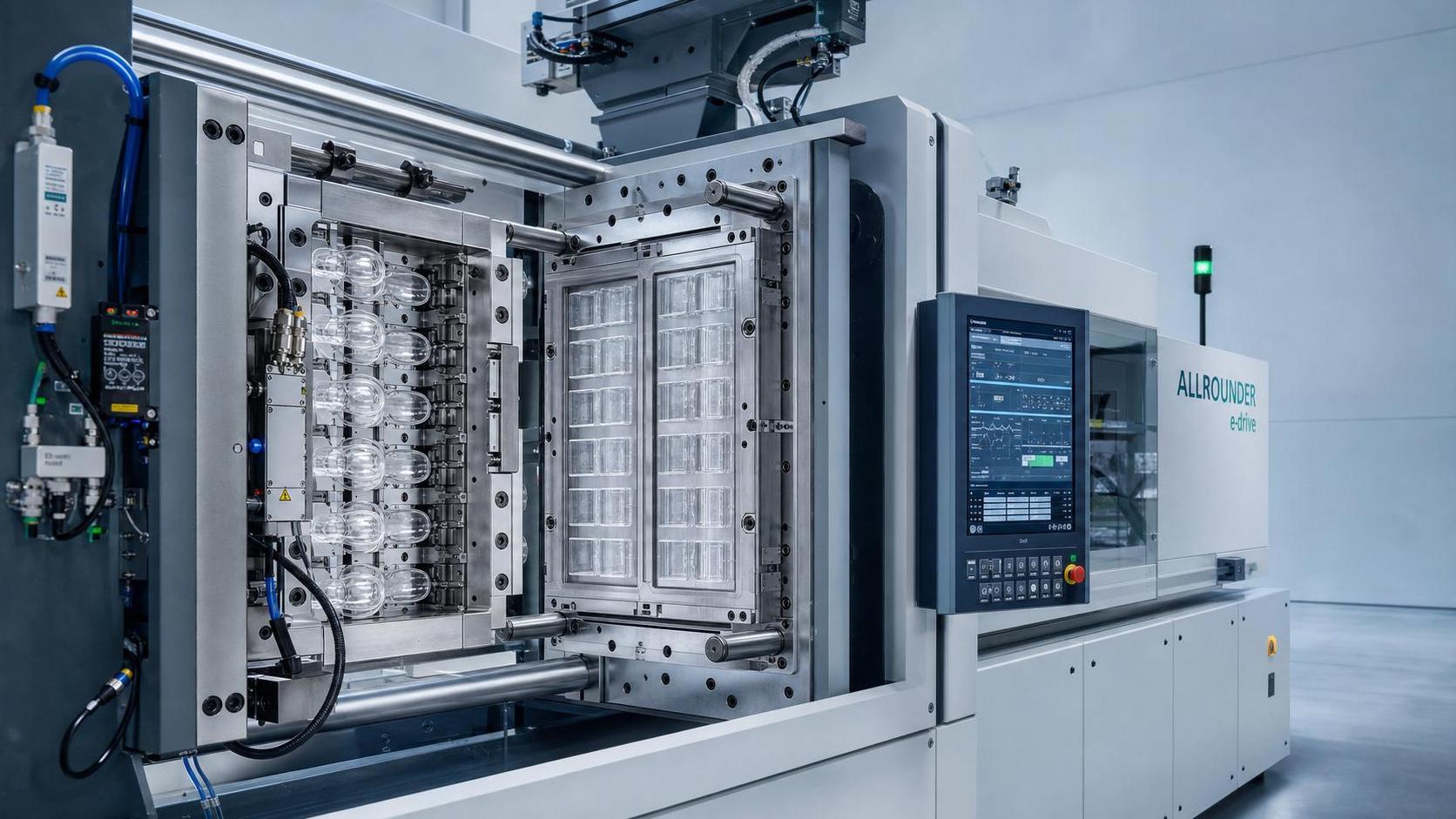
The transition is strongest when all-electric machines are paired with mold sensors and validated process monitoring.
In this setting, polymer smart manufacturing becomes a quality assurance system, not only a production automation layer.
Extrusion and Blow Molding Need Deeper Process Intelligence
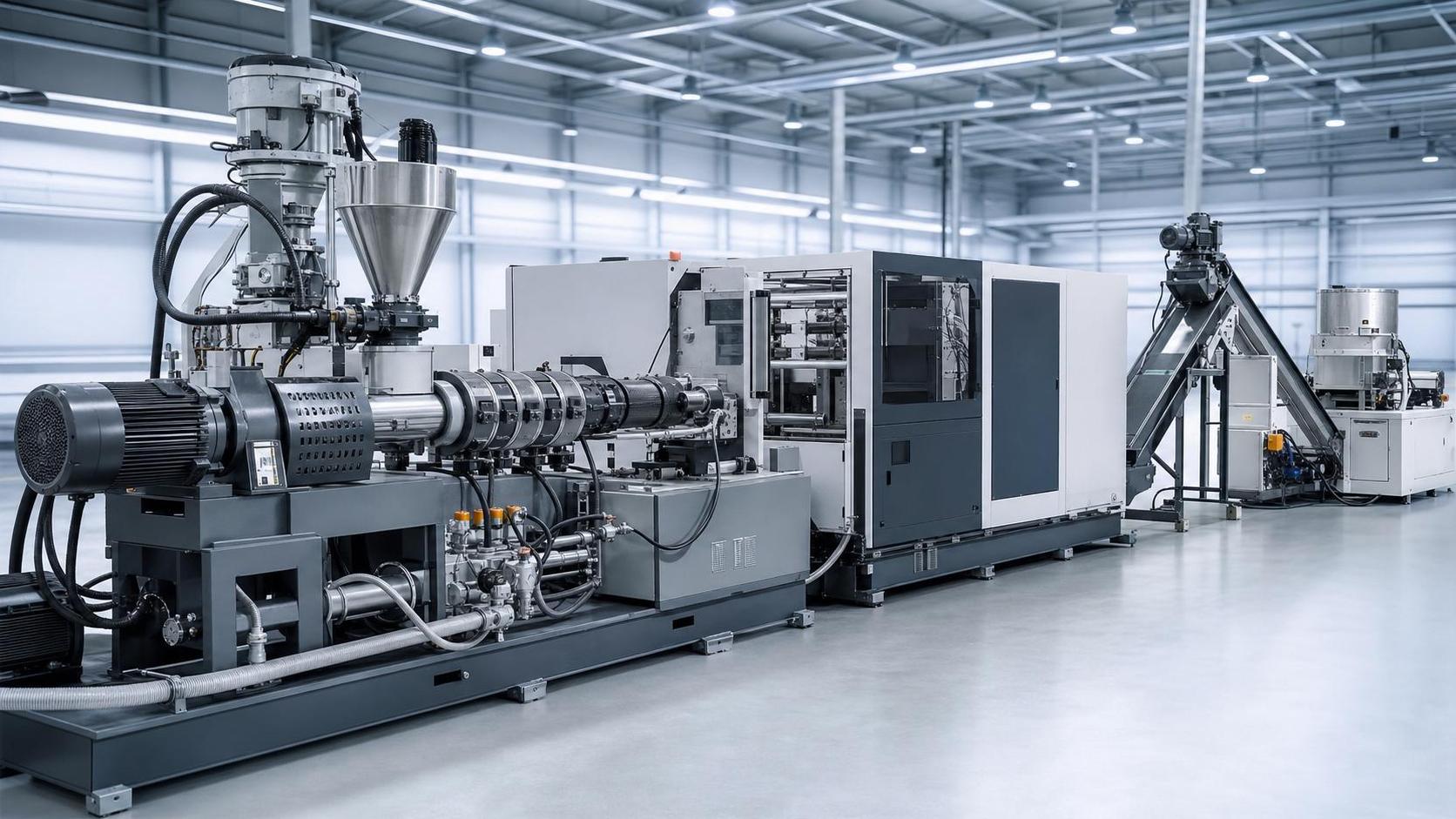
Extrusion is more difficult because flow behavior changes continuously with formulation, screw speed, moisture, filler content, and thermal history.
However, this complexity also makes polymer smart manufacturing more valuable in pipe, film, sheet, profile, and compounding lines.
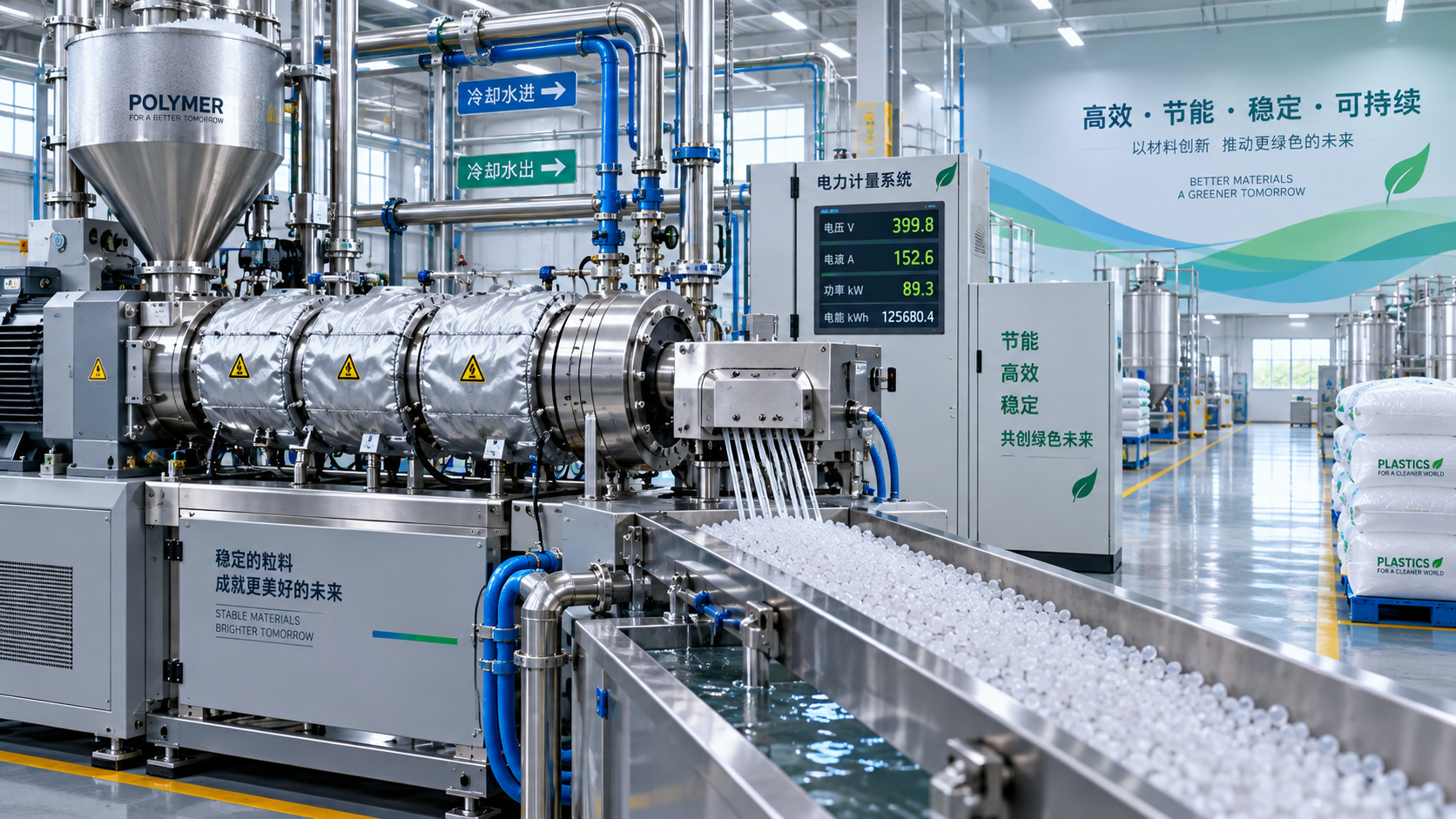
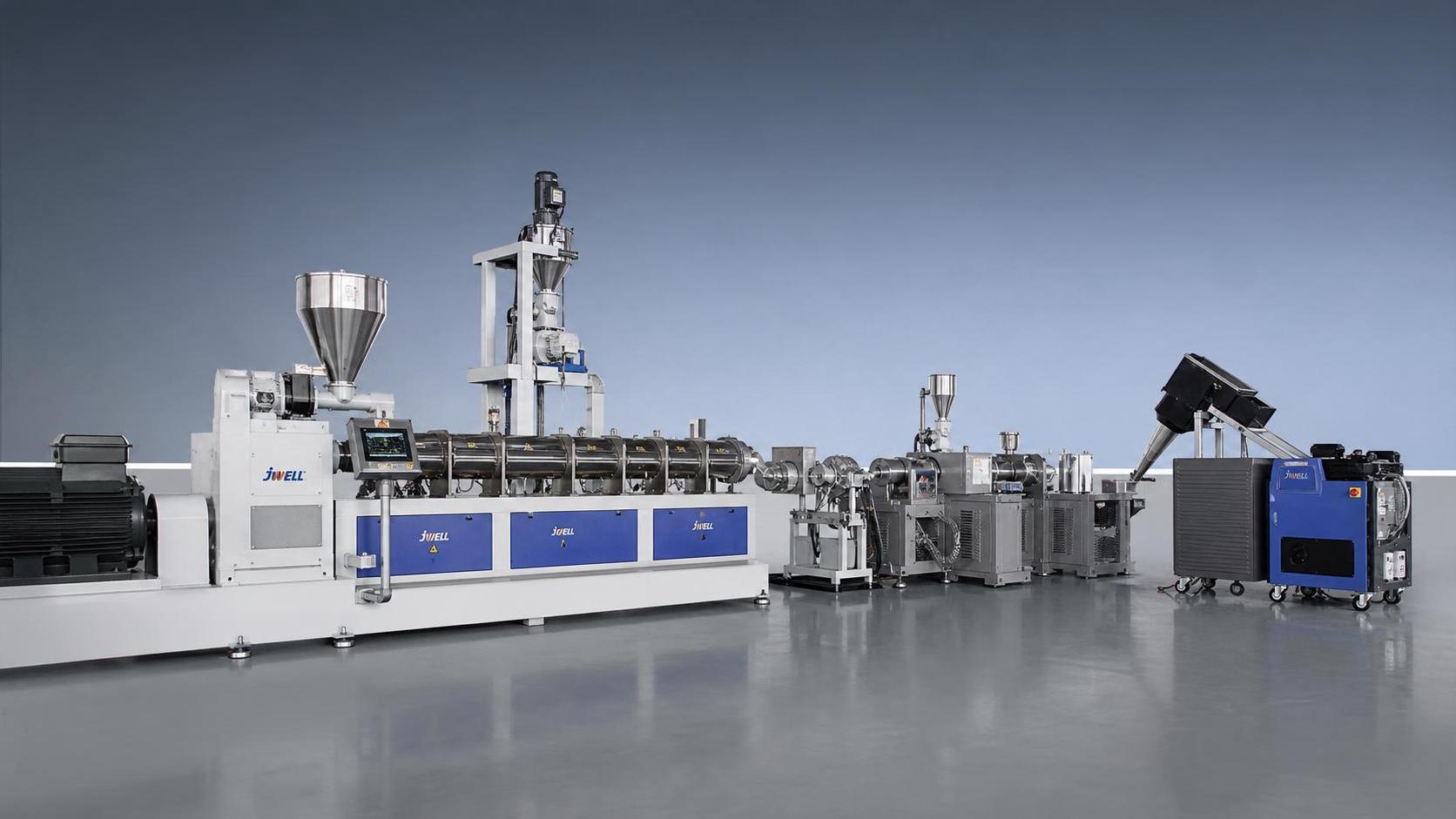
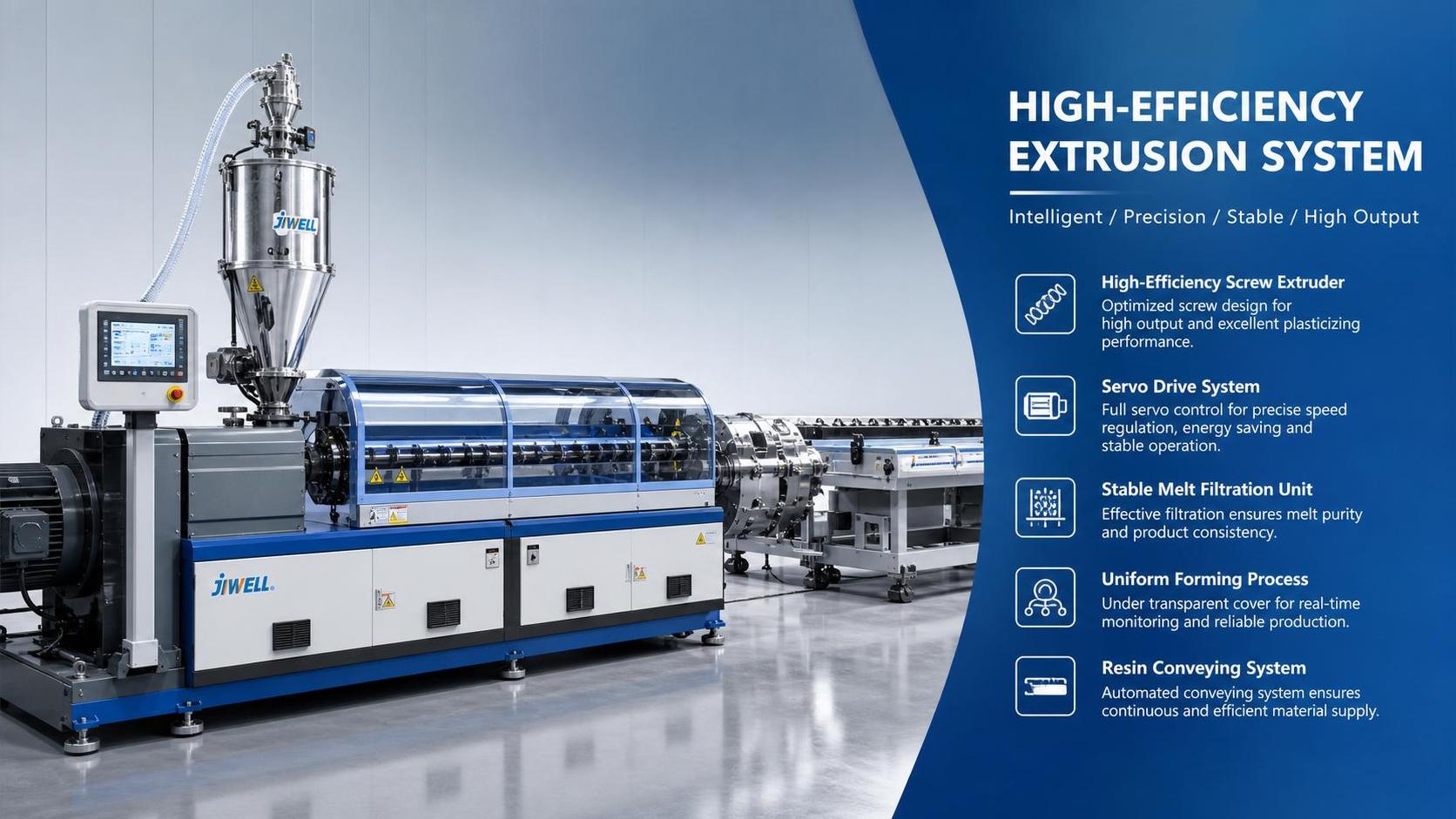
Twin-screw systems can benefit from torque monitoring, melt pressure mapping, feeder synchronization, and CFD-informed process settings.
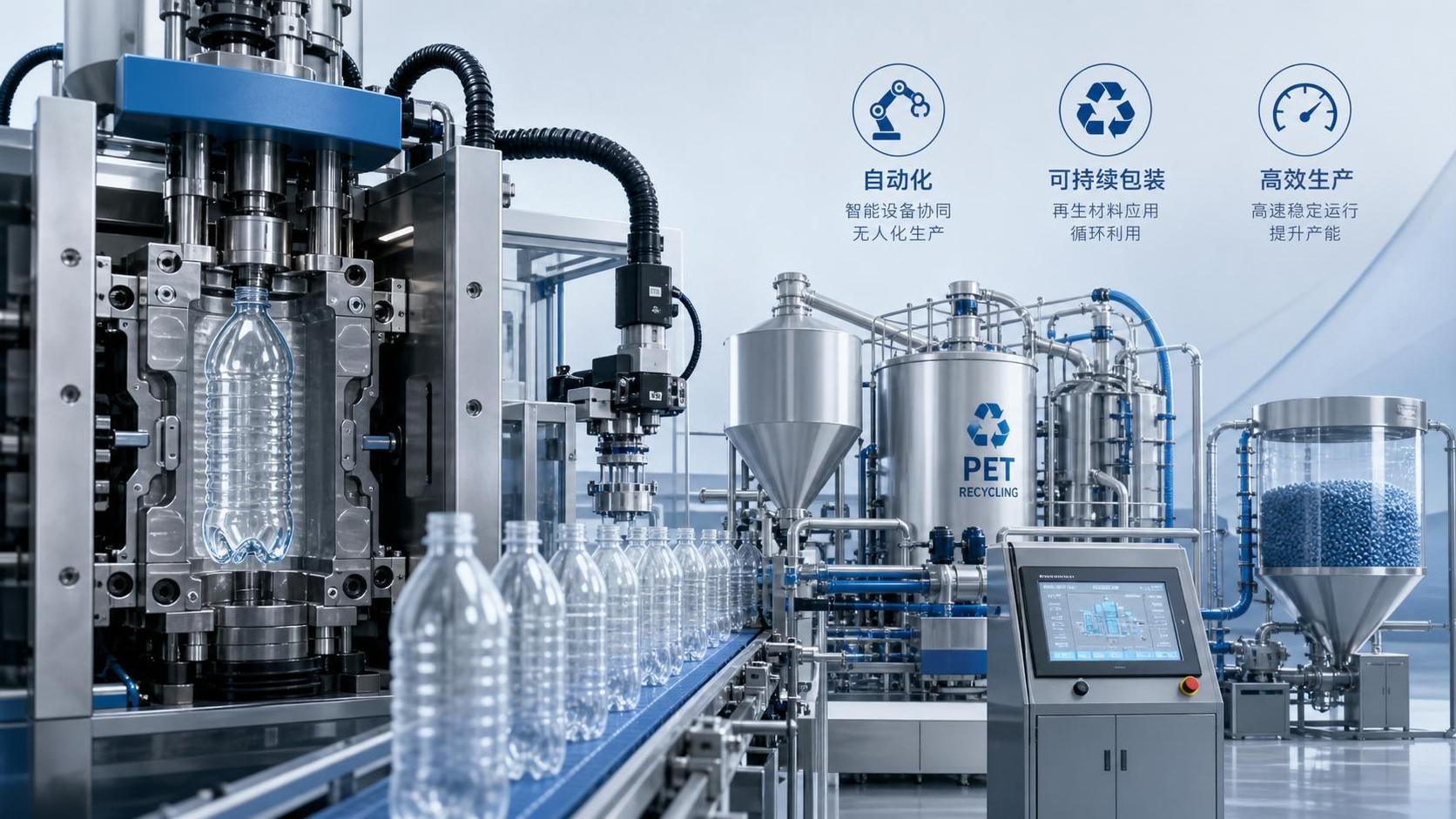
Blow molding brings another challenge. Output speeds can be extremely high, while bottle weight variation directly affects resin cost.
Smart control can connect preform temperature, stretch behavior, air pressure, wall thickness, and visual inspection results.
For packaging plants, polymer smart manufacturing can reduce scrap while supporting lightweighting and recycled-content targets.
Rubber Vulcanization and Recycling Add Strategic Importance
Rubber vulcanization has historically depended on stable recipes and controlled curing cycles.
Yet tire, seal, and industrial rubber applications now require tighter control over heat transfer, pressure, cure state, and batch traceability.
Polymer smart manufacturing can help reduce under-curing, over-curing, compound waste, and unplanned press downtime.
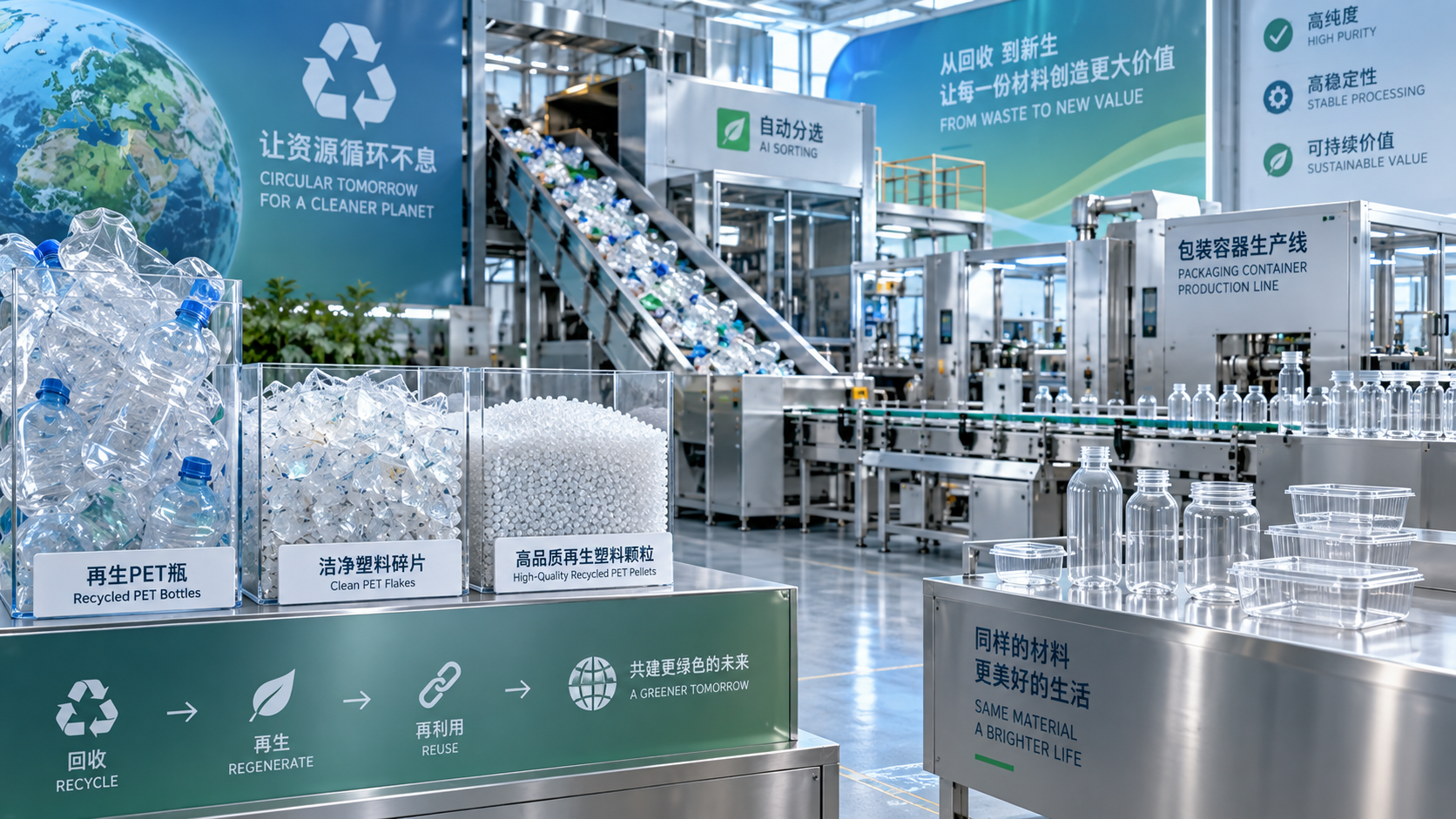
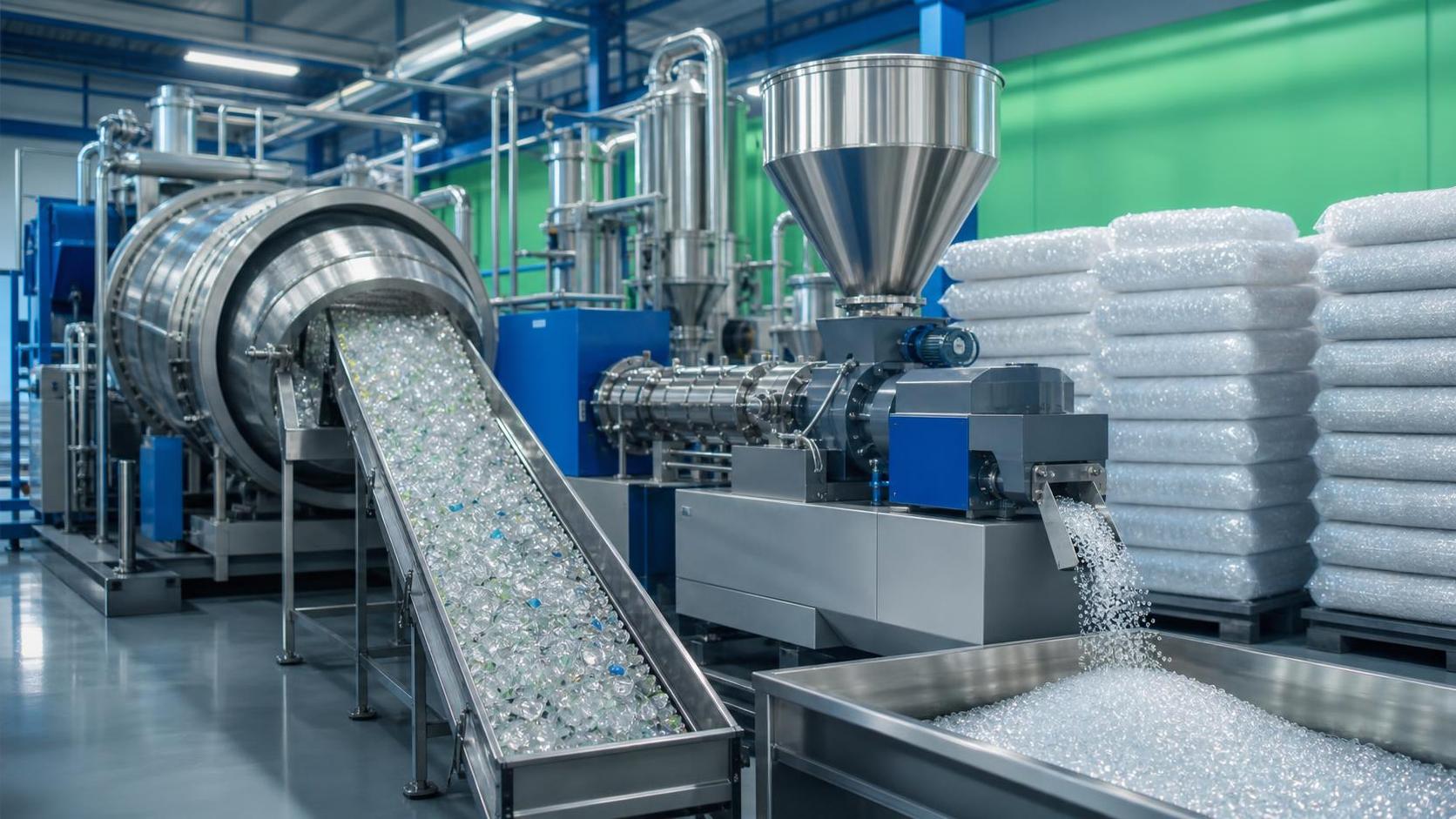
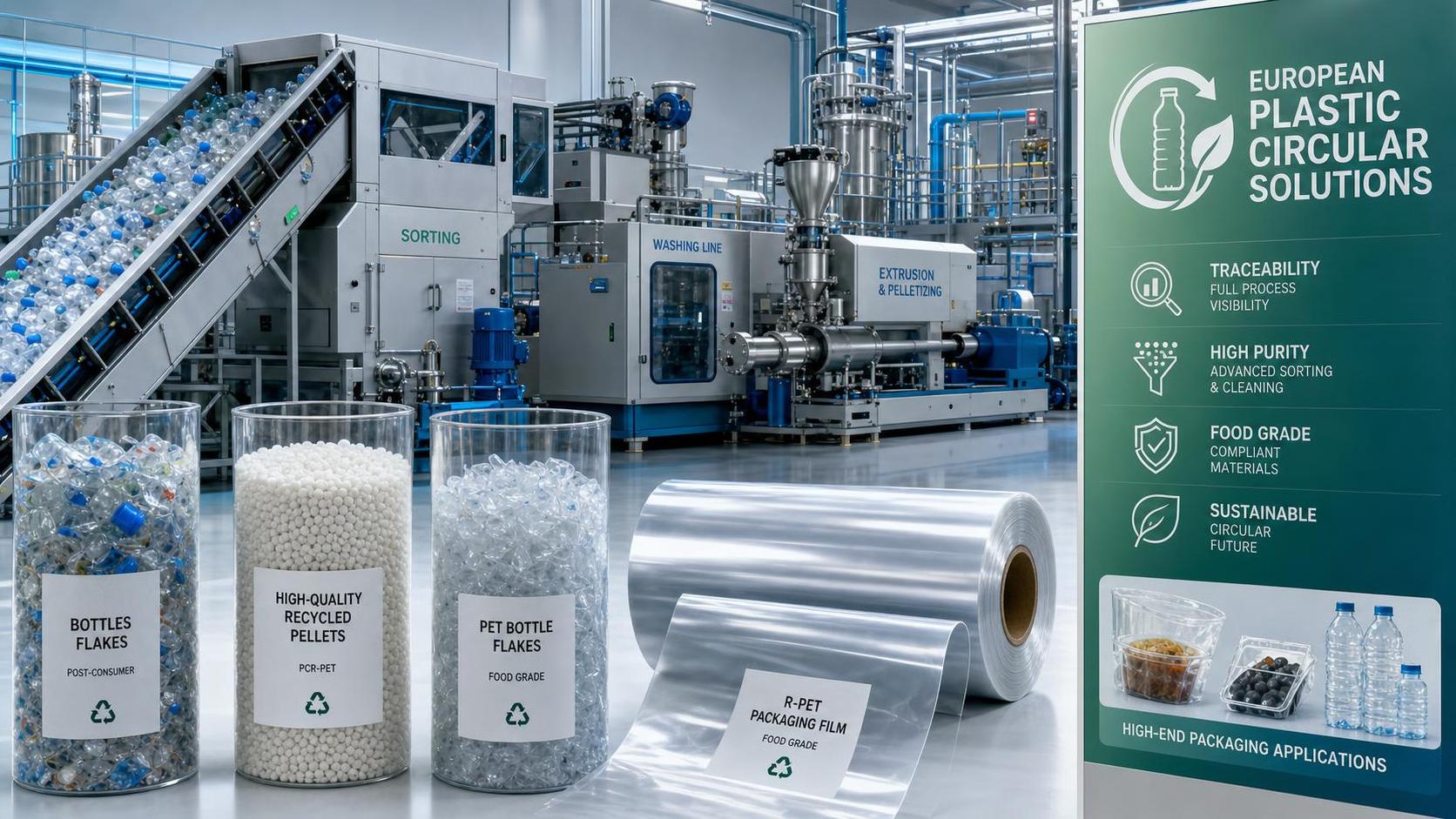
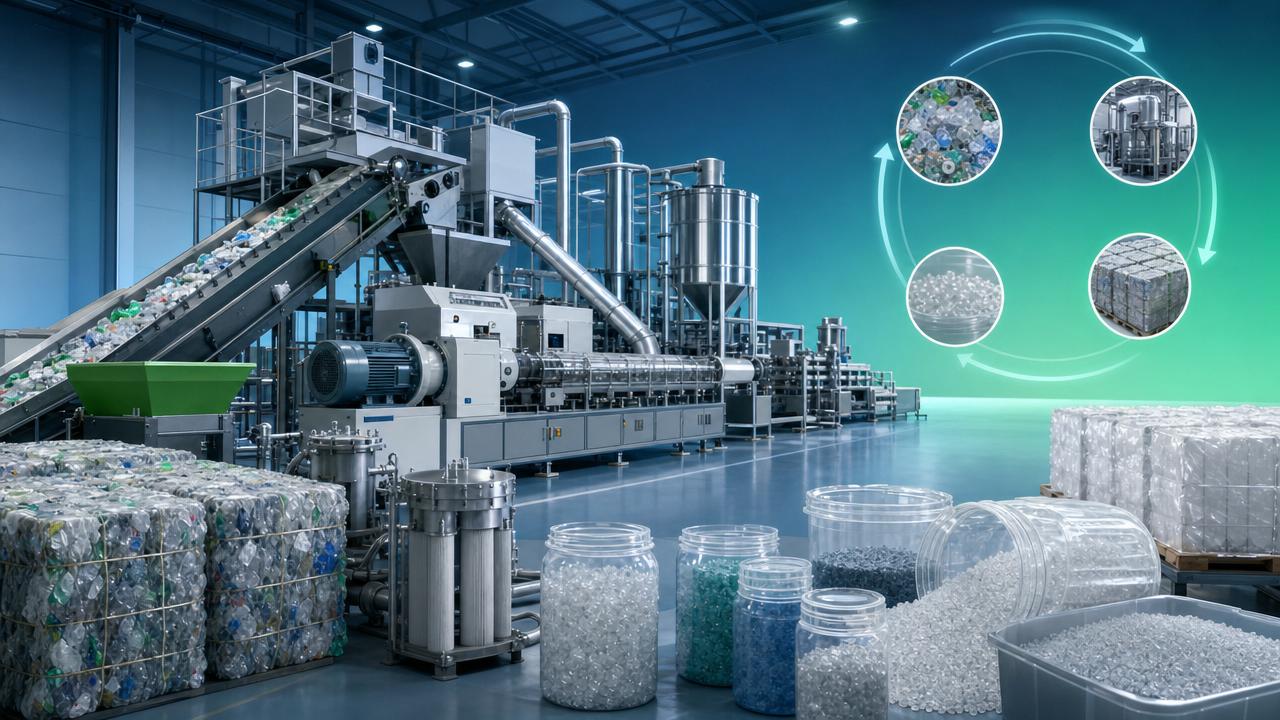
Waste plastic pelletizing is equally important because circular economy targets depend on stable recycled material quality.
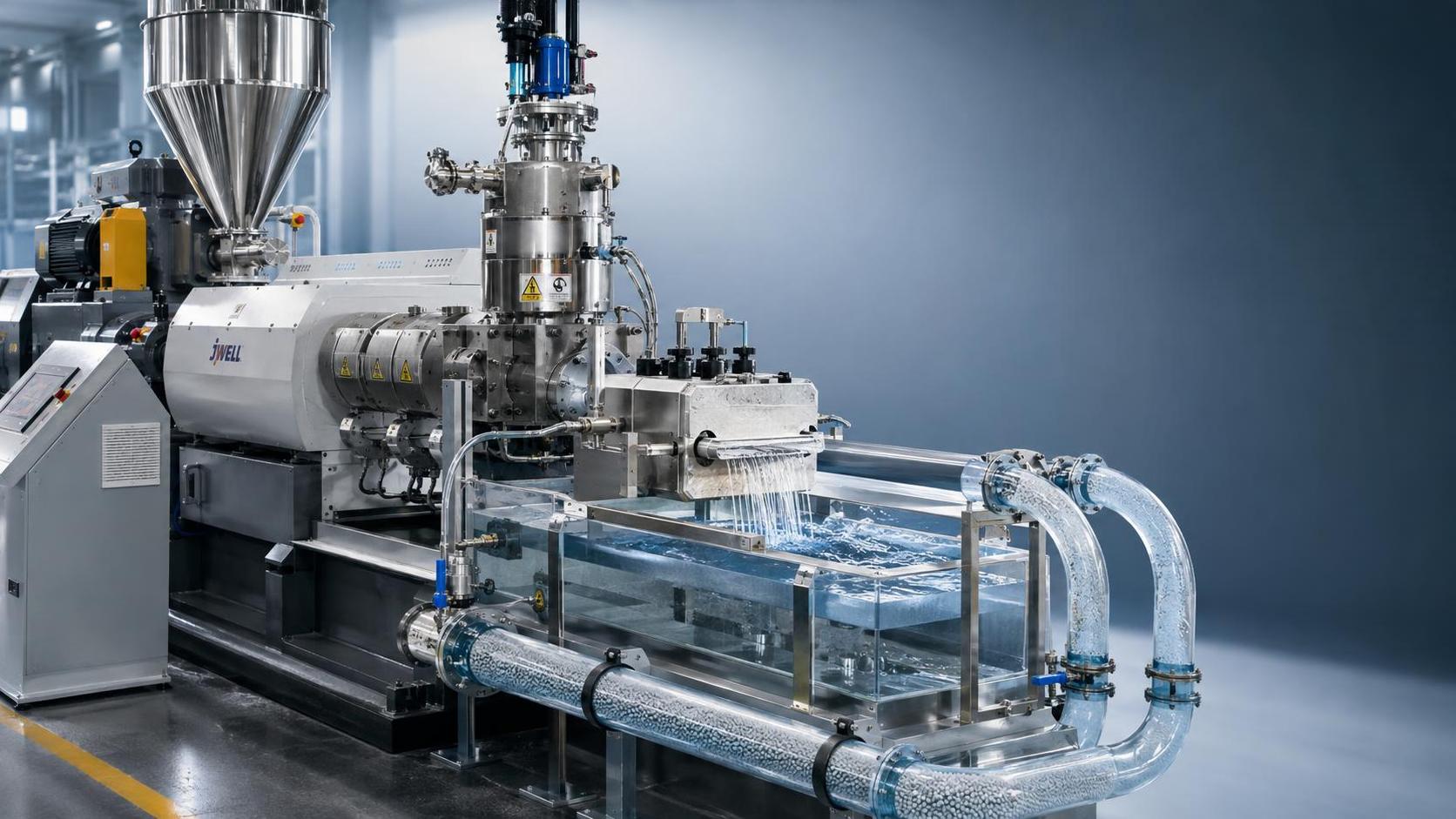
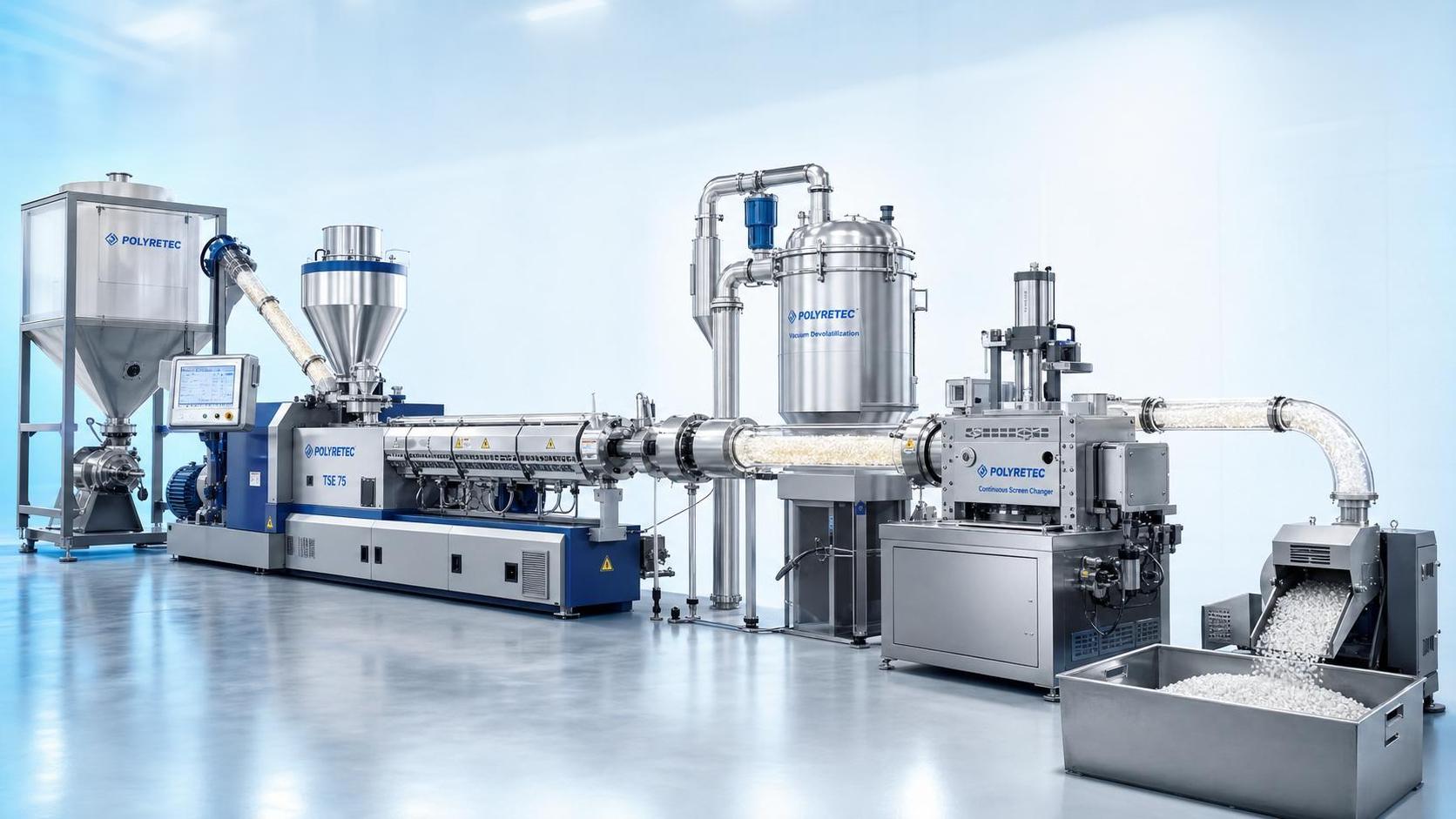
Washing efficiency, melt filtration, degassing, viscosity fluctuation, and underwater pelletizing stability all need integrated monitoring.
Here, polymer smart manufacturing helps turn recycled streams into predictable inputs for packaging, film, fiber, and molded products.
The Main Barriers Are Operational, Not Only Technical
The technology stack is improving, but plant upgrades still face practical constraints.
Legacy machines may lack open interfaces, consistent sensor packages, or standardized data structures.
Different equipment brands may also use incompatible communication protocols, creating fragmented views of production performance.
Another barrier is data quality. Poor calibration, missing tags, and inconsistent naming can weaken analytics from the beginning.
Cybersecurity and access control also matter because connected assets expand the digital surface of the plant.
For these reasons, polymer smart manufacturing should be treated as staged modernization, not a single software purchase.
Where the Business Impact Will Be Felt First
The earliest measurable gains often appear in energy, scrap, uptime, and compliance documentation.
- Energy use becomes visible by machine, process phase, product family, and shift pattern.
- Quality stability improves through closed-loop control and earlier detection of process drift.
- Maintenance becomes more predictive when vibration, torque, temperature, and cycle anomalies are connected.
- Material utilization improves when regrind, recycled resin, and virgin resin are managed with better traceability.
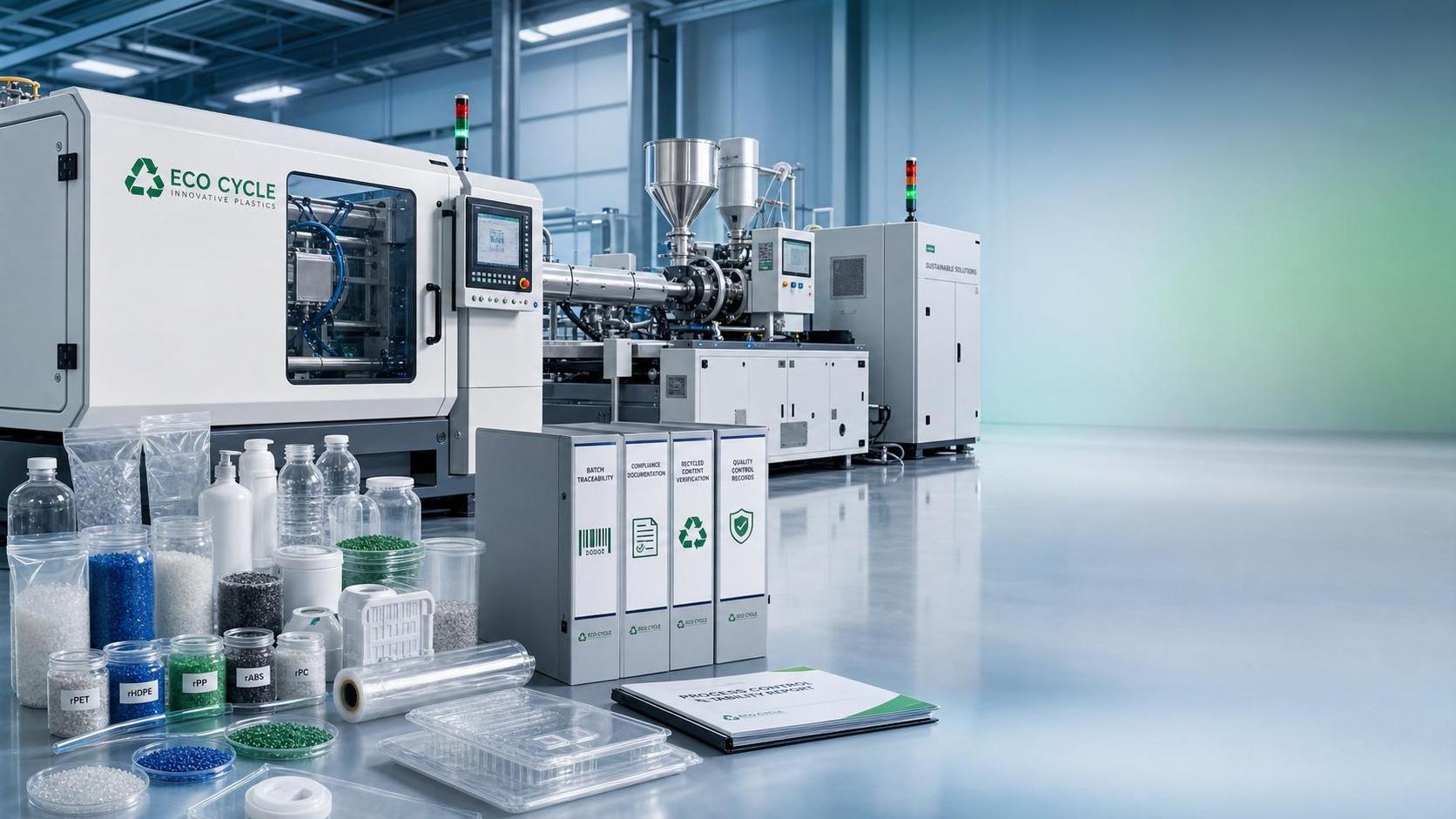
- Compliance becomes easier when process records support packaging, medical, automotive, or ESG reporting needs.
This explains why polymer smart manufacturing is increasingly tied to capital planning and sustainability reporting.
It also explains why upgrades should be evaluated using operational metrics, not only automation features.
Key Signals to Watch Before Committing Capital
Readiness depends on whether the plant can convert data into better decisions.
Before a major upgrade, several signals deserve close attention.
- Machine connectivity covers core equipment and critical auxiliaries.
- Energy meters can separate base load, process load, and peak demand.
- Quality data can be linked to batch, recipe, mold, die, screw, or cavity.
- Operators receive actionable alerts, not only dashboards.
- Maintenance systems can use production context, not isolated fault codes.
- Recycling inputs are tracked by source, contamination level, viscosity, and filtration performance.
If these foundations are weak, polymer smart manufacturing may still work, but payback will be slower.
A Practical Roadmap for Plant-Level Adoption
A phased roadmap reduces risk and helps upgrades produce evidence before wider deployment.
This roadmap supports polymer smart manufacturing without forcing every asset to be replaced at once.
It also allows existing injection molding, extrusion, blow molding, rubber, and recycling assets to contribute to modernization.
The Decision Point: Ready, but Not Automatically Easy
So, is polymer smart manufacturing ready for plant upgrades? In many polymer operations, the answer is yes.
However, readiness depends on disciplined integration, clean data, process knowledge, and realistic performance targets.
The strongest projects begin with a process pain point, then connect technology to measurable improvement.
Energy reduction, scrap control, recycled-content stability, and compliance traceability are especially strong starting points.
Plant upgrades should also consider future requirements, including carbon accounting, product passports, and stricter packaging regulations.
In this wider context, polymer smart manufacturing becomes part of strategic resilience, not only operational efficiency.
Next Steps for a Smarter Polymer Plant
A practical next step is to run a readiness audit across machines, utilities, materials, software, and compliance reporting.
The audit should identify where data is missing, where losses are highest, and where quick gains are realistic.
Then, select one pilot line with clear metrics and enough process variation to prove value.
PFRS tracks the technologies, market signals, and equipment evolution shaping polymer smart manufacturing across global polymer production.
For plants preparing upgrades, the priority is simple: connect the process, understand the material, and close the performance loop.
Related News
- 00
0000-00
Tire Manufacturing Equipment: Choosing Curing Presses by Tire Size and Output - 00
0000-00
What Drives Underwater Pelletizing System Cost in High-Throughput Compounding? - 00
0000-00
Medical Molding for Lab Consumables: Choosing Processes for Low-Particle Parts - 00
0000-00
Smart Factory Costs for Plastics: Estimating ROI for Automation Projects - 00
0000-00
How to Evaluate a Packaging Molding Equipment Supplier for High-Volume Production
Weekly Insights
Stay ahead with our curated technology reports delivered every Monday.
Related News
 Prof. Marcus ChenWhere Recycled Plastic Innovation Delivers the Biggest Value in PackagingRecycled plastic innovation delivers the greatest packaging value through proven material loops, reliable processing, compliance readiness, and circular design.Oct 08, 2026
 Prof. Marcus ChenEnergy-Efficient Polymer Processing: Where Plants Can Cut kWh per KilogramEnergy-efficient polymer processing solutions help plants reduce kWh per kilogram, protect quality, cut scrap, and prioritize upgrades with data-driven insights.Sep 23, 2026
 Prof. Marcus ChenPlastic Pelletizing Trends: How Recycling Demand Is Reshaping Processing TechnologyPlastic pelletizing trends are redefining recycling quality. Explore filtration, extrusion, degassing, and automation innovations driving cleaner, more consistent recycled resin.Sep 07, 2026
 Prof. Marcus ChenHow Polymer Supply Chains Are Changing to Support High-Quality Recycling FeedstockPolymer supply chain for recycling is shifting toward traceable sourcing, cleaner sorting, and stable processing. See how high-quality feedstock improves performance, compliance, and cost control.Aug 22, 2026
 Prof. Marcus ChenHow Europe’s Circular Plastics Economy Is Reshaping Recycling InvestmentCircular plastics economy Europe is reshaping recycling investment through quality, traceability, and packaging demand. Explore where capital is moving and why it matters now.Aug 04, 2026
 Prof. Marcus ChenBlow Molding Trends Shaping Packaging, Sustainability, and Production EfficiencyBlow molding trends are redefining packaging with lightweighting, recycled content, automation, and energy efficiency. Discover how smarter production boosts sustainability and cuts costs.Jul 23, 2026
 Prof. Marcus ChenExtrusion Equipment Modular Design: When It Makes Sense for Line ExpansionExtrusion equipment modular design helps manufacturers expand lines in phases, cut disruption, and stay ready for recycled content, utility limits, and changing product demands.Jul 15, 2026
 Prof. Marcus ChenPolymer Lifecycle Solutions Explained: From Material Sourcing to End-of-Life RecoveryPolymer lifecycle solutions explained from sourcing and processing to recycling and recovery. Discover how to cut waste, improve quality, and build smarter material strategies.Jul 13, 2026
 Prof. Marcus ChenEnergy-Efficient Polymer Processing Systems: Which Metrics Matter Most?Energy-efficient polymer processing systems: discover the metrics that truly drive ROI—specific energy use, yield, uptime, stability, and compliance for smarter equipment decisions.Jul 11, 2026
 Prof. Marcus ChenPolymer Recycling Systems for Continuous Operation: What to Check Before SpecifyingPolymer recycling systems continuous operation starts with the right specification. Learn what to check for uptime, melt quality, energy efficiency, and reliable pellet output.Jul 09, 2026
 Prof. Marcus ChenCircular Plastics Economy in Japan: Policy Drivers, Recycling Targets, and Market ImpactCircular plastics economy Japan is accelerating as policy, recycling targets, and packaging reforms reshape material choices, processing strategy, and market advantage.Jul 05, 2026
 Prof. Marcus ChenPlastic Extrusion Technology Trends: What Process Changes Are Improving Energy Efficiency?Plastic extrusion technology trends are reshaping energy efficiency through smarter screws, thermal control, servo drives, and digital optimization. See which process changes deliver lower costs and more stable output.Jul 01, 2026
 Prof. Marcus ChenInjection Molding Technology Trends: Which Process Changes Matter Most for Medical and Packaging Parts?Injection molding technology trends shaping medical and packaging parts: discover the process changes that improve validation, precision, efficiency, and recycled-material readiness.Jun 30, 2026
 Prof. Marcus ChenCircular Plastics Economy Compliance Explained: Key Requirements for ManufacturersCircular plastics economy compliance explained for manufacturers: learn key requirements, audit risks, process controls, and how to turn compliance into a competitive advantage.Jun 25, 2026
 Prof. Marcus ChenAdvanced Materials Processing Trends: 5 Shifts Reshaping Capacity Planning and SourcingAdvanced materials processing trends are reshaping capacity planning, sourcing, recycling, and compliance. Explore 5 shifts helping manufacturers cut risk, improve precision, and build resilient growth.Jun 24, 2026
 Prof. Marcus ChenGlobal Plastic Ban Trends: Which Packaging Materials and Export Markets Face the Biggest Changes?Global plastic ban trends are reshaping packaging choices and export strategy. See which materials and markets face the biggest shifts, and how to reduce compliance risk.Jun 22, 2026
 Prof. Marcus ChenPolymer Rheology Trends That Matter in Extrusion: Melt Strength, Shear, and StabilityPolymer rheology trends are reshaping extrusion performance. Learn how melt strength, shear, and stability affect quality, efficiency, and recycled resin processing.Jun 18, 2026
 Prof. Marcus ChenPlastic Circularity Strategies for Manufacturers: Recycled Content, Design, and TraceabilityPlastic circularity strategies for manufacturers: learn how recycled content, smarter design, and traceability can reduce risk, improve compliance, and strengthen supply resilience.Jun 18, 2026
 Prof. Marcus ChenAdvanced Materials Processing Equipment in High-Performance Manufacturing: Where It Fits BestAdvanced materials processing equipment drives precision, speed, and sustainability in manufacturing. Explore where each system fits best to improve quality, efficiency, and ROI.Jun 16, 2026
 Prof. Marcus ChenWhat Is Driving the Circular Economy Plastics Market? Policy, Pricing, and Demand ShiftsCircular economy plastics market trends are being driven by tighter policy, resin price volatility, and stricter buyer demands. Discover what this means for sourcing, processing, and growth.Jun 13, 2026