



The green circular economy is reshaping how plastics are designed, processed, recovered, and valued across global manufacturing.
For business evaluators, the key question is no longer whether recycling matters, but how design, equipment, and policy connect commercially.
This article explores practical links among circular product design, recycling infrastructure, regulatory pressure, and polymer processing innovation.
It helps decision-makers assess risk, identify investment opportunities, and align plastics strategies with future-ready sustainability goals.
What Business Evaluators Are Really Searching For

Users searching this topic usually want more than a definition of the green circular economy in plastics.
They are evaluating whether circular plastics initiatives can reduce compliance risk, protect margins, and create measurable business advantage.
The practical question is how recycling systems, product design, production equipment, and regulation affect future competitiveness.
Business evaluators also want to know which investments are urgent, which are optional, and which may become stranded assets.
The strongest article focus should therefore be commercial judgment, not generic sustainability language or broad environmental claims.
The most useful content connects policy direction with technical feasibility, material quality, operating cost, and market acceptance.
The Business Case: Circular Plastics Are Moving From ESG To Operating Strategy
In many plastics value chains, sustainability has shifted from public reporting into procurement, design, production, and capital expenditure decisions.
Brand owners now ask suppliers to prove recycled content, lower carbon intensity, and packaging compliance before contracts are renewed.
This changes the role of polymer processors from low-cost manufacturers into strategic partners in circular material management.
For machinery investors, the opportunity is not only selling output capacity, but enabling traceable, efficient, compliant material loops.
Injection molding, extrusion, blow molding, vulcanization, and pelletizing systems all influence circular performance at different lifecycle stages.
A machine that reduces scrap, processes recycled resin reliably, or lowers energy use can directly improve circular economics.
The green circular economy rewards companies that can stabilize material quality while reducing waste, emissions, and compliance uncertainty.
It also penalizes companies that rely on virgin-only designs, inconsistent recycling claims, or obsolete energy-intensive equipment.
Why Design Determines Whether Recycling Works
Recycling success often starts before a product reaches the consumer, because design determines whether material recovery is economical.
Mono-material structures, detachable components, compatible labels, and recyclable additives make downstream sorting and reprocessing far easier.
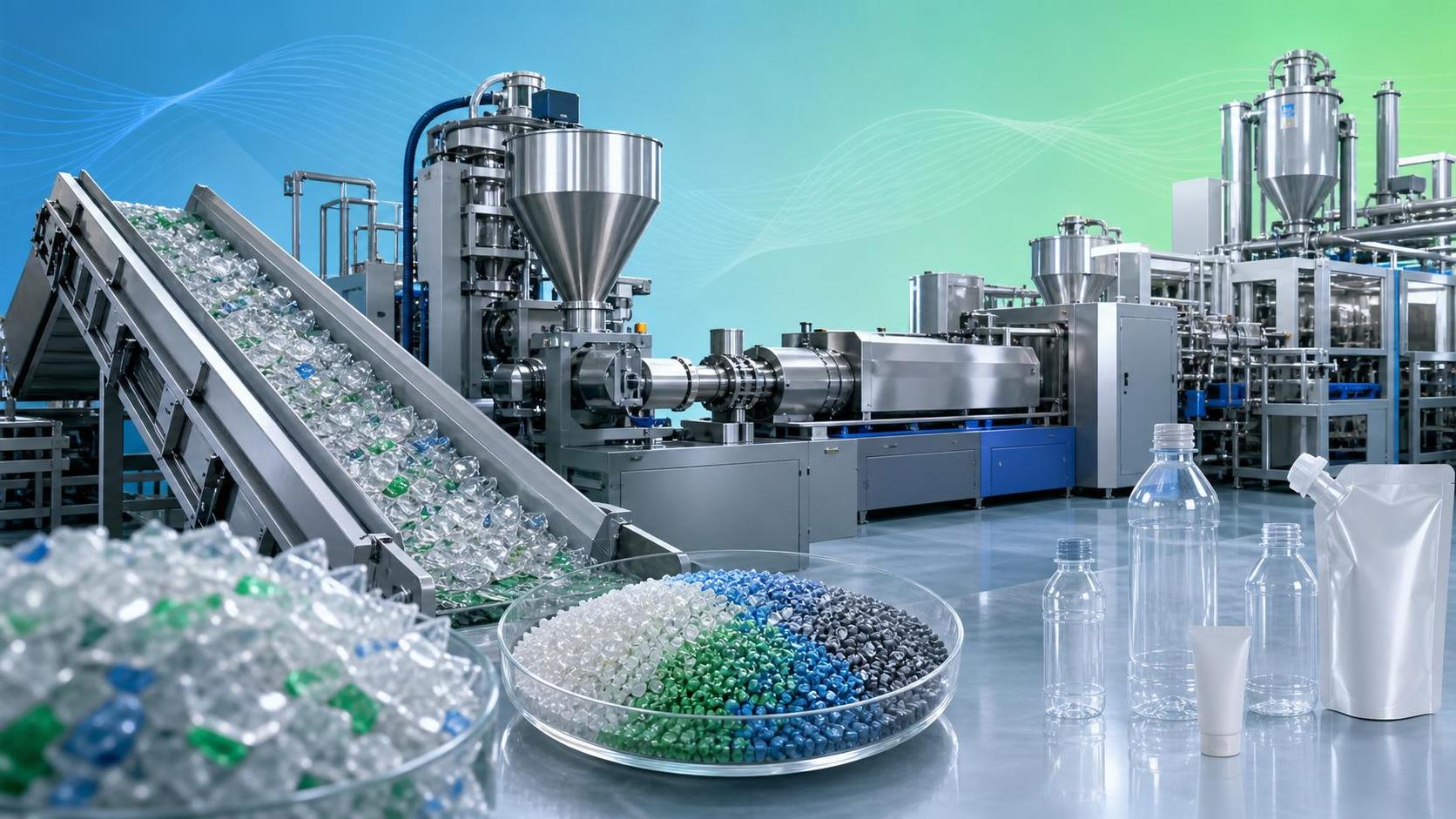
In packaging, small design choices can decide whether a bottle becomes high-value rPET or low-value mixed waste.
For molded components, designers must balance performance, tolerance, color, surface quality, and end-of-life material separation.
Business evaluators should ask whether product teams and processing engineers share common circular design rules across projects.
If design teams select materials without considering recycling compatibility, later investment in recovery systems becomes less effective.
Circular design is therefore not a marketing layer; it is a cost-control and risk-management discipline.
Companies that standardize resin families, reduce unnecessary complexity, and document material composition improve recycling value significantly.
Recycling Infrastructure: The Bottleneck Between Policy Ambition And Market Reality
Governments and brands may set ambitious recycled-content targets, but infrastructure decides whether enough qualified material exists.
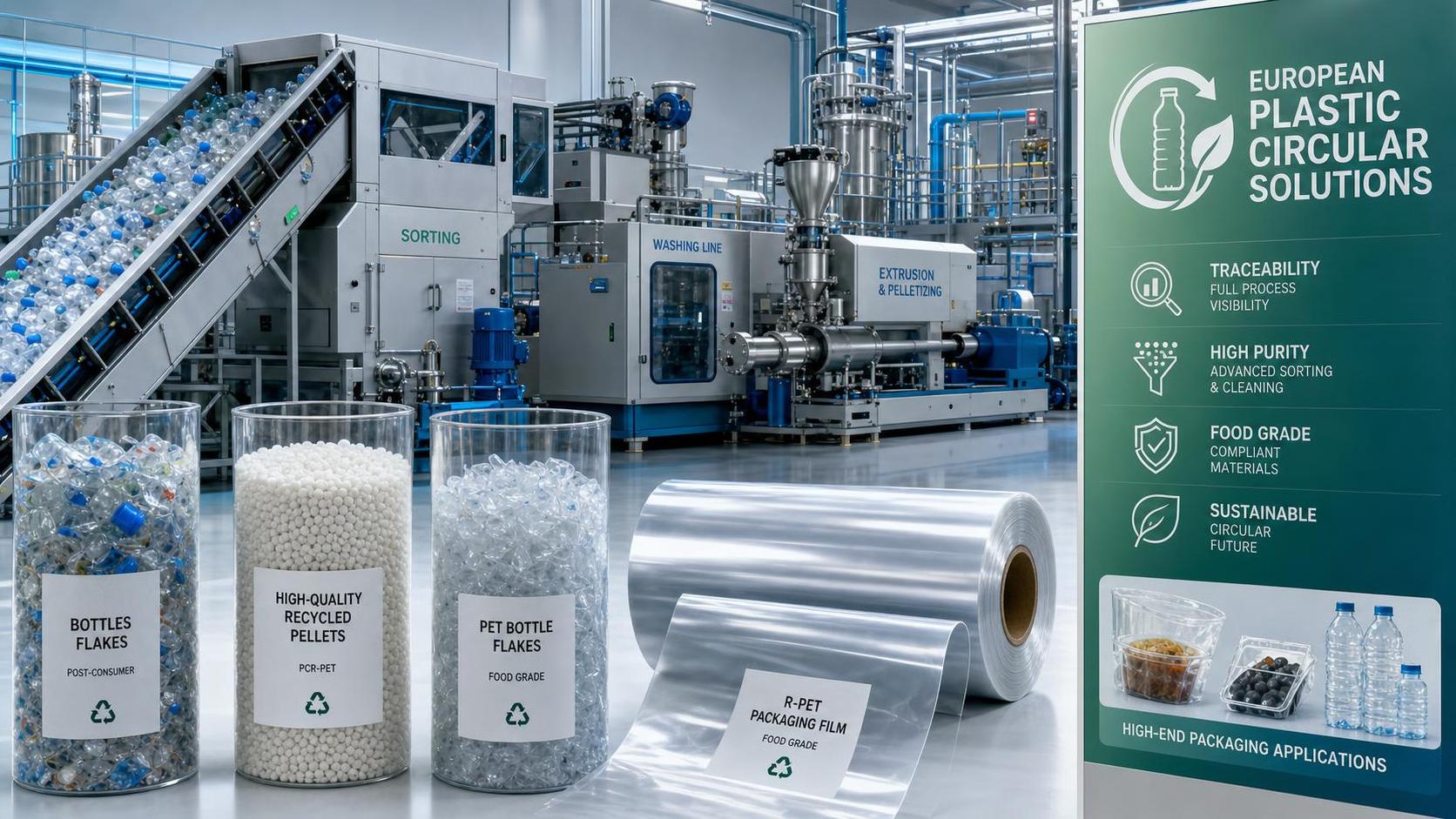
Collection systems, sorting technology, washing lines, melt filtration, deodorization, and pelletizing capacity all shape usable resin supply.
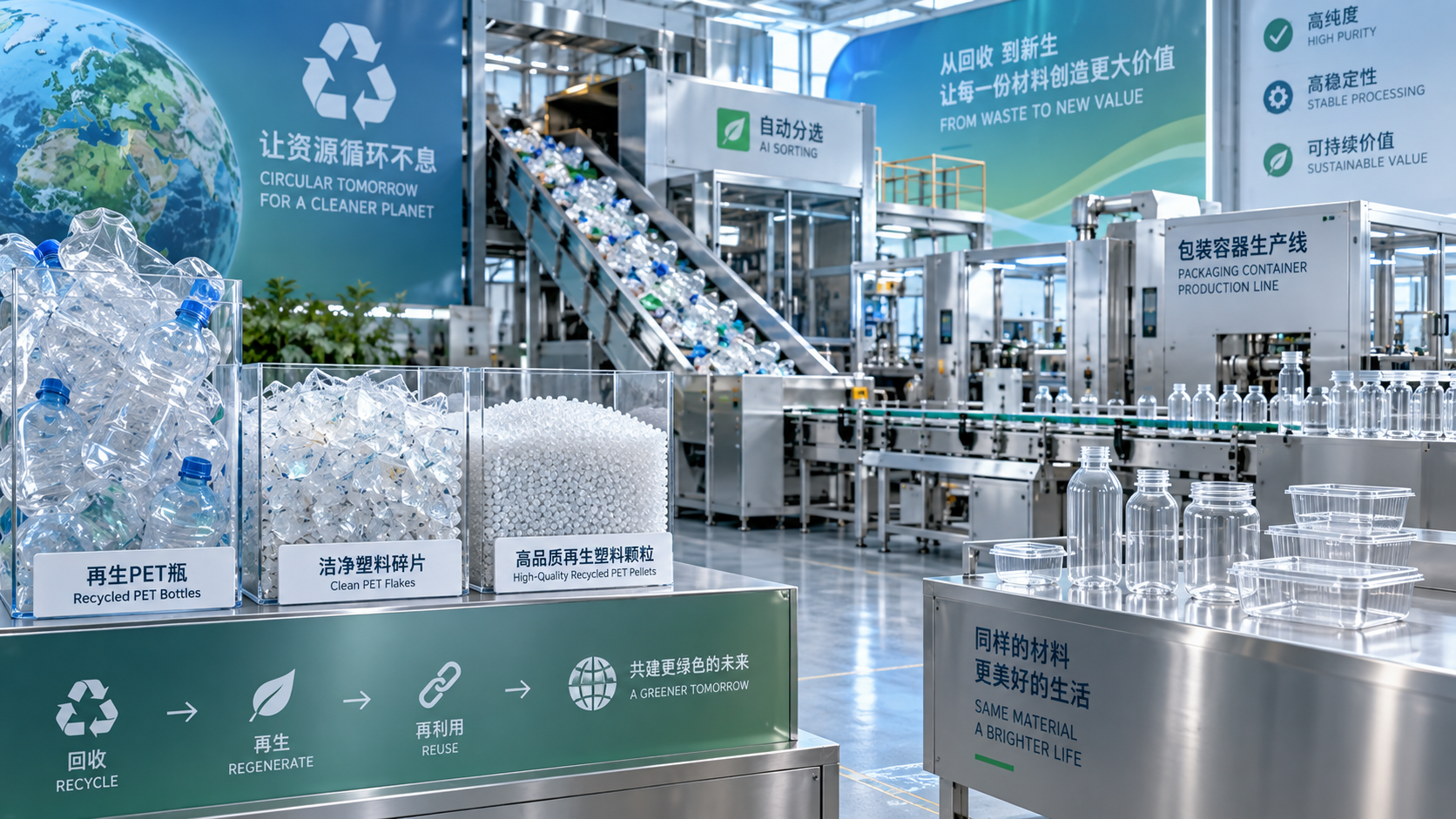
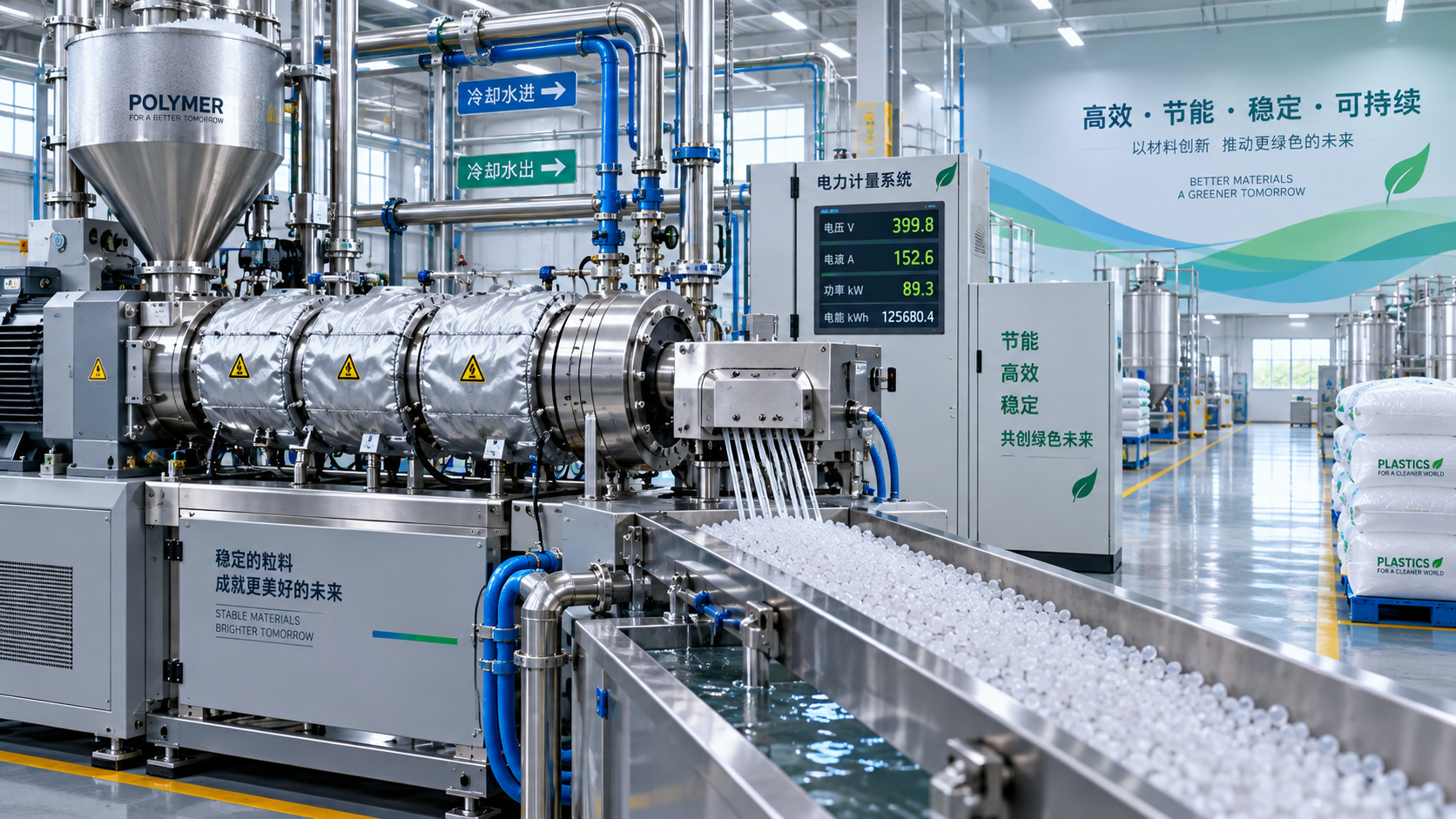
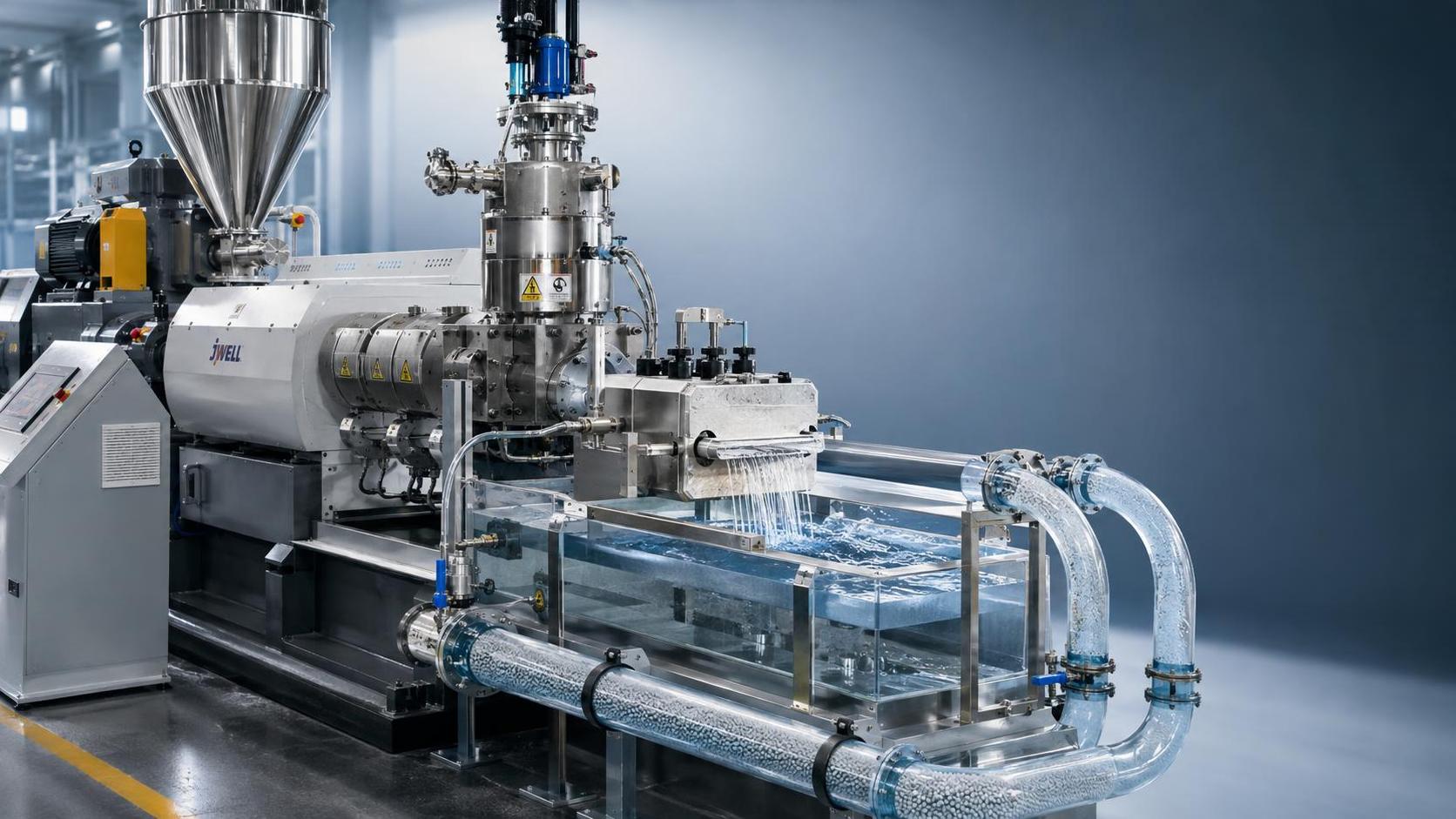
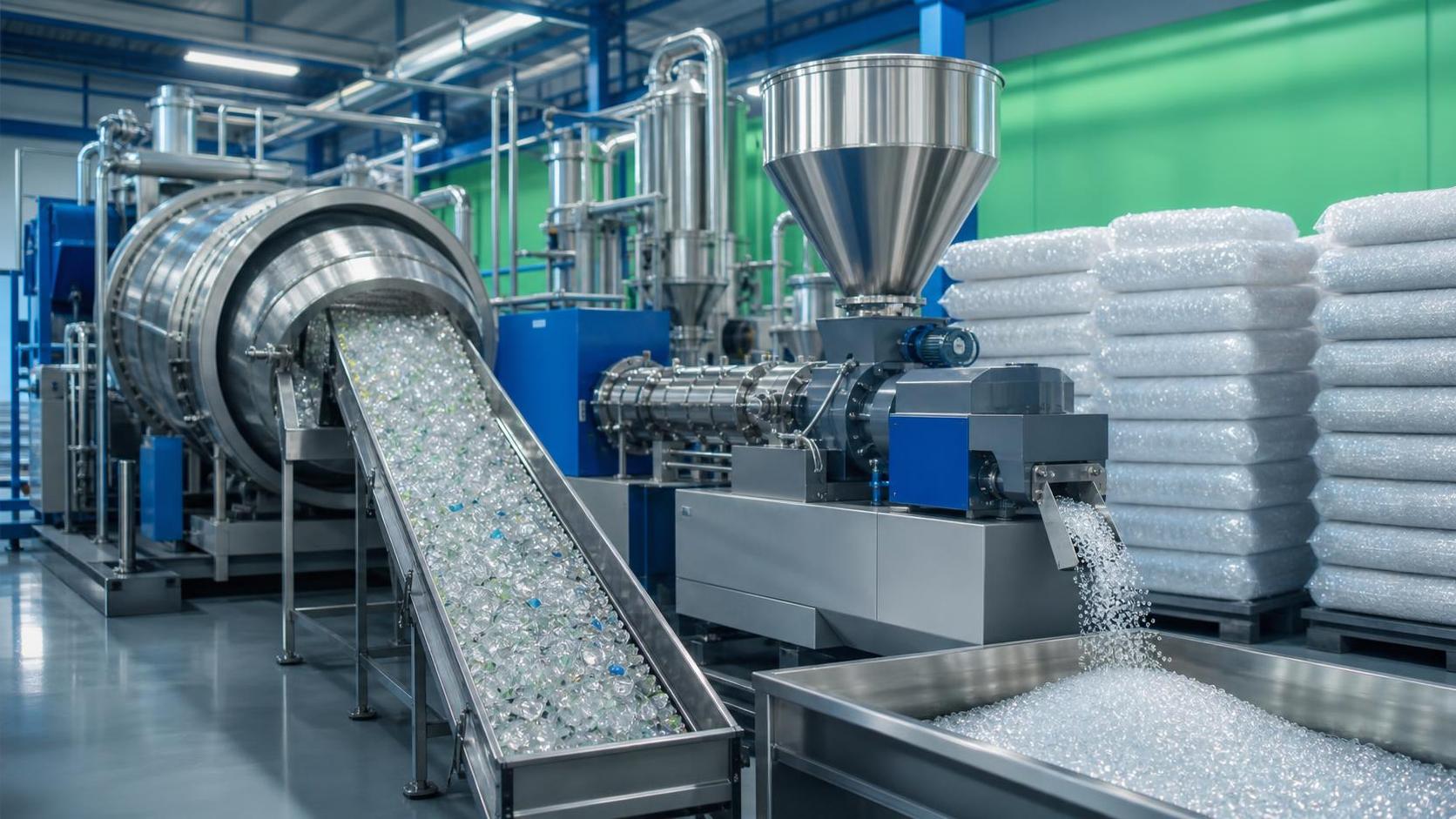
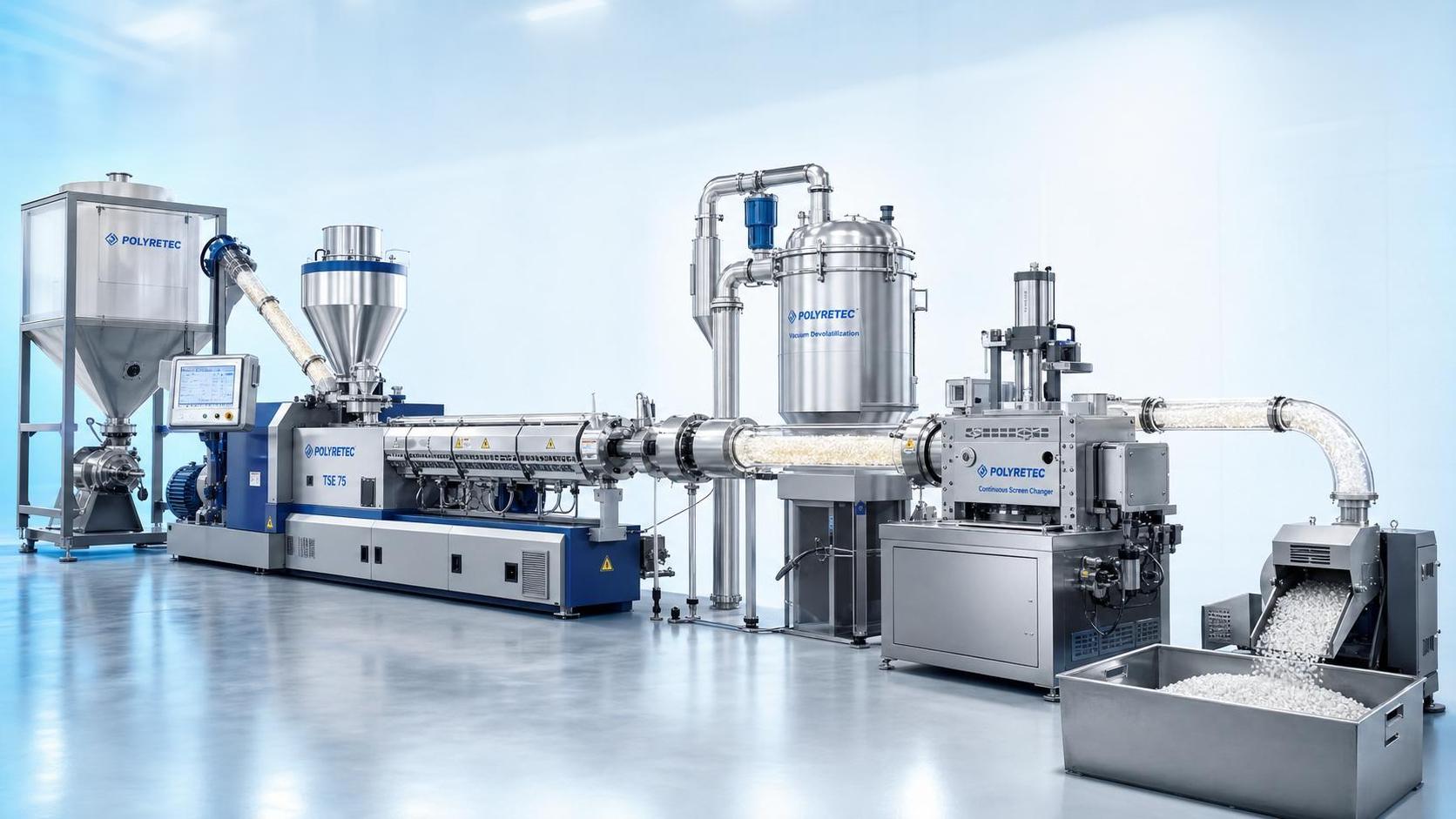
Waste plastic pelletizing machines are especially important because they convert unstable waste streams into tradeable recycled pellets.
High-quality pelletizing depends on controlled washing, stable melting, accurate filtration, degassing, and consistent underwater cutting performance.
For evaluators, the key issue is not whether recycling is technically possible, but whether output quality is commercially repeatable.
Recycled resin must meet processing windows, mechanical specifications, odor limits, color requirements, and food-contact rules where applicable.
When these conditions are not met, converters face downtime, rejects, customer complaints, and higher hidden operating costs.
Investment decisions should therefore examine input variability, contamination levels, maintenance requirements, energy consumption, and end-market pricing.
Processing Equipment Is Becoming A Circular Economy Enabler
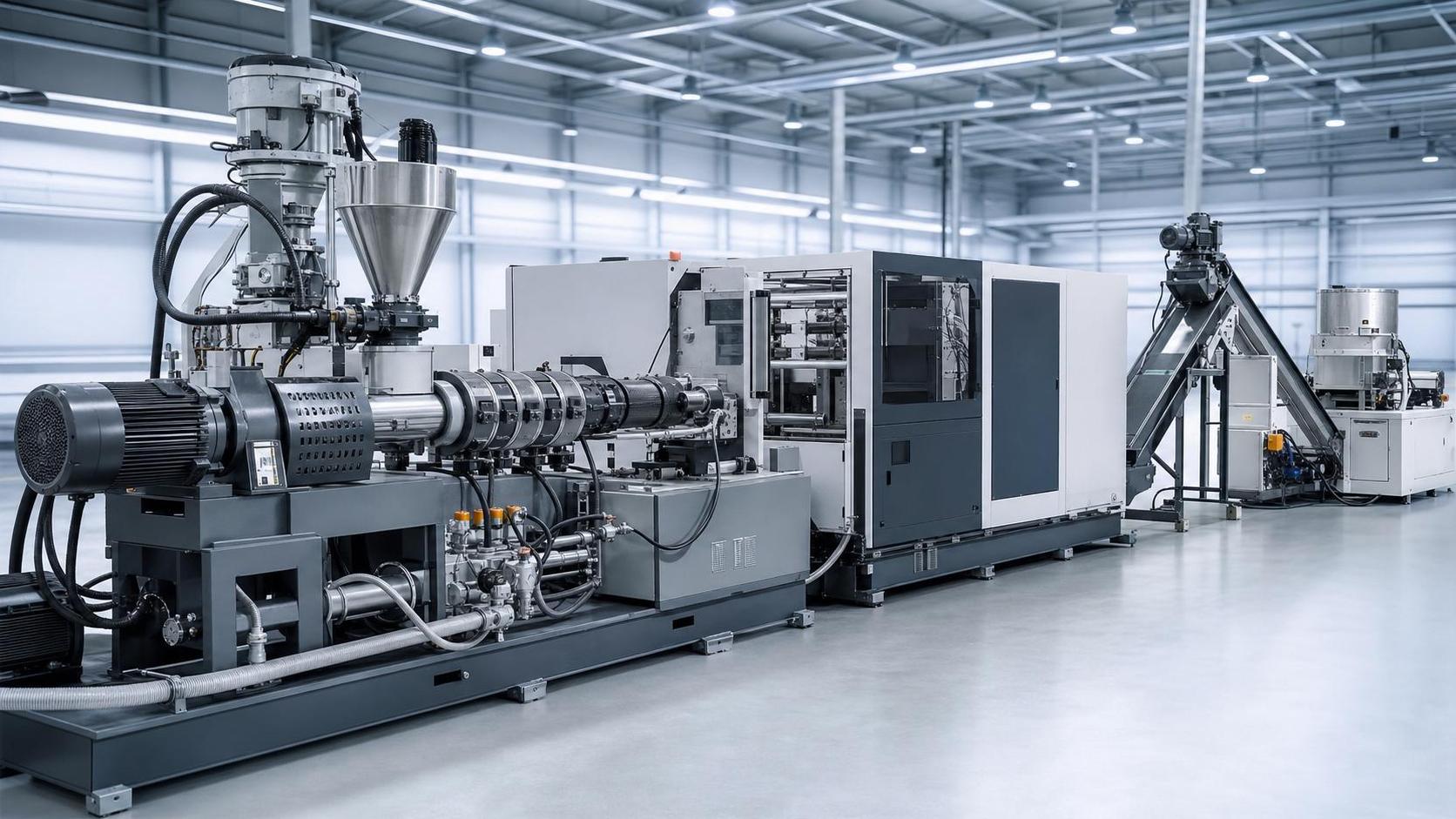
Modern plastics machinery increasingly determines whether recycled and bio-based materials can be processed at industrial efficiency.
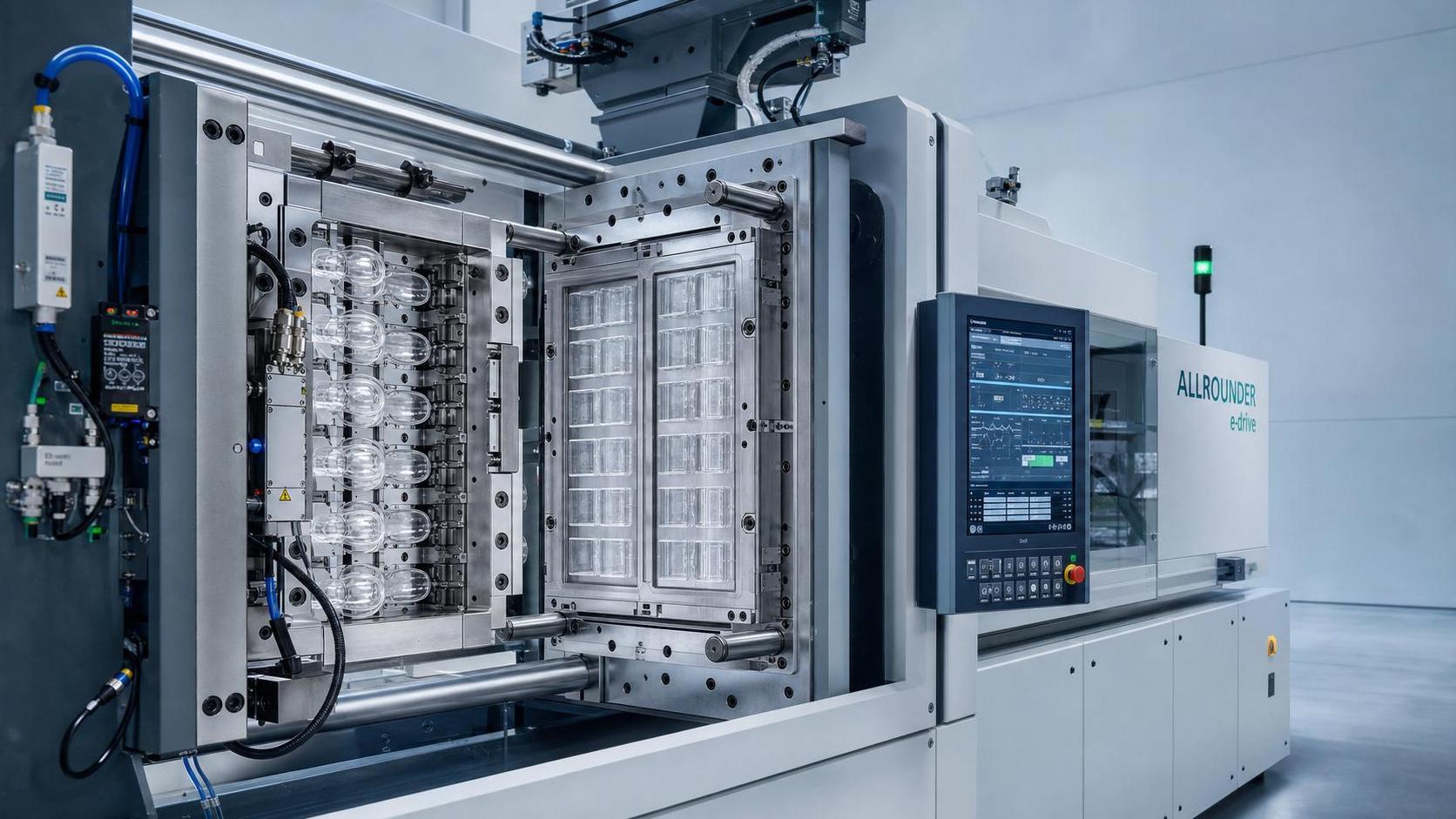
All-electric injection molding machines can reduce energy use while improving precision, repeatability, and scrap control.
High-response servo systems help manage tight tolerances when recycled polymers vary slightly in melt flow or moisture content.
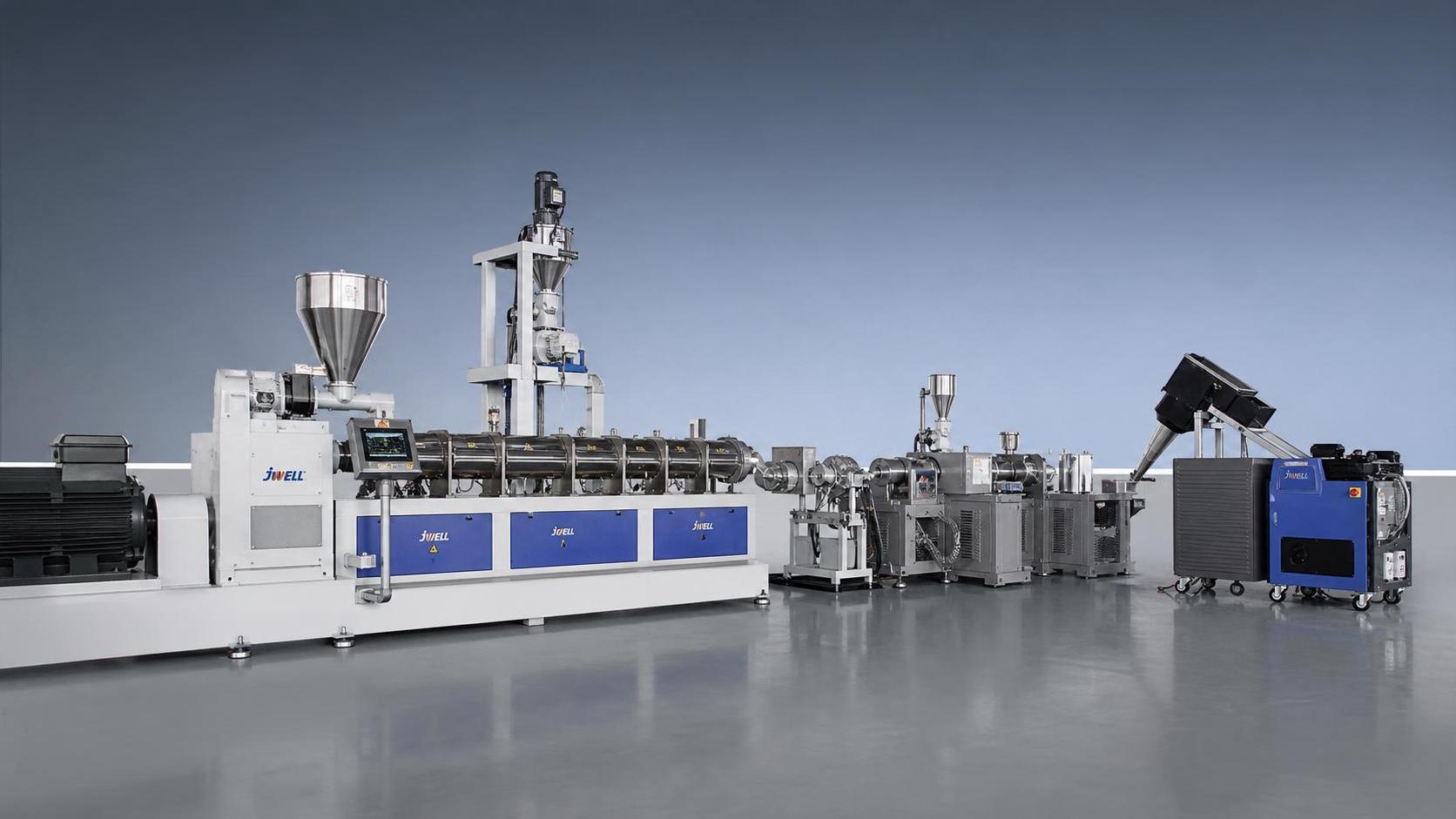
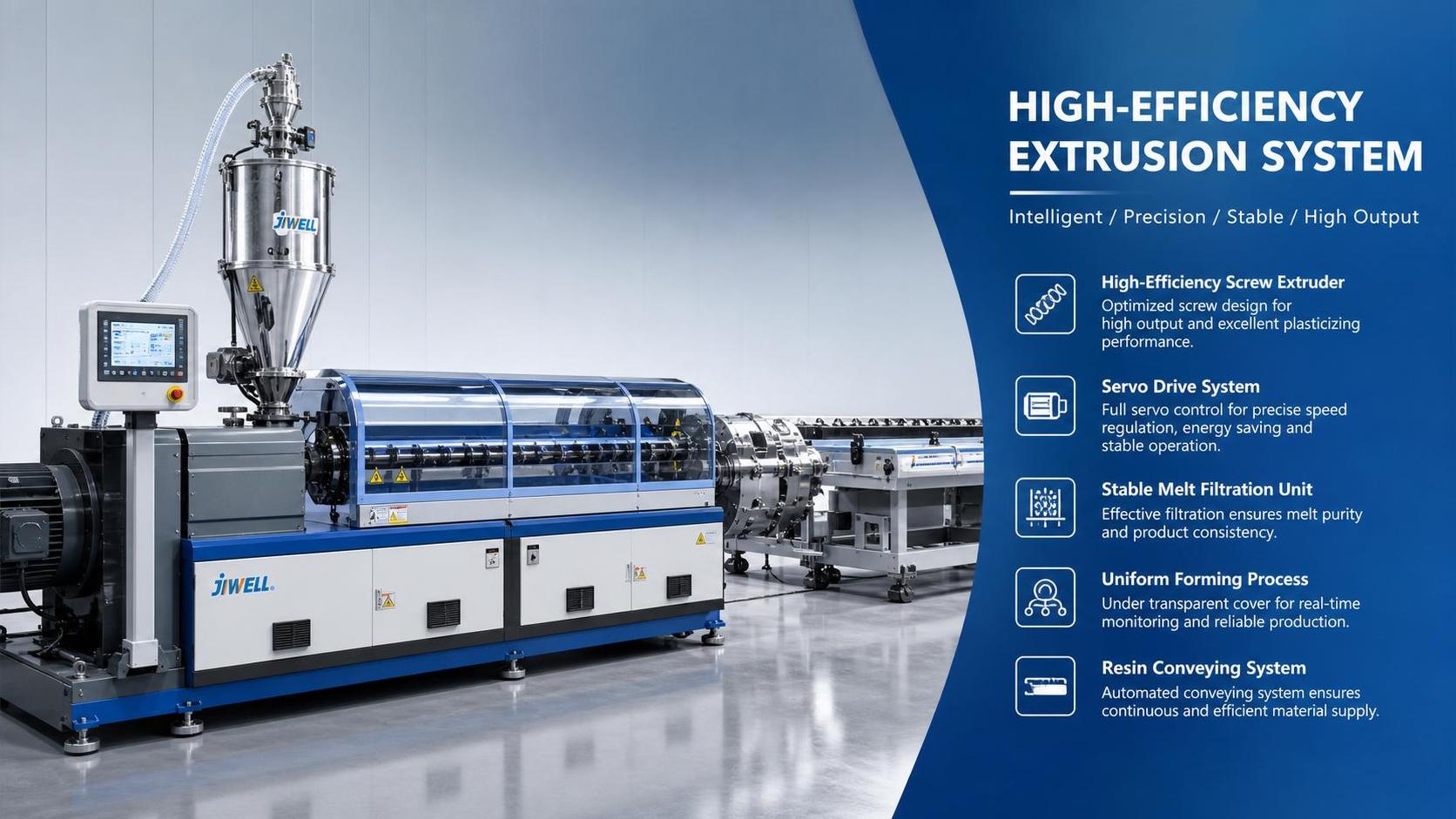
Extruders play another crucial role by compounding recycled substrates with additives, stabilizers, fillers, and performance modifiers.
Twin-screw systems are valuable because they provide controlled shearing, dispersion, devolatilization, and formulation flexibility.
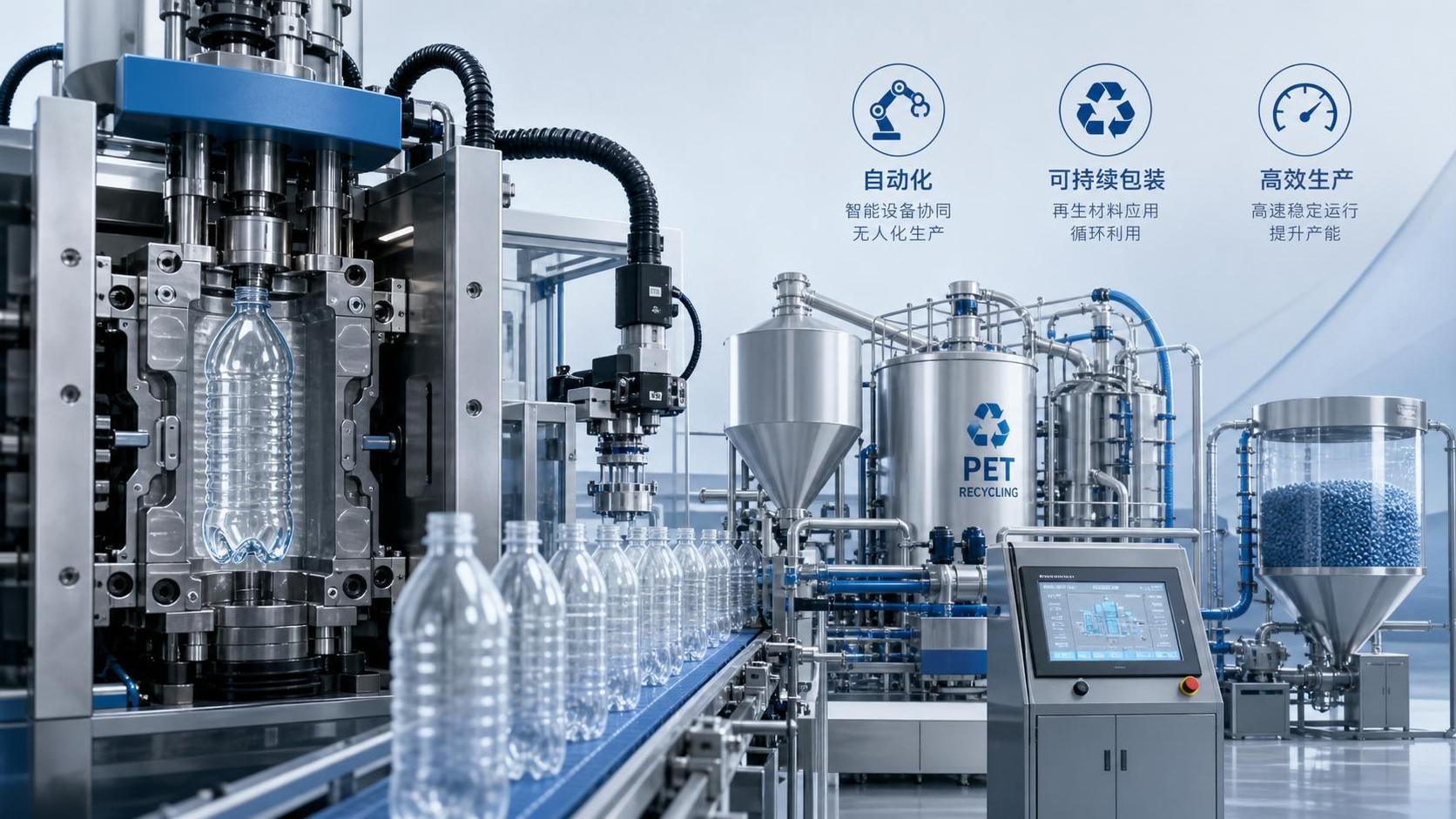
Blow molding equipment must handle lightweighting, recycled-content mandates, and high-speed production without sacrificing bottle quality.
Rubber vulcanizing machines also matter, especially where durability, lifecycle extension, and material efficiency influence environmental performance.
Across these platforms, digital monitoring, predictive maintenance, and AI process optimization can improve yield and resource utilization.
Policy Links: Regulation Is Creating A New Commercial Baseline
Policy is one of the strongest accelerators of circular plastics investment because it changes the cost of inaction.
Extended producer responsibility schemes, packaging taxes, recycled-content mandates, and plastic restrictions are spreading across major markets.
These rules affect not only brand owners, but also molders, extruders, recyclers, equipment suppliers, and material traders.
Business evaluators should track whether target markets require design-for-recycling, recyclability labeling, documentation, or third-party certification.
They should also assess whether policy favors mechanical recycling, chemical recycling, reuse models, or material substitution.
Compliance pressure can increase demand for in-house recycling lines, closed-loop partnerships, and higher-quality recycled pellets.
However, regulation also creates risk when standards change faster than machinery, contracts, or material sourcing strategies.
The best-positioned companies build flexibility into equipment choices, supplier agreements, and product design specifications.
How To Evaluate ROI In Circular Plastics Investments
Return on investment should be calculated beyond the simple price difference between virgin and recycled resin.
A stronger assessment includes scrap reduction, energy savings, landfill avoidance, tax exposure, compliance readiness, and customer retention.
For converters, in-house recycling can convert start-up waste, trimming waste, and rejected parts into reusable process material.
This can reduce raw material purchases while improving visibility over recycled quality and contamination risk.
For recyclers, advanced pelletizing and filtration can lift output from low-grade material to higher-margin applications.
For brand supply chains, circular capability can support preferred supplier status and long-term procurement security.
Evaluators should model realistic feedstock availability, price volatility, downtime risk, labor needs, utility consumption, and maintenance cost.
They should also compare payback under conservative, base, and regulation-driven demand scenarios.
Key Risks That Decision-Makers Should Not Ignore
The green circular economy creates opportunity, but weak execution can produce expensive disappointment and reputational exposure.
Material inconsistency remains a common risk, especially with post-consumer streams affected by contamination and mixed polymer content.
Food-contact applications may require stricter control, validated processes, and regulatory approvals that extend project timelines.
Claims risk is also rising, as customers and regulators increasingly scrutinize recycled-content and recyclability statements.
Equipment mismatch is another concern when machinery cannot tolerate recycled resin variability or future formulation changes.
Supply risk matters because recycled feedstock availability can fluctuate by region, season, collection efficiency, and competing demand.
Companies should avoid investment cases based only on ideal laboratory material or unusually favorable pilot conditions.
Commercial validation requires industrial trials, quality data, customer acceptance, and transparent assumptions about operating constraints.
Where Investment Opportunities Are Strongest
The most attractive opportunities usually appear where regulation, customer demand, and technical feasibility overlap.
Packaging remains a major field because it faces strong policy pressure and visible consumer sustainability expectations.
High-speed blow molding systems that handle recycled PET efficiently can support both compliance and volume growth.
Extrusion lines for pipes, films, sheets, and compounds can benefit when formulations incorporate recycled or lower-carbon materials.
Injection molding opportunities are strongest in applications where recycled content does not compromise safety, tolerance, or appearance requirements.
Recycling equipment investment is compelling where feedstock streams are stable and buyers require consistent pellet quality.
Digital intelligence services also create value by helping companies monitor regulatory changes, resin markets, and equipment evolution.
For machinery suppliers, technical credibility becomes a commercial differentiator when customers need proof, not slogans.
A Practical Evaluation Framework For Buyers And Investors
Business evaluators can simplify decisions by using a structured framework covering market, policy, technology, and operations.
First, define the target application and confirm what circular performance customers or regulators actually require.
Second, verify feedstock availability, quality variation, logistics cost, and long-term access to recyclable material streams.
Third, test whether existing machinery can process recycled content without unacceptable losses in productivity or quality.
Fourth, compare new equipment options by energy efficiency, automation level, maintenance demand, and future material flexibility.
Fifth, document compliance requirements, certification needs, traceability systems, and customer audit expectations.
Finally, build a financial model that includes both direct savings and avoided strategic risks.
This framework prevents companies from treating circularity as a single equipment purchase rather than a system decision.
What This Means For The Future Of Plastics Manufacturing
The future of plastics will not be defined by eliminating polymers, but by managing them more intelligently.
Polymer materials remain essential in healthcare, transportation, infrastructure, food protection, agriculture, and consumer goods.
The competitive shift is toward lower waste, higher efficiency, better design, and credible material recovery.
Companies that understand polymer rheology, thermodynamics, machinery performance, and compliance trends will have a stronger position.
Strategic intelligence platforms such as PFRS matter because decision-makers need connected insight across the entire lifecycle.
Recycling, design, processing equipment, and policy cannot be evaluated separately if the goal is resilient growth.
The green circular economy is best understood as an industrial operating model, not a narrow environmental campaign.
Its winners will combine technical discipline with commercial realism and regulatory foresight.
Conclusion: Circular Plastics Value Depends On Integration
For business evaluators, the essential conclusion is clear: circular plastics value comes from integration.
Design must support recovery, recycling infrastructure must deliver reliable material, and equipment must process that material efficiently.
Policy adds urgency by turning sustainability goals into measurable commercial requirements and potential financial exposure.
The strongest investments are those that improve quality, reduce risk, and remain flexible as regulations and materials evolve.
A green circular economy in plastics is not achieved through one machine, material, or compliance document.
It is built through coordinated decisions across product design, polymer processing, recovery systems, data, and market strategy.
Companies that evaluate these links carefully can move beyond defensive compliance and build durable competitive advantage.