Plastic Extrusion Technology Trends: What Process Changes Are Improving Energy Efficiency?




Energy efficiency has moved to the center of extrusion strategy. In that shift, plastic extrusion technology trends matter well beyond the machine room.
Power prices remain volatile. Carbon reporting is tightening. Quality windows are also getting narrower, especially in packaging, construction, medical, and recycling-linked applications.
That is why process changes now deserve board-level attention. The question is no longer whether an extruder runs, but how efficiently it converts resin, heat, and motion into stable output.
Across the polymer value chain, the strongest gains are coming from better screw design, smarter thermal control, servo electrification, melt-pressure stability, and digital optimization.
Where the Energy Losses Actually Sit
To understand current plastic extrusion technology trends, it helps to separate useful energy from wasted energy inside the process.
Extrusion consumes power through motor load, barrel heating, cooling, conveying, vacuum systems, filtration, and downstream handling.
Waste appears when the melt path creates unnecessary shear, when heaters compensate for poor insulation, or when unstable output forces over-processing.
A line may still hit throughput targets while quietly losing efficiency through scrap, startup time, temperature overshoot, or excessive pressure drop.
That broader view is important for PFRS-style lifecycle analysis. Extrusion performance is linked to molding quality, recycled feedstock behavior, and packaging compliance pressure.
The Process Changes Making the Biggest Difference
The most relevant plastic extrusion technology trends are practical changes in how energy is introduced, transferred, and controlled.
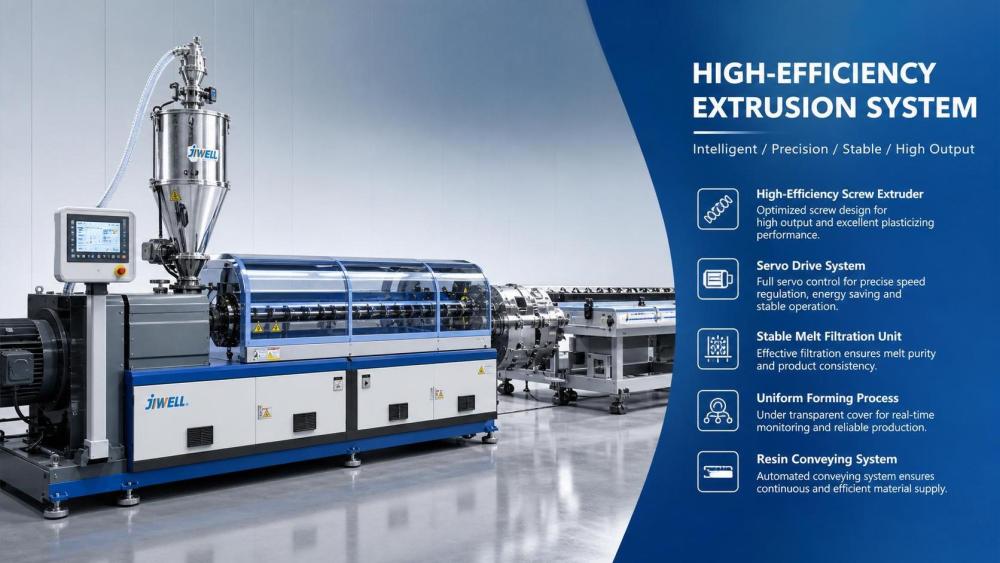
More efficient screw and barrel architecture
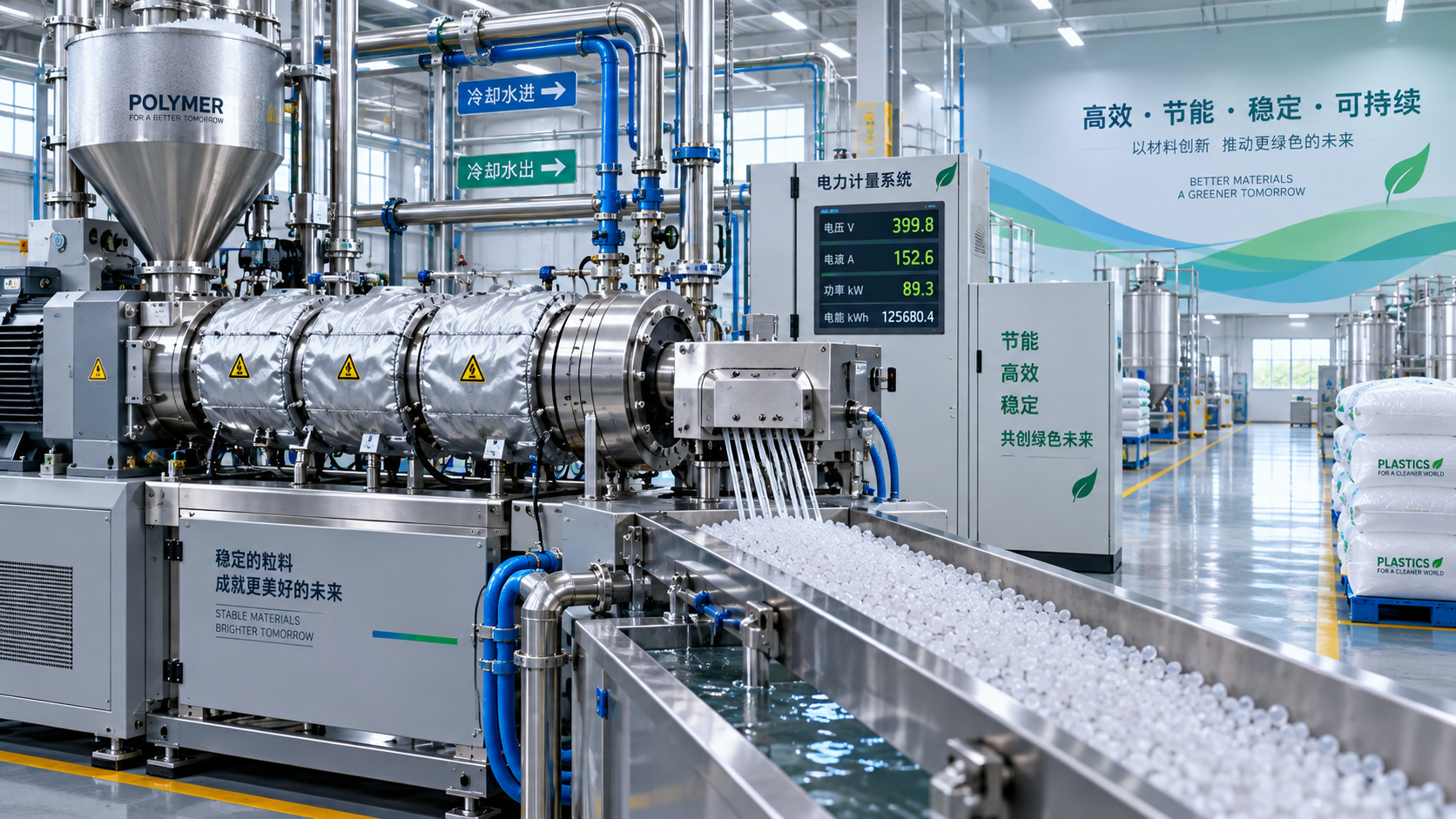
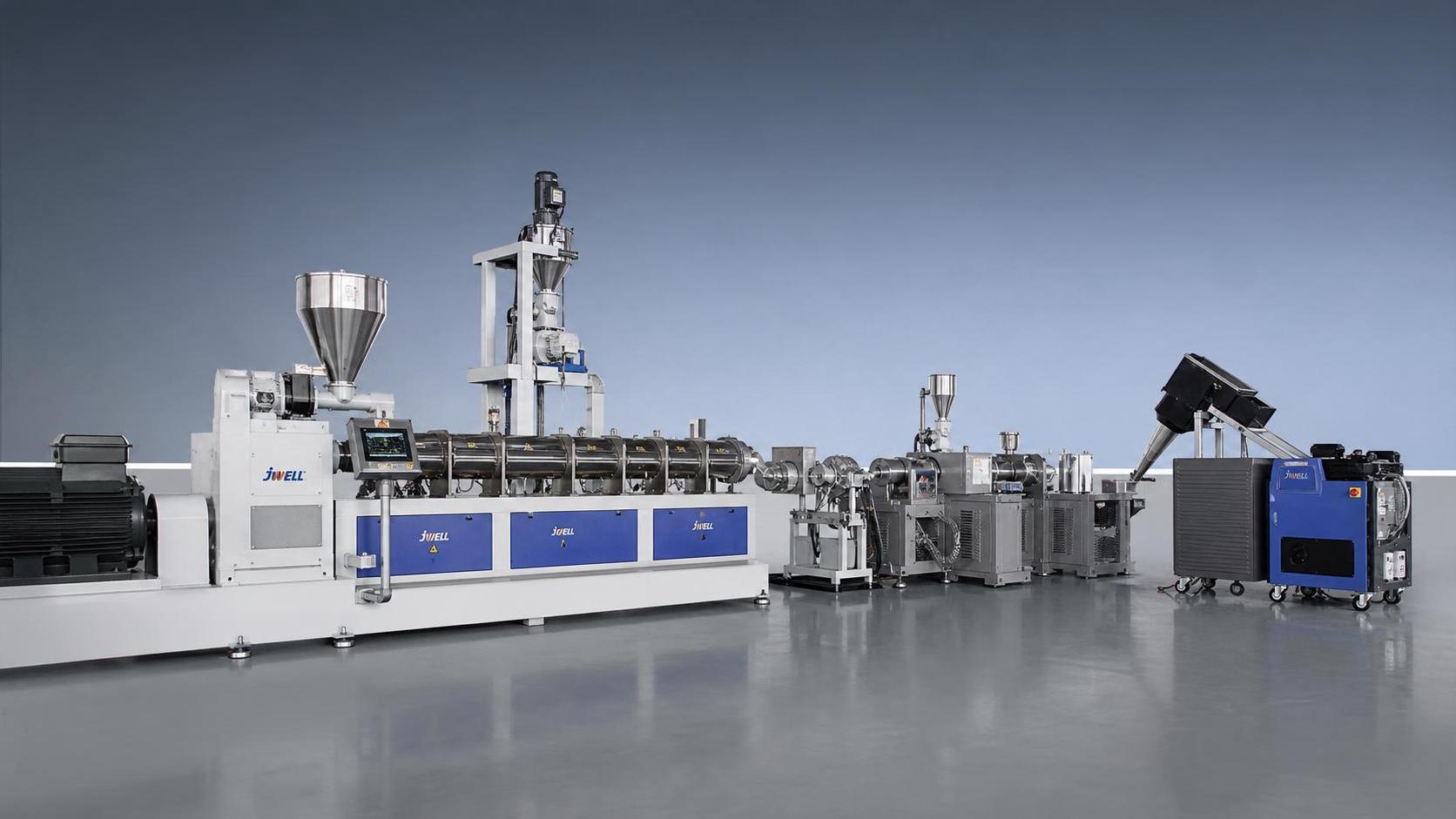
Modern twin-screw and advanced single-screw designs are reducing specific energy consumption by improving conveying efficiency and matching shear to material behavior.
Barrier screws, optimized mixing sections, and application-specific screw elements help generate the required melt quality with less wasted mechanical work.
This matters most when processing filled compounds, multilayer materials, recycled blends, or heat-sensitive polymers.
Thermal management instead of brute-force heating
Older lines often rely on high heater output and reactive cooling. Newer systems aim for balanced heat generation across the barrel, screw, die, and downstream zones.
Improved insulation blankets, ceramic heaters, tighter zonal control, and predictive temperature logic reduce overshoot and shorten thermal recovery time.
In practice, that means less cycling, lower peak demand, and more stable melt temperature.
Servo-driven and all-electric motion systems
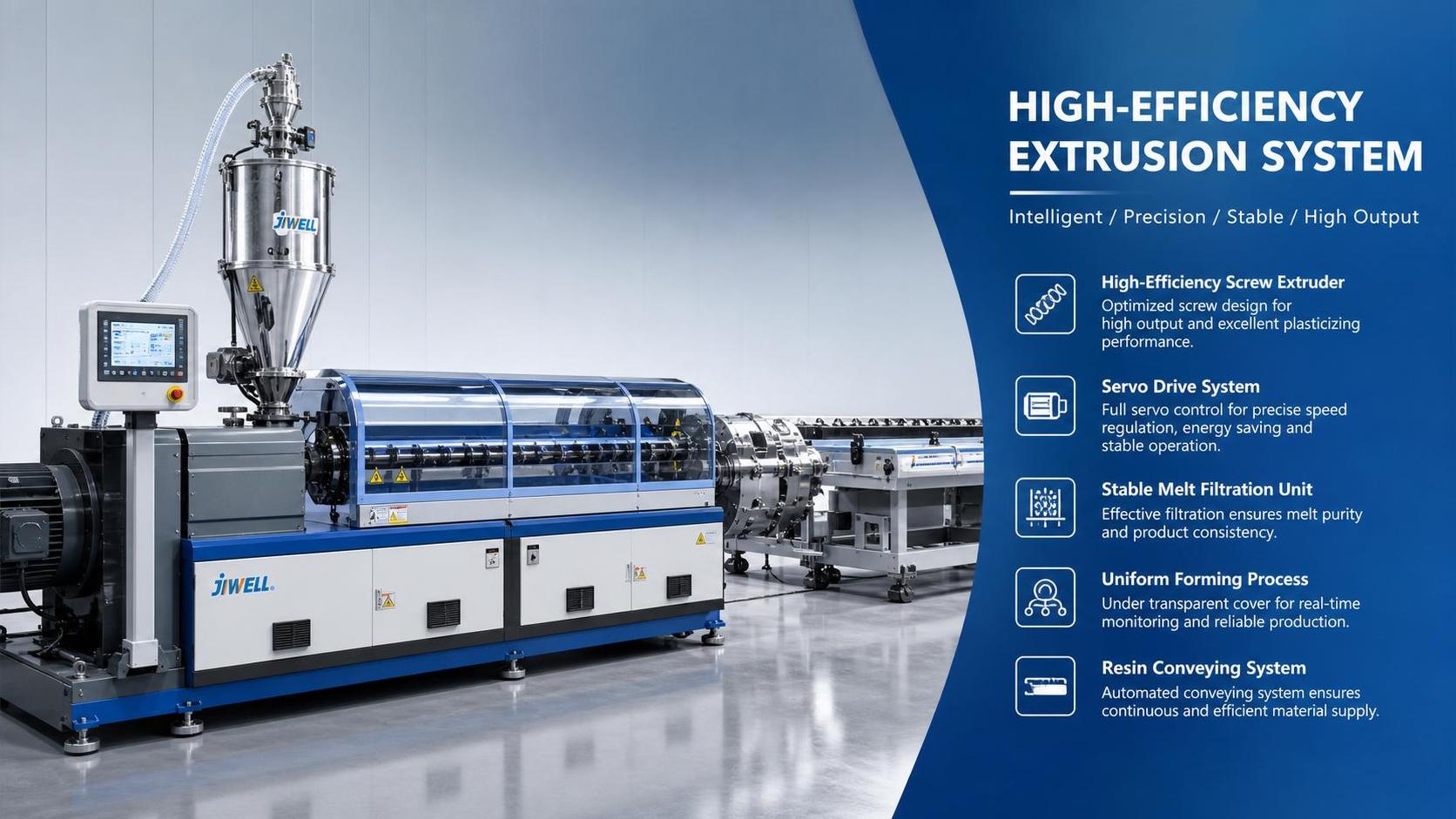
One of the clearest plastic extrusion technology trends is the replacement of fixed-speed, hydraulically dependent systems with servo-driven architectures.
Servo motors allow output to follow actual process demand. That improves torque control, trims idle losses, and supports faster response during load changes.
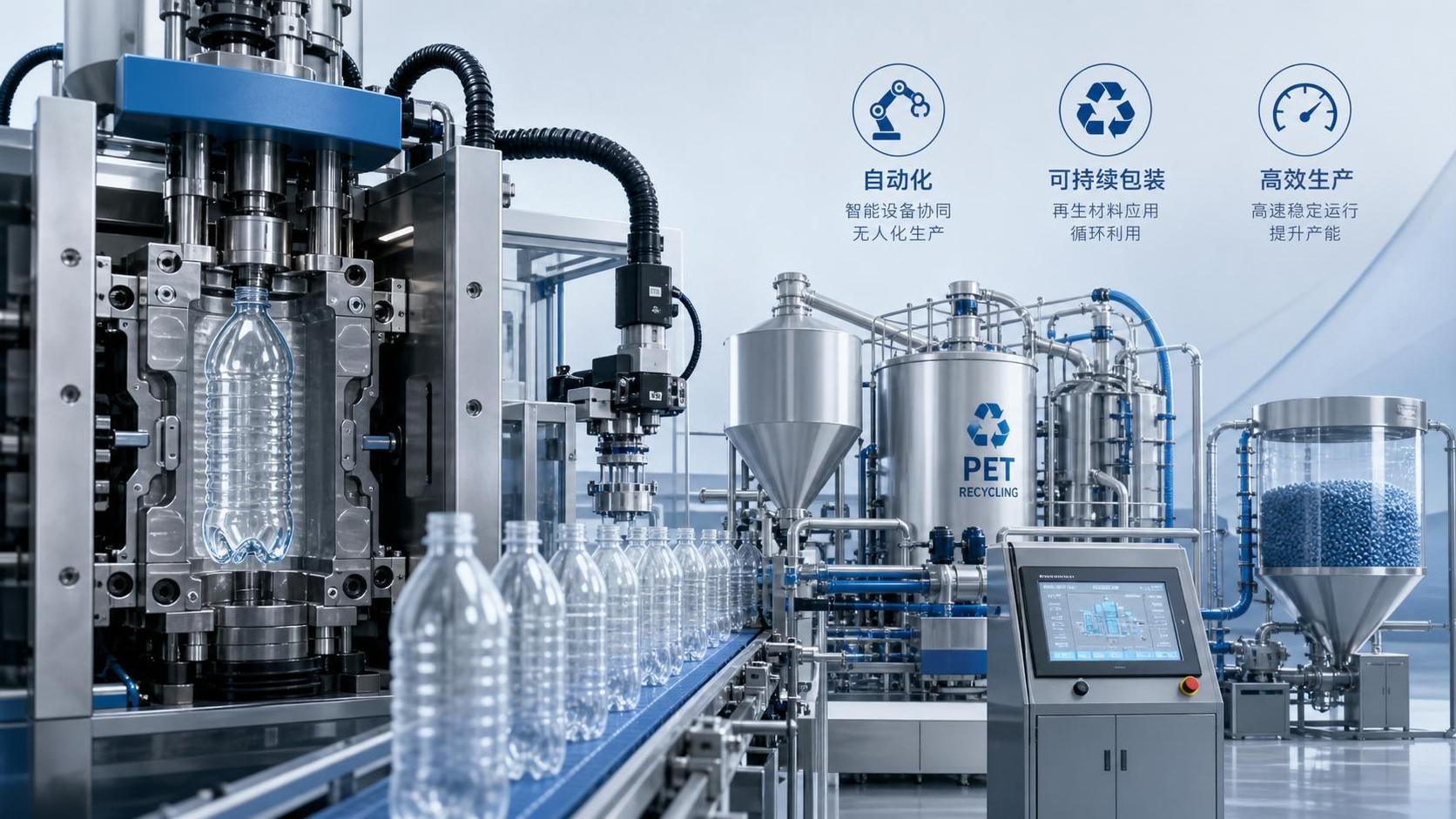
It also aligns with wider electrification seen across injection molding, blow molding, and pelletizing systems.
Smarter melt filtration and pressure control
Pressure instability can quietly raise energy use. Pumps work harder, material degrades faster, and operators compensate with extra heat or lower throughput.
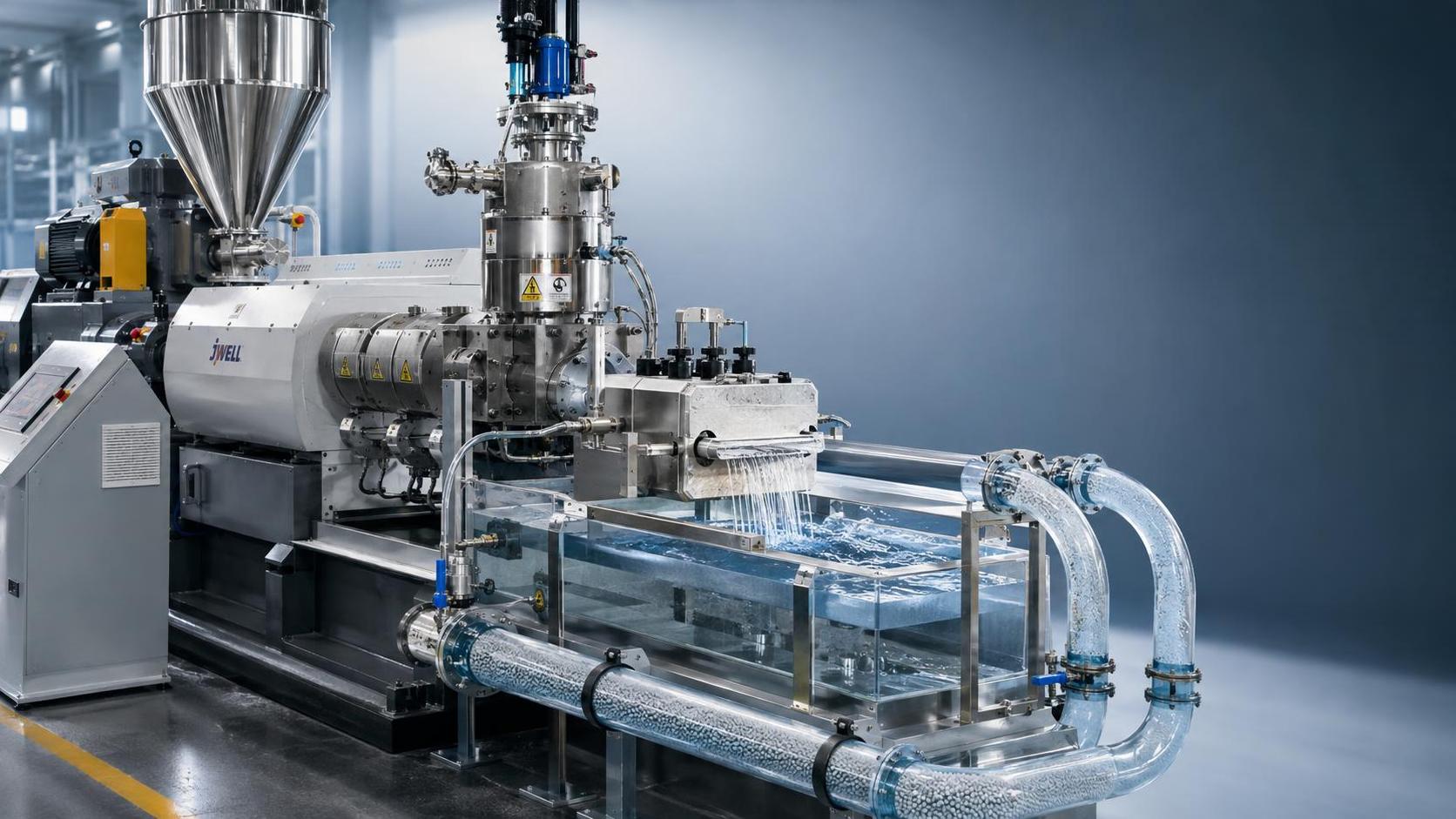
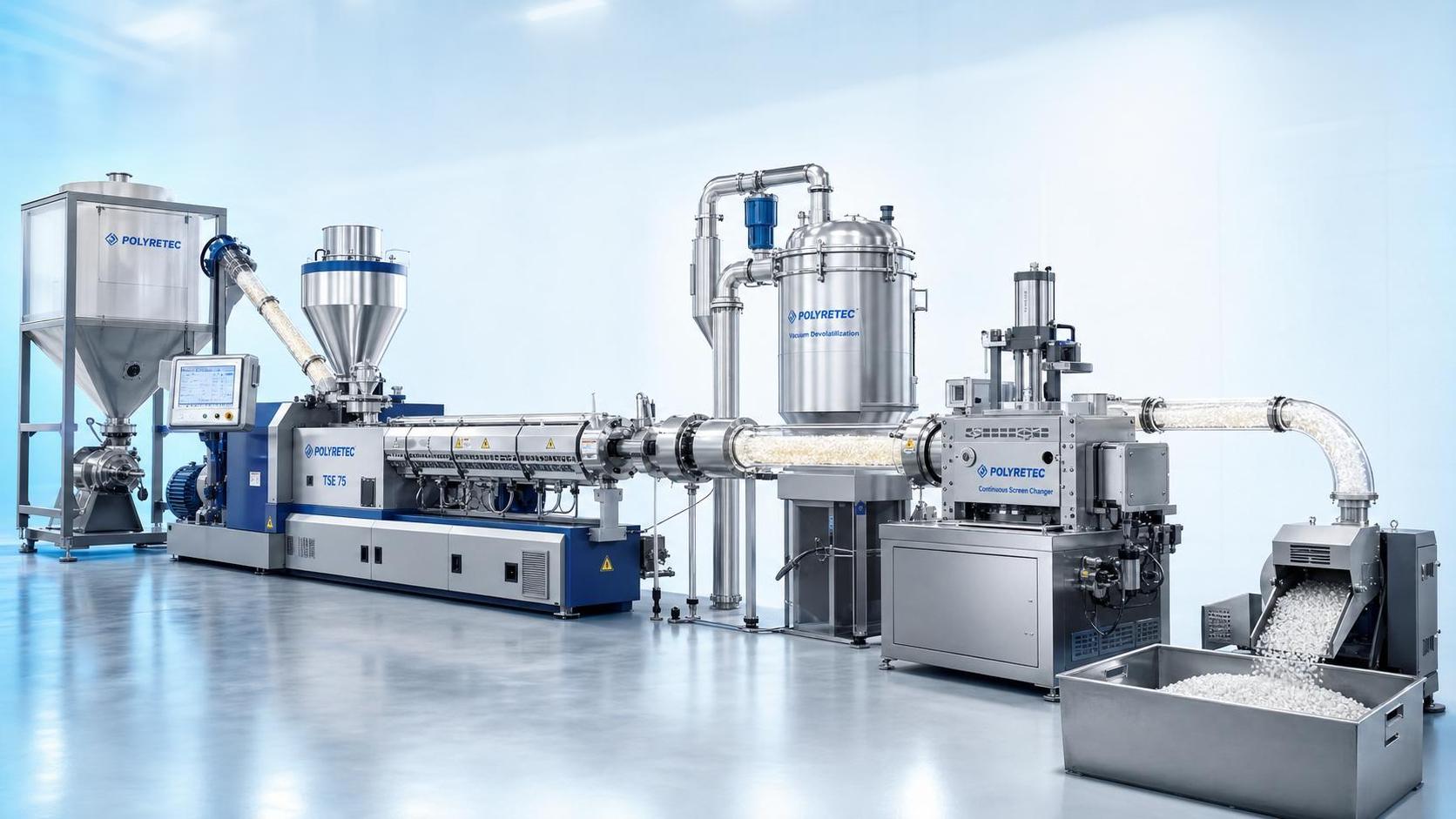
Continuous screen changers, low-resistance filtration paths, and stable melt pumps reduce those penalties, especially in recycling and contamination-sensitive lines.
Why These Trends Matter Across Industries
Extrusion is not a narrow equipment topic. It sits inside broader manufacturing systems and increasingly affects compliance, cost structure, and material strategy.
For pipe and profile production, lower energy per kilogram improves resilience in long production campaigns with thin margins.
For film and sheet, stable thermal control supports gauge consistency, better sealing performance, and less edge trim.
For compounding, the value comes from better dispersion at lower thermal stress. That can preserve additives, color quality, and polymer integrity.
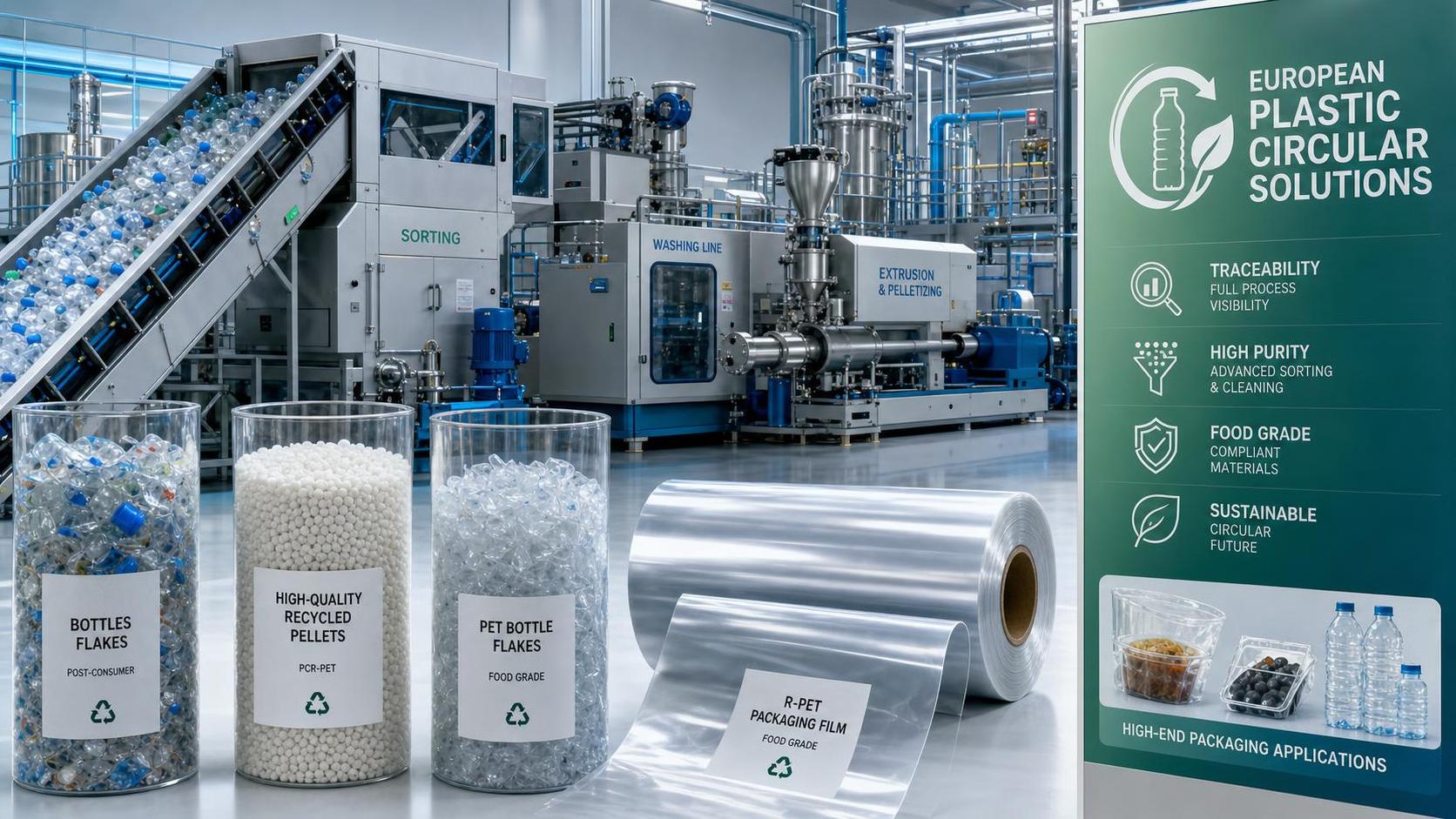
For waste plastic pelletizing, efficient extrusion is even more strategic. Recycled feedstock is less predictable, so process stability directly affects both energy intensity and commercial yield.
This is where the PFRS perspective becomes useful. The same intelligence framework connects rheology, filtration, compliance, and circular-economy economics instead of treating them as isolated topics.
Digital Control Is Becoming a Core Efficiency Tool
Another major shift in plastic extrusion technology trends is the move from reactive operation to data-led control.
Sensors now capture melt pressure, motor load, zone temperature, screw speed variation, vacuum behavior, and downstream puller balance in real time.
That data becomes valuable when linked to usable decisions. It can reveal whether rising energy use comes from resin moisture, screen clogging, die imbalance, or operator setpoint drift.
CFD-based simulation and recipe optimization are also moving from specialist studies into practical process engineering. They help lines reach stable windows faster.
In multi-line operations, digital benchmarking matters just as much. The best comparisons are not only machine-to-machine, but product-to-product and kilogram-to-kilogram.
What to Evaluate Before Investing
Not every energy claim is equally meaningful. Some upgrades save power only under narrow operating windows, while others improve the entire line balance.
A better evaluation starts with process context, not brochure language.
- Measure specific energy consumption per kilogram, not only total machine power.
- Separate startup, steady-state, and product-change losses.
- Check whether the line runs virgin resin, filled compounds, or recycled inputs.
- Review die, filtration, and downstream constraints before replacing the main extruder.
- Compare throughput stability, scrap rate, and maintenance intervals alongside electricity savings.
- Ask whether control software can support future recipe complexity and emissions reporting.
This is also where cross-process intelligence matters. Extrusion choices can influence blow molding feed quality, injection molding regrind strategy, and internal recycling economics.
How to Read the Next Phase of Plastic Extrusion Technology Trends
The next wave of plastic extrusion technology trends will likely center on integrated efficiency rather than isolated machine upgrades.
That includes AI-assisted setpoint optimization, stronger digital twins, better melt-quality prediction, and tighter links between extrusion and recycling loops.
It also points toward lines designed for fluctuating resin availability and stricter packaging regulation, especially where recycled content targets are rising.
In practical terms, the most durable improvements usually come from three combined moves: process transparency, hardware matching, and disciplined operating standards.
A useful next step is to map current energy use against product mix, material risk, and compliance exposure. That creates a stronger basis for comparing retrofit, replacement, or digital-control pathways.
For organizations tracking plastic extrusion technology trends through PFRS and similar intelligence sources, the real advantage is not trend awareness alone.
It is the ability to translate process detail into better capital timing, lower operating intensity, and a more credible circular manufacturing strategy.
Related News
- 00
0000-00
How to Specify a Medical Molding Machine for Cleanroom Device Production - 00
0000-00
Plastic Extrusion Technology for Films: Process Controls That Improve Gauge Uniformity - 00
0000-00
How to Evaluate Plastic Recycling Machinery for UAE Heat, Feedstock, and Output Needs - 00
0000-00
How to Evaluate a PET Bottle Recycling System Supplier for Reliable rPET Output - 00
0000-00
How to Select Rubber Processing Equipment for High-Precision Automotive Seals
Weekly Insights
Stay ahead with our curated technology reports delivered every Monday.
Related News
 Prof. Marcus ChenEnergy-Efficient Polymer Processing: Where Plants Can Cut kWh per KilogramEnergy-efficient polymer processing solutions help plants reduce kWh per kilogram, protect quality, cut scrap, and prioritize upgrades with data-driven insights.Sep 23, 2026
 Prof. Marcus ChenPlastic Pelletizing Trends: How Recycling Demand Is Reshaping Processing TechnologyPlastic pelletizing trends are redefining recycling quality. Explore filtration, extrusion, degassing, and automation innovations driving cleaner, more consistent recycled resin.Sep 07, 2026
 Prof. Marcus ChenHow Polymer Supply Chains Are Changing to Support High-Quality Recycling FeedstockPolymer supply chain for recycling is shifting toward traceable sourcing, cleaner sorting, and stable processing. See how high-quality feedstock improves performance, compliance, and cost control.Aug 22, 2026
 Prof. Marcus ChenHow Europe’s Circular Plastics Economy Is Reshaping Recycling InvestmentCircular plastics economy Europe is reshaping recycling investment through quality, traceability, and packaging demand. Explore where capital is moving and why it matters now.Aug 04, 2026
 Prof. Marcus ChenBlow Molding Trends Shaping Packaging, Sustainability, and Production EfficiencyBlow molding trends are redefining packaging with lightweighting, recycled content, automation, and energy efficiency. Discover how smarter production boosts sustainability and cuts costs.Jul 23, 2026
 Prof. Marcus ChenExtrusion Equipment Modular Design: When It Makes Sense for Line ExpansionExtrusion equipment modular design helps manufacturers expand lines in phases, cut disruption, and stay ready for recycled content, utility limits, and changing product demands.Jul 15, 2026
 Prof. Marcus ChenPolymer Lifecycle Solutions Explained: From Material Sourcing to End-of-Life RecoveryPolymer lifecycle solutions explained from sourcing and processing to recycling and recovery. Discover how to cut waste, improve quality, and build smarter material strategies.Jul 13, 2026
 Prof. Marcus ChenEnergy-Efficient Polymer Processing Systems: Which Metrics Matter Most?Energy-efficient polymer processing systems: discover the metrics that truly drive ROI—specific energy use, yield, uptime, stability, and compliance for smarter equipment decisions.Jul 11, 2026
 Prof. Marcus ChenPolymer Recycling Systems for Continuous Operation: What to Check Before SpecifyingPolymer recycling systems continuous operation starts with the right specification. Learn what to check for uptime, melt quality, energy efficiency, and reliable pellet output.Jul 09, 2026
 Prof. Marcus ChenCircular Plastics Economy in Japan: Policy Drivers, Recycling Targets, and Market ImpactCircular plastics economy Japan is accelerating as policy, recycling targets, and packaging reforms reshape material choices, processing strategy, and market advantage.Jul 05, 2026
 Prof. Marcus ChenPlastic Extrusion Technology Trends: What Process Changes Are Improving Energy Efficiency?Plastic extrusion technology trends are reshaping energy efficiency through smarter screws, thermal control, servo drives, and digital optimization. See which process changes deliver lower costs and more stable output.Jul 01, 2026
 Prof. Marcus ChenInjection Molding Technology Trends: Which Process Changes Matter Most for Medical and Packaging Parts?Injection molding technology trends shaping medical and packaging parts: discover the process changes that improve validation, precision, efficiency, and recycled-material readiness.Jun 30, 2026
 Prof. Marcus ChenCircular Plastics Economy Compliance Explained: Key Requirements for ManufacturersCircular plastics economy compliance explained for manufacturers: learn key requirements, audit risks, process controls, and how to turn compliance into a competitive advantage.Jun 25, 2026
 Prof. Marcus ChenAdvanced Materials Processing Trends: 5 Shifts Reshaping Capacity Planning and SourcingAdvanced materials processing trends are reshaping capacity planning, sourcing, recycling, and compliance. Explore 5 shifts helping manufacturers cut risk, improve precision, and build resilient growth.Jun 24, 2026
 Prof. Marcus ChenGlobal Plastic Ban Trends: Which Packaging Materials and Export Markets Face the Biggest Changes?Global plastic ban trends are reshaping packaging choices and export strategy. See which materials and markets face the biggest shifts, and how to reduce compliance risk.Jun 22, 2026
 Prof. Marcus ChenPolymer Rheology Trends That Matter in Extrusion: Melt Strength, Shear, and StabilityPolymer rheology trends are reshaping extrusion performance. Learn how melt strength, shear, and stability affect quality, efficiency, and recycled resin processing.Jun 18, 2026
 Prof. Marcus ChenPlastic Circularity Strategies for Manufacturers: Recycled Content, Design, and TraceabilityPlastic circularity strategies for manufacturers: learn how recycled content, smarter design, and traceability can reduce risk, improve compliance, and strengthen supply resilience.Jun 18, 2026
 Prof. Marcus ChenAdvanced Materials Processing Equipment in High-Performance Manufacturing: Where It Fits BestAdvanced materials processing equipment drives precision, speed, and sustainability in manufacturing. Explore where each system fits best to improve quality, efficiency, and ROI.Jun 16, 2026
 Prof. Marcus ChenWhat Is Driving the Circular Economy Plastics Market? Policy, Pricing, and Demand ShiftsCircular economy plastics market trends are being driven by tighter policy, resin price volatility, and stricter buyer demands. Discover what this means for sourcing, processing, and growth.Jun 13, 2026
 Prof. Marcus ChenDigital Polymer Processing Explained: Methods, Materials, and Best-Fit ApplicationsDigital polymer processing explained clearly: explore key methods, materials, and best-fit applications to improve quality, efficiency, and recycling performance.Jun 10, 2026