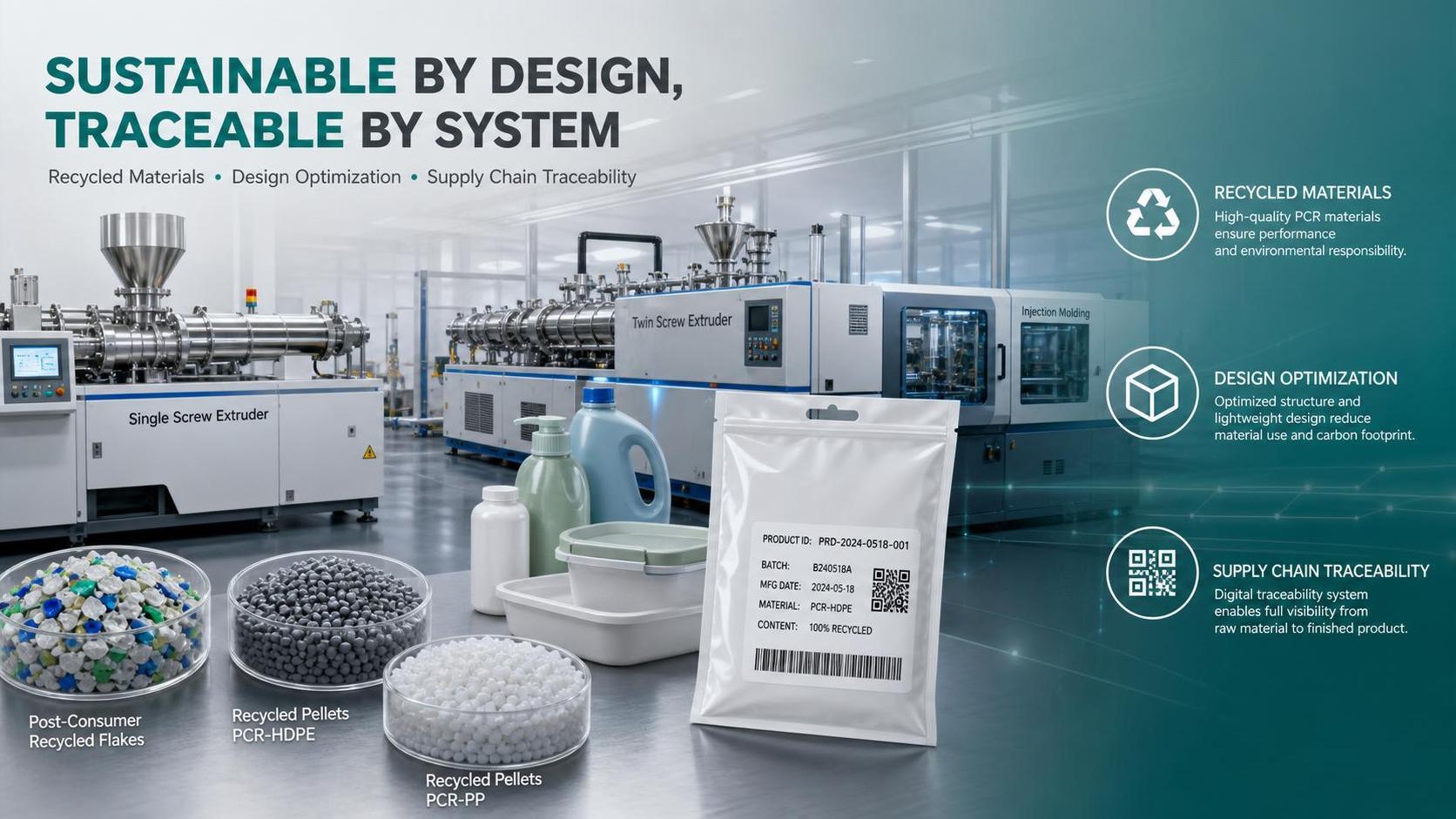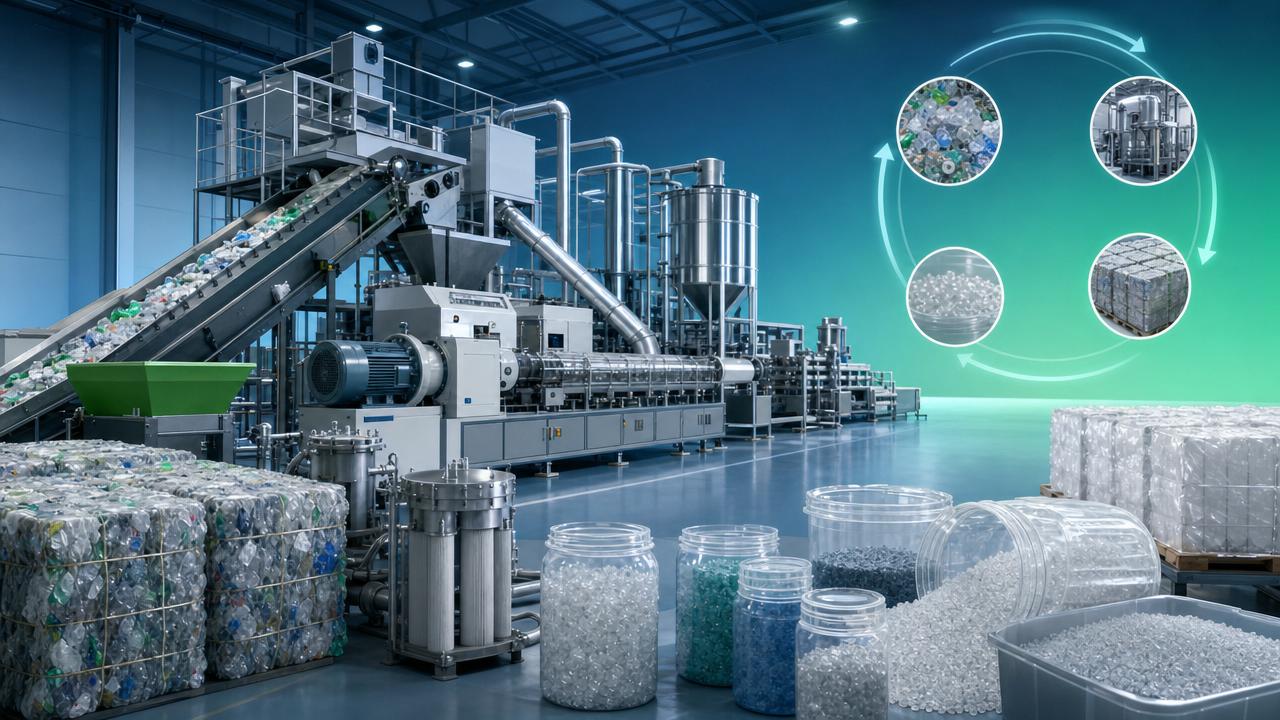
Plastic Circularity Strategies for Manufacturers: Recycled Content, Design, and Traceability




Plastic circularity strategies are moving from sustainability language to operating reality
Plastic circularity strategies now sit much closer to cost control, compliance readiness, and supply security than they did even a few years ago.
What changed is not only regulation.
Resin price swings, recycled content mandates, retailer scorecards, and disclosure pressure now shape investment decisions across packaging and industrial plastics.
That shift is especially visible in processing-intensive sectors where injection molding, extrusion, blow molding, and recovery systems meet real production constraints.
In practice, plastic circularity strategies are no longer limited to using some recycled resin and publishing an annual target.
They now involve material qualification, part redesign, machine adaptability, digital traceability, and tighter feedback between converting lines and recycling systems.
This is where a platform like PFRS offers context.
Its view across polymer forming and waste plastic resource recovery makes circularity easier to understand as an engineering and commercial system, not a slogan.
Why the pressure around plastic circularity strategies is becoming harder to defer
The strongest signal is convergence.
Policy, customer expectations, and process economics are reinforcing each other instead of moving separately.
Packaging rules in many markets now ask tougher questions about recycled content, design for recyclability, and proof of material origin.
At the same time, virgin polymer markets remain exposed to energy shocks, feedstock disruption, and geopolitical risk.
That creates a new logic for plastic circularity strategies.
Circularity is becoming a buffer against volatility as much as a response to environmental scrutiny.
- Extended producer responsibility is pushing material decisions upstream into product and tooling design.
- Brand commitments are flowing down into converter specifications and audit requirements.
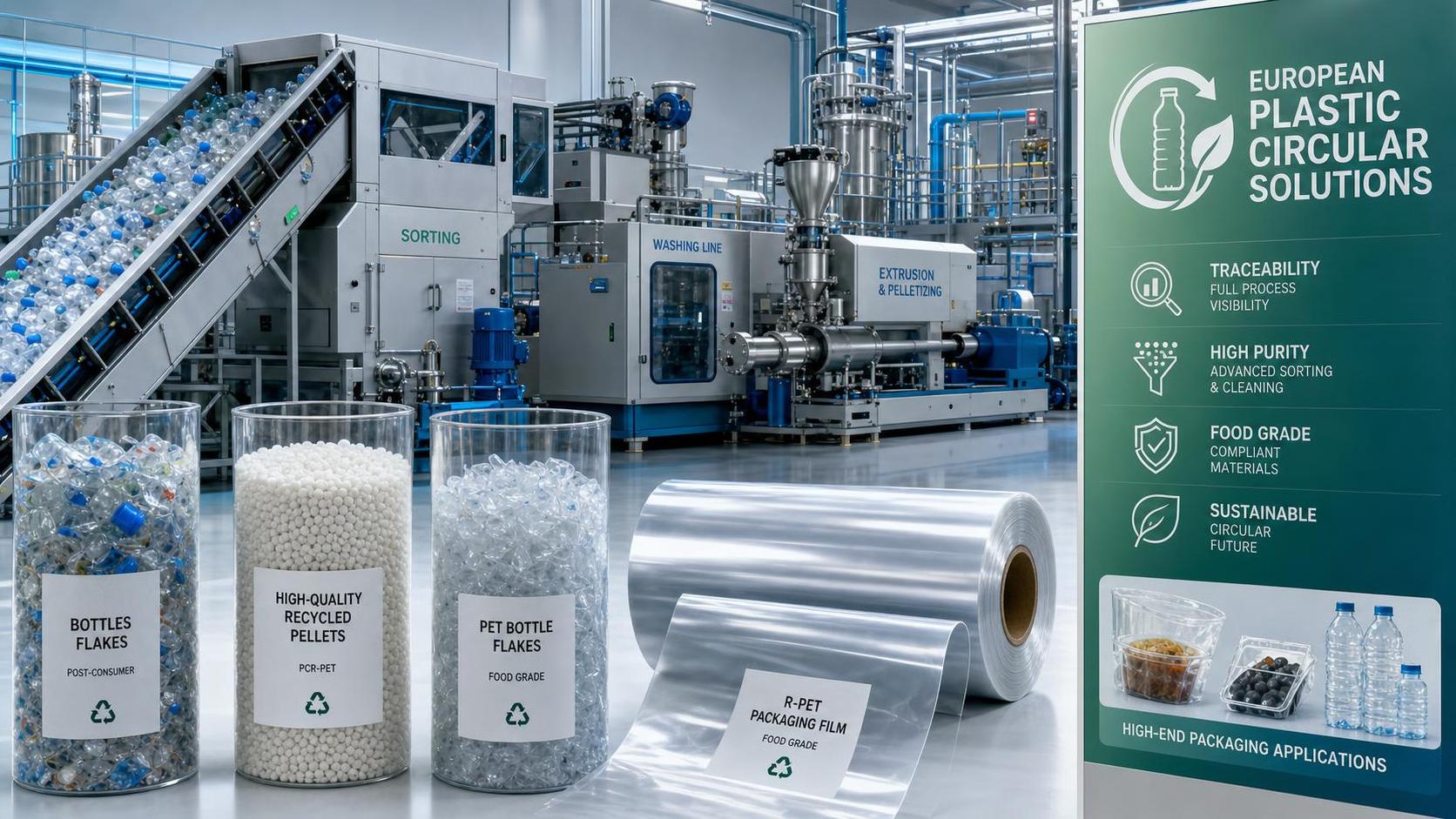
- Recyclers are under pressure to deliver more consistent pellets, not just higher tonnage.
- Processing lines must handle broader resin variation without excessive scrap or downtime.
From recent demand patterns, the conversation has clearly matured.
The real question is no longer whether circularity matters, but how to industrialize it without harming throughput, part performance, or margin.
Recycled content is growing, but the difficult part is process stability
Recycled content is often the first visible pillar in plastic circularity strategies because it can be measured and disclosed.
Yet the harder work happens inside the process window.
Different melt flow behavior, contamination risk, odor, color inconsistency, and thermal history all affect production outcomes.
For injection molding, that may show up in dimensional variation, weaker surface quality, or unstable holding pressure response.
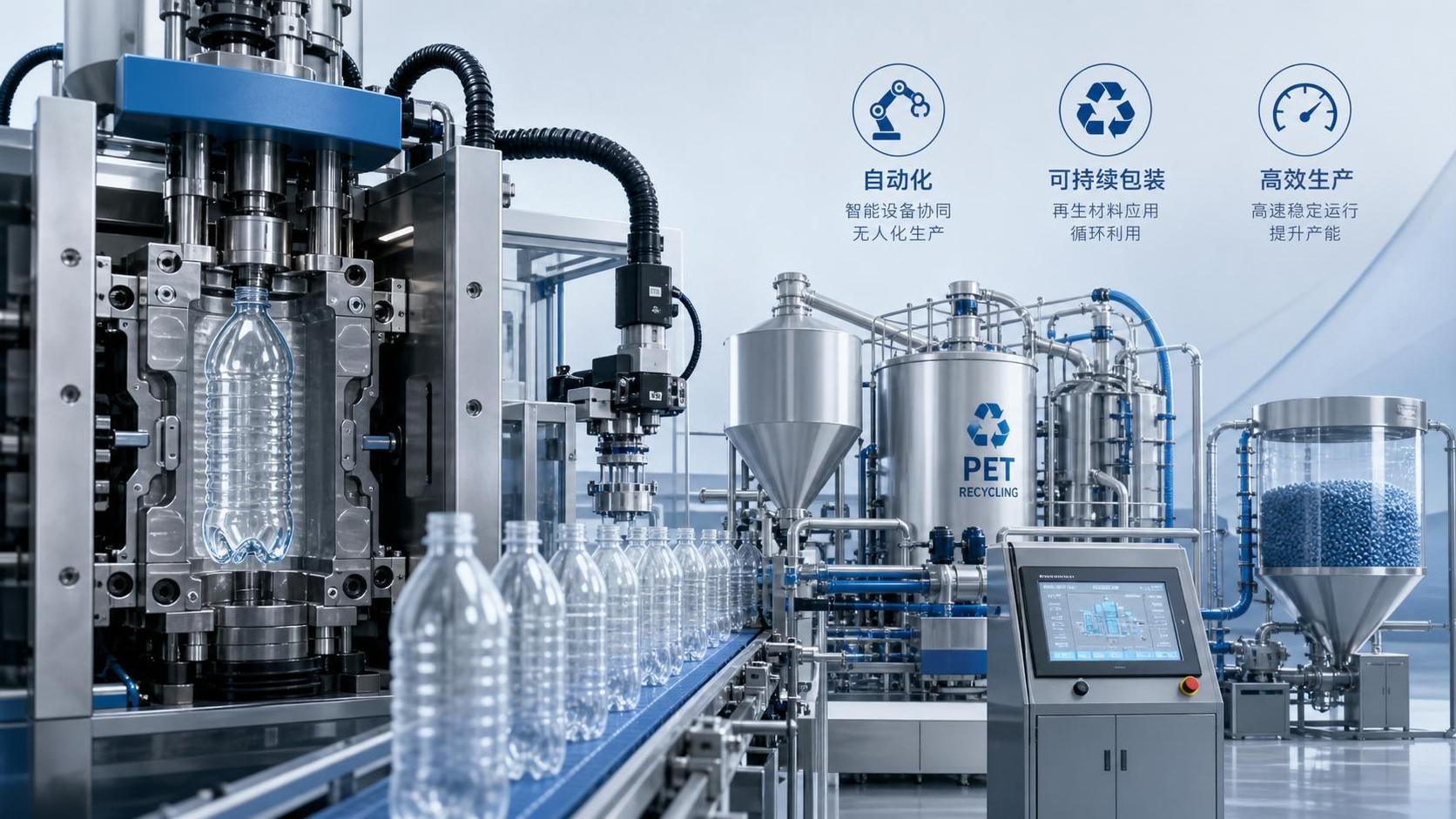
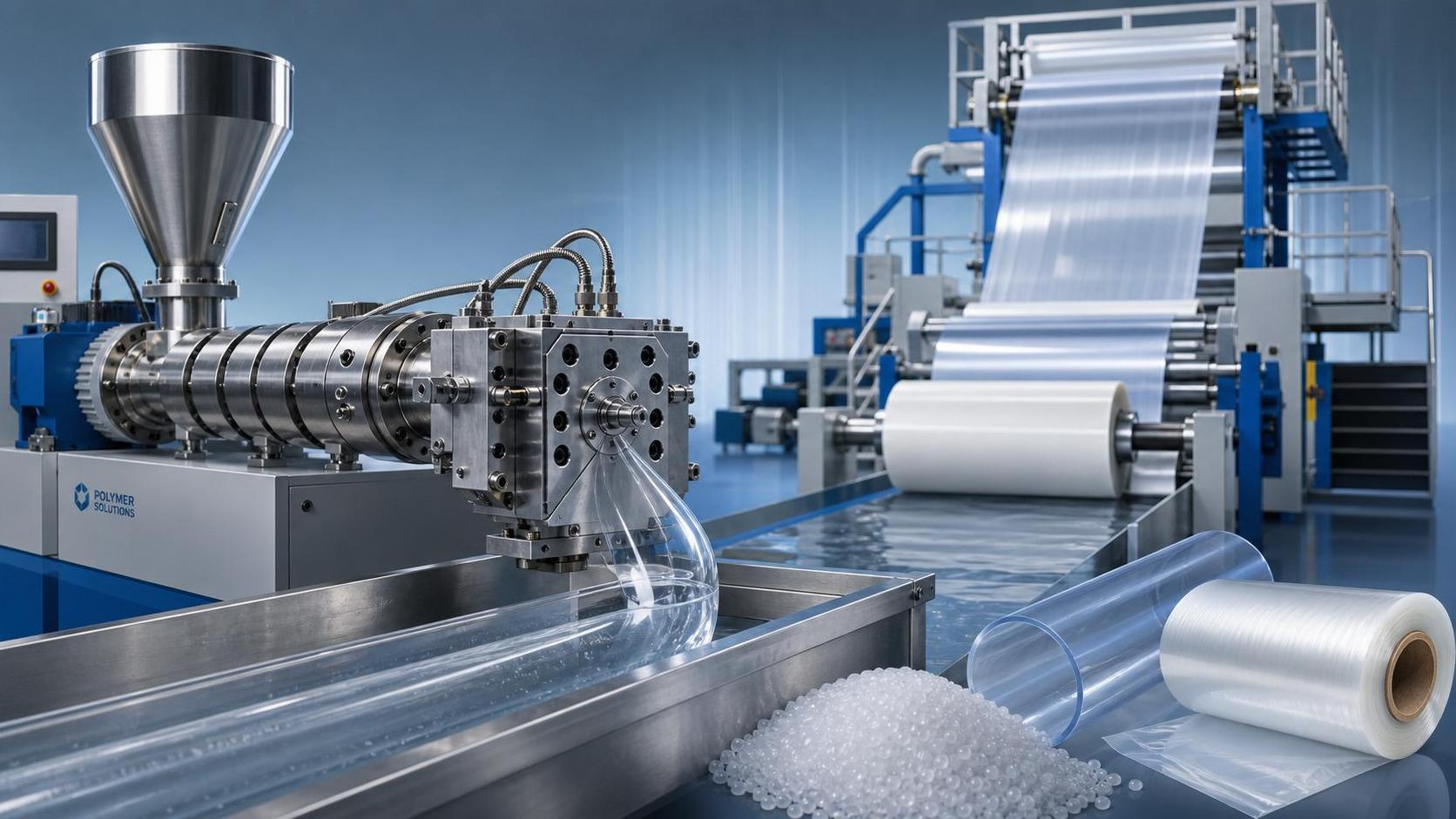
For extrusion and blow molding, the pressure appears in melt homogeneity, filtration load, wall distribution, and output consistency.
This is why advanced plastic circularity strategies increasingly depend on equipment intelligence, not just material sourcing.
The wider market implication is important.
Access to recycled resin alone does not create advantage if the line cannot absorb variation efficiently.
Design decisions now determine whether circularity works at scale
Another clear shift is that product design is moving closer to recycling economics.
That sounds obvious, but in many categories it was treated as a downstream issue for too long.
Today, plastic circularity strategies succeed or fail on design choices made before the first production run.
Material simplification, label selection, color strategy, additive compatibility, and component separability all influence recovery value.
More importantly, they affect how much secondary resin can return to similar applications rather than lower-value outlets.
In actual operations, the most resilient circular designs are rarely the most technically complex.
They are the designs that reduce sorting ambiguity and processing friction.
Where design is being rethought most quickly
- Mono-material packaging is replacing difficult multi-layer structures where regulation is tightening.
- Dark pigments and incompatible adhesives are being reviewed because they reduce sorting and reprocessing value.
- Lightweighting is being balanced more carefully against recyclability and post-use durability.
- Industrial parts are being redesigned for easier disassembly and cleaner material recovery.
This has consequences across tooling and machinery.
Precision molding, extrusion compounding, and blow molding systems increasingly need to support design changes without long redevelopment cycles.
Traceability is becoming the proof layer behind plastic circularity strategies
A few years ago, traceability was often framed as a nice digital upgrade.
Now it is becoming a practical requirement for claims, audits, and market access.
That matters because plastic circularity strategies depend on trust between resin suppliers, converters, brand owners, and recovery networks.
Without traceability, recycled content claims are harder to defend, mass balance systems become vulnerable, and compliance risk rises.
The stronger approaches combine physical process data with documentation discipline.
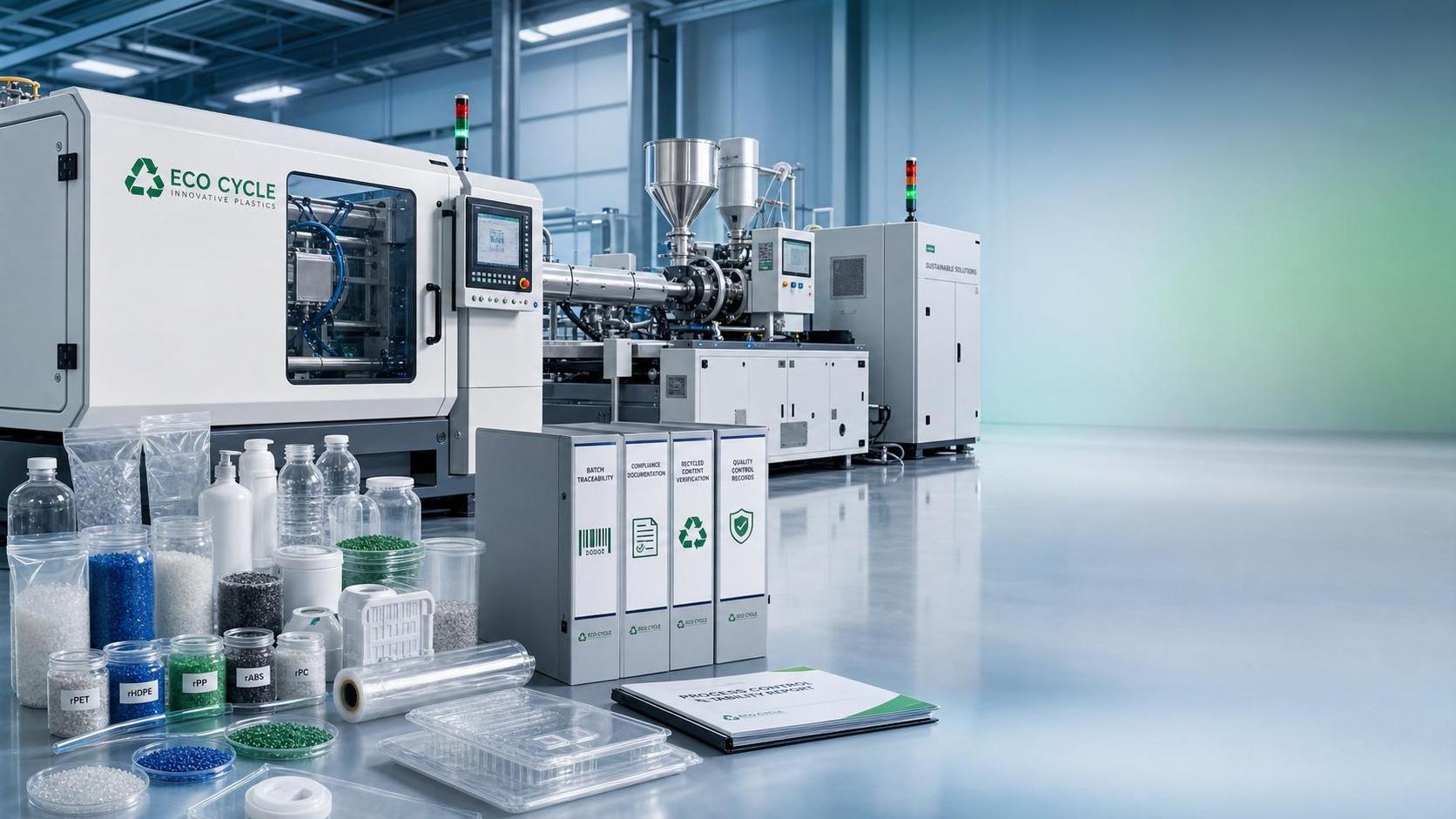
Batch genealogy, machine parameters, contamination records, and pellet quality data are becoming part of the same conversation.
This is another area where the PFRS perspective is useful.
Its attention to CFD in twin-screw systems, AI in injection control, and filtration quality in recycled melts reflects a broader market reality.
Traceability is most credible when process science supports the paperwork.
The biggest impact is spreading across the full polymer lifecycle
Plastic circularity strategies are often discussed through packaging headlines, but the effects are much wider.
Medical components, automotive interiors, agricultural films, household goods, and durable industrial parts are all affected by the same structural shift.
What varies is the speed of qualification and the tolerance for material change.
High-spec applications still face tighter validation barriers.
Even there, circularity expectations are moving into design reviews, supplier assessments, and long-term capital planning.
A more subtle impact is appearing in equipment demand.
The market is rewarding systems that can process more variable feedstock, recover more clean scrap in-house, and generate data that support compliance narratives.
That explains why in-house recycling lines, smart monitoring, and energy-efficient all-electric processing are receiving more strategic attention.
What deserves close attention over the next planning cycle
The next phase of plastic circularity strategies will likely be less about public targets and more about execution quality.
Several questions now deserve regular review.
- Can current equipment maintain output and tolerance with higher recycled content ratios?
- Do current product designs support recovery in real sorting and washing conditions, not only in theory?
- Is traceability granular enough to support future audits and customer disclosure requests?
- Are internal scrap streams treated as a strategic material source or only as waste reduction data?
- Do procurement, engineering, and sustainability teams use the same circularity definitions and metrics?
These are not abstract governance questions.
They shape capex timing, supplier risk, plant performance, and the credibility of external claims.
A practical path forward starts with systems thinking
The most useful plastic circularity strategies are built as linked decisions rather than isolated projects.
Recycled content targets should connect to resin qualification.
Design changes should connect to recovery reality.
Traceability should connect to machine data and supplier discipline.
That systems view is increasingly essential in a market where circularity, performance, and compliance can no longer be managed in separate lanes.
A sensible next step is to map material flow from incoming resin to finished part and post-use recovery, then identify where variability destroys value.
From there, compare equipment capability, redesign priorities, and traceability gaps against the standards that are tightening fastest.
The companies that move early are unlikely to win only on image.
They are more likely to gain stronger material resilience, cleaner compliance evidence, and a better position in the next cycle of polymer manufacturing change.
Related News
- 00
0000-00
How to Evaluate Energy-Efficient Rubber Injection Presses for Lower Cycle Costs - 00
0000-00
How Closed-Loop Recycling Turns Post-Consumer Plastic into Reliable Feedstock - 00
0000-00
How to Size a Tire Curing Press Machine for Capacity, Mold Type, and Cycle Time - 00
0000-00
Selecting Plastic Recycling Systems for Mixed Packaging Waste: Key Process Criteria - 00
0000-00
When Does Structural Foam Molding Make Sense for Large, Stiff Parts?
Weekly Insights
Stay ahead with our curated technology reports delivered every Monday.
Related News
 Prof. Marcus ChenPlastic Pelletizing Trends: How Recycling Demand Is Reshaping Processing TechnologyPlastic pelletizing trends are redefining recycling quality. Explore filtration, extrusion, degassing, and automation innovations driving cleaner, more consistent recycled resin.Sep 07, 2026
 Prof. Marcus ChenHow Polymer Supply Chains Are Changing to Support High-Quality Recycling FeedstockPolymer supply chain for recycling is shifting toward traceable sourcing, cleaner sorting, and stable processing. See how high-quality feedstock improves performance, compliance, and cost control.Aug 22, 2026
 Prof. Marcus ChenHow Europe’s Circular Plastics Economy Is Reshaping Recycling InvestmentCircular plastics economy Europe is reshaping recycling investment through quality, traceability, and packaging demand. Explore where capital is moving and why it matters now.Aug 04, 2026
 Prof. Marcus ChenBlow Molding Trends Shaping Packaging, Sustainability, and Production EfficiencyBlow molding trends are redefining packaging with lightweighting, recycled content, automation, and energy efficiency. Discover how smarter production boosts sustainability and cuts costs.Jul 23, 2026
 Prof. Marcus ChenExtrusion Equipment Modular Design: When It Makes Sense for Line ExpansionExtrusion equipment modular design helps manufacturers expand lines in phases, cut disruption, and stay ready for recycled content, utility limits, and changing product demands.Jul 15, 2026
 Prof. Marcus ChenPolymer Lifecycle Solutions Explained: From Material Sourcing to End-of-Life RecoveryPolymer lifecycle solutions explained from sourcing and processing to recycling and recovery. Discover how to cut waste, improve quality, and build smarter material strategies.Jul 13, 2026
 Prof. Marcus ChenEnergy-Efficient Polymer Processing Systems: Which Metrics Matter Most?Energy-efficient polymer processing systems: discover the metrics that truly drive ROI—specific energy use, yield, uptime, stability, and compliance for smarter equipment decisions.Jul 11, 2026
 Prof. Marcus ChenPolymer Recycling Systems for Continuous Operation: What to Check Before SpecifyingPolymer recycling systems continuous operation starts with the right specification. Learn what to check for uptime, melt quality, energy efficiency, and reliable pellet output.Jul 09, 2026
 Prof. Marcus ChenCircular Plastics Economy in Japan: Policy Drivers, Recycling Targets, and Market ImpactCircular plastics economy Japan is accelerating as policy, recycling targets, and packaging reforms reshape material choices, processing strategy, and market advantage.Jul 05, 2026
 Prof. Marcus ChenPlastic Extrusion Technology Trends: What Process Changes Are Improving Energy Efficiency?Plastic extrusion technology trends are reshaping energy efficiency through smarter screws, thermal control, servo drives, and digital optimization. See which process changes deliver lower costs and more stable output.Jul 01, 2026
 Prof. Marcus ChenInjection Molding Technology Trends: Which Process Changes Matter Most for Medical and Packaging Parts?Injection molding technology trends shaping medical and packaging parts: discover the process changes that improve validation, precision, efficiency, and recycled-material readiness.Jun 30, 2026
 Prof. Marcus ChenCircular Plastics Economy Compliance Explained: Key Requirements for ManufacturersCircular plastics economy compliance explained for manufacturers: learn key requirements, audit risks, process controls, and how to turn compliance into a competitive advantage.Jun 25, 2026
 Prof. Marcus ChenAdvanced Materials Processing Trends: 5 Shifts Reshaping Capacity Planning and SourcingAdvanced materials processing trends are reshaping capacity planning, sourcing, recycling, and compliance. Explore 5 shifts helping manufacturers cut risk, improve precision, and build resilient growth.Jun 24, 2026
 Prof. Marcus ChenGlobal Plastic Ban Trends: Which Packaging Materials and Export Markets Face the Biggest Changes?Global plastic ban trends are reshaping packaging choices and export strategy. See which materials and markets face the biggest shifts, and how to reduce compliance risk.Jun 22, 2026
 Prof. Marcus ChenPolymer Rheology Trends That Matter in Extrusion: Melt Strength, Shear, and StabilityPolymer rheology trends are reshaping extrusion performance. Learn how melt strength, shear, and stability affect quality, efficiency, and recycled resin processing.Jun 18, 2026
 Prof. Marcus ChenPlastic Circularity Strategies for Manufacturers: Recycled Content, Design, and TraceabilityPlastic circularity strategies for manufacturers: learn how recycled content, smarter design, and traceability can reduce risk, improve compliance, and strengthen supply resilience.Jun 18, 2026
 Prof. Marcus ChenAdvanced Materials Processing Equipment in High-Performance Manufacturing: Where It Fits BestAdvanced materials processing equipment drives precision, speed, and sustainability in manufacturing. Explore where each system fits best to improve quality, efficiency, and ROI.Jun 16, 2026
 Prof. Marcus ChenWhat Is Driving the Circular Economy Plastics Market? Policy, Pricing, and Demand ShiftsCircular economy plastics market trends are being driven by tighter policy, resin price volatility, and stricter buyer demands. Discover what this means for sourcing, processing, and growth.Jun 13, 2026
 Prof. Marcus ChenDigital Polymer Processing Explained: Methods, Materials, and Best-Fit ApplicationsDigital polymer processing explained clearly: explore key methods, materials, and best-fit applications to improve quality, efficiency, and recycling performance.Jun 10, 2026
 Prof. Marcus ChenGlobal Plastic Ban Trends by Region: What Packaging Manufacturers Need to TrackGlobal plastic ban trends are reshaping packaging strategy by region. Discover key policy shifts, compliance risks, and smart actions manufacturers need to stay competitive.Jun 08, 2026