Polymer smart manufacturing needs better data to scale




Polymer smart manufacturing needs better data to scale
Polymer smart manufacturing is moving from isolated machine upgrades to data-driven production ecosystems, but scaling requires more than sensors and dashboards.
Across injection molding, extrusion, vulcanization, blow molding, and recycling, fragmented data still limits quality, energy control, uptime, and compliance.
As precision materials and circular plastics expand, better data architecture will decide which operations scale beyond pilot digitalization.
The shift is from smart machines to connected polymer operations
Polymer smart manufacturing once focused on upgrading individual machines with servo drives, touchscreens, and basic production monitoring.
That phase improved visibility, but it rarely created a reliable process memory across plants, molds, screws, materials, and recycling lines.
The new trend is broader. Polymer smart manufacturing now depends on connected decisions across the full material lifecycle.
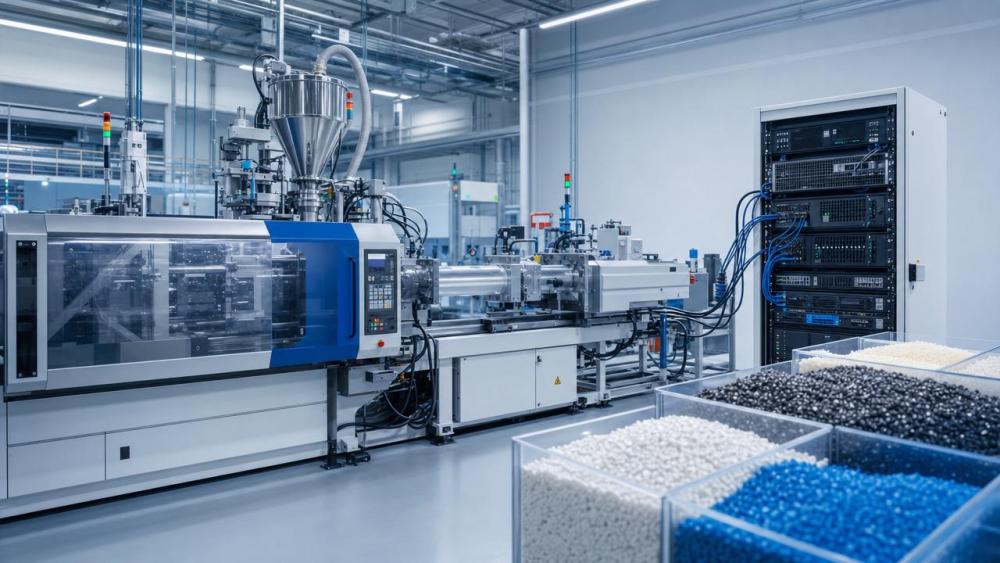
A molding cell cannot optimize alone if resin moisture, mold temperature, cavity pressure, and inspection data remain disconnected.
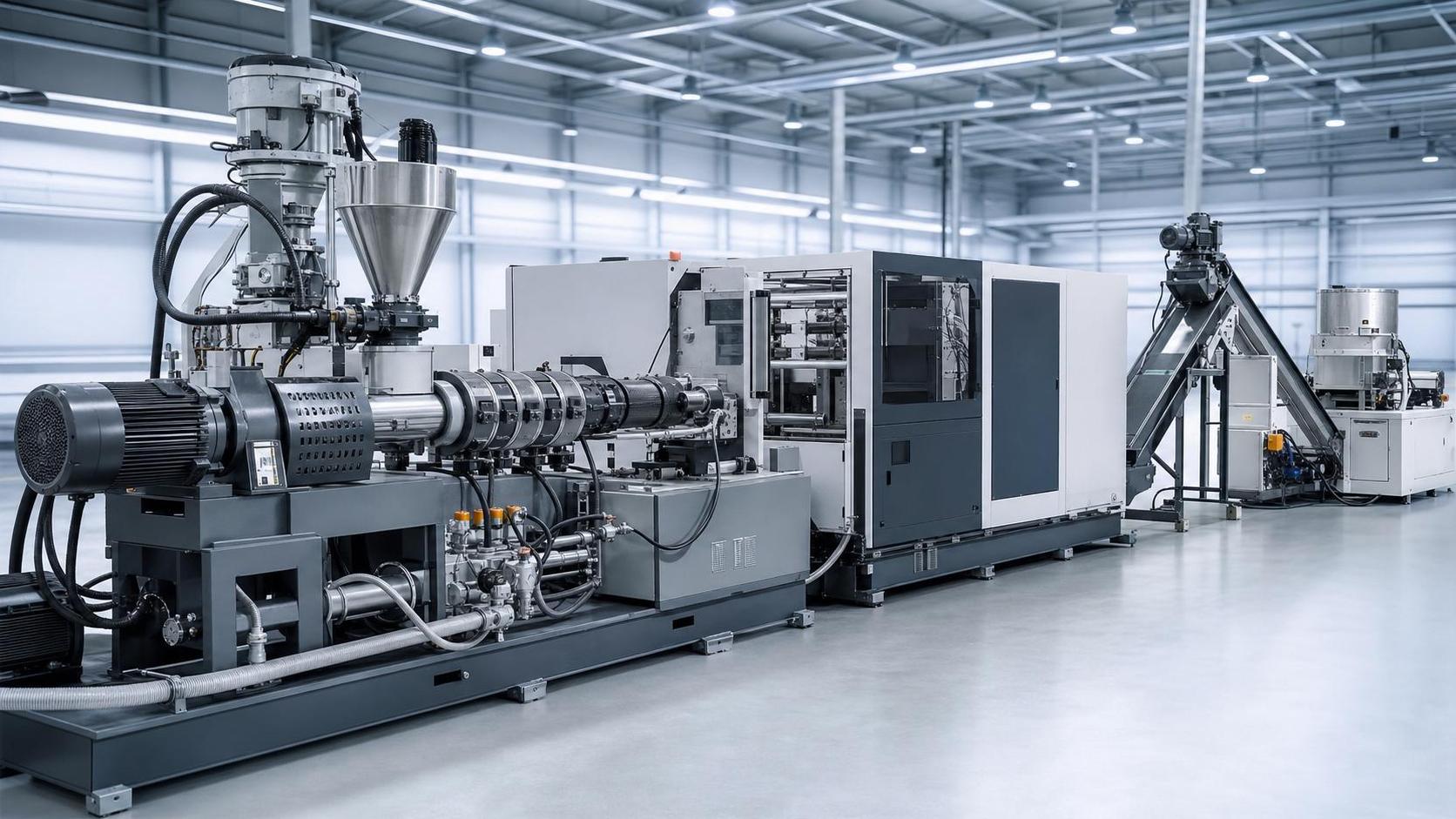
An extrusion line cannot stabilize output if screw torque, melt pressure, additive dosing, and downstream thickness data are separated.
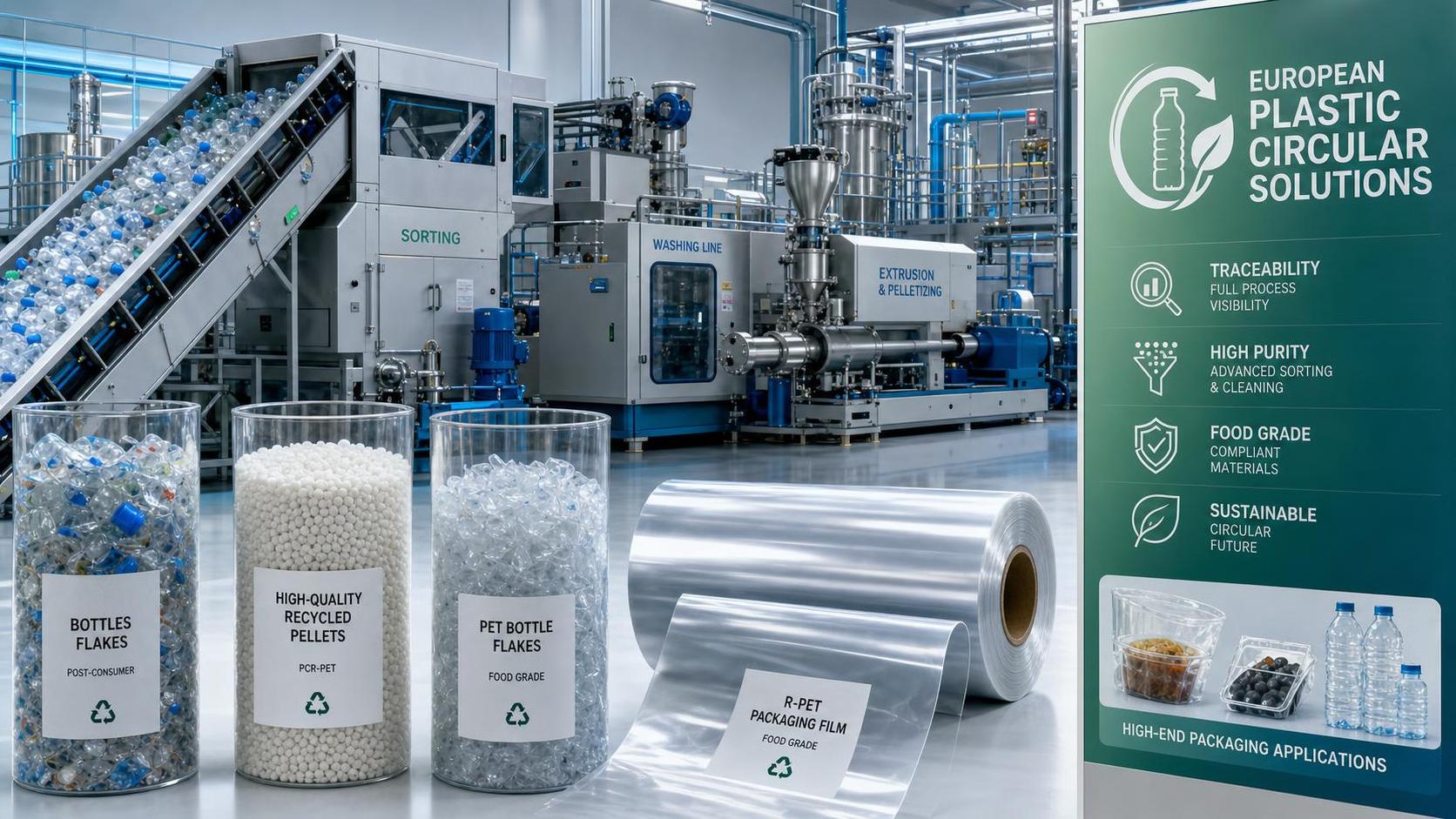
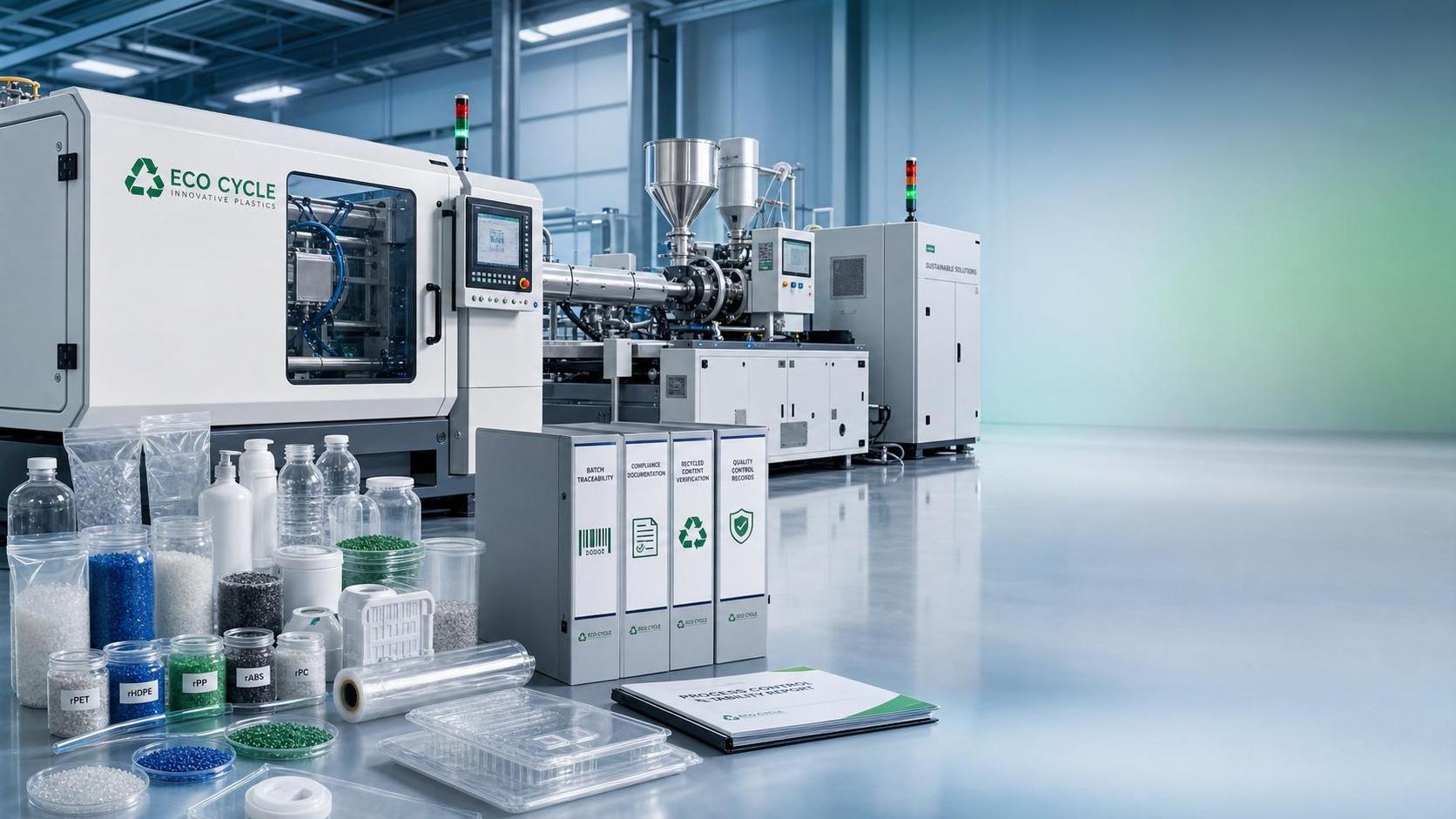
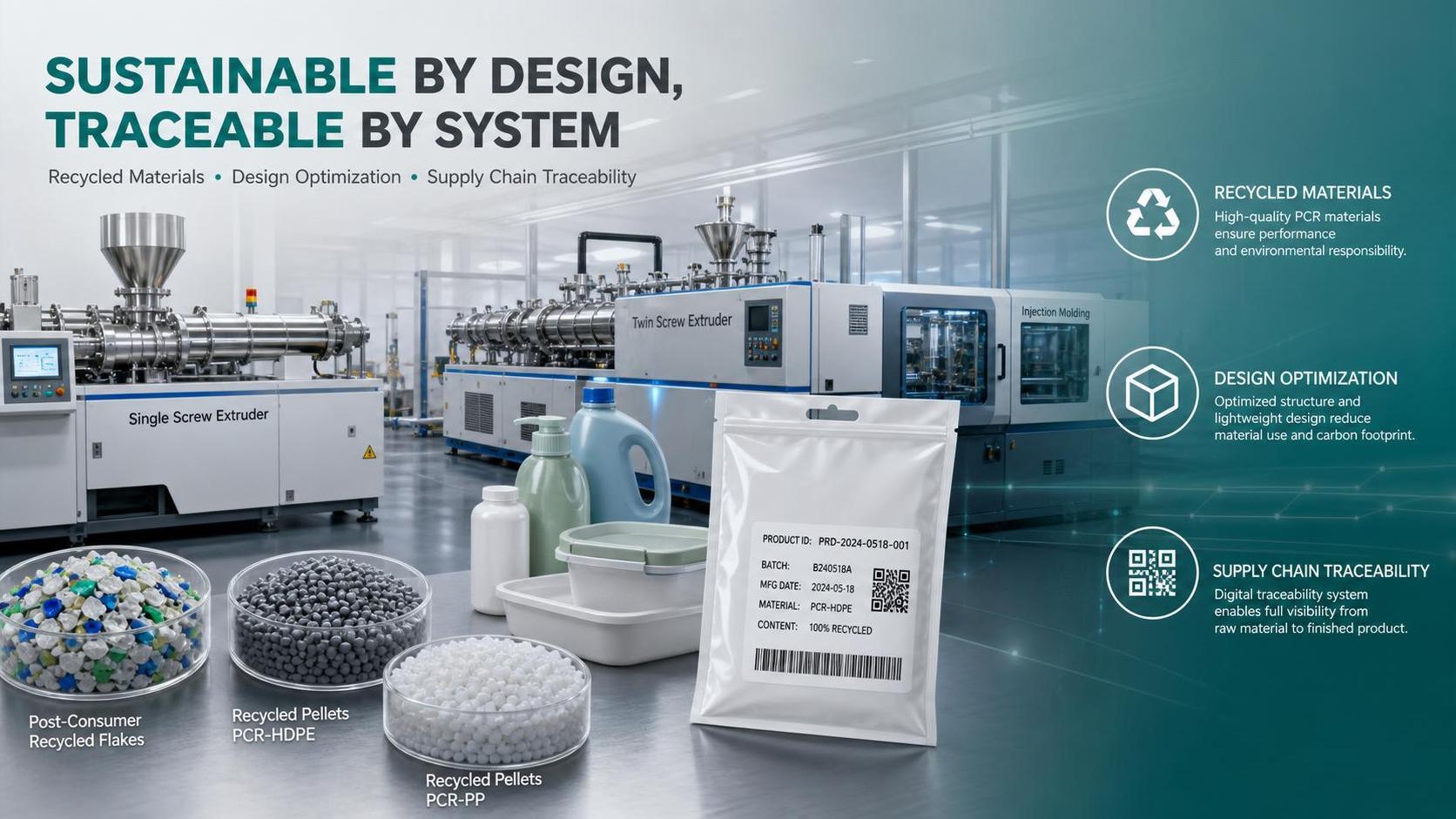
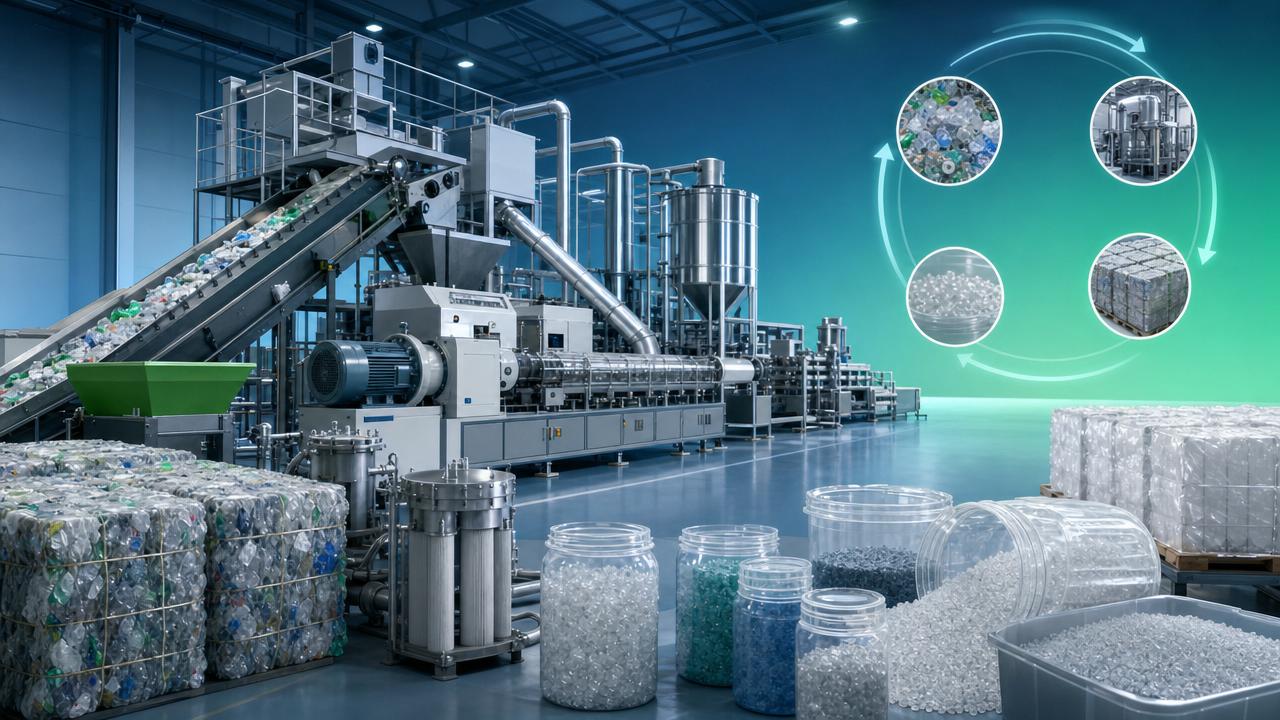
A recycling system cannot prove value if washing quality, melt filtration, pellet consistency, and traceability records stay incomplete.
This is why polymer smart manufacturing is becoming an information challenge as much as an automation challenge.
Signals showing that data quality is now the scaling bottleneck
Several market signals show why polymer smart manufacturing needs stronger data foundations before wider industrial deployment.
- Tighter packaging rules demand batch-level proof of recycled content, food-contact safety, and carbon performance.
- Medical, optical, and automotive parts require narrower tolerances and faster root-cause analysis.
- Energy prices push plants to compare kilowatt-hours per kilogram, cycle, cavity, or finished part.
- Resin volatility increases the need to adjust process windows when material behavior changes.
- ESG reporting requires dependable evidence, not manually corrected spreadsheets.
These signals point in one direction. Polymer smart manufacturing must convert production data into trusted operational intelligence.
Plants already collect many signals, yet many signals are unusable because timestamps, naming rules, and sampling rates differ.
When data cannot be compared, even advanced analytics become fragile and difficult to scale across equipment fleets.
Why the trend is accelerating across polymer processing
The push behind polymer smart manufacturing comes from technical, commercial, regulatory, and environmental forces acting together.
These drivers make polymer smart manufacturing more urgent, especially where material behavior changes under heat, shear, pressure, and residence time.
Polymer rheology is complex. Data must capture the process state, not only machine status.
A simple alarm history cannot explain viscosity drift, thermal degradation, cure variation, or recycled polymer instability.
Operational impacts are different across equipment and material flows
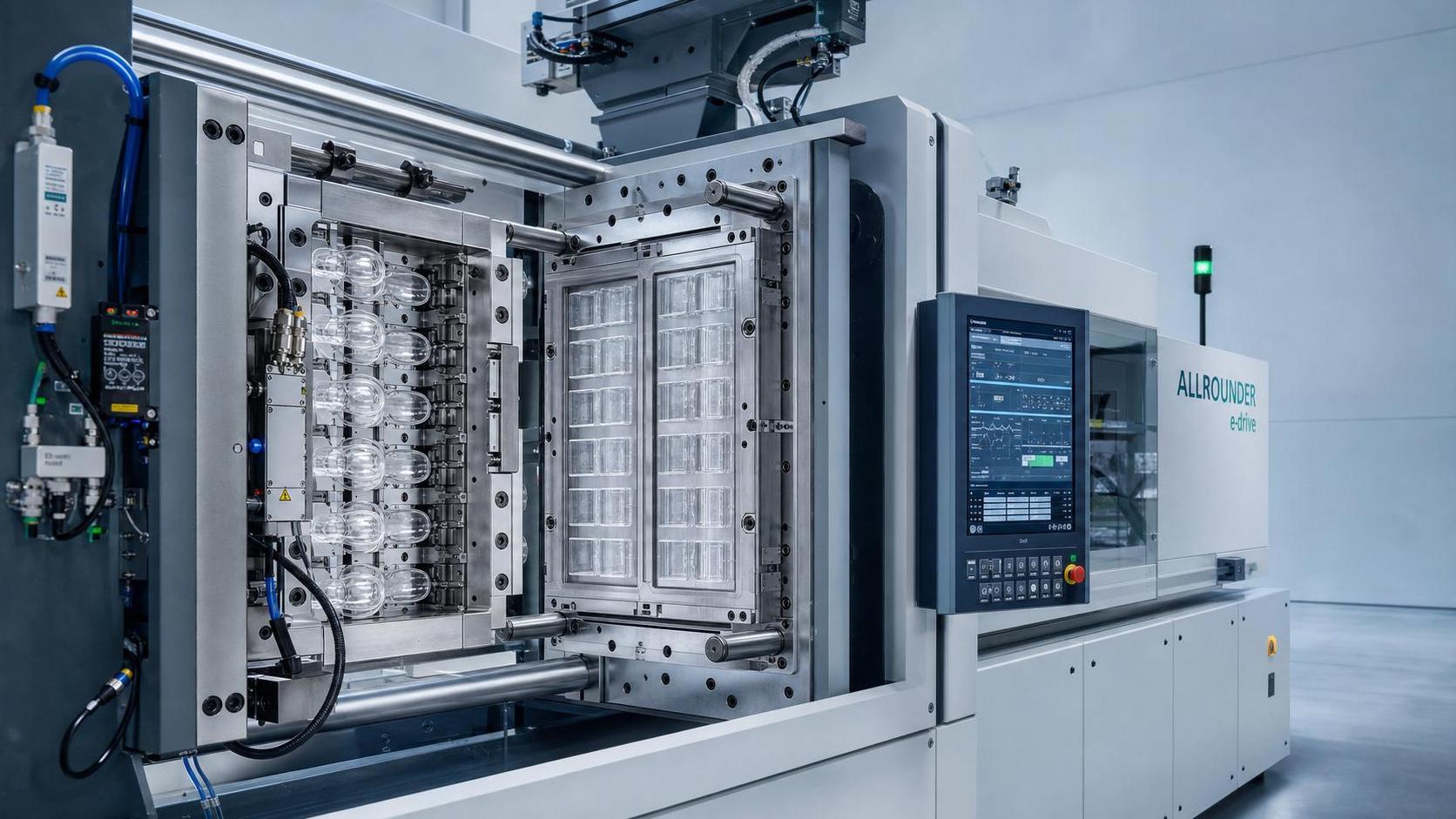
In injection molding, polymer smart manufacturing affects cycle optimization, holding pressure control, mold protection, and defect prevention.
Better data helps connect short shots, sink marks, flash, warpage, and dimensional drift to measurable process deviations.
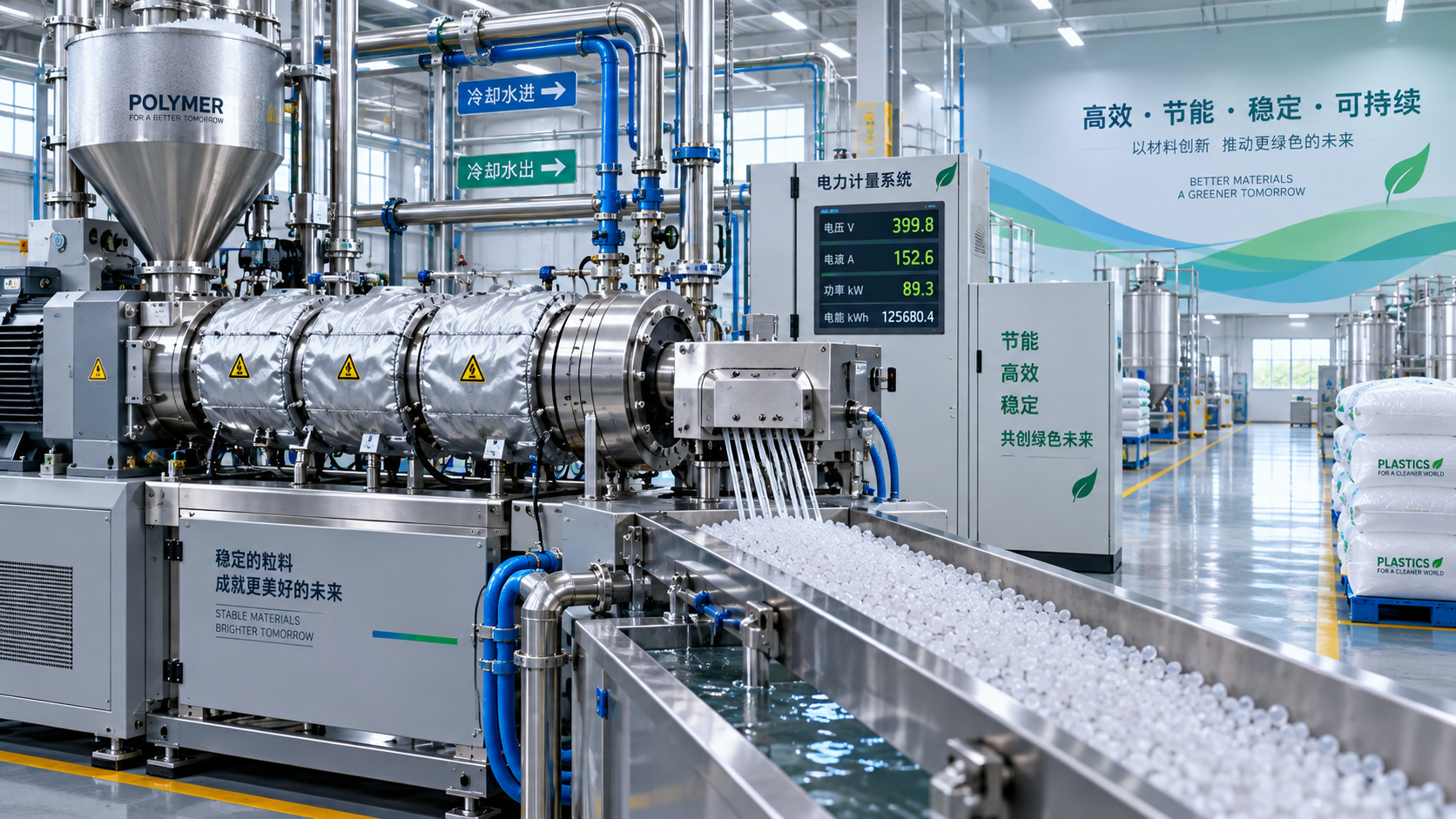
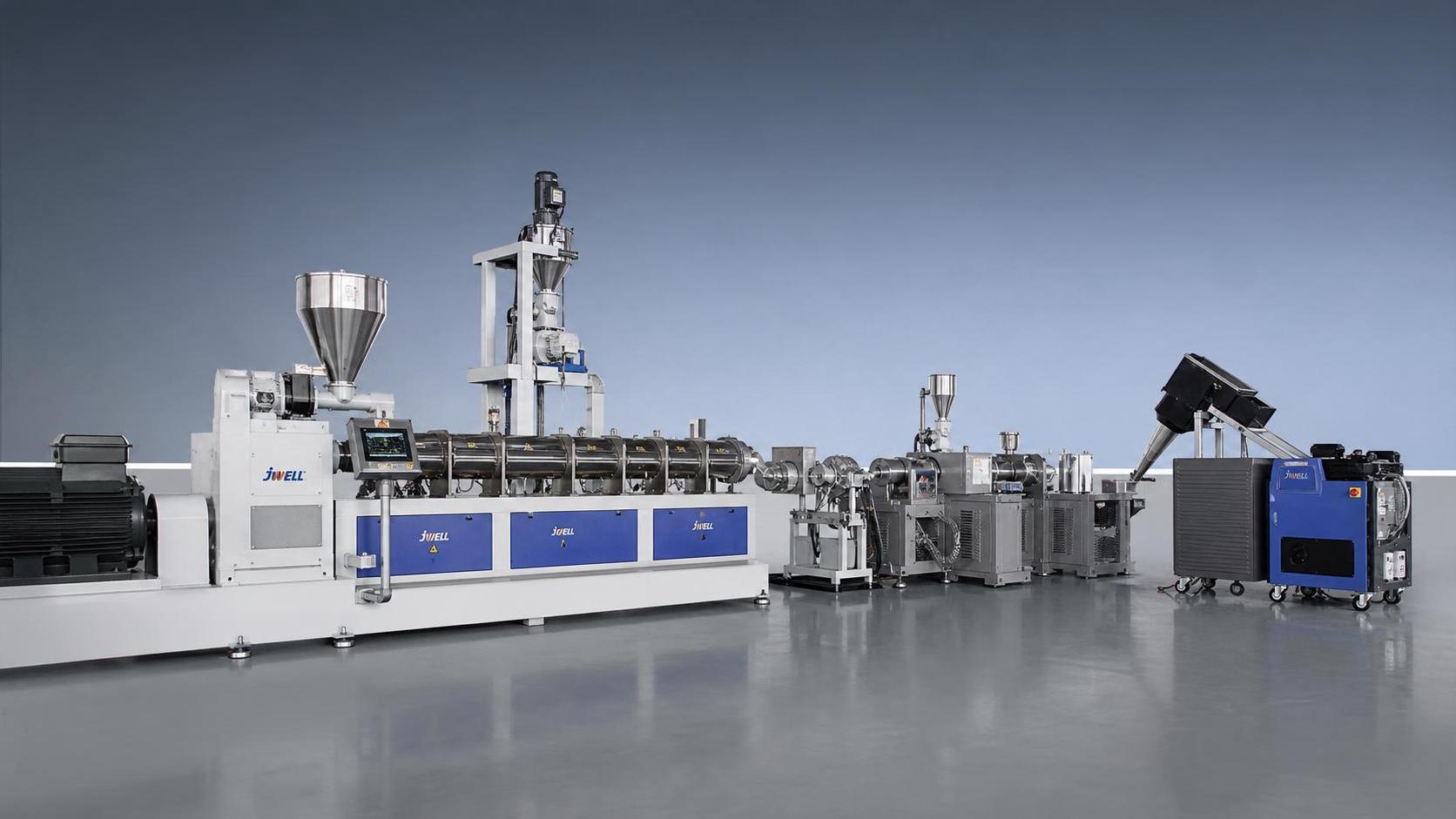
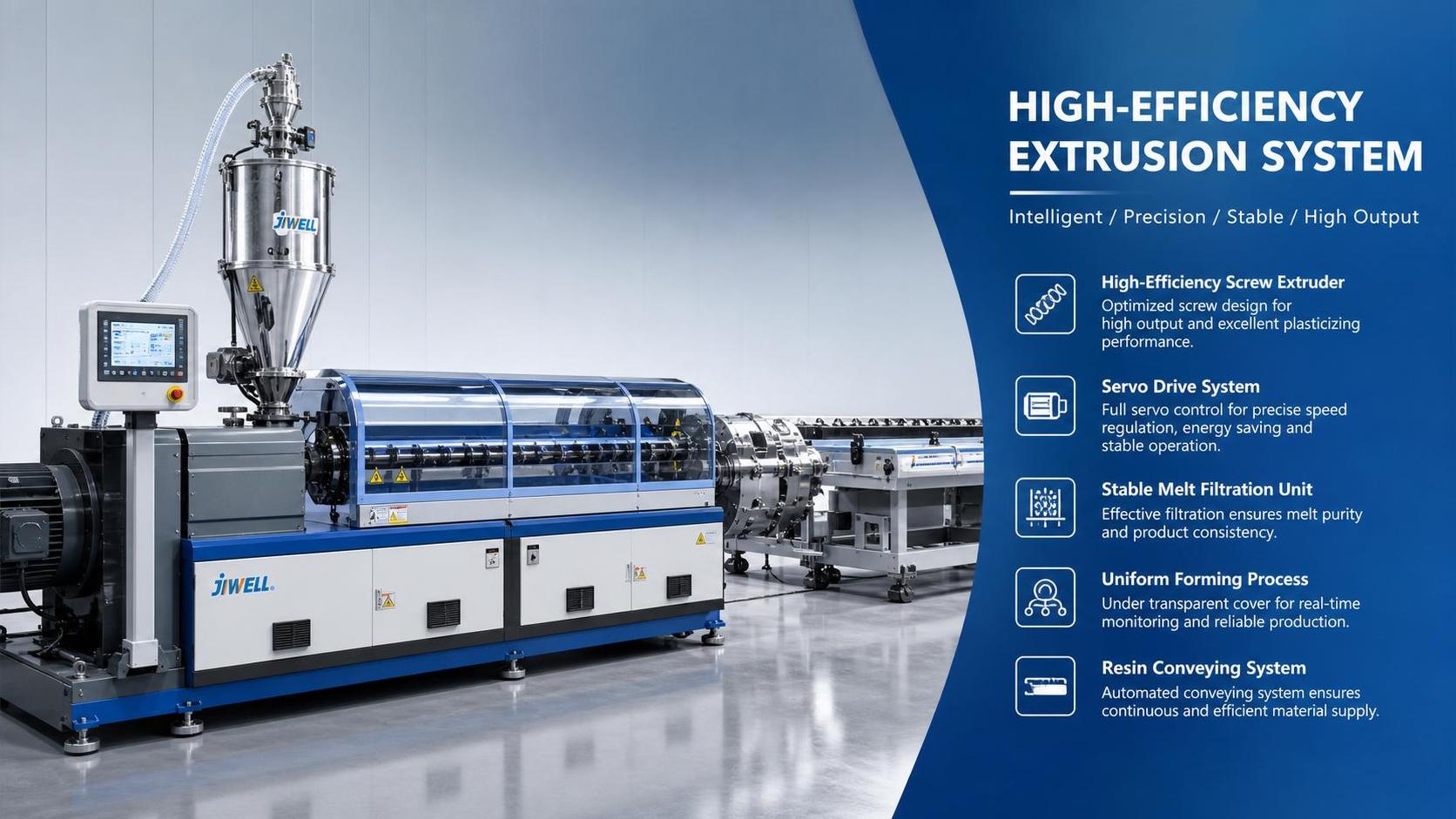
In extrusion, polymer smart manufacturing improves line stability by linking upstream compounding with downstream pipe, film, sheet, or profile quality.
This link is critical when additives, fillers, recycled flakes, or bio-based polymers change melt behavior during production.
In rubber vulcanization, connected data supports cure curve control, mold condition monitoring, and compound variation management.
Temperature, pressure, cure time, and material batch history must be connected to final tire, seal, or gasket performance.
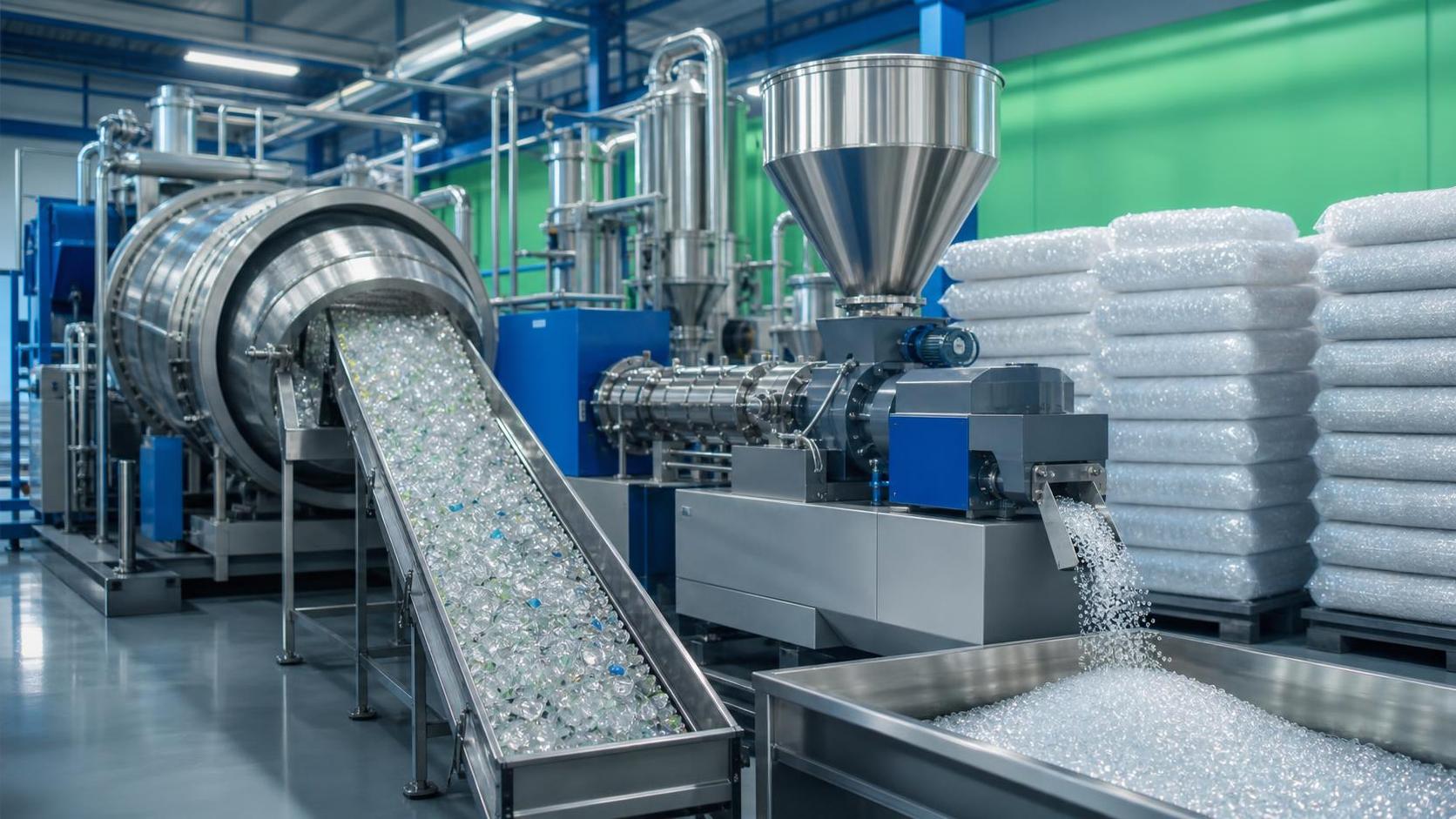
In recycling, polymer smart manufacturing becomes a bridge between waste uncertainty and industrial material reliability.
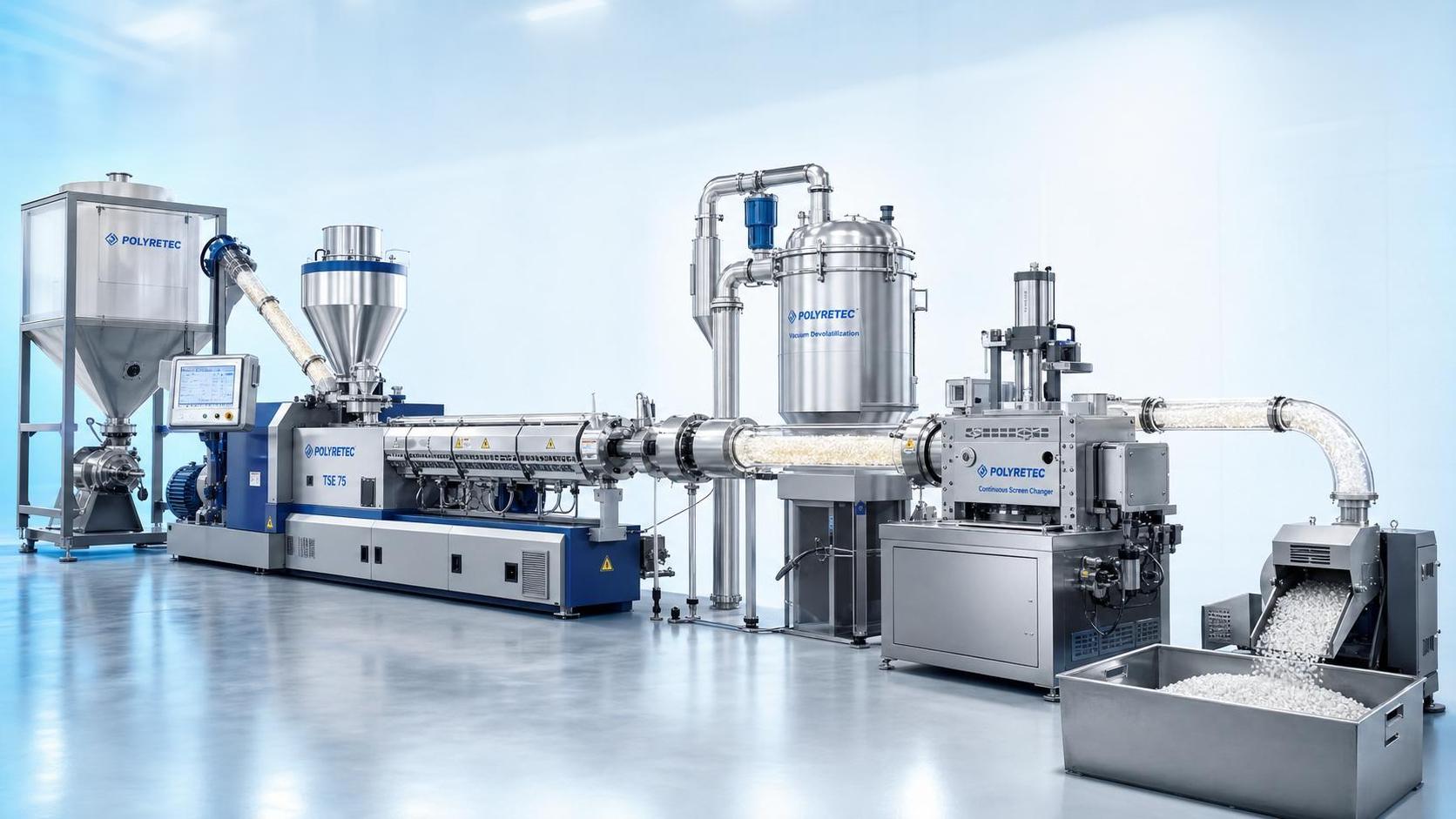
Washing, sorting, melting, filtration, degassing, and pelletizing data must support commercial claims about recycled polymer quality.
The data foundation should be designed before analytics expands
Scaling polymer smart manufacturing requires disciplined data architecture before artificial intelligence or advanced dashboards can create lasting value.
Many projects fail because data is collected for display, not for decisions, comparison, or process learning.
Core priorities for a scalable data backbone
- Standardize equipment names, material codes, mold identifiers, screw configurations, and recipe versions.
- Synchronize timestamps across machines, inspection systems, energy meters, and laboratory records.
- Define critical process parameters for each application, not only generic machine variables.
- Link quality results to production conditions at batch, cavity, roll, pellet, or part level.
- Separate raw data, cleaned data, and decision-ready data with clear governance rules.
- Preserve historical context when molds, materials, operators, tooling, or software versions change.
This backbone helps polymer smart manufacturing move from reactive troubleshooting toward predictive and prescriptive operations.
It also reduces dependency on isolated expertise by creating a shared technical memory across plants and production lines.
Better decisions come from process context, not data volume alone
Polymer smart manufacturing does not improve automatically when more sensors are installed on machines.
The decisive factor is whether each signal explains material transformation, quality variation, energy behavior, or equipment health.
For example, barrel temperature data is limited without screw speed, back pressure, residence time, and resin grade context.
Melt pressure becomes more valuable when connected with viscosity changes, screen pack condition, and downstream product dimensions.
Energy monitoring becomes actionable when normalized by output, scrap, cycle time, moisture level, and operating mode.
This context is especially important for circular plastics, where feedstock quality can change faster than conventional process models assume.
A practical maturity path for polymer smart manufacturing
A phased approach helps polymer smart manufacturing scale without overwhelming production teams or creating disconnected digital islands.
The maturity path should not be measured by software features alone.
It should be measured by fewer defects, lower energy intensity, stronger traceability, and faster technology transfer.
Key focus areas for the next wave of digital polymer operations
The next wave of polymer smart manufacturing will favor organizations that connect technical credibility with operational discipline.
- Prioritize material genealogy from resin, compound, or recycled flake to finished component.
- Build energy models that compare processes by output quality, not only consumption totals.
- Use AI only after data definitions, sampling logic, and validation rules are stable.
- Connect laboratory testing with inline measurement to shorten feedback loops.
- Design compliance records for audits, customer reporting, and product stewardship.
- Treat recycling data as strategic material intelligence, not waste handling documentation.
These focus areas make polymer smart manufacturing more resilient when regulations, materials, and customer requirements change quickly.
They also help align precision forming with the green circular economy, where proof is as important as performance.
How to judge whether a data initiative is ready to scale
Before expanding polymer smart manufacturing, each initiative should pass several practical tests.
- Can the same metric be understood identically across different lines and plants?
- Can process data be linked to quality results without manual reconstruction?
- Can energy data explain product cost, carbon impact, and equipment behavior?
- Can recycled material records support claims about consistency, origin, and compliance?
- Can models remain useful when materials, molds, tooling, or recipes change?
If the answer is weak, more dashboards will not solve the scaling problem.
The priority should return to data definitions, integration logic, validation, and process relevance.
Strategic outlook: data will become the new process advantage
Polymer smart manufacturing is entering a stage where competitiveness depends on how well production knowledge is captured and reused.
Machines will continue improving, but the largest gains will come from cross-process learning and reliable decision systems.
Injection molding, extrusion, blow molding, vulcanization, and pelletizing each generate data with different meanings and risks.
The winners will translate those signals into quality assurance, energy discipline, compliance confidence, and material circularity.
For PFRS, this trend aligns with a broader mission: visioning polymer rheology and intelligence reshaping the cycle.
The immediate next step is clear. Map critical data flows from material intake to finished product and recycled output.
Then identify where missing context blocks decisions on quality, energy, uptime, and regulatory proof.
Polymer smart manufacturing will scale when better data becomes part of the process design, not an afterthought.
Related News
- 00
0000-00
What Drives Underwater Pelletizing System Cost in High-Throughput Compounding? - 00
0000-00
Medical Molding for Lab Consumables: Choosing Processes for Low-Particle Parts - 00
0000-00
Smart Factory Costs for Plastics: Estimating ROI for Automation Projects - 00
0000-00
How to Evaluate a Packaging Molding Equipment Supplier for High-Volume Production - 00
0000-00
Where Recycled Plastic Innovation Delivers the Biggest Value in Packaging
Weekly Insights
Stay ahead with our curated technology reports delivered every Monday.
Related News
 Prof. Marcus ChenWhere Recycled Plastic Innovation Delivers the Biggest Value in PackagingRecycled plastic innovation delivers the greatest packaging value through proven material loops, reliable processing, compliance readiness, and circular design.Oct 08, 2026
 Prof. Marcus ChenEnergy-Efficient Polymer Processing: Where Plants Can Cut kWh per KilogramEnergy-efficient polymer processing solutions help plants reduce kWh per kilogram, protect quality, cut scrap, and prioritize upgrades with data-driven insights.Sep 23, 2026
 Prof. Marcus ChenPlastic Pelletizing Trends: How Recycling Demand Is Reshaping Processing TechnologyPlastic pelletizing trends are redefining recycling quality. Explore filtration, extrusion, degassing, and automation innovations driving cleaner, more consistent recycled resin.Sep 07, 2026
 Prof. Marcus ChenHow Polymer Supply Chains Are Changing to Support High-Quality Recycling FeedstockPolymer supply chain for recycling is shifting toward traceable sourcing, cleaner sorting, and stable processing. See how high-quality feedstock improves performance, compliance, and cost control.Aug 22, 2026
 Prof. Marcus ChenHow Europe’s Circular Plastics Economy Is Reshaping Recycling InvestmentCircular plastics economy Europe is reshaping recycling investment through quality, traceability, and packaging demand. Explore where capital is moving and why it matters now.Aug 04, 2026
 Prof. Marcus ChenBlow Molding Trends Shaping Packaging, Sustainability, and Production EfficiencyBlow molding trends are redefining packaging with lightweighting, recycled content, automation, and energy efficiency. Discover how smarter production boosts sustainability and cuts costs.Jul 23, 2026
 Prof. Marcus ChenExtrusion Equipment Modular Design: When It Makes Sense for Line ExpansionExtrusion equipment modular design helps manufacturers expand lines in phases, cut disruption, and stay ready for recycled content, utility limits, and changing product demands.Jul 15, 2026
 Prof. Marcus ChenPolymer Lifecycle Solutions Explained: From Material Sourcing to End-of-Life RecoveryPolymer lifecycle solutions explained from sourcing and processing to recycling and recovery. Discover how to cut waste, improve quality, and build smarter material strategies.Jul 13, 2026
 Prof. Marcus ChenEnergy-Efficient Polymer Processing Systems: Which Metrics Matter Most?Energy-efficient polymer processing systems: discover the metrics that truly drive ROI—specific energy use, yield, uptime, stability, and compliance for smarter equipment decisions.Jul 11, 2026
 Prof. Marcus ChenPolymer Recycling Systems for Continuous Operation: What to Check Before SpecifyingPolymer recycling systems continuous operation starts with the right specification. Learn what to check for uptime, melt quality, energy efficiency, and reliable pellet output.Jul 09, 2026
 Prof. Marcus ChenCircular Plastics Economy in Japan: Policy Drivers, Recycling Targets, and Market ImpactCircular plastics economy Japan is accelerating as policy, recycling targets, and packaging reforms reshape material choices, processing strategy, and market advantage.Jul 05, 2026
 Prof. Marcus ChenPlastic Extrusion Technology Trends: What Process Changes Are Improving Energy Efficiency?Plastic extrusion technology trends are reshaping energy efficiency through smarter screws, thermal control, servo drives, and digital optimization. See which process changes deliver lower costs and more stable output.Jul 01, 2026
 Prof. Marcus ChenInjection Molding Technology Trends: Which Process Changes Matter Most for Medical and Packaging Parts?Injection molding technology trends shaping medical and packaging parts: discover the process changes that improve validation, precision, efficiency, and recycled-material readiness.Jun 30, 2026
 Prof. Marcus ChenCircular Plastics Economy Compliance Explained: Key Requirements for ManufacturersCircular plastics economy compliance explained for manufacturers: learn key requirements, audit risks, process controls, and how to turn compliance into a competitive advantage.Jun 25, 2026
 Prof. Marcus ChenAdvanced Materials Processing Trends: 5 Shifts Reshaping Capacity Planning and SourcingAdvanced materials processing trends are reshaping capacity planning, sourcing, recycling, and compliance. Explore 5 shifts helping manufacturers cut risk, improve precision, and build resilient growth.Jun 24, 2026
 Prof. Marcus ChenGlobal Plastic Ban Trends: Which Packaging Materials and Export Markets Face the Biggest Changes?Global plastic ban trends are reshaping packaging choices and export strategy. See which materials and markets face the biggest shifts, and how to reduce compliance risk.Jun 22, 2026
 Prof. Marcus ChenPolymer Rheology Trends That Matter in Extrusion: Melt Strength, Shear, and StabilityPolymer rheology trends are reshaping extrusion performance. Learn how melt strength, shear, and stability affect quality, efficiency, and recycled resin processing.Jun 18, 2026
 Prof. Marcus ChenPlastic Circularity Strategies for Manufacturers: Recycled Content, Design, and TraceabilityPlastic circularity strategies for manufacturers: learn how recycled content, smarter design, and traceability can reduce risk, improve compliance, and strengthen supply resilience.Jun 18, 2026
 Prof. Marcus ChenAdvanced Materials Processing Equipment in High-Performance Manufacturing: Where It Fits BestAdvanced materials processing equipment drives precision, speed, and sustainability in manufacturing. Explore where each system fits best to improve quality, efficiency, and ROI.Jun 16, 2026
 Prof. Marcus ChenWhat Is Driving the Circular Economy Plastics Market? Policy, Pricing, and Demand ShiftsCircular economy plastics market trends are being driven by tighter policy, resin price volatility, and stricter buyer demands. Discover what this means for sourcing, processing, and growth.Jun 13, 2026