Advanced Materials Processing Trends: 5 Shifts Reshaping Capacity Planning and Sourcing




Why advanced materials processing trends now shape core operating decisions

Advanced materials processing trends are no longer a niche topic inside engineering teams.
They now influence capacity timing, sourcing flexibility, energy exposure, and compliance readiness across wider industrial chains.
The shift is especially visible in polymer forming, extrusion, vulcanization, blow molding, and plastic recycling.
What changed is not only material complexity.
The market now expects higher precision, faster changeovers, better traceability, and cleaner material loops at the same time.
That combination is pushing advanced materials processing trends into board-level planning.
From recent demand signals, the strongest pressure comes from three directions.
First, product portfolios are fragmenting across medical, packaging, mobility, construction, and consumer applications.
Second, environmental packaging rules are tightening faster than many asset plans were built to handle.
Third, virgin resin volatility is changing how plants value recycled inputs and in-house material recovery.
This is where platforms such as PFRS matter.
They connect equipment intelligence, polymer rheology, compliance shifts, and commercial signals into usable operating insight.
The first clear signal is a move from volume expansion to precision capacity
For years, capacity planning often meant adding throughput.
Today, advanced materials processing trends point toward a different priority.
Plants increasingly need precision capacity, not just more nominal output.
That difference becomes critical when tolerances tighten and material recipes become less forgiving.
All-electric injection systems, high-response servo controls, and smarter holding-pressure optimization reflect this direction.
In extrusion, the same pattern appears through more advanced screw designs and better control of shear history.
The practical outcome is simple.
A line rated for high volume may still underperform if it cannot hold repeatability across engineered compounds or recycled blends.
This affects how expansion should be evaluated.
- Capacity quality now matters as much as hourly throughput.
- Changeover losses can erase gains from nominal machine speed.
- Material consistency increasingly depends on process-window stability.
- Digital monitoring is becoming part of asset value, not an optional layer.
For advanced materials processing trends, this is a structural shift rather than a short cycle adjustment.
Sourcing is becoming a technical decision, not only a purchasing one
Another change is easier to miss until margins start moving.
Sourcing decisions now depend more heavily on process compatibility.
That is one of the most important advanced materials processing trends in current manufacturing.
A resin source that looks attractive on price can become expensive if melt flow variation disrupts cycle stability.
The same applies when recycled content targets rise without enough filtration, degassing, or compounding control.
More operations are now comparing sourcing options through processing behavior, scrap rates, compliance risk, and energy load.
That wider lens changes supplier strategy.
In practical terms, advanced materials processing trends are collapsing the distance between procurement, process engineering, and compliance planning.
Recycling is shifting from end-of-pipe activity to capacity strategy
A more decisive signal is coming from circular material economics.
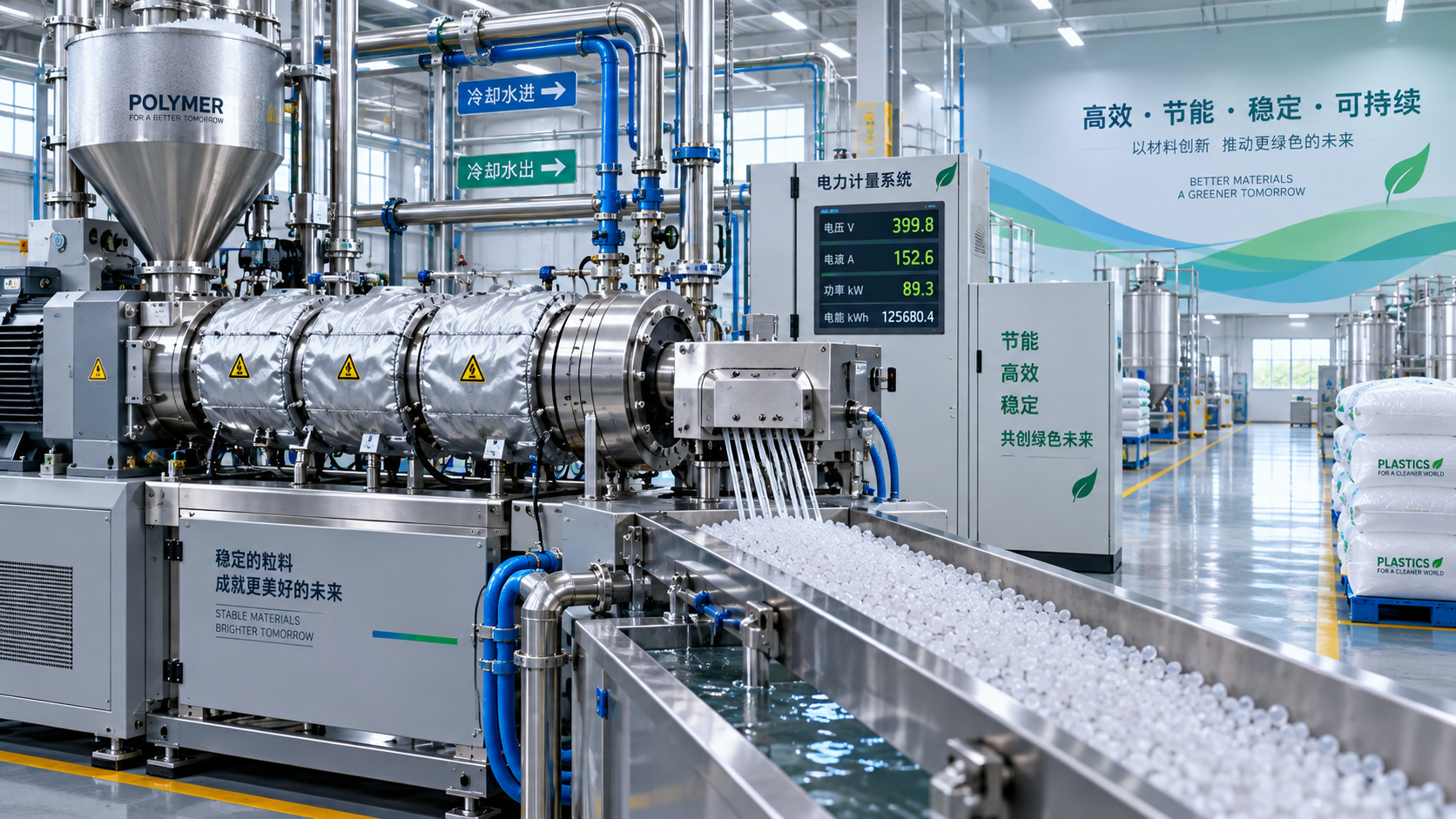
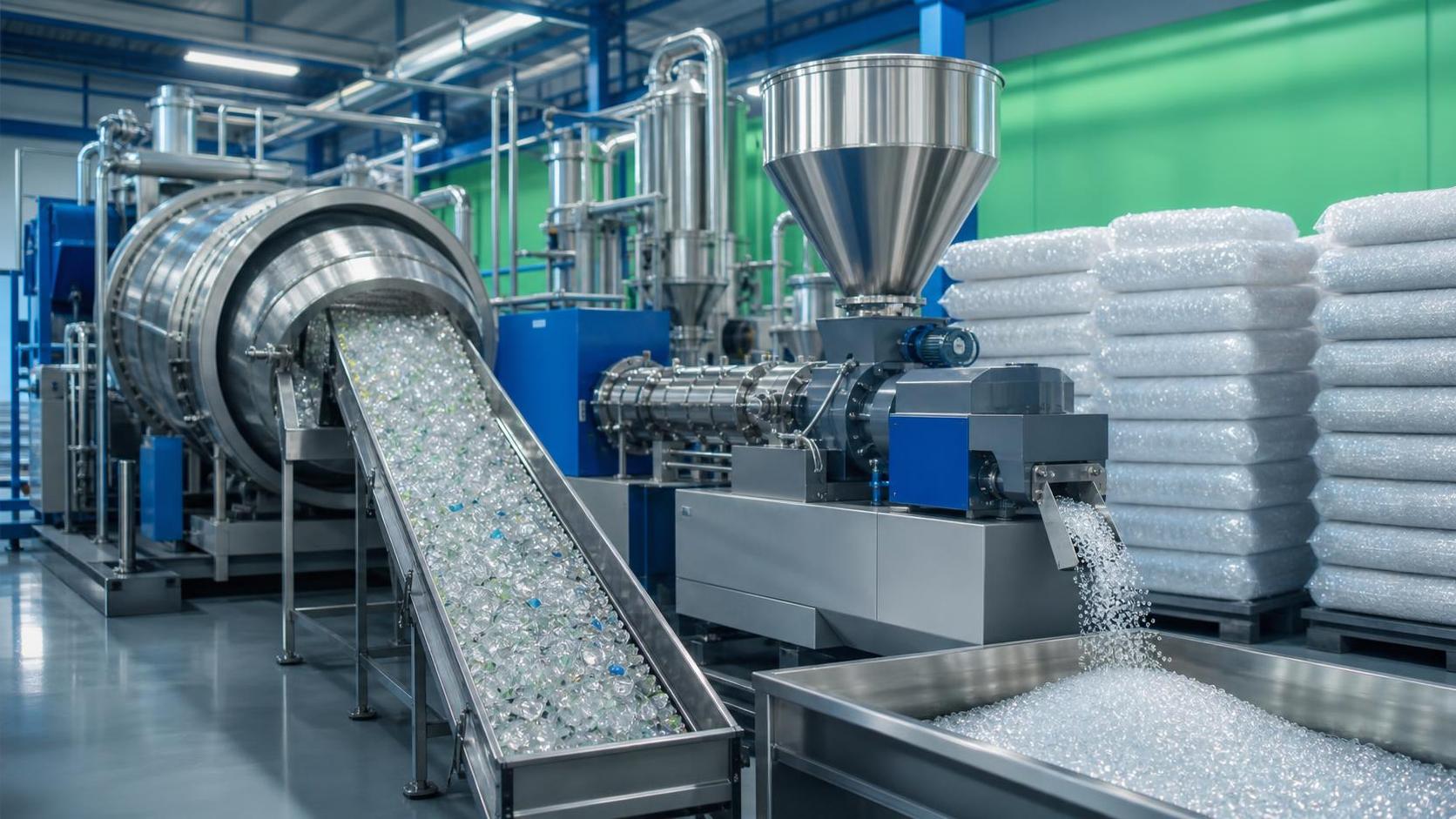
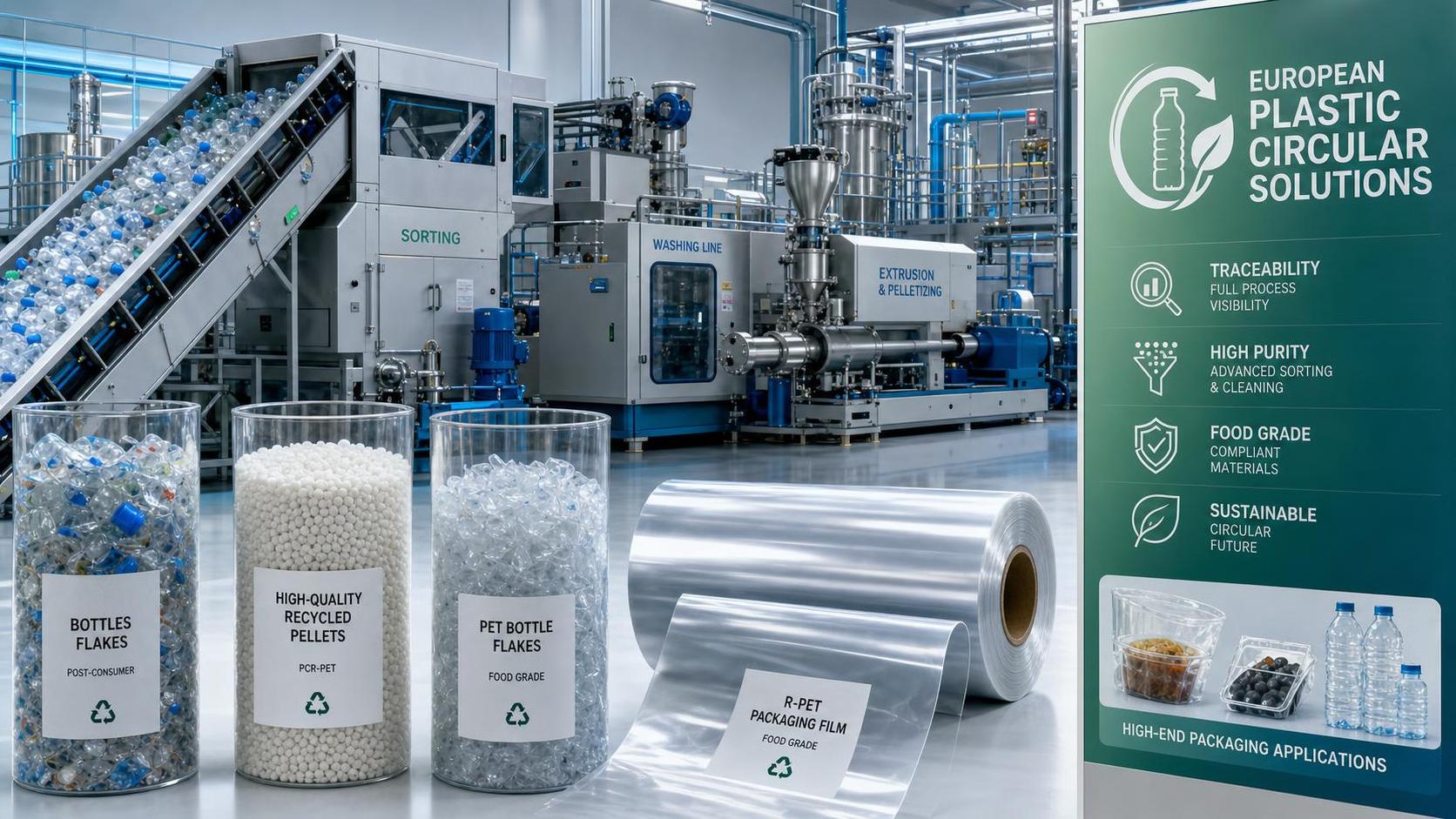
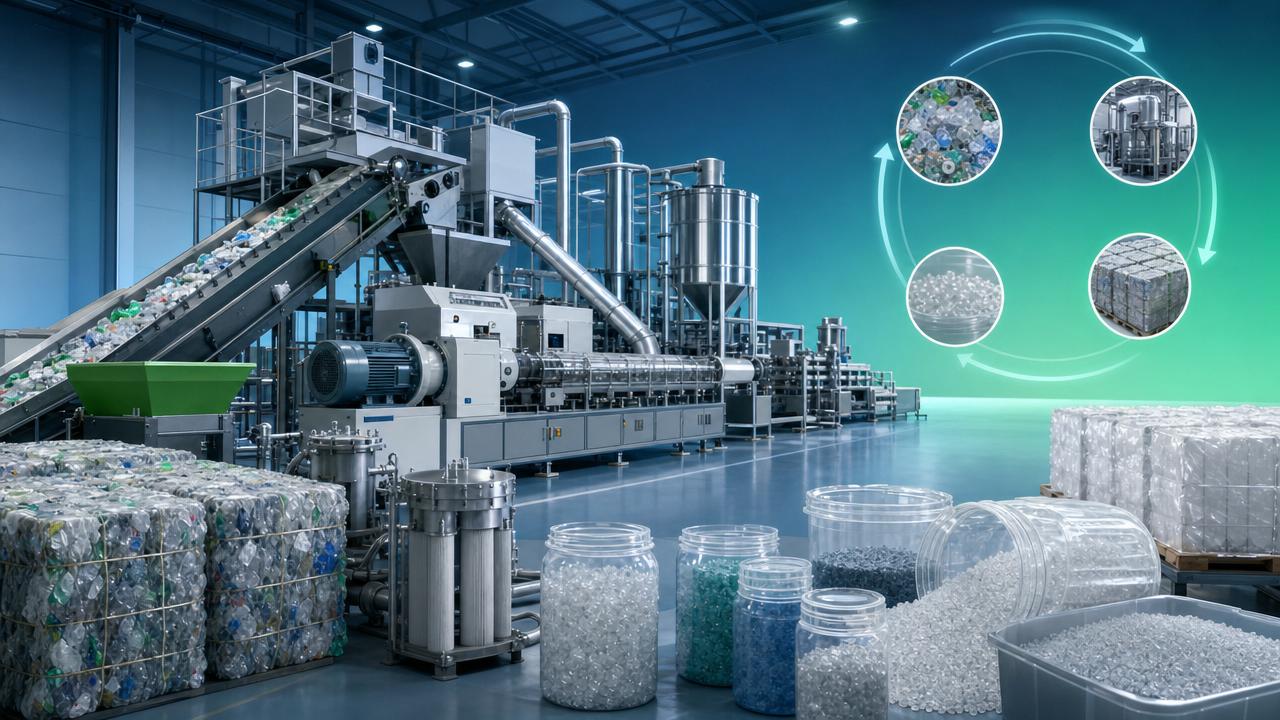
Waste plastic pelletizing is increasingly treated as a production stabilizer, not a peripheral sustainability project.
This is one of the advanced materials processing trends with the broadest strategic impact.
When wash quality, melt purity, and pellet consistency improve, recycled streams become more predictable inputs.
That reduces exposure to virgin resin shocks and strengthens packaging compliance roadmaps.
More notable still, in-house recycling lines are being evaluated alongside molding and extrusion investments.
The logic is not only environmental.
It is about securing feedstock quality, shortening feedback loops, and capturing material value that was once written off.
For sectors using blow molding and film extrusion, this can materially change long-term capacity assumptions.
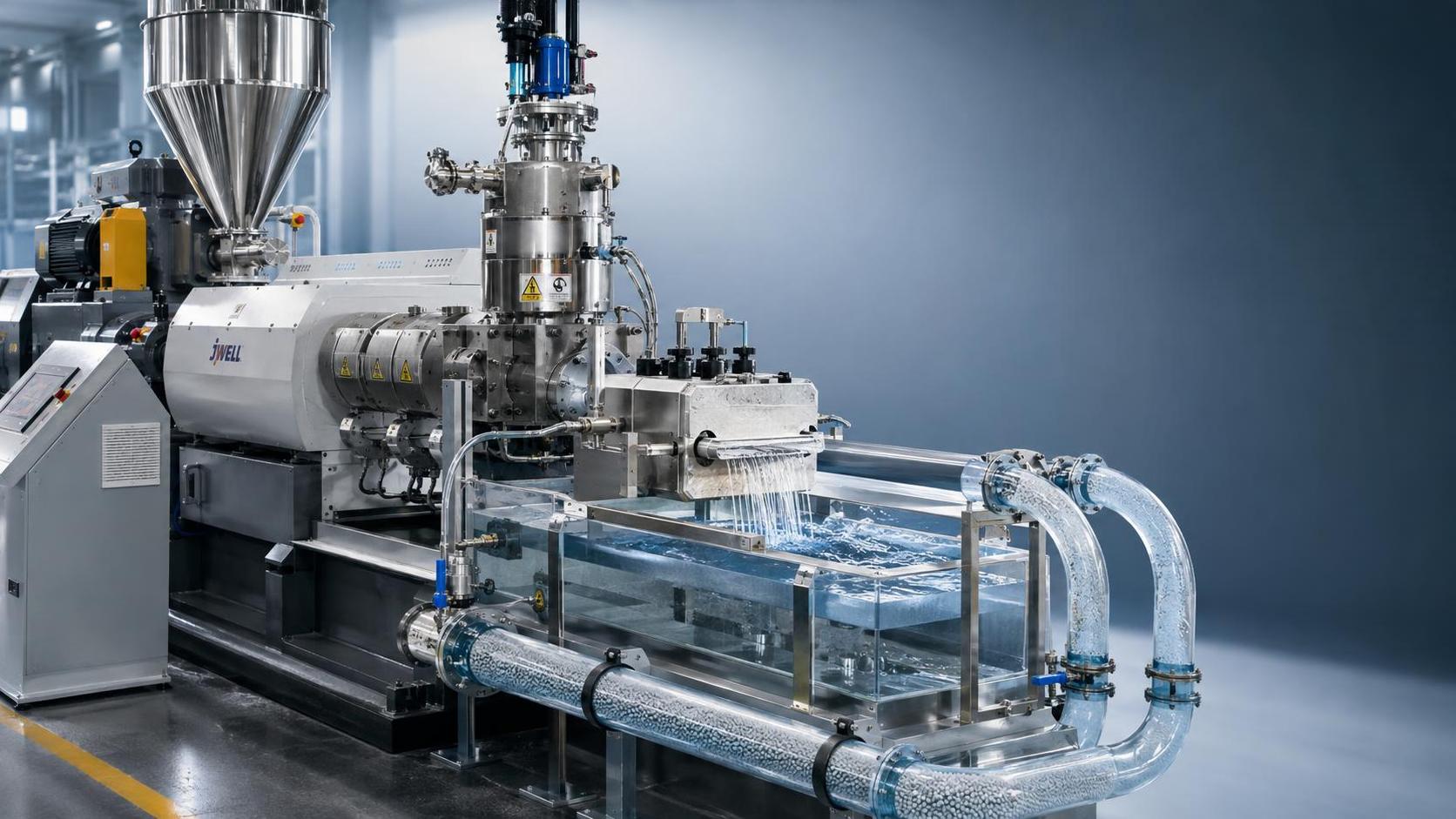
PFRS has highlighted this convergence clearly through coverage of filtration, underwater pelletizing, and closed-loop process design.
Compliance and energy are now redesigning equipment priorities
Not all advanced materials processing trends begin with materials themselves.
Some begin with regulation and power economics, then reshape equipment demand.
Recent packaging restrictions, carbon reporting pressure, and electricity cost volatility are changing capital logic.
That helps explain rising attention on pure-electric systems, servo-driven controls, and smarter thermal management.
In rubber vulcanization, energy performance is becoming inseparable from cure consistency and cycle economics.
In extrusion, temperature stability and screw efficiency now affect both quality and energy intensity.
The result is a new hierarchy of equipment value.
- Lower energy draw matters more when output must stay stable across mixed materials.
- Traceable process data matters more when customers request proof of compliance.
- Higher automation matters more when labor variability threatens repeatability.
- Faster process optimization matters more when product runs become shorter.
This means advanced materials processing trends should be read through operating expenditure, not only capital expenditure.
The next advantage comes from intelligence stitched across the process chain
The most durable shift may be the growing value of connected process intelligence.
Advanced materials processing trends are harder to manage when each line is optimized in isolation.
Injection molding, compounding, blow molding, vulcanization, and recycling now influence one another more directly.
A small change in material rheology can ripple into tooling behavior, cooling time, filtration demand, and scrap recovery.
That is why CFD analysis, AI-based pressure optimization, and real-time quality tracking are moving from specialist tools toward mainstream planning support.
What matters is not digitalization for its own sake.
What matters is faster interpretation of weak signals before they become expensive constraints.
In this environment, intelligence portals with deep domain stitching offer a practical edge.
They help compare equipment pathways, decode market shifts, and translate material science into operational choices.
What to watch next as advanced materials processing trends keep evolving
The immediate question is not whether these shifts are real.
It is which signals deserve attention first.
A useful starting point is to compare process capability against future material mix, not current volume alone.
Then review where compliance exposure could force earlier equipment changes than planned.
It is also worth mapping how recycled content goals alter filtration, degassing, tolerance control, and traceability needs.
For many operations, the biggest blind spot is the space between material sourcing and line performance.
That gap is exactly where advanced materials processing trends are creating hidden cost or hidden advantage.
A grounded next step can include the following actions.
- Reassess capacity using repeatability, recipe flexibility, and downtime sensitivity.
- Track resin and recycled feedstock risk through processing performance, not price alone.
- Review whether energy and compliance data are visible enough for faster decisions.
- Compare equipment upgrades against circularity targets over a multi-year horizon.
- Use technical intelligence sources to test assumptions before committing new capital.
Advanced materials processing trends are reshaping how resilient growth is built.
The strongest position will likely belong to operations that link material science, equipment choice, and market timing early.
That is where cost control, compliance confidence, and long-term capacity resilience begin to align.
Related News
- 00
0000-00
Energy-Efficient Polymer Processing: Where Plants Can Cut kWh per Kilogram - 00
0000-00
German Extrusion Equipment Suppliers: Comparing Service, Lead Times, and Lifecycle Cost - 00
0000-00
What Causes Black Specks in Recycled Plastic Pellets? - 00
0000-00
How to Compare Pelletizing Lines by Energy Use per Ton - 00
0000-00
How Curing Press Control Shapes Uniformity and Tread Life in Truck Tire Manufacturing
Weekly Insights
Stay ahead with our curated technology reports delivered every Monday.
Related News
 Prof. Marcus ChenEnergy-Efficient Polymer Processing: Where Plants Can Cut kWh per KilogramEnergy-efficient polymer processing solutions help plants reduce kWh per kilogram, protect quality, cut scrap, and prioritize upgrades with data-driven insights.Sep 23, 2026
 Prof. Marcus ChenPlastic Pelletizing Trends: How Recycling Demand Is Reshaping Processing TechnologyPlastic pelletizing trends are redefining recycling quality. Explore filtration, extrusion, degassing, and automation innovations driving cleaner, more consistent recycled resin.Sep 07, 2026
 Prof. Marcus ChenHow Polymer Supply Chains Are Changing to Support High-Quality Recycling FeedstockPolymer supply chain for recycling is shifting toward traceable sourcing, cleaner sorting, and stable processing. See how high-quality feedstock improves performance, compliance, and cost control.Aug 22, 2026
 Prof. Marcus ChenHow Europe’s Circular Plastics Economy Is Reshaping Recycling InvestmentCircular plastics economy Europe is reshaping recycling investment through quality, traceability, and packaging demand. Explore where capital is moving and why it matters now.Aug 04, 2026
 Prof. Marcus ChenBlow Molding Trends Shaping Packaging, Sustainability, and Production EfficiencyBlow molding trends are redefining packaging with lightweighting, recycled content, automation, and energy efficiency. Discover how smarter production boosts sustainability and cuts costs.Jul 23, 2026
 Prof. Marcus ChenExtrusion Equipment Modular Design: When It Makes Sense for Line ExpansionExtrusion equipment modular design helps manufacturers expand lines in phases, cut disruption, and stay ready for recycled content, utility limits, and changing product demands.Jul 15, 2026
 Prof. Marcus ChenPolymer Lifecycle Solutions Explained: From Material Sourcing to End-of-Life RecoveryPolymer lifecycle solutions explained from sourcing and processing to recycling and recovery. Discover how to cut waste, improve quality, and build smarter material strategies.Jul 13, 2026
 Prof. Marcus ChenEnergy-Efficient Polymer Processing Systems: Which Metrics Matter Most?Energy-efficient polymer processing systems: discover the metrics that truly drive ROI—specific energy use, yield, uptime, stability, and compliance for smarter equipment decisions.Jul 11, 2026
 Prof. Marcus ChenPolymer Recycling Systems for Continuous Operation: What to Check Before SpecifyingPolymer recycling systems continuous operation starts with the right specification. Learn what to check for uptime, melt quality, energy efficiency, and reliable pellet output.Jul 09, 2026
 Prof. Marcus ChenCircular Plastics Economy in Japan: Policy Drivers, Recycling Targets, and Market ImpactCircular plastics economy Japan is accelerating as policy, recycling targets, and packaging reforms reshape material choices, processing strategy, and market advantage.Jul 05, 2026
 Prof. Marcus ChenPlastic Extrusion Technology Trends: What Process Changes Are Improving Energy Efficiency?Plastic extrusion technology trends are reshaping energy efficiency through smarter screws, thermal control, servo drives, and digital optimization. See which process changes deliver lower costs and more stable output.Jul 01, 2026
 Prof. Marcus ChenInjection Molding Technology Trends: Which Process Changes Matter Most for Medical and Packaging Parts?Injection molding technology trends shaping medical and packaging parts: discover the process changes that improve validation, precision, efficiency, and recycled-material readiness.Jun 30, 2026
 Prof. Marcus ChenCircular Plastics Economy Compliance Explained: Key Requirements for ManufacturersCircular plastics economy compliance explained for manufacturers: learn key requirements, audit risks, process controls, and how to turn compliance into a competitive advantage.Jun 25, 2026
 Prof. Marcus ChenAdvanced Materials Processing Trends: 5 Shifts Reshaping Capacity Planning and SourcingAdvanced materials processing trends are reshaping capacity planning, sourcing, recycling, and compliance. Explore 5 shifts helping manufacturers cut risk, improve precision, and build resilient growth.Jun 24, 2026
 Prof. Marcus ChenGlobal Plastic Ban Trends: Which Packaging Materials and Export Markets Face the Biggest Changes?Global plastic ban trends are reshaping packaging choices and export strategy. See which materials and markets face the biggest shifts, and how to reduce compliance risk.Jun 22, 2026
 Prof. Marcus ChenPolymer Rheology Trends That Matter in Extrusion: Melt Strength, Shear, and StabilityPolymer rheology trends are reshaping extrusion performance. Learn how melt strength, shear, and stability affect quality, efficiency, and recycled resin processing.Jun 18, 2026
 Prof. Marcus ChenPlastic Circularity Strategies for Manufacturers: Recycled Content, Design, and TraceabilityPlastic circularity strategies for manufacturers: learn how recycled content, smarter design, and traceability can reduce risk, improve compliance, and strengthen supply resilience.Jun 18, 2026
 Prof. Marcus ChenAdvanced Materials Processing Equipment in High-Performance Manufacturing: Where It Fits BestAdvanced materials processing equipment drives precision, speed, and sustainability in manufacturing. Explore where each system fits best to improve quality, efficiency, and ROI.Jun 16, 2026
 Prof. Marcus ChenWhat Is Driving the Circular Economy Plastics Market? Policy, Pricing, and Demand ShiftsCircular economy plastics market trends are being driven by tighter policy, resin price volatility, and stricter buyer demands. Discover what this means for sourcing, processing, and growth.Jun 13, 2026
 Prof. Marcus ChenDigital Polymer Processing Explained: Methods, Materials, and Best-Fit ApplicationsDigital polymer processing explained clearly: explore key methods, materials, and best-fit applications to improve quality, efficiency, and recycling performance.Jun 10, 2026